
Baltimore, MD
A Journey guide to
Birmingham is the largest city in Alabama and one of the American South's most compelling urban destinations. It carries the weight of a pivotal chapter in American history while simultaneously operating as a forward-looking city with a dynamic food scene, a growing arts community, and neighborhoods that reward slow exploration. Visitors come for the substance - the stories, the flavors, and the architecture - and leave with a richer understanding of what the South truly is.
The city's civil rights legacy is central to any honest visit. Birmingham was a flashpoint in the 1960s movement, and that history is preserved with remarkable care at the Birmingham Civil Rights Institute, Kelly Ingram Park, and the 16th Street Baptist Church. These are not passive museums - they are active, emotionally resonant spaces that place visitors directly inside one of America's defining struggles. No other American city concentrates this history so powerfully in a single walkable district.
Beyond history, Birmingham has quietly become one of the Southeast's most exciting food cities. The Southside and Avondale neighborhoods anchor a restaurant scene built on James Beard-recognized chefs, inventive takes on Southern staples, and a BBQ tradition that is deeply serious about smoke and technique. The city's culinary identity is rooted in place - ingredients, methods, and flavors that could not exist anywhere else.
Outdoor enthusiasts are consistently surprised by Birmingham's access to nature. The city sits at the southern end of the Appalachian foothills, and the Red Mountain Park - one of the largest urban parks in the United States - offers miles of trails, historic iron ore mining relics, and sweeping views of the skyline. Birmingham attracts history travelers, food-focused visitors, and urban explorers who prefer authenticity over polish.
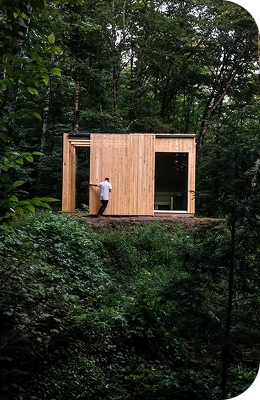

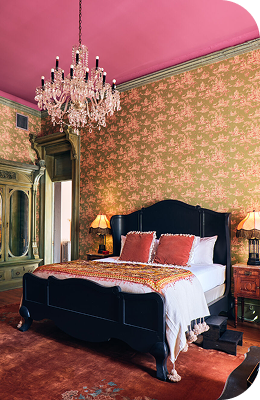

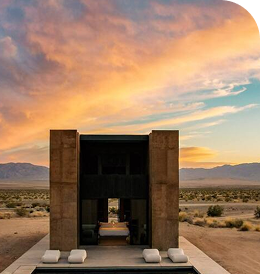

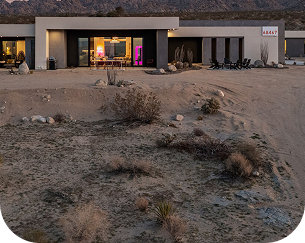

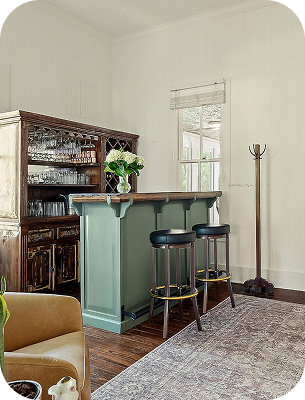

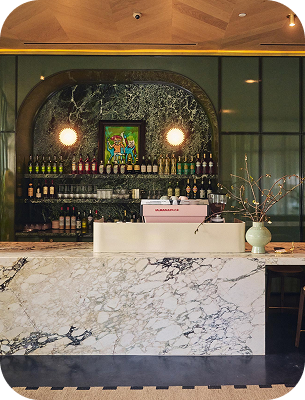

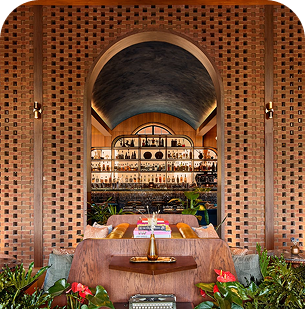

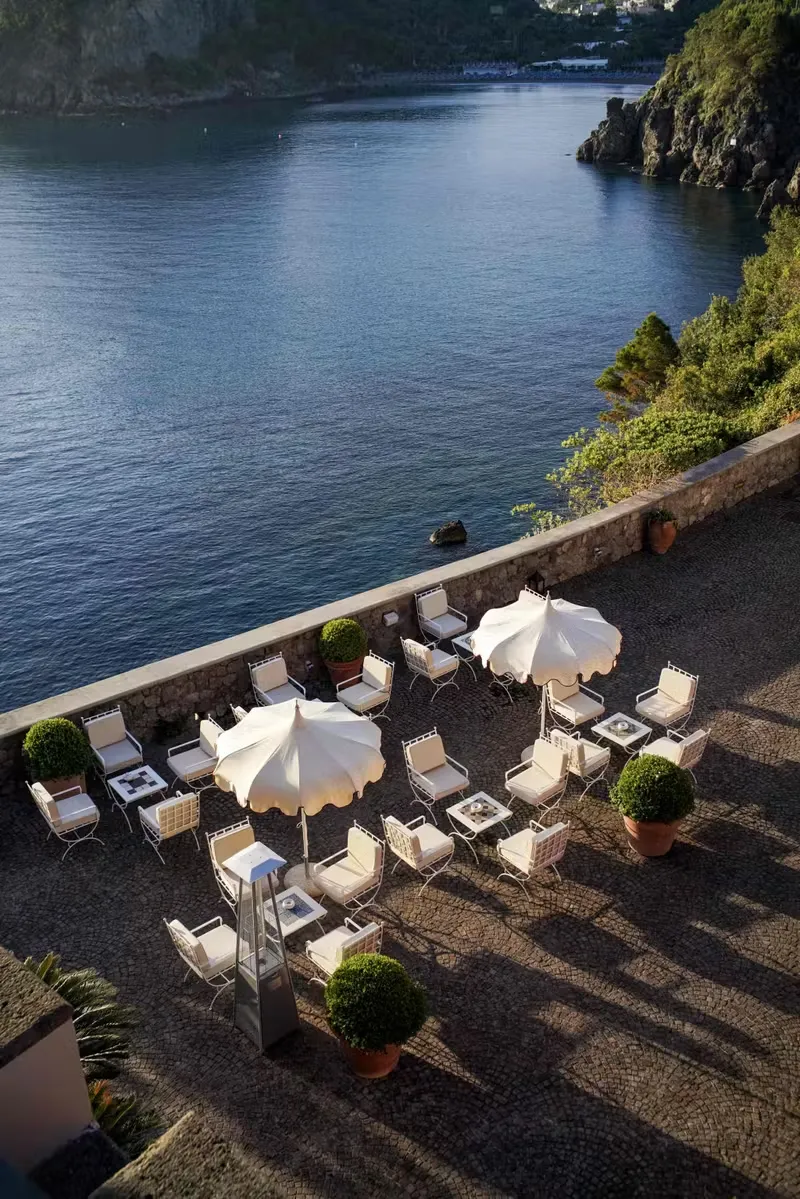

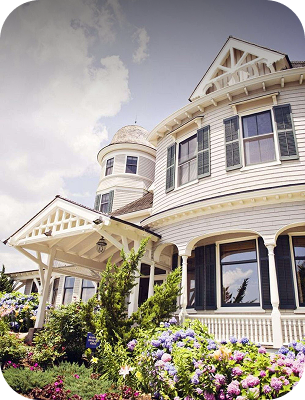

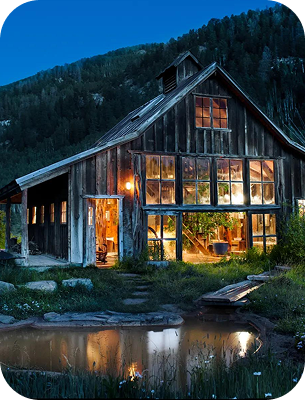

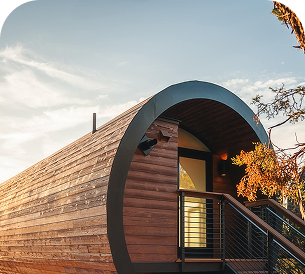

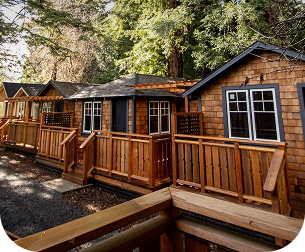

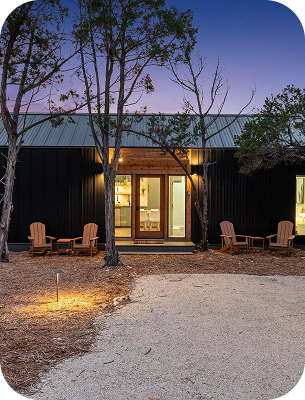

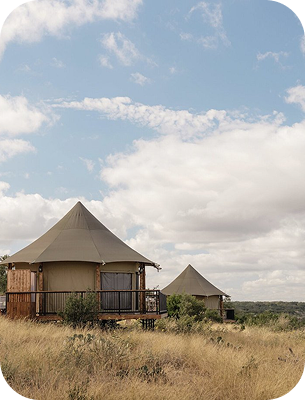

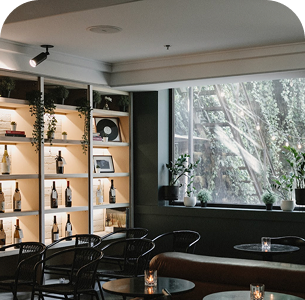

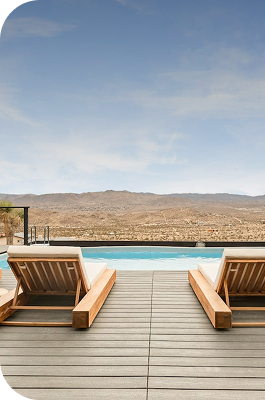

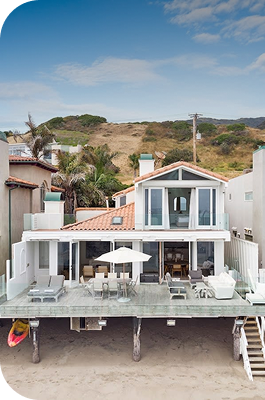

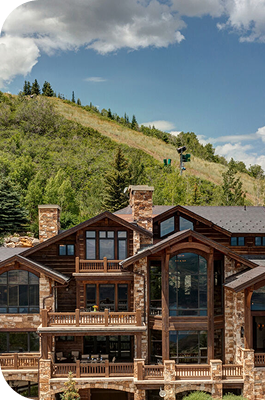
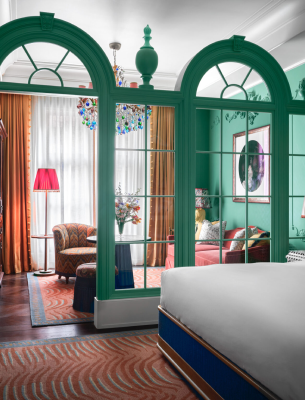
Journey connects travelers to a curated network of boutique hotels and distinctive residences around the world, all united under one rewards program. Explore handpicked stays for your trip while earning points, unlocking exclusive offers, and receiving rewards across the Journey collection.
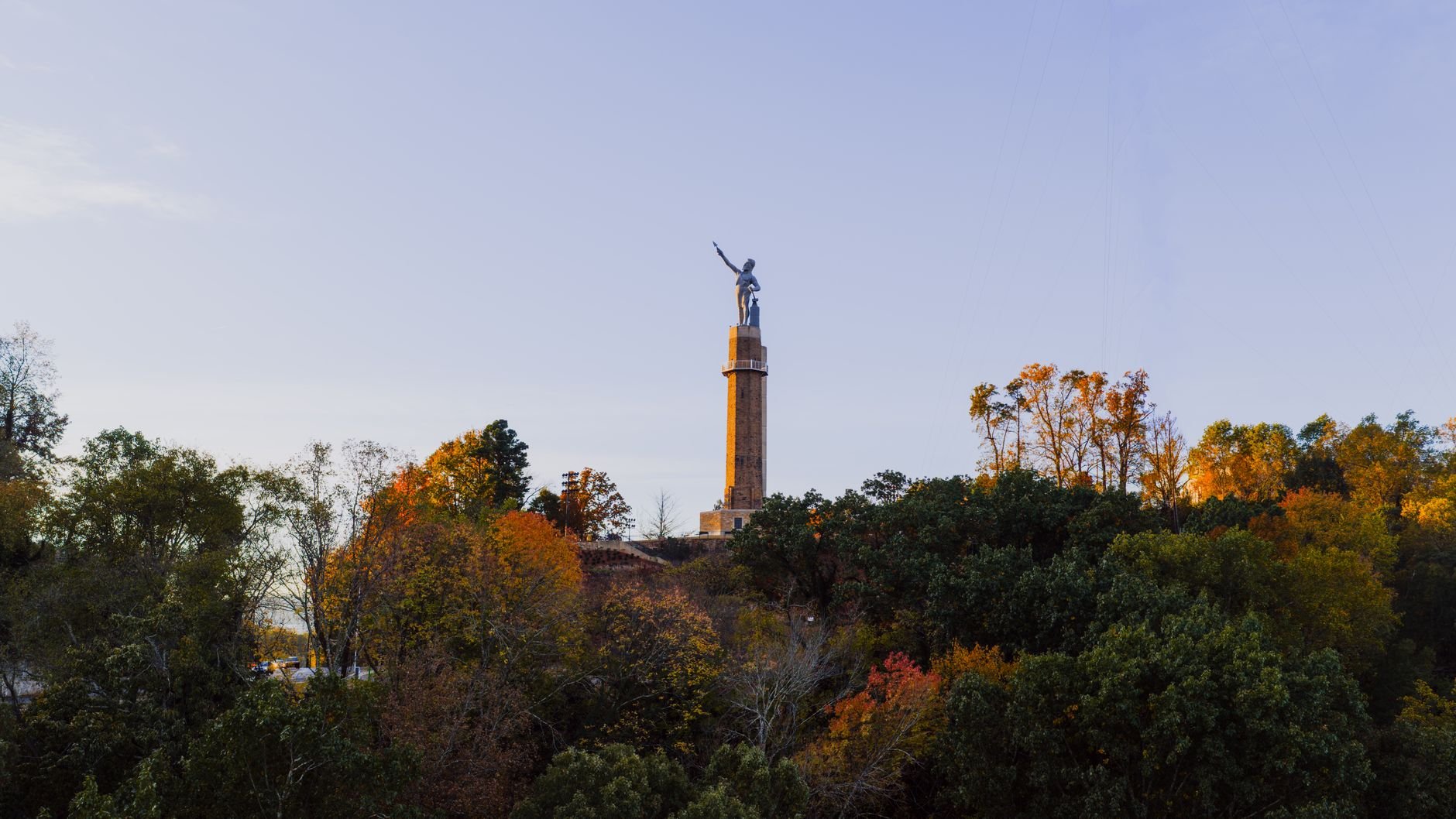
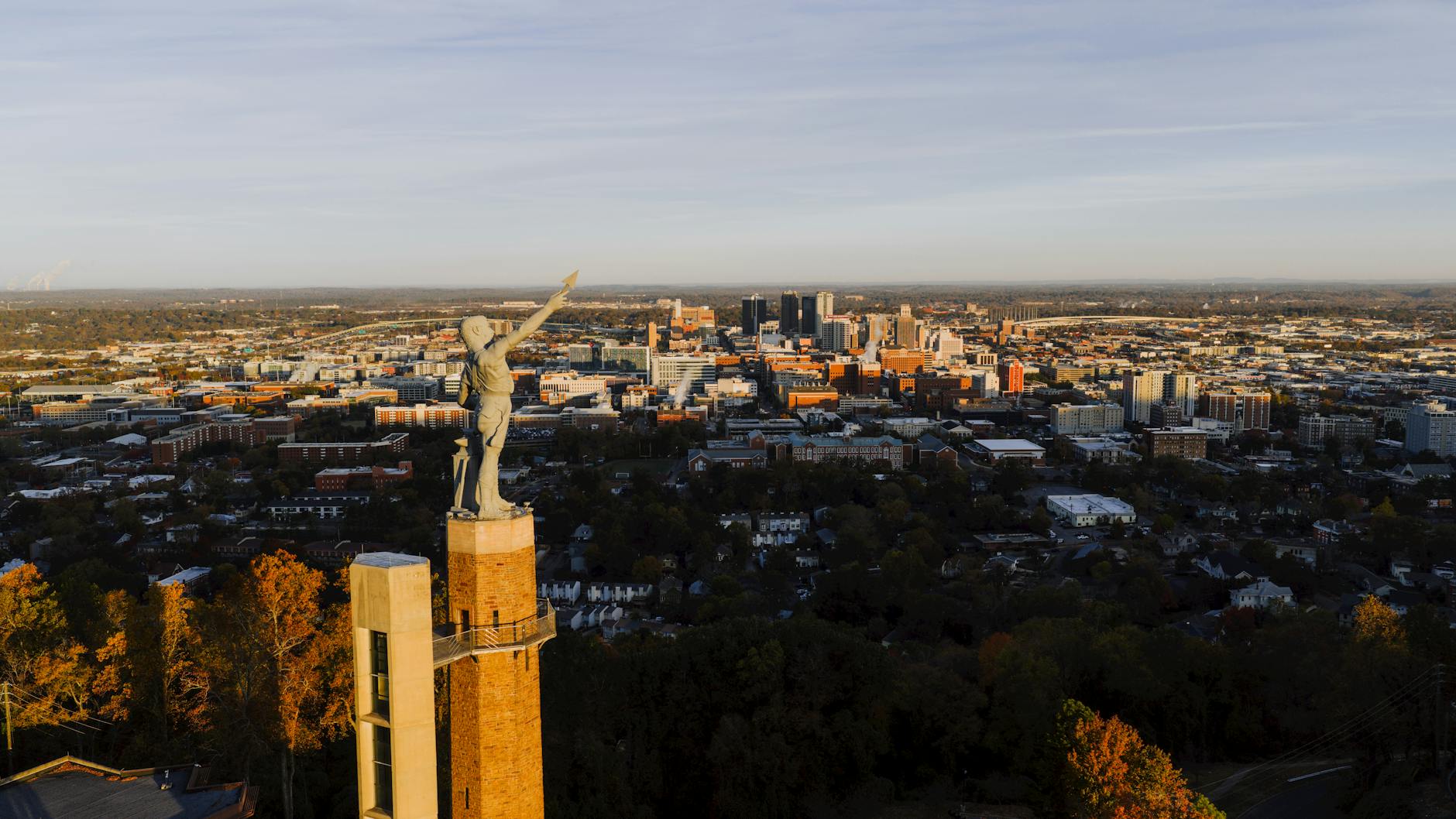
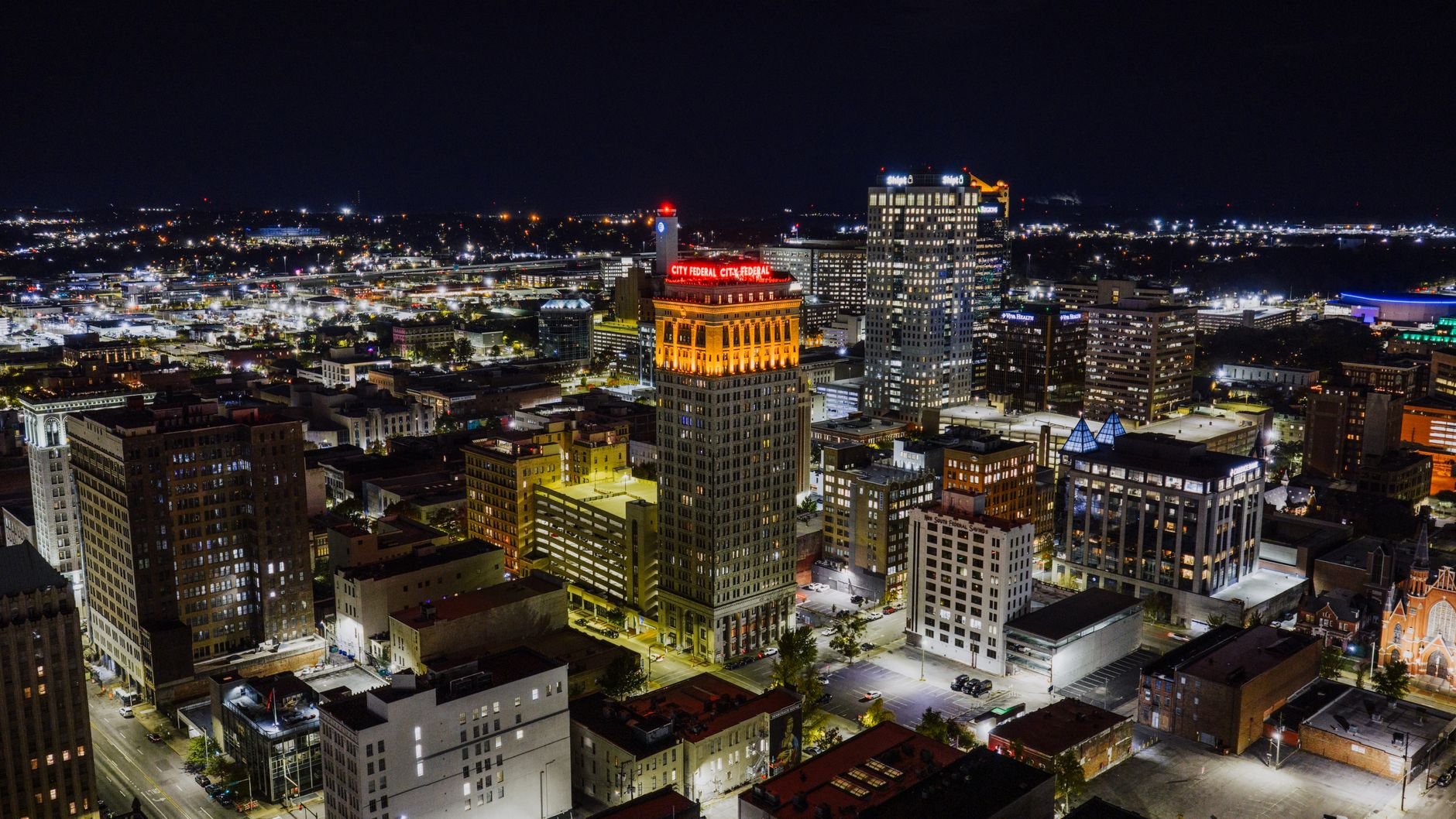
Birmingham sits in the Jones Valley of north-central Alabama, cradled by a series of low ridges that form the southernmost reaches of the Appalachian Mountains. The city's geography is defined by Red Mountain to the south, atop which stands Vulcan - the largest cast iron statue in the world and an emblem of the city's industrial origins. That industrial past, rooted in iron and steel production, shaped Birmingham's identity for more than a century and earned it the nickname "The Magic City" for the speed at which it grew after its founding in 1871.
Today, Birmingham is a city in confident transition. The steel economy that built it has given way to a diverse base anchored by healthcare, finance, and higher education - UAB (University of Alabama at Birmingham) is both the city's largest employer and a nationally ranked research and medical institution. This institutional backbone gives Birmingham a stable, educated population and a culture that supports the arts, dining, and civic investment.
Culturally, Birmingham occupies a unique position in the American South. It is simultaneously a city shaped by profound trauma - the violence of the civil rights era played out on its streets - and one that has chosen to reckon with that history openly and with intention. The Civil Rights District in downtown Birmingham is among the most important historical sites in the United States, drawing scholars, students, and travelers from around the world.
The city's neighborhoods each carry a distinct personality. Avondale pulses with breweries and independent restaurants. Forest Park and Crestwood offer tree-lined streets and neighborhood bistros. Lakeview is a hub for nightlife and live music. Downtown has seen sustained investment, with historic buildings converted into hotels, galleries, and offices. Birmingham rewards travelers who move through it at a deliberate pace - the city does not announce itself loudly, but it reveals itself generously to those who look closely.
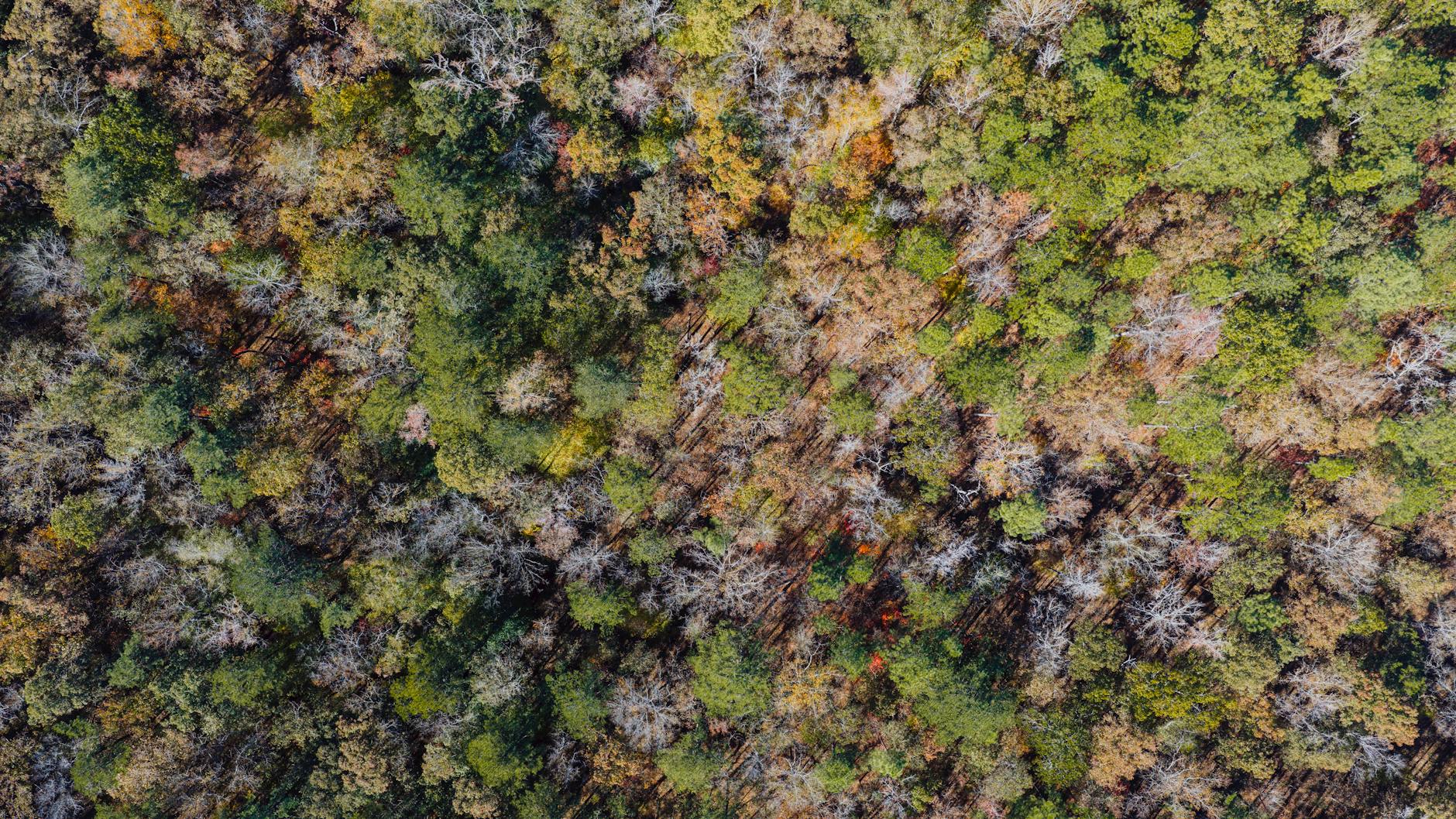
Fall and spring are the strongest windows for visiting Birmingham, and for most travelers, fall edges out as the top pick. October and early November bring comfortable conditions, lower humidity, and vivid foliage across Red Mountain Park and the Appalachian foothills just beyond the city. Outdoor trails are at their most inviting, and the city's restaurant and arts scenes are in full swing. Crowd levels remain manageable compared to larger Southern cities, making it easy to move through the civil rights district, Avondale, and Southside without feeling rushed.
Spring, particularly March through mid-May, runs a close second. The city's parks and neighborhoods come alive with blooms, and the food festival calendar picks up considerably. This is a good window for travelers who want to combine outdoor exploration at Red Mountain Park with cultural programming, as local venues and galleries tend to schedule their busiest lineups in spring. The main caveat is that afternoon thunderstorms become more frequent as the season progresses toward May.
Winter is a viable option for travelers focused primarily on indoor experiences. The civil rights museums, historic churches, and Birmingham's restaurant scene operate year-round, and the city sees fewer visitors during this period, which means shorter waits and a more local feel. Holiday programming in December adds some seasonal character to the visit.
Summer is the least recommended season for most visitors. The heat and humidity make extended outdoor time genuinely uncomfortable, and afternoon storms can disrupt plans. That said, travelers who do not mind the heat and are primarily focused on food, music, and indoor cultural sites will still find plenty to engage with. Families visiting during school breaks will find the city accessible and welcoming regardless of the heat.
Southside is Birmingham's most energetic neighborhood, anchored by Five Points South and lined with restaurants, bars, and boutiques that draw a mix of students, locals, and visitors. The area blends Victorian-era architecture with a lively contemporary dining scene that has helped put Birmingham on the national culinary map. Its walkable streets and dense concentration of nightlife make it the city's social hub.
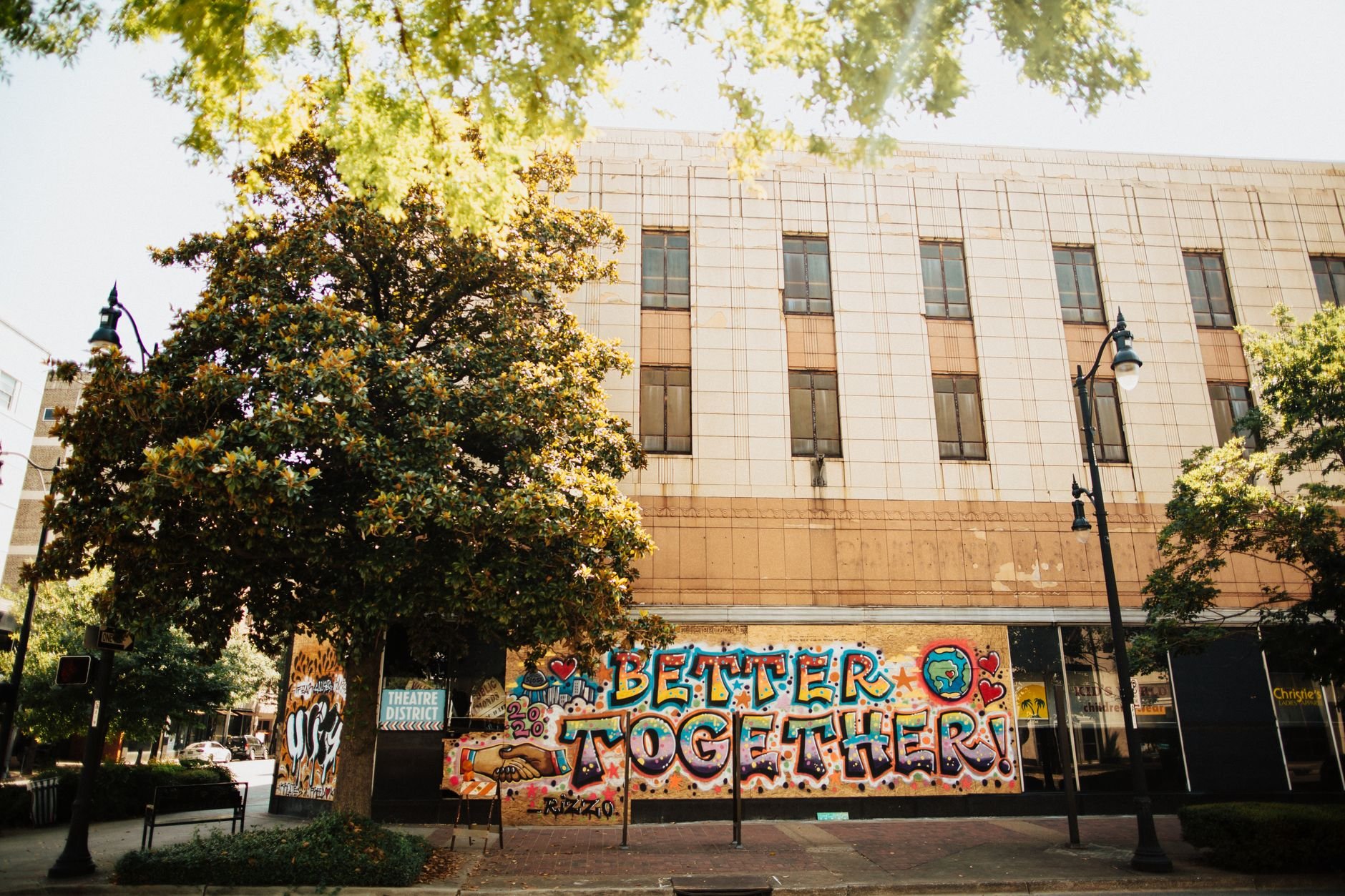
Avondale is a once-industrial neighborhood that has reinvented itself as Birmingham's creative and craft brewing heart, home to the celebrated Avondale Brewing Company and a cluster of independent restaurants and bars. The streets retain a gritty, authentic character that resists over-gentrification, giving the area a genuine energy that feels earned rather than manufactured. It is a neighborhood where locals actually live, eat, and gather.
The Civil Rights District is the emotional and historical core of Birmingham, centered on Kelly Ingram Park, the Birmingham Civil Rights Institute, and the 16th Street Baptist Church. This compact, walkable area concentrates some of the most significant sites in American history within a few city blocks, creating an experience that is both sobering and essential. The district demands time and attention - it rewards visitors who come prepared to listen and reflect.
Lakeview sits just east of downtown and operates as one of Birmingham's most approachable entertainment districts, with a concentration of bars, live music venues, and casual dining spots clustered around a compact walkable core. The neighborhood has a relaxed, unpretentious atmosphere that makes it a favorite among locals looking for a low-key night out. Its proximity to other neighborhoods makes it a natural stopping point on any evening itinerary.
Homewood is a leafy, walkable suburb just south of the city that functions as one of Birmingham's most pleasant neighborhoods for daytime exploration, with an independent retail corridor, excellent coffee shops, and some of the region's most beloved local restaurants. The streets are lined with mature trees and well-kept bungalows, giving the area a comfortable, lived-in character that contrasts with the energy of downtown. It is the kind of place that rewards an unhurried afternoon.
Birmingham's signature experiences are rooted in history, iron, and flavor - things travelers cannot replicate anywhere else in the country.
Walking the Civil Rights District
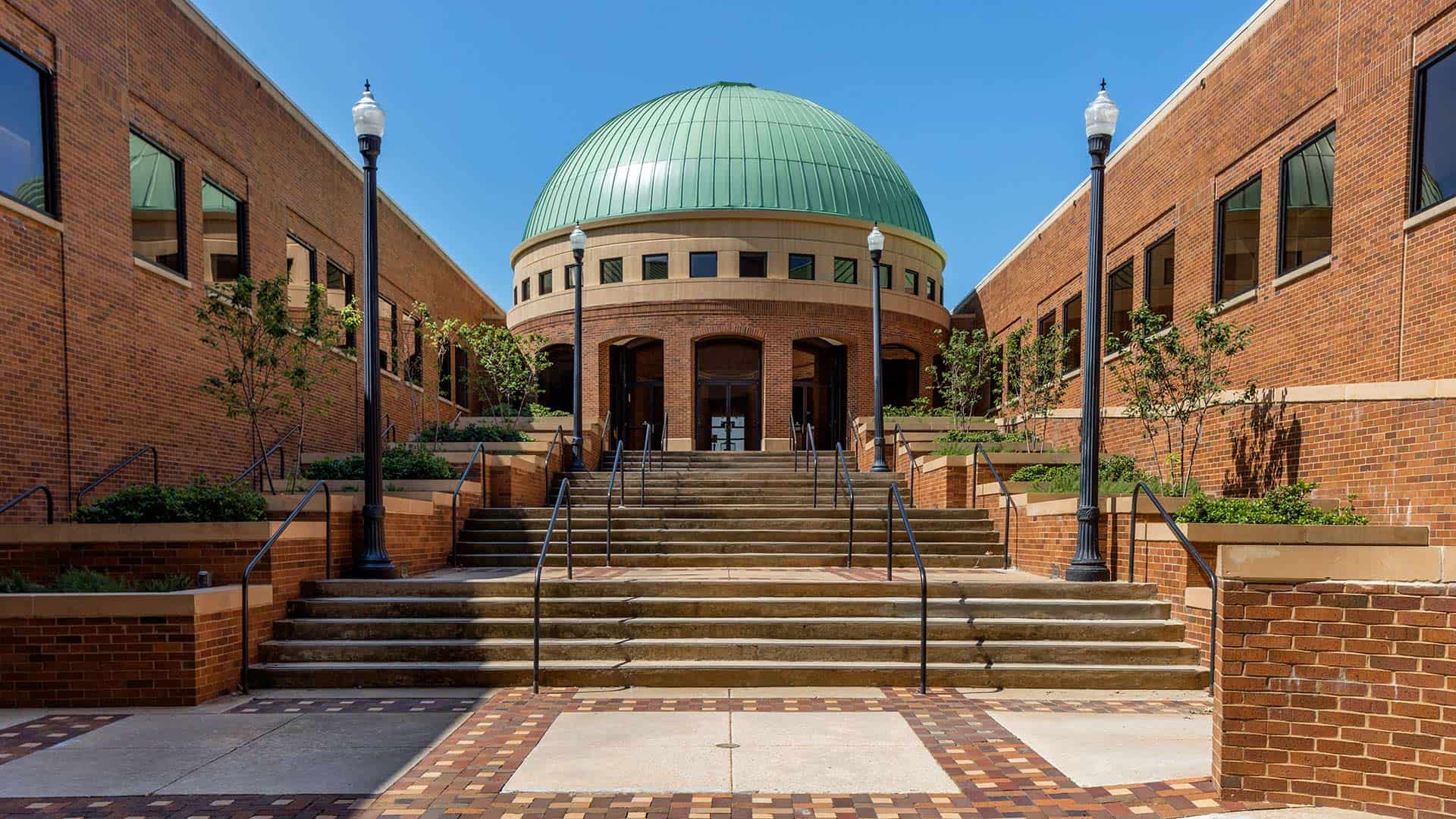
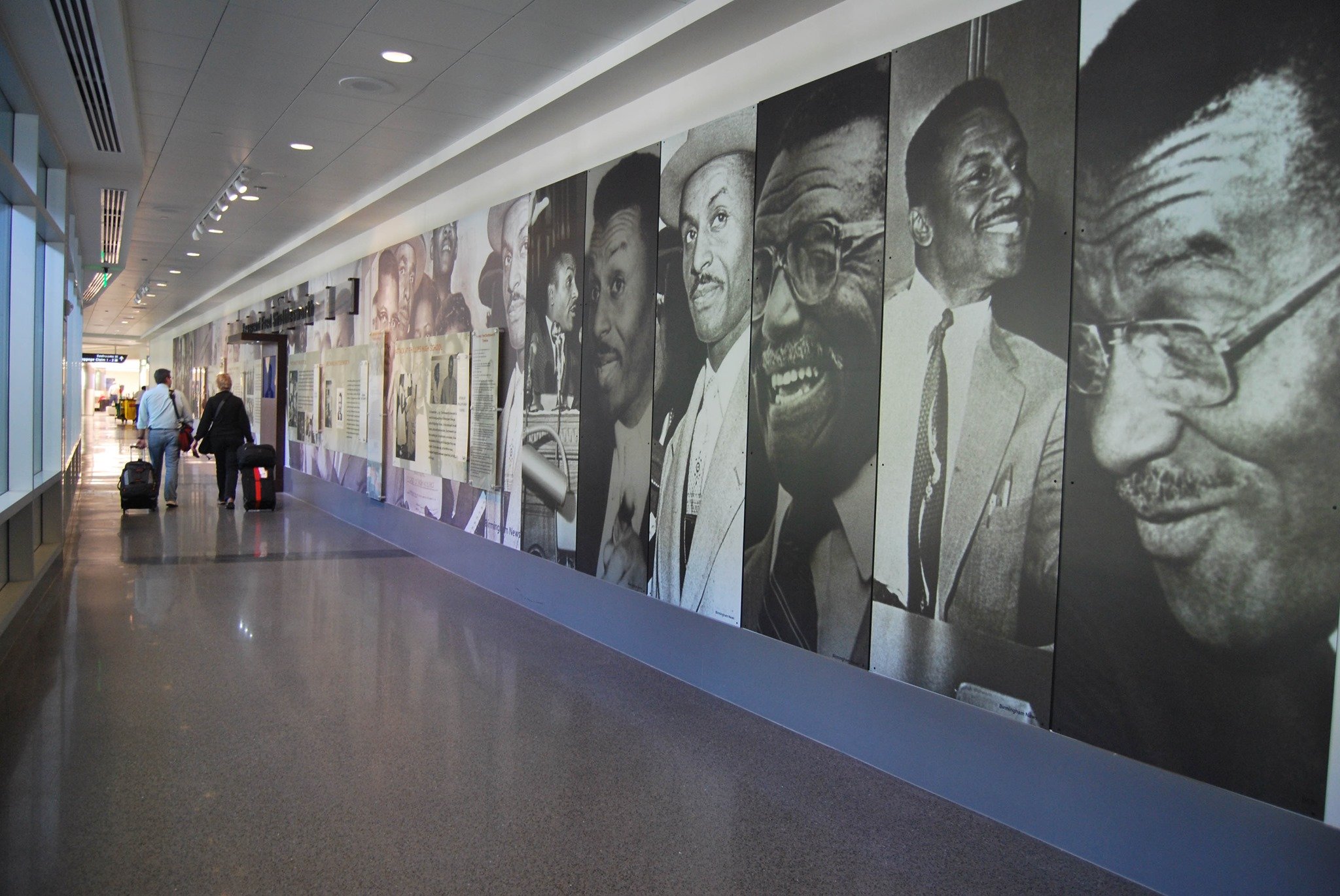
No American city concentrates the civil rights story as powerfully as Birmingham does in a single walkable district. The Birmingham Civil Rights Institute presents the full arc of the movement with unflinching depth. Just across the street, Kelly Ingram Park - where fire hoses and police dogs were turned on peaceful protesters in 1963 - is now a site of sculpture and reflection. The 16th Street Baptist Church, where four young girls were killed in a bombing that same year, remains an active congregation and a place of profound pilgrimage. This is not background history - it is the reason many travelers make the trip.
Standing Beneath Vulcan
The world's largest cast iron statue stands on Red Mountain and has watched over Birmingham since 1904. Vulcan Park and Museum tells the story of the city's industrial identity - the iron and steel that built Birmingham and shaped the American South. The observation deck offers the most complete panoramic view of the city, a vantage point that makes the scale of Birmingham's geography immediately legible.
Eating Through Avondale and Southside
Birmingham's food scene is a signature in its own right. The city has produced James Beard Award winners and nominees who cook food that is unmistakably Alabamian - rooted in local ingredients, Southern technique, and a refusal to be generic. The Avondale neighborhood, with its craft breweries and independent restaurants, and Southside, with its density of acclaimed dining, together form one of the Southeast's most compelling culinary corridors. A proper Birmingham food crawl is an experience with a distinct sense of place.
Exploring Sloss Furnaces After Dark
Sloss Furnaces is one of the only preserved blast furnace complexes in the United States open to the public. By day it is an industrial history museum. By night - especially during its famous Halloween events - it transforms into something altogether different, using the raw architecture of the furnaces to extraordinary atmospheric effect.
Birmingham, Alabama offers travelers a rich mix of activity categories that span history, nature, culture, and culinary adventure.
Outdoor Recreation
The city punches well above its weight for green space. Red Mountain Park, one of the largest urban parks in the United States, delivers miles of forested trails, zip lines, and remnants of the iron ore mining era. Ruffner Mountain provides rugged hiking close to downtown, while Moss Rock Preserve in nearby Hoover features boulder-strewn trails and rare plant communities. Railroad Park, a 19-acre greenway along the railroad corridor, is the city's living room - a place for walking, cycling, and relaxing with a view of the skyline. Birmingham Botanical Gardens offers a quieter escape with curated landscapes and seasonal blooms.
Cultural Attractions
Birmingham's civil rights district is one of the most significant historic corridors in the country. The Birmingham Civil Rights Institute, Kelly Ingram Park, and the 16th Street Baptist Church form a walkable, emotionally powerful triangle that draws visitors from around the world. Sloss Furnaces, a National Historic Landmark, tells the story of Birmingham's iron and steel industry through preserved blast furnaces and immersive exhibits. The Southern Museum of Flight chronicles Alabama's aviation heritage.
Arts and Entertainment
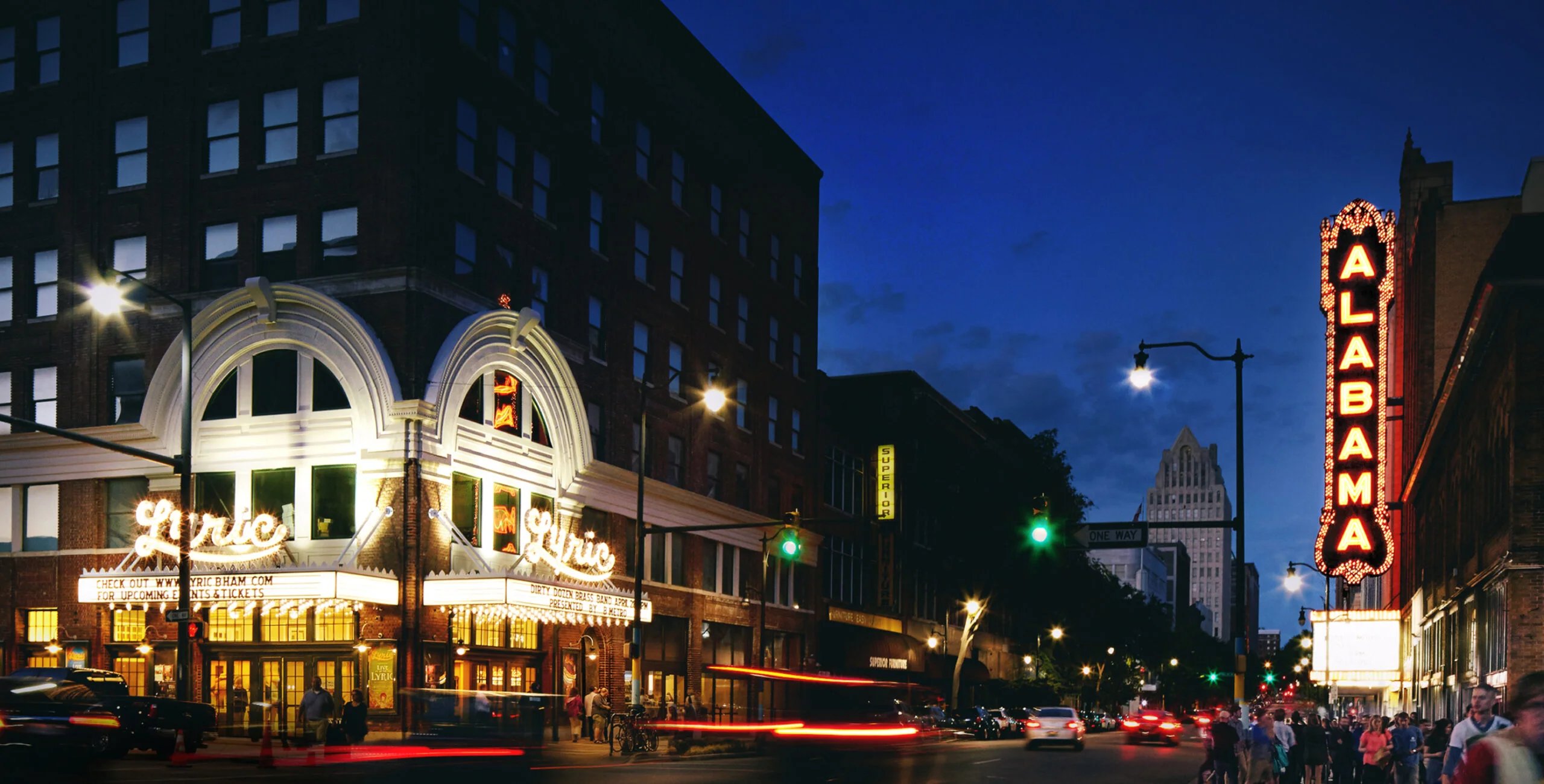
The Birmingham Museum of Art holds one of the largest permanent collections in the Southeast, with particular strength in decorative arts and Asian works. The Alabama Theatre, a restored 1927 movie palace, hosts live performances and classic film screenings in a jaw-dropping atmospheric interior. Red Mountain Theatre Arts Campus anchors the city's performing arts scene with professional musical theater productions.
Family and Interactive Activities
McWane Science Center combines hands-on exhibits with an IMAX theater, making it a top draw for families. Birmingham Zoo spans 122 acres and is home to more than 900 animals. Vulcan Park and Museum crowns Red Mountain with the world's largest cast iron statue and panoramic views of the city below.
Food and Dining
Birmingham has emerged as one of the South's premier food destinations. The Southside and Avondale neighborhoods anchor a scene built on James Beard-recognized chefs, inventive Southern cooking, and a BBQ tradition rooted in smoke and technique. From neighborhood diners to nationally acclaimed restaurants, the city's culinary identity is deeply tied to its place and people.
Start the morning at the Birmingham Civil Rights Institute, then walk across to Kelly Ingram Park and the 16th Street Baptist Church for a deeply moving look at the city's history. Grab lunch at a Southside cafe before spending the afternoon exploring the Birmingham Museum of Art. End the evening with dinner at one of the James Beard-recognized restaurants along the Southside dining corridor.
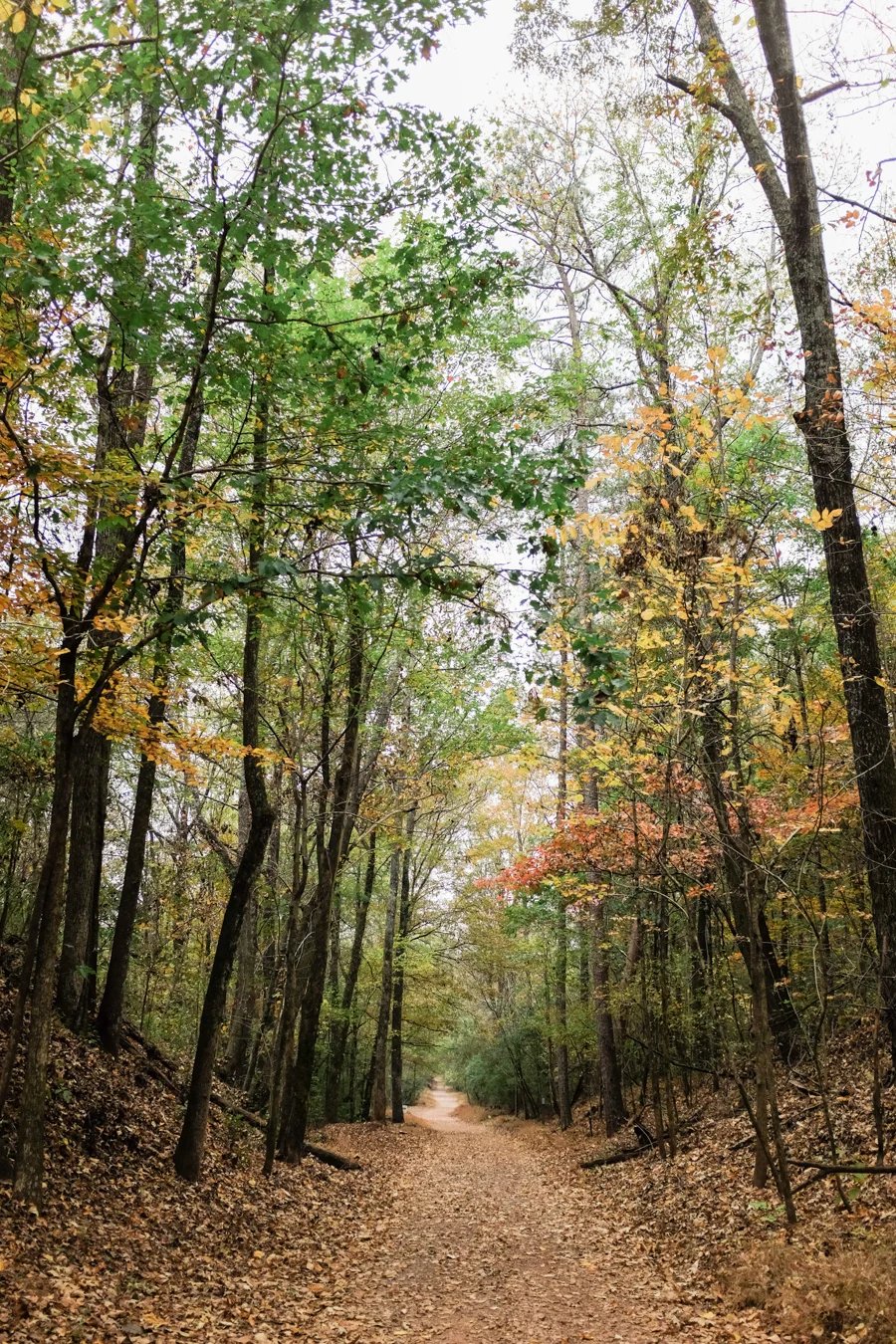
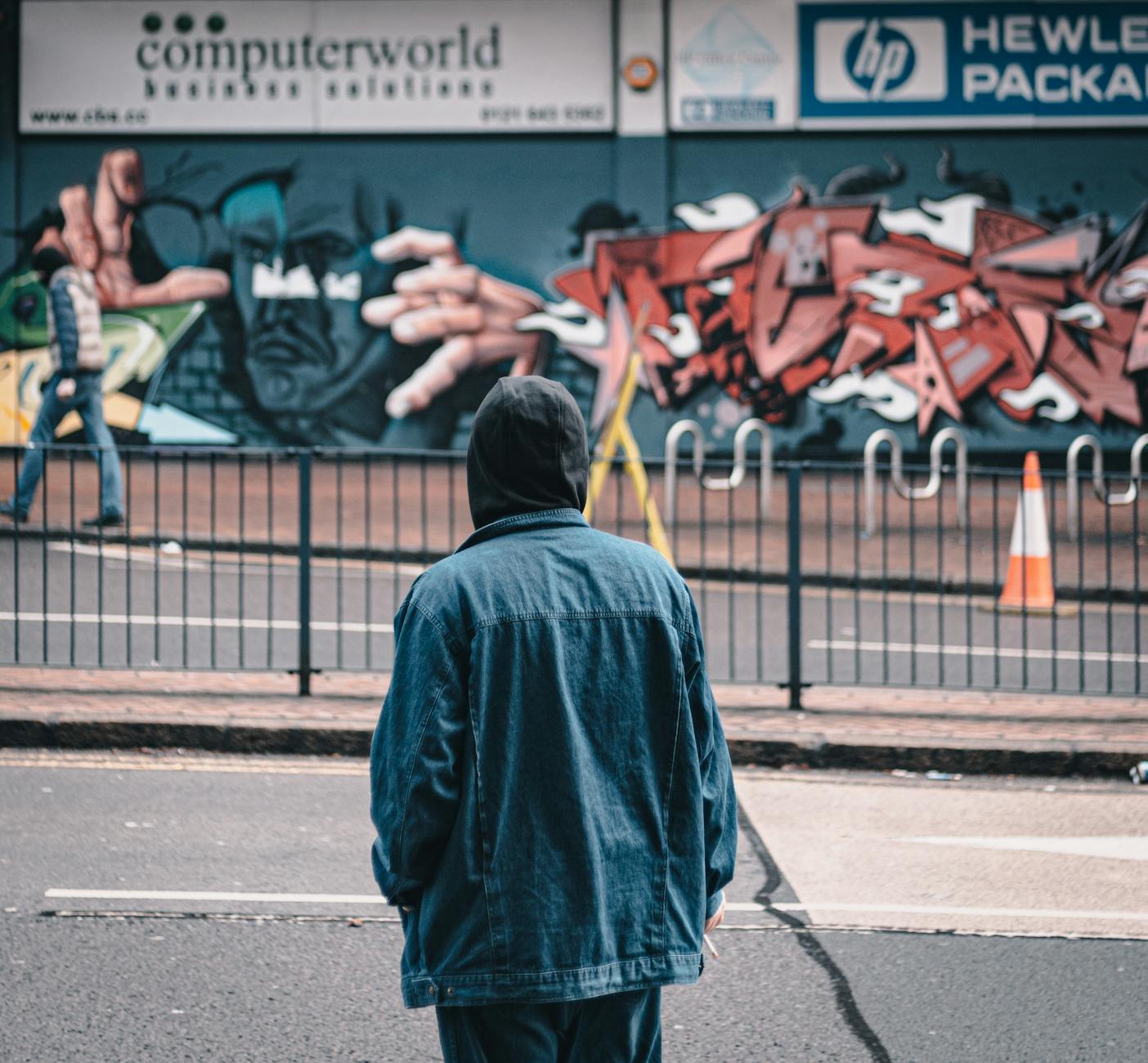
Head out early to Red Mountain Park for a morning hike through Appalachian foothills trails, with stops at the historic iron ore mining relics and a skyline overlook. After lunch back in the city, spend the afternoon browsing the Avondale neighborhood - its local shops, murals, and craft breweries. Settle in for a serious BBQ dinner at one of Avondale's celebrated smoke-forward spots.
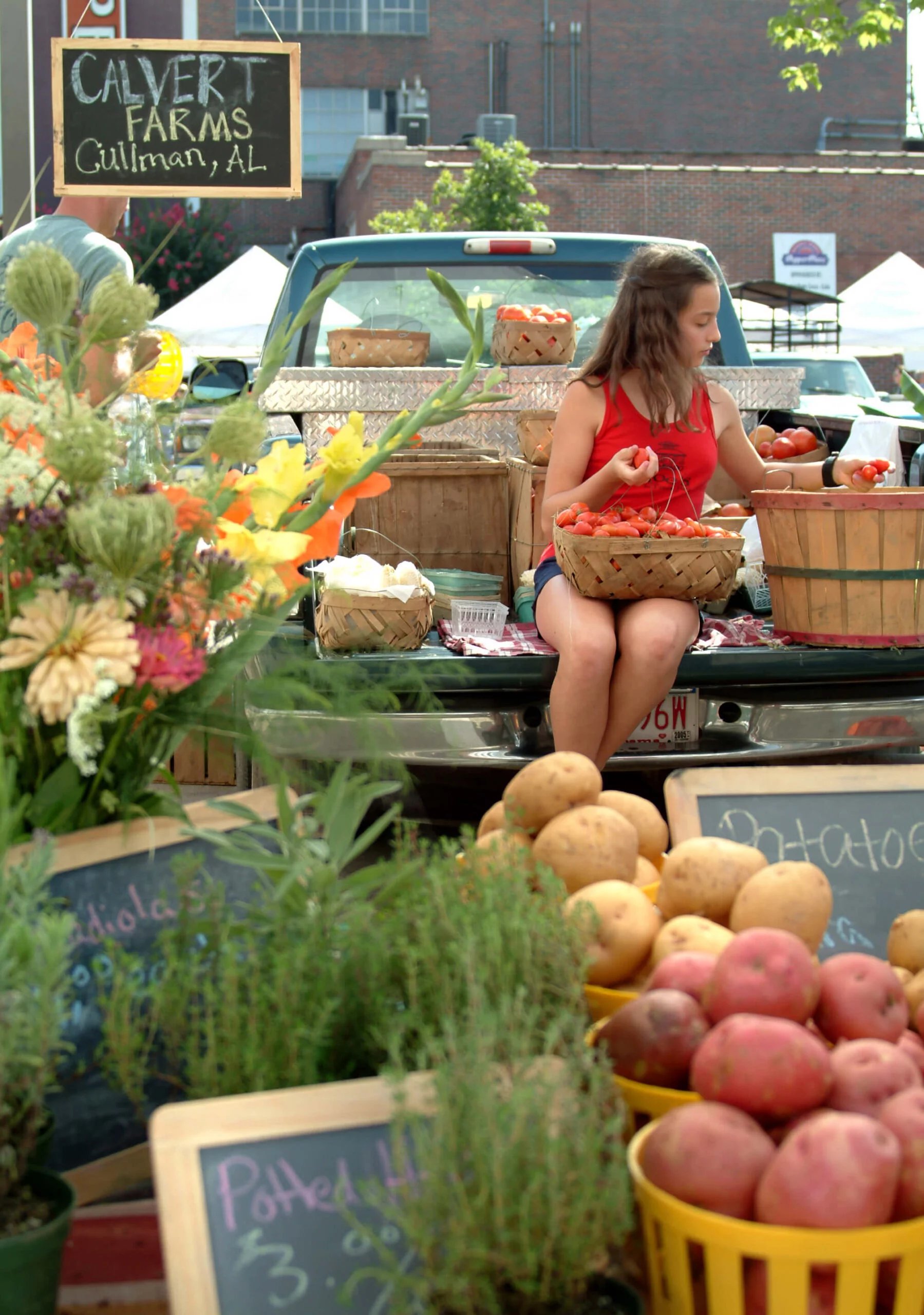
Spend the morning exploring the Pepper Place Saturday Market or the surrounding Lakeview District, picking up local goods and grabbing breakfast from a market vendor. In the afternoon, visit Vulcan Park for panoramic views of Birmingham from atop Red Mountain. Close out the trip with an early evening stroll through Five Points South and a farewell dinner at a neighborhood restaurant rooted in Southern cooking.
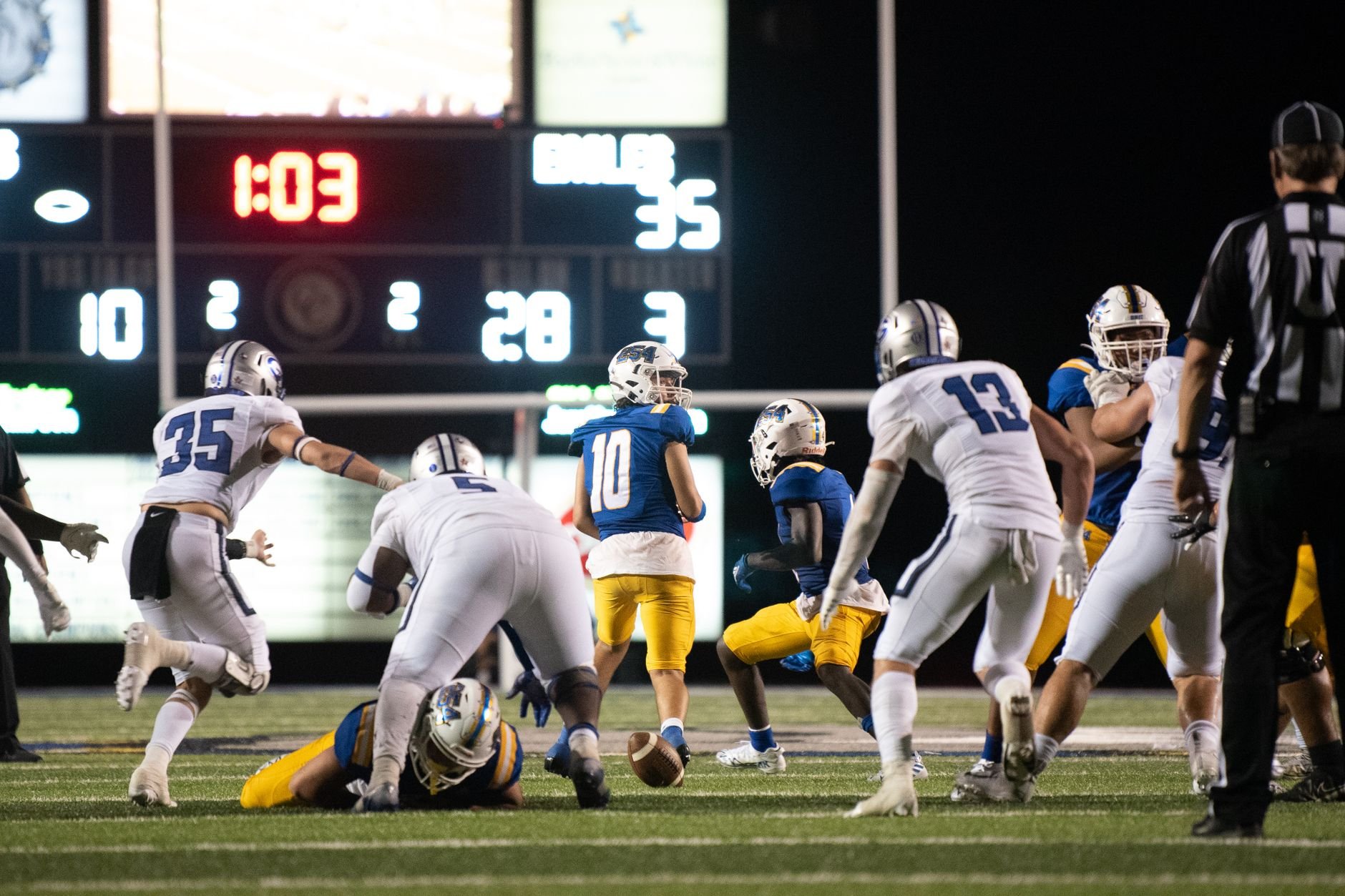
Birmingham's cultural calendar reflects a city that takes both its heritage and its pleasures seriously. The year opens with collegiate basketball in the spring, when the American Athletic Conference Championships bring competitive energy to the BJCC arena. Summer heats up with the FISE World Series, an international action sports festival that fills the city with skateboarders, BMX riders, and freestyle athletes from around the world. The Sidewalk Film Festival in late August is a beloved institution for independent cinema, drawing filmmakers and audiences to downtown venues for several days of screenings and conversation.
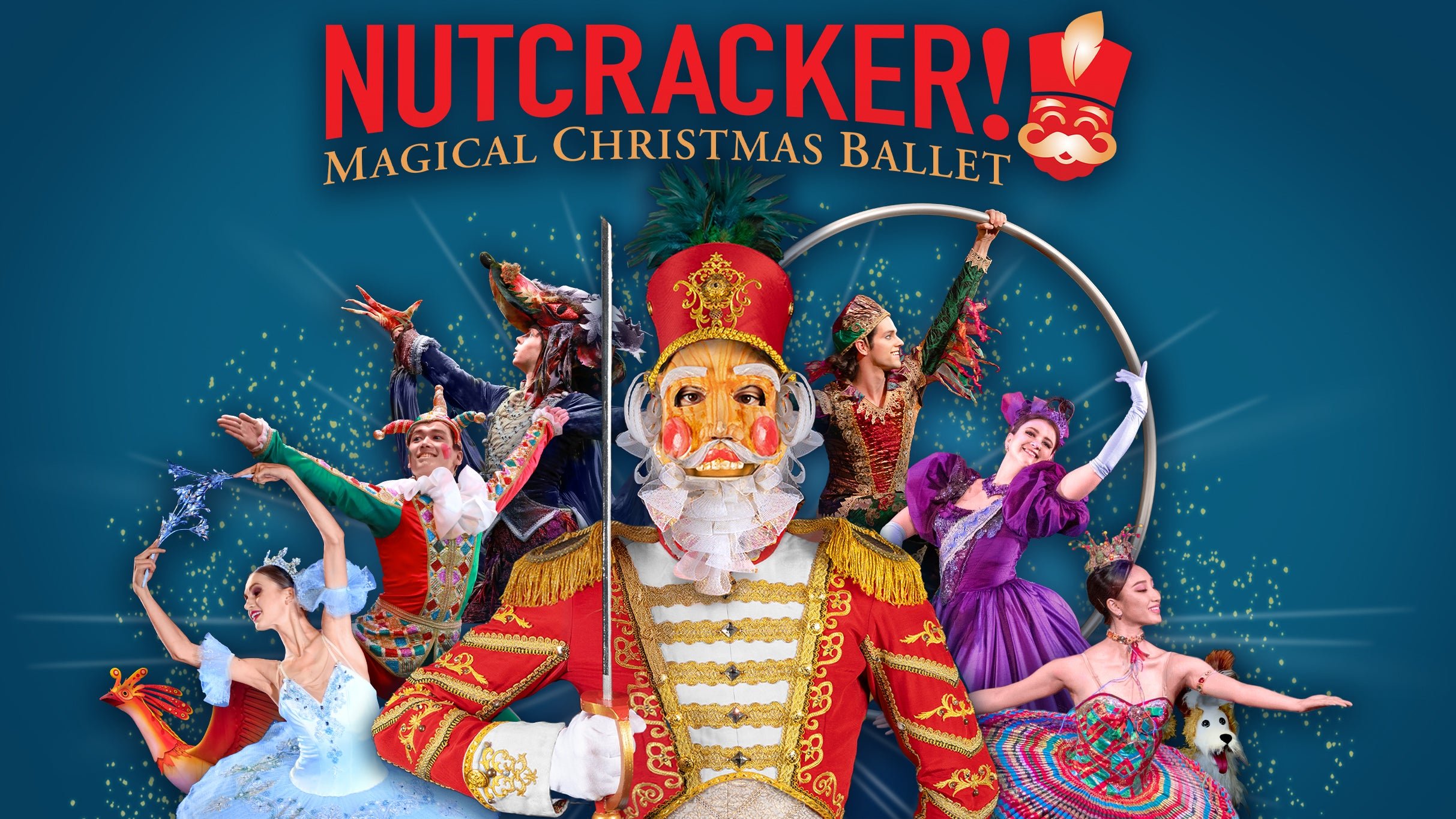
Nov 21, 2026

Jul 28, 2026

Jul 29, 2026
Birmingham has quietly built one of the most compelling food scenes in the American South, driven by a generation of chefs who treat regional ingredients and techniques as a serious culinary language. The city has produced multiple James Beard Award nominees and winners, and that recognition reflects something real: a dining culture that is rooted in place without being trapped by nostalgia.
By Air
Birmingham-Shuttlesworth International Airport (BHM) is the main entry point, about five miles from downtown. Major carriers including Delta, American, Southwest, and United offer nonstop service from Atlanta, Charlotte, Dallas, and Chicago.
By Car
Birmingham is well connected by interstate highways - I-20, I-59, and I-65 all converge here. Atlanta is roughly two hours east, Nashville about two and a half hours north, and Memphis around three and a half hours west.
By Bus
Greyhound and FlixBus serve Birmingham with routes connecting to Atlanta, Nashville, and other regional cities. The Birmingham Greyhound station is located downtown, making it a convenient option for budget-conscious travelers.
Airport to Downtown
Rideshare apps like Uber and Lyft are the most convenient way to get from BHM to downtown, with typical fares running $15 to $25 and a travel time of around 15 minutes. Rental cars are also available at the airport if you plan to explore beyond the city center.
By Car
A rental car gives you the most flexibility for moving between Birmingham's spread-out neighborhoods and reaching Red Mountain Park. Downtown parking is affordable, with garages and metered street parking widely available.
By Rideshare
Uber and Lyft operate reliably throughout Birmingham and are a practical alternative to renting a car if you plan to stick to the main visitor areas. Expect short wait times and reasonable fares between downtown, Southside, and Avondale.
On Foot
The Civil Rights District is the most walkable part of the city - the Birmingham Civil Rights Institute, Kelly Ingram Park, and the 16th Street Baptist Church are all within easy walking distance of each other. Southside also rewards walking for restaurant and shop browsing.
Public Transit
The MAX Transit bus system covers much of the city but is not optimized for tourist routes. It can work for straightforward trips but is generally not the most efficient way to move between major attractions.
Spring (March to May) and fall (September to November) are the most comfortable times to visit Birmingham, with mild temperatures and lower humidity. Summers are hot and humid, so plan outdoor activities like Red Mountain Park for early morning. Popular restaurants in Southside and Avondale fill up quickly on weekends - make reservations at least a few days in advance, especially for dinner. Standard tipping in Birmingham follows national norms: 18 to 20 percent at sit-down restaurants and $1 to $2 per drink at bars. The Birmingham Civil Rights Institute is closed on Mondays, so plan your Civil Rights District visit accordingly. Download the Uber or Lyft app before arriving if you plan to use rideshare. Birmingham is generally a safe city for visitors, but like any urban destination, stay aware of your surroundings in unfamiliar areas after dark. Most businesses accept cards, though some local food spots are cash-preferred.
Two to three days is enough to cover Birmingham's highlights. One day for the civil rights district - the Birmingham Civil Rights Institute, Kelly Ingram Park, and 16th Street Baptist Church. A second day for neighborhoods like Southside and Avondale, focused on food and local culture. A third day works well for outdoor time at Red Mountain Park.
Birmingham is best known for its central role in the American civil rights movement of the 1960s. It is also recognized for a serious BBQ tradition, a rising food scene with James Beard-recognized chefs, and Red Mountain Park - one of the largest urban parks in the United States. The city blends deep history with a dynamic modern culture.
Yes, Birmingham works very well as a weekend trip. The civil rights district, top restaurants, and key neighborhoods like Southside and Avondale are all compact and walkable. Two days is enough to get a genuine feel for the city. It is a practical drive from Atlanta, Nashville, and other Southeast cities.
Birmingham is one of the more affordable cities in the American South. Hotels, dining, and attractions are generally priced below national averages. Many of the city's top draws - including Kelly Ingram Park and Red Mountain Park - are free. Even the acclaimed restaurant scene offers strong value compared to larger US cities.
Spring (March to May) and fall (September to November) are the best times to visit Birmingham. Temperatures are mild, outdoor attractions are at their best, and the city's food and arts scenes are active year-round.