
Baltimore, MD
A Journey guide to
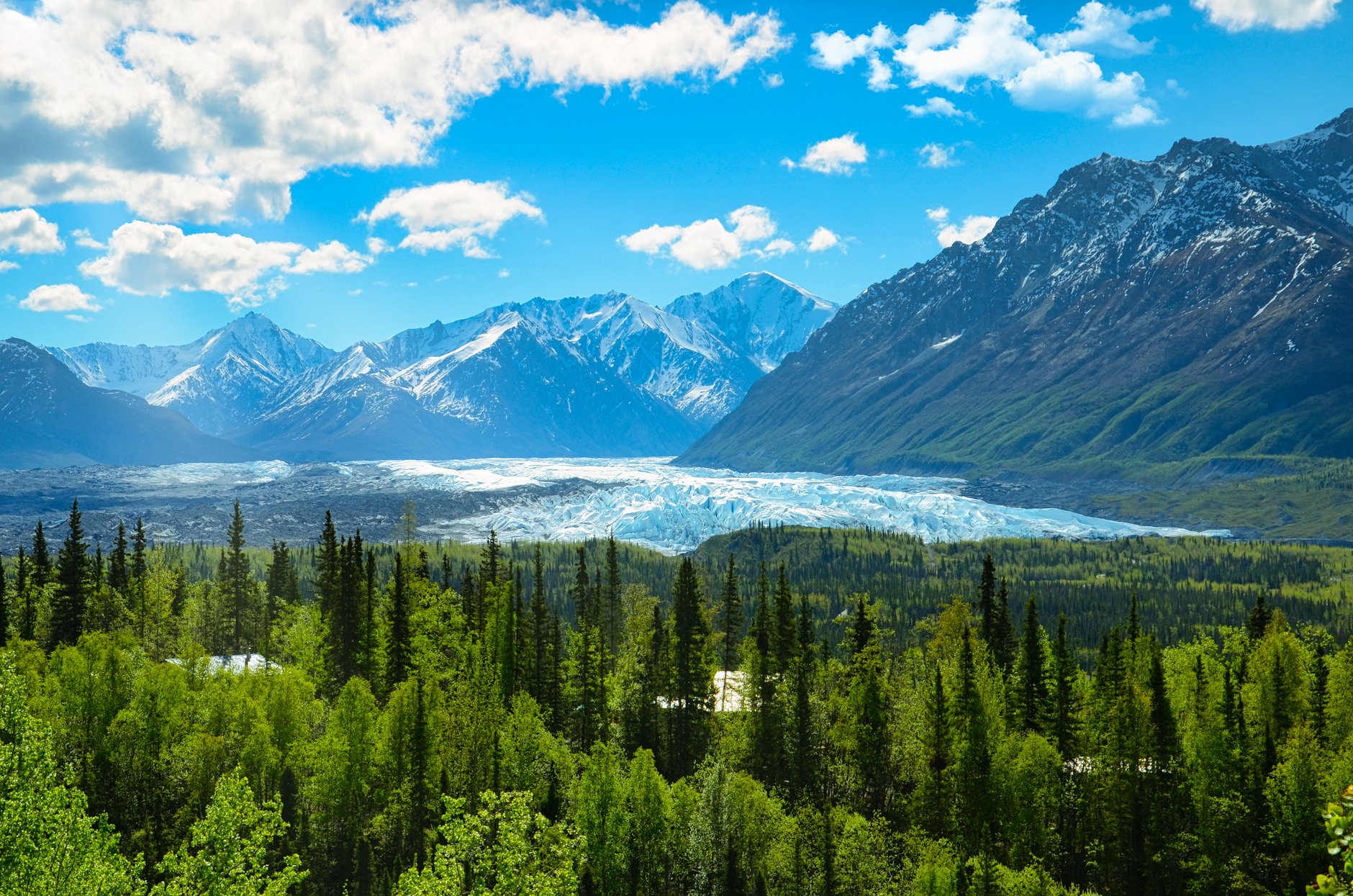
Anchorage is Alaska's largest city and its undisputed urban hub, yet it sits squarely in the wild. The Chugach Mountains rise directly behind the city, moose wander residential streets, and bald eagles circle overhead as a matter of routine. It is a place where the frontier is not a metaphor but a literal backdrop, drawing travelers who want genuine wilderness within reach of modern comforts, world-class dining, and a thriving arts scene.
The city serves as the primary gateway to some of North America's most extraordinary landscapes. Denali National Park, Kenai Fjords, and Wrangell-St. Elias are all accessible from here, making Anchorage the logical base for anyone exploring interior or southern Alaska. Flightseeing tours, glacier hikes, and bear-viewing excursions depart regularly, turning the city into a launchpad for bucket-list experiences that few destinations on Earth can rival.
Within the city itself, the Alaska Native Heritage Center offers one of the country's most compelling introductions to Indigenous cultures, representing the Athabascan, Yup'ik, Inupiaq, Alutiiq, Eyak, Tlingit, Haida, and Tsimshian peoples. The Anchorage Museum at Rasmuson Center presents the art, history, and science of the North with genuine depth and ambition. The downtown Saturday Market and a growing restaurant scene rooted in wild-caught seafood and locally sourced ingredients round out the cultural offer.
Anchorage attracts a wide spectrum of travelers: adventure seekers heading into the backcountry, cruise passengers beginning or ending Alaska itineraries, families on once-in-a-lifetime trips, and independent travelers drawn by the sheer novelty of a city where the urban and the untamed coexist in such dramatic fashion. It rewards those who treat it as a destination in its own right, not merely a stopover.
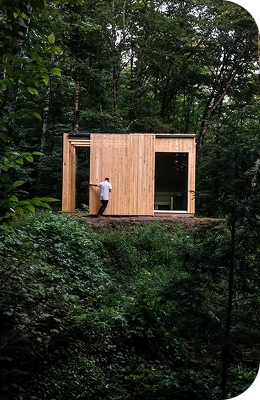



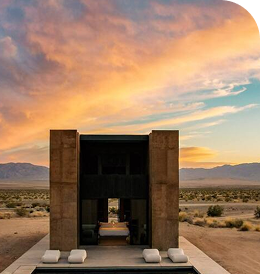

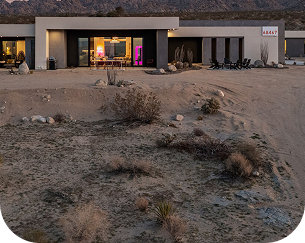





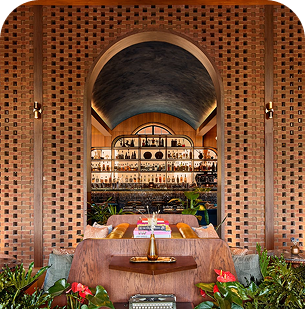

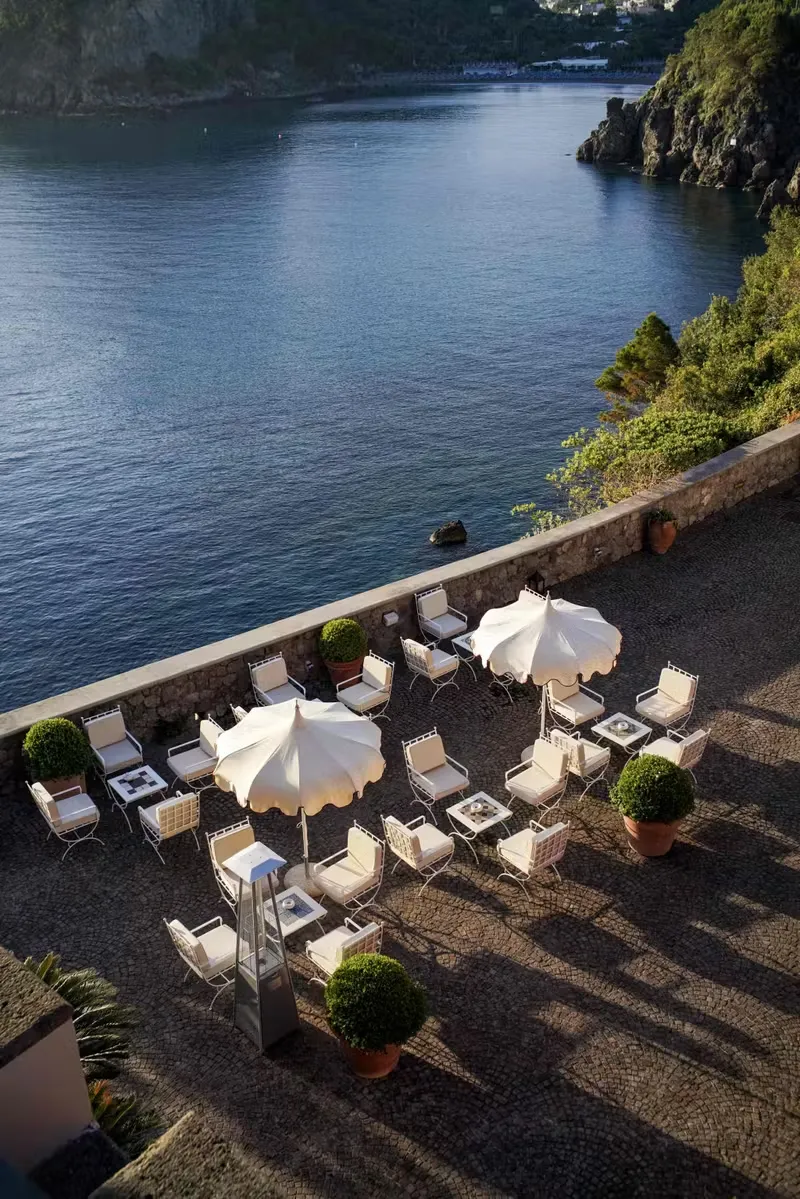

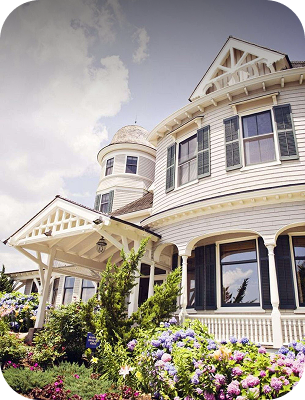

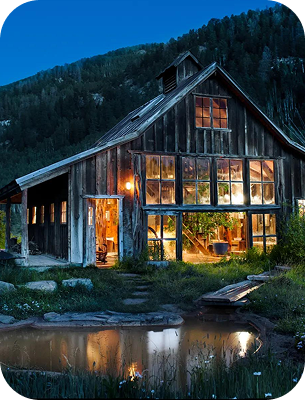

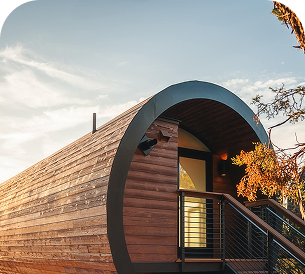

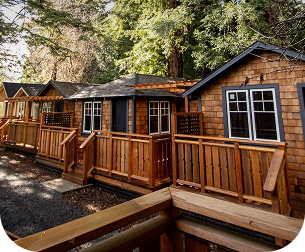

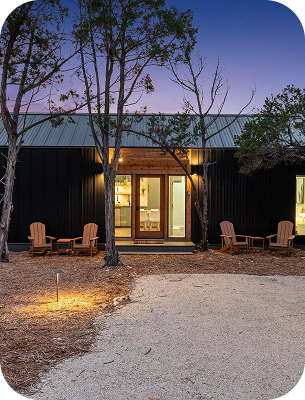

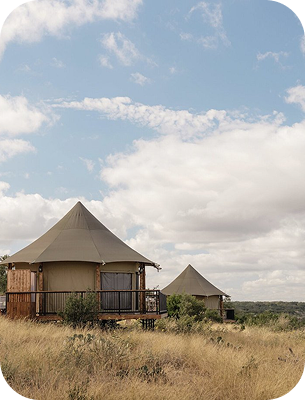









Journey connects travelers to a curated network of boutique hotels and distinctive residences around the world, all united under one rewards program. Explore handpicked stays for your trip while earning points, unlocking exclusive offers, and receiving rewards across the Journey collection.
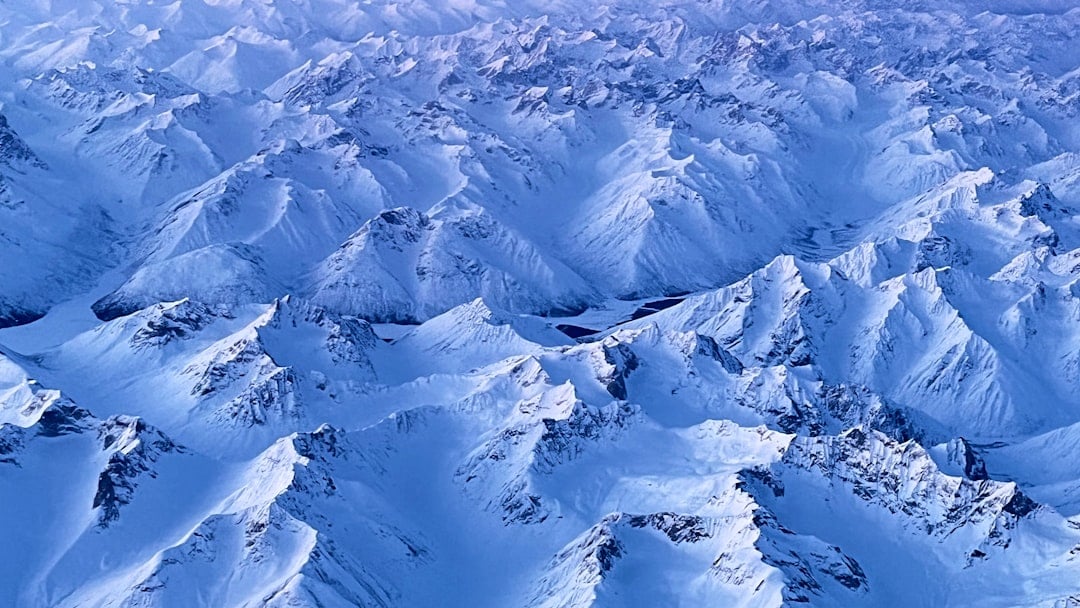
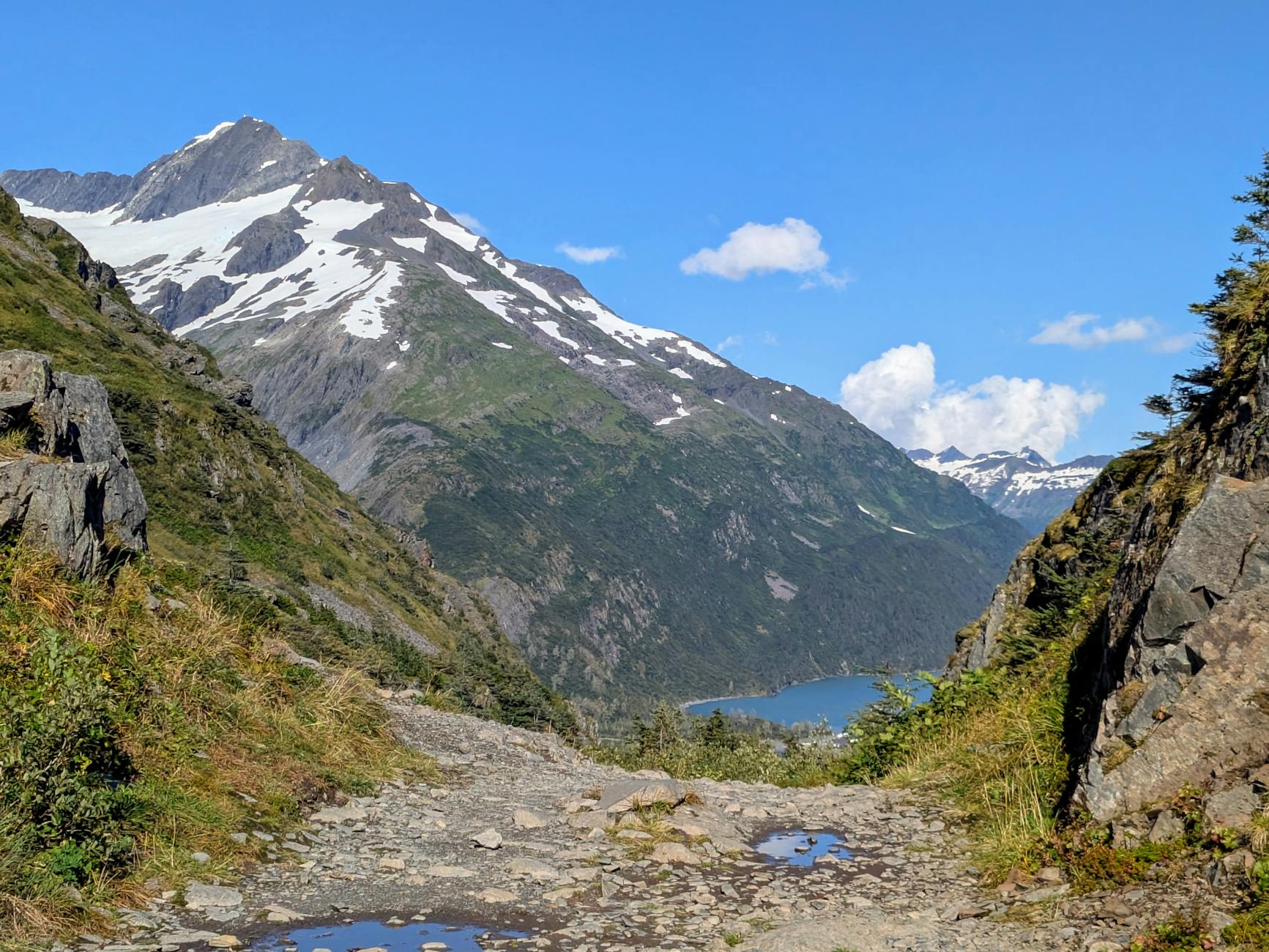
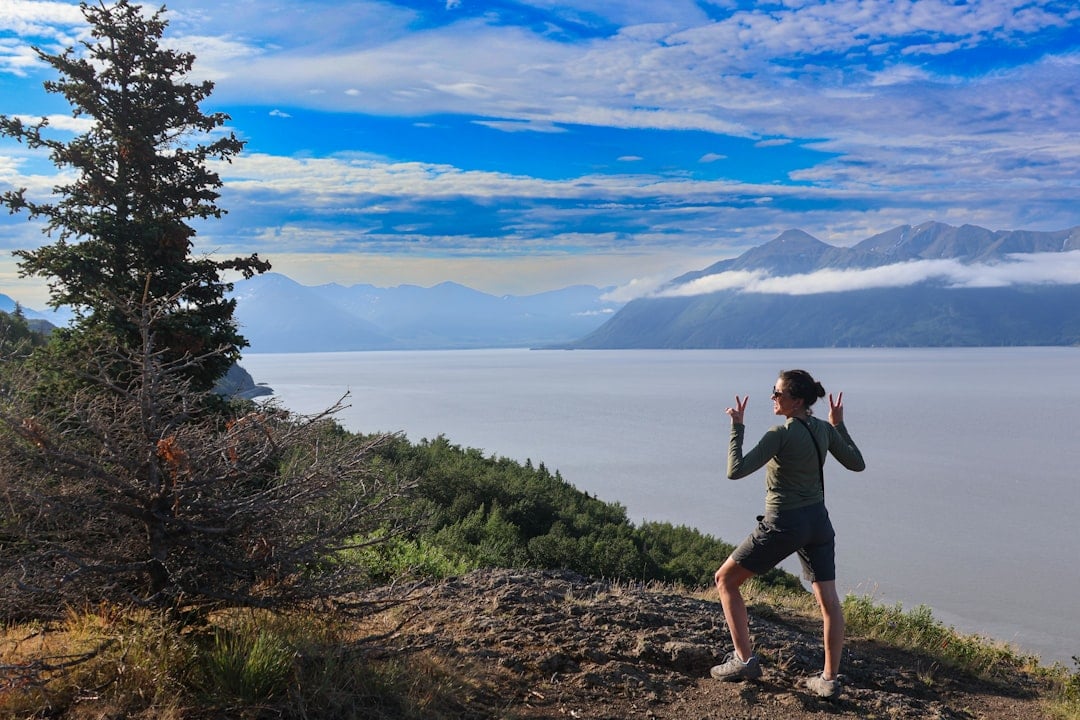
Anchorage occupies a dramatic geographic position on a broad peninsula between Cook Inlet to the west and the Chugach Mountain Range to the east, with the Kenai Peninsula and Turnagain Arm defining its southern horizon. The city commands views of active volcanoes across the inlet on clear days, and the surrounding terrain shifts rapidly from urban grid to boreal forest to alpine wilderness within a matter of miles. This compression of landscape into a single field of view gives Anchorage a visual intensity that few cities anywhere can match.
Founded in 1914 as a construction camp for the Alaska Railroad, Anchorage grew quickly into the administrative and commercial center of the territory and, after statehood in 1959, of the state itself. The 1964 Good Friday Earthquake, one of the most powerful ever recorded in North America at magnitude 9.2, reshaped parts of the city physically and left a lasting imprint on its collective identity. Anchorage rebuilt and expanded, and today it accounts for roughly 40 percent of Alaska's total population, functioning as the state's financial, medical, and transportation center.
The city's cultural identity is layered and sometimes contradictory. It is simultaneously a working oil-and-gas town, a military community anchored by Joint Base Elmendorf-Richardson and Fort Wainwright, a hub for Alaska Native peoples from across the state, and an increasingly cosmopolitan destination with a restaurant scene that punches well above its size. The international airport is one of the busiest cargo hubs in the world, a legacy of Anchorage's position on polar air routes connecting North America, Asia, and Europe.
For travelers, Anchorage delivers a rare combination: genuine frontier character without sacrificing comfort or accessibility. The trail network within city limits exceeds 250 miles. Wildlife sightings are commonplace and unscripted. The light in summer, with its long golden hours, transforms the landscape into something almost surreal. Anchorage is not a city that pretends to be something it is not. It is emphatically, unapologetically Alaskan.
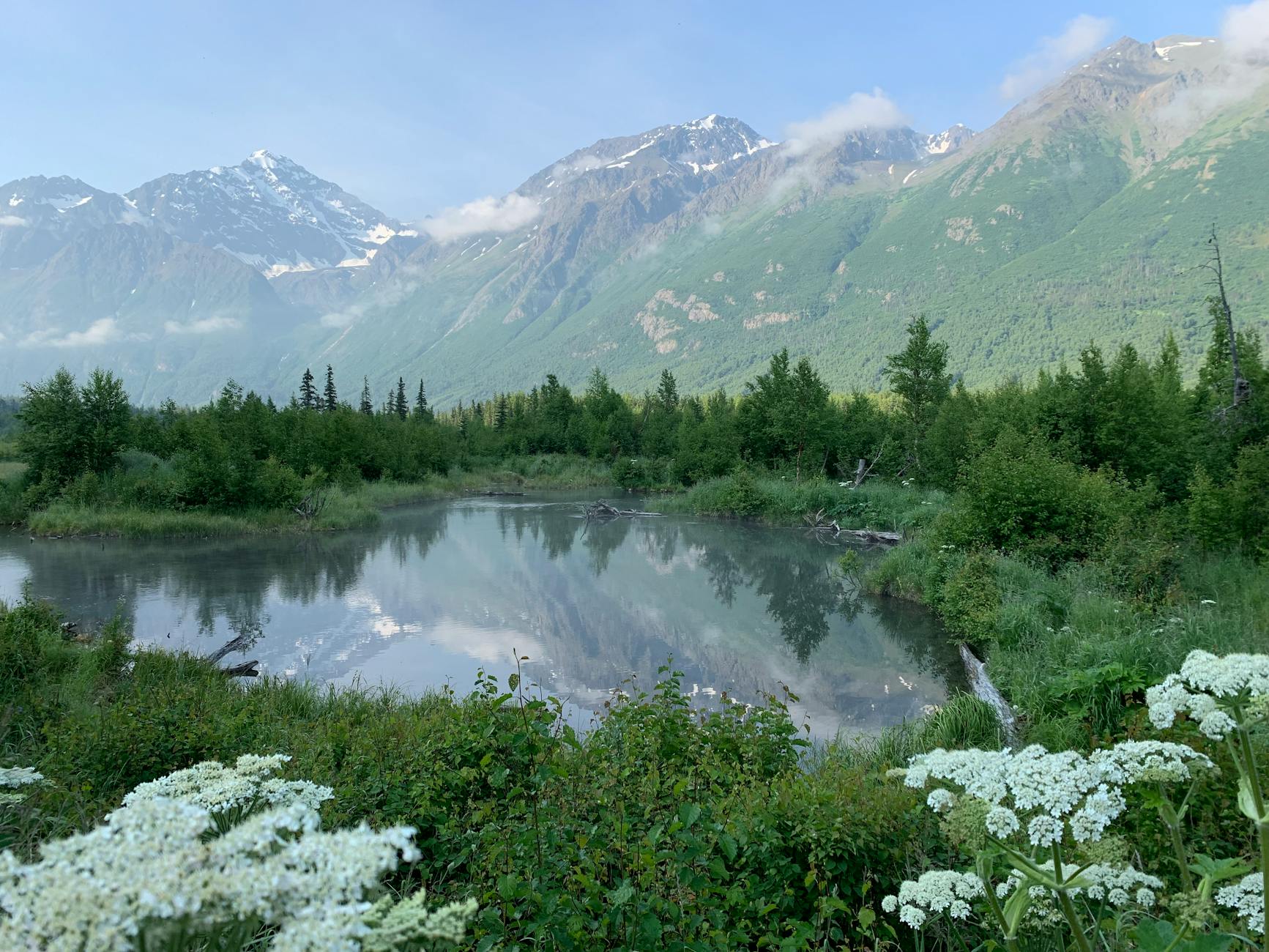
Choosing when to visit Anchorage depends largely on what kind of experience you are after, because each season unlocks a genuinely different version of the city and its surrounding wilderness.
Summer, from mid-June through August, is peak season for good reason. Nearly endless daylight powers an extraordinary range of outdoor activity: flightseeing over Denali, kayaking among glaciers in Kenai Fjords, bear viewing on the Kenai Peninsula, and hiking the hundreds of miles of trails within reach of the city. The Saturday Market is in full swing downtown, festivals fill the calendar, and the cultural scene is at its most active. Crowds are at their highest and accommodations book up well in advance, so planning ahead is essential.
Late May and early September offer a compelling alternative for travelers who want the same outdoor access with noticeably fewer visitors. Wildlife is highly active in both shoulder periods, wildflowers peak in late May and early June, and fall foliage turns the Chugach hillsides gold by mid-September. These windows reward flexible travelers with a more relaxed pace and better availability.
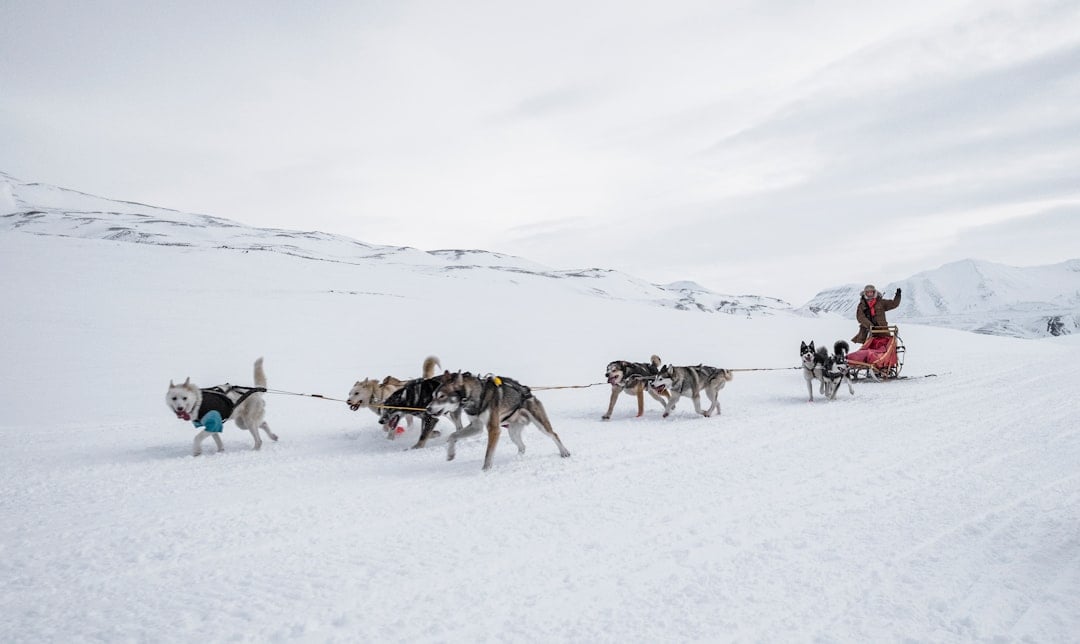
Winter draws a different kind of visitor entirely. The aurora borealis is the headline attraction from November through March, and Anchorage hosts the ceremonial start of the Iditarod Sled Dog Race in early March, one of Alaska's most iconic cultural events. Cross-country skiing on the city's extensive trail network and snowshoeing in Chugach State Park keep outdoor enthusiasts busy despite the cold and darkness.
Spring, from April into early May, is the quietest period. Many seasonal businesses have not yet opened, and some wilderness areas remain inaccessible. Travelers who do not mind limited services will find the city uncrowded and the transition from winter to breakup season a raw, authentic slice of Alaskan life.
The commercial and cultural core of the city, downtown is home to the Anchorage Museum, the Saturday Market, and a walkable grid of galleries, hotels, and restaurants. It serves as the natural starting point for visitors, blending civic energy with easy access to the coastal trail along Cook Inlet.
Anchorage's practical and increasingly vibrant middle district, Midtown is where locals shop, eat, and gather away from the tourist corridor. It holds a strong concentration of independent restaurants, breweries, and the Alaska Native Medical Center, giving it an authentic, lived-in character.
One of Anchorage's most architecturally distinctive residential neighborhoods, South Addition features early 20th-century bungalows and craftsman homes set along tree-lined streets close to downtown. It is a quiet, walkable enclave that reflects the city's older character and attracts travelers who enjoy exploring beyond the main tourist areas.
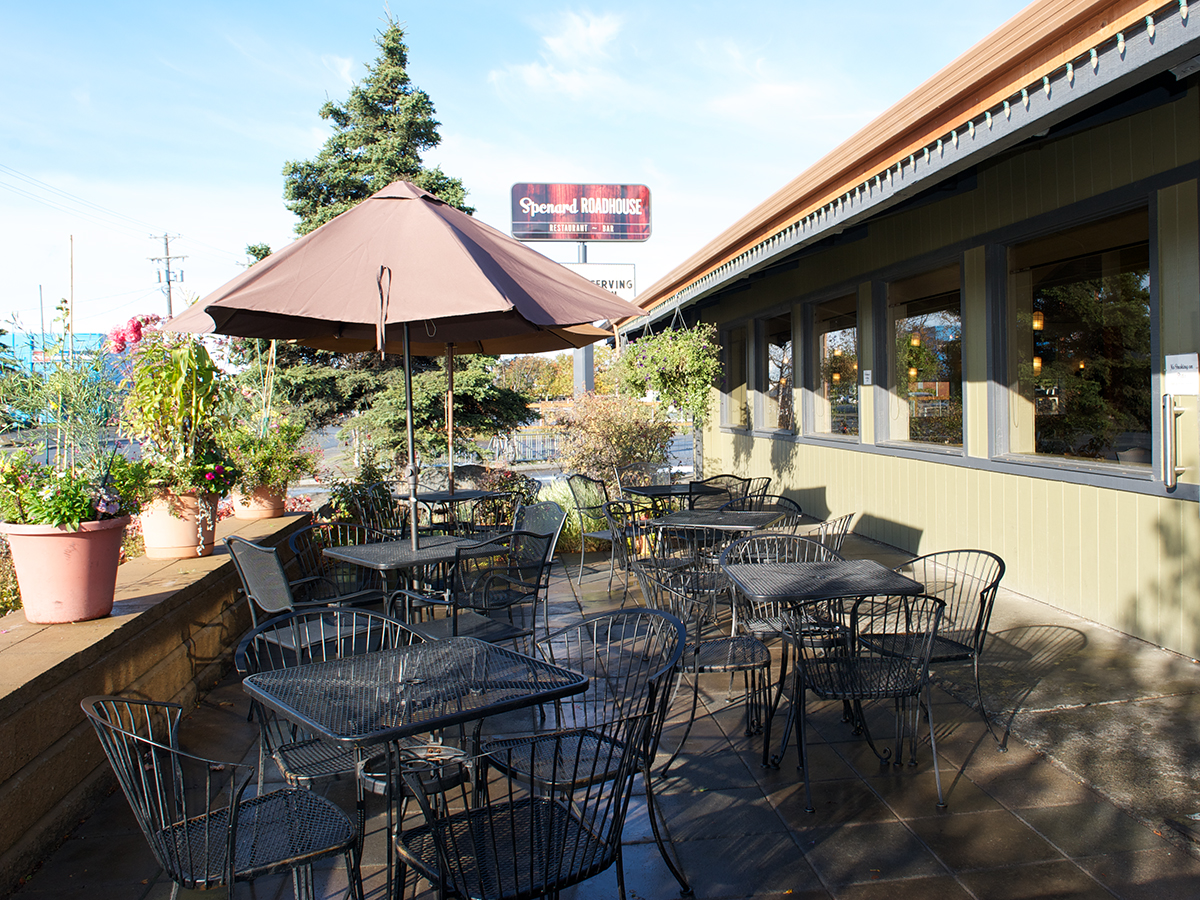
Anchorage's most eclectic and creative neighborhood, Spenard is the city's arts and nightlife hub, lined with murals, dive bars, record shops, and independent eateries. Its slightly gritty, unpretentious energy makes it a favorite among locals and a rewarding detour for curious travelers.
Named for the dramatic arm of Cook Inlet it overlooks, Turnagain is a leafy, upscale residential neighborhood with some of the best views in the city. Its proximity to the Tony Knowles Coastal Trail makes it a favorite for cyclists and runners seeking sweeping vistas of the inlet and the Alaska Range beyond.
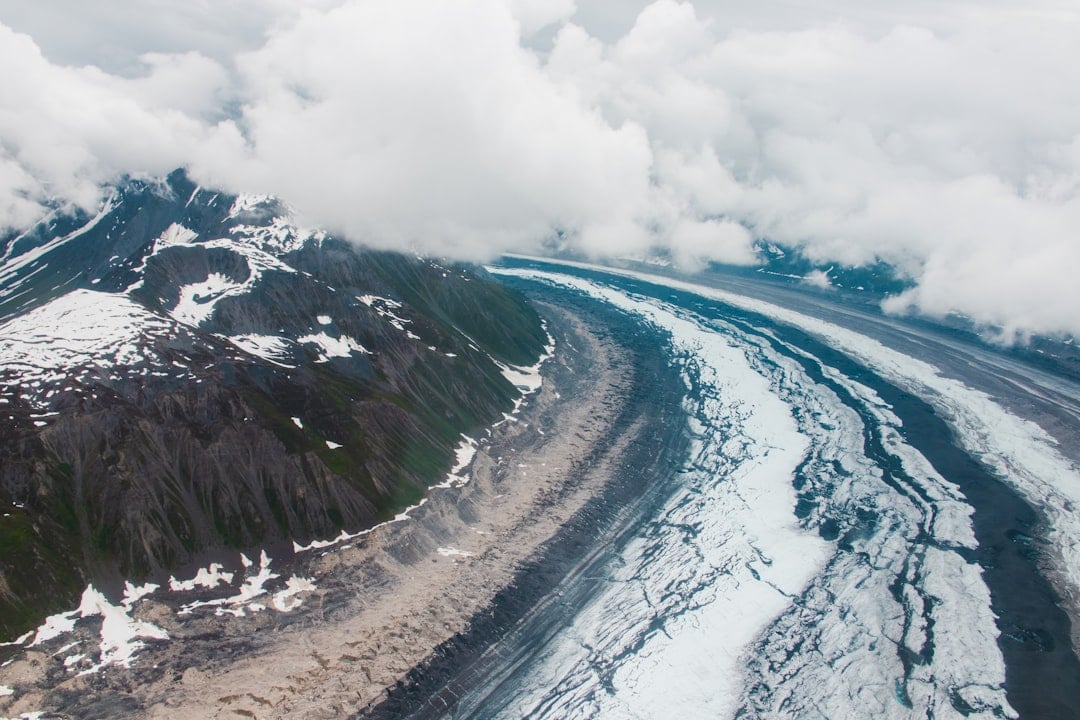
Anchorage is the rare city where the wilderness is not a day trip but a next-door neighbor, and its signature experiences reflect that intimacy with the untamed.
Flightseeing Over Glaciers and Denali
Few experiences match the perspective of a small-plane or helicopter flight over the Alaska Range. Departing from Anchorage, these tours sweep over the vast Harding Icefield, trace the crevassed surface of glaciers, and on clear days bring Denali's 20,310-foot summit into full view. It is a scale of landscape that simply cannot be grasped from the ground.
Bear Viewing in the Wild
Anchorage serves as the primary staging point for bear-viewing flights to coastal locations such as Lake Clark National Park and Katmai National Park, where brown bears gather in extraordinary numbers to fish for sockeye salmon. Tour operators including Salmon Berry Travel and Tours and Alaska's Finest Tours and Adventures coordinate these excursions, which rank among the most sought-after wildlife encounters in North America.
Hiking to Flattop Mountain
Flattop Mountain is Alaska's most-climbed peak, and the hike from Glen Alps captures everything that makes Anchorage extraordinary: a city skyline giving way to tundra, wildflowers, and a 360-degree panorama stretching from Cook Inlet to the Chugach peaks. The Flattop Mountain Shuttle makes the trailhead accessible to visitors without a vehicle.
Watching the Bore Tide on Turnagain Arm
Turnagain Arm produces one of the world's most powerful bore tides, a wall of water that surges up the inlet at speeds reaching 15 miles per hour. Viewing spots along the Seward Highway turn this natural phenomenon into a genuine spectacle, best timed against the backdrop of the Chugach Mountains.
Connecting with Alaska Native Culture
The Alaska Native Heritage Center offers an experience unavailable anywhere else: direct engagement with the living traditions of eleven distinct Alaska Native cultural groups, through demonstrations, storytelling, and traditional village settings that bring centuries of heritage into vivid focus.
Anchorage punches well above its weight as an activity destination, blending raw wilderness access with a surprisingly rich urban culture. Whether you are lacing up hiking boots, browsing Indigenous art, or settling into a craft brewery, the city offers a full spectrum of ways to spend your time.
Outdoor Recreation
The outdoors is Anchorage's defining feature. Chugach State Park, one of the largest state parks in the country, begins practically at the city's eastern edge, offering hundreds of miles of trails for hiking, mountain biking, and backcountry exploration. The Glen Alps and Flattop Mountain trailhead is the most popular entry point, rewarding hikers with panoramic views over the city, Cook Inlet, and the Alaska Range. The Tony Knowles Coastal Trail stretches 11 miles along the waterfront, ideal for cycling, running, and wildlife spotting. Potter Marsh Wildlife Viewing Boardwalk and Westchester Lagoon Nature Trail are prime spots for birdwatching and observing migratory waterfowl.
Cultural Attractions
The Alaska Native Heritage Center is one of the most important cultural institutions in the state, offering living demonstrations, traditional dwellings, and storytelling from Alaska's diverse Indigenous peoples. The Alaska Botanical Garden provides a quieter, reflective experience through native plant collections and forest trails.
Scenic Exploration
Earthquake Park marks the site of the 1964 Good Friday earthquake and offers sweeping views over the Knik Arm. The Turnagain Arm Scenic Boardwalk delivers some of the most dramatic coastal scenery in Southcentral Alaska, with bore tides and beluga whale sightings adding to the spectacle. Eagle River Nature Center opens the door to glacier-fed valleys and alpine terrain just 30 minutes from downtown.
Arts and Entertainment
Anchorage has a lively after-dark scene anchored by live music venues, comedy nights, and cabaret performances. Chilkoot Charlie's is a legendary local institution for live music. The Dome offers indoor sports and entertainment year-round.
Food and Dining
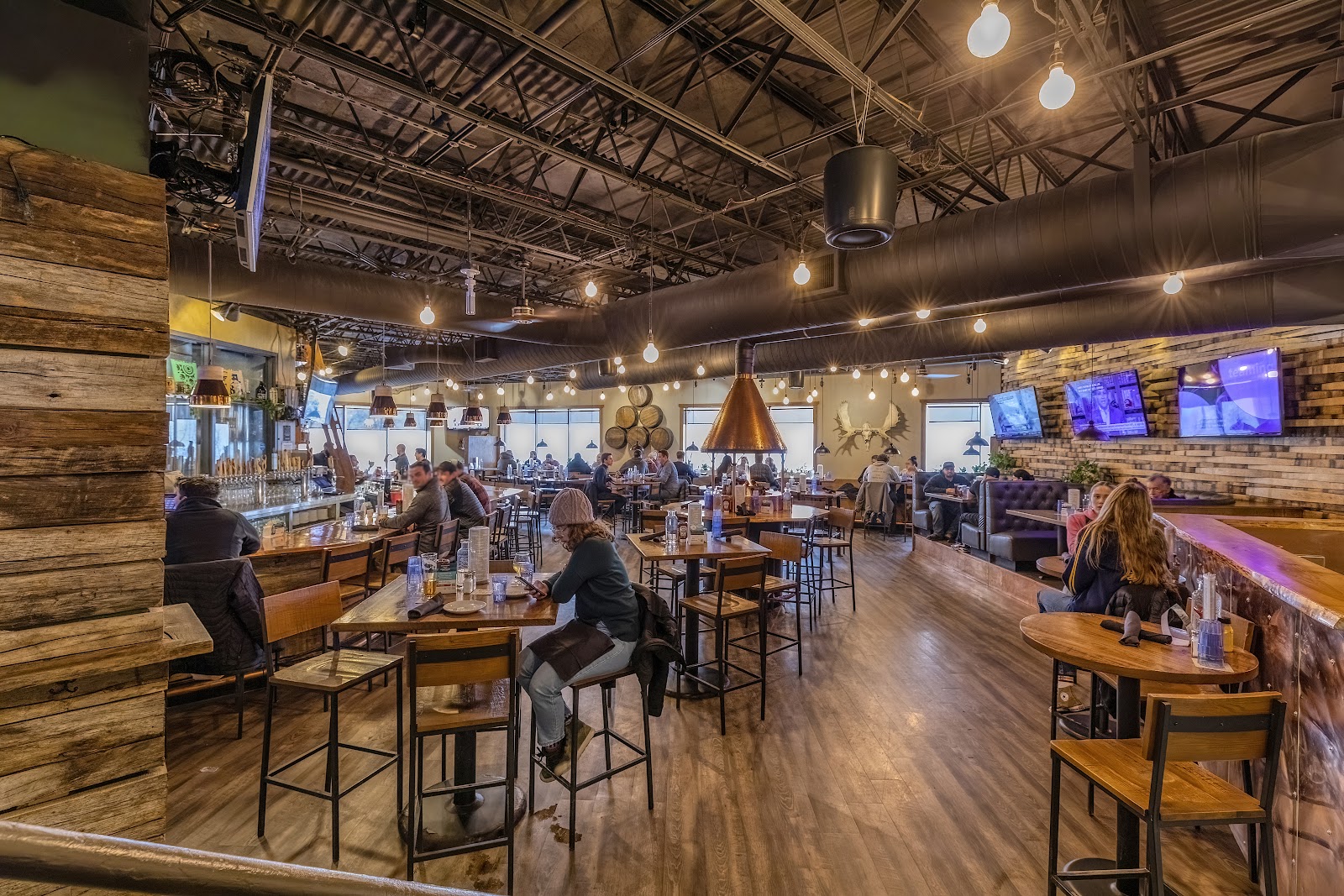
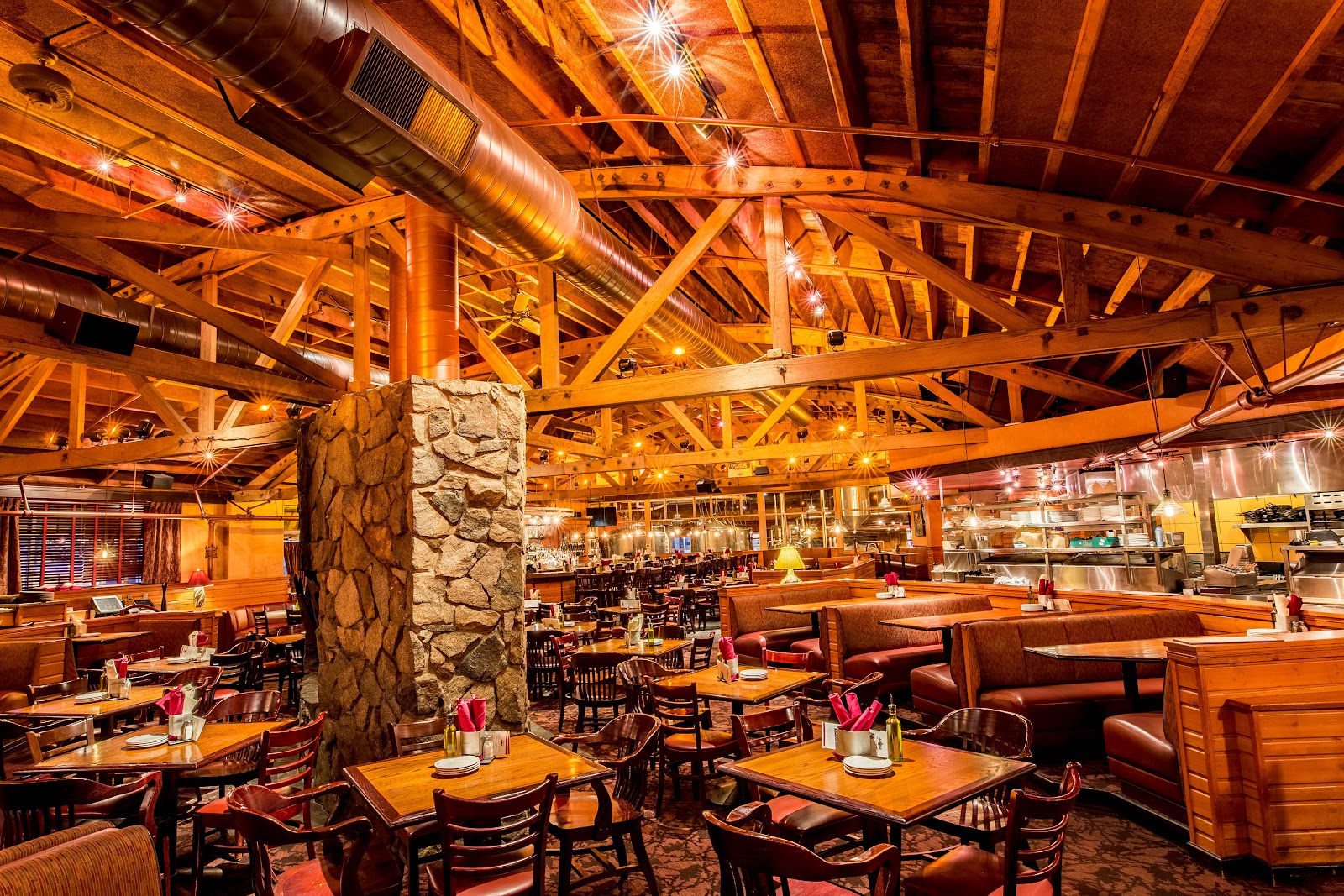
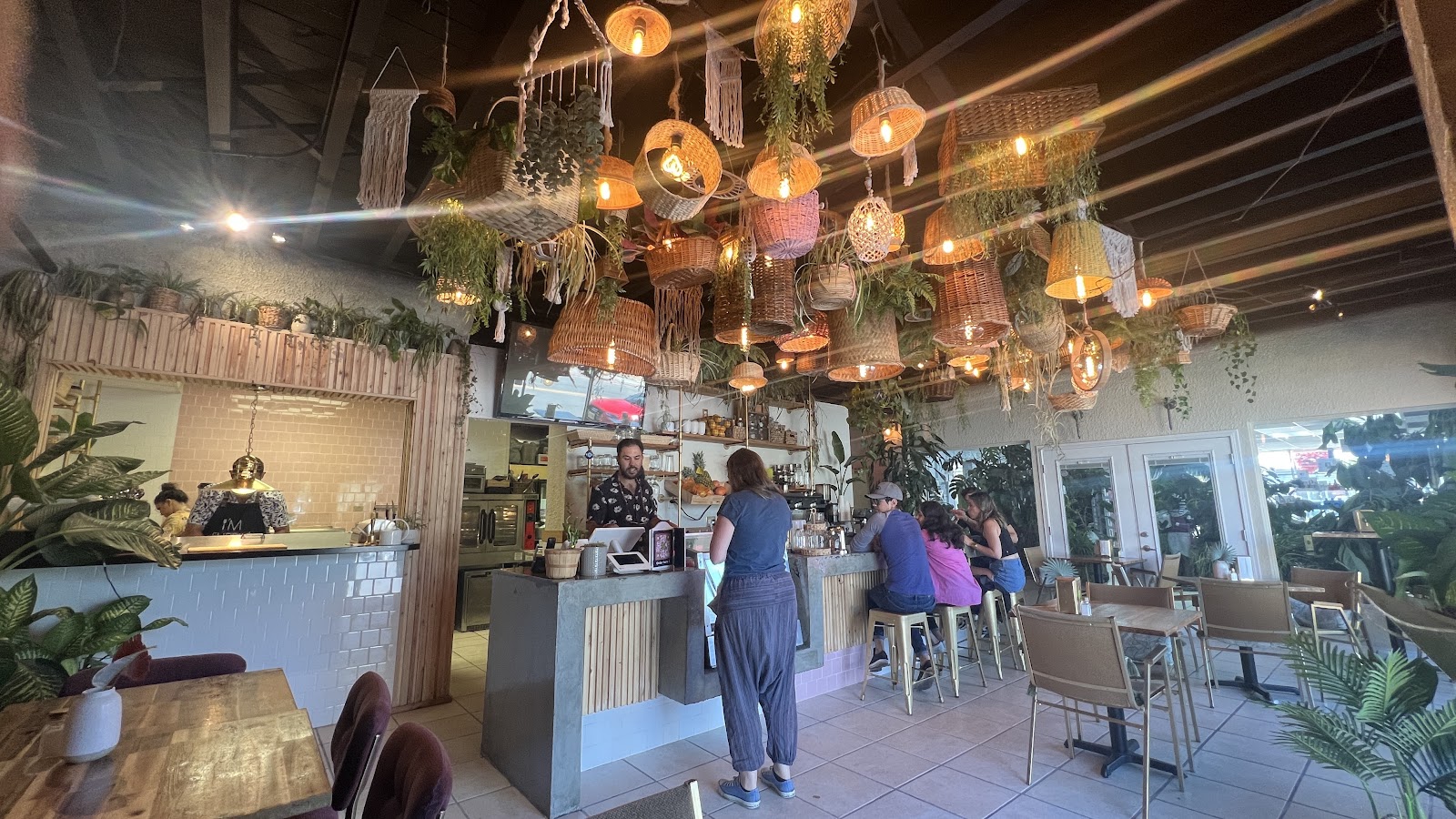
Anchorage's restaurant scene is anchored by wild-caught Alaskan seafood, locally sourced game, and a growing craft beverage culture. From waterfront dining rooms to neighborhood gastropubs, the city rewards curious eaters.
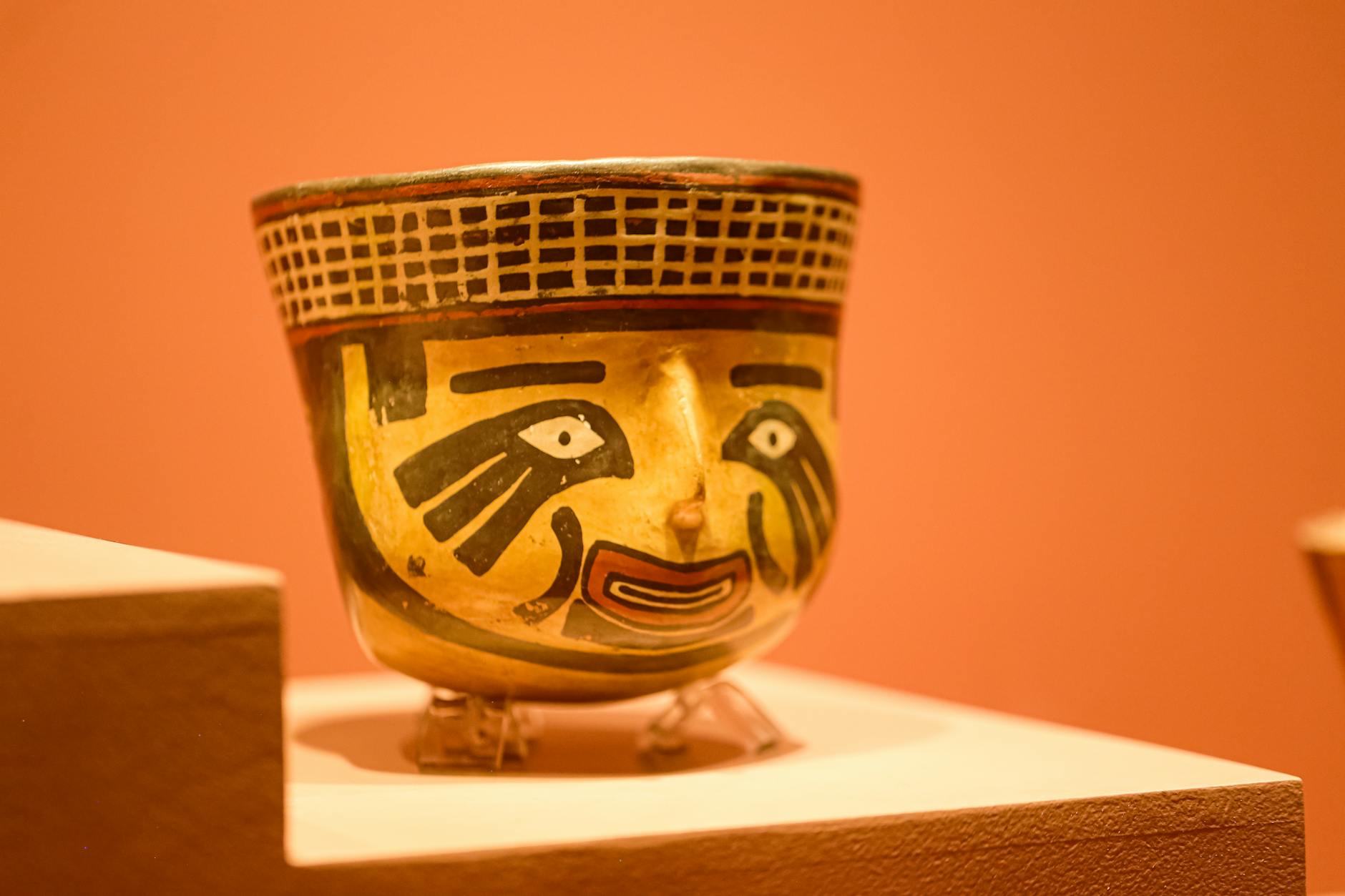
Start the morning at the Alaska Native Heritage Center to explore the cultures and traditions of Alaska's Indigenous peoples. Head downtown for lunch near the Saturday Market, then spend the afternoon at the Anchorage Museum at Rasmuson Center. In the evening, dine at one of the waterfront restaurants along Ship Creek, sampling fresh wild-caught Alaskan salmon and local seafood.
Rise early for a flightseeing tour over the Chugach Mountains and surrounding glaciers - a breathtaking way to grasp Alaska's scale. In the afternoon, lace up for a hike along the Tony Knowles Coastal Trail, a paved 11-mile path hugging the coastline with views of Knik Arm and Denali on clear days. End the evening with dinner in the Midtown neighborhood.
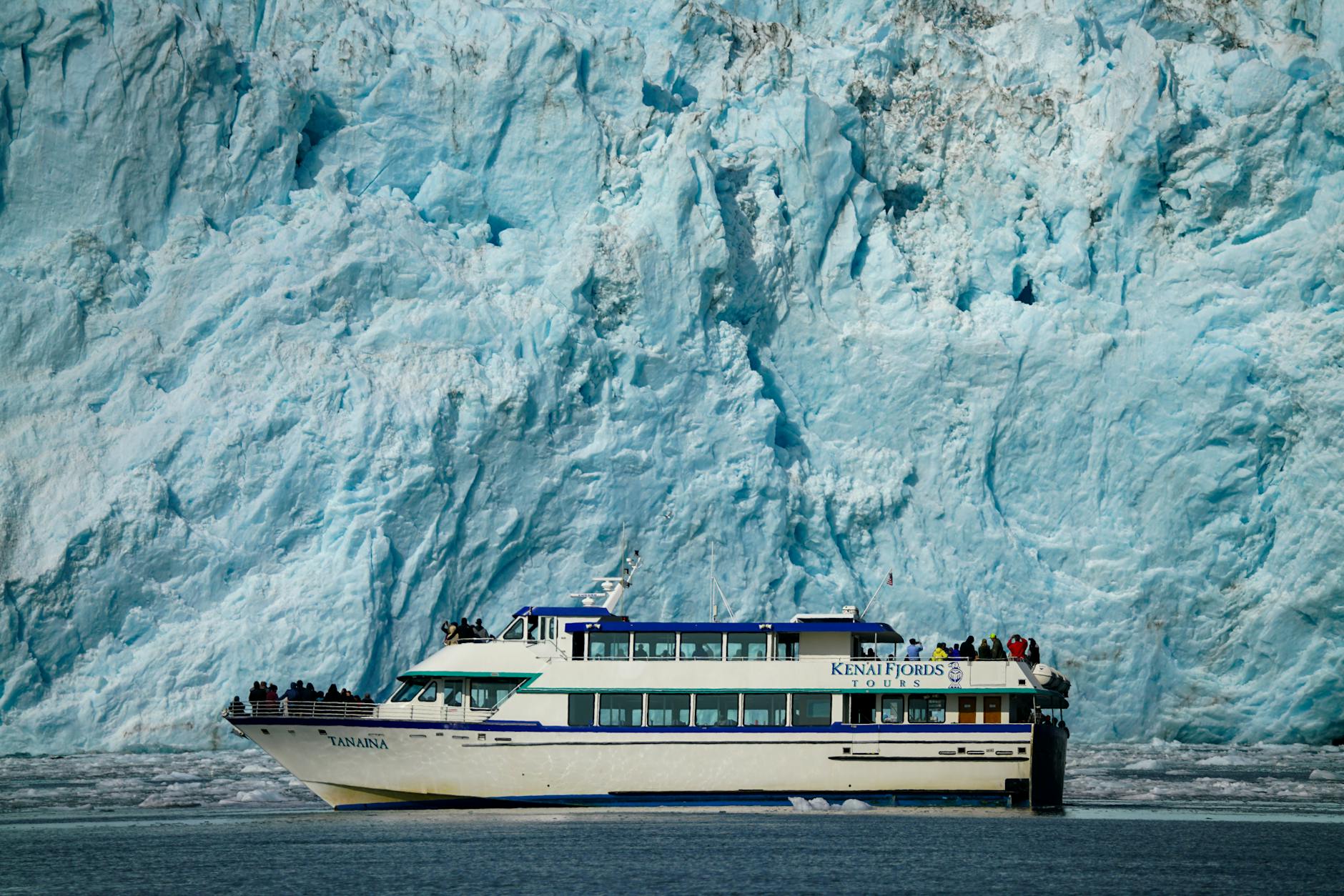
Take a day trip south on the Seward Highway to Kenai Fjords National Park, one of North America's most dramatic coastal wilderness areas. Board a wildlife cruise out of Seward to spot orcas, humpback whales, sea otters, and calving tidewater glaciers. Return to Anchorage in the evening, stopping at Turnagain Arm for a final look at the stunning mountain and inlet scenery.
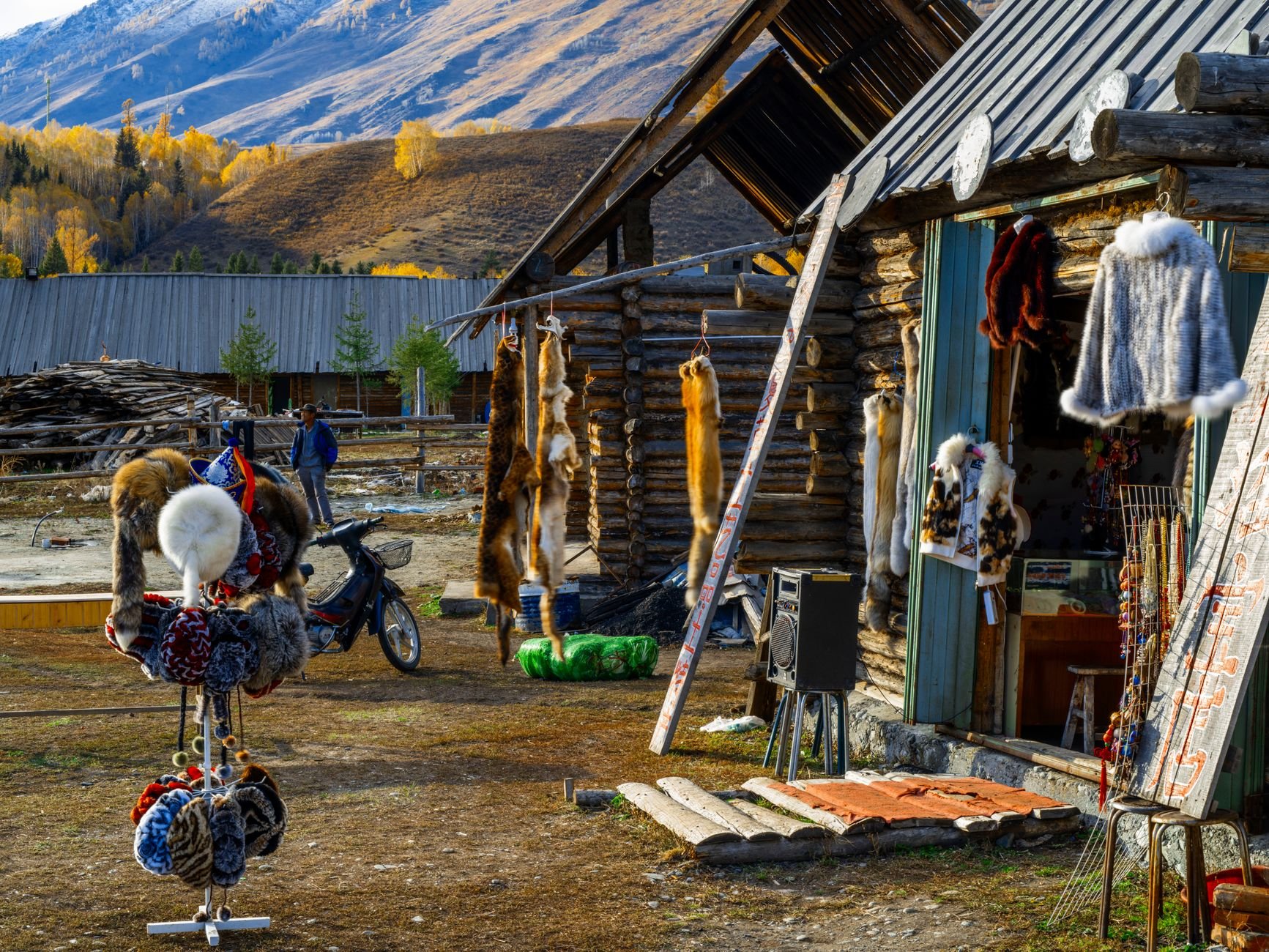
Anchorage moves to a rhythm shaped by extreme seasons and deep cultural traditions. Winter arrives with purpose: the Anchorage Fur Rendezvous, locally known as Fur Rondy, transforms the city each February with sled dog races, fur auctions, a running of the reindeer, and street carnival energy that dates back to 1935. It is one of the largest winter festivals in North America and a genuine expression of Alaska's frontier spirit.
Anchorage has one of the most distinctive food cultures of any American city its size, rooted in the extraordinary natural larder that surrounds it. Wild-caught salmon is the cornerstone of the local table: king, sockeye, coho, and pink salmon appear on menus throughout the summer and into fall, prepared simply to honor the quality of the fish. Halibut, Dungeness crab, and spot prawns from Alaskan waters are equally prized, and any visitor who leaves without eating fresh seafood has missed the point entirely.
By Air
Ted Stevens Anchorage International Airport (ANC) is the main gateway, with nonstop service from Seattle, Los Angeles, Chicago, Denver, and other major U.S. cities. Book early for summer travel, as fares and availability shift significantly by March.
By Car
Anchorage is accessible via the Glenn Highway from the east (connecting to the Alaska Highway system) and the Seward Highway from the south. Driving from the Lower 48 requires traveling through Canada and is typically a multi-week undertaking best suited to road-trip itineraries.
By Train
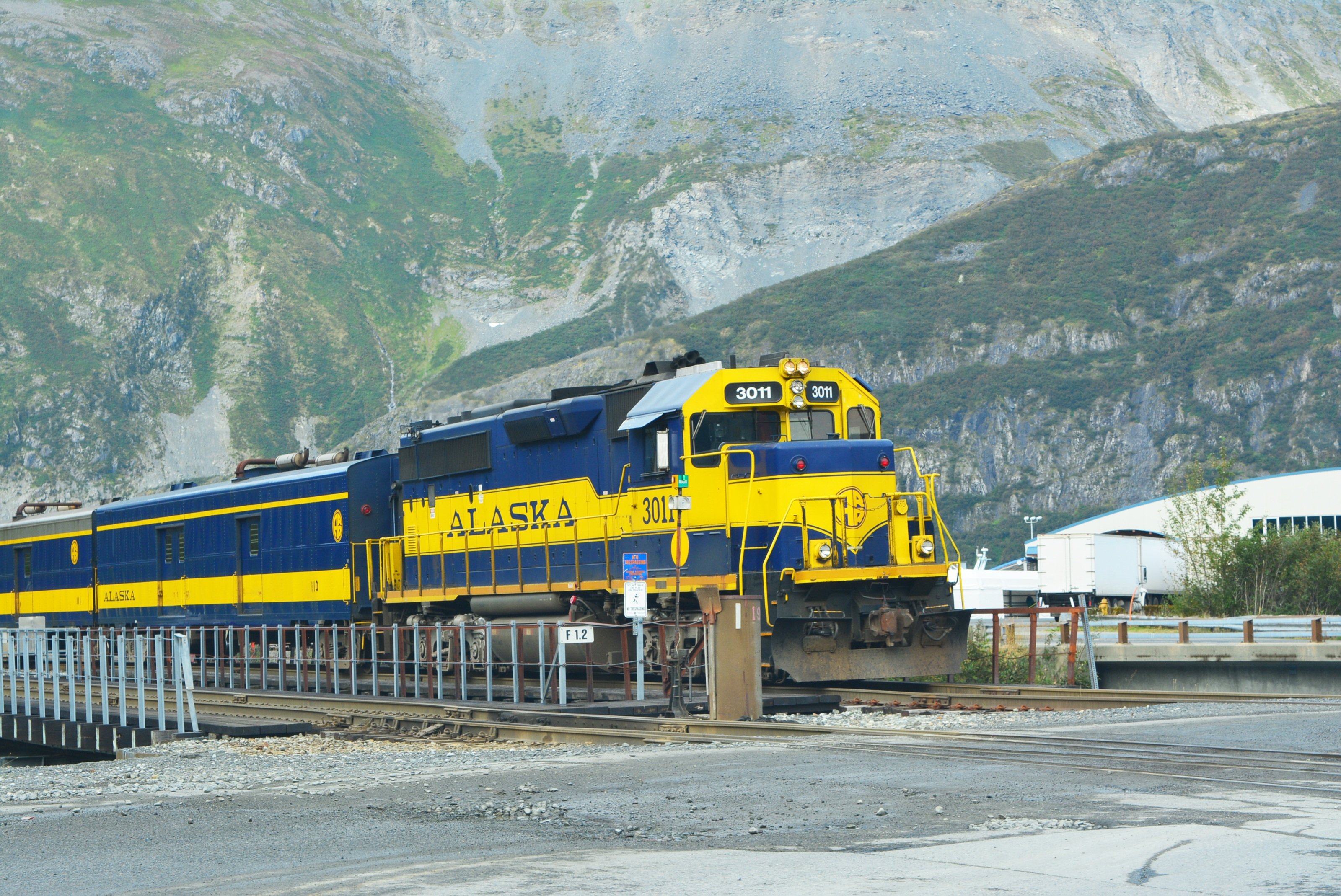
The Alaska Railroad runs scenic routes connecting Anchorage to Seward, Whittier, and Fairbanks. The Coastal Classic (Anchorage to Seward) and Denali Star (Anchorage to Fairbanks) are popular options for travelers who want to combine transport with sightseeing.
By Bus
Seasonal motorcoach services including the Park Connection link Anchorage to Denali National Park and Fairbanks. Alaska/Yukon Trails also operates routes connecting Anchorage to interior destinations during summer months.
By Car
Renting a car is the most flexible option and is strongly recommended for anyone planning day trips outside the city. Book rental vehicles well in advance for summer travel, as inventory at ANC runs low during peak season.
Public Transit
Anchorage's People Mover bus network connects downtown, Midtown, and major neighborhoods with reliable service. Fares are low, and the system works well for travelers staying central who do not need to venture far.
Rideshare
Uber and Lyft both operate in Anchorage and are convenient for airport transfers, restaurant evenings, and short hops around the city. Availability is generally good, though response times can be slower in outer neighborhoods.
On Foot and By Bike
Downtown Anchorage is walkable, and the Tony Knowles Coastal Trail offers a scenic 11-mile paved route along Cook Inlet. Seasonal bike rentals are available near the trail, making cycling a practical and enjoyable way to cover ground.
Tour Shuttles
Most wilderness day-trip operators run pickups from central Anchorage hotels, so travelers without a car can still access glacier hikes, wildlife cruises, and flightseeing tours without needing to arrange their own transport.
Summer daylight in Anchorage is extreme: expect 19 to 20 hours of sunlight in June and July. Bring a sleep mask and blackout curtains are not always standard, so confirm with your accommodation. Layers are essential year-round; even summer afternoons can turn cool quickly, especially near the water or at elevation.
Book popular tours, flightseeing experiences, and Alaska Railroad seats well in advance. Demand for summer departures peaks early, and last-minute availability is limited for the most sought-after excursions.
Tipping follows standard U.S. conventions: 18 to 20 percent at restaurants, similar for tour guides. Most businesses accept major credit cards, but carry some cash for farmers markets and smaller vendors.
The Anchorage Downtown Partnership app and the Municipality of Anchorage website are useful for current event listings and trail conditions. Cell coverage is strong in the city but drops off quickly in backcountry areas, so download offline maps before heading out.
Most travelers spend 2 to 4 days in Anchorage. Two days is enough to explore downtown, visit the Alaska Native Heritage Center, and the Anchorage Museum. Budget extra days if you plan day trips to Kenai Fjords, Matanuska Glacier, or flightseeing tours over Denali. Using Anchorage as a base for broader Alaska exploration warrants a full week.
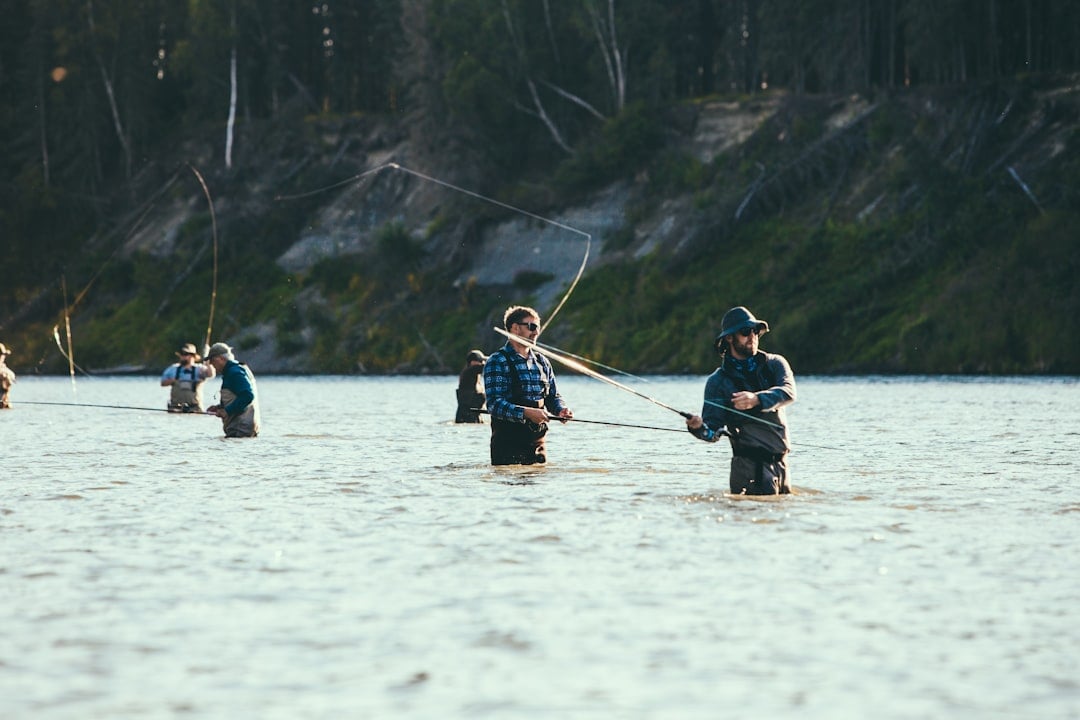
Anchorage is best known as Alaska's largest city and the primary gateway to the state's extraordinary wilderness. It is famous for its dramatic setting beneath the Chugach Mountains, proximity to Denali National Park and Kenai Fjords, world-class salmon fishing, wildlife sightings including moose and bald eagles, and its role as a hub for flightseeing and glacier adventures.
Anchorage can work as a weekend trip, though the long travel time from most U.S. cities makes it better suited to a longer stay. In two to three days you can cover downtown highlights, the Alaska Native Heritage Center, and a day excursion. Travelers flying from the West Coast will find a weekend more feasible than those coming from the East Coast.
Anchorage is moderately to significantly expensive compared to most U.S. cities. Alaska's remote location drives up costs for groceries, dining, and activities. Budget travelers can manage with careful planning, but guided wilderness excursions, flightseeing tours, and seafood-focused restaurants add up quickly. Accommodation ranges from budget hotels to upscale lodges, so costs vary widely depending on travel style.
Summer (June through August) is the most popular time to visit, offering long daylight hours, mild temperatures, and full access to outdoor activities and tours. Winter draws visitors for northern lights viewing and skiing, though temperatures drop well below freezing and daylight is limited.