
Baltimore, MD
A Journey guide to
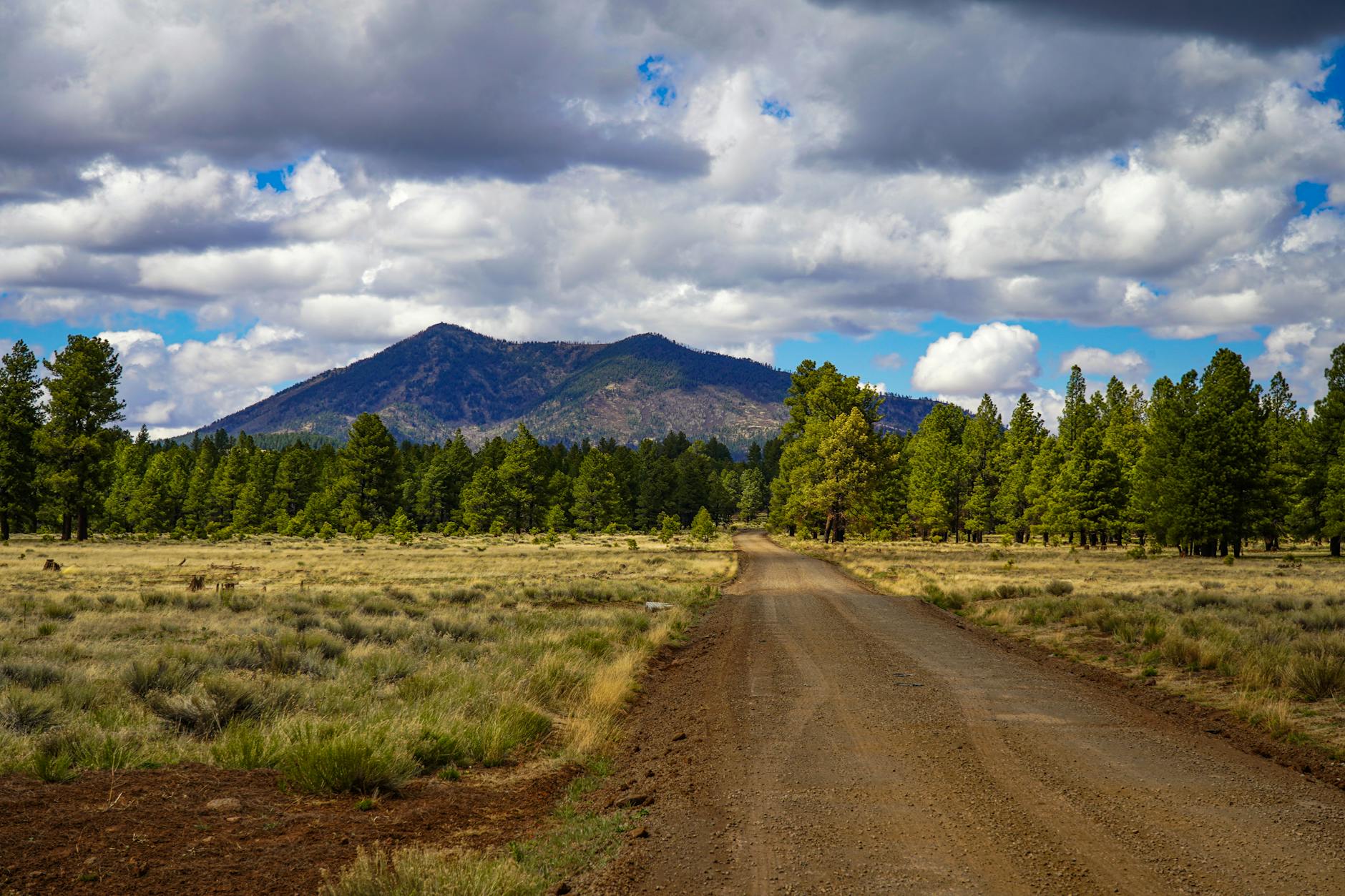
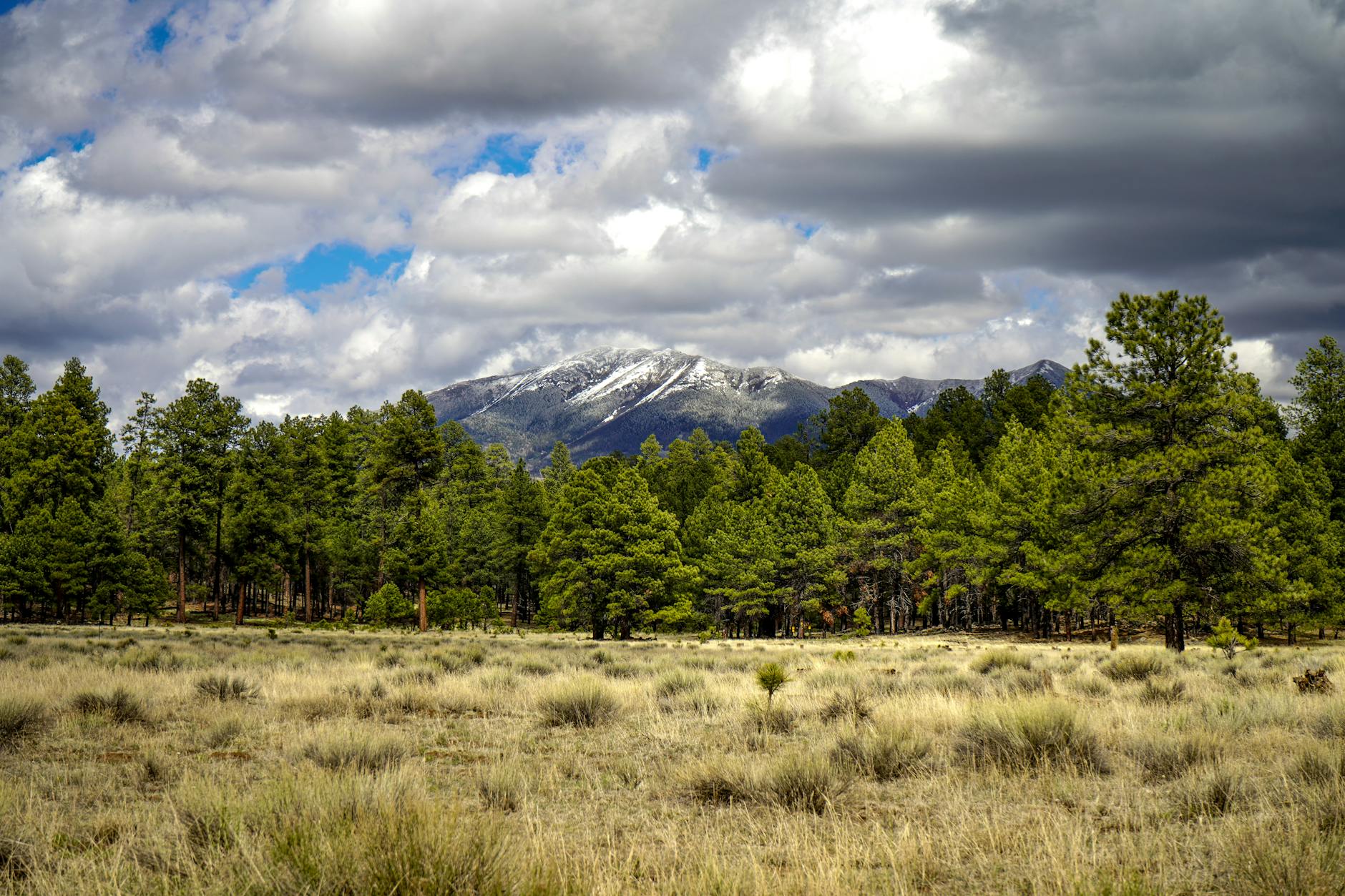
Flagstaff occupies a rare position in the American Southwest: a high-elevation mountain city that serves as both a destination in its own right and the most logical base for exploring the Grand Canyon's South Rim, just 80 miles north. Surrounded by the largest contiguous ponderosa pine forest in North America and anchored by the volcanic San Francisco Peaks, the city offers a landscape unlike anything else in Arizona.
Outdoor adventure defines daily life here. Humphreys Peak, the highest point in Arizona at 12,633 feet, draws hikers and skiers to its slopes. The Arizona Trail, the Coconino National Forest, and the volcanic cinder fields of Sunset Crater Volcano National Monument all sit within striking distance of downtown. Mountain biking trails, climbing crags, and Nordic skiing routes thread through the surrounding terrain, making Flagstaff a genuine year-round outdoor hub.
The city's intellectual character sets it apart from other gateway towns. Northern Arizona University anchors a lively arts and dining scene downtown, while the Lowell Observatory — where Pluto was discovered in 1930 — remains a working research facility open to the public. Flagstaff was the first International Dark Sky City in the world, a designation that reflects both its strict lighting ordinances and its deep commitment to astronomy.
Route 66 runs directly through the historic downtown core, lending Flagstaff a layered American road-trip identity that complements its academic and outdoor personality. Travelers who come expecting a simple pit stop before the Grand Canyon routinely find themselves staying longer: drawn in by craft breweries, independent bookshops, Native American cultural heritage, and a walkable historic district that rewards slow exploration.



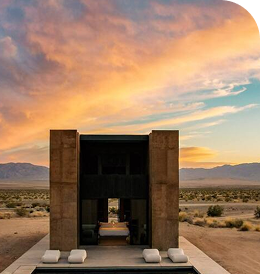

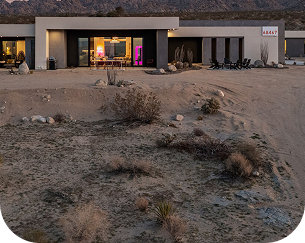





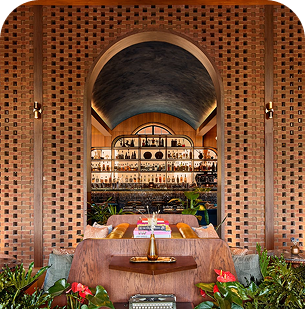

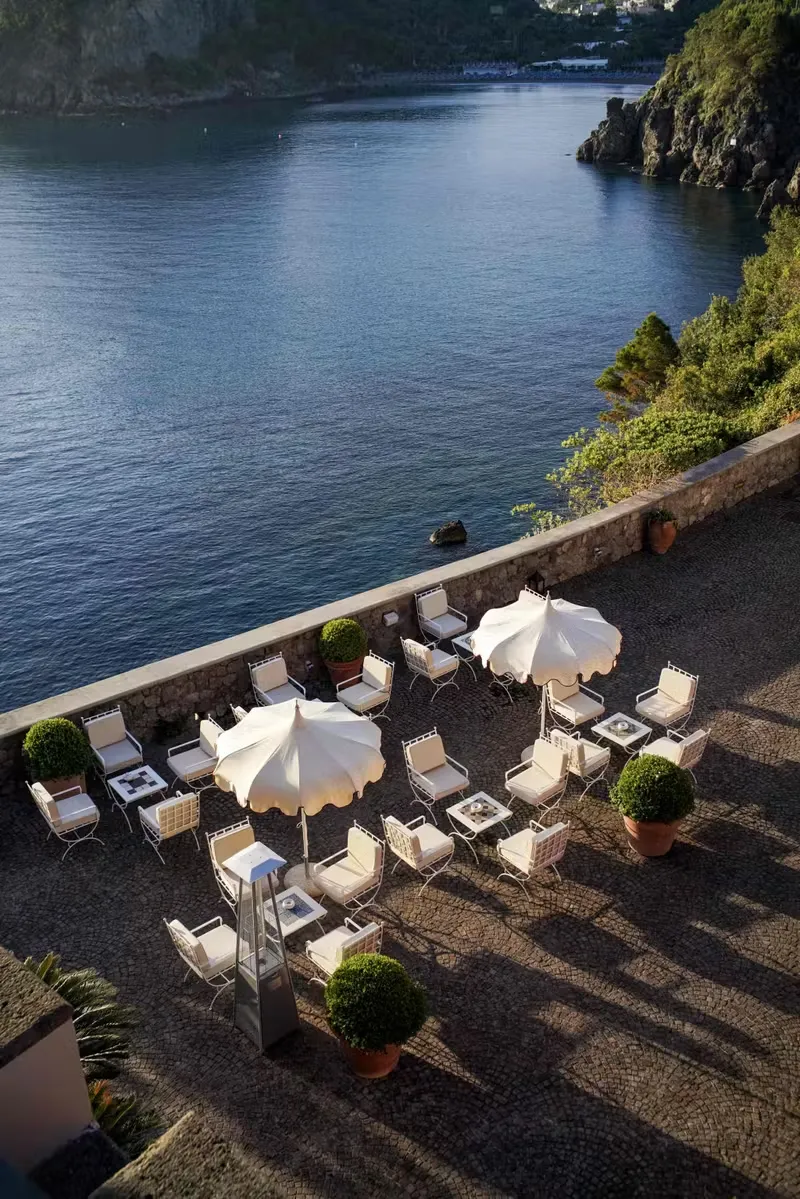

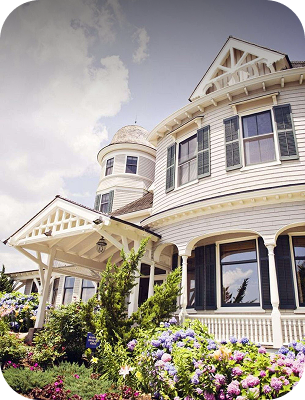

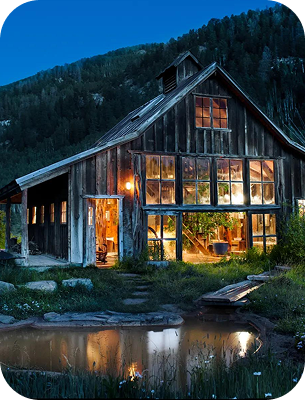

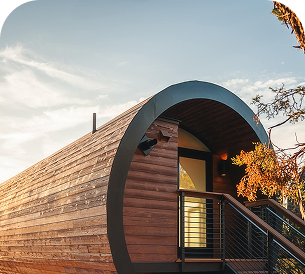

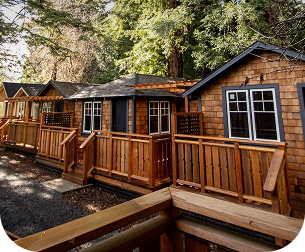

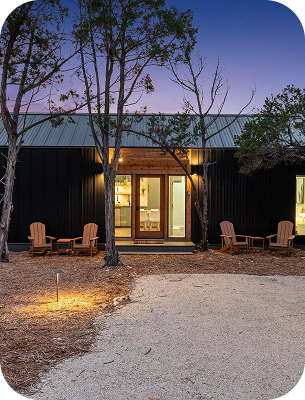

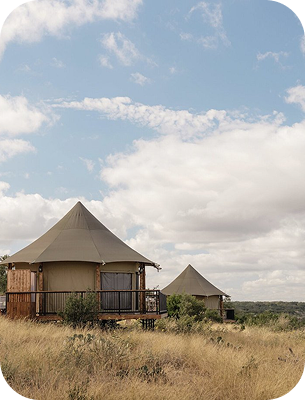

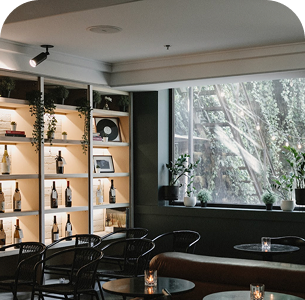

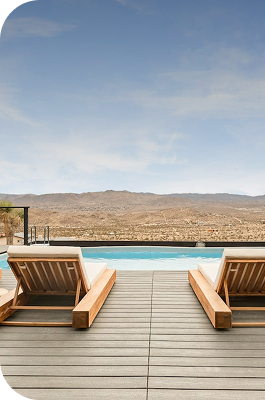

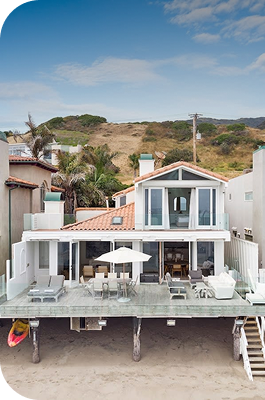

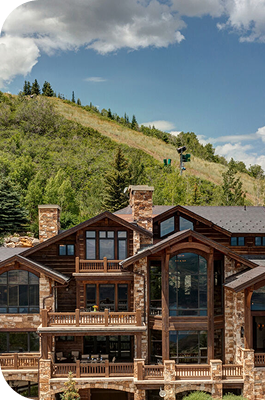



Journey connects travelers to a curated network of boutique hotels and distinctive residences around the world, all united under one rewards program. Explore handpicked stays for your trip while earning points, unlocking exclusive offers, and receiving rewards across the Journey collection.
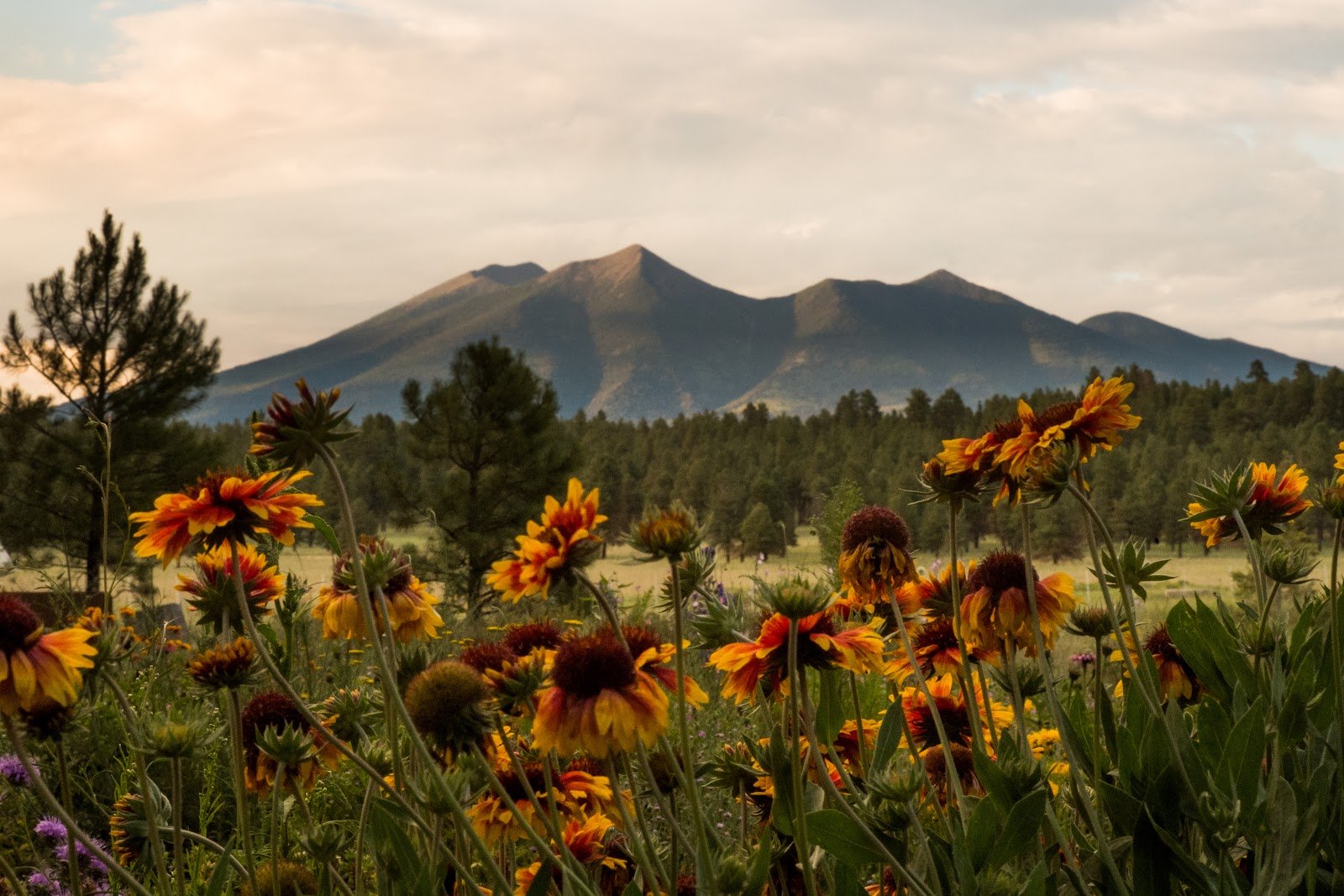
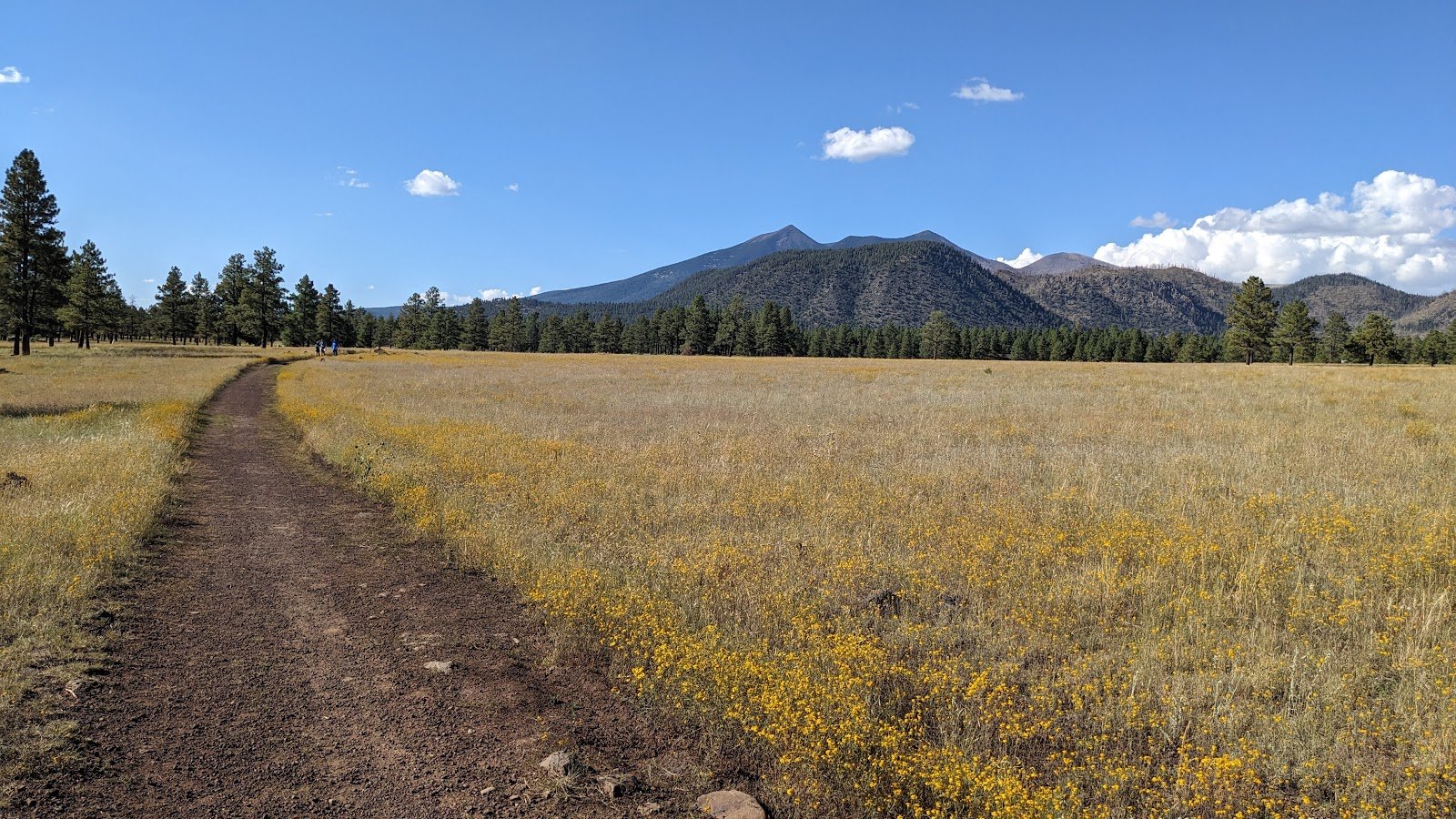
Flagstaff sits at 6,910 feet above sea level on the Colorado Plateau in north-central Arizona, a position that gives it a dramatically different character from the desert cities of Phoenix and Tucson to the south. The San Francisco Peaks — a collapsed stratovolcano whose highest summit, Humphreys Peak, reaches 12,633 feet — dominate the skyline to the north and are considered sacred by more than a dozen Native American tribes, including the Navajo and Hopi. This relationship between the land and Indigenous cultures runs deep throughout the region and shapes much of the area's cultural and interpretive life.
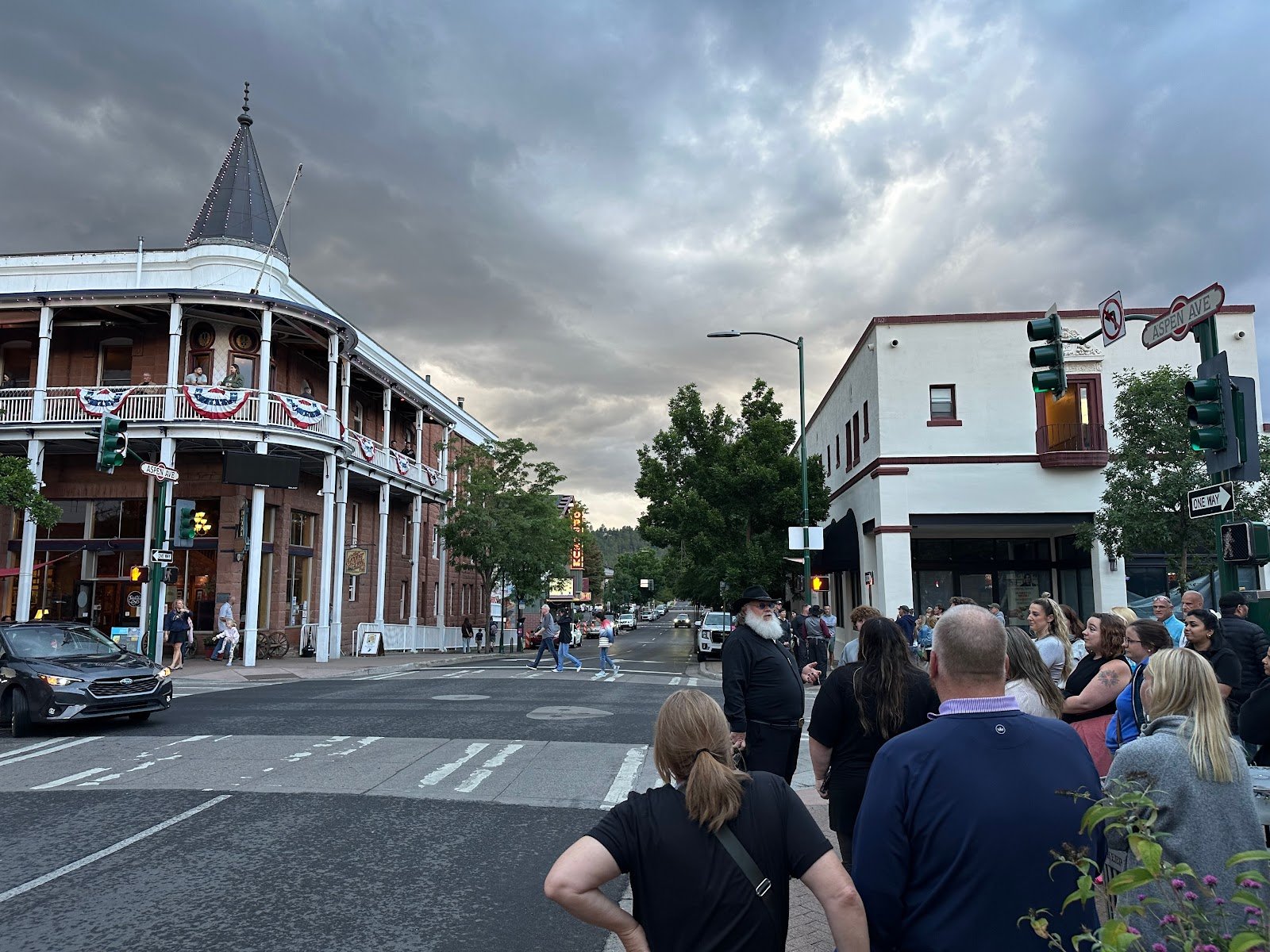
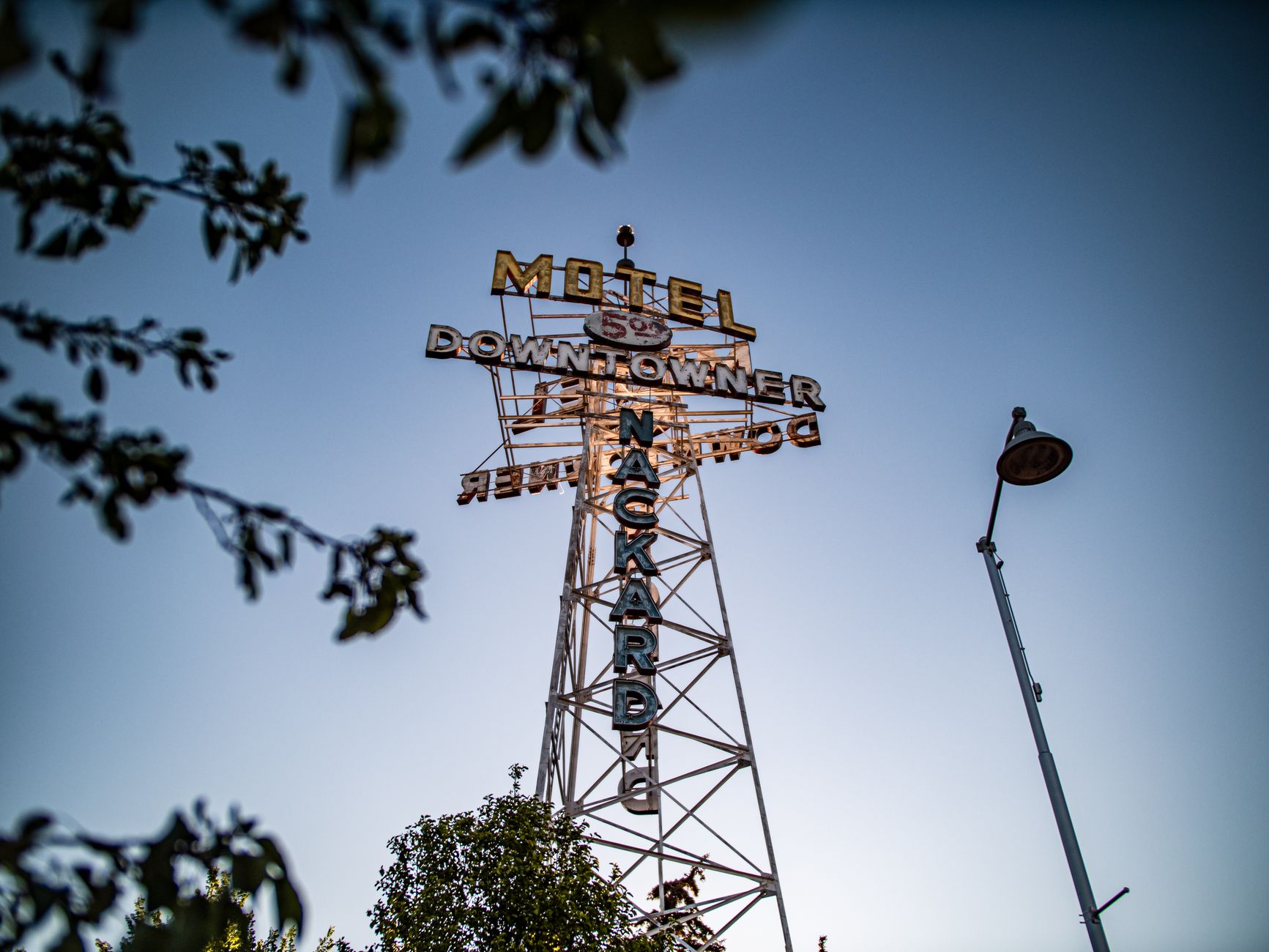
The city grew as a railroad town. The Atlantic and Pacific Railroad arrived in 1882, and Flagstaff quickly became a commercial hub for the surrounding ranching, timber, and mining industries. The arrival of Route 66 in the 1920s layered a new identity onto the city, one that persists in the neon signage, motor lodges, and diners that still line the historic corridor through downtown. That downtown core, centered on Heritage Square and the 1926 train depot, has evolved into a compact and walkable neighborhood of craft breweries, independent restaurants, galleries, and outfitters.
Northern Arizona University, founded in 1899, gives Flagstaff a consistent intellectual and creative energy. The university's presence supports a year-round population of students, researchers, and academics who contribute to the city's progressive, outdoors-oriented culture. The Lowell Observatory, established in 1894, remains one of the most historically significant astronomical research sites in the United States and is open to the public for nightly programs.
For travelers, Flagstaff functions simultaneously as a destination and a hub. It is the primary gateway to the Grand Canyon's South Rim, and it sits within easy reach of Monument Valley, Antelope Canyon, Sedona, and the Navajo and Hopi Nations. The combination of genuine mountain character, cultural depth, and proximity to some of the most iconic landscapes in North America makes Flagstaff one of the Southwest's most compelling and underrated cities.
Flagstaff rewards visitors year-round, but the best window depends heavily on what you want to do and how much company you want doing it.
Late May through early June is an ideal shoulder season for most travelers. The ski crowds have cleared, summer monsoons have not yet arrived, trails in the Coconino National Forest are fully accessible, and the Grand Canyon's South Rim is busy but manageable. This window offers the widest range of outdoor activities with the fewest logistical headaches.
Summer, particularly July and August, draws the largest crowds. Flagstaff becomes a genuine escape from the scorching Arizona desert, and the city fills with visitors seeking cooler air. The monsoon season adds drama to the landscape but can interrupt hiking plans with afternoon storms. Reservations for lodging and popular trailheads are essential well in advance. The Flagstaff Festival of Science and various outdoor concert series make summer culturally lively.
Fall is arguably the most spectacular season for outdoor enthusiasts and photographers. The aspen groves on the San Francisco Peaks peak in color from mid-September through mid-October, drawing leaf-peepers from across the Southwest. Crowds thin noticeably after the Labor Day weekend, trail conditions are excellent, and the clear, dry air makes for outstanding stargazing at Lowell Observatory and beyond. Serious astronomy visitors should target fall and winter nights when atmospheric clarity is at its best.
Winter suits skiers and those seeking a quieter, more local experience. Arizona Snowbowl on Humphreys Peak draws regional skiers, but the overall pace of the city slows considerably. Holiday weekends see a spike in visitors from Phoenix and Tucson, but midweek stays offer genuine solitude. The historic downtown remains active with galleries, breweries, and the university community year-round.
Flagstaff's walkable core runs along Route 66 and San Francisco Street, lined with red-brick buildings dating to the early 1900s. Independent bookshops, craft breweries, live music venues, and galleries give the district a lively, unpretentious energy that rewards slow exploration. The historic train depot anchors the neighborhood and remains an active Amtrak stop.
Just south of the railroad tracks, Southside is Flagstaff's most culturally layered neighborhood, shaped by generations of Mexican-American heritage and a growing wave of artists and independent restaurateurs. Murals cover building facades, taquerias sit alongside coffee roasters, and the atmosphere is relaxed and community-driven. It is one of the best places in the city to find authentic regional food and local creative energy.
Perched on a pine-forested hill west of downtown, this area is defined by the Lowell Observatory, where Pluto was discovered in 1930 and public stargazing programs run most clear nights. The surrounding residential streets are quiet and tree-lined, offering a peaceful contrast to the bustle below. The hilltop setting provides sweeping views of the San Francisco Peaks and the city.
This network of paved and natural-surface trails winds through the western residential neighborhoods, connecting parks, open space, and the urban forest. The area attracts cyclists, trail runners, and dog walkers and reflects Flagstaff's deep commitment to outdoor living as an everyday practice rather than a weekend activity. Thorpe Park serves as a community gathering hub with sports fields and seasonal events.
Located along the Route 66 and Milton Road corridor south of Northern Arizona University, this area serves as the city's primary commercial and dining hub beyond downtown. Chain hotels, national retailers, and a dense concentration of restaurants make it the most practical base for travelers arriving by car. The proximity to NAU gives the area a younger, campus-influenced character.
Flagstaff has a handful of experiences that travelers come for specifically and that cannot be replicated anywhere else in the country.
Stargazing at the World's First Dark Sky City
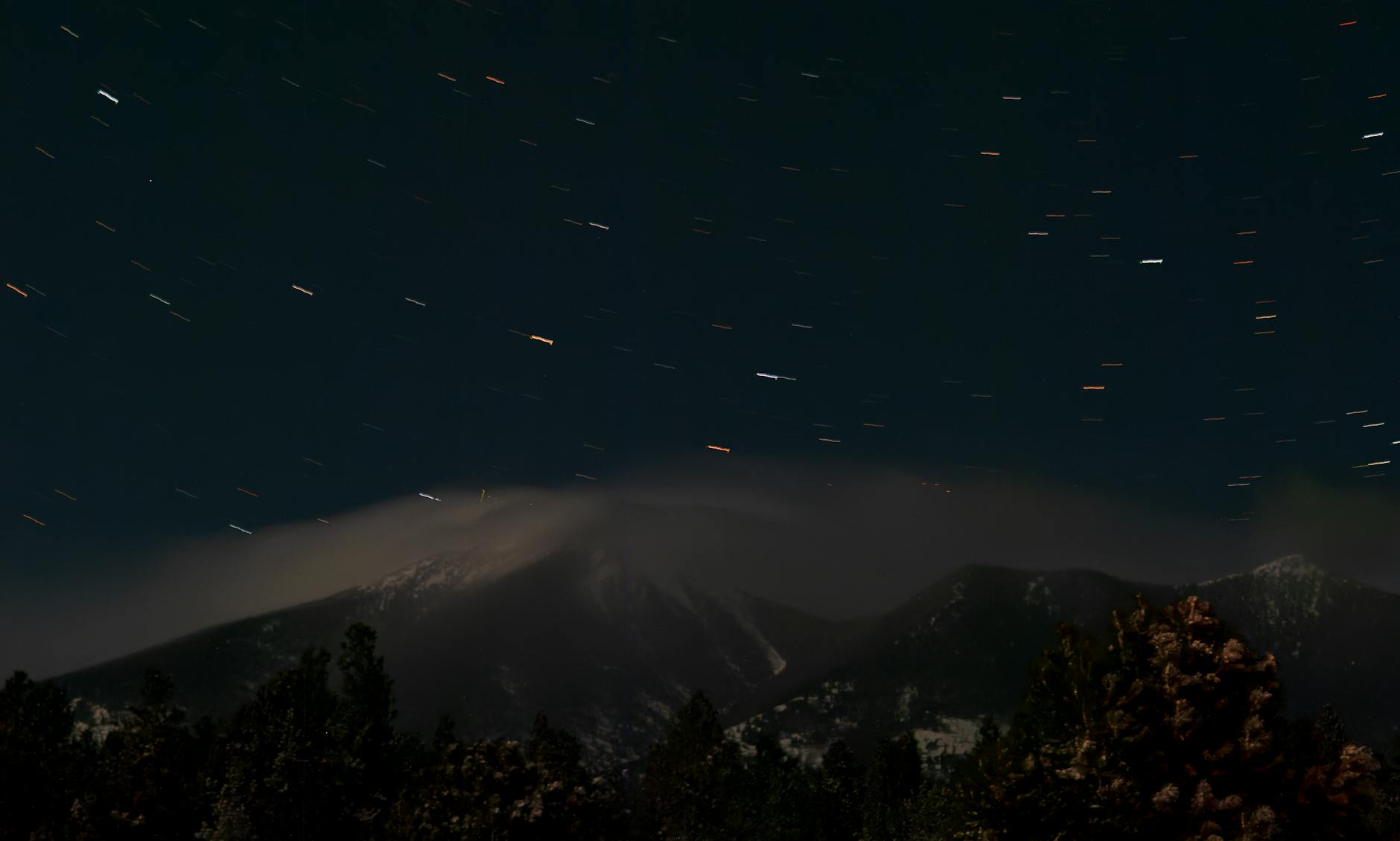
Flagstaff earned International Dark Sky City designation in 2001, the first city in the world to receive it. Strict lighting ordinances have preserved some of the darkest skies of any American city, and the results are extraordinary. The Lowell Observatory, perched on Mars Hill above downtown, has welcomed public viewing nights for over a century. On clear nights, the Milky Way is visible with the naked eye from within the city limits.
Standing at the Rim of the Grand Canyon
No trip to Flagstaff is complete without the 80-mile drive north to the South Rim. The Grand Canyon is one of the genuine wonders of the world, and Flagstaff is its most practical base. Travelers use the city as a launchpad for rim walks, inner-canyon hikes down the Bright Angel Trail, and mule trips into the gorge.
Exploring Ancestral Puebloan Heritage
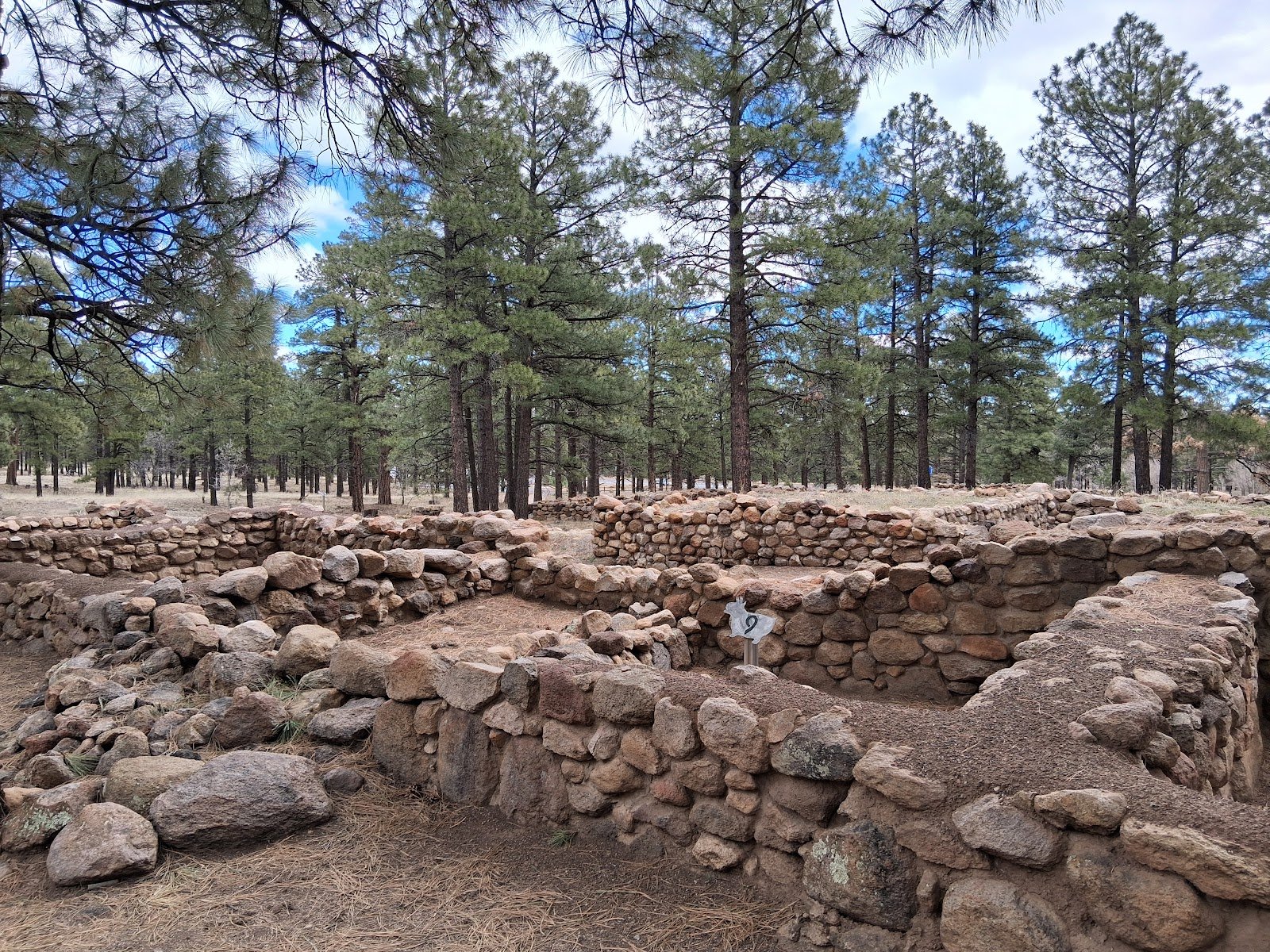
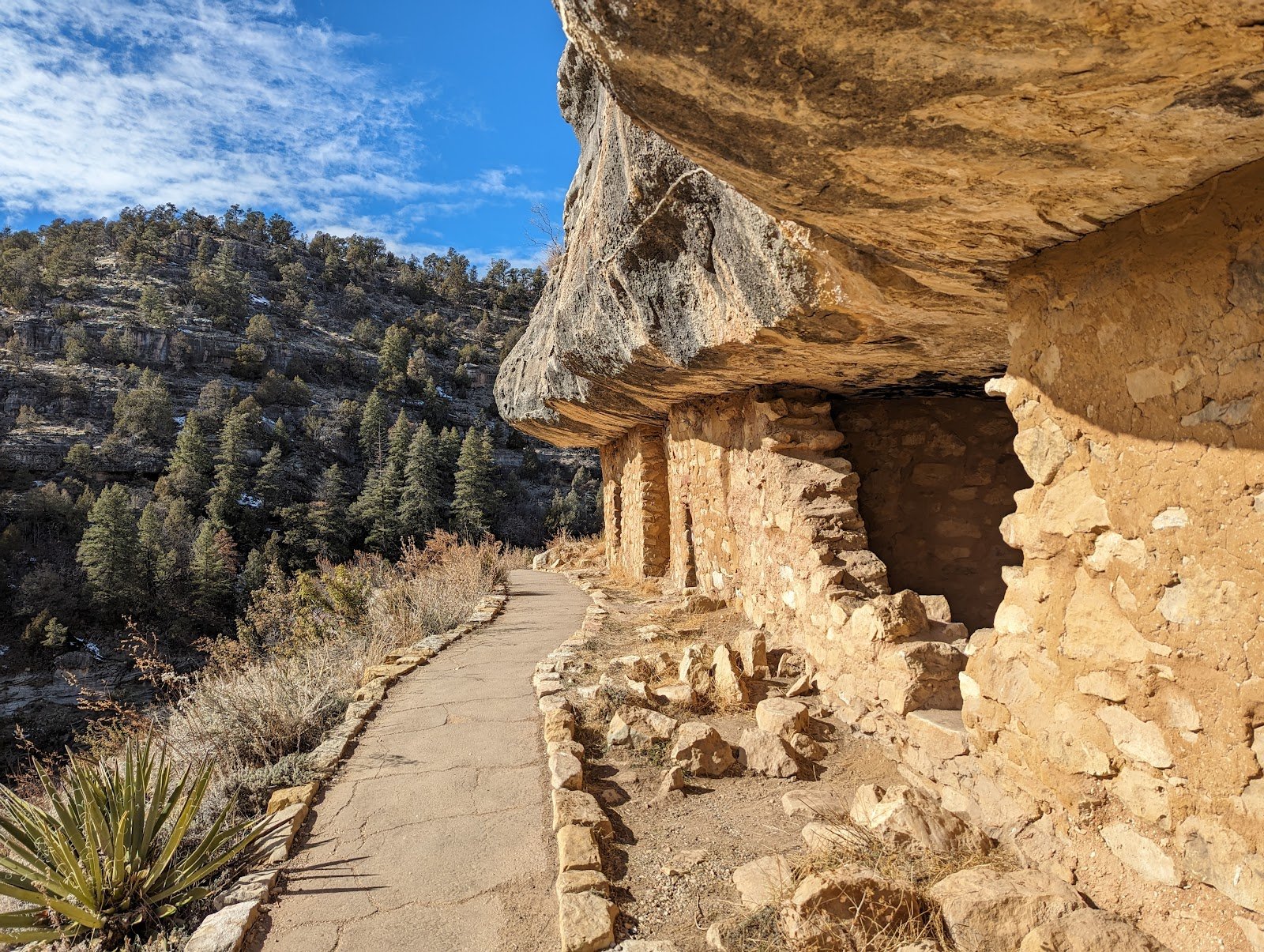
The volcanic plateau surrounding Flagstaff is dense with Indigenous history. Wupatki National Monument preserves over 800 ancestral Puebloan sites, including a multi-story pueblo built atop a natural rock outcrop. Walnut Canyon's cliff dwellings sit tucked into limestone ledges above a forested canyon. Together, these sites offer an immersive connection to a civilization that thrived here over 1,000 years ago.
Skiing and Hiking on a Sacred Volcanic Peak
The San Francisco Peaks are the highest mountains in Arizona and hold deep spiritual significance for over a dozen Native American nations. Humphreys Peak draws hikers seeking Arizona's highest point, while the Arizona Snowbowl transforms the slopes into a ski area each winter. The combination of cultural weight and physical drama makes this mountain unlike any other ski destination in the American West.
Flagstaff punches well above its size when it comes to variety. The city's high-elevation setting, proximity to iconic landmarks, and vibrant downtown core give travelers an unusually broad range of ways to spend their time.
Outdoor Recreation
Flagstaff is a true four-season outdoor destination. Humphreys Peak, Arizona's highest summit at 12,633 feet, rewards hikers with sweeping views across the Colorado Plateau. The Arizona Snowbowl offers skiing and snowboarding in winter, while mountain biking trails through the Coconino National Forest keep riders busy year-round. Climbers, trail runners, and Nordic skiers all find dedicated terrain within minutes of downtown.
Scenic Exploration
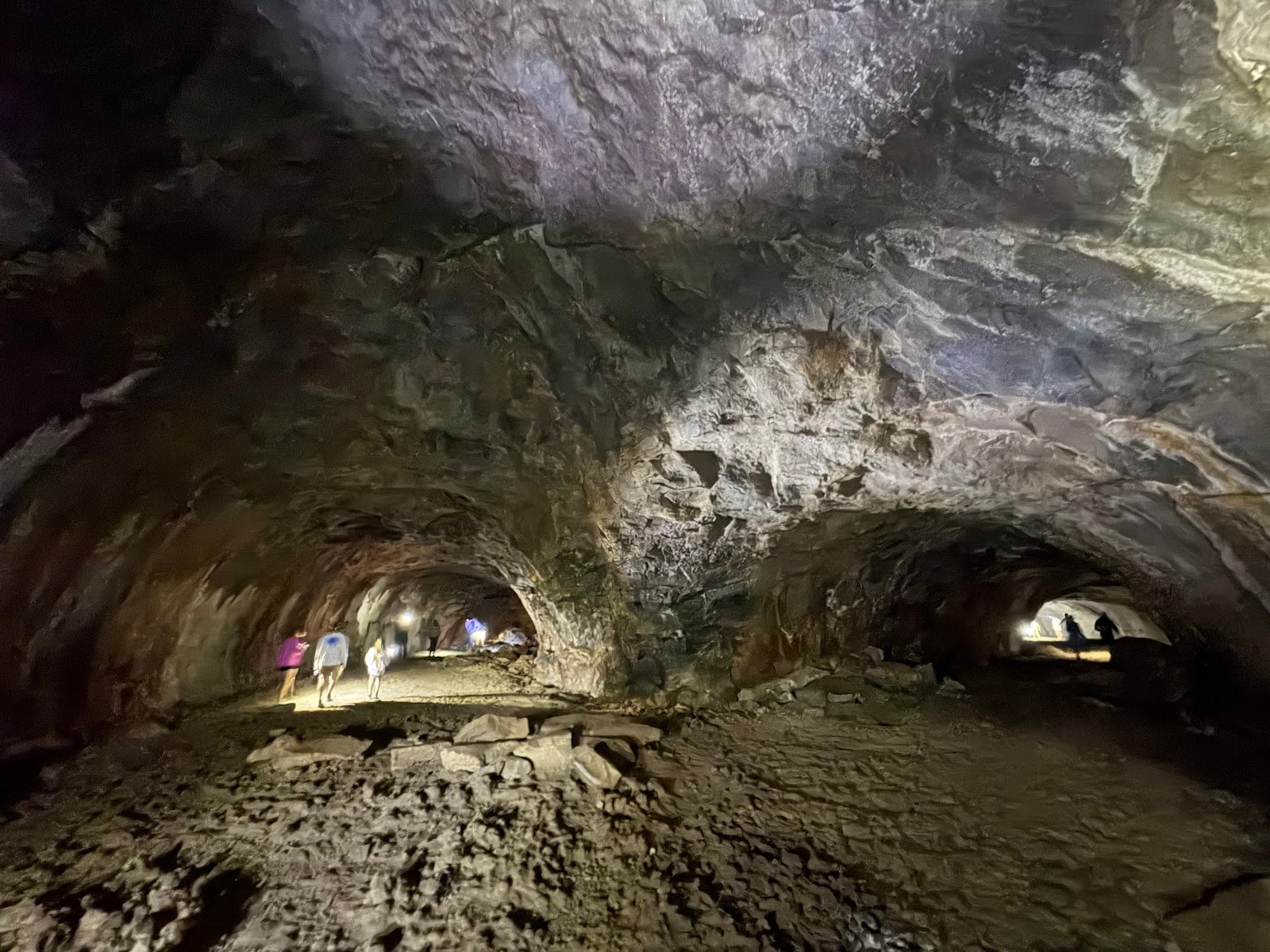
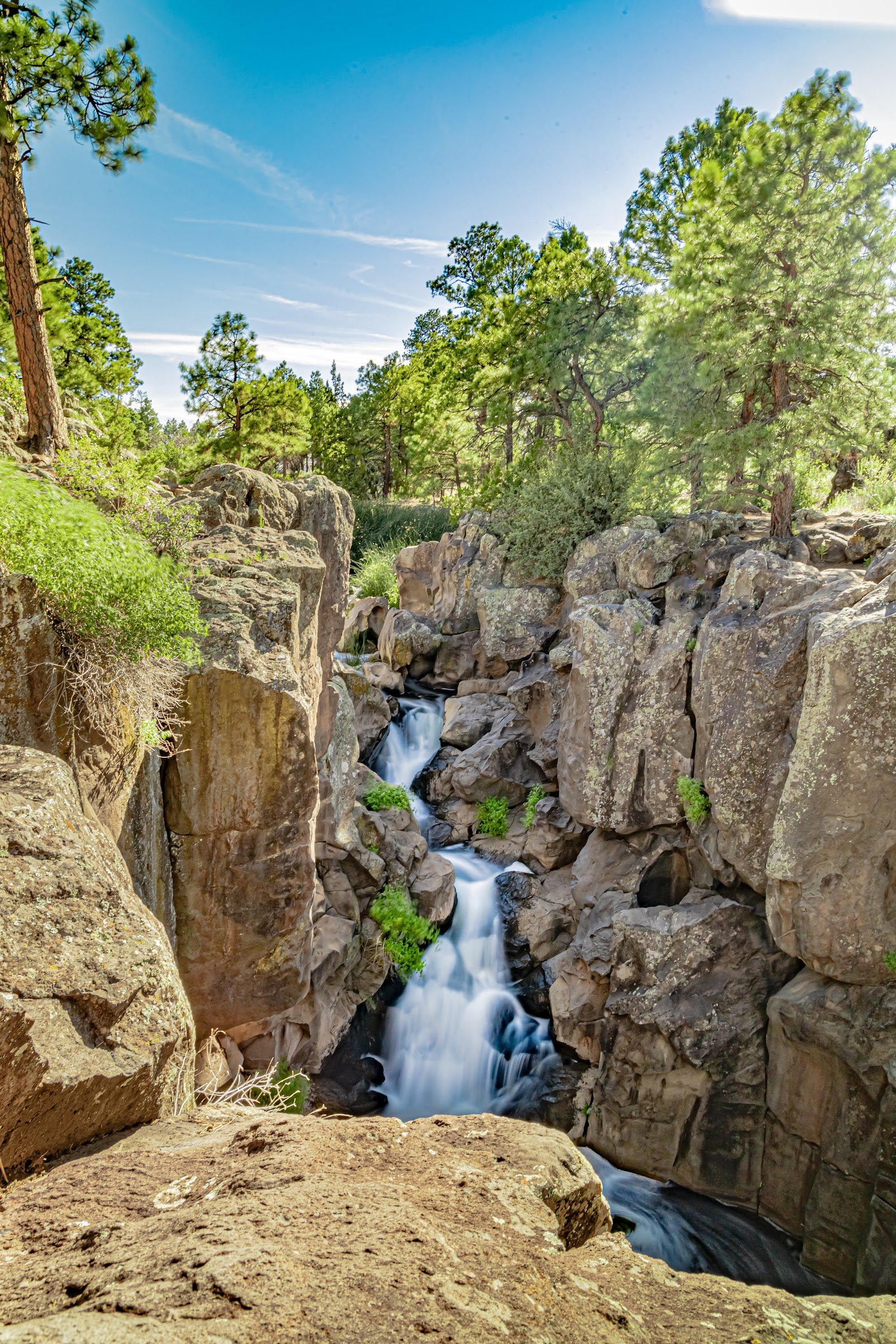
The volcanic landscape surrounding Flagstaff is unlike anywhere else in the Southwest. Sunset Crater Volcano National Monument preserves dramatic cinder fields and lava flows, while Walnut Canyon National Monument protects ancient cliff dwellings carved into limestone. The drive north to the Grand Canyon's South Rim takes roughly 80 minutes and is one of the most rewarding day trips in Arizona.
Cultural Attractions
The Museum of Northern Arizona offers some of the most authoritative collections of Colorado Plateau art, archaeology, and natural history in the region. Wupatki National Monument, just north of the city, showcases ancestral Puebloan ruins set against a striking red rock backdrop. Route 66 runs through Flagstaff's historic downtown, adding a layer of American road-trip heritage to every walk.
Arts and Entertainment
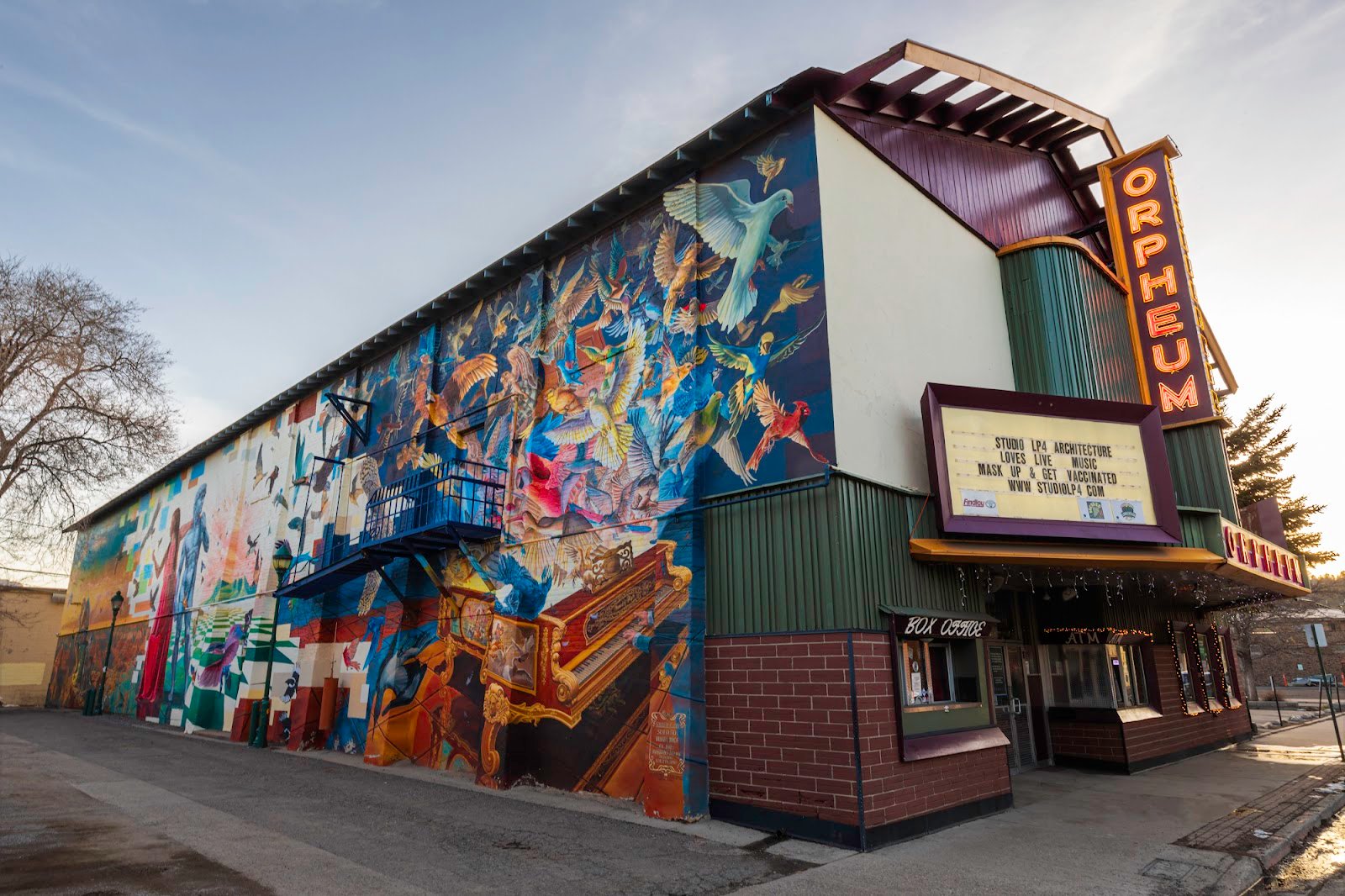
Northern Arizona University anchors a lively arts scene, with live music venues, independent theaters, and galleries concentrated along San Francisco Street and Heritage Square. The Orpheum Theater hosts concerts and film events in a beautifully preserved historic building.
Food and Dining
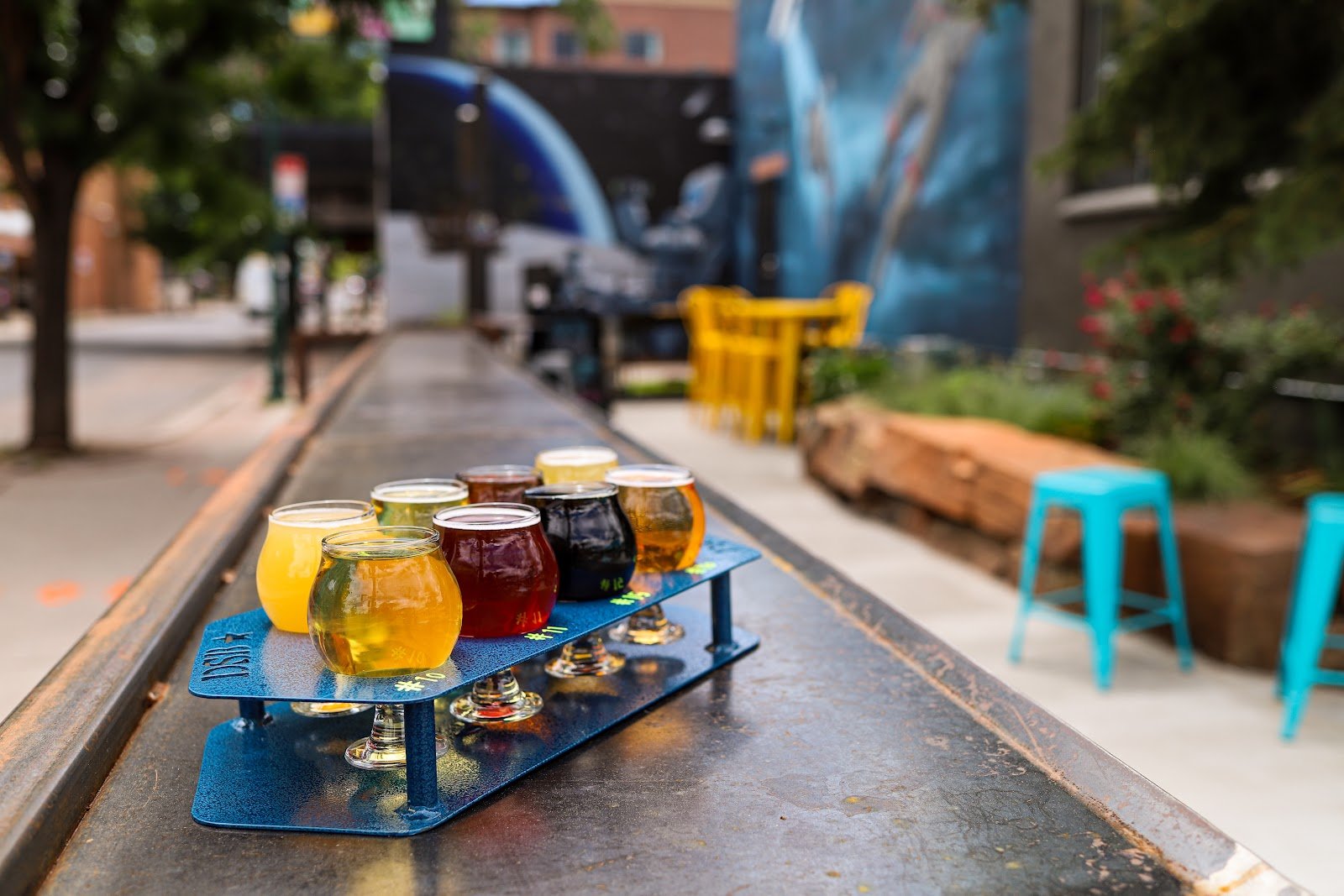
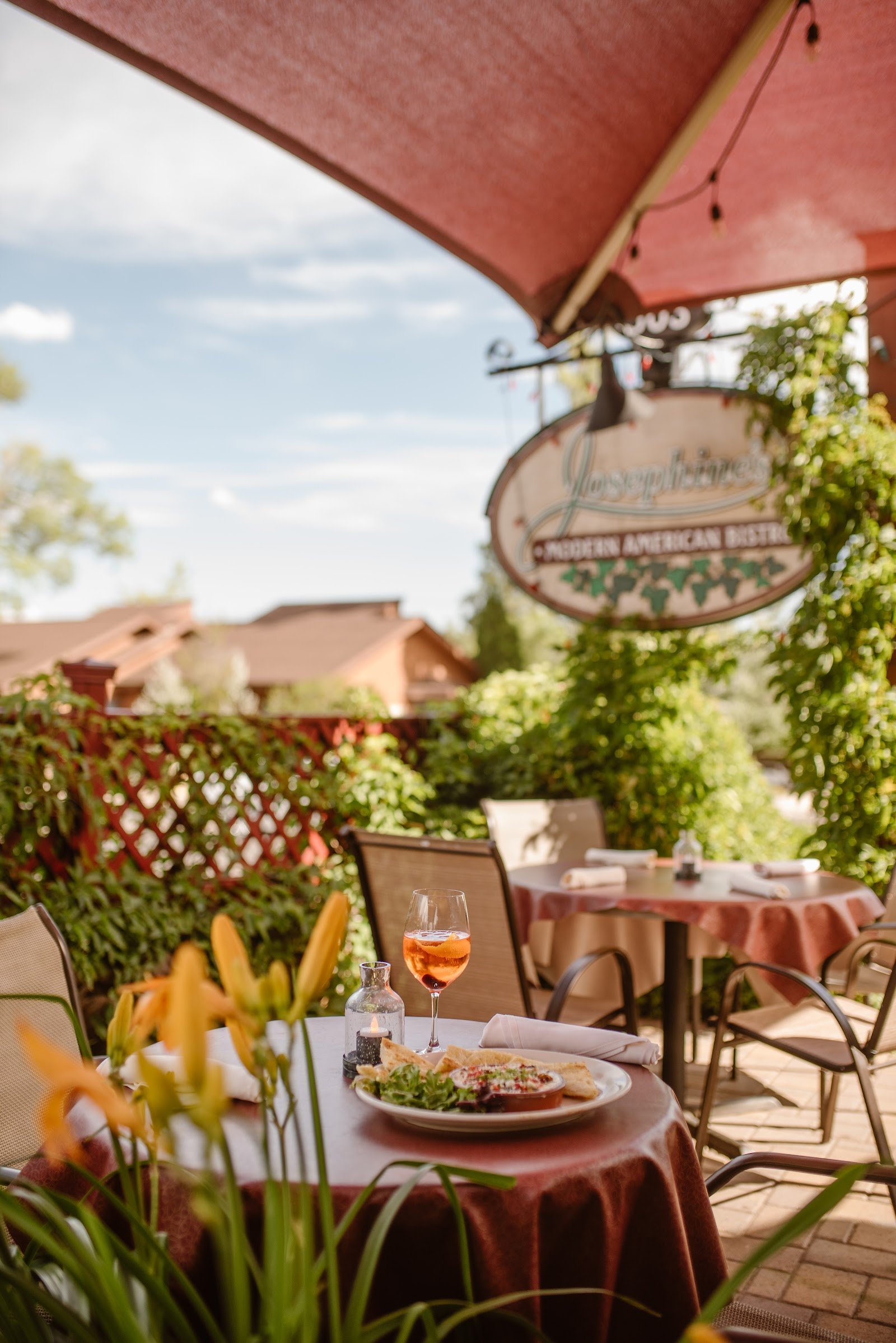
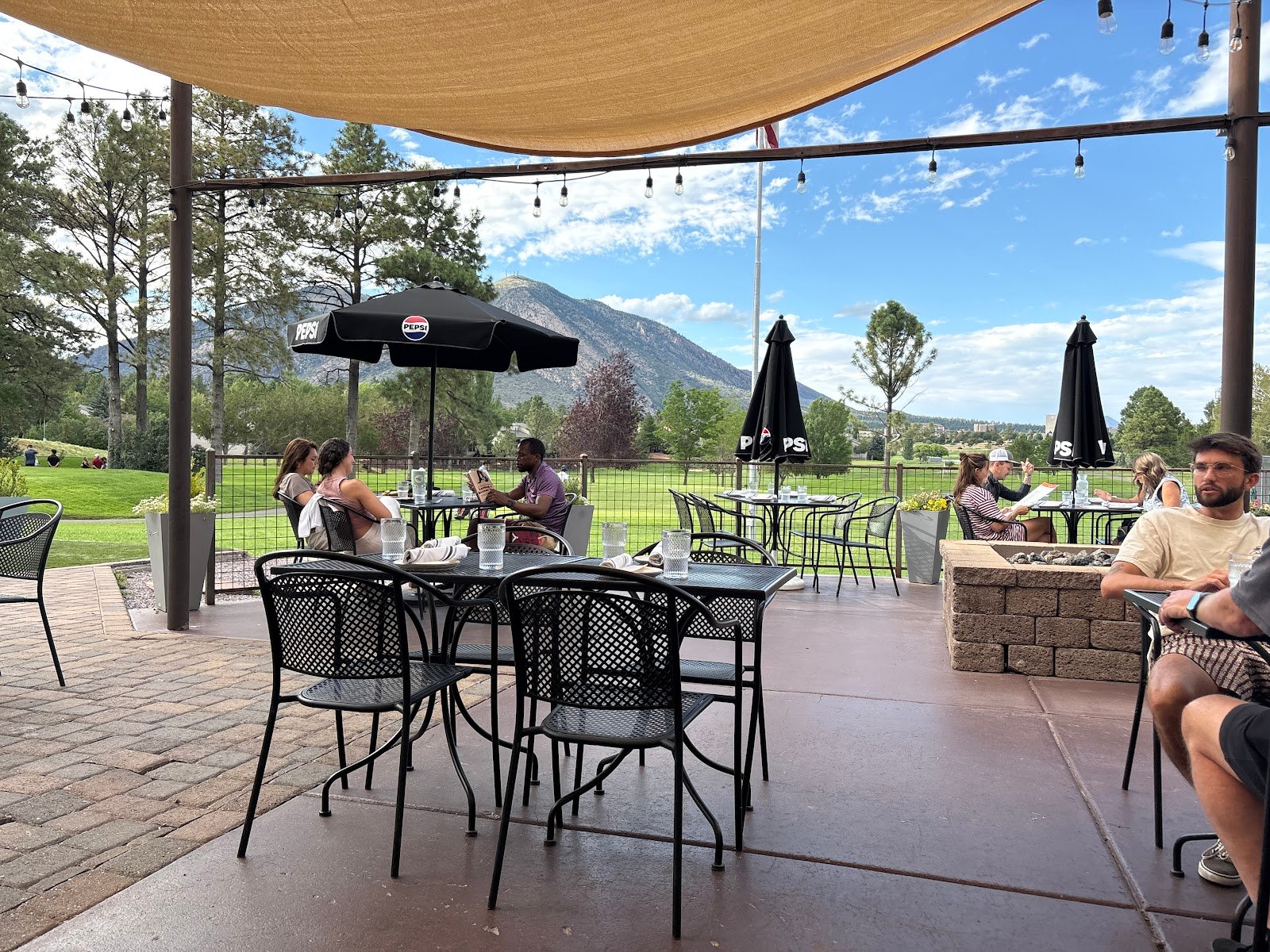
Flagstaff's craft brewery scene is one of the best in Arizona, with a cluster of taprooms within walking distance of the train depot. The downtown dining corridor ranges from Native American-inspired cuisine to farm-to-table restaurants drawing on local ingredients.
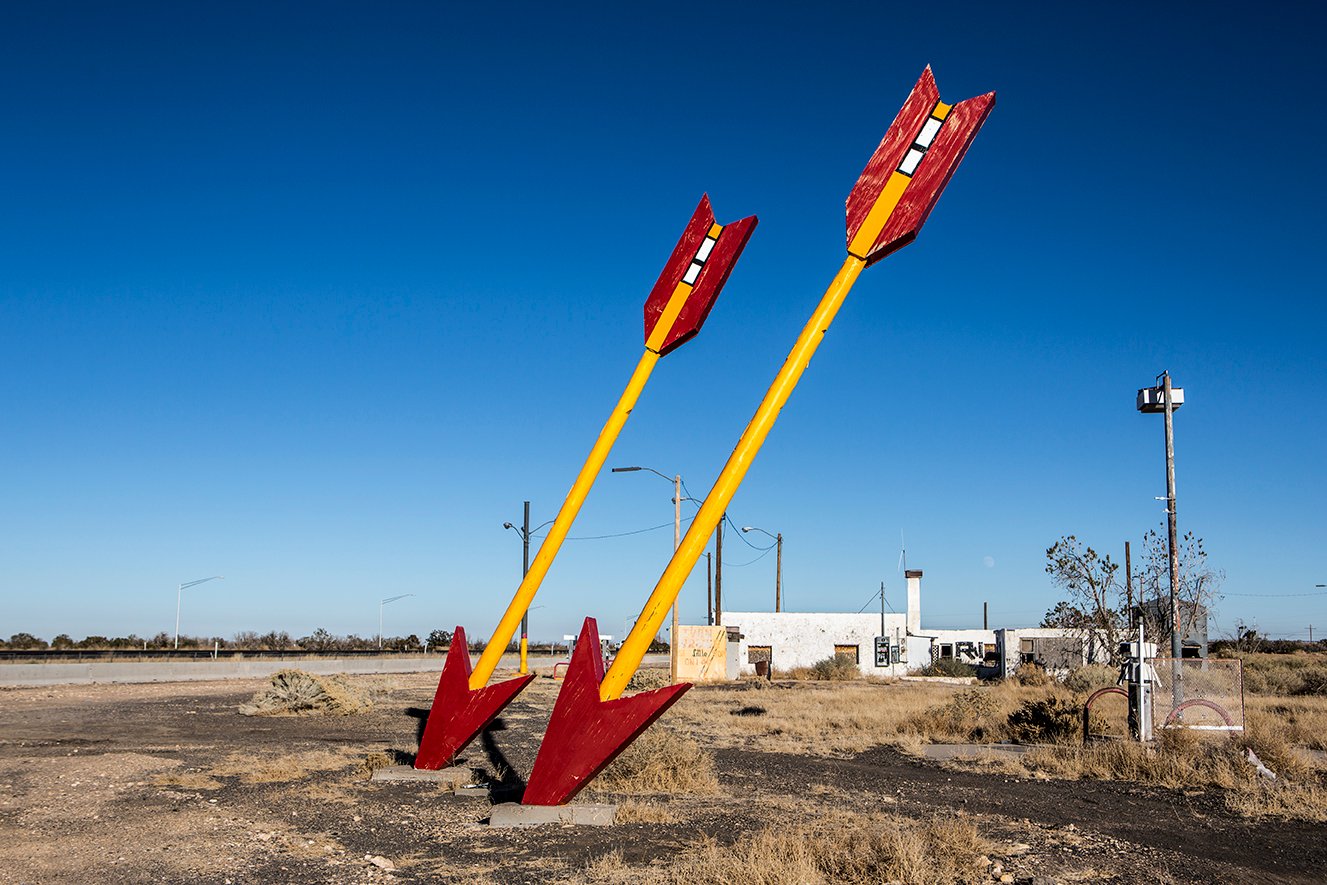
Twin Arrows Trading Post Ruins - Historic Route 66
Start your morning with a stroll through Flagstaff's historic downtown, exploring the Route 66 corridor, independent shops, and the Weatherford Hotel. Grab lunch at one of the craft breweries on San Francisco Street. In the afternoon, head up to Lowell Observatory for a tour of the historic telescopes. Stay for the evening stargazing program — Flagstaff's dark skies make it unforgettable.
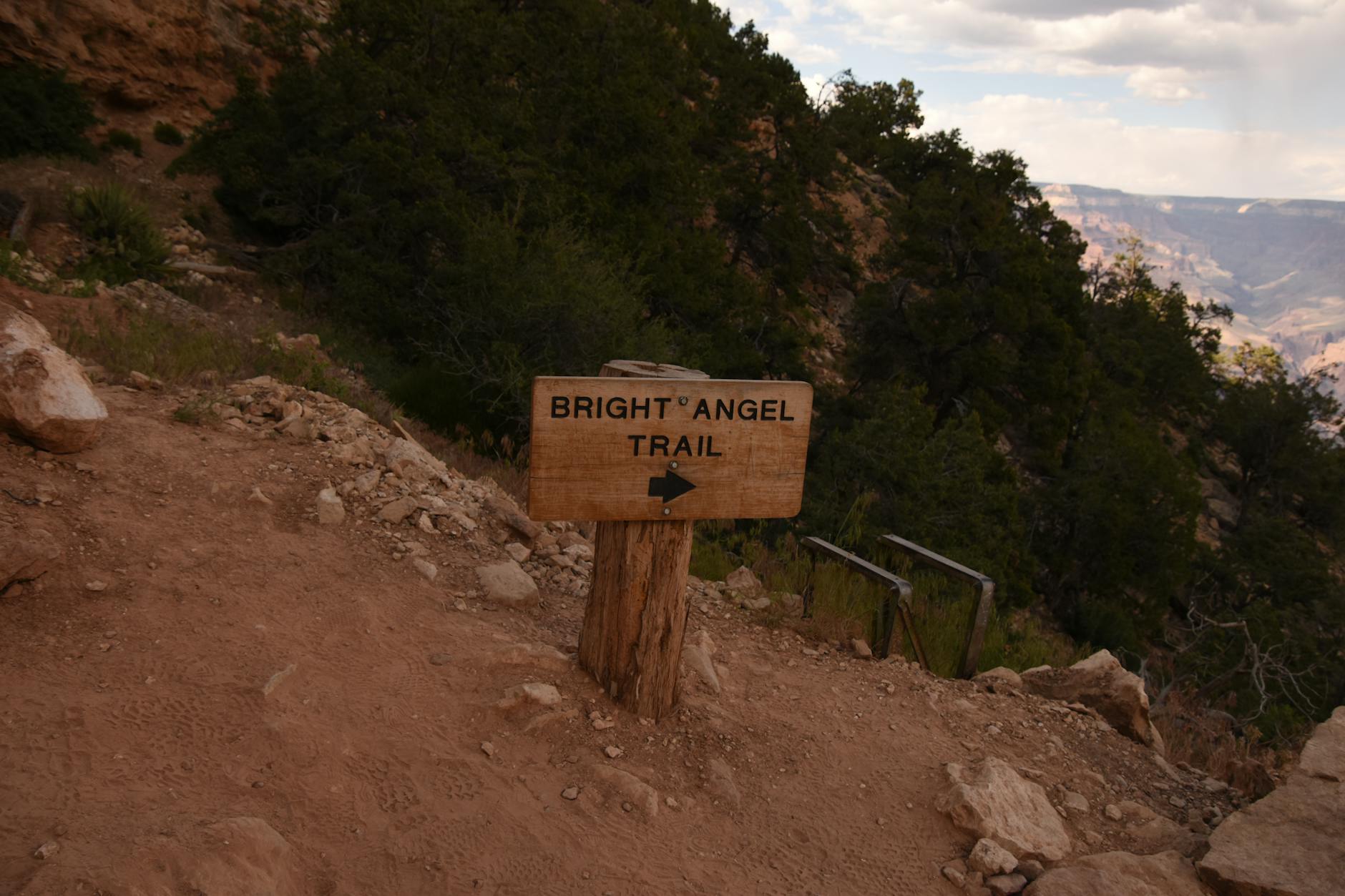
Dedicate the day to the Grand Canyon's South Rim, just 80 miles north. Arrive early to beat the crowds and hike a stretch of the Bright Angel Trail before the midday heat. Walk the Rim Trail for sweeping canyon views and stop at Mather Point for photos. Head back to Flagstaff by early evening and wind down with dinner on Heritage Square.
Spend the morning hiking the Humphreys Peak Trail through the San Francisco Peaks, the highest point in Arizona at 12,633 feet — even a partial hike offers stunning alpine scenery. In the afternoon, drive out to Sunset Crater Volcano National Monument to walk the lava fields. Return to Flagstaff for a final evening exploring the Southside neighborhood's murals and local restaurants.
Flagstaff's cultural calendar is shaped by its mountain climate, its academic community, and its deep connections to Indigenous heritage. The city moves through the year with a rhythm that shifts from snowy winter astronomy events to sun-warmed summer festivals, never losing its unhurried, small-city character.
Flagstaff's dining scene punches well above its size, driven by a combination of Northern Arizona University's student population, a steady flow of outdoor-minded visitors, and a local culture that has long supported independent restaurants over chains.
Phoenix Sky Harbor International Airport (PHX)
is the closest airport and travelers typically drive the 2.5 hours north on I-17. Flagstaff Pulliam Airport (FLG) offers direct American Airlines connections through Phoenix for a more convenient but typically pricier option.
By Car
Flagstaff is located at the junction of I-40 and I-17, making it easy to reach from Phoenix (2.5 hours), Las Vegas (4.5 hours), or Albuquerque (3.5 hours). A rental car is strongly recommended if you plan to visit the Grand Canyon or other surrounding parks.
By Train
Amtrak's Southwest Chief stops at Flagstaff's beautifully restored downtown station once daily in each direction, connecting to Los Angeles, Albuquerque, and Chicago. It's a scenic and practical choice for travelers who don't need a car for the full trip.
By Bus
Greyhound and Flixbus both serve Flagstaff with routes from Phoenix and other Southwest cities. This is a budget-friendly option, though you'll need rideshare or local transit once you arrive.
By Car
A rental car is essentially required if you plan to visit the Grand Canyon, Sedona, or any of the surrounding national monuments. Book your rental in advance during summer and holiday weekends, as Phoenix airport inventory depletes quickly.
On Foot
Historic downtown Flagstaff is compact and very walkable, with restaurants, breweries, shops, the train station, and Lowell Observatory access all within a reasonable walking radius. Comfortable shoes are a must given the uneven historic sidewalks.
Public Transit
Mountain Line Transit runs fixed bus routes connecting downtown, NAU, and major retail areas. It's a useful and affordable option for getting between neighborhoods, but routes run infrequently so check schedules in advance.
Rideshare
Uber and Lyft operate reliably throughout Flagstaff for in-city trips. Availability can be limited late at night or during busy summer weekends, so build in extra wait time or arrange transportation in advance.
By Bike
Flagstaff has a growing network of bike lanes and paved urban trails, particularly around the NAU campus. It's a practical and enjoyable option for getting around the city core, though the high elevation (6,900 feet) means the riding can feel more strenuous than expected.
Flagstaff sits at 6,900 feet above sea level — altitude affects many visitors, especially those arriving from sea level. Drink extra water, limit alcohol on your first day, and expect physical activity to feel harder than usual until you acclimatize. Weather changes fast: even in summer, temperatures drop sharply after sunset and afternoon thunderstorms are common from July through September (monsoon season). Always carry a layer and check forecasts before heading into the backcountry. Book Grand Canyon permits and rim-to-river hiking reservations well in advance — some require lottery applications months ahead. Tipping follows standard US norms: 18 to 20 percent at restaurants and for rideshare drivers. Most businesses are cashless or card-preferred. The Flagstaff Visitor Center downtown is a reliable stop for trail maps, event listings, and local advice. Cell coverage is strong in the city but can drop significantly in surrounding forests and canyon areas.
Two to three days is the sweet spot for Flagstaff itself. That gives you time to explore downtown, hike in the Coconino National Forest, and visit Lowell Observatory. If you plan to add a Grand Canyon day trip - just 80 miles north - budget at least three to four days total to avoid feeling rushed.
Flagstaff is best known as the primary gateway to the Grand Canyon's South Rim, its status as the world's first International Dark Sky City, and the Lowell Observatory where Pluto was discovered in 1930. It is also recognized for Humphreys Peak - Arizona's highest point - the historic Route 66 corridor, and the surrounding ponderosa pine forests.
Yes, Flagstaff works very well as a weekend trip, especially from Phoenix - roughly two hours south by car. A long weekend covers downtown exploration, a hike on the San Francisco Peaks, and a visit to Lowell Observatory. Adding a Grand Canyon day trip is possible but makes for a packed itinerary, so an extra day helps.
Flagstaff is moderately priced by Arizona standards. Lodging ranges from budget motels along Route 66 to mid-range hotels downtown. Dining skews affordable thanks to the college-town atmosphere around Northern Arizona University. Outdoor activities like hiking and stargazing are largely free, which helps keep overall trip costs reasonable compared to major resort destinations.
Late spring through early fall - May to October - offers the most reliable weather for hiking and outdoor activities, with mild temperatures well below the desert heat of Phoenix. Summer brings afternoon monsoon storms, while fall delivers crisp air and fewer crowds.