
Baltimore, MD
A Journey guide to
Gilbert, Arizona has transformed from a small agricultural town into one of the fastest-growing and most prosperous communities in the United States. Once known as the "Hay Shipping Capital of the World," it has reinvented itself as a dynamic destination anchored by a thriving food and drink culture, well-maintained parks, and a strong sense of community identity. Travelers who appreciate clean, walkable neighborhoods and genuinely local dining will find Gilbert immediately rewarding.
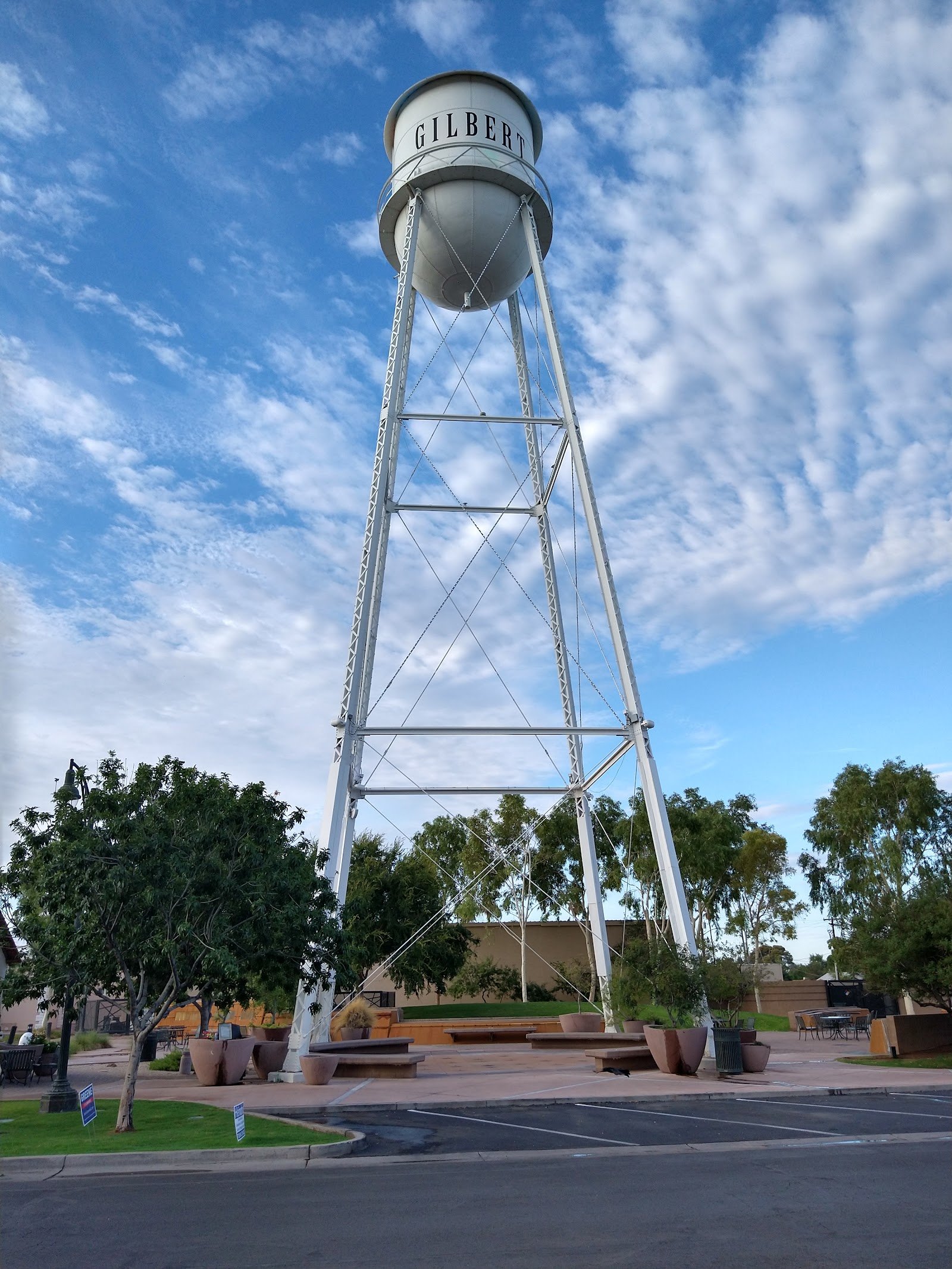
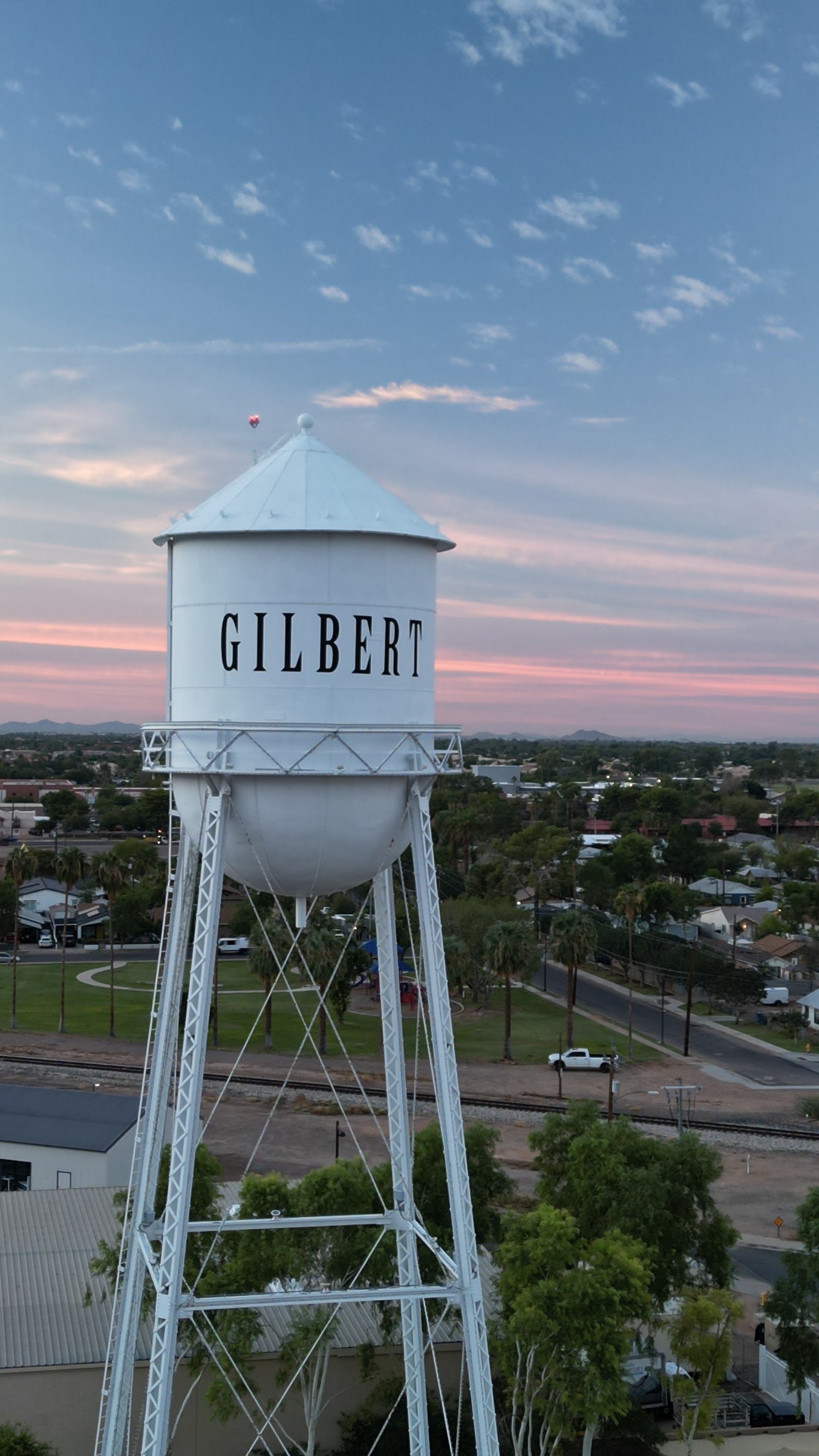
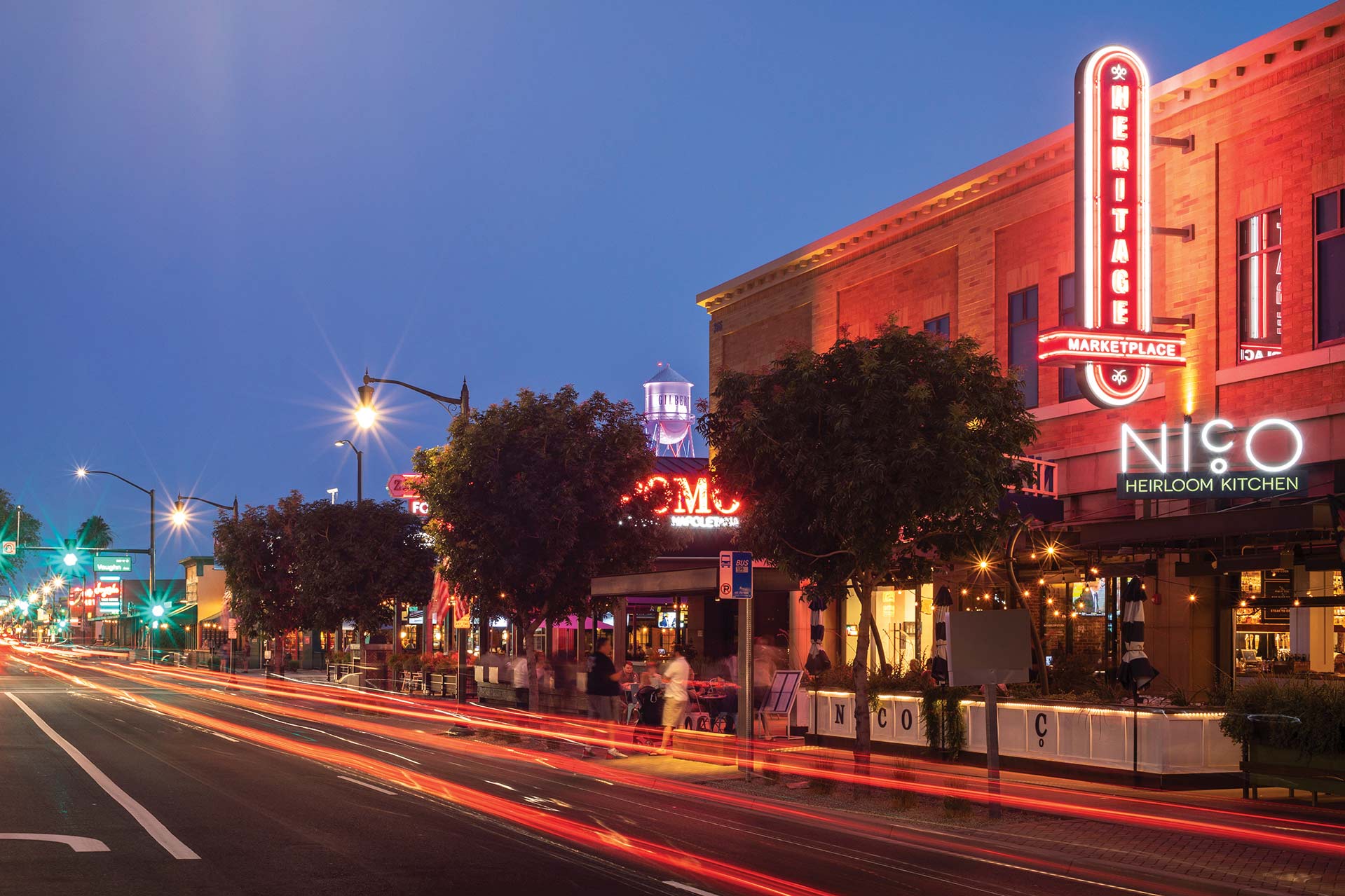
The Heritage District sits at the heart of Gilbert's appeal for visitors. This compact, pedestrian-friendly downtown core is lined with independent restaurants, craft breweries, coffee roasters, and boutique shops. The iconic Gilbert Water Tower presides over the scene, a nod to the town's agricultural past amid a thoroughly modern dining landscape. Weekend evenings bring out a lively crowd, and the district's density of quality restaurants rivals neighborhoods in much larger cities.
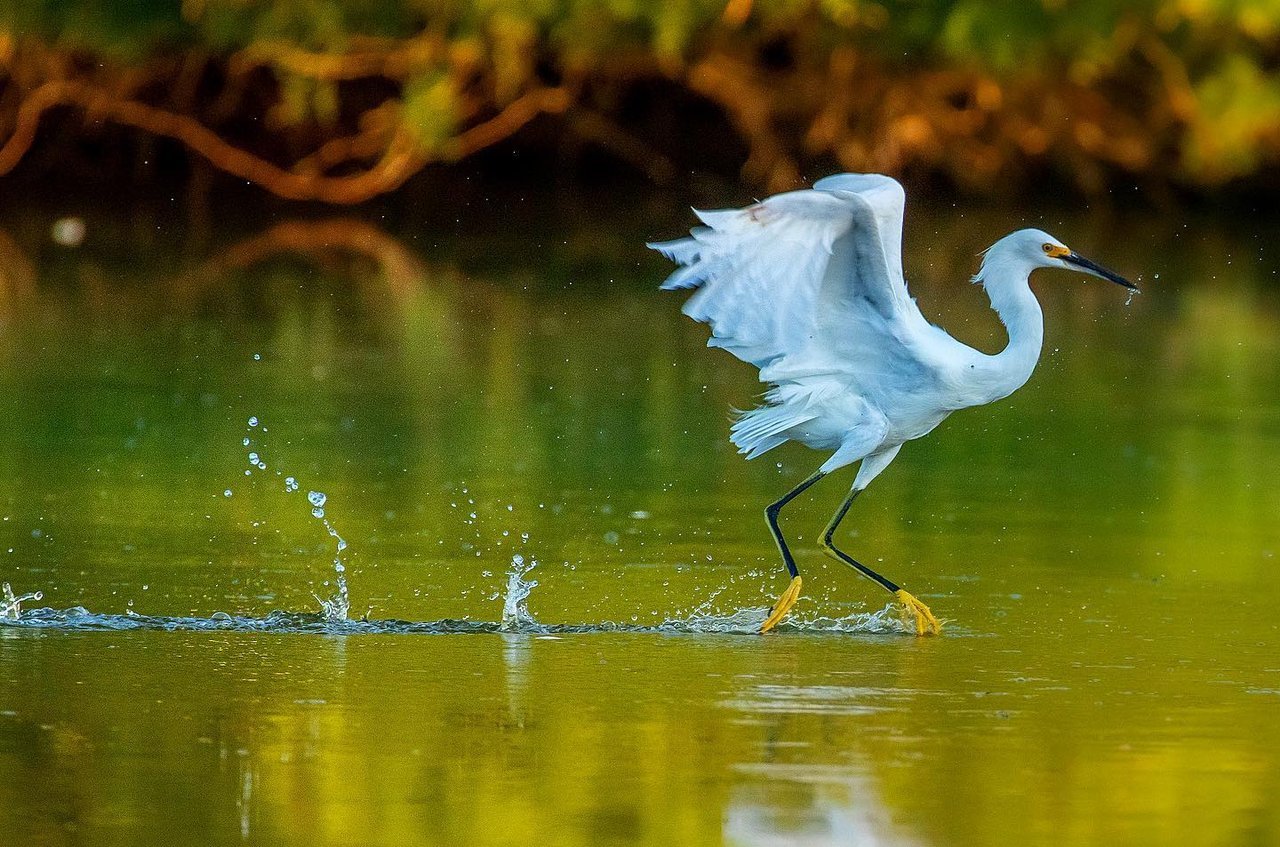
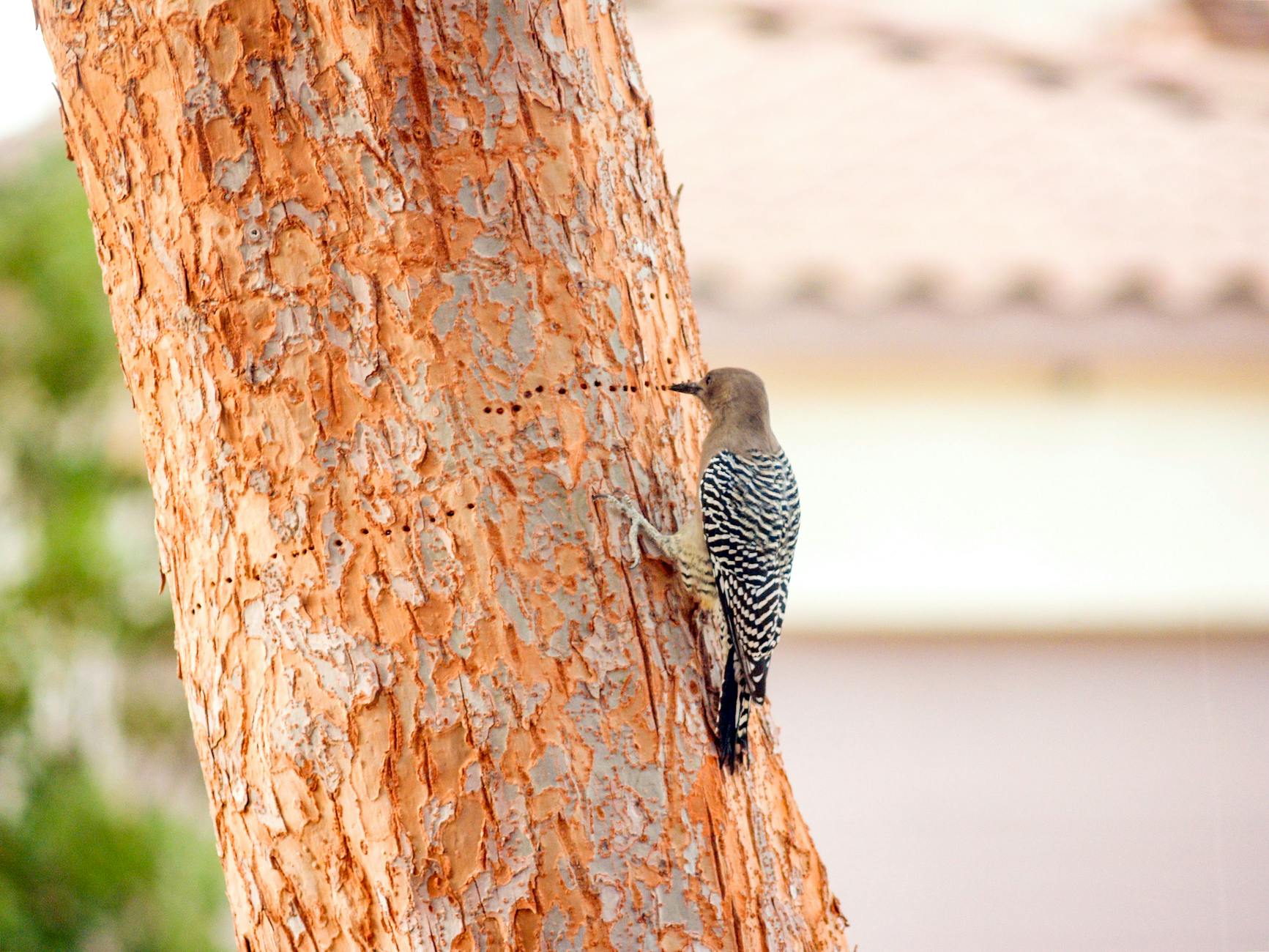
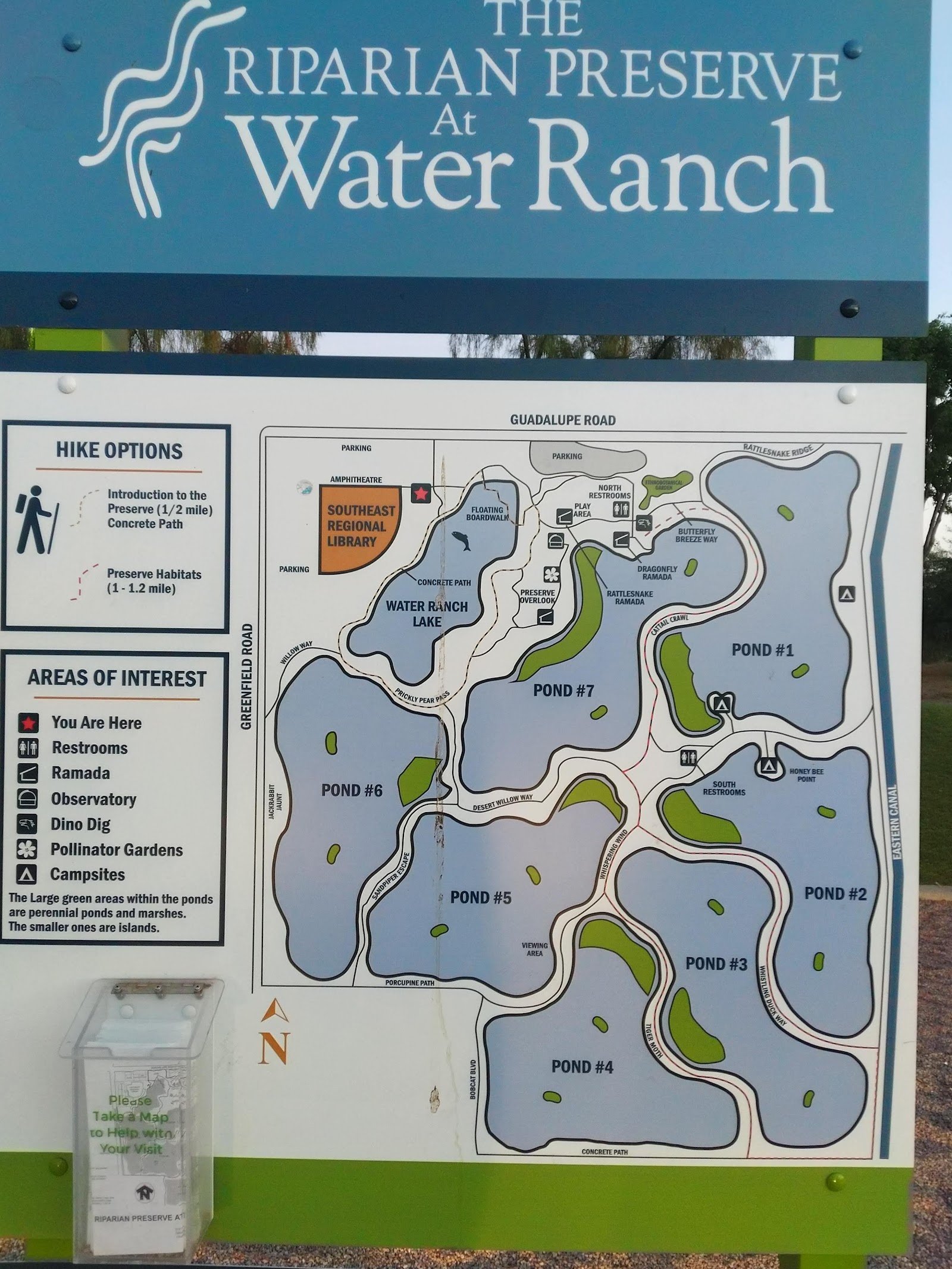
Outdoor enthusiasts are well served by Gilbert's commitment to green space. The Riparian Preserve at Water Ranch is a standout attraction: a 110-acre urban wildlife refuge featuring a network of walking trails, seven recharge ponds, and an on-site observatory operated by the Gilbert Astronomy Club. The preserve attracts serious birdwatchers from across the Southwest, with hundreds of species documented on site throughout the year.
Gilbert appeals strongly to families, food-focused travelers, and those seeking a relaxed but polished Arizona experience outside the bustle of central Phoenix. It pairs naturally with day trips to Mesa's cultural institutions, Scottsdale's resort corridor, and the Superstition Mountains to the east. For travelers who prefer a quieter base with genuine neighborhood character over a generic hotel strip, Gilbert consistently delivers.



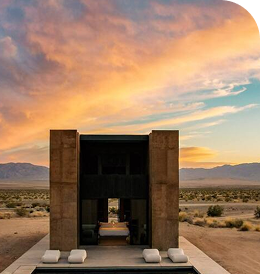

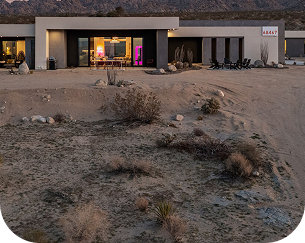

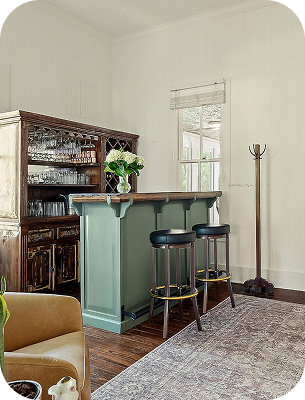

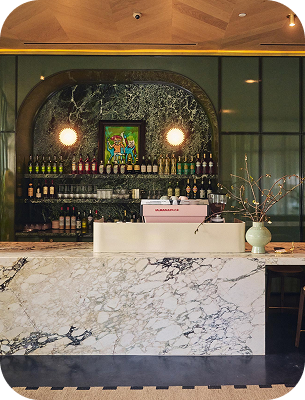

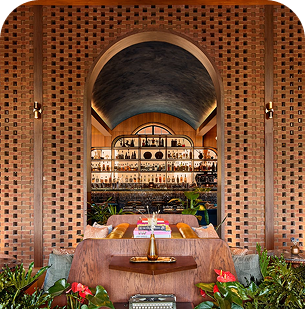

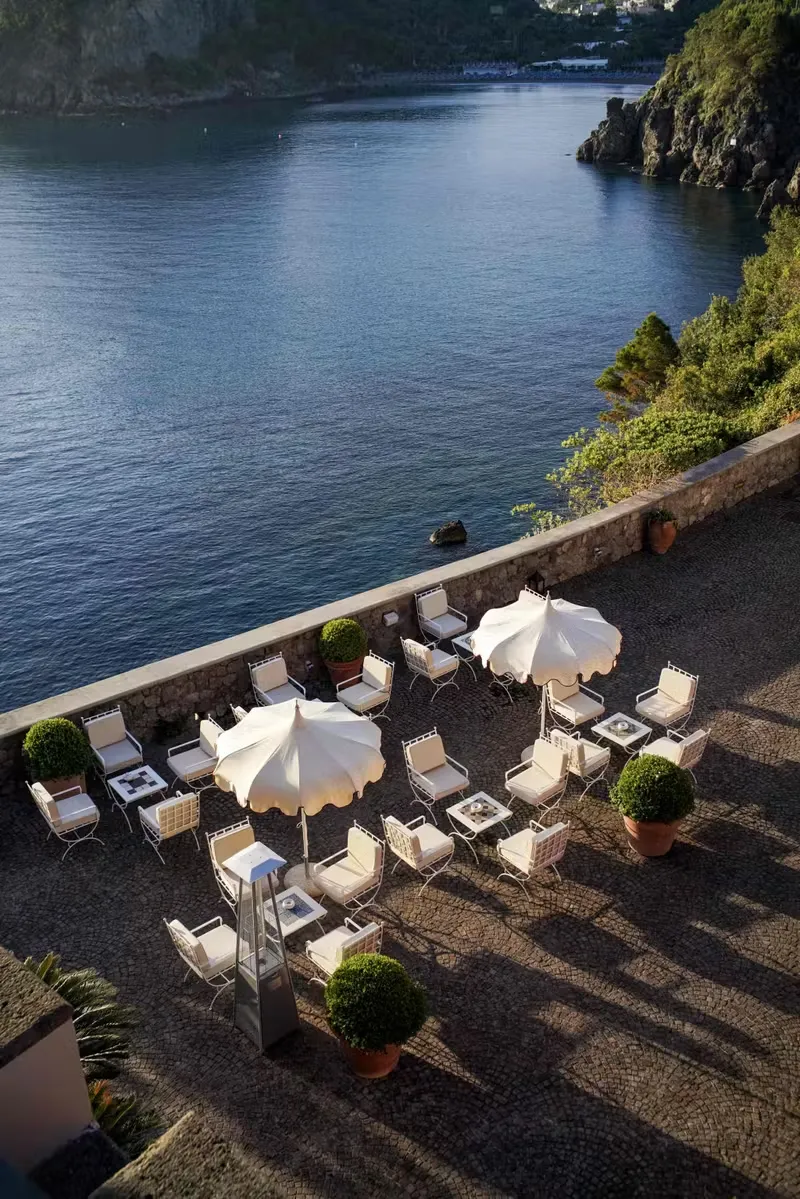

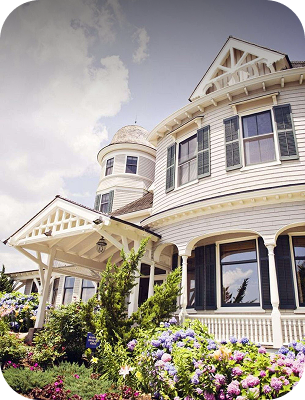

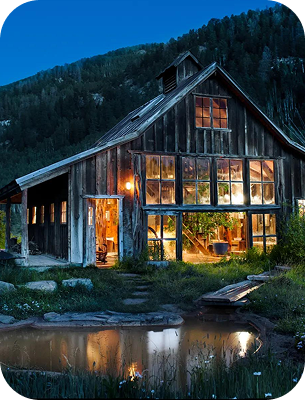

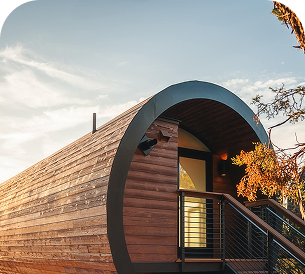

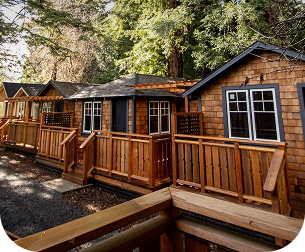

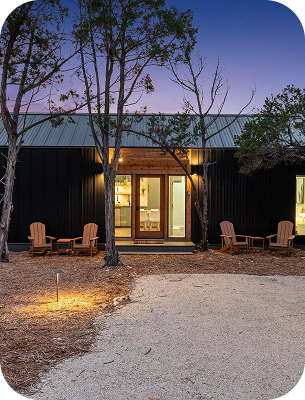

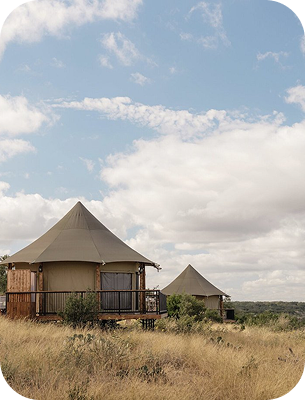

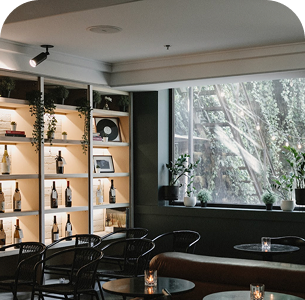

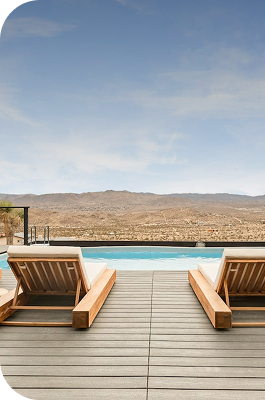

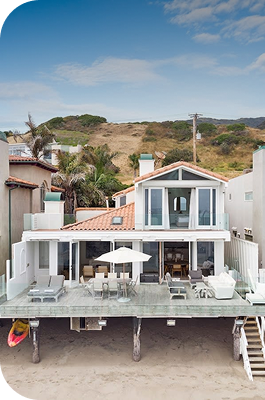

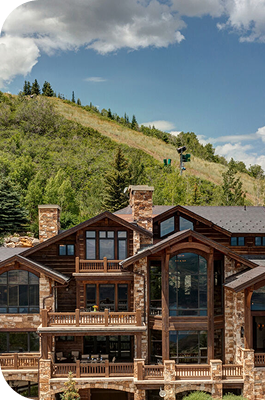

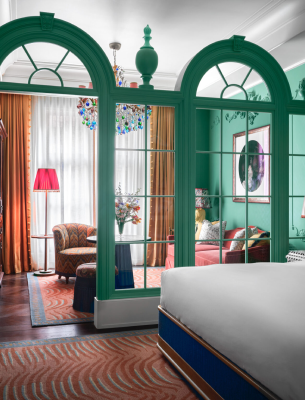

Journey connects travelers to a curated network of boutique hotels and distinctive residences around the world, all united under one rewards program. Explore handpicked stays for your trip while earning points, unlocking exclusive offers, and receiving rewards across the Journey collection.
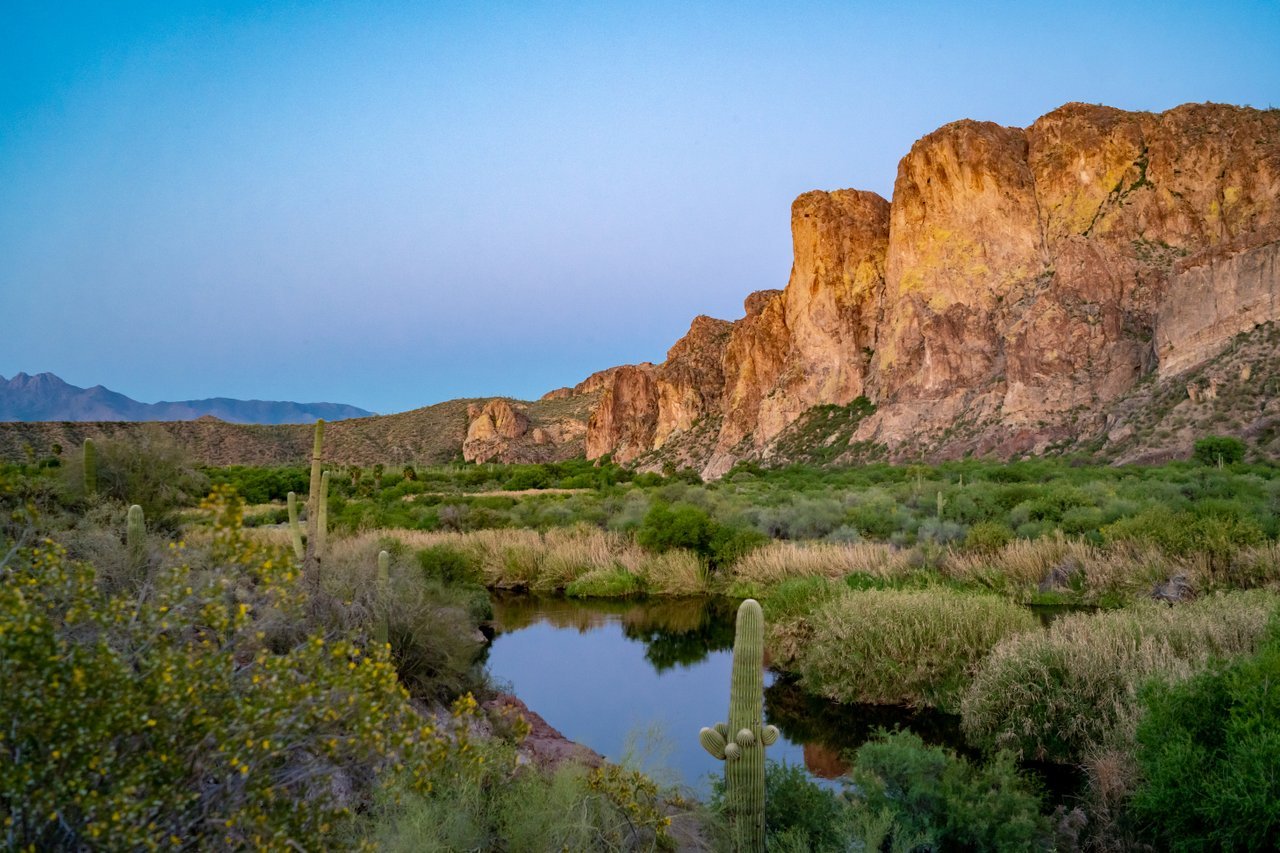
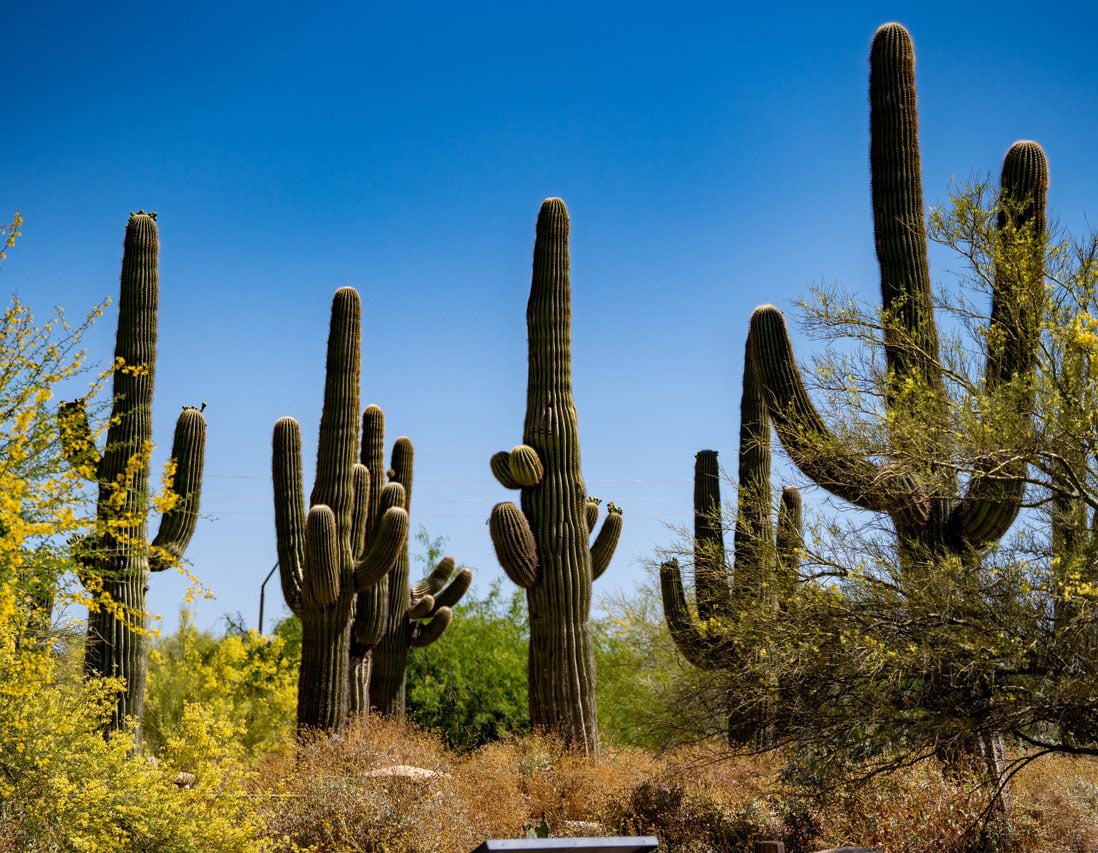
Gilbert occupies the southeastern corner of the Phoenix metropolitan area, situated in Maricopa County at an elevation of roughly 1,200 feet above sea level. The town borders Chandler to the west, Mesa to the north, and Queen Creek to the southeast, placing it squarely within the East Valley subregion of Greater Phoenix. The landscape is characteristic of the Sonoran Desert: wide, flat terrain punctuated by saguaro cacti, desert scrub, and the dramatic silhouette of the Superstition Mountains visible on the eastern horizon.
Historically, Gilbert was incorporated in 1920 and built its early economy around alfalfa farming and the shipping of hay by rail. The Southern Pacific Railroad depot made it a regional agricultural hub, and that identity persisted well into the mid-twentieth century. The transformation came rapidly in the 1980s and 1990s as Phoenix's suburban sprawl pushed eastward, and Gilbert's population exploded from roughly 5,000 residents in 1980 to over 250,000 today. That growth trajectory earned it recognition as one of the fastest-growing municipalities in American history.
Despite its suburban origins, Gilbert has cultivated a distinct civic identity rather than settling for anonymity. The town government has invested heavily in parks, public art, and the revitalization of the Heritage District, which anchors the community's sense of place. The result is a destination that feels purposeful and curated rather than accidental.
Culturally, Gilbert skews young, educated, and family-oriented. The dining scene reflects this demographic: chefs and restaurateurs have opened ambitious, independent concepts here rather than defaulting to chain restaurants, giving the Heritage District a culinary credibility that draws visitors from across the metro area. Craft brewing, specialty coffee, and farm-to-table dining all have a genuine foothold.
For travelers, Gilbert functions both as a self-contained destination and as a strategically positioned base. Scottsdale's resorts and galleries are roughly 20 miles northwest, Tempe's university energy is 15 miles west, and the wild landscapes of the Tonto National Forest begin just beyond the eastern suburbs.
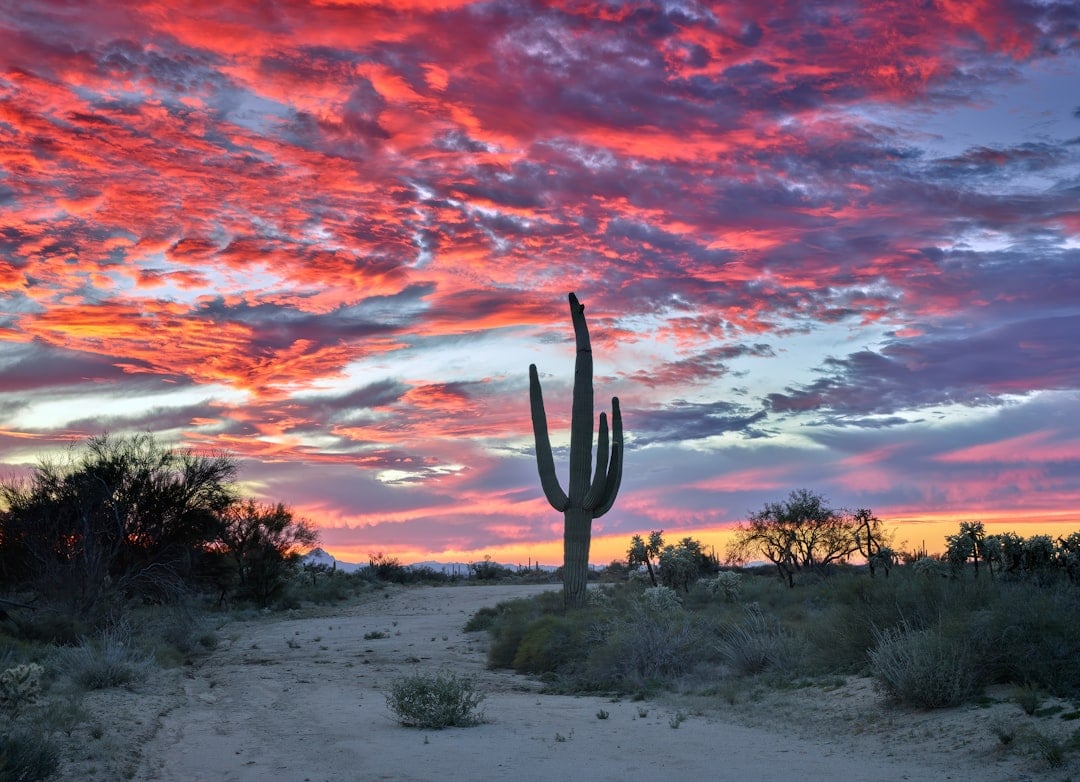
October through April represents the sweet spot for visiting Gilbert, with the cooler months drawing the most visitors for good reason. October and November offer a particularly rewarding window: the brutal summer heat has fully retreated, crowds are lighter than the peak winter season, and the Heritage District's outdoor patios and walking areas are at their most enjoyable. This shoulder-season timing is ideal for travelers who want the best of Gilbert's outdoor dining culture and park access without competing for reservations or parking.
December through February is Gilbert's busiest stretch. Snowbirds and winter visitors from colder states arrive in large numbers, energizing the Heritage District and filling weekend dining spots. Reservations at popular restaurants become essential, especially on Friday and Saturday evenings. That said, the Riparian Preserve at Water Ranch is at its finest during these months, with migratory bird populations peaking and comfortable conditions for long walks along the trail network.
March and April bring a lively spring atmosphere. Local events and outdoor festivals pick up across the East Valley, and the Heritage District sees strong foot traffic as the weather remains inviting. Travelers who enjoy a buzzing, active scene will find this period particularly appealing, though it does mean more competition for accommodation and dining.
May and June sit in an awkward transition: temperatures climb sharply, outdoor activity becomes less comfortable by midday, and the monsoon has not yet arrived to break the heat. Most visitors find this the least rewarding time to plan a trip.
July through September is the quietest period for tourism. Those who do visit during the monsoon months can experience Gilbert's dramatic summer storm season, which makes for striking evening skies over the Heritage District, but the heat requires careful planning around early morning or evening outings.
Gilbert's walkable downtown core is the social and culinary heart of the community, anchored by the iconic Gilbert Water Tower and packed with independent restaurants, craft breweries, coffee roasters, and boutique shops. Weekend evenings draw lively crowds to its compact, pedestrian-friendly streets, offering a dining density that rivals far larger cities. It is the essential first stop for any visitor wanting to understand what modern Gilbert is all about.
This 110-acre urban wildlife refuge sits within Gilbert's residential fabric and draws birdwatchers, walkers, and nature lovers from across the Southwest. Seven recharge ponds, a network of trails, and an on-site astronomical observatory operated by the Gilbert Astronomy Club make it far more than a typical city park. Hundreds of bird species have been documented here, giving the preserve a genuine ecological significance unusual for a suburban setting.
The SanTan Village corridor anchors Gilbert's eastern side with an open-air shopping and dining district that blends major retailers with local restaurants and entertainment venues. The area has a polished, family-friendly energy and serves as a hub for evening dining and weekend outings. Its proximity to the San Tan Mountains adds a scenic backdrop that sets it apart from typical suburban retail zones.
Agritopia is a rare planned community built around a working organic farm, blending residential neighborhoods with agricultural land, a farm stand, and a collection of local eateries including the well-regarded Joe's Farm Grill. The neighborhood reflects Gilbert's agricultural roots while embracing a modern farm-to-table ethos that feels authentic rather than trend-driven. Strolling its tree-lined streets and farm paths offers a genuinely distinctive Arizona experience.
Gilbert's signature appeal comes down to two things that few suburban destinations can genuinely claim: an exceptional neighborhood dining scene and a surprisingly rich natural refuge within city limits.
The Heritage District Experience
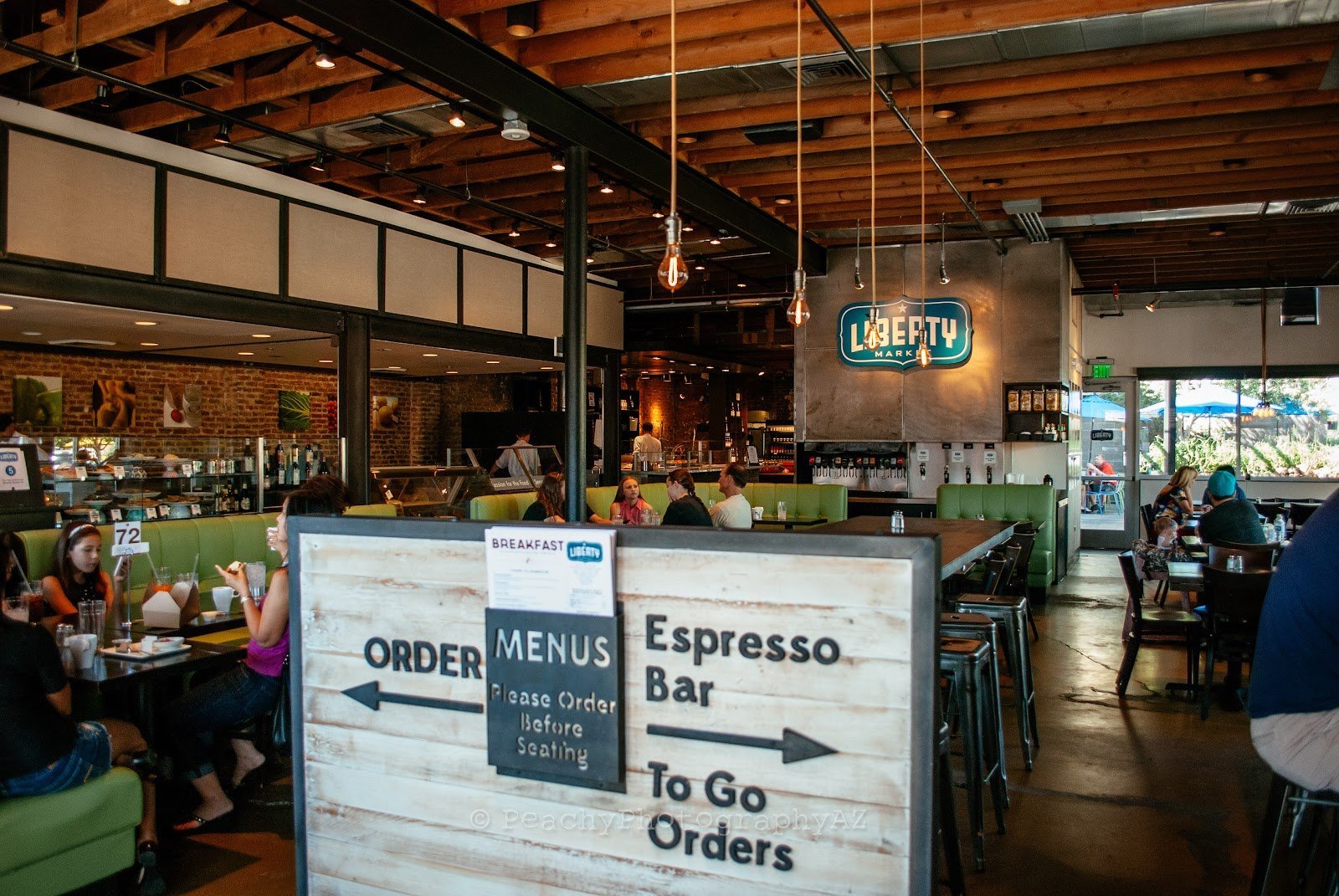
The Heritage District is what travelers come to Gilbert specifically to see. This compact, walkable downtown core has evolved into one of Arizona's most celebrated culinary neighborhoods, drawing food lovers from across the Phoenix metro and beyond. The Gilbert Water Tower Plaza provides an unmistakable landmark backdrop as visitors move between independent restaurants, craft breweries, and specialty coffee roasters. Weekend evenings in the district have an energy that rivals far larger cities, yet the scale remains human and unhurried. Dining at Liberty Market, grabbing a craft beer, or simply wandering the pedestrian-friendly streets is the quintessential Gilbert experience.
Riparian Preserve at Water Ranch
Few urban wildlife refuges in the American Southwest match the Riparian Preserve at Water Ranch for accessibility and ecological richness. Spanning 110 acres, the preserve draws serious birdwatchers who come specifically to document species from the hundreds recorded on site. The network of trails around seven recharge ponds offers a genuinely peaceful escape that feels worlds away from the surrounding suburbs. On clear nights, the on-site Gilbert Astronomy Club observatory opens to the public, adding a stargazing dimension that makes the preserve a destination in its own right.
Community-Rooted Culture
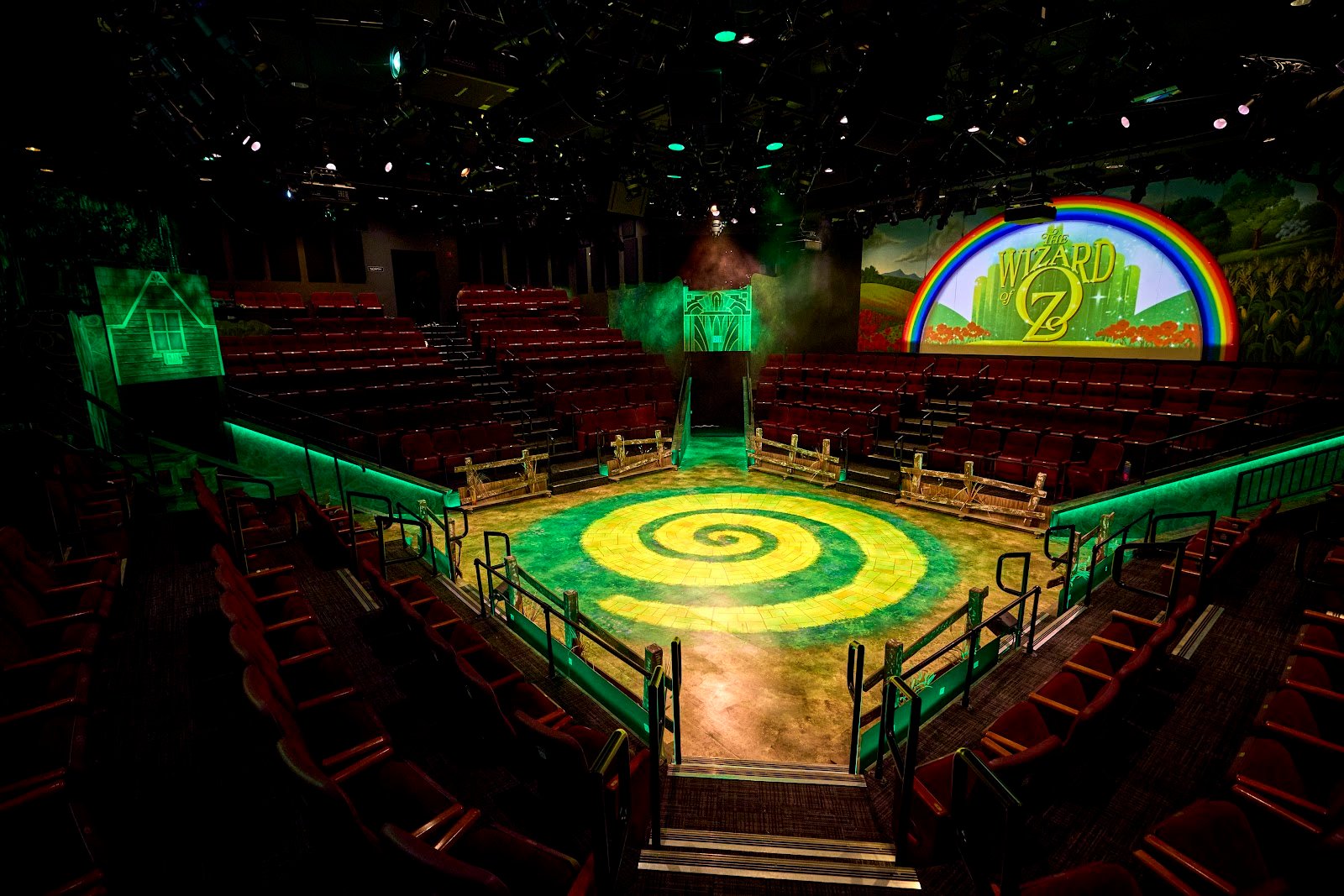
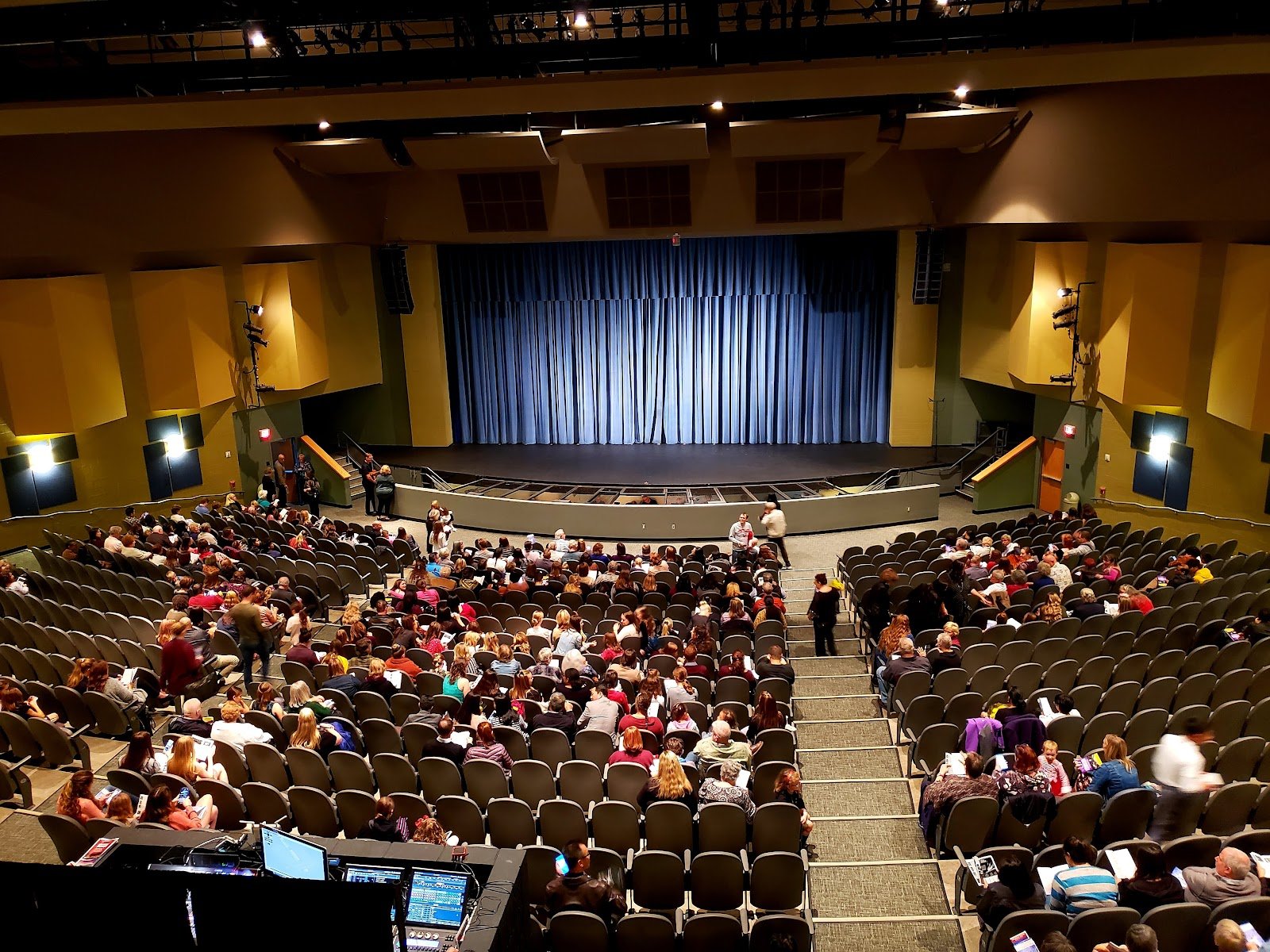
Gilbert's performing arts scene, anchored by Hale Centre Theatre's intimate theater-in-the-round productions and the diverse programming at Higley Center for the Performing Arts, reflects a community that invests seriously in local culture. These are not afterthoughts: they are institutions that residents and visitors return to repeatedly, giving Gilbert a cultural identity that extends well beyond its restaurant reputation.
Gilbert, Arizona offers a well-rounded mix of outdoor recreation, cultural attractions, and dining adventures that reward curious travelers at every turn.
Outdoor Recreation
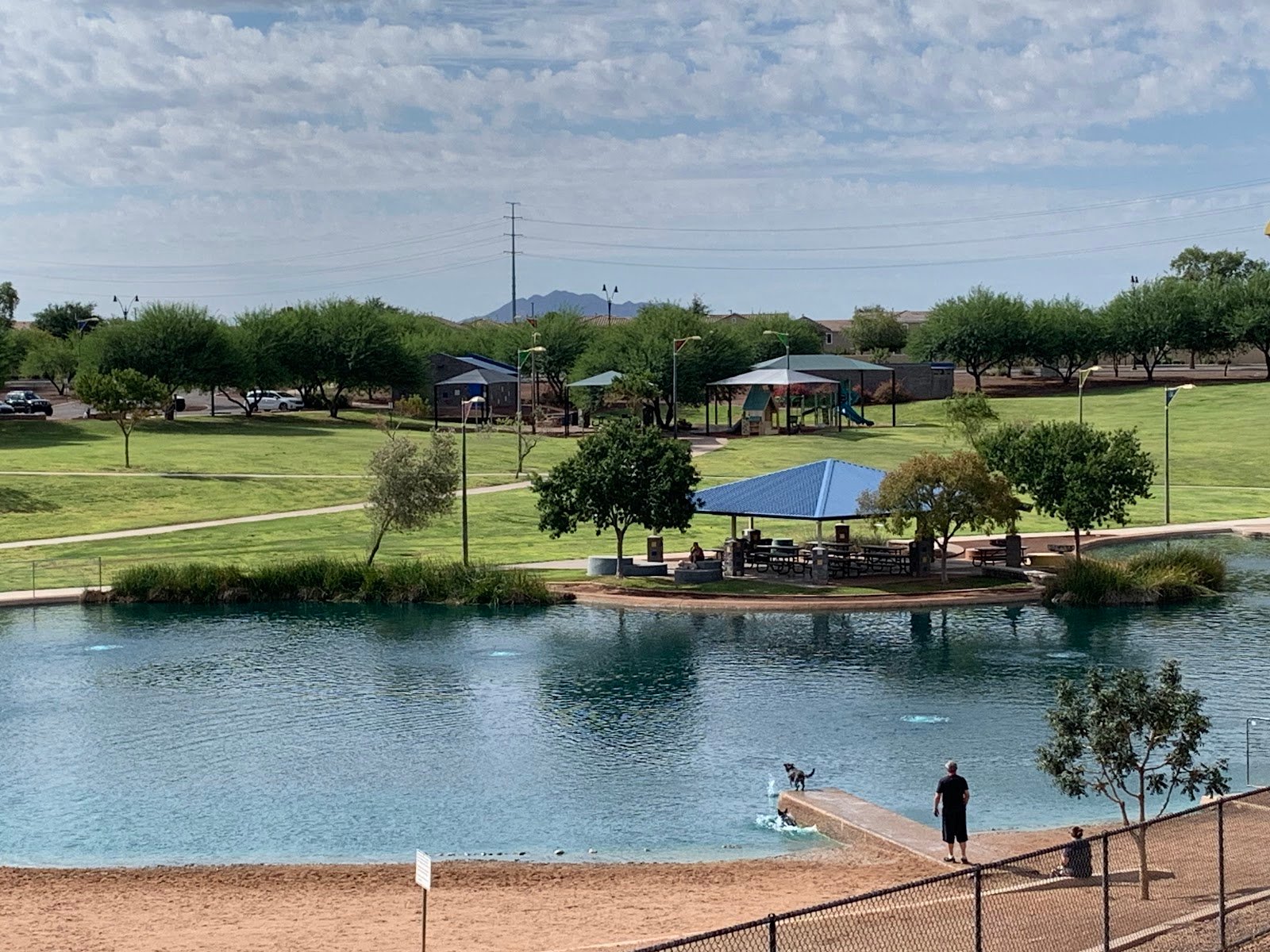
Gilbert's park system is among the finest in the East Valley. The Riparian Preserve at Water Ranch is the crown jewel: a 110-acre urban wildlife refuge with walking trails, seven recharge ponds, and an on-site observatory operated by the Gilbert Astronomy Club. Birdwatchers flock here year-round to spot hundreds of documented species. Freestone District Park and Zanjero Park offer expansive green space, sports facilities, and family-friendly amenities, while Cosmo Dog Park gives four-legged companions their own dedicated area to roam.
Cultural Attractions and History
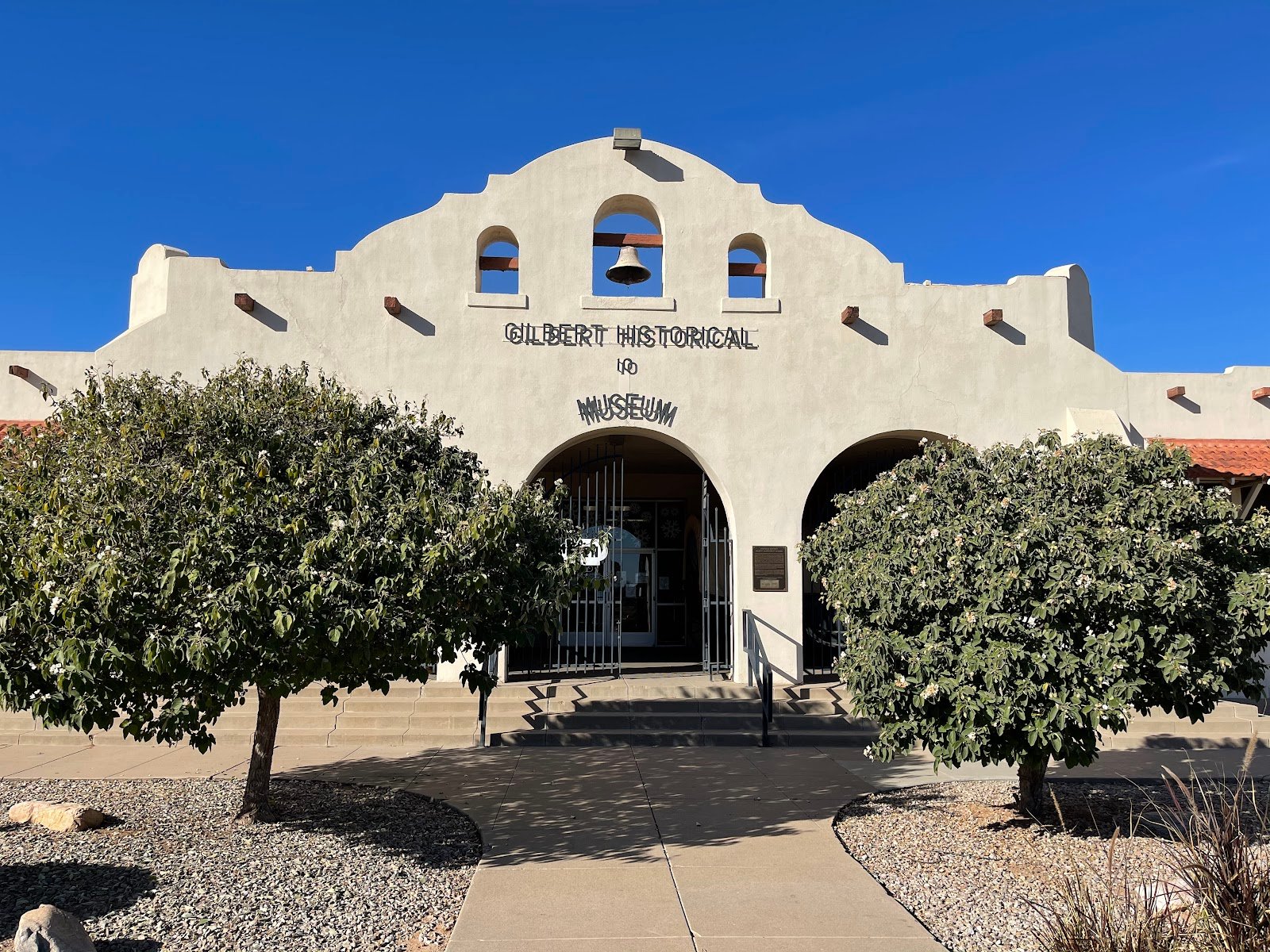
The HD SOUTH - Home of the Gilbert Museum preserves the town's agricultural heritage through rotating exhibits and a restored historic schoolhouse. The iconic Downtown Gilbert Water Tower Plaza anchors the Heritage District and serves as a gathering point that connects past and present. History-minded travelers can also venture a short distance to the Arizona Railway Museum in Chandler or the dramatic Goldfield Ghost Town and Mine Tours in Apache Junction for a taste of the region's frontier past.
Arts and Entertainment
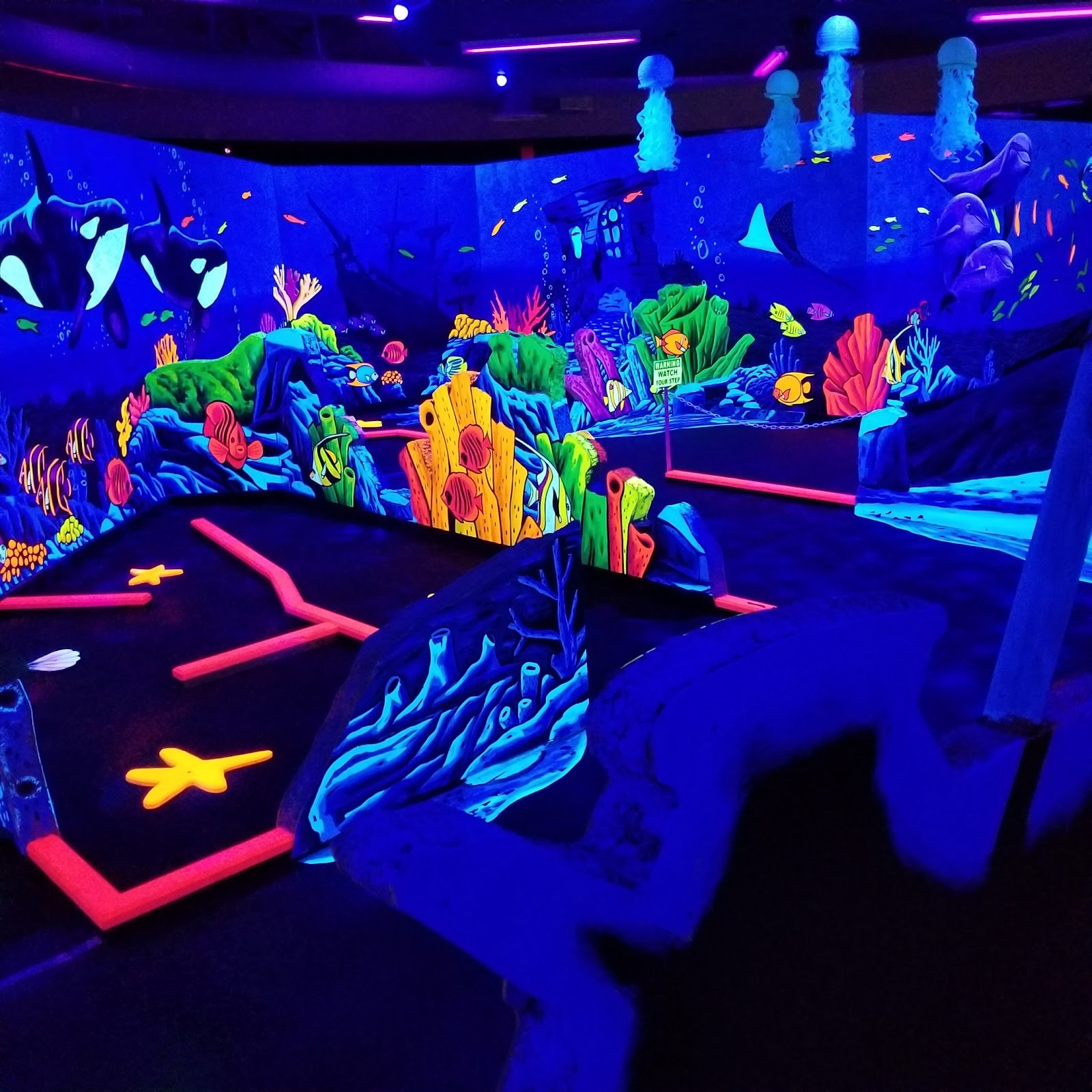
Gilbert punches above its weight in performing arts. Hale Centre Theatre presents professional theater productions in the round, while Higley Center for the Performing Arts hosts a diverse calendar of concerts, dance performances, and community events. For lighter entertainment, Imagine 3D Mini Golf and Slick City Action Park keep families entertained, and FatCats Gilbert rounds out the options with bowling, arcade games, and more.
Food and Dining
The Heritage District is Gilbert's culinary heartland, dense with independent restaurants, craft breweries, and coffee roasters. Liberty Market is a beloved neighborhood institution, and Culinary Dropout draws crowds for its creative comfort food and lively atmosphere. SanTan Gardens Brewery and Distillery Tours in nearby Chandler offers a behind-the-scenes look at local craft beverage production.

Lights on Liberty Lane
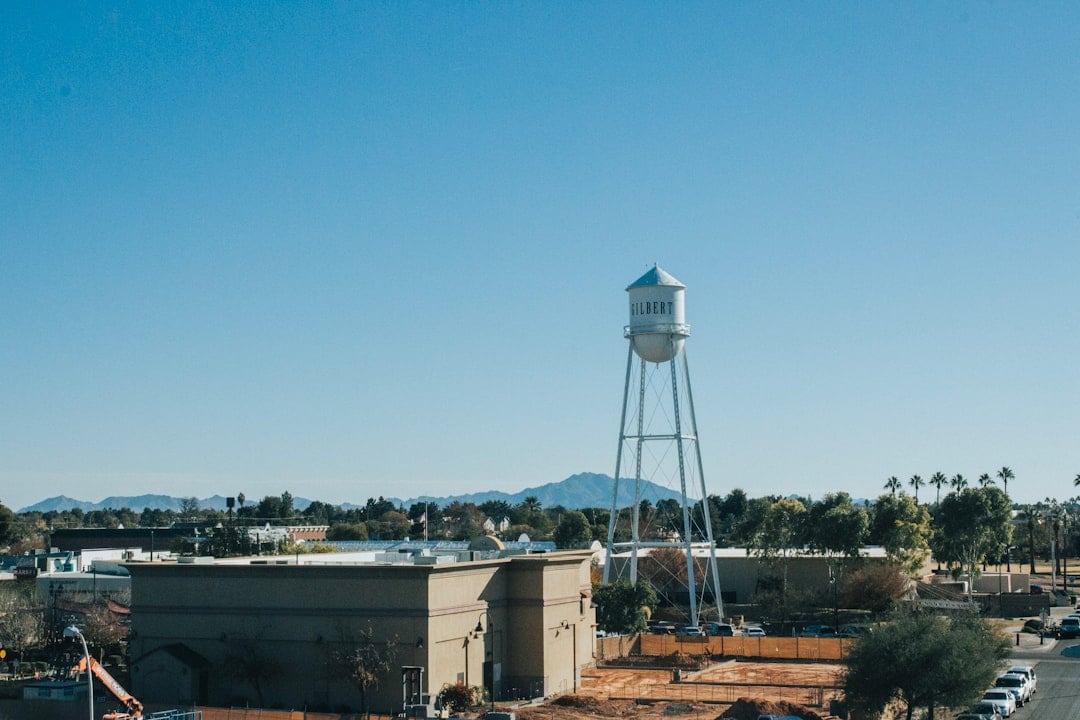
Start your first morning exploring the Heritage District, Gilbert's walkable downtown core. Grab coffee at a local roaster, then browse boutique shops near the iconic Gilbert Water Tower. Afternoon, settle in for lunch at one of the district's acclaimed independent restaurants. As the evening crowd fills the streets, pull up a stool at a craft brewery and soak in the neighborhood's lively, local atmosphere.
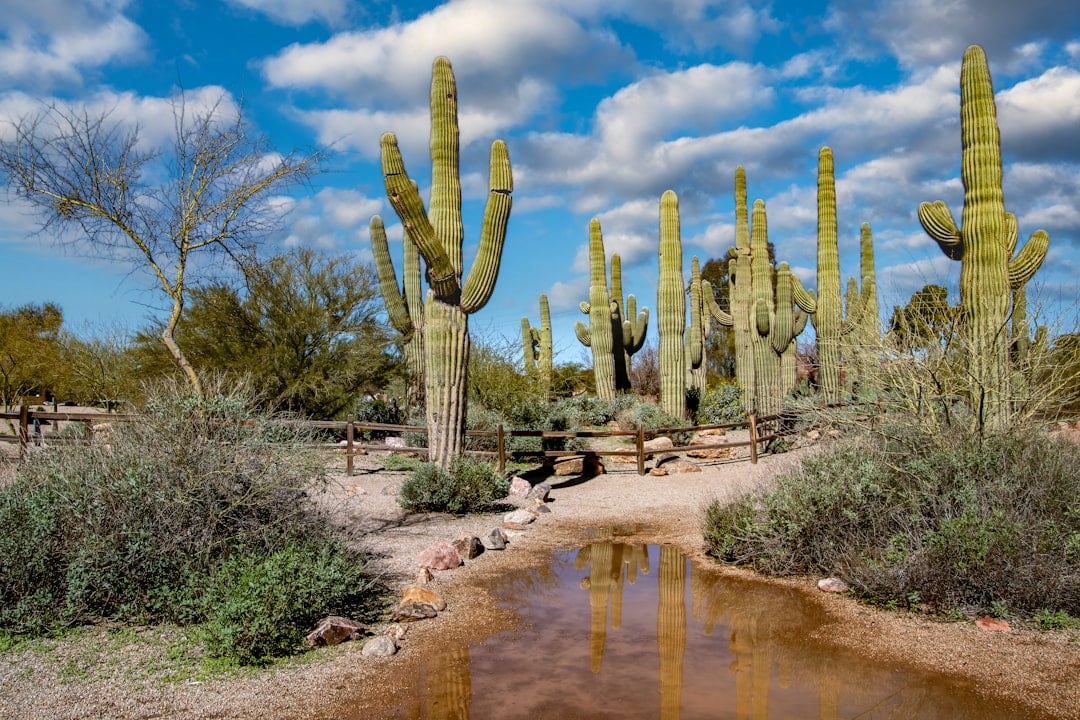
Spend the morning at the Riparian Preserve at Water Ranch, a 110-acre urban wildlife refuge perfect for birdwatching and a peaceful walk along the pond trails. Pack binoculars - hundreds of species have been spotted here. In the afternoon, head east toward the Superstition Mountains for scenic views and a short hike. Return to Gilbert for a relaxed dinner at a Heritage District patio restaurant.
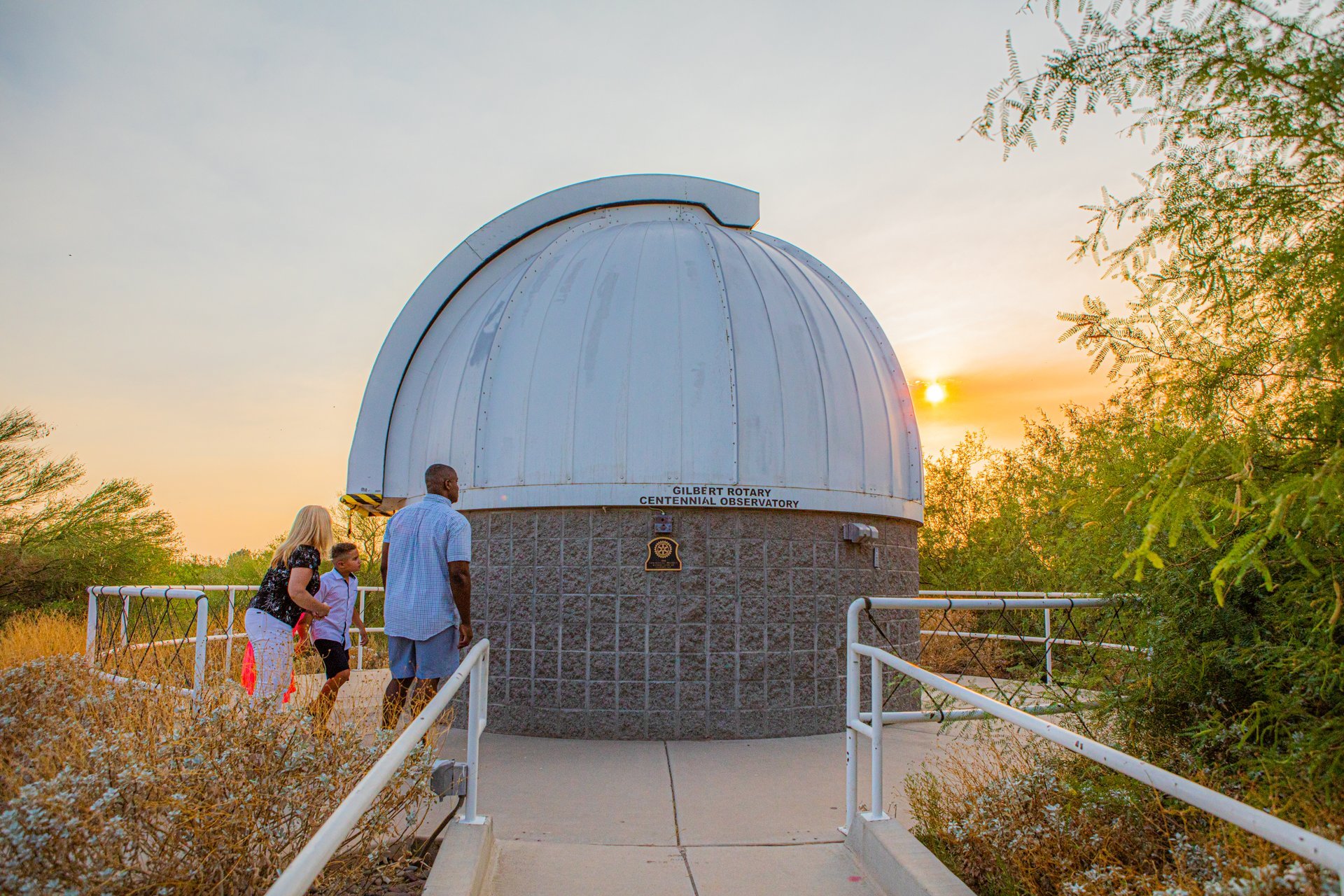
Use your final day for a day trip to Scottsdale's resort corridor or Mesa's cultural institutions, both an easy drive from Gilbert. Browse Mesa's museums in the morning, then enjoy a leisurely Scottsdale lunch. Back in Gilbert by late afternoon, wrap up your trip with a visit to the Gilbert Astronomy Club observatory at the Riparian Preserve for a memorable evening stargazing session.
Gilbert's cultural calendar reflects a community that takes genuine pride in its local identity while embracing broader entertainment. The cooler months from October through April are the most active, with outdoor festivals, concerts, and community celebrations filling parks and public spaces across town. Summer heat shifts the rhythm indoors or toward evening programming, with the Fourth of July celebration at Freestone Park standing as a beloved exception that draws thousands of residents together under the desert sky.

Oct 9, 2026

Oct 10, 2026
Gilbert has built one of the most impressive dining scenes of any suburb in the American Southwest, and the Heritage District is its epicenter. What began as a cluster of local restaurants around the old downtown core has evolved into a genuine culinary destination, drawing food-focused travelers from across the Phoenix metro and beyond. The concentration of independent concepts here is remarkable: craft breweries, specialty coffee roasters, farm-to-table bistros, and globally influenced kitchens occupy nearly every block.
By Air - Phoenix Sky Harbor
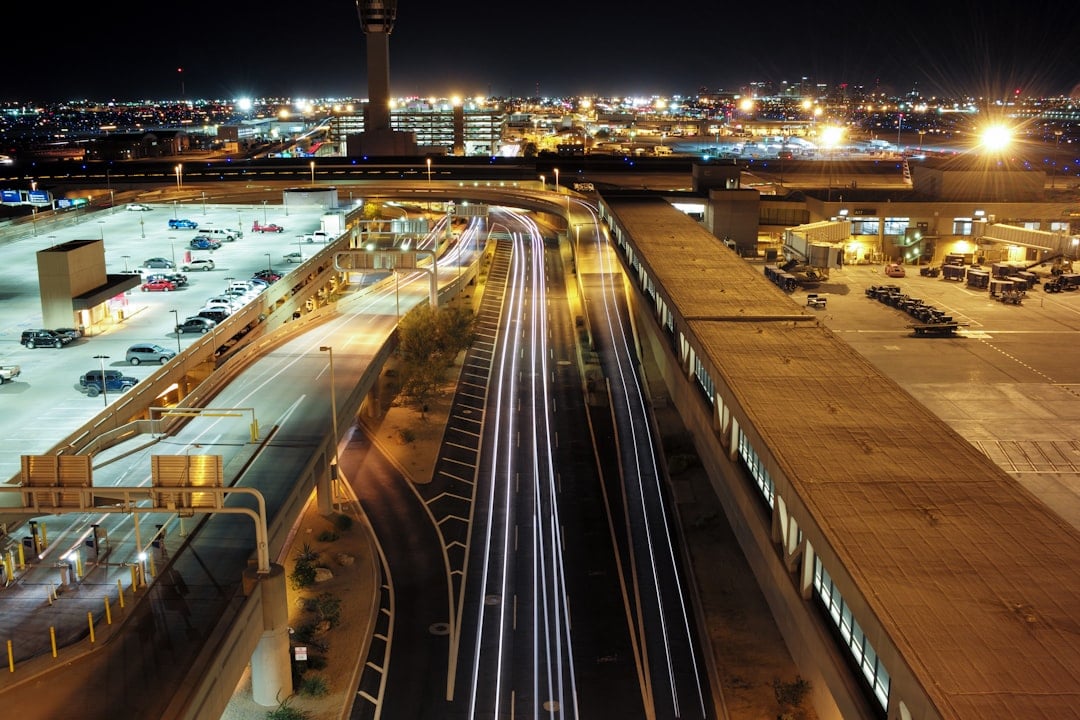
Phoenix Sky Harbor International Airport (PHX) is the primary gateway, located about 20 miles from Gilbert. Rental cars, rideshares, and taxis are all readily available at the airport.
By Air - Phoenix-Mesa Gateway
Phoenix-Mesa Gateway Airport (AZA) is the closer option at roughly 10 miles from Gilbert and is served by Allegiant, Southwest, and other low-cost carriers. It is a quieter, easier airport to navigate than Sky Harbor.
By Car
Gilbert is easily accessible via the Loop 202 (Santan/Red Mountain Freeway) and US-60. Travelers arriving from Los Angeles or Tucson can connect via Interstate 10 and then the Loop 202 directly into the East Valley.
By Train or Bus
Amtrak does not serve Gilbert directly; the nearest stop is Maricopa, about 30 miles south. Greyhound operates into downtown Phoenix, from which a rideshare or rental car to Gilbert takes roughly 30 minutes.
By Car
A rental car is the most practical option for getting around Gilbert and the East Valley. Parking is free and plentiful throughout most of Gilbert, including near the Heritage District.
Rideshare
Uber and Lyft are reliable throughout Gilbert with minimal wait times. Rideshare is a smart choice for Heritage District evenings when you want to avoid driving after dining out.
On Foot
The Heritage District is compact and pedestrian-friendly, making it easy to walk between restaurants, breweries, and shops once you have arrived. Plan to drive or rideshare to reach the Heritage District from most hotels.
Public Transit
Valley Metro bus routes connect Gilbert to Mesa's light rail stations, but service is infrequent and not well-suited for visitor itineraries. Transit works best as a backup option rather than a primary mode.
Cycling
Gilbert has a growing network of bike paths, and the Riparian Preserve at Water Ranch is accessible by bike from some nearby neighborhoods. For most visitors, cycling is best suited to recreational rides rather than practical transportation.
Gilbert is a safe, family-friendly destination with few significant safety concerns. The summer heat is the most important practical consideration: temperatures regularly exceed 110 degrees Fahrenheit from June through August, so plan outdoor activities like the Riparian Preserve for early morning and carry water at all times. Spring (March to May) and fall (October to November) are the most comfortable and popular times to visit, so book accommodations and restaurant reservations further in advance during those windows. Most Heritage District restaurants accept credit cards, and tipping 18 to 20 percent is standard. The Valley Metro app and Google Maps are both reliable for navigating transit options. Arizona does not observe daylight saving time, which can affect scheduling if you are coordinating with contacts in other states. The Riparian Preserve is free to enter and open daily, but the on-site observatory operates on a limited schedule - check the Gilbert Astronomy Club's calendar before visiting.
Two to three days is enough to explore Gilbert comfortably. Spend a day or two eating and drinking your way through the Heritage District, then dedicate a morning to the Riparian Preserve at Water Ranch. Gilbert also works well as a base for day trips to Scottsdale, Mesa, or the Superstition Mountains.
Gilbert is best known for its thriving food and drink scene, centered on the Heritage District - a walkable downtown packed with independent restaurants, craft breweries, and coffee roasters. It is also recognized as one of the fastest-growing communities in the U.S. and for the Riparian Preserve at Water Ranch, a popular urban wildlife refuge.
Yes, Gilbert works very well as a weekend trip. Two days gives you enough time to explore the Heritage District's restaurants and shops, walk the trails at the Riparian Preserve, and take a short day trip to nearby Scottsdale or Mesa. It suits families, food lovers, and travelers wanting a relaxed Arizona experience.
Gilbert is moderately priced compared to Scottsdale or central Phoenix. The Heritage District has a wide range of dining options at different price points, from casual spots to upscale restaurants. Outdoor attractions like the Riparian Preserve are free. Accommodation costs are generally lower than in Scottsdale's resort corridor.
The best time to visit Gilbert is between October and April, when temperatures are mild and comfortable for outdoor activities. Summer months bring intense desert heat, making outdoor exploration significantly less enjoyable.