
Baltimore, MD

A Journey guide to
Glendale is one of the Phoenix metropolitan area's most dynamic cities, built around a compelling mix of major-league sports, a nationally recognized antique and collectibles district, and a dining scene that punches well above its weight. The city draws a diverse crowd: sports fans, weekend shoppers, food lovers, and families looking for a well-rounded Arizona base that keeps them close to both urban energy and desert landscapes.
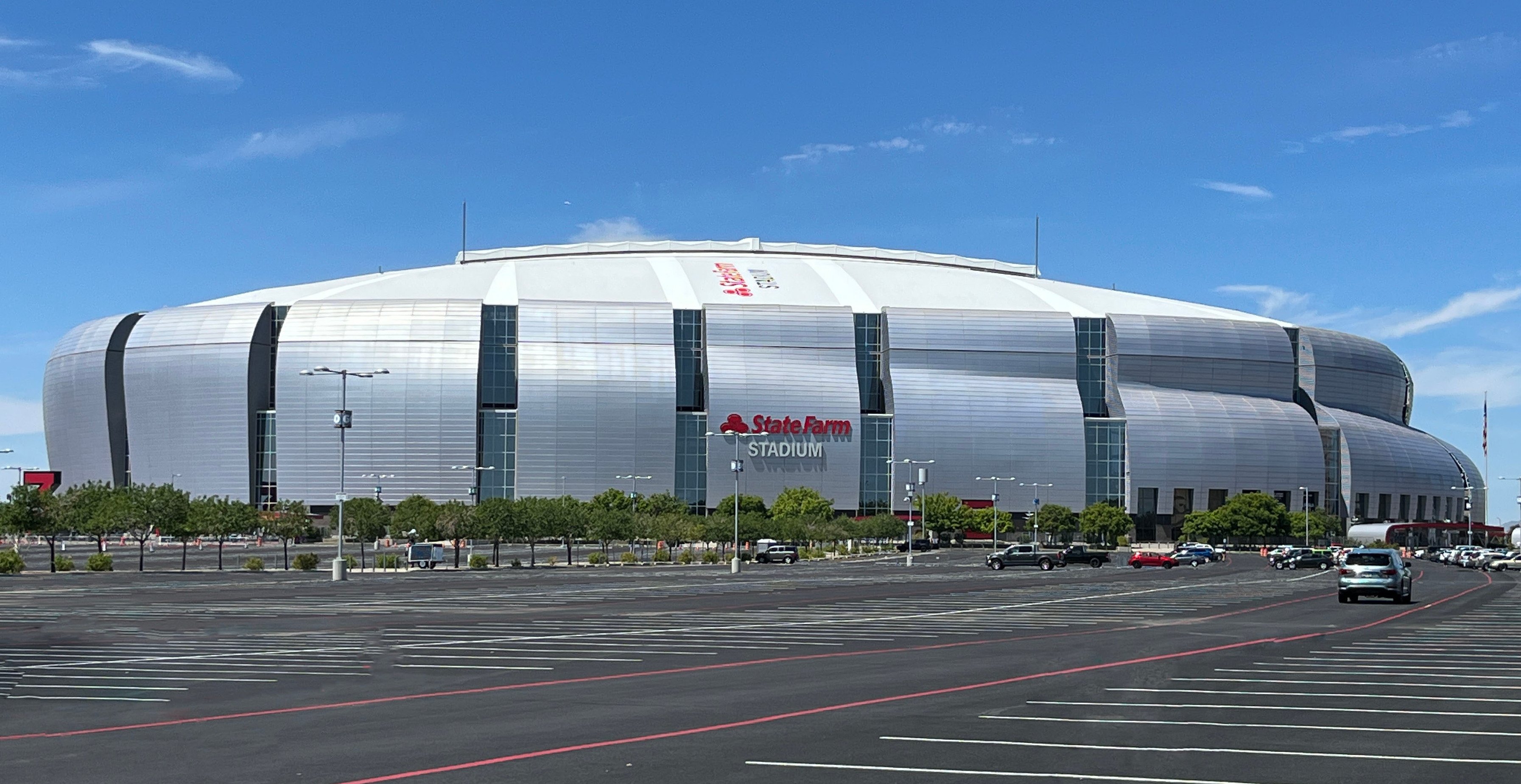
Sports define much of Glendale's identity on the national stage. State Farm Stadium, home of the Arizona Cardinals NFL franchise, has hosted multiple Super Bowls and college football championship games, cementing the city's reputation as a premier destination for marquee events. Directly adjacent, Gila River Arena served as home ice for the Arizona Coyotes for years, and the entire Westgate Entertainment District surrounding these venues has evolved into a lively hub of restaurants, bars, and live entertainment.
The Historic Catlin Court and the broader antique corridor along Glendale and Myrtle avenues represent a genuinely distinctive draw. With more than 80 antique and specialty shops concentrated in a walkable, tree-lined neighborhood of early 20th-century bungalows, Glendale has earned the title "Antique Capital of Arizona." It is a rare find in the Sun Belt: a pedestrian-friendly historic district with real character and independent retail that rewards slow exploration.
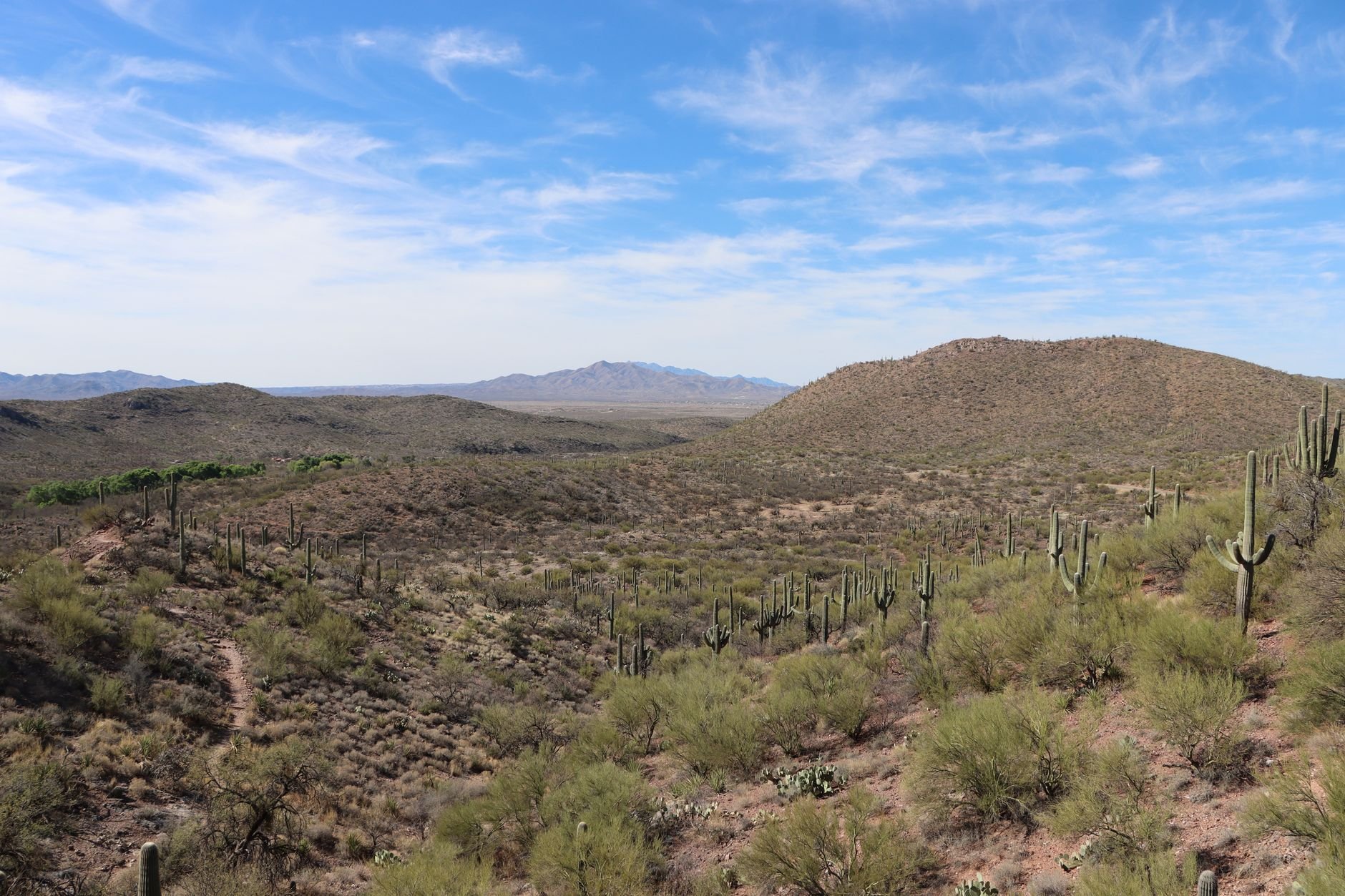
Beyond sports and shopping, Glendale offers access to the full breadth of the greater Phoenix experience. Upscale resorts, golf courses, and spa retreats are woven throughout the city and its immediate surroundings. Outdoor enthusiasts can reach the White Tank Mountain Regional Park within minutes, while the broader Sonoran Desert provides a dramatic natural backdrop that reminds visitors they are firmly in the American Southwest.
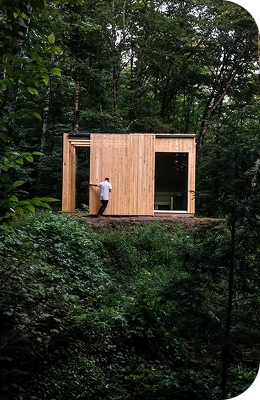

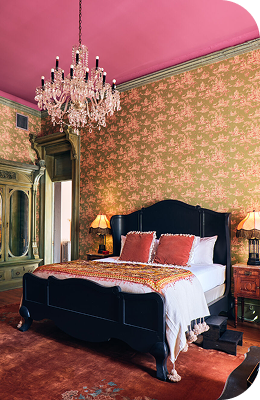

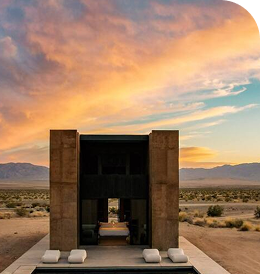

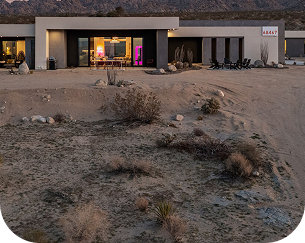

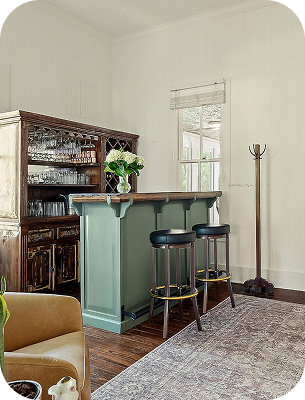

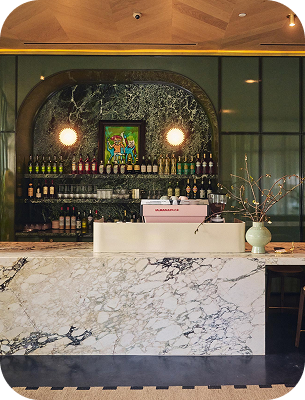

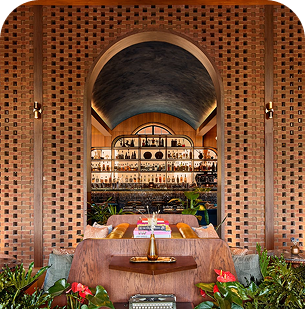

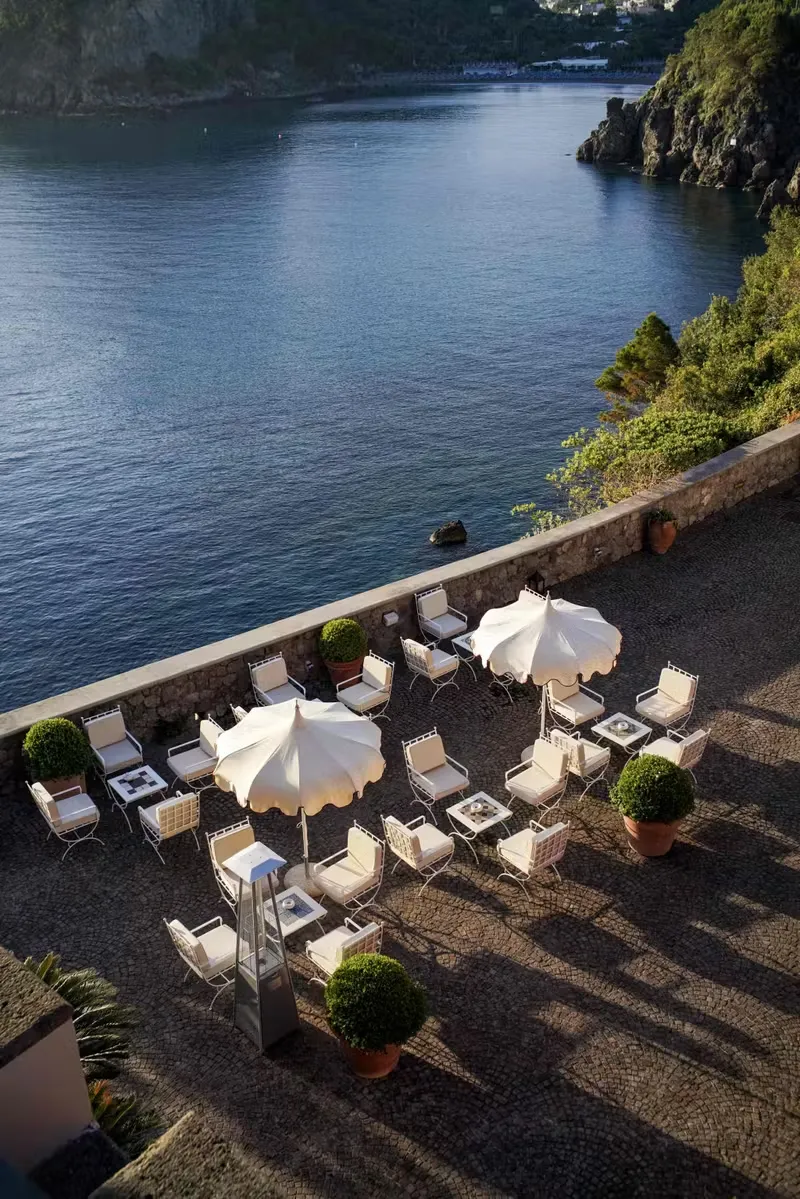

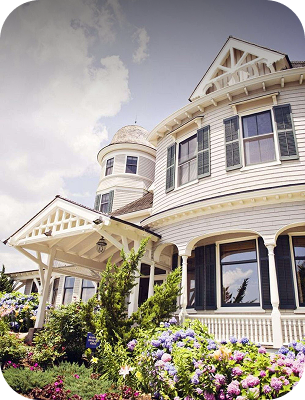

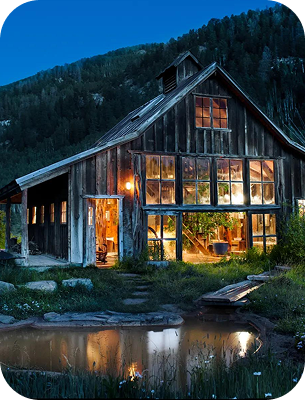

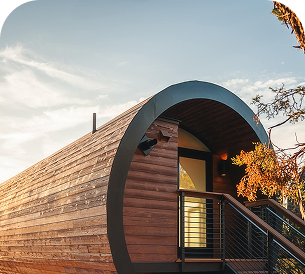

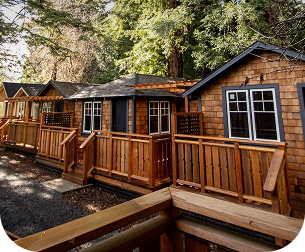

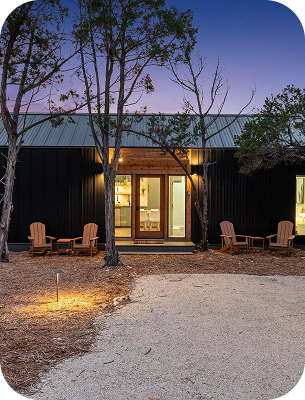

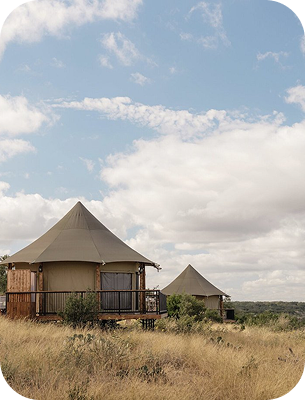





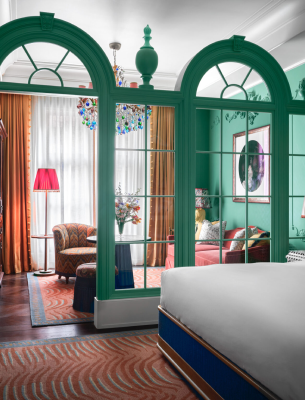
Journey connects travelers to a curated network of boutique hotels and distinctive residences around the world, all united under one rewards program. Explore handpicked stays for your trip while earning points, unlocking exclusive offers, and receiving rewards across the Journey collection.
Glendale occupies the northwestern portion of the Phoenix metropolitan area in Maricopa County, Arizona, sitting at roughly 1,100 feet above sea level on the broad, flat expanse of the Salt River Valley. The city shares borders with Phoenix to the east and south, Peoria to the north and west, and Surprise and Avondale to its outer edges, placing it squarely at the geographic and commercial heart of the West Valley.
The city's origins trace to the 1890s, when it was founded as a temperance colony by the Ohio-based Church of the Brethren, a heritage that shaped its early character as an agricultural and residential community distinct from the rougher frontier towns of the territory. Citrus groves and sugar beet farming defined the local economy for decades, and traces of that agricultural past survive in the city's street grid and some of its older neighborhoods.
Through the latter half of the 20th century, Glendale transformed alongside greater Phoenix, absorbing waves of population growth that turned farmland into suburbs and eventually into a fully urbanized city of more than 250,000 residents. That growth brought with it the infrastructure of a major American city: a robust highway network, a light rail connection to the broader Valley Metro system, and the sports and entertainment campuses that now anchor the city's identity.
Culturally, Glendale sits at an interesting intersection. It is home to a significant Hispanic community that has shaped its food culture, festivals, and neighborhood character in meaningful ways. At the same time, the Westgate district and the resort corridor project a polished, amenity-rich face aimed squarely at visitors and conventioneers.
For travelers, Glendale functions both as a destination in its own right and as a strategic base. Phoenix Sky Harbor International Airport is roughly 20 minutes by highway, keeping the city well connected without the congestion of central Phoenix. The result is a city that offers genuine local flavor alongside the accessibility and infrastructure that modern travelers expect.
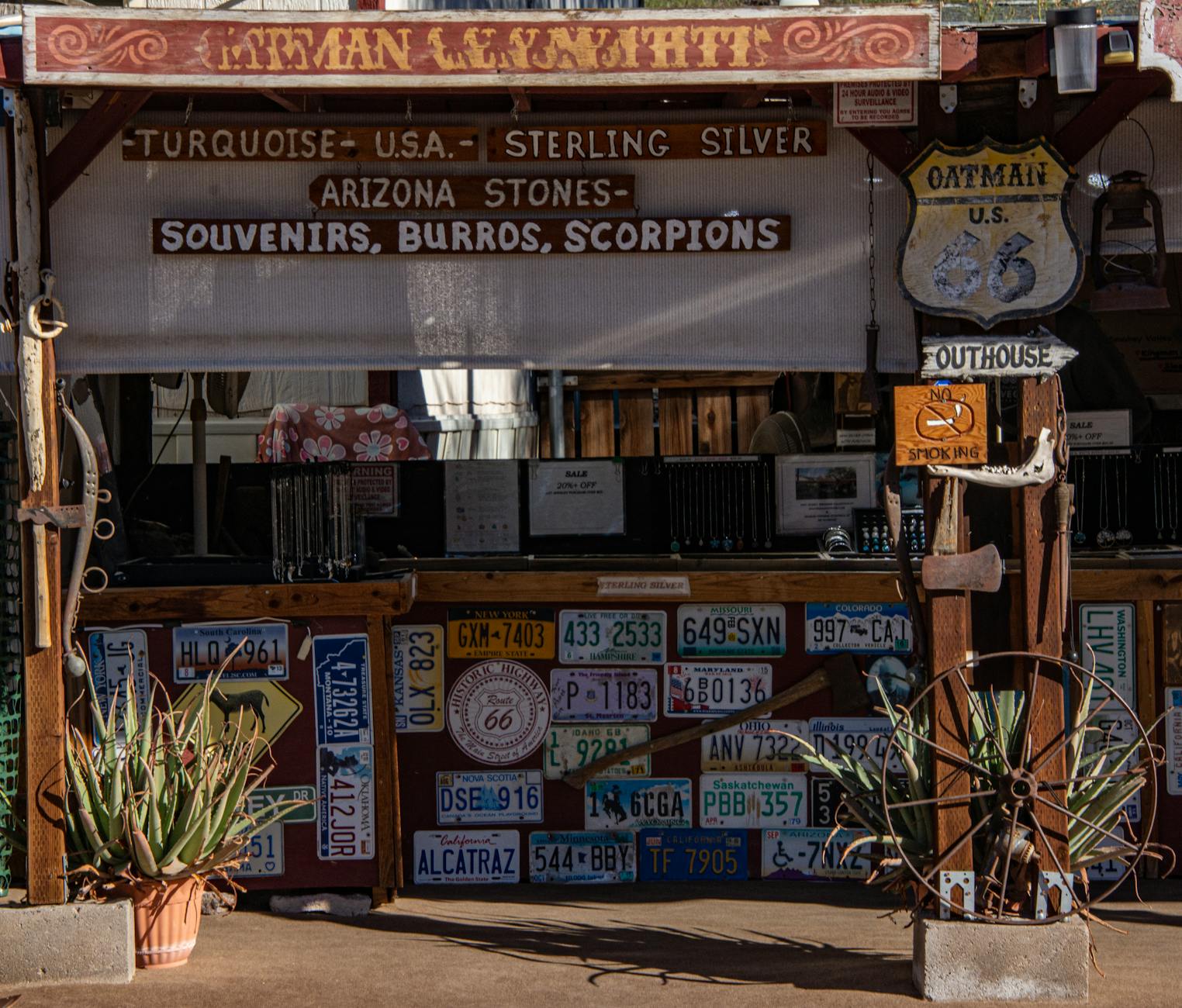
October through April is the sweet spot for visiting Glendale, when the desert climate is at its most welcoming and the city's full range of experiences is accessible without the punishing heat of summer. Within that window, timing your trip around specific interests can make a meaningful difference.
November through February is peak sports season, and Glendale fully leans into it. The Arizona Cardinals are in full NFL swing, major college football bowl games draw large crowds to State Farm Stadium, and the Westgate Entertainment District buzzes with pregame and postgame energy. Accommodations fill quickly on event weekends, so booking well in advance is essential if your visit overlaps with a marquee game or championship event.
March and April offer a compelling alternative for travelers who want a lively atmosphere without the intensity of peak sports weekends. Spring Training brings baseball fans from across the country to the broader Phoenix metro, adding a festive energy to the region while keeping Glendale itself relatively uncrowded. This is also the ideal window for exploring the Historic Catlin Court antique district and the surrounding walkable neighborhoods, when outdoor strolling is genuinely enjoyable.
October and early November represent an underrated entry point. Crowds are thinner than the deep winter months, outdoor access to White Tank Mountain Regional Park and the surrounding Sonoran Desert is excellent, and the city's dining and entertainment scene is fully active as the new sports season kicks off.
Summer draws the fewest visitors, and for good reason. Outdoor exploration is sharply limited by the heat, and the city's pedestrian-friendly districts lose much of their appeal when temperatures are extreme. Budget travelers who do not mind staying close to air-conditioned venues can find significantly lower hotel rates during this period.
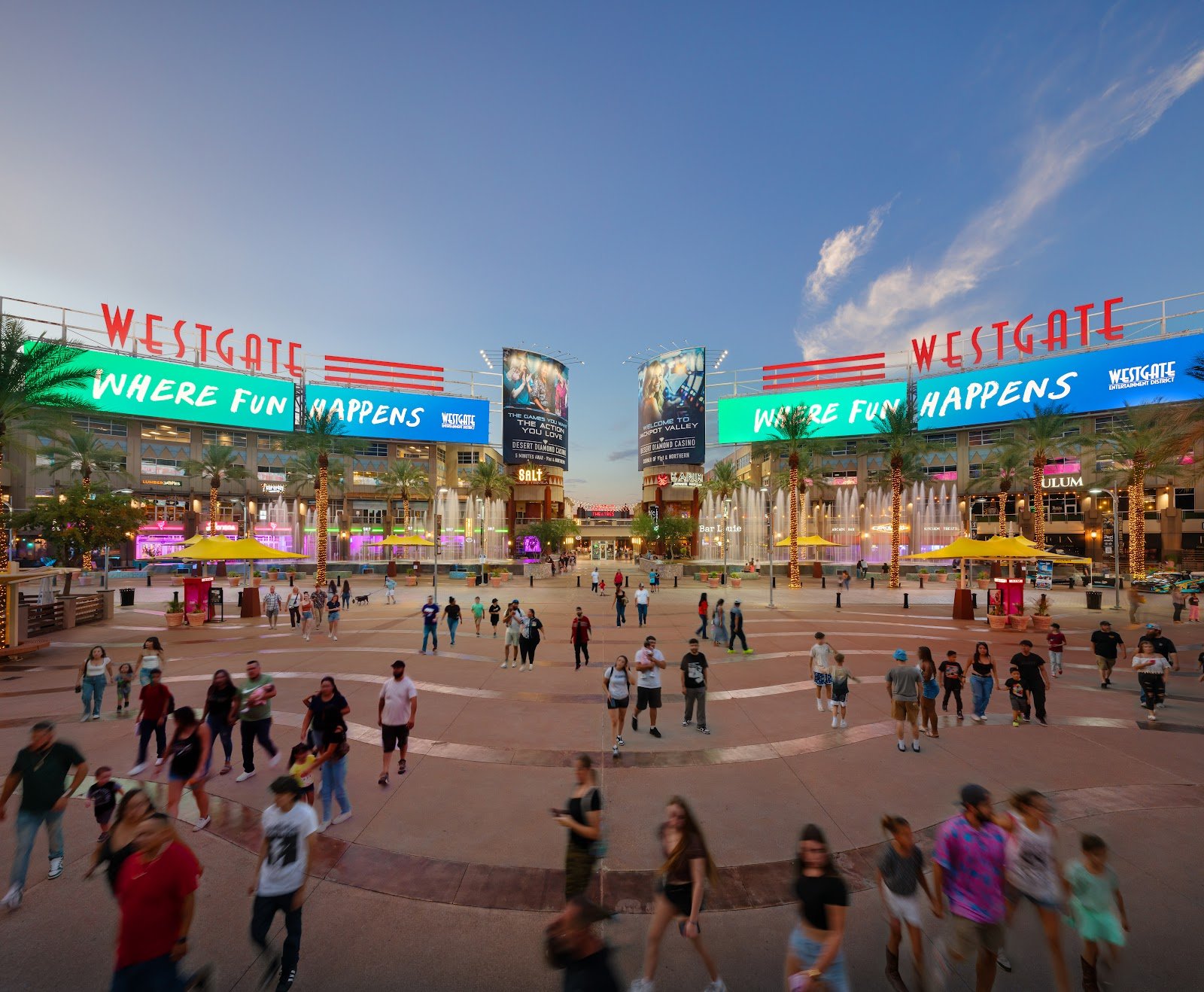
Glendale's most energetic hub, Westgate sits adjacent to State Farm Stadium and draws crowds year-round with its restaurants, bars, and live entertainment plazas. The district pulses on game days and concert nights, offering a walkable grid of dining and nightlife options that keep visitors engaged well beyond the final whistle.
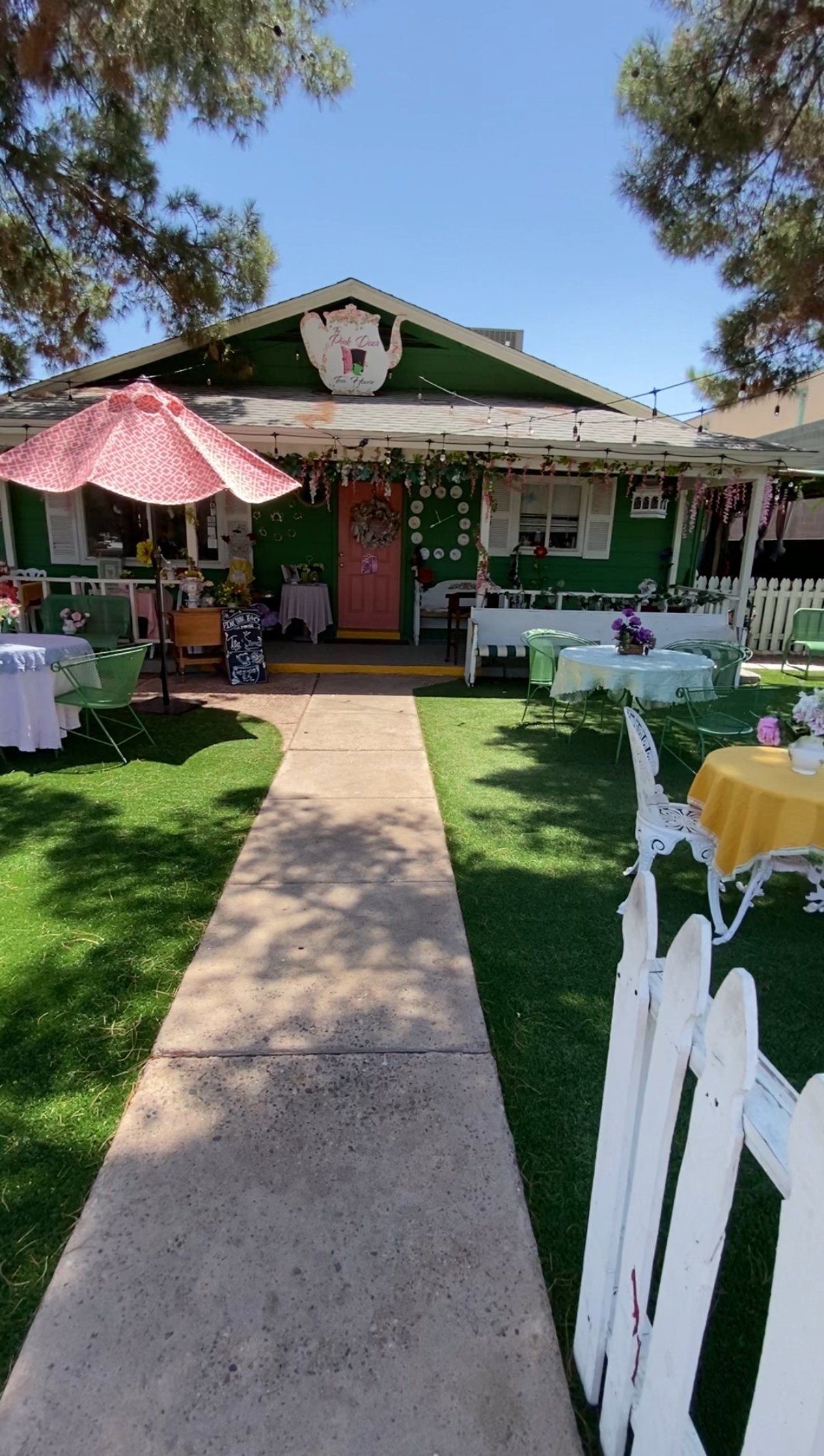
A rare pedestrian-friendly enclave in the Sun Belt, Catlin Court is lined with early 20th-century bungalows converted into antique shops, boutiques, and cafes. The tree-canopied streets and unhurried pace make it the most charming corner of Glendale, rewarding visitors who slow down to browse and explore.
Stretching along Glendale and Myrtle avenues, this corridor anchors the city's identity as the Antique Capital of Arizona with more than 80 specialty and collectibles dealers. The mix of vintage furniture, art, and curiosities draws serious collectors and casual browsers alike, making it a destination in its own right.
More than just a sports venue, the stadium precinct has grown into a full event campus capable of hosting Super Bowls, college football championships, and major concerts. The surrounding infrastructure of hotels, parking, and dining makes it a self-contained destination for marquee events.
On Glendale's western edge, this gateway area provides quick access to White Tank Mountain Regional Park and the broader Sonoran Desert landscape. Trailheads, desert washes, and sweeping mountain views offer an outdoor counterpoint to the city's urban attractions.
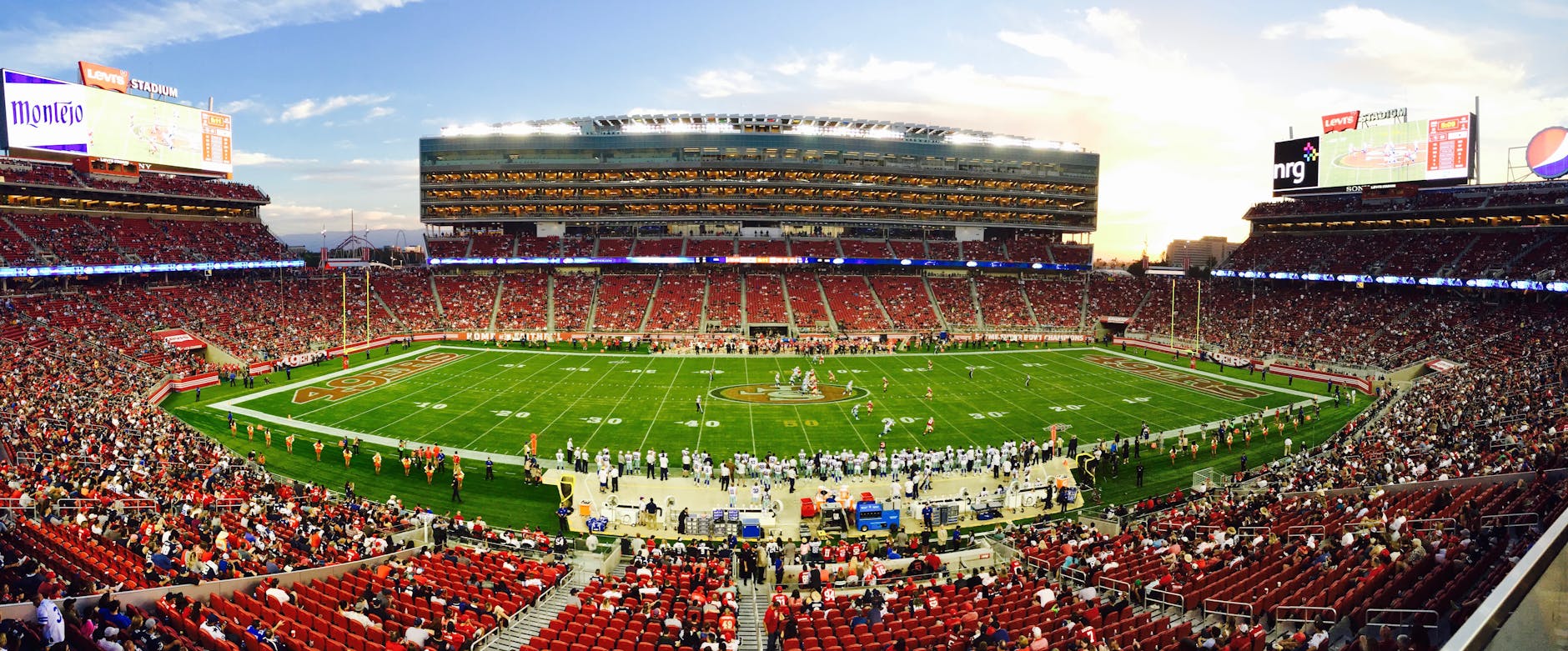
Glendale has carved out a distinct identity in the greater Phoenix area through a handful of experiences that travelers come here specifically to seek out — none of which can be replicated anywhere else in Arizona.
Game Days at State Farm Stadium
State Farm Stadium is one of the most celebrated sports venues in the country. Home to the Arizona Cardinals NFL franchise, it has hosted multiple Super Bowls and college football national championships, drawing fans from across the country for marquee events. The energy on game day — spilling out into the Westgate Entertainment District with its restaurants, bars, and outdoor gathering spaces — is a defining Glendale experience that goes well beyond the final score.
Antique Hunting in Historic Downtown Glendale
No other city in Arizona offers anything quite like Glendale's antique district. The walkable neighborhood centered on Catlin Court and the Glendale and Myrtle avenue corridor packs more than 80 antique dealers, vintage shops, and specialty boutiques into a charming stretch of early 20th-century bungalows. Weekend mornings here — browsing for mid-century furniture, vintage jewelry, and one-of-a-kind collectibles — are a beloved ritual for locals and visitors alike.
Westgate Entertainment District After Dark
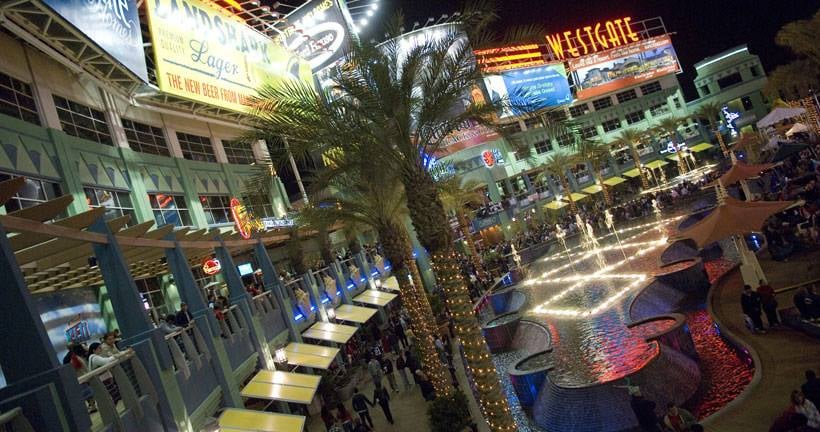
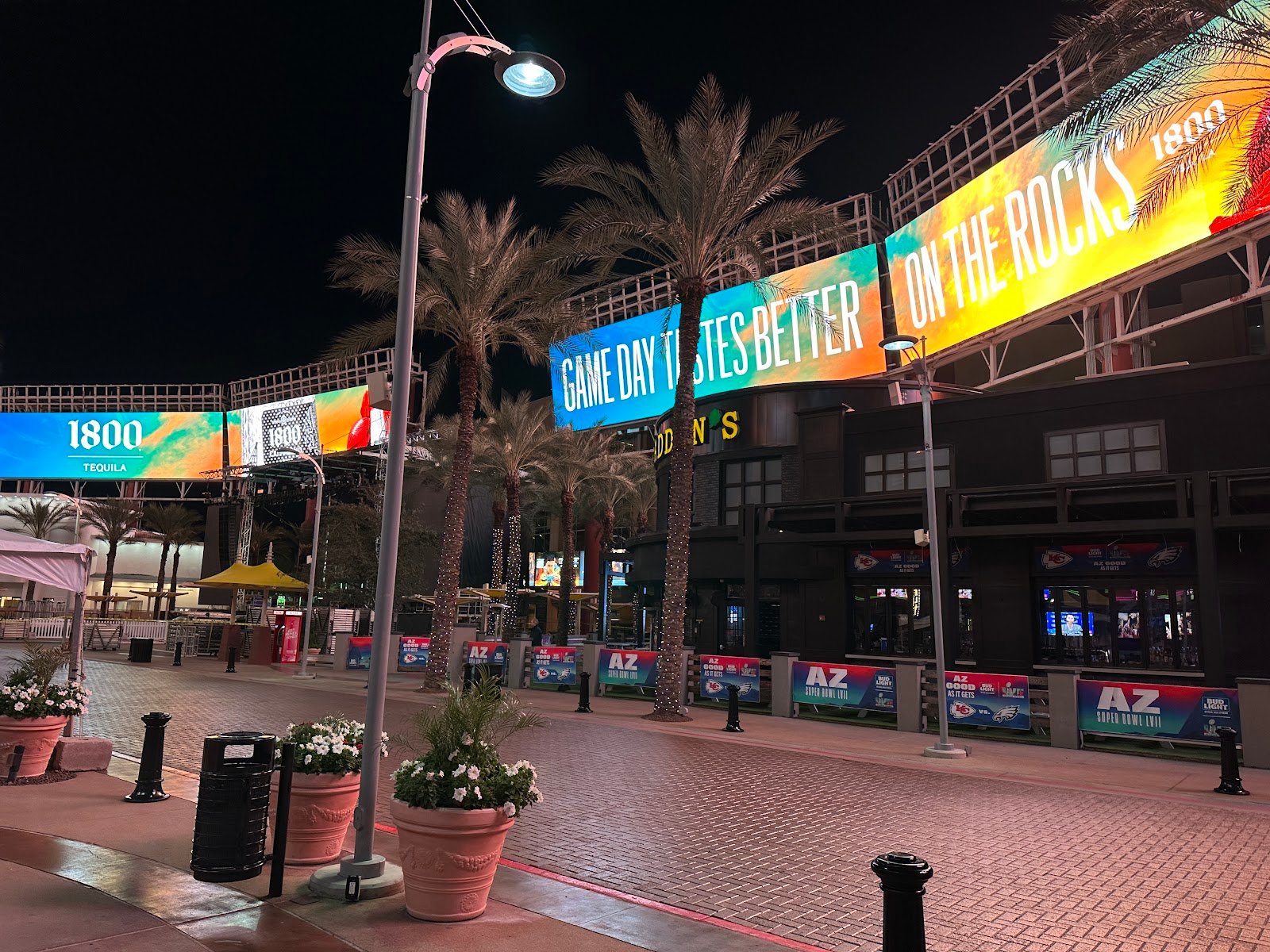
The Westgate Entertainment District operates as a city within a city once the sun goes down. The Fountain at Westgate serves as a social anchor, surrounded by a dense cluster of dining options, sports bars, live entertainment venues, and nightlife spots. Whether visitors are catching a game, grabbing dinner before a show at Stir Crazy Comedy Club, or simply people-watching on a warm Arizona evening, Westgate delivers an energy that is distinctly Glendale.
Haunted History Tours
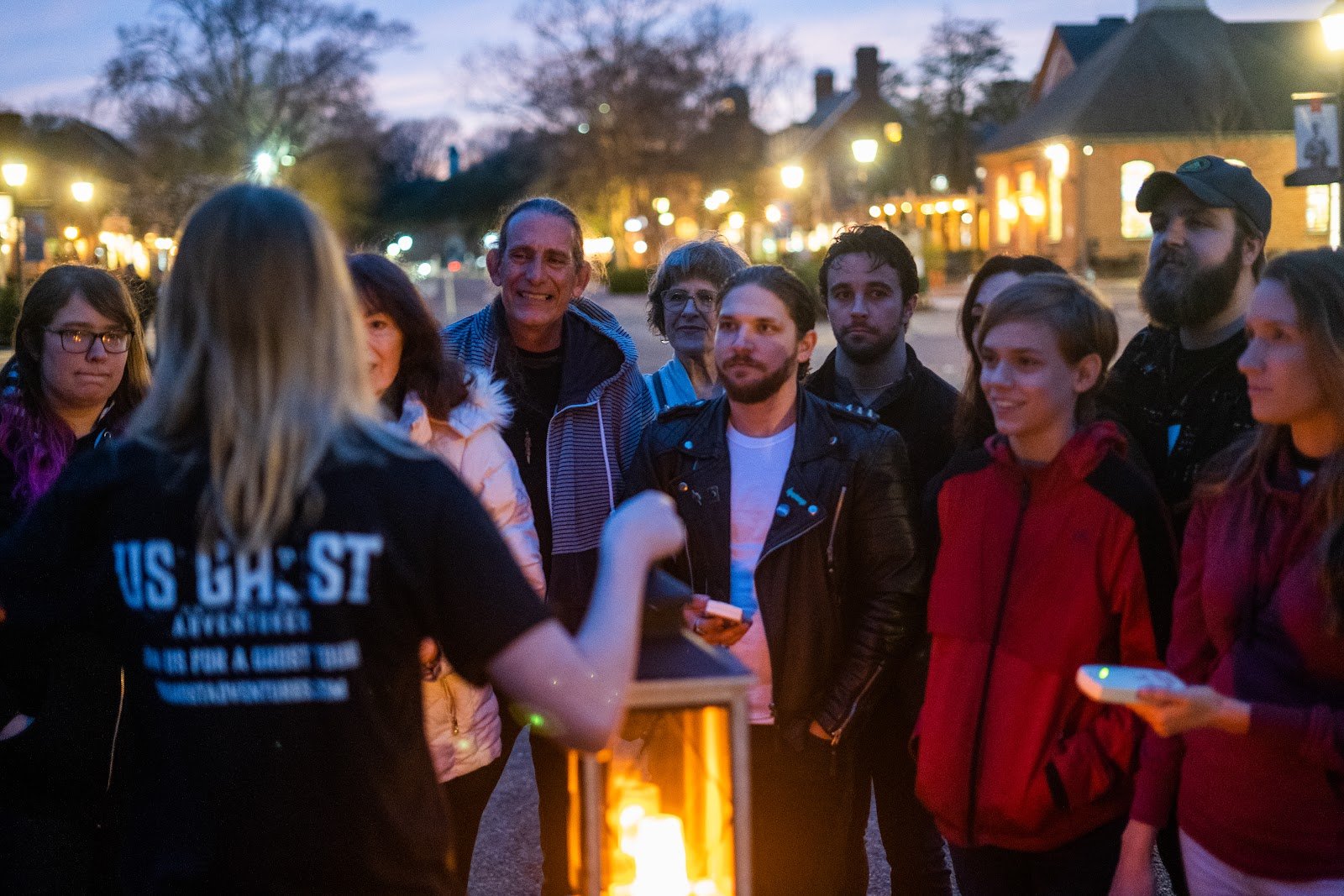
Glendale Ghost Tours and Haunted Pub Crawls have tapped into the city's surprisingly rich historic character, turning its older neighborhoods into an atmospheric evening adventure. These tours blend local lore, walkable exploration, and social fun in a way that showcases a side of Glendale most visitors never expect to find.
Glendale, Arizona delivers a well-rounded activity lineup that spans outdoor adventure, cultural exploration, sports and entertainment, and a thriving dining scene — making it a compelling base for all types of travelers.
Outdoor Recreation
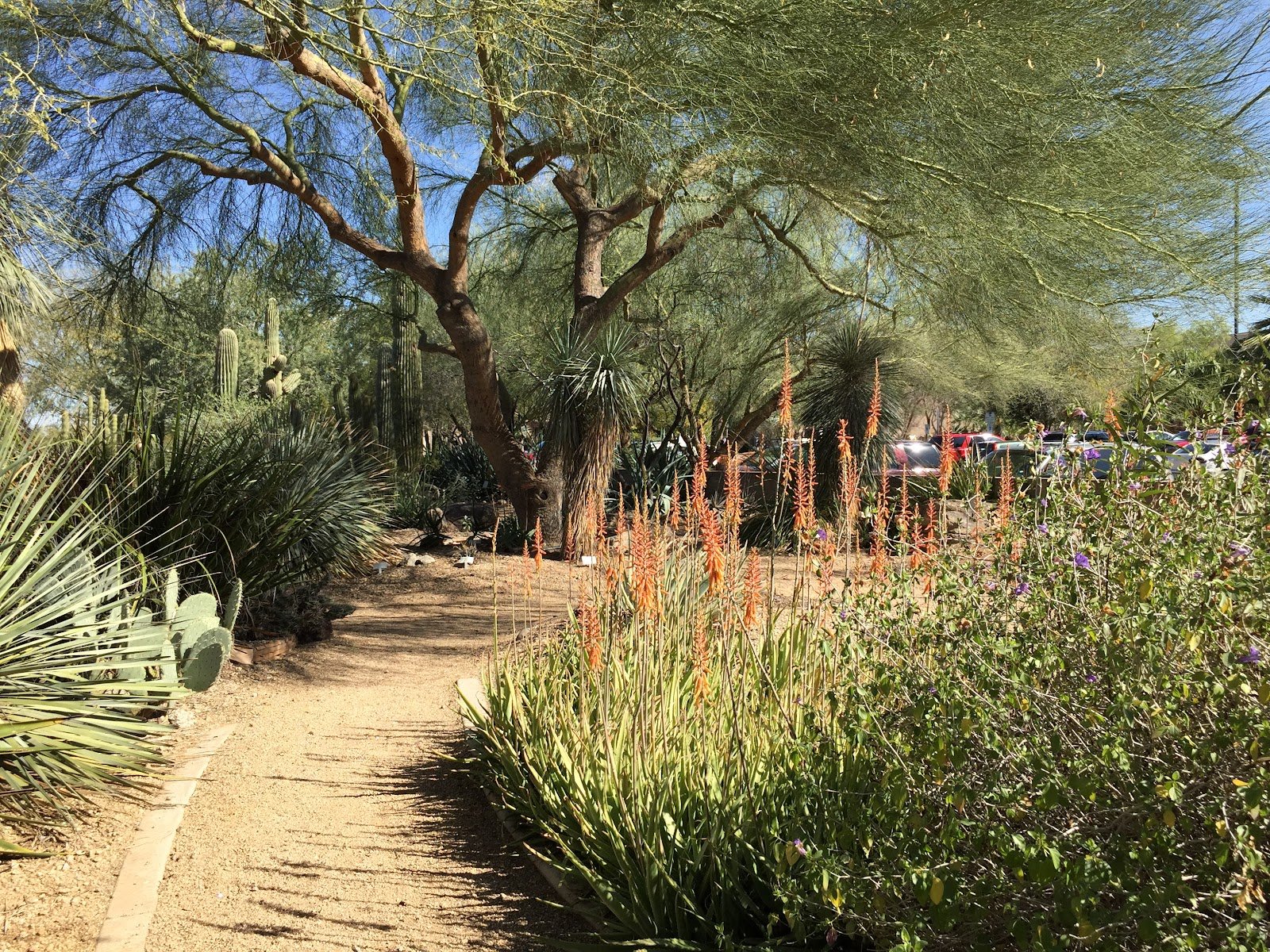
The city's desert setting provides immediate access to memorable outdoor experiences. Thunderbird Conservation Park offers miles of trails through rugged Sonoran Desert terrain, rewarding hikers and mountain bikers with sweeping valley views. Glendale Heroes Regional Park and Thunderbird Paseo Park provide more relaxed green space for picnics, walking, and family outings. For a quieter escape, the Glendale Xeriscape Garden showcases water-wise desert landscaping in a beautifully maintained setting.
Cultural Attractions and History
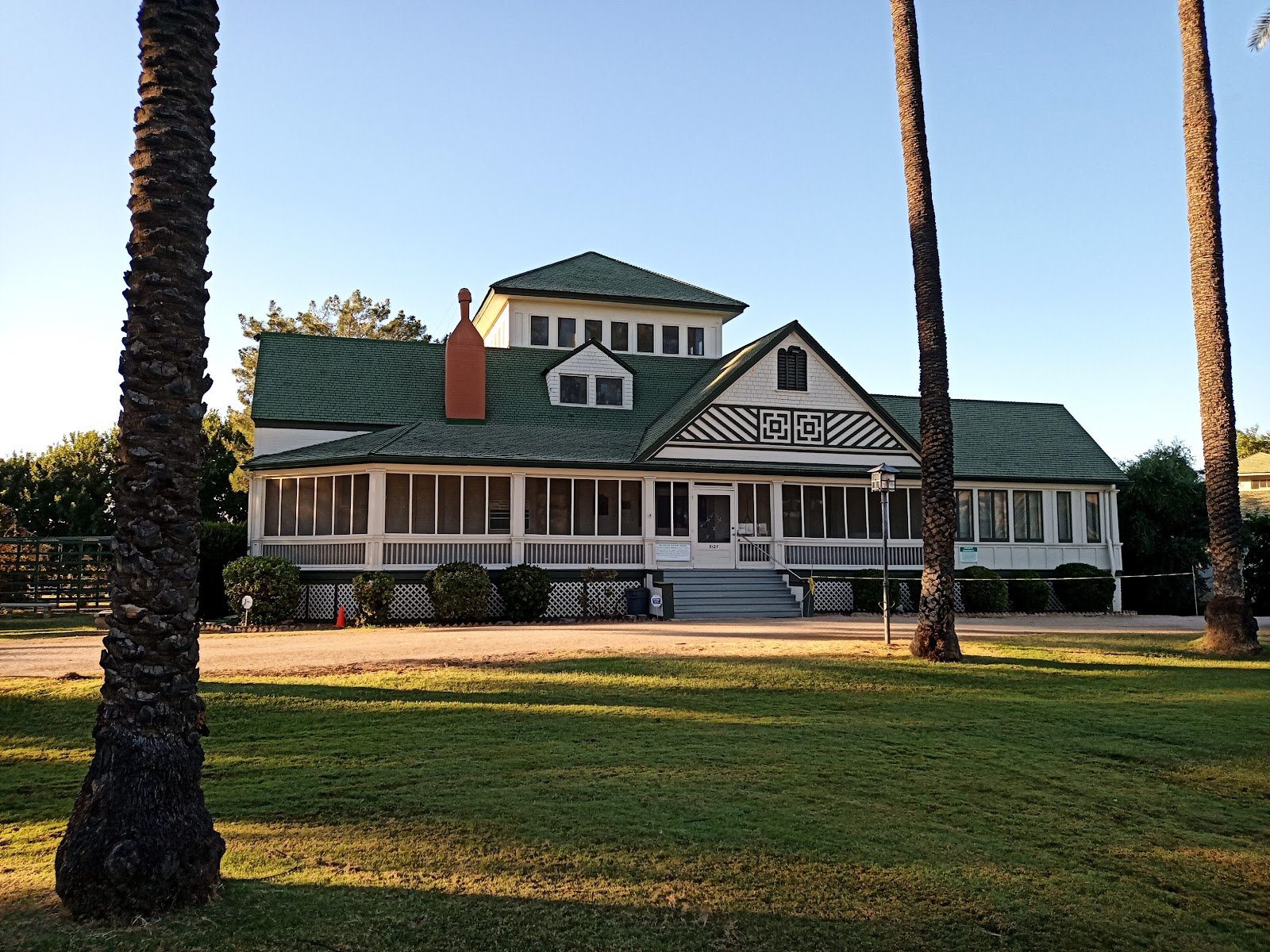
Historic Downtown Glendale anchors the city's cultural identity. The area around Catlin Court and the antique corridor along Glendale and Myrtle avenues draws collectors and curious browsers to more than 80 specialty shops housed in early 20th-century bungalows — earning Glendale the title "Antique Capital of Arizona." The Manistee Ranch, a preserved historic homestead, adds another layer of local heritage worth exploring.
Arts, Entertainment, and Sports
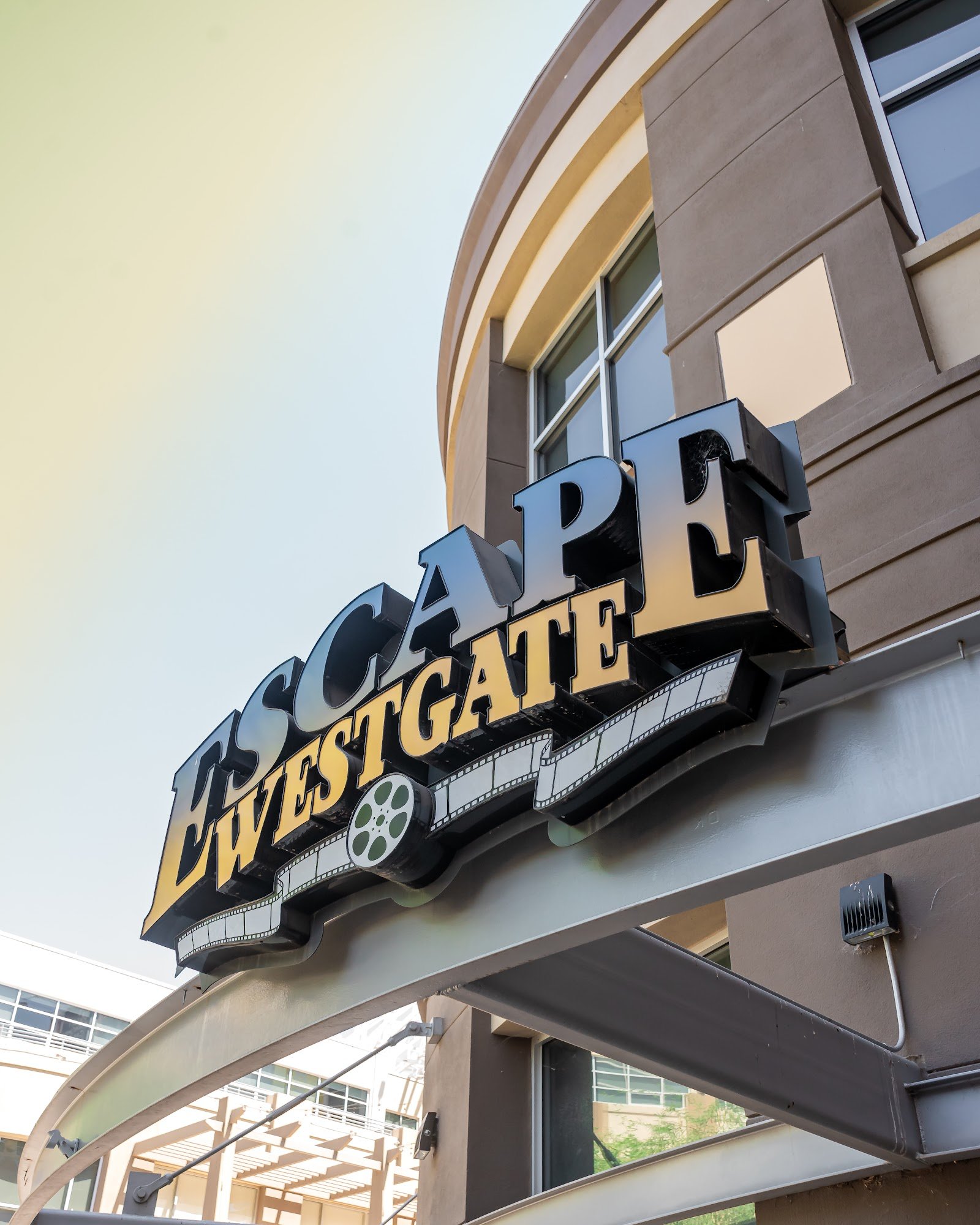
Westgate Entertainment District is the city's premier hub for live sports, dining, and nightlife, anchored by State Farm Stadium — home of the Arizona Cardinals and host to multiple Super Bowls. The district also features the Fountain at Westgate, Escape Westgate for team challenges, and Stir Crazy Comedy Club for evening laughs. Glendale Ghost Tours and Haunted Pub Crawls offer a quirky, after-dark perspective on the city's history.
Food and Dining
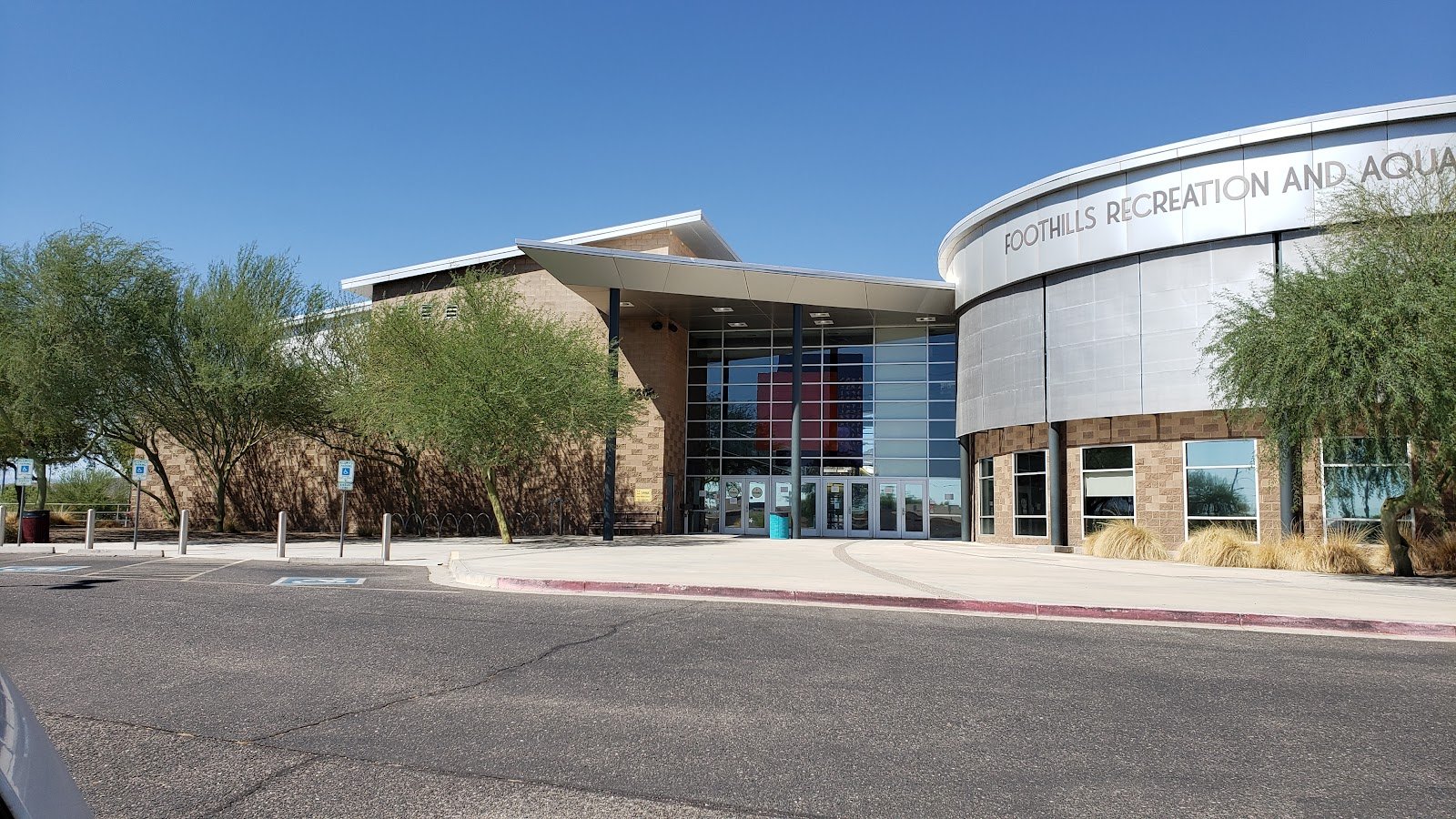
Glendale's dining scene ranges from neighborhood staples to international flavors. The Westgate area concentrates a strong mix of restaurants and bars, while local spots throughout the city reflect the region's multicultural character. Foothills Recreation and Aquatics Center rounds out the offering for active travelers seeking fitness amenities during their stay.
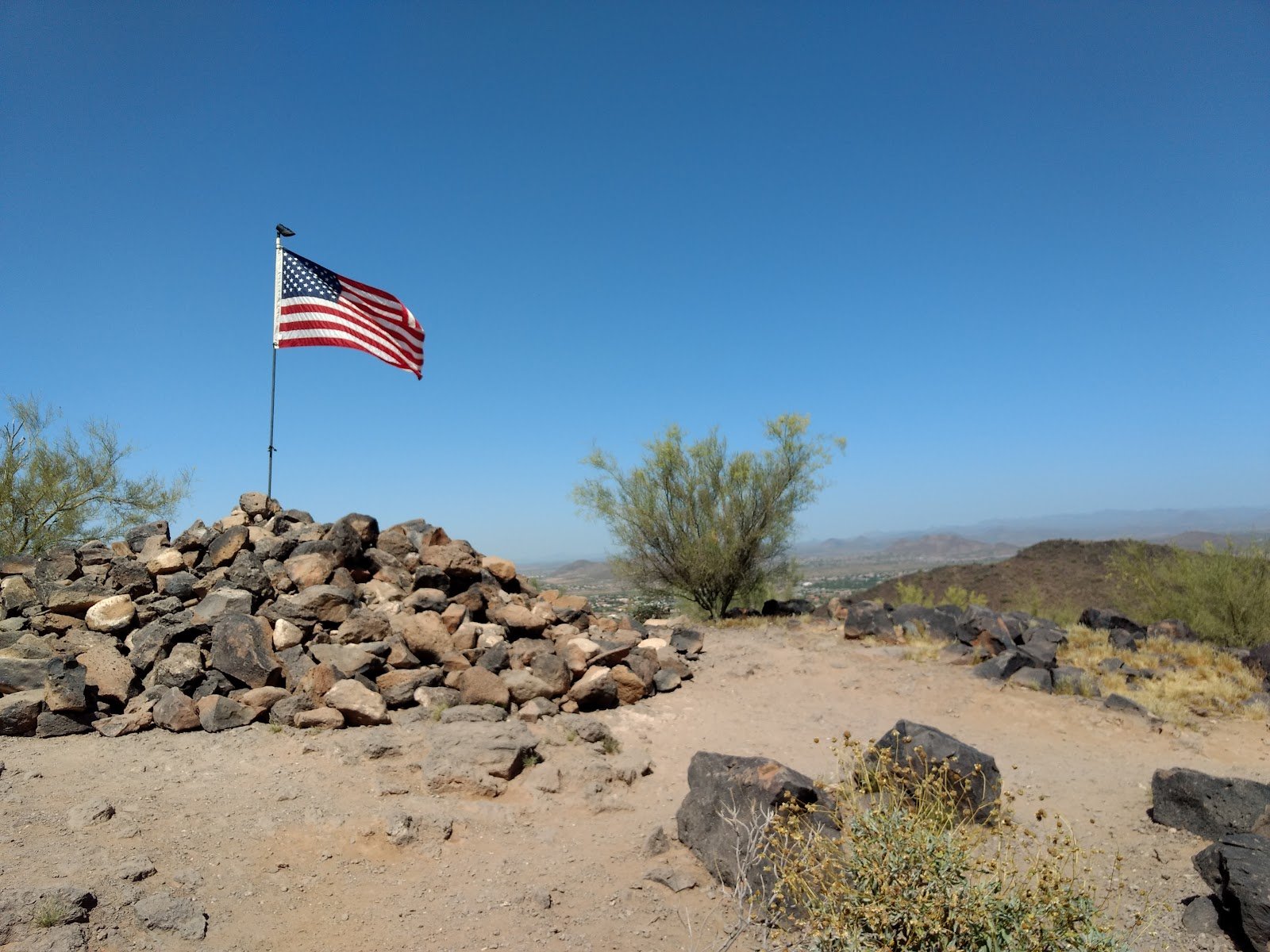
Thunderbird Conservation Park Large desert park featuring hiking, equestrian & mountain biking trails, bird watching & picnicking.
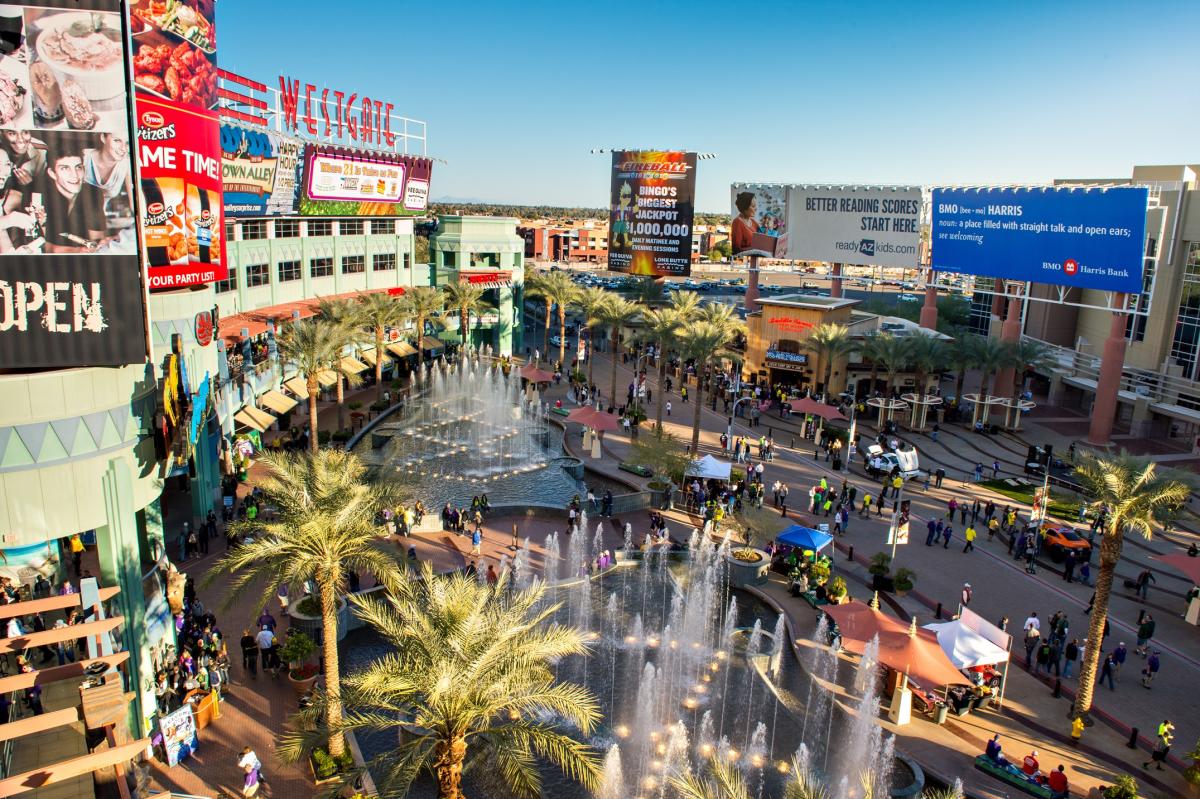
Start your morning at the Westgate Entertainment District, grabbing breakfast at one of its many cafes before touring the impressive State Farm Stadium, home of the Arizona Cardinals. Spend the afternoon exploring the surrounding plazas and catching any live entertainment. In the evening, stay in Westgate for dinner and drinks at one of the lively sports bars or restaurants lining the district.
Dedicate the morning to Glendale's Historic Catlin Court and the antique corridor along Glendale and Myrtle avenues. Browse more than 80 antique and specialty shops tucked into early 20th-century bungalows at a leisurely pace. Grab lunch at a local cafe in the neighborhood. In the afternoon, continue through the broader antique district, then wind down the evening with dinner at a nearby restaurant in historic downtown Glendale.
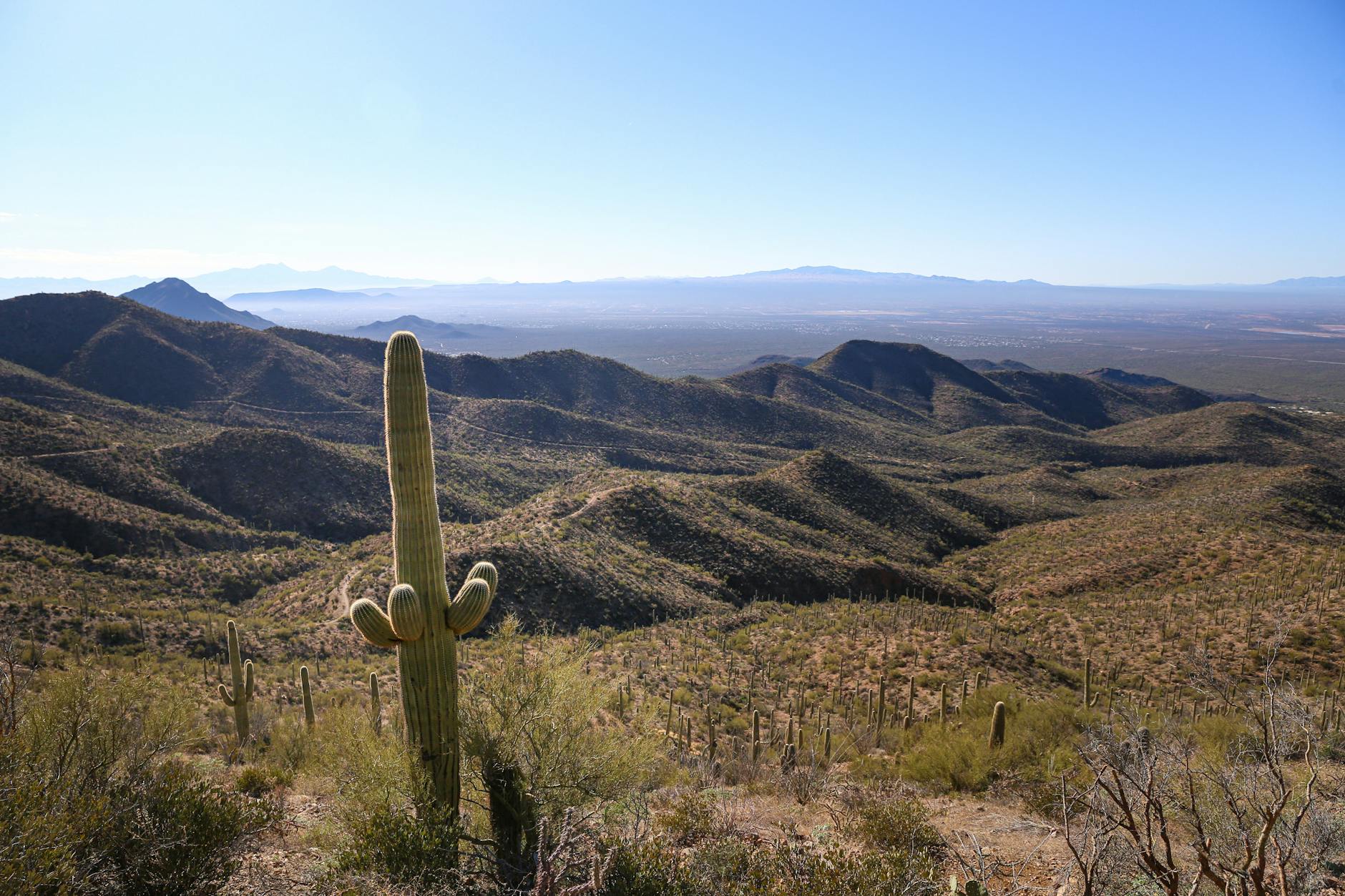
Head out early to White Tank Mountain Regional Park for a morning hike through the Sonoran Desert, where petroglyphs and desert wildlife make for a memorable trail experience. Return to the city for a late lunch, then spend the afternoon unwinding at one of Glendale's upscale resort spas. Close out your trip with a sunset dinner showcasing the best of Arizona's dining scene before heading home.
Glendale's cultural calendar is shaped by two powerful forces: the roar of major sports and entertainment events at its stadium complex, and the quieter, community-rooted traditions of its historic districts. The city shifts in tone throughout the year, from the electric buzz of NFL season in the fall to the festive glow of its beloved holiday light display in late November and December.
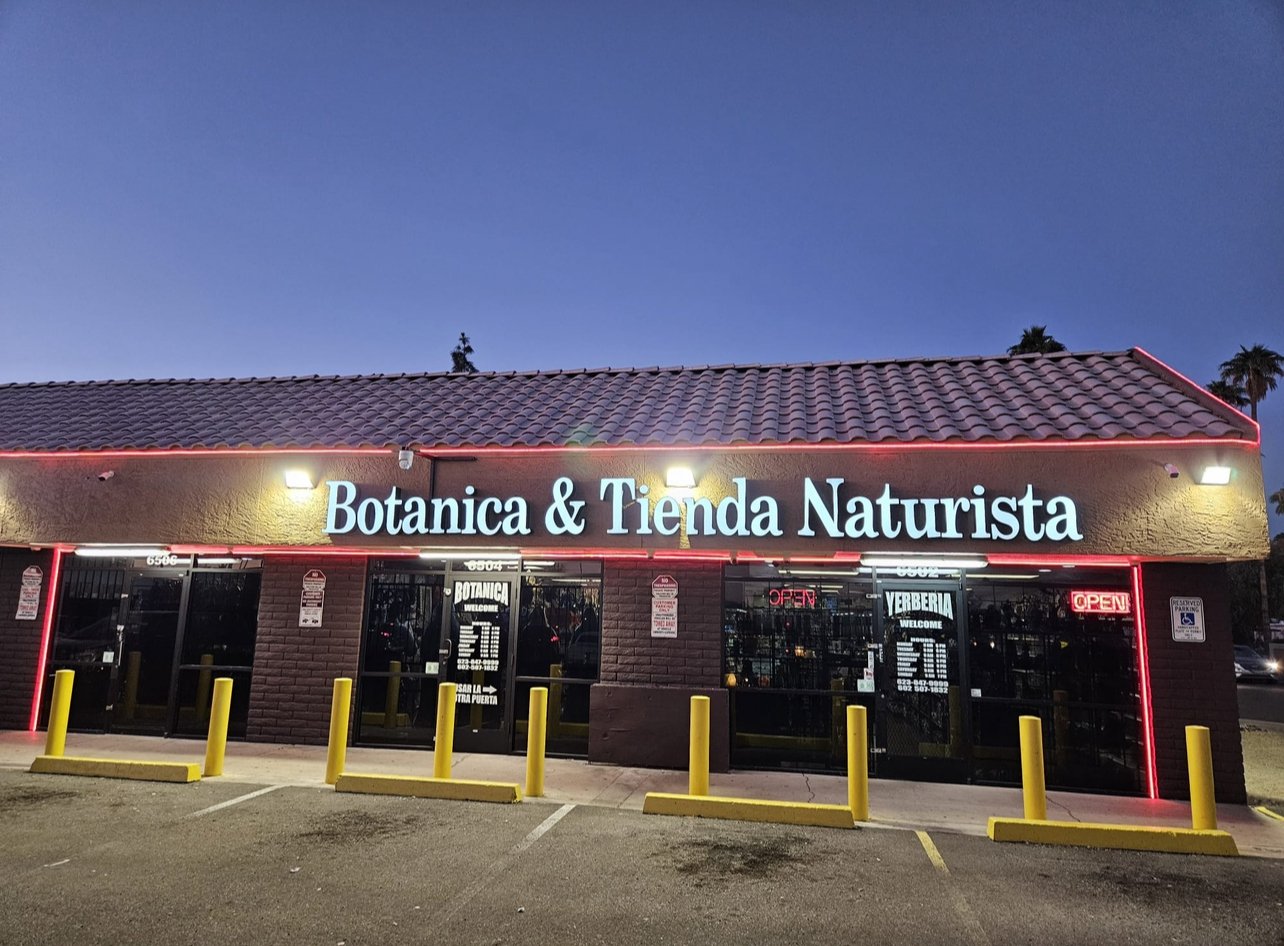
Glendale's dining scene is more layered than its sports-city reputation suggests. The city's food culture draws from the deep culinary traditions of the Southwest and northern Mexico, with a strong backbone of authentic Mexican and Sonoran-style cuisine that reflects the broader Phoenix metro's demographics and tastes.
By Air
Phoenix Sky Harbor International Airport (PHX) is the primary arrival point, located 15 to 20 miles southeast of Glendale. All major domestic carriers serve Sky Harbor, with direct flights available from most large U.S. cities.
By Car
Glendale is well connected by Interstate 10 and Loop 101, making it straightforward to reach from Los Angeles (roughly 5 to 6 hours), Las Vegas (4 to 5 hours), or Tucson (about 2 hours). A car is strongly recommended for getting around once you arrive.
By Rideshare or Shuttle from the Airport
Rideshare services like Uber and Lyft operate freely from Sky Harbor and are a convenient option for the trip to Glendale, typically running $30 to $50 depending on destination and demand. Shared shuttle services are also available for budget-conscious travelers.
By Train or Bus
Amtrak does not serve Glendale directly - the nearest station is Maricopa, south of Phoenix, on the Sunset Limited route. Greyhound and FlixBus connect Phoenix to regional cities, with onward rideshare needed to reach Glendale.

By Car
Renting a car is the most practical choice for exploring Glendale. Loop 101 and Interstate 10 connect the city's main areas efficiently, and parking is widely available and generally free or low-cost outside of major event days.
By Rideshare
Uber and Lyft operate throughout Glendale and are a reliable alternative to renting a car, especially for evenings out near Westgate. Expect surge pricing on NFL game days and during major events at State Farm Stadium.
On Foot
The Westgate Entertainment District and the Historic Catlin Court antique corridor are both walkable once you arrive, making them easy to explore without moving your car between stops. Outside these zones, walking between attractions is not practical.
Public Transit
Valley Metro bus routes serve parts of Glendale, but the light rail does not extend into the city. Transit is generally not the most efficient option for visitors, though it can work for trips into central Phoenix.
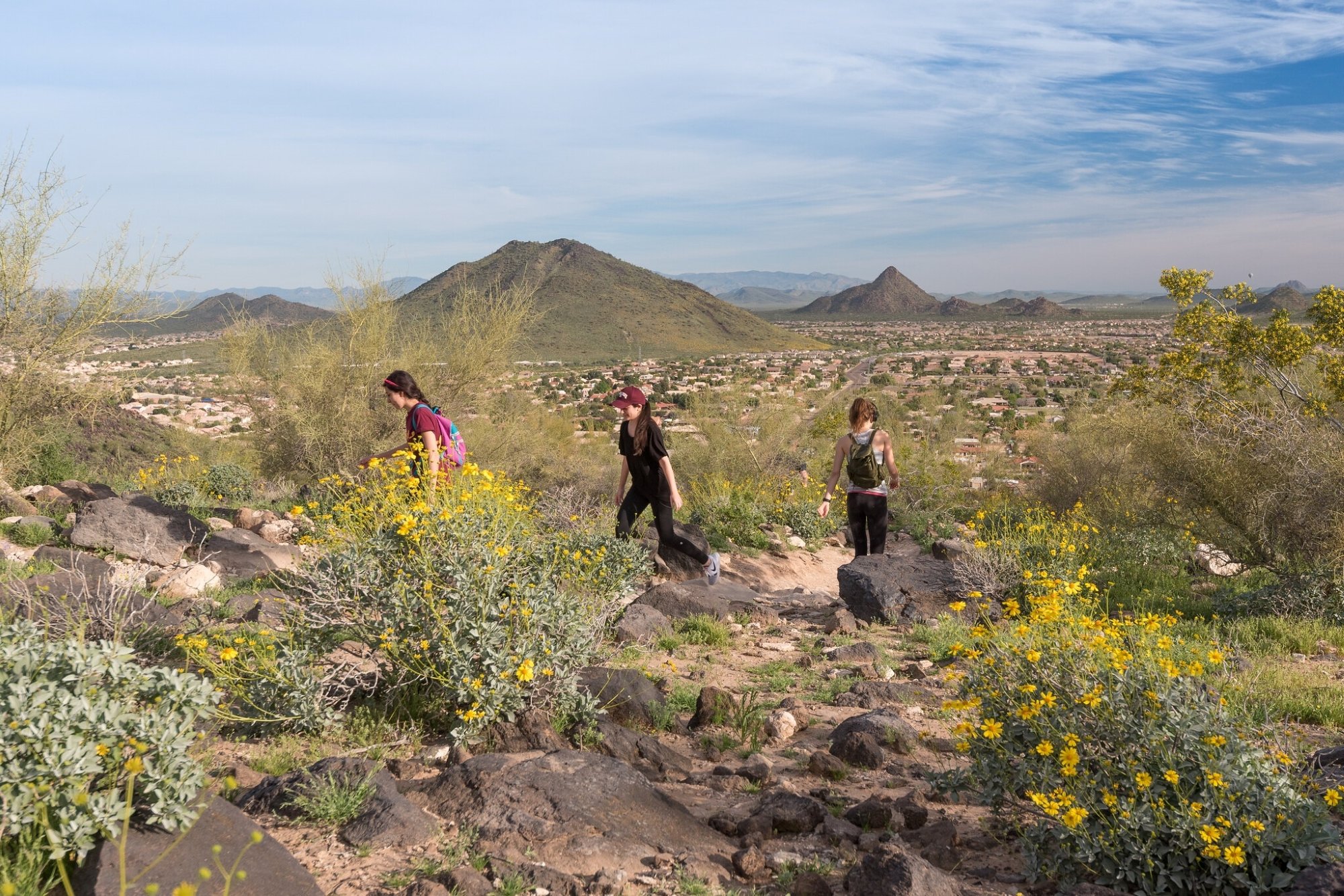
Glendale summers are intense - temperatures regularly exceed 110 degrees Fahrenheit from June through August. If you visit in summer, plan outdoor activities for early morning and move indoors during midday hours. The most comfortable travel windows are October through April, when daytime highs are mild and evenings are pleasant.
Book hotels well in advance if your trip coincides with an Arizona Cardinals home game, a major college football event, or a concert at State Farm Stadium - rates across the metro can double or triple during high-profile weekends.
Download the Valley Metro app if you plan to use any public bus services, and keep Uber or Lyft installed for flexible transportation. Most restaurants and shops in Glendale accept credit cards; tipping 18 to 20 percent is standard at sit-down restaurants. The Westgate area is safe and well-patrolled on event nights, but stay aware of heavy pedestrian and vehicle traffic around stadium departure times.
Two to three days is enough to experience Glendale's highlights. A day covers the Historic Catlin Court antique district and nearby dining, a second day suits a Cardinals game or Westgate Entertainment District, and a third gives you time for White Tank Mountain Regional Park or nearby Phoenix attractions. Extend your stay if a major sporting event is on the schedule.
Glendale is best known for State Farm Stadium, home of the Arizona Cardinals and a repeat host of the Super Bowl. It is also recognized as the Antique Capital of Arizona, with more than 80 shops concentrated in a walkable historic district. The Westgate Entertainment District adds a lively dining and nightlife scene directly adjacent to the sports venues.
Yes, Glendale works well as a weekend trip, especially when timed around a Cardinals game, a concert at Westgate, or an antique-hunting weekend. Two days is enough to hit the main draws without feeling rushed. Its location within the greater Phoenix metro also makes it easy to combine with a quick visit to Scottsdale, Tempe, or downtown Phoenix.
Glendale is moderately priced compared to other major sports and resort destinations. Hotels and dining span a wide range, from budget-friendly chains near the stadium to upscale resorts with full spa amenities. Costs spike significantly during Super Bowl weeks and major college football championships, so booking well in advance around those events is strongly recommended.
October through April offers the most comfortable weather, with mild temperatures ideal for exploring outdoor areas and the antique district on foot. Summer months bring intense desert heat, so outdoor activity is best limited to early mornings or evenings during that period.