
Baltimore, MD
A Journey guide to
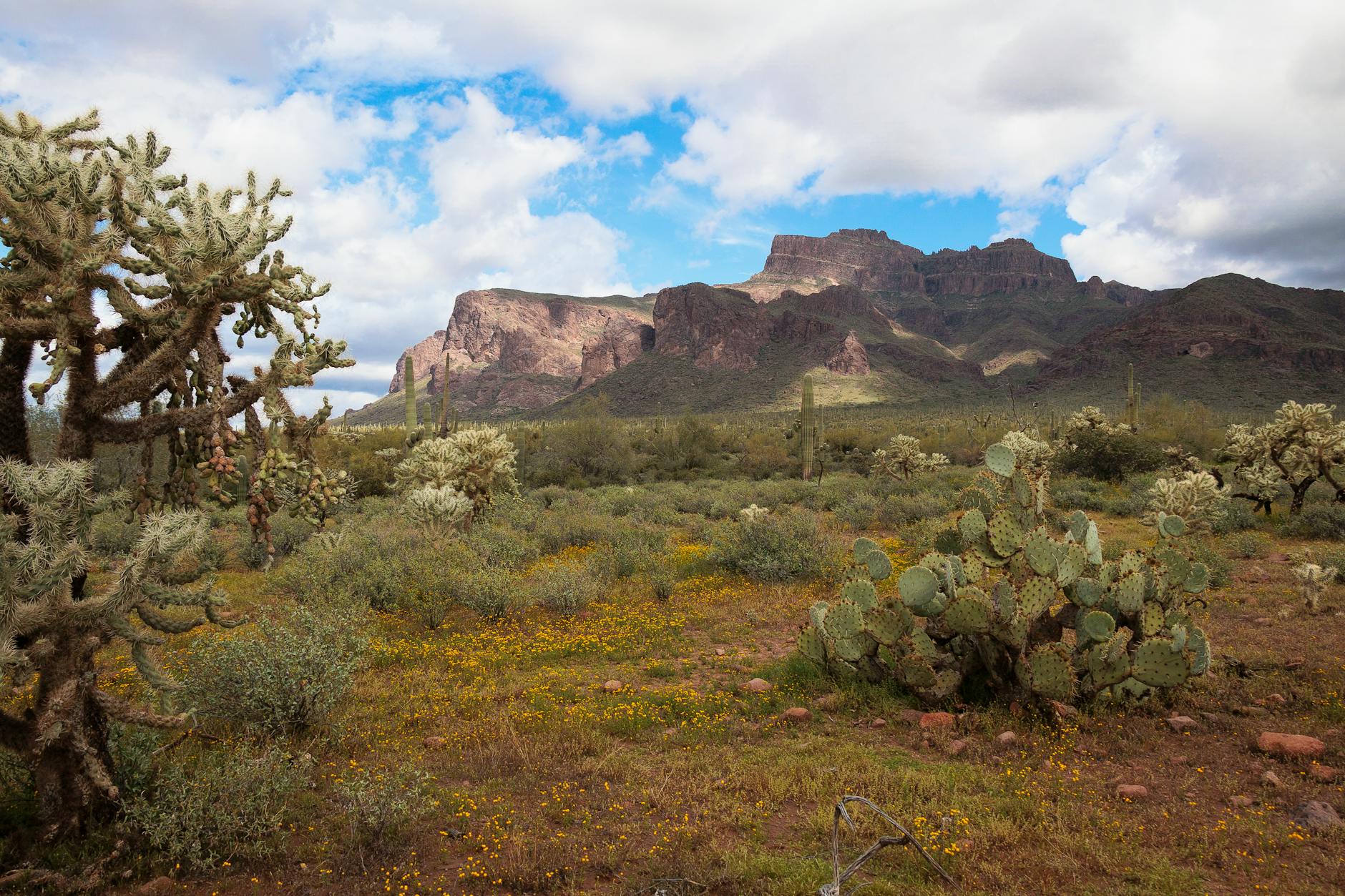
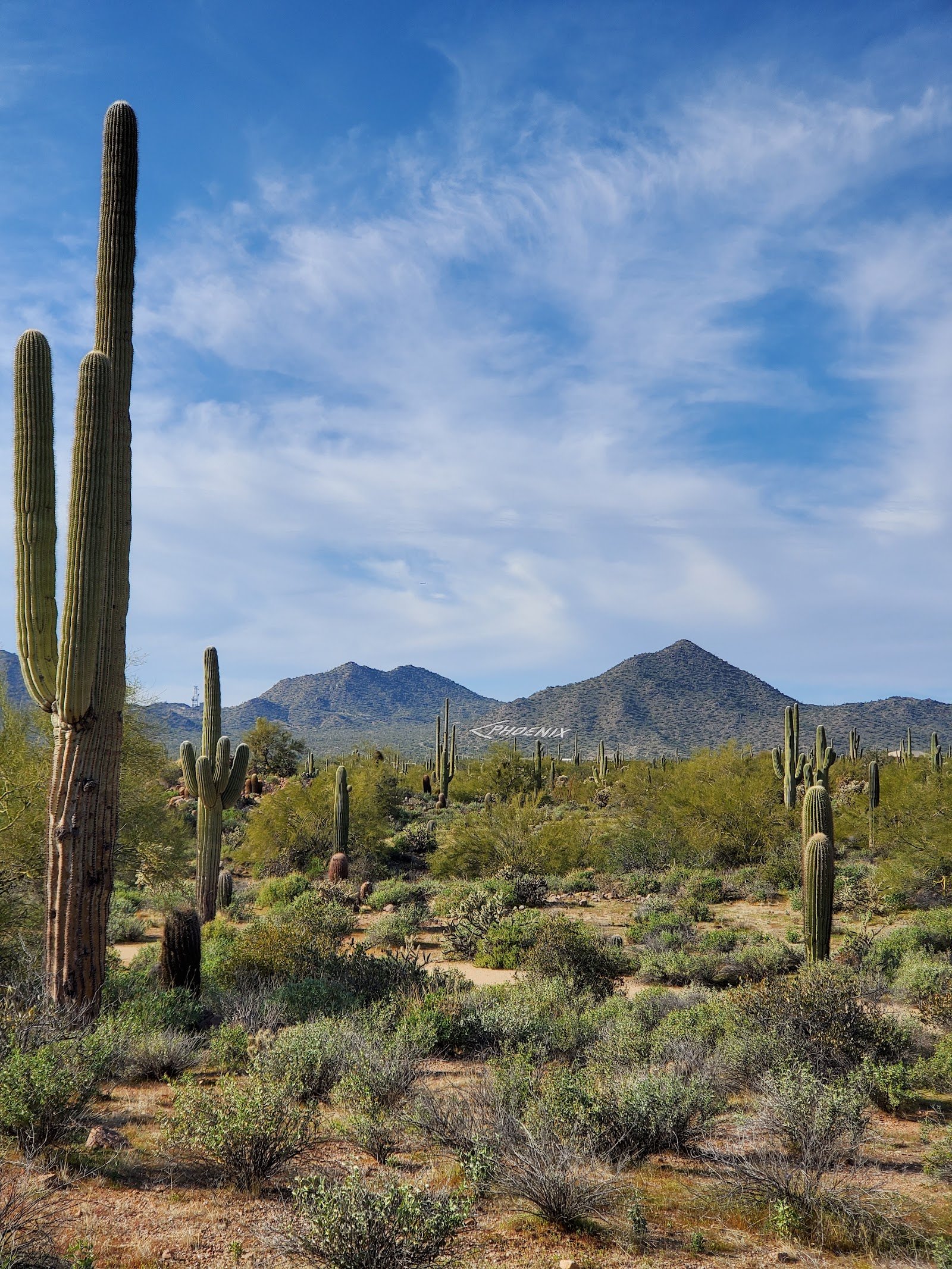
Mesa is Arizona's third-largest city and one of the largest cities in the United States, yet it carries the character of a place that rewards those who look beyond the surface. Anchored in the eastern reaches of the Phoenix metropolitan area, Mesa blends Sonoran Desert scenery with a surprisingly rich cultural and recreational landscape. It draws golfers, outdoor adventurers, history enthusiasts, and families in equal measure, offering a full spectrum of experiences without the crowds of more headline-grabbing destinations.
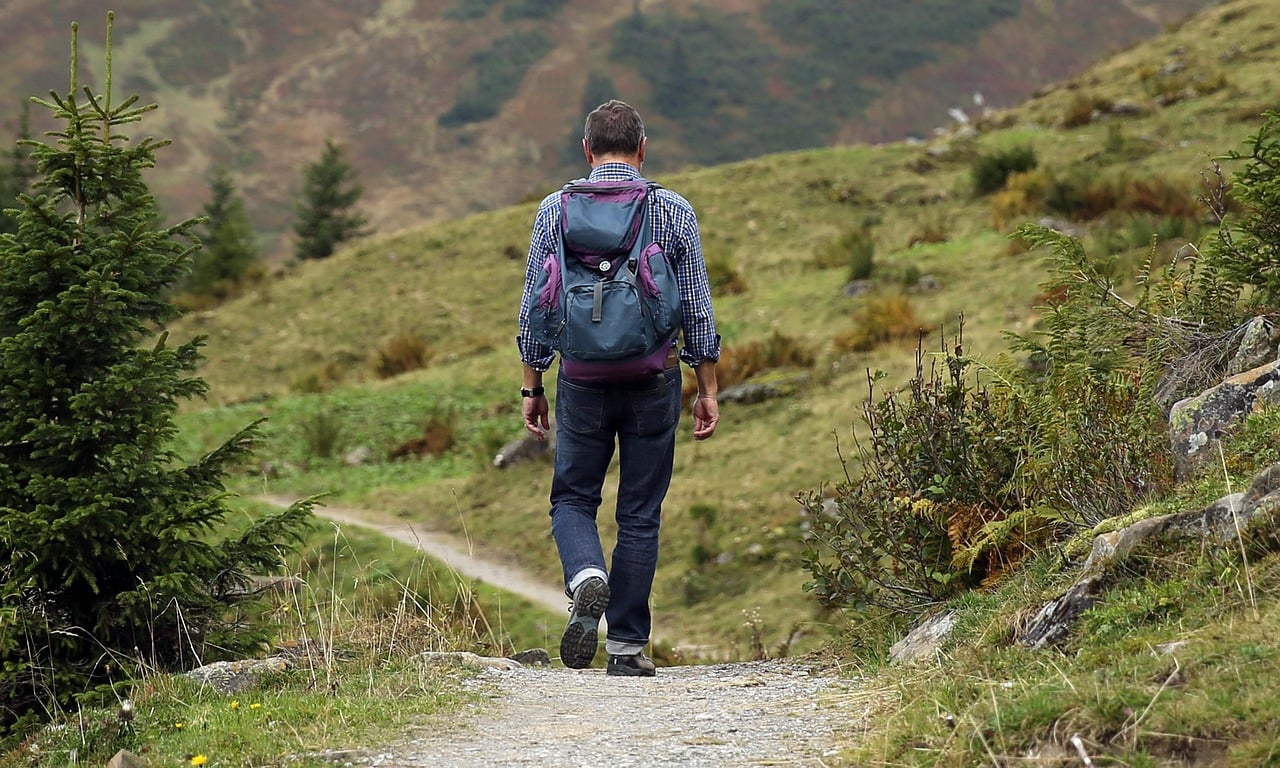
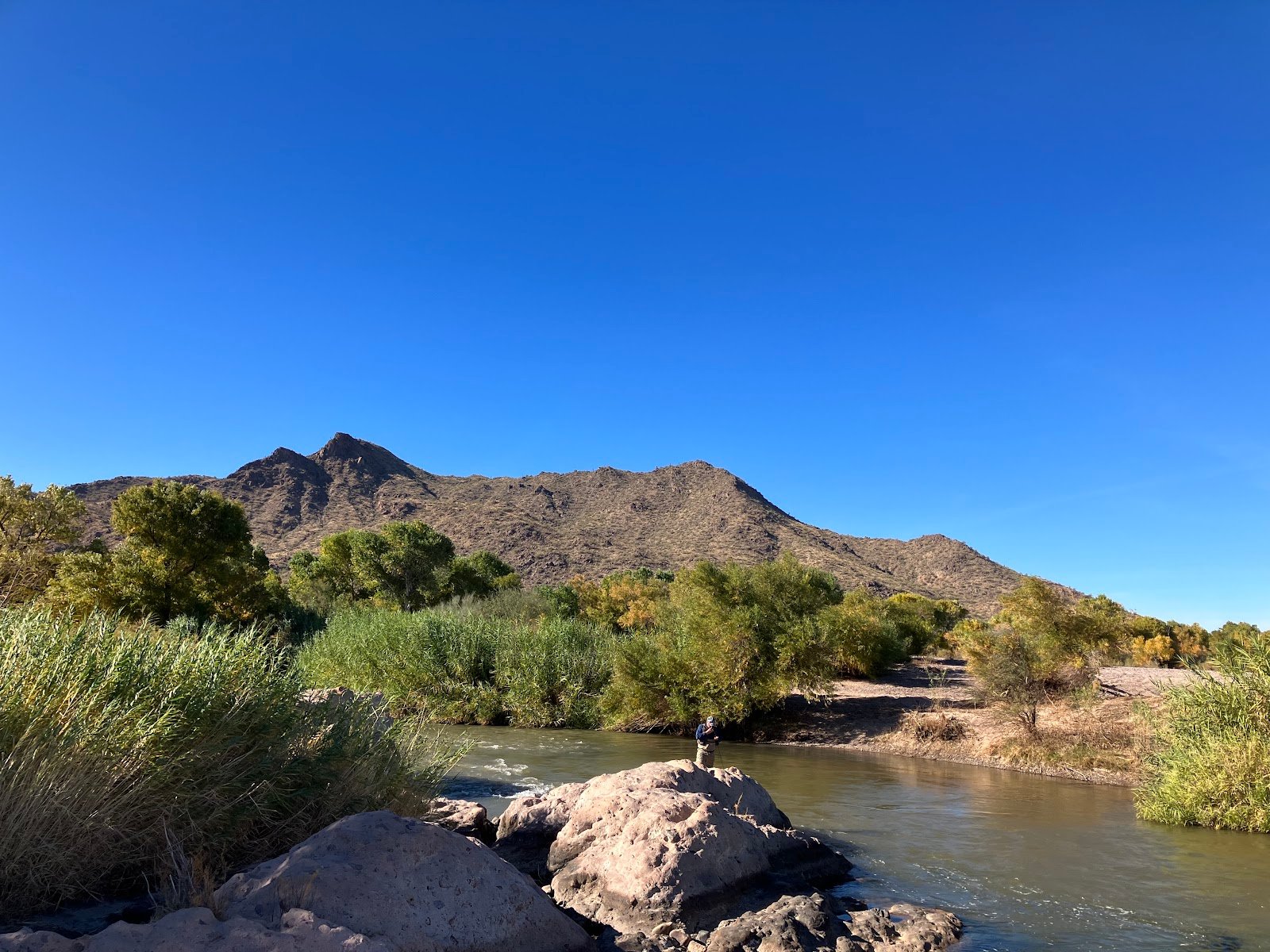
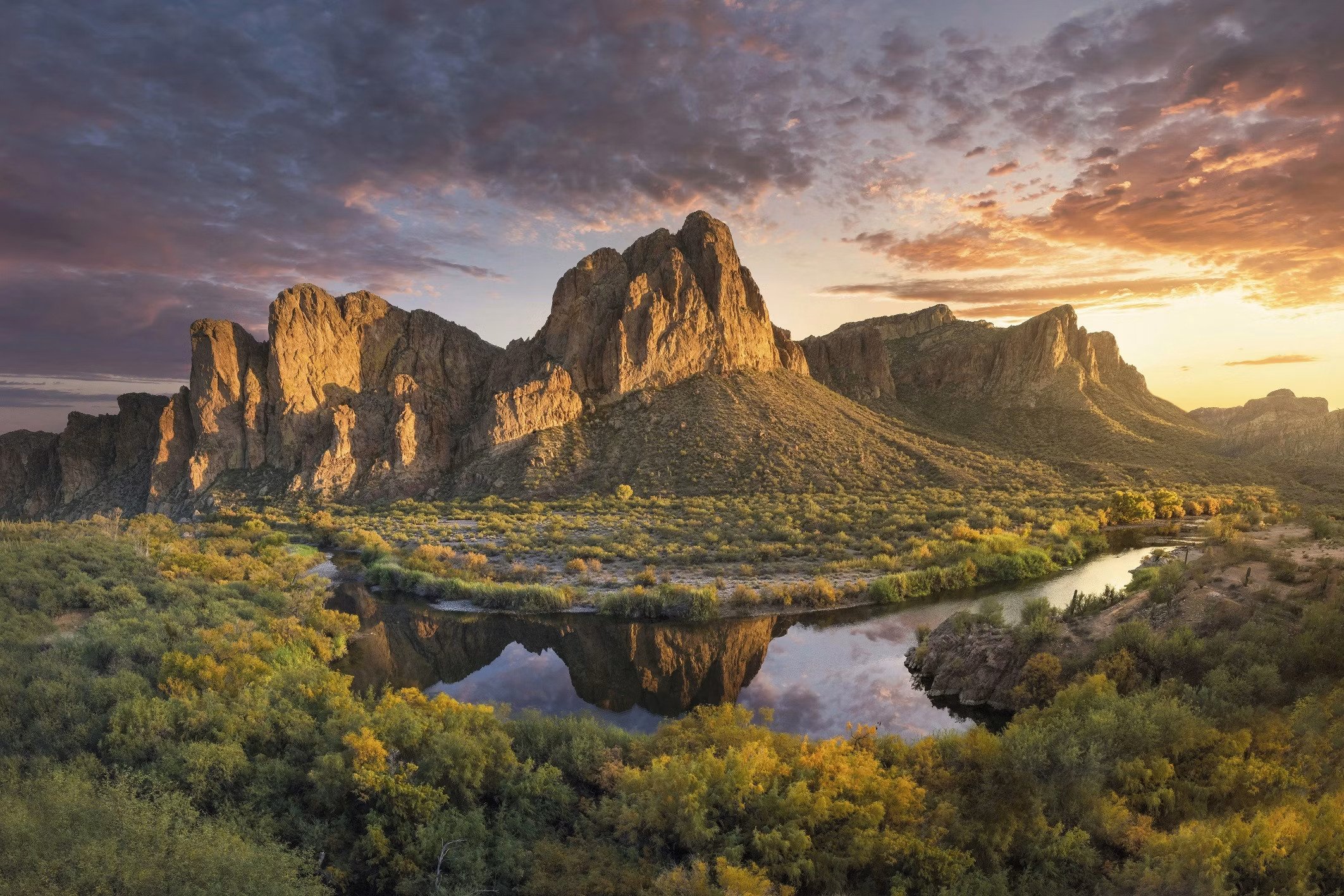
The city is a legitimate golf destination, home to more than two dozen courses ranging from championship desert layouts to lush parkland designs. Beyond the fairways, Mesa's natural surroundings deliver serious outdoor credentials. Usery Mountain Regional Park, the Tonto National Forest, and the Superstition Wilderness are all within easy reach, offering hiking, mountain biking, horseback riding, and rock climbing against dramatic desert backdrops. The Salt River, which borders the city to the north, is a hub for kayaking and tubing.
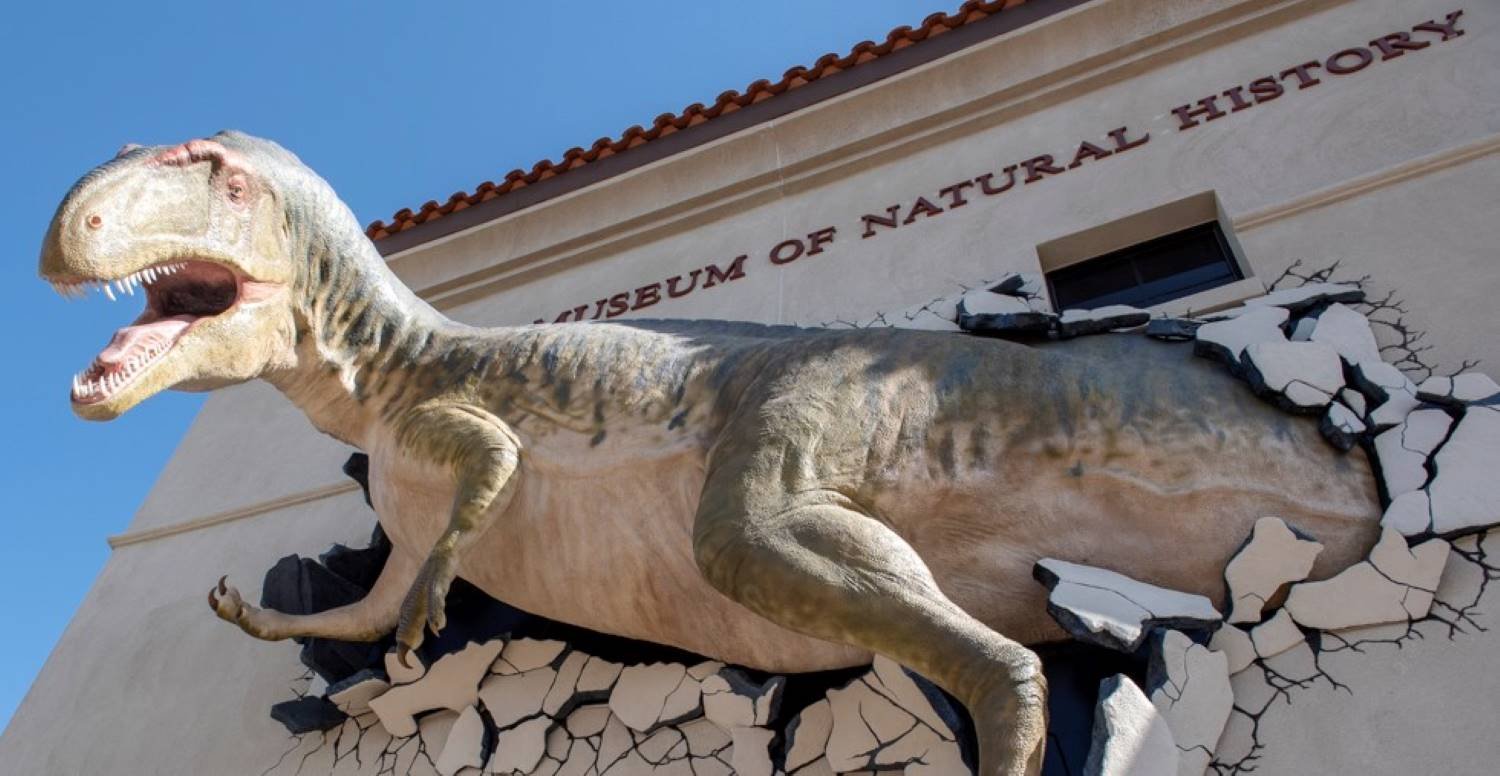
Mesa has deep roots in Native American history, and the Mesa Grande Cultural Park preserves one of the largest Hohokam platform mounds in the region. The Hohokam people built an extensive canal system here more than a thousand years ago, and remnants of that engineering legacy still shape the valley's landscape today. The Arizona Museum of Natural History brings this prehistory to life with impressive permanent collections, making Mesa a meaningful stop for travelers interested in the ancient Southwest.
The city also punches above its weight in the arts. The Mesa Arts Center is one of the largest arts complexes in the American Southwest, hosting visual arts, theater, and live music in a striking architectural campus. A growing culinary scene, centered on the revitalized downtown corridor, adds further dimension to a destination that has matured well beyond its reputation as a Phoenix suburb.
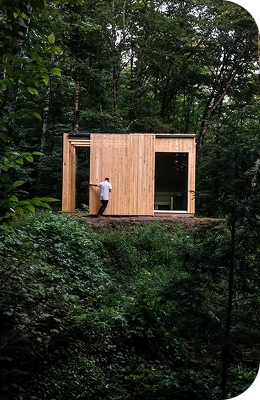



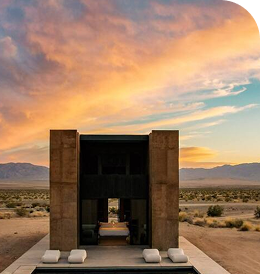

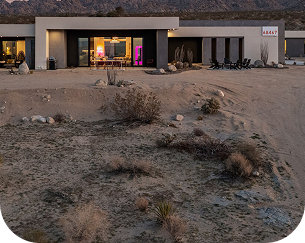

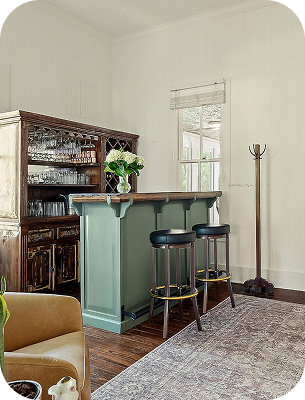

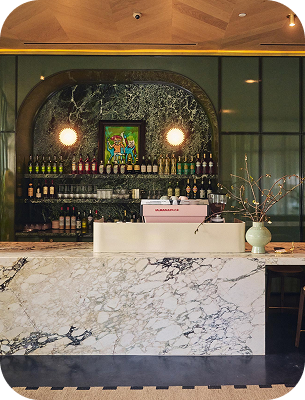

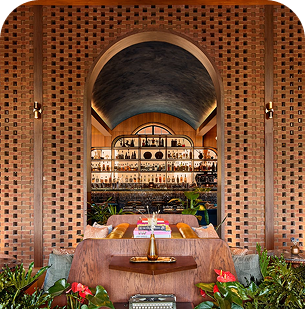

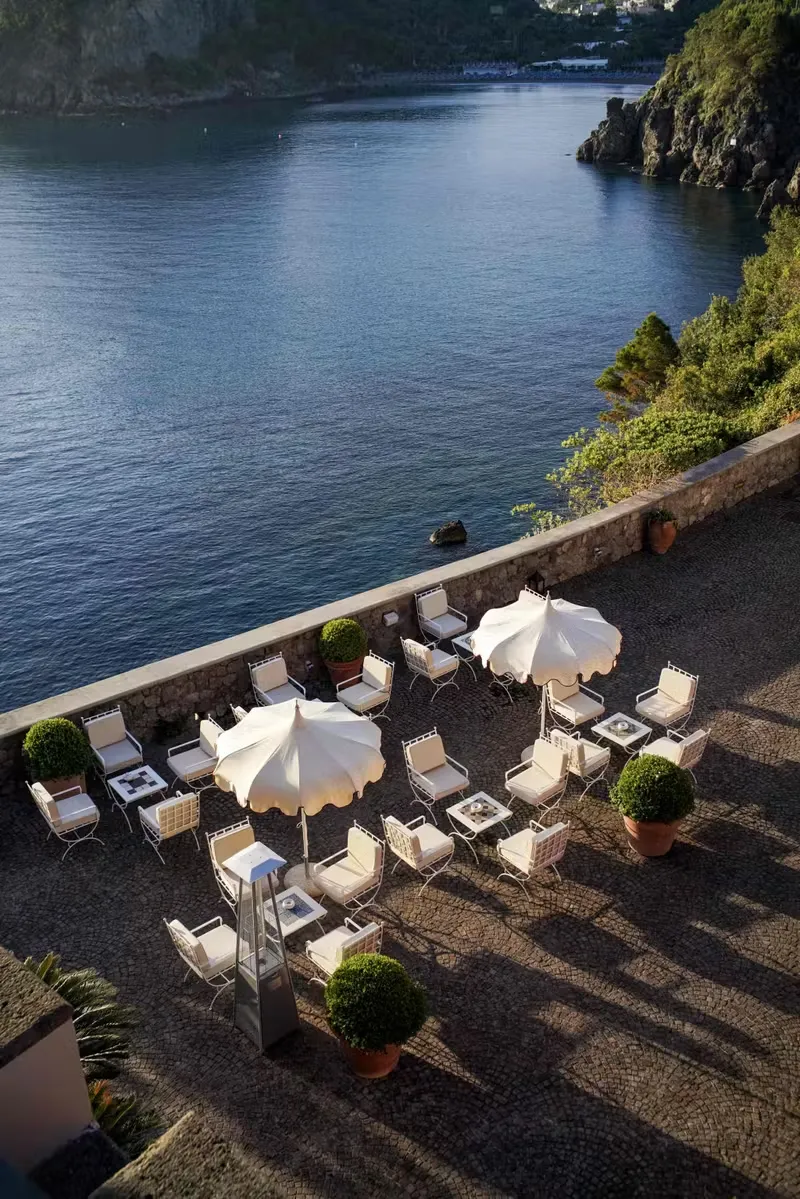

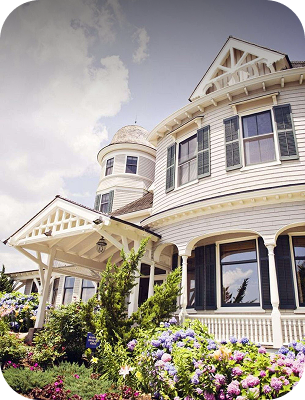

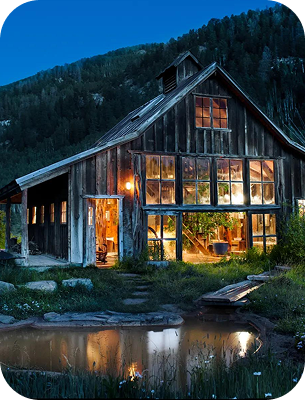

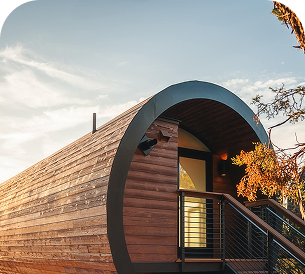

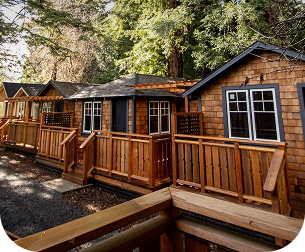

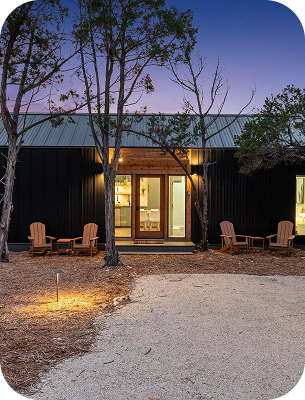

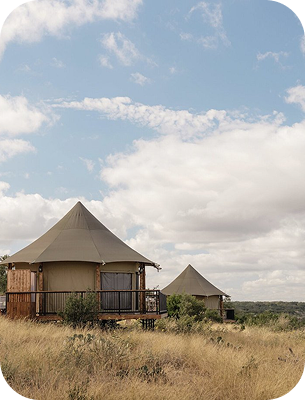

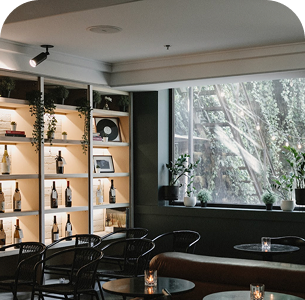

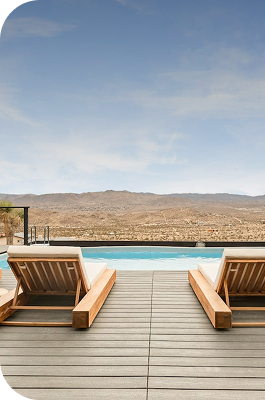

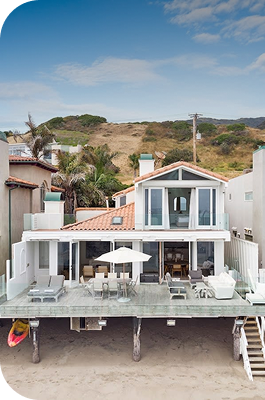

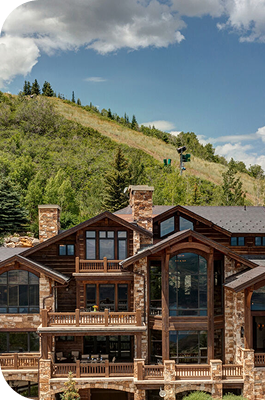

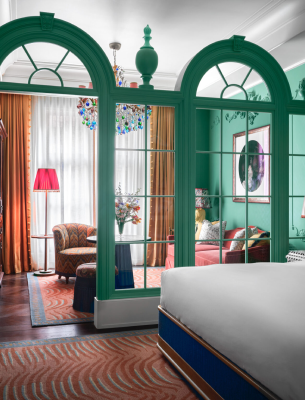

Journey connects travelers to a curated network of boutique hotels and distinctive residences around the world, all united under one rewards program. Explore handpicked stays for your trip while earning points, unlocking exclusive offers, and receiving rewards across the Journey collection.
Mesa sits at the eastern edge of the Phoenix metropolitan area in Maricopa County, occupying a broad, flat expanse of the Sonoran Desert at roughly 1,200 feet above sea level. The city covers more than 130 square miles, making it one of the most expansive municipalities in the country by area, and its position between the urban core of Phoenix to the west and the rugged Superstition Mountains to the east gives it a geographic identity that is distinctly its own.
The land has been inhabited for millennia. The Hohokam civilization flourished here from roughly 300 to 1450 CE, constructing an elaborate network of irrigation canals that allowed agriculture to thrive in an otherwise arid environment. That engineering ingenuity laid the groundwork for the canal systems that still define the Valley of the Sun today. When Mormon pioneers arrived in the 1870s and formally established Mesa in 1883, they built upon and expanded those ancient waterways, shaping the city's agricultural and civic character for generations.
Through the twentieth century, Mesa evolved from a farming community into a sprawling Sun Belt city. The postwar boom brought rapid growth, and the city has continued to expand, attracting aerospace and technology industries alongside its traditional tourism and retirement economies. Today, Mesa is home to Boeing's Apache helicopter production facility and a significant presence in the defense and aviation sectors, giving it an economic base that extends well beyond hospitality.
Culturally, Mesa occupies an interesting position: large enough to sustain a genuine arts scene, a diverse restaurant landscape, and major-league spring training baseball at Sloan Park (home of the Chicago Cubs during Cactus League), yet compact enough in its downtown core to feel navigable and human-scaled. The city's population is ethnically diverse, with a substantial Latino community and a long-established Church of Jesus Christ of Latter-day Saints presence that continues to shape its civic life. For travelers, Mesa functions both as a self-contained destination and as an ideal base for exploring the broader Arizona desert.
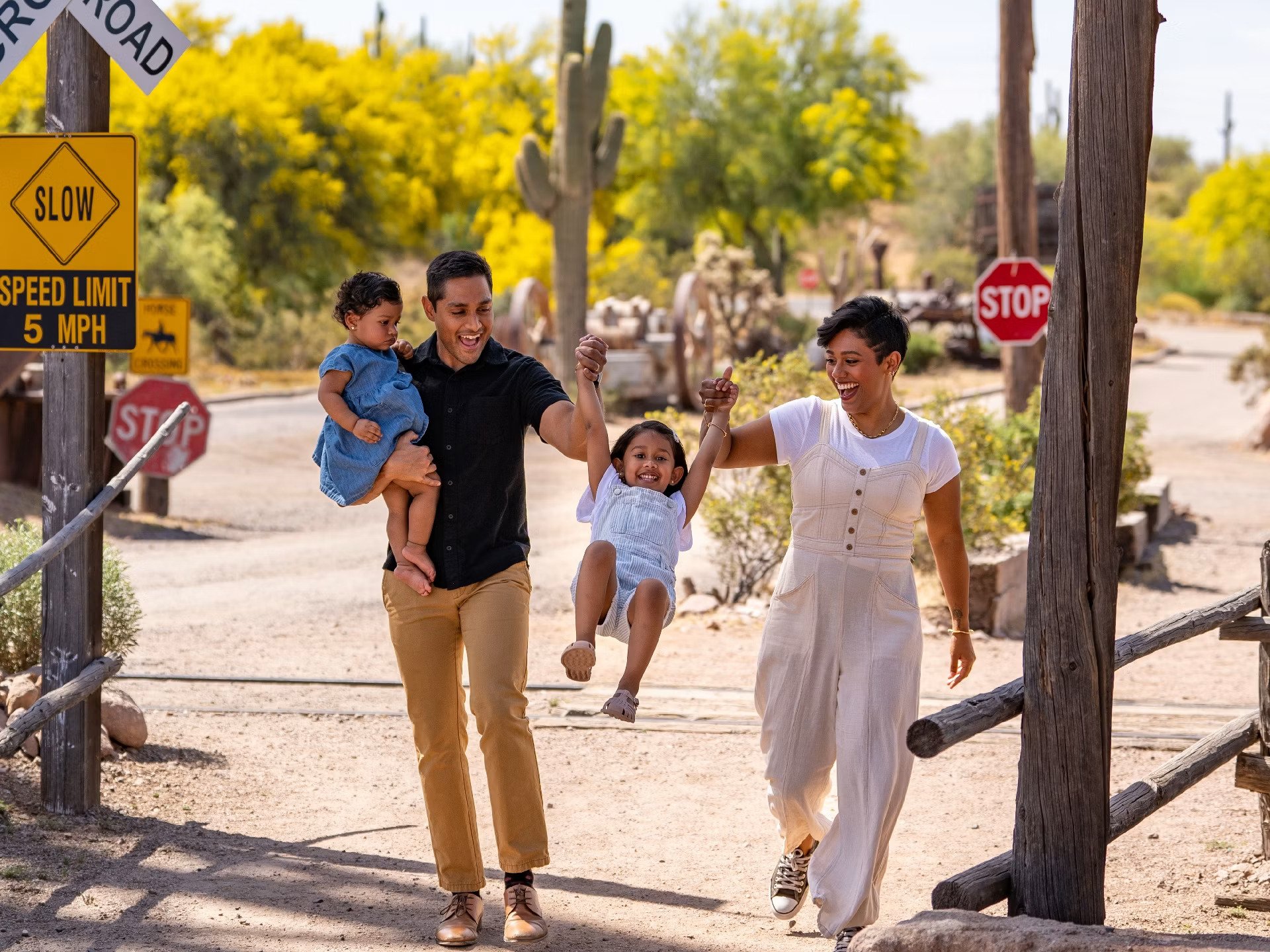
The sweet spot for visiting Mesa falls between October and April, when the desert climate is at its most welcoming and the full range of outdoor experiences is accessible. This window draws the largest number of visitors, particularly from November through March when snowbirds arrive from colder parts of North America, so popular golf courses, hiking trails, and downtown dining spots can be busier than expected. Booking accommodations in advance is strongly recommended for this period.
November and early December offer a quieter entry point into the high season, with comfortable conditions for exploring Usery Mountain Regional Park, the Superstition Wilderness, and the trails around the Salt River without the peak-season crowds. February and March are the liveliest months, coinciding with spring training baseball at Sloan Park, home of the Chicago Cubs, which draws enthusiastic crowds and adds a festive energy to the city.
April is an excellent month for travelers who want the best of both worlds: the outdoor season is still in full swing, wildflowers can linger into early spring, and the intense summer heat has not yet arrived. Crowds begin to thin as the month progresses, making it easier to secure tee times and trailhead parking.
May sits at the edge of viability, with heat building quickly but outdoor mornings still manageable for early risers. Summer months are best suited to travelers with a specific purpose, such as visiting the Arizona Museum of Natural History or the Mesa Arts Center, where air-conditioned interiors make the heat a non-issue.
For cultural travelers, the Mesa Arts Center's main performance season runs fall through spring, aligning neatly with the broader high season and giving arts-focused visitors another reason to plan a visit between October and March.
The revitalized core of the city, Downtown Mesa is anchored by the Mesa Arts Center and a growing strip of independent restaurants, craft breweries, and galleries along Main Street. It has the feel of a small-town main street that has grown into something more ambitious, with public art installations and weekend markets adding energy to the corridor. This is the cultural and culinary heart of the city, and the best place to start any visit.
One of Mesa's most historically significant areas, the Mesa Grande district surrounds the preserved Hohokam platform mound at Mesa Grande Cultural Park. The neighborhood carries a quiet, residential character with deep archaeological significance just beneath the surface. Visitors come here to connect with the ancient Native American history that predates the city by more than a thousand years.
A well-established neighborhood in western Mesa, Dobson Ranch is built around a series of lakes and green spaces that give it a lush, unexpected feel within the desert landscape. The area is popular with golfers and outdoor enthusiasts who appreciate the mature trees, walking paths, and the calm pace of its residential streets. Its proximity to Fiesta District dining and shopping makes it a practical and pleasant base for visitors.
Anchored by one of the metro area's major retail corridors, the Superstition Springs district in east Mesa serves as a hub for families and visitors heading toward the Superstition Mountains. Beyond the shopping centers, the area opens up quickly into dramatic desert terrain, making it a natural gateway to hiking and outdoor adventure. The proximity to Usery Mountain Regional Park and the Tonto National Forest gives this part of Mesa a dual identity: suburban convenience and wild desert access.
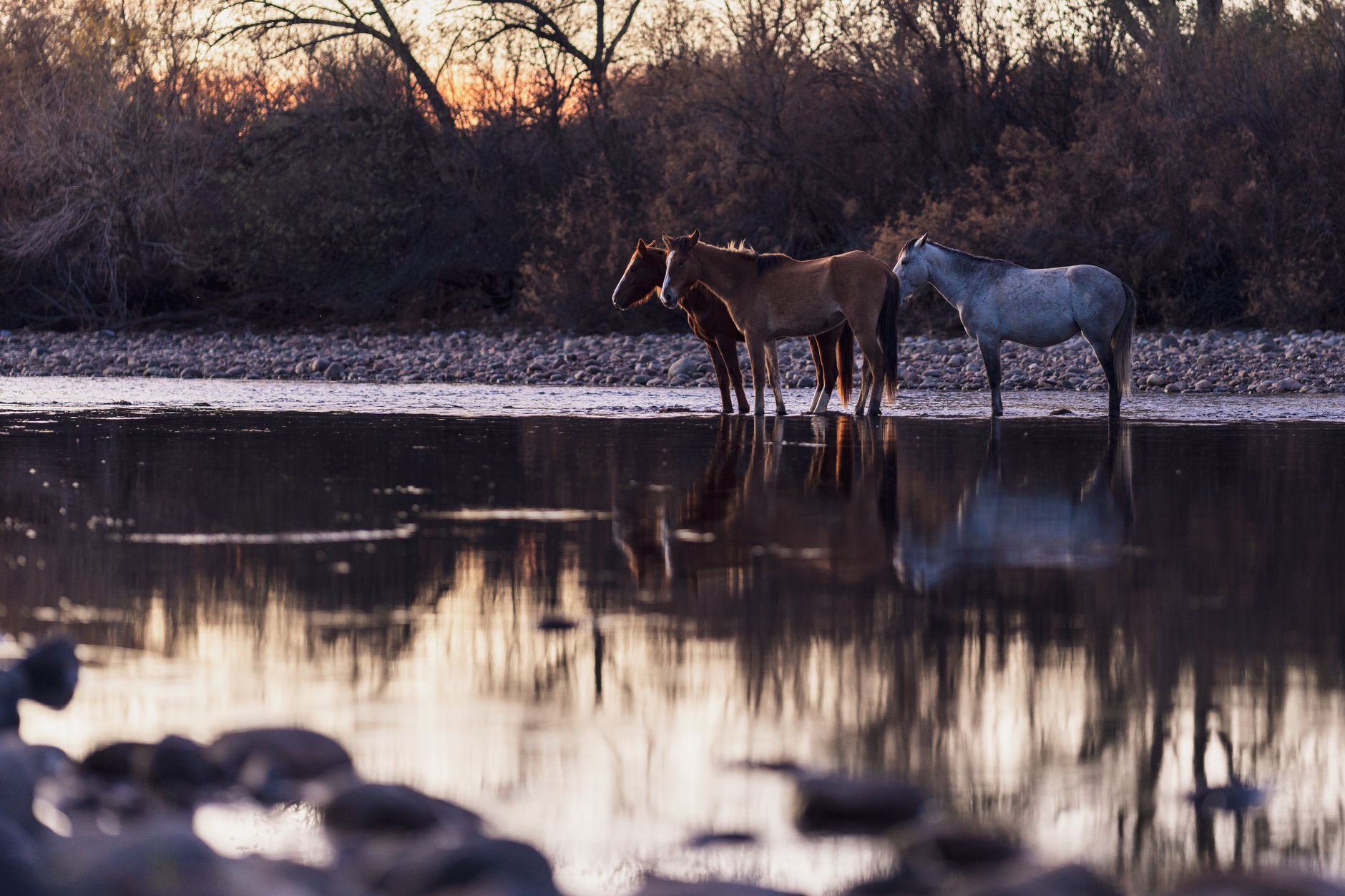
Mesa has a handful of experiences that are genuinely its own, the kinds of things that give a destination its identity and keep travelers coming back.
Desert Hiking to Wind Cave
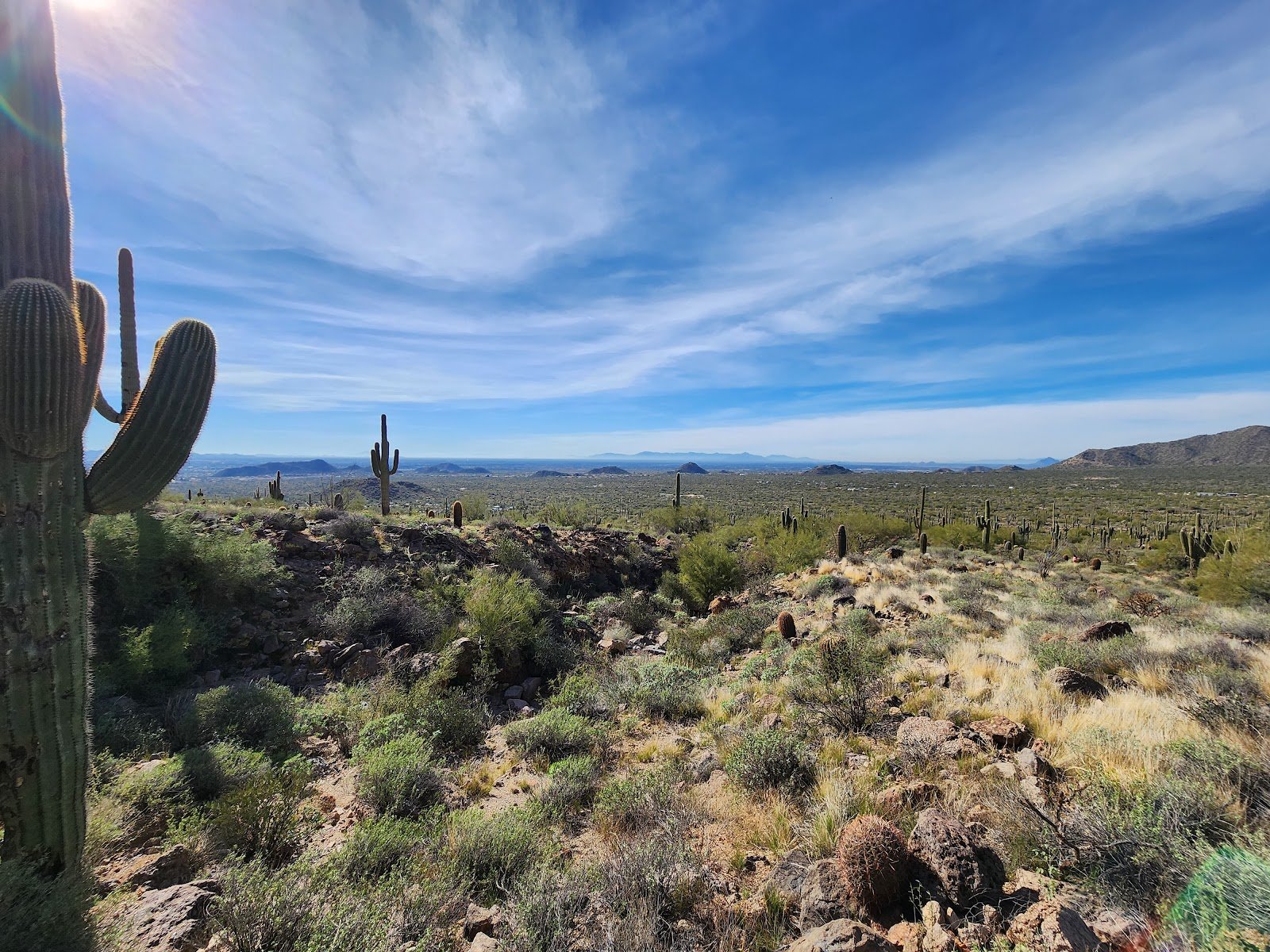
The hike to Wind Cave in the Usery Mountain Regional Park is one of the most iconic short hikes in the Phoenix metro. The trail winds through saguaro-studded hillsides before arriving at a shallow volcanic cave carved into the cliffs, with sweeping views across the Salt River Valley. It is the kind of payoff that defines desert hiking in Arizona.
Tubing and Kayaking the Salt River
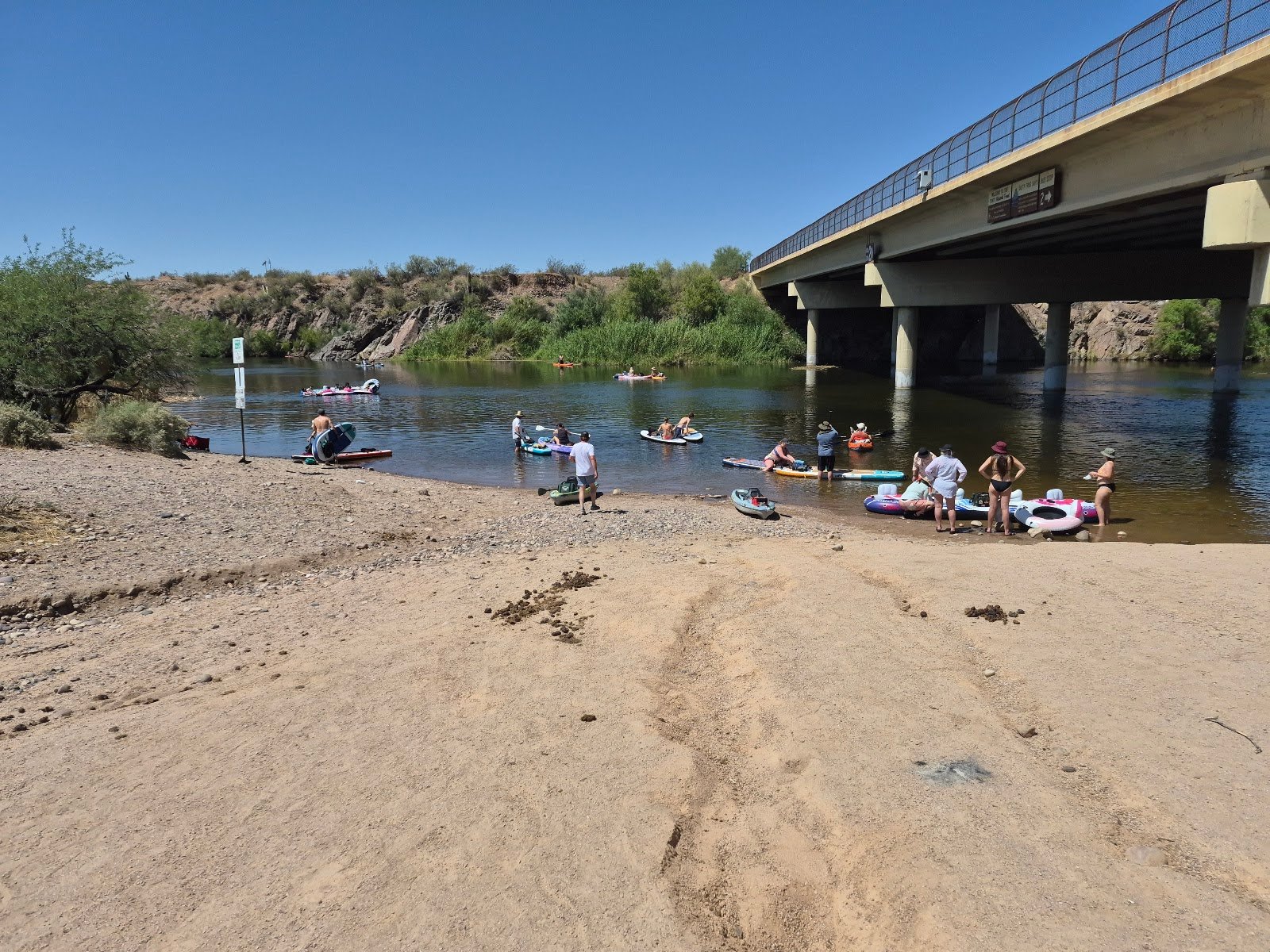
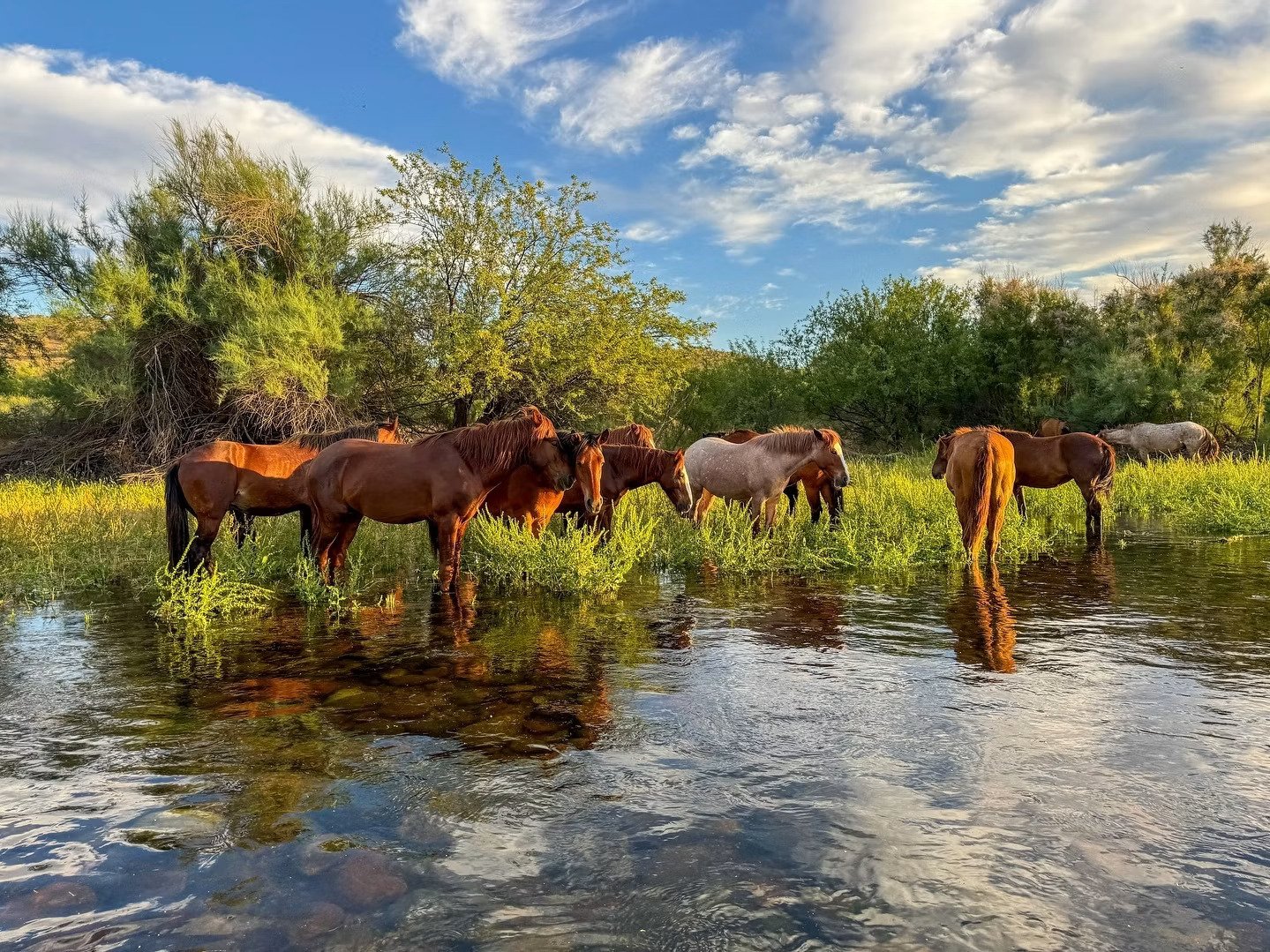
Few experiences capture the spirit of a Mesa summer quite like floating the Salt River. The stretch accessible from Phon D Sutton and Pebble Beach Recreation Areas draws thousands of locals and visitors each season for tubing, kayaking, and wildlife encounters including wild horses that roam the riverbanks. This is a distinctly Arizona ritual that Mesa provides better access to than almost anywhere else in the metro.
Exploring Hohokam Heritage
Mesa sits at the center of one of the most significant prehistoric cultural landscapes in North America. The Park of Canals preserves the ancient irrigation channels engineered by the Hohokam more than a thousand years ago, and the Arizona Museum of Natural History contextualizes that legacy with world-class exhibits. Together they offer a window into a civilization that shaped this desert valley long before the modern city arrived.
Warbird Encounters at Falcon Field
The Arizona Commemorative Air Force Museum at Falcon Field is a pilgrimage site for aviation enthusiasts. The collection of meticulously restored World War II-era aircraft, many of them still airworthy, is among the finest of its kind in the American Southwest. Flight experience rides and seasonal airshows make it more than a museum visit.
Mesa, Arizona offers a wide-ranging mix of outdoor adventure, cultural depth, and urban entertainment that suits nearly every type of traveler.
Outdoor Recreation
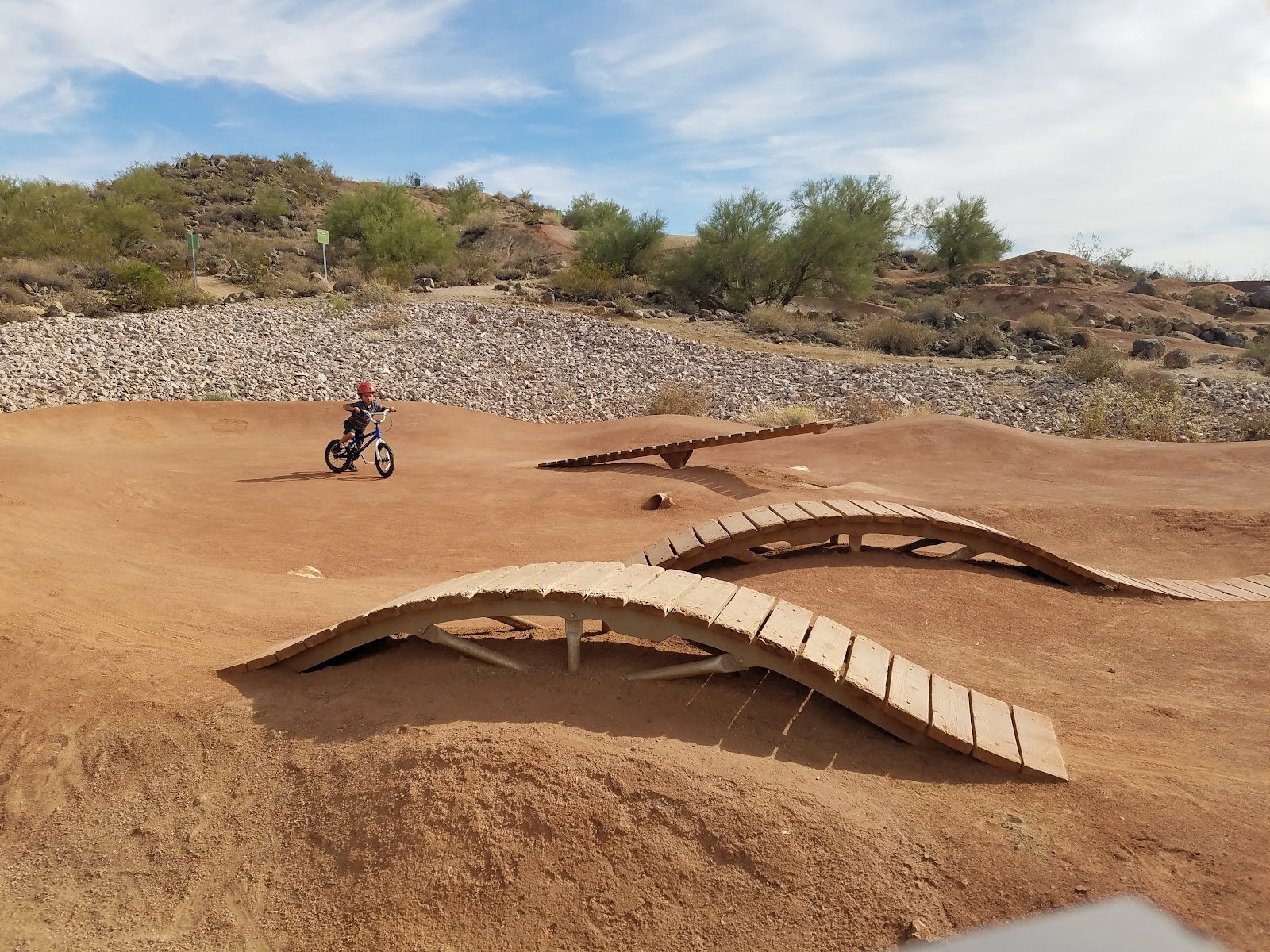
The desert landscape surrounding Mesa is a genuine playground. Usery Mountain Regional Park delivers miles of trails through classic Sonoran Desert terrain, while Red Mountain Park and Desert Arroyo Park offer additional hiking and open-space escapes. The Salt River corridor, accessible at Phon D Sutton and Pebble Beach Recreation Areas, is the go-to spot for kayaking, tubing, and wildlife watching. Cyclists head to Desert Trails Bike Park for purpose-built singletrack, and the Merkle Trail draws hikers seeking rewarding desert ridge walks. Wind Cave, tucked into the Usery Mountain range, is a standout destination for those who want a dramatic payoff at the end of a desert hike.
Cultural Attractions
Mesa's heritage runs deep. The Arizona Museum of Natural History brings the ancient Southwest to life with exhibits on Hohokam civilization, dinosaur fossils, and regional prehistory. The Park of Canals preserves the remarkable irrigation legacy of the Hohokam people, and the Arizona Commemorative Air Force Museum at Falcon Field celebrates the region's aviation history with a collection of restored warbirds.
Arts, Entertainment, and Family Fun
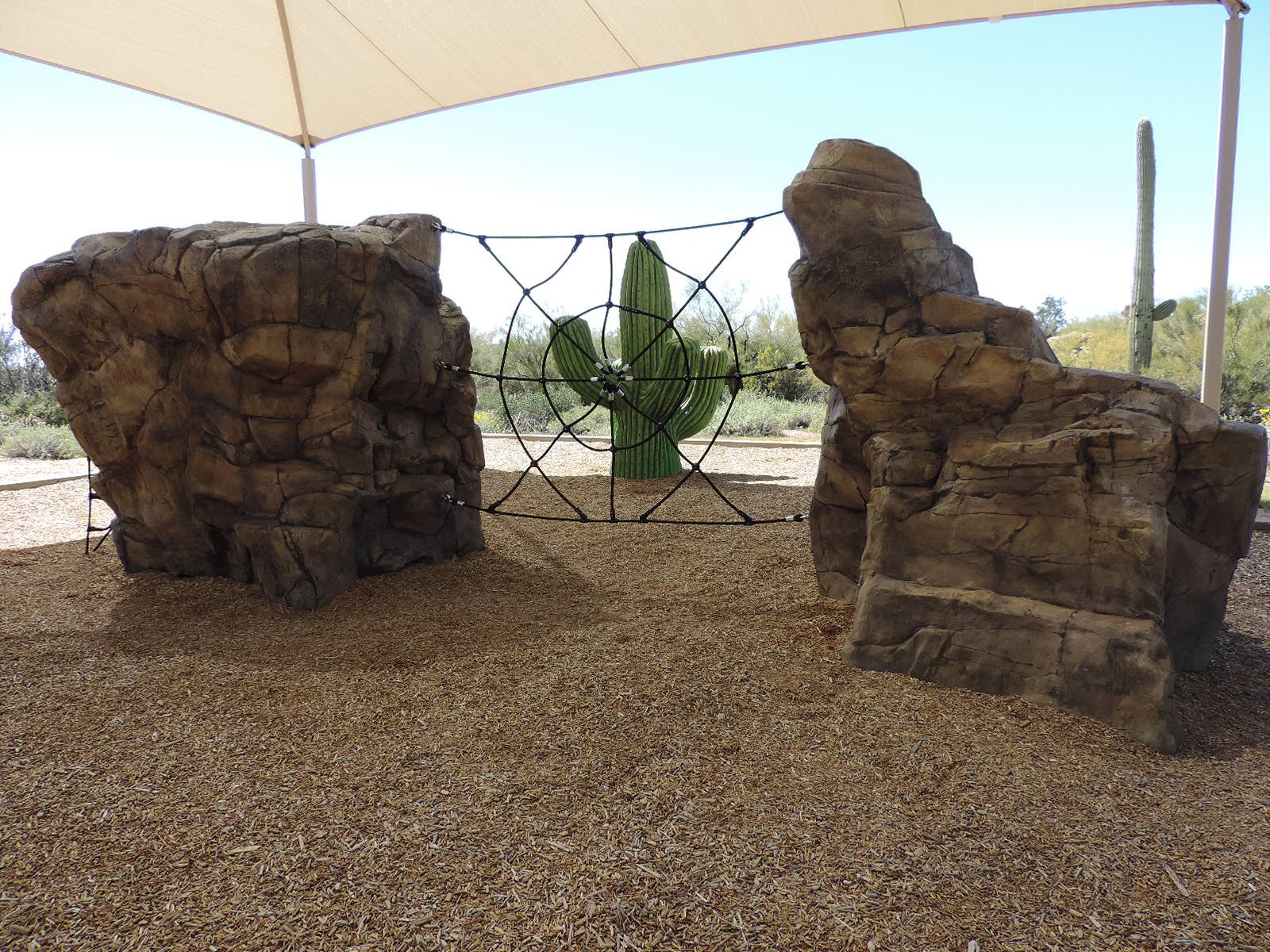
The Mesa Arts Center anchors the city's performing and visual arts scene. Families and groups gravitate toward Jake's Unlimited for indoor entertainment, while escape room venues including United Escapes of America and Puzzling Escape Rooms Mesa provide interactive thrills. Starfighters Arcade caters to retro gaming fans, and the East Valley Paranormal HQ adds a quirky, only-in-Mesa experience to the mix.
Food and Dining
Mesa's revitalized downtown corridor is the heart of a growing culinary scene, with an expanding roster of independent restaurants, craft beverage spots, and casual neighborhood eateries rounding out any visit.
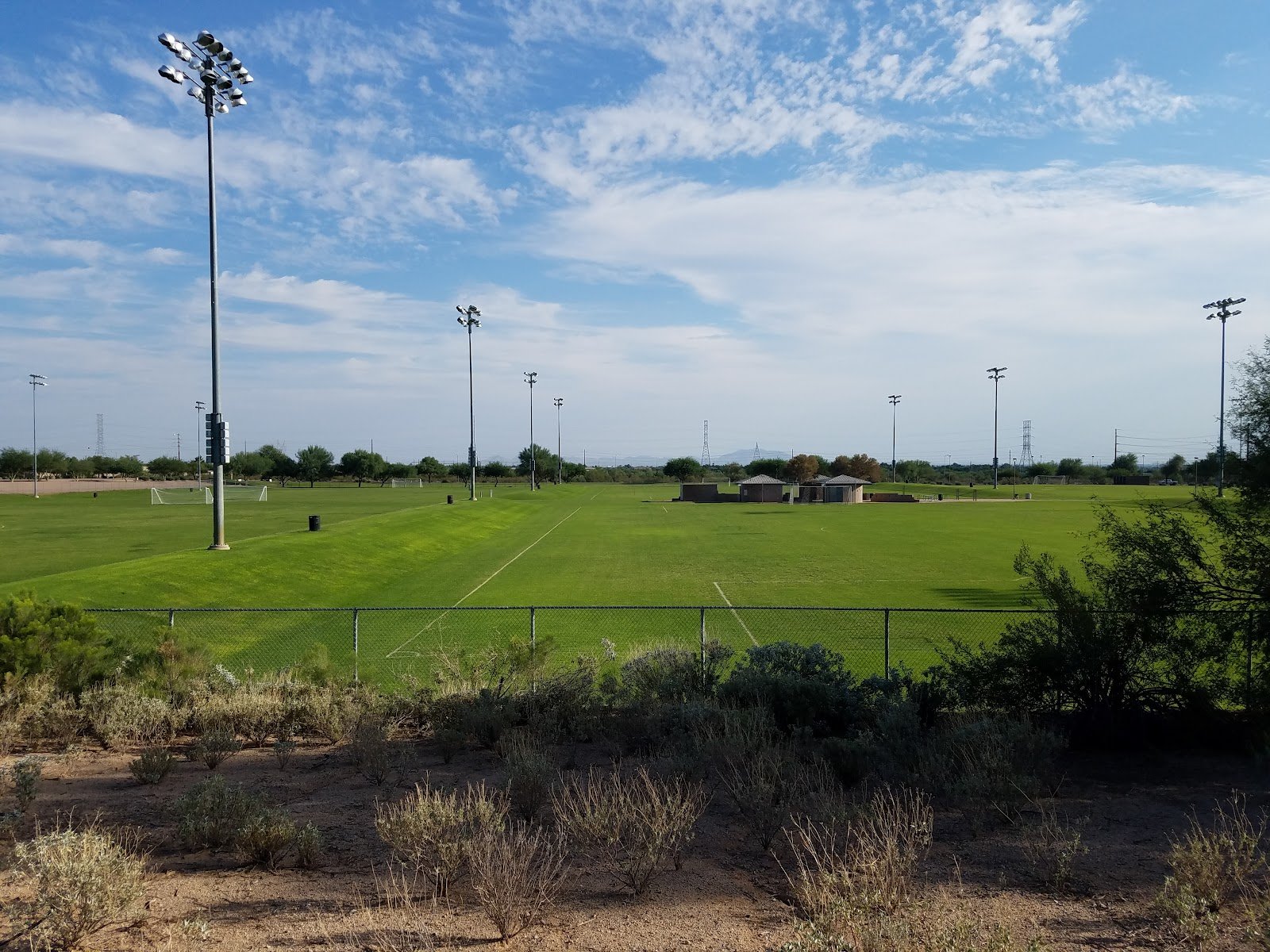
Red Mountain Park Green space housing facilities for sports from baseball to volleyball, plus picnicking sites.
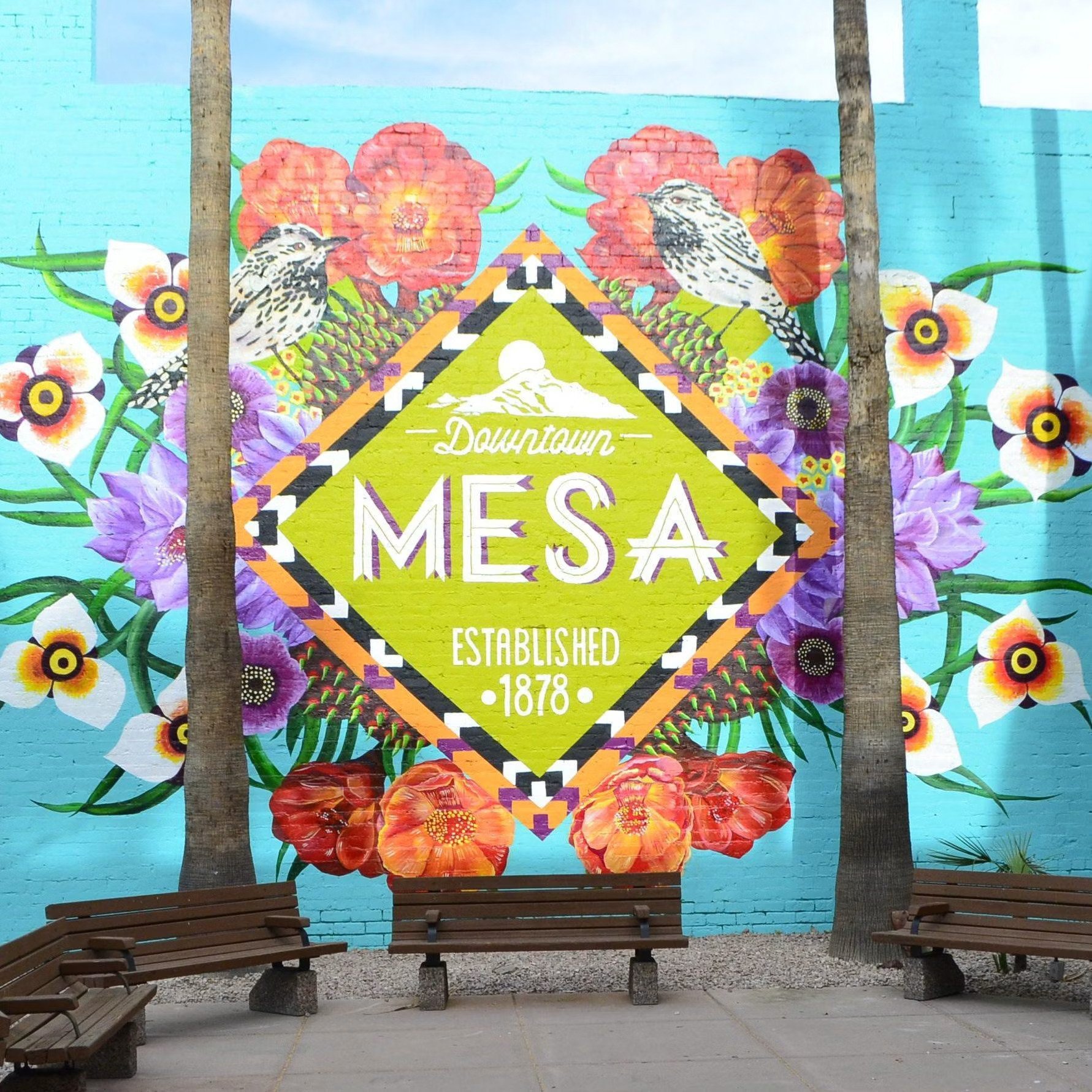
Start the morning at the Arizona Museum of Natural History to explore Hohokam history and prehistoric Southwest culture. Head to Mesa Grande Cultural Park after lunch to walk the ancient platform mound site. In the evening, stroll the revitalized downtown corridor for dinner at one of the local restaurants along Main Street, soaking in the city's growing culinary scene.
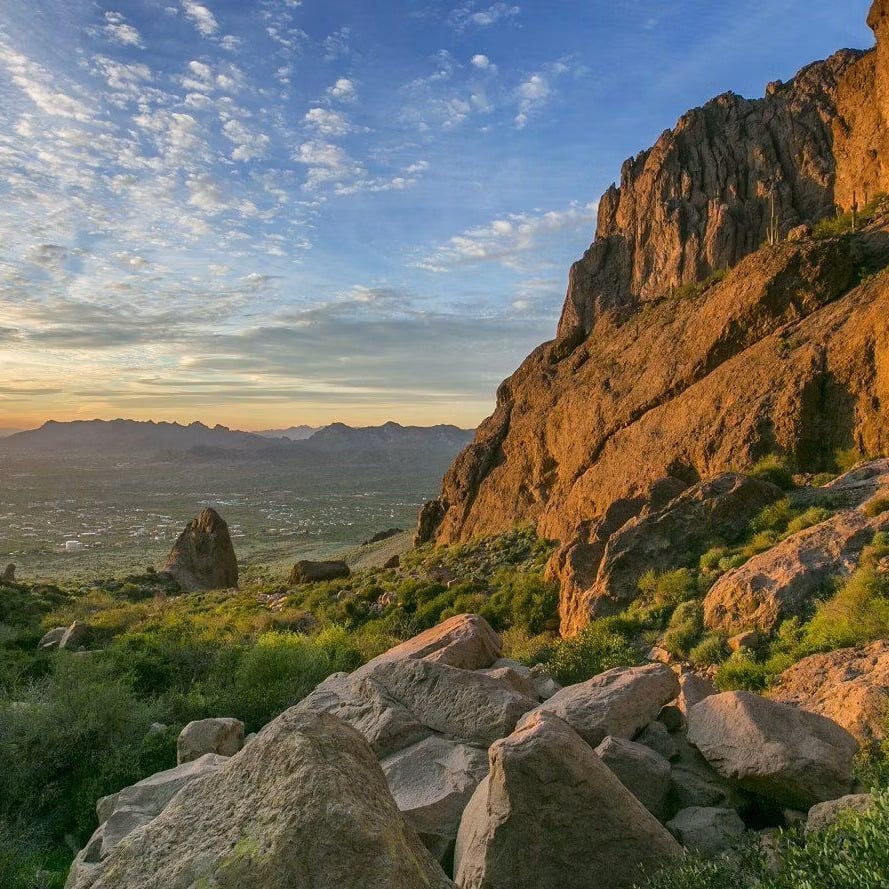
Rise early for a hike in Usery Mountain Regional Park, where desert trails offer sweeping views of the Superstition Mountains. Grab lunch back in Mesa before heading out to explore the Superstition Wilderness in the afternoon for more rugged scenery and rock formations. Wind down the evening at the Mesa Arts Center to catch a live performance or browse the galleries.

Spend the morning on one of Mesa's championship desert golf courses, with views of the Sonoran Desert stretching across the fairways. After a midday break, head north to the Salt River for an afternoon of tubing or kayaking along the calm, scenic waterway. Close out the trip with a relaxed sunset dinner back in downtown Mesa.
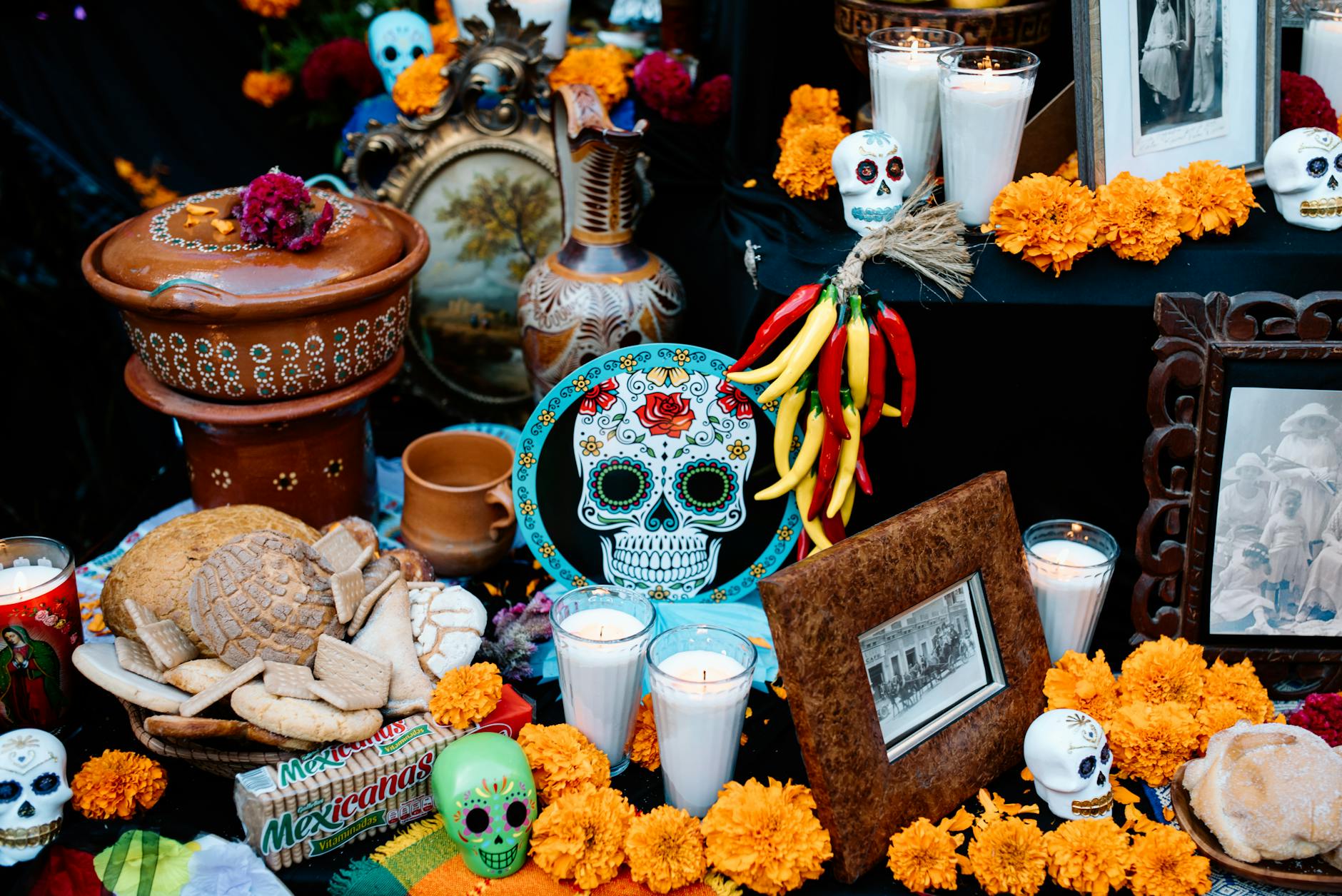
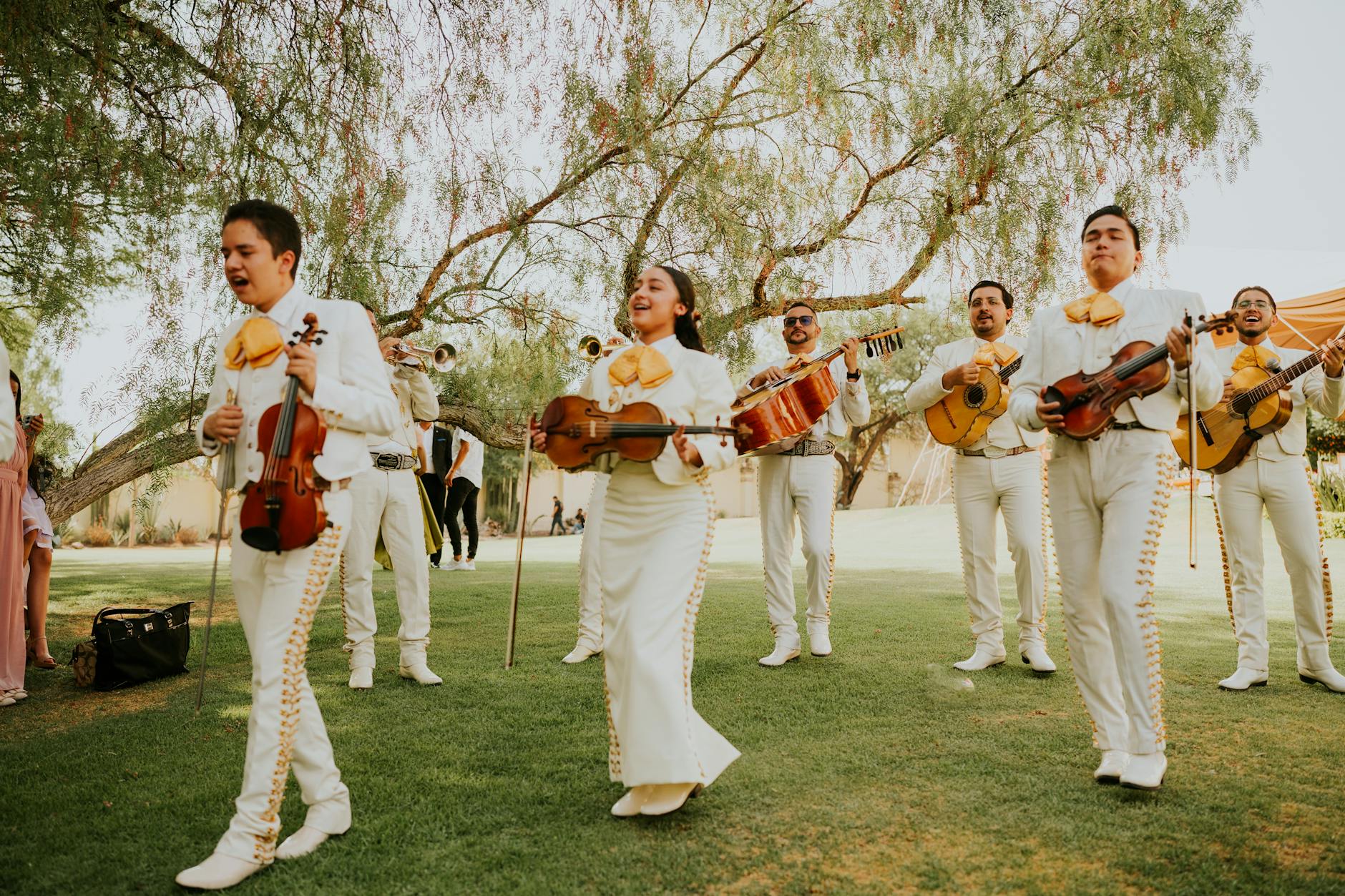
Mesa's cultural calendar reflects the city's broad personality, blending desert heritage, performing arts, and community celebration across every season. Spring brings mild weather and outdoor festivals that spill across the downtown corridor, while summer heat is offset by indoor events at the Mesa Arts Center, which runs a robust schedule of theater, music, and visual arts programming year-round. The Fourth of July Arizona Celebration of Freedom is a signature summer moment, drawing large crowds for fireworks and patriotic pageantry. Autumn is the most active season on the events calendar, with October delivering back-to-back cultural programming including the Dia de los Muertos Festival at the Mesa Arts Center, a vibrant celebration of Mexican heritage with altars, dance, music, and community art. The Mesa Music Festival, now in its eighth year, showcases local and regional talent across multiple downtown stages and has become a beloved annual tradition. Winter months bring a more intimate rhythm, with gem and mineral shows, science lectures, and holiday music performances rounding out the year.

Oct 16, 2026

Jan 28, 2027

Sep 12, 2026

Nov 27, 2026

Nov 10, 2026
Mesa's dining scene has matured significantly in recent years, driven by the revitalization of its downtown corridor and the city's growing appetite for independent, chef-driven concepts. The culinary culture here is rooted in the flavors of the Sonoran Desert borderlands, with Mexican and Mexican-American cuisine forming the backbone of the local food identity. Sonoran-style dishes are everywhere: flour tortillas made fresh to order, carne asada grilled over mesquite, and chile-forward salsas that reflect the region's deep agricultural and cultural ties to northern Mexico.
By Air - Phoenix Sky Harbor
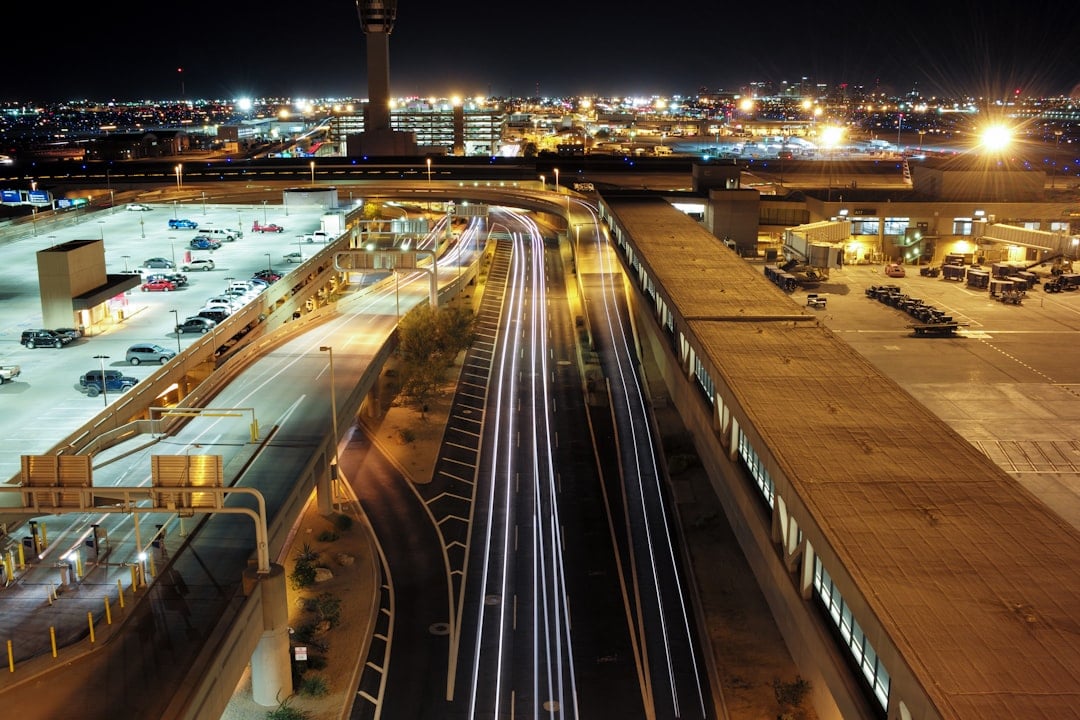
Phoenix Sky Harbor International Airport (PHX) is the primary gateway, located 10 to 15 miles west of downtown Mesa. Rental cars, rideshares, and the Valley Metro Light Rail all connect the airport to Mesa.
By Air - Phoenix-Mesa Gateway
Phoenix-Mesa Gateway Airport (AZA) sits on Mesa's southeastern edge and is served by Allegiant and other low-cost carriers. It is a convenient option if your origin city is on its route map.
By Car
Mesa is easily reached by car via US-60 (Superstition Freeway) from the west, and connects to the broader Interstate highway network through I-10 and Loop 202. Driving is the most flexible option for exploring the surrounding desert region.
By Bus
Greyhound and Flixbus serve the greater Phoenix area with intercity routes. From the Phoenix bus terminal, Valley Metro transit connections can get you into Mesa without a rental car.
By Light Rail
The Valley Metro Light Rail runs from downtown Phoenix through Tempe and into downtown Mesa, making it a practical car-free arrival option for travelers flying into Sky Harbor and staying near the rail line.
By Car
Renting a car is the most efficient way to explore Mesa's spread-out attractions, parks, and golf courses. Parking is generally plentiful and free or low-cost throughout the city.
Light Rail
The Valley Metro Light Rail connects downtown Mesa to Tempe and central Phoenix, running frequently throughout the day. It is a practical option for visitors staying near the rail corridor who want to avoid driving.
Rideshare
Uber and Lyft operate reliably across Mesa and the broader Phoenix metro. Rideshare is a convenient option for evenings out in the downtown dining district or for trips between specific attractions.
On Foot
Downtown Mesa's arts and dining district is walkable, with the Mesa Arts Center, restaurants, and shops clustered within a compact area. Outside of downtown, walking between destinations is generally not practical.
By Bike
Mesa's flat terrain is bike-friendly, and the city has dedicated paths along several corridors. Biking is best suited to cooler months between October and April, as summer temperatures make outdoor activity difficult.
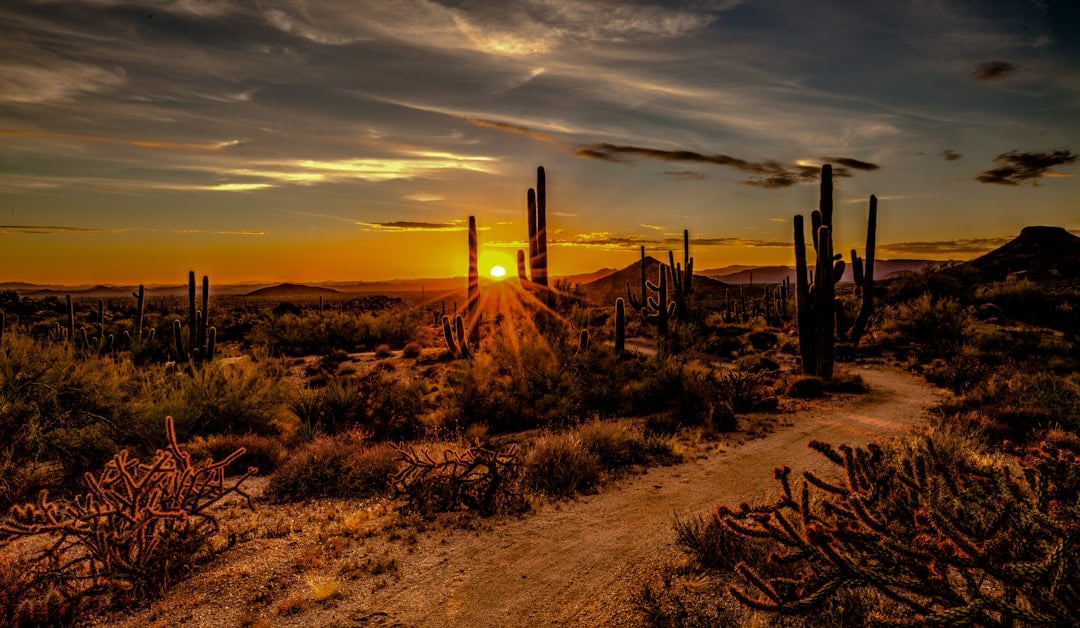
Summer heat in Mesa is serious: temperatures regularly exceed 110 degrees Fahrenheit between June and August. Plan outdoor activities for early morning, carry water at all times, and never underestimate sun exposure in the desert. The most comfortable travel window runs from October through April, and spring training season (February to March) brings significant crowds and higher hotel rates, so book early if visiting then.
Tipping follows standard US norms: 18 to 20 percent at restaurants, a few dollars for rideshare drivers, and standard gratuities for resort and hotel staff. Most businesses are cashless-friendly, but carrying a small amount of cash is useful at farmers markets and smaller local spots.
Download the Valley Metro app if you plan to use light rail or bus transit. For outdoor excursions into Tonto National Forest or the Superstition Wilderness, check trail conditions and weather forecasts in advance and let someone know your plans before heading out.
Two to three days is enough to cover Mesa's highlights, including its golf courses, hiking in Usery Mountain Regional Park, and cultural stops like the Arizona Museum of Natural History and Mesa Grande Cultural Park. If you plan to explore the Superstition Wilderness or Tonto National Forest, or combine Mesa with broader Phoenix metro sightseeing, add an extra day or two.
Mesa is best known for its world-class golf, with more than two dozen courses ranging from championship desert layouts to parkland designs. It is also recognized for its Hohokam Native American heritage, preserved at Mesa Grande Cultural Park, its access to Sonoran Desert outdoor recreation, and the Mesa Arts Center, one of the largest arts complexes in the American Southwest.
Yes, Mesa works well as a weekend trip, especially from within Arizona or neighboring states. Two days gives you time for a round of golf, a hike in Usery Mountain Regional Park, a visit to the Arizona Museum of Natural History, and dinner in the revitalized downtown corridor. Its location within the Phoenix metro also makes it easy to combine with other nearby stops.
Mesa is generally more affordable than many major U.S. destinations. Accommodation, dining, and activities tend to cost less than in nearby Scottsdale. Golf green fees vary widely depending on the course. Most outdoor attractions, including regional parks and desert trails, charge modest entry fees or none at all, making it a budget-friendly option in the Phoenix area.
The best time to visit Mesa is from October through April, when temperatures are mild and ideal for outdoor activities and golf. Summer months bring intense desert heat, with temperatures regularly exceeding 100 degrees Fahrenheit, which can limit outdoor exploration.