
Baltimore, MD
A Journey guide to
Phoenix is the capital of Arizona and the anchor of the Valley of the Sun, a sprawling metropolitan region defined by its dramatic Sonoran Desert setting. The city is synonymous with resort culture at its finest: world-class spa retreats, championship golf courses, and outdoor pools set against rust-colored mountain backdrops. It draws travelers who want luxury without the cold, and adventure without the altitude.
Beyond the resorts, Phoenix is a serious food and arts destination. The dining scene reflects the city's multicultural identity, with standout Mexican, Southwestern, and contemporary American restaurants spread across neighborhoods like Arcadia, Roosevelt Row, and the Biltmore corridor. The Roosevelt Row Arts District has transformed downtown into a walkable gallery district with murals, independent studios, and a thriving live music scene.
Outdoor pursuits are central to the Phoenix experience. South Mountain Park, one of the largest municipal parks in the United States, offers miles of hiking and mountain biking trails within city limits. Camelback Mountain draws thousands of hikers daily. The McDowell Sonoran Preserve in neighboring Scottsdale extends the desert backcountry experience to the doorstep of upscale resorts.
Phoenix also serves as a gateway to some of the American Southwest's most iconic destinations. Sedona's red rock country is less than two hours north. The Grand Canyon's South Rim is roughly a three-and-a-half-hour drive. Travelers who base themselves in Phoenix gain access to an extraordinary range of day trips, from Native American cultural sites to high-desert wine country in the Verde Valley.
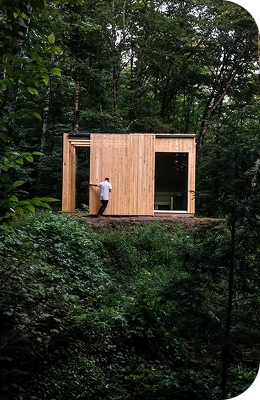



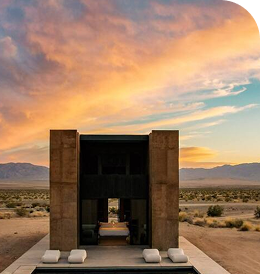

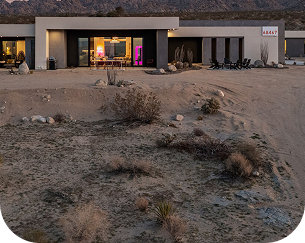

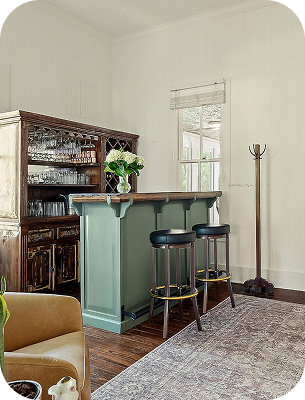



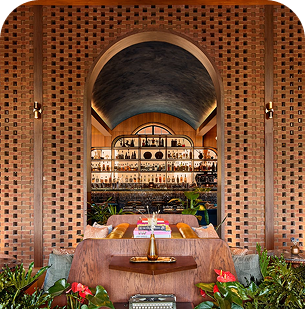

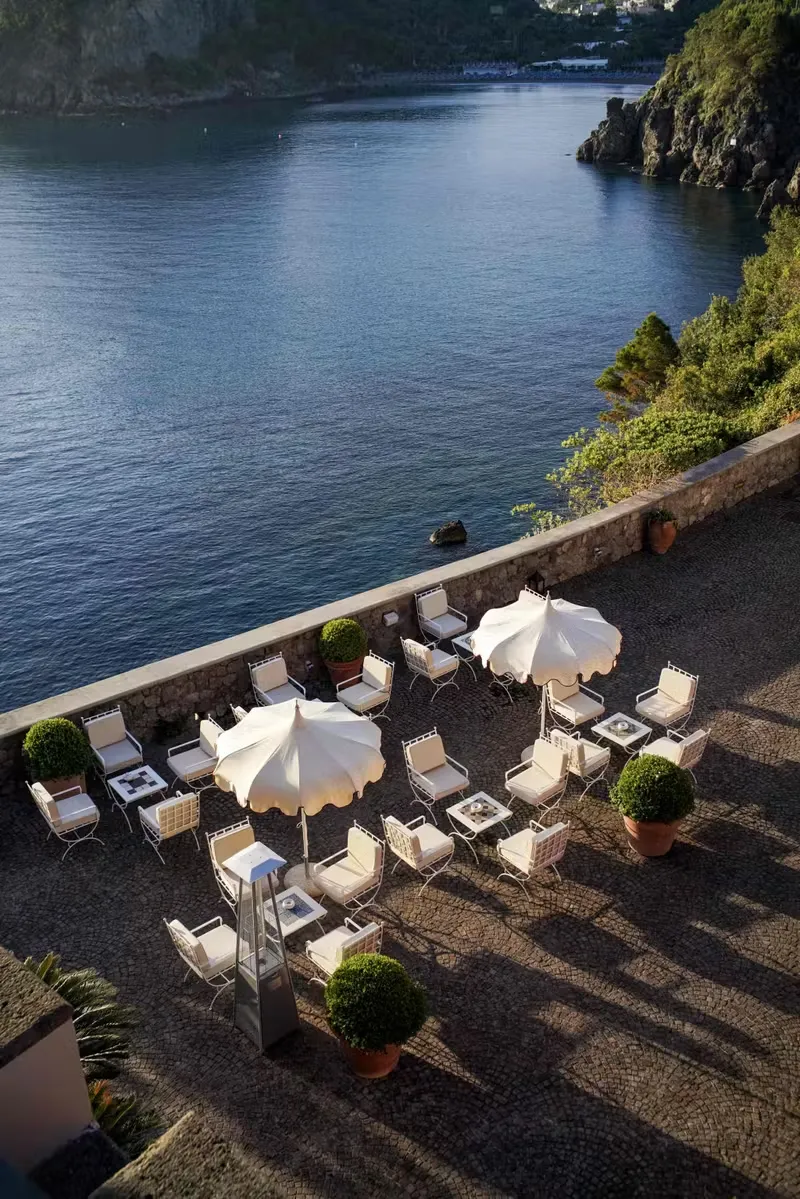

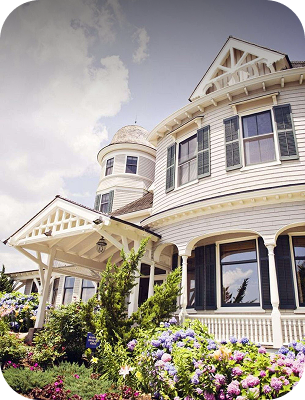

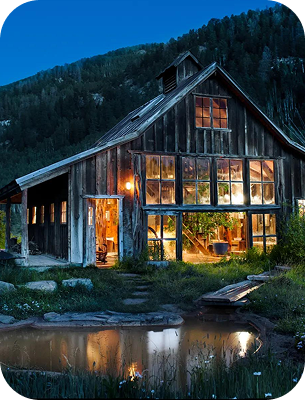

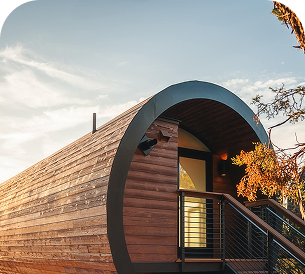

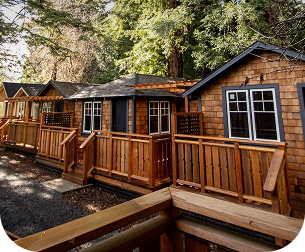

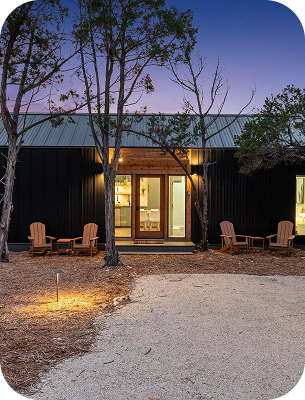

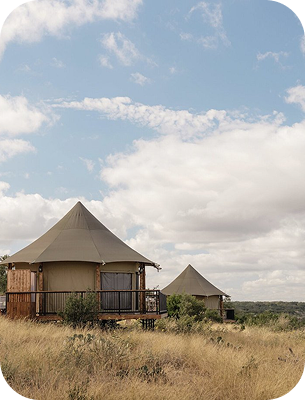

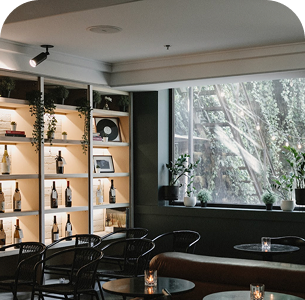

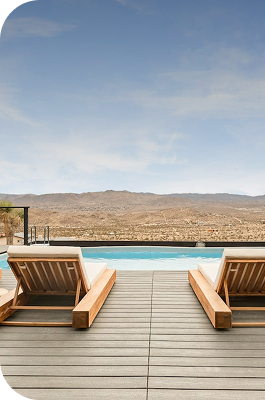

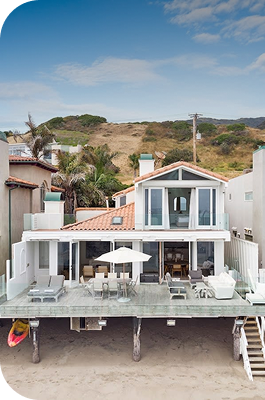

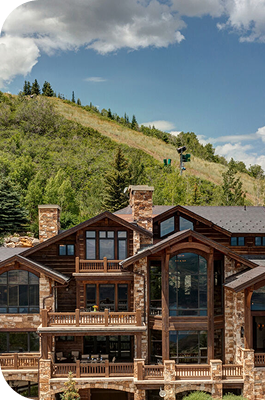



Journey connects travelers to a curated network of boutique hotels and distinctive residences around the world, all united under one rewards program. Explore handpicked stays for your trip while earning points, unlocking exclusive offers, and receiving rewards across the Journey collection.
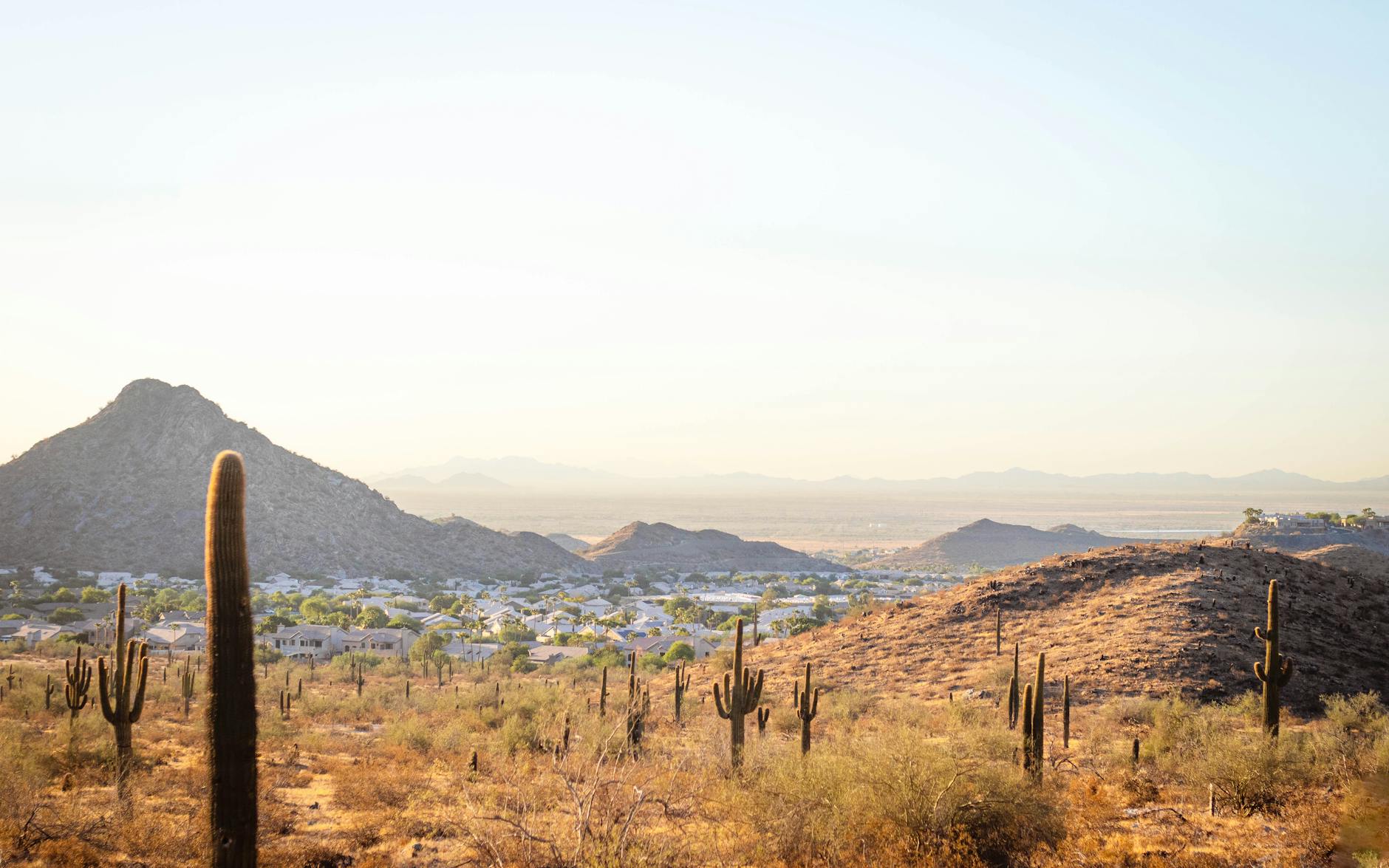
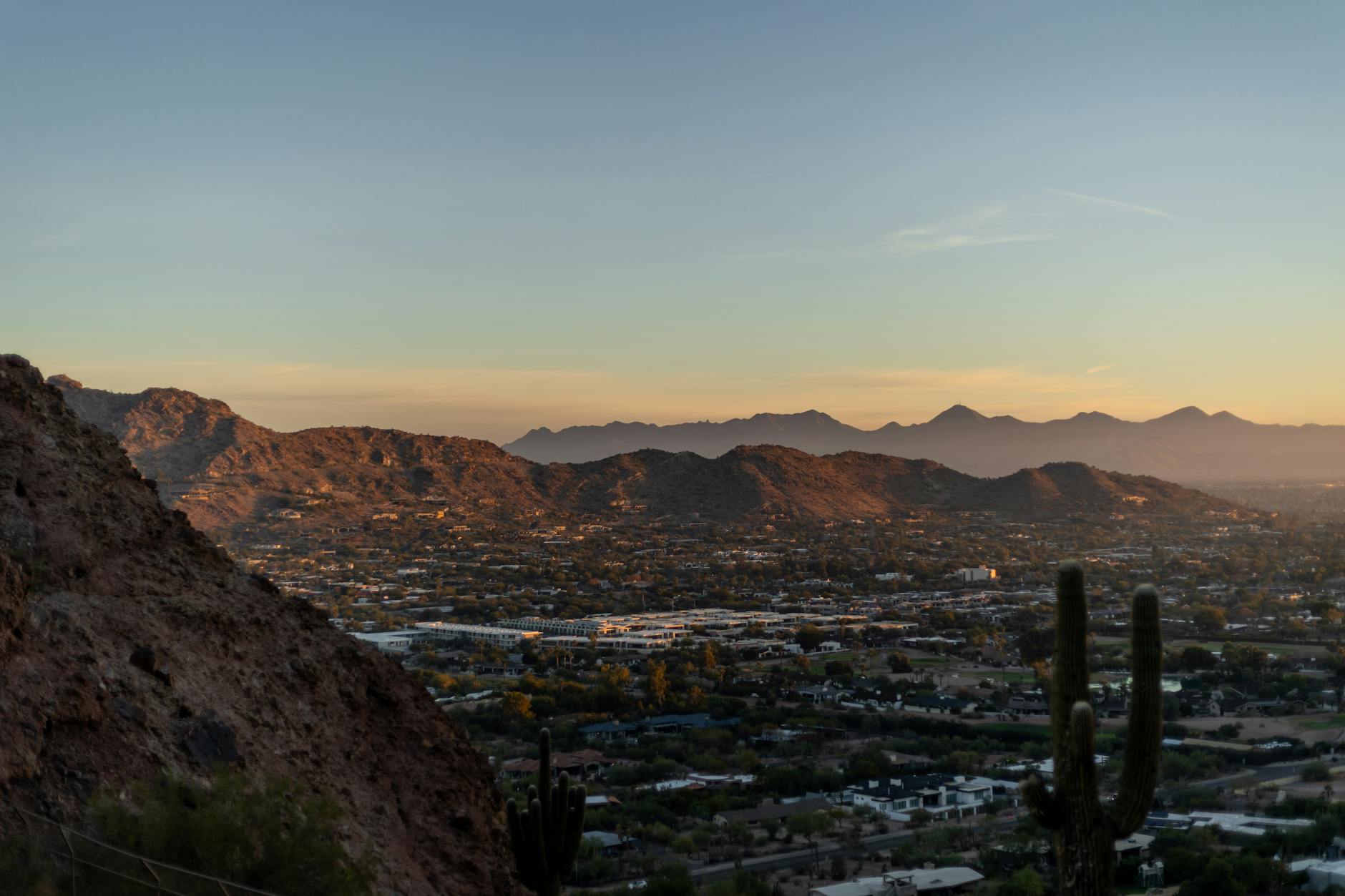
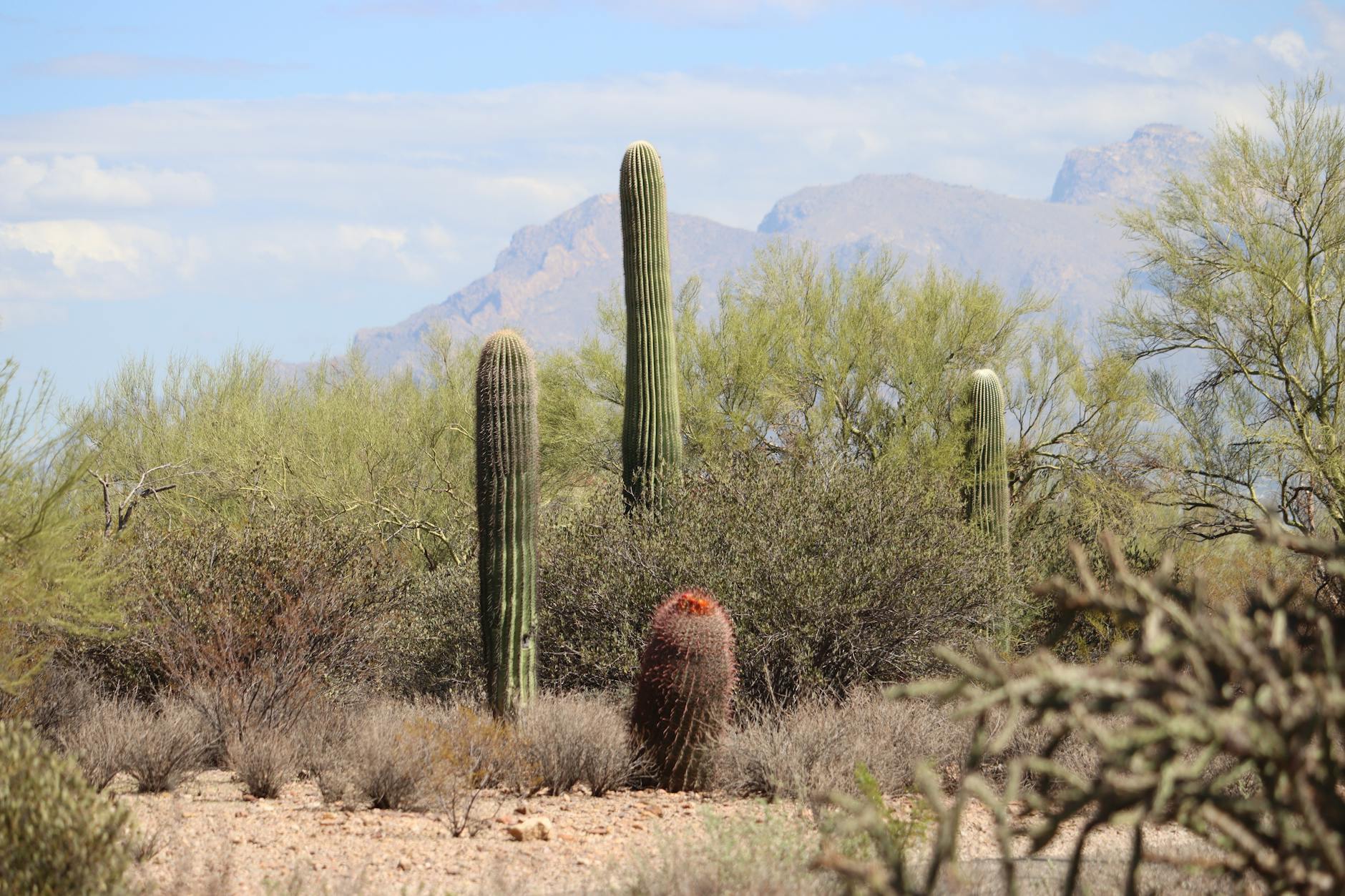
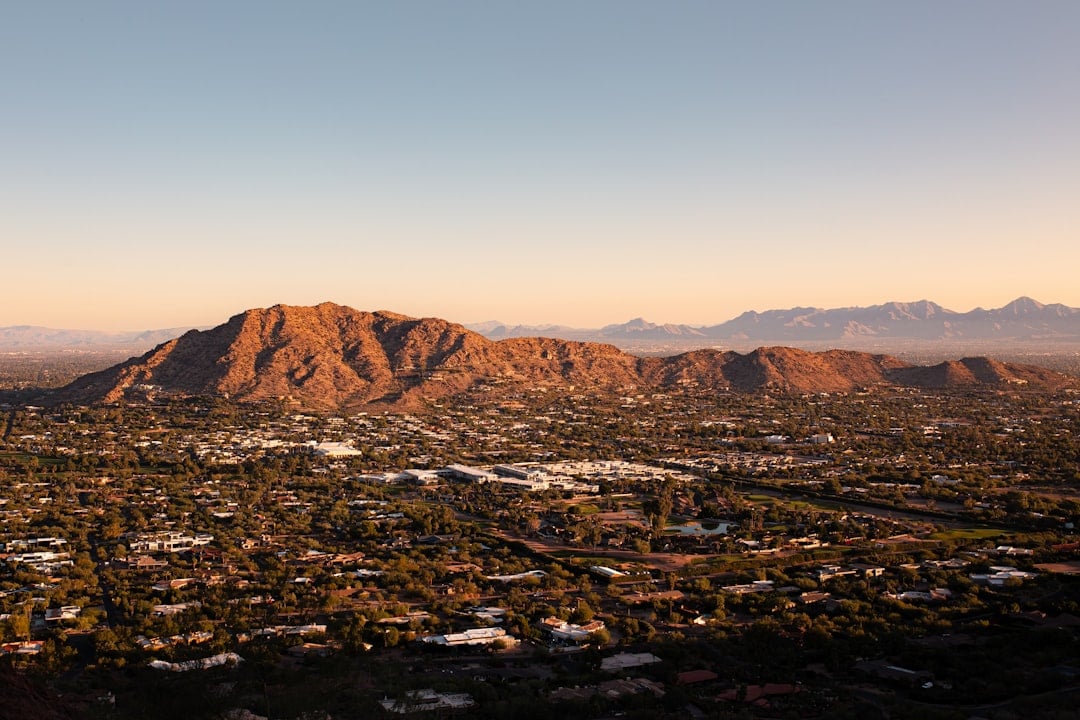
Phoenix sits at roughly 1,100 feet elevation in the Salt River Valley, ringed by mountain preserves and bordered by the vast Sonoran Desert, the only desert in North America considered a subtropical biome. This geography gives the city its defining visual identity: saguaro cactus standing sentinel against burnt-orange hillsides, with the jagged profiles of Camelback Mountain, South Mountain, and the McDowell range visible from nearly every vantage point in the metro area.
Founded in 1867 on the site of a former Hohokam agricultural settlement, Phoenix took its name from the mythological bird rising from ashes, a nod to the new city being built atop an ancient civilization. The Hohokam had constructed an elaborate canal system across the valley centuries earlier, and modern Phoenix still relies on a descendant of that same irrigation infrastructure. That layered history, Indigenous, pioneer, and modern Sunbelt, gives the city a cultural depth that its gleaming resorts and new construction can obscure.
The city grew explosively after World War II, fueled by air conditioning, the defense industry, and an influx of retirees and transplants seeking a different pace of American life. Today Phoenix is the fifth-largest city in the United States by population, and its metropolitan area encompasses Scottsdale, Tempe, Mesa, Chandler, and Glendale, each with its own distinct character. Scottsdale functions as the luxury epicenter, with high-end resorts, galleries, and a dense concentration of acclaimed restaurants along its Old Town and Kierland corridors.
Culturally, Phoenix punches above its weight. The Heard Museum is one of the foremost institutions in the world dedicated to Native American art and history. The Phoenix Art Museum holds the largest art collection in the American Southwest. Arizona State University, headquartered in neighboring Tempe, brings a constant current of intellectual and creative energy to the region.
For travelers, Phoenix offers a rare combination: genuine urban amenities, proximity to wilderness, and a resort infrastructure that rivals any destination in North America.
Phoenix rewards visitors most generously between October and April, when the desert climate is at its most welcoming and the full range of outdoor experiences is accessible. This broad shoulder-to-peak window can be broken into distinct phases depending on what kind of trip you are planning.
October and November are arguably the sweet spot for first-time visitors. Crowds have not yet reached peak season levels, resort rates are more flexible, and hiking trails on Camelback Mountain and South Mountain are busy but not overwhelmed. The outdoor dining scene thrives, and cultural venues including the Phoenix Art Museum and Heard Museum are in full swing.
December through February represents the true high season. Snowbirds arrive in force, golf courses fill up, and luxury resorts operate at peak capacity. This is the time to book well in advance, particularly for spa resorts in Scottsdale and the Biltmore corridor. The Arizona State Fair and major sporting events, including spring training baseball beginning in late February, draw large additional crowds. Travelers who plan ahead will find this the most socially vibrant time of year.
March and April bring spring training baseball across the Valley of the Sun, one of the most beloved seasonal traditions in American sports. The Cactus League draws fans from across the country, and the desert is at its most photogenic with wildflowers and saguaro cacti in bloom. Trails are extremely popular on weekends, so early morning starts are advisable.
Summer visitors should set expectations accordingly. The extreme heat limits outdoor activity to early mornings and evenings, but resort pool culture is at its peak and hotel rates drop significantly. Travelers chasing value and do not mind planning around the heat can find genuine deals at otherwise expensive properties. The monsoon storms of July and August add a dramatic atmospheric element unique to the Sonoran Desert.
Roosevelt Row is Phoenix's creative heartbeat, a walkable stretch of downtown defined by large-scale murals, independent galleries, and experimental studios. The district pulses with energy on First Fridays, the monthly art walk that draws thousands through its streets. Boutique coffee shops, vintage stores, and craft cocktail bars fill in the gaps between the art spaces.
Arcadia is a leafy, upscale neighborhood tucked between Phoenix and Scottsdale, known for its citrus groves, mid-century ranch homes, and one of the city's most celebrated dining and brunch corridors. The area has a relaxed, neighborhood-scale feel that contrasts with the resort sprawl found elsewhere in the Valley. Its proximity to Camelback Mountain makes it a natural base for hikers who want great restaurants within walking distance after a summit.
The Biltmore area is Phoenix at its most polished, anchored by the landmark Arizona Biltmore resort and lined with luxury boutiques, upscale restaurants, and manicured golf courses. It attracts a sophisticated crowd of business travelers, resort guests, and long-term snowbirds who appreciate its blend of historic glamour and contemporary amenities. The district's walkable shopping streets and open-air plazas give it a refined energy unlike anywhere else in the city.
Downtown Phoenix has evolved significantly over the past decade into a genuine urban core, anchored by Chase Field, Footprint Center, and a growing cluster of hotels, restaurants, and cultural institutions. The light rail connects it to neighboring districts, making it the city's most accessible hub for sports events, concerts, and convention visitors. The area around CityScape and the Phoenix Convention Center buzzes on game nights and weekend evenings.
The corridor stretching north from Camelback Mountain toward Kierland and Scottsdale Quarter represents Phoenix's premium resort and retail experience. Luxury hotels line the base of the mountain, while Kierland Commons and Scottsdale Quarter offer open-air shopping with a village-like walkability rare in the Valley. The area blends outdoor recreation with high-end dining and shopping in a way that feels effortlessly Arizonan.
Phoenix has a set of experiences that are genuinely its own - the kind that can only happen in a sun-scorched desert city where luxury resorts rise from saguaro-studded hillsides and the horizon glows amber at dusk.
Desert Hiking at the Edge of the City
Few major American cities place hikers so immediately inside wild desert terrain. Camelback Mountain and Piestewa Peak are Phoenix institutions, drawing thousands of visitors daily to trails that climb steeply through boulder fields and brittlebush to summit views stretching across the entire Valley of the Sun. These are not gentle walks - they are genuine desert ascents that reward effort with some of the most dramatic urban vistas in the American West.
Resort and Spa Culture
Phoenix and neighboring Scottsdale define the American luxury resort experience. World-class properties set against mountain backdrops offer outdoor pools, award-winning spas, and championship golf courses that attract travelers who want warmth, indulgence, and dramatic scenery in equal measure. The resort corridor along Camelback Road and the Biltmore area is a destination in its own right.
Sonoran Desert Exploration
The Sonoran Desert surrounding Phoenix is one of the most biodiverse deserts on earth. Visitors come specifically to experience its iconic saguaro cacti, roadrunners, Gila woodpeckers, and dramatic seasonal wildflower blooms. The Sonoran Preserve and McDowell Sonoran Preserve in neighboring Scottsdale offer immersive backcountry experiences that feel worlds away from the city grid.
Gateway to the American Southwest
Phoenix holds a unique position as the most accessible launching point for the Southwest's greatest icons. Sedona's red rock formations, the Grand Canyon's South Rim, Monument Valley, and the Verde Valley wine country are all within a half-day's drive. Travelers base themselves here specifically to radiate outward into one of the most scenically rich regions on the continent.
Phoenix offers an extraordinary range of activities shaped by its Sonoran Desert setting, vibrant arts culture, and year-round sunshine. Whether you're lacing up hiking boots, exploring world-class museums, or diving into a thriving food scene, the Valley of the Sun delivers on every front.
Outdoor Recreation
Phoenix is a hiker's and cyclist's paradise. The Phoenix Mountains Preserve and Piestewa Peak Park put challenging desert trails within minutes of the city center. North Mountain Park and Dreamy Draw Recreation Area offer quieter alternatives for trail runners and nature walkers, while the Cave Buttes Recreation Area provides rugged terrain at the city's northern edge. Lookout Mountain Park and Dobbins Lookout reward hikers with sweeping panoramic views across the valley.
Parks and Green Spaces
The city maintains an impressive network of neighborhood parks and open spaces. Steele Indian School Park blends cultural history with green lawns and an urban lake, while Sahuaro Ranch Park preserves a historic citrus ranch alongside shaded picnic grounds. Granada Park, Roadrunner Park, and Cortez Park round out a network of community green spaces ideal for families and casual visitors.
Cultural Attractions
The Japanese Friendship Garden of Phoenix is a serene oasis in the heart of the city, featuring koi ponds, stone lanterns, and traditional landscaping. Arizona Falls combines public art with a working hydroelectric facility along the historic Arizona Canal, making it a uniquely Phoenix landmark. The Phoenix Bat Cave offers a quirky natural spectacle, particularly at dusk when thousands of bats emerge.
Arts, Entertainment, and Tours
The Roosevelt Row Arts District anchors Phoenix's creative scene with murals, galleries, and live music venues. Taste It Tours - Food Tours Phoenix gives visitors a guided culinary walk through the city's most exciting neighborhoods, pairing local history with standout bites.
Food and Dining
Phoenix's dining scene spans Southwestern, Mexican, and contemporary American cuisine, with standout restaurants concentrated in Arcadia, the Biltmore corridor, and downtown. The city's multicultural identity is reflected in its markets, food halls, and chef-driven restaurants that celebrate local ingredients and regional flavors.
Start the morning with a hike up Camelback Mountain for sweeping views of the Valley of the Sun. Recover with brunch in the Arcadia neighborhood, known for its laid-back cafes and tree-lined streets. In the afternoon, check into a resort and unwind poolside. Head to the Biltmore corridor for dinner at one of Phoenix's top contemporary American restaurants.

Spend the morning exploring the Desert Botanical Garden in Papago Park, where native Sonoran Desert plants line winding trails. Grab lunch nearby and then visit the Heard Museum downtown for a deep dive into Native American art and culture. Come evening, head to Roosevelt Row Arts District to browse galleries, catch live music, and dine at one of the neighborhood's eclectic local restaurants.
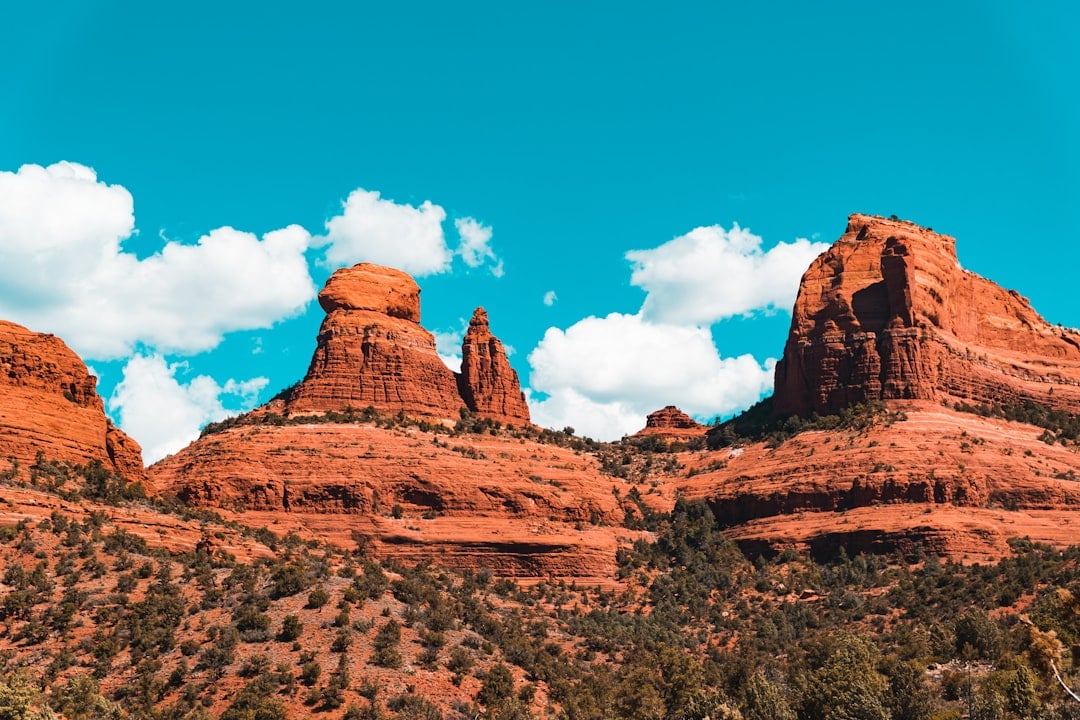
Make an early start for a day trip to Sedona, just under two hours north. Hike the Cathedral Rock trail for iconic red rock views, then explore Sedona's uptown shops and grab lunch at a patio restaurant overlooking the canyon. Return to Phoenix in the late afternoon and wrap up the trip with a sunset happy hour and Southwestern dinner in the Scottsdale Old Town area.
Phoenix's cultural calendar follows the rhythm of the desert climate, with the most vibrant programming concentrated in the cooler months between October and April. When temperatures drop to their most welcoming levels, the city comes alive with outdoor festivals, major sporting events, and arts programming that would be impossible to enjoy in the summer heat.
Phoenix's dining scene has grown into one of the American Southwest's most compelling, shaped by the city's multicultural identity, its access to Sonoran Desert ingredients, and a wave of ambitious chefs who have chosen the Valley over more obvious food cities.
By Air
Phoenix Sky Harbor International Airport (PHX) is the main hub, with direct flights from most major U.S. cities. Phoenix-Mesa Gateway Airport (AZA) is a secondary option served by low-cost carriers like Allegiant.
By Car
Phoenix is easily reached by road via I-10 from Los Angeles (approximately 6 hours) or Tucson (about 2 hours), and via I-17 from Flagstaff (about 2.5 hours). Parking is widely available across the metro area.
By Bus
Greyhound and Flixbus connect Phoenix to Tucson, Flagstaff, and other regional cities. The Greyhound station is located in downtown Phoenix near the light rail.
From the Airport
Sky Harbor is served by the Valley Metro Light Rail via the PHX Sky Train connector, rideshare apps, taxis, and rental car facilities. The light rail reaches downtown Phoenix in under 20 minutes.

By Car
Renting a car is strongly recommended for most visitors. The metro area is spread across a large grid, and a car gives you access to hiking trailheads, resorts, and day trip destinations that are not reachable by transit.
Light Rail
Valley Metro Light Rail connects downtown Phoenix, Tempe, and Mesa and is a convenient option for travelers staying near the line. It links Sky Harbor Airport (via the PHX Sky Train) to downtown in under 20 minutes.
Rideshare
Uber and Lyft operate throughout the Valley of the Sun and are a reliable choice for airport transfers and short trips. Expect surge pricing during major events, spring training games, and peak weekend nights.
On Foot and by Bike
Walkability is limited to specific neighborhoods: Roosevelt Row, Old Town Scottsdale, and downtown Tempe are the most pedestrian-friendly. Grid Bike Share offers rentals in cooler months for casual cycling around these areas.
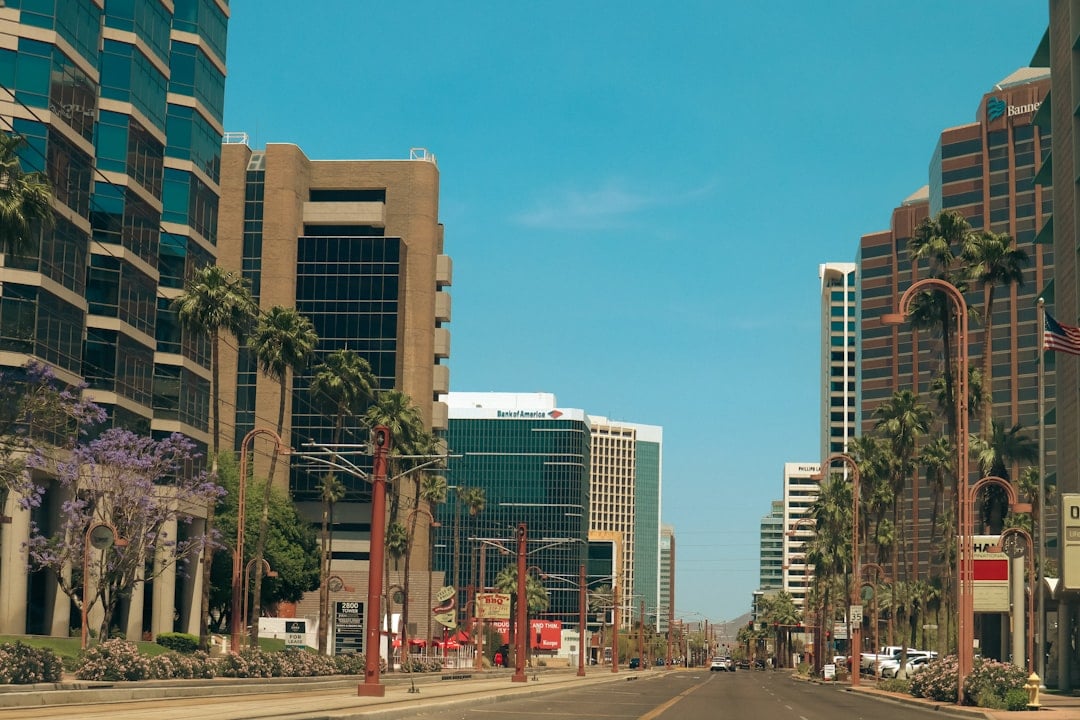
Heat is the defining practical consideration in Phoenix. From June through September, daytime temperatures regularly exceed 110 degrees Fahrenheit. Schedule outdoor activities, including hikes, for before 8 a.m. Carry more water than you think you need, and never underestimate sun exposure.
Book popular hiking trailheads like Camelback Mountain and South Mountain early in the morning during peak season (October through April) to secure parking. Some trailhead lots fill by 7 a.m. on weekends.
Tipping follows standard U.S. norms: 18 to 20 percent at restaurants, a few dollars per drink at bars, and standard resort gratuities for spa and pool services. Many resorts add automatic resort fees at checkout, so review your booking details carefully.
Download the Valley Metro app for light rail schedules and fares. Google Maps is reliable for driving navigation across the metro grid. Cell service is strong throughout the Valley but can drop in remote desert areas outside the city.
Three to four days is a solid amount of time in Phoenix. That gives you enough time to hike Camelback Mountain or South Mountain Park, explore neighborhoods like Roosevelt Row and Arcadia, enjoy the resort and dining scene, and fit in a day trip to Sedona or the Verde Valley wine country.
Phoenix is best known for its world-class resort culture, championship golf courses, and Sonoran Desert setting. It is also recognized for excellent spa retreats, a vibrant dining scene rooted in Mexican and Southwestern cuisine, outdoor recreation on Camelback Mountain and South Mountain Park, and its role as a gateway to Sedona and the Grand Canyon.
Yes, Phoenix works well as a weekend destination, especially from the West Coast. In two days you can hike Camelback Mountain, explore Roosevelt Row, and enjoy standout restaurants in Arcadia or the Biltmore corridor. Resort amenities like pools and spas make it easy to relax without needing a packed itinerary.
Phoenix can range from budget-friendly to very expensive depending on your travel style. Resort stays and spa experiences carry premium price tags, especially in peak winter season. However, dining, hiking, and many cultural attractions are reasonably priced. Accommodation is the biggest variable - mid-range hotels and vacation rentals offer good value outside of holiday weekends.
October through April is the best time to visit Phoenix, when temperatures are mild and ideal for hiking, golf, and outdoor dining. Summer months bring extreme heat, often exceeding 110 degrees Fahrenheit, which limits outdoor activities.