
Baltimore, MD
A Journey guide to
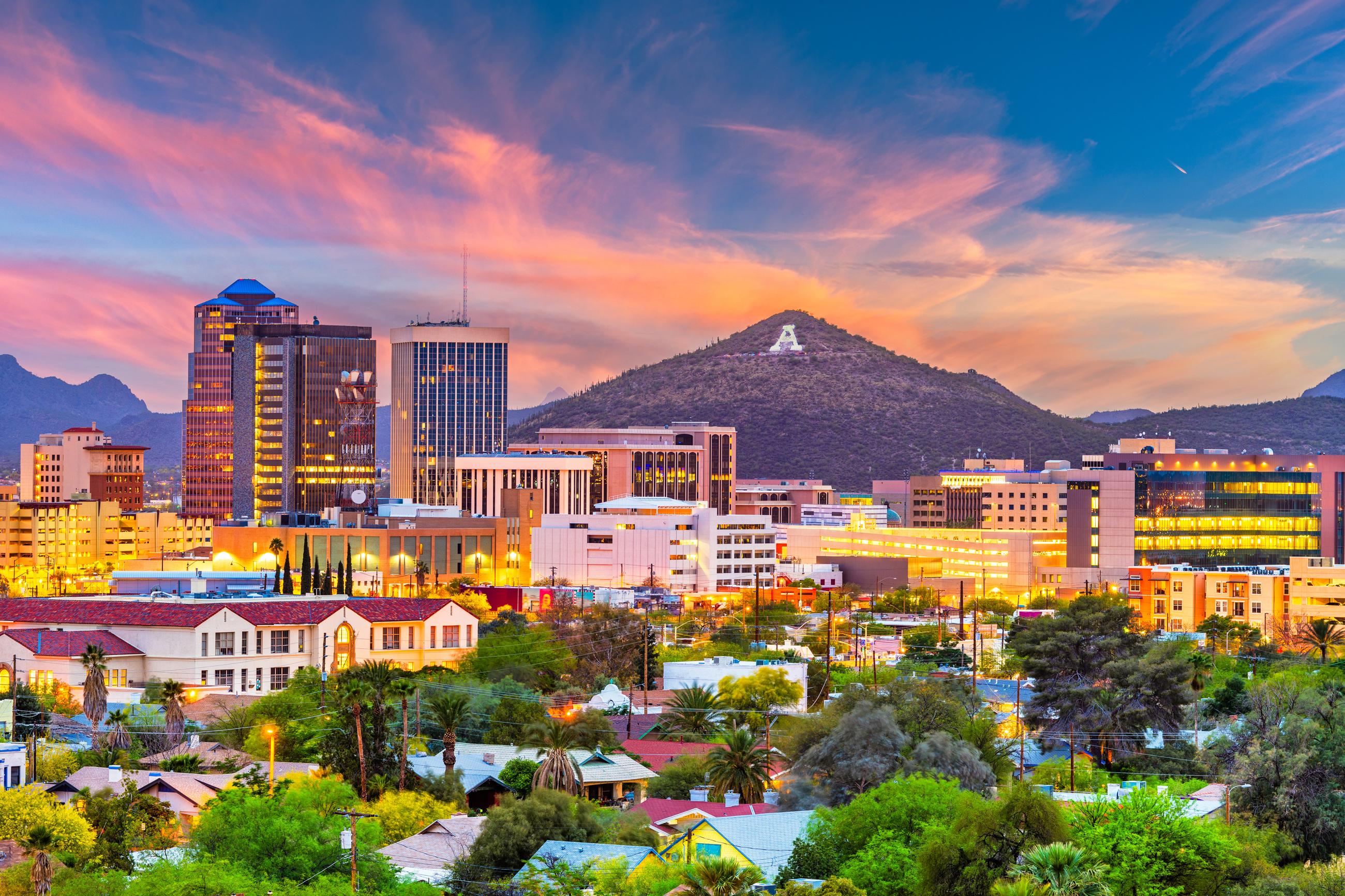
Tucson is the American Southwest at its most authentic. Anchored by the Sonoran Desert and framed by five mountain ranges, the city pairs rugged natural grandeur with a layered cultural identity that stretches back thousands of years. It is a place where ancient Hohokam settlements, Spanish colonial missions, and a thriving contemporary arts scene exist in the same breath, producing a destination unlike anywhere else in the country.
Food is central to Tucson's identity in a way that has earned global recognition. In 2015, UNESCO designated Tucson as the first City of Gastronomy in the United States, a distinction rooted in its centuries-old agricultural traditions and the living culinary heritage of the Sonoran borderlands. Expect handmade flour tortillas, mesquite-grilled meats, and heirloom tepary beans alongside inventive restaurants that honor these foundations without abandoning ambition.
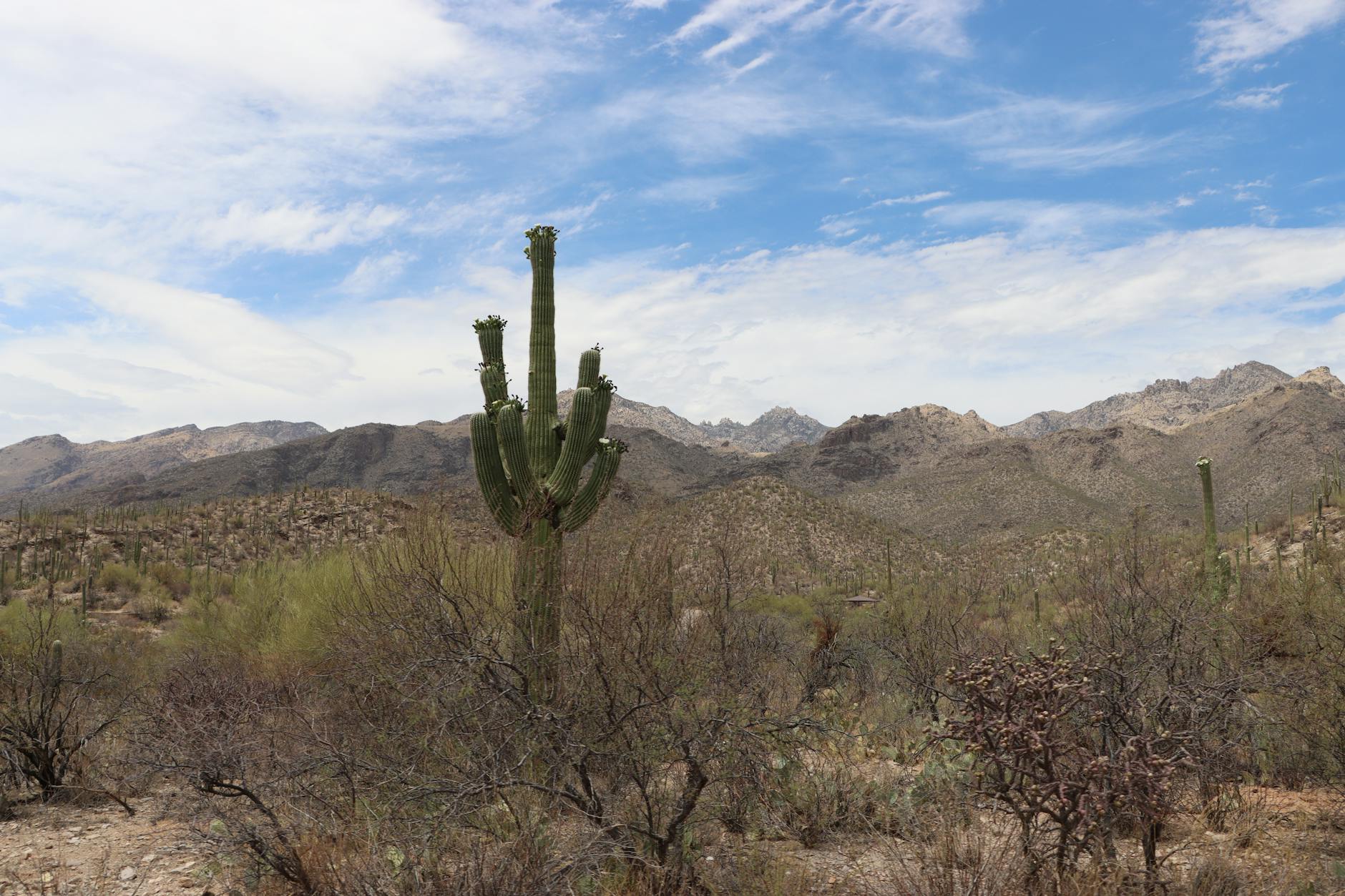
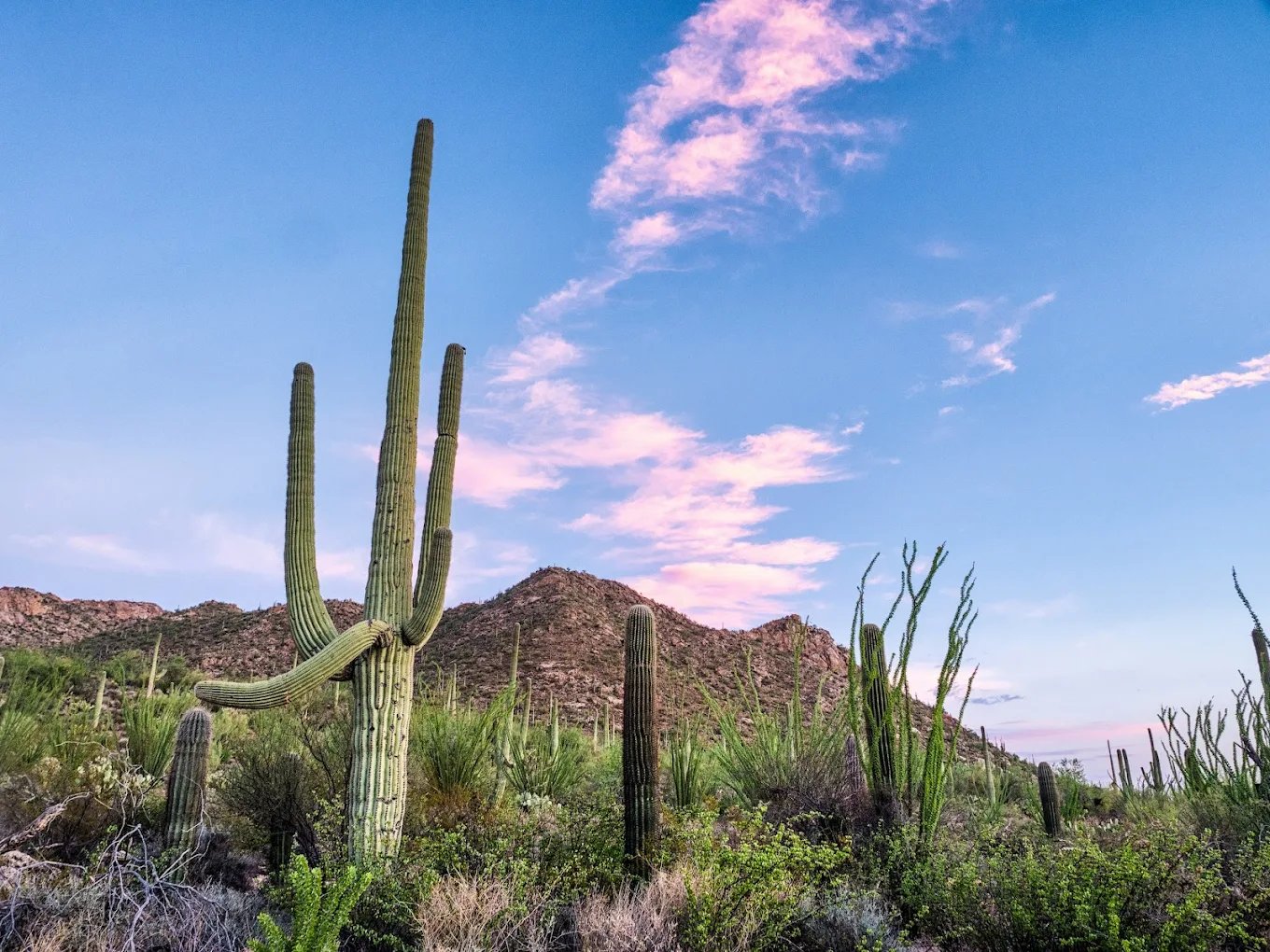
Outdoor pursuits define the rhythm of life here. Saguaro National Park, split into two districts flanking the city, offers hiking and cycling through forests of the iconic columnar cactus. Mount Lemmon in the Santa Catalina range rises over 9,000 feet above the desert floor, offering a vertical journey through multiple ecological zones within a single drive. Stargazers are equally well served: Tucson is home to Kitt Peak National Observatory and a designated International Dark Sky City.
The traveler drawn to Tucson tends to value depth over spectacle. This is a city for those who want to explore Mission San Xavier del Bac, one of the finest examples of Spanish colonial architecture in North America, browse the galleries of the Barrio Viejo, and discover why the University of Arizona has made this a hub for science, astronomy, and the arts. It rewards curiosity and moves at a pace that feels intentional rather than hurried.
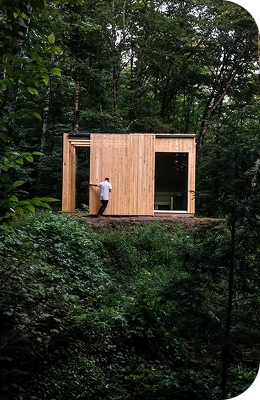



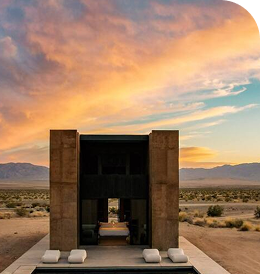

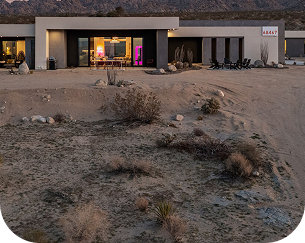



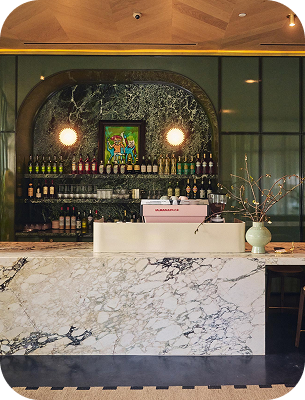

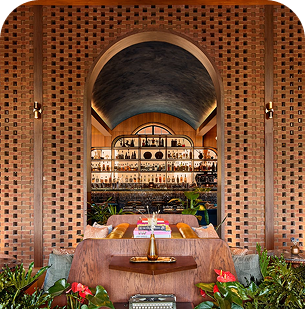

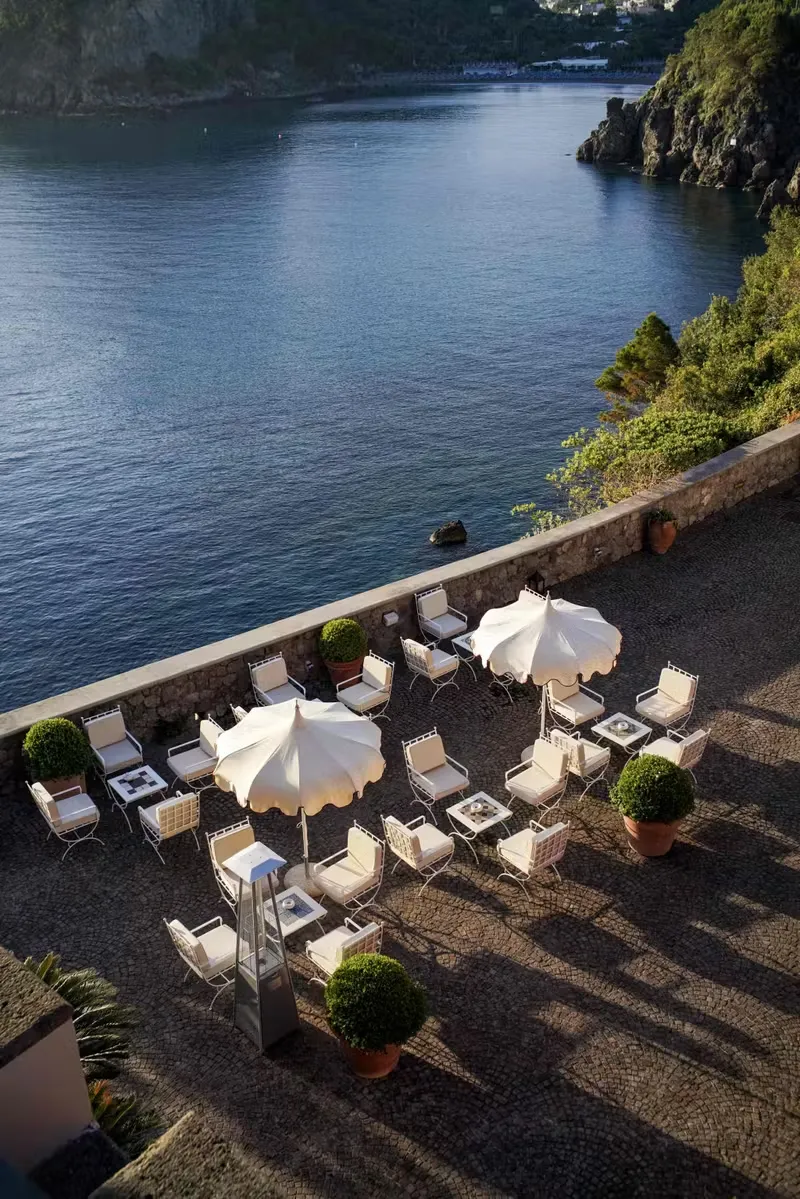

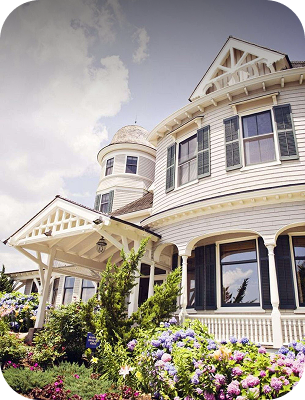

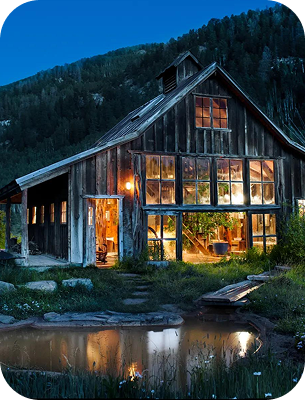

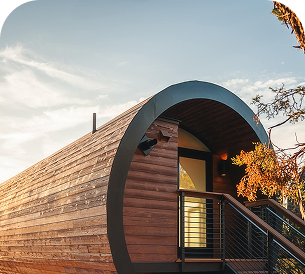

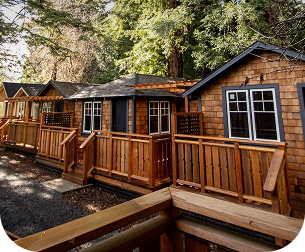

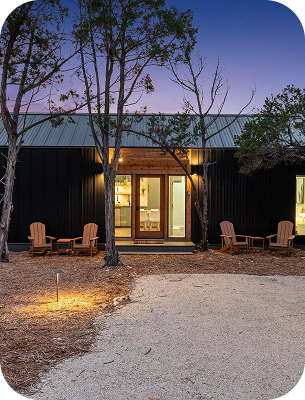

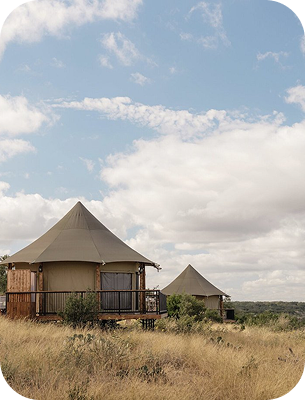

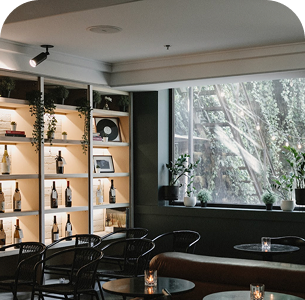

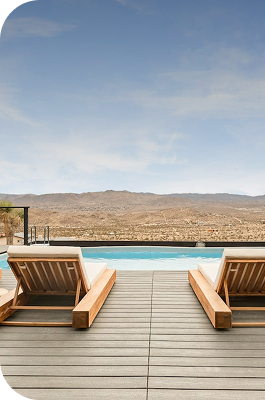



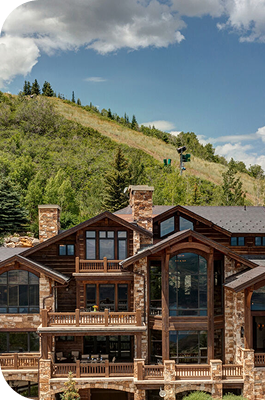



Journey connects travelers to a curated network of boutique hotels and distinctive residences around the world, all united under one rewards program. Explore handpicked stays for your trip while earning points, unlocking exclusive offers, and receiving rewards across the Journey collection.
Tucson sits in the broad Santa Cruz Valley of southern Arizona, at an elevation of roughly 2,400 feet, surrounded by five distinct mountain ranges: the Santa Catalinas to the north, the Rincons to the east, the Tucson Mountains to the west, and the Santa Ritas and Tortolitas completing the panorama. This basin-and-range geography gives the city a dramatic, encircled quality, with wilderness never more than a short drive from the urban core.
The city is one of the oldest continuously inhabited places in North America. The Tohono O'odham and Pascua Yaqui peoples have deep roots in this valley, and their presence remains culturally and politically significant today. Spanish missionaries arrived in the late 17th century, establishing Mission San Xavier del Bac in 1692, a landmark that still stands as an active parish and a masterpiece of Baroque architecture. Tucson formally became a Spanish presidio in 1775, passed to Mexico after independence, and was acquired by the United States as part of the Gadsden Purchase in 1853.
That layered history gives Tucson a cultural texture that sets it apart from other Sun Belt cities. The border with Mexico is roughly 60 miles to the south, and the influence of the Sonoran region, spanning both sides of that line, is felt in the city's food, music, architecture, and daily life. Spanish is woven into the street names, neighborhoods, and conversations in ways that reflect genuine continuity rather than affectation.
The University of Arizona, founded in 1885, anchors the city intellectually and culturally, supporting a strong museum sector that includes the Arizona State Museum, the Center for Creative Photography, and the Flandrau Science Center and Planetarium. The arts scene is concentrated in neighborhoods like the Barrio Viejo and the downtown arts district, where murals, galleries, and performance venues cluster along walkable streets.
Tucson's travel atmosphere is unhurried and genuine. It does not perform for visitors. The city's pleasures, whether culinary, artistic, or natural, tend to reveal themselves to those willing to slow down and look closely.
October through April is the sweet spot for visiting Tucson, when the desert climate is at its most inviting and the city's outdoor offerings are fully accessible. This stretch draws the largest share of visitors, particularly snowbirds and winter travelers escaping colder climates, so expect busier resorts and restaurants from December through February. That said, Tucson never reaches the overwhelming crowd levels of larger Southwest destinations, and even peak season retains a relaxed, unhurried character.
November and March stand out as particularly rewarding months. Crowds are lighter than the winter peak, the national park trails in both districts of Saguaro National Park are uncrowded, and the desert is either settling into its post-monsoon lushness or beginning to stir with early spring color. Birding in the surrounding sky islands is exceptional during spring migration, drawing enthusiasts from across the country.
April and early May offer the added spectacle of cactus blooms, including the iconic saguaro flower, which typically peaks in late April through May. This is one of the Sonoran Desert's most photogenic moments and a draw for photographers and nature travelers. The tradeoff is that temperatures are climbing, and late May can feel uncomfortably warm for extended hiking.
Summer travel suits those drawn to Tucson's cultural and culinary scene rather than strenuous outdoor activity. The monsoon season from July through mid-September brings dramatic evening skies and a transformed desert landscape, and hotel rates drop considerably. Mount Lemmon offers a cool escape for day trips. Festivals and university-driven arts programming keep the city active year-round, but the fall semester brings renewed energy to galleries, music venues, and the broader cultural calendar from September onward.
One of Tucson's oldest neighborhoods, Barrio Viejo is a sun-bleached streetscape of adobe row houses painted in vivid pinks, yellows, and turquoises. The area pulses with artistic energy, anchored by galleries, murals, and the historic Cushing Street corridor. It is the soul of Tucson's Hispanic heritage and a deeply rewarding place to wander on foot.
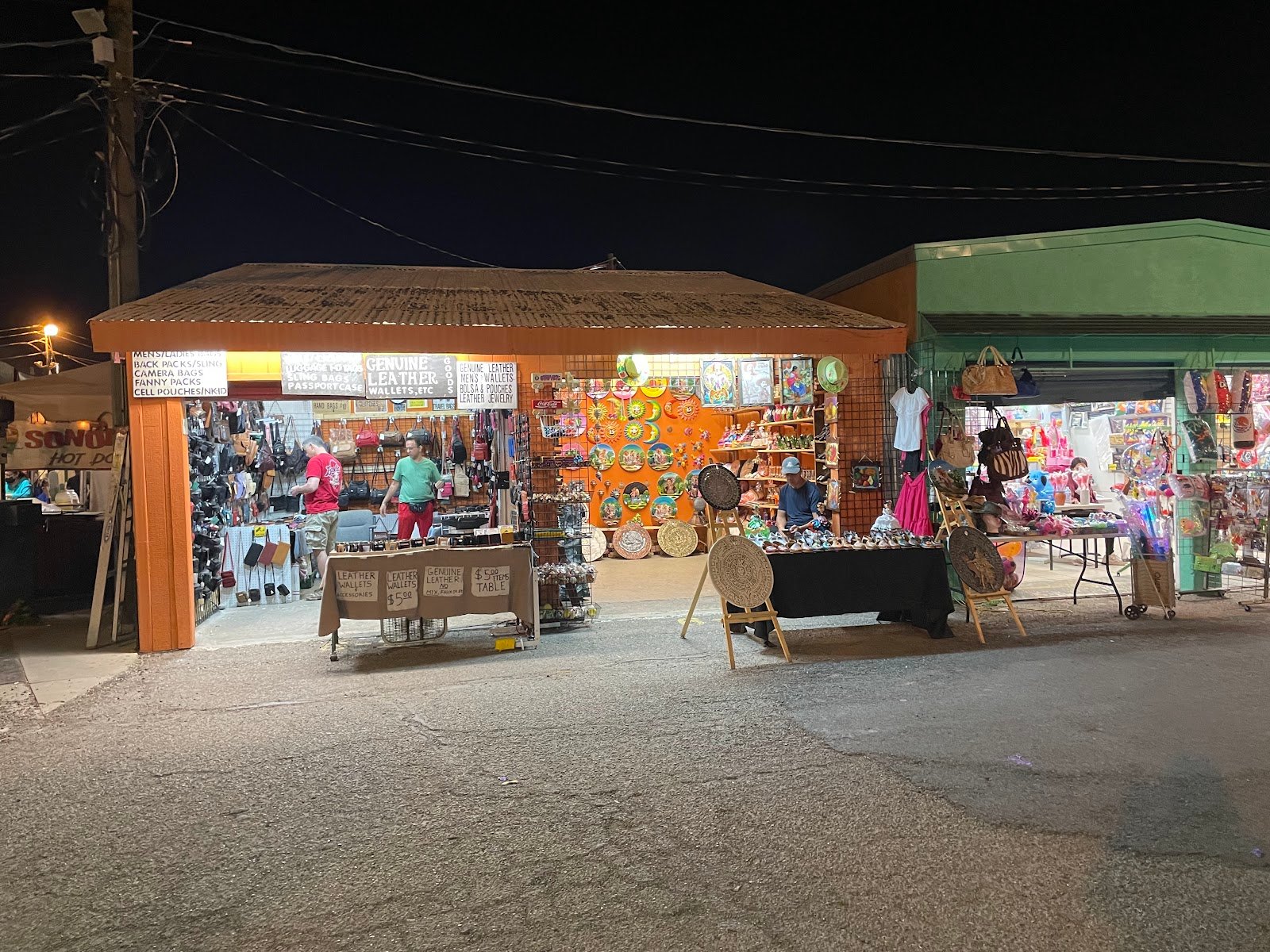
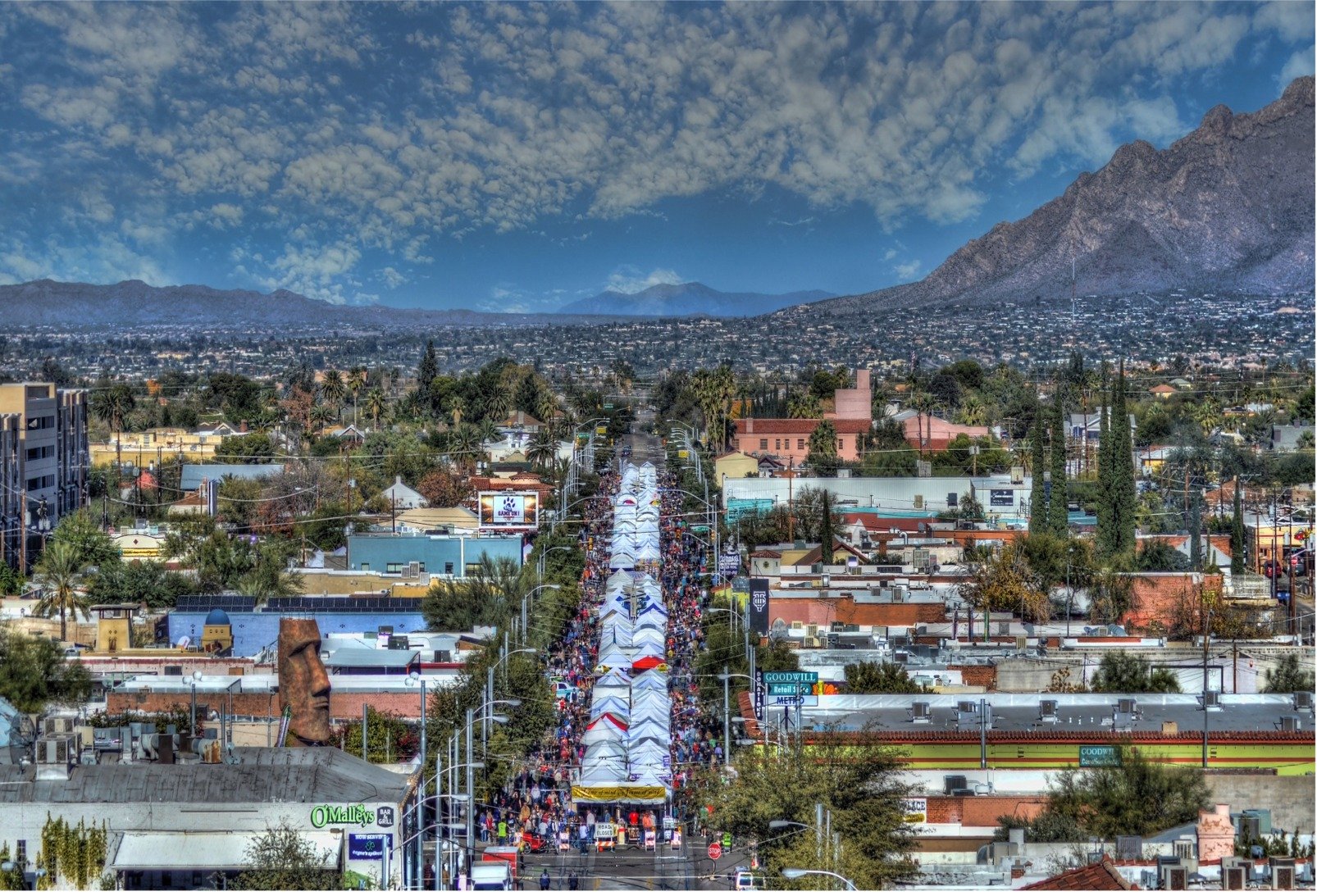
Fourth Avenue is Tucson's bohemian main street, lined with independent boutiques, vintage shops, eclectic restaurants, and live music venues. The strip connects the University of Arizona campus to downtown and draws a lively mix of students, artists, and longtime locals. Twice a year it transforms into one of Arizona's largest street fairs, filling the avenue with craft vendors and performers.
Tucson's downtown core has undergone a steady creative revival, with renovated historic buildings now housing craft cocktail bars, farm-to-table restaurants, and contemporary art galleries. Congress Street is the central artery, home to the landmark Hotel Congress and a cluster of music venues that keep the neighborhood humming after dark. It serves as the cultural and civic heart of the city.
Sam Hughes is a quiet, tree-lined residential neighborhood bordering the University of Arizona, beloved for its craftsman bungalows and a genuine sense of community. Shaded sidewalks and well-kept gardens make it one of the most walkable and pleasant areas in the city. Small neighborhood cafes and local eateries give it an unhurried, lived-in character that contrasts with the busier districts nearby.
The Mercado District is a modern mixed-use neighborhood on Tucson's west side, designed around a central marketplace that celebrates the region's Sonoran and borderlands identity. Renovated warehouses and purpose-built plazas host acclaimed restaurants, artisan food vendors, and a Saturday farmers market. It is one of the city's most deliberate expressions of its UNESCO City of Gastronomy designation.
Tucson offers a handful of experiences so deeply tied to this place that they define what it means to visit. These are not activities you can replicate elsewhere — they are products of the Sonoran Desert, the borderlands, and thousands of years of human presence in this valley.
Saguaro National Park
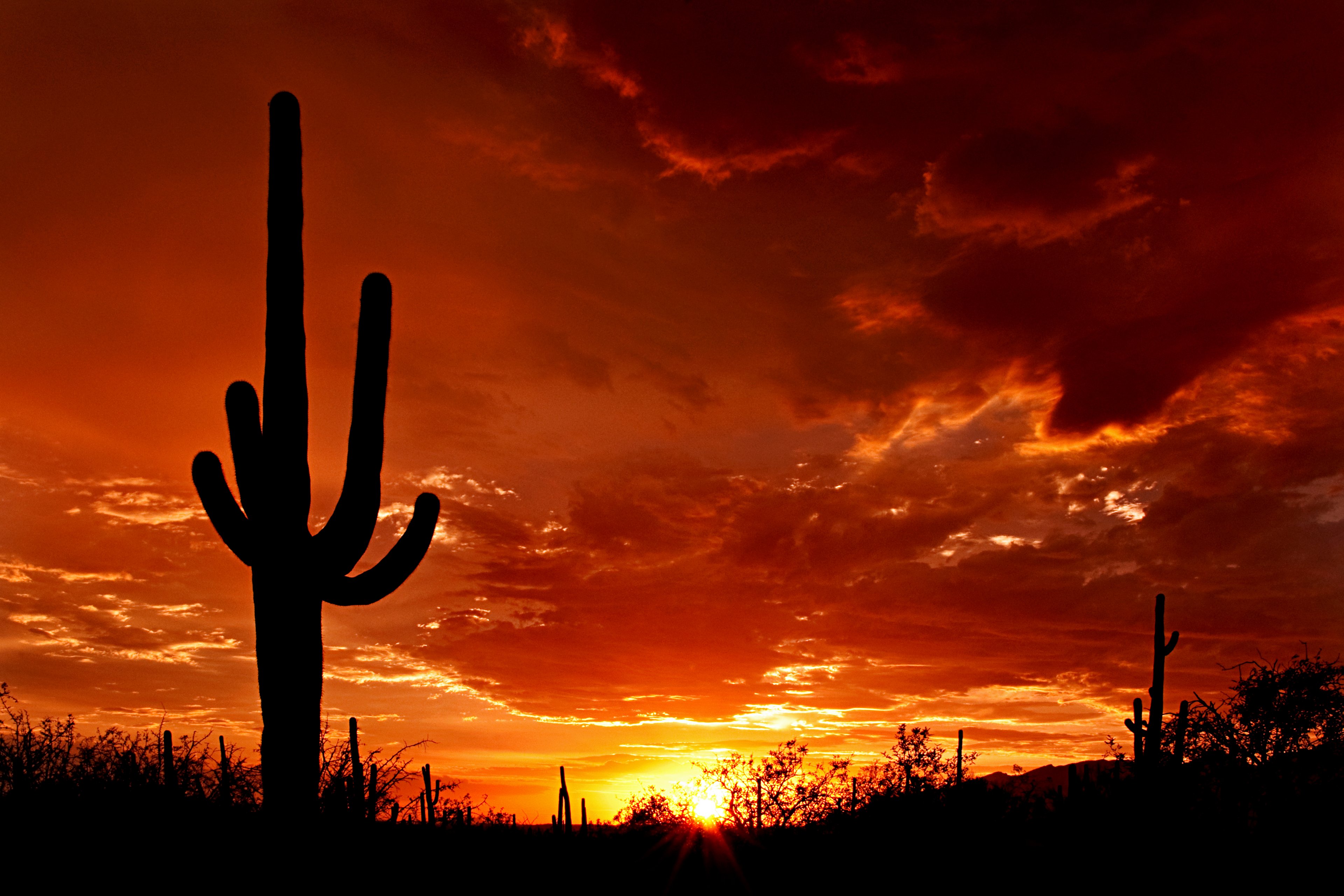
Split into east and west districts flanking the city, Saguaro National Park protects the densest forests of the iconic columnar cactus on earth. Hiking or cycling through these landscapes at sunrise, when the desert glows amber and the giant saguaros cast long shadows, is an experience that belongs entirely to Tucson. The park's proximity to the city means you can be deep in the desert within minutes of leaving downtown.
Mission San Xavier del Bac
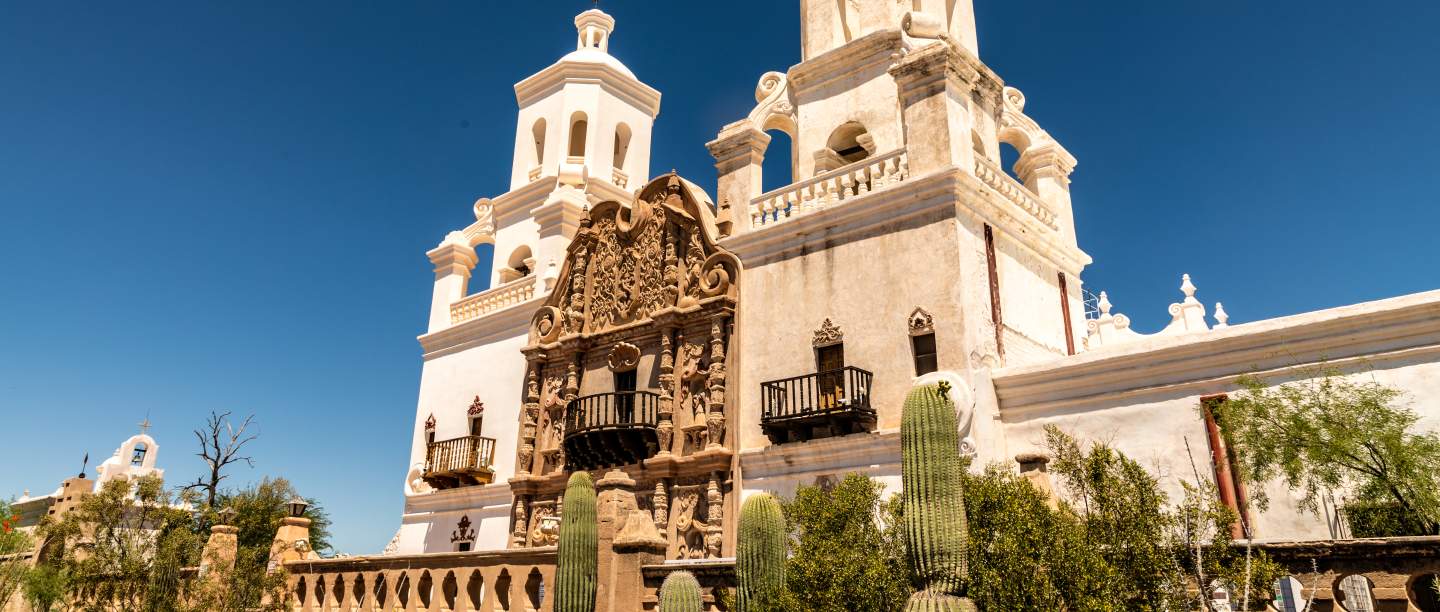
Known as the White Dove of the Desert, Mission San Xavier del Bac stands as one of the finest surviving examples of Spanish colonial baroque architecture in North America. Built in the late 18th century and still an active parish serving the Tohono O'odham Nation, it is a living monument to the convergence of cultures that shaped this region.
Stargazing and Astronomy
Tucson is a designated International Dark Sky City, and the skies above the surrounding desert are among the clearest in the country. Kitt Peak National Observatory, located on the Tohono O'odham Nation southwest of the city, offers public programs and nighttime observing sessions that draw visitors from around the world. Mount Lemmon SkyCenter provides another world-class option closer to the city.
Sonoran Gastronomy
Tucson's UNESCO City of Gastronomy designation is earned through living tradition rather than trend. Seeking out handmade flour tortillas from a generations-old family kitchen, tasting tepary bean dishes rooted in Tohono O'odham foodways, or exploring the Mercado San Agustin connects visitors to a culinary heritage that is irreplaceable and entirely specific to this corner of the borderlands.
Tucson delivers a compelling range of activities shaped by its desert setting, deep cultural roots, and status as a UNESCO City of Gastronomy.
Outdoor Recreation
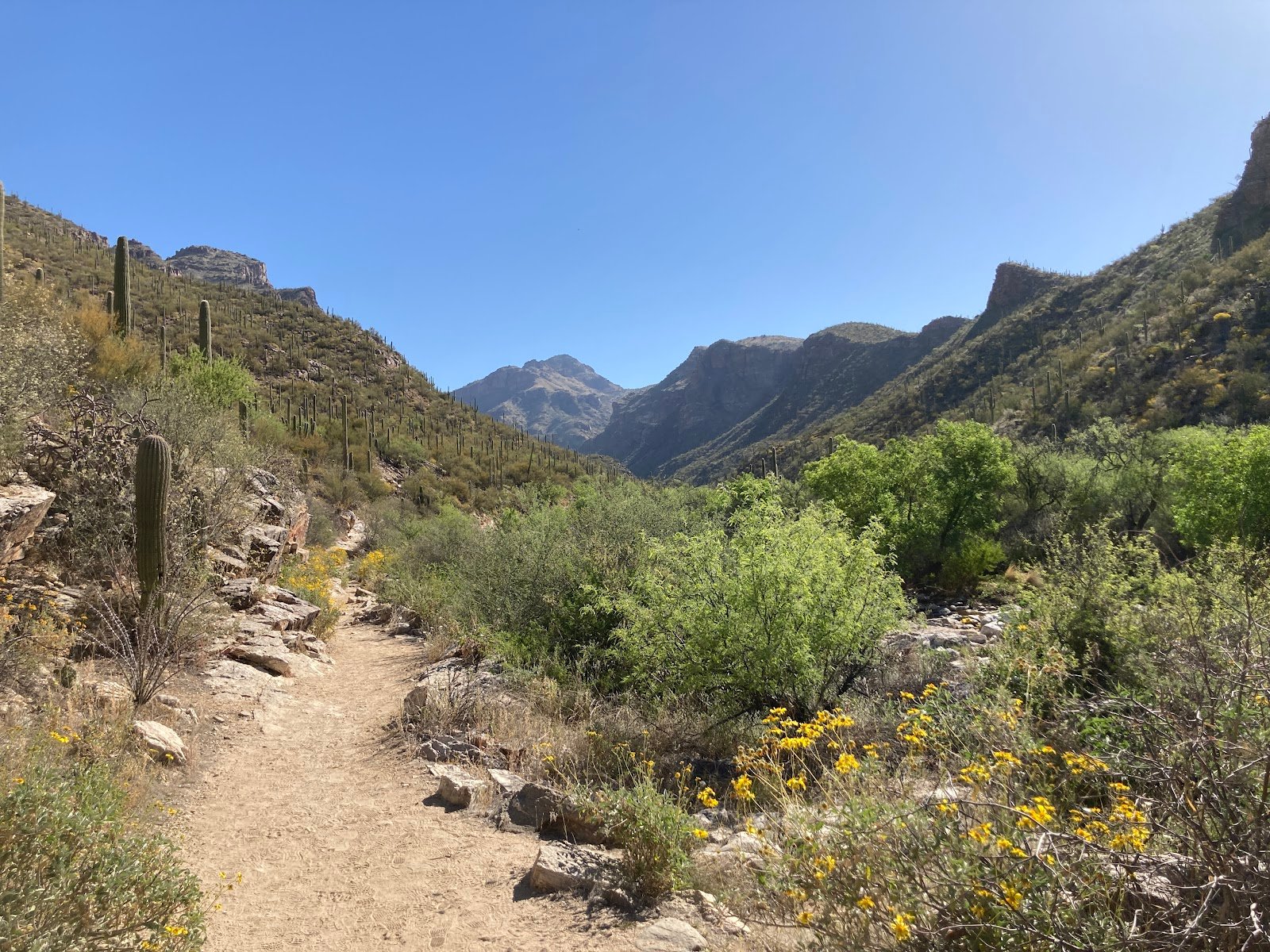
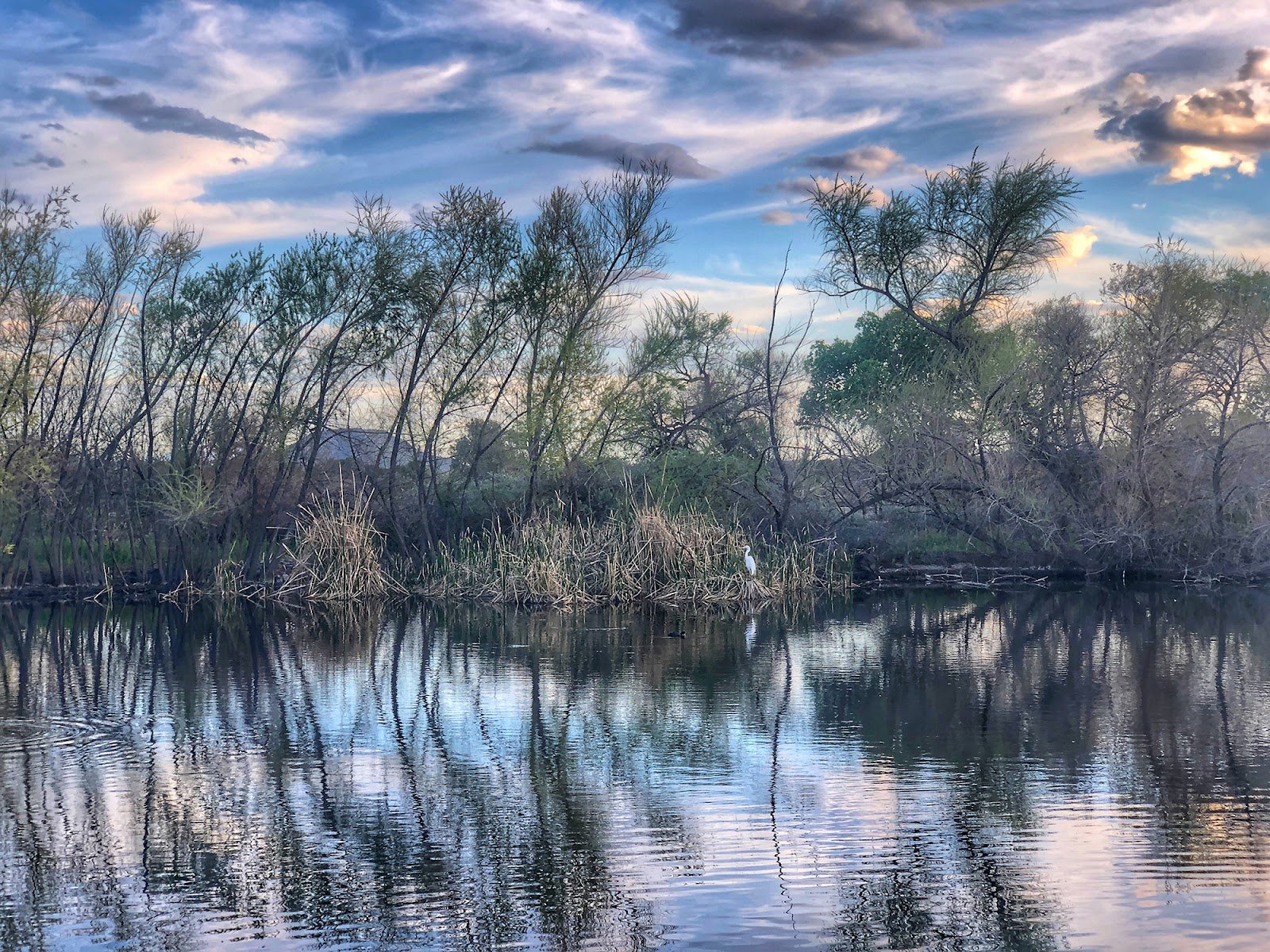
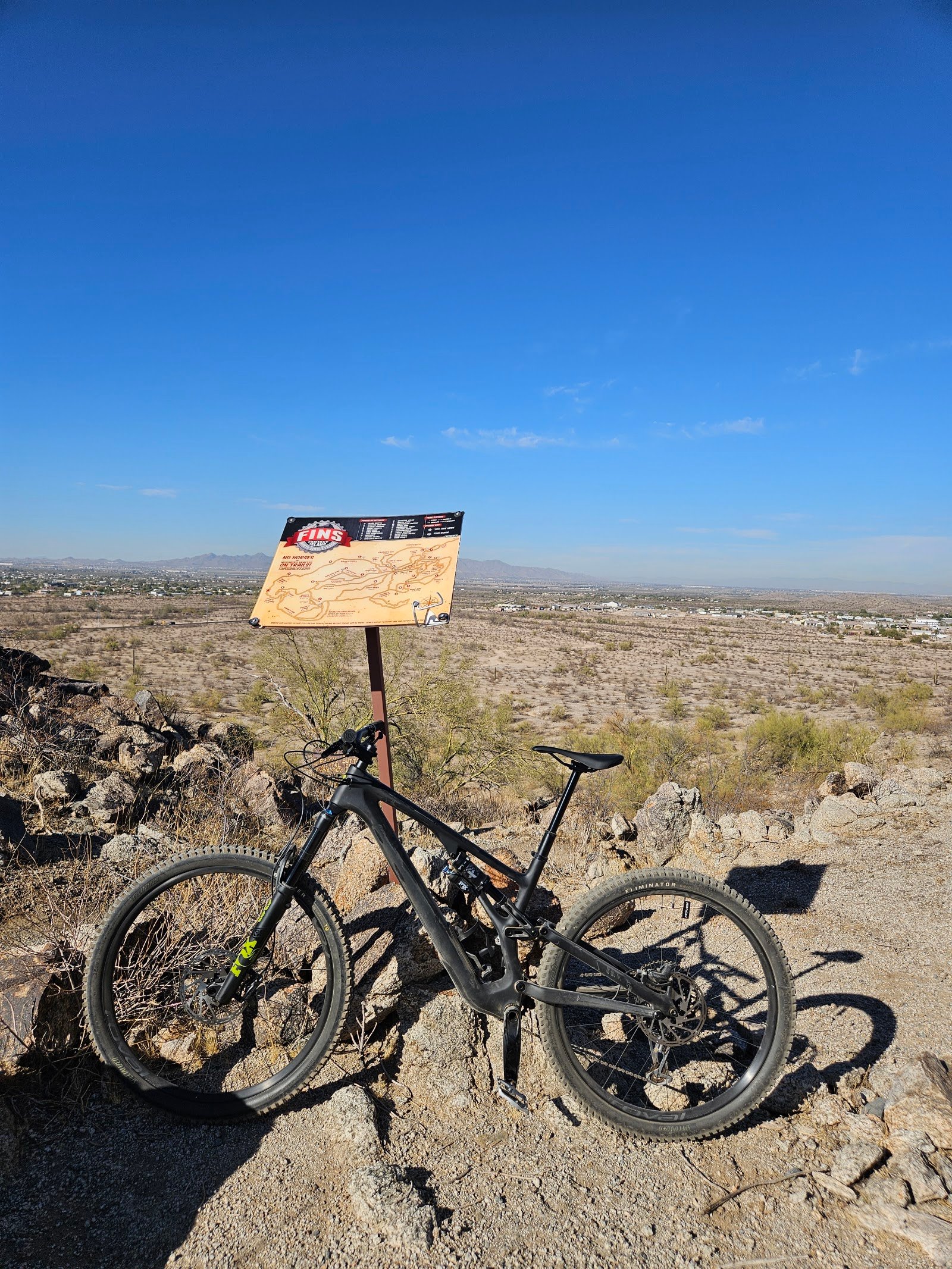
The Sonoran Desert is Tucson's greatest playground. Sabino Canyon Recreation Area offers dramatic canyon hikes and tram rides through saguaro-studded terrain, while Tumamoc Hill provides a steep but rewarding climb with sweeping city views. Mountain bikers head to Fantasy Island Mountain Bike Park for a network of desert singletrack trails. Sweetwater Wetlands Park offers a quieter counterpoint, drawing birders and walkers to its riparian habitat along the Santa Cruz River.
Cultural Attractions
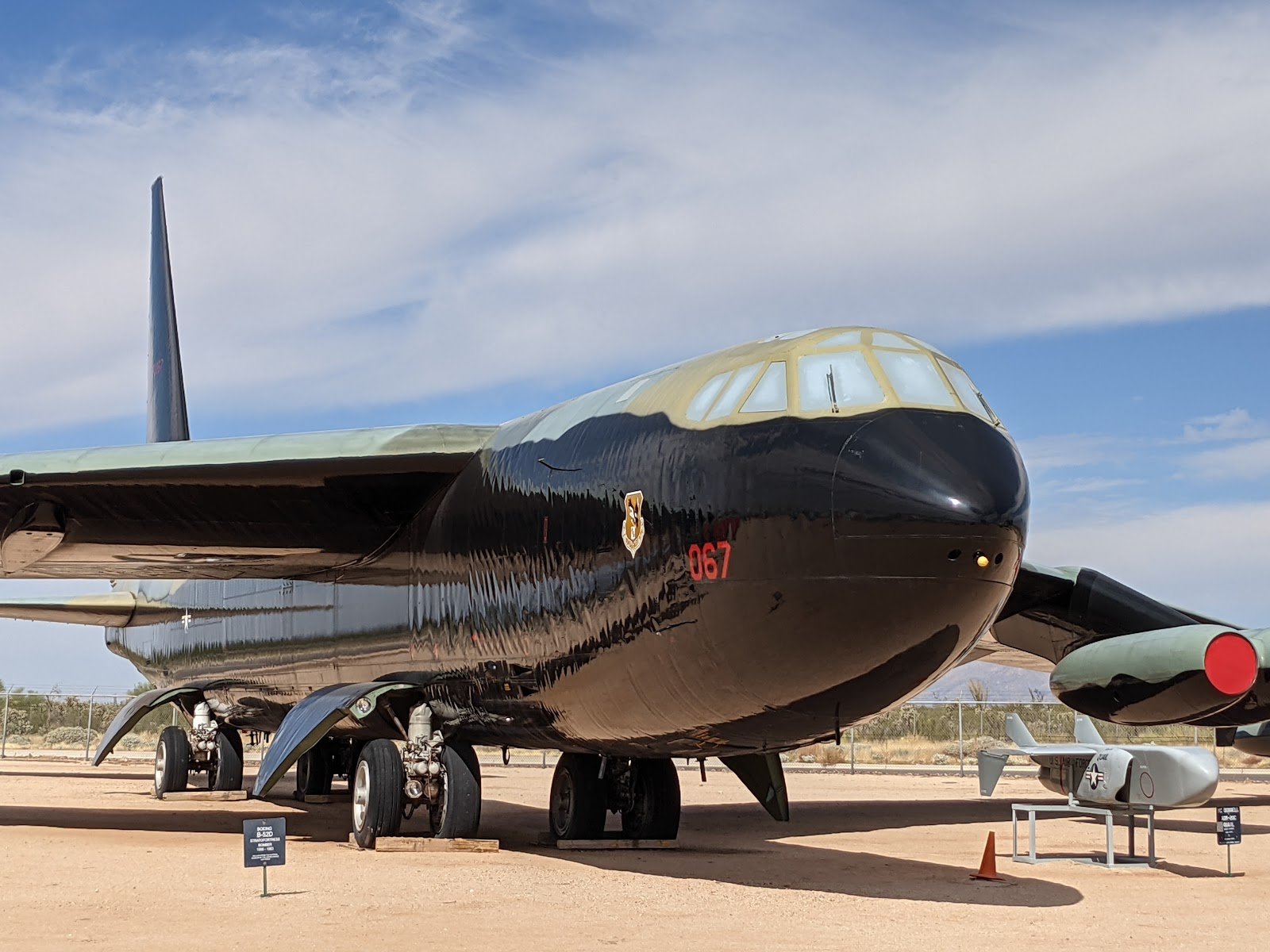
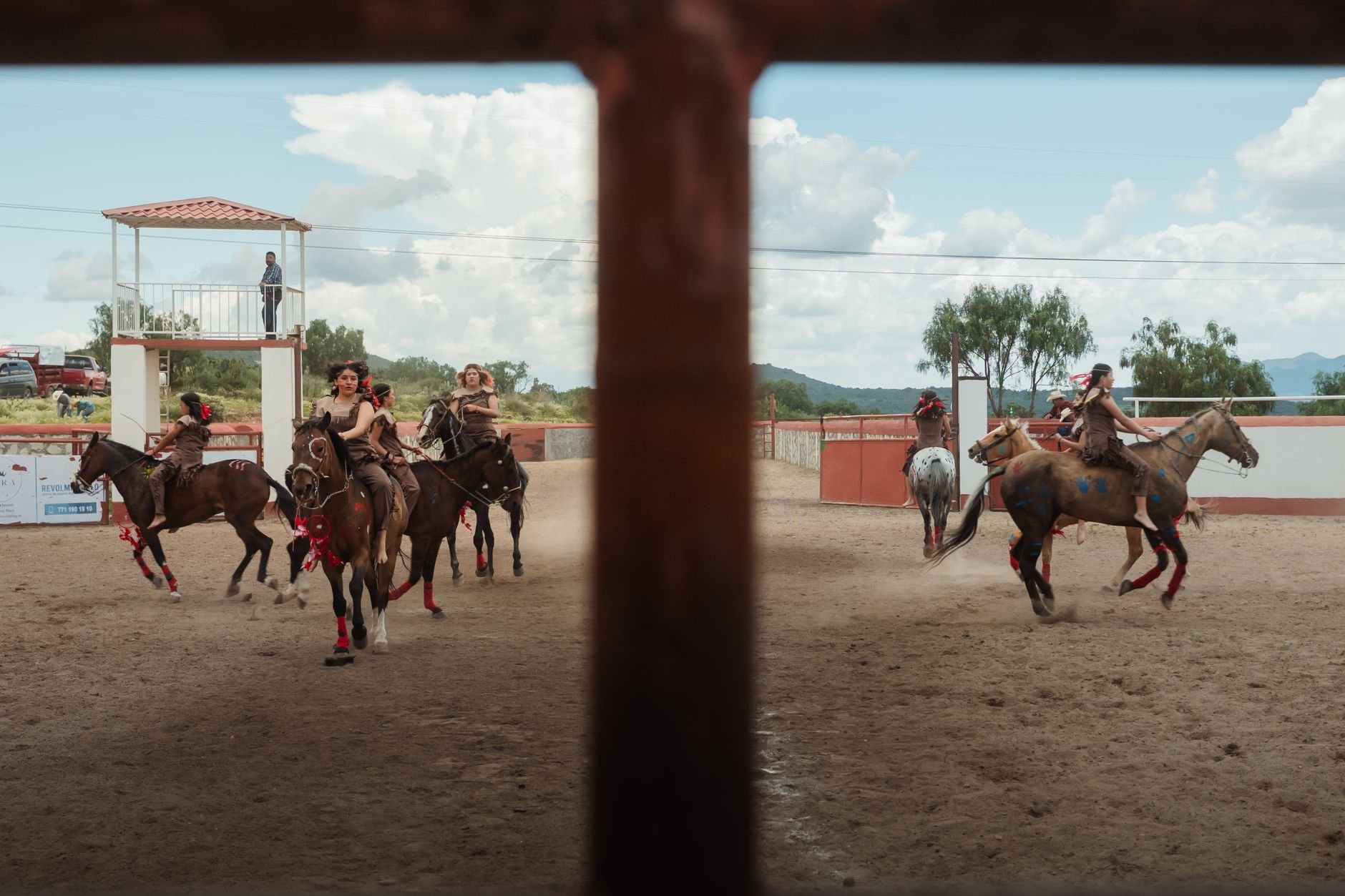
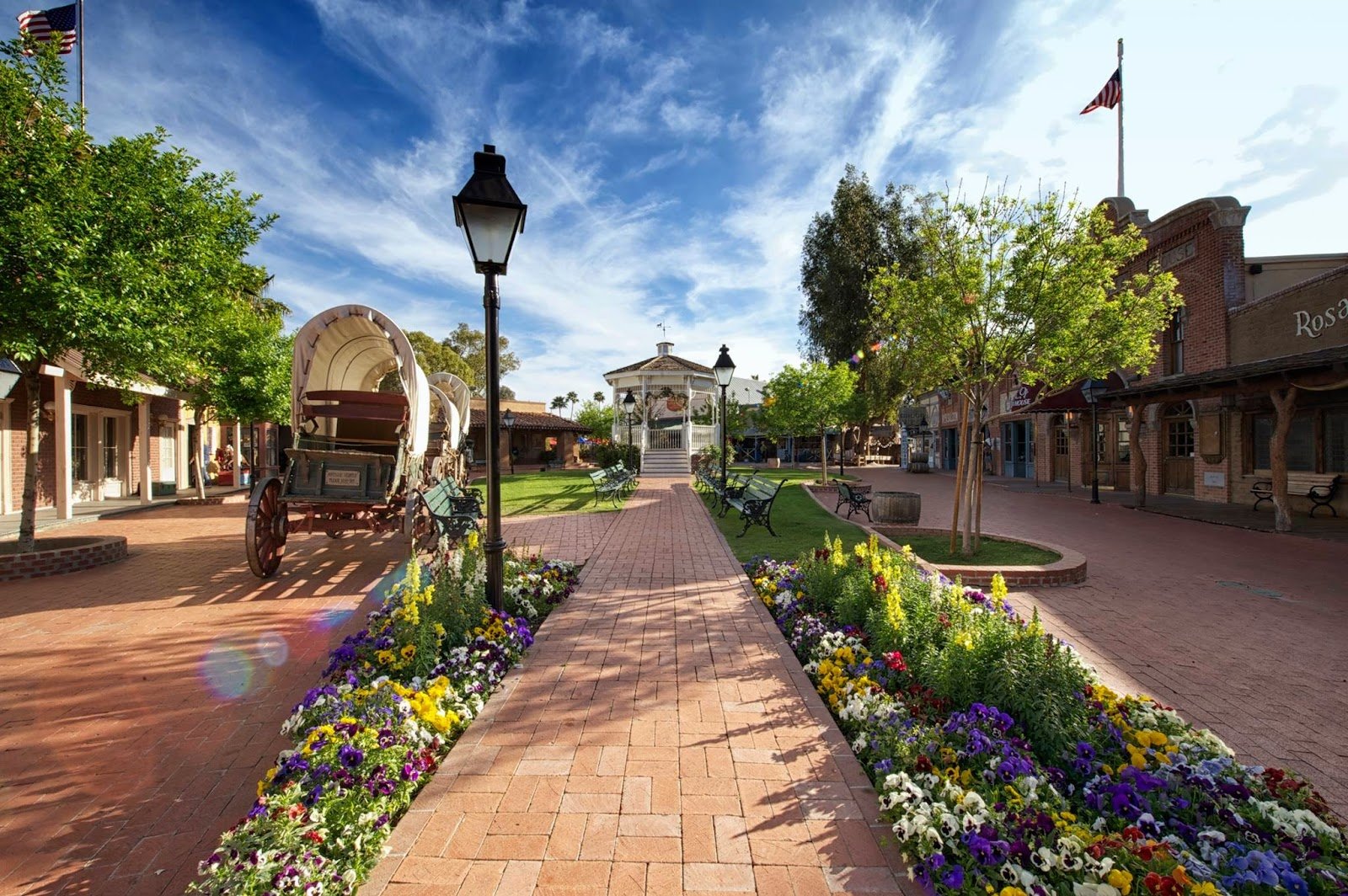
Tucson's layered history surfaces across the city. The Pima Air and Space Museum ranks among the largest aviation museums in the world, with hundreds of aircraft spanning a century of flight. The Tucson Rodeo Parade and Wagon and History Museum preserves the ranching heritage of the Southwest, while Trail Dust Town recreates an Old West frontier town with live entertainment and family activities.
Gardens and Scenic Exploration
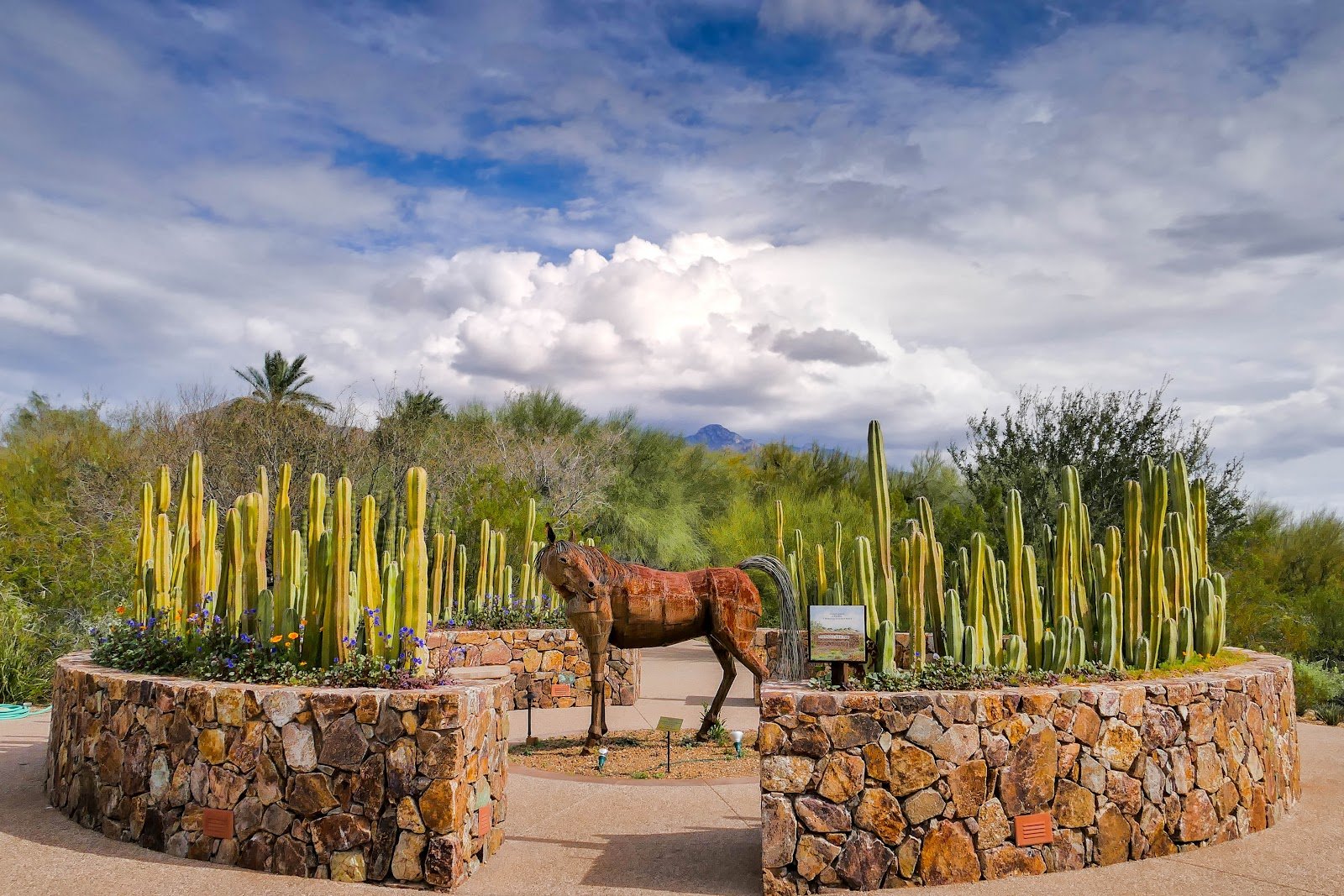
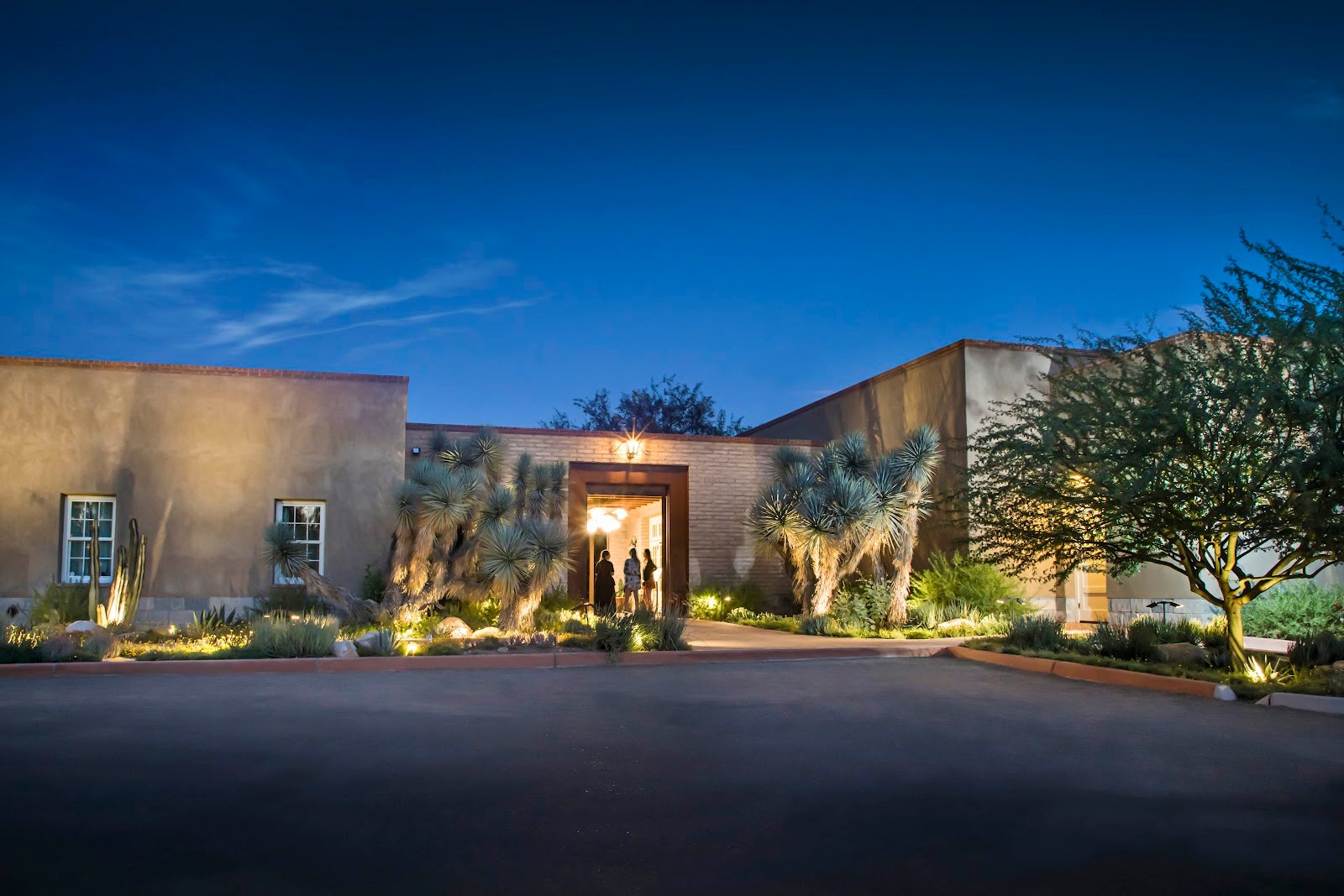
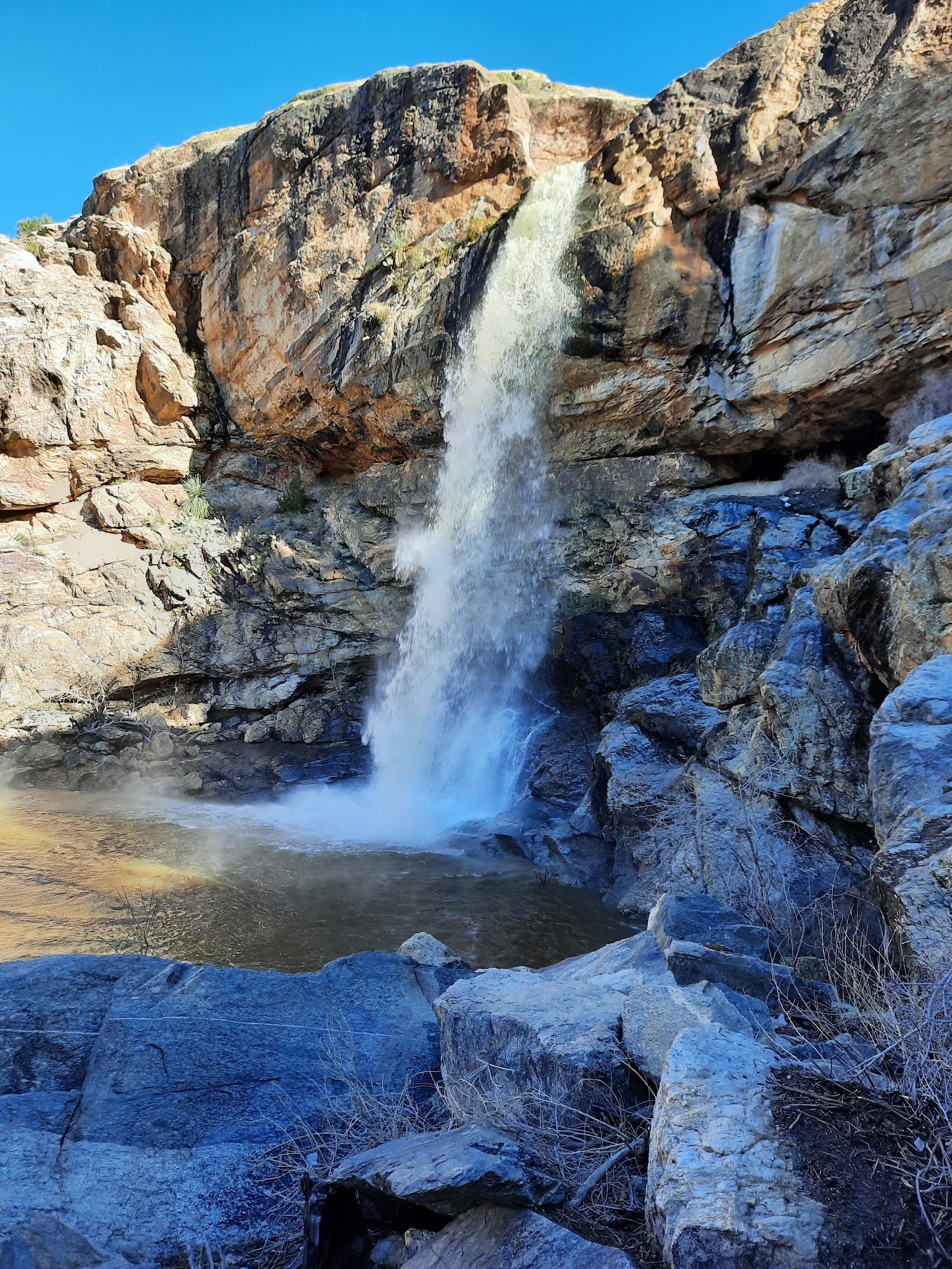
Tucson Botanical Gardens and Tohono Chul Botanical Gardens both celebrate the remarkable plant life of the Sonoran Desert and surrounding region, with galleries and bistro dining adding cultural depth to each visit. Chiva Falls, accessible via a scenic canyon drive, rewards hikers with a seasonal waterfall in the Rincon Mountains.
Arts and Entertainment
The Gaslight Theatre offers original musical comedy productions in a dinner-theater format that has been a Tucson institution for decades. The Ignite Sign Art Museum traces the visual history of American commercial signage. For something offbeat, the Mini Time Machine Museum of Miniatures houses one of the most remarkable collections of miniature art in the country, and Freaky Foot Tours leads walking explorations of Tucson's haunted history after dark.
Food and Dining
As the first UNESCO City of Gastronomy in the United States, Tucson takes its food culture seriously. From family-run Sonoran Mexican restaurants to chef-driven dining rooms celebrating heirloom ingredients, the city's culinary scene is rooted in centuries of agricultural tradition and borderlands cuisine.
Chiva Falls
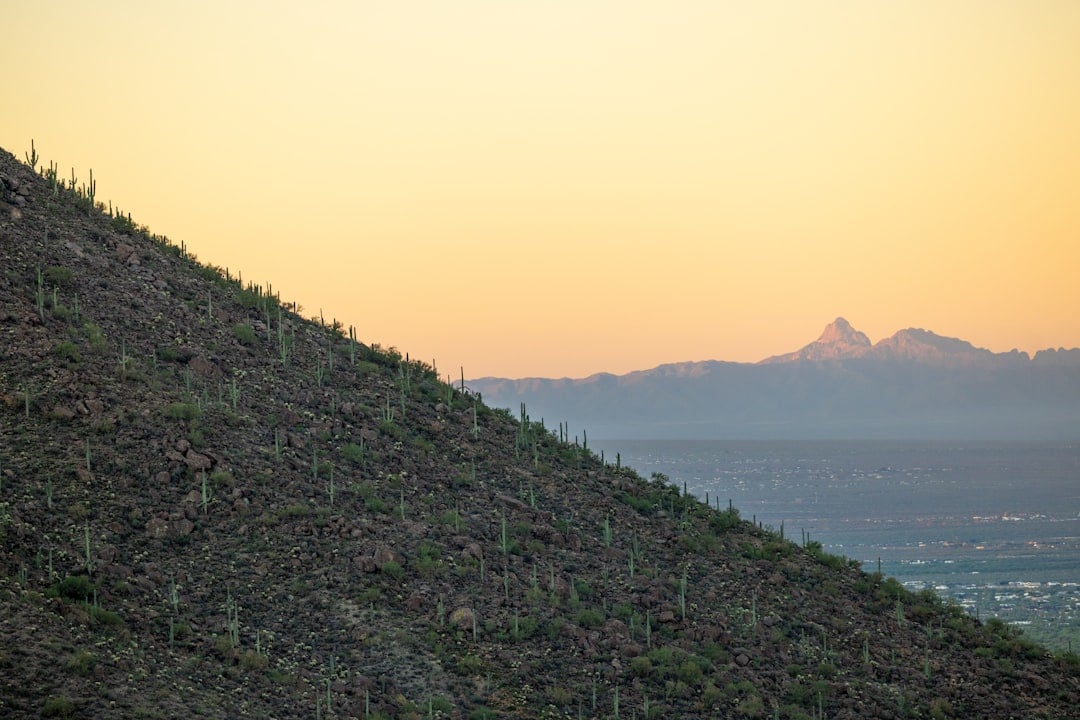
Start the morning at Saguaro National Park West, hiking the Valley View Overlook Trail through iconic columnar cacti. After lunch, head downtown to explore the Barrio Viejo neighborhood and its colorful adobe architecture and galleries. In the evening, dine at a Sonoran-style restaurant on 4th Avenue, sampling handmade flour tortillas and mesquite-grilled meats in one of Tucson's most vibrant dining corridors.
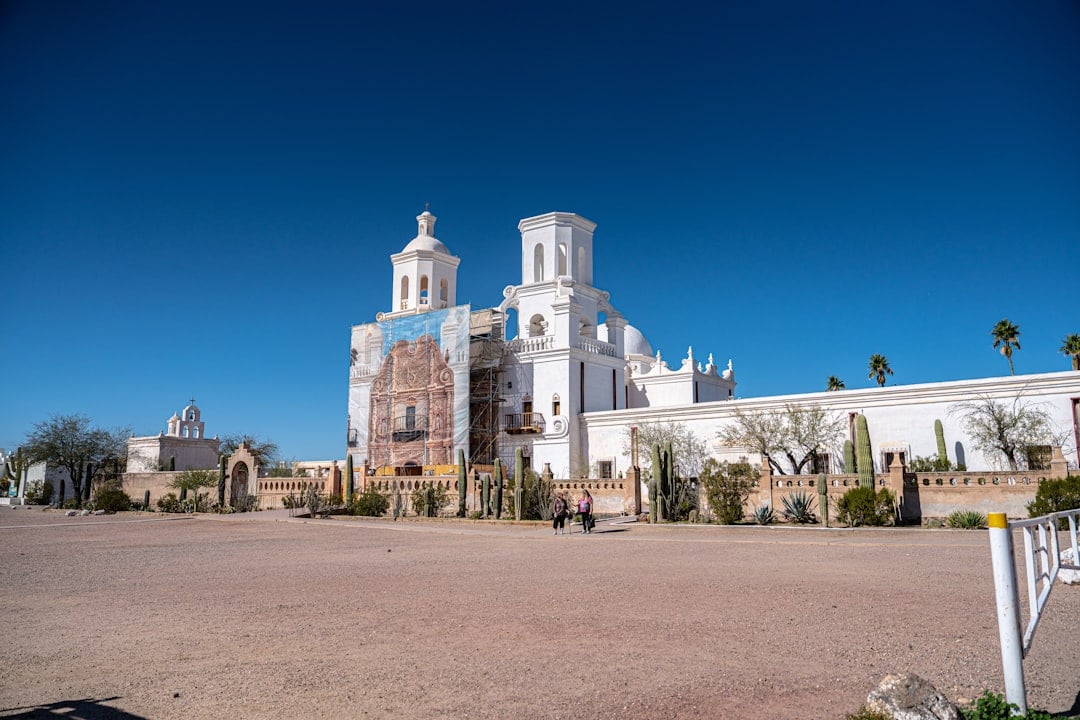
Spend the morning at Mission San Xavier del Bac, one of the finest Spanish colonial churches in North America, just south of the city. After lunch, drive up Mount Lemmon in the Santa Catalina Mountains, passing through multiple ecological zones to reach pine forests and sweeping desert views at the summit. Stop at Summerhaven village before heading back to Tucson for dinner.
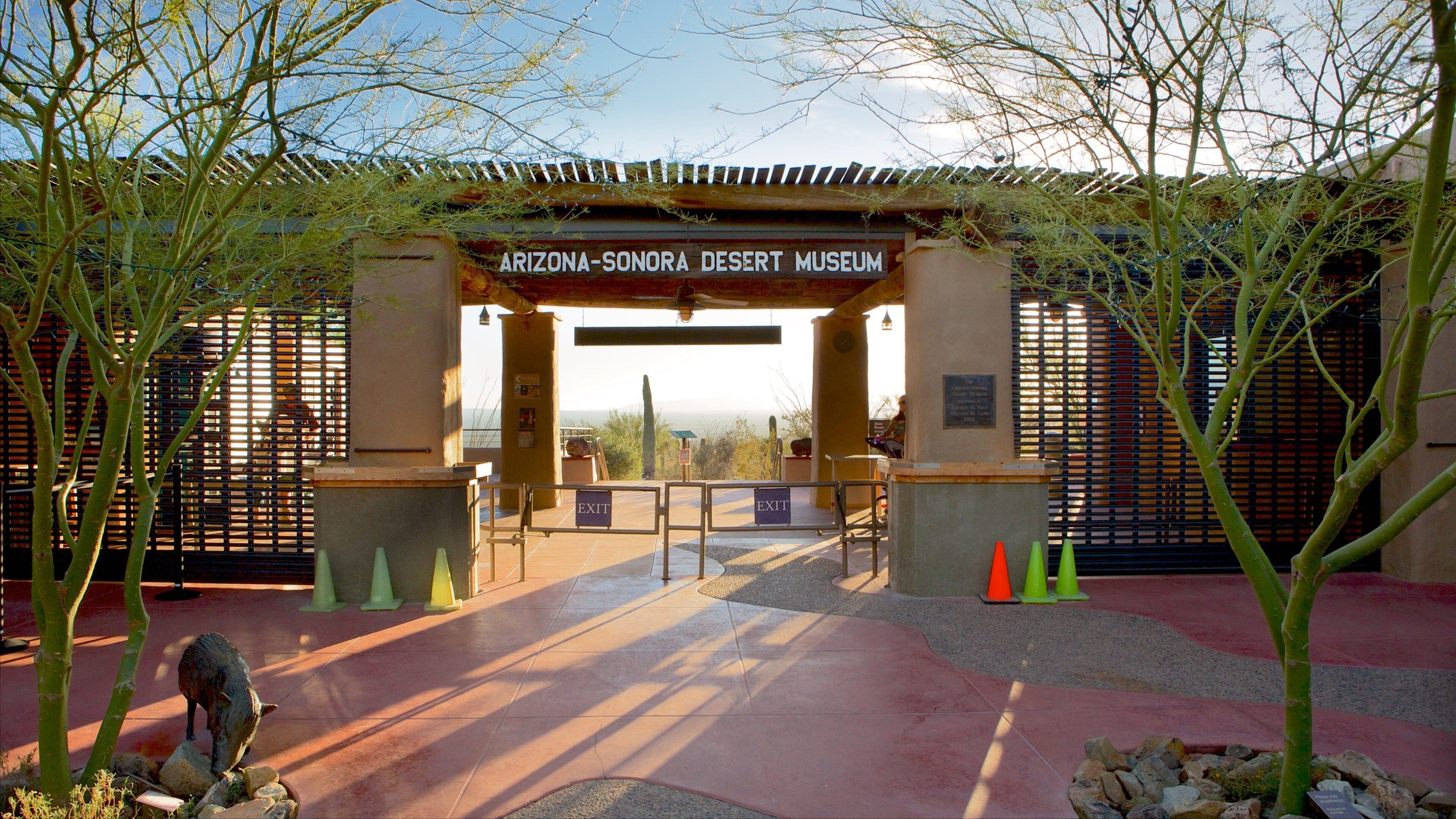
Begin the morning at the Arizona-Sonora Desert Museum, a world-class combination of zoo, botanical garden, and natural history museum set in the open desert. In the afternoon, visit the University of Arizona campus and explore the free collections at the University of Arizona Museum of Art. End the trip with a sunset visit to Kitt Peak National Observatory for a stargazing program under Tucson's famously dark skies.
Tucson moves through the year on a calendar shaped by desert seasons, deep cultural roots, and a community that turns out for its traditions with genuine enthusiasm. The cooler months from October through April are when outdoor life and public celebrations peak, drawing visitors into street festivals, open-air markets, and events that reflect the city's layered identity.
Tucson's culinary identity is not a trend. It is the product of thousands of years of agricultural practice, trade, and cultural exchange along the Sonoran borderlands, and it earned the city its designation in 2015 as the first UNESCO City of Gastronomy in the United States. That recognition points to something real: this is a place where food carries genuine historical weight.
By Air
Tucson International Airport (TUS) offers direct flights from major hubs including Los Angeles, Dallas, Denver, and Chicago. For more route options, Phoenix Sky Harbor (PHX) is about 110 miles away and connects to Tucson via rental car, shuttle, or a roughly 90-minute drive on I-10.
By Car
Tucson is directly accessible via Interstate 10, making it an easy road trip destination from Phoenix (about 1.5 hours), El Paso (about 3 hours), or Los Angeles (about 6 hours). A car is highly recommended as you will likely need one once you arrive.
By Train
Amtrak's Sunset Limited stops at Tucson three times per week in each direction, linking the city to Los Angeles to the west and New Orleans to the east. The downtown Amtrak station is conveniently located near the city center.
By Bus
Greyhound and Flixbus both serve Tucson with affordable intercity routes, most commonly connecting to Phoenix and other Southwest cities. The bus station is located downtown, making onward travel into the city relatively simple.
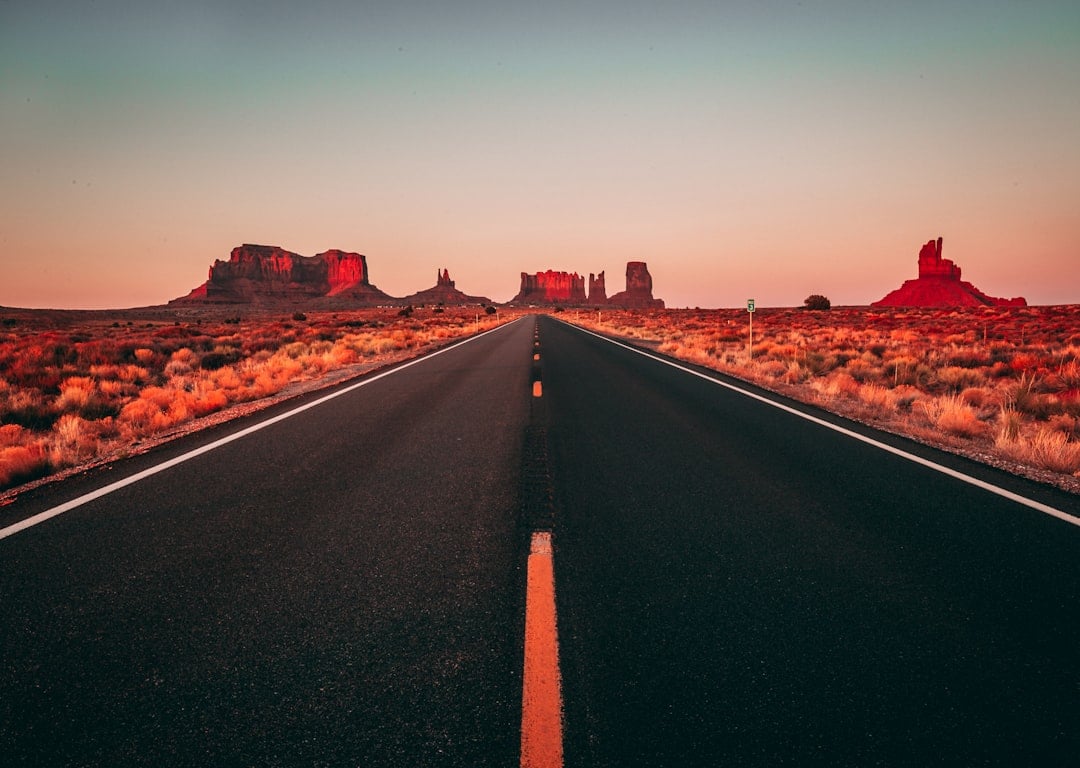
By Car
Renting a car is strongly recommended for visiting Tucson. Key attractions like Saguaro National Park, Mount Lemmon, and Mission San Xavier del Bac are spread across a wide area and are not accessible by public transit. Most hotels provide free parking.
By Rideshare
Uber and Lyft are both active in Tucson and work well for trips within the downtown core, Fourth Avenue, and the University of Arizona area. For longer journeys to outlying attractions, a rental car will be more cost-effective and convenient.
Sun Link Streetcar
The Sun Link streetcar runs a 3.9-mile route connecting downtown Tucson, the Fourth Avenue district, and the University of Arizona. It is a convenient and inexpensive option for visitors staying in or exploring the central neighborhoods.
Public Bus
Sun Tran buses cover major city corridors but run infrequently and are not well-suited for reaching most tourist destinations. The network is best used for straightforward trips along main routes rather than cross-city travel.
On Foot
Downtown Tucson, the Barrio Viejo, and the Fourth Avenue area are pleasant to explore on foot. However, distances between Tucson's neighborhoods are significant, and summer heat makes extended walking uncomfortable, so plan accordingly.
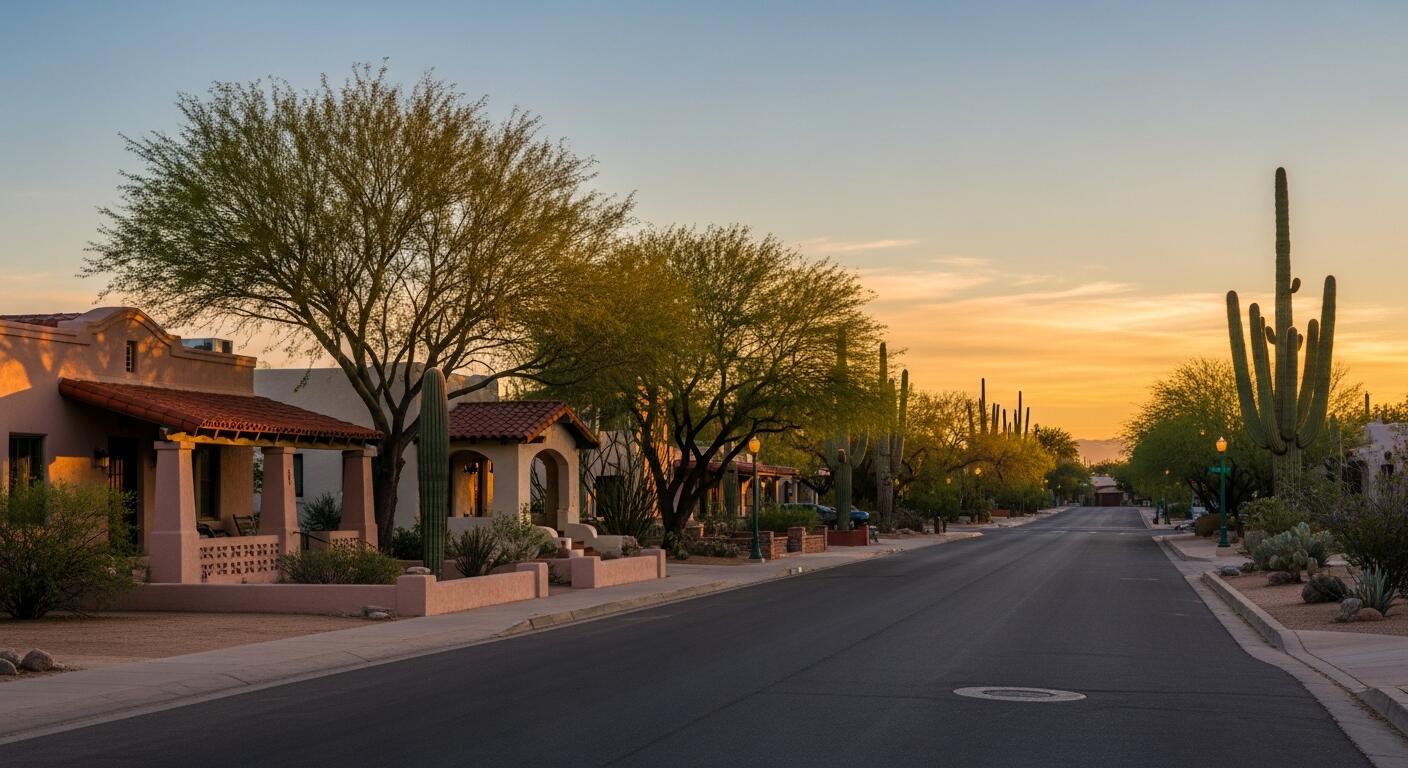
Tucson's summer heat is serious: temperatures regularly exceed 100 degrees Fahrenheit from June through September. If visiting in summer, plan outdoor activities for early morning, carry water at all times, and never underestimate sun exposure in the desert. Lightweight, breathable clothing and sunscreen are non-negotiable.
Tipping follows standard US norms: 18 to 20 percent at restaurants, a few dollars for hotel housekeeping, and standard rideshare in-app tipping. Credit cards are accepted nearly everywhere, though some smaller taquerias and food trucks are cash-preferred, so keep small bills on hand.
For hiking in Saguaro National Park or on Mount Lemmon, download the AllTrails app before your trip and check trail conditions in advance. Cell service can be spotty in the mountains and desert.
Tucson is generally a safe and welcoming city. Respect the cultural significance of Indigenous and historic sites you visit, particularly Mission San Xavier del Bac, which remains an active place of worship. Photography is permitted in most areas, but always be mindful of posted guidelines.
Three to four days is ideal for a first visit to Tucson. That gives you time to explore Saguaro National Park, visit Mission San Xavier del Bac, sample the Sonoran food scene, and take the scenic drive up Mount Lemmon. If you want to dig deeper into the arts districts, stargazing, or day trips to nearby attractions, five days is comfortable.
Tucson is best known for its Sonoran Desert landscape, particularly the saguaro cacti that define the region. It is also recognized as the first UNESCO City of Gastronomy in the United States, celebrated for its Sonoran borderlands food traditions. Other highlights include Saguaro National Park, world-class astronomy at Kitt Peak, Spanish colonial Mission San Xavier del Bac, and its status as an International Dark Sky City.
Yes, Tucson works well as a weekend destination. In two days you can cover the highlights - a hike in Saguaro National Park, a visit to Mission San Xavier del Bac, and a solid tour of the local food scene. It is an easy drive from Phoenix (about 1.5 hours) and has a compact enough core to explore without feeling rushed.
Tucson is relatively affordable compared to many U.S. travel destinations. Accommodation, dining, and activities tend to be reasonably priced. Many of the city's top draws - Saguaro National Park, the Barrio Viejo galleries, and stargazing - cost little to nothing. Resort-style stays and fine dining are available for those who want them, but budget-friendly options are plentiful.
Spring (March to May) and fall (September to November) offer the most pleasant weather, with warm days and cool nights ideal for hiking and outdoor exploration. Summer brings intense heat and the dramatic monsoon season, while winters are mild and uncrowded.