
Baltimore, MD
A Journey guide to
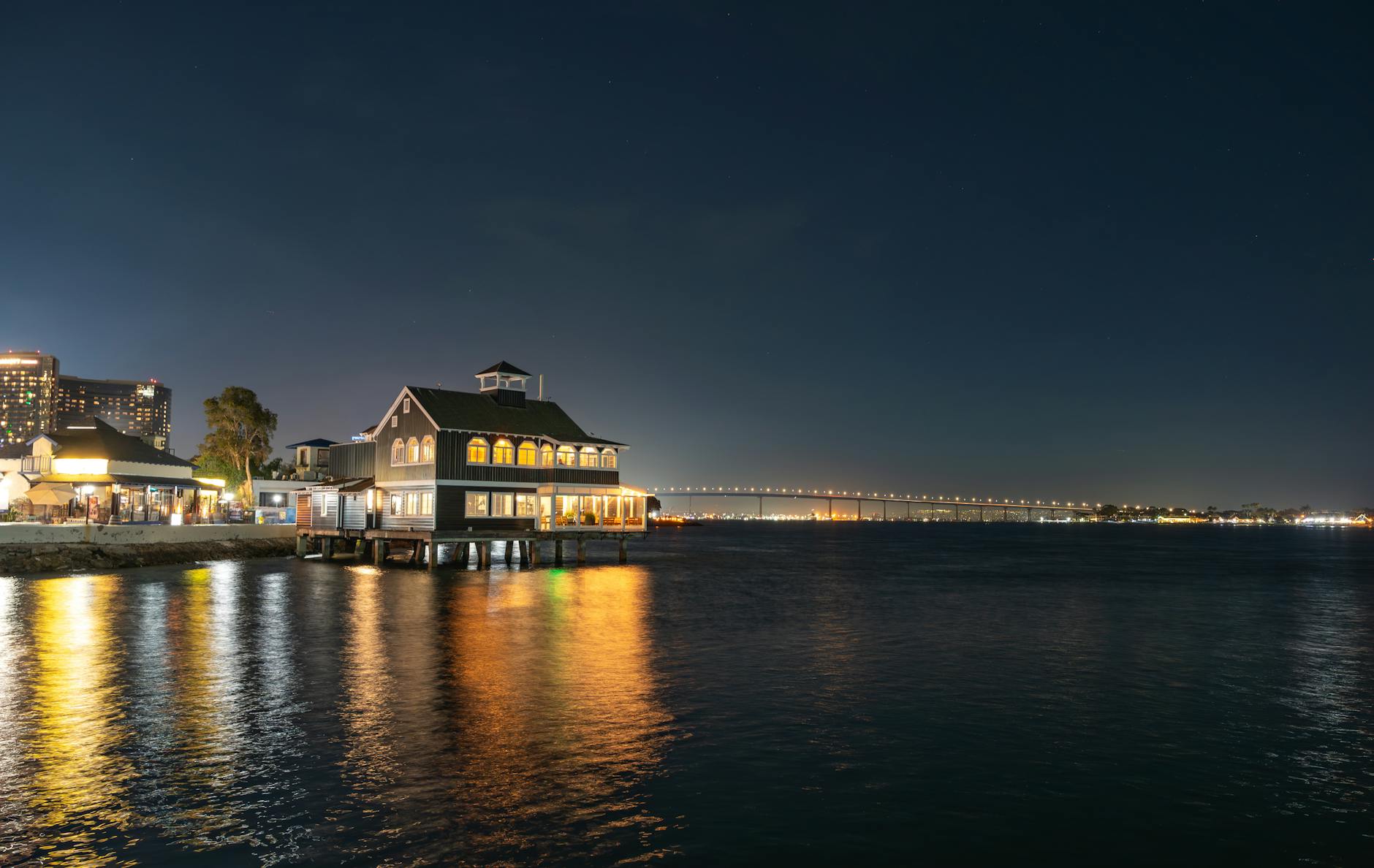
Chula Vista is the second-largest city in the San Diego metropolitan area and one of the fastest-growing cities in California. Positioned along the eastern shore of San Diego Bay, it offers a compelling mix of waterfront recreation, suburban energy, and genuine cross-border culture. Travelers who look beyond the obvious San Diego landmarks often find that Chula Vista rewards curiosity with a more grounded, authentic Southern California experience.
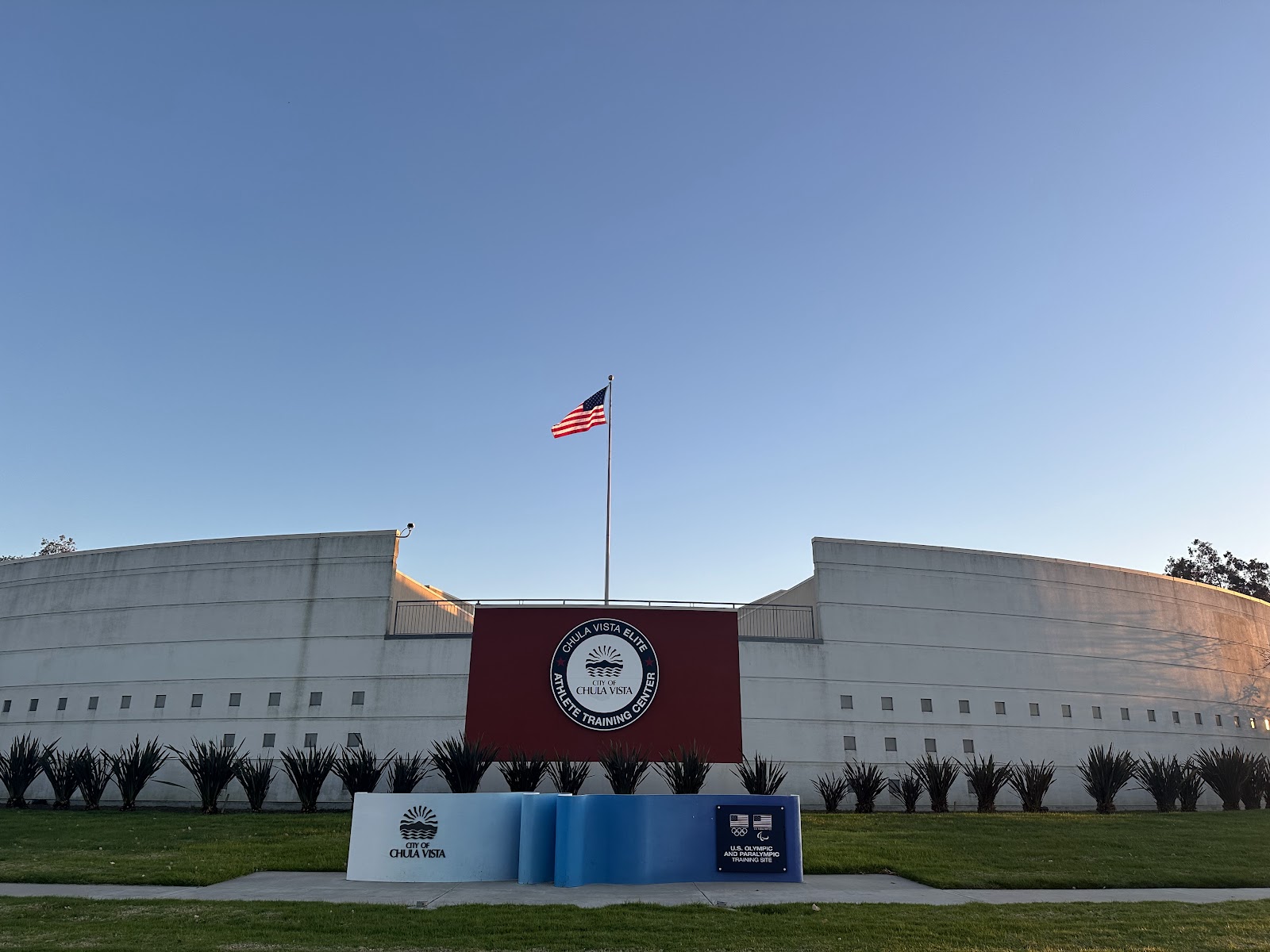
The city is home to the Chula Vista Elite Athlete Training Center, one of the premier Olympic and Paralympic training facilities in the United States. Open to visitors, the campus offers a rare behind-the-scenes look at elite sport in action, with guided tours and the chance to watch world-class athletes train in archery, cycling, track and field, and more. It is a genuinely unique attraction that sets Chula Vista apart from its neighbors.
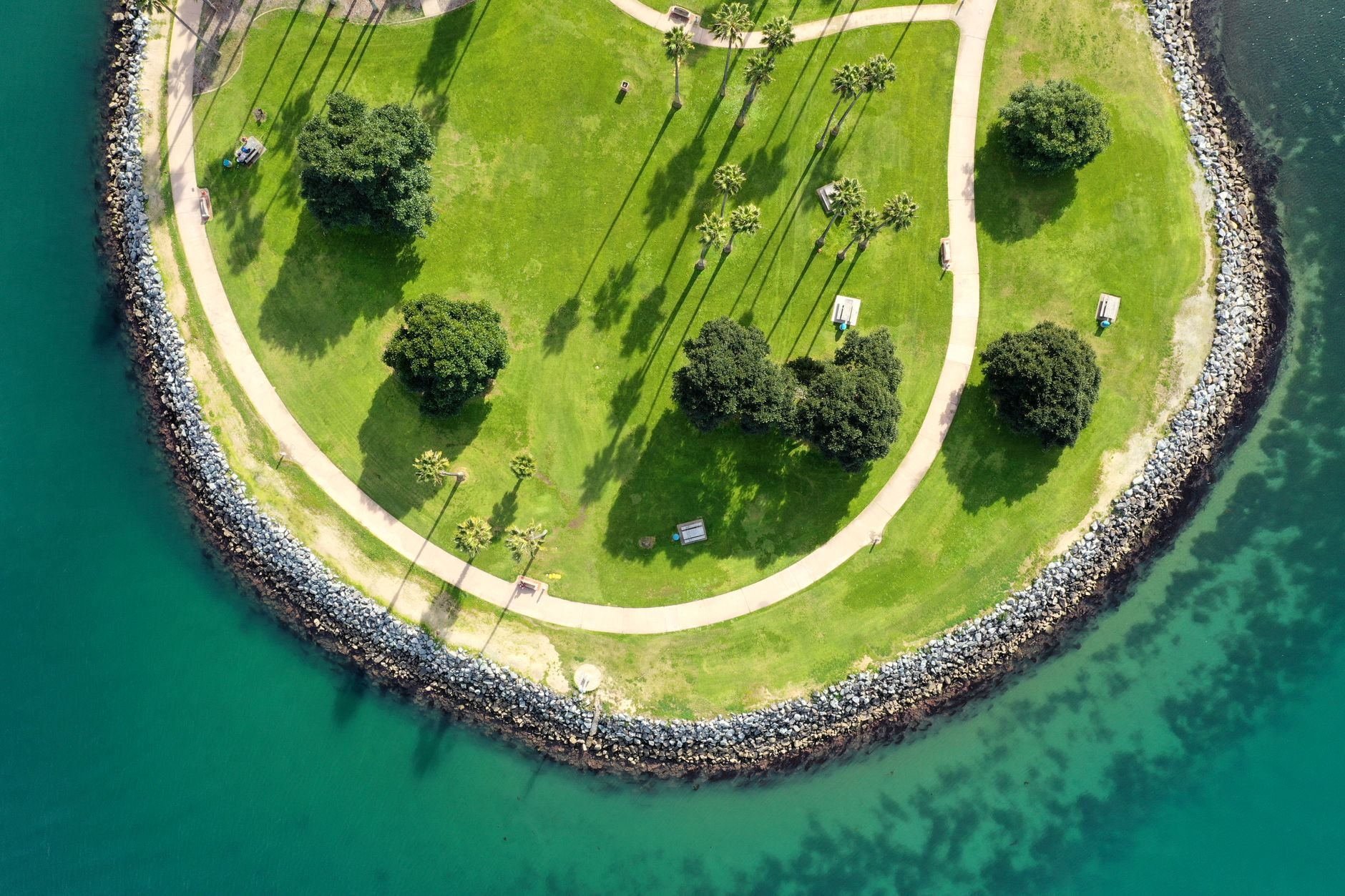
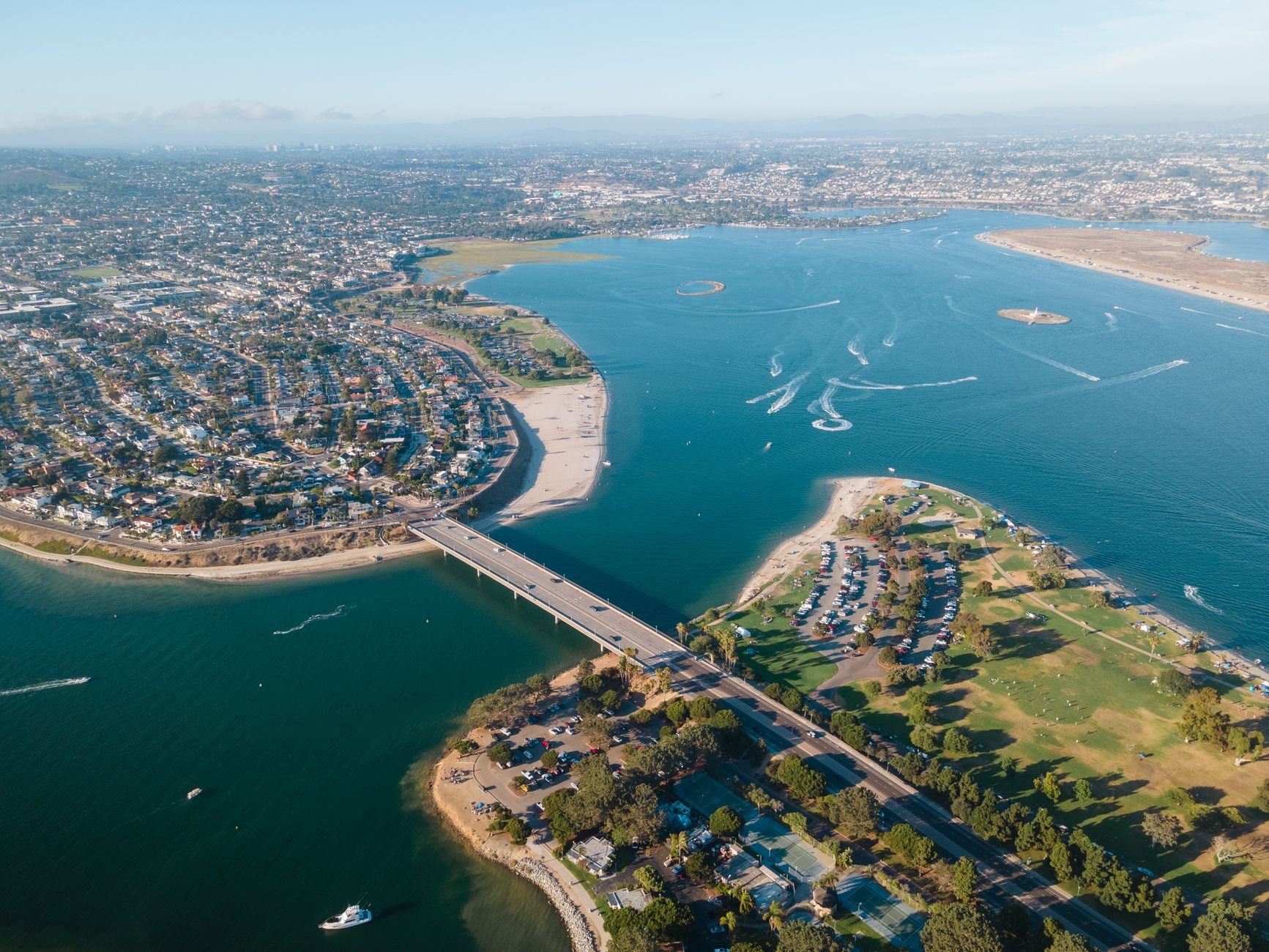
The Chula Vista Bayfront is the city's most ambitious ongoing transformation. Spanning nearly 535 acres along San Diego Bay, the bayfront development includes Bayside Park, the Living Coast Discovery Center, and the emerging resort and convention district anchored by the new Gaylord Pacific Resort. Nature trails, kayak launches, and sweeping bay views make this stretch a destination in its own right for outdoor enthusiasts and casual visitors alike.
Chula Vista draws travelers who appreciate proximity without the premium. It sits just minutes from downtown San Diego to the north and the US-Mexico border at Otay Mesa and San Ysidro to the south, making it a practical and affordable base for exploring the broader region. The city's dining scene reflects its diverse population, with a strong concentration of authentic Mexican, Filipino, and Vietnamese restaurants that punch well above their weight.
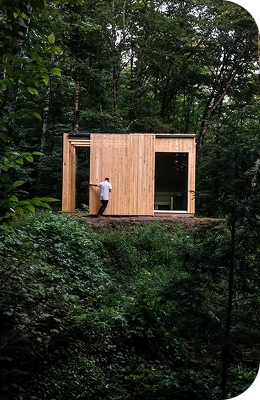



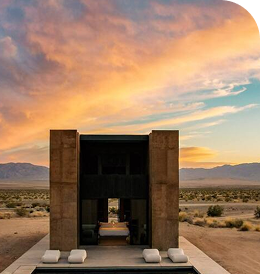

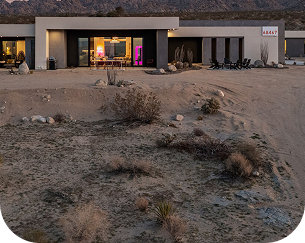

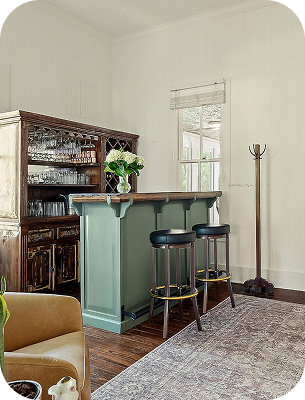

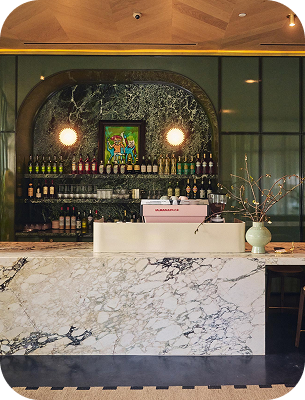

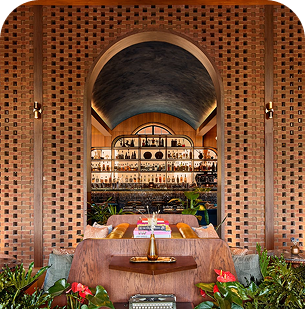

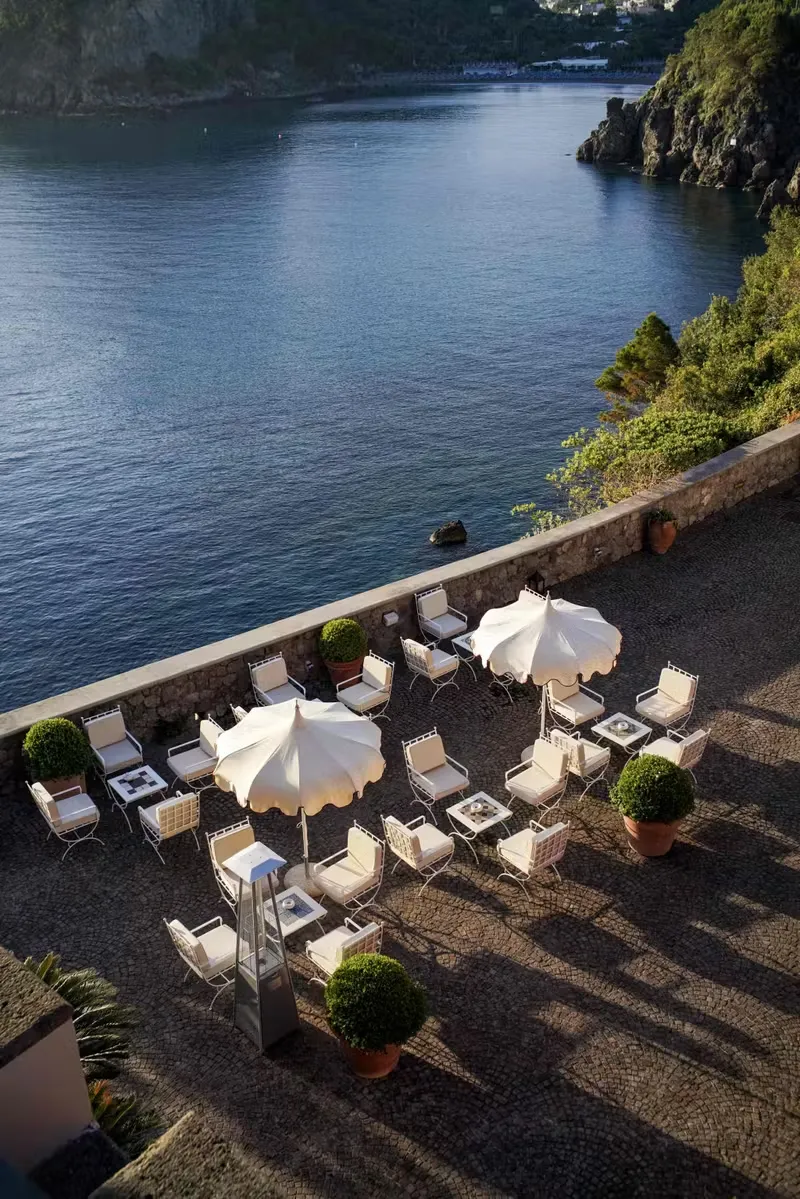

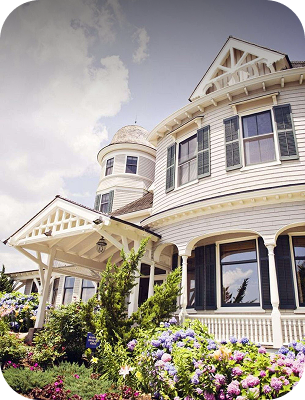

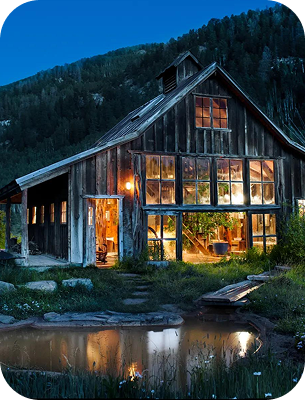

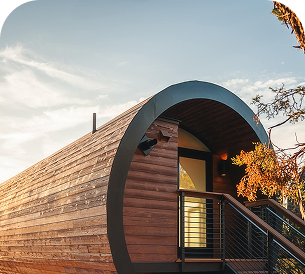

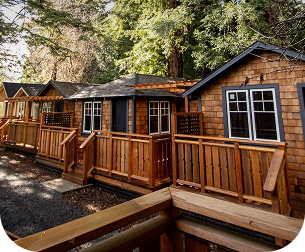

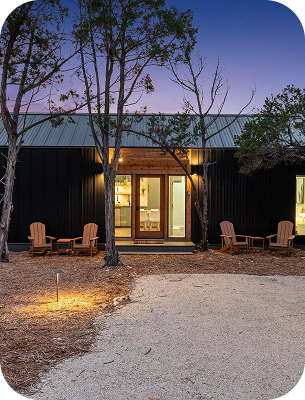

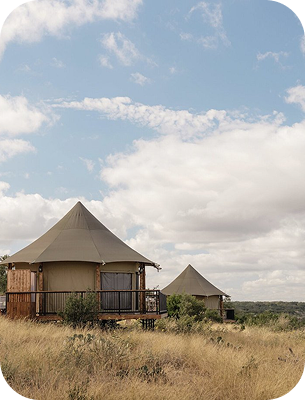

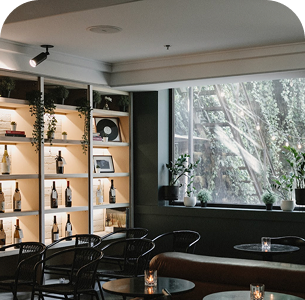

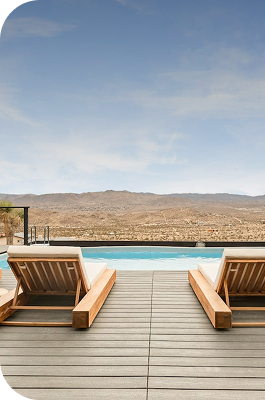

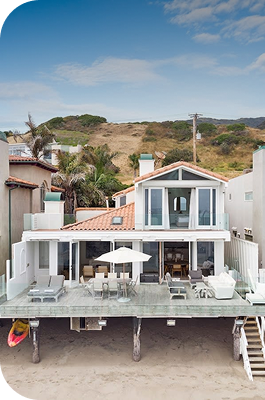

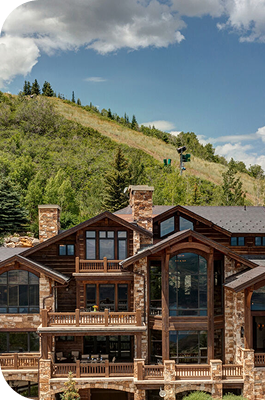

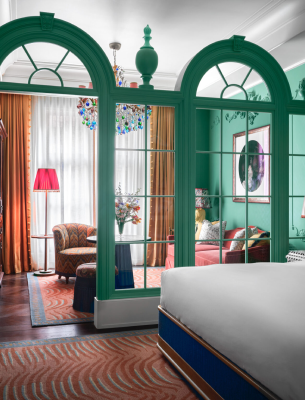

Journey connects travelers to a curated network of boutique hotels and distinctive residences around the world, all united under one rewards program. Explore handpicked stays for your trip while earning points, unlocking exclusive offers, and receiving rewards across the Journey collection.
Chula Vista occupies a broad coastal plain on the eastern shore of San Diego Bay, backed by gently rising hills that eventually give way to the rugged terrain of the Peninsular Ranges. The city stretches from the bayfront westward through established neighborhoods and newer master-planned communities, covering roughly 52 square miles. Its setting is distinctly Southern Californian: open skies, mild coastal air, and a landscape shaped by both the Pacific and the proximity to the international border just miles to the south.
Founded in the late 19th century as a lemon-growing community, Chula Vista takes its name from the Spanish for "beautiful view," a reference to the panoramic vistas across the bay toward Point Loma and the Pacific. The citrus industry gave way to suburban growth following World War II, and the city expanded rapidly through the latter decades of the 20th century. Today it is one of the most ethnically and culturally diverse cities in California, with a population that reflects deep roots in Mexico, the Philippines, and across Southeast Asia.
That diversity is the defining character of the city. Third Street in the western village district retains a small-town commercial charm, while the eastern neighborhoods showcase the planned communities and commercial corridors of modern suburban California. The culinary landscape is a direct expression of the population, with family-run taquerias, Filipino bakeries, and Vietnamese pho shops operating alongside newer farm-to-table concepts and craft breweries.
Chula Vista functions both as a self-contained destination and as a strategic base. The bayfront is undergoing a generational redevelopment that is reorienting the city toward the water, adding resort hotels, public green space, and cultural amenities that will cement its identity as a destination in its own right. For travelers, the city offers the infrastructure of a major urban area, genuine cultural texture, and immediate access to San Diego, Tijuana, and the broader Southern California coastline, all without the congestion or cost of more prominent addresses.

Chula Vista is a year-round destination, but the timing of a visit shapes the experience considerably. Fall, running from September through November, stands out as the most rewarding window for most travelers. Crowds are thinner than in peak summer, the bayfront and outdoor spaces are at their most enjoyable, and the city's parks and trails see steady but manageable use. The Chula Vista Elite Athlete Training Center is active through the fall competition season, giving visitors a better chance of catching athletes in full training mode.
Spring, from March through May, is a close second. The bayfront comes alive with activity as the weather warms, and the Living Coast Discovery Center is especially appealing for families during spring break and the weeks that follow. Cultural events and community festivals pick up across the city, and the dining scene along Third Avenue and in the diverse neighborhoods surrounding it is lively without the summer surge.
Summer draws the largest crowds, particularly in July and August, when San Diego Bay and nearby beaches see peak visitor numbers. Families dominate the bayfront and outdoor attractions, and accommodations book up faster given proximity to the broader San Diego tourism market. Travelers who prefer a quieter pace should plan around the summer peak or book well in advance.
Winter is the least visited season and offers genuine advantages for budget-conscious travelers and those who dislike crowds. Bayfront trails, Bayside Park, and the training center remain accessible and uncrowded. The proximity to the US-Mexico border makes winter an excellent time for day trips into Baja California, where visitor numbers are also lower. For travelers prioritizing value and space over peak-season energy, winter delivers a compelling case.
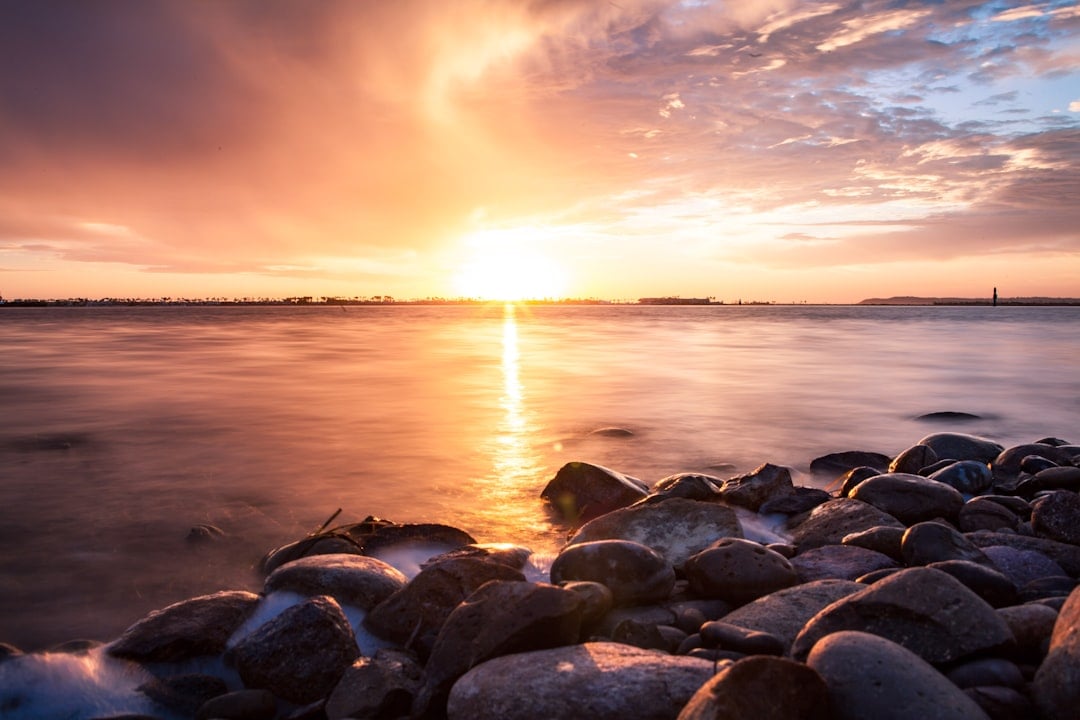
The bayfront is the city's most dramatic and evolving stretch, where 535 acres of San Diego Bay shoreline blend parkland, wildlife habitat, and emerging resort development. Bayside Park, kayak launches, and sweeping water views draw outdoor enthusiasts, while the new Gaylord Pacific Resort anchors a growing destination district. It is the clearest expression of Chula Vista's ambition and natural beauty.
Third Avenue is Chula Vista's historic downtown corridor, lined with locally owned shops, casual restaurants, and community gathering spaces that reflect the city's diverse population. Weekend foot traffic brings a neighborhood-market energy, and the street's modest, human-scale architecture gives it a character distinct from larger urban commercial strips. It is the social and civic heart of the city.
Eastlake is a master-planned community in the eastern hills of Chula Vista, known for its well-maintained parks, walking trails, and family-oriented atmosphere. The neighborhood surrounds a series of lakes and open green spaces that give it a quieter, resort-adjacent feel compared to the city's western districts. It is a popular base for travelers who prefer a suburban setting with easy freeway access.
Otay Ranch is one of the largest master-planned communities in California, anchored by a walkable town center with retail, dining, and entertainment options. The district has a youthful, active energy and serves as a commercial hub for the fast-growing eastern reaches of Chula Vista. Its proximity to the US-Mexico border crossing at Otay Mesa also makes it a natural gateway for cross-border day trips.
Southwest Chula Vista is the city's most culturally layered district, home to a dense concentration of Mexican, Filipino, and Vietnamese communities whose influence is felt most vividly in the neighborhood's taquerias, bakeries, and family-run restaurants. The area has a working-class authenticity and a lived-in warmth that rewards travelers who venture off the main tourist corridors. It is where the city's cross-border identity is most tangible.

Chula Vista earns its place on the Southern California map through a handful of experiences that simply cannot be replicated anywhere else in the region.
Training with Olympians at the Elite Athlete Training Center
The Chula Vista Elite Athlete Training Center is the crown jewel of the city's identity. As one of only two official US Olympic and Paralympic training sites in the country, the campus hosts elite athletes competing in archery, track and field, cycling, field hockey, and more. Public tours let visitors walk the grounds, observe live training sessions, and gain a behind-the-scenes perspective on what it takes to compete at the highest level. It is a rare and genuinely inspiring experience that no other Southern California city can offer.
Exploring the Bayfront Transformation
The Chula Vista Bayfront represents one of the most ambitious waterfront redevelopment projects on the West Coast. Spanning nearly 535 acres along San Diego Bay, the area blends natural habitat, public parks, marina access, and the landmark Gaylord Pacific Resort into a single cohesive destination. Walking or cycling the bayfront at golden hour, with the bay on one side and the emerging resort skyline on the other, captures a city in the middle of its own reinvention.
Crossing the Border via CBX
The Cross Border Xpress pedestrian bridge at Otay Mesa offers a genuinely unique travel experience: a direct, climate-controlled walkway between the United States and Tijuana International Airport. For travelers, it doubles as an easy gateway to an afternoon in Tijuana - street tacos, craft beer, art galleries, and one of Baja California's most vibrant urban cultures, all within 30 minutes of downtown Chula Vista.
Eating Through a Genuinely Diverse Food Culture
Chula Vista's dining scene is shaped by one of the most culturally layered populations in California. Authentic Mexican street food, Filipino comfort cooking, and Vietnamese noodle shops coexist within blocks of each other, offering a food tour that reflects the real character of the city rather than a curated version of it.
Chula Vista packs a surprising range of activities into one of Southern California's most dynamic and fast-growing cities. Whether you are drawn to open water, open trails, or a lively night out, the city delivers across nearly every category of travel interest.
Outdoor Recreation
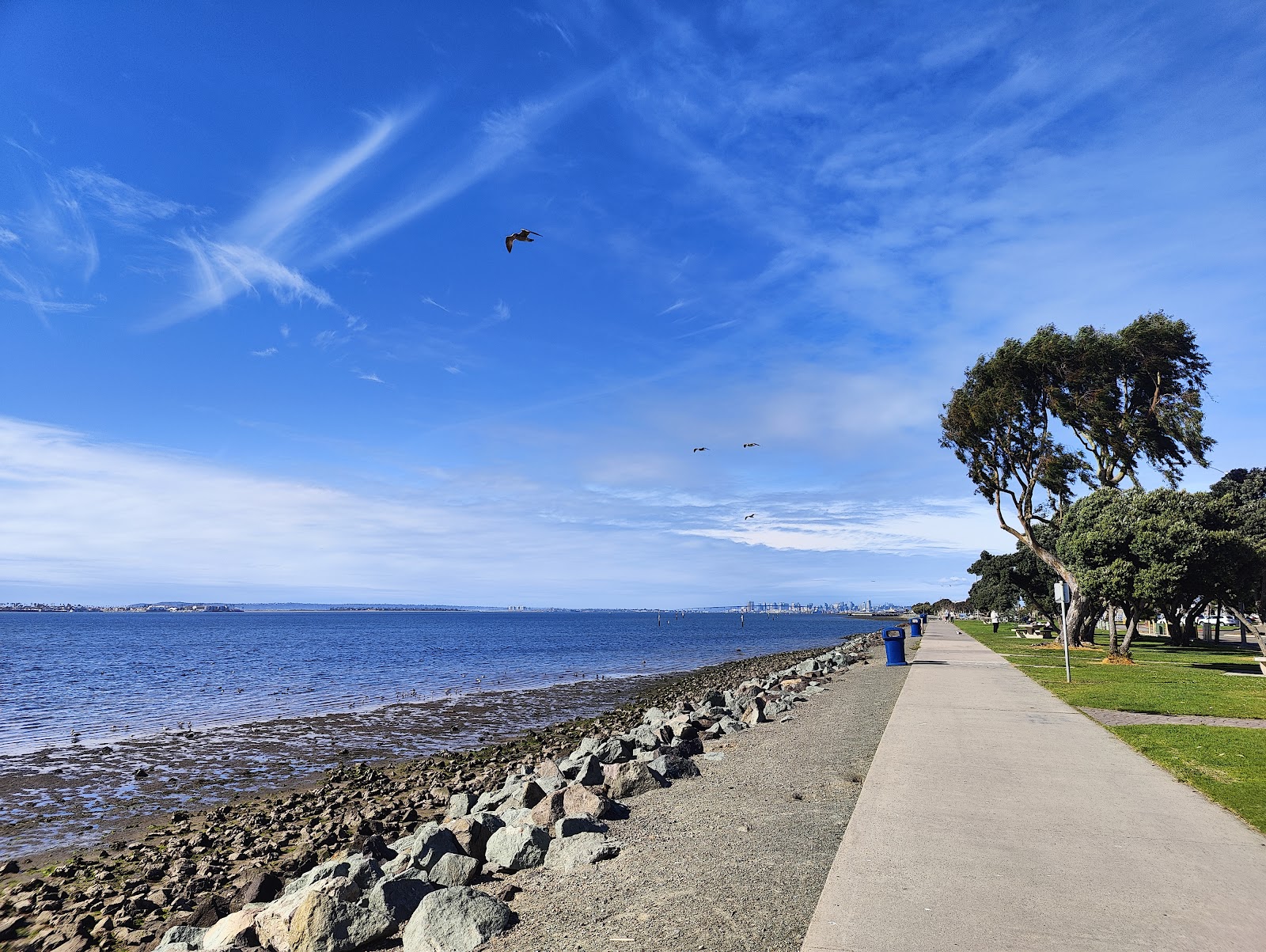
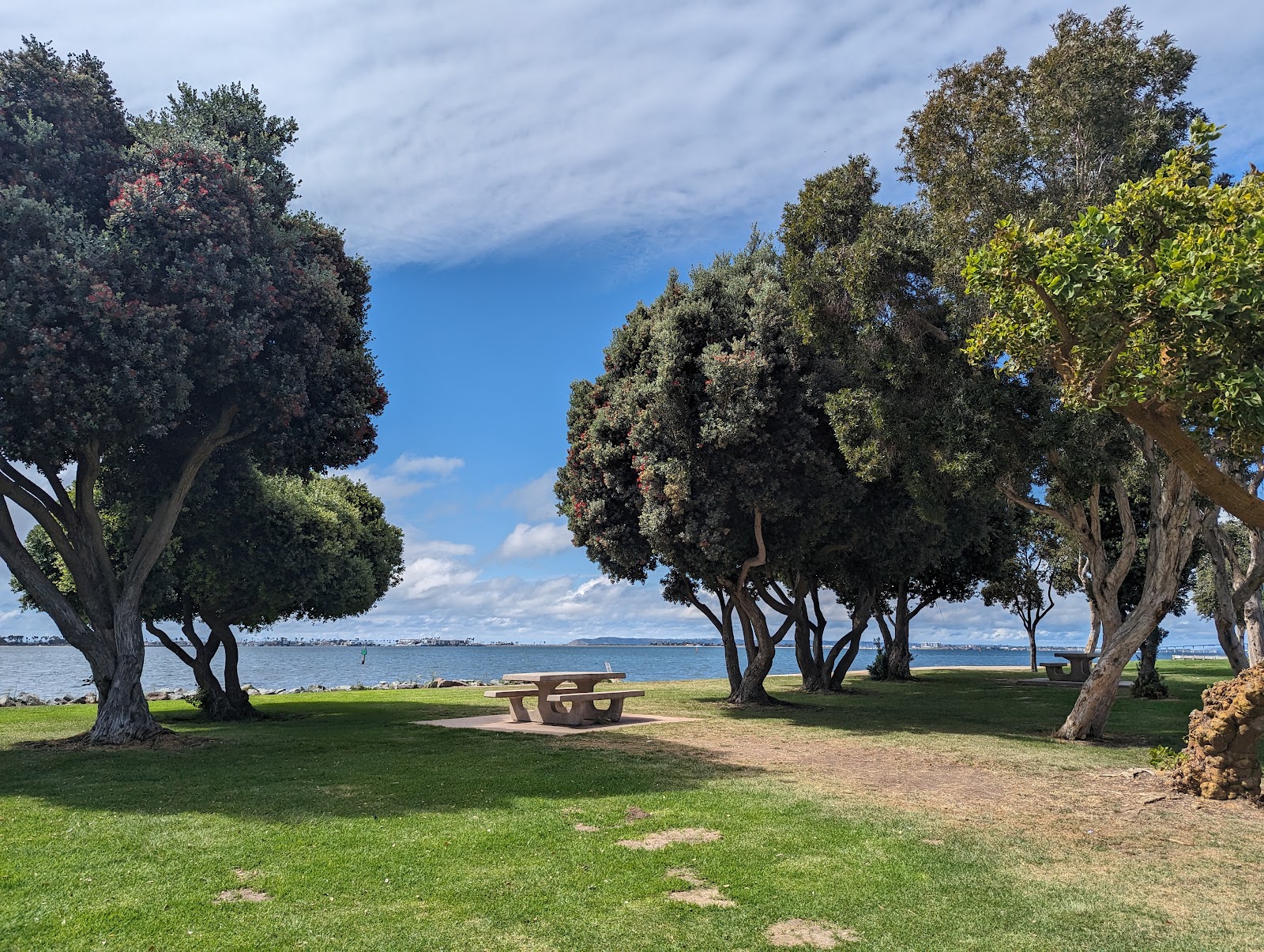
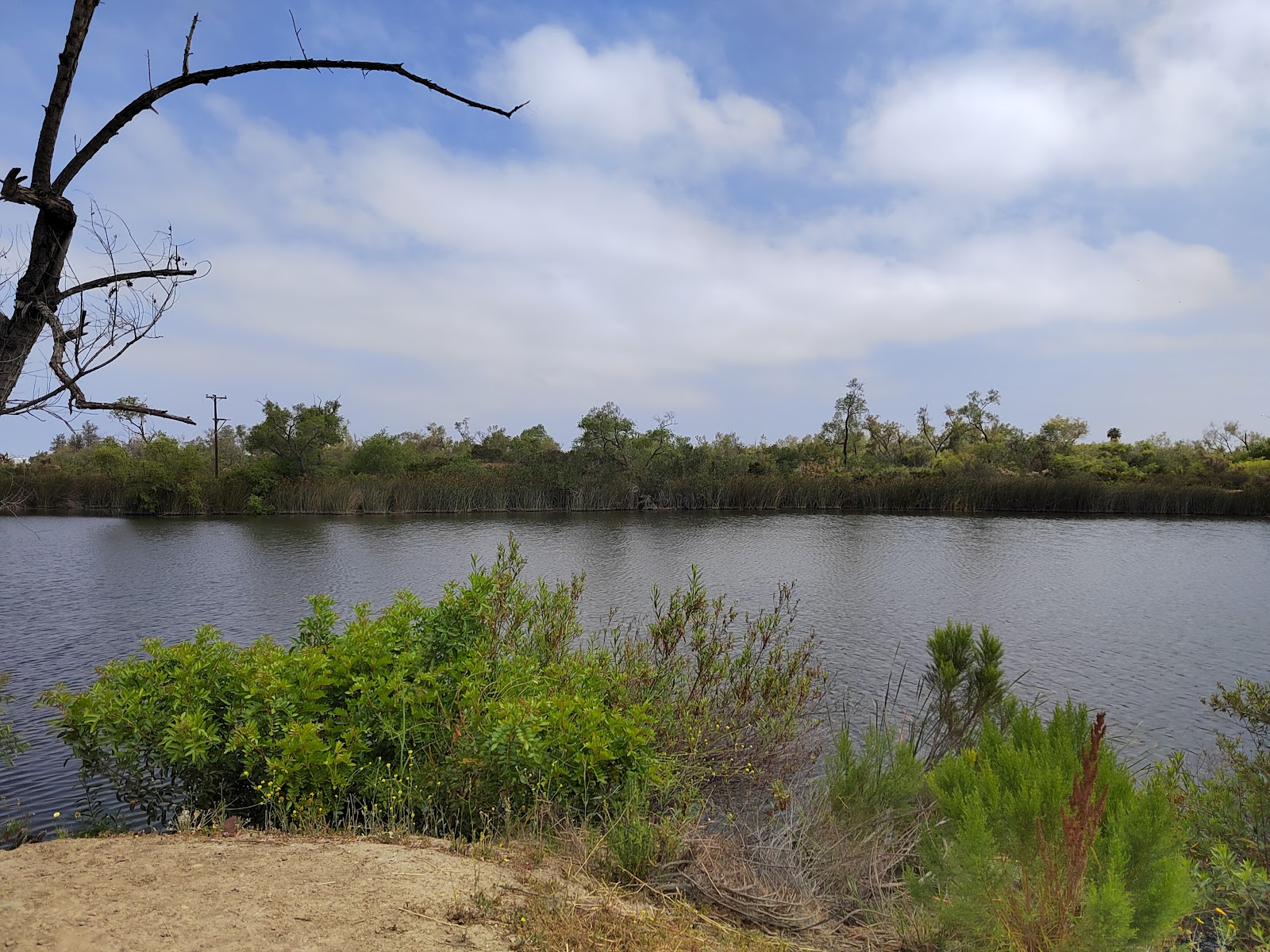
The Chula Vista Bayfront is the city's crown jewel for outdoor activity. Chula Vista Bayfront Park and Bayside Park stretch along the eastern shore of San Diego Bay, offering walking and cycling paths, kayak launches, and sweeping water views. Inland, Otay Valley Regional Park and Otay Open Space Preserve provide rugged trails through native coastal sage scrub, ideal for hikers and mountain bikers seeking a less-crowded alternative to more famous San Diego-area parks. Sweetwater Summit Regional Park and Rohr Park round out the options for families and picnickers looking for shaded green space.
Cultural Attractions and Scenic Exploration
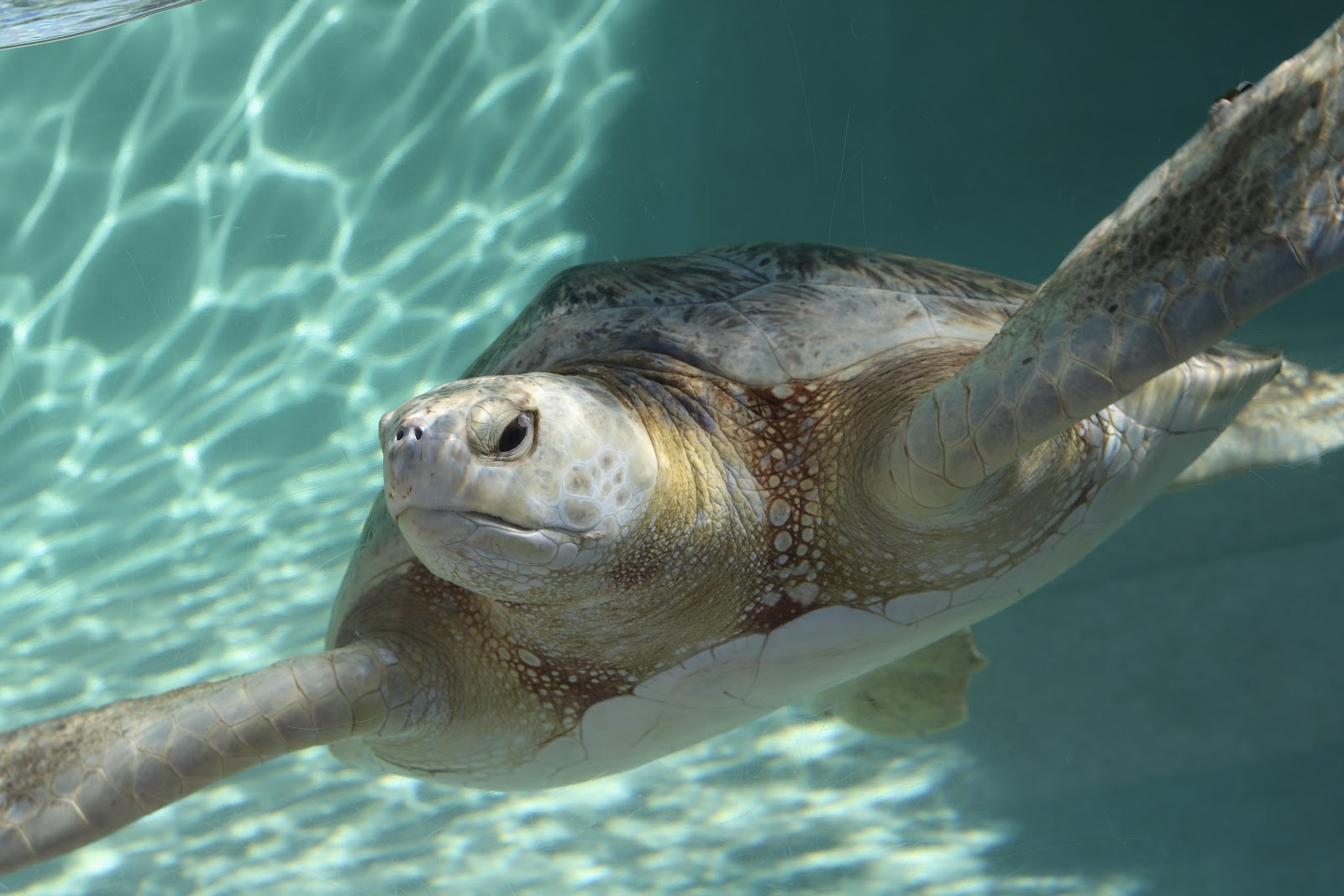
The Living Coast Discovery Center on the bayfront is a wildlife sanctuary and aquarium that connects visitors with native Southern California species, from sea turtles to birds of prey. The Chula Vista Elite Athlete Training Center offers public tours of one of the most impressive Olympic and Paralympic training campuses in the country. For a cross-border cultural experience, the Cross Border Xpress (CBX) pedestrian bridge at San Diego connects directly to Tijuana International Airport and serves as a fascinating gateway to Baja California.
Arts, Entertainment, and Family Fun
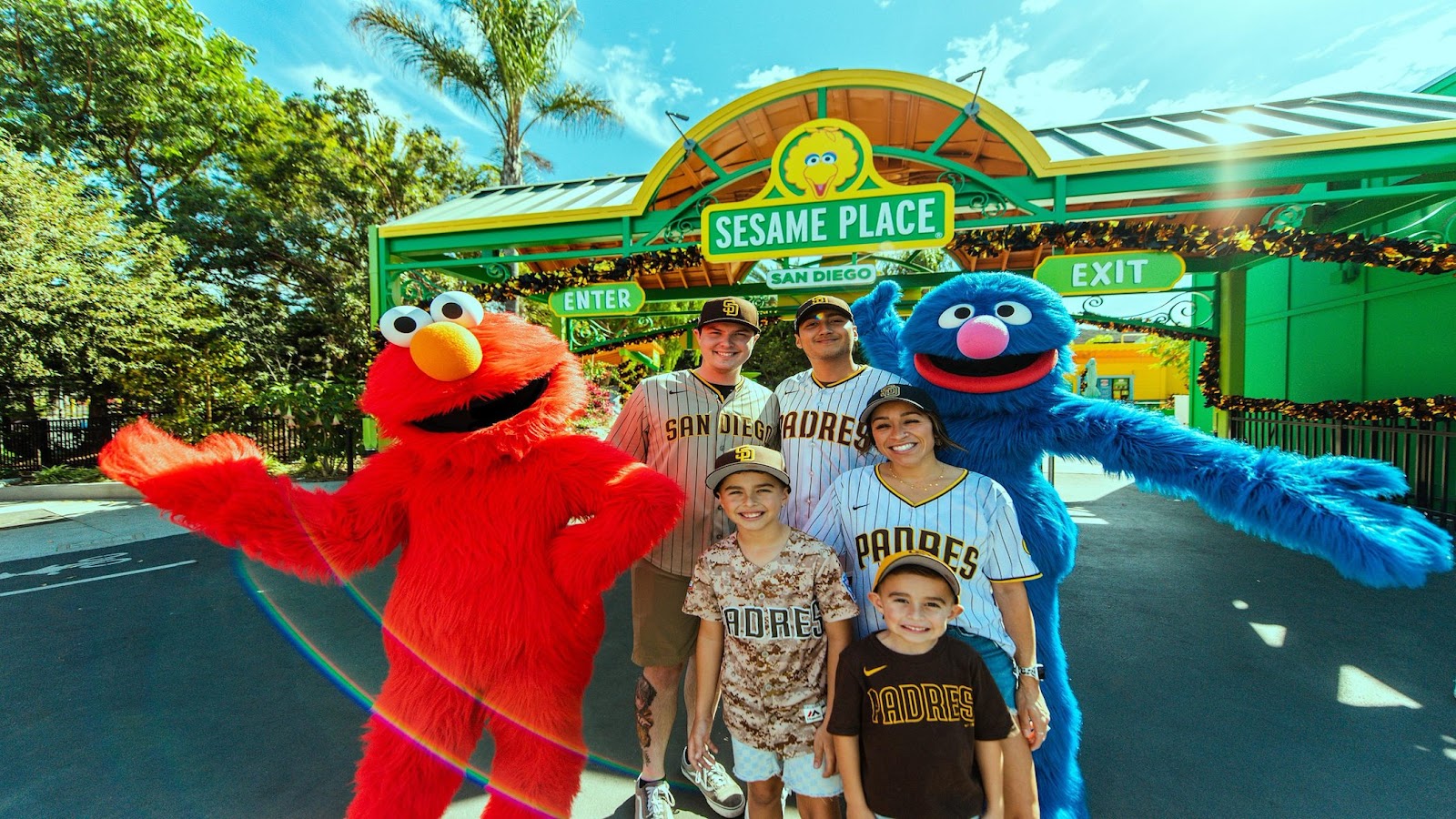
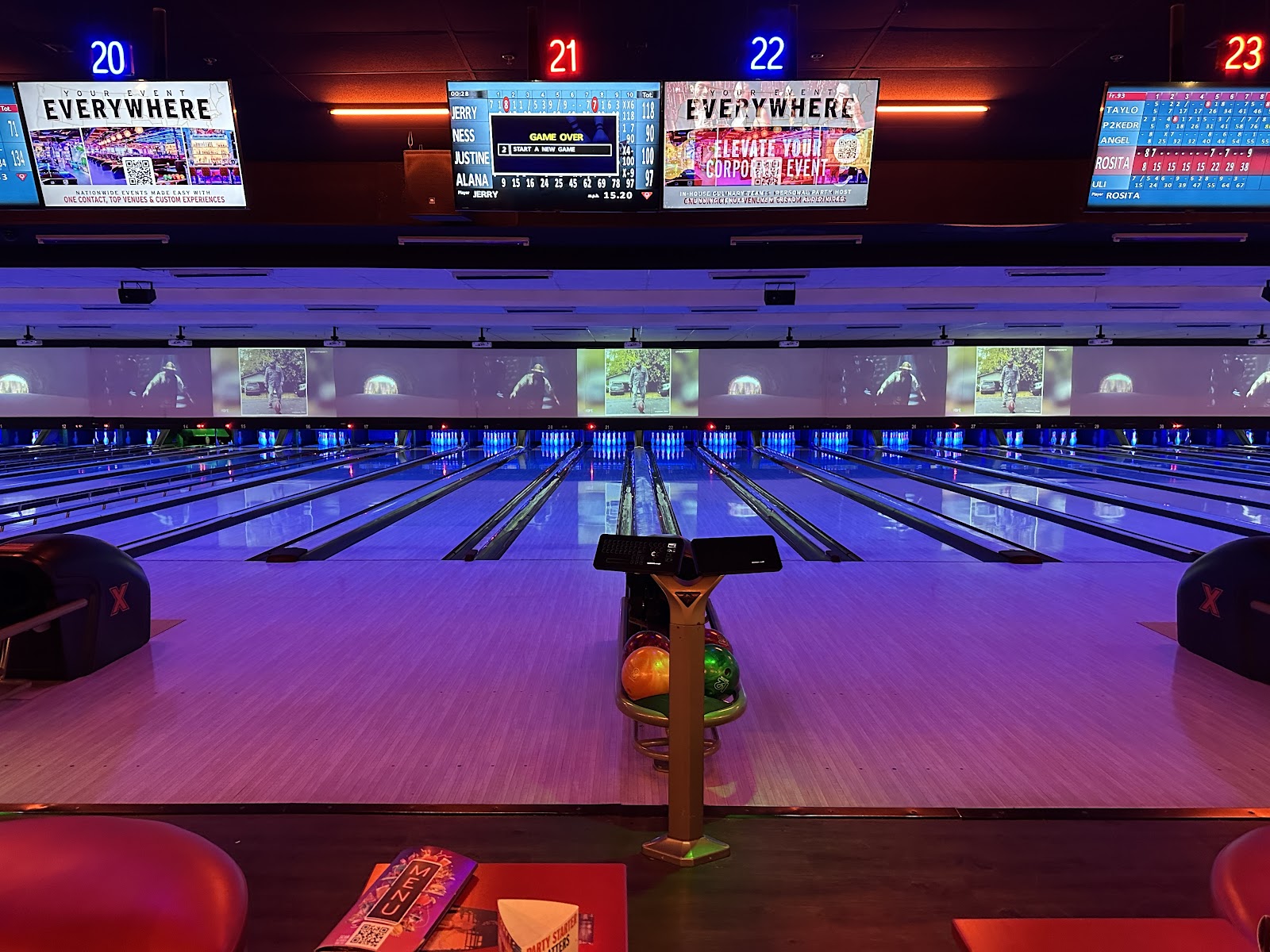
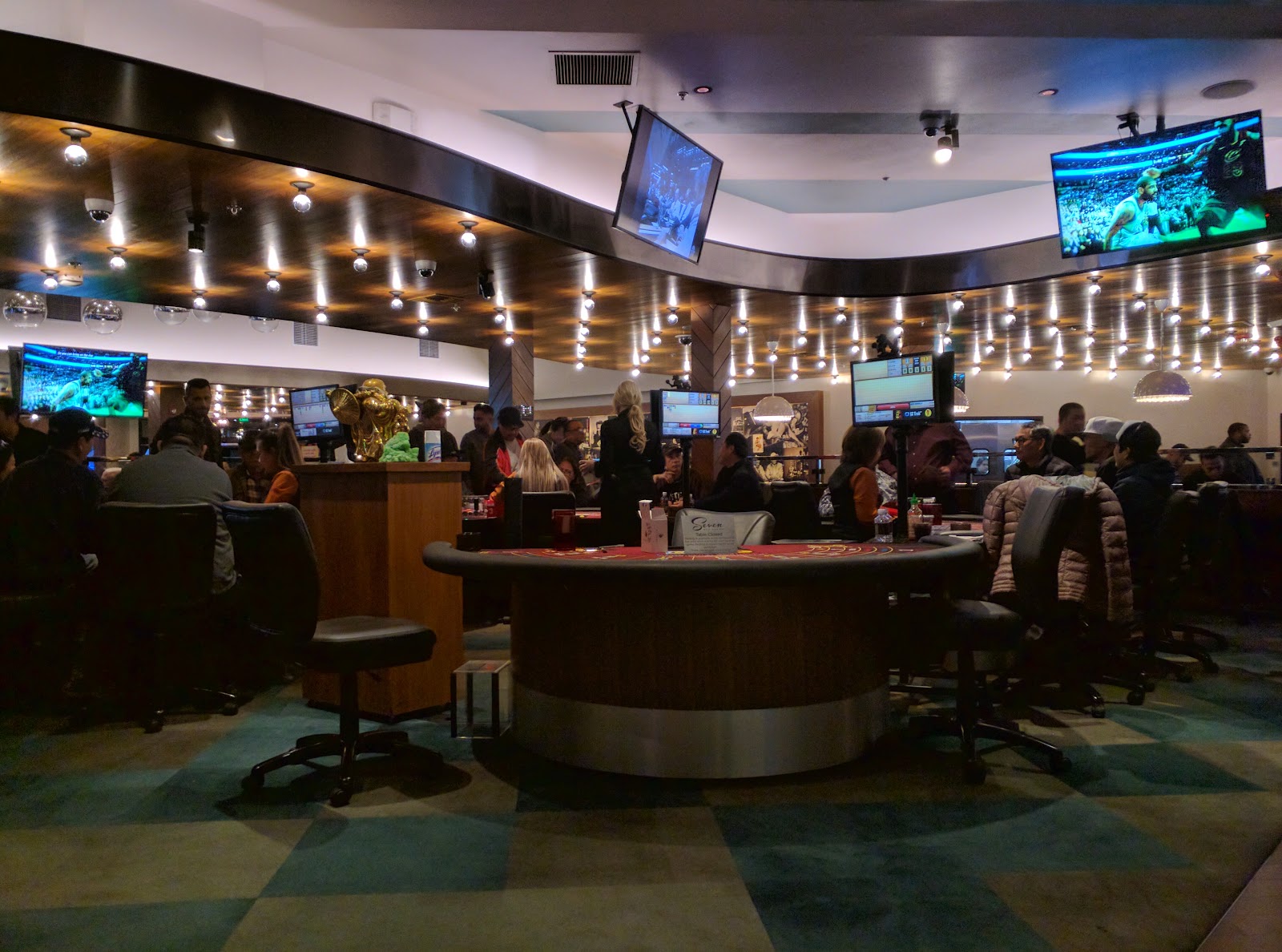
Sesame Place San Diego brings a full theme park experience to the city, catering to families with young children. Lucky Strike Chula Vista offers upscale bowling and entertainment, while Seven Mile Casino provides gaming and live entertainment. Sky Zone Trampoline Park is a favorite for active families and groups.
Food and Dining
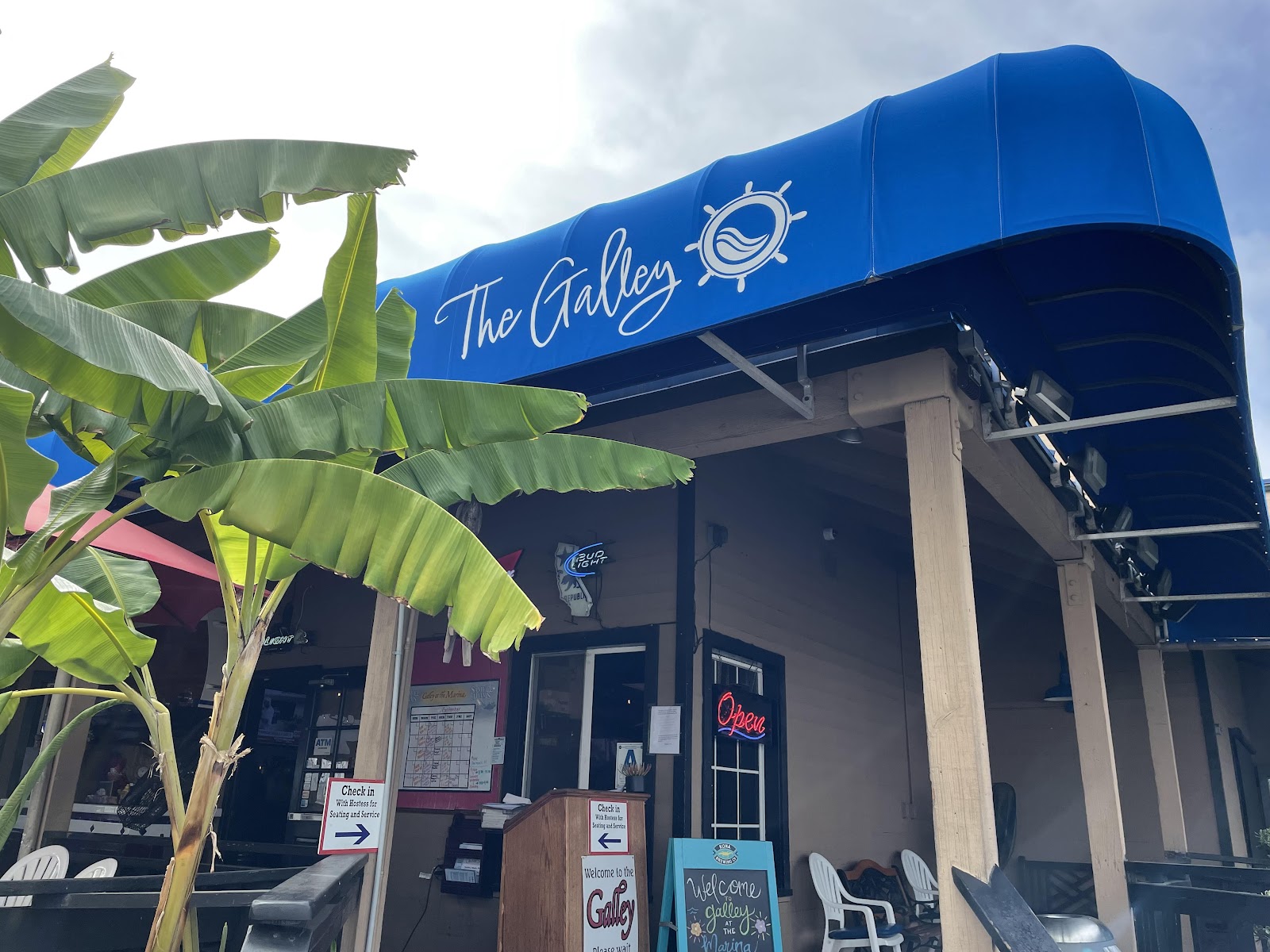
Chula Vista's dining scene is one of its most underrated assets. A diverse population fuels a rich mix of authentic Mexican taquerias, Filipino eateries, and Vietnamese restaurants concentrated along Third Avenue and surrounding neighborhoods. The Galley on the bayfront adds a waterfront dining option to the mix.
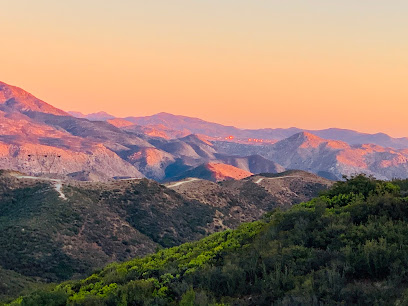
Otay Open Space Preserve Hiking, biking & horseback riding in a protected zone of rugged hills & valleys with rare plants.
Chula Vista's cultural calendar is shaped by its position as a major concert destination, its cross-border heritage, and its growing identity as a regional events hub. The city's outdoor amphitheater draws some of the biggest touring acts in the country from late spring through early fall, turning summer into a season of live music that pulses through the entire community.

Sep 18, 2026
Oct 2, 2026

Oct 10, 2026
Chula Vista's dining scene is one of the most underrated in the San Diego metropolitan area, shaped by the city's proximity to the Mexican border and its large, multigenerational immigrant communities. The result is a food culture that is diverse, affordable, and rooted in genuine culinary tradition rather than trend-chasing.
By Air
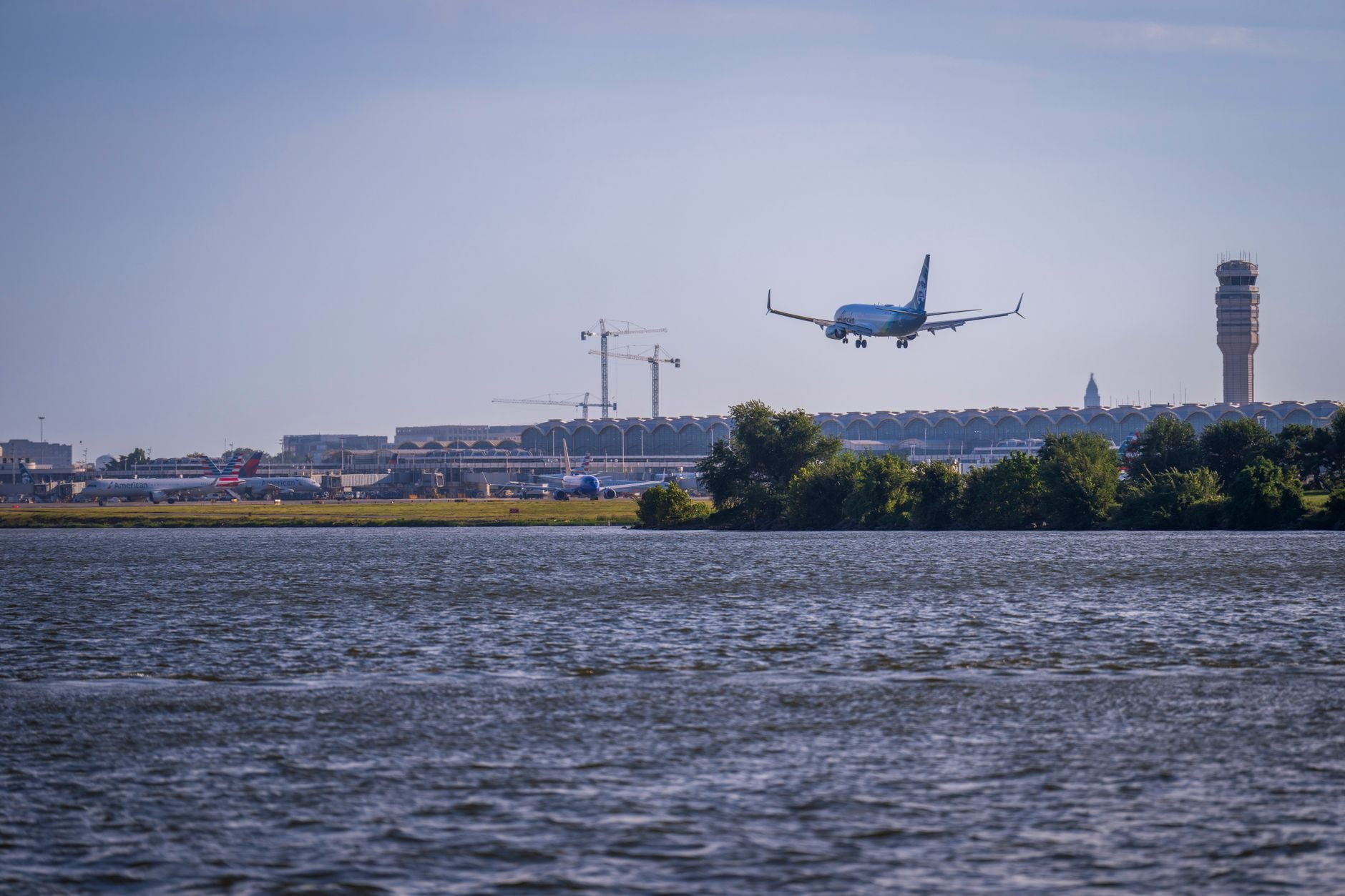
San Diego International Airport (SAN) is the closest and most convenient airport, about 10 to 15 miles north of Chula Vista. From the airport, rideshare, rental car, or the MTS Bus Route 992 connecting to the trolley system are all practical options.
By Car
Interstate 5 and Interstate 805 both run directly through Chula Vista, making it straightforward to reach from anywhere in the San Diego metro or from Los Angeles via I-5 south. Budget about two to two-and-a-half hours from LA under normal traffic conditions.
By Train
Amtrak's Pacific Surfliner stops at Chula Vista station, offering a scenic and stress-free connection from Los Angeles, Orange County, and Santa Barbara. It is a comfortable alternative to driving for travelers coming from Southern California cities.
By Trolley
The San Diego Trolley Blue Line connects Chula Vista to downtown San Diego and the San Ysidro border crossing, making it a convenient car-free option for travelers already in the metro area. Trolleys run frequently and are an affordable way to arrive without dealing with parking.
By Car
A rental car gives you the most flexibility for reaching attractions spread across the city, including the Elite Athlete Training Center and eastern Chula Vista neighborhoods. Parking is generally free or low-cost compared to downtown San Diego.
By Trolley
The San Diego Trolley Blue Line is a reliable and affordable option for moving between Chula Vista, downtown San Diego, and the border. It is especially useful for day trips north into the city when you want to avoid traffic and parking fees.
By Rideshare
Uber and Lyft operate throughout Chula Vista with consistent availability. Rideshare is a practical choice for evenings out or for reaching destinations not well served by the trolley.
On Foot or By Bike
The Third Avenue Village corridor and the bayfront are the most walkable and bikeable areas in the city. Flat waterfront paths make cycling along the bay an easy and enjoyable way to cover ground without a car.
Chula Vista is a generally safe and visitor-friendly city, but as with any urban area, stay aware of your surroundings in less-trafficked areas at night. If you plan to cross into Mexico at San Ysidro or Otay Mesa, bring a valid passport and budget extra time for return border wait times, which can run one to two hours or more, especially on weekends. Check current wait times using the CBP One app or the US Customs and Border Protection website before heading to the crossing.
Tipping follows standard US norms: 18 to 20 percent at restaurants and a few dollars for rideshare or delivery. Many local Mexican and Filipino restaurants are cash-friendly, so carrying some cash is useful. Download the Pronto app if you plan to use the San Diego Trolley regularly, as it streamlines fare payment. Book tours at the Elite Athlete Training Center in advance, as availability is limited.
Two to three days is enough to explore Chula Vista comfortably. Spend one day at the Chula Vista Bayfront, including Bayside Park and the Living Coast Discovery Center, and another visiting the Elite Athlete Training Center. A third day works well for day trips to downtown San Diego or across the border into Mexico.
Chula Vista is best known for the Chula Vista Elite Athlete Training Center, one of the top Olympic and Paralympic training facilities in the United States. It is also recognized for its bayfront development along San Diego Bay, its diverse dining scene spanning Mexican, Filipino, and Vietnamese cuisines, and its position as the second-largest city in the San Diego metro area.
Yes, Chula Vista is well suited to a weekend trip. Two days is enough to cover the main highlights, including the bayfront, the Elite Athlete Training Center, and the local dining scene. Its location just minutes from downtown San Diego and the US-Mexico border also makes it easy to extend the trip in either direction.
Chula Vista is notably more affordable than downtown San Diego. Hotels, dining, and everyday costs run lower, and the city's best attractions, including the bayfront parks and the Elite Athlete Training Center tours, are low-cost or free. It is a practical base for travelers who want access to the San Diego region without paying San Diego prices.
Spring and fall offer the most pleasant weather, with mild temperatures and fewer crowds than peak summer. Summer is warm and busy, particularly around the bayfront, while winters are mild and rarely disruptive for travel.