
Baltimore, MD
A Journey guide to
Fremont is one of the Bay Area's most underestimated cities, a sprawling East Bay destination that balances Silicon Valley proximity with genuine historical depth and natural beauty. It is home to Mission San Jose, one of California's original 21 Spanish missions, and the Niles District, a Victorian-era neighborhood that once served as a center of early American silent filmmaking. Travelers who look past the surface find a city with real layers.
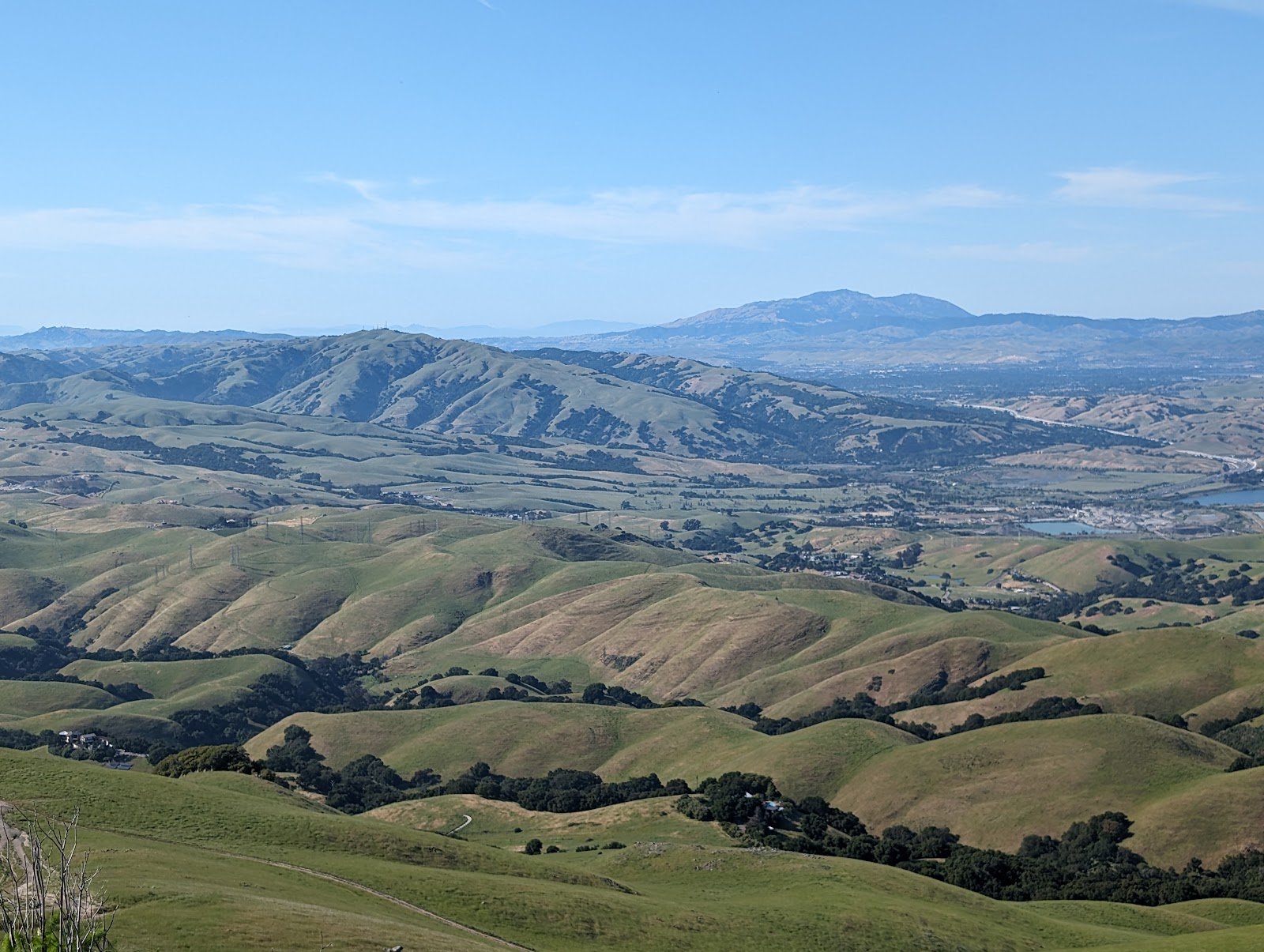
The city draws outdoor enthusiasts with remarkable consistency. The Ohlone Wilderness Trail cuts through the hills above Fremont, offering backcountry hiking within the urban Bay Area. Coyote Hills Regional Park preserves ancient shellmounds and tule marshes along the bay's edge, providing wildlife viewing and cycling routes that feel far removed from the surrounding suburbs. Lake Elizabeth in Central Park anchors the city's recreational core.
Fremont is one of the most ethnically diverse cities in the United States, with a particularly prominent Afghan-American community, one of the largest outside of Afghanistan itself. This cultural richness is reflected in the city's restaurant scene, where South Asian, Afghan, and East Asian cuisines are represented at an exceptional level. The Centerville and Irvington districts each carry their own neighborhood character and dining identity.
The city also holds a quiet but significant place in modern industry. Tesla's primary vehicle manufacturing plant is located in Fremont, continuing a legacy of advanced manufacturing that dates to the NUMMI facility that preceded it. Travelers with an interest in innovation, history, and natural access in equal measure will find Fremont a compelling and genuinely rewarding base in the East Bay.
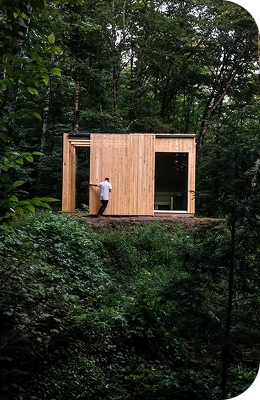

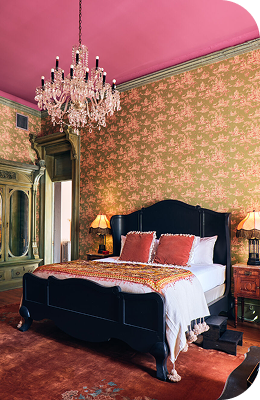

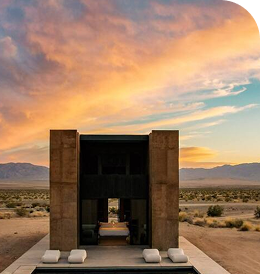

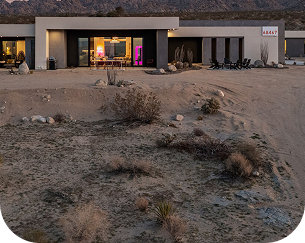

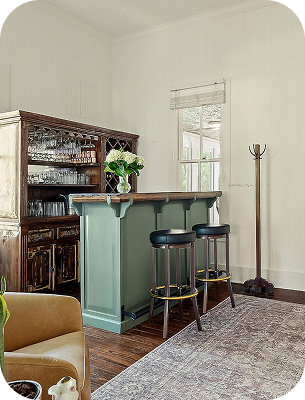

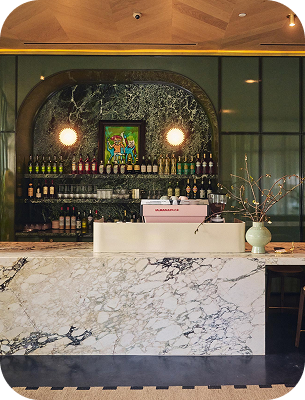

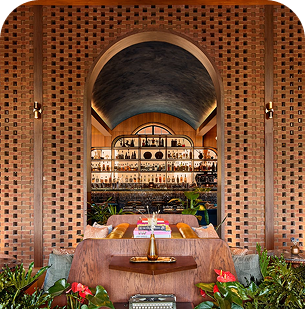

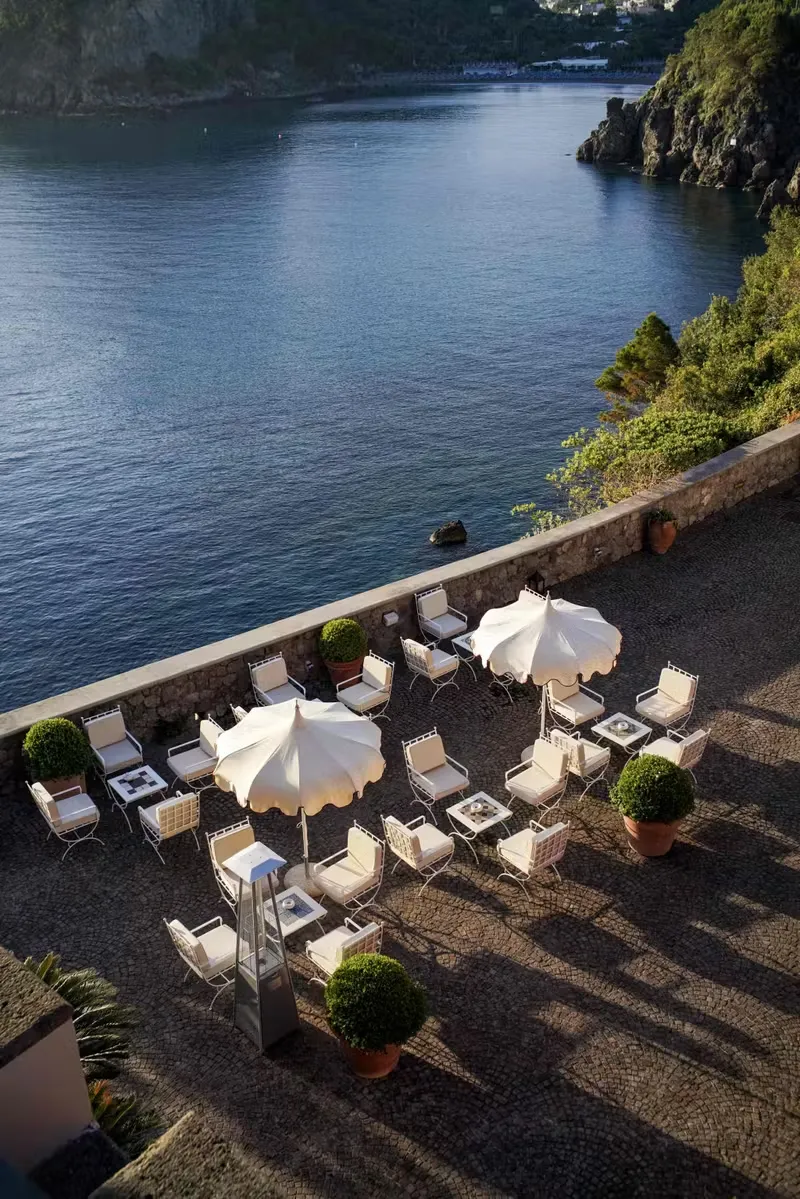

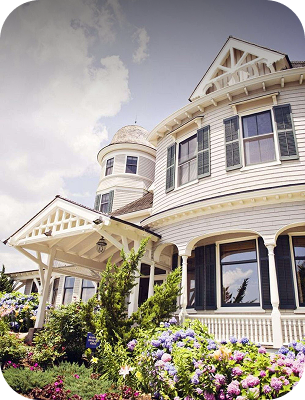

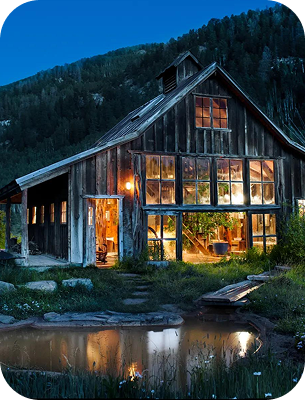

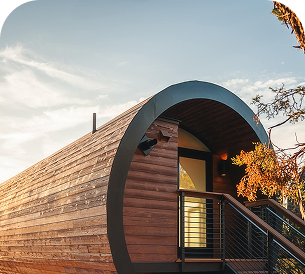

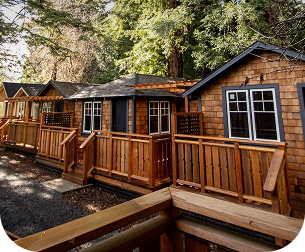

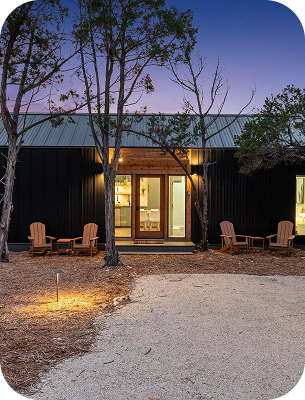

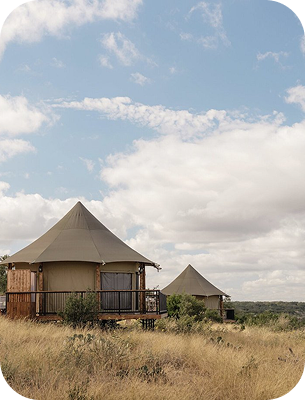

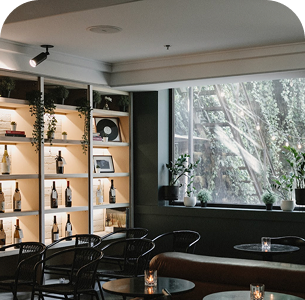

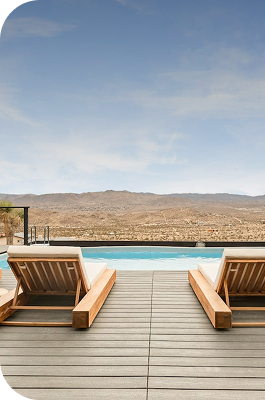

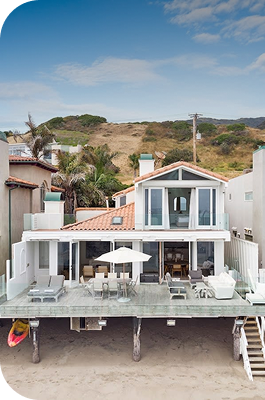

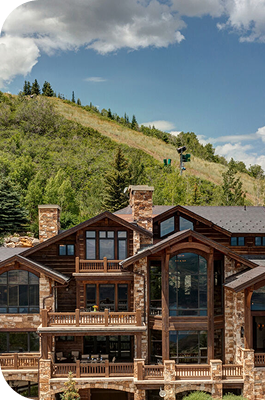
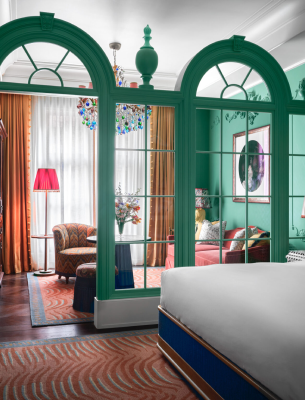
Journey connects travelers to a curated network of boutique hotels and distinctive residences around the world, all united under one rewards program. Explore handpicked stays for your trip while earning points, unlocking exclusive offers, and receiving rewards across the Journey collection.
Fremont sits at the southern end of the East Bay, occupying a broad stretch of flatlands and foothills between San Francisco Bay and the Diablo Range. It is the fourth-largest city in California by area and one of the most populous in the Bay Area, yet it carries none of the density or noise of San Francisco or San Jose. Instead, Fremont presents itself as a city of distinct neighborhoods, each with its own identity, stitched together by open space corridors and a shared geography that opens toward the water on one side and rises into protected wilderness on the other.
The city was formally incorporated in 1956 through the consolidation of five smaller communities: Centerville, Niles, Irvington, Mission San Jose, and Warm Springs. That origin story explains much about Fremont's character today. There is no single downtown in the traditional sense; instead, several historic cores each retain traces of their independent pasts. The Niles District is perhaps the most evocative, with its antique shops, creek-side setting, and connection to the early Essanay Film Company, which produced Charlie Chaplin's earliest comedies on location here.
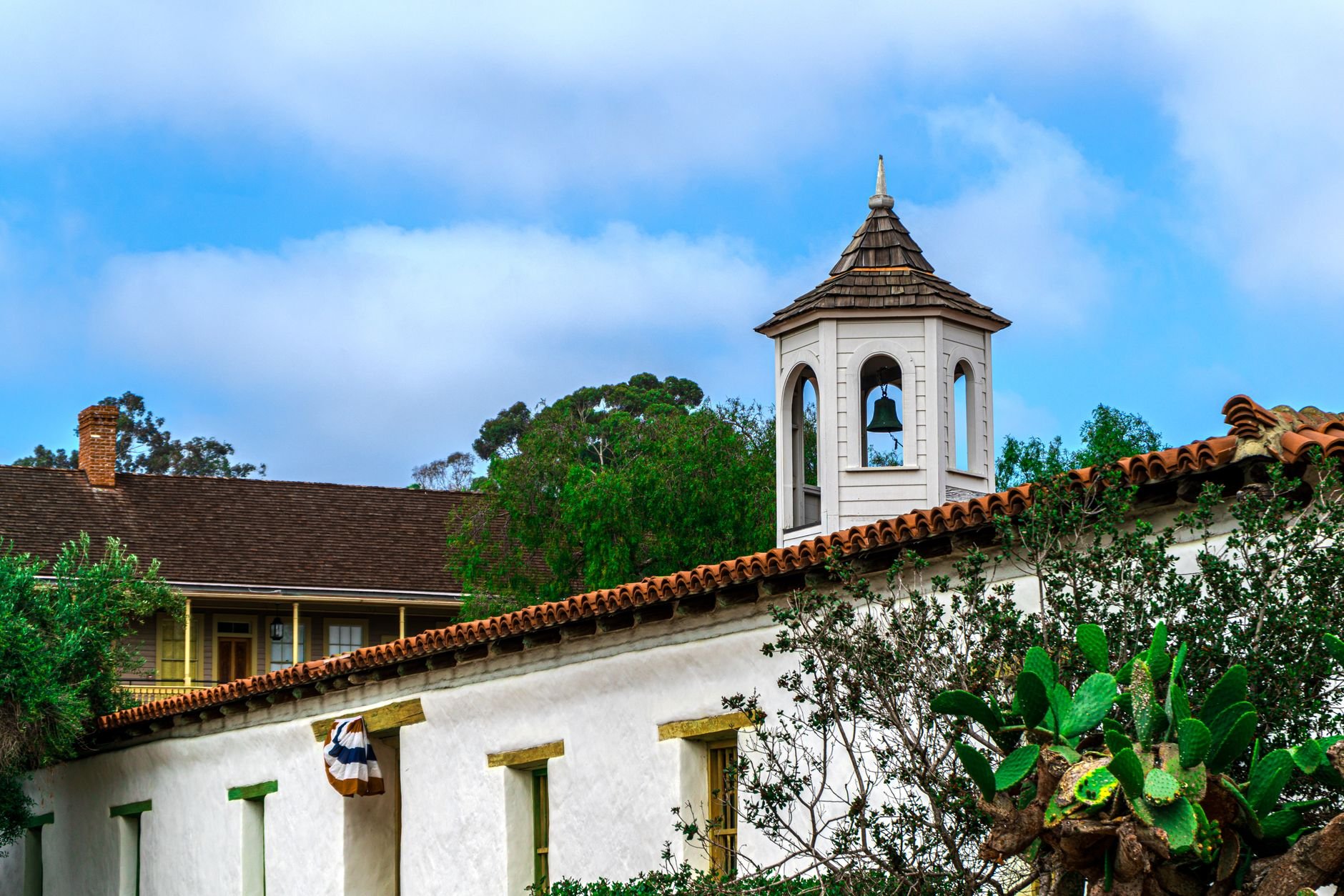
The Mission San Jose neighborhood anchors the city's Spanish colonial heritage. The reconstructed mission church, originally founded in 1797, remains an active parish and a significant historical landmark. The adjacent museum offers one of the more thorough accounts of California's mission period available anywhere in the state.
Fremont's position within the Bay Area gives it a dual identity. It is a working city with a strong manufacturing and technology employment base, and it is also a gateway to some of the region's finest natural areas. The Ohlone Regional Wilderness, accessible from the Sunol-Ohlone trailhead above the city, is among the most remote and rewarding backcountry experiences reachable by day trip from any major Bay Area hub. That combination of history, cultural diversity, industrial significance, and outdoor access defines Fremont's appeal as a destination.
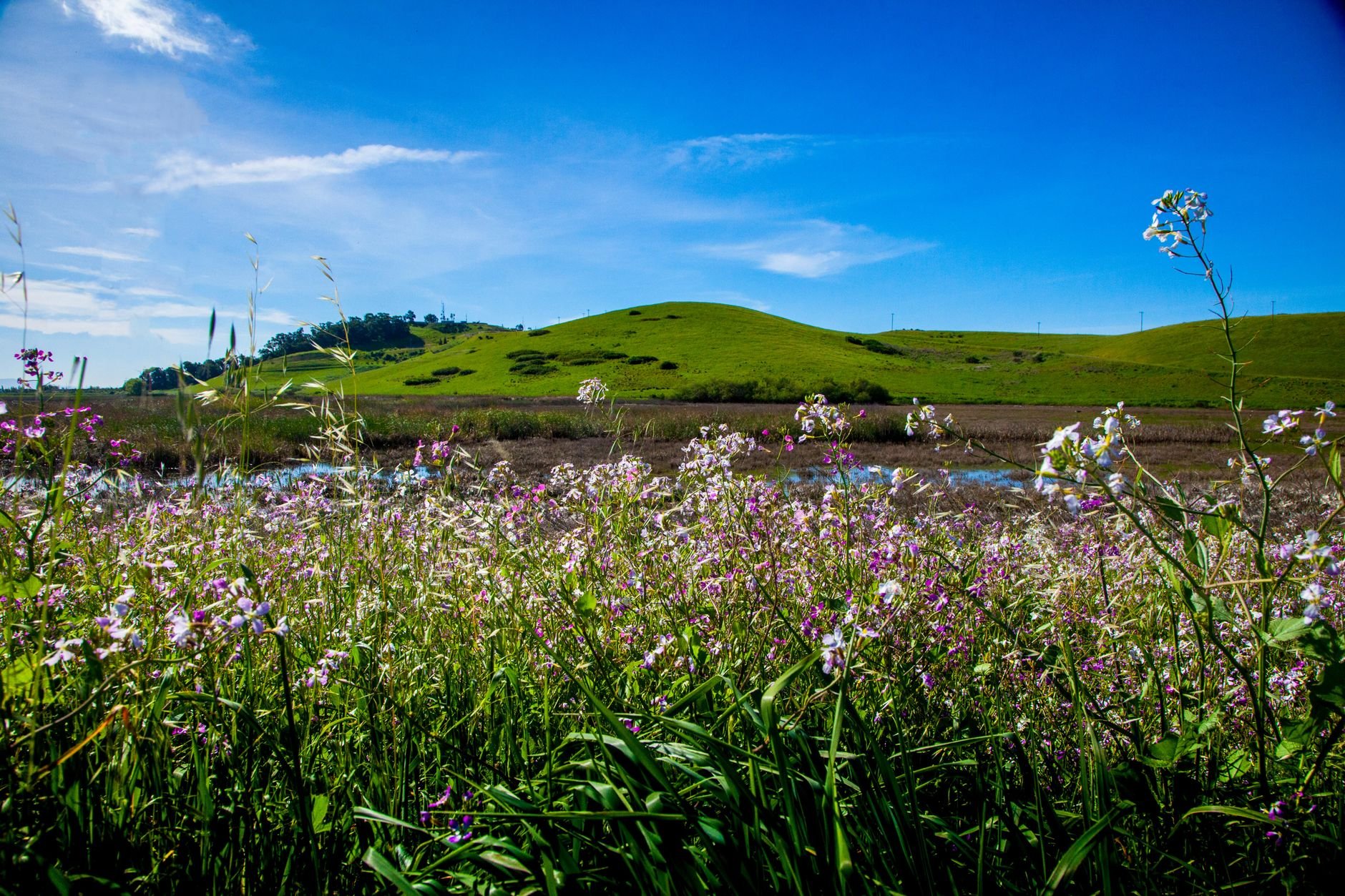
Spring and fall are the strongest windows for visiting Fremont, each offering distinct advantages depending on what a traveler is after. Late March through May brings the East Bay hills to life, with wildflowers covering the slopes above the Ohlone Wilderness Trail and Coyote Hills Regional Park at their most scenic. Crowds remain manageable during spring, and the regional parks and trails are far less congested than they will be during summer weekends. This is also an ideal period for exploring the Niles District and Mission San Jose without the heat that can settle over the area later in the year.
Fall, particularly September through October, delivers some of Fremont's most reliable and pleasant conditions. The dry season holds firm, outdoor access is excellent, and the city's cultural calendar picks up after summer. This window is well suited for cycling the bay-edge trails at Coyote Hills, visiting the historic Niles Canyon, and exploring Fremont's diverse restaurant scene in the Centerville and Irvington districts without summer's peak demand.
Summer draws families to Lake Elizabeth and the regional parks, and the dry conditions make trail access straightforward. However, popular outdoor areas see heavier use on weekends, and accommodations can tighten as Bay Area residents take local trips. Travelers who do visit in summer benefit from long daylight hours and a full calendar of community events.
Winter is the quietest season for tourism in Fremont. The regional parks see far fewer visitors, making it a genuinely rewarding time for solitude on the Ohlone Wilderness Trail. Cultural sites such as Mission San Jose are easy to explore without crowds, and the city's South Asian and Afghan dining scene is enjoyable year-round regardless of season.
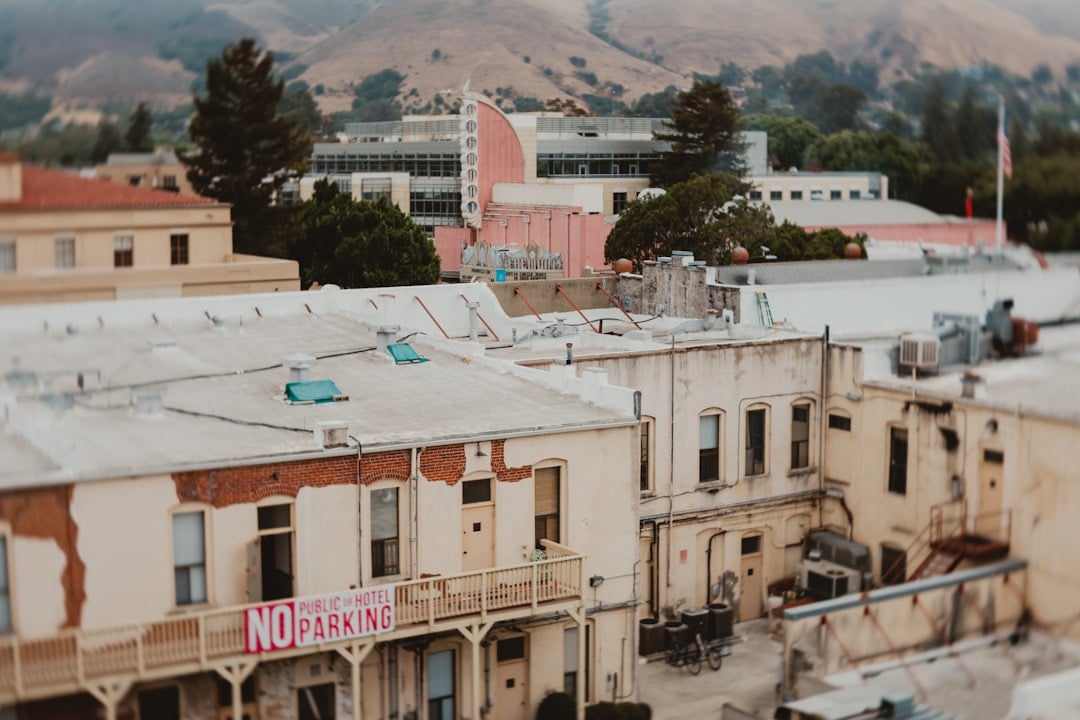
Niles is Fremont's most charming historic enclave, a walkable Victorian-era main street lined with antique shops, independent cafes, and early 20th-century architecture. It served as a hub of silent-film production in the 1910s and retains a nostalgic, small-town character that stands apart from the rest of the Bay Area. The Niles Essanay Silent Film Museum draws history buffs, while weekend farmers markets and creek-side trails give the area year-round appeal.
Anchored by one of California's original Spanish missions, this district carries a quiet, historic gravitas that rewards slow exploration. The mission itself dates to 1797 and sits alongside a small museum and preserved adobe structures that tell the story of early California. Tree-lined residential streets and a handful of local restaurants make it a pleasant base for travelers interested in heritage and architecture.
Irvington is one of Fremont's most culturally layered neighborhoods, defined by its dense concentration of South Asian and Afghan-owned businesses, restaurants, and grocery stores. Washington Boulevard forms the commercial spine, offering everything from Hyderabadi biryani to Afghan bolani alongside everyday neighborhood life. It is the best single street in Fremont for understanding the city's remarkable ethnic diversity.
Centerville is one of Fremont's original town centers, now a lively mixed-use neighborhood with a strong local dining scene and active community character. Mowry Avenue and Fremont Boulevard intersect here to form a corridor of family-owned restaurants, bakeries, and small businesses representing the city's diverse population. The district has a lived-in, unpretentious energy that reflects everyday Fremont more honestly than anywhere else.
Warm Springs sits at Fremont's southern edge, a rapidly evolving neighborhood anchored by its BART station and proximity to Tesla's manufacturing plant. New mixed-use development has brought modern apartments, cafes, and retail to what was once a quiet industrial corridor. It represents the forward-looking side of Fremont, where Silicon Valley's influence on urban growth is most visibly on display.
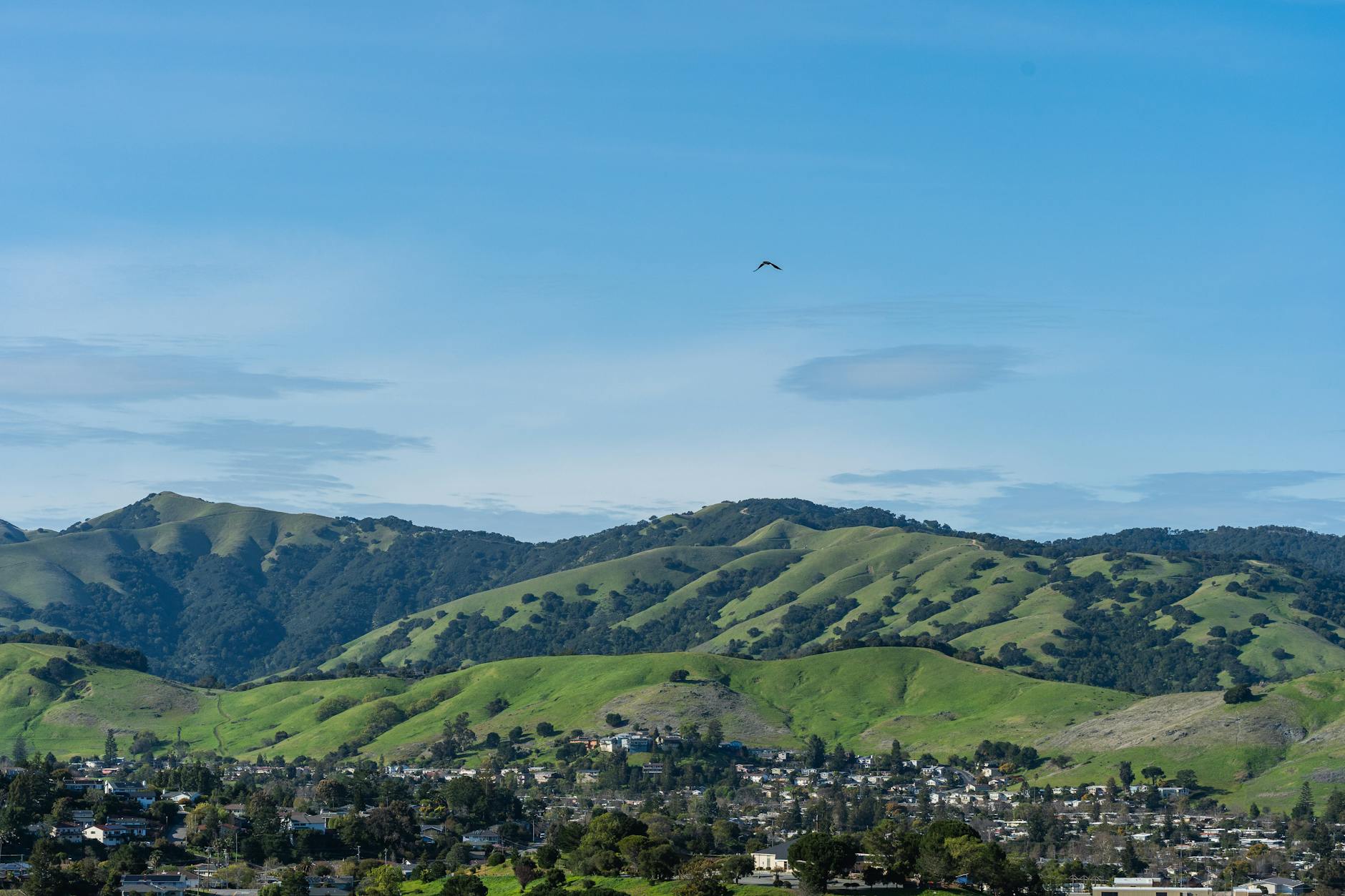
Fremont's signature experiences are rooted in its geography, history, and cultural identity - a combination found nowhere else in the Bay Area.
Summiting Mission Peak
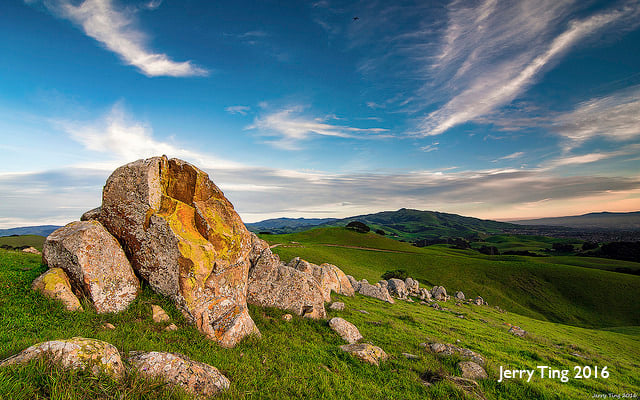
The hike to the top of Mission Peak is Fremont's defining outdoor challenge. The 6-mile round trip gains over 2,100 feet of elevation and culminates at a summit pole that has become one of the Bay Area's most photographed landmarks. On clear days, the panorama stretches across the entire bay to San Francisco and beyond. It is a rite of passage for Bay Area hikers and the experience most closely associated with Fremont in the regional imagination.
Exploring the Niles District
The Niles District is one of the Bay Area's most charming and historically significant neighborhoods. In the 1910s, it served as a center of American silent film production, with Charlie Chaplin among those who worked here. Today the district retains its Victorian streetscape and is home to antique shops, the Niles Essanay Silent Film Museum, and a beloved annual silent film festival. Walking its streets is a genuine step back into early California history.
Experiencing Fremont's Afghan and South Asian Culture
Fremont is home to one of the largest Afghan-American communities outside of Afghanistan itself, and the cultural presence is vivid and welcoming. Restaurants along Fremont Boulevard and in the Centerville district serve authentic Afghan cuisine including qabuli pulao, mantu dumplings, and freshly baked naan. South Asian sweets shops, grocery markets, and cultural centers add further depth. Eating your way through this neighborhood is one of the most genuinely distinctive travel experiences in the entire Bay Area.
Wildlife Refuge Exploration at Don Edwards
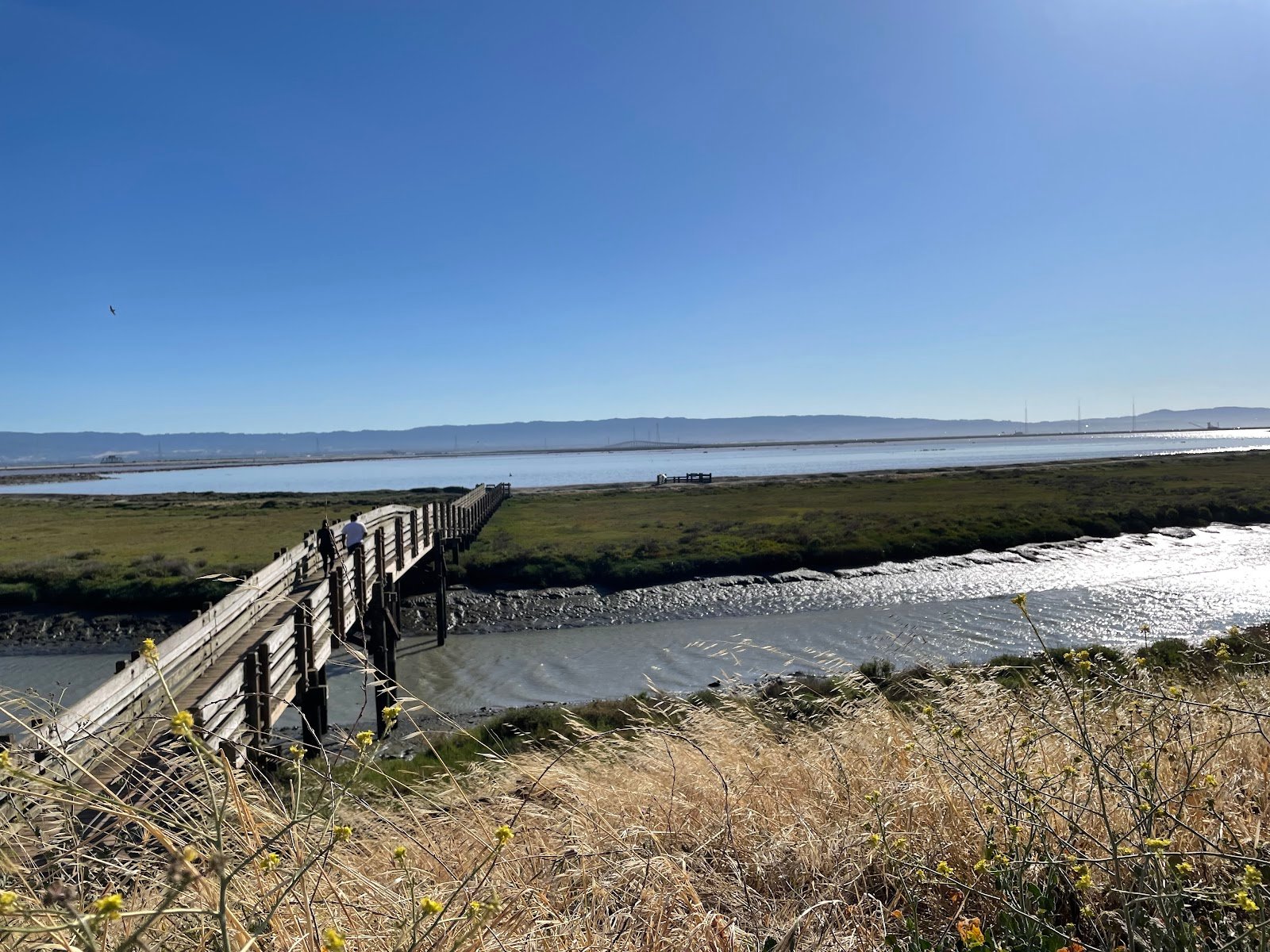
The Don Edwards San Francisco Bay National Wildlife Refuge offers a rare chance to experience the bay's natural edge - tidal flats, salt marshes, and open water - within a major metropolitan area. The refuge is a critical stop on the Pacific Flyway and one of the best urban birding destinations on the West Coast.
Fremont offers a surprisingly diverse range of activities for travelers, from rugged backcountry trails to cultural landmarks and a vibrant dining scene rooted in the city's remarkable ethnic diversity.
Outdoor Recreation
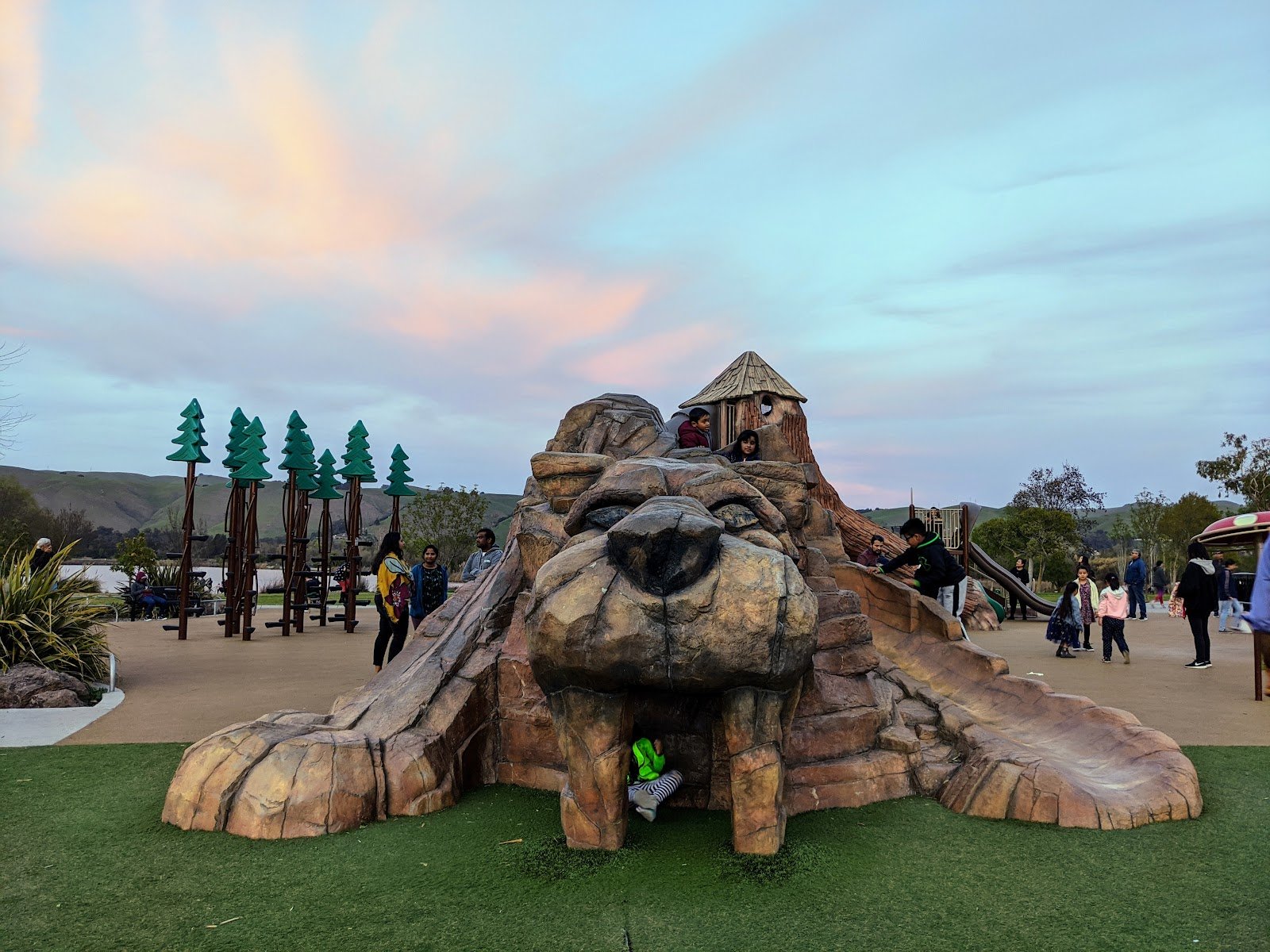
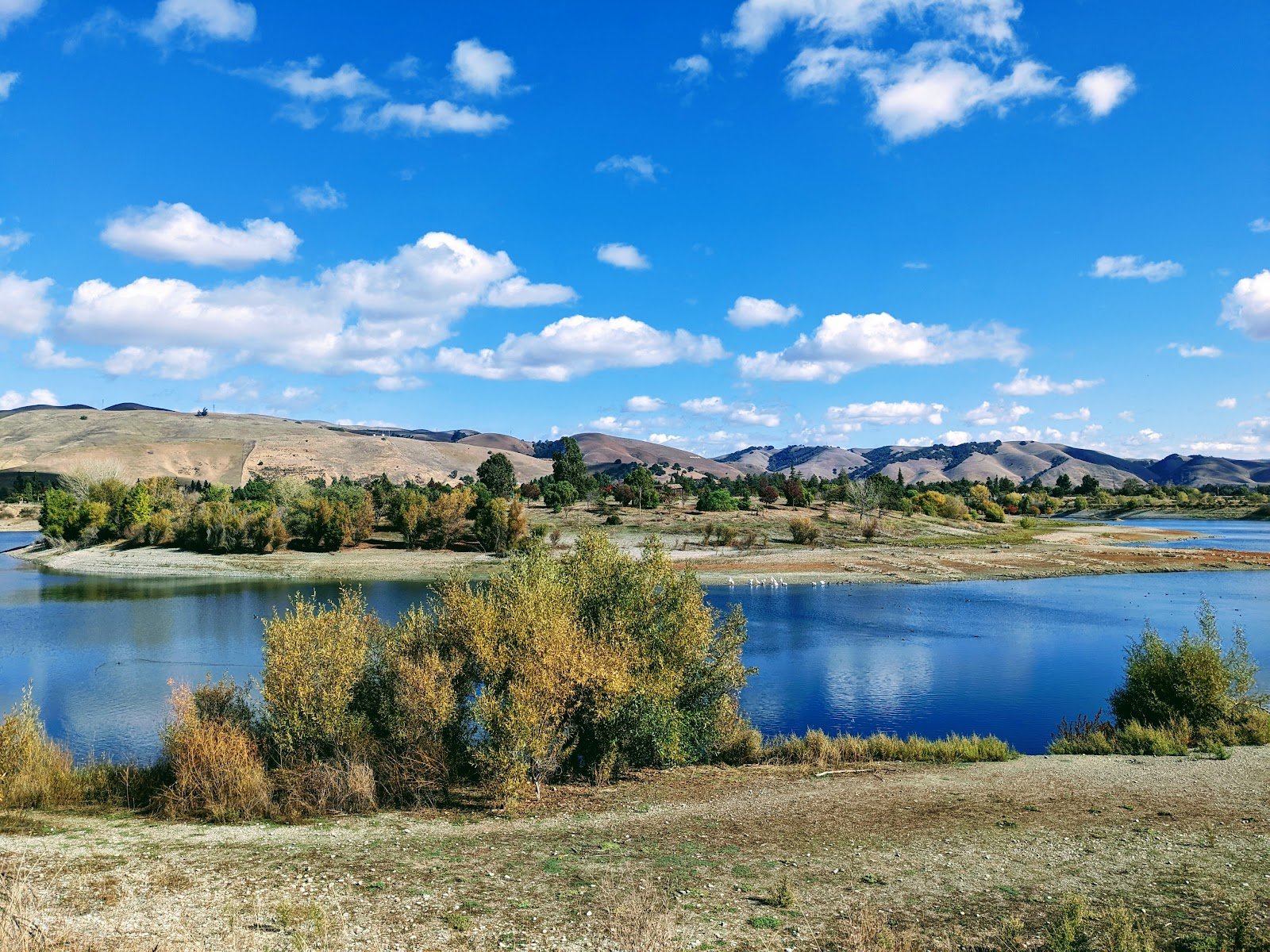
The hills and shoreline surrounding Fremont make it a natural playground for hikers, cyclists, and wildlife watchers. Mission Peak Regional Preserve is the city's most iconic outdoor destination, drawing thousands of hikers to its summit for sweeping Bay Area views. The Ohlone Wilderness Trail extends deep into the hills for those seeking longer backcountry routes. Don Edwards San Francisco Bay National Wildlife Refuge protects tule marshes and mudflats along the bay's edge, offering excellent birding and easy walking trails. Coyote Hills Regional Park and Quarry Lakes Regional Recreation Area round out the options for cyclists and casual walkers. Central Park anchors the city's recreational core with Lake Elizabeth, picnic areas, and the Aqua Adventure Water Park for families.
Cultural Attractions
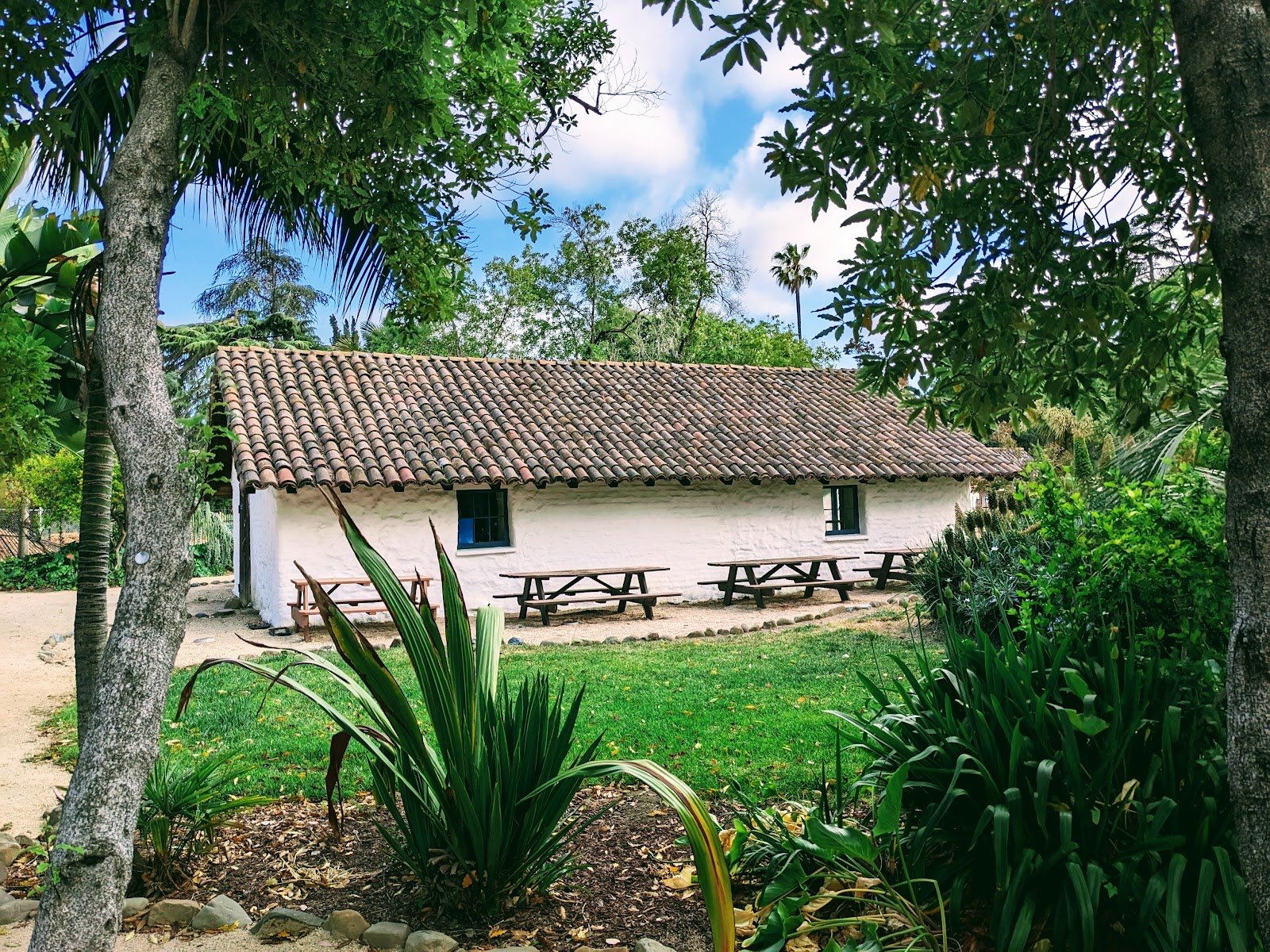
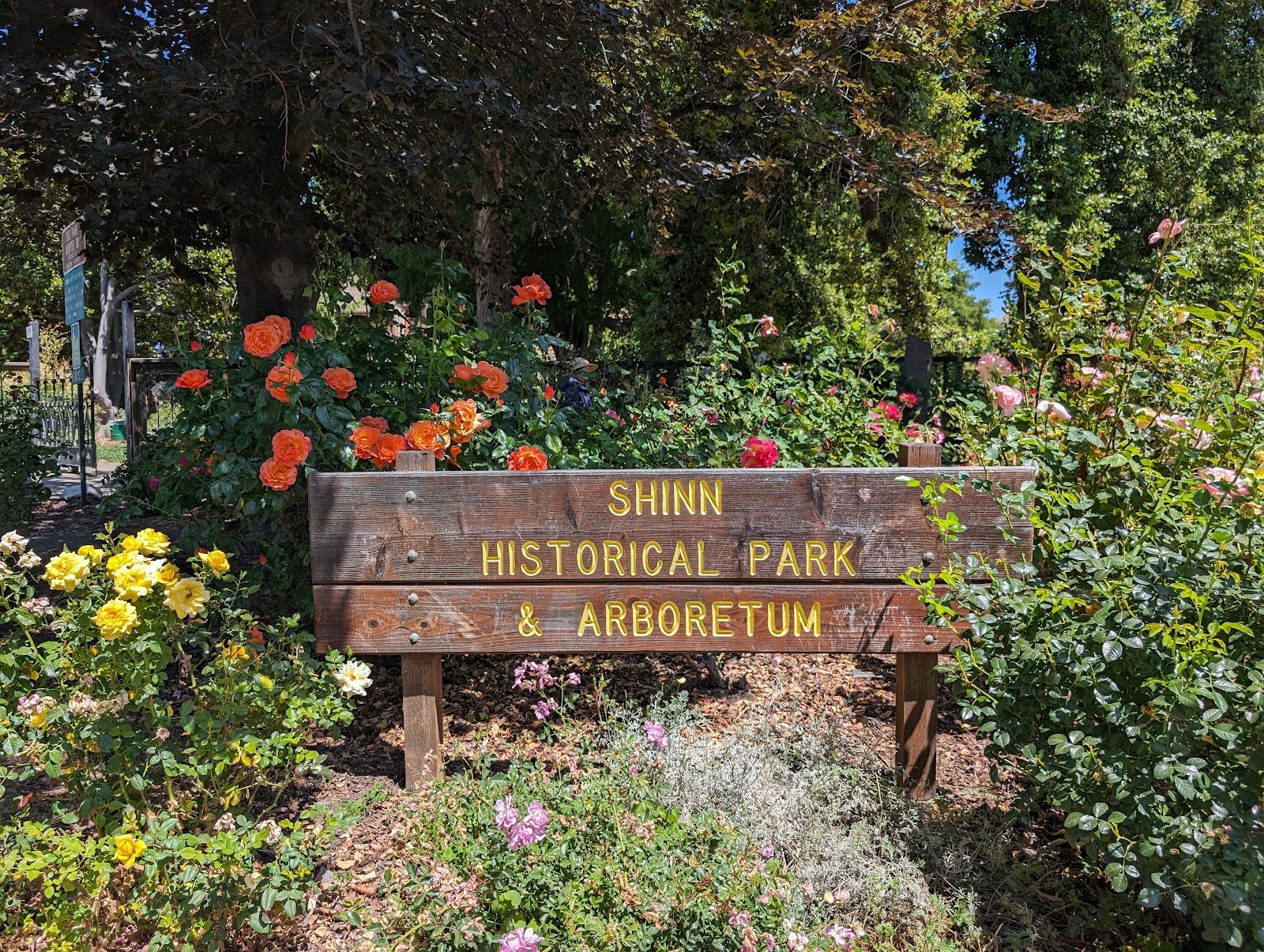
Fremont's historical depth is anchored by Mission San Jose, one of California's original 21 Spanish missions, and the Niles District, a Victorian-era neighborhood with deep ties to early silent filmmaking. The California Nursery Historical Park preserves a rare piece of California's horticultural history. The Shinn Historical Park and Arboretum offers a quiet retreat with mature specimen trees on a restored Victorian estate.
Arts and Entertainment
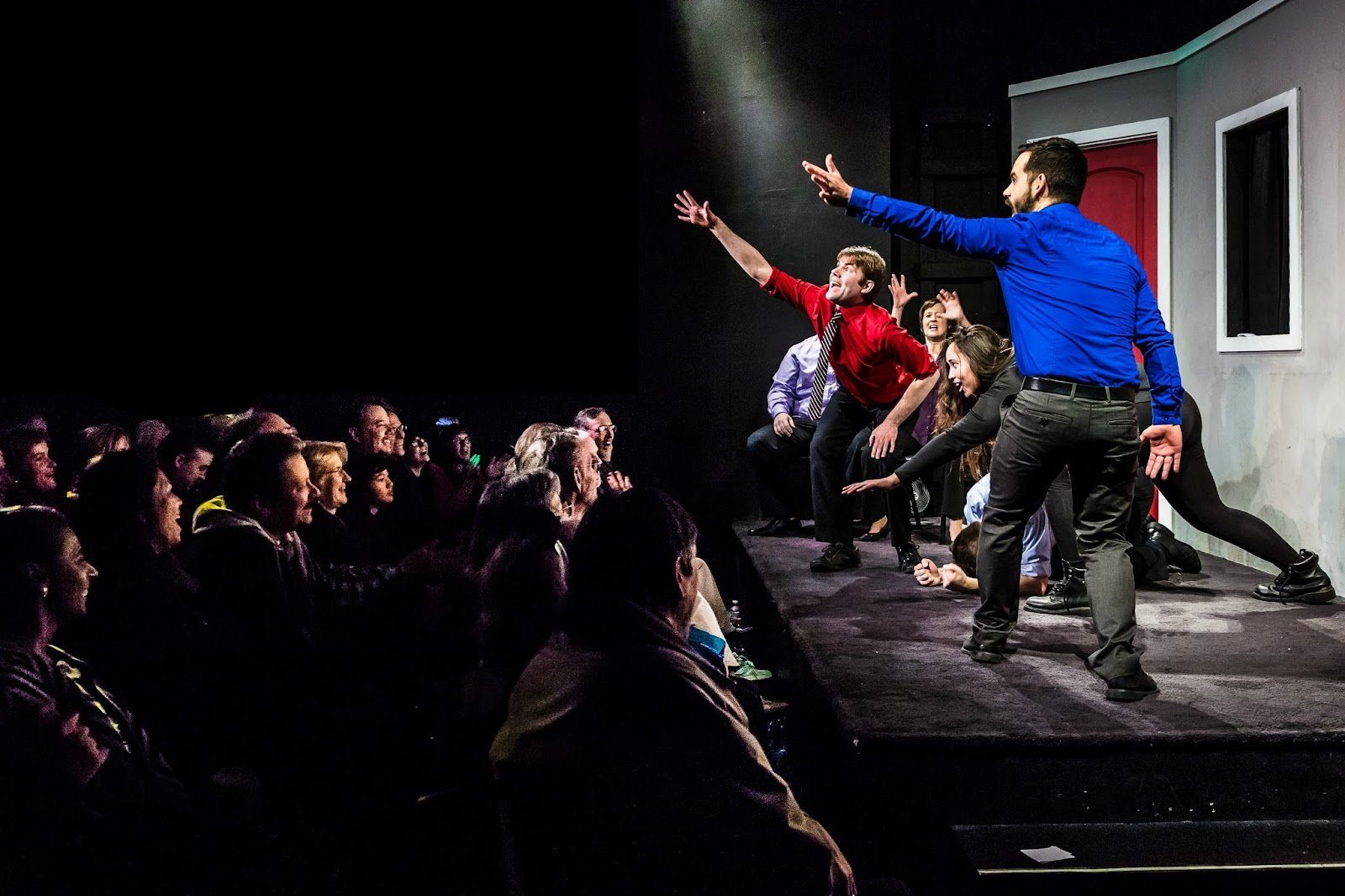
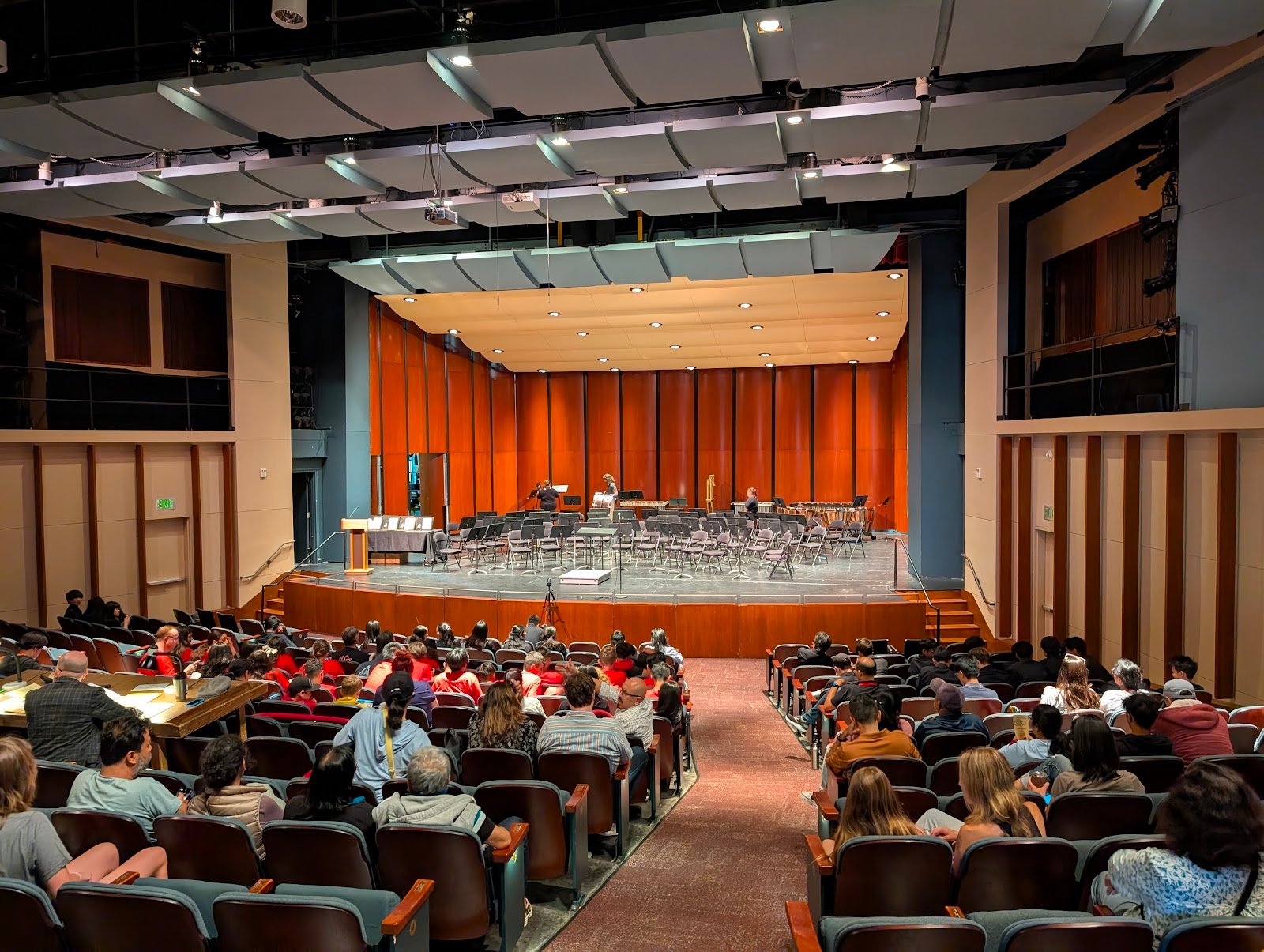
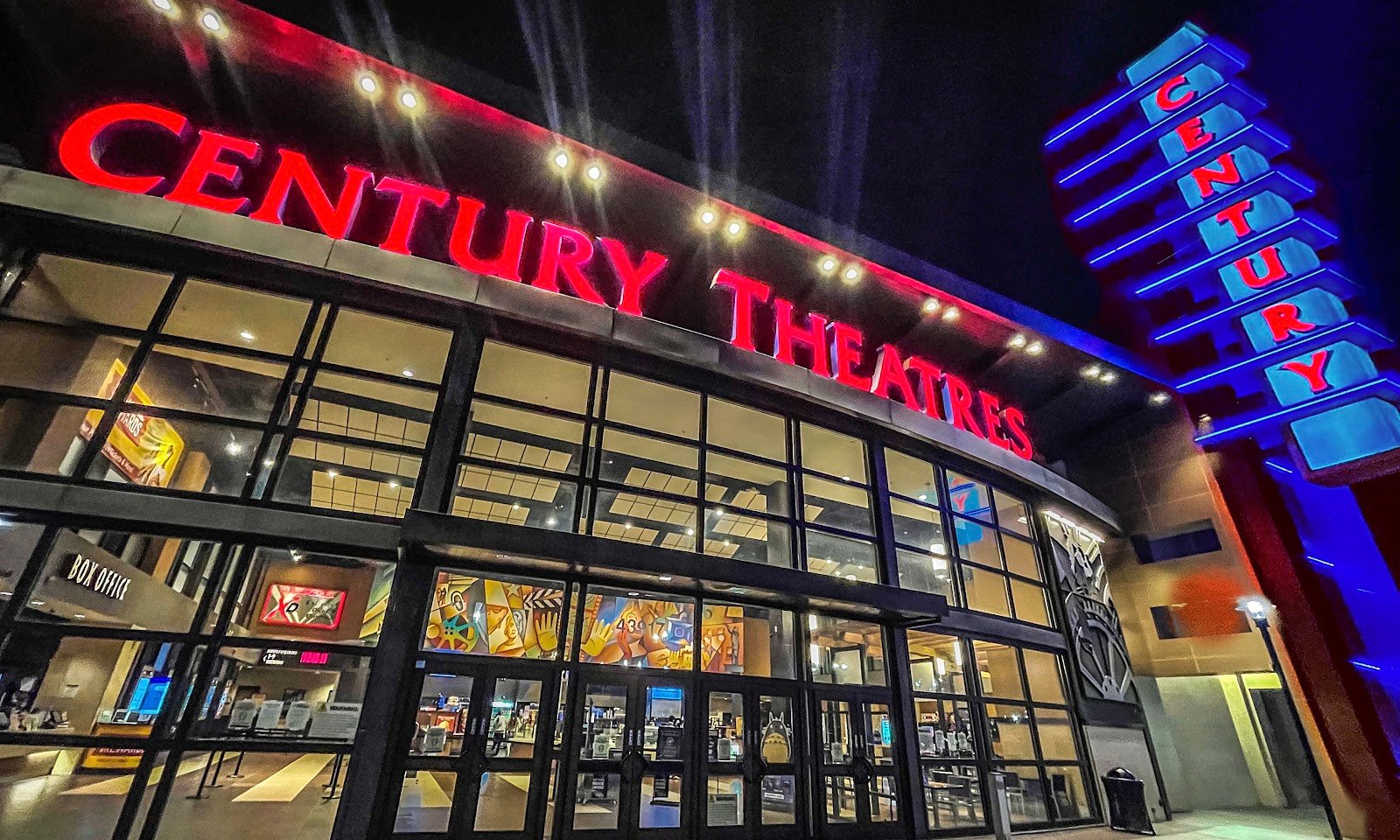
The Gary Soren Smith Center hosts performing arts events for the local community, while Made Up Theatre brings live improvisational comedy to Fremont audiences. Cinemark Century at Pacific Commons offers a major multiplex experience. Off The Couch Games and Sky Zone Trampoline Park cater to families and groups looking for active entertainment.
Food and Dining
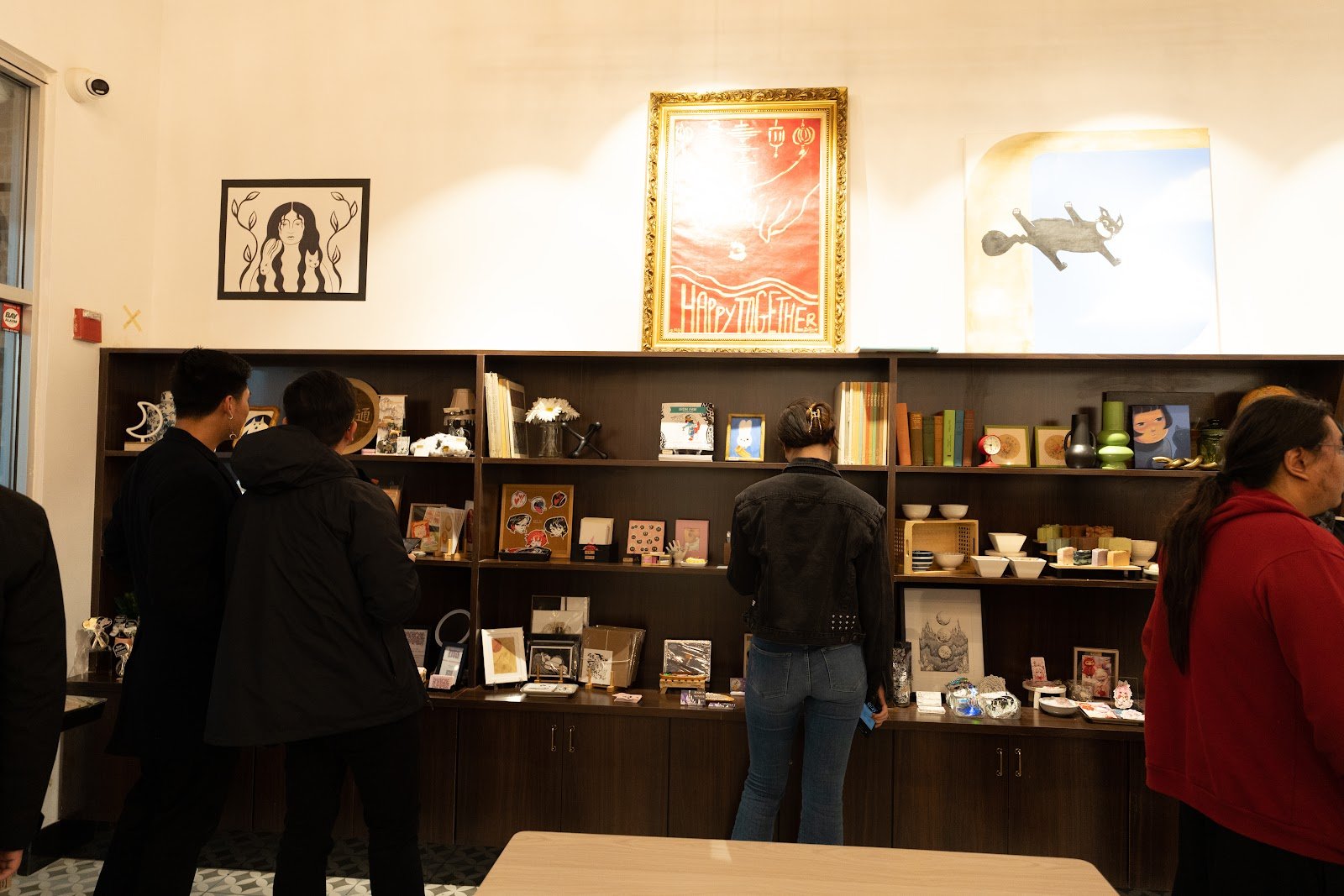
Fremont's dining scene is one of its greatest assets, reflecting the city's status as one of America's most ethnically diverse cities. Afghan, South Asian, and East Asian cuisines are represented at an exceptional level across neighborhoods like Centerville and Irvington. The Tamper Room Cafe and Gallery adds a creative, community-oriented coffee and arts space to the mix.
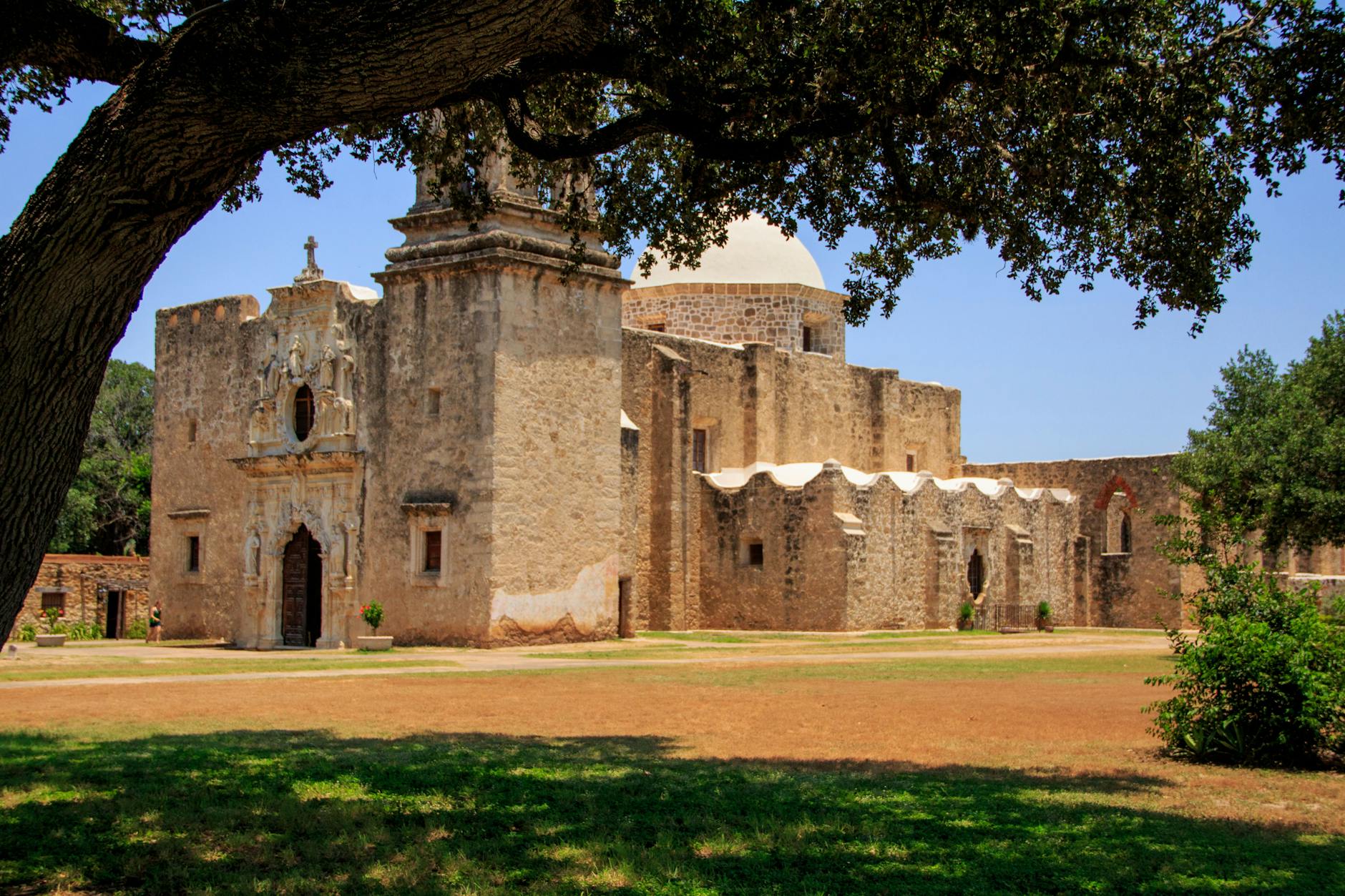
Start the morning at Mission San Jose, one of California's original Spanish missions, exploring its museum and restored adobe chapel. Head to the Niles District in the afternoon to browse antique shops and walk the Victorian-era streets that once hosted silent film productions. End the evening with dinner in Irvington, sampling from the neighborhood's outstanding South Asian and Afghan restaurant scene.
Spend the morning hiking or cycling through Coyote Hills Regional Park, where bay-edge tule marshes and ancient shellmounds offer a striking contrast to the surrounding suburbs. Grab lunch at Central Park near Lake Elizabeth, then rent a paddleboat or stroll the lakeside paths in the afternoon. Wind down with dinner in the Centerville District, known for its diverse and lively dining options.
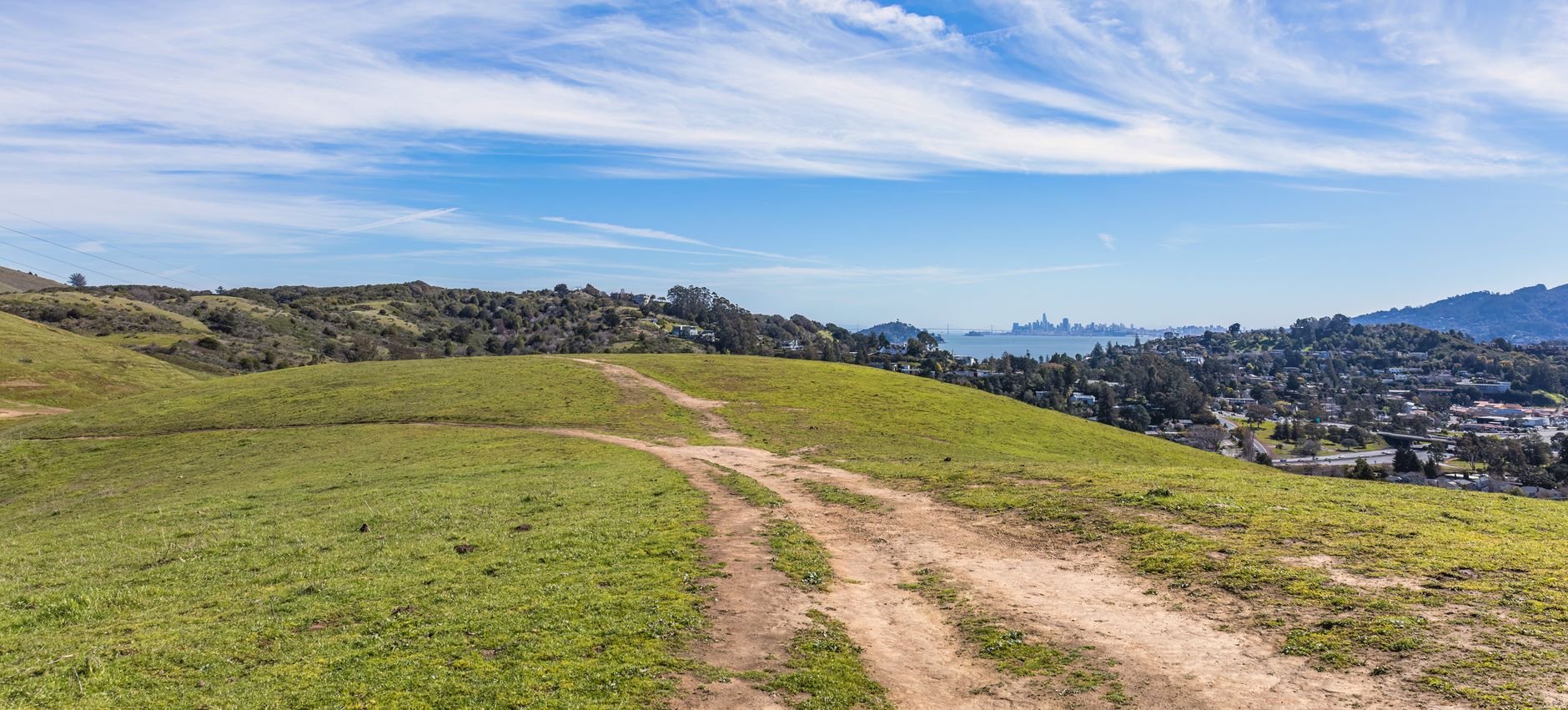
Head into the hills in the morning for a backcountry hike on the Ohlone Wilderness Trail, with sweeping views over the East Bay. Return to the city for a late lunch, then spend the afternoon exploring Fremont's Afghan-American cultural community - visit local bakeries and markets for an authentic taste of one of the largest Afghan communities outside Afghanistan. Close the trip with a sunset view over the bay from the Coyote Hills overlook.
Fremont's cultural calendar reflects its dual identity as both a historically rooted city and one of the most ethnically diverse communities in the United States. Summer is the most active season, when the city's open spaces and mild Bay Area climate make outdoor gathering feel natural and easy.
Fremont's dining scene is one of the most genuinely diverse in the Bay Area, shaped by a population that includes one of the largest Afghan-American communities outside of Afghanistan, a substantial South Asian population, and significant East Asian and Southeast Asian communities. The result is a city where adventurous eating is not a matter of seeking out specialty restaurants but simply a function of where you walk.
Oakland International Airport (OAK) is the closest major airport to Fremont,
sitting about 20 miles northwest and typically 30 to 40 minutes by car via I-880 south, with rideshare, rental cars, and BART connections all available at the terminal.
San Francisco International Airport (SFO) is about 35 miles northwest of Fremont
and connects directly to the city via BART's SFO extension, making it a car-free arrival option that takes roughly 60 to 75 minutes depending on the line.
San Jose International Airport (SJC) is approximately 20 miles south of Fremont
and is the most convenient option for travelers focused on the southern end of the city, with a straightforward 25 to 35-minute drive north on I-880.
Drivers approaching from San Francisco or Oakland should take I-880 south,
which runs directly into Fremont and provides exits for the Niles District, downtown, and the Warm Springs area near the southern city limits.
Amtrak's Capitol Corridor and ACE train services stop at Fremont Centerville Station,
offering a practical rail option for travelers coming from Sacramento, Stockton, or the San Joaquin Valley without needing to connect through San Francisco.
The Niles District is Fremont's most walkable neighborhood,
with its Victorian-era main street compact enough to explore entirely on foot, making it the one area where leaving the car behind is genuinely easy and enjoyable.
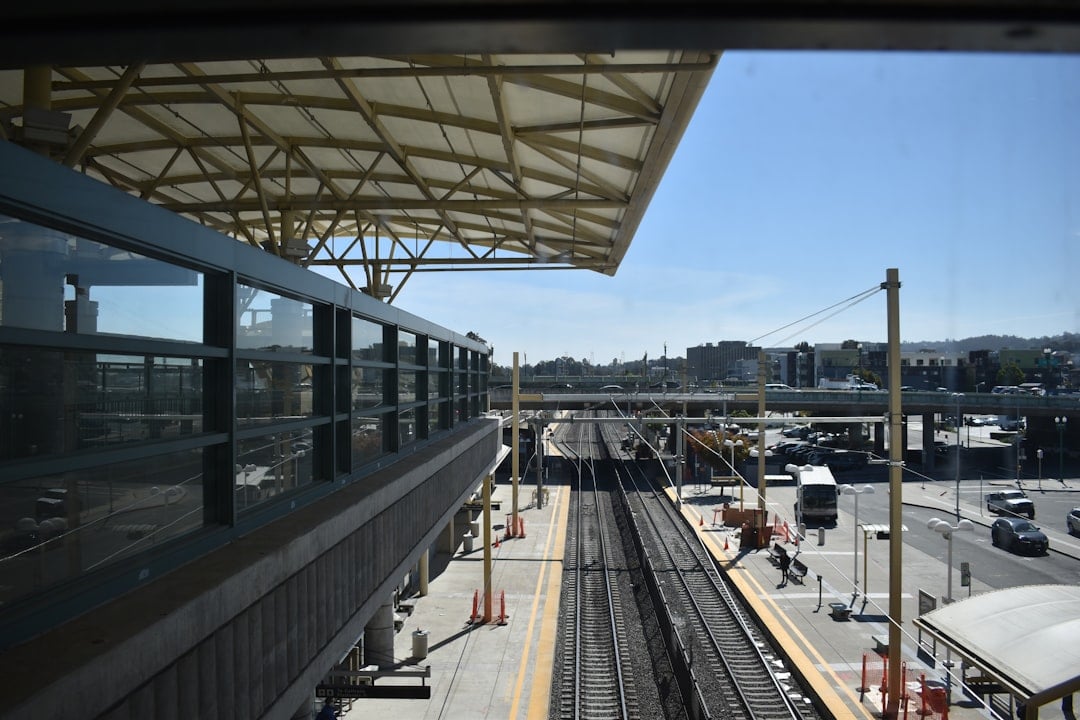
BART's Fremont and Warm Springs/South Fremont stations connect the city to San Francisco, Oakland, and San Jose,
making the regional rail system the best option for day trips out of Fremont or for arriving visitors who want to avoid driving on I-880 during peak hours.
Rideshare via Uber and Lyft is reliable throughout Fremont
and is the most practical way to move between spread-out destinations like Coyote Hills Regional Park, Mission San Jose, and the Centerville and Irvington dining districts without a rental car.
Coyote Hills Regional Park and the Lake Elizabeth loop in Central Park have dedicated cycling paths,
making them the best areas for bike-based exploration, though riders should be comfortable with suburban road conditions when connecting between parks and neighborhoods.
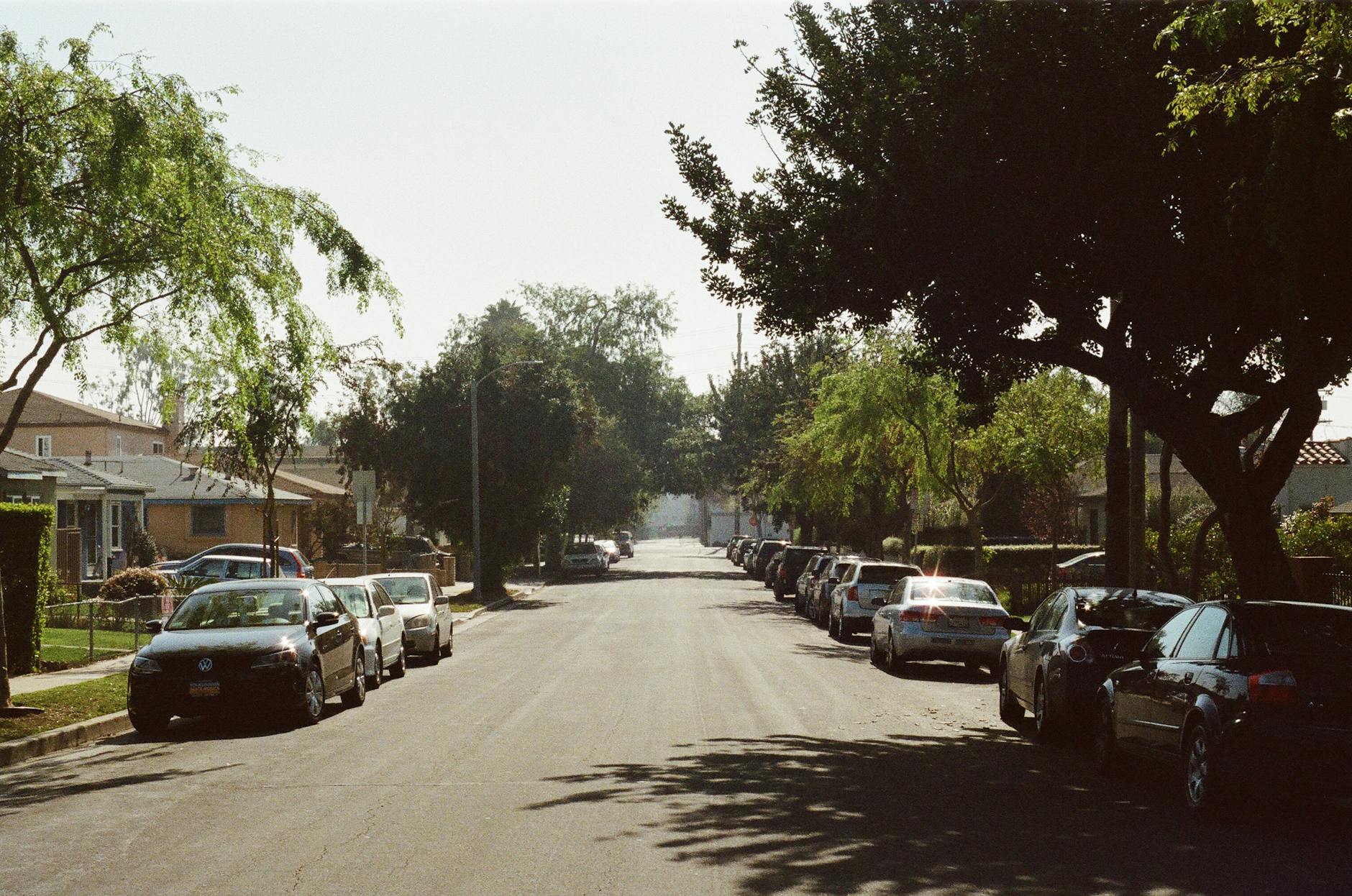
Fremont's diversity is one of its greatest assets: the city has a large Afghan-American community as well as significant South Asian and East Asian populations, and this is reflected in its restaurants, markets, and cultural events. Dress modestly when visiting Mission San Jose, which remains an active parish. Tipping follows standard California norms: 18 to 20 percent at sit-down restaurants, with counter-service spots increasingly adding optional tip prompts.
Download the Clipper card app before you arrive if you plan to use BART: it allows you to load funds digitally and tap in without buying a paper ticket. Google Maps is reliable for transit routing throughout the Bay Area. Summer fog from the bay can make mornings cool even when afternoons are warm, so layer accordingly. Wildfire smoke can affect air quality in late summer and fall: check AirNow.gov before planning full-day outdoor activities. Fremont is generally a safe city, though standard urban awareness applies in and around transit stations after dark.
Two to three days is enough to cover Fremont's highlights. Spend a day exploring Mission San Jose, the Niles District, and Coyote Hills Regional Park. A second day works well for hiking the Ohlone Wilderness Trail and sampling the city's diverse restaurant scene. A third day allows for a deeper dive into neighborhoods like Centerville or Irvington.
Fremont is best known for Mission San Jose, one of California's original 21 Spanish missions, and the historic Niles District, a Victorian-era neighborhood tied to early American silent filmmaking. It is also recognized for Tesla's primary vehicle manufacturing plant, exceptional ethnic diversity, and outdoor access via the Ohlone Wilderness Trail and Coyote Hills Regional Park.
Yes, Fremont works well as a weekend trip, especially from within the Bay Area. Two days is enough to visit Mission San Jose, walk the Niles District, hike in Coyote Hills Regional Park, and explore the city's diverse dining scene. Its BART access also makes it easy to combine with a day trip to San Francisco or Oakland.
Fremont is moderately priced by Bay Area standards. Accommodation tends to be more affordable than San Francisco or San Jose. Dining is a strong value, especially at the many South Asian, Afghan, and East Asian restaurants throughout the city. Major attractions like Coyote Hills Regional Park and Mission San Jose have low or no entry fees.
Spring (March to May) and fall (September to November) offer the most pleasant weather for outdoor activities, with mild temperatures and low rainfall. Summer is warm and dry but can bring coastal fog in the mornings.