
Baltimore, MD
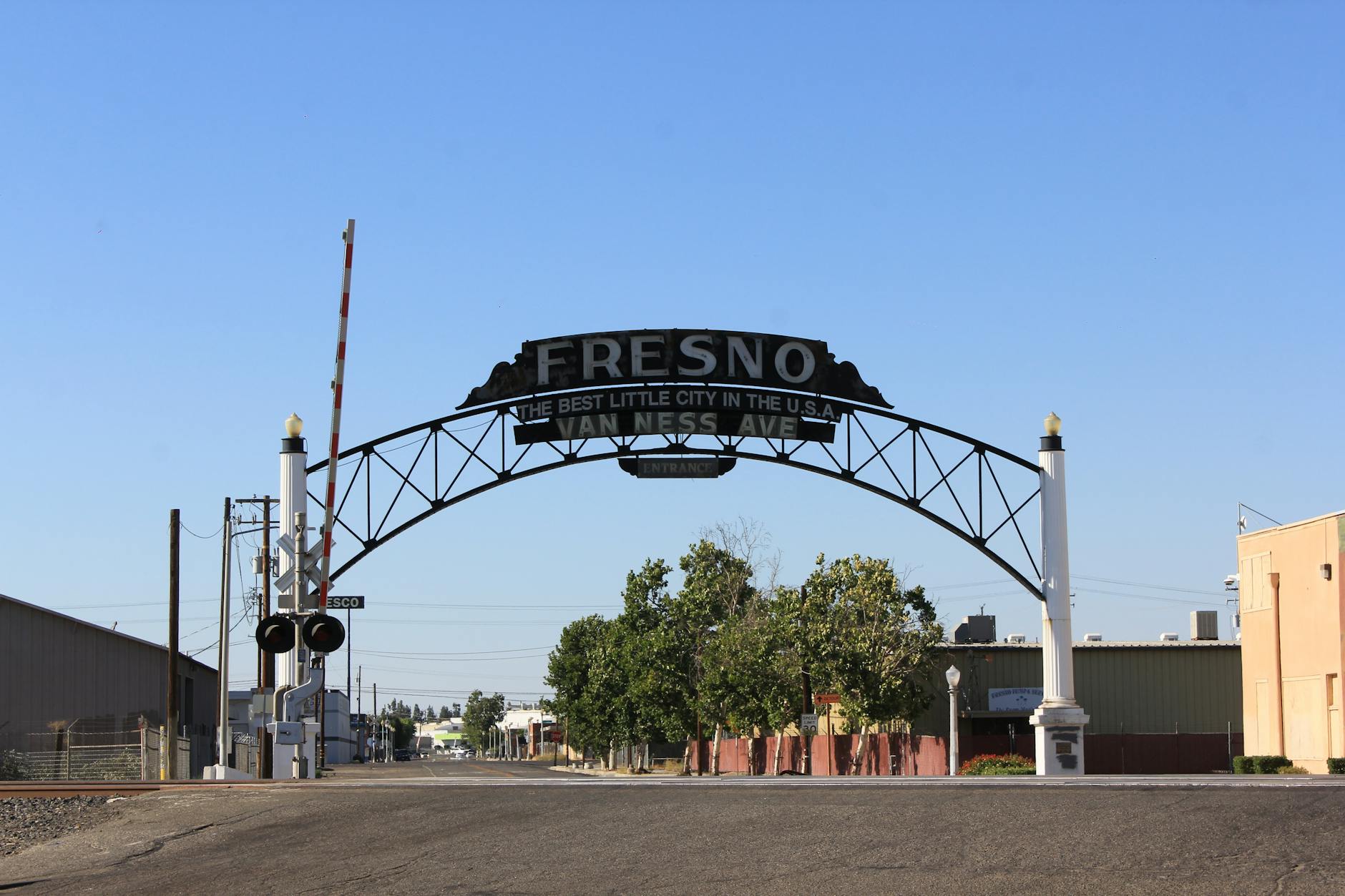
A Journey guide to
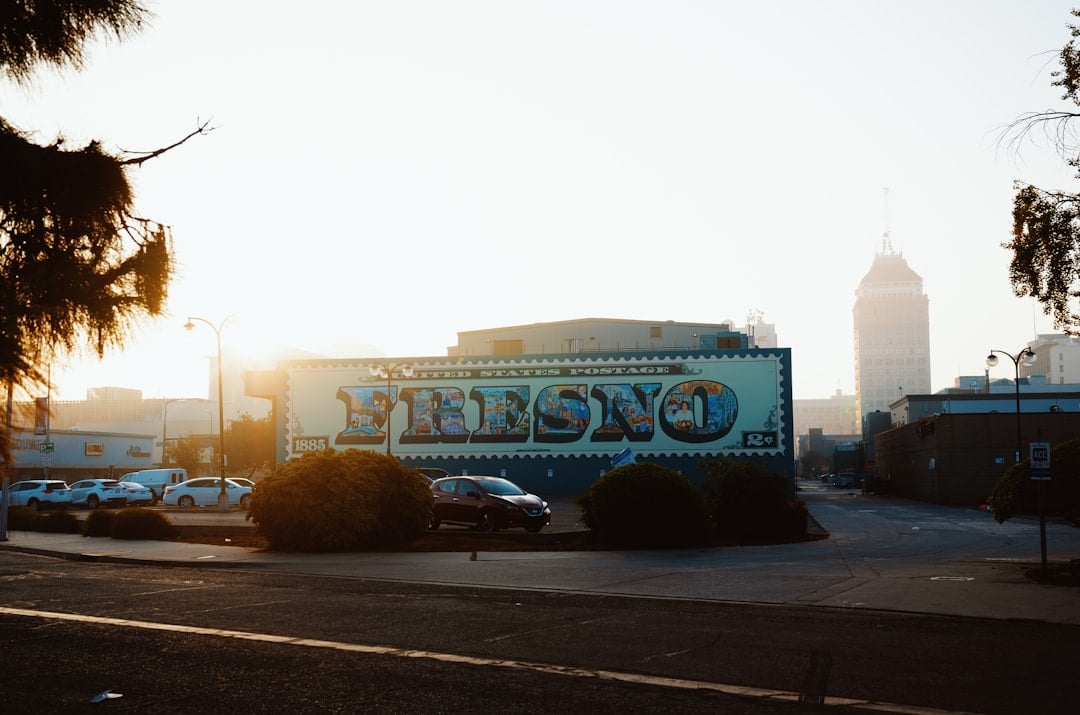
Fresno sits at the heart of California's Central Valley, a city that punches well above its weight as a cultural and culinary destination. It is best known as the closest major city to both Yosemite National Park and Sequoia and Kings Canyon National Parks, making it a natural launching point for some of the most dramatic wilderness in North America. Travelers who base themselves here gain quick access to towering granite cliffs, ancient giant sequoias, and alpine meadows without sacrificing urban comfort.
The city's food scene reflects its agricultural roots in a way few American cities can match. Fresno County is one of the most productive farming counties in the United States, and that bounty flows directly into the city's restaurants, farmers markets, and specialty grocers. From Armenian flatbreads in the Miraphone neighborhood to Hmong-influenced produce stands at the Tower District Farmers Market, Fresno's culinary identity is layered, immigrant-driven, and deeply tied to the land around it.
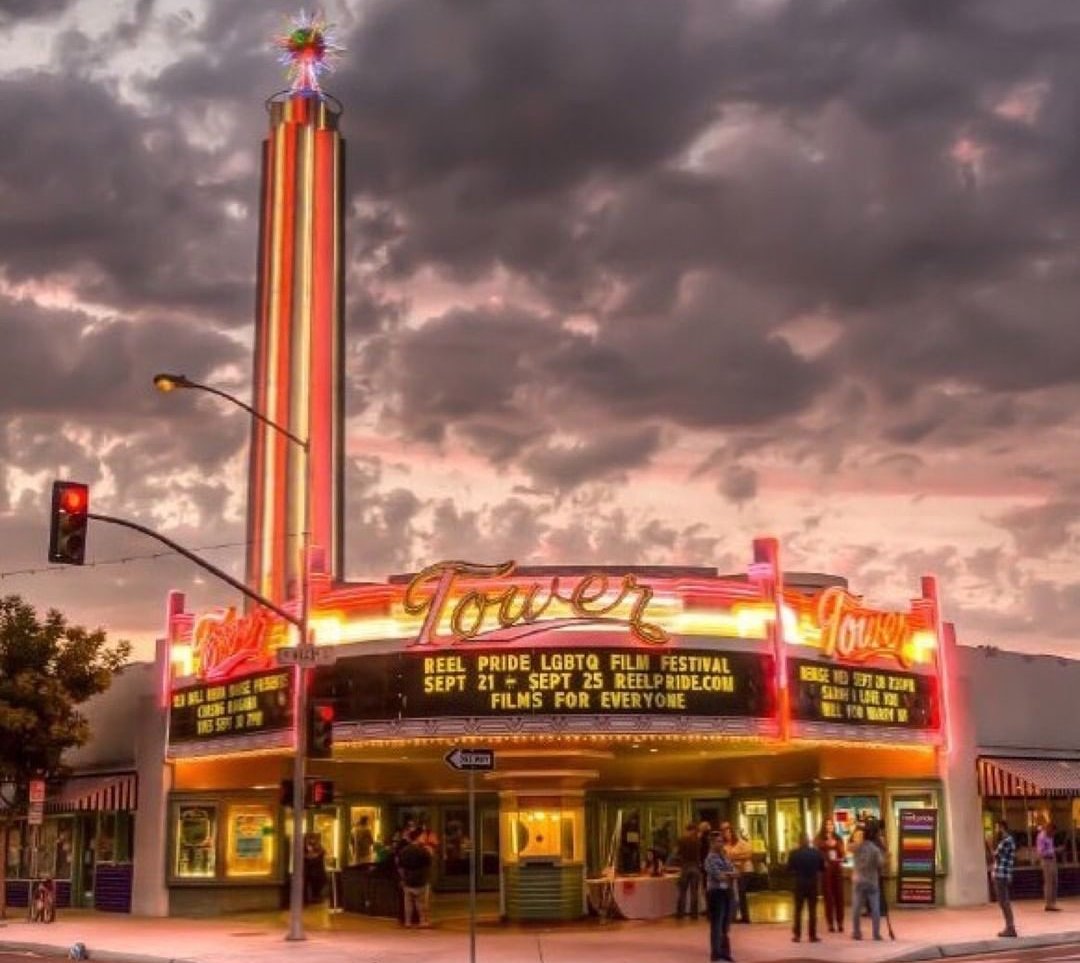
The Tower District is Fresno's creative heartbeat, a walkable stretch of mid-century architecture, independent theaters, live music venues, and locally owned cafes. The historic Tower Theatre anchors the neighborhood and serves as a symbol of the city's ongoing cultural investment. Art galleries, murals, and a thriving LGBTQ+ community give the district an energy that surprises first-time visitors expecting a quiet agricultural town.
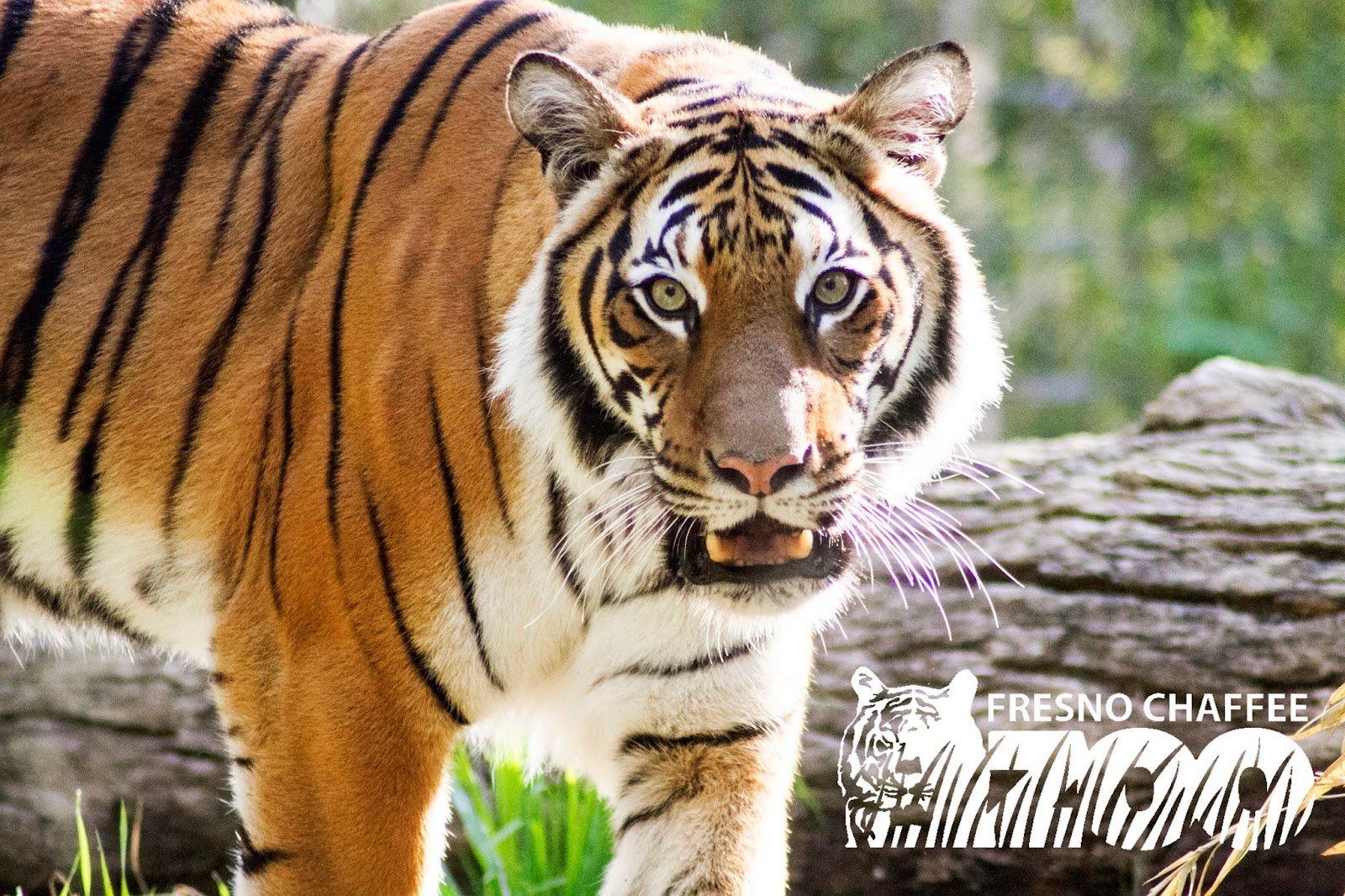
Fresno attracts a diverse mix of travelers: national park adventurers using the city as a comfortable base, food-focused visitors tracing California's farm-to-fork story at its source, and cultural explorers drawn to one of the most ethnically diverse mid-sized cities in the American West. The Fresno Art Museum, Chaffee Zoo, and the Forestiere Underground Gardens add further depth for those who linger longer than a single night.
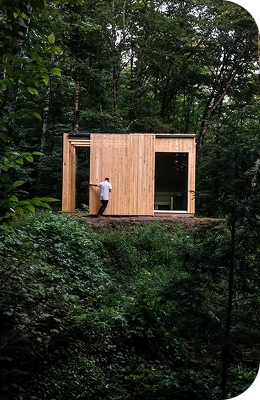
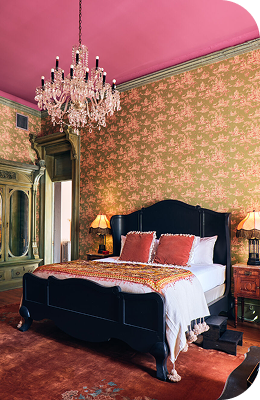

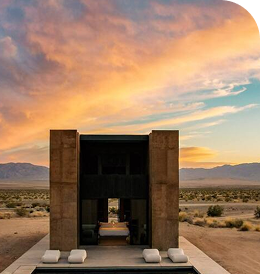

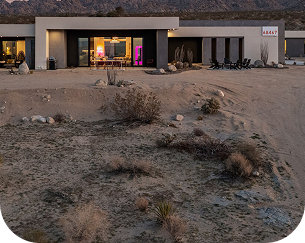

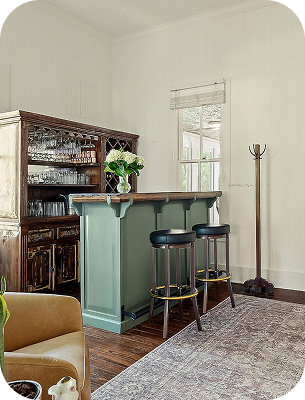

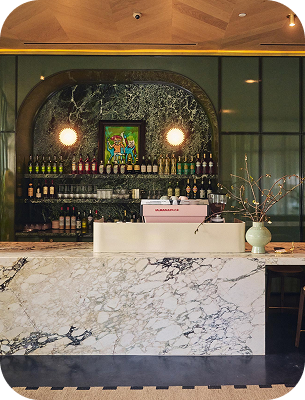

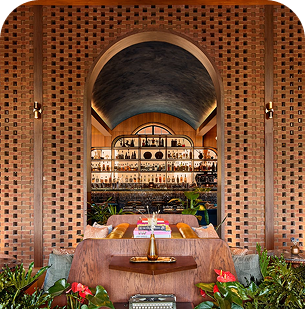

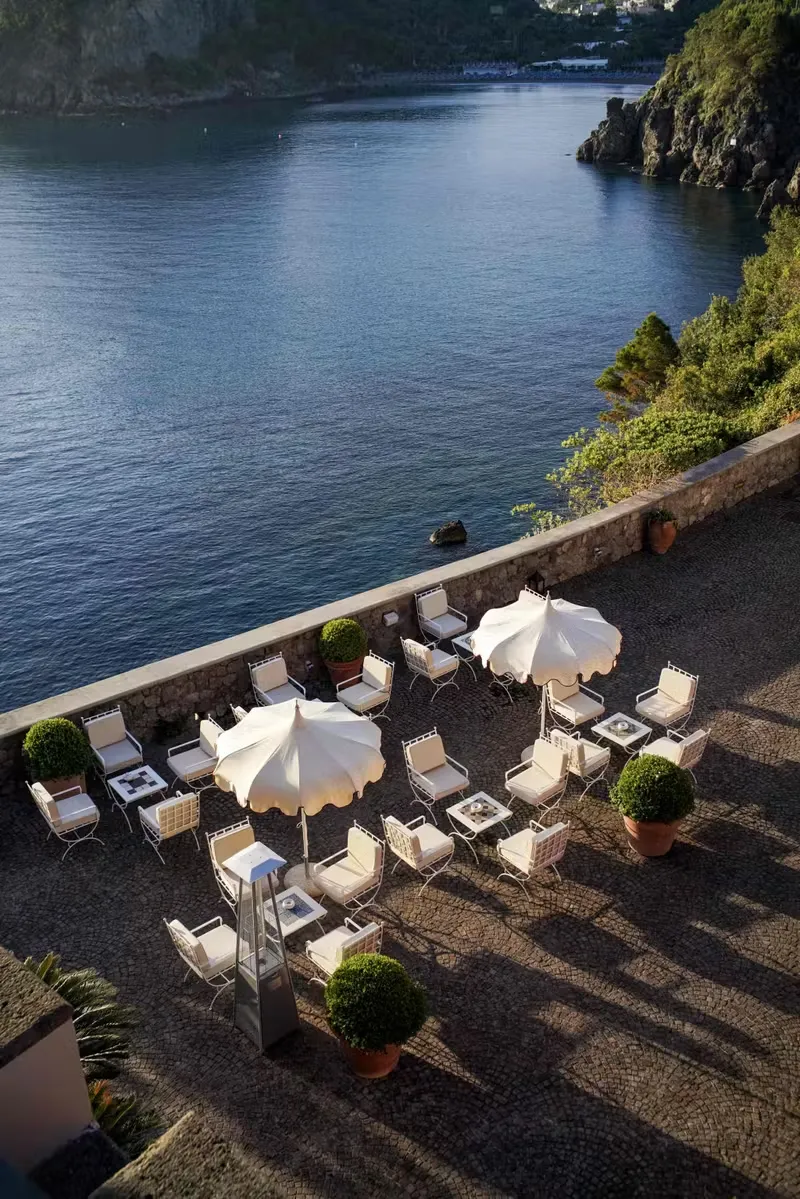
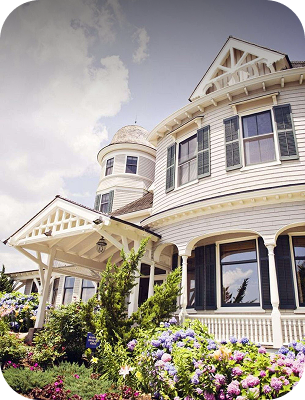

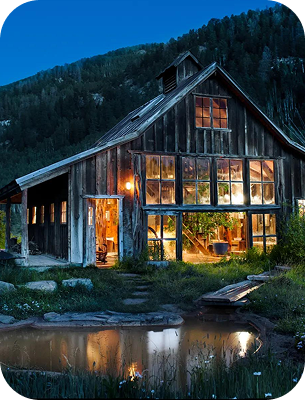

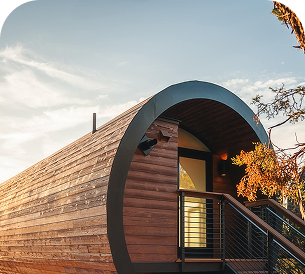

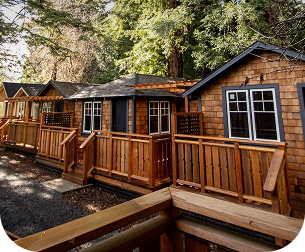

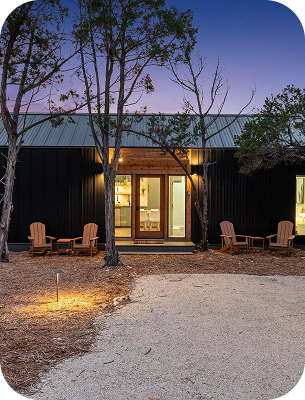



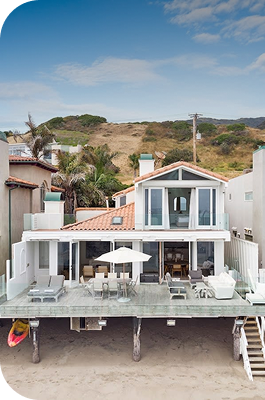

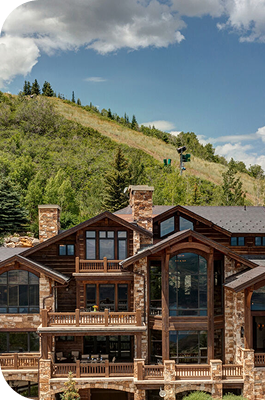
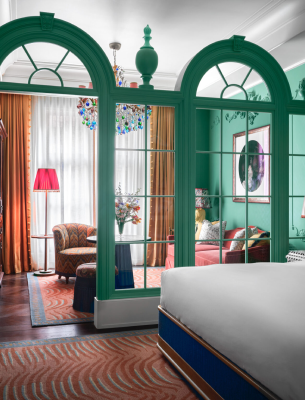
Journey connects travelers to a curated network of boutique hotels and distinctive residences around the world, all united under one rewards program. Explore handpicked stays for your trip while earning points, unlocking exclusive offers, and receiving rewards across the Journey collection.
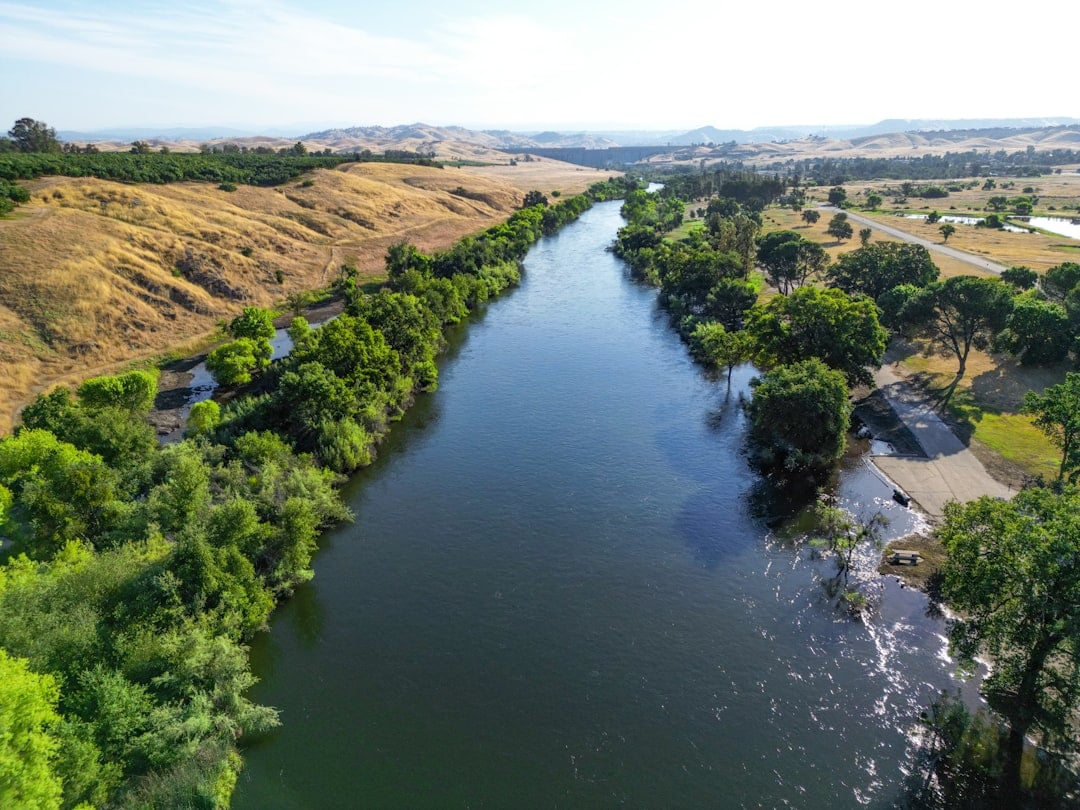
Fresno occupies the geographic center of California's San Joaquin Valley, flanked by the Sierra Nevada mountains to the east and the Coast Ranges to the west. The city sits at a relatively low elevation on a broad, flat valley floor, yet the Sierra Nevada rise dramatically within an hour's drive, giving Fresno a rare duality: an urban core embedded in one of the world's great agricultural landscapes, with world-class wilderness virtually on its doorstep.
Founded in 1872 as a station along the Central Pacific Railroad, Fresno grew rapidly as irrigation transformed the surrounding desert into extraordinarily productive farmland. Today, Fresno County produces more agricultural output than nearly any other county in the United States, cultivating grapes, almonds, pistachios, peaches, and dozens of other crops. That agricultural identity is not a background detail for visitors; it is a living, visible part of daily life in the city, from the sprawling produce vendors along Blackstone Avenue to the nationally recognized farm-to-table restaurants downtown.
Culturally, Fresno is one of the most diverse cities in California. Significant Armenian, Hmong, Latino, and Southeast Asian communities have shaped the city's neighborhoods, food traditions, festivals, and arts over generations. The Armenian community in particular has deep roots here, and Fresno is home to one of the largest Armenian-American populations in the country. This multicultural fabric gives the city a richness that rewards curious, open-minded travelers.
The travel atmosphere in Fresno is unpretentious and genuine. It lacks the self-consciousness of California's coastal cities, offering instead a straightforward hospitality rooted in its working-city character. Visitors will find a growing downtown anchored by Fulton Street, a revitalized arts and entertainment corridor, and proximity to outdoor recreation that is simply unmatched by any other American city of comparable size. Whether arriving to rest before a Yosemite expedition or to explore the city on its own terms, Fresno consistently offers more than travelers expect.
Spring (March through May) and fall (September through November) are the strongest windows for visiting Fresno, and the choice between them largely depends on what a traveler wants to do.
Spring is the premier season for those combining a Fresno stay with national park access. Yosemite's waterfalls are at their most dramatic as snowmelt surges through the valley, and the Sierra Nevada foothills come alive with wildflowers and fruit tree blossoms. Crowds in Yosemite build steadily from April onward, so visiting in March or early April gives travelers a meaningful advantage before peak summer demand arrives. The Tower District and local farmers markets also begin to energize as the city shakes off winter fog.
Fall offers a quieter, arguably more rewarding experience for travelers focused on Fresno itself. Summer crowds thin out across both the city and the surrounding parks after Labor Day, and Sequoia and Kings Canyon National Parks are particularly enjoyable in September and October when the light is golden and day-trippers are fewer. The harvest season is in full swing across Fresno County, making this the richest time to explore farm stands, agricultural festivals, and the city's food scene.
Summer draws the largest volume of national park visitors, particularly families during school holidays, which means Yosemite reservations become competitive and the parks can feel crowded. Travelers committed to summer should book park entry timed-entry permits well in advance and plan outdoor activities for early morning.
Winter is the quietest period for the city itself, though it opens up skiing and snowshoeing in the Sierra Nevada for those willing to make the drive. Tule fog can disrupt travel plans and reduce visibility on valley roads, so flexibility is important for winter visitors.
Fresno's creative and cultural heartbeat, the Tower District is a walkable stretch of mid-century storefronts anchored by the iconic Tower Theatre. Independent cafes, live music venues, art galleries, and a vibrant LGBTQ+ community give the neighborhood an energy that consistently surprises first-time visitors. Colorful murals and locally owned shops line the avenues, making it the city's most distinctive urban stroll.
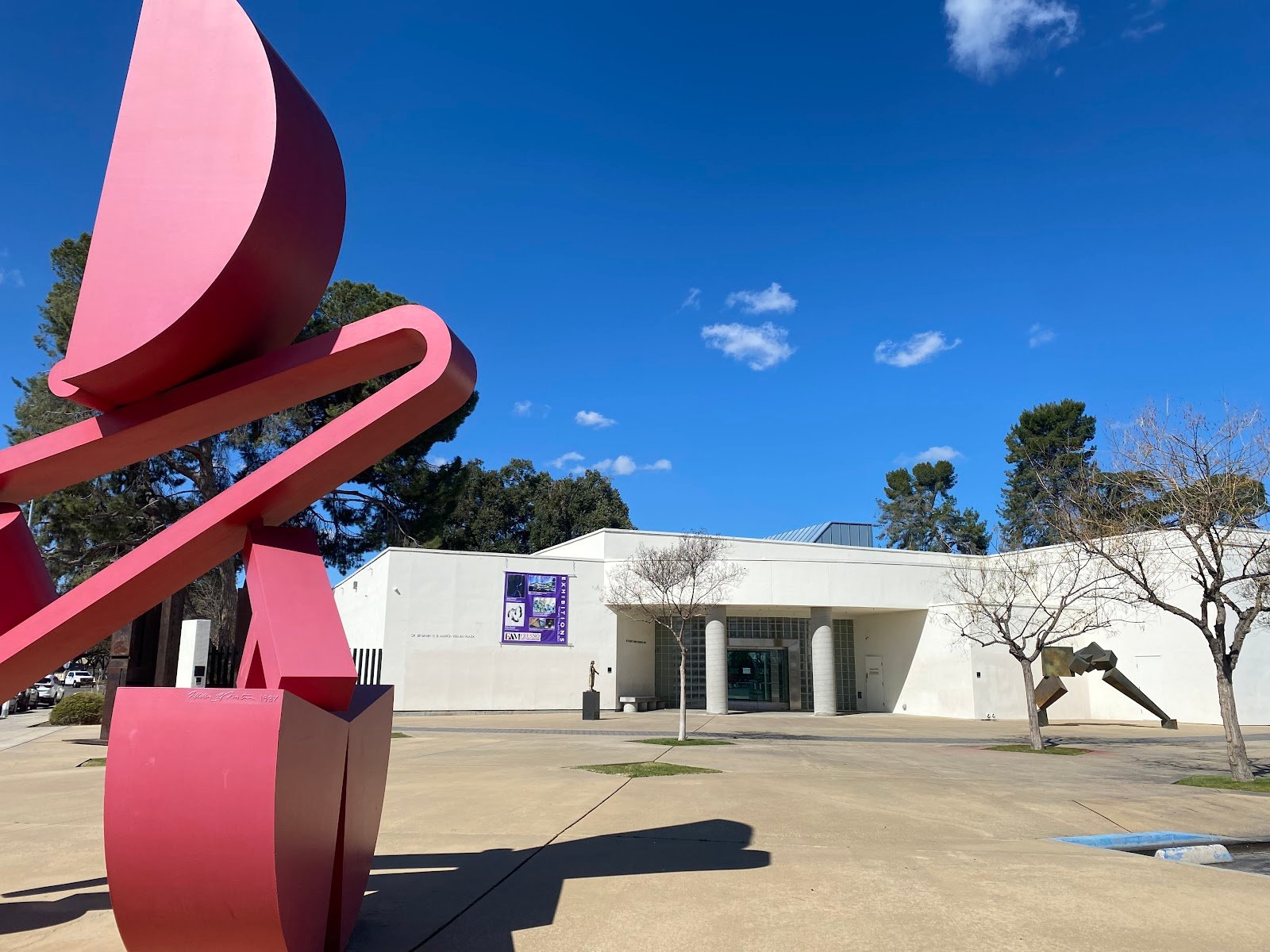
Downtown Fresno is the civic and commercial core of the city, home to Fulton Street, the Fresno Art Museum, and a growing cluster of restaurants and breweries revitalizing older buildings. The area reflects the city's ongoing investment in urban renewal, with public art installations and farmers market events drawing residents and visitors alike. It serves as a practical and cultural hub for those exploring the broader Central Valley.
This historically Armenian neighborhood carries one of the most distinctive cultural identities in the American West, shaped by generations of Armenian immigrants who settled in Fresno in the late 19th and early 20th centuries. Bakeries, specialty grocers, and family-run restaurants serve traditional flatbreads, pastries, and slow-cooked dishes rooted in the old country. Walking the streets here offers a quiet but powerful lesson in Fresno's immigrant heritage.
Just east of Fresno, Clovis Old Town is a charming historic district with a Western character, lined with antique shops, local restaurants, and community gathering spaces. The area hosts regular farmers markets and seasonal festivals that draw families from across the region. Its relaxed, small-town atmosphere provides a pleasant contrast to the urban energy of central Fresno.
Fig Garden Village is an upscale residential and shopping district in northwest Fresno, known for its tree-lined streets, boutique retail, and well-regarded dining options. The neighborhood has a polished, walkable character that appeals to visitors looking for a quieter, more refined side of the city. Its proximity to well-maintained parks and specialty food shops makes it a favorite for leisurely afternoons.
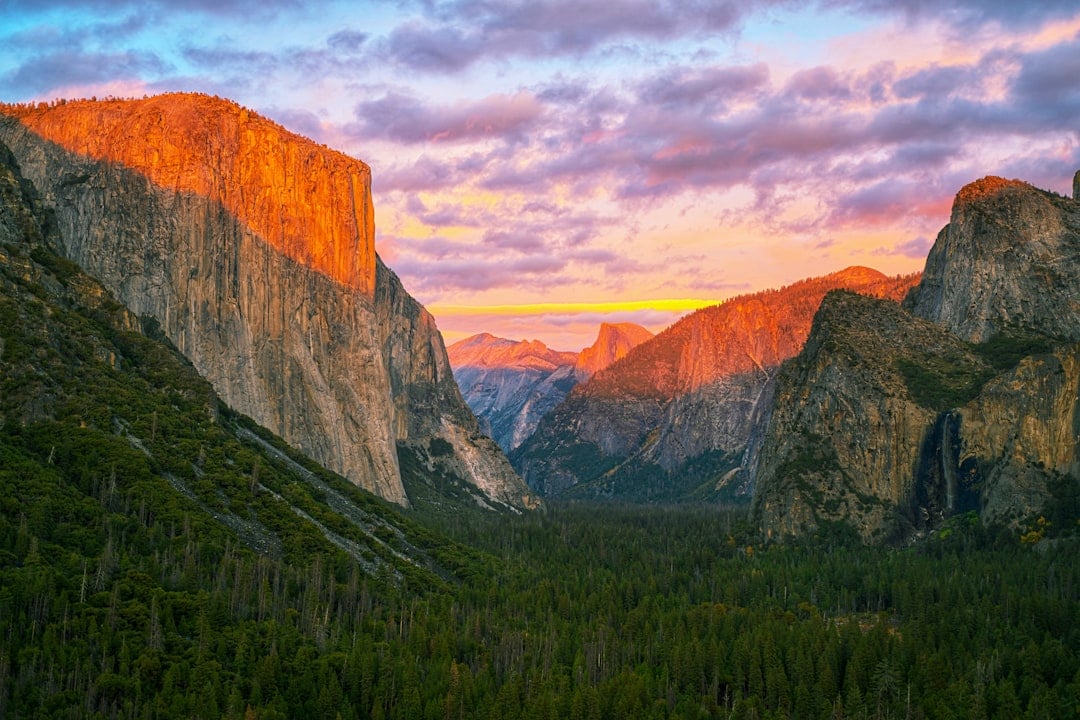
Fresno holds a rare distinction: it is the closest major city to both Yosemite National Park and Sequoia and Kings Canyon National Parks. This geography defines the travel experience here more than anything else. Visitors fly into Fresno, settle into a comfortable hotel, and within 90 minutes find themselves standing beneath Half Dome or walking among the largest living trees on Earth. The city functions as a genuine basecamp, not just a pass-through, with enough restaurants, culture, and character to fill the evenings after long days in the wilderness.
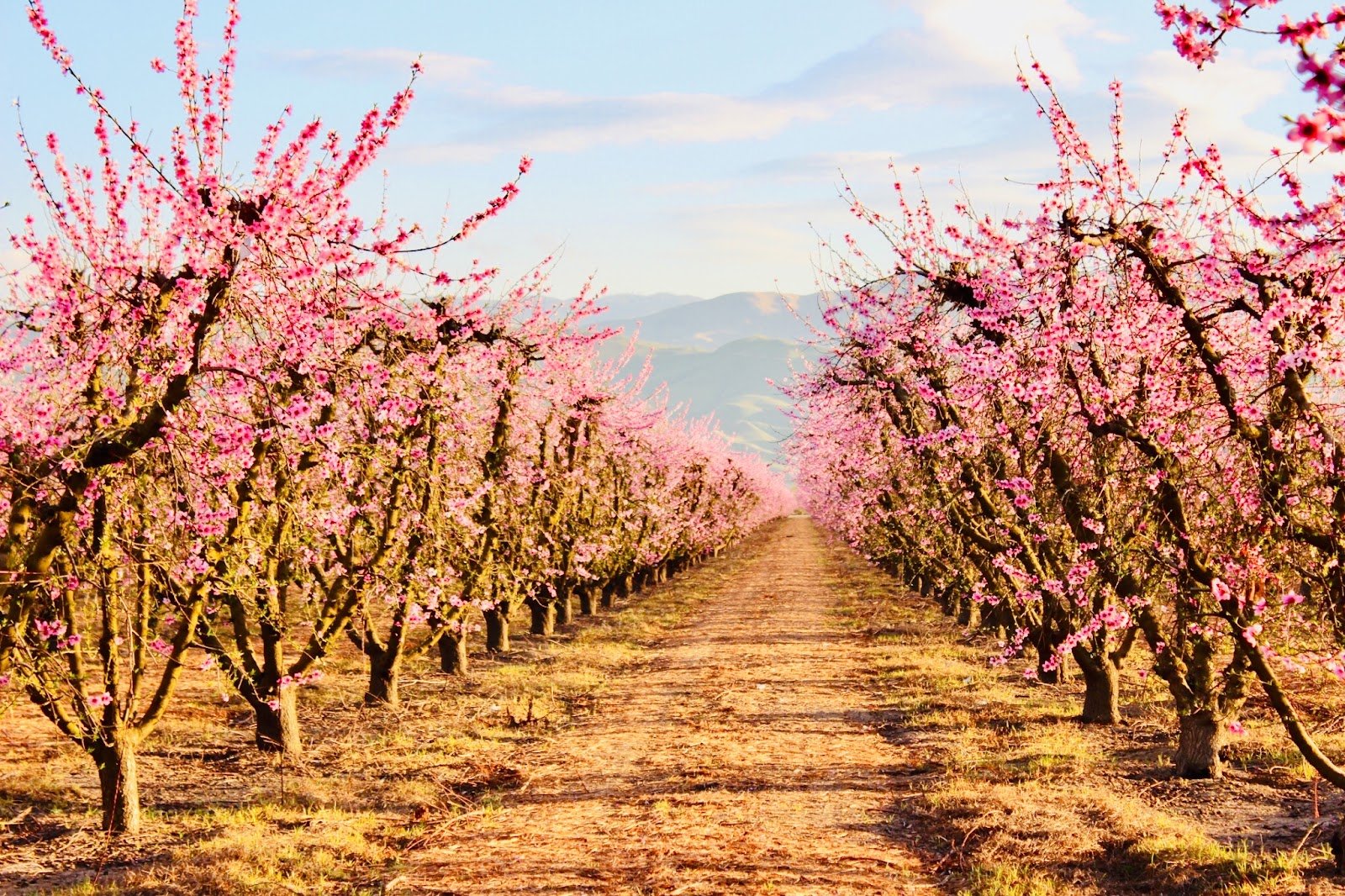
The Fresno County Blossom Trail is the destination's most distinctly local signature. Each February and March, the agricultural flatlands surrounding the city erupt in color as stone fruit orchards - peaches, plums, almonds, and nectarines - come into bloom. The self-guided driving route winds through farming communities and roadside stands, offering one of California's most underrated seasonal spectacles. It is the kind of experience that exists nowhere else in the state at this scale.
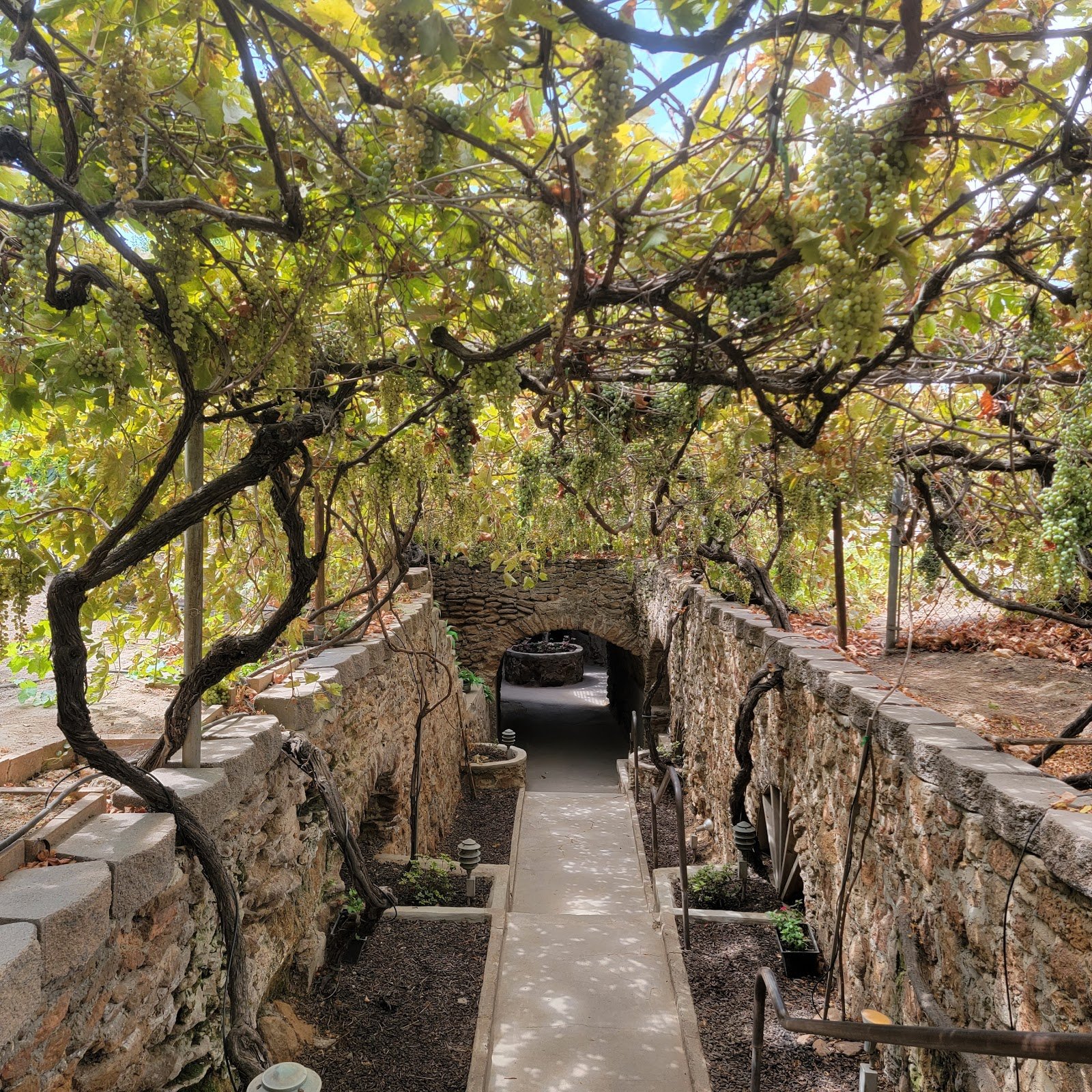
The Forestiere Underground Gardens stand apart as Fresno's most singular attraction. Baldassare Forestiere spent more than 40 years hand-digging a labyrinthine network of rooms, grottos, and passageways beneath the city's surface, planting citrus trees whose roots reach down through the earth to find water. Guided tours through this underground world feel genuinely unlike anything else in California travel.
Fresno's food identity is another signature worth seeking out. The city's Armenian, Hmong, and Mexican communities have each built distinct culinary traditions here, rooted in the agricultural abundance of the Central Valley. Eating at a Hmong-owned produce stand at the Tower District Farmers Market or finding hand-rolled Armenian flatbread in a neighborhood bakery connects visitors to a food culture that is hyper-local and deeply authentic.
Fresno delivers a surprisingly broad range of activities for a city its size, anchored by its position between world-class national parks and a vibrant urban core.
Outdoor Recreation
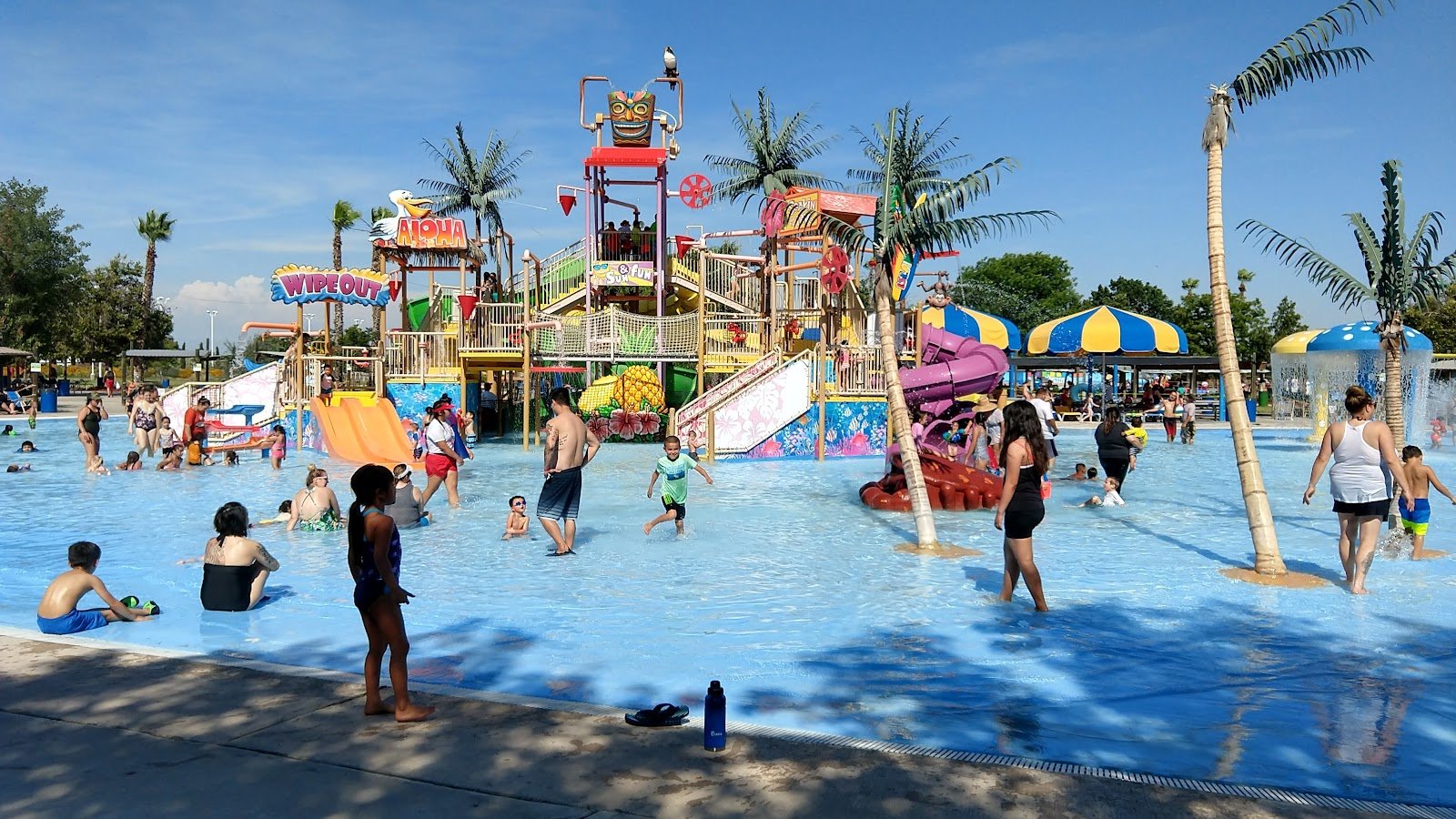
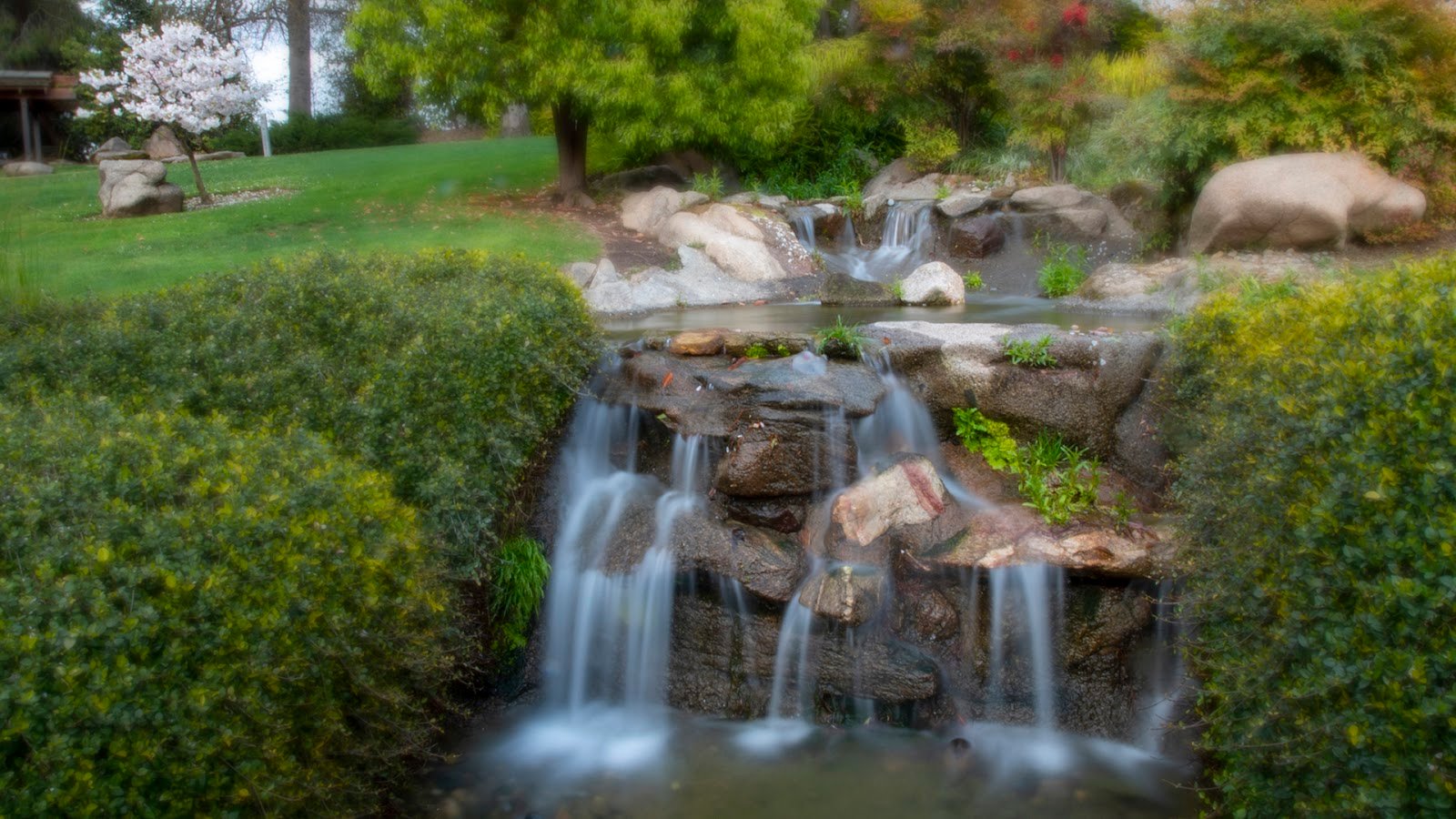
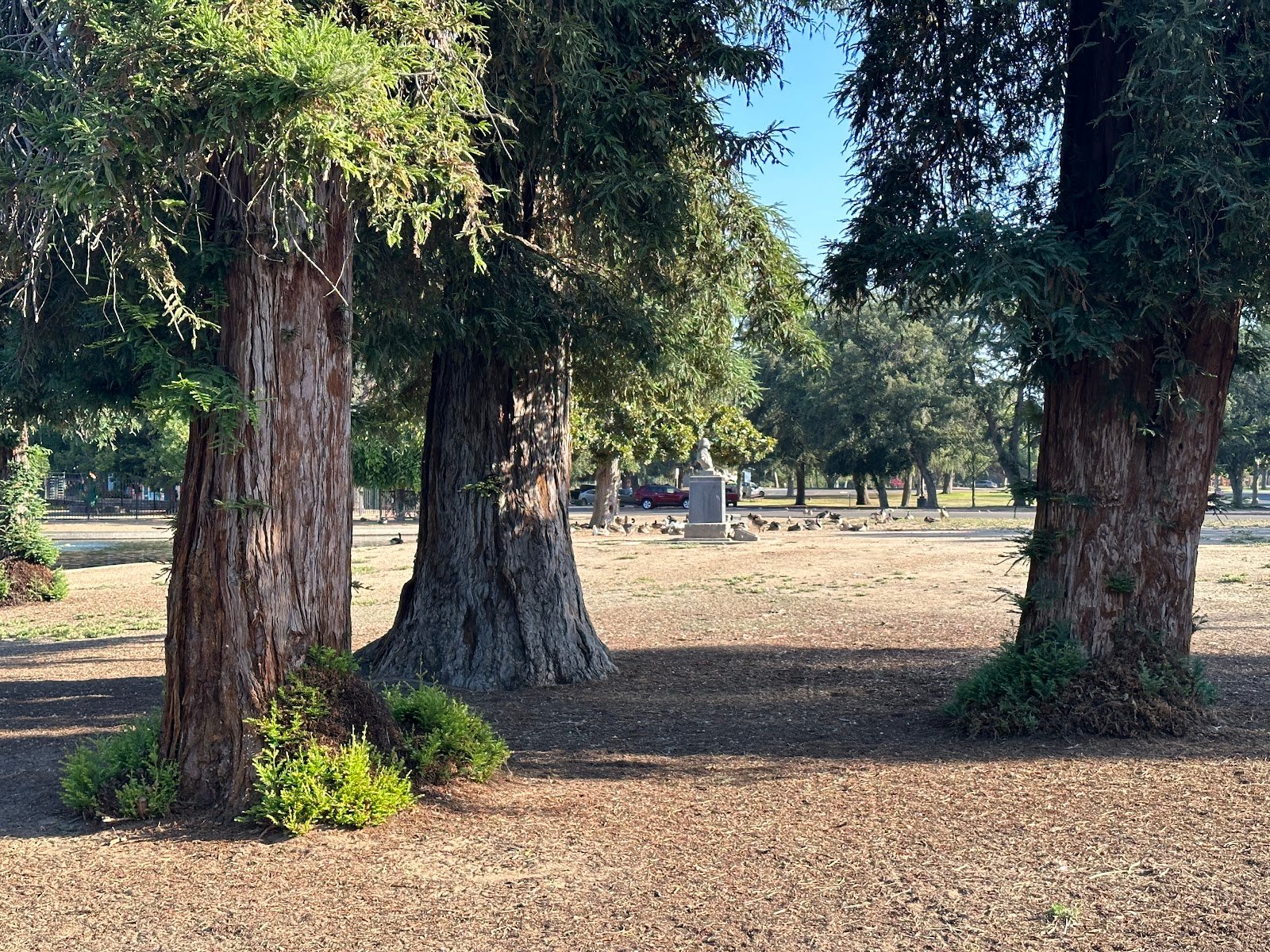
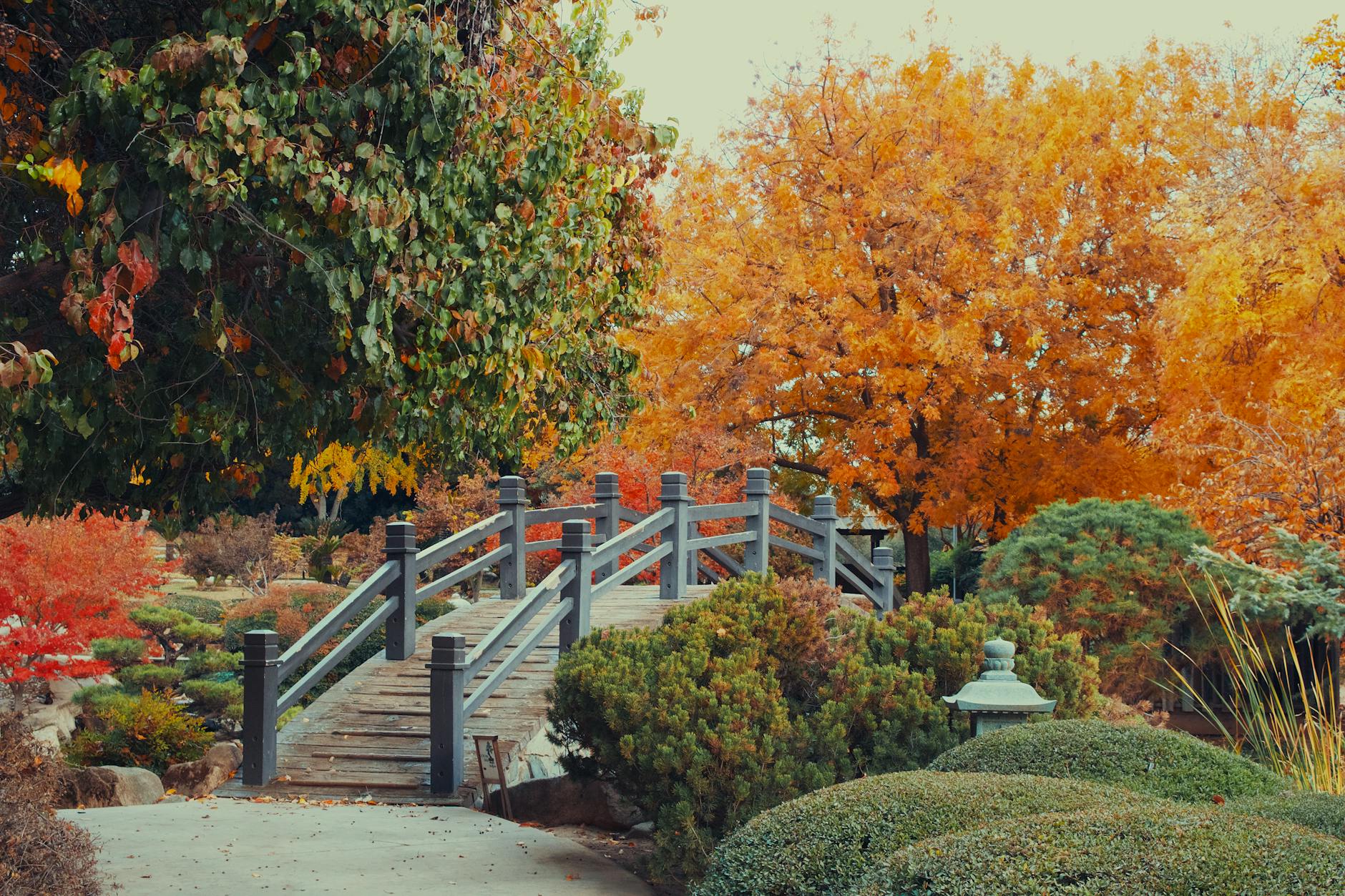
Green space is woven throughout the city. Roeding Park offers shaded walking paths and picnic grounds, while Oso de Oro Park, Spano Park, and Riverbottom Park give residents and visitors room to run, cycle, and relax along natural corridors. Island Waterpark provides a summer escape with slides and wave pools for families. For something more serene, Shinzen Friendship Garden is a meticulously maintained Japanese garden that invites quiet reflection.
Cultural Attractions
Fresno's cultural institutions reward curious visitors. The Forestiere Underground Gardens is a one-of-a-kind subterranean estate hand-carved over four decades by Sicilian immigrant Baldassare Forestiere. The Fresno Chaffee Zoo is home to hundreds of species across themed habitats. The Meux Home Museum preserves a beautifully restored Victorian mansion that offers a window into late 19th-century life in the Central Valley.
Arts and Entertainment
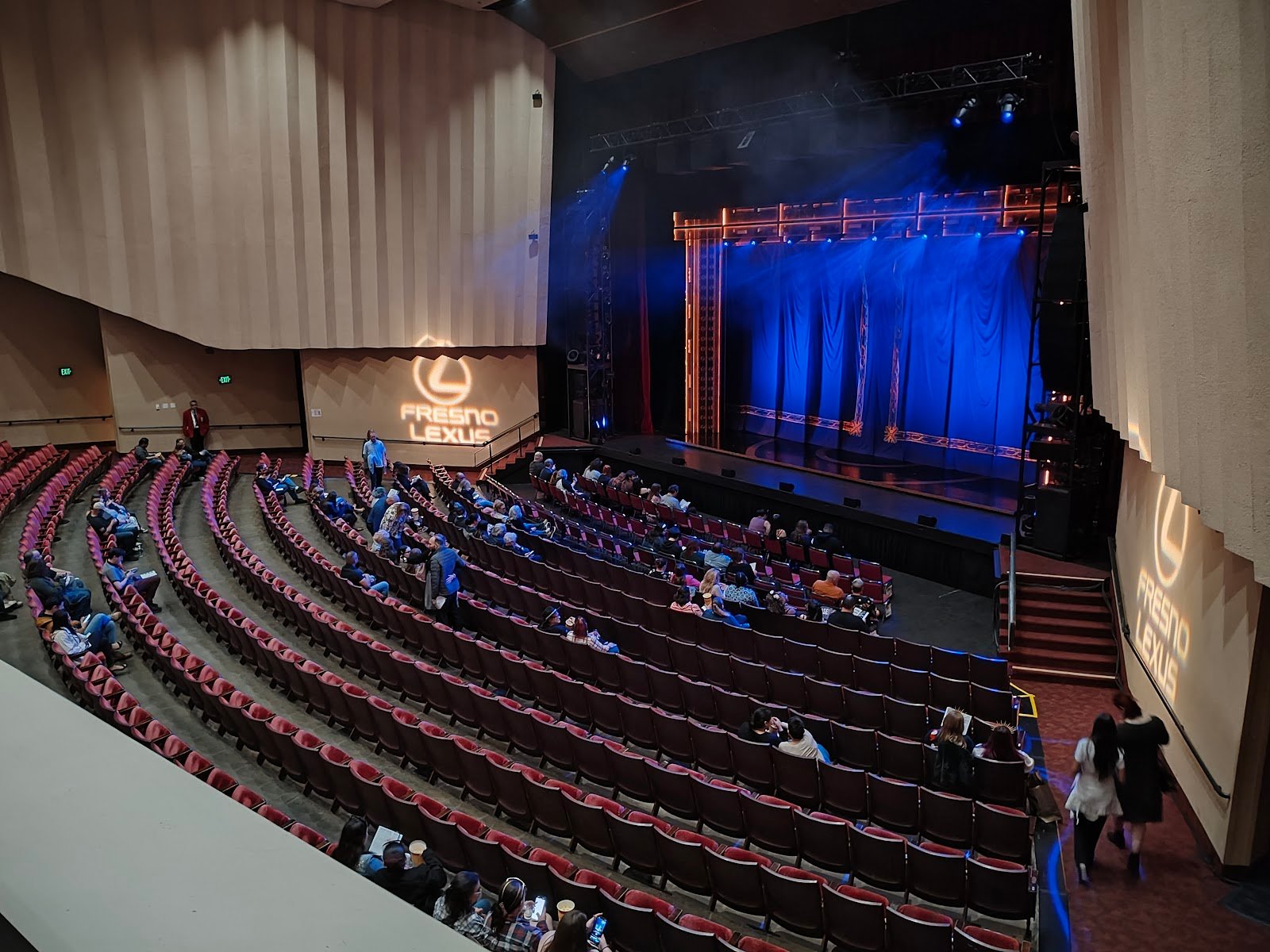
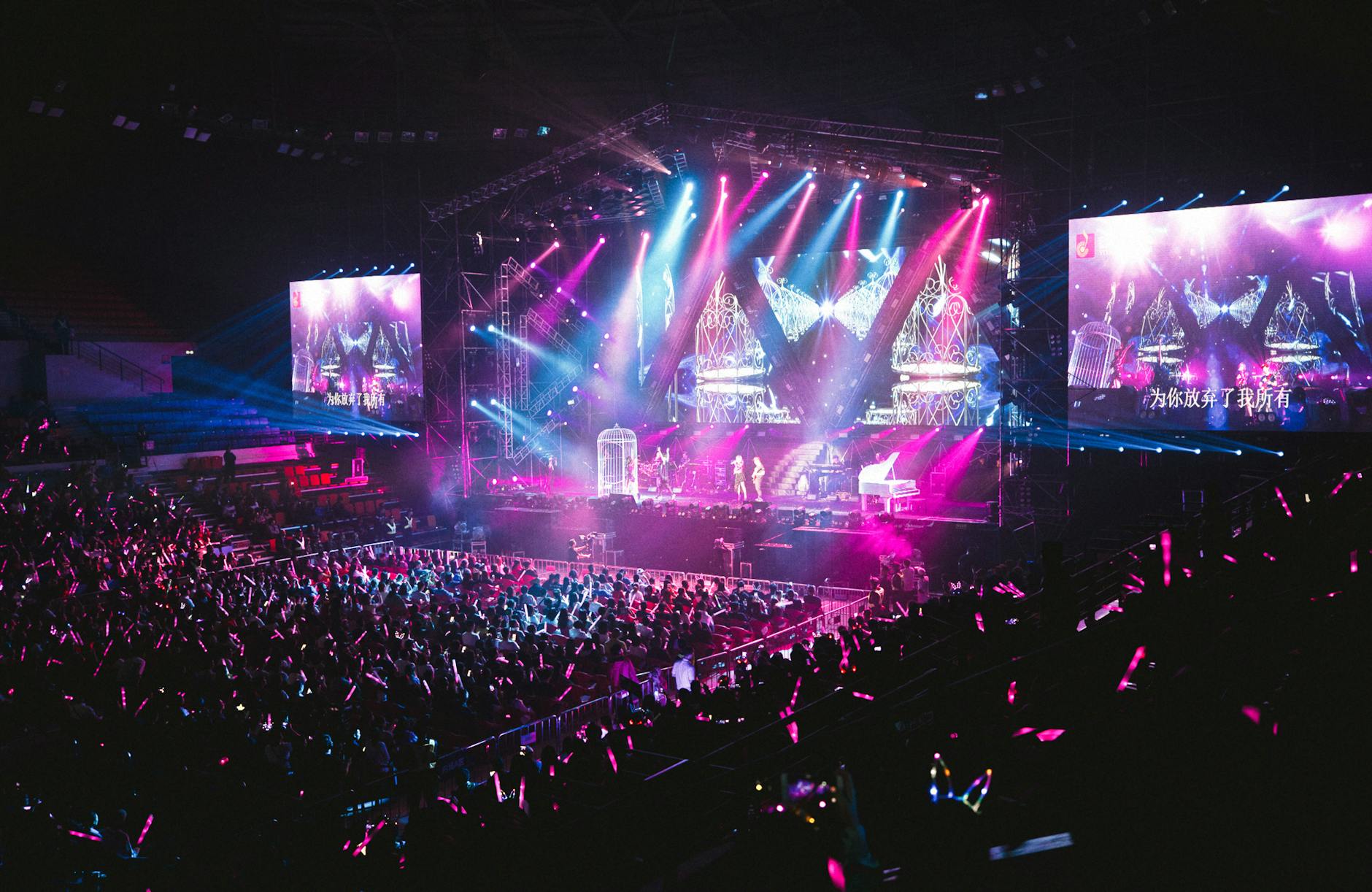
The Tower Theatre for the Performing Arts is the neighborhood's crown jewel, hosting live performances, film screenings, and community events in a lovingly preserved 1939 art deco building. The Fresno Art Museum presents rotating exhibitions alongside a permanent collection focused on American and Mexican art. Saroyan Theatre and Save Mart Center round out the city's live entertainment options, from intimate performances to major touring acts.
Scenic Exploration
The Fresno County Blossom Trail is a highlight of late winter and early spring, a self-guided driving route through miles of flowering orchards and vineyards that turns the Central Valley into a canvas of pink and white blooms.
Family Fun
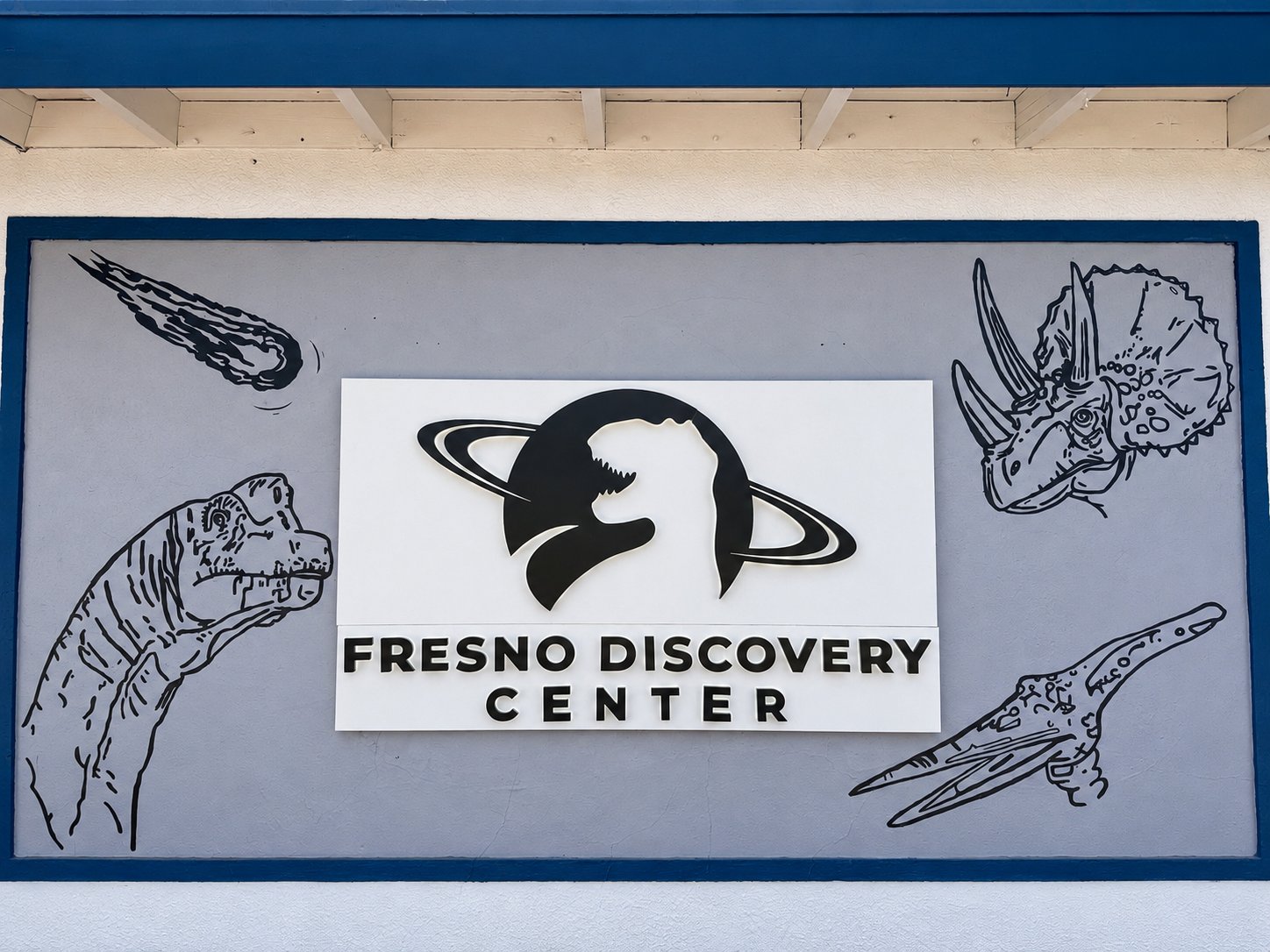
Fresno Discovery Center offers hands-on science exhibits for younger visitors, and Blackbeard's Family Entertainment provides go-karts, mini golf, and arcade games for all ages.
Start your morning exploring the Tower District: grab coffee at a local cafe, browse independent shops, and take in the historic Tower Theatre. Head to the Fresno Art Museum in the afternoon for a dose of local and regional culture. In the evening, settle into the neighborhood's dining scene with dinner at one of the district's farm-driven restaurants and catch live music nearby.
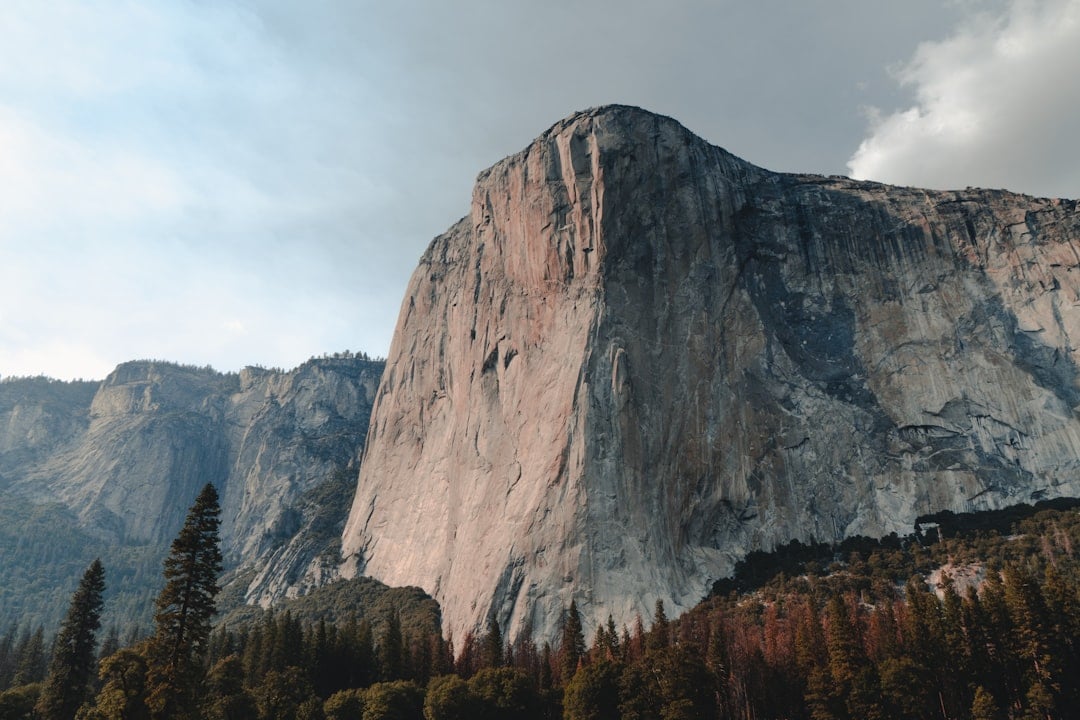
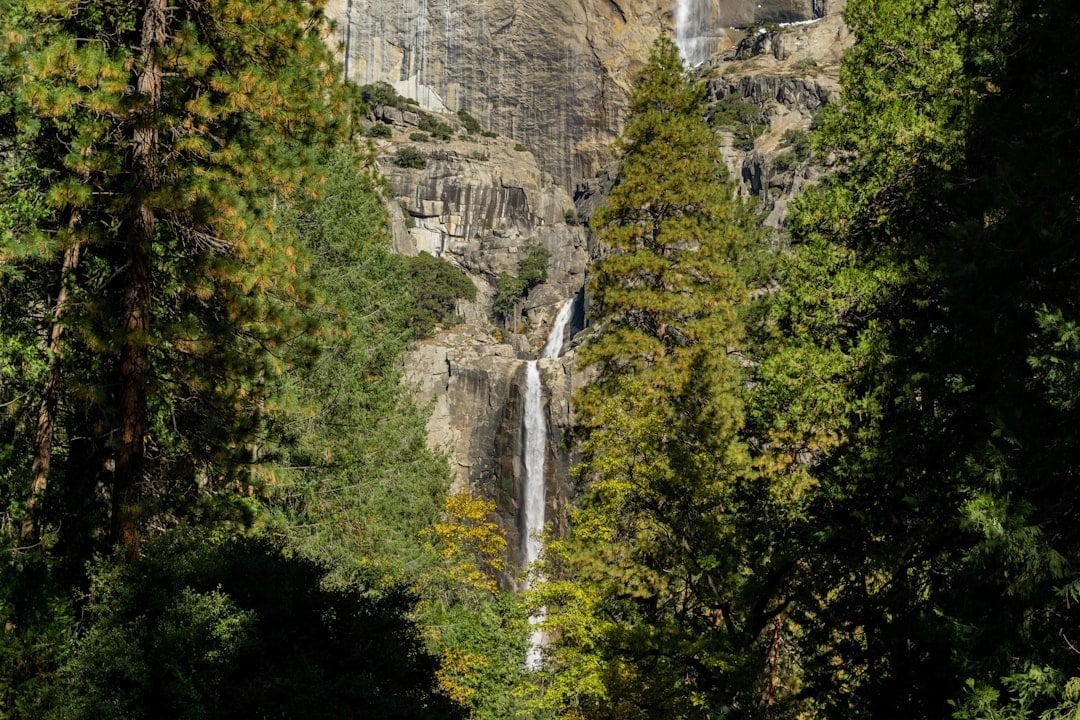
Make an early start for Yosemite National Park, roughly 60 miles north of Fresno. Spend the morning in Yosemite Valley with views of El Capitan and Bridalveil Fall, then hike the Lower Yosemite Fall trail after lunch. Head back to Fresno by late afternoon and wind down with dinner featuring Central Valley produce at a farm-to-table spot downtown.
Spend the morning at the Forestiere Underground Gardens, a remarkable hand-carved subterranean estate built over decades by Baldassare Forestiere. After lunch, visit the Chaffee Zoo in Roeding Park for a relaxed afternoon. Wrap up your trip with a stop at the Tower District Farmers Market if timing allows, picking up local Central Valley goods before heading out.
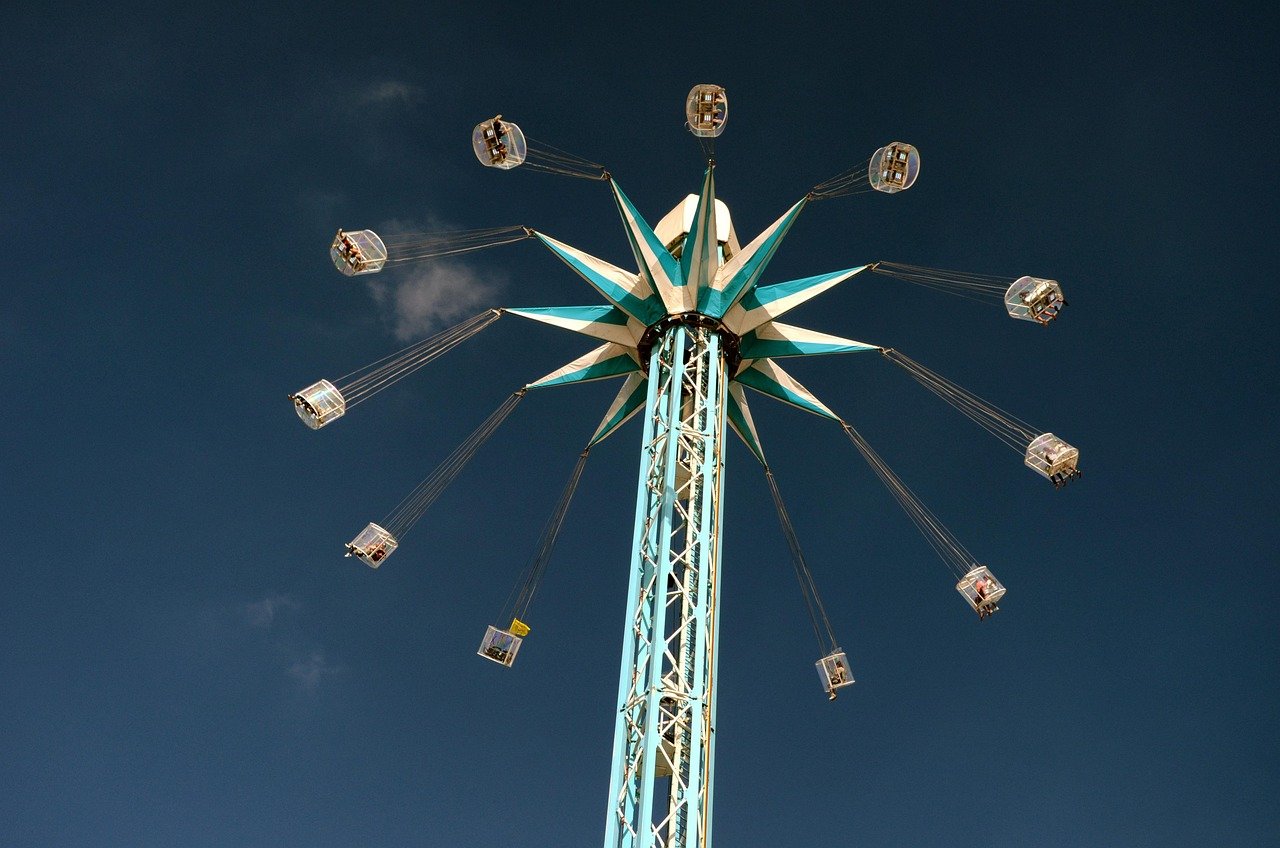
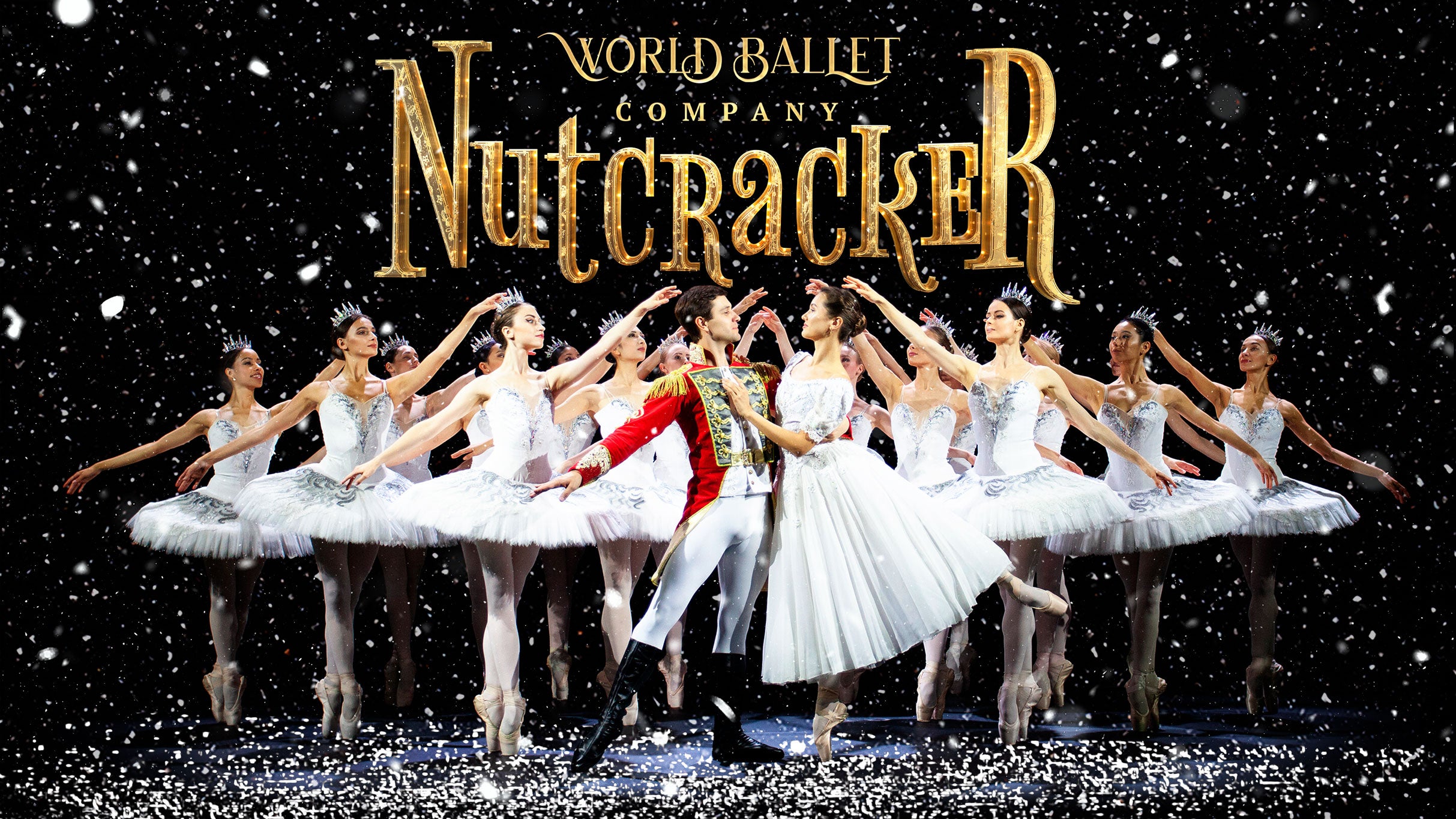
Fresno's calendar reflects a city that celebrates its agricultural abundance, multicultural heritage, and love of live performance in equal measure. The year builds toward the Big Fresno Fair each October, a beloved Central Valley tradition that draws hundreds of thousands of visitors with carnival rides, livestock competitions, live entertainment, and an extraordinary showcase of locally grown produce. Summer brings outdoor concerts and community festivals to the Tower District, where the neighborhood's creative energy spills into the streets. The performing arts anchor the colder months, with ballet companies staging Swan Lake and The Nutcracker at the Saroyan Theatre, one of the region's premier venues for live performance.

Aug 28, 2026

Nov 21, 2026
Dec 21, 2026
Dec 22, 2026

Nov 11, 2026
Fresno's culinary identity is inseparable from the land that surrounds it. Fresno County is one of the most productive agricultural counties in the United States, and that extraordinary bounty flows directly into the city's restaurants, specialty markets, and farmers markets in ways that few American cities can match. Dining here is less a trend than a fact of geography.
Fresno Yosemite International Airport (FAT) is the primary arrival point for air travelers,
located about five miles from downtown with direct flights from Los Angeles, San Francisco, Seattle, and Phoenix, plus connecting service from most major U.S. cities.
Drivers from the San Francisco Bay Area typically take I-580 east to Highway 99 south,
a route that covers roughly 185 miles and takes about two and a half to three hours depending on Bay Bridge and Valley traffic.
From Los Angeles, Highway 99 north is the direct route to Fresno,
covering approximately 220 miles and taking around three hours, though the stretch through the San Fernando Valley can add time during peak commute hours.
Amtrak's San Joaquins line stops at the Fresno station on Tulare Street,
connecting the city to Oakland, Sacramento, and Bakersfield with several daily departures, making it a practical car-free option for Bay Area and Southern California travelers.
Greyhound and FlixBus both serve Fresno with routes linking to Los Angeles and the Bay Area,
offering budget-friendly intercity travel with drop-off points near central Fresno, though schedules are less frequent than Amtrak.
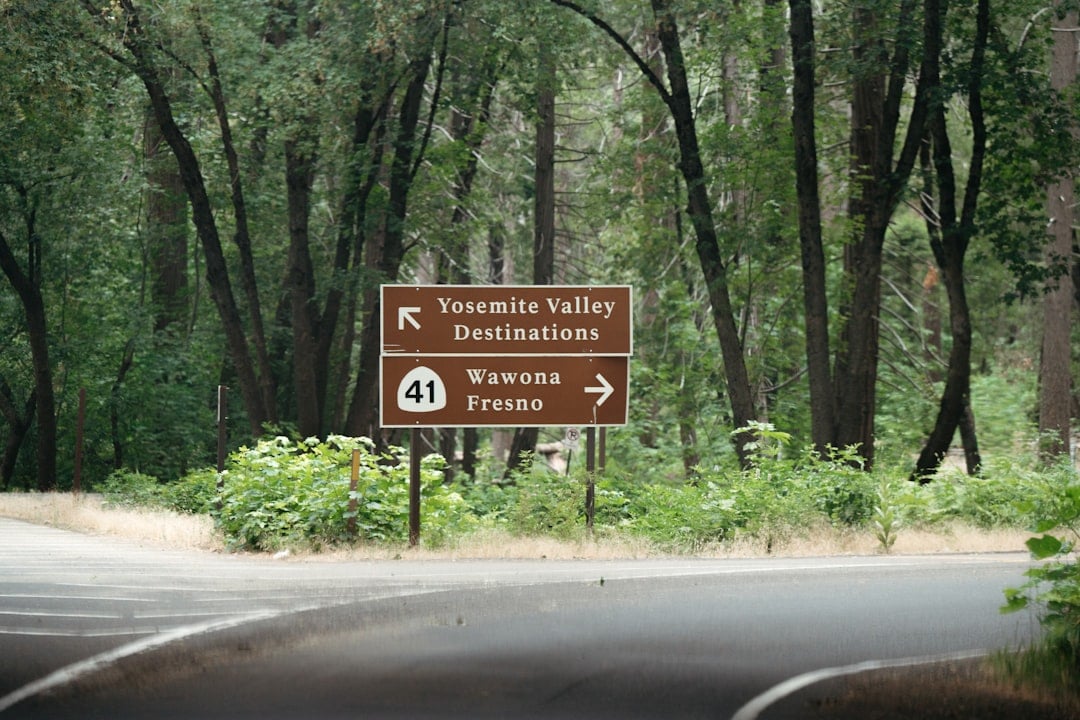
A rental car is effectively essential for visiting Yosemite, Sequoia, or Kings Canyon from Fresno,
as no direct public transit connects the city to the national parks, and the drives range from about an hour to just under two hours depending on the destination.
The Tower District is Fresno's most walkable neighborhood,
with the Tower Theatre, independent restaurants, bars, and cafes all concentrated along Olive Avenue and reachable on foot once you park or arrive by rideshare.
Uber and Lyft both operate reliably across Fresno,
making rideshare a practical choice for evenings out in the Tower District or downtown without needing to navigate parking in unfamiliar areas.
Fresno Area Express (FAX) runs the city's public bus network across multiple routes,
but service frequency and coverage are limited for tourist purposes, so most visitors use it only as a last resort rather than a primary way to get around.
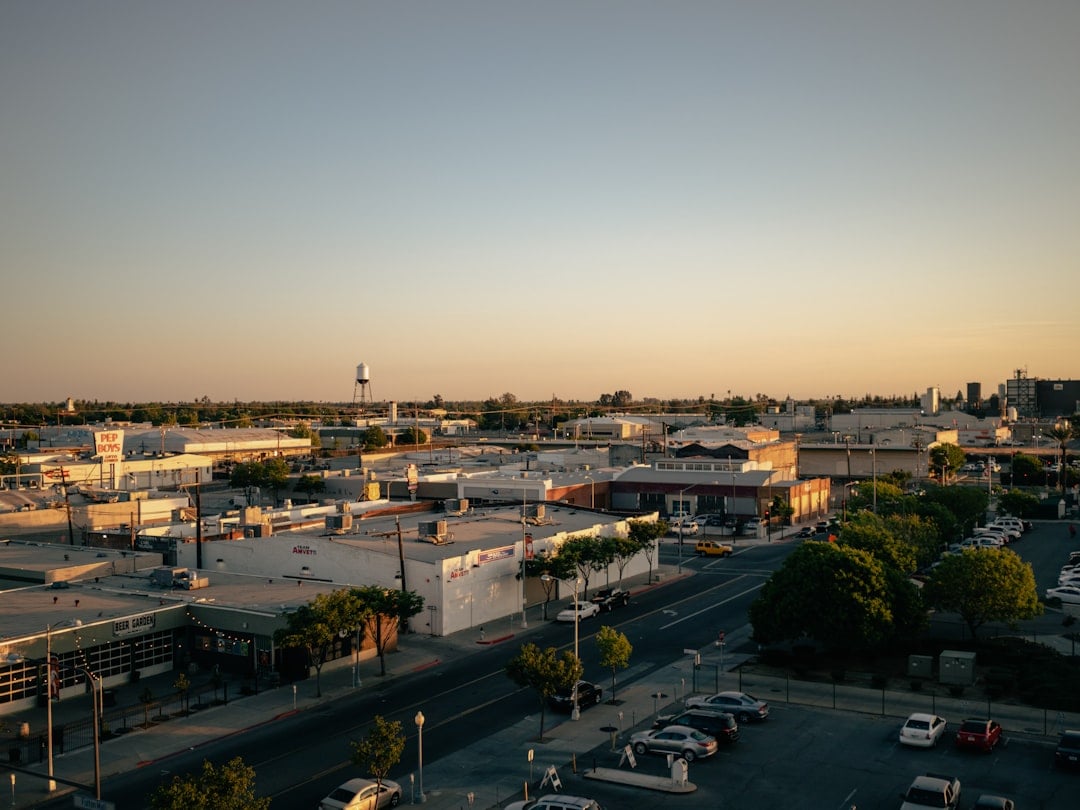
Summer in Fresno means triple-digit heat, often exceeding 100 degrees Fahrenheit in July and August. If you are visiting during these months, plan outdoor activities for early morning and save afternoons for indoor attractions like the Fresno Art Museum or air-conditioned restaurants. Spring (March to May) and fall (September to October) offer the most comfortable temperatures for exploring both the city and the nearby parks.
If you plan a day trip to Yosemite, book your park entry reservation well in advance through recreation.gov, as timed entry permits are required during peak season. Sequoia and Kings Canyon may also require reservations for the Hwy 198 corridor.
Tipping follows standard California norms: 18 to 20 percent at sit-down restaurants, a few dollars for coffee bar service. The Fresno Farmers Market in the Tower District runs on Saturdays and is cash-friendly. Download the Uber or Lyft app before arriving if you plan to use rideshare, as local taxi availability is limited.
Two to three days is enough to explore Fresno's highlights, including the Tower District, local food scene, and cultural attractions like the Fresno Art Museum and Forestiere Underground Gardens. If you plan to visit Yosemite or Sequoia and Kings Canyon National Parks from Fresno as a base, budget an extra day or two for each park excursion.
Fresno is best known as the closest major city to Yosemite National Park and Sequoia and Kings Canyon National Parks, making it a popular gateway for outdoor travelers. It is also recognized for its agricultural heritage - Fresno County is one of the most productive farming counties in the US - and its diverse, immigrant-driven food culture.
Yes, Fresno works well as a weekend destination. Two days gives you time to explore the Tower District, visit the Chaffee Zoo or Forestiere Underground Gardens, and sample the local food scene. It also makes a practical weekend base for a single day trip into Yosemite or Sequoia, both within roughly an hour to two hours by car.
Fresno is one of the more affordable cities in California. Hotels, restaurants, and activities tend to cost less than in San Francisco or Los Angeles. The city's farmers markets and locally owned eateries offer excellent value. The main added cost comes if you plan day trips to nearby national parks, which charge separate entrance fees.
Spring (March to May) and fall (September to November) offer the most comfortable temperatures for exploring the city and nearby parks. Summers are hot in the Central Valley, often exceeding 100 degrees Fahrenheit, while winters are mild in the city but can bring snow to the surrounding mountain parks.