
Baltimore, MD
A Journey guide to
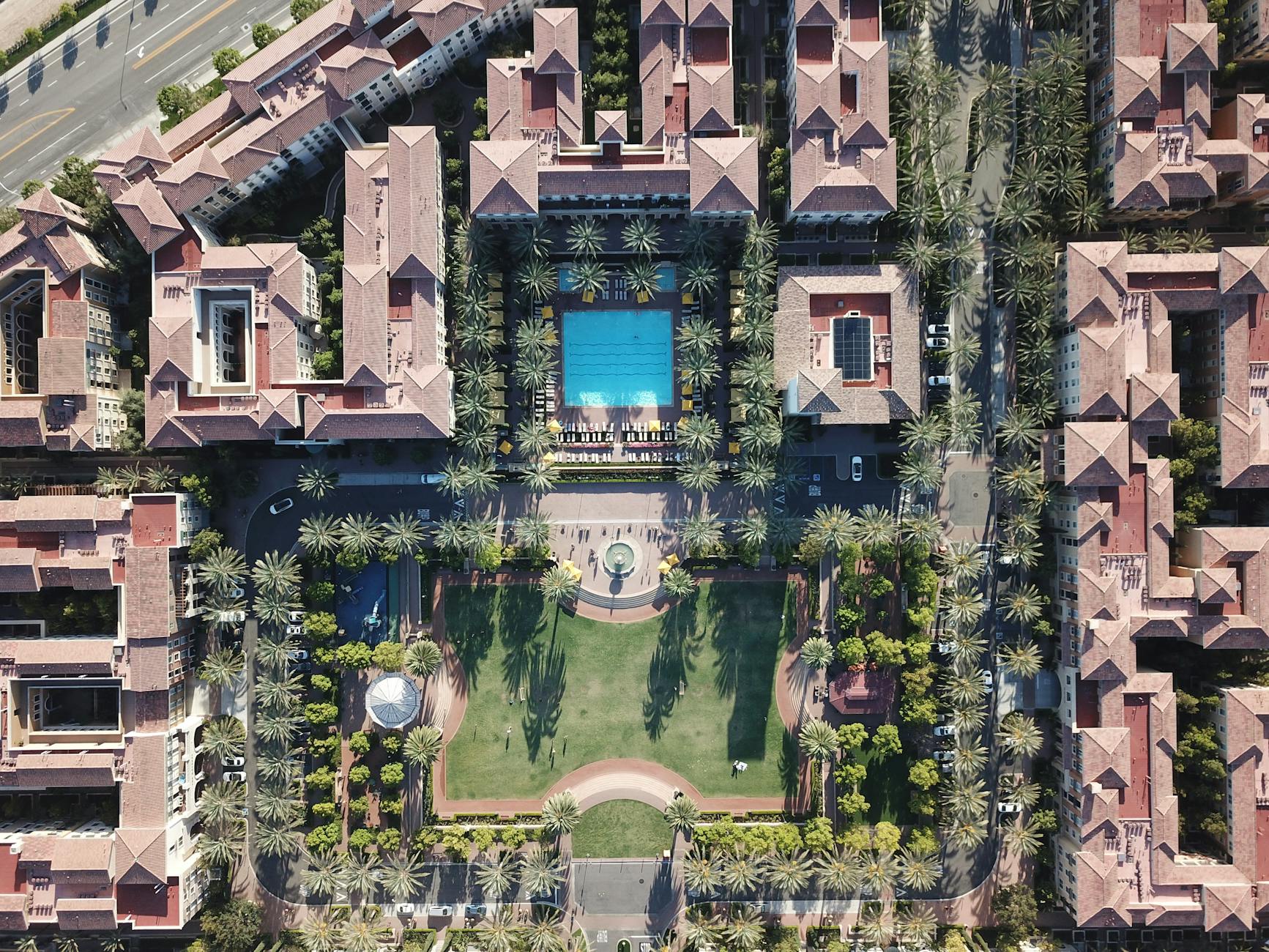
Irvine is one of the most deliberately designed cities in the United States, built from the ground up on the former Irvine Ranch in Orange County, California. That intentionality shows in everything from its meticulously maintained neighborhoods to its thriving business corridors. The city is home to a globally recognized research university, a dynamic tech and biotech sector, and a culinary scene that reflects its remarkably diverse population. Travelers arrive expecting order and leave impressed by genuine vitality.
The city draws a sophisticated mix of visitors: business travelers attending conferences and corporate campuses, families visiting UC Irvine or exploring the region's parks, and food-focused travelers drawn to the extraordinary concentration of Asian cuisine in neighborhoods like Irvine Spectrum and the Diamond Jamboree plaza. Few cities of its size in California can rival the depth and authenticity of Irvine's international dining landscape, which spans Cantonese dim sum, Korean barbecue, Japanese ramen, and Vietnamese pho.
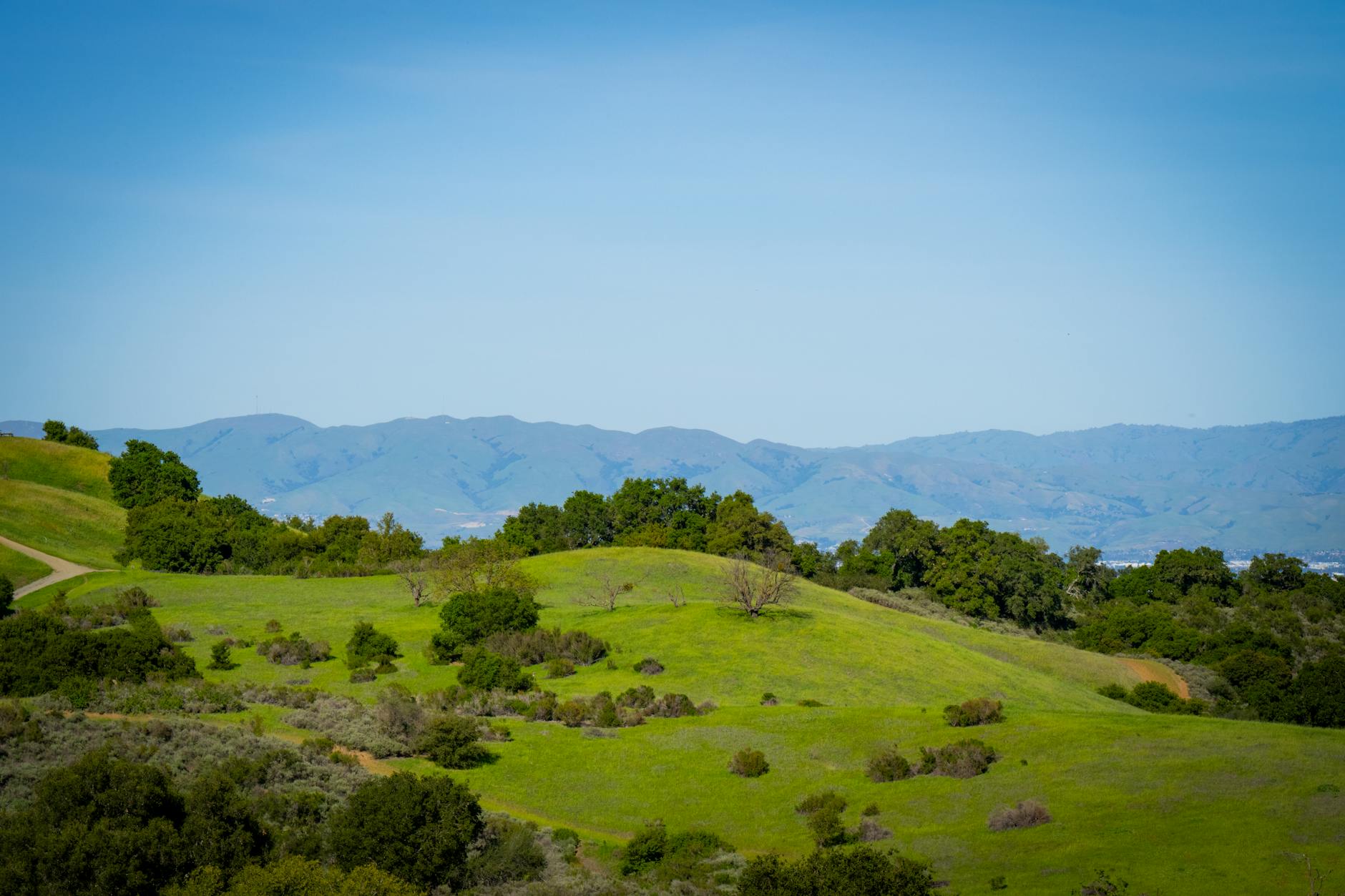
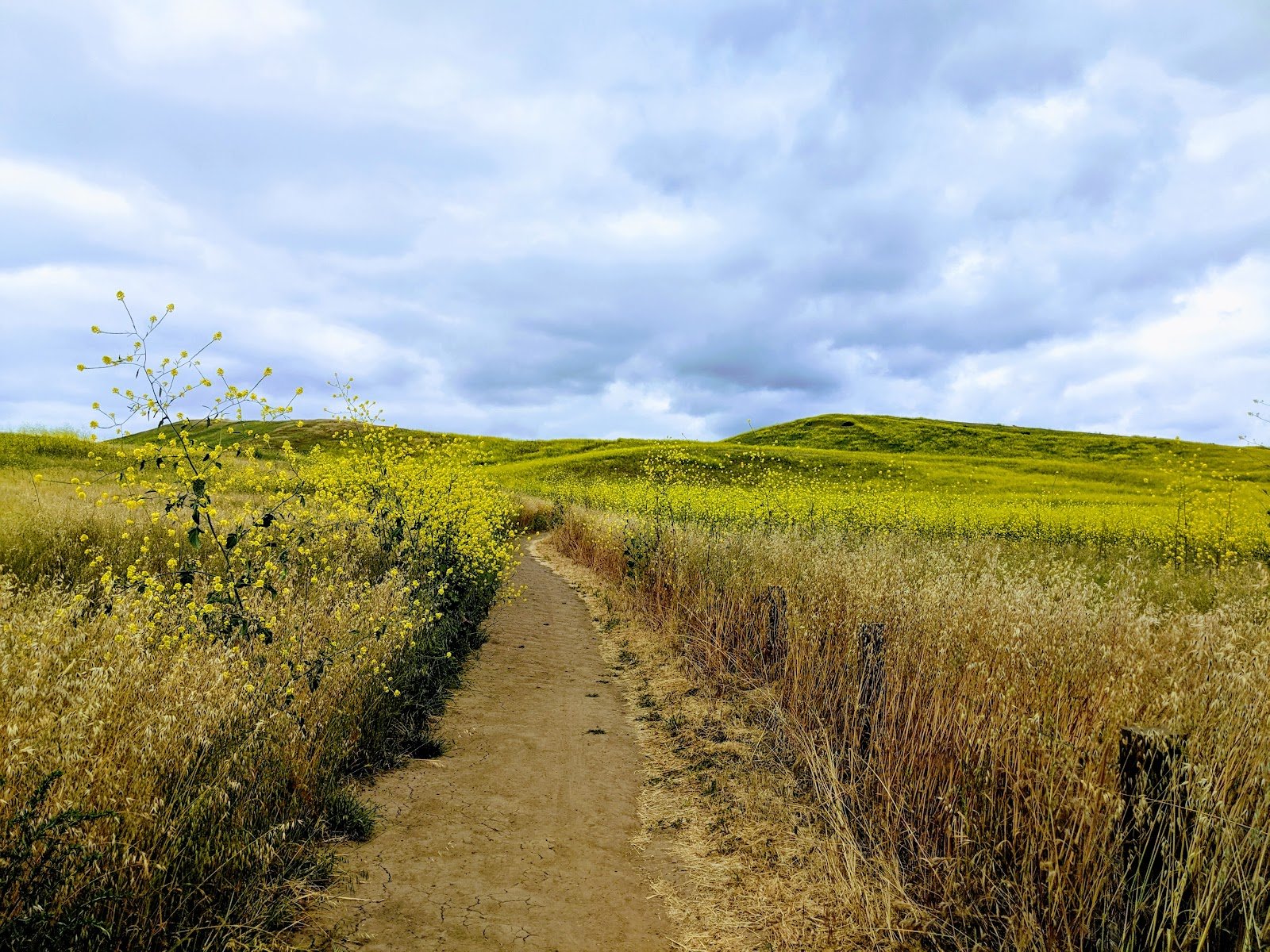
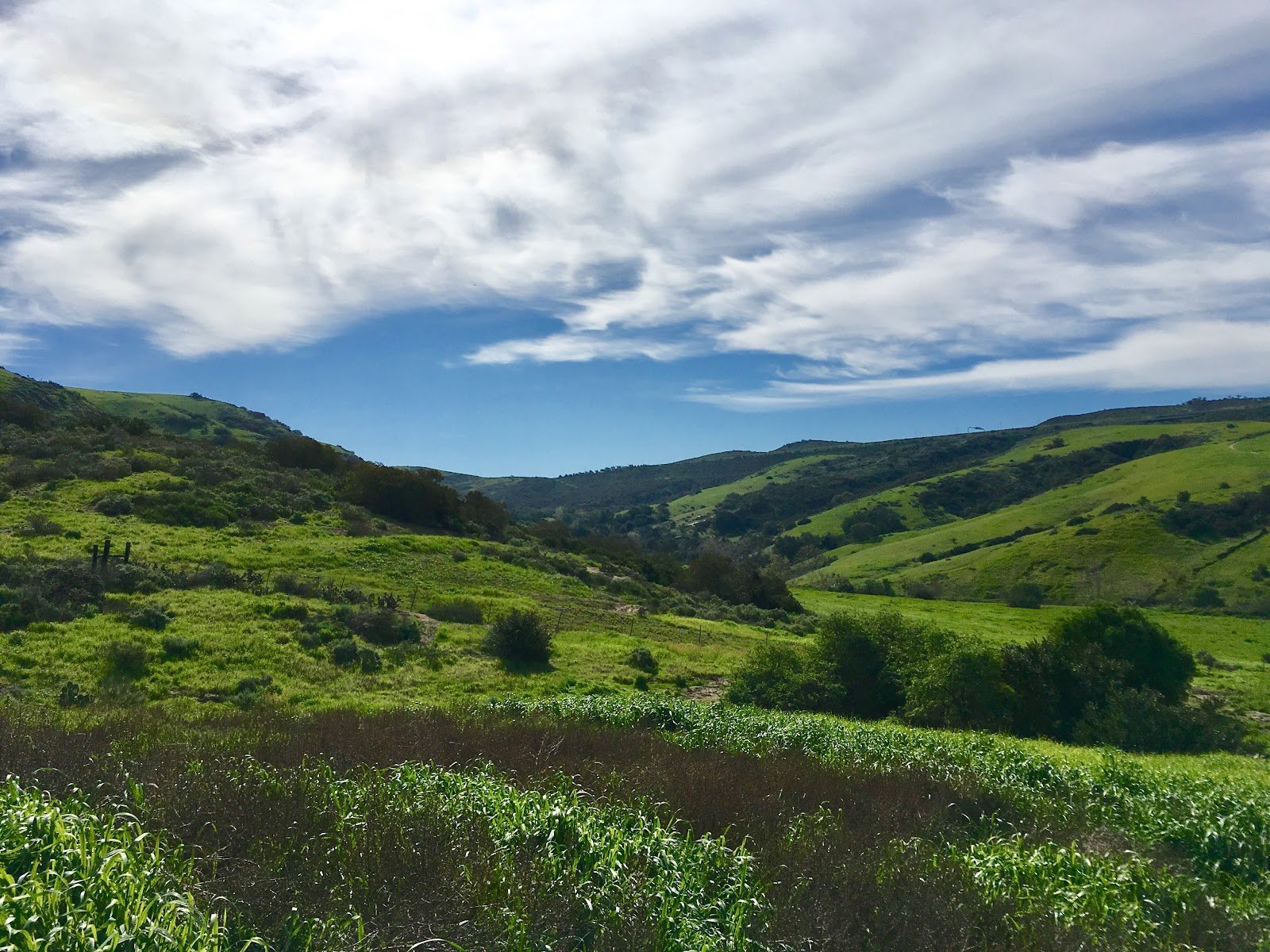
Outdoor enthusiasts find more than they expect. Irvine's extensive network of trails connects to regional open space and the Irvine Regional Park, one of the oldest county parks in California. The Quail Hill and Bommer Canyon wilderness areas sit within the city limits, offering genuine backcountry hiking minutes from urban amenities. Cyclists benefit from over 60 miles of dedicated bikeways woven through the city's master plan.
Irvine also serves as an ideal base for exploring greater Southern California. Laguna Beach is a short drive south, Disneyland sits just minutes to the north, and the Pacific coastline is easily accessible. The city's central position in Orange County, combined with its polished hotel infrastructure and low crime rate, makes it a practical and comfortable anchor for regional exploration.
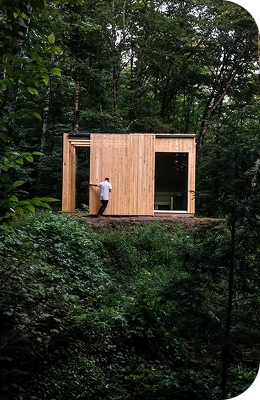



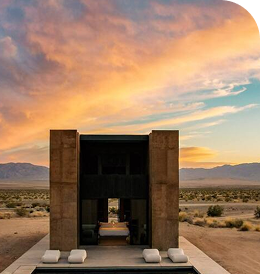

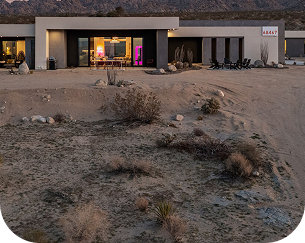

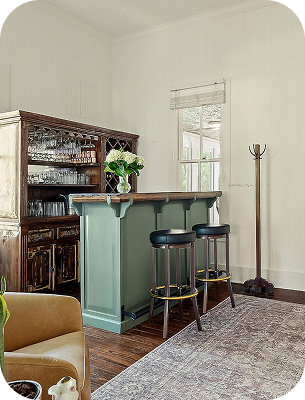

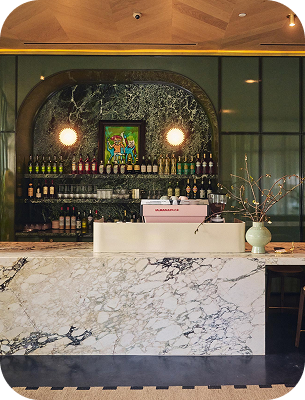

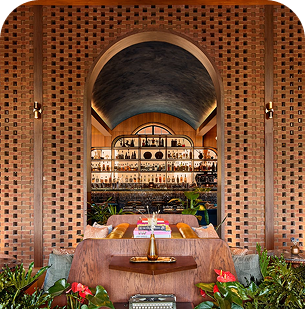

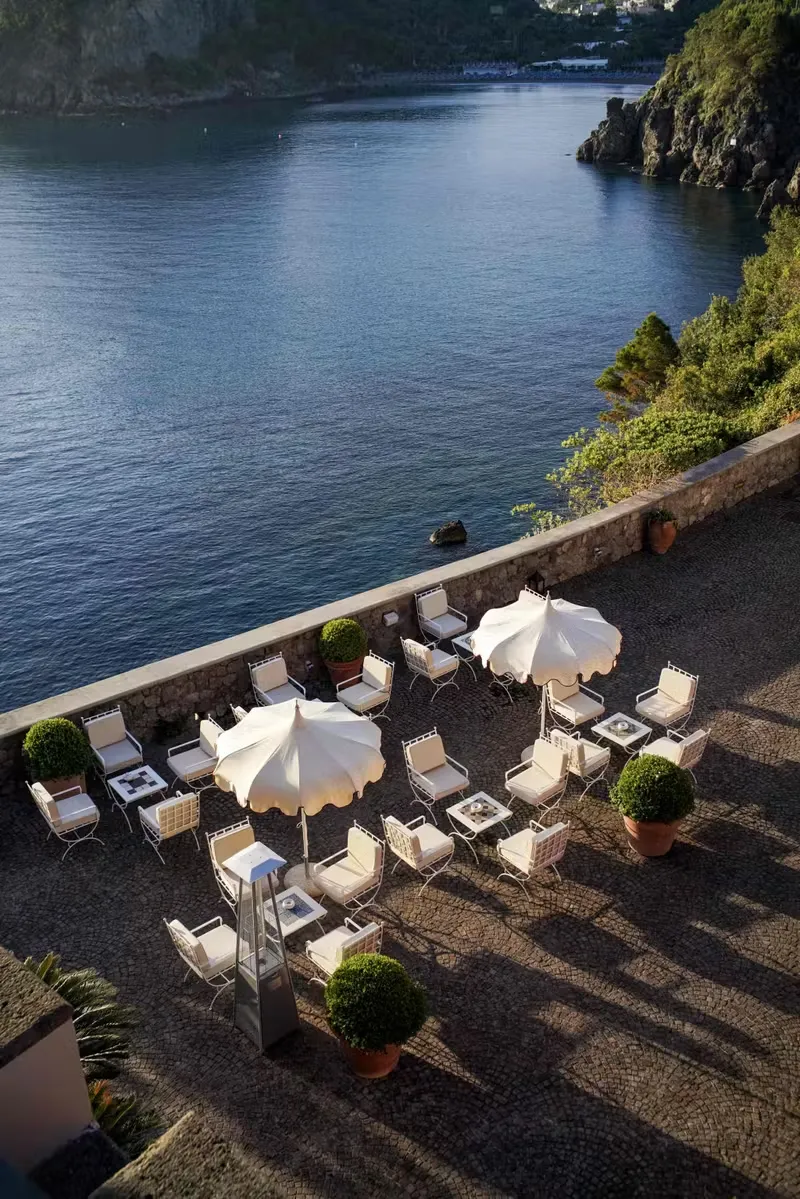

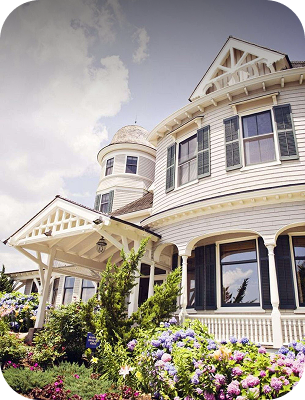

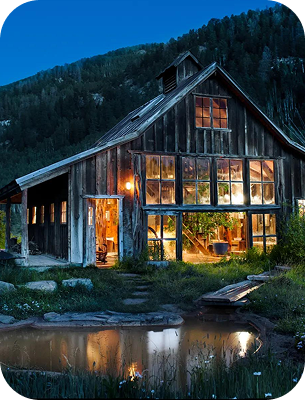

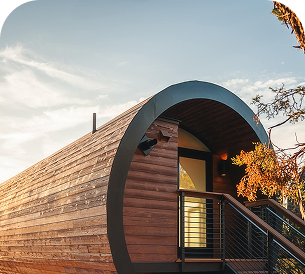

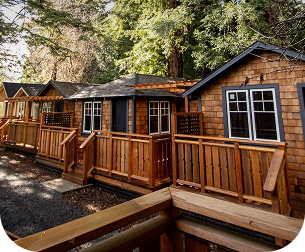

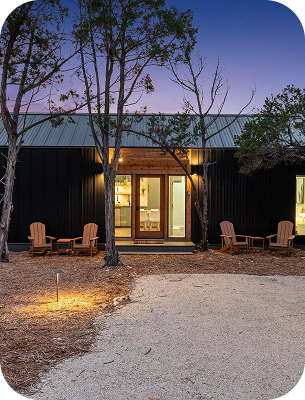

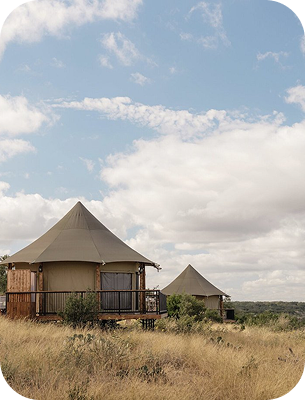

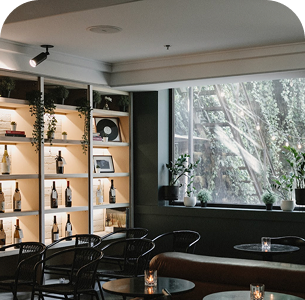

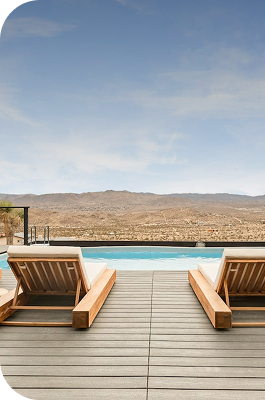

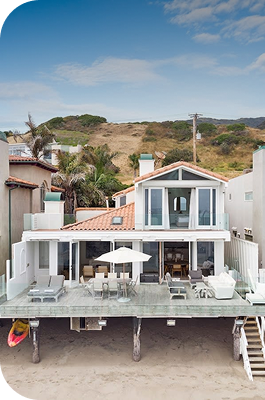

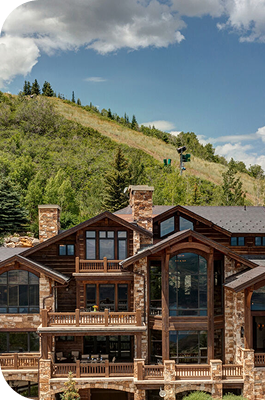
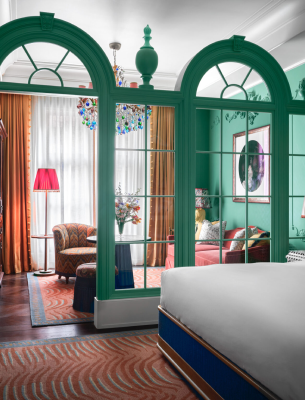
Journey connects travelers to a curated network of boutique hotels and distinctive residences around the world, all united under one rewards program. Explore handpicked stays for your trip while earning points, unlocking exclusive offers, and receiving rewards across the Journey collection.
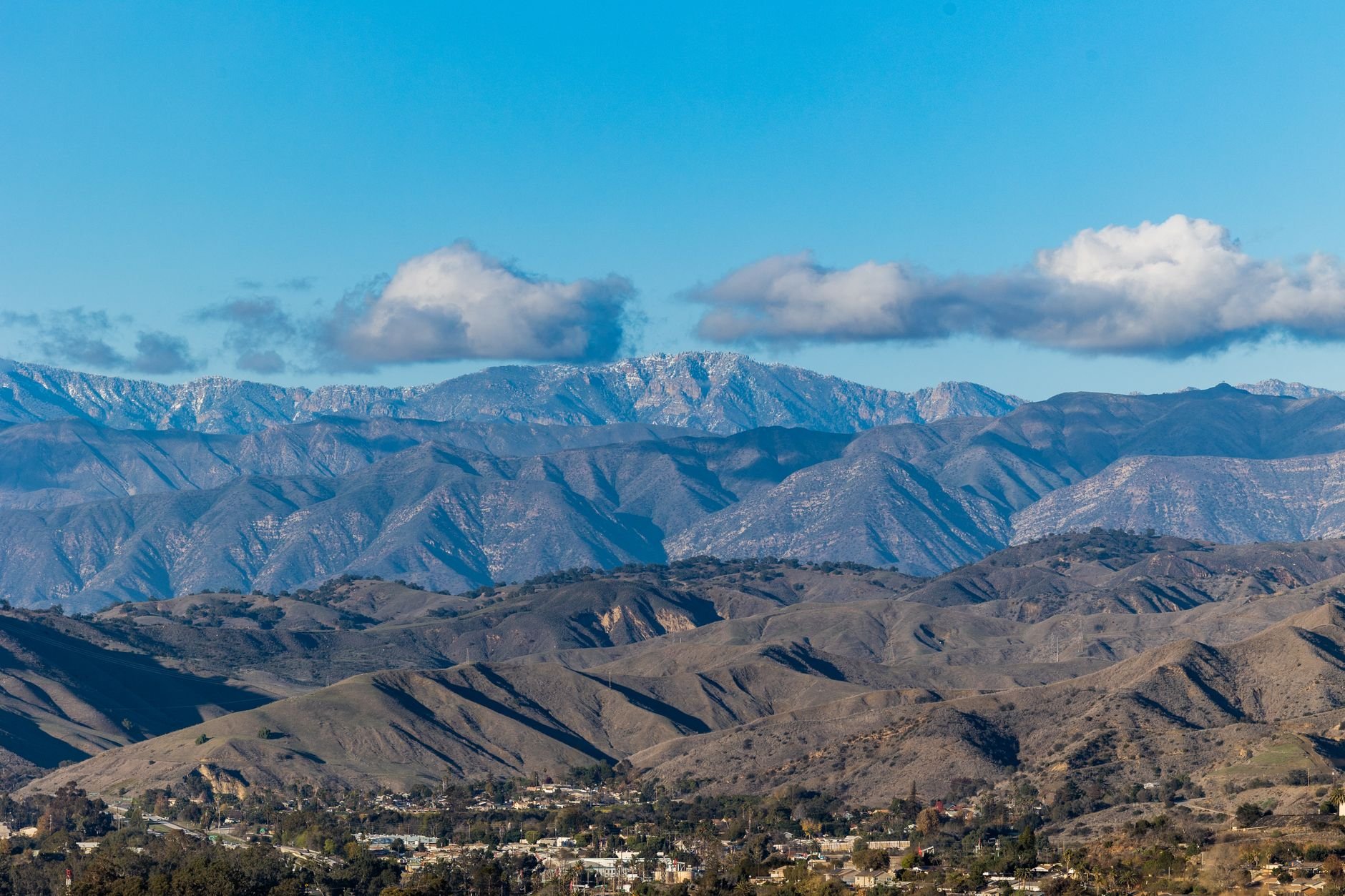
Irvine occupies a broad coastal plain in the heart of Orange County, roughly midway between Los Angeles and San Diego. The Santa Ana Mountains rise to the northeast, and the Pacific Ocean lies just a dozen miles to the southwest, lending the city a mild, sun-drenched character without the marine fog that blankets communities closer to the shore. The landscape is largely flat and open, shaped by the agricultural legacy of the Irvine Company, which once operated one of the largest privately held ranches in California history.
The city's origins are unlike almost any other in America. Rather than growing organically, Irvine was incorporated in 1971 as a planned community, developed in partnership with UC Irvine, which was established in 1965 as part of the University of California system. That academic anchor fundamentally shaped the city's identity, attracting research institutions, technology firms, and a highly educated workforce. Today, Irvine is consistently ranked among the safest and most livable cities in the United States, a reputation that reinforces its appeal to both long-term residents and short-term visitors.
Culturally, Irvine is one of the most diverse cities in California. A significant portion of its population traces roots to East and Southeast Asia, and this demographic reality has produced a cultural richness that extends well beyond cuisine into art, community institutions, and civic life. The Irvine Museum, before its closure, was renowned for its collection of California Impressionist painting, and the city continues to support public art and performance through venues like the Irvine Barclay Theatre.
For travelers, Irvine presents a different kind of California experience: clean, efficient, and unexpectedly layered. It lacks the grit and mythology of Los Angeles or the postcard drama of San Francisco, but it offers a composed, high-quality urban environment where world-class food, accessible nature, and genuine cultural depth coexist. It is a city that rewards curiosity over assumption.
Irvine is a year-round destination, but the timing of a visit shapes the experience considerably. Fall, from September through November, is the most rewarding window for most travelers. The city hums with activity as UC Irvine returns to full session, cultural programming picks up, and the weather cooperates consistently. Crowds at major attractions remain manageable, and the open space trails through Bommer Canyon and Quail Hill are at their most accessible and scenic.
Spring, particularly April and May, offers a close second. Irvine's parks and wilderness corridors are lush from winter rains, and the mood across the city is energetic without the peak-season pressure felt at nearby coastal destinations. Outdoor dining at Irvine Spectrum and the surrounding plazas is especially enjoyable during this period, and the trails see strong but not overwhelming foot traffic.
Summer draws the largest crowds, driven by family travel, university visits, and proximity to Disneyland and the coast. The Irvine Spectrum Center and Great Park are busiest from late June through August, and hotel rates reflect that demand. Travelers who prioritize outdoor hiking should note that midday conditions can be intense, making early morning starts essential. That said, summer evenings are lively, and the concentration of outdoor dining and entertainment options makes the season genuinely fun despite the crowds.
Winter is Irvine's quietest period and offers real value for budget-conscious travelers. Business travel slows around the holidays, hotel rates dip, and the city's dining scene remains fully active. The Irvine Regional Park and surrounding trails are uncrowded, and day trips to Laguna Beach or the broader Orange County coast are particularly pleasant without summer competition. Travelers focused on restaurants, cultural visits, and urban exploration will find winter an underrated choice.
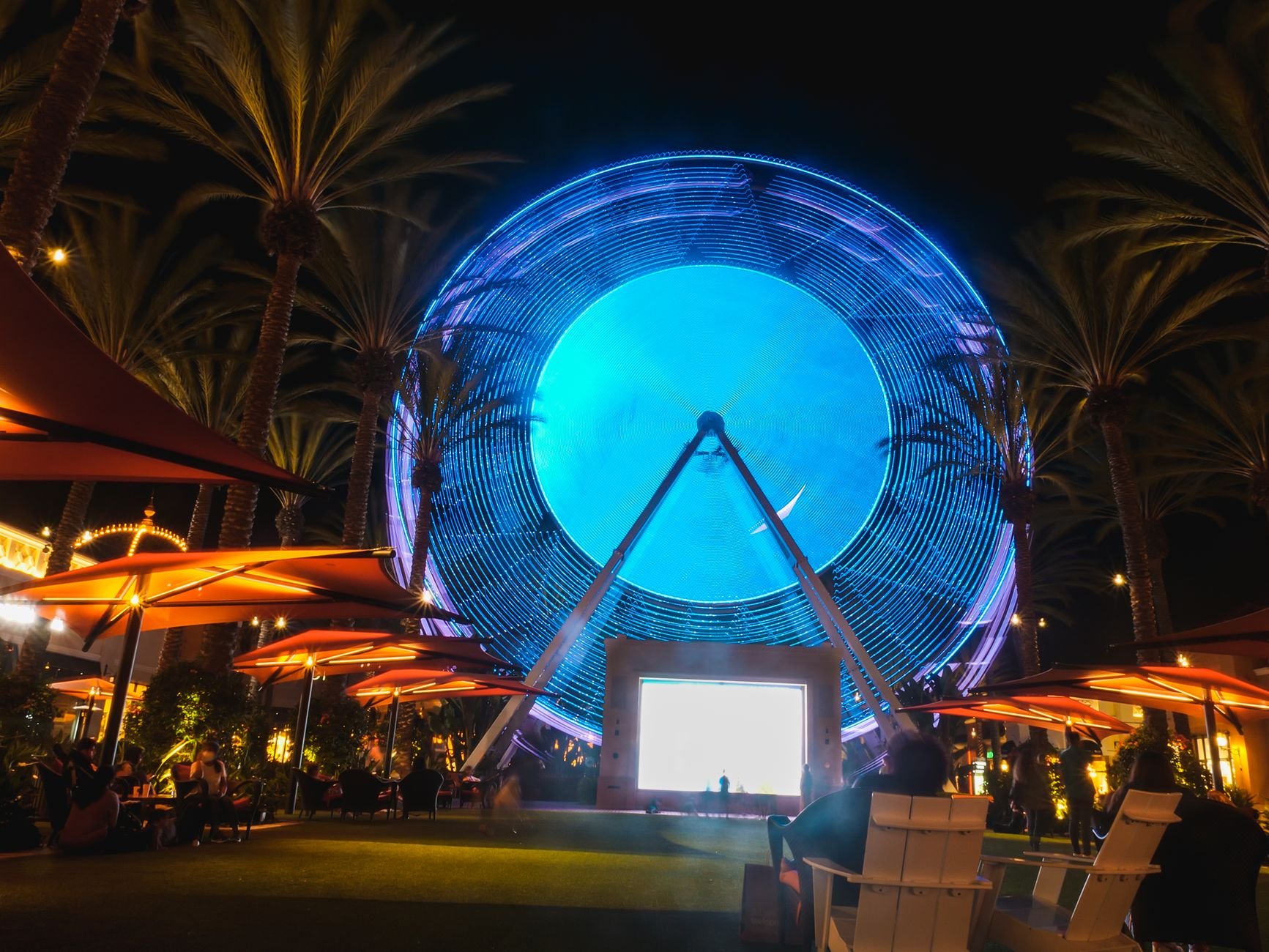
Irvine Spectrum is the city's most energetic entertainment and retail hub, anchored by an open-air center with a giant Ferris wheel, dozens of restaurants, and a major cinema. The area draws both locals and visitors for its lively outdoor atmosphere, especially on warm Southern California evenings. It sits at the southern end of the city and serves as a natural gathering point for dining, shopping, and people-watching.
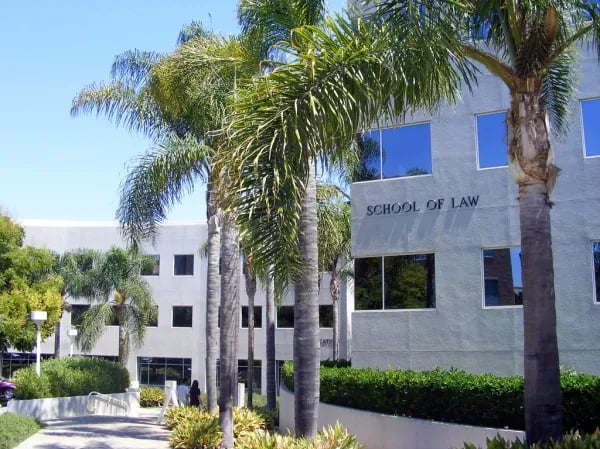
Clustered around the University of California Irvine campus, this district pulses with academic energy and a youthful, international crowd. The Anteater Recreation Center, campus art galleries, and the nearby University Town Center mall give the area a mix of intellectual and commercial appeal. Walkable streets, coffee shops, and casual eateries make it a lively daytime destination.
Diamond Jamboree is Irvine's most celebrated destination for Asian cuisine, a compact shopping plaza that packs an extraordinary density of authentic restaurants and bubble tea shops into a single block. Korean barbecue, Taiwanese beef noodle soup, Hong Kong-style bakeries, and Japanese izakayas sit side by side, drawing diners from across Orange County. The plaza is busiest on weekends, when lines form outside the most popular spots.
Woodbridge is one of Irvine's most established planned residential villages, centered on two scenic lakes with beaches, tennis courts, and miles of walking paths. The neighborhood has a relaxed, suburban feel that contrasts with the city's busier commercial zones, and its lakeside parks are popular with families and joggers. It offers a window into the thoughtful, amenity-rich lifestyle that defines Irvine's master-planned character.
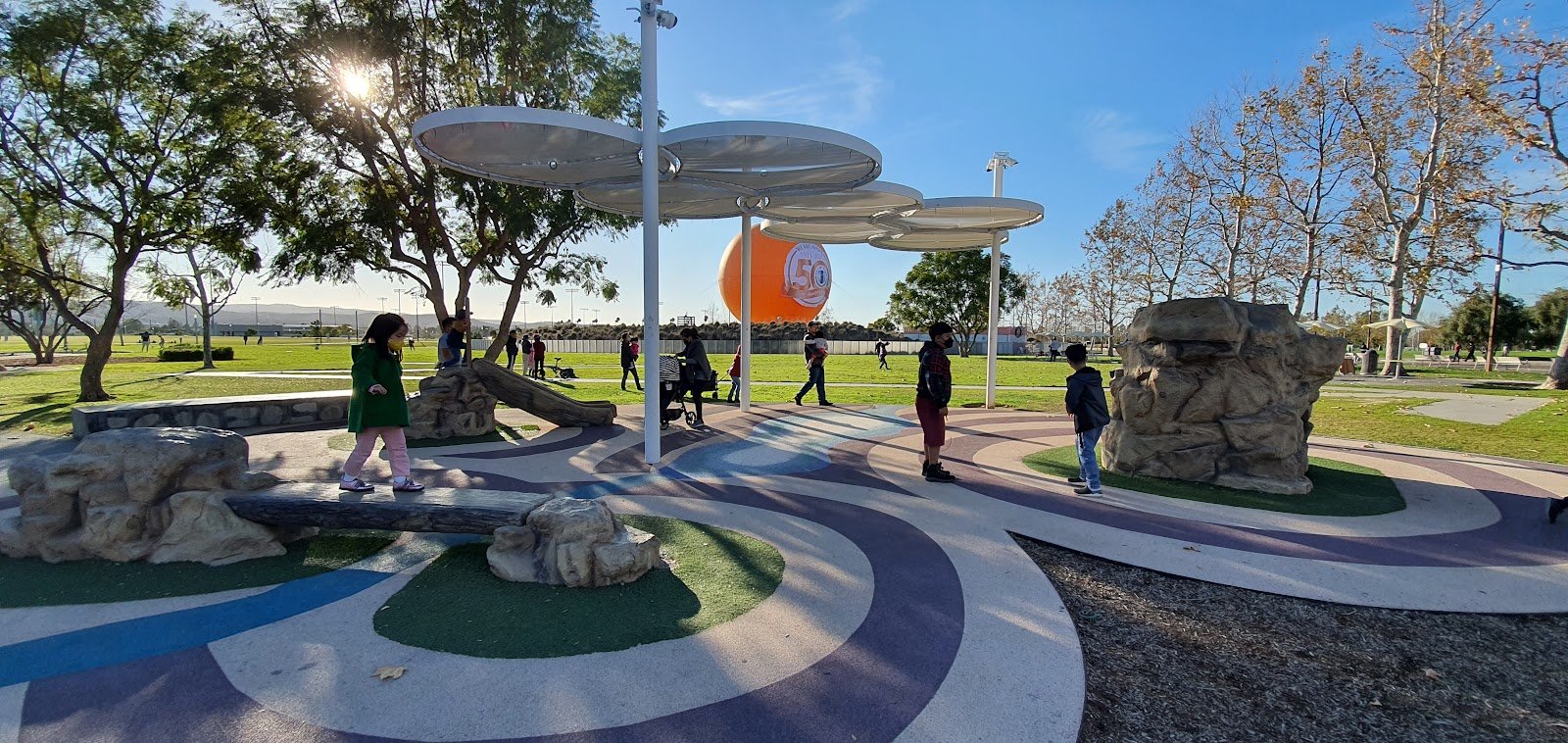
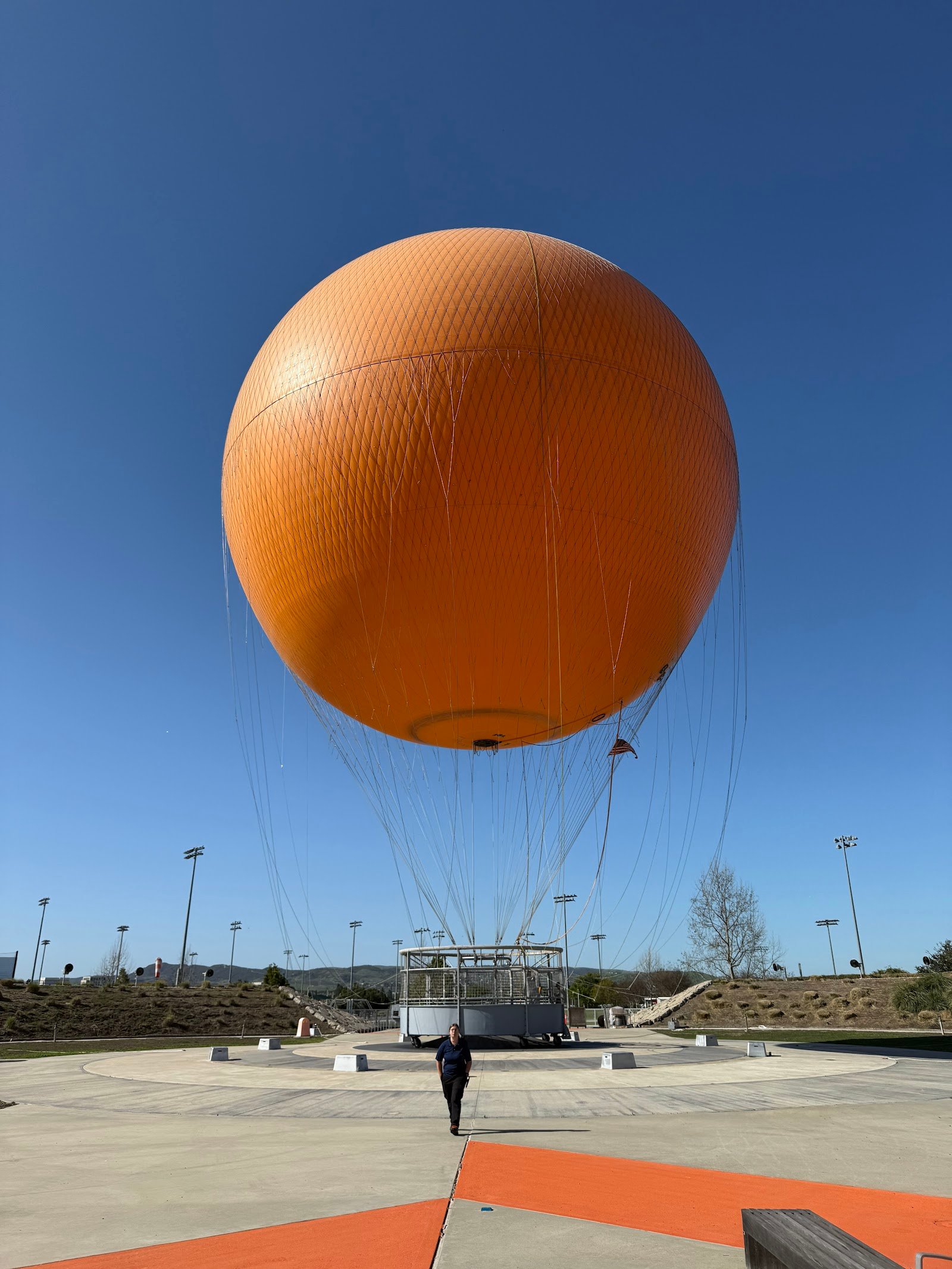
Built around the former El Toro Marine Corps Air Station, the Great Park Neighborhoods are Irvine's newest and most ambitious district, anchored by the Orange County Great Park with its iconic tethered balloon, sports complexes, and cultural venues. The area hosts farmers markets, arts programming, and large-scale sporting events that draw visitors from across the region. Its wide boulevards, modern architecture, and open green space give it a distinctly forward-looking character.
A handful of experiences define what it means to visit Irvine, and none of them could happen quite the same way anywhere else.
Riding the Great Park Balloon
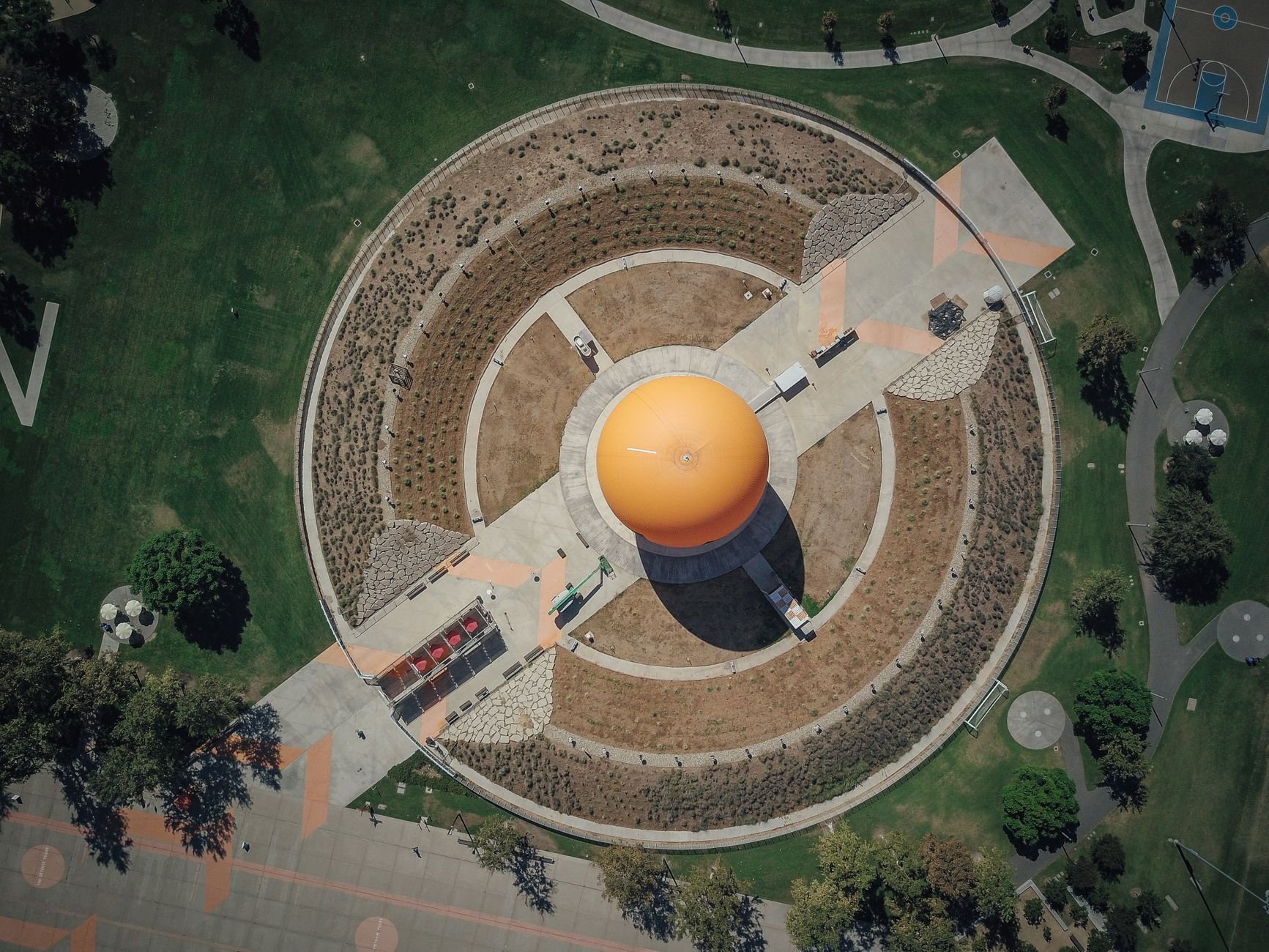
The tethered helium balloon at Great Park is Irvine's most recognizable attraction. Passengers ascend 400 feet in a gondola that holds up to 25 people, gaining unobstructed views of the Santa Ana Mountains, the Pacific Ocean on clear days, and the sprawling patchwork of Orange County below. The balloon operates on the grounds of a former Marine Corps air station, and that sense of open sky and scale is impossible to replicate.
Exploring Irvine's Asian Dining Corridor
Few cities in the American West concentrate as much authentic Asian cuisine in such a compact area. The Diamond Jamboree shopping plaza and the surrounding streets near Alton Parkway form a culinary corridor where Cantonese dim sum kitchens, Japanese ramen shops, Korean barbecue houses, Taiwanese boba cafes, and Vietnamese pho restaurants operate side by side. This is not a food court approximation of international cuisine. These are destination restaurants drawing diners from across Southern California.
Hiking Inside the City
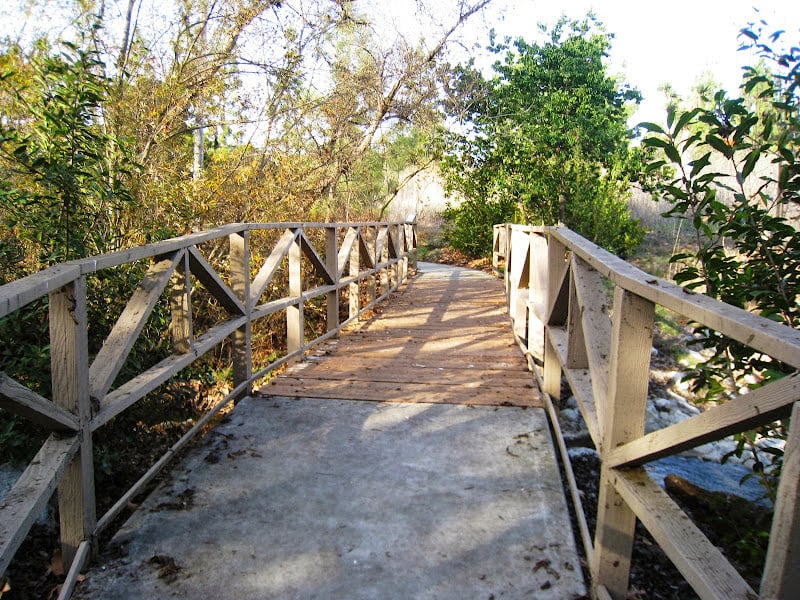
Irvine's wilderness areas sit within the city limits in a way that feels almost implausible. Bommer Canyon and Quail Hill offer multi-mile trail systems through coastal sage scrub and oak woodland, with wildlife sightings and genuine solitude available minutes from major commercial corridors. The experience of transitioning from a business district to a canyon trail in under ten minutes is distinctly Irvine.
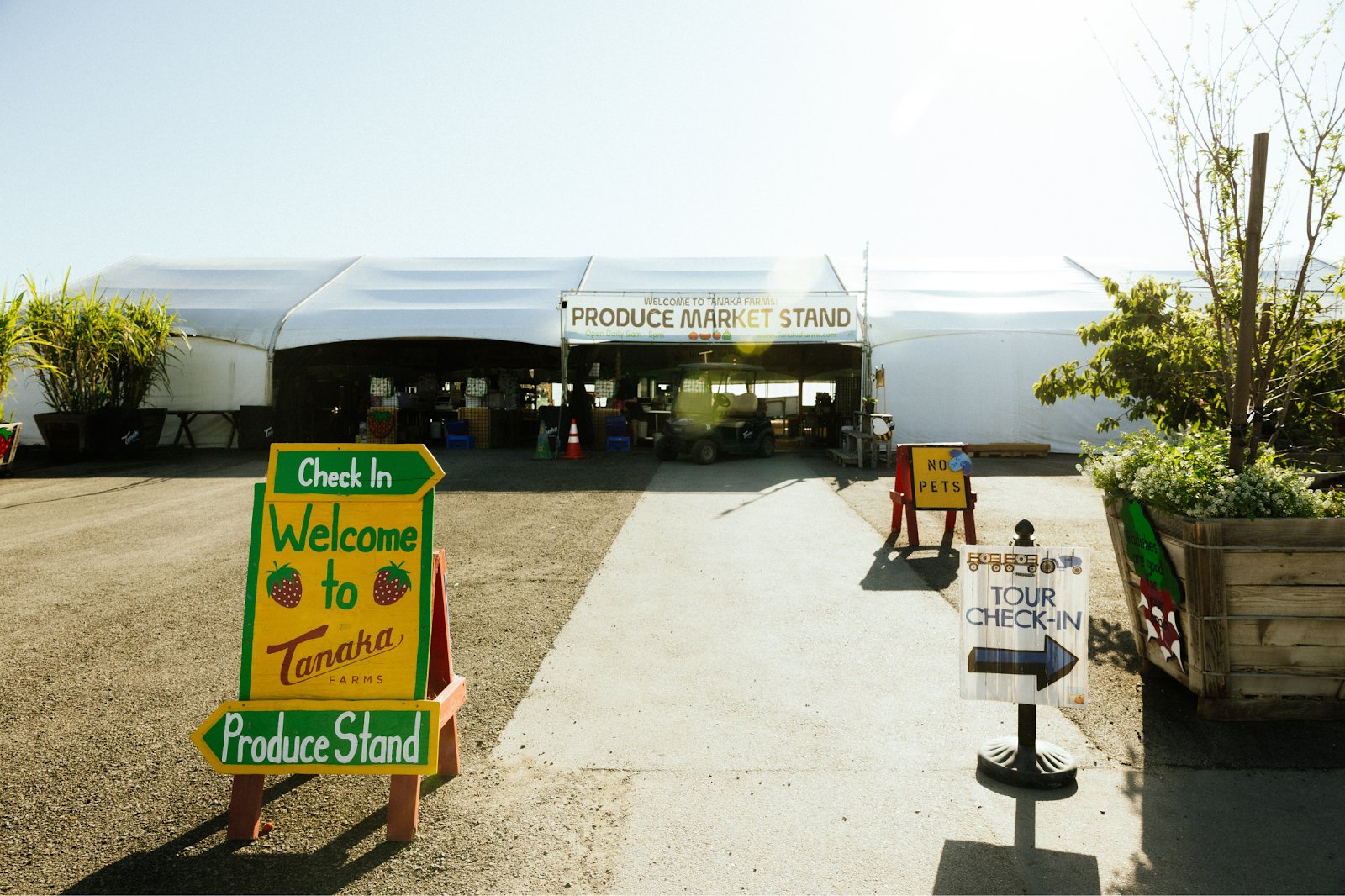
Visiting Tanaka Farms
Tanaka Farms has operated on land leased from the Irvine Company for decades, offering seasonal u-pick harvests, wagon tours, and farm-to-table experiences that connect visitors directly to the agricultural history of the Irvine Ranch. It is one of the last working farms embedded within a major Southern California city.
Irvine offers a well-rounded slate of activities shaped by its masterplanned design, diverse population, and enviable position in Orange County.
Outdoor Recreation
The city's trail network is one of its greatest assets. Quail Hill Trailhead and Bommer Canyon Preserve deliver genuine wilderness hiking within city limits, with sweeping views of the surrounding foothills and canyons. Great Park anchors the city's open space, offering expansive green lawns, a farmers market, and the iconic Great Park Balloon Ride, which lifts visitors 400 feet above ground for panoramic views stretching to the Pacific. Heritage Community Park and Turtle Rock Community Park round out a robust system of neighborhood green spaces ideal for cycling, picnicking, and casual recreation.
Cultural Attractions and Family Activities
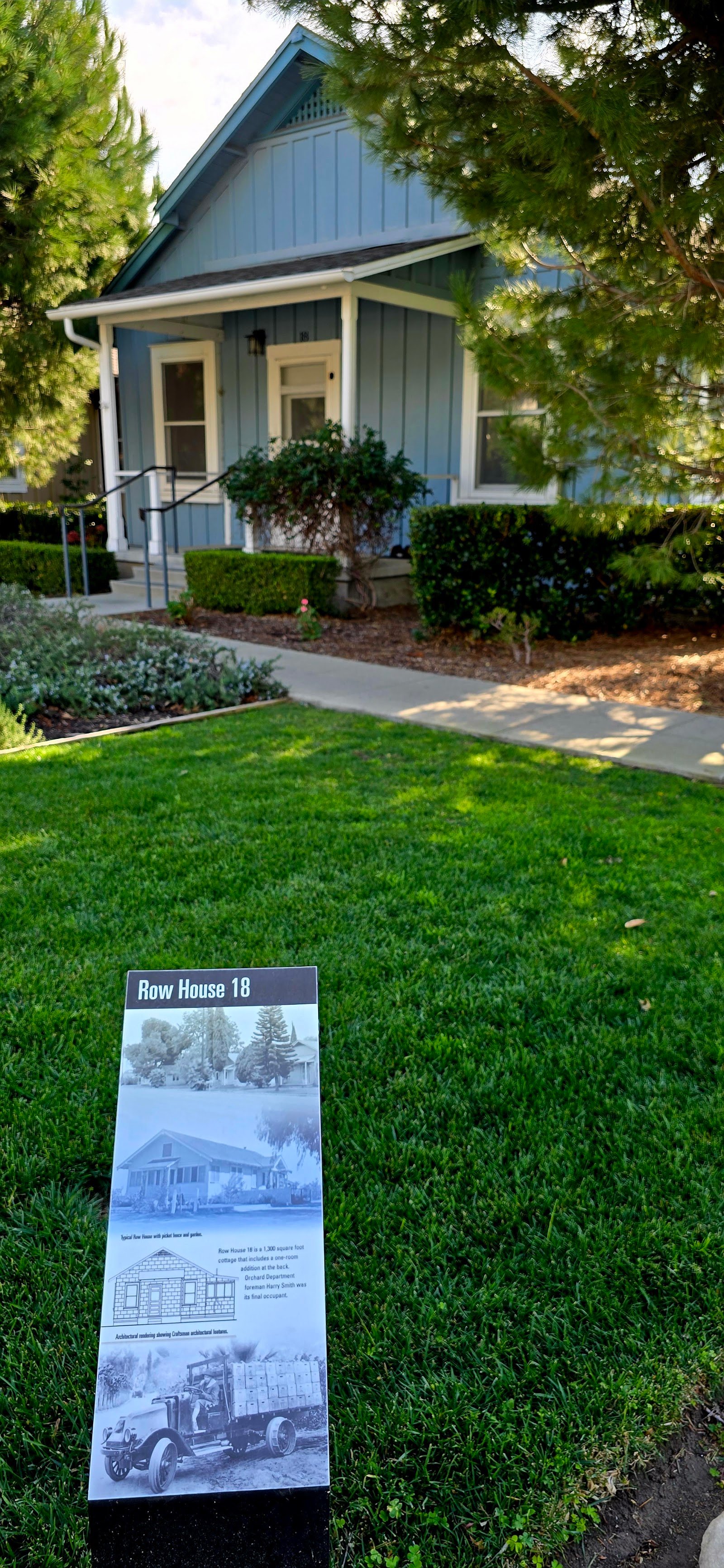
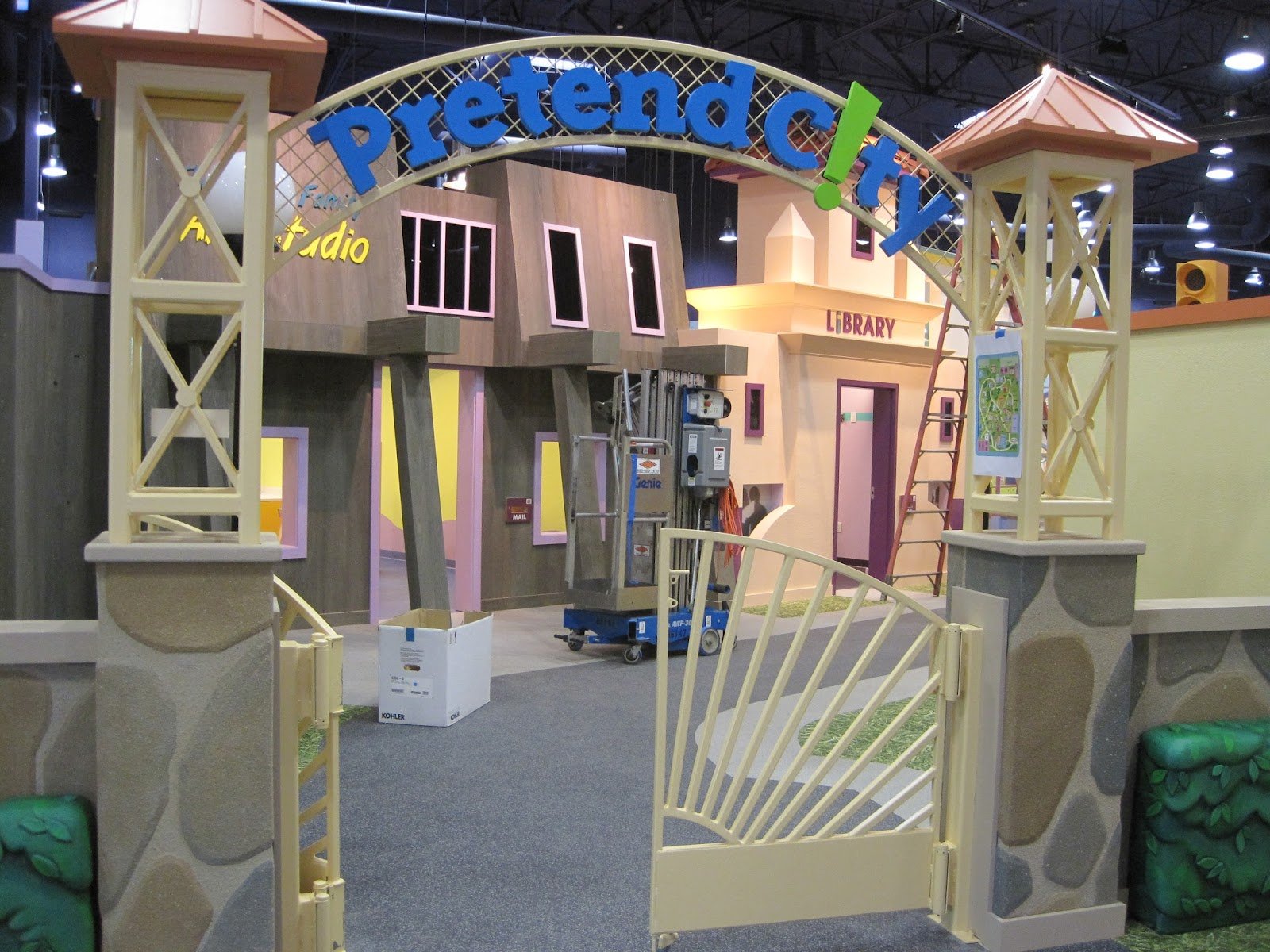
Irvine Ranch Historic Park connects visitors to the agricultural roots of the former Irvine Ranch, while Pretend City Children's Museum offers an immersive miniature city environment designed for young learners. Tanaka Farms provides seasonal farm tours and u-pick experiences that have become a local tradition.
Arts and Entertainment
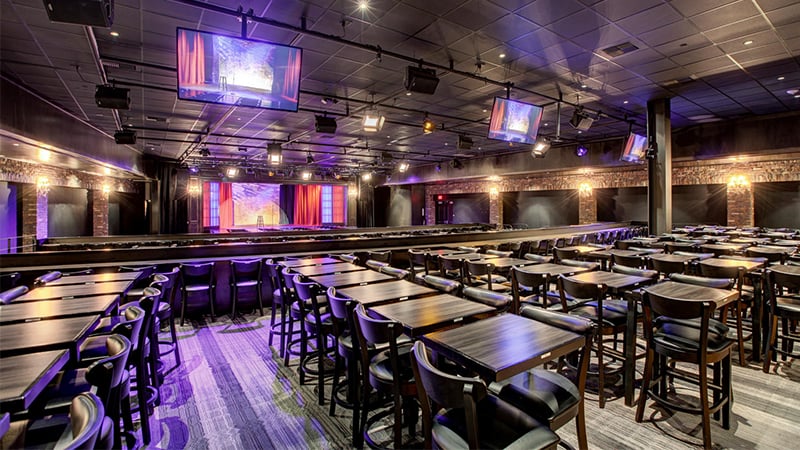
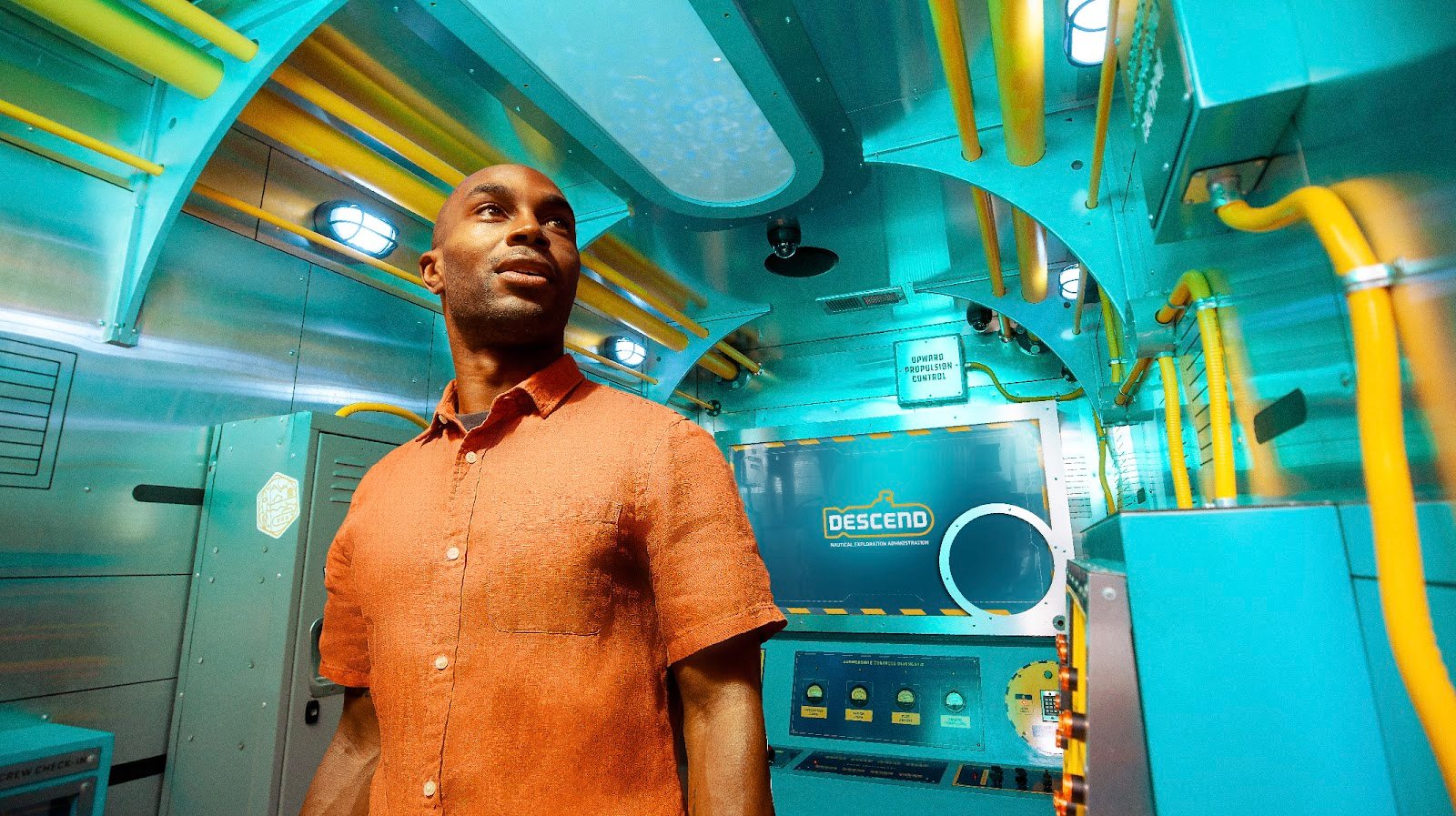
Irvine Improv is a respected stand-up comedy venue hosting nationally touring acts. For hands-on fun, The Escape Game Irvine and Wild Goose Escape Rooms offer well-produced puzzle experiences popular with corporate groups and families alike. Gem Studio offers creative workshops for those looking to engage with local arts.
Food and Dining
Irvine's dining scene is one of the most internationally diverse in California, anchored by concentrations of Asian cuisine at Diamond Jamboree and Irvine Spectrum. The city rewards food-focused travelers with authentic regional cooking spanning dozens of culinary traditions.
Start the morning at the Irvine Spectrum Center for coffee and a stroll around the open-air plaza. Head to the Diamond Jamboree for an authentic dim sum lunch at one of the Cantonese restaurants. In the afternoon, explore the Quail Hill Wilderness Area for a scenic hike with sweeping views of the city. End the evening with Korean barbecue in the Irvine Spectrum neighborhood.
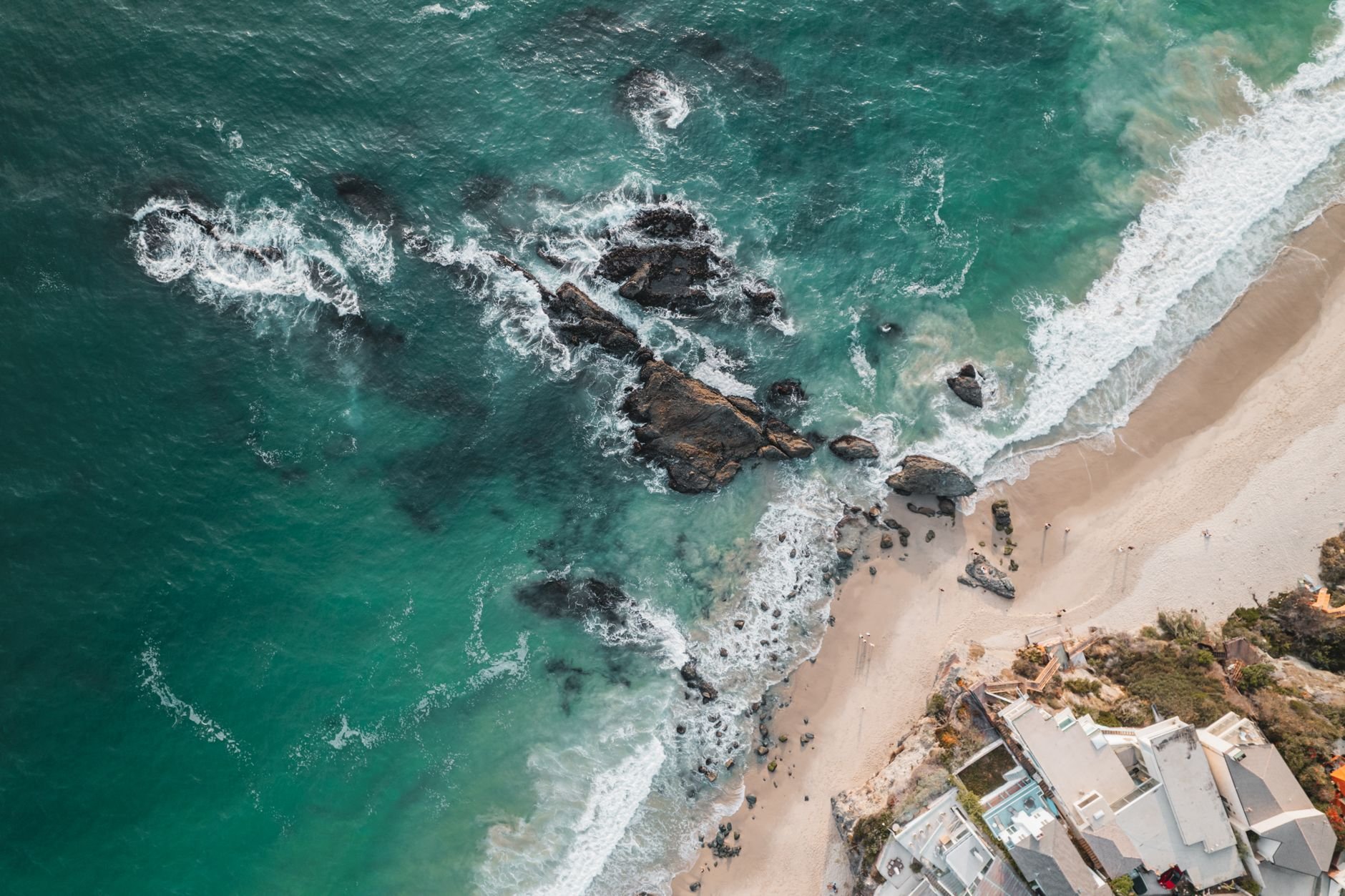
Spend the morning cycling along Irvine's dedicated bikeways through the Woodbridge Village area, stopping by the scenic lake. After lunch at a local Vietnamese pho spot, drive south to Laguna Beach for an afternoon of tide pool exploration and gallery hopping along the Pacific Coast Highway. Return to Irvine for a relaxed dinner in the Tustin Legacy district.
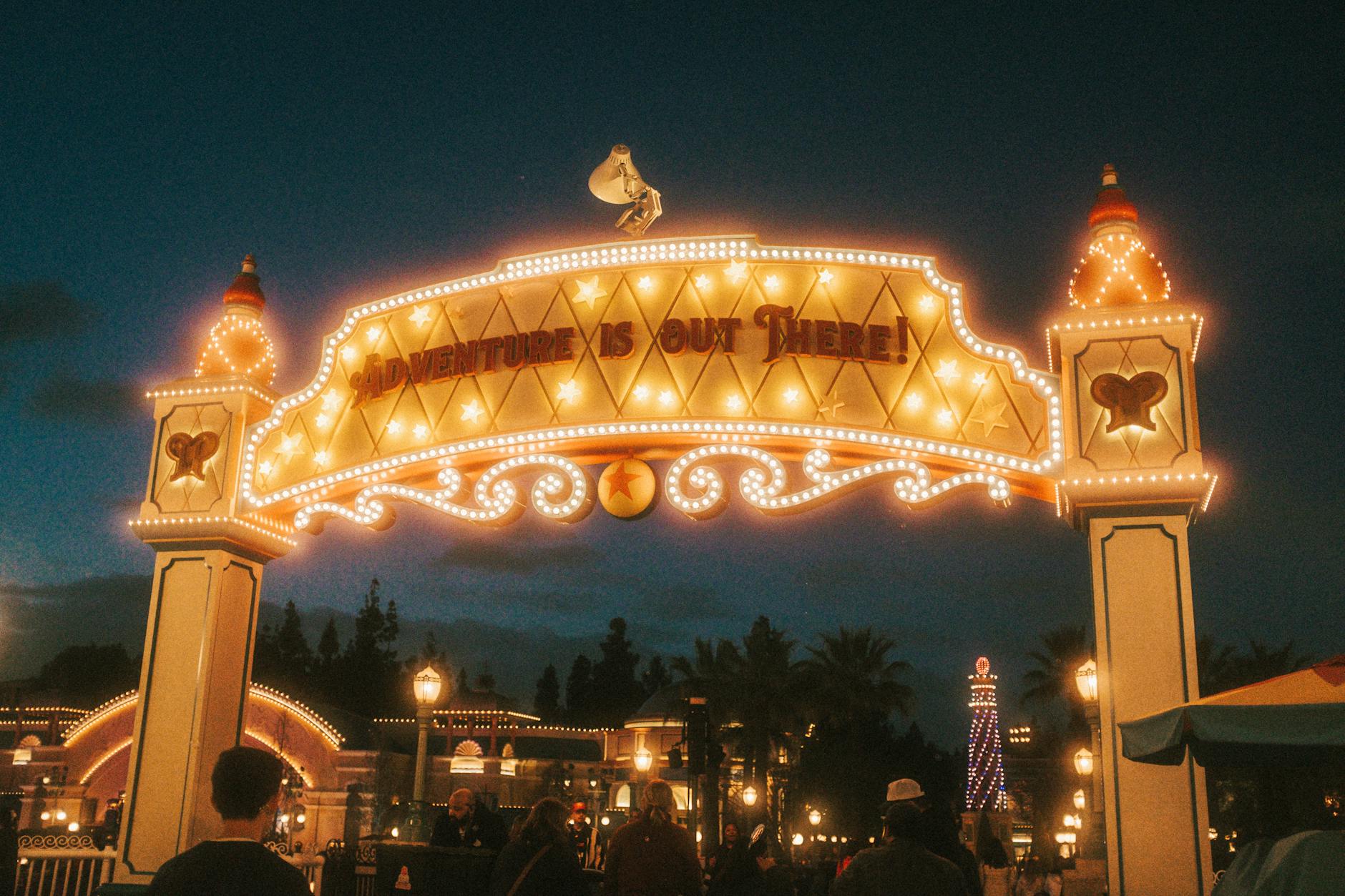
Begin the morning with a visit to UC Irvine's scenic campus and the free Beall Center for Art and Technology. Head to Bommer Canyon for a midday hike through one of Orange County's hidden backcountry trails. In the afternoon, drive north to Disneyland in nearby Anaheim for an exciting evening at the park, just minutes from Irvine.
Irvine's cultural calendar is shaped by its identity as a city of global ambition and community pride. The year unfolds through a mix of world-class athletic competitions, performing arts, and multicultural celebrations that reflect the city's diverse and highly educated population.

Jul 31, 2026

Aug 1, 2026
Few cities of Irvine's size in the American West can match the depth and authenticity of its dining scene, which is driven by one of the most diverse populations in California. The culinary landscape here is defined by exceptional Asian cuisine, and that reputation is well earned.
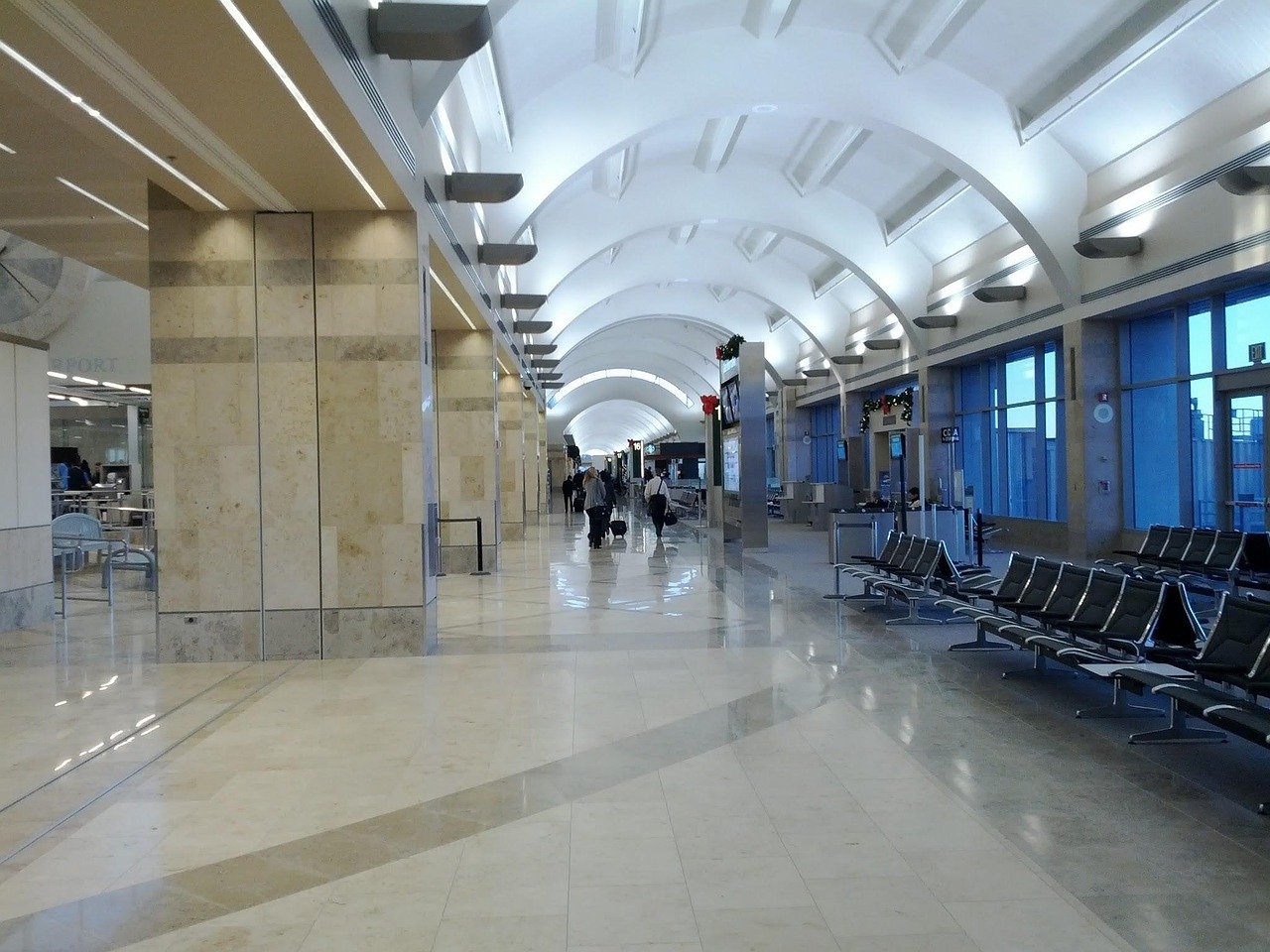
John Wayne Airport (SNA) is the closest airport to Irvine,
sitting just 5 miles from the city center with rideshare, taxis, and rental cars readily available, making it the fastest and most convenient arrival point for most visitors.
Los Angeles International Airport (LAX) offers significantly more flight routes and often lower fares,
but plan for a 45-mile drive that can stretch to 90 minutes or more during peak traffic on the I-405 South, so consider arriving off-peak or booking SNA when schedules allow.
Drivers from Los Angeles should take the I-405 South to reach Irvine,
while those arriving from San Diego use the I-5 North, with both routes converging near the city's main business and hotel corridors along Jamboree Road and Michelson Drive.
Amtrak's Pacific Surfliner stops at Irvine Station on Barranca Parkway,
connecting the city to Los Angeles Union Station to the north and San Diego to the south, making it a car-free option for travelers coming from either direction.
Irvine Spectrum Center and Diamond Jamboree plaza are each walkable within their own footprints,
but the distance between these dining and retail hubs makes a car or rideshare necessary if you plan to visit more than one area in a single outing.
Uber and Lyft operate reliably across Irvine,
and for visitors staying two nights or fewer, rideshare can be a cost-effective alternative to renting a car, particularly if your hotel is near Irvine Spectrum or the Jamboree Road corridor.
OCTA bus routes cover major streets including Alton Parkway and Culver Drive,
but service runs infrequently and routes are designed primarily for commuters, so most visitors find buses impractical for sightseeing or restaurant-hopping.
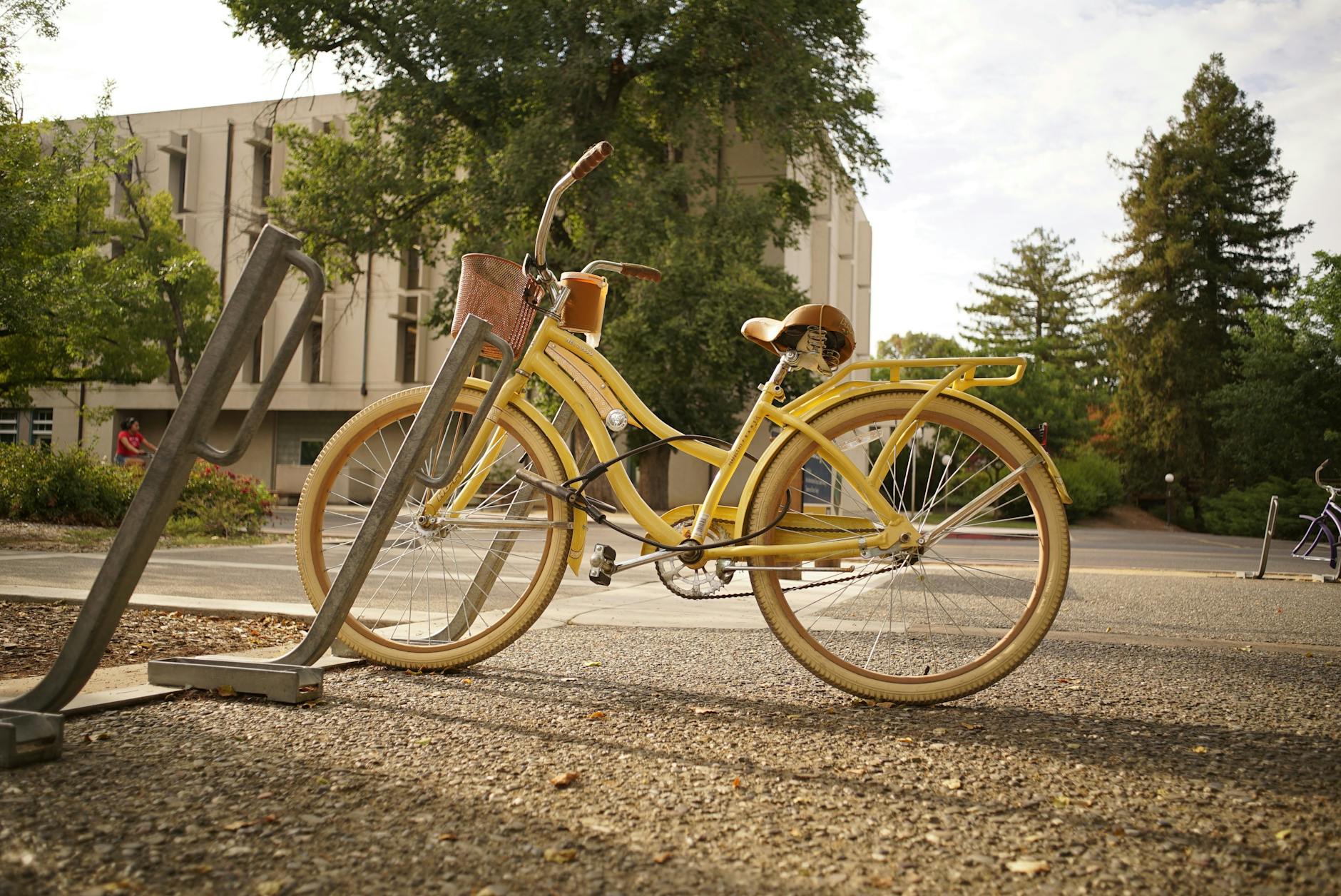
Irvine's 60-plus miles of dedicated bikeways connect residential neighborhoods, parks, and open space,
making a rental bike a genuinely useful option for reaching Quail Hill, Bommer Canyon, or the San Diego Creek Trail without needing a car.
Parking at most Irvine shopping centers, office parks, and hotels is free and abundant,
which is a meaningful practical advantage over Los Angeles or San Diego and makes driving the lowest-friction option for visitors who want flexibility across the city.
Irvine is one of the safest large cities in the United States, so safety concerns are minimal, but a few practical habits will improve your visit. Tipping follows standard California norms: 18 to 20 percent at restaurants and a few dollars for rideshare drivers. Many restaurants at Diamond Jamboree and other Asian dining plazas are cash-friendly but also accept cards, so carrying a small amount of cash is useful. Download the Uber or Lyft app before arriving if you plan to skip a rental car. Summers in Irvine are warm and dry, with temperatures regularly reaching the low 90s Fahrenheit, so pack sunscreen and stay hydrated on trail days. The Santa Ana winds can push temperatures even higher in fall. Restaurant waits at popular spots in Irvine Spectrum and Diamond Jamboree can be long on weekends, so check Yelp or OpenTable and book ahead where reservations are accepted.
Two to three days is enough to experience Irvine comfortably. One day covers the dining scene and Irvine Spectrum area, another suits outdoor activities like hiking in Quail Hill or Bommer Canyon, and a third works well for day trips to Laguna Beach or Disneyland. Business travelers often find one or two nights sufficient.
Irvine is best known as one of the most deliberately masterplanned cities in the United States. It is recognized for UC Irvine, a thriving tech and biotech sector, and an exceptional concentration of authentic Asian cuisine - spanning Cantonese dim sum, Korean barbecue, Japanese ramen, and Vietnamese pho. Its low crime rate and well-maintained neighborhoods also draw consistent attention.
Yes, Irvine works very well as a weekend destination. Two days is enough to explore the dining scene, get outdoors on the city's trails or bikeways, and take a short drive to Laguna Beach or the Disneyland area. Its central Orange County location and strong hotel infrastructure make it easy to use as a base for the broader region.
Irvine sits at a mid-to-upper price range for Southern California. Hotels tend to reflect its polished business-travel infrastructure, so expect moderate to upscale rates. Dining costs vary widely - the city's large selection of Asian restaurants offers excellent value, while upscale options cost more. Overall, it is comparable to other major Orange County destinations.
Spring (March to May) and fall (September to November) offer the most pleasant weather, with mild temperatures and low humidity. Summers are warm and mostly sunny, though coastal breezes keep conditions comfortable compared to inland Southern California.