
Baltimore, MD
A Journey guide to
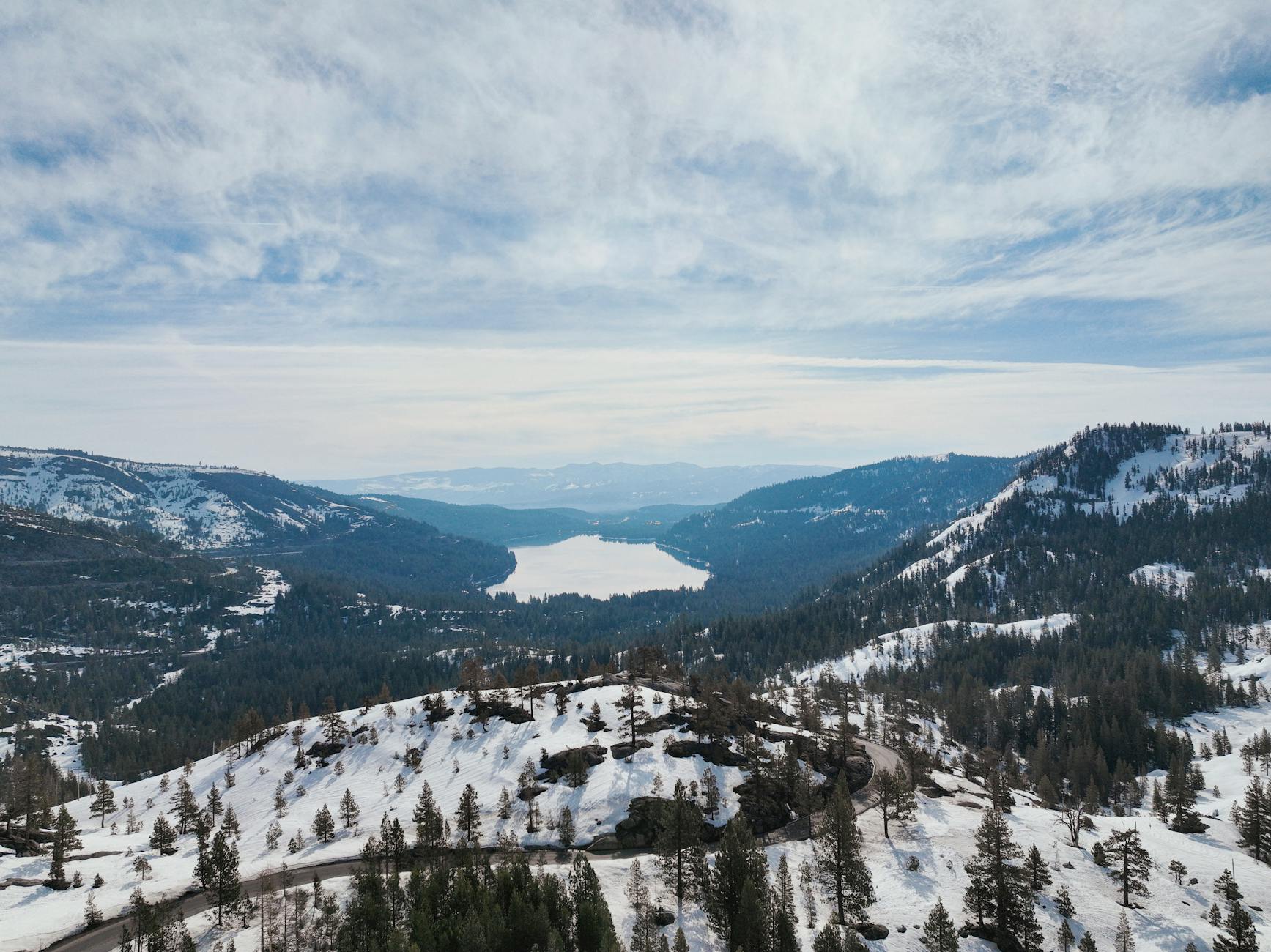
Kirkwood is one of the Sierra Nevada's most respected mountain destinations, built around a ski resort that consistently ranks among California's best for snowfall and terrain variety. Sitting at over 7,800 feet in Amador County, the area draws serious skiers and snowboarders who value steep chutes, open bowls, and a no-frills mountain culture over glitzy resort amenities. It is a destination that rewards those who come for the mountain itself.
Beyond the ski resort, Kirkwood sits within the Eldorado National Forest and serves as a gateway to some of the most dramatic high-country landscapes in the Sierra. Summer visitors arrive for hiking, mountain biking, and fly fishing along the upper Mokelumne River watershed, with trails connecting to the Mokelumne Wilderness and the Pacific Crest Trail corridor. The terrain is rugged and the scenery is uncompromising.
The traveler Kirkwood attracts is not looking for a scene. This is a place for those who prioritize access to raw mountain terrain over nightlife or luxury shopping. The village is small and purposeful, centered on the base area, with lodging and dining kept close to the slopes. That compactness is part of the appeal — everything here is oriented toward the outdoors.
Kirkwood occupies a niche that few California mountain destinations can claim: genuine high-alpine character with consistent, heavy snowpack and a community of devoted regulars who return season after season. Its relative remoteness compared to Lake Tahoe resorts means crowds are thinner and the experience feels more authentic. For travelers who measure a mountain destination by what it delivers on the hill and on the trail, Kirkwood delivers without compromise.
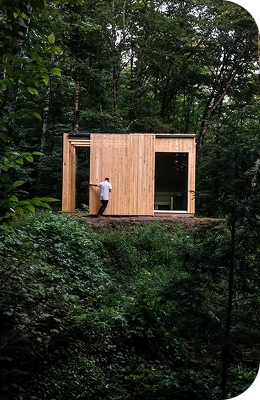



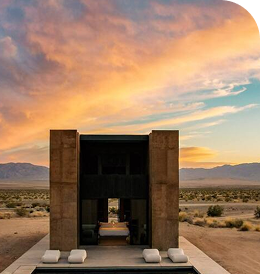

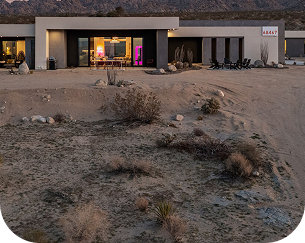









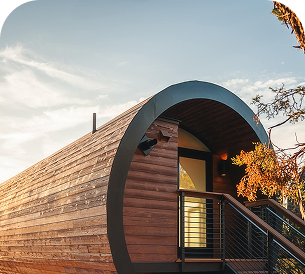

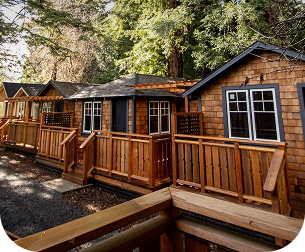

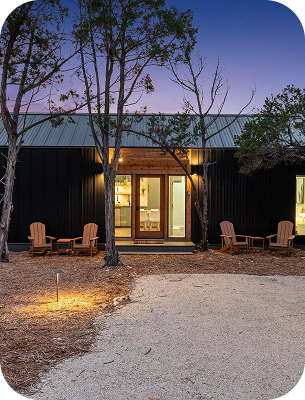

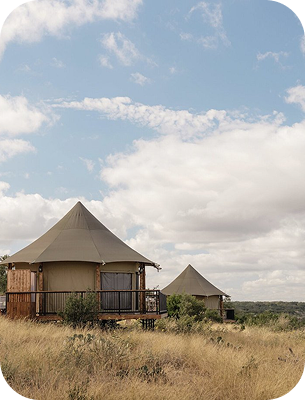

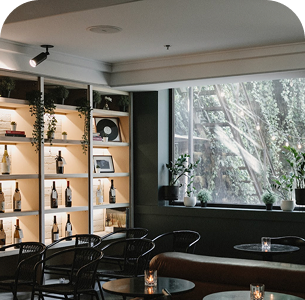

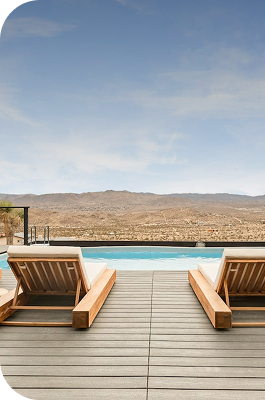

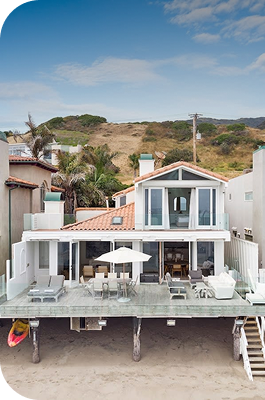

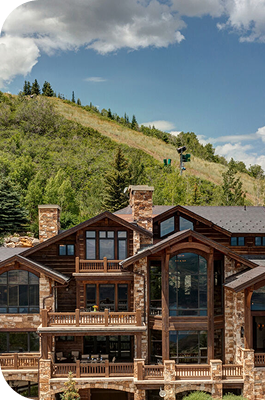



Journey connects travelers to a curated network of boutique hotels and distinctive residences around the world, all united under one rewards program. Explore handpicked stays for your trip while earning points, unlocking exclusive offers, and receiving rewards across the Journey collection.
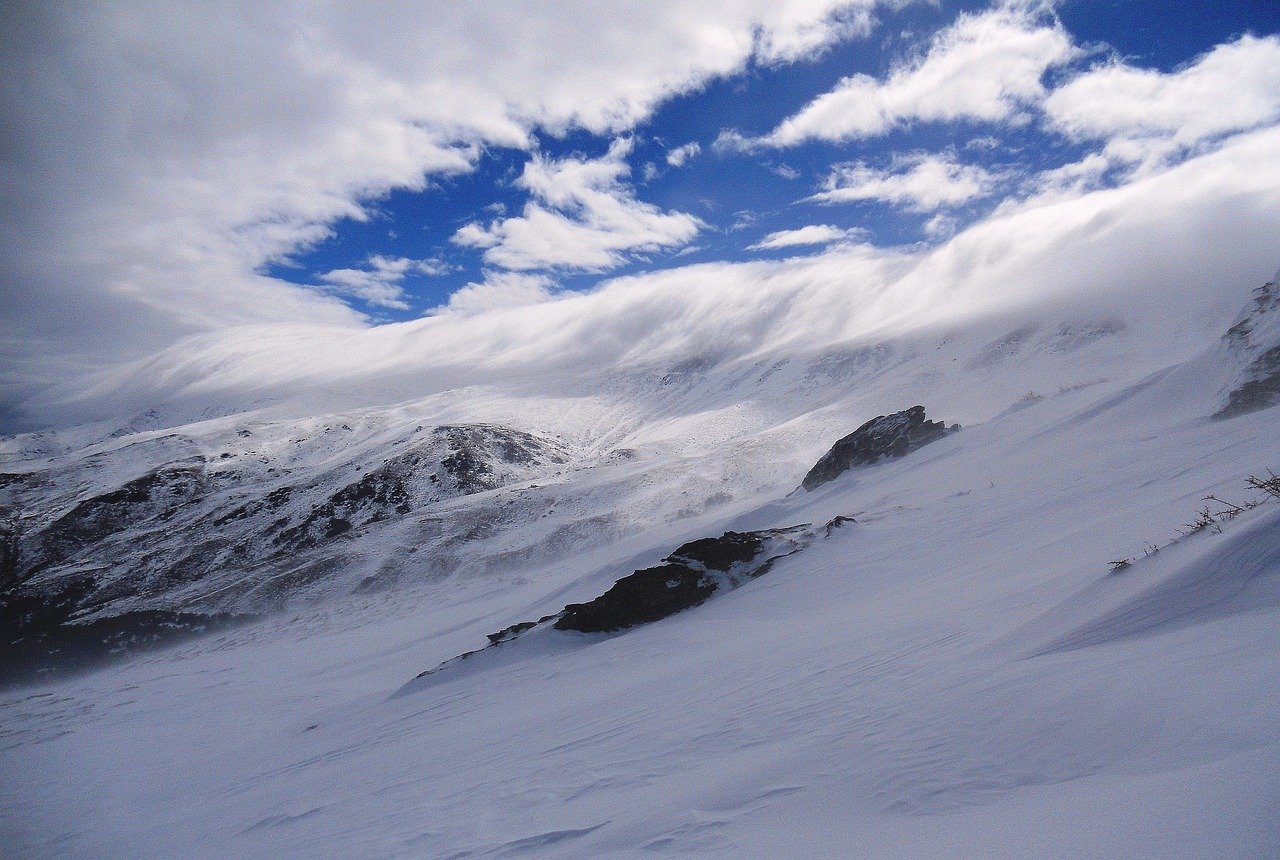
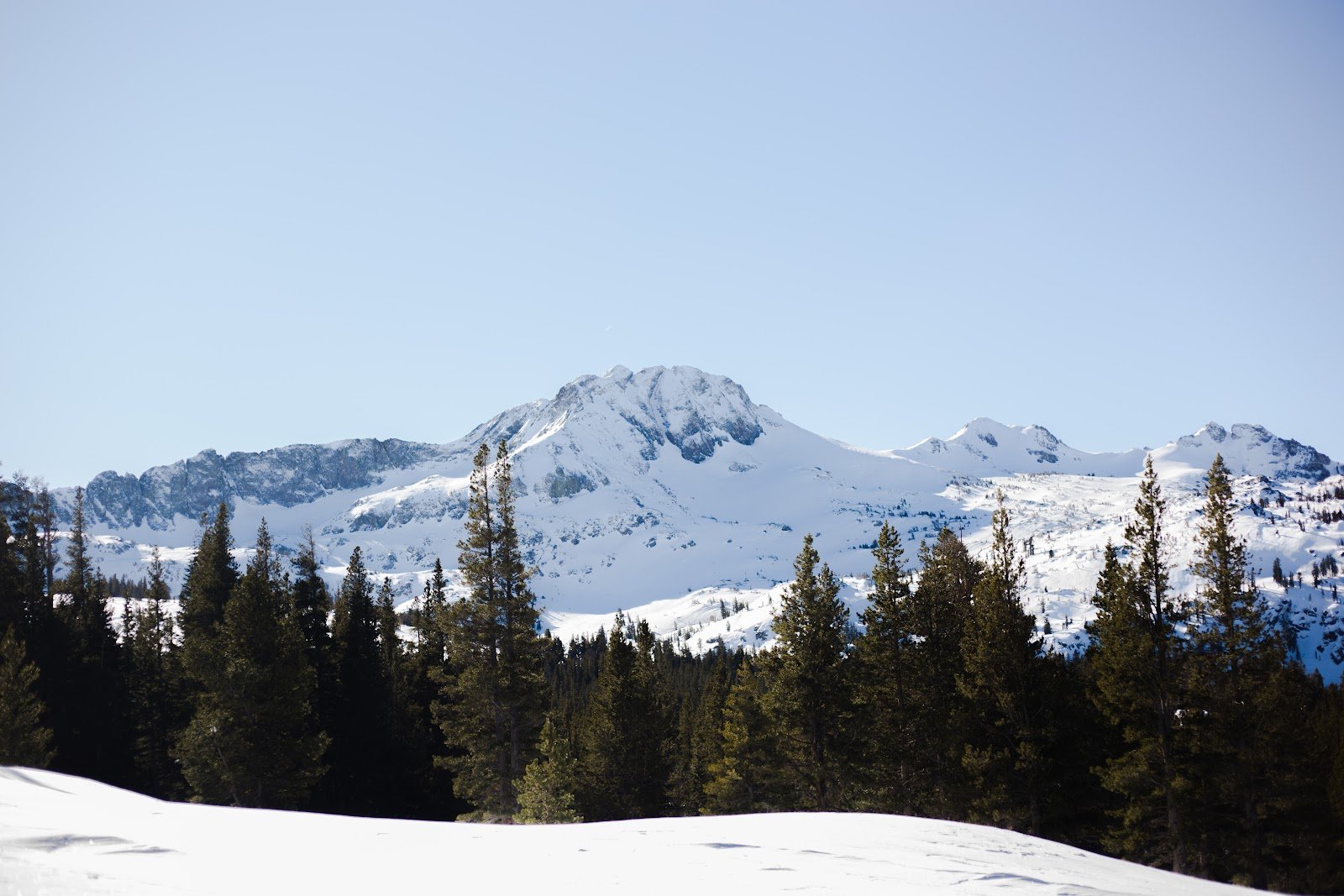
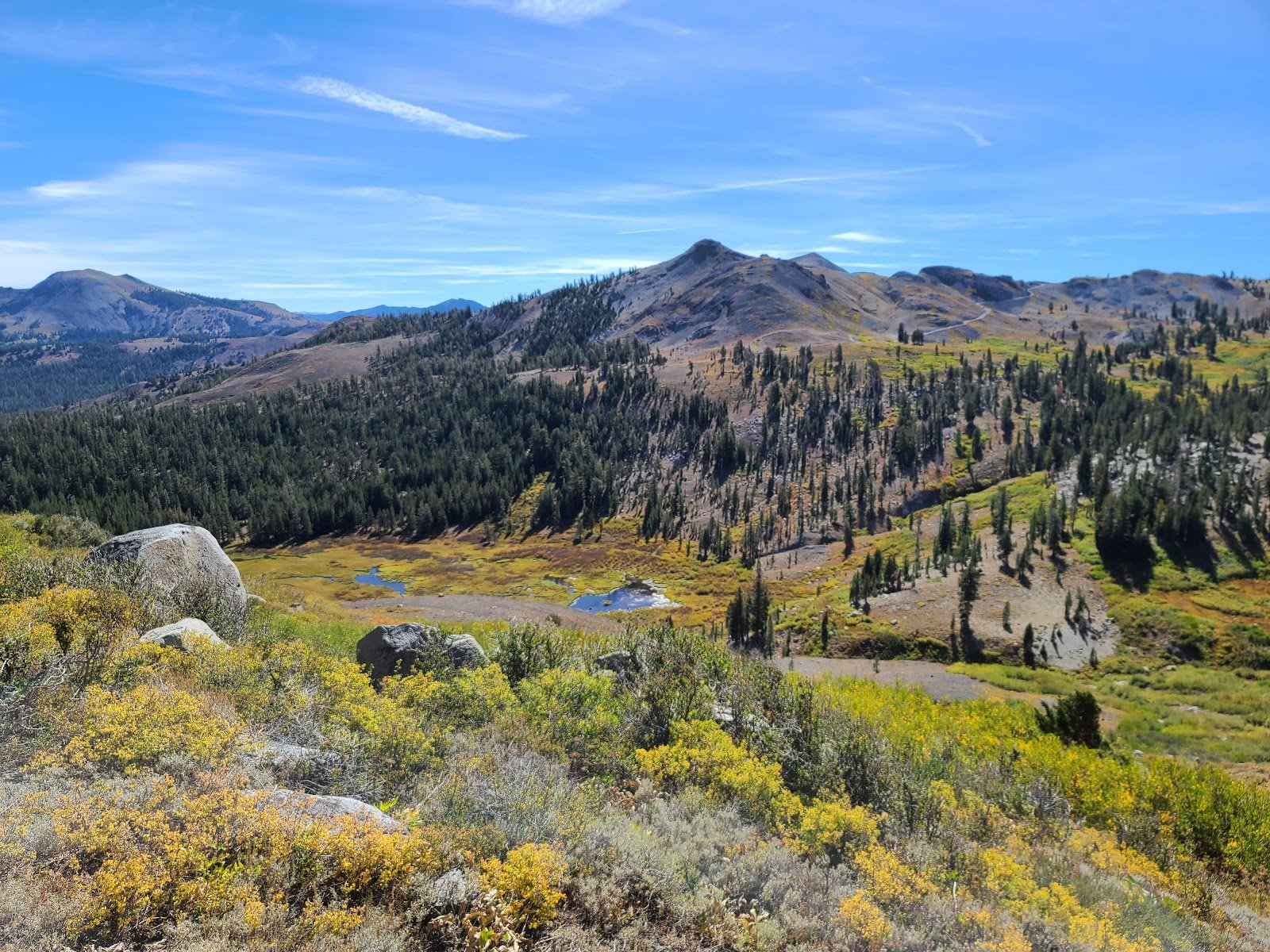
Kirkwood sits in a broad mountain valley along State Route 88 in Amador County, California, approximately 30 miles south of Lake Tahoe and 100 miles east of Sacramento. The valley floor rests at around 7,800 feet above sea level, surrounded by peaks that rise well above 9,000 feet, creating a natural bowl that funnels and accumulates Sierra Nevada snowfall with exceptional consistency. The setting is geologically dramatic — granite ridgelines, volcanic formations, and glacially carved terrain define the landscape in every direction.
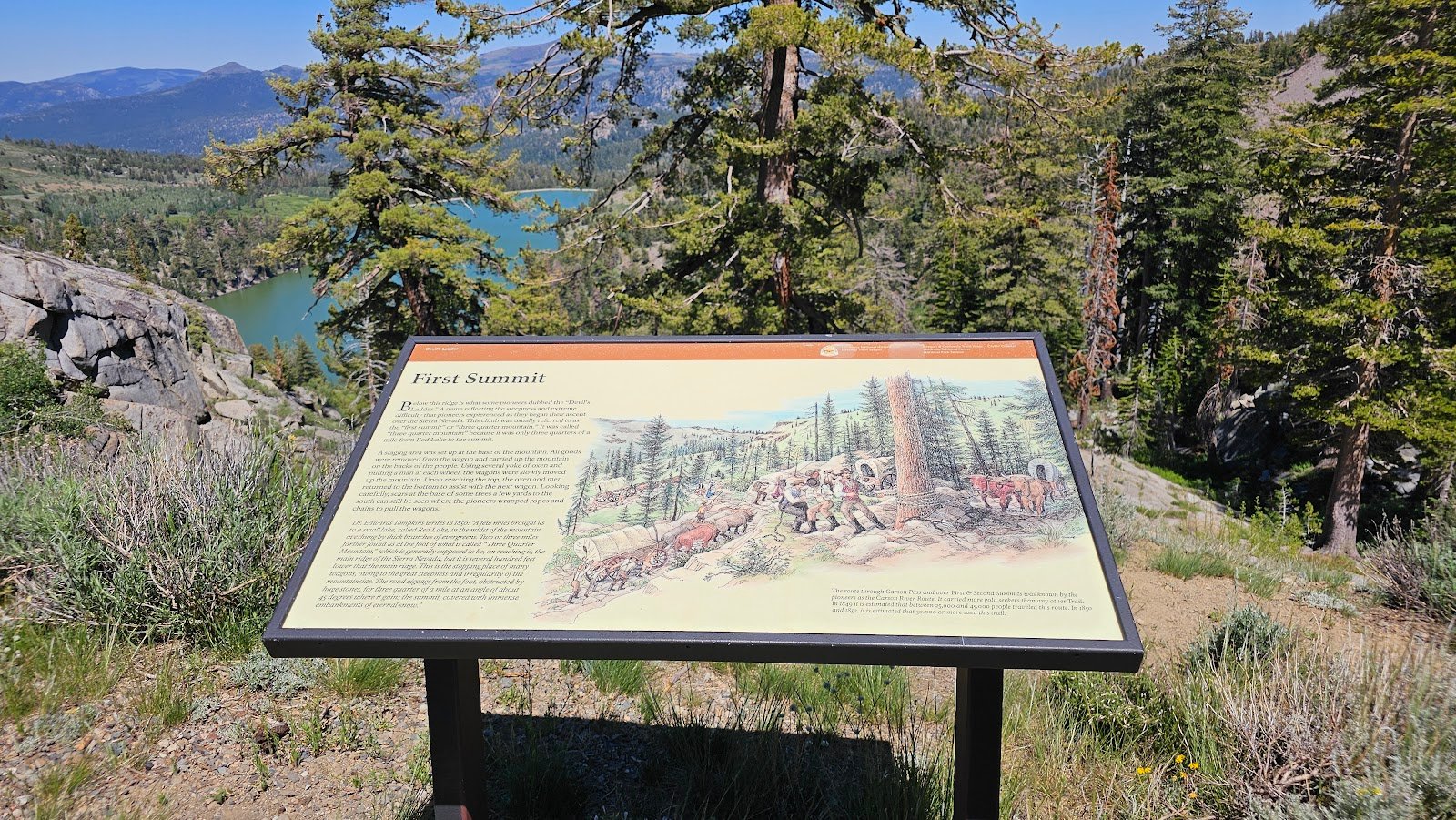
The area takes its name from Zenas Kirkwood, who operated an inn and stage stop along the historic Emigrant Trail in the 1860s. Route 88, which passes through the valley, follows the general path of the Carson Emigrant Trail, one of the major overland routes used by westward-bound settlers in the mid-19th century. That pioneering history gives the region a sense of place that predates the ski resort by more than a century.
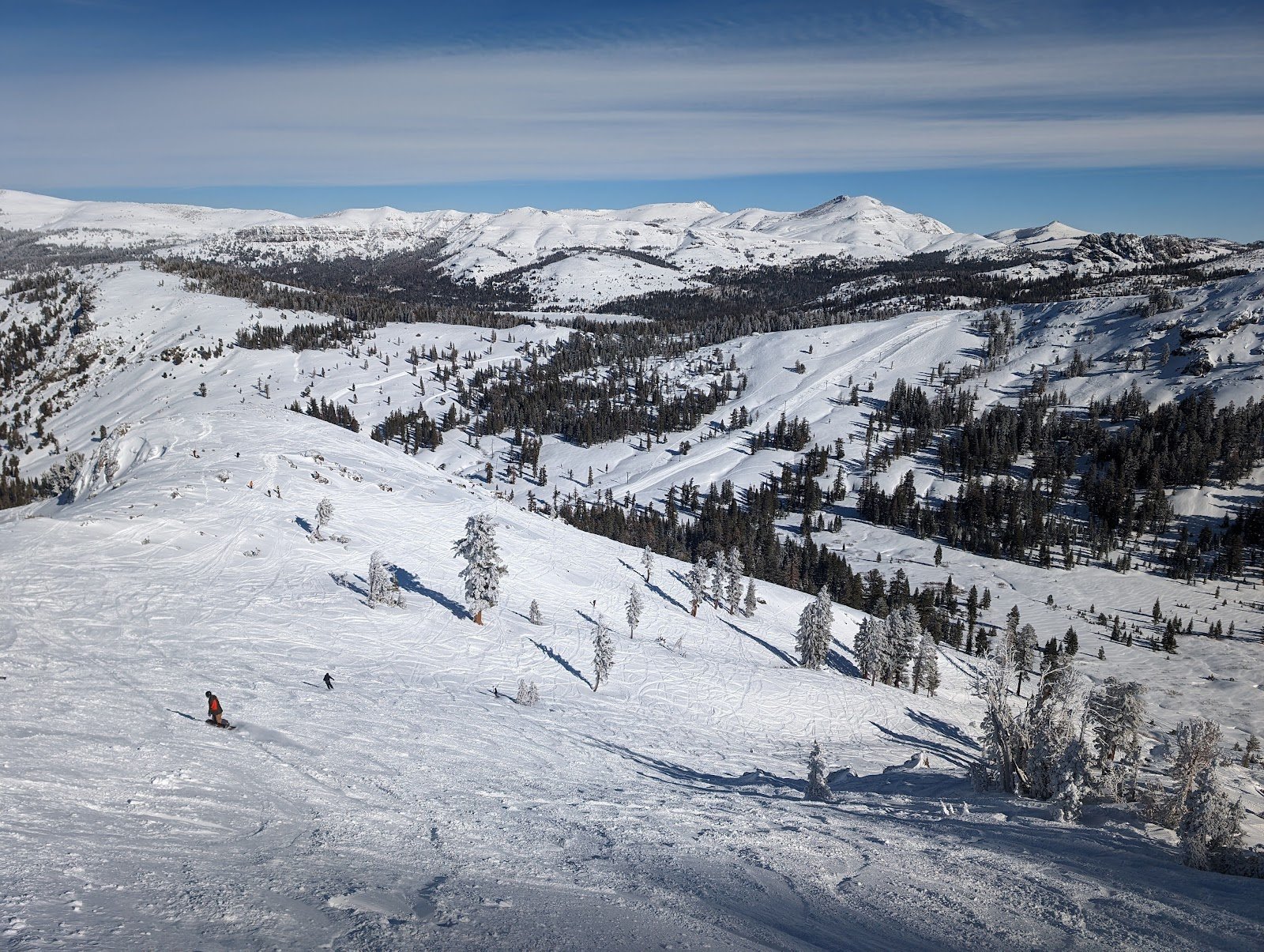
Kirkwood Mountain Resort was established in 1972 and has since grown into a Vail Resorts property, though it retains a character that feels distinct from the larger Tahoe-area ski destinations. The resort encompasses more than 2,300 acres of skiable terrain spread across 15 bowls and 65 named trails, with a vertical drop of 2,000 feet. Its reputation rests on the quality and depth of its snowpack, which regularly exceeds that of resorts closer to the lake, and on the proportion of advanced and expert terrain.
The surrounding Eldorado National Forest and the Mokelumne Wilderness provide an expansive backcountry context that makes Kirkwood relevant well beyond the ski season. The village itself is modest in scale, functioning primarily as a base camp rather than a destination in its own right. That restraint is consistent with Kirkwood's identity: a place defined by its landscape, not its infrastructure. Travelers who find their way here tend to understand and appreciate that distinction.
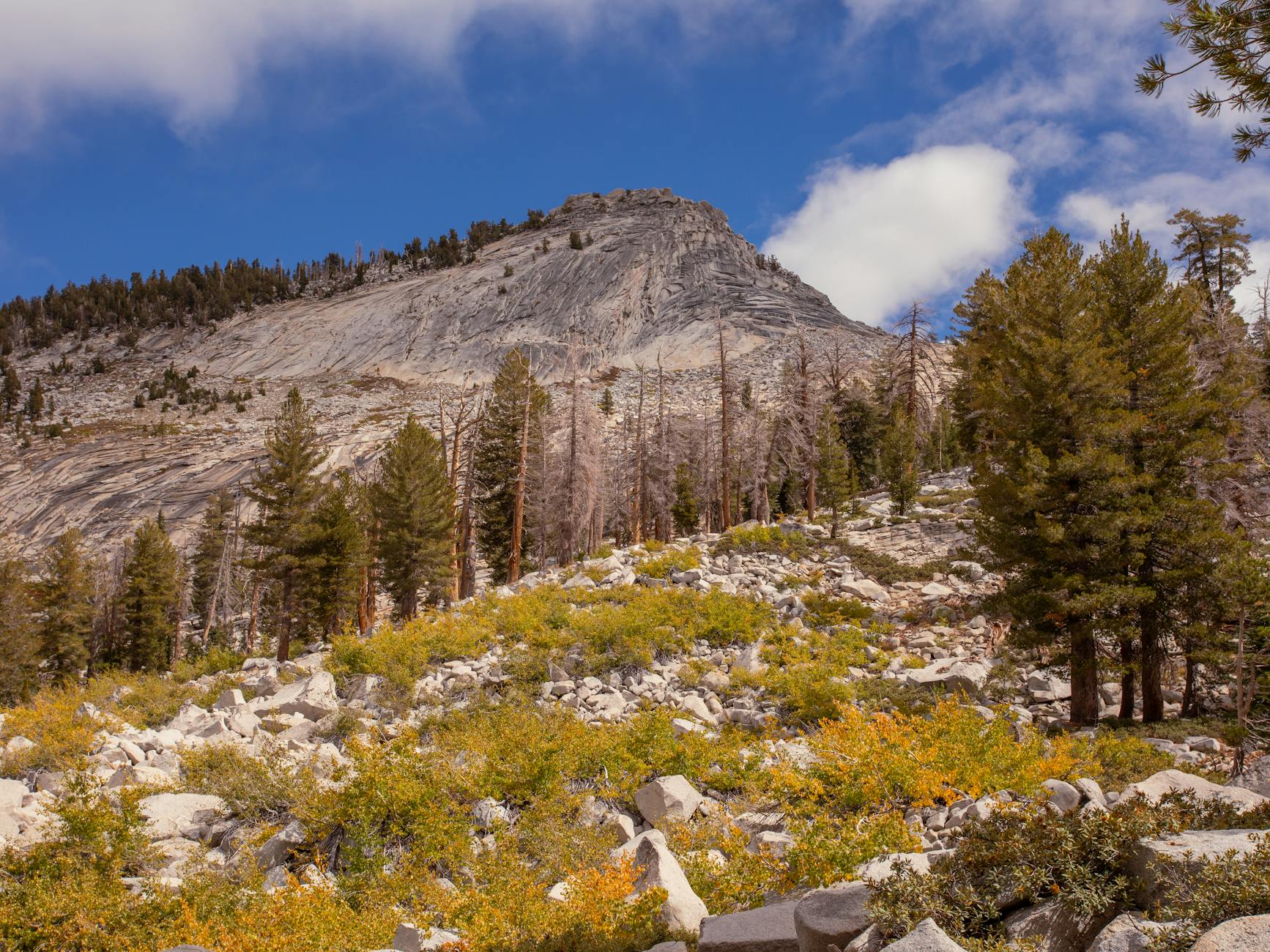
Kirkwood rewards visitors differently depending on the season, and choosing the right window comes down to what you want from the mountain.
For skiers and snowboarders, the prime window runs from mid-December through March. Kirkwood's reputation for deep, consistent snowpack means that when conditions align, the resort offers some of the best skiing in California. January and February tend to deliver the most reliable storm cycles and the fullest terrain access, including the steeper chutes and open bowls that define the mountain's character. Weekdays are noticeably quieter than weekends, and holiday periods around Christmas, New Year's, and Presidents' Day bring the largest crowds and the highest lodging rates. Booking well in advance is essential for those peak windows.
April can be a compelling choice for experienced skiers willing to accept variable conditions in exchange for thinner crowds and lower prices. Late-season skiing at Kirkwood can be excellent when the snowpack is deep, though closures of upper terrain become more likely as the month progresses.
Summer visitors have a narrow but rewarding window from late June through early September, when trails into the Mokelumne Wilderness and along the Pacific Crest Trail corridor are fully accessible. This is the least crowded period of the year, and the high-alpine environment feels remote and uncrowded compared to busier Sierra destinations. Hikers, mountain bikers, and anglers will find the area largely to themselves. July and August see the most activity, but nothing approaching the density of winter weekends.
September stands out as an underrated month, offering stable weather, open trails, and the first hints of autumn color in the surrounding forest. Visitor numbers drop sharply after Labor Day, making it an ideal choice for those who want solitude and easy access to the backcountry before the first snows close things down.
The social and logistical core of the resort, the Village clusters lodging, dining, and ski services directly at the base of the mountain. Its compact layout means everything a skier or snowboarder needs is within easy walking distance of the lifts. The atmosphere is relaxed and functional, with a loyal crowd of mountain regulars who return season after season.
Positioned at the quieter western end of the base area, Timber Creek is a slopeside residential zone favored by families and long-stay visitors. Ski-in, ski-out condominiums front beginner and intermediate terrain, giving the area a laid-back, neighborhood feel distinct from the busier Village. It is the right choice for travelers who want slope access without the foot traffic.
Stretching along State Route 88 through the valley floor, this corridor connects the resort to the surrounding Eldorado National Forest and Mokelumne Wilderness. Open alpine meadows, trailheads, and the upper Mokelumne River watershed define the character of this zone, which comes fully into its own in summer. It is the gateway for hikers, mountain bikers, and fly fishers exploring the high Sierra backcountry.
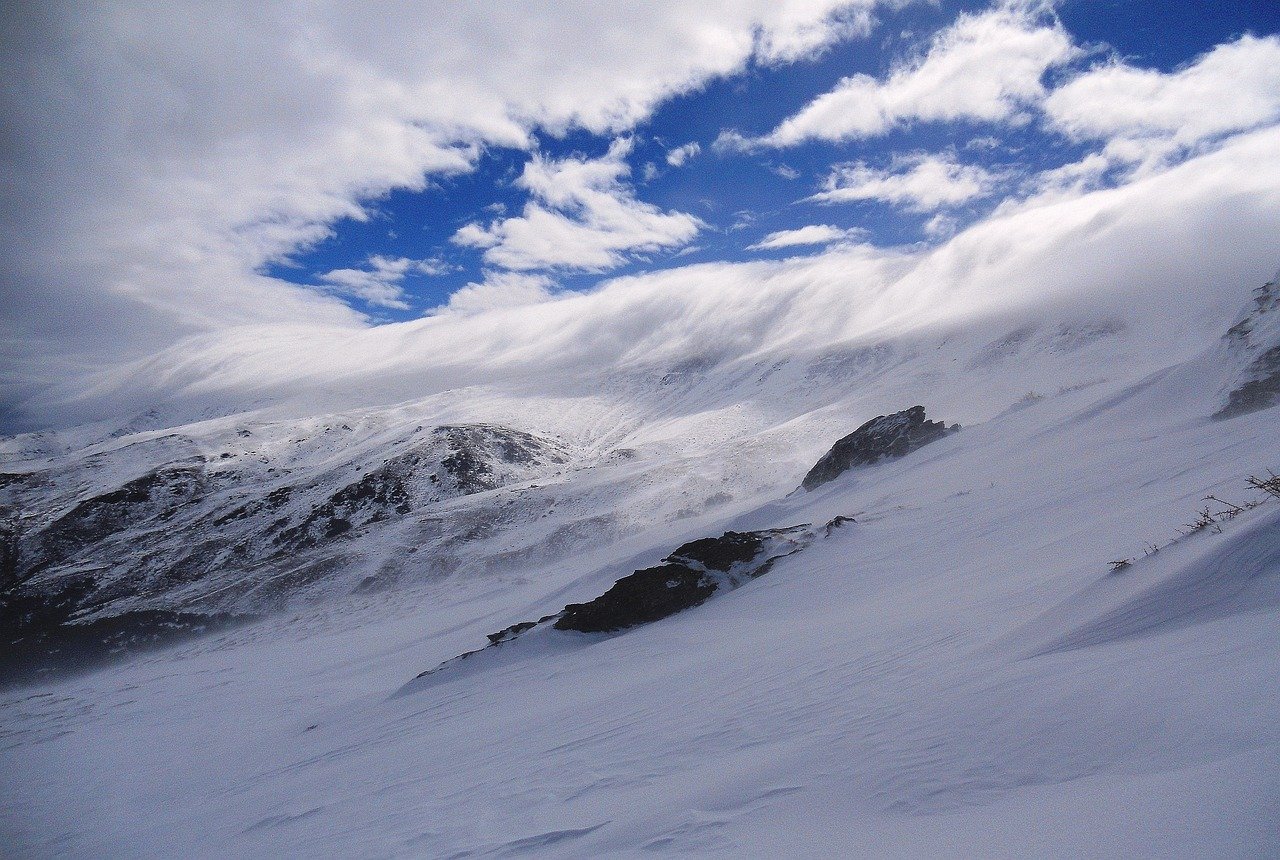
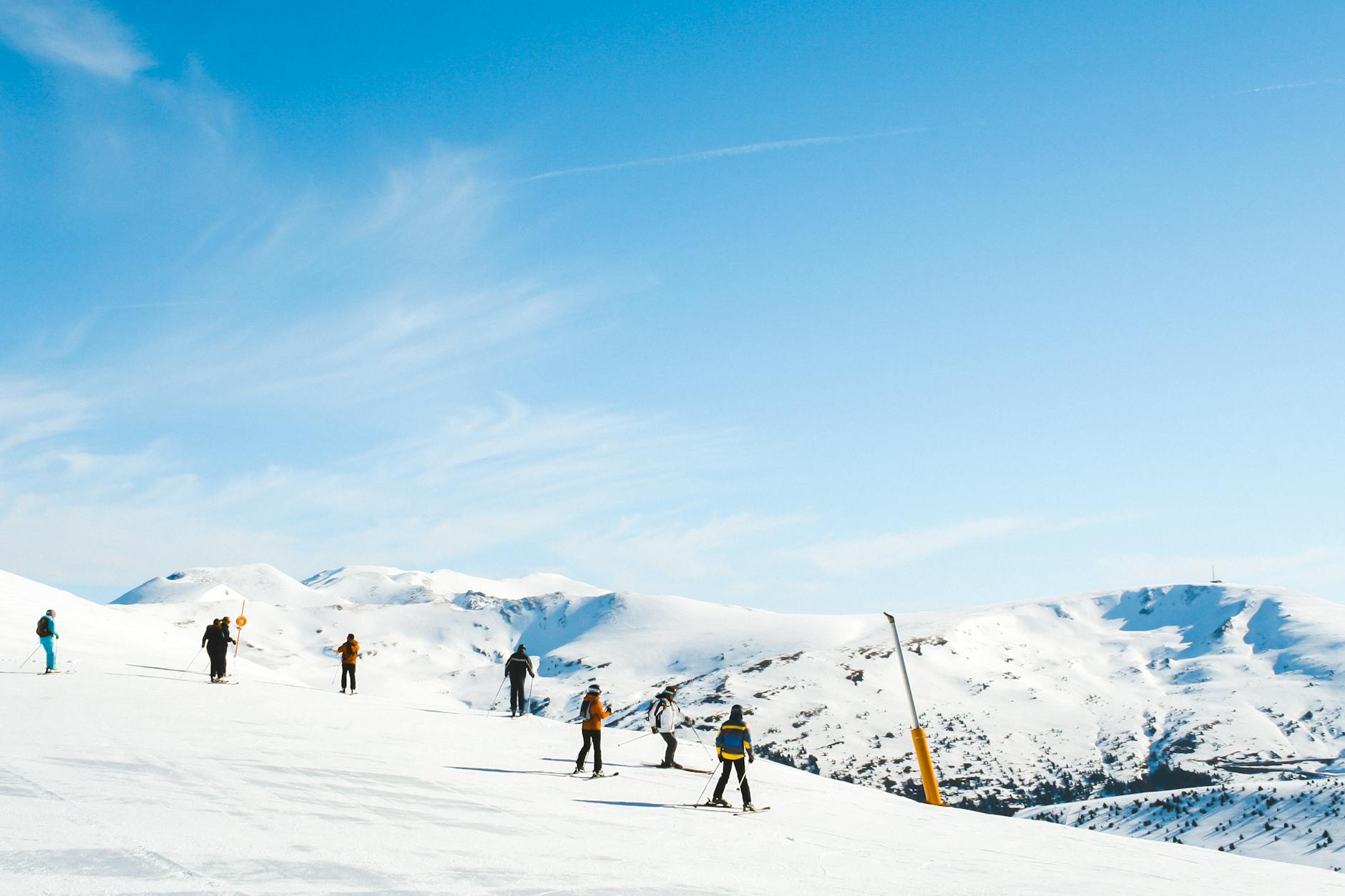
Kirkwood has a reputation that precedes it among serious Sierra Nevada skiers, and that reputation is built on one thing above all else: snowfall. The resort receives an average of over 500 inches of snow per season, consistently ranking it among the snowiest ski areas in California. That snowpack, combined with terrain that skews toward the challenging end of the spectrum, is the primary reason devoted skiers return year after year. Steep chutes, wide-open bowls, and long vertical drops define the mountain's character, and the absence of a sprawling resort village keeps the focus squarely on the skiing itself.
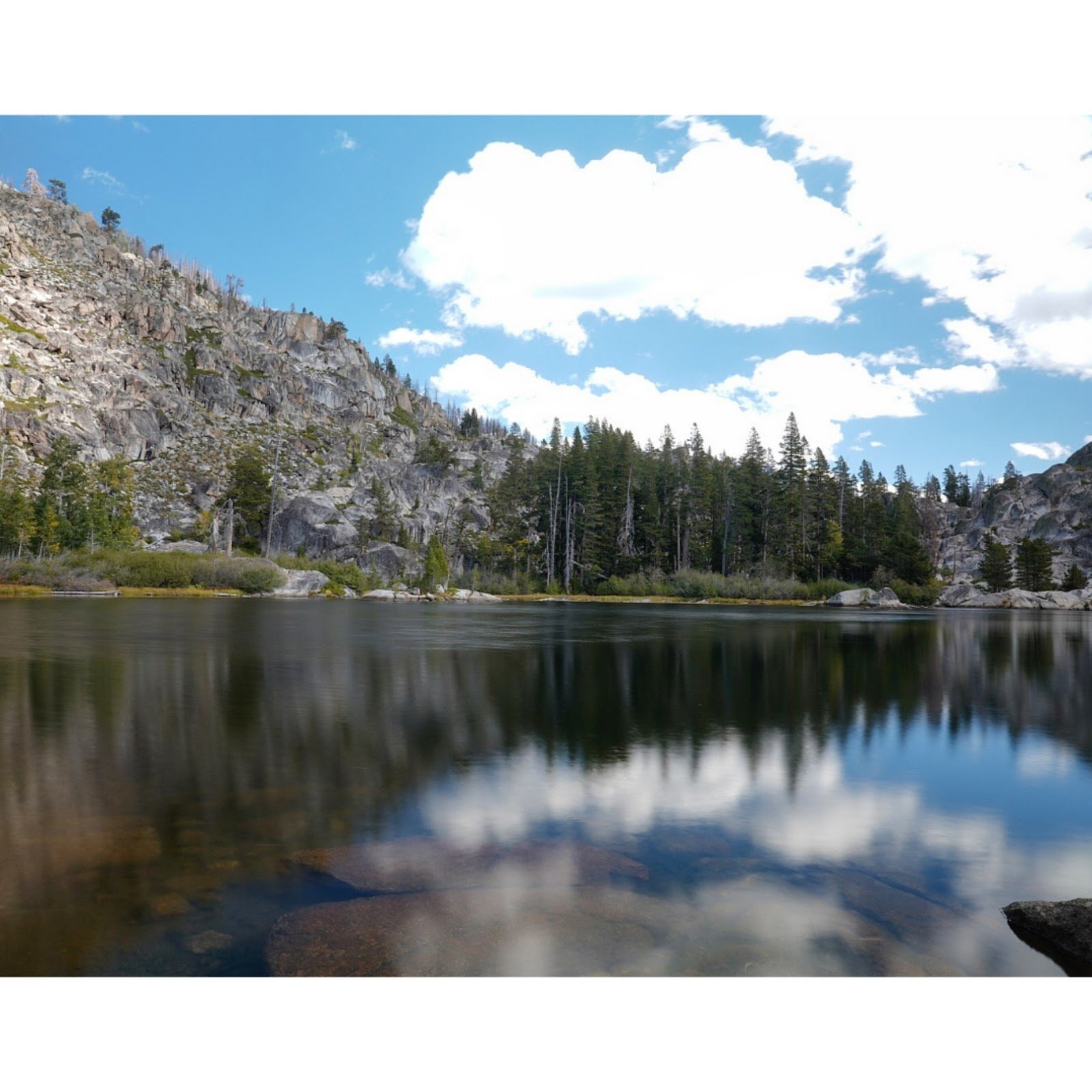
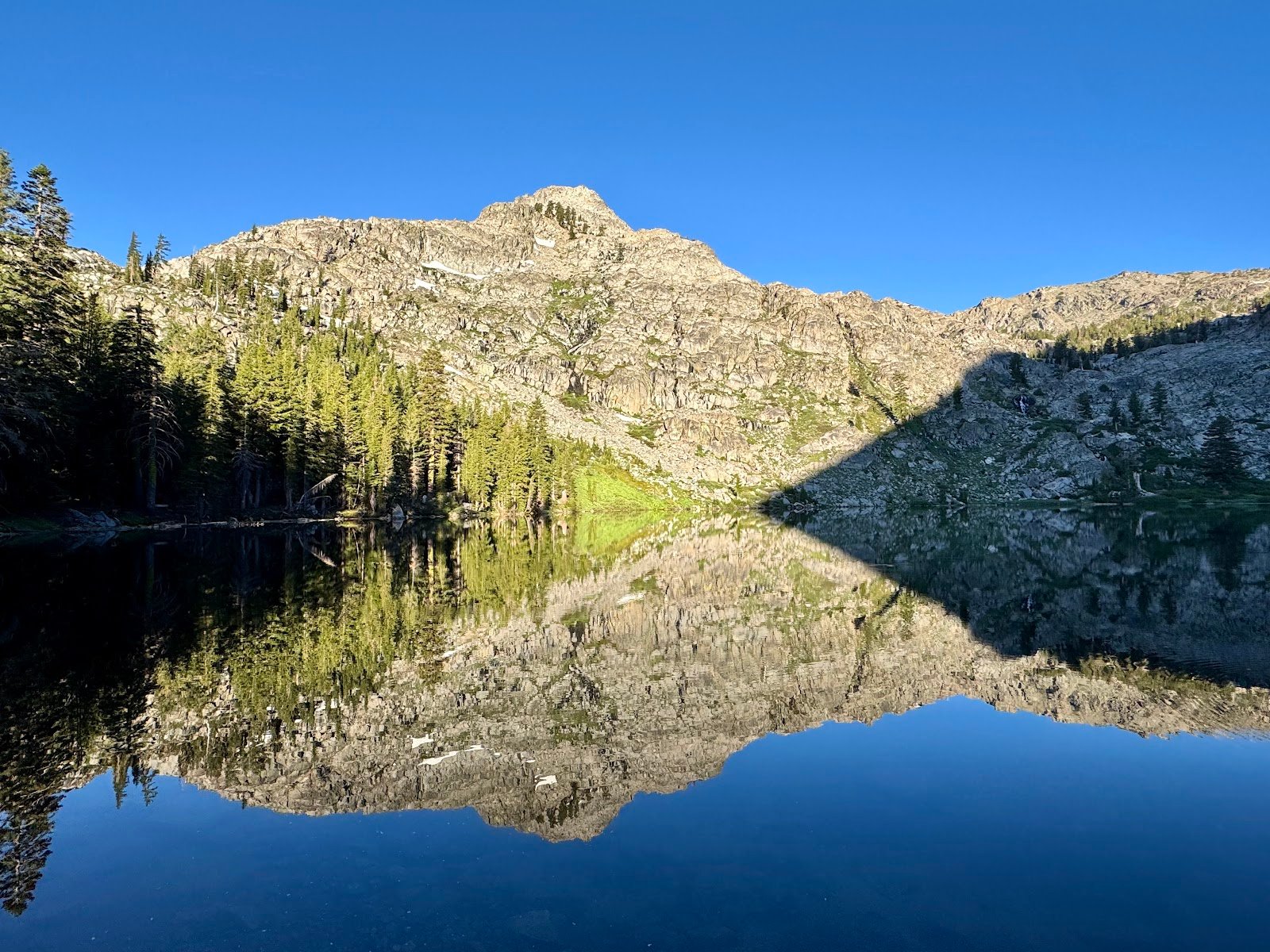
Beyond the slopes, Kirkwood offers a gateway into some of the most remote and rewarding wilderness in the Sierra Nevada. Hiking into the Mokelumne Wilderness from the Kirkwood area puts travelers into a landscape of granite peaks, high-altitude meadows, and glacially carved lakes that see far fewer visitors than the more accessible corners of the Tahoe Basin. The Pacific Crest Trail passes through this corridor, and day hikers and backpackers alike use Kirkwood as a launching point for multi-day routes into genuine backcountry.
The Carson Pass area, reached via Highway 88 just minutes from Kirkwood, carries significant historical weight as the route used by explorer Kit Carson and John C. Fremont in 1844. The Carson Pass Information Station provides context for the landscape and the history embedded in it, and the surrounding terrain offers some of the finest wildflower displays in the Sierra during midsummer.
Caples Lake, visible from the highway and easily accessed near the resort, anchors the summer experience with fishing, non-motorized boating, and shoreline hiking. For travelers who measure a destination by the quality of its natural setting rather than its amenities, Kirkwood consistently delivers on every count.
Kirkwood packs a remarkable range of outdoor pursuits into a compact, high-alpine setting within the Eldorado National Forest. Whether you are visiting in winter for world-class snow sports or in summer for trail running and lake swimming, the destination rewards active travelers at every turn.
Skiing and Snowboarding
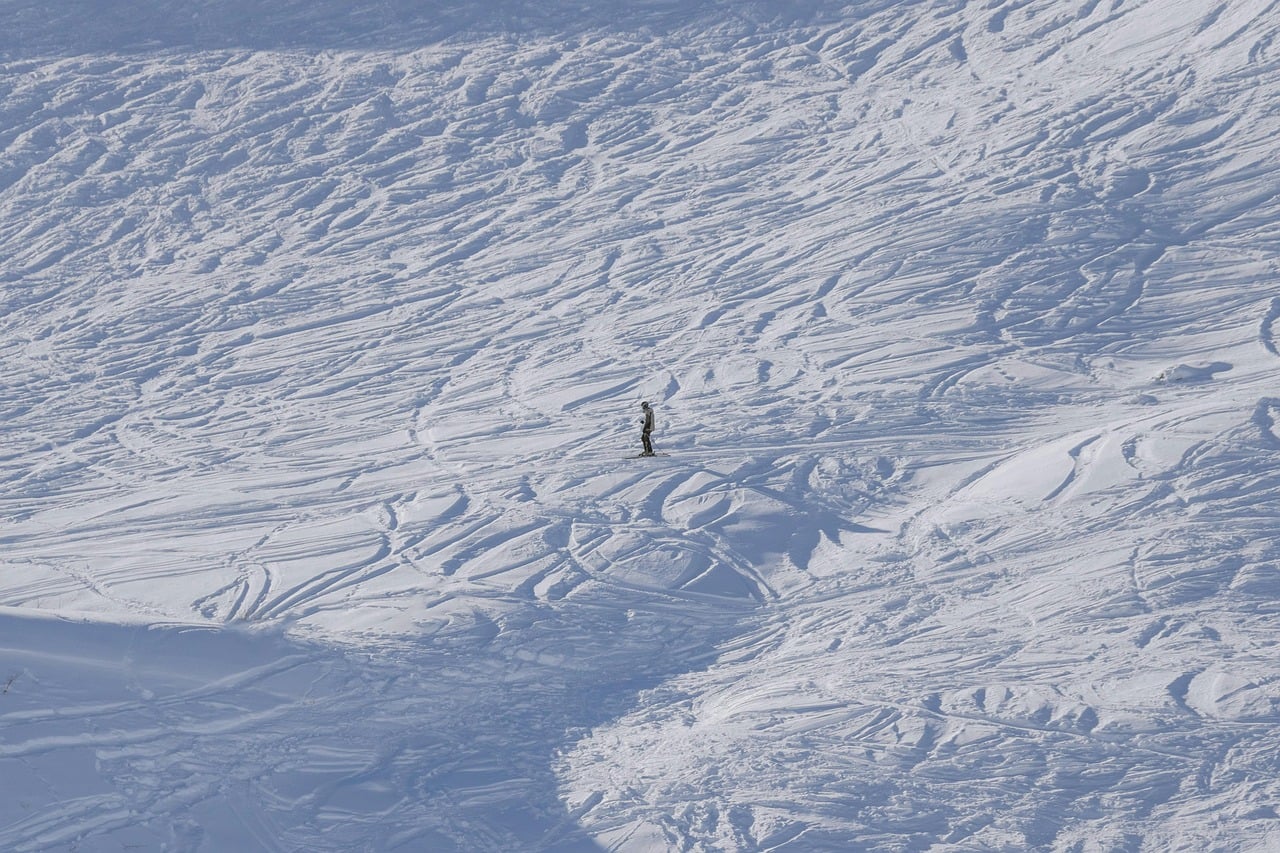
Kirkwood Mountain Resort anchors the winter experience, offering some of the deepest snowpack in the Sierra Nevada. The resort spans over 2,300 acres of terrain, with runs suited to beginners through expert-level skiers tackling steep chutes and open bowls. The Carson Pass Sno-Park provides additional access for snowshoers and cross-country skiers looking to explore the backcountry beyond the resort boundary.
Hiking and Trail Running
When snow melts, Kirkwood transforms into a premier hiking destination. Trails connect directly to the Mokelumne Wilderness and the Pacific Crest Trail corridor, offering routes ranging from gentle lakeside walks to strenuous ridge climbs. The Lake Margaret Trailhead and Thunder Mountain Trailhead are popular starting points, while the Devil's Ladder lookout rewards hikers with sweeping high-country views.
Scenic Exploration and Viewpoints
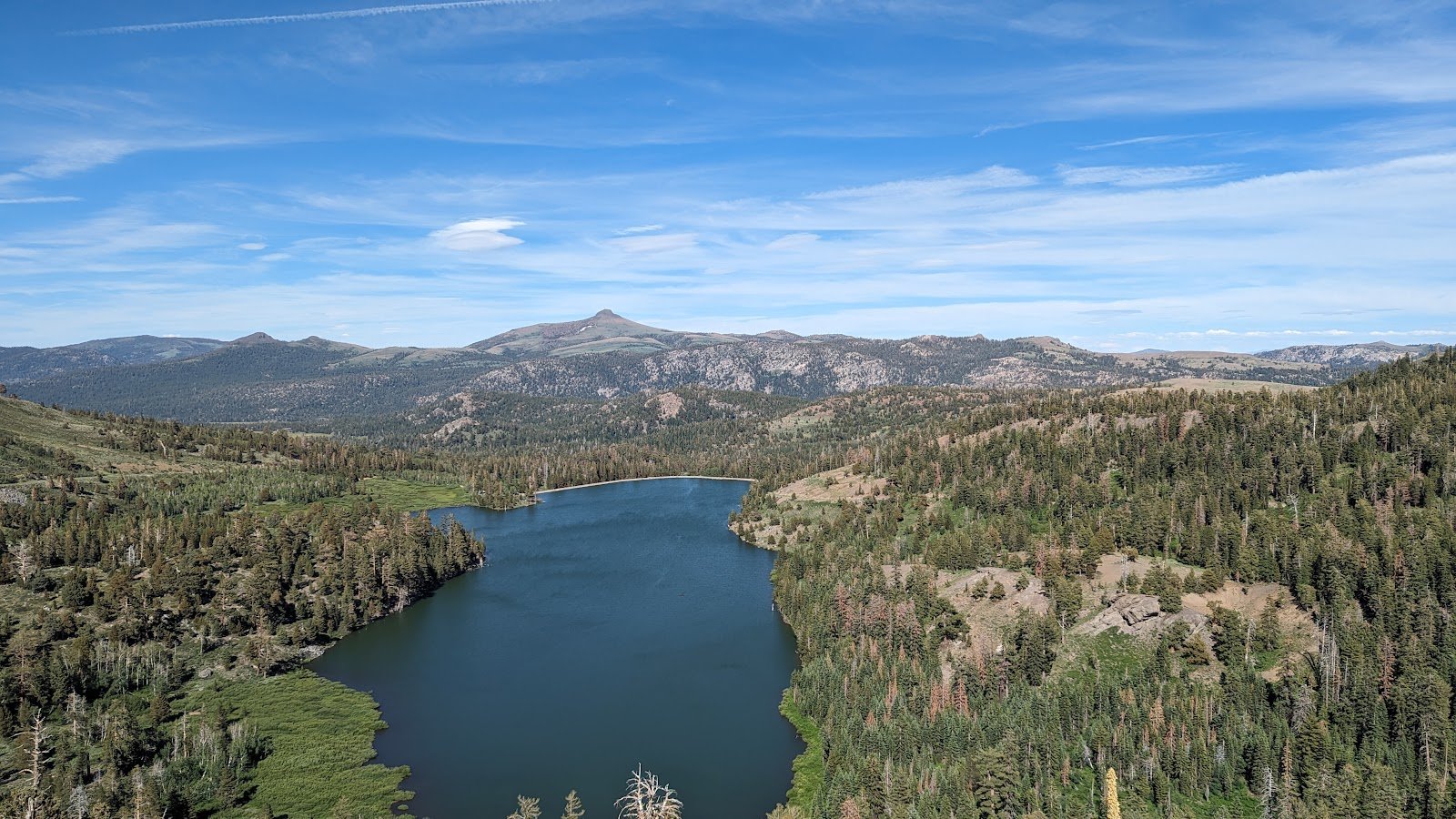
The landscape surrounding Kirkwood is defined by dramatic Sierra Nevada scenery. Caples Lake, Silver Lake, and Red Lake Vista Point offer accessible stopping points for photography and quiet reflection. The Vista de Caples Lake and Kit Carson Pass are scenic highlights along Highway 88.
Water Recreation
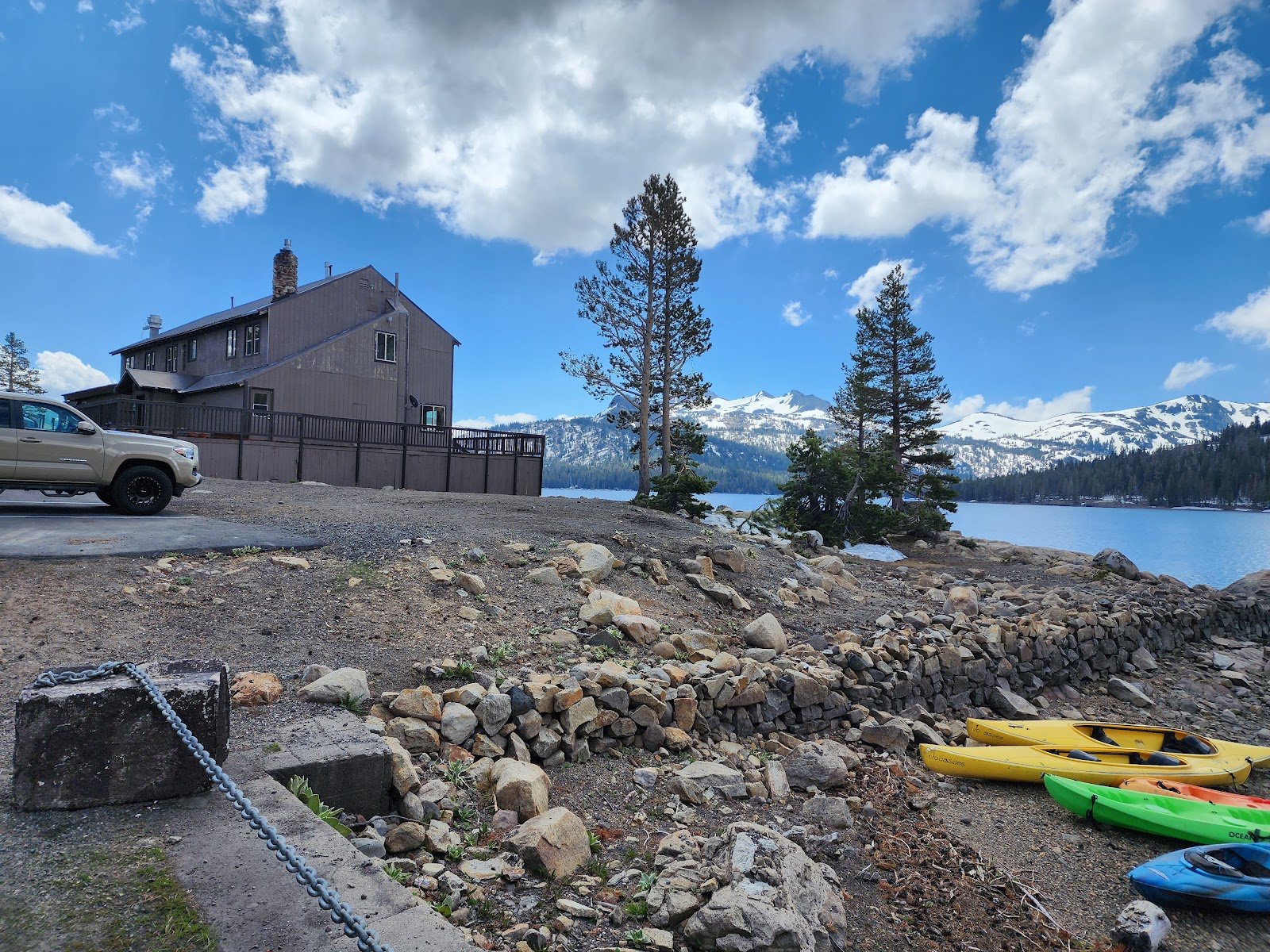
Caples Lake and the surrounding alpine lakes draw anglers, kayakers, and swimmers during the warmer months. Caples Lake Resort provides rentals and easy lake access for visitors who want to get on the water without hauling their own gear.
Food and Dining
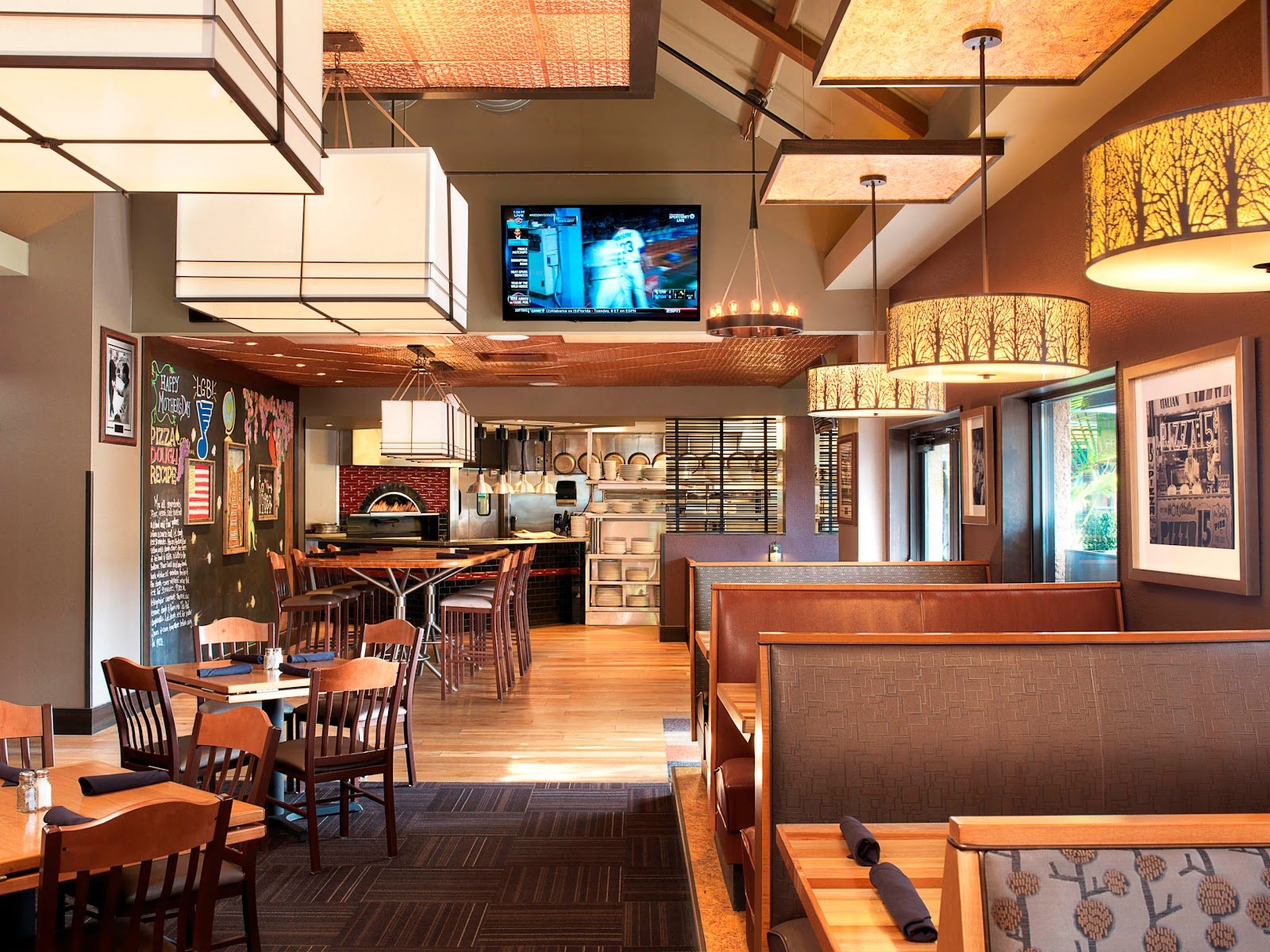
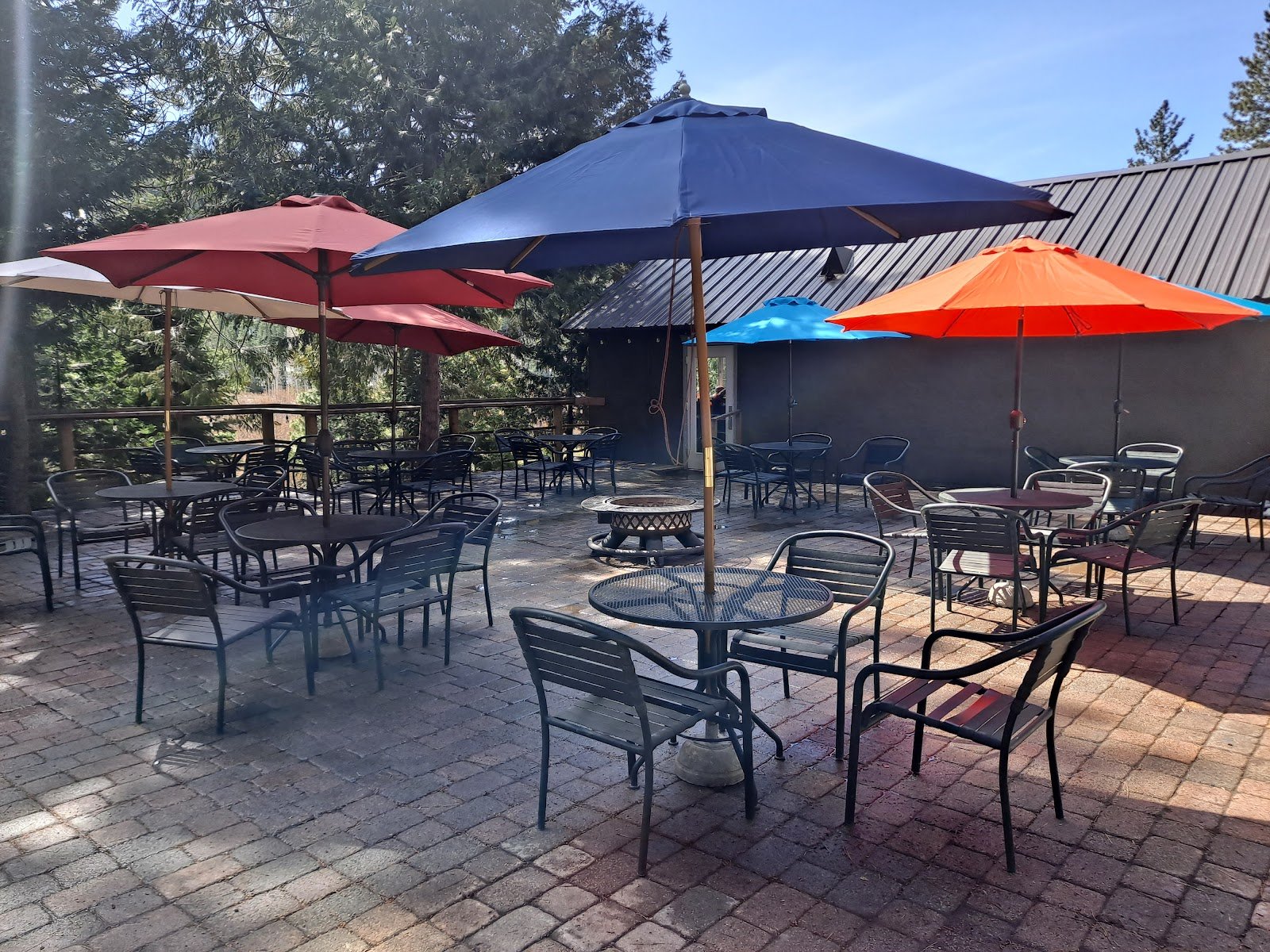
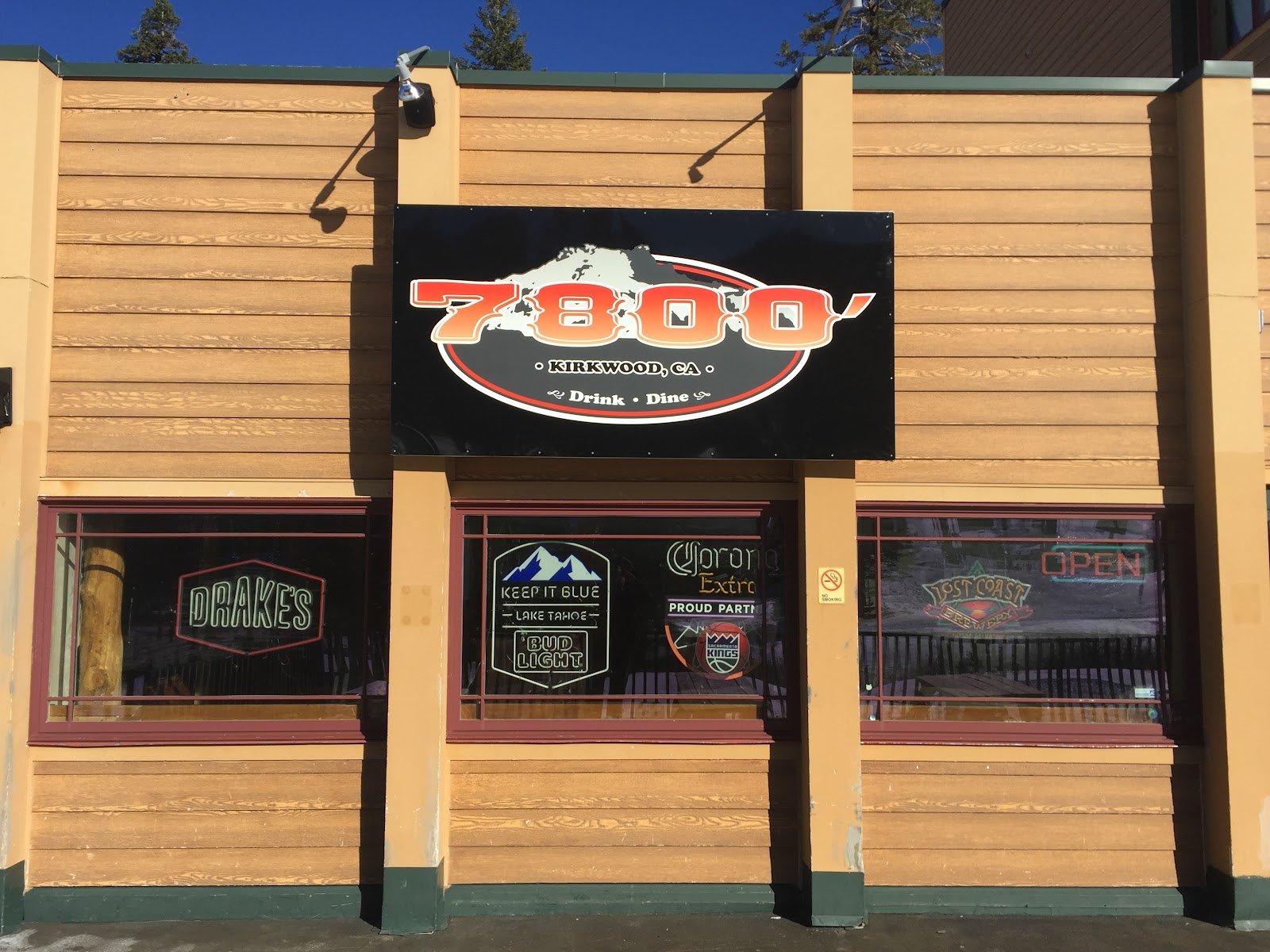
Kirkwood's dining scene is small but well-suited to hungry outdoor enthusiasts. Options cluster around the base village and cater to skiers, hikers, and families looking for hearty, satisfying meals after a day on the mountain or trail.
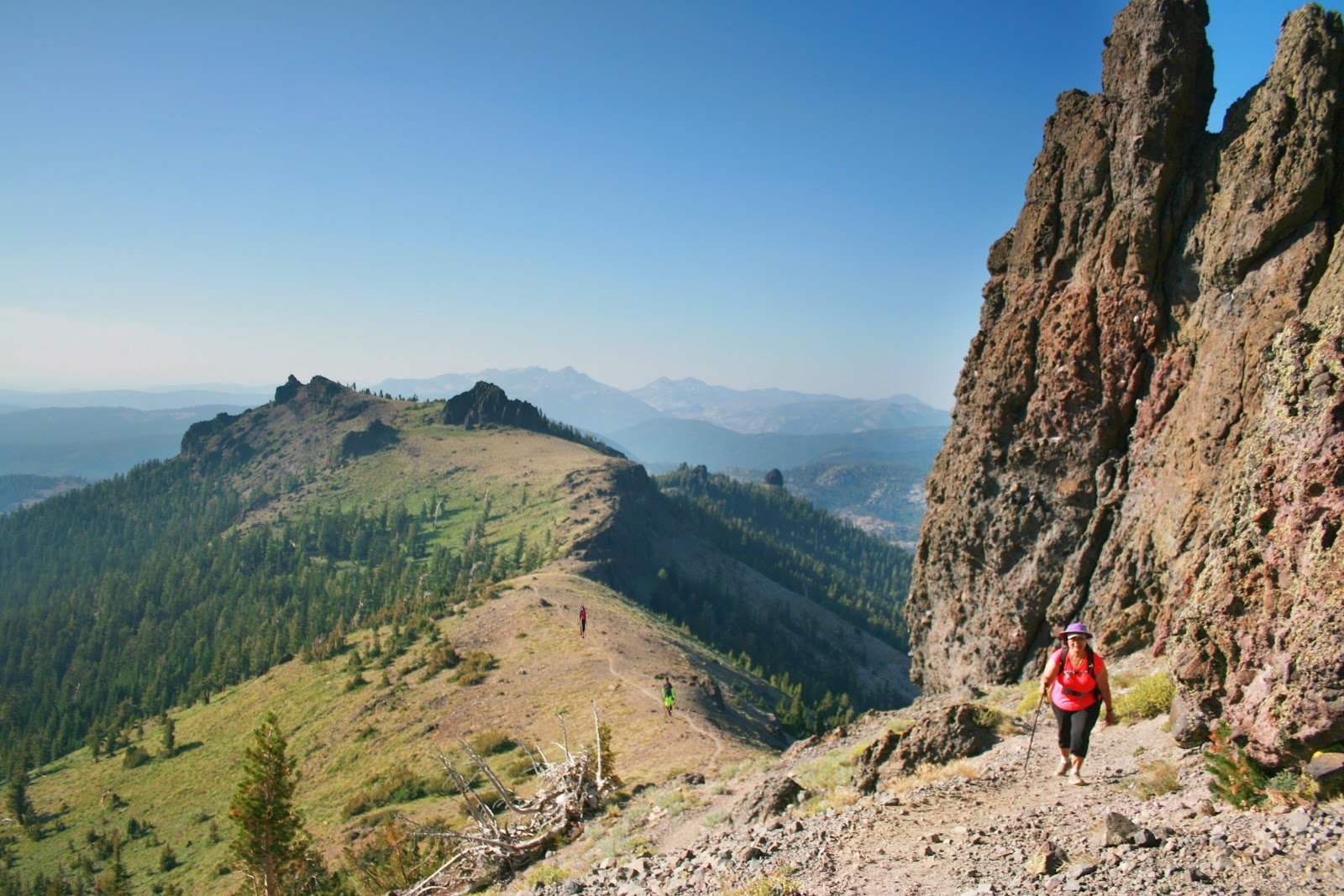
Thunder Mountain Trailhead
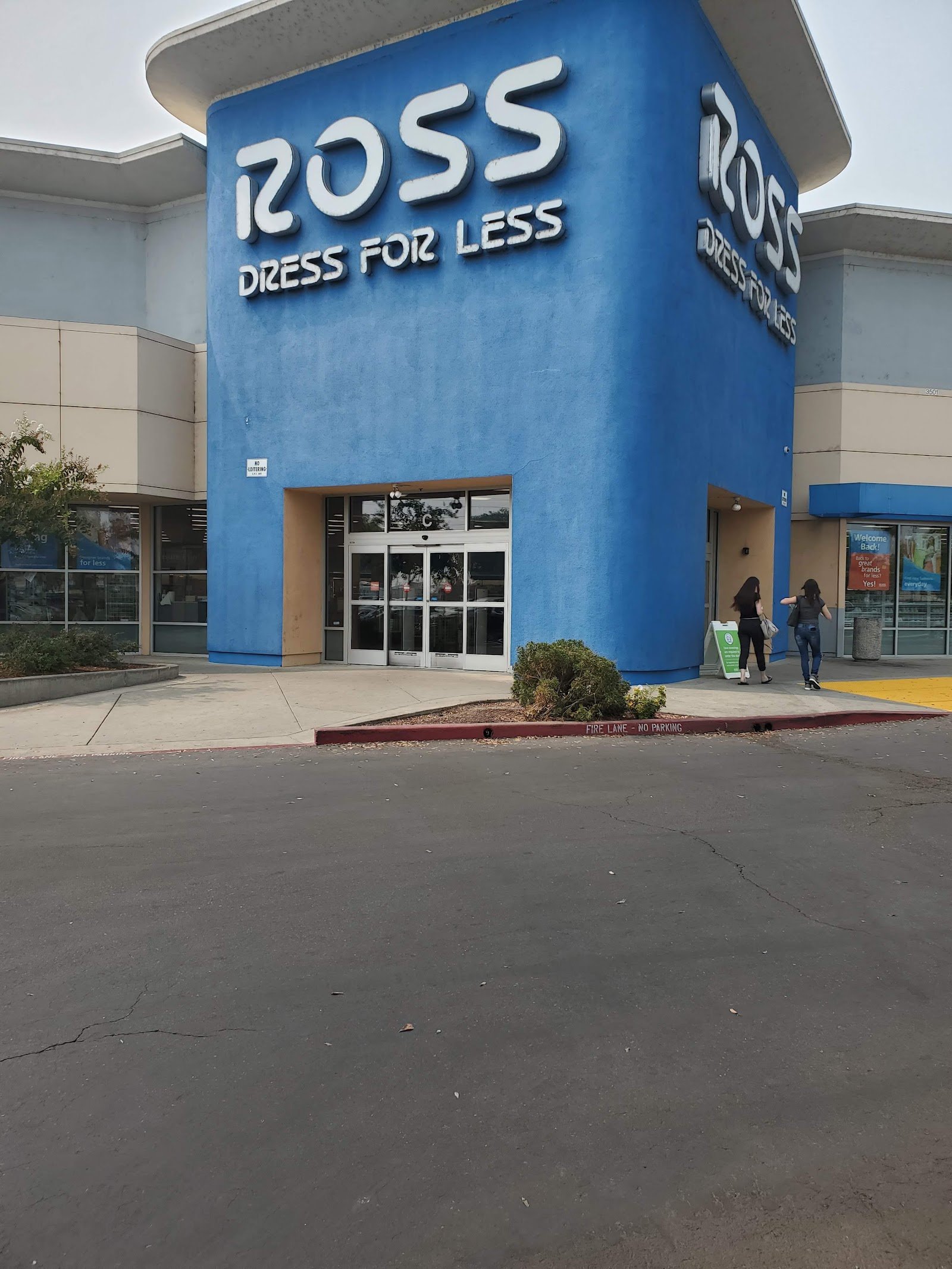
Promenade Shopping Center
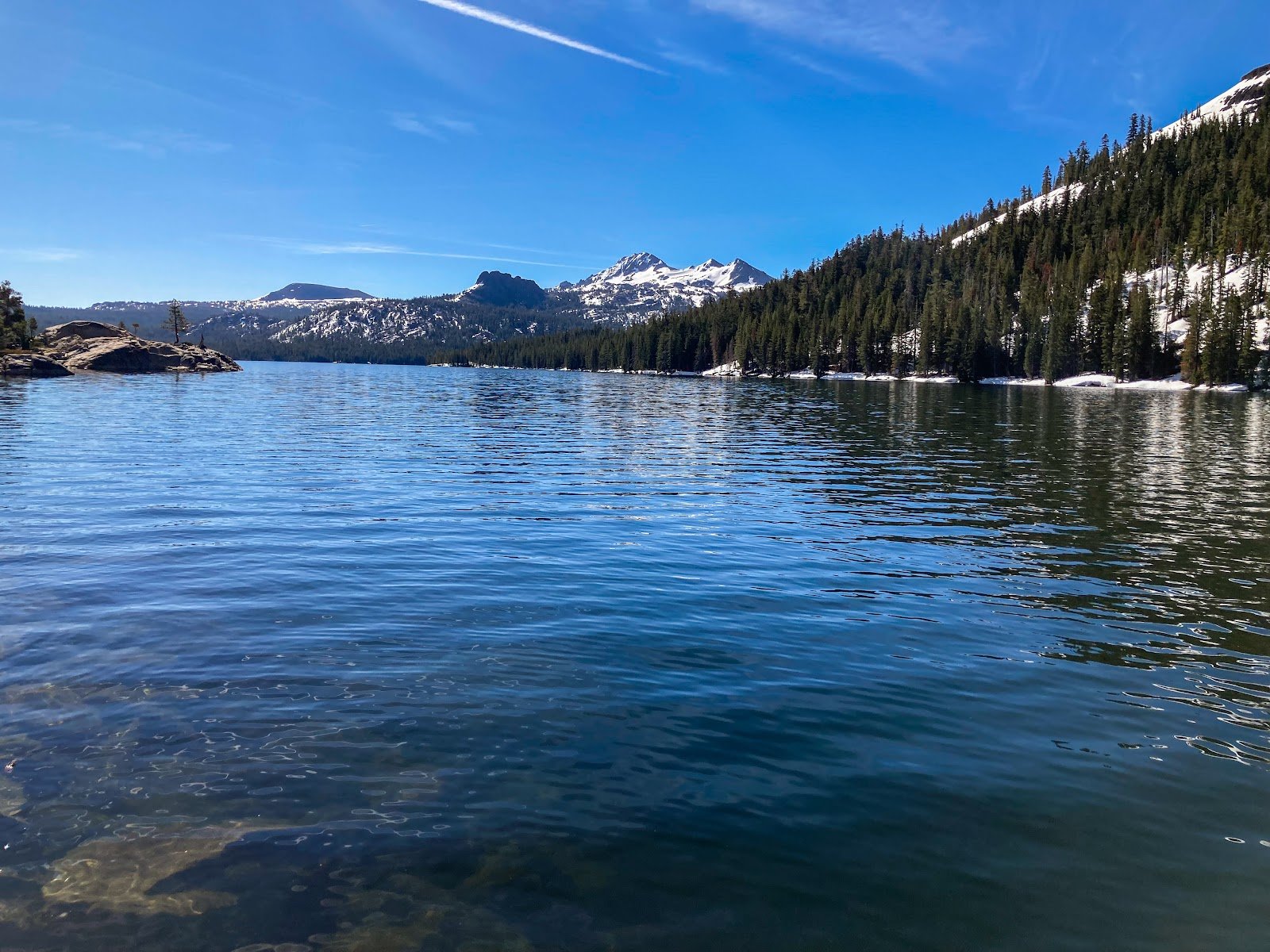
Caples Lake Tranquil manmade lake popular for swimming & trout fishing, with rocky shores & a nearby campground.
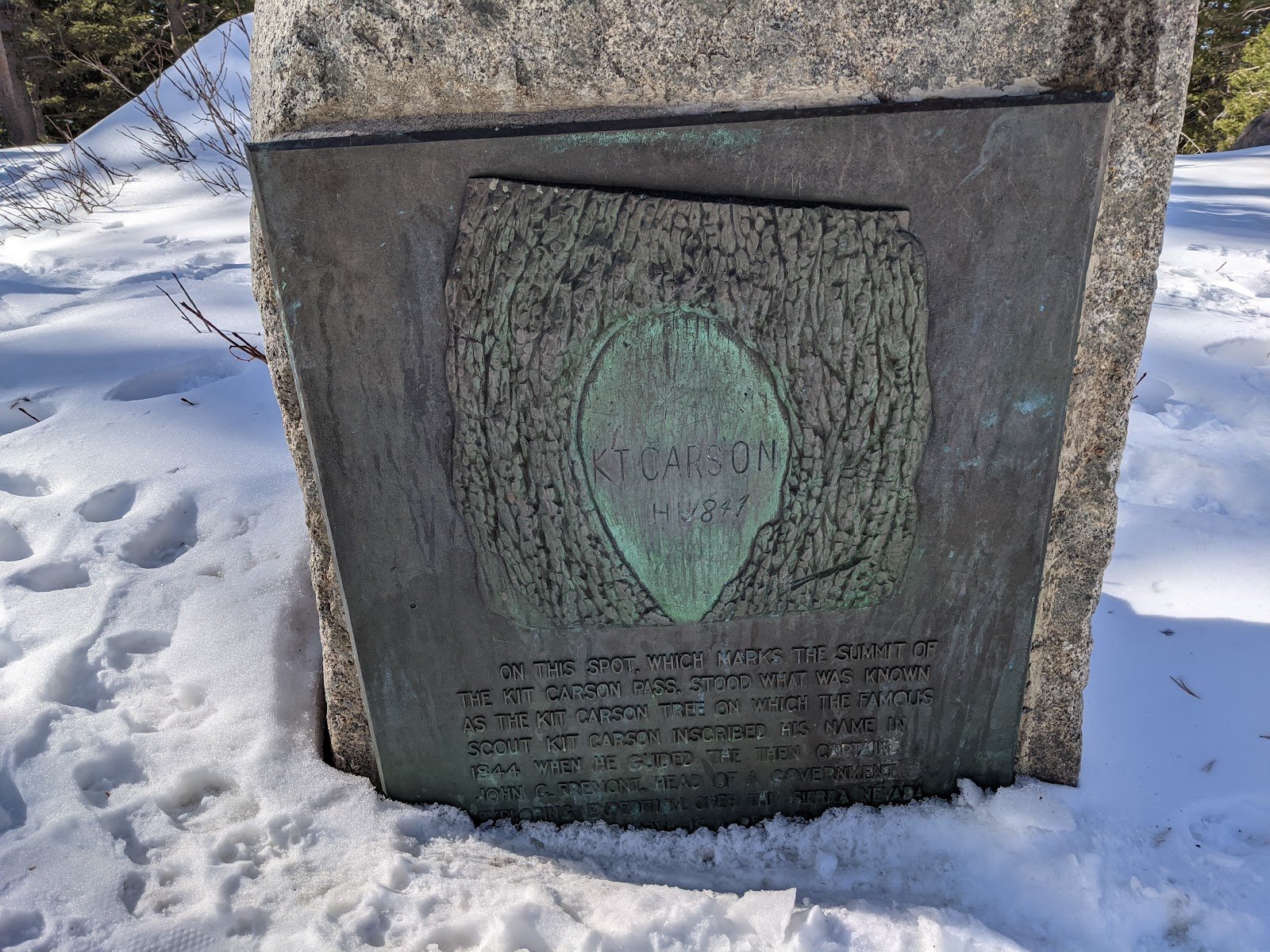
Kit Carson Pass
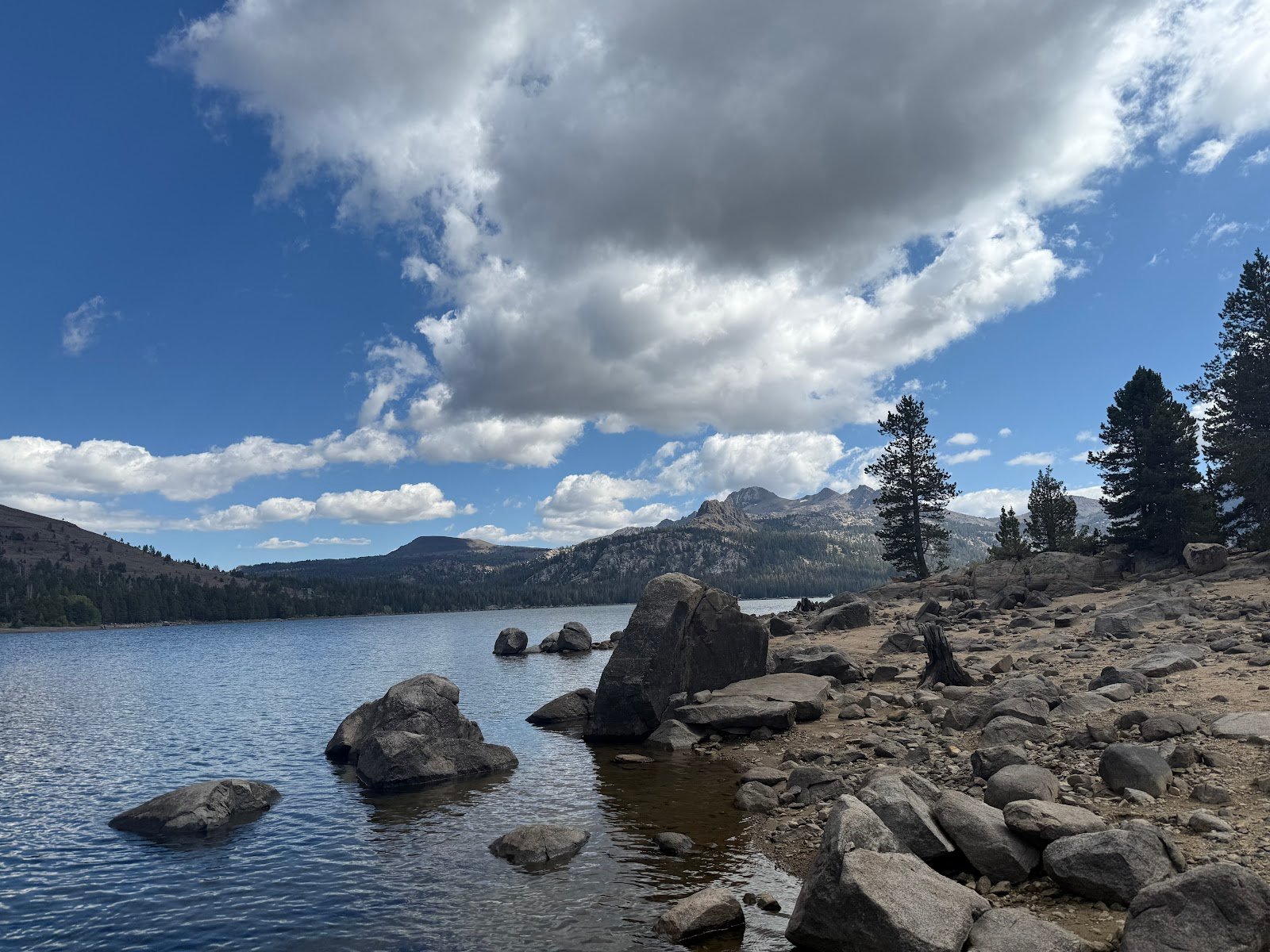
Vista de Caples Lake
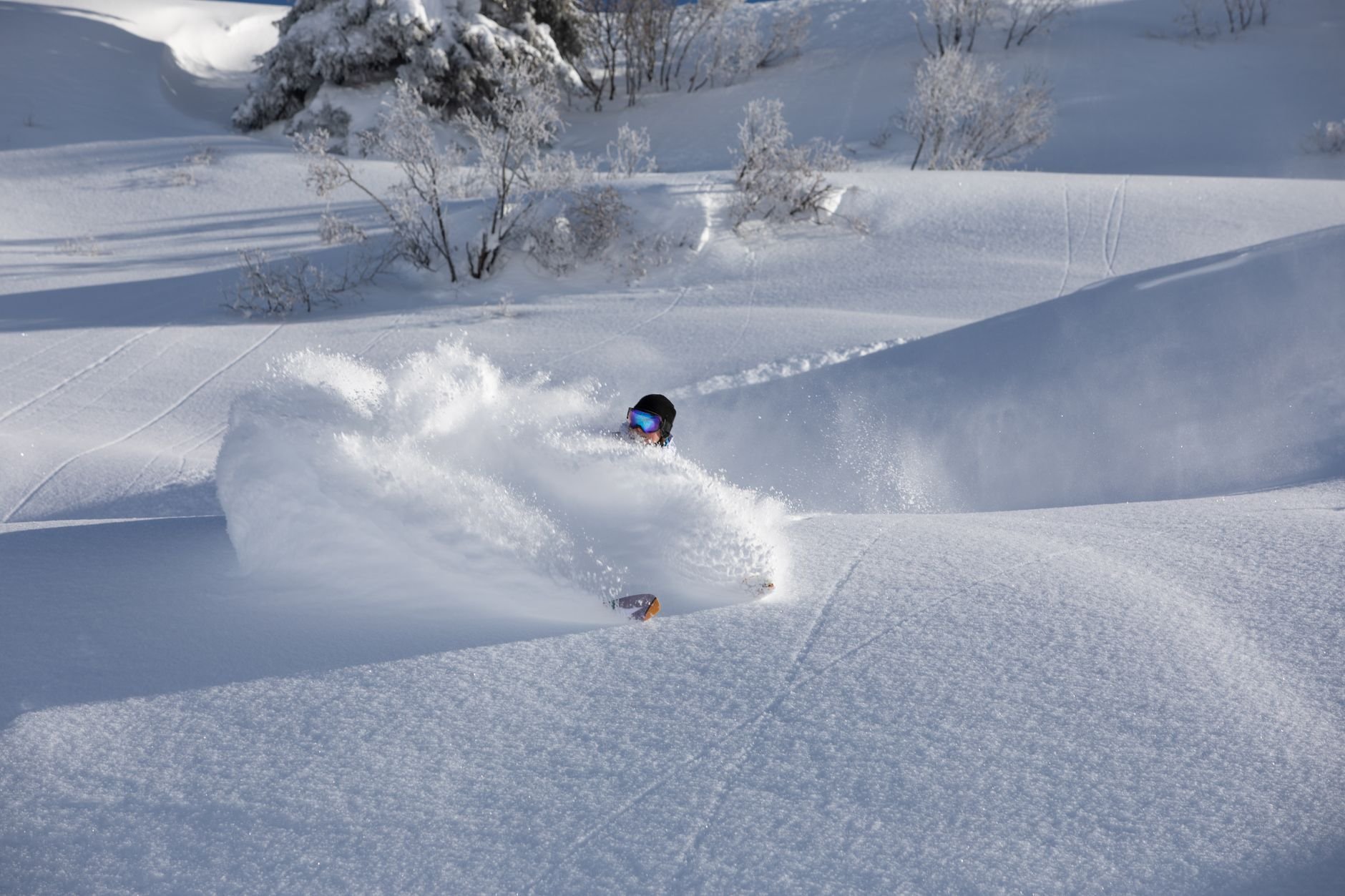
Start your morning with a warm-up run on Kirkwood's groomed beginner and intermediate trails before tackling the resort's signature steep chutes and open bowls by midday. Grab lunch at the base area village, then spend the afternoon exploring Wagon Wheel Bowl or the Cirque for advanced terrain. Wind down with dinner at Caples Lake Resort just a few minutes down Highway 88.
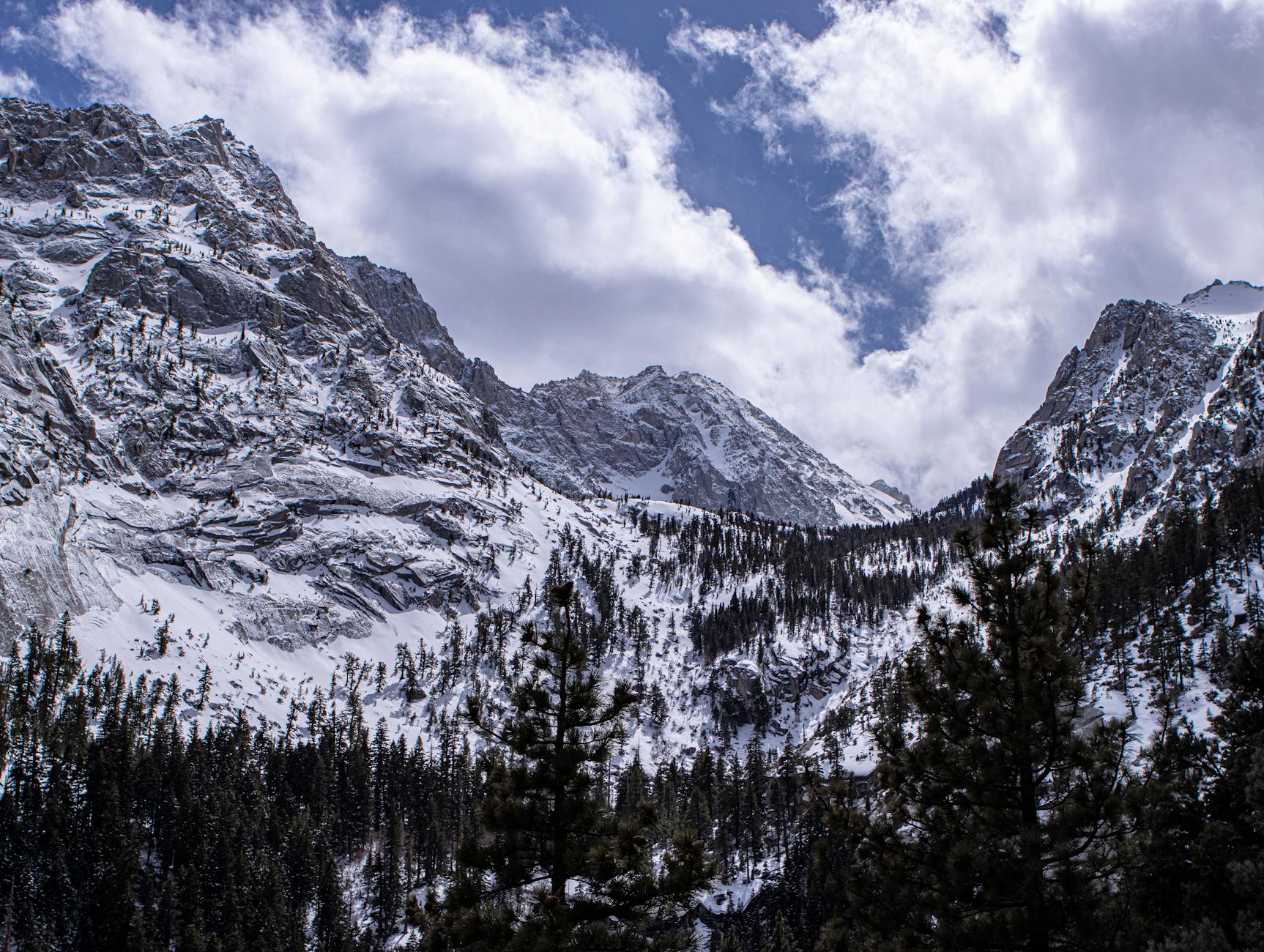
Head out early on snowshoes or cross-country skis into the Eldorado National Forest surrounding the resort, where the backcountry terrain is dramatic and crowd-free. In the afternoon, drive the short stretch along Highway 88 to Caples Lake for a peaceful winter walk along the frozen shoreline. Return to the village for a low-key evening with a meal and a fire at your lodging.
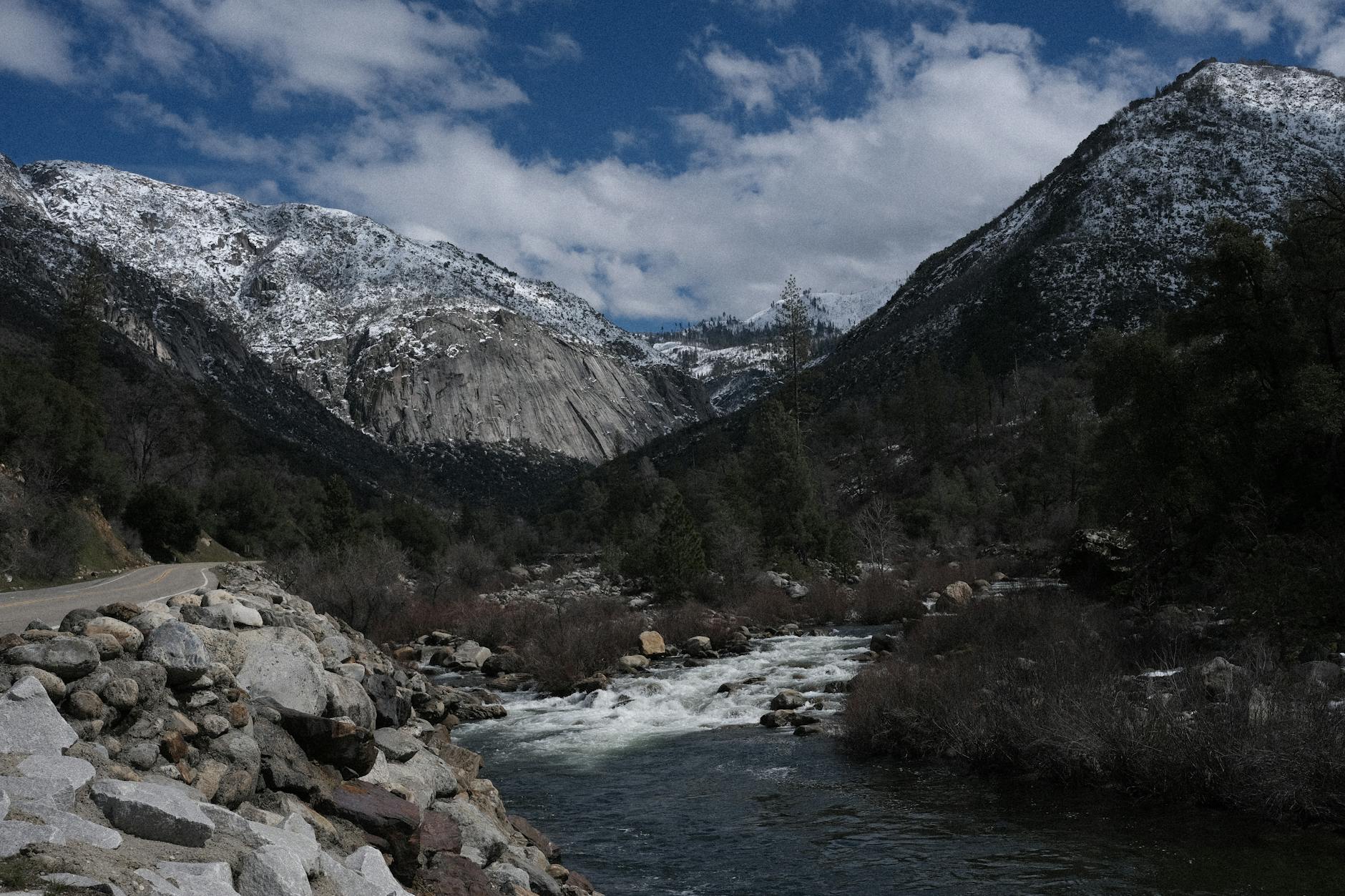
Spend your final morning skiing the upper mountain - the Sunrise and Solitude lifts access some of Kirkwood's most rewarding high-alpine runs with sweeping views of the surrounding Sierra peaks. After a last lunch at the base village, take a scenic drive along Highway 88 through the Mokelumne River canyon before heading back toward Sacramento or South Lake Tahoe.
Kirkwood's cultural calendar is shaped almost entirely by the mountain and the seasons that govern life at over 7,800 feet. The rhythm here is elemental: when the snow falls, the community comes alive. When it melts, a quieter but equally devoted crowd arrives for the trails and high-country solitude.
Dining in Kirkwood is honest and functional, calibrated to the needs of people who have spent a day on the mountain or a long morning on the trail. This is not a destination for culinary tourism, and that is part of its integrity. What Kirkwood offers is food that fits the place: hearty, satisfying, and served without pretense.
Sacramento International Airport (SMF) is the closest major California gateway,
sitting about 100 miles west of Kirkwood via US-50 and Highway 88, with a drive time of roughly two to two and a half hours depending on conditions and traffic.
Reno-Tahoe International Airport (RNO) is the alternative arrival point from the east,
approximately 90 miles from Kirkwood via US-395 and Highway 88, making it a strong option for travelers flying from the Mountain West or connecting through Nevada hubs.
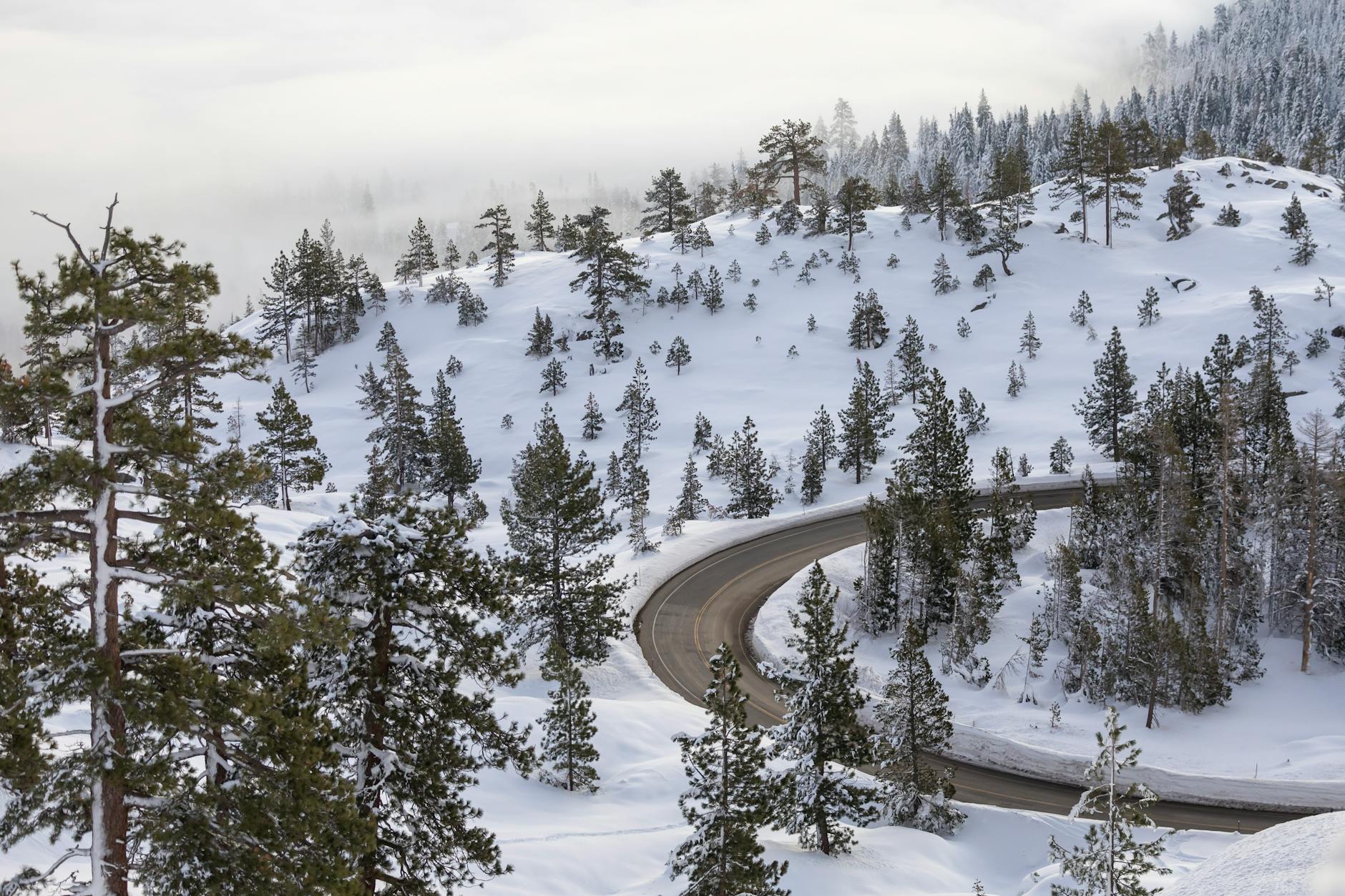
Highway 88 over Carson Pass is the primary driving route to Kirkwood,
and travelers should check Caltrans road conditions before departing in winter, as chain controls are frequently enforced and the pass can close temporarily during heavy storms.
Four-wheel drive or all-wheel drive with snow tires is strongly recommended for winter visits,
as the final approach to Kirkwood gains significant elevation and road conditions can deteriorate quickly even after a Caltrans clearance.
No direct public transit or scheduled bus service reaches Kirkwood,
so travelers without a car should look into private shuttle operators that serve the South Lake Tahoe and Sierra ski corridor during the winter season.
Kirkwood's base village is compact and walkable,
so guests staying in slope-side accommodations can reach lifts, rental shops, and most dining options entirely on foot without needing to move their car during the stay.
Rideshare coverage at Kirkwood is unreliable,
due to the resort's remote location in Amador County, so travelers should not depend on Uber or Lyft for getting around and should plan to have their own vehicle for any trips beyond the village.
The resort base area parking lots fill early on powder days and holiday weekends,
so plan to arrive before the lifts open if you want a spot close to the mountain and avoid the longer walk from overflow areas.
Reaching Eldorado National Forest trailheads and backcountry access points near Kirkwood
requires a personal vehicle, as these areas are spread along Highway 88 and are not served by any shuttle or transit system.
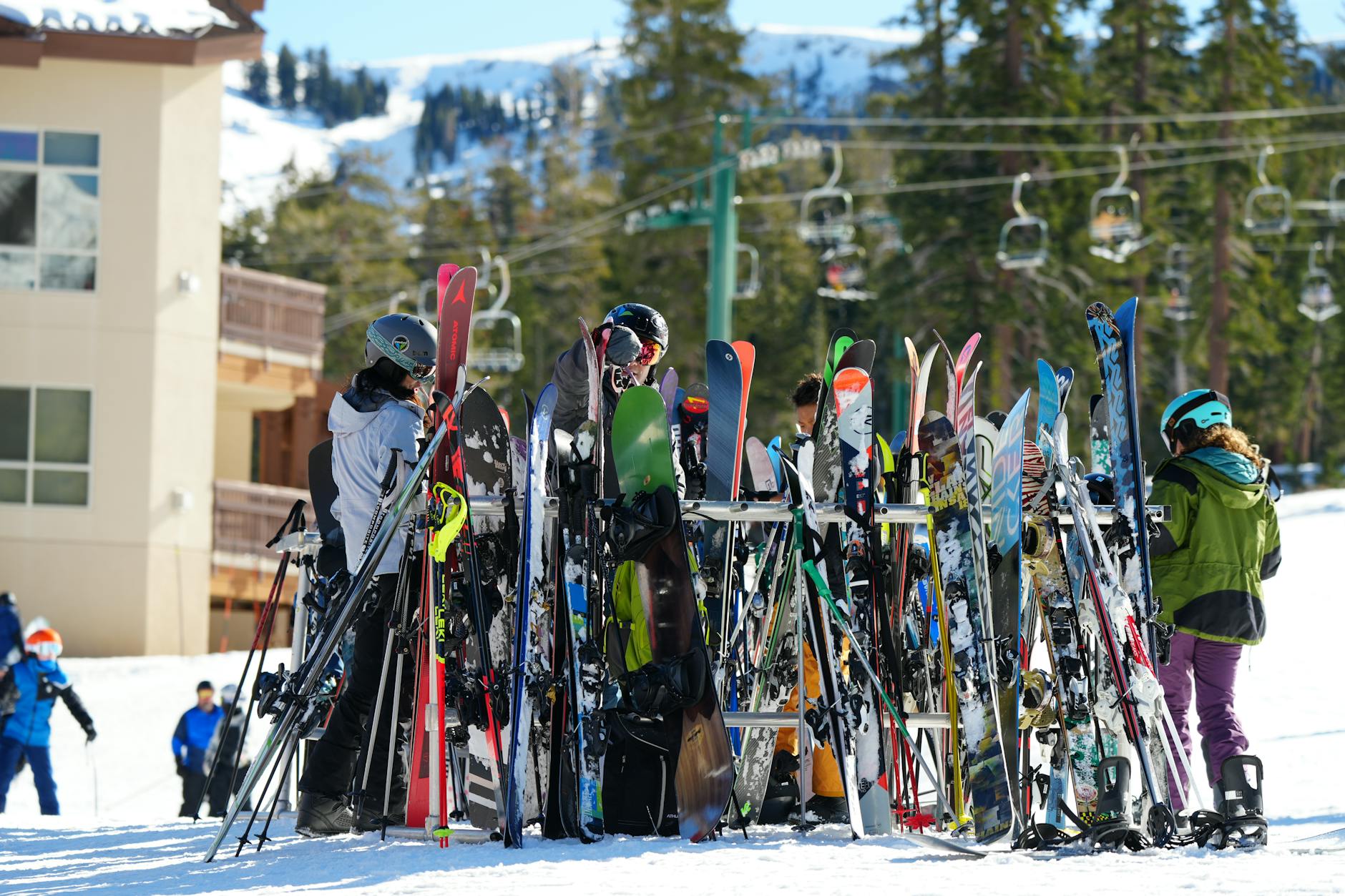
Kirkwood rewards preparation. Book lodging and lift tickets well ahead of your trip, especially for holiday weekends and any period following a major storm cycle, when demand spikes quickly. Always check the Caltrans QuickMap app and the Kirkwood resort website for road conditions and chain control requirements before departing for the mountain. Pack layers regardless of season: temperatures at 7,800 feet can shift dramatically within a single day, and afternoon thunderstorms are common in summer. Cell service is limited to nonexistent in much of the Kirkwood area, so download offline maps and trail data before you arrive. Cash is useful to have on hand, though the village accepts cards at most outlets. Tipping follows standard California norms at restaurants and bars. If you are skiing or riding, be aware that Kirkwood's terrain skews advanced: beginners should review the trail map carefully and consider a lesson through the resort's ski school before heading out independently.
Two to four days is the sweet spot for most visitors. Skiers and snowboarders can spend two full days working through the terrain, while those exploring summer trails and the Mokelumne Wilderness benefit from an extra day or two. The compact village means you won't need extra time getting oriented — most of your time goes directly toward the outdoors.
Kirkwood is best known for its ski resort, which consistently ranks among California's top destinations for snowfall and challenging terrain. The mountain is prized for steep chutes, open bowls, and a heavy, reliable snowpack at elevations above 7,800 feet. In summer, it is known for access to rugged high-alpine trails, the Mokelumne Wilderness, and the Pacific Crest Trail corridor.
Yes, Kirkwood works well as a weekend trip, especially from the San Francisco Bay Area or Sacramento, both roughly two to three hours away. A Friday-to-Sunday visit gives you two full days on the slopes or trails. The compact base area means no time is wasted, making it one of the more efficient mountain escapes in Northern California.
Kirkwood can be pricey, particularly in winter when lift tickets, lodging near the base area, and ski rentals add up quickly. That said, it tends to be less expensive than the major Lake Tahoe resorts. Visiting mid-week or booking lodging early helps reduce costs. Summer visits are generally more affordable, with free access to trails and surrounding national forest land.
Winter, roughly December through April, is the prime season for skiing and snowboarding, with the resort known for some of the deepest snowpack in the Sierra Nevada. Summer, from late June through September, is ideal for hiking, mountain biking, and fly fishing once the high-country trails are clear of snow.