
Baltimore, MD
A Journey guide to
Los Angeles is the city where ambition takes physical form. From the studios of Burbank to the galleries of Culver City, creative industry is not a backdrop here but the engine of everyday life. Hollywood's mythology runs deep, yet the city long ago outgrew any single identity. LA rewards travelers who treat it as a collection of distinct neighborhoods rather than a single destination, each with its own character and rhythm.
The food scene alone justifies the journey. Los Angeles is one of the most culinarily diverse cities on earth, shaped by its Mexican, Korean, Japanese, Armenian, Ethiopian, and Central American communities. Grand Central Market in Downtown anchors decades of food history, while Koreatown's late-night dining culture and the taco stands of East LA represent the city at its most authentic. Fine dining here is serious and inventive, with a farm-to-table ethos rooted in proximity to California's agricultural heartland.
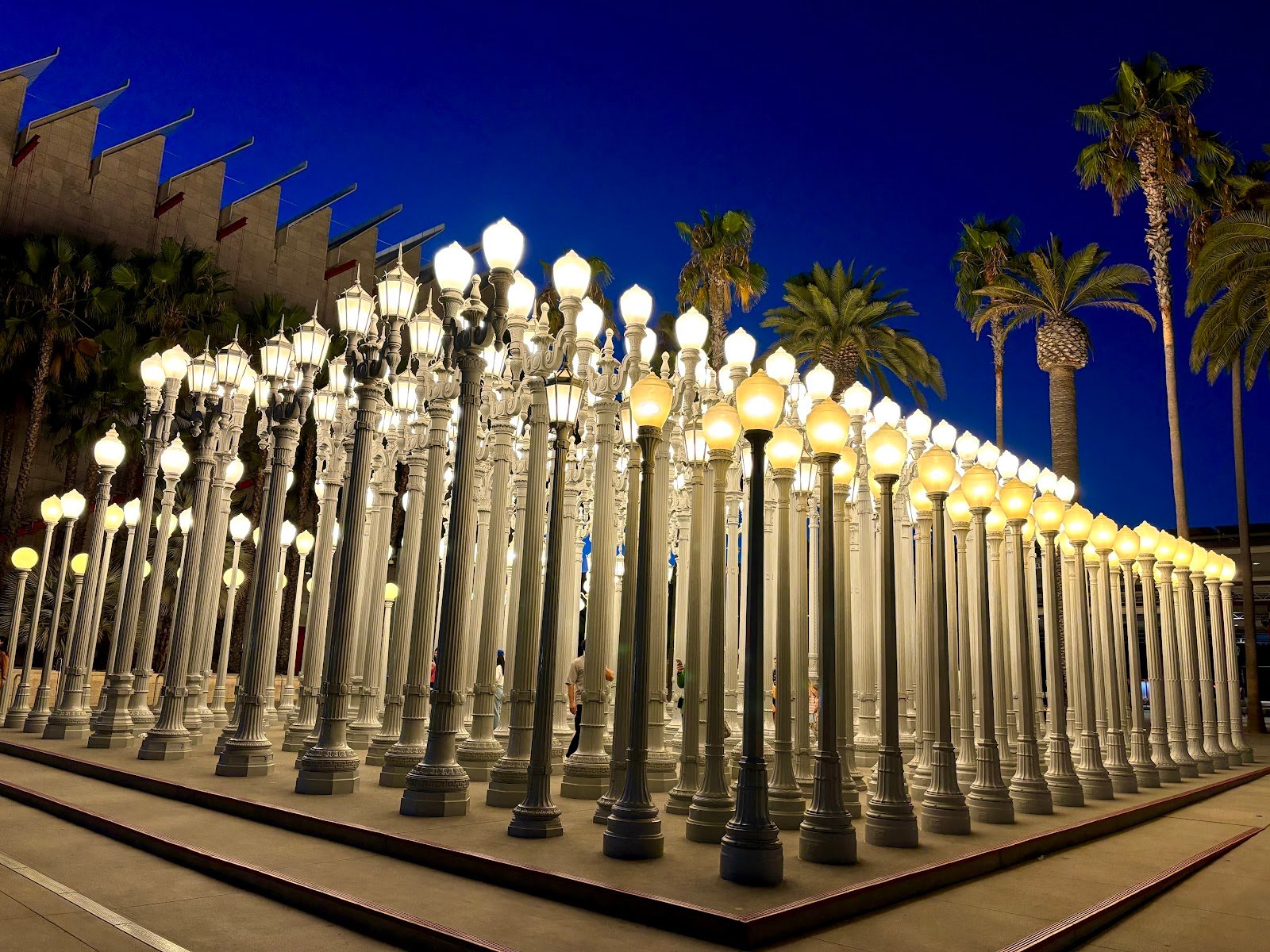
Culture in Los Angeles is both institutional and street-level. The Getty Center and LACMA command world-class collections, while the Broad showcases contemporary art in a building that is itself a landmark. The city's live music heritage spans jazz, punk, hip-hop, and the singer-songwriter tradition of Laurel Canyon. Independent cinemas, experimental theater, and underground art spaces fill the gaps between the marquee attractions.
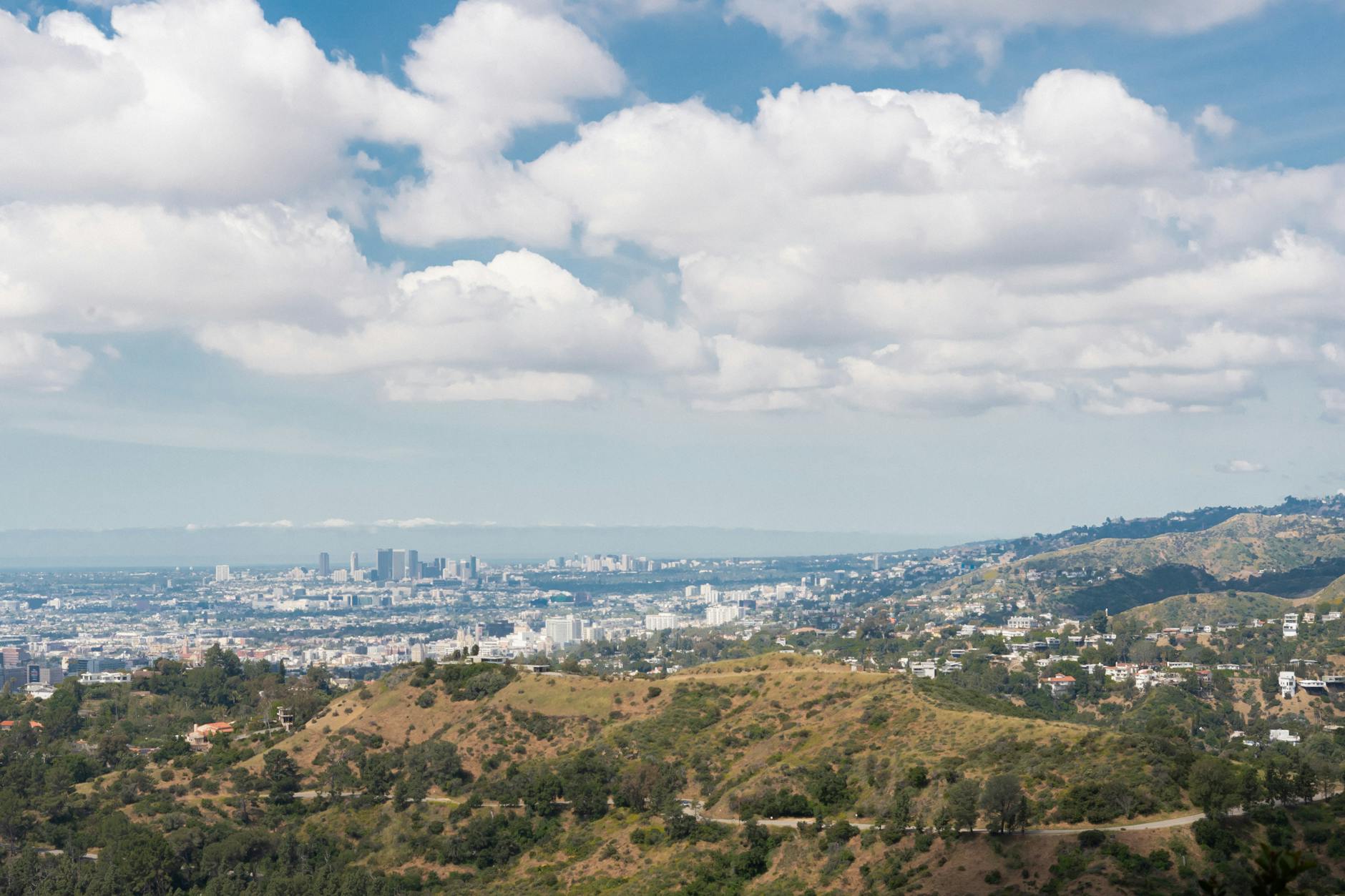
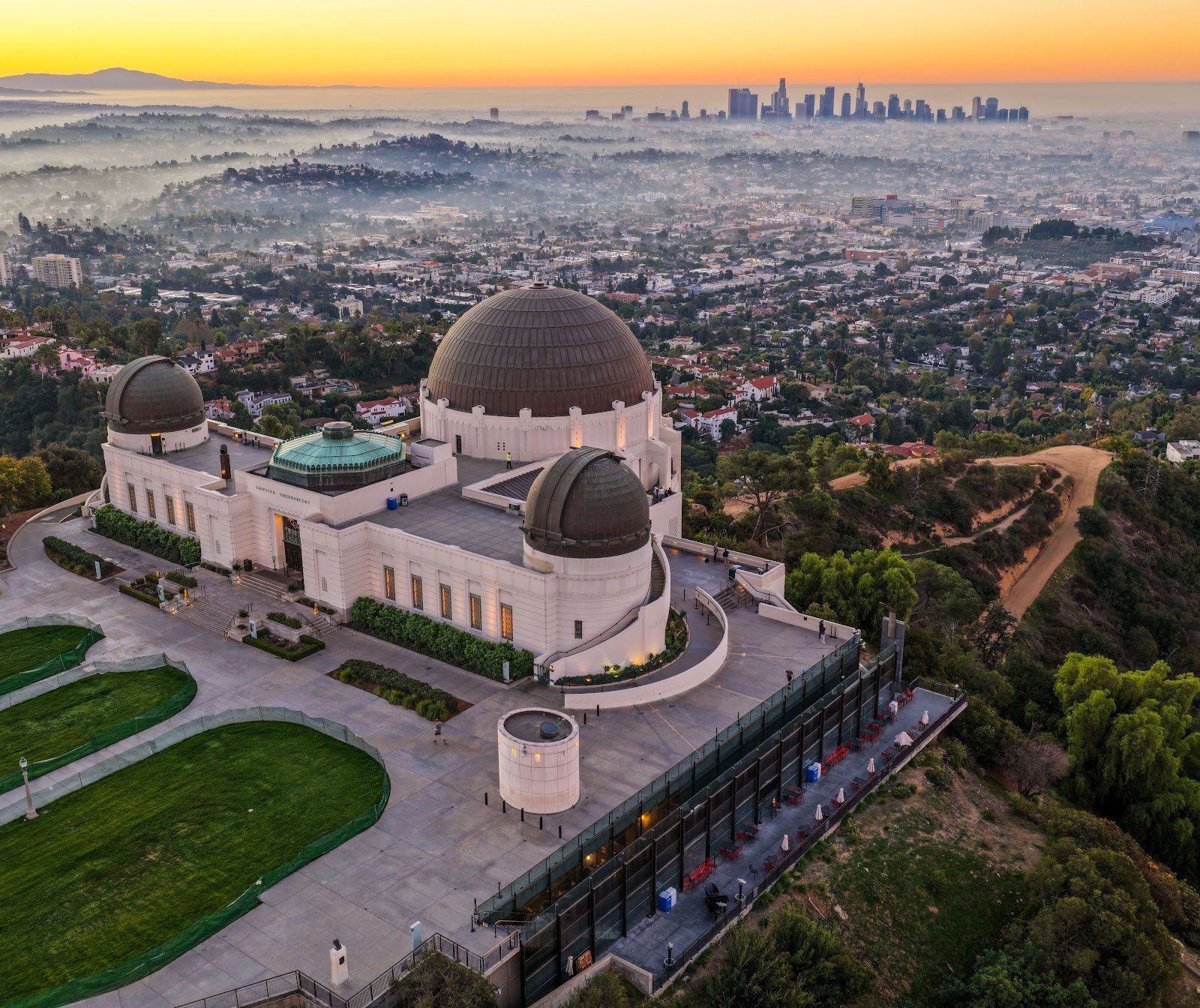
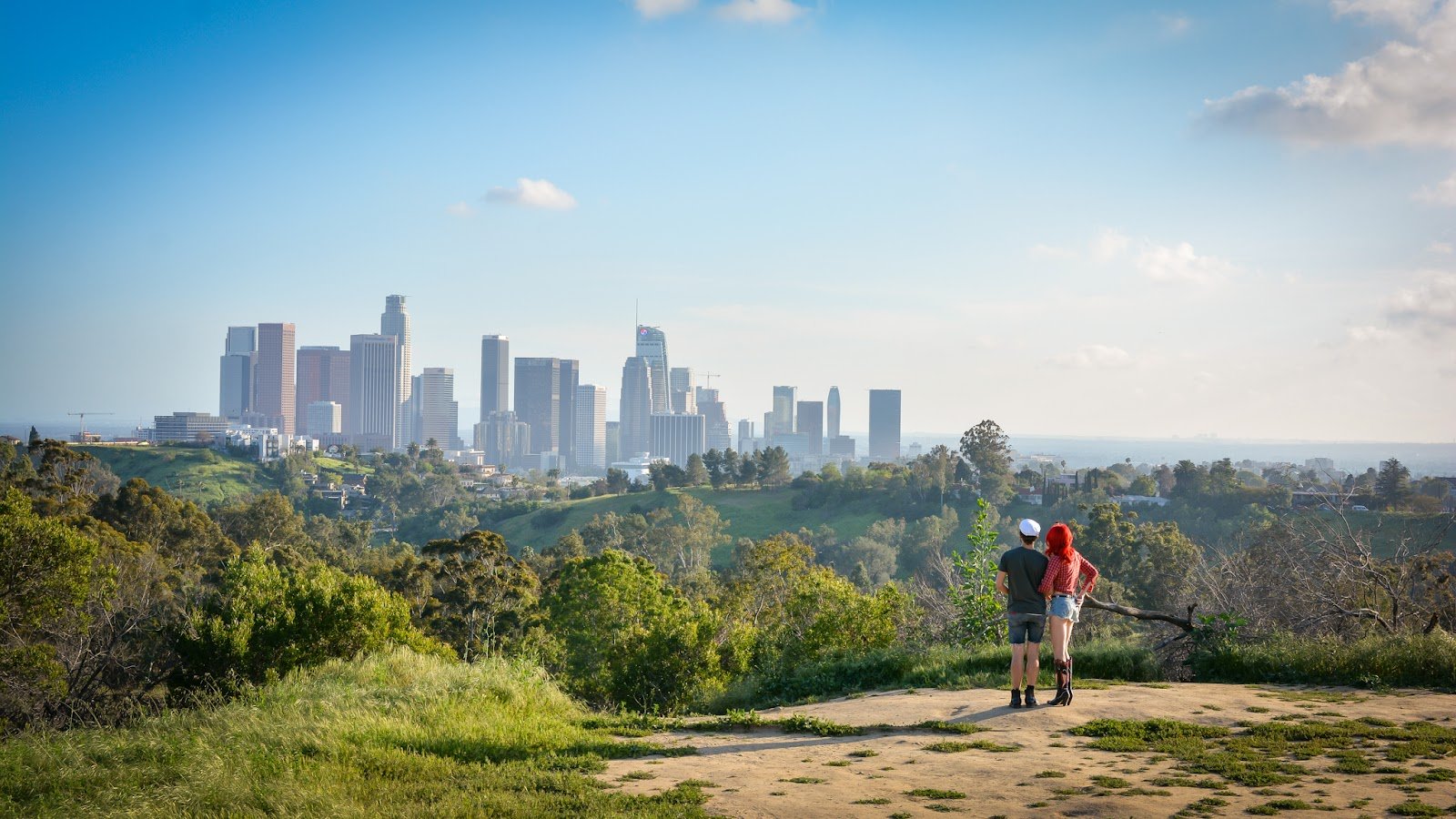
Outdoor life is woven into the city's identity in ways that surprise first-time visitors. The Santa Monica Mountains run directly through the urban fabric, offering hiking trails with Pacific Ocean views minutes from Beverly Hills. Griffith Park, one of the largest urban parks in the United States, provides trails, an observatory, and sweeping city panoramas. The coastline stretches from Malibu through Santa Monica to the South Bay, with each beach community carrying its own distinct personality.
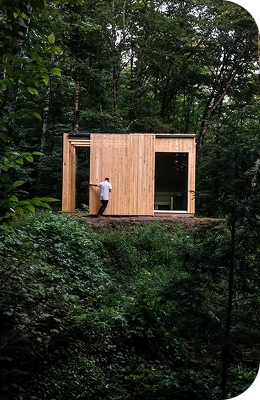

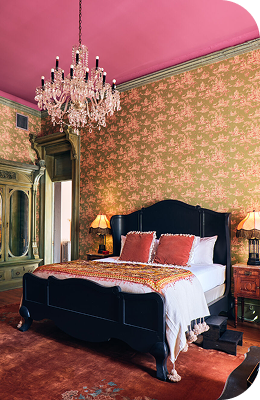

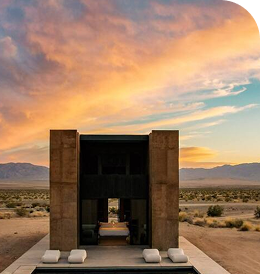

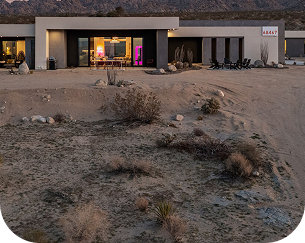

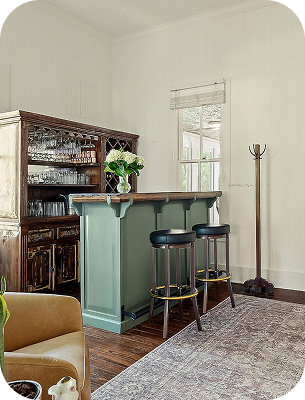

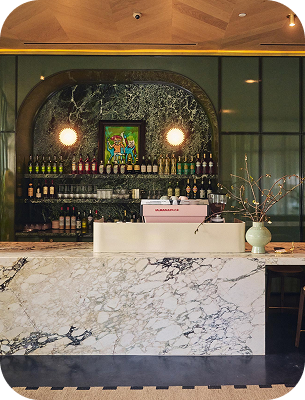

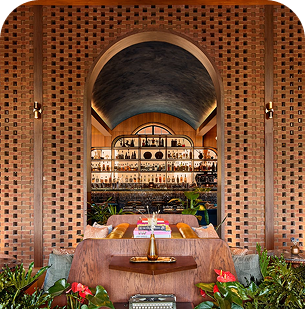

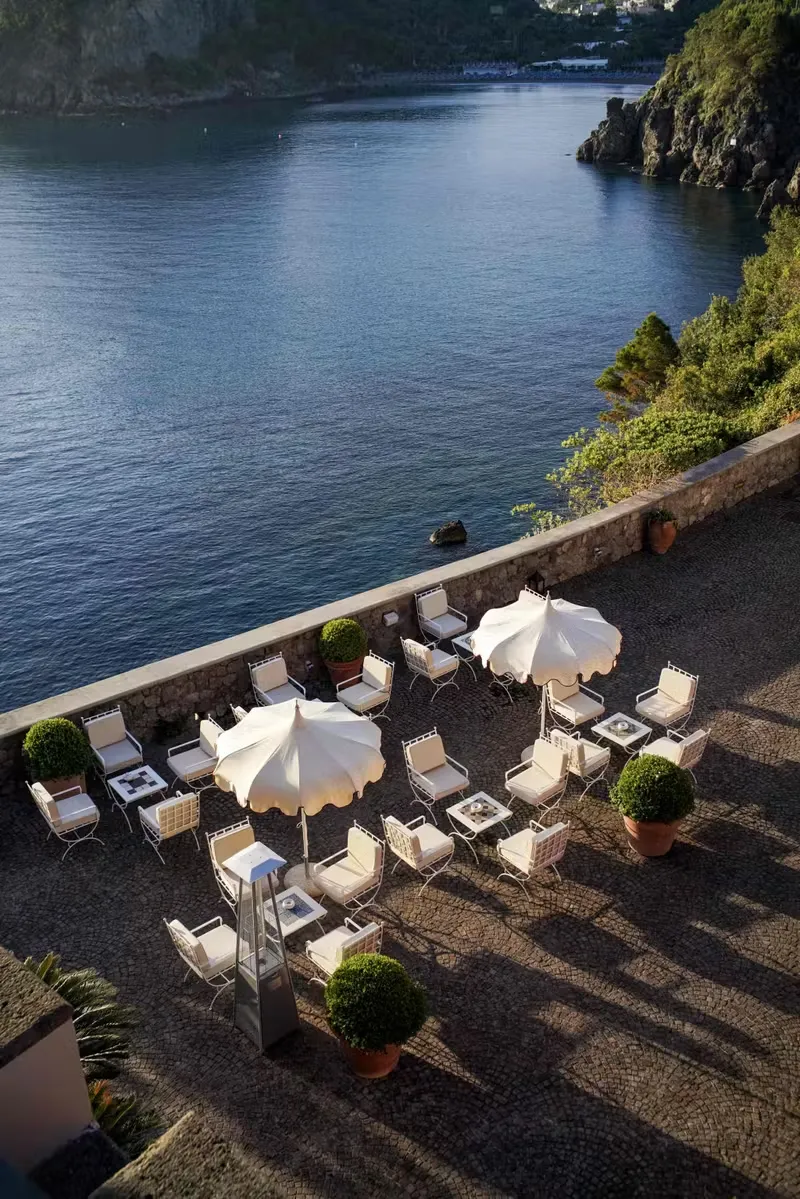

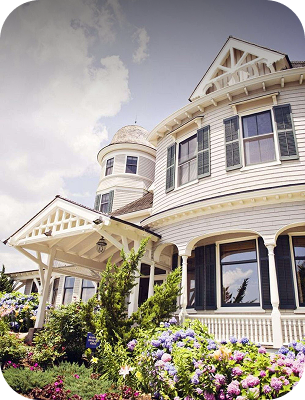

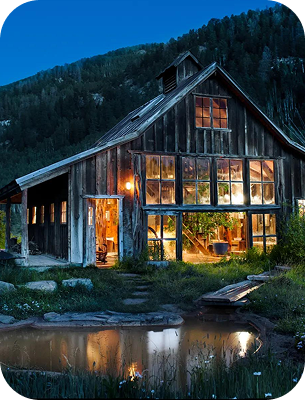

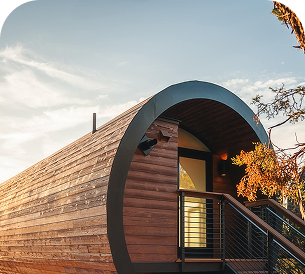

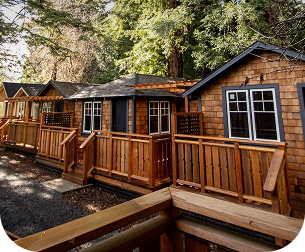

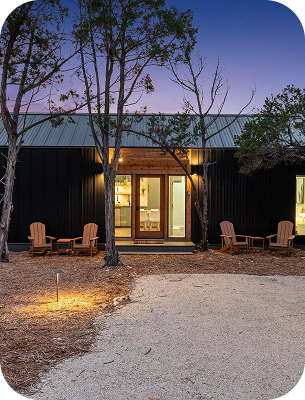

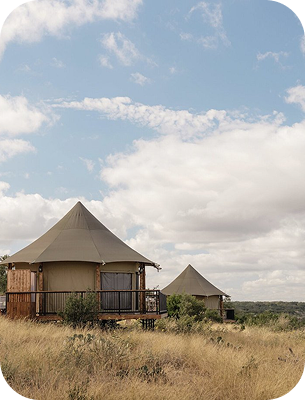

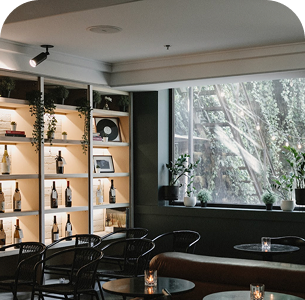

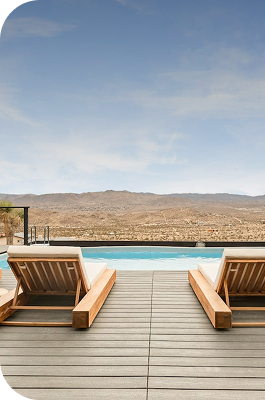

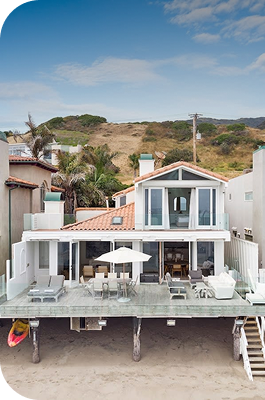

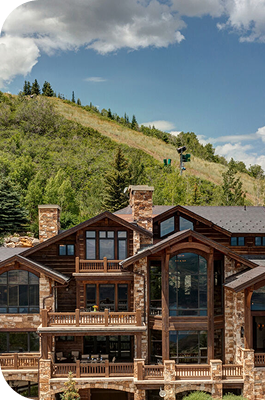
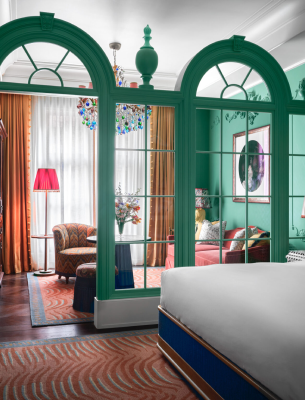
Journey connects travelers to a curated network of boutique hotels and distinctive residences around the world, all united under one rewards program. Explore handpicked stays for your trip while earning points, unlocking exclusive offers, and receiving rewards across the Journey collection.
Los Angeles occupies a broad coastal basin in Southern California, hemmed in by the Pacific Ocean to the west and the San Gabriel, Santa Monica, and Santa Ana mountain ranges on the remaining sides. The city proper covers more than 500 square miles, making it one of the largest by area in the United States, but the greater metropolitan region extends across Los Angeles and Orange Counties and is home to roughly 13 million people. The geography is not incidental to the experience of the city. Mountains, canyons, beaches, and desert-adjacent terrain all exist within an hour's drive of Downtown, giving Los Angeles an environmental range that few metropolitan areas can match.
The city was founded as a Spanish colonial settlement in 1781, built on land long inhabited by the Tongva people. It passed through Mexican governance before becoming part of the United States following the Mexican-American War, and grew modestly until the arrival of the transcontinental railroad in the 1870s and 1880s triggered a population surge. The discovery of oil and the establishment of the film industry in the early twentieth century transformed Los Angeles into a global city almost faster than its infrastructure could accommodate.
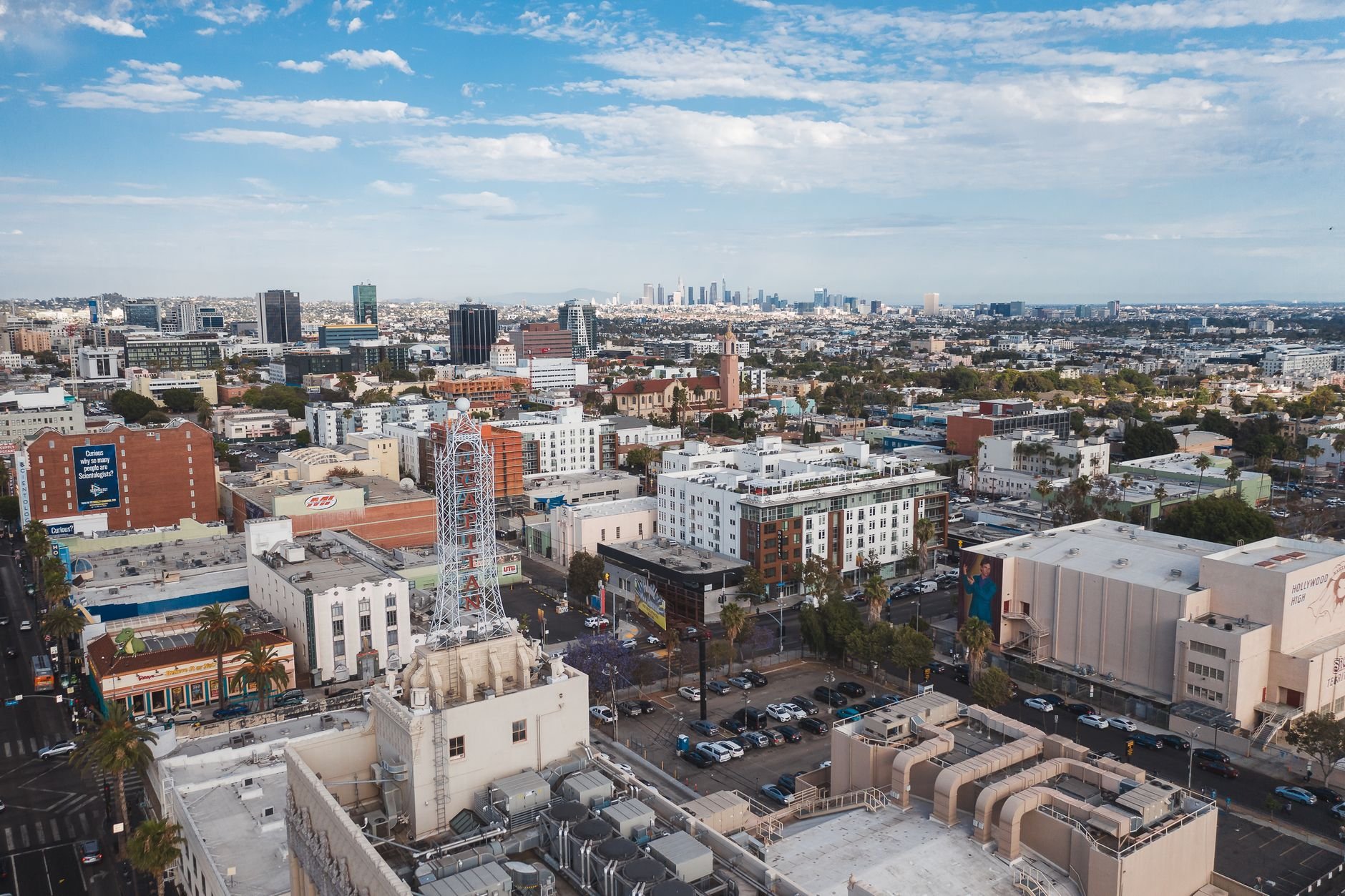
That tension between ambition and sprawl remains central to the LA character. The city has never had a single dominant downtown in the way that New York or Chicago does. Instead, it is a polycentric metropolis where power, culture, and commerce are distributed across dozens of nodes: Downtown, Hollywood, Westside, the San Fernando Valley, and the South Bay each function as semi-autonomous urban centers. This structure can disorient newcomers but reveals its logic over time.
For travelers, Los Angeles offers a layered experience that rewards curiosity. The surface layer of celebrity and spectacle is real and accessible. Beneath it lies a city of serious artistic production, immigrant entrepreneurship, architectural experimentation, and a relationship with the natural landscape that shapes how Angelenos live and move. Coming here with time and an open itinerary is the only way to begin to understand it.
Los Angeles is a year-round destination, but the timing of a visit shapes the experience considerably. Fall, running from late September through November, is the most rewarding window for most travelers. Crowds thin after the summer peak, outdoor access across Griffith Park and the Santa Monica Mountains is excellent, and the cultural calendar fills with film festivals, art openings, and music events. The Los Angeles Film Festival and a dense schedule of gallery shows make fall particularly rich for culture-focused visitors.
Spring, from March through May, offers another strong window before summer crowds build. The hills are green, hiking trails in the Santa Monica Mountains are at their most scenic, and the city's outdoor dining culture is in full swing. Shoulder-season hotel rates make this period attractive for budget-conscious travelers.
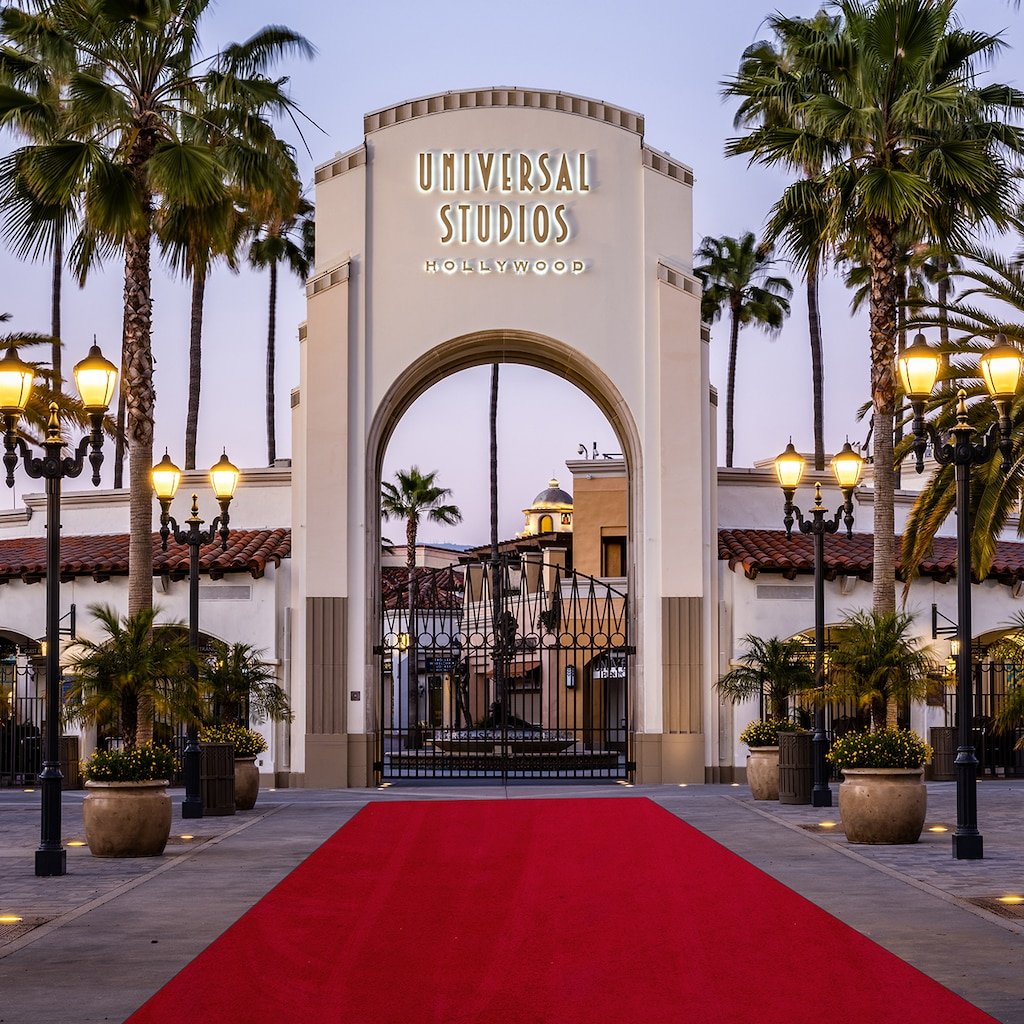
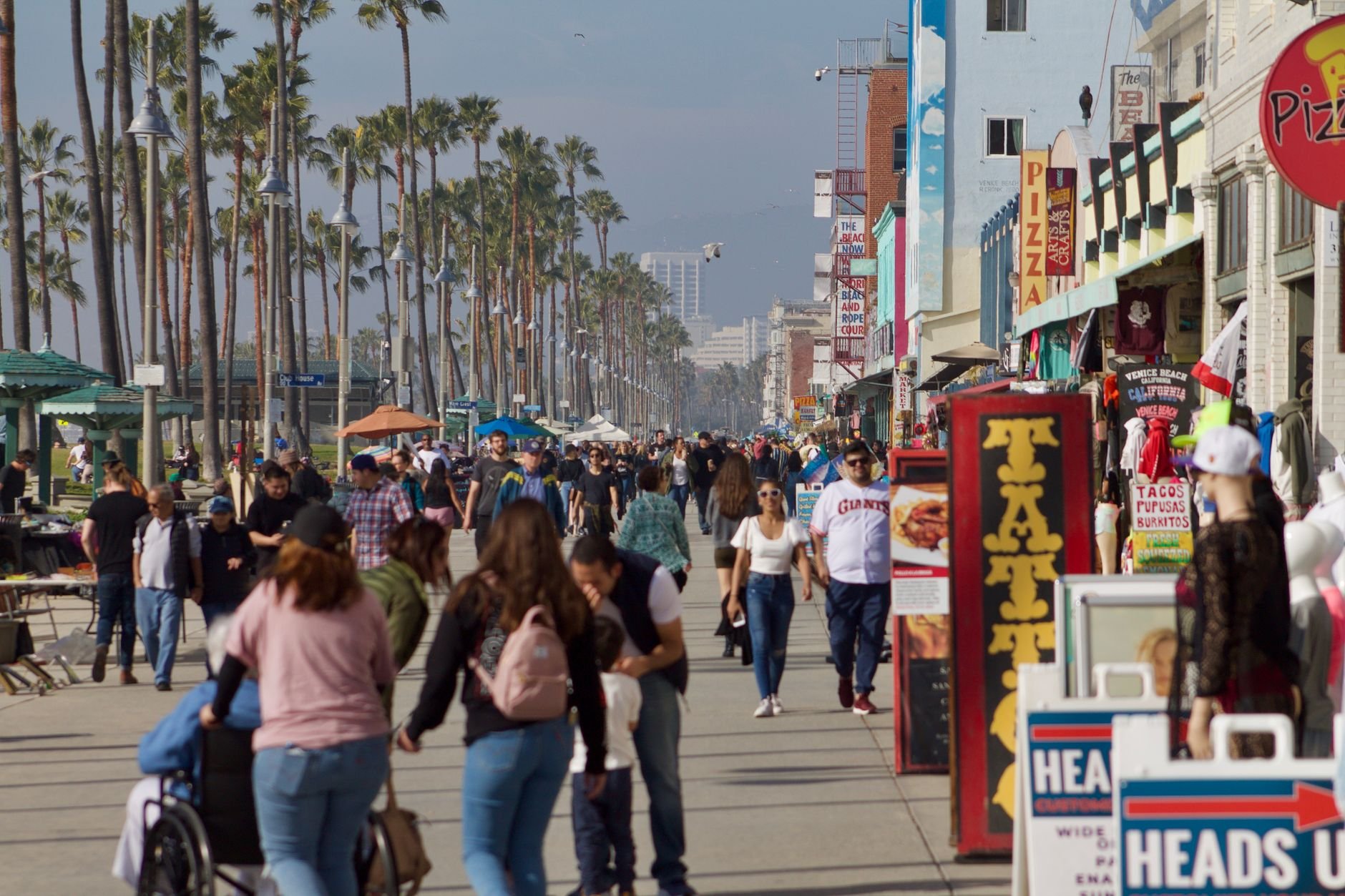
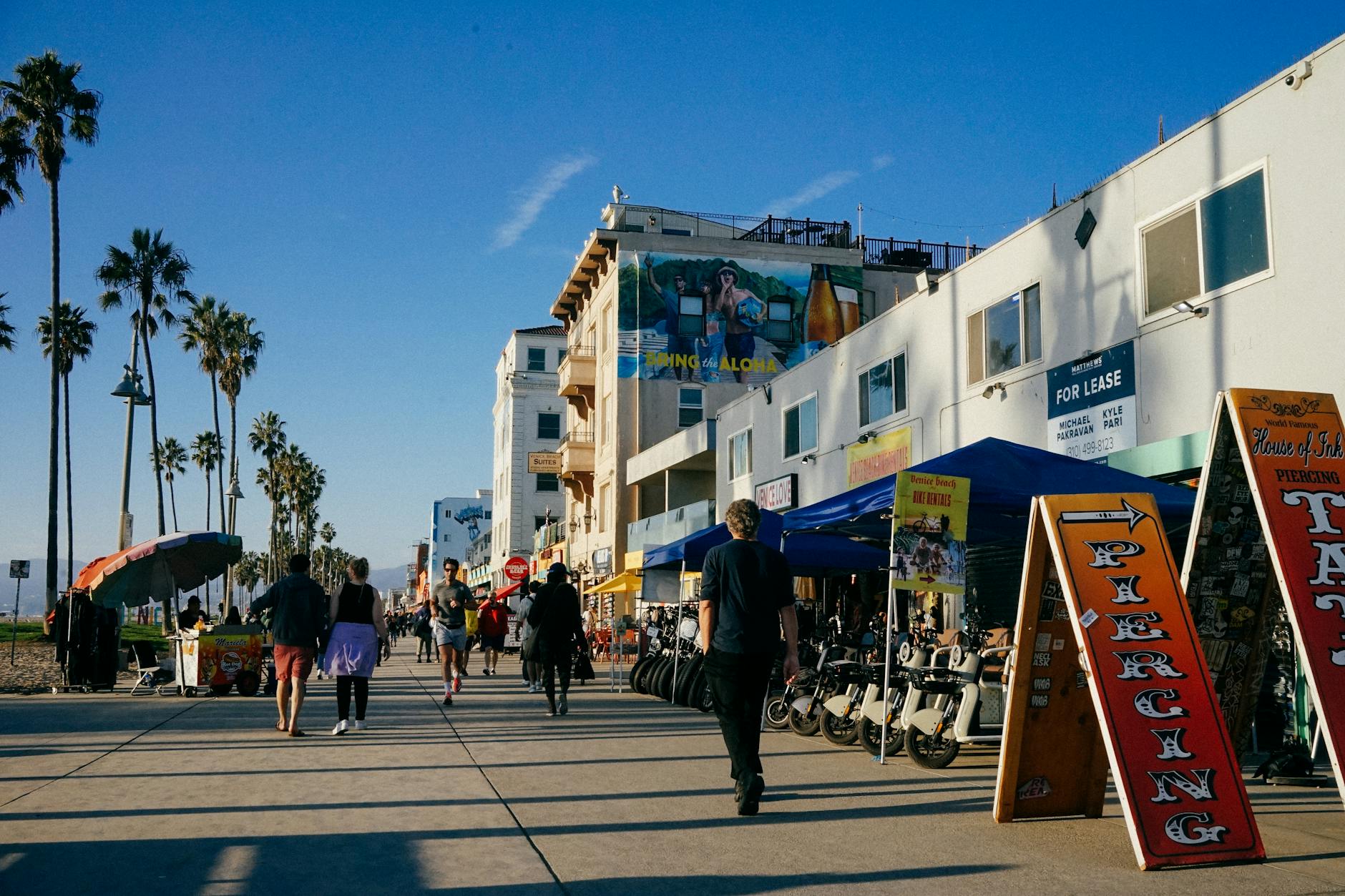
Summer draws the largest crowds, particularly along the coast in Santa Monica, Venice, and Malibu. Families dominate the beach communities from June through August, and popular attractions such as Universal Studios and the Getty Center see their longest lines. Travelers who prioritize outdoor beach access and a lively boardwalk atmosphere will find summer rewarding, but booking accommodations well in advance is essential.
Winter is the low season for tourism, which translates to shorter lines at major museums, better hotel availability, and a more local feel across neighborhoods. The holiday period in December is an exception, with elevated activity around shopping districts and seasonal events. January and February offer the quietest conditions of the year and are ideal for travelers who want to explore the city's cultural institutions, food scene, and indoor attractions without the crowds that define the warmer months.
Venice Beach is Los Angeles at its most theatrical, a boardwalk culture built around street performers, murals, and the legendary Muscle Beach outdoor gym. Beyond the spectacle, the neighborhood's canals and Abbot Kinney Boulevard offer a quieter, more refined side with independent boutiques, acclaimed restaurants, and gallery spaces. It is the rare place where bohemian tradition and upscale creative energy coexist without apology.
Silver Lake is the creative heartland of east-side Los Angeles, a hillside neighborhood where independent coffee shops, record stores, and design-forward restaurants line Sunset Boulevard. The reservoir at its center provides a scenic anchor for morning runs and weekend strolls, framed by the neighborhood's distinctive modernist and Craftsman architecture. Its mix of young families, artists, and longtime residents gives Silver Lake a grounded, unpretentious energy that stands apart from the westside.
Downtown Los Angeles has undergone a sustained transformation, emerging as a genuine urban neighborhood anchored by Grand Central Market, the Broad museum, and a dense concentration of historic architecture. The Arts District on its eastern edge is home to converted warehouses, murals, craft breweries, and some of the city's most ambitious restaurants. At night, the area around the Music Center and Pershing Square pulses with theater, opera, and a growing bar scene.
West Hollywood is the city's most concentrated stretch of nightlife, dining, and design, running along the Sunset Strip and Santa Monica Boulevard. The neighborhood's Rainbow Bar and Grill and Roxy Theatre carry decades of rock and roll mythology, while Melrose Avenue delivers high-end fashion and vintage finds in equal measure. WeHo is also the cultural center of LA's LGBTQ+ community, with a vibrant social scene and a calendar of events that draws visitors year-round.
Los Feliz sits at the base of Griffith Park and carries the relaxed confidence of a neighborhood that has never needed to prove itself. Vermont Avenue is lined with independent cinemas, bookshops, and neighborhood restaurants that feel genuinely local rather than curated for visitors. The proximity to the Griffith Observatory and the park's trail network makes it a natural base for travelers who want culture and outdoor access in the same zip code.
Los Angeles has a handful of experiences so closely tied to its identity that they define what it means to visit. These are not merely popular attractions but the moments travelers carry home as the essence of the city.
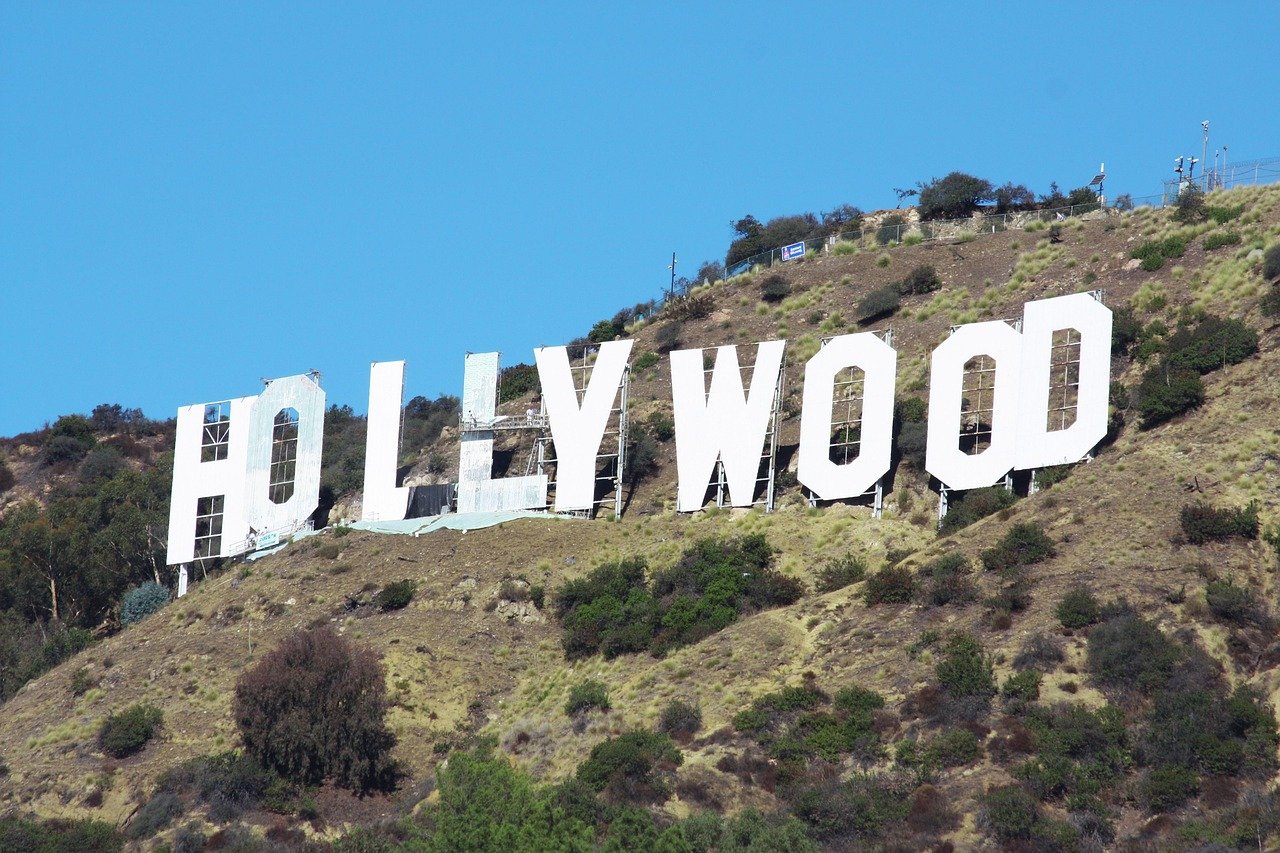
The Hollywood Sign and Griffith Observatory
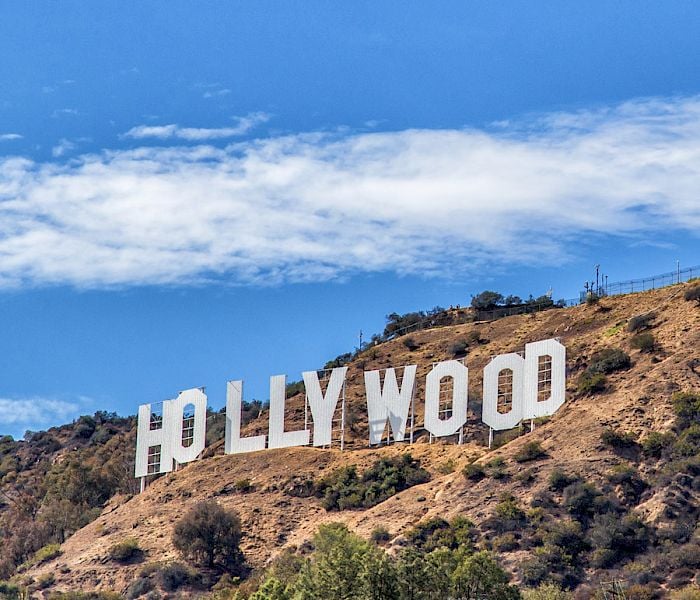
No image is more synonymous with Los Angeles than the Hollywood Sign viewed from below or from the trails of Griffith Park. Hiking to a vantage point above the city at dusk, with the observatory lit against the darkening sky and the LA basin stretching to the horizon, is an experience available nowhere else on earth.
A Night at the Hollywood Bowl
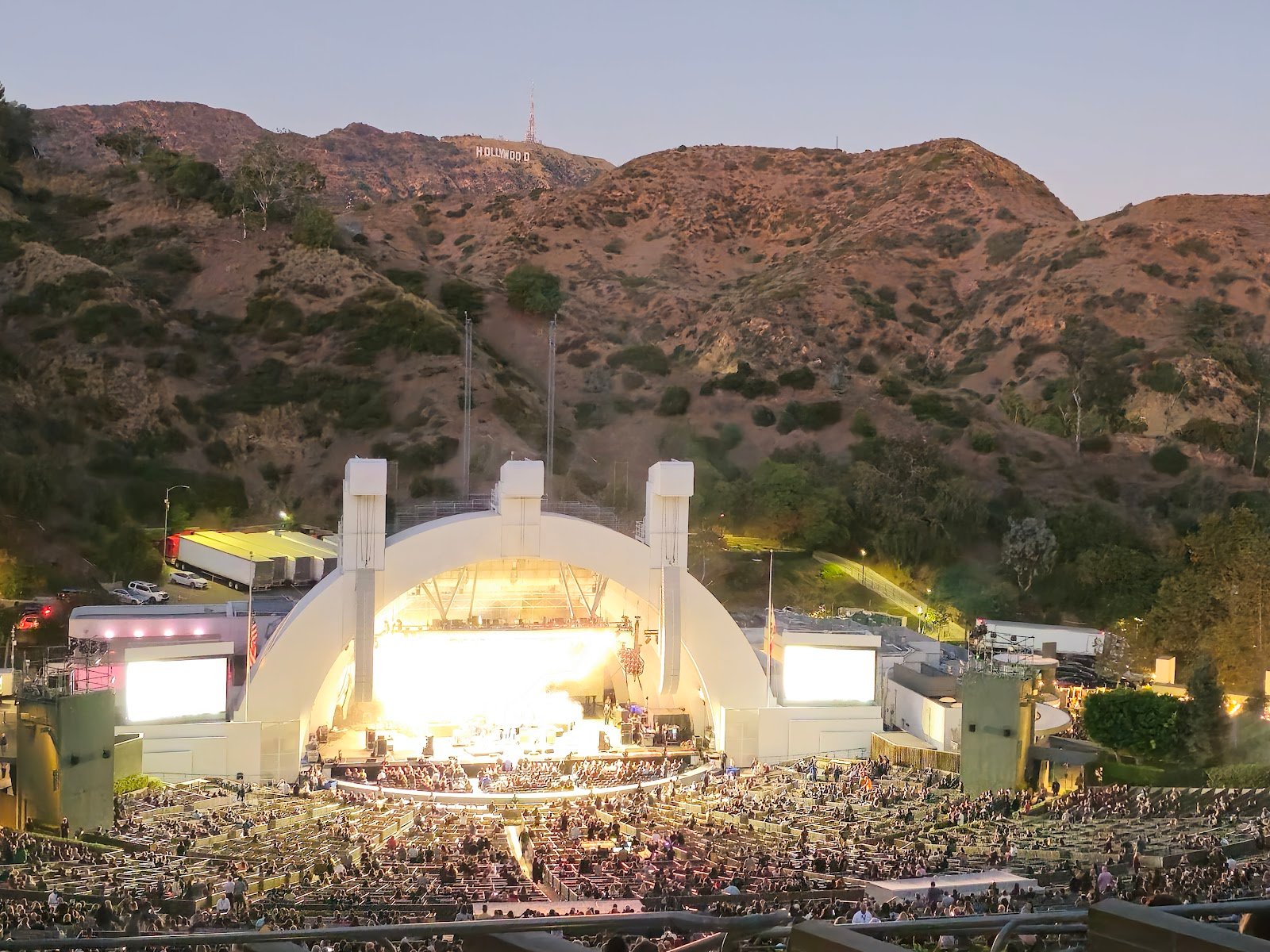
Attending a concert at the Hollywood Bowl under the open sky is a rite of passage for any serious visitor to LA. The combination of world-class performance, the curved shell stage, the crowd spread across the hillside, and the warm California night air creates an atmosphere that is entirely unique to this city. The Bowl hosts everything from classical to jazz to rock, and bringing a picnic and a bottle of wine is not just permitted but encouraged.
The Studio Lot and Film Industry
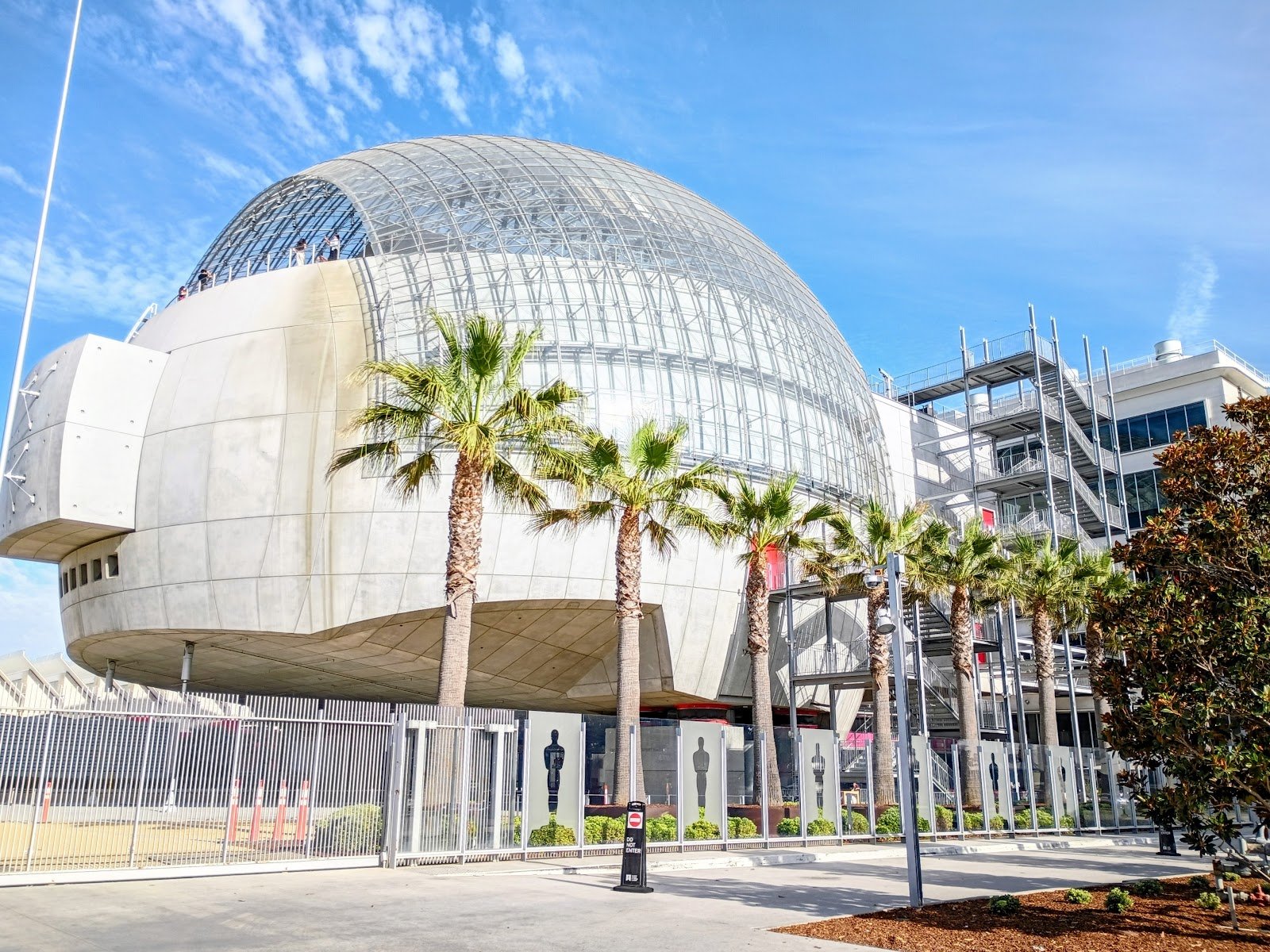
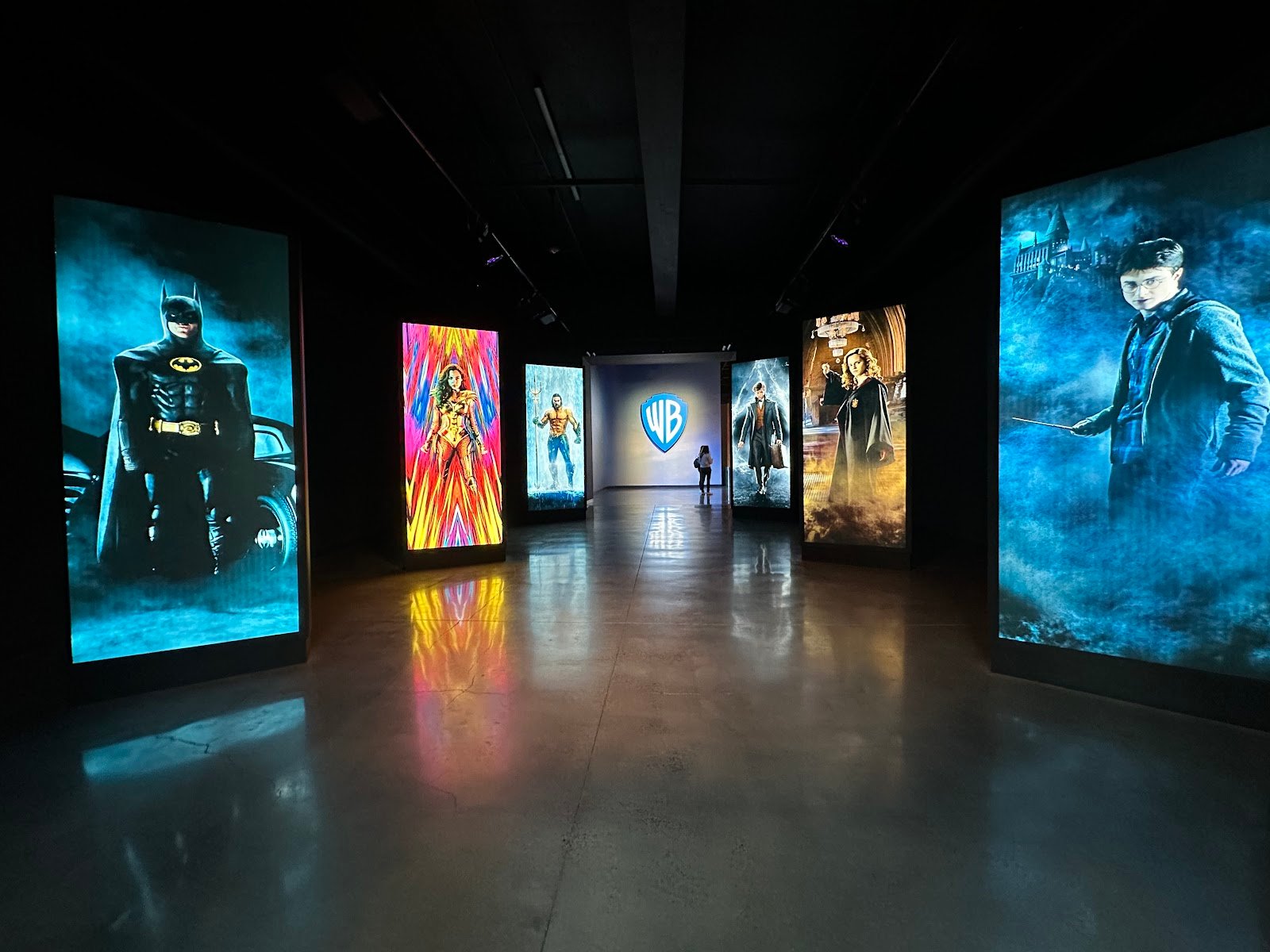
Los Angeles is the global center of the film and television industry, and the opportunity to step inside that world is genuinely distinctive. Warner Bros. Studio Tour Hollywood takes visitors behind the scenes of working production lots, through backlots, prop warehouses, and iconic sets. The Academy Museum of Motion Pictures deepens that experience with the history and craft of cinema.
Walking the Walk of Fame and TCL Chinese Theatre
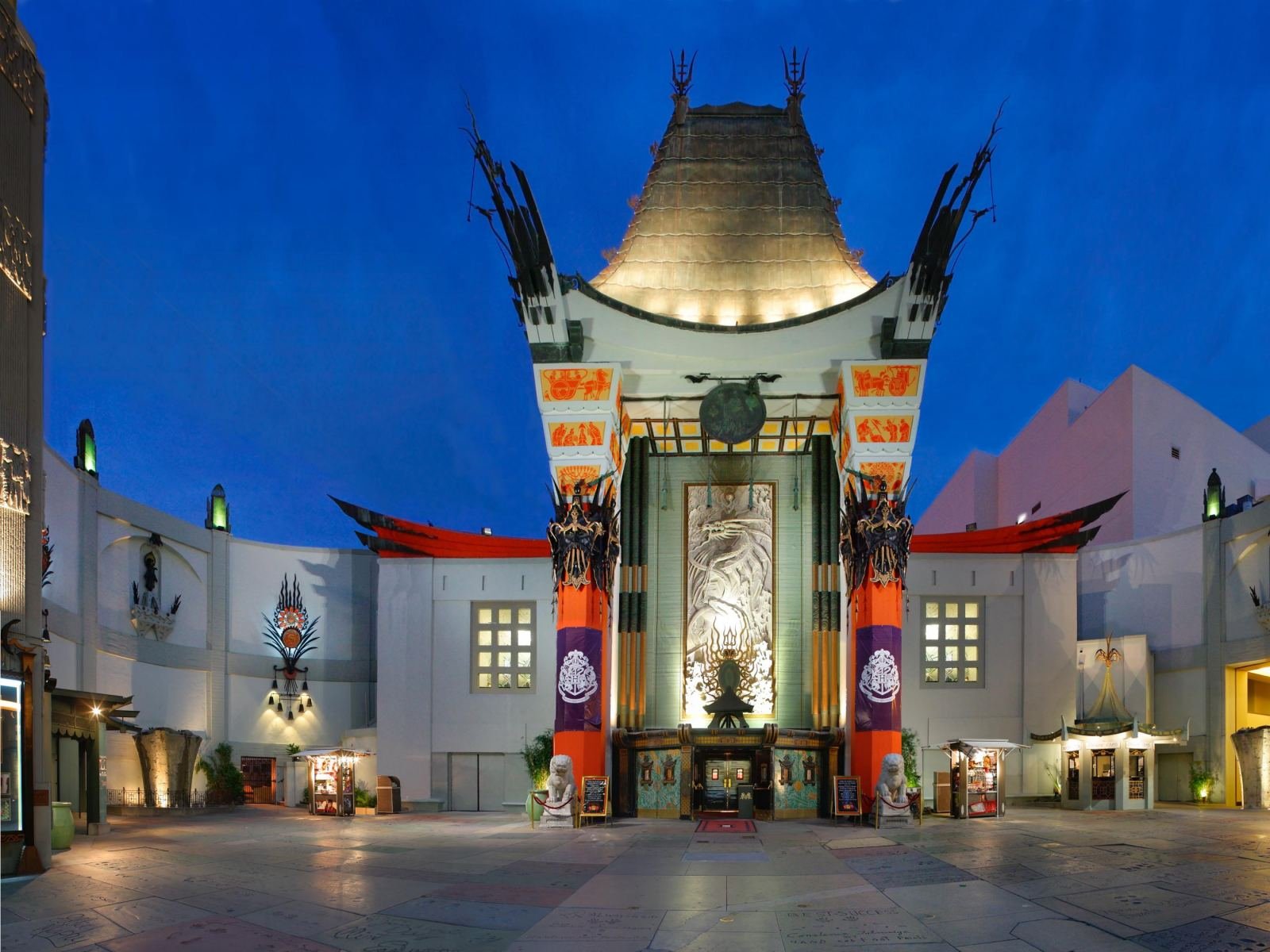
The Hollywood Walk of Fame and TCL Chinese Theatre represent the mythology of American celebrity culture in physical form. Placing your hands in the cement prints of a Hollywood legend outside the Chinese Theatre is a small, tactile moment that connects visitors to nearly a century of film history.
Sunset from the Pacific
Watching the sun set over the Pacific Ocean from Santa Monica or Malibu is one of those simple, unrepeatable experiences that remind travelers why Los Angeles holds such a powerful grip on the imagination.
Los Angeles offers a vast range of activities across its sprawling neighborhoods, making it one of the most dynamic cities in the United States for travelers of every interest.
Outdoor Recreation
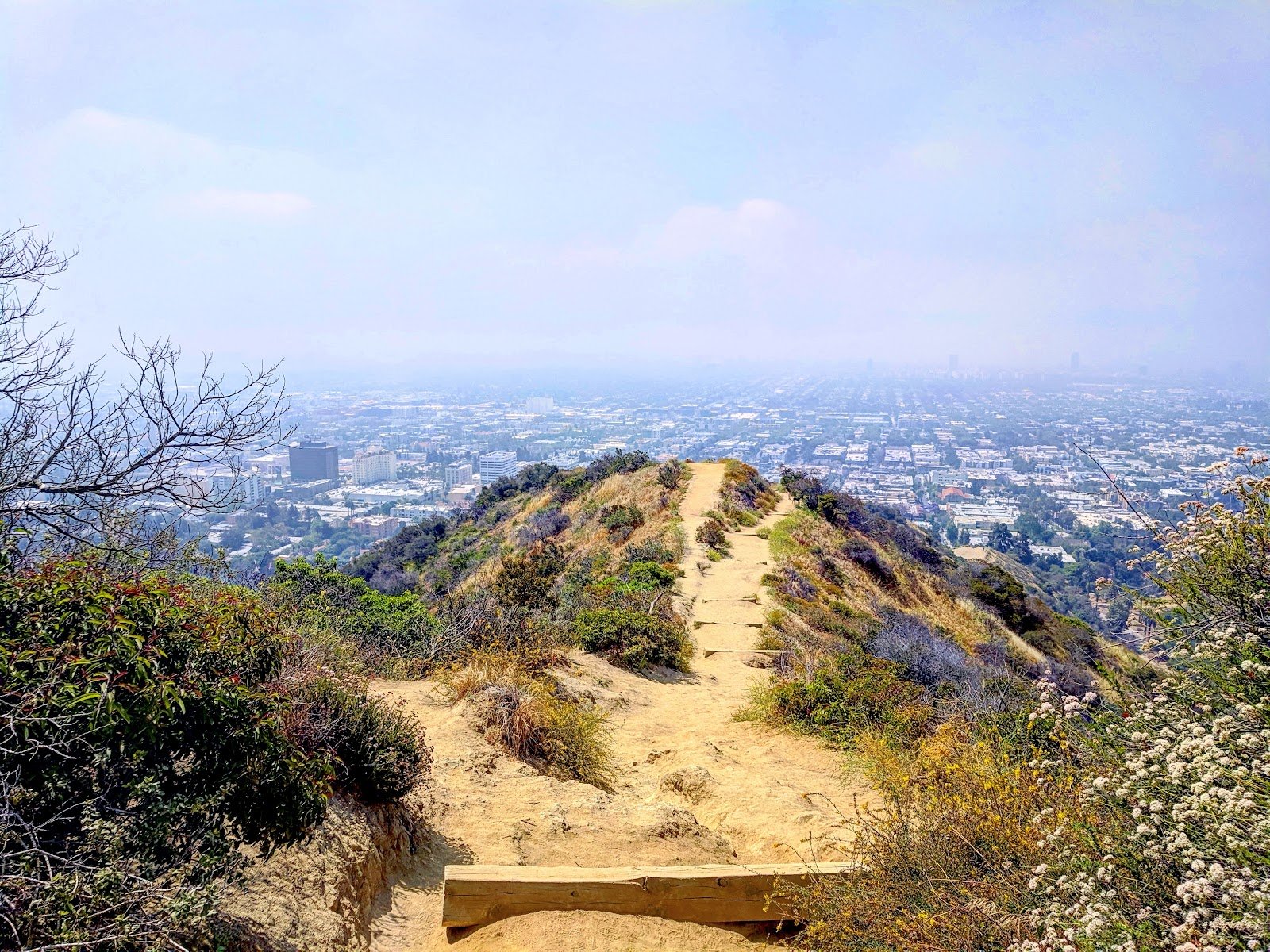
The city's natural setting is extraordinary. Runyon Canyon Park draws hikers and joggers seeking sweeping views of the city and the Pacific, while Griffith Park, one of the largest urban parks in the country, offers miles of trails, equestrian paths, and open-air space that feels worlds away from the surrounding metropolis. The coastline stretches from Malibu to the South Bay, with beaches suited to surfing, swimming, cycling, and simply watching the sun drop into the Pacific.
Cultural Attractions
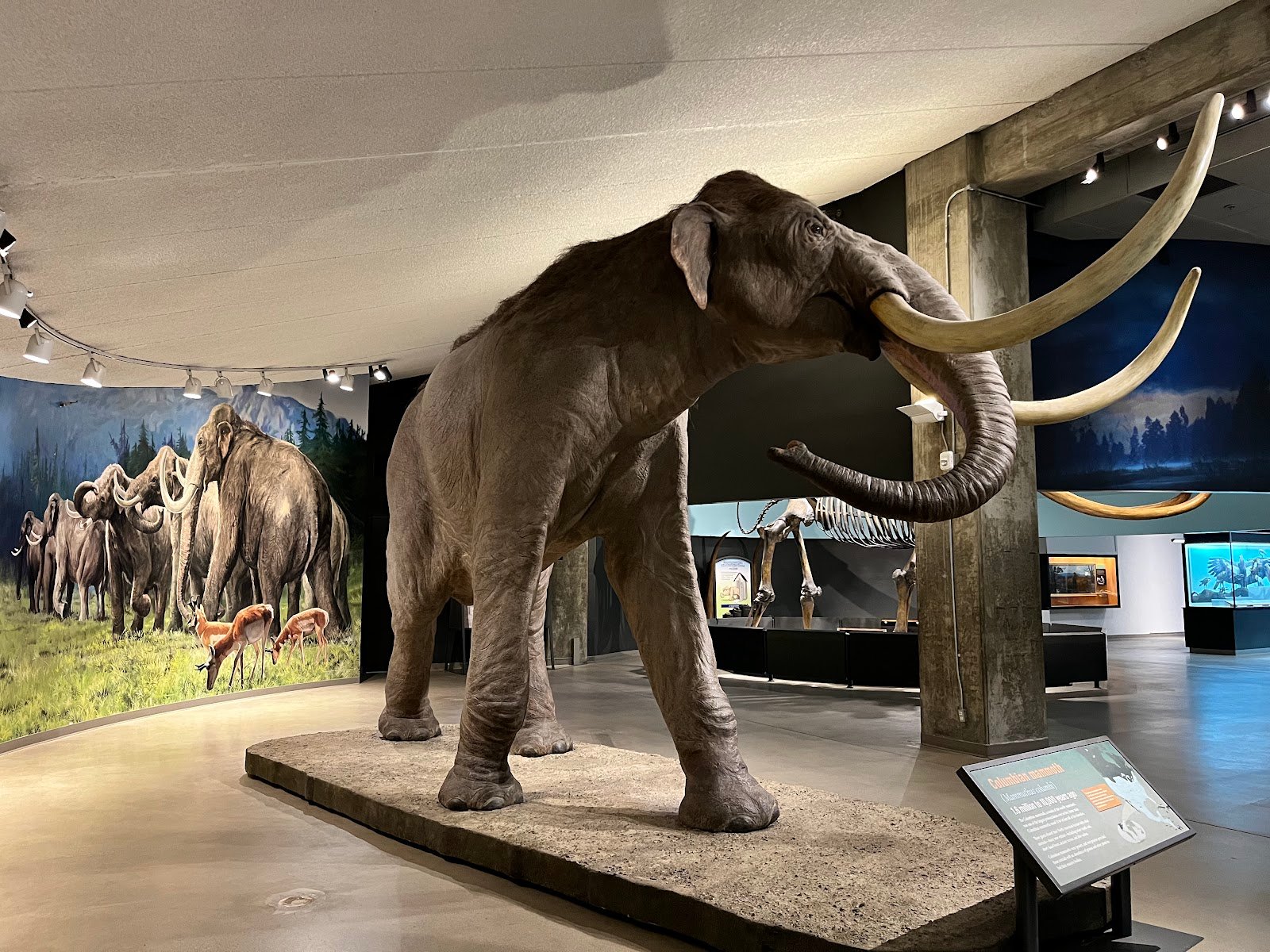
Los Angeles holds a remarkable concentration of world-class museums. The Los Angeles County Museum of Art (LACMA) is the largest art museum in the western United States, spanning thousands of years of human creativity. The Academy Museum of Motion Pictures explores the art and science of filmmaking with immersive exhibits and rare artifacts. The La Brea Tar Pits and Museum offers a genuinely singular experience: an active Ice Age fossil excavation site in the middle of the city.
Arts and Entertainment
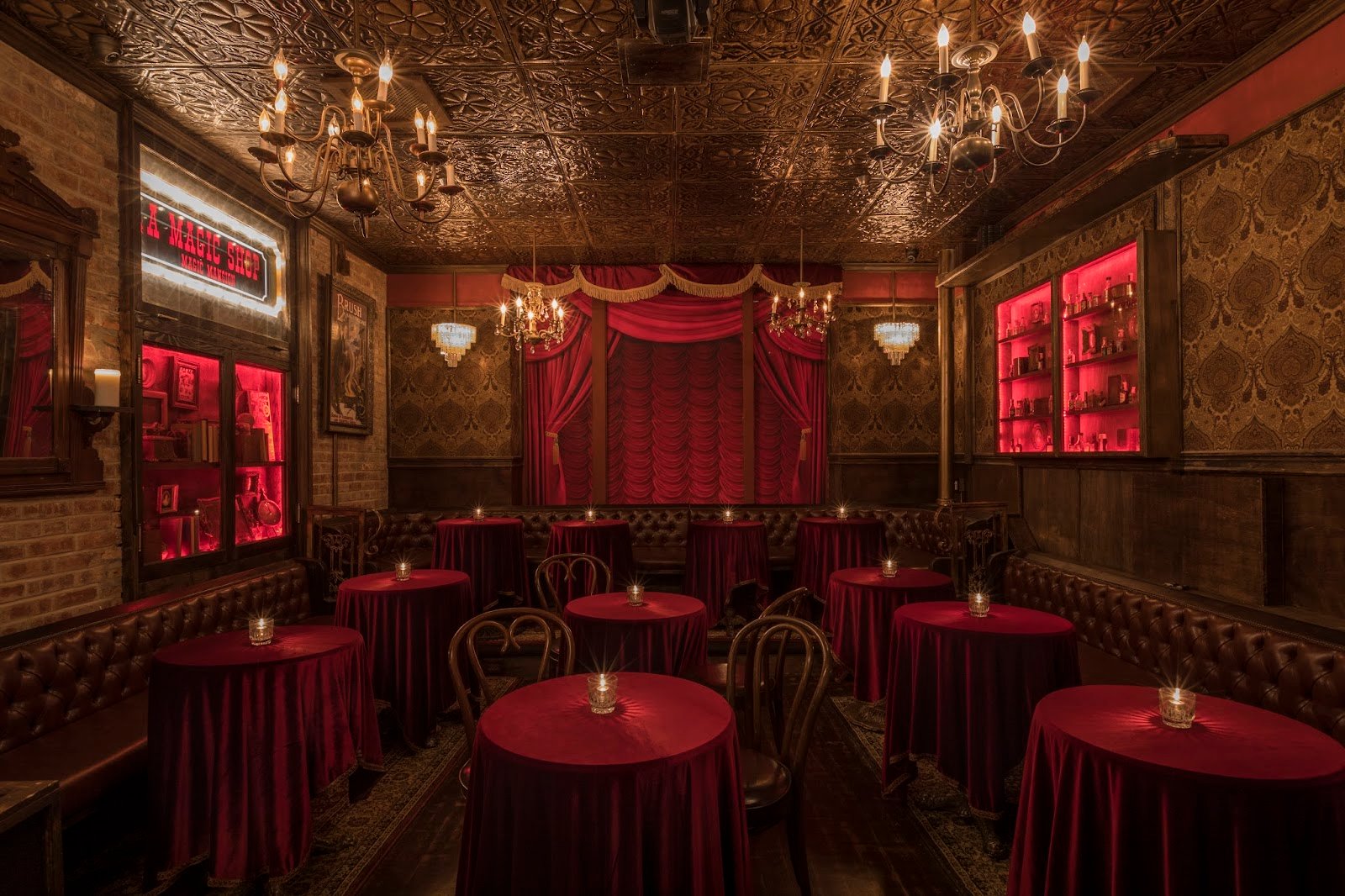
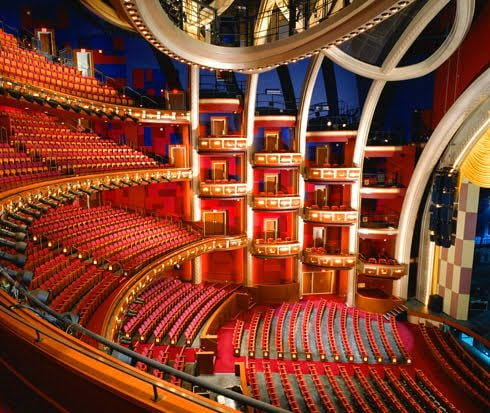
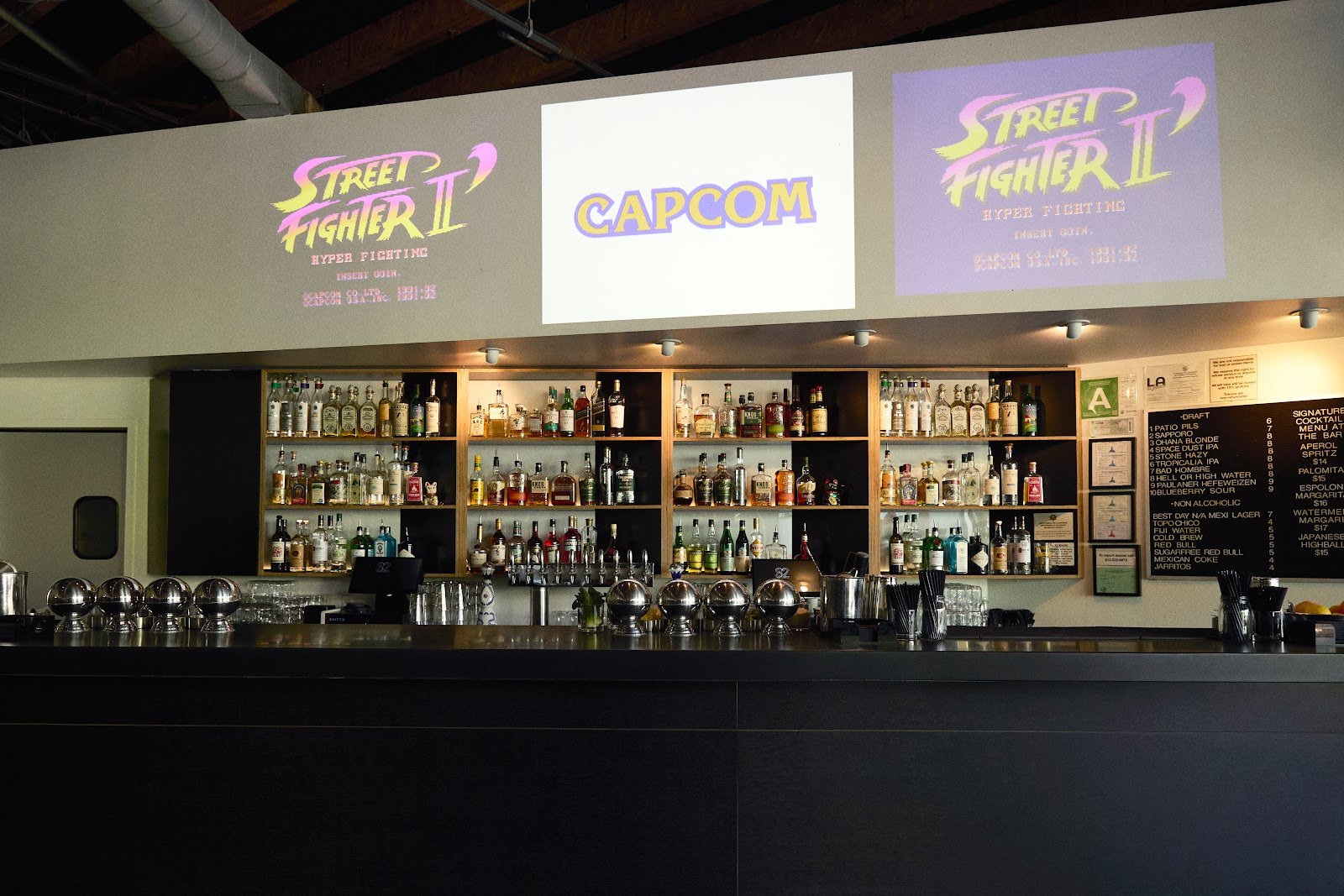
Live entertainment is central to LA life. The Hollywood Bowl hosts concerts from spring through fall under the open sky, from the Los Angeles Philharmonic to major touring acts. The Dolby Theatre is home to the Academy Awards, and TCL Chinese Theatre remains one of the most recognizable cinema landmarks on earth. For something more intimate, Black Rabbit Rose blends theatrical magic with a speakeasy atmosphere in Hollywood.
Scenic Exploration
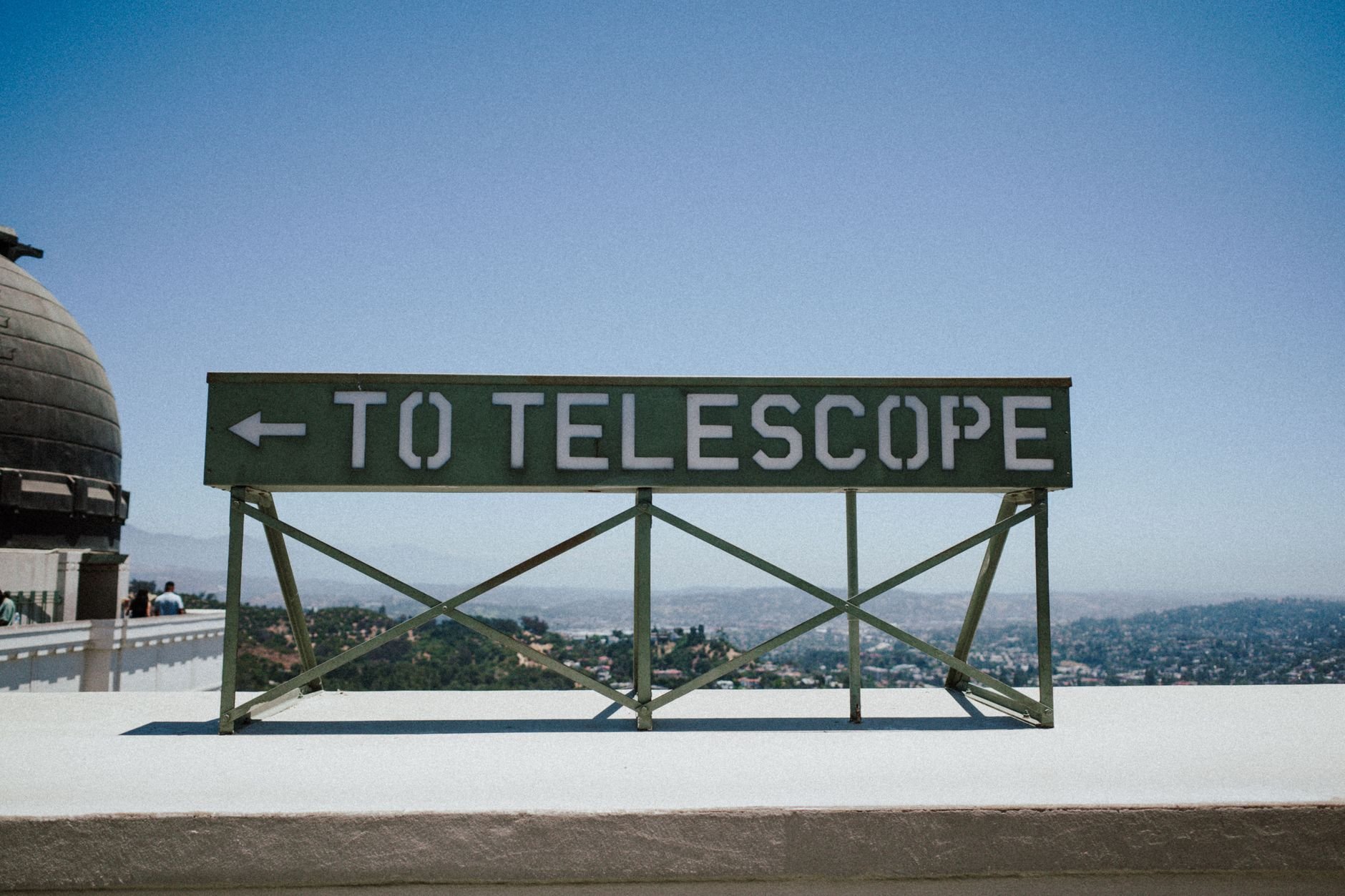
Griffith Observatory perches above the city with telescopes, planetarium shows, and panoramic views of the LA basin and the Hollywood Sign. Angels Point in Elysian Park offers quieter vistas over Downtown, while Dead Man Overlook and The Narrows Overlook reward hikers in Griffith Park with dramatic city and canyon perspectives.
Food and Dining
Los Angeles is one of the most culinarily diverse cities in the world. Grand Central Market in Downtown anchors decades of food history. Koreatown's late-night dining scene, the taco stands of East LA, and the farm-to-table restaurants of Silver Lake and Los Feliz reflect the city's deep culinary range. L.A. Live in Downtown clusters dining and entertainment in a lively urban complex.
Start your morning at Griffith Observatory for sweeping views of the city and the Hollywood Sign. Head down to Los Feliz for brunch, then spend the afternoon exploring the Los Angeles County Museum of Art (LACMA) and the La Brea Tar Pits. In the evening, drive to West Hollywood for dinner along Melrose Avenue and catch the buzz of the Sunset Strip.
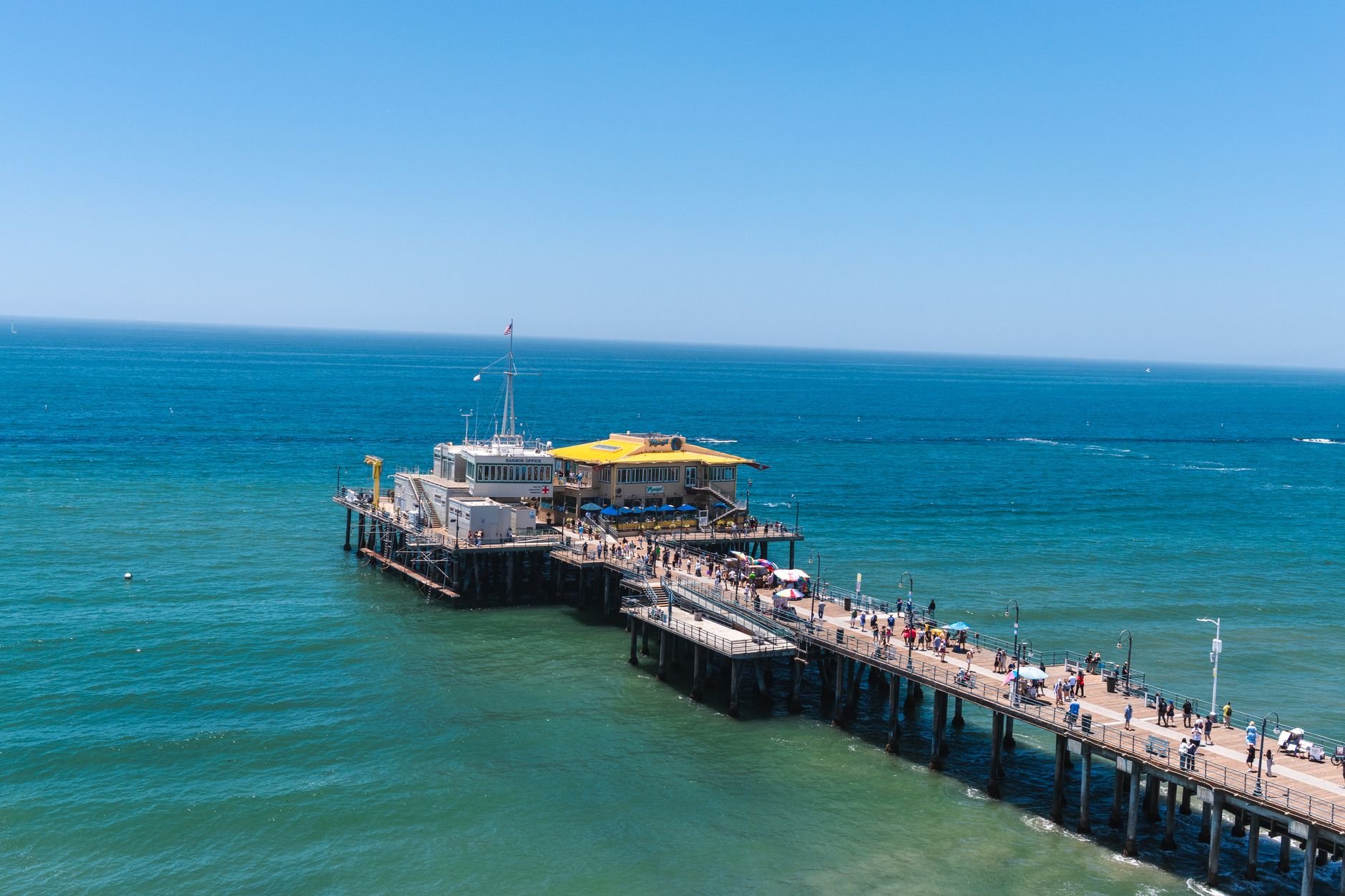
Head to Santa Monica in the morning for a walk along the pier and a stroll down the Third Street Promenade. Grab lunch at a beachside cafe, then bike the coastal path south to Venice Beach to take in the boardwalk, street performers, and Muscle Beach. End the day in Abbot Kinney Boulevard's boutiques and restaurants for a relaxed California dinner.
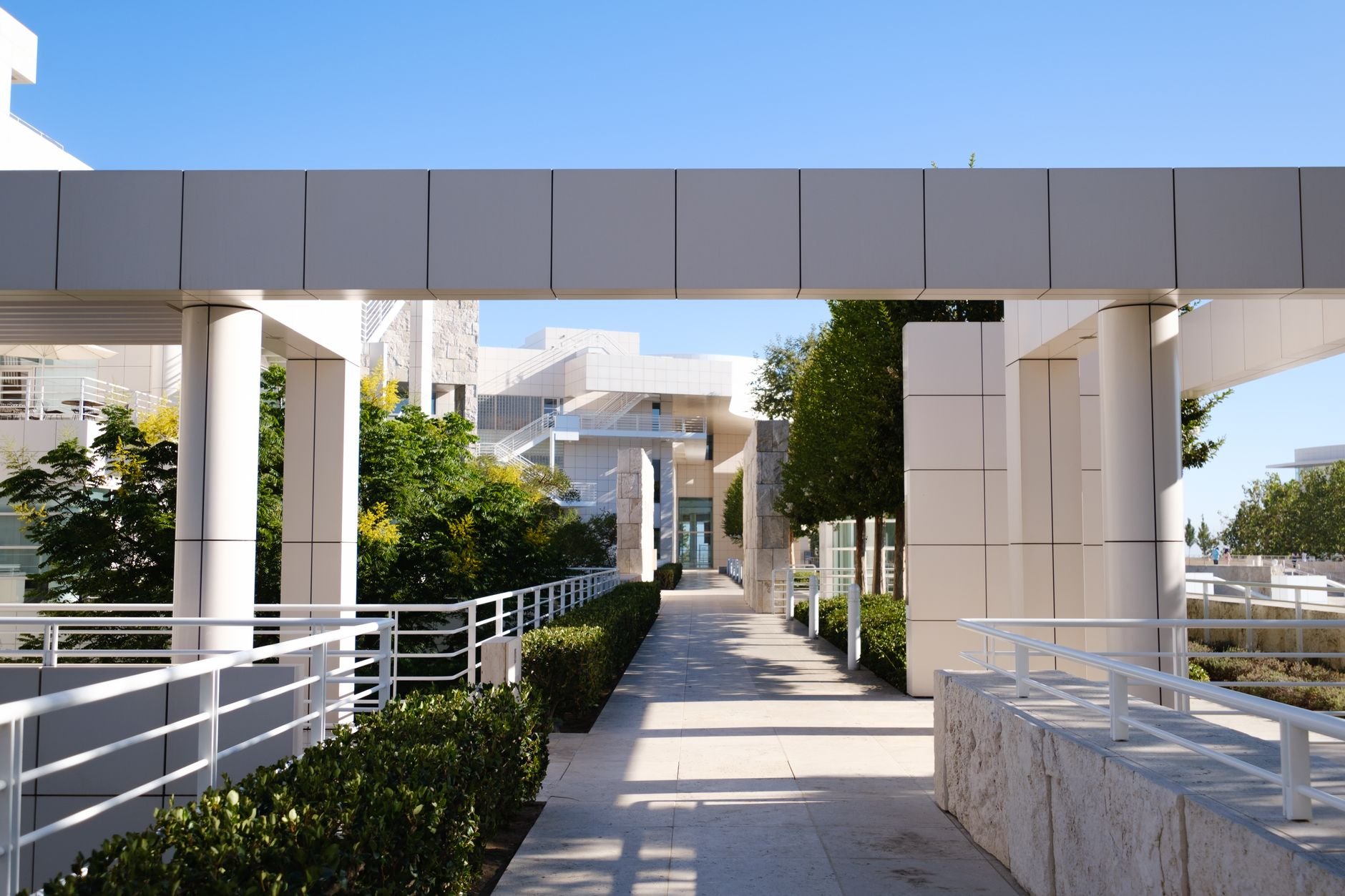
Spend your morning at the Getty Center - arrive early to beat the crowds and explore the architecture, gardens, and world-class art collection. After lunch on-site, head into Downtown LA to visit Grand Central Market for an afternoon snack, then walk through the historic Broadway corridor. Wrap up the trip with dinner in the Arts District, where converted warehouses host some of the city's most creative restaurants.
Los Angeles keeps a cultural calendar that reflects both its global ambitions and its deep local traditions. The year opens with the Tournament of Roses Parade in Pasadena on New Year's Day, a century-old procession of floral floats that draws millions of viewers and sets a festive tone for the months ahead. Spring brings the Los Angeles Times Festival of Books to the USC campus, one of the largest literary gatherings in the country, where authors, readers, and ideas converge across two packed weekends. Summer is defined by outdoor concerts at the Hollywood Bowl, where the Los Angeles Philharmonic performs beneath the stars from June through September, and picnic blankets and wine bottles are as much a part of the tradition as the music itself. The fall film season brings awards screenings and premieres to theaters across the city, and the energy around Hollywood intensifies as studios campaign for recognition. The Dia de los Muertos celebrations in East LA and Hollywood Forever Cemetery in late October and early November are among the most moving and visually spectacular cultural events in any American city.
Los Angeles has one of the most consequential food cultures in the world, shaped by the communities that have made the city their home over generations. The Mexican culinary tradition runs deepest, from the birria tacos of Boyle Heights to the Oaxacan tlayudas served in the Mid-City restaurants that have become destinations in their own right. Koreatown's Korean barbecue culture is a full social ritual, built around tabletop grills, banchan spreads, and meals that last for hours.
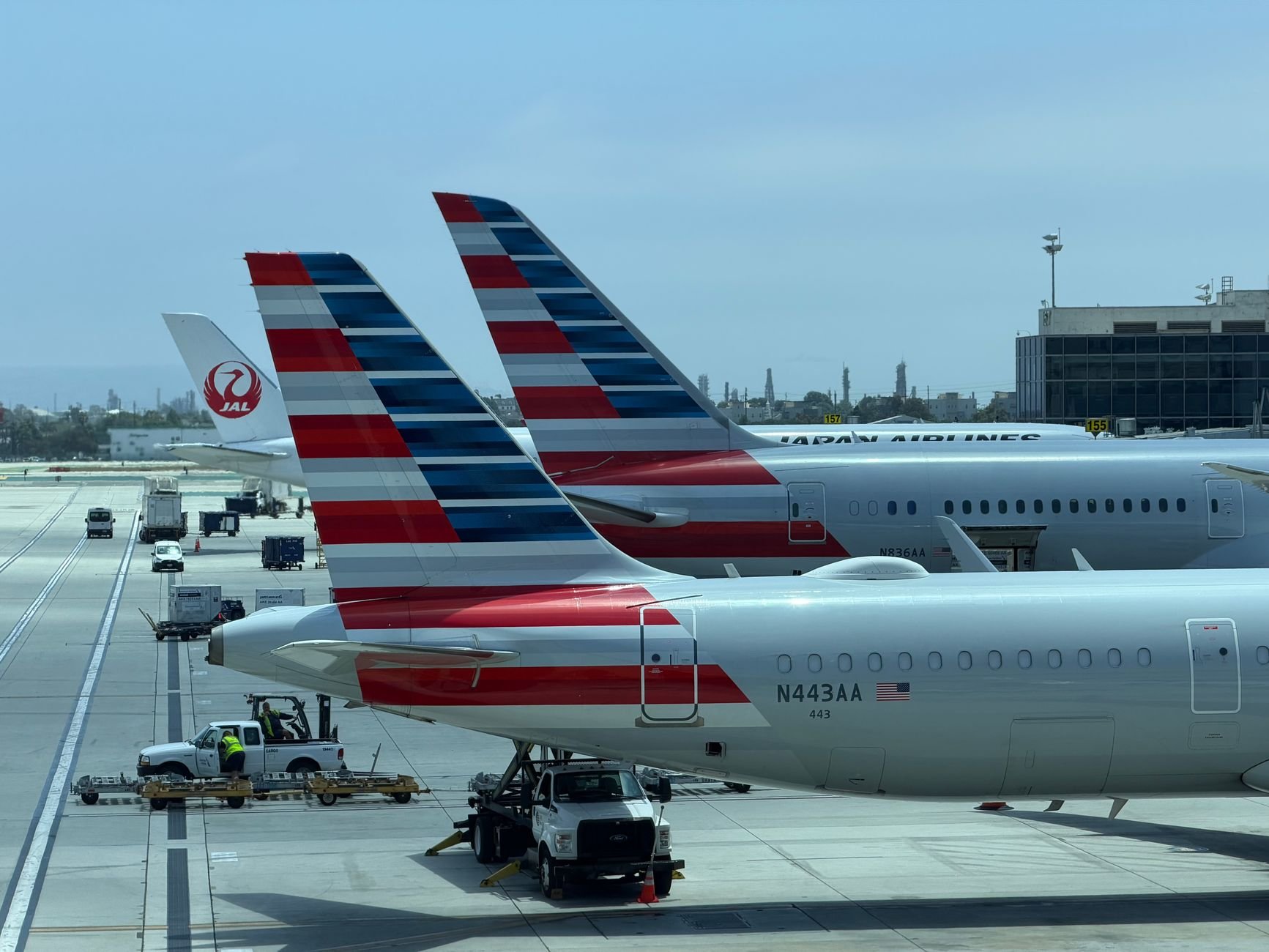
Los Angeles International Airport (LAX) is the primary gateway for most travelers,
handling the bulk of domestic and international flights and sitting about 17 miles southwest of Downtown, with rideshare pickup, taxis, the FlyAway bus, and rental cars all available on-site.
Bob Hope Airport (BUR) in Burbank is a faster, less congested alternative
for travelers headed to Hollywood, Studio City, or the San Fernando Valley, with shorter security lines and a more manageable terminal layout.
Amtrak's Pacific Surfliner arrives at Union Station in Downtown LA,
connecting the city to San Diego (about three hours), Santa Barbara (roughly two and a half hours), and points north, making it a comfortable car-free option from Southern California.
The I-5 South is the main driving corridor from the Bay Area,
covering roughly 380 miles and taking six or more hours depending on traffic, with the I-10 West serving as the primary route from Phoenix at approximately five to six hours.
Arriving at LAX outside of peak commute windows (7-9am and 4-7pm on weekdays)
can significantly cut travel time into the city, as surface street and freeway congestion around the airport is among the worst in the country during rush hours.
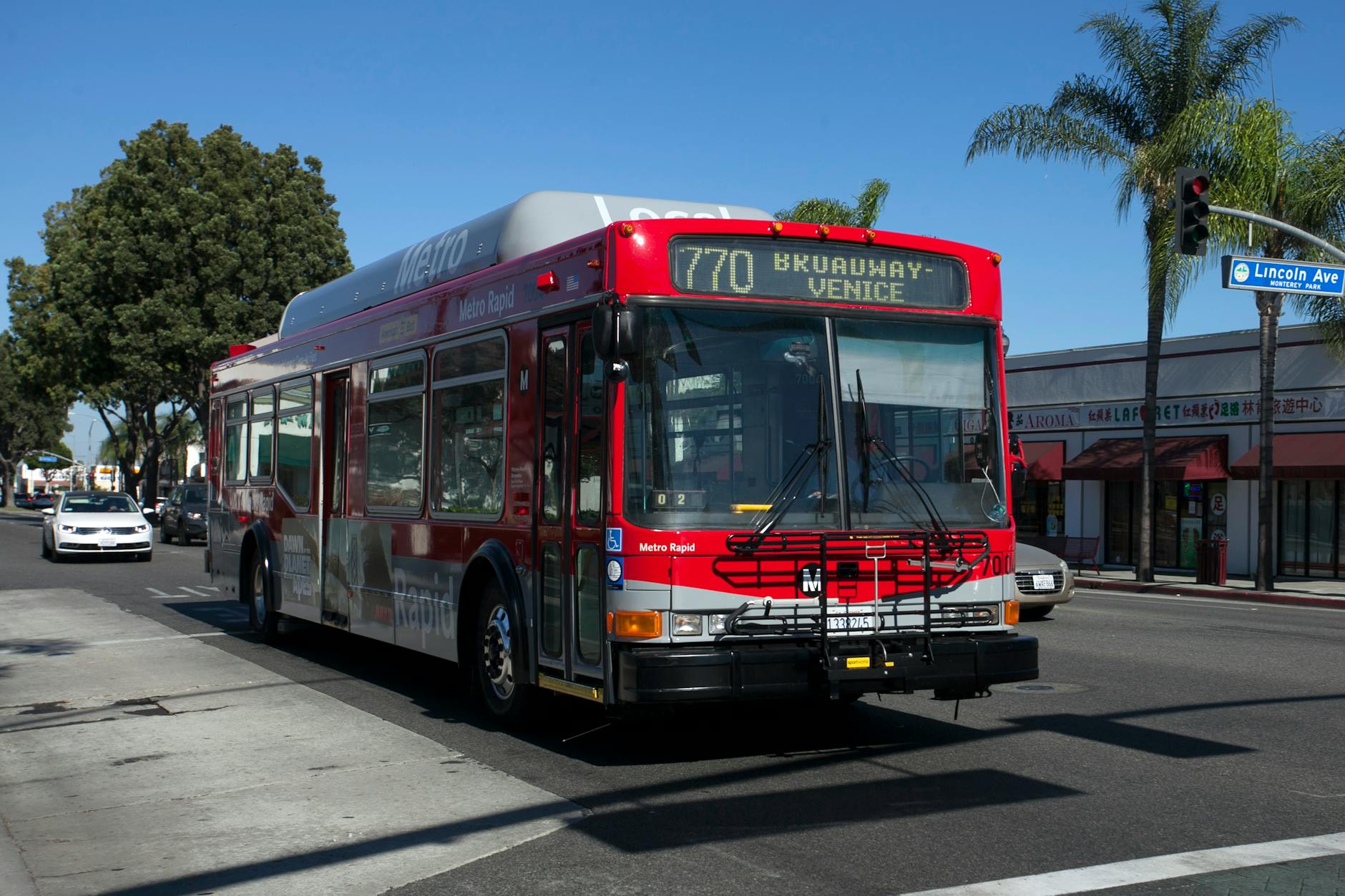
The Metro A Line (Blue) runs from Downtown LA to Santa Monica
making it one of the most useful transit routes for visitors, connecting Union Station to the beach in about 50 minutes without dealing with freeway traffic.
Santa Monica's Third Street Promenade and Venice Beach boardwalk are genuinely walkable,
so visitors staying on the Westside can cover a full day of sightseeing on foot without needing a car or rideshare.
Rideshare is the default for most inter-neighborhood trips in LA,
with Uber and Lyft both widely available across the city, though surge pricing during evenings and events can add up quickly if you're making multiple trips.
Parking in West Hollywood, Silver Lake, and Downtown LA is expensive and often scarce,
so using the SpotHero or ParkWhiz apps to reserve a spot in advance can save both money and time, especially on weekends.
Renting a car is worth it if your itinerary includes Malibu, the South Bay beaches, or day trips to Joshua Tree or Santa Barbara,
since these destinations are impractical to reach by transit and rideshare costs for longer distances add up fast.
Book popular restaurants well in advance: many of LA's most sought-after spots open reservations 30 days out and fill quickly, especially on weekends. Use Resy or OpenTable to secure tables. Tipping is standard at 18-20% in restaurants and for rideshare drivers. The TAP card is the reloadable transit card for the Metro system and can be loaded via the Metro app or at station kiosks. Sunscreen is essential year-round given the intensity of Southern California sun, even on overcast days. June and July bring a marine layer known locally as "June Gloom" that keeps mornings cool and gray along the coast. Tap water in Los Angeles is safe to drink. Cell service is generally strong across the city. Neighborhoods vary significantly in character and safety: stay aware of surroundings in areas like Skid Row near Downtown, and keep valuables out of sight in parked cars citywide.
Most travelers need 5 to 7 days to experience Los Angeles well. The city is vast and spread across dozens of distinct neighborhoods, from Venice Beach and Santa Monica to Downtown, Hollywood, and Silver Lake. A shorter trip forces tough choices, while a full week allows time to explore the coastline, cultural institutions, and local food scene without feeling rushed.
Los Angeles is best known for the entertainment industry, Hollywood, and its year-round sunshine. Beyond the movie studios and celebrity culture, the city is celebrated for its exceptional culinary diversity, world-class art institutions like LACMA and the Getty Center, iconic beaches stretching from Malibu to the South Bay, and a live music heritage spanning jazz, punk, and hip-hop.
A weekend in Los Angeles is doable but limiting. Two to three days is enough to cover one or two neighborhoods, a beach, and a few key sights, but the city rewards more time. If you are flying in, factor in travel time across a sprawling metro area. A long weekend of three to four days is a more satisfying minimum for first-time visitors.
Los Angeles can be expensive, but costs vary widely depending on how you travel. Accommodation and dining range from budget-friendly to very high-end. Street tacos, food halls like Grand Central Market, and free attractions such as Griffith Park and many beaches make it possible to keep daily costs reasonable. Car rental or rideshare expenses can add up quickly given the city's size.
Spring (March to May) and fall (September to November) offer the most comfortable weather, with mild temperatures and lower humidity. Summer brings warm beach conditions but also heavier crowds and higher accommodation prices, while June often sees a marine layer along the coast.