
Baltimore, MD
A Journey guide to
Riverside is best known as the birthplace of California's navel orange industry, a legacy that shaped not just the city but the entire agricultural identity of Southern California. The 1870s citrus boom transformed this inland valley into one of the wealthiest cities per capita in the United States, and that prosperity left behind a remarkable architectural inheritance that travelers still explore today. Riverside wears its history visibly and with pride.
At the center of Riverside's identity stands the Mission Inn Hotel and Spa, a sprawling National Historic Landmark that anchors the downtown core. Built in stages between 1876 and 1931, the property blends Mission Revival, Spanish Colonial, and Gothic Revival styles into a single labyrinthine complex. It has hosted every U.S. president since William Howard Taft and remains one of the most distinctive historic hotels in the American West.
Riverside draws travelers who appreciate history, architecture, and a destination that rewards curiosity rather than catering to mass tourism. The city's arts scene is anchored by the Riverside Art Museum and the California Museum of Photography, while the University of California, Riverside lends the city a youthful intellectual energy. The Fox Performing Arts Center brings live entertainment to a beautifully restored 1929 theater in the heart of downtown.
Beyond the urban core, Riverside serves as a practical and compelling base for exploring the wider Inland Empire and the surrounding landscape. Mount Rubidoux, a rocky peak rising just west of downtown, has been a site of communal sunrise services since 1909 and offers panoramic views of the Santa Ana River valley. Travelers seeking outdoor access, cultural depth, and a genuine sense of place find Riverside consistently delivers on all three fronts.
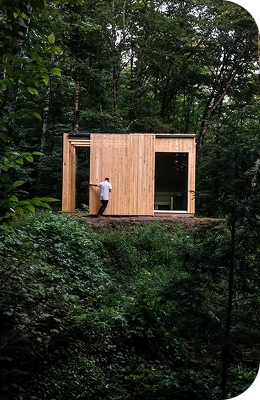

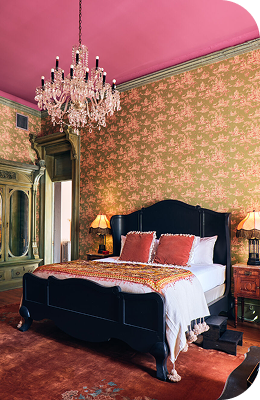

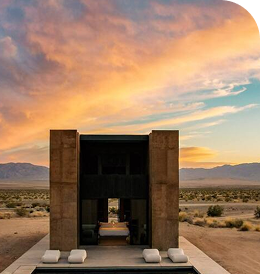















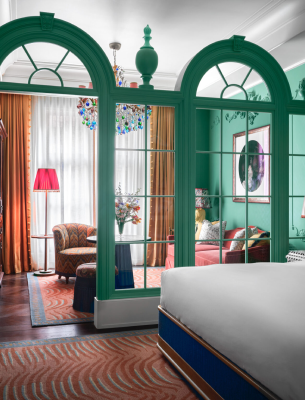
Journey connects travelers to a curated network of boutique hotels and distinctive residences around the world, all united under one rewards program. Explore handpicked stays for your trip while earning points, unlocking exclusive offers, and receiving rewards across the Journey collection.
Riverside sits at the western edge of the Inland Empire, roughly 60 miles east of Los Angeles, cradled by the Box Springs Mountains to the east and the Santa Ana River corridor to the west. The city occupies a broad inland valley at an elevation of just over 800 feet, positioned where the coastal influence of Southern California begins to give way to the drier, sunnier character of the desert interior. It is the county seat of Riverside County, one of the largest counties by area in the contiguous United States.
The city's founding story is inseparable from citrus. In 1873, Eliza Tibbets planted two Brazilian navel orange trees in Riverside, and from those two trees grew an industry that would define California agriculture for generations. By the 1880s and 1890s, Riverside had become extraordinarily wealthy, and its citizens invested that wealth in grand civic architecture, wide boulevards lined with pepper trees, and cultural institutions that still define the city's character. The Parent Washington Navel Orange Tree, a descendant of one of Tibbets's original plantings, still stands at the corner of Magnolia and Arlington avenues.
Culturally, Riverside occupies an interesting position: it is neither a beach city nor a desert resort, but something more layered. It has the bones of a Gilded Age boomtown, the intellectual life of a major research university, and the unpretentious accessibility of a working inland city. The University of California, Riverside, founded in 1954, has grown into a nationally recognized research institution and a significant driver of the city's demographic diversity and creative energy.
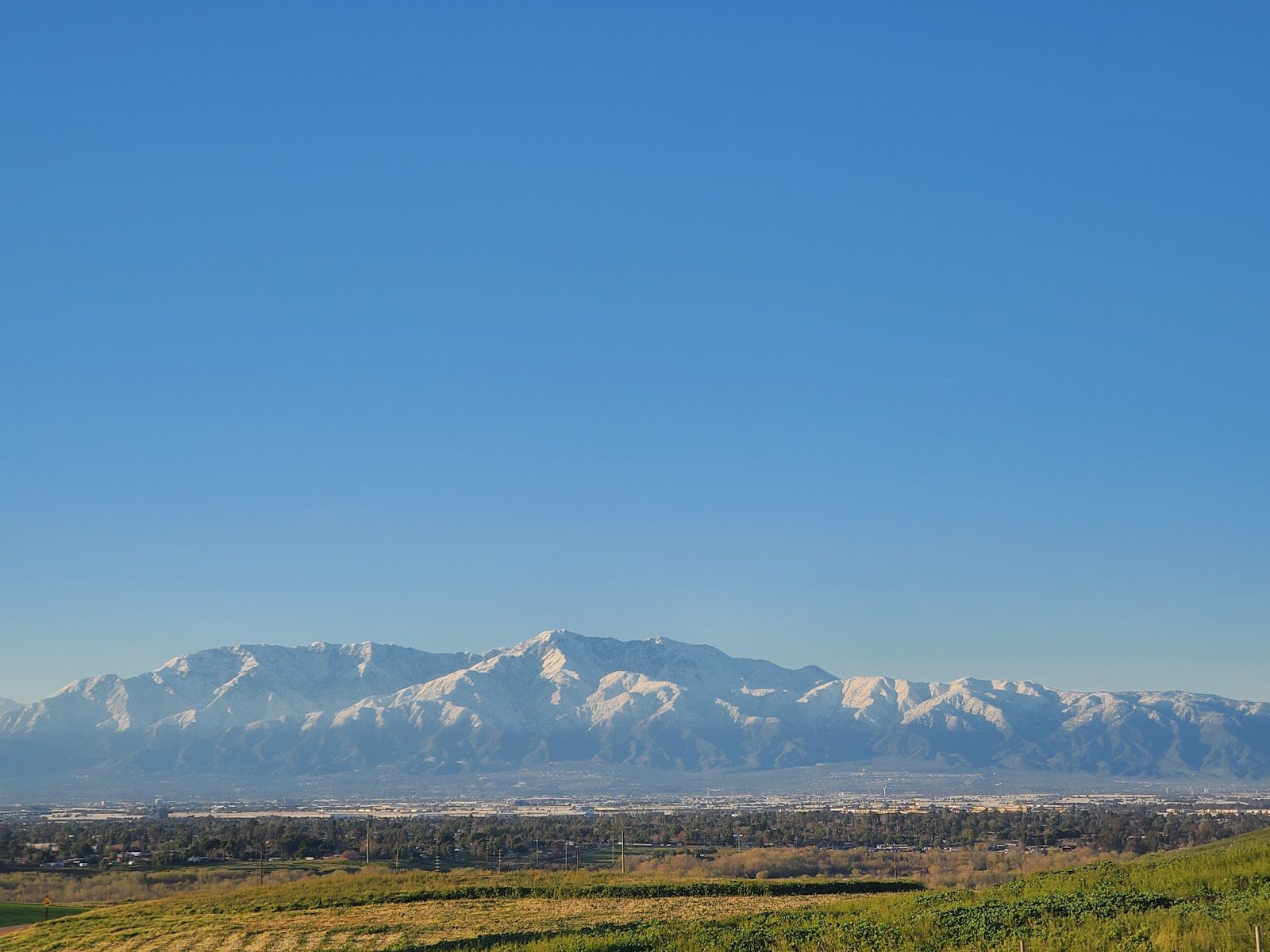
For travelers, Riverside offers a kind of discovery that feels earned. The downtown historic district, centered on Mission Inn Avenue, rewards walking and exploration. The city's museums are substantive without being overwhelming. And the surrounding landscape, from the Santa Ana River trails to the peaks of the San Bernardino Mountains visible on the horizon, provides a sense of geographic scale that reminds visitors they are at the threshold of one of California's most dramatic natural regions.
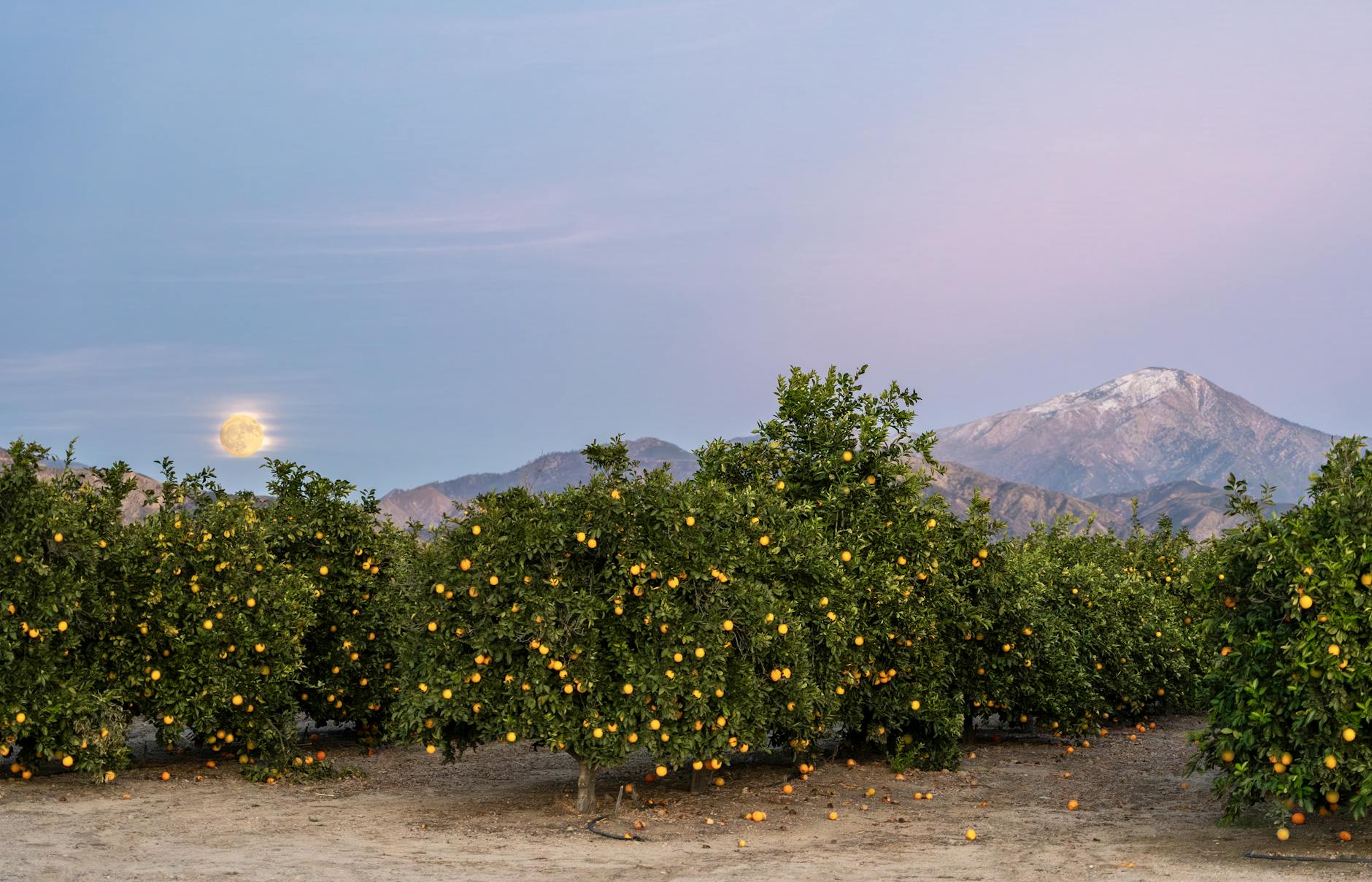
Spring and fall are the strongest windows for visiting Riverside, and for most travelers, the choice between them comes down to what kind of experience they are seeking.
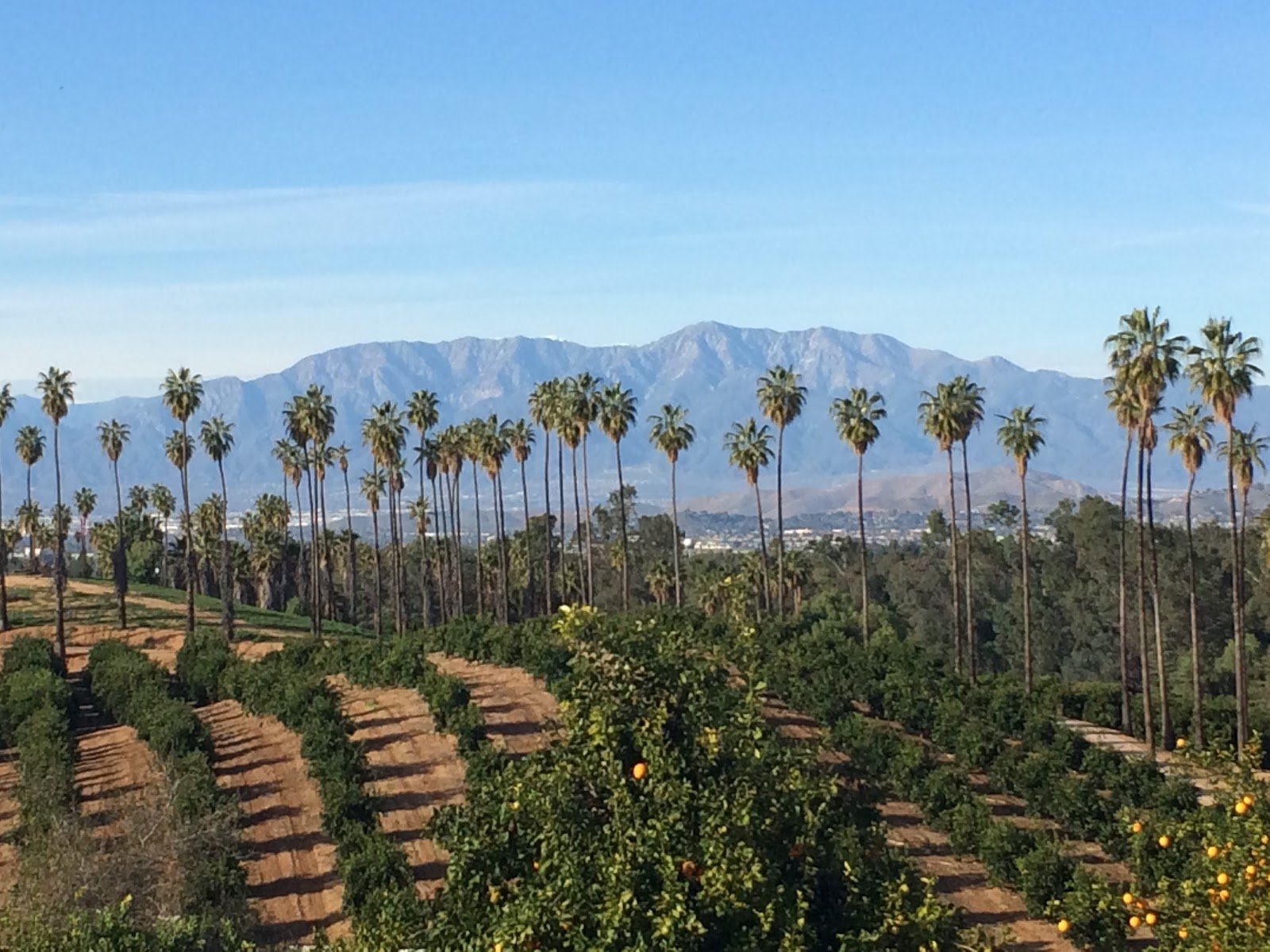
Spring, roughly mid-February through April, is ideal for outdoor exploration. Mount Rubidoux and the surrounding hillsides are green and often dotted with wildflowers, making hikes far more rewarding than at any other time of year. The citrus groves that define Riverside's agricultural heritage are fragrant and photogenic during this period, and the city's parks and public spaces are at their most inviting. Crowds remain manageable, and the downtown cultural venues, including the Riverside Art Museum and the Fox Performing Arts Center, maintain active programming through the season.
Fall, from October through November, offers similarly pleasant conditions and is arguably the best time to experience Riverside's event calendar. The Mission Inn Festival of Lights, one of the largest holiday light festivals in the western United States, begins in late November and draws significant crowds to the downtown core. Travelers who want to experience that event without the peak December congestion should plan an early-November visit to enjoy the city before the festival crowds arrive, or lean into the festivity and book well in advance for late November.
Summer is the least recommended season for most visitors. The inland valley heat can be punishing, and outdoor sightseeing becomes uncomfortable during afternoon hours. Those who do visit in summer should plan activities for early mornings and evenings, and lean on the city's indoor cultural offerings.
Winter is a quiet, underrated time to visit. Downtown Riverside sees fewer tourists, hotel rates tend to be lower outside of the Festival of Lights period, and the Mission Inn and surrounding historic district can be explored at a relaxed pace without competition for space.
The historic heart of the city, Downtown Riverside is anchored by the iconic Mission Inn Hotel and Spa and a walkable corridor of restored early 20th-century architecture. The area blends civic landmarks, independent boutiques, and a growing restaurant scene that draws both locals and visitors. The Fox Performing Arts Center and the Riverside Art Museum add cultural weight to what is already one of the Inland Empire's most compelling urban cores.
Surrounding the University of California, Riverside campus, this neighborhood hums with student energy and intellectual curiosity. Coffee shops, bookstores, and casual eateries line the streets near campus, and the UCR Botanic Gardens offer a surprisingly serene escape into native and exotic plant collections. The area brings a youthful, creative counterbalance to Riverside's more formal historic districts.
A quiet, tree-canopied residential neighborhood just northwest of downtown, Wood Streets is beloved for its intact collection of Craftsman bungalows and California cottage architecture. The area has a strong preservation culture and a neighborhood identity that rewards slow, on-foot exploration. Weekend mornings here feel like stepping into a well-preserved slice of early 20th-century California domestic life.
Situated in the western reaches of Riverside near the Santa Ana River, La Sierra is a diverse, family-oriented district with a strong Latino cultural presence. The neighborhood offers everyday local dining, community parks, and proximity to the natural corridor of the riverbed trail system. It reflects the lived-in, working character of Riverside beyond the tourist-facing downtown.
Once the center of Riverside's citrus industry, Arlington retains a semi-rural character with mature orange groves still visible along residential streets. The neighborhood is home to the California Citrus State Historic Park, where visitors can walk among heritage orchards and learn about the agricultural history that made Riverside famous. It is the most direct connection to the city's foundational identity as a citrus capital.
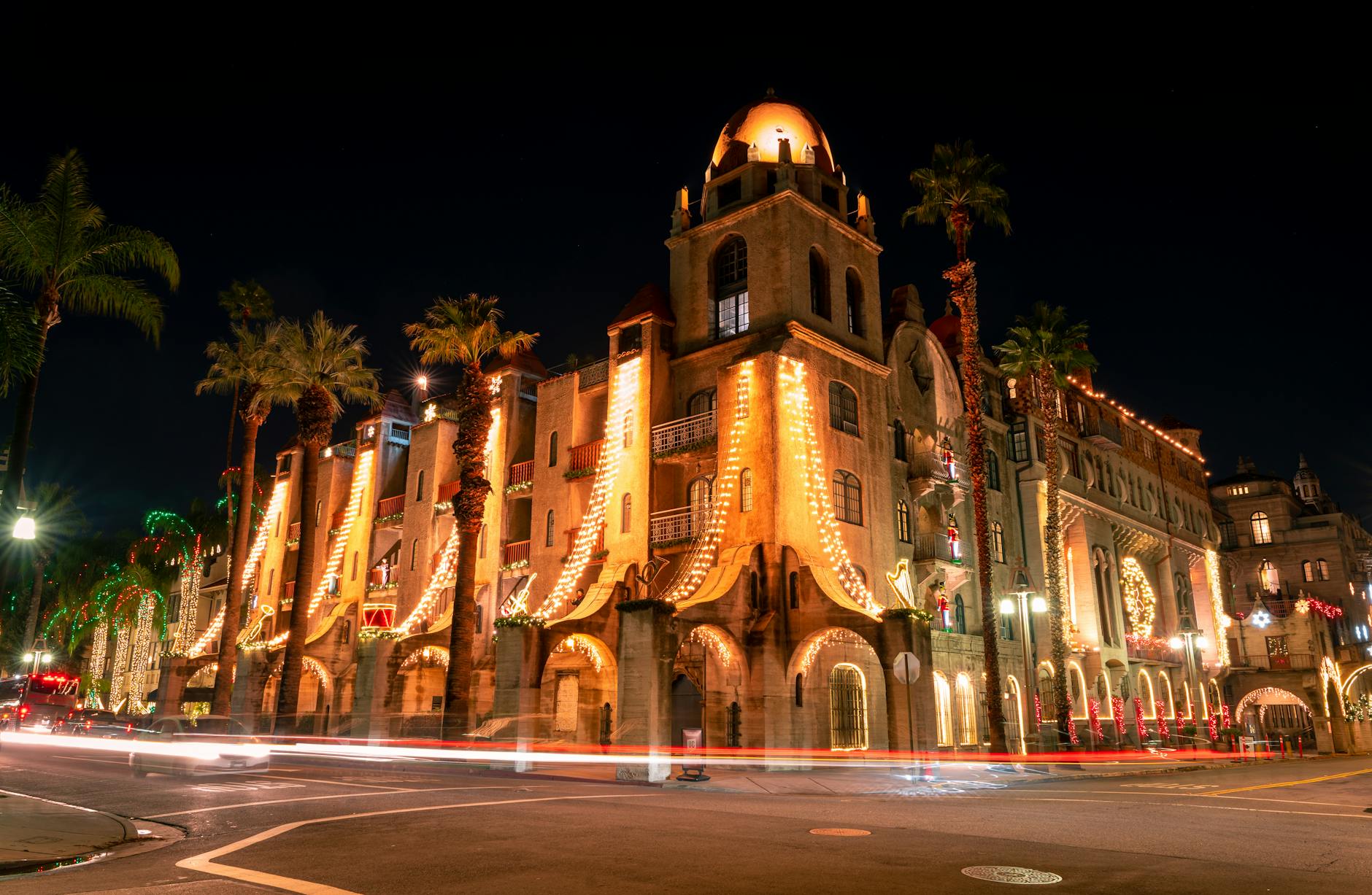
Riverside is defined by a handful of experiences that exist nowhere else, and travelers who dig into them leave with a genuine sense of what makes this inland city singular.
The Mission Inn Hotel and Spa is the undisputed centerpiece of any Riverside visit. This National Historic Landmark sprawls across an entire city block in downtown, its architecture blending Mission Revival, Spanish Colonial, and Gothic Revival elements into a labyrinthine complex that took more than five decades to complete. Guests and visitors explore its courtyards, chapels, rooftop terraces, and art-filled corridors. The annual Festival of Lights, held each winter, transforms the entire building and surrounding streets into one of Southern California's most spectacular holiday displays, drawing hundreds of thousands of visitors each year.
California Citrus State Historic Park offers something genuinely rare: an immersive journey into the agricultural revolution that made Riverside wealthy and gave California its modern identity. Walking through the restored groves, visitors encounter the actual Washington navel orange trees descended from the two original parent trees planted in the 1870s. Interpretive exhibits trace how refrigerated rail cars, cooperative marketing, and immigrant labor combined to build an industry that stretched across the entire American West.
Mount Rubidoux, the rocky peak rising just west of downtown, carries more than a century of communal history. Sunrise services have been held here since 1909, and the winding trail to the summit rewards hikers with panoramic views of the Santa Ana River valley, the San Bernardino Mountains, and the downtown skyline. The hilltop peace cross and the Friendship Bridge add layers of historical meaning to what is also simply a beautiful urban hike.
Together, these three experiences - a grand historic hotel, a living citrus museum, and a peak steeped in community tradition - form the core of what Riverside offers that no other destination can replicate.
Riverside offers a rewarding mix of outdoor recreation, cultural exploration, and local dining that suits a wide range of travel styles.
Outdoor Recreation
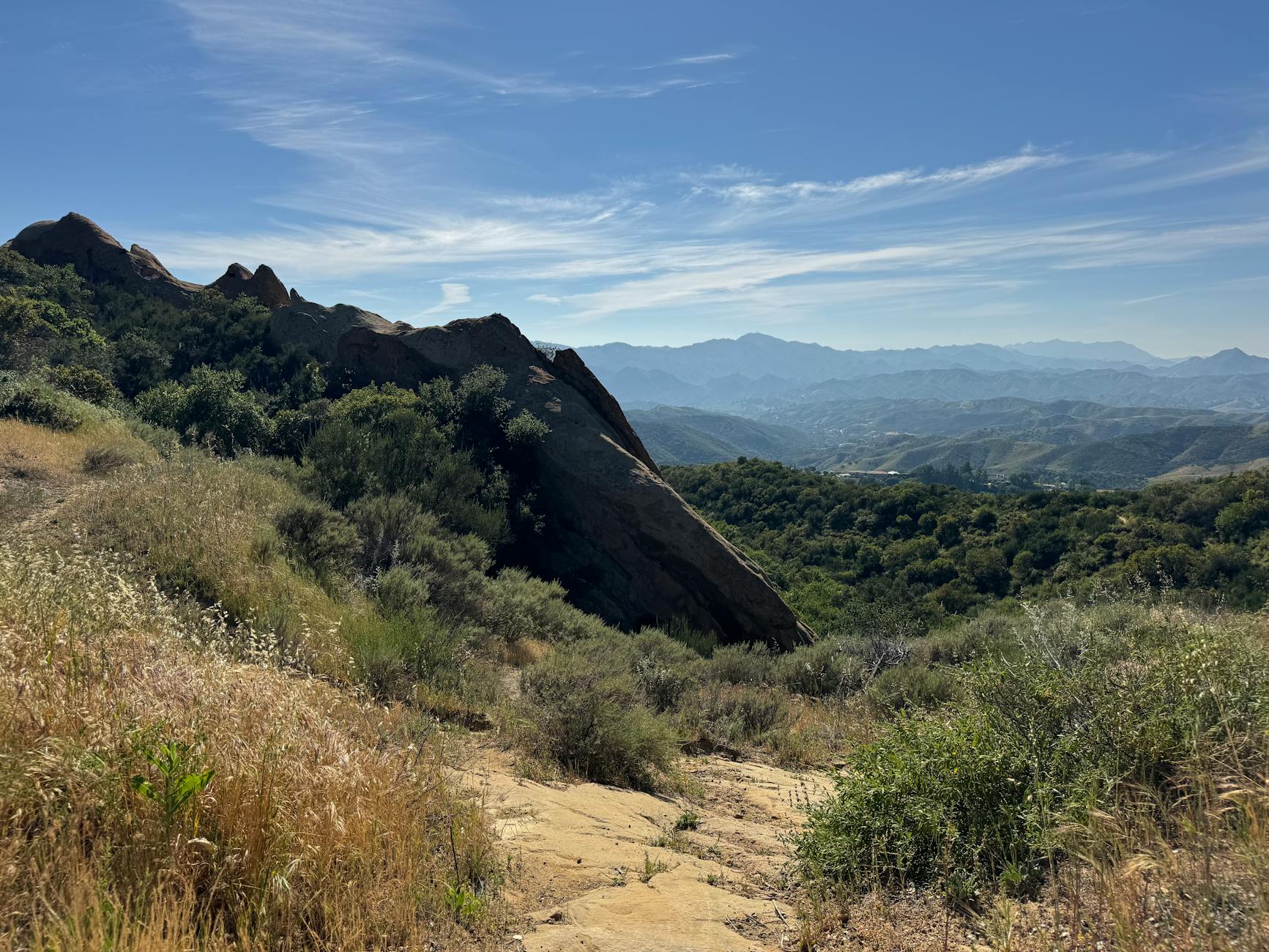
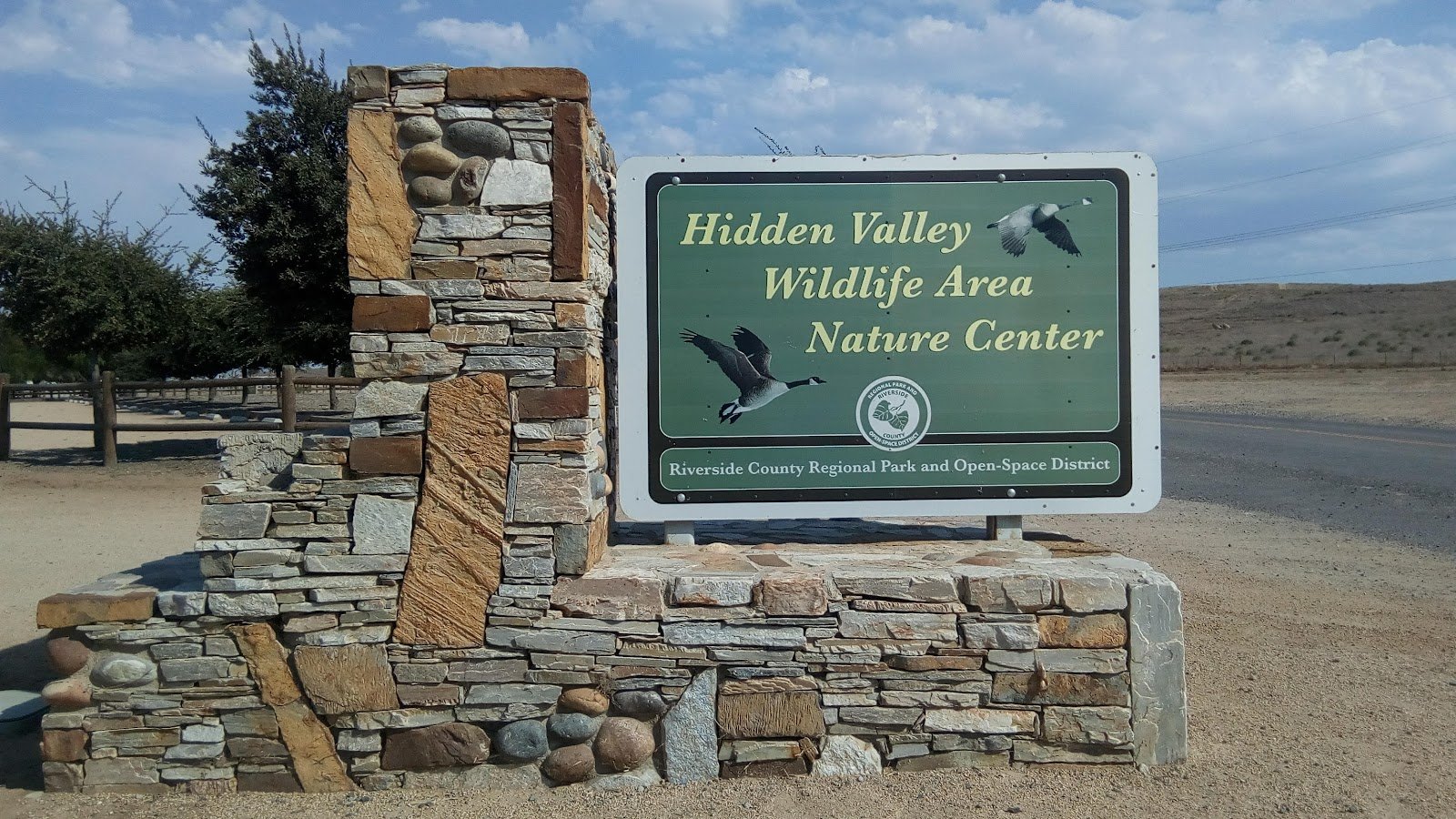
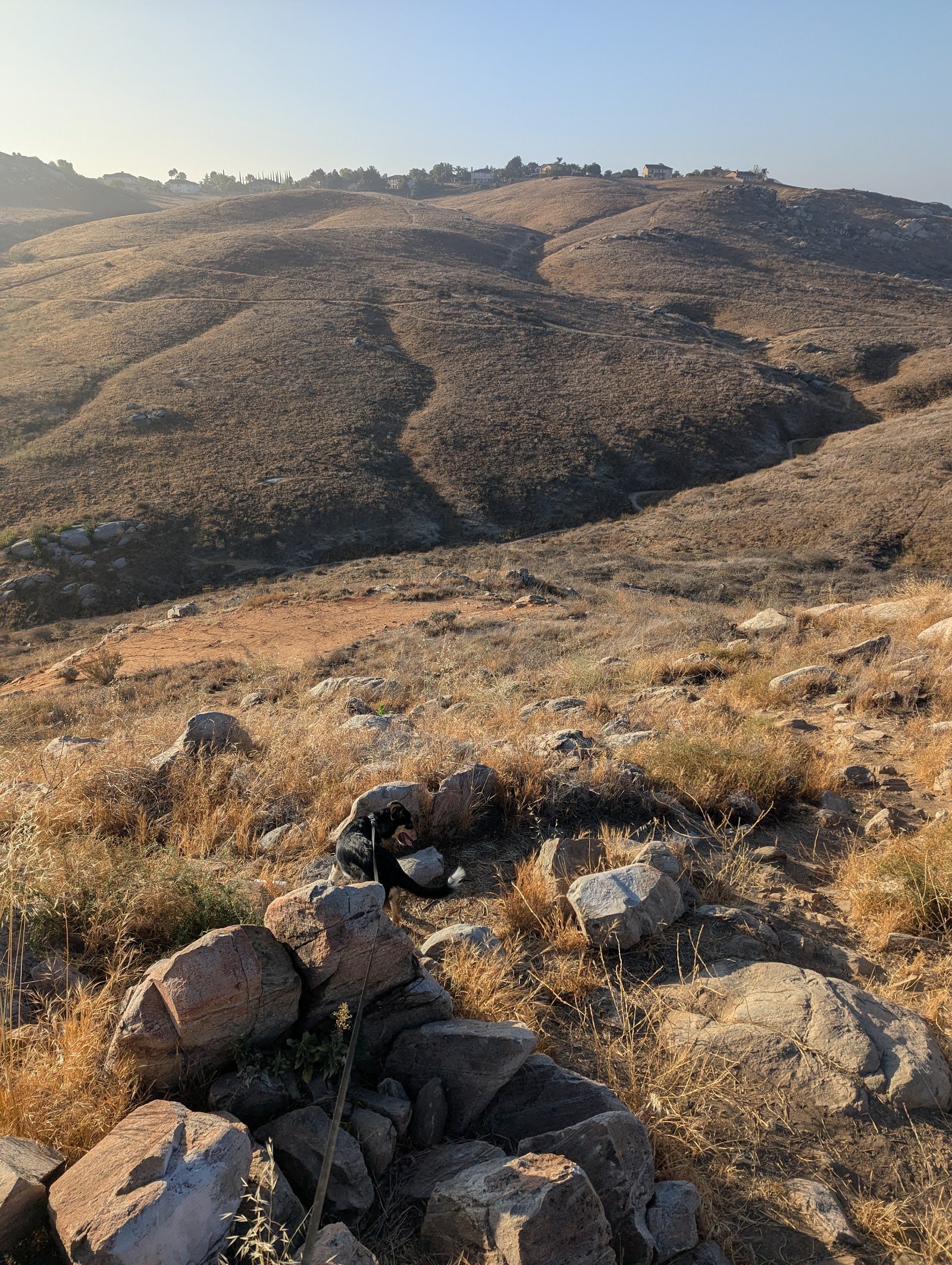
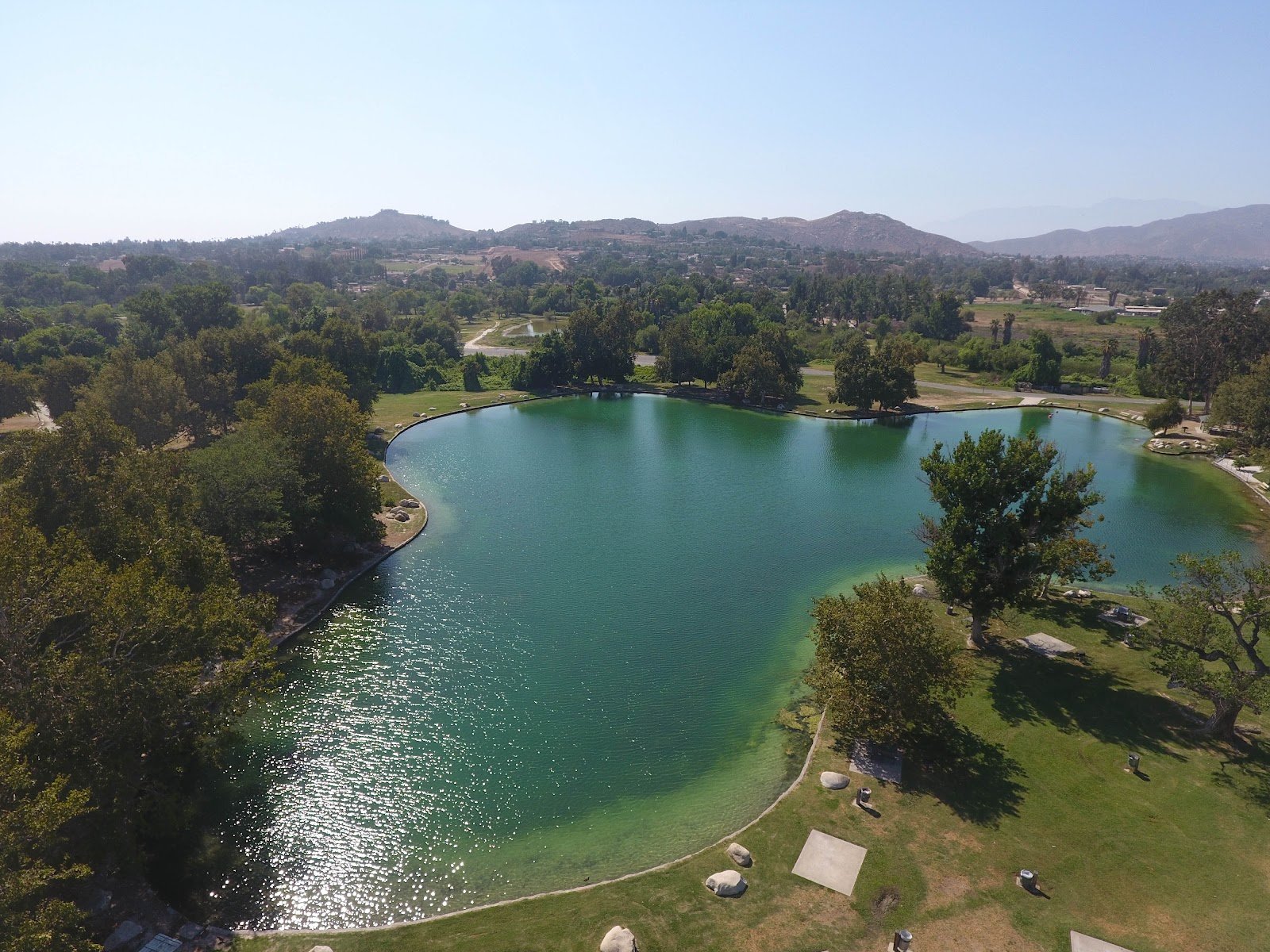
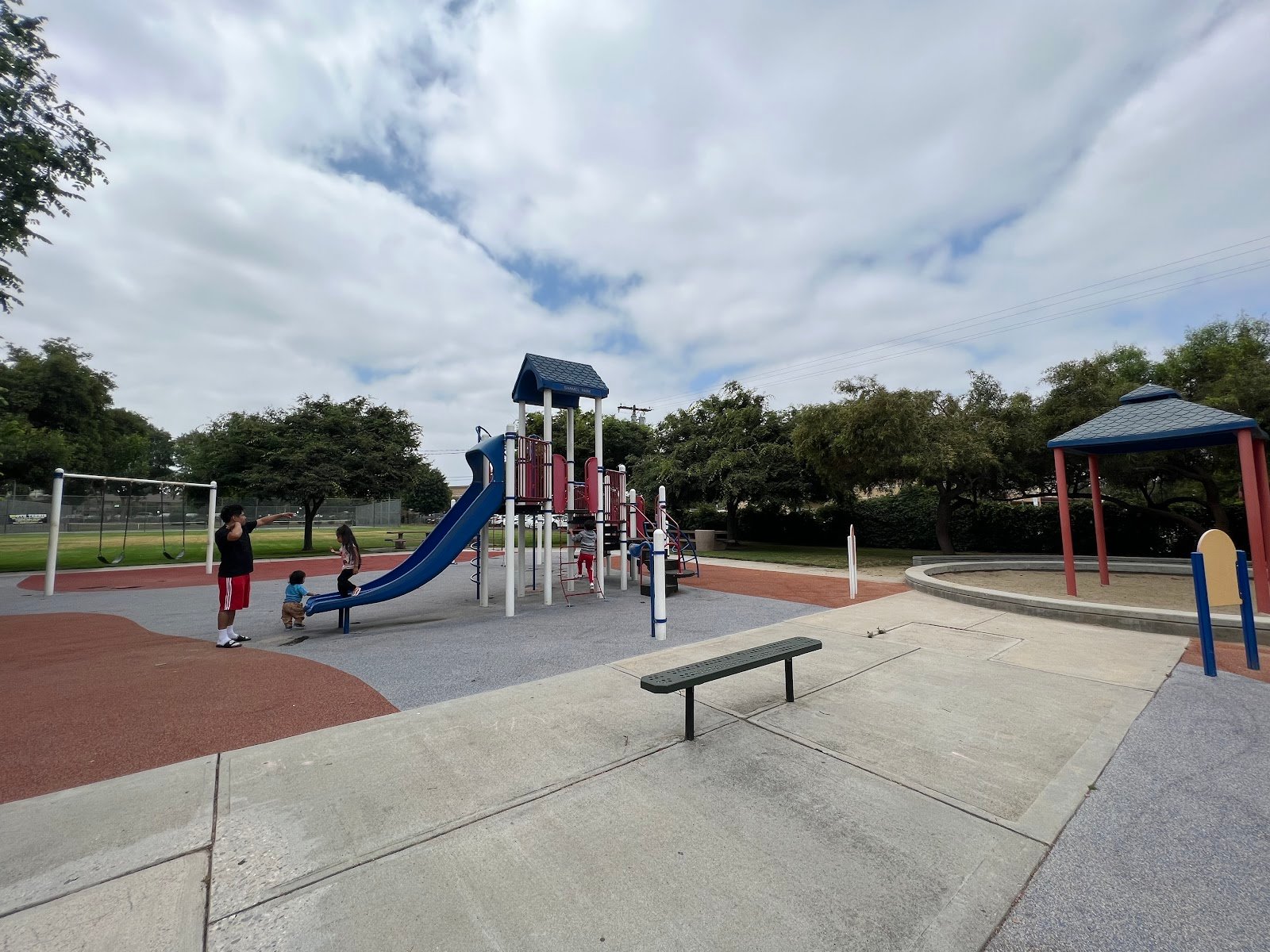
The city and its surroundings are threaded with natural spaces ideal for hiking, wildlife watching, and casual outdoor time. Sycamore Canyon Wilderness Park delivers rugged trails through native chaparral with sweeping views of the valley below. Hidden Valley Wildlife Area and Hidden Valley Nature Center together form one of the region's most accessible urban wildlife refuges, where herons, egrets, and migratory birds gather along the Santa Ana River. Rancho Jurupa Park offers open green space, fishing ponds, and picnic grounds along the river corridor. For a gentler outing, Shamel Park sits along the riverbank with sports facilities and shaded lawns.
Cultural Attractions and Scenic Exploration
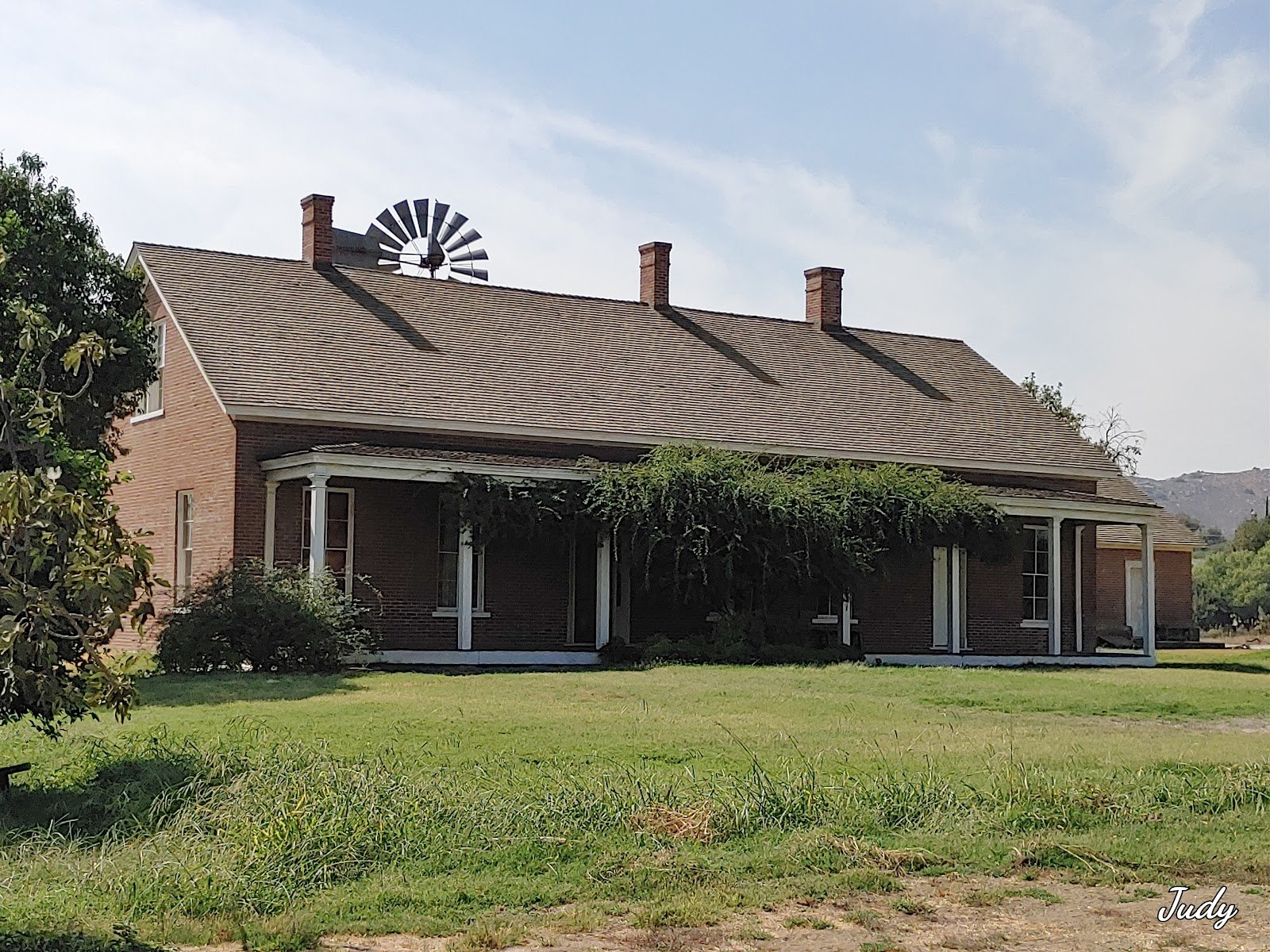
Riverside's citrus heritage is preserved and interpreted at California Citrus State Historic Park, where visitors walk through restored groves and learn how the navel orange transformed Southern California. The Jensen Alvarado Historic Ranch and Museum offers a rare look at 19th-century rancho life, while Riverside Heritage House stands as one of the finest examples of Victorian residential architecture in the region. The quirky World's Largest Paper Cup is a beloved local landmark that reflects the city's offbeat civic pride.
Arts, Entertainment, and Leisure
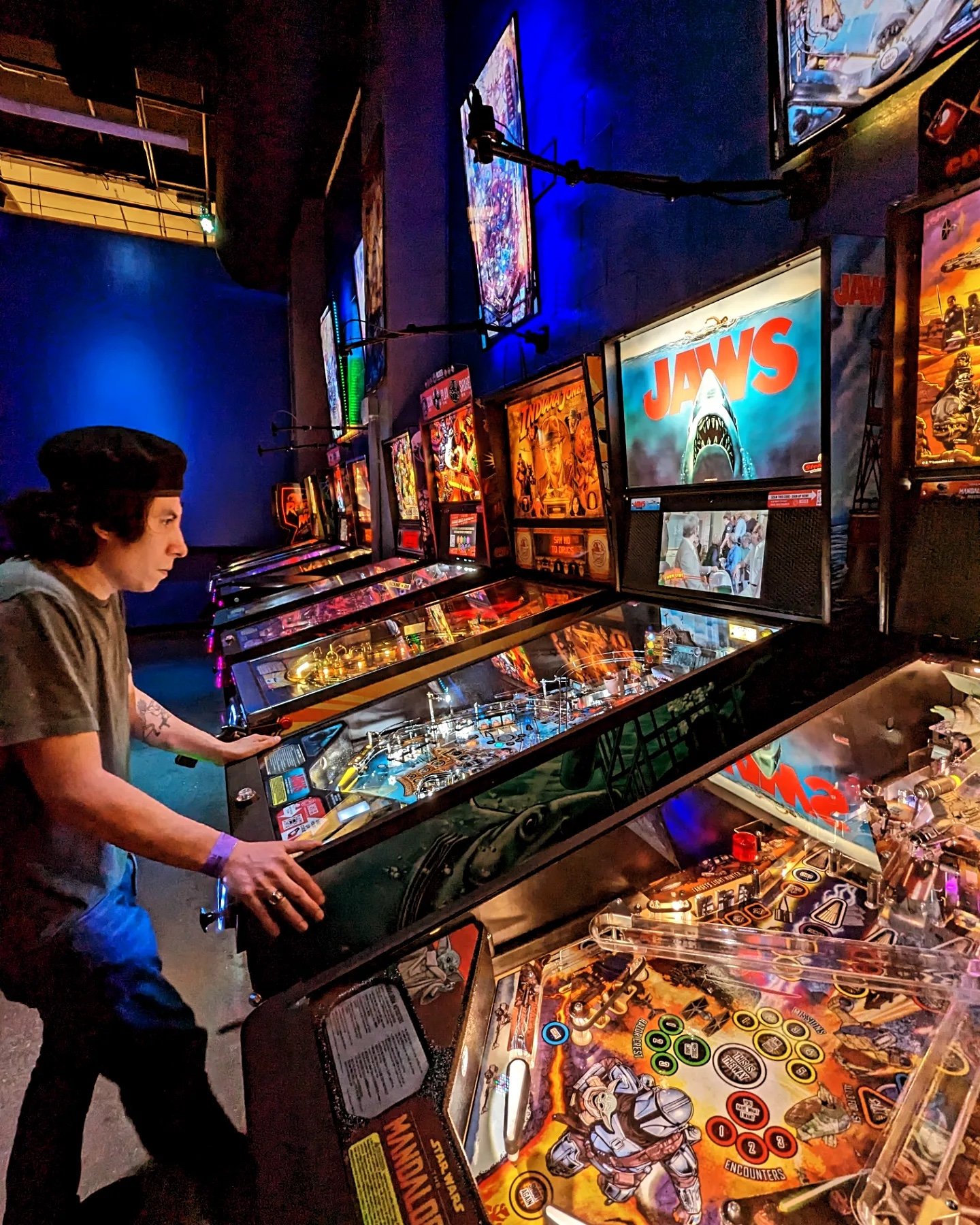
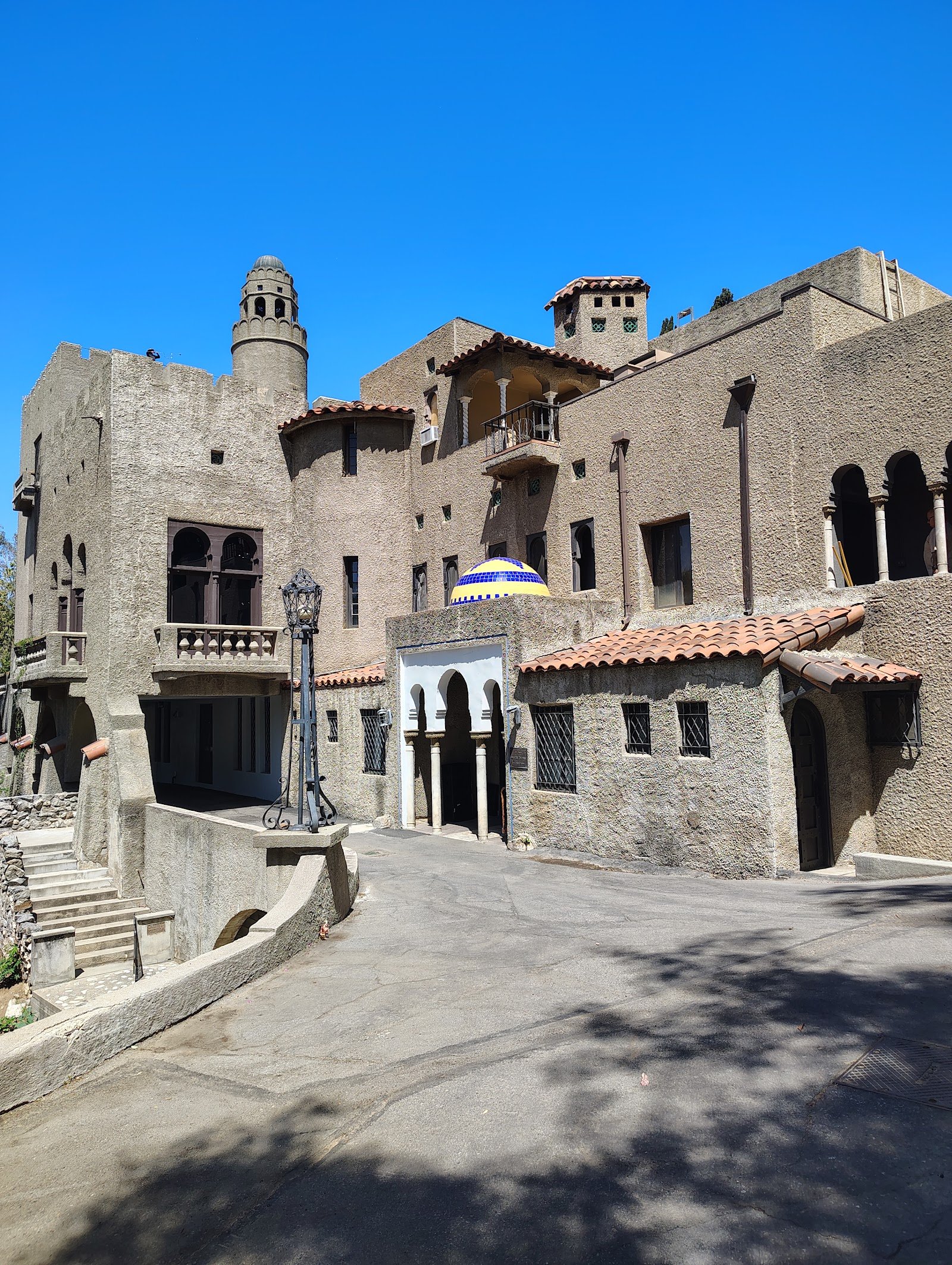
The Riverside Game Lab provides a lively social space for tabletop gaming enthusiasts, and Benedict Castle adds a layer of architectural intrigue to the local landscape. The city's parks and recreation infrastructure supports active lifestyles across all ages.
Food and Dining
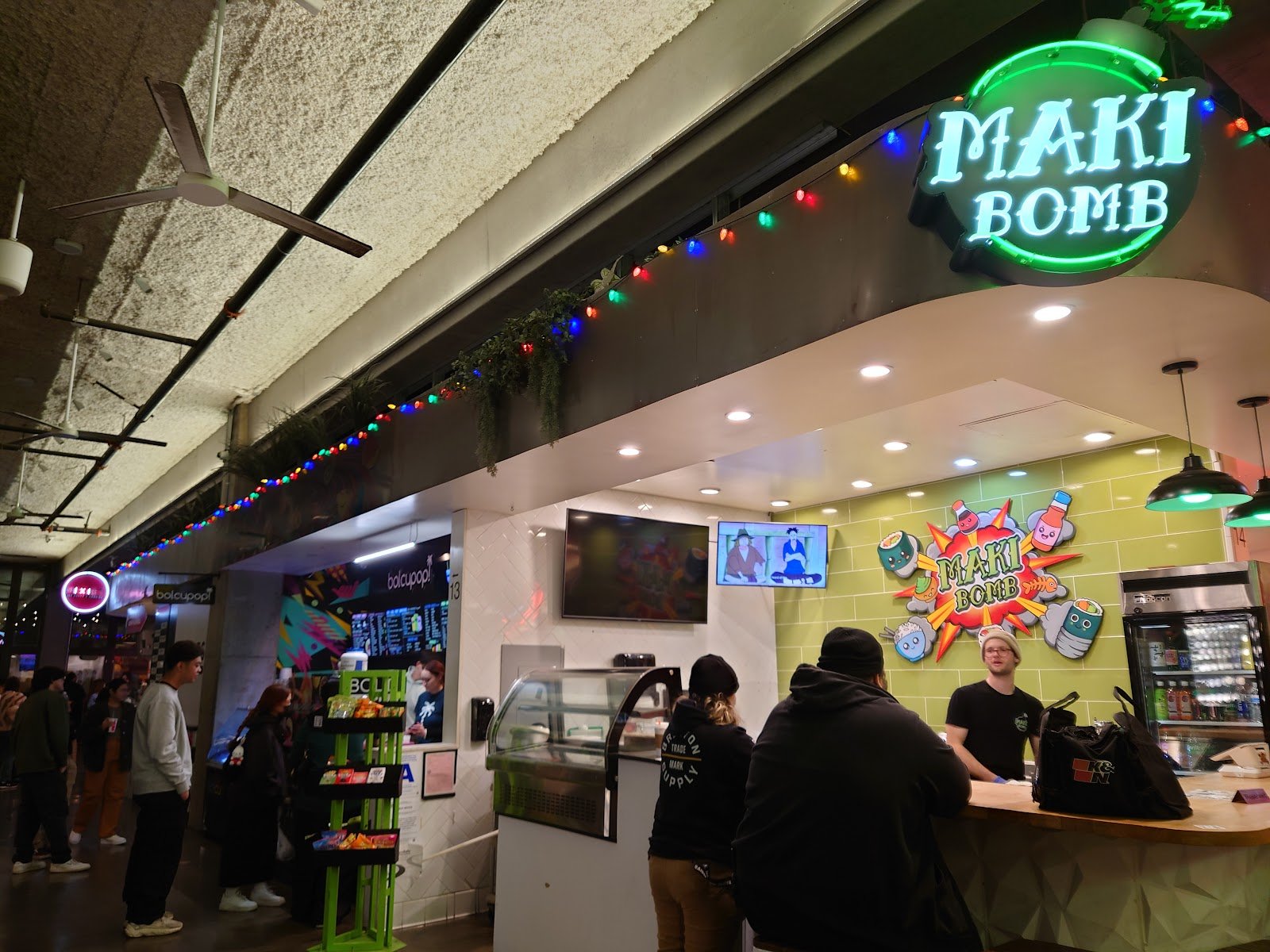
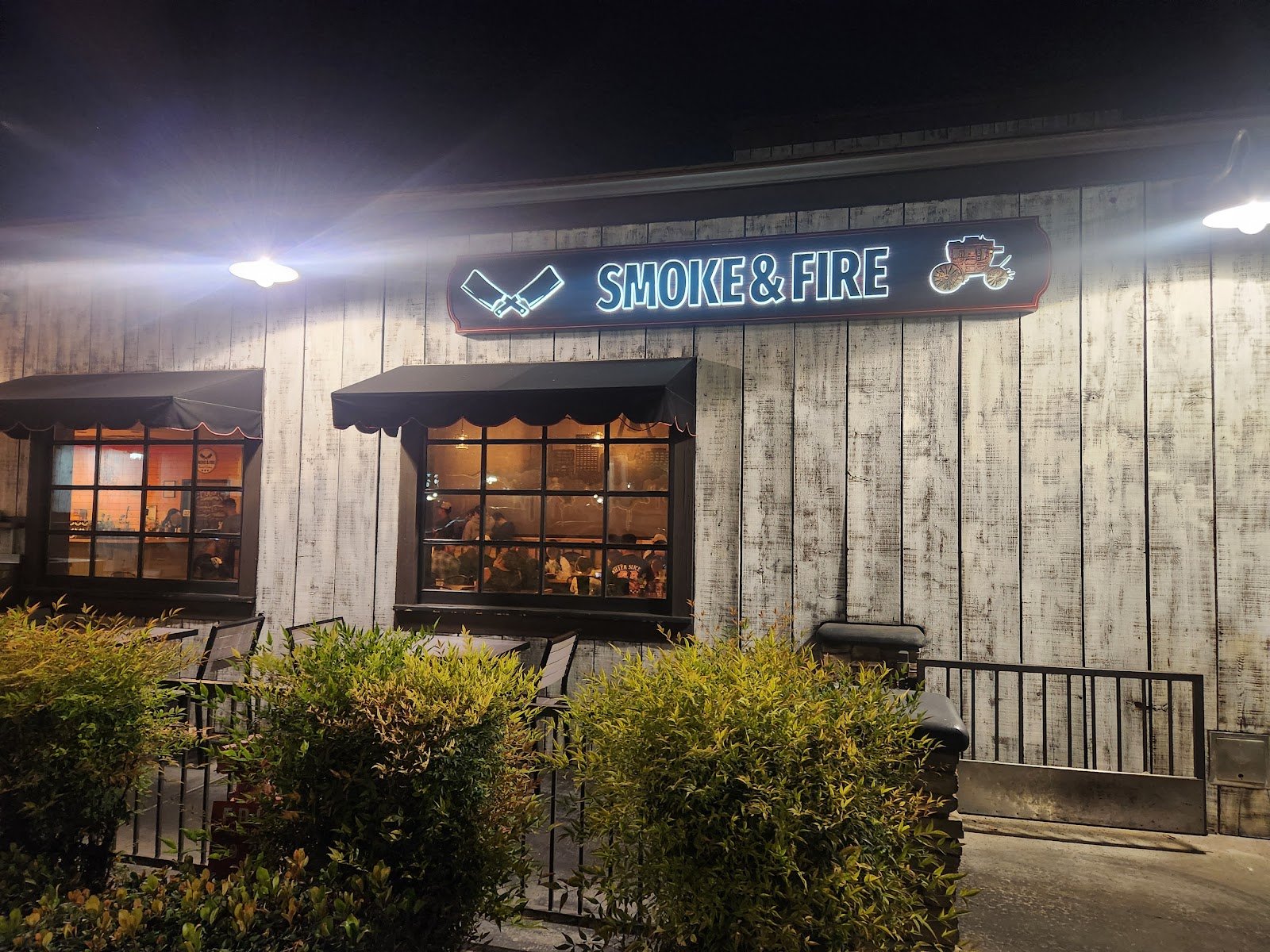
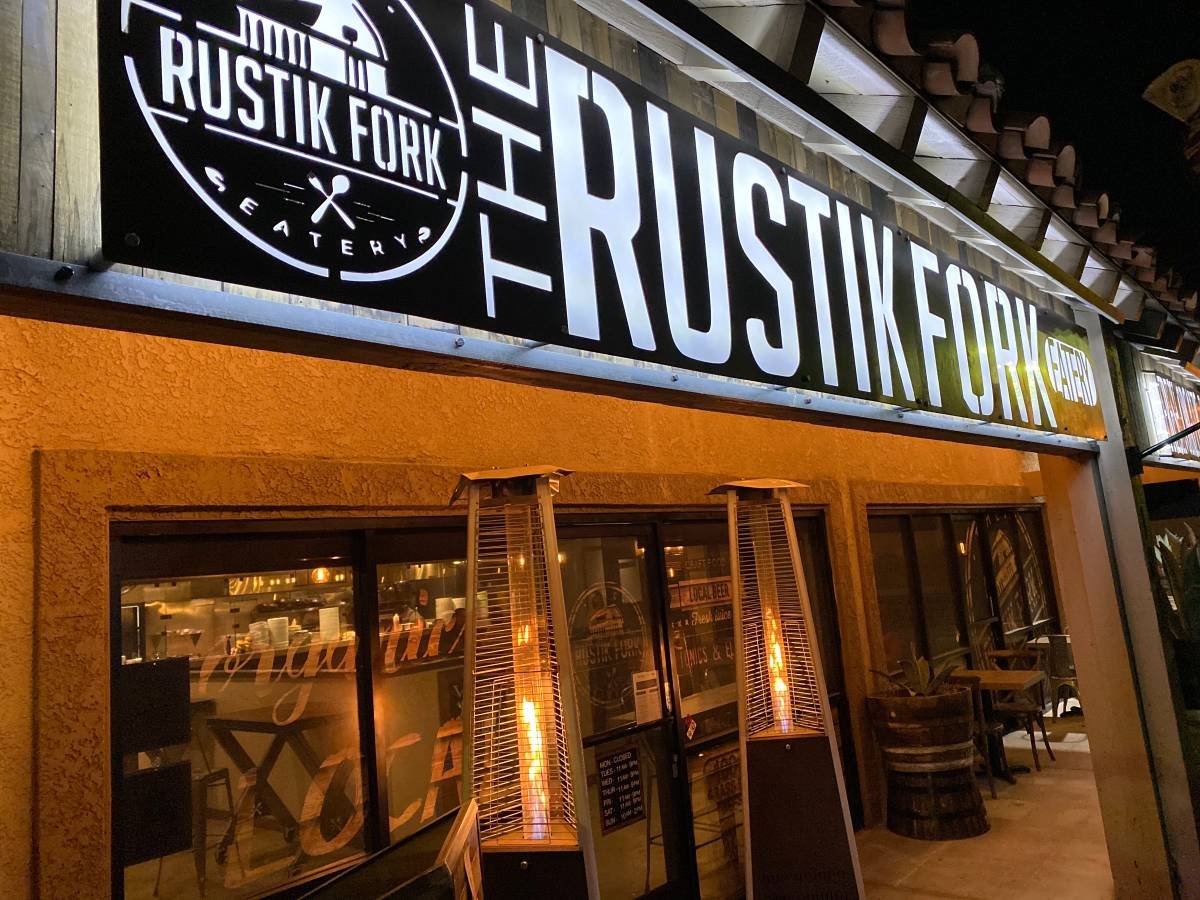
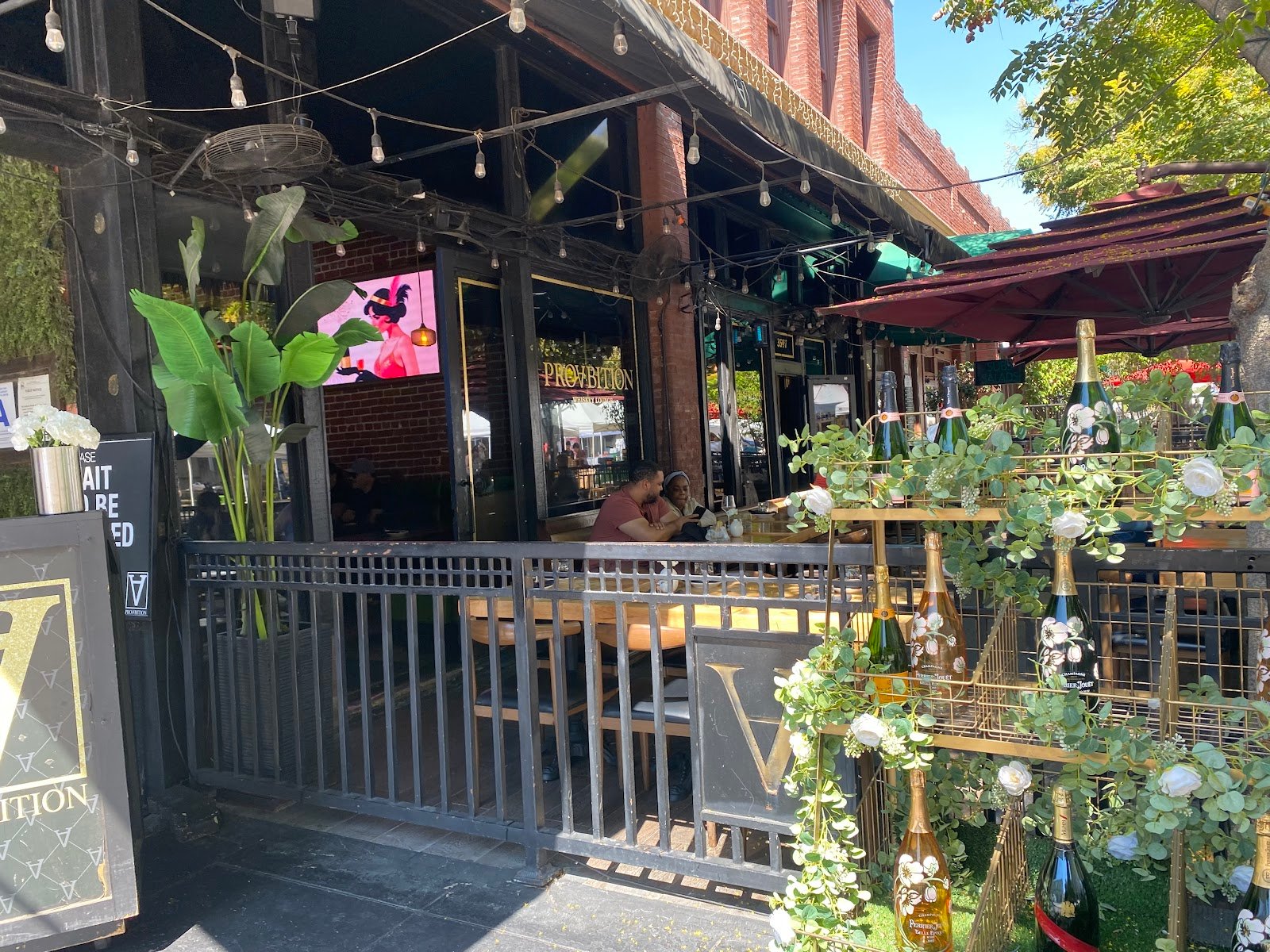
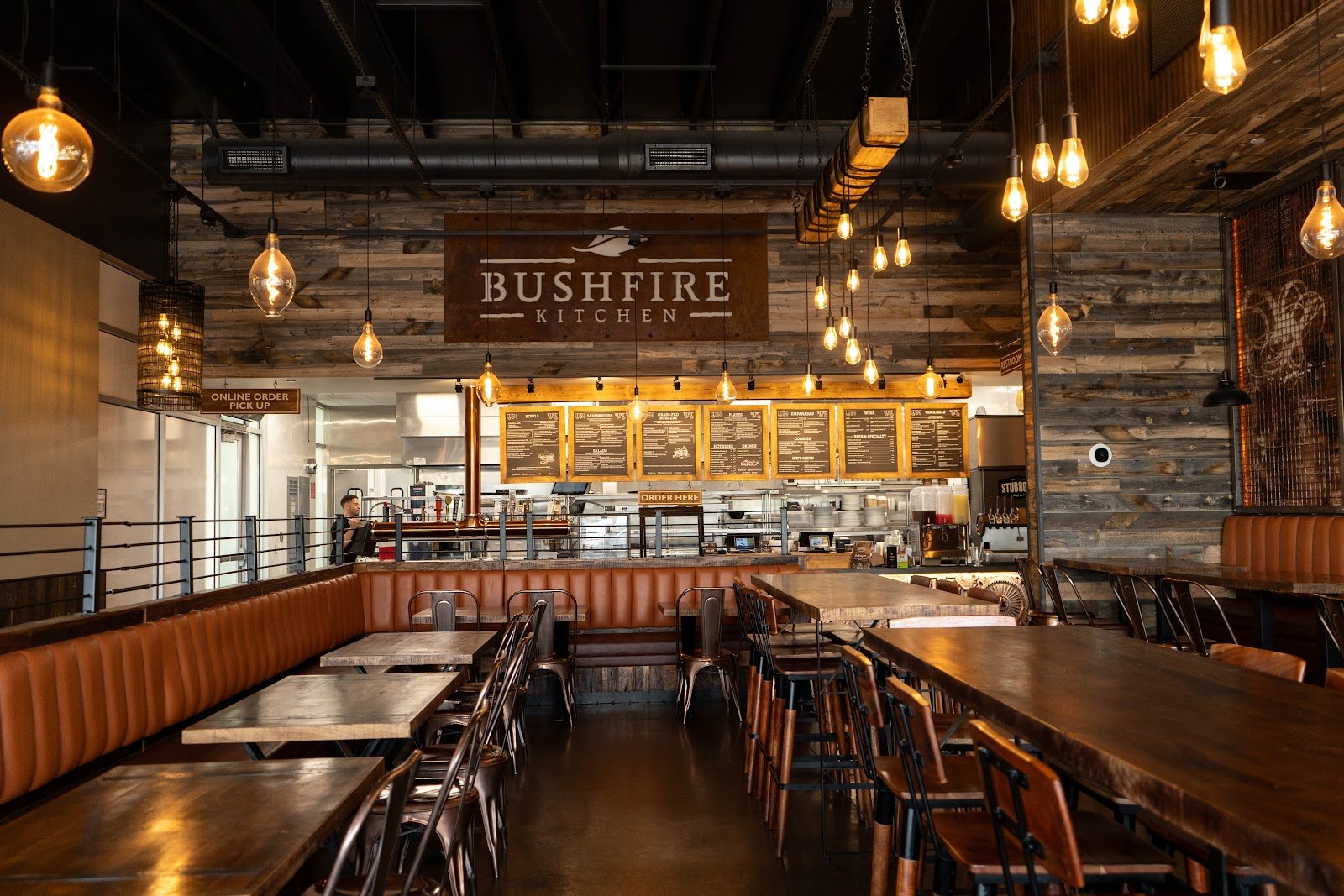
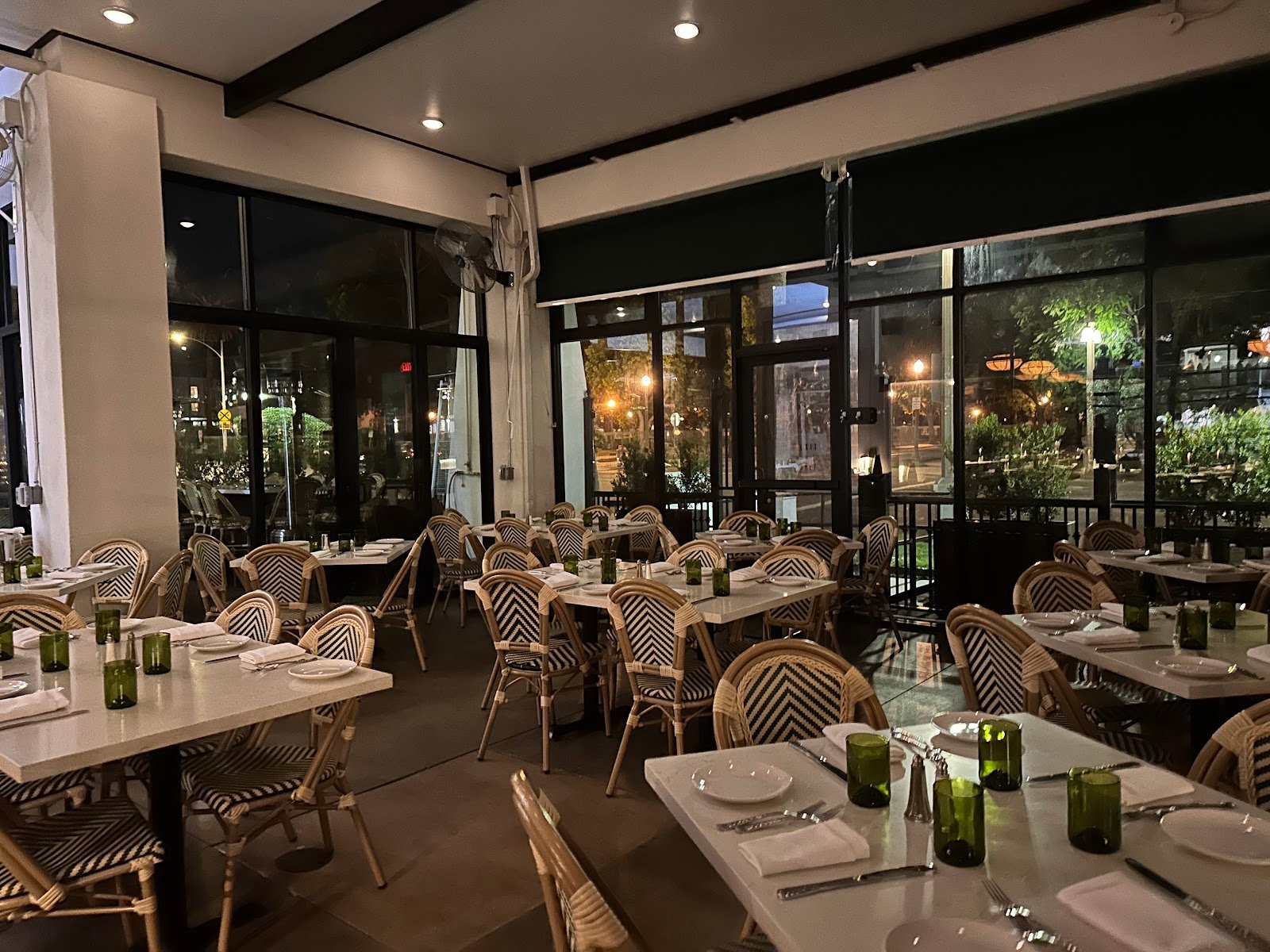
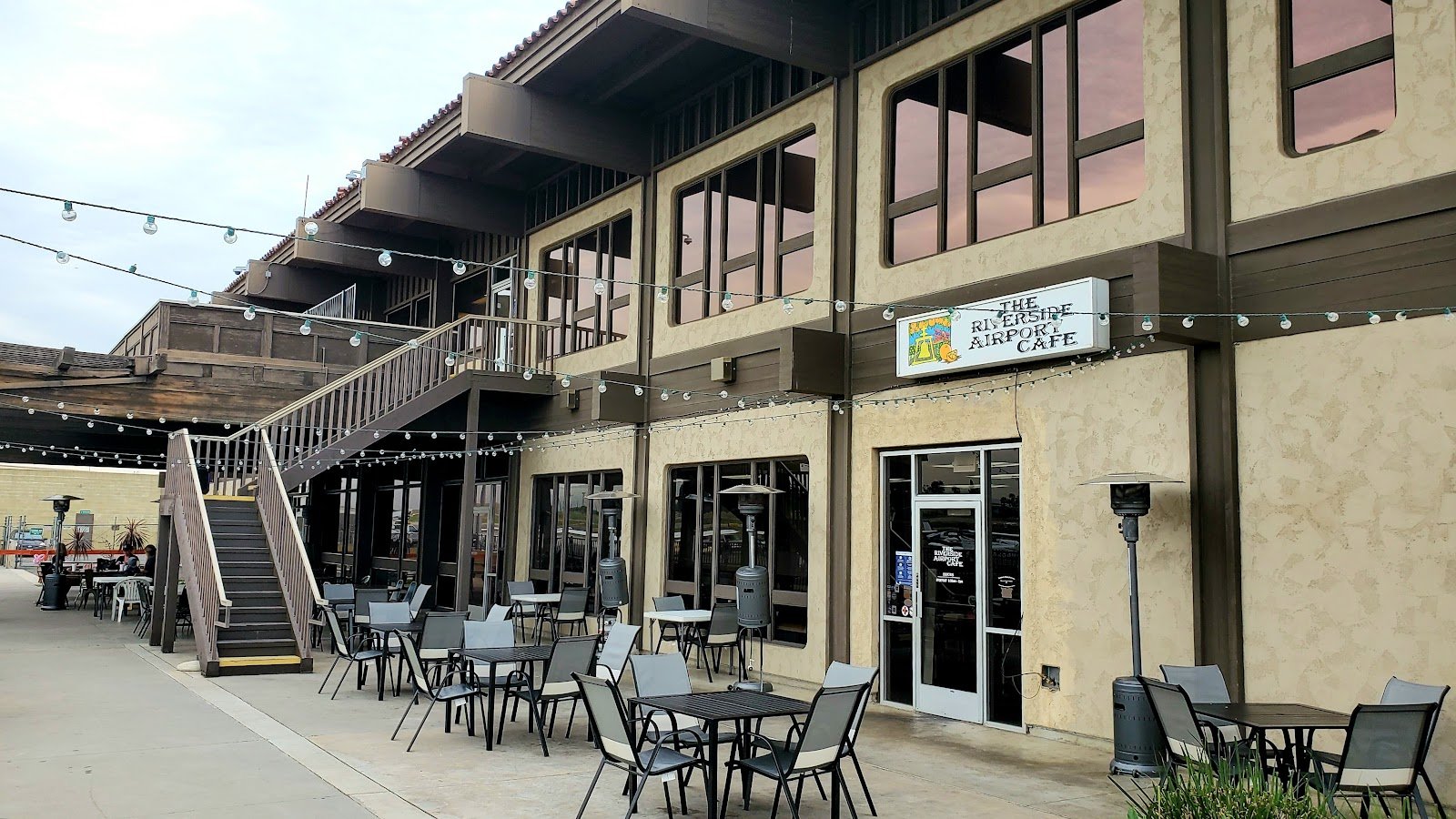
Riverside's dining scene ranges from craft-focused eateries to relaxed neighborhood spots. Highlights include:
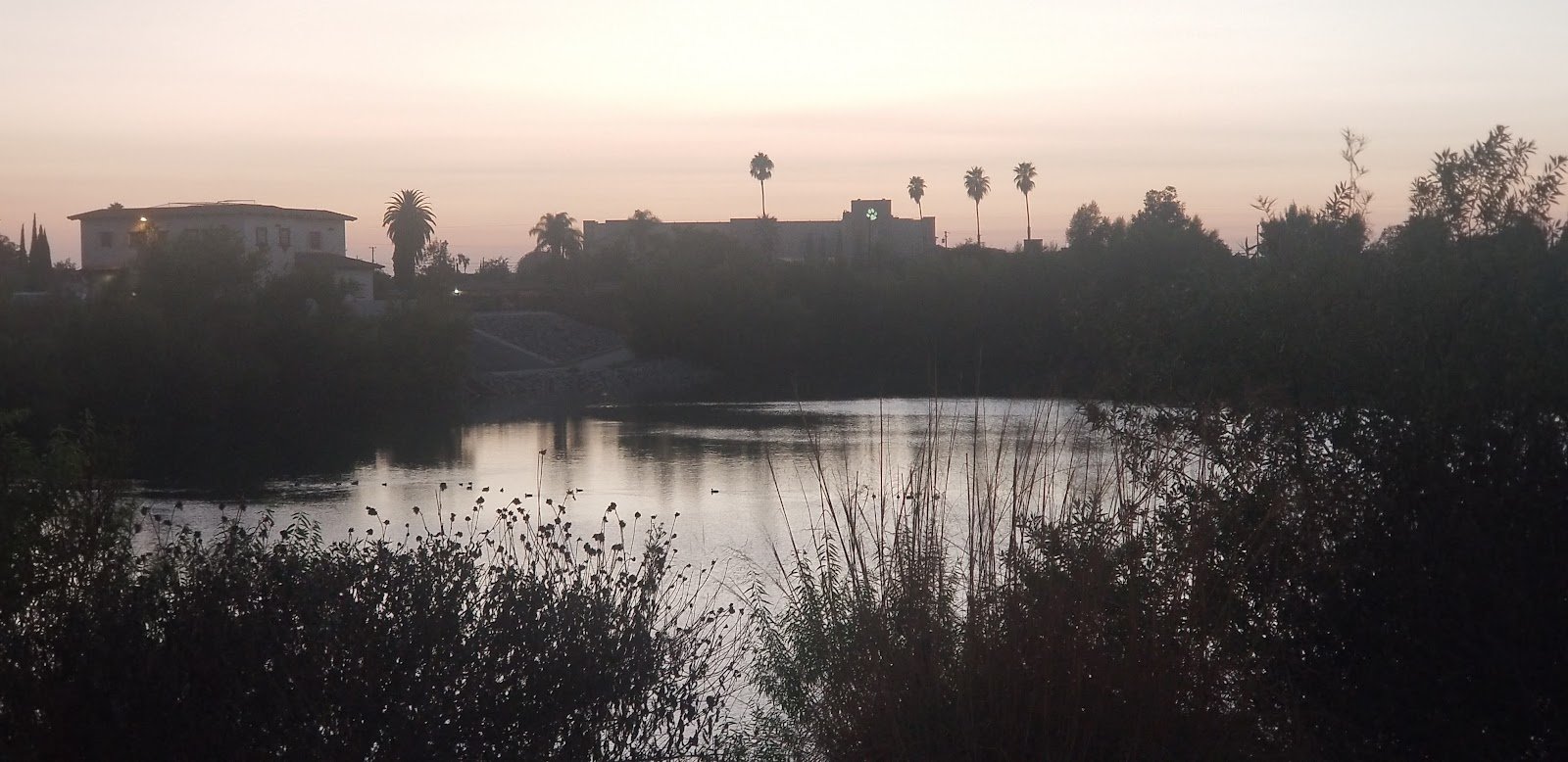
Twin Lakes
Start your morning with a guided tour of the Mission Inn Hotel and Spa, a National Historic Landmark at the heart of downtown Riverside. Spend the afternoon exploring the Riverside Art Museum and the California Museum of Photography nearby. In the evening, catch a performance or stroll the beautifully restored Fox Performing Arts Center district, then dine at one of the restaurants lining Mission Inn Avenue.
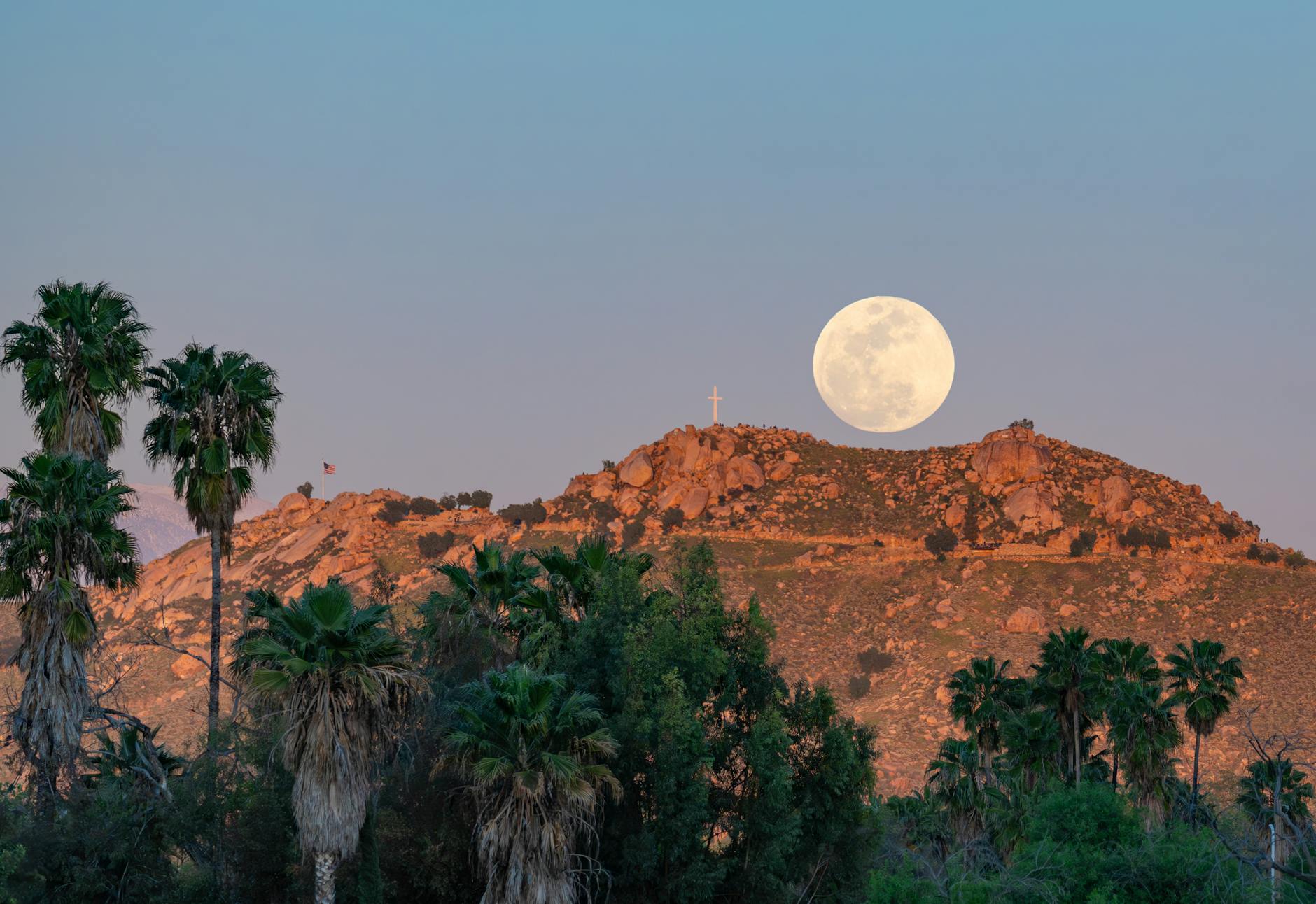
Rise early and hike Mount Rubidoux for panoramic views of the Santa Ana River valley - the summit is a short but rewarding climb. Back in the city, visit the historic Parent Washington Navel Orange Tree, the original tree that launched California's citrus industry. Spend the afternoon browsing the shops and cafes of downtown, then end the evening with dinner at a local Inland Empire restaurant.
Dedicate your morning to the University of California, Riverside campus, known for its Botanic Gardens and vibrant arts scene. Head to the nearby Sycamore Canyon Wilderness Park in the afternoon for a scenic trail walk through native Southern California landscape. Wrap up your trip with a sunset drive along the Santa Ana River and a final dinner back in downtown Riverside to close out your Inland Empire visit.
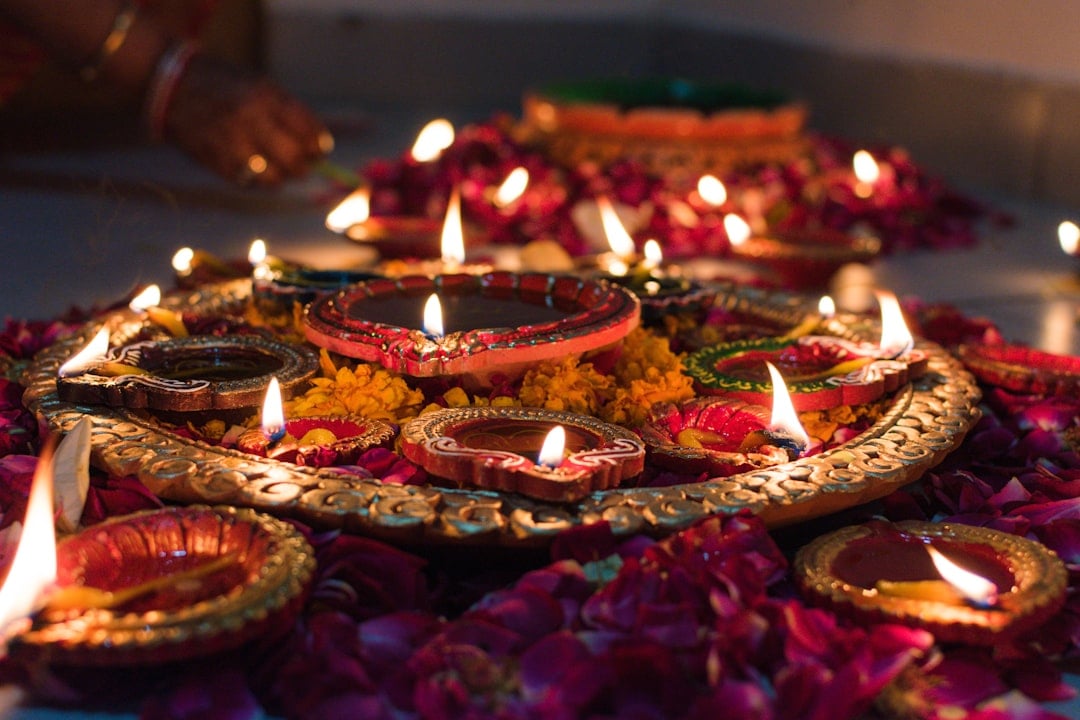
Riverside's cultural calendar reflects a city that takes both its history and its community seriously. The year builds toward its most celebrated moment in late November, when the Mission Inn Hotel and Spa hosts its annual Festival of Lights, an elaborate holiday illumination that draws visitors from across Southern California and transforms downtown into a spectacle of warmth and architectural drama. Before that, autumn arrives with the Riverside Dia de los Muertos Festival, a deeply rooted community celebration that honors ancestral traditions through altars, music, dance, and art in a genuinely participatory atmosphere.
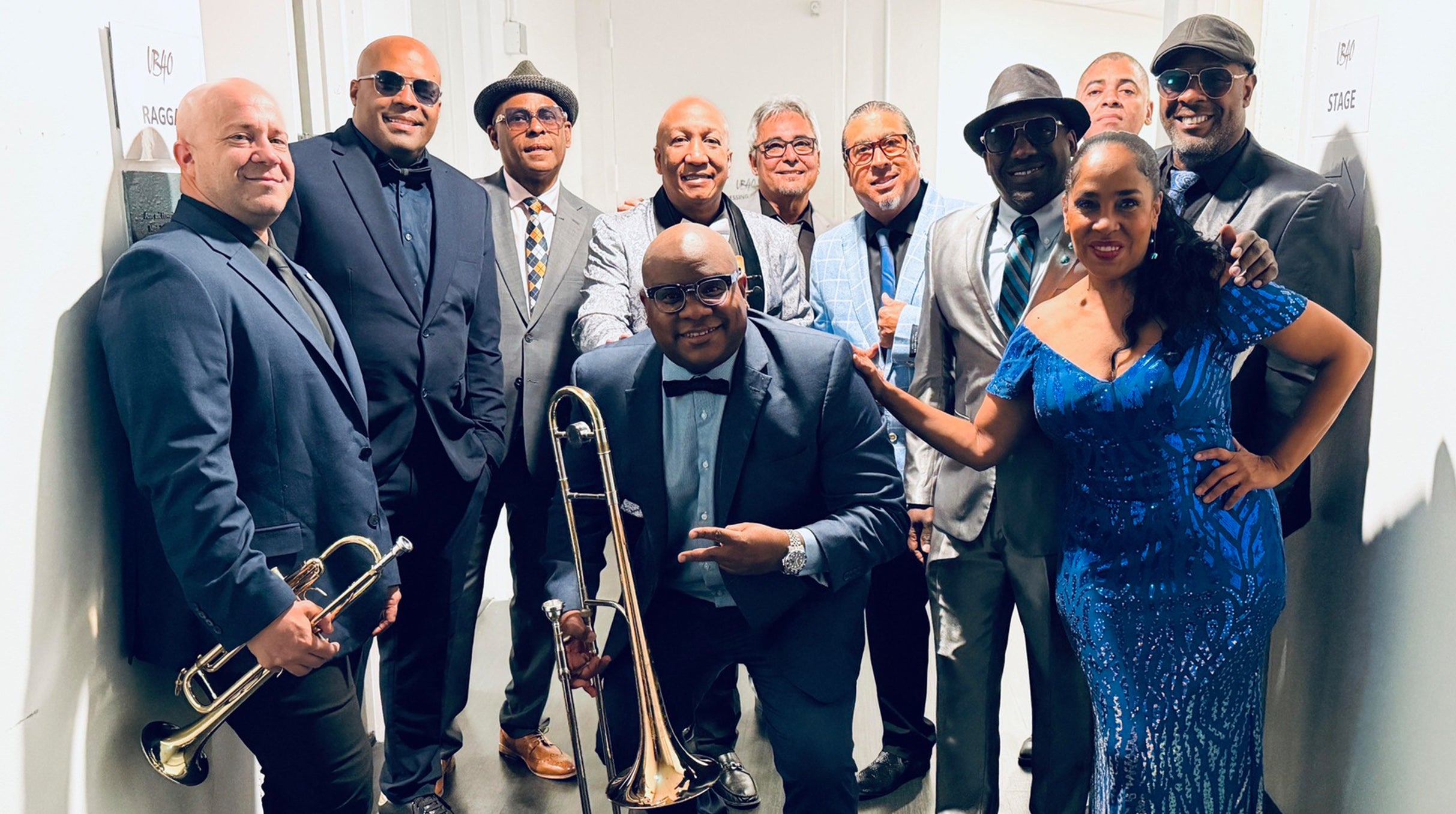
Nov 7, 2026

Nov 6, 2026
Oct 8, 2026
Sep 24, 2026
Riverside's dining scene is shaped by its cultural geography: a majority-Latino city in the heart of the Inland Empire, with deep roots in California's agricultural history and a growing appetite for culinary ambition beyond its historic comfort zone. The result is a food culture that is genuinely diverse, unpretentious, and increasingly creative.
Ontario International Airport (ONT) is the closest commercial airport to Riverside,
located about 20 miles west of downtown, with rideshare, rental cars, and a roughly 25-minute drive under normal traffic conditions.
Los Angeles International Airport (LAX) offers more flight options than ONT,
but sits roughly 65 miles west of Riverside, meaning a drive of 60 to 90 minutes depending on traffic, so factor that into your arrival plans.
The I-10 freeway east from Los Angeles is the primary driving route into Riverside,
connecting to the I-215 north for a direct approach to downtown, with the full drive from central Los Angeles taking about 60 to 75 minutes outside peak hours.
Metrolink's 91-Perris Valley Line connects Riverside's Downtown Station to Los Angeles Union Station,
with a journey of roughly 75 to 90 minutes, making it a practical car-free option for travelers coming from the LA metro area.
Greyhound and Flixbus both serve Riverside with routes from Los Angeles and other Southern California cities,
offering a budget-friendly alternative to driving, with the Riverside bus terminal located near the downtown core.
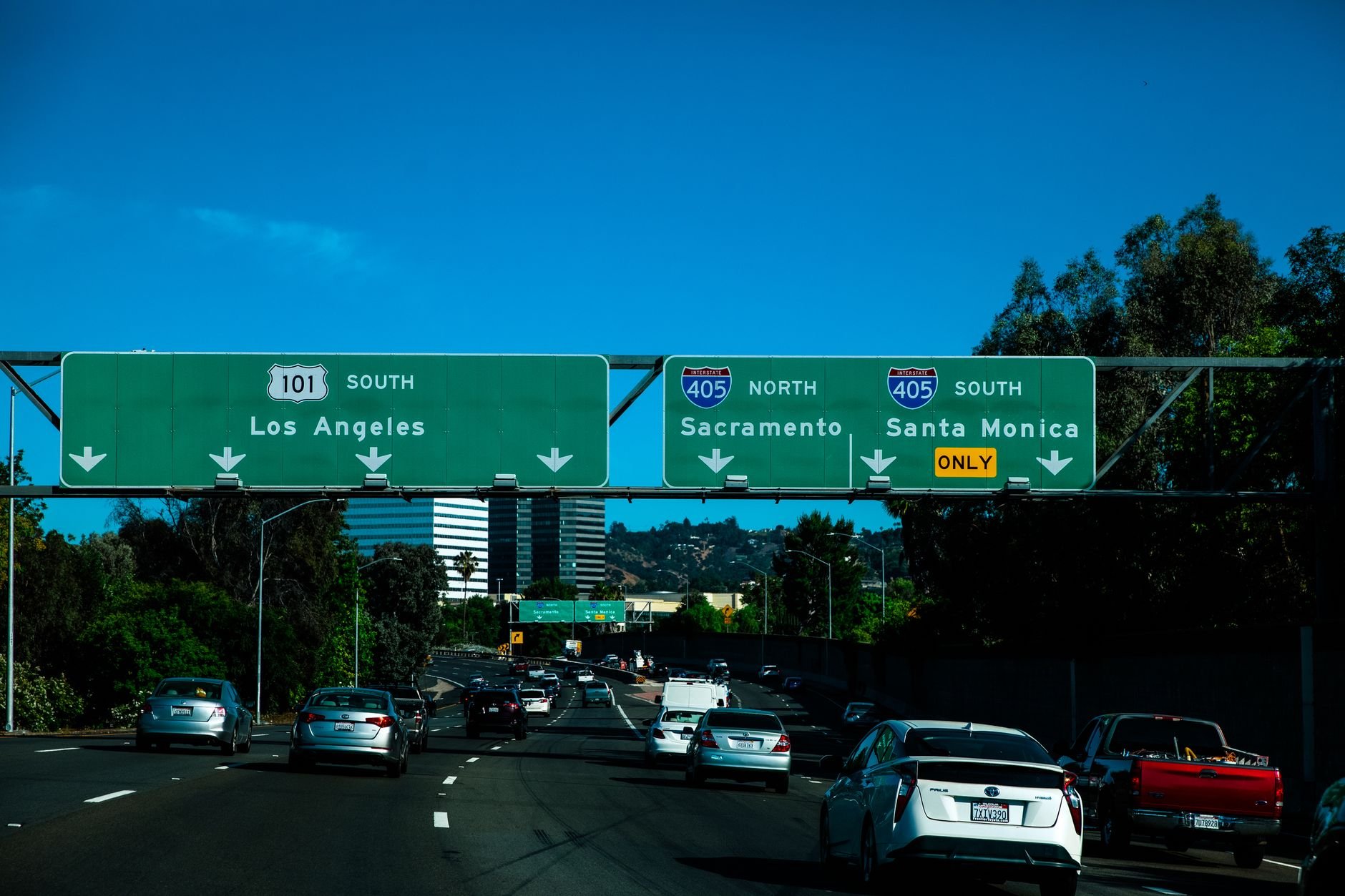
Downtown Riverside's core attractions are clustered within a walkable radius,
so visitors staying near the Mission Inn can reach the Riverside Art Museum, the California Museum of Photography, and the Fox Performing Arts Center entirely on foot.
Rideshare via Uber or Lyft is the most convenient option for evenings out in Riverside,
especially on weekends when street parking near downtown restaurants and the Fox Performing Arts Center fills up well before showtime.
Riverside Transit Agency (RTA) buses cover the city and connect to neighboring Inland Empire communities,
but service frequency is limited on many routes, so visitors relying on public transit should check schedules carefully before planning day trips.
A rental car is the most practical choice for reaching Mount Rubidoux, the UC Riverside campus, and destinations outside the downtown core,
as these areas are spread out and not well served by frequent transit connections.
Book rooms at the Mission Inn well in advance if your visit overlaps with the Festival of Lights, which runs from late November through early January and is one of the most popular events in the Inland Empire. Summers in Riverside are hot, with temperatures regularly exceeding 100 degrees Fahrenheit, so plan outdoor activities like the Mount Rubidoux hike for early morning. The downtown area is generally safe and well-traveled, but as with any city, stay aware of your surroundings after dark in areas away from the main commercial strip. Tipping follows standard California norms: 18 to 20 percent at restaurants and for rideshare drivers. Most downtown businesses accept cards, but carrying a small amount of cash is useful for parking meters and smaller vendors at local markets. The Visit Riverside website and the Journey events page are both reliable sources for checking current exhibitions, performances, and seasonal programming before your trip.
Two to three days is enough to explore Riverside comfortably. One day covers the Mission Inn, downtown architecture, and the Riverside Art Museum. A second day works well for Mount Rubidoux, the California Museum of Photography, and the Fox Performing Arts Center. A third day allows for day trips into the wider Inland Empire or surrounding landscape.
Riverside is best known as the birthplace of California's navel orange industry, which made it one of the wealthiest cities per capita in the United States during the 1870s citrus boom. It is also famous for the Mission Inn Hotel and Spa, a National Historic Landmark blending Mission Revival, Spanish Colonial, and Gothic Revival architecture that has hosted every U.S. president since William Howard Taft.
Yes, Riverside works very well as a weekend trip, especially from Los Angeles or San Diego. Two days is enough to cover the Mission Inn, downtown arts and architecture, and a hike up Mount Rubidoux. The city rewards curious travelers looking for history and culture without the crowds of more heavily touristed Southern California destinations.
Riverside is relatively affordable compared to coastal Southern California cities. Hotels, dining, and attractions tend to be priced lower than Los Angeles or San Diego. The Mission Inn is the notable splurge option for accommodation. Many of the city's top draws - including Mount Rubidoux and downtown architecture - cost nothing to enjoy.
Spring (March to May) and fall (September to November) offer the most comfortable temperatures for exploring Riverside's outdoor sites and downtown. Summers are hot in this inland valley, so early morning activities like the Mount Rubidoux hike are advisable if visiting between June and August.