
Baltimore, MD
A Journey guide to
Sacramento is California's capital and one of the American West's most historically layered cities. Founded at the confluence of the Sacramento and American Rivers, it was the western terminus of the first transcontinental railroad and the epicenter of the Gold Rush era. Today it balances its deep civic identity with a forward-looking energy that draws history buffs, food lovers, outdoor enthusiasts, and urban explorers in equal measure.
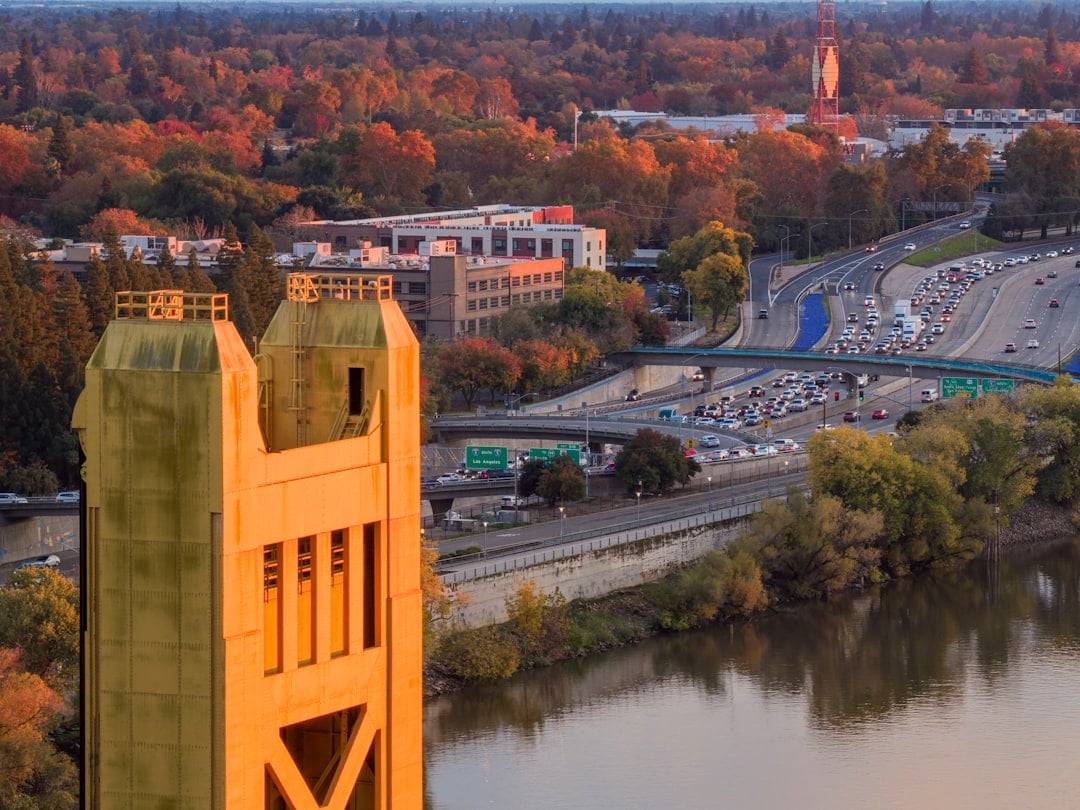
The city has earned a genuine national reputation as America's Farm-to-Fork Capital. Positioned at the heart of the Central Valley, Sacramento is surrounded by some of the most productive agricultural land on the planet. More than 1.5 million acres of farmland within 30 miles of the city supply restaurants, farmers markets, and chefs who treat local sourcing not as a trend but as a way of life. The Saturday Midtown Farmers Market and the Tower Bridge Dinner are beloved local institutions.
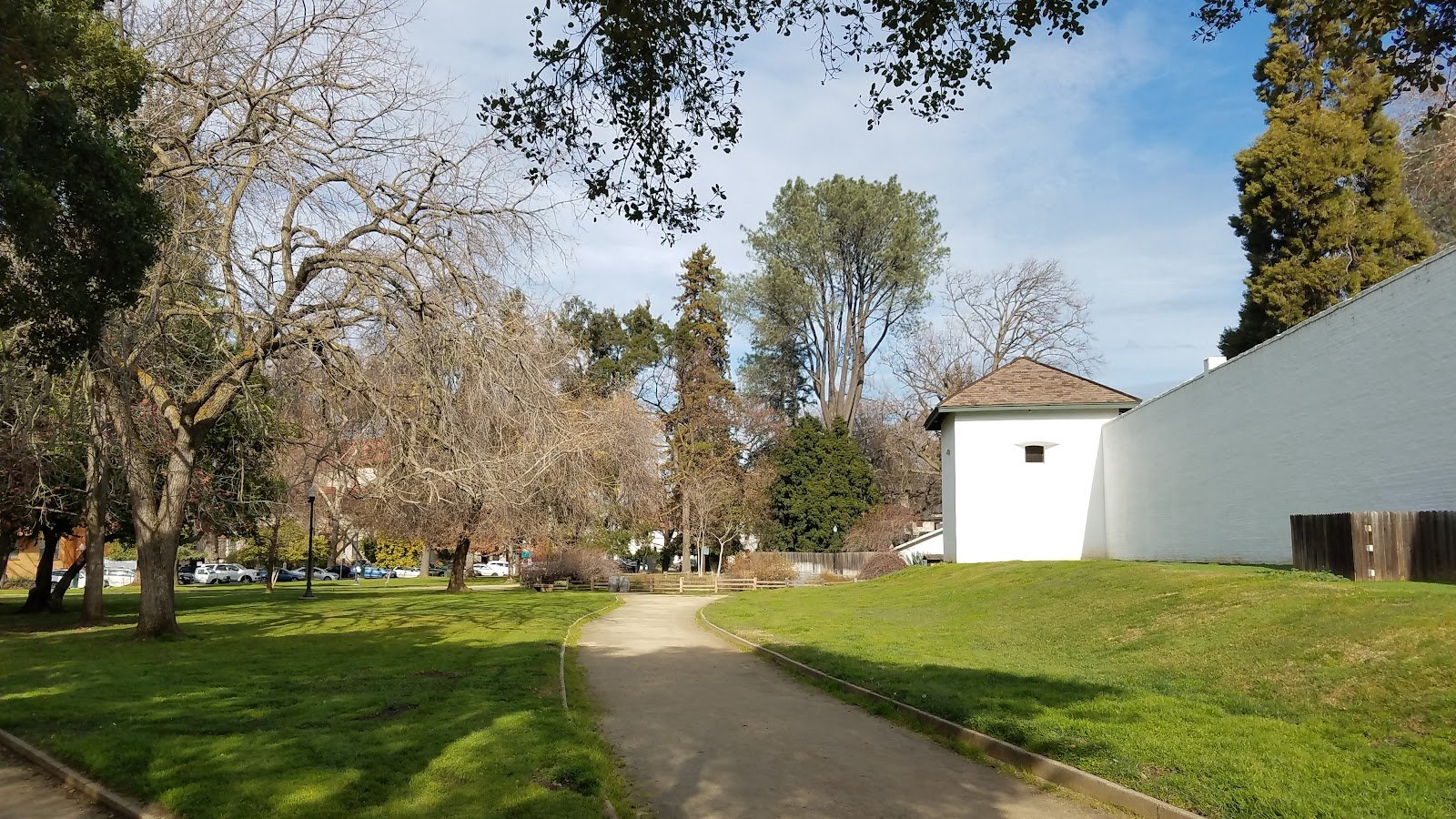
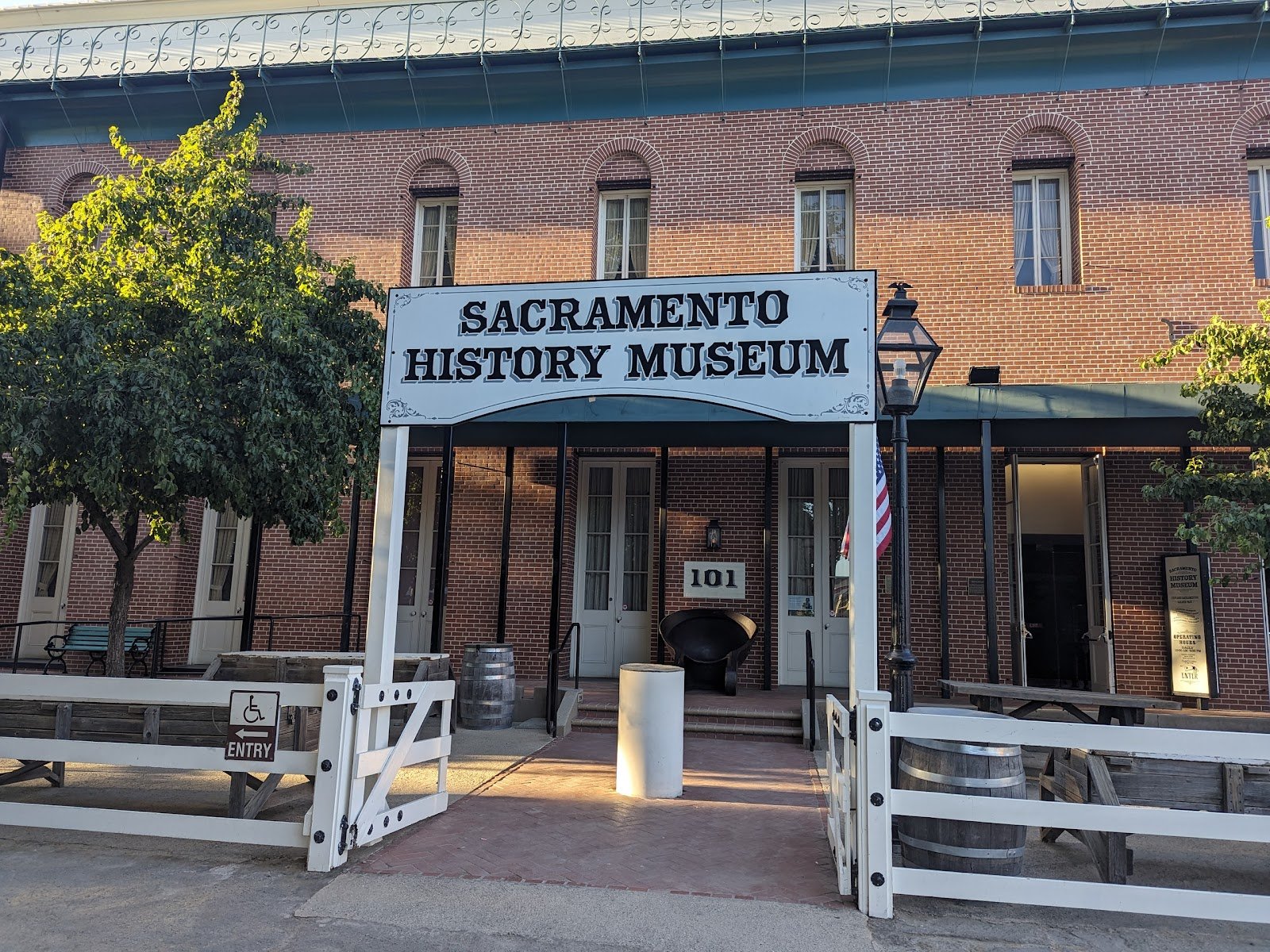
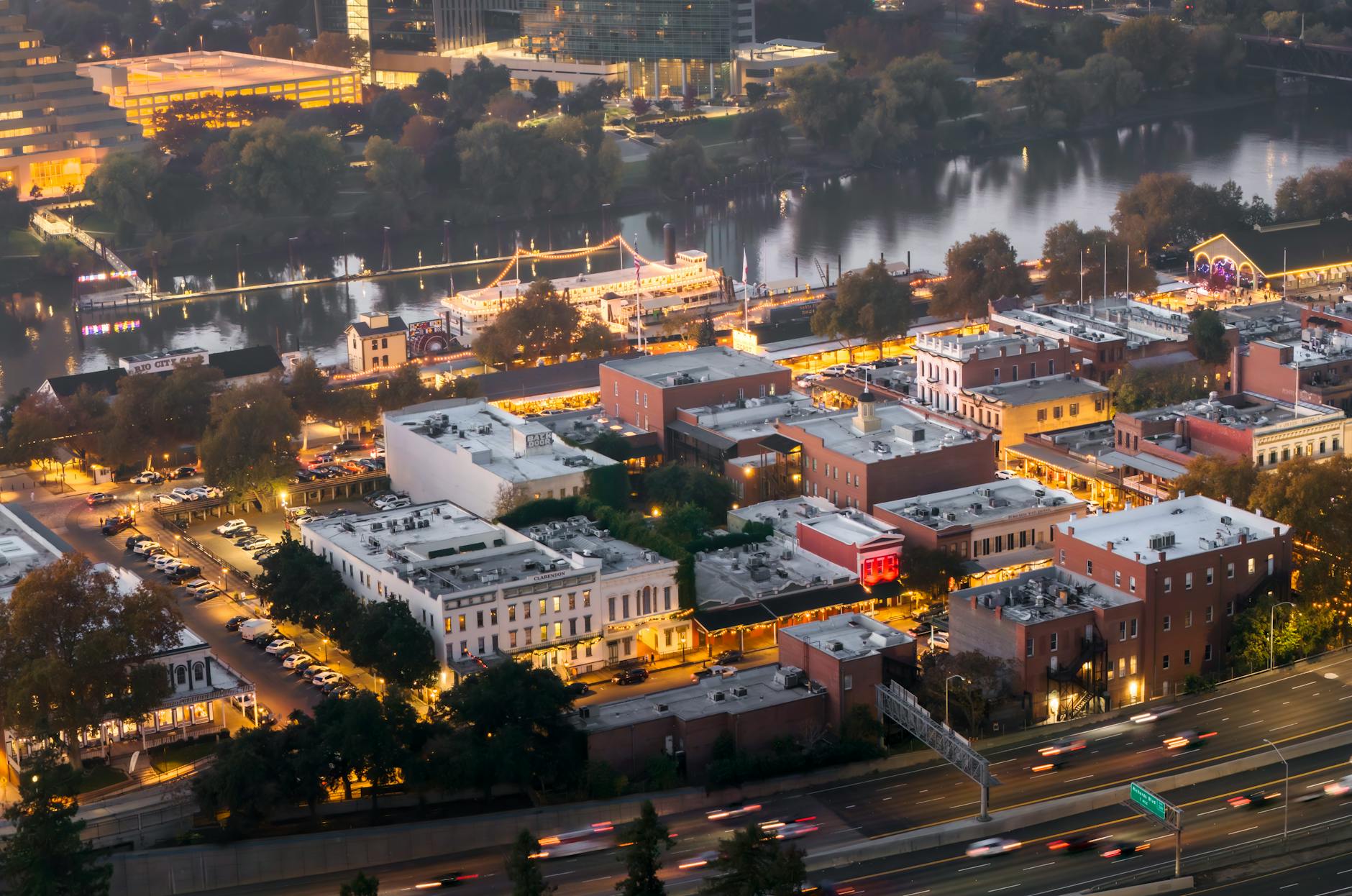
History is woven into the city's fabric in ways that remain tangible and accessible. Old Sacramento Waterfront preserves 28 acres of Gold Rush-era architecture along the Sacramento River, home to the California State Railroad Museum, one of the finest rail museums in North America. Sutter's Fort State Historic Park and the California State Capitol Museum offer additional depth for travelers who want to understand how Sacramento shaped the American West.
Sacramento attracts a diverse traveler profile. Culture seekers are drawn to the Crocker Art Museum, the oldest public art museum in the West. Outdoor enthusiasts find world-class cycling on the American River Parkway, kayaking on the Delta, and proximity to the Sierra Nevada. Foodies come for the density of chef-driven restaurants in Midtown and the R Street Corridor. The result is a destination that rewards curiosity and resists easy categorization.

















Journey connects travelers to a curated network of boutique hotels and distinctive residences around the world, all united under one rewards program. Explore handpicked stays for your trip while earning points, unlocking exclusive offers, and receiving rewards across the Journey collection.
Sacramento sits at the confluence of the Sacramento and American Rivers in California's vast Central Valley, roughly 90 miles northeast of San Francisco and 385 miles north of Los Angeles. At an elevation of just 30 feet above sea level, the city occupies flat, fertile valley floor land flanked by the Coast Ranges to the west and the Sierra Nevada to the east. That geographic position, sandwiched between mountains and ocean-influenced air, defines the agricultural richness that has shaped Sacramento's identity for two centuries.
The city was founded in 1848 by John Sutter Jr., and its rise was meteoric. The discovery of gold at Sutter's Mill in Coloma, just 50 miles to the northeast, transformed a modest trading post into a boomtown almost overnight. By 1854 Sacramento was California's permanent state capital, cementing its political role even as the Gold Rush faded. The completion of the First Transcontinental Railroad in 1869, with Sacramento as its western anchor, reinforced the city's position as the commercial and logistical hub of Northern California.
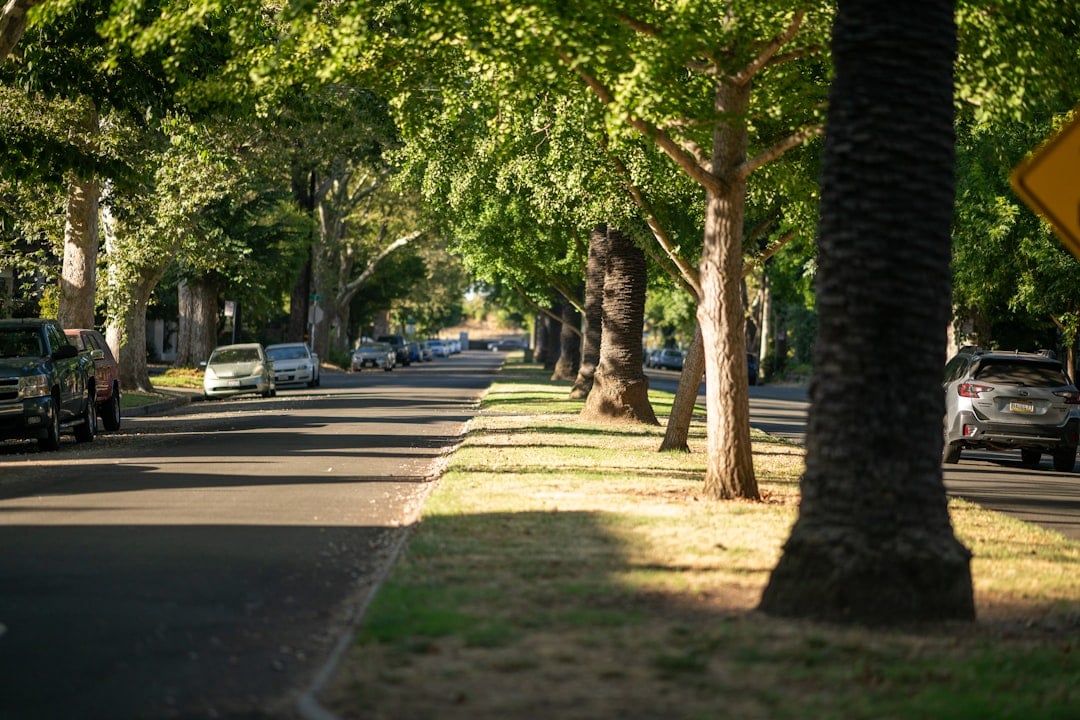
Culturally, Sacramento occupies a distinct space in California's identity. It is neither the creative capital of Los Angeles nor the tech capital of San Francisco, but something more grounded and self-assured. The city has a strong sense of civic pride rooted in its working-class and agricultural heritage, and that authenticity permeates everything from its restaurant culture to its neighborhoods. Midtown Sacramento, with its grid of tree-lined streets, Victorian homes, independent shops, and restaurant density, is one of the most walkable and livable urban districts in the state.
The travel atmosphere in Sacramento is notably unhurried compared to California's coastal metros. Visitors find a city that is confident without being performative, where local institutions are genuinely local, and where the pace allows for real engagement with history, food, and the natural environment. The Sacramento River and American River Parkway bring nature directly into the urban core, making the city feel larger and more open than its footprint suggests.
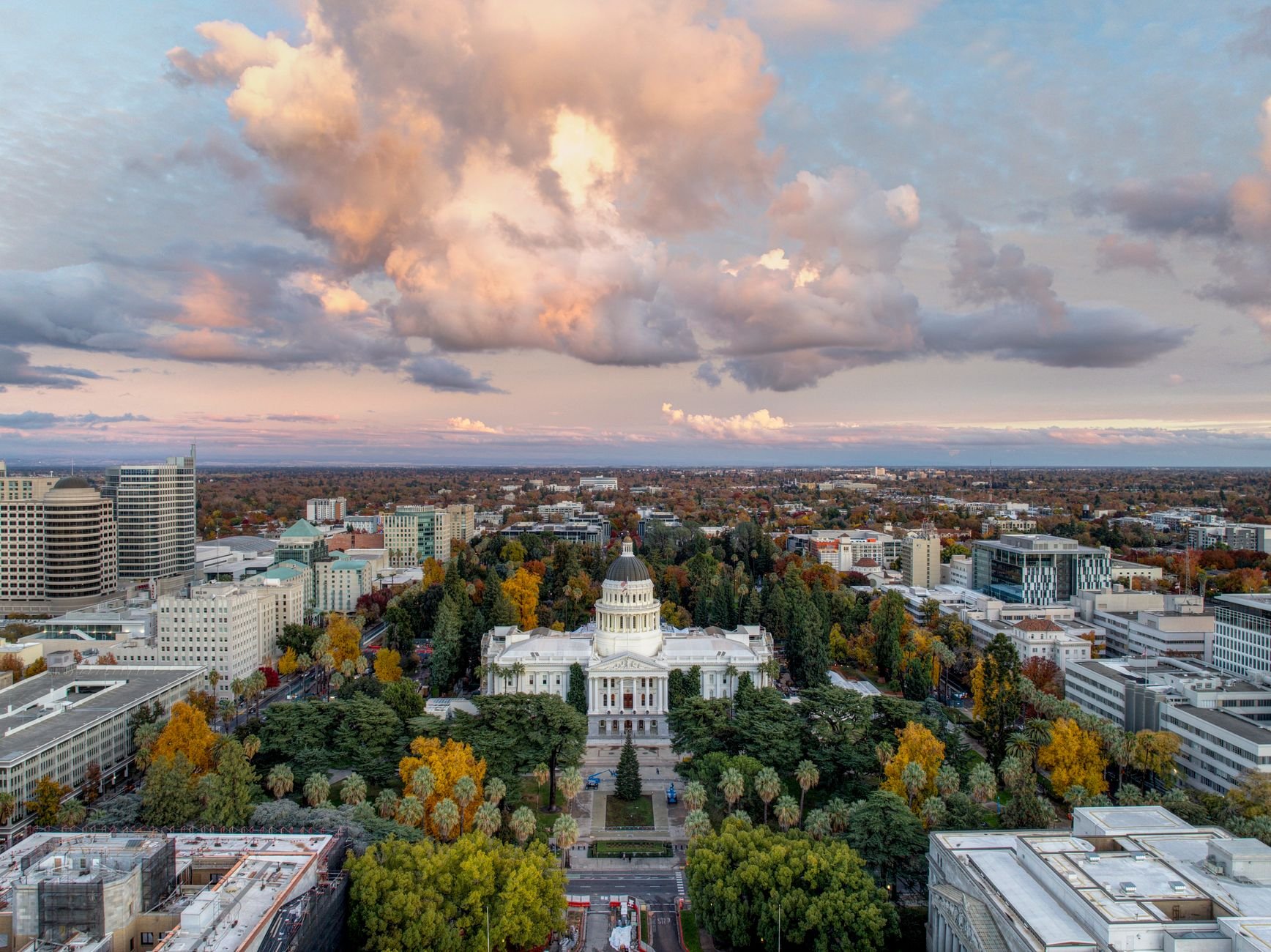
Spring and fall are the strongest windows for visiting Sacramento, and for most travelers, fall edges ahead as the single best time to come. From late September through November, the city's famous tree canopy turns gold and amber, outdoor dining along the R Street Corridor and Midtown is at its most inviting, and the Farm-to-Fork Festival - typically held in September - draws chefs, farmers, and food lovers from across the country. Crowds are moderate, hotel rates are reasonable, and the city is fully alive with cultural programming.
Spring, roughly March through May, is a close second. Capitol Park bursts with camellias and roses, the Saturday Midtown Farmers Market returns to full swing, and the American River Parkway is ideal for cycling and kayaking as the river runs strong with snowmelt. It is a particularly good window for travelers who want to pair Sacramento with a Sierra Nevada excursion before summer traffic builds on mountain roads.
Summer draws visitors despite the heat, largely because of outdoor concerts, Sacramento Republic FC matches, and the sheer energy of a city that embraces its warm evenings. That said, the intensity of the heat can limit midday sightseeing, and it is worth planning indoor anchors - the Crocker Art Museum, the California State Railroad Museum, and Old Sacramento's covered boardwalks - around the hottest hours.
Winter is the quietest and most affordable season. Tule fog can complicate travel logistics, but it also keeps crowds thin at popular sites like Sutter's Fort and the State Capitol. Travelers focused on museums, restaurants, and Gold Rush history will find winter a rewarding and uncrowded time to explore the city at a slower pace.
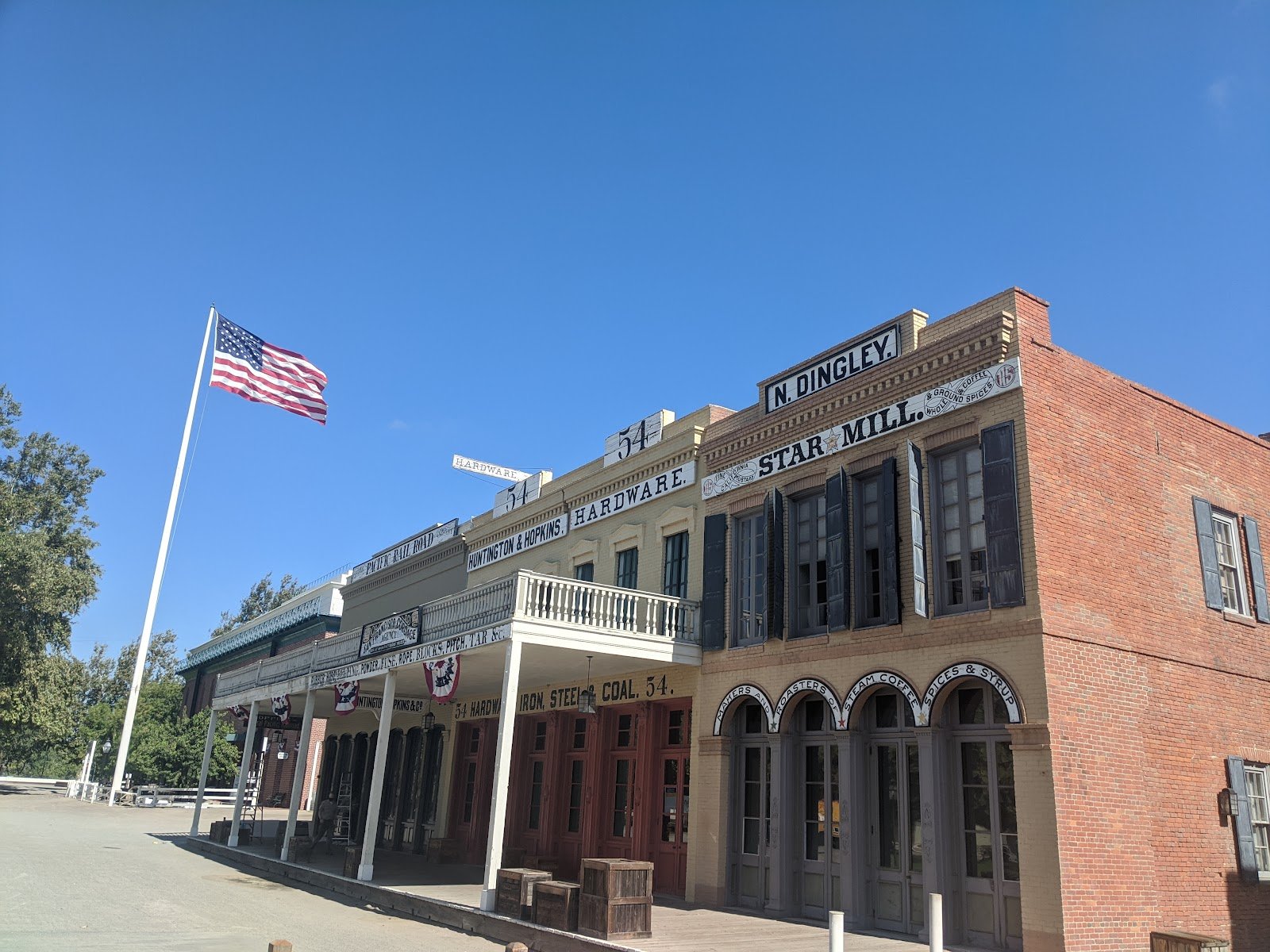
Old Sacramento is a 28-acre National Historic Landmark district along the Sacramento River, preserving Gold Rush-era wooden boardwalks, brick facades, and 19th-century storefronts. It is home to the California State Railroad Museum and a string of riverfront restaurants and shops. The area offers a rare sense of living history that is both accessible and atmospheric.
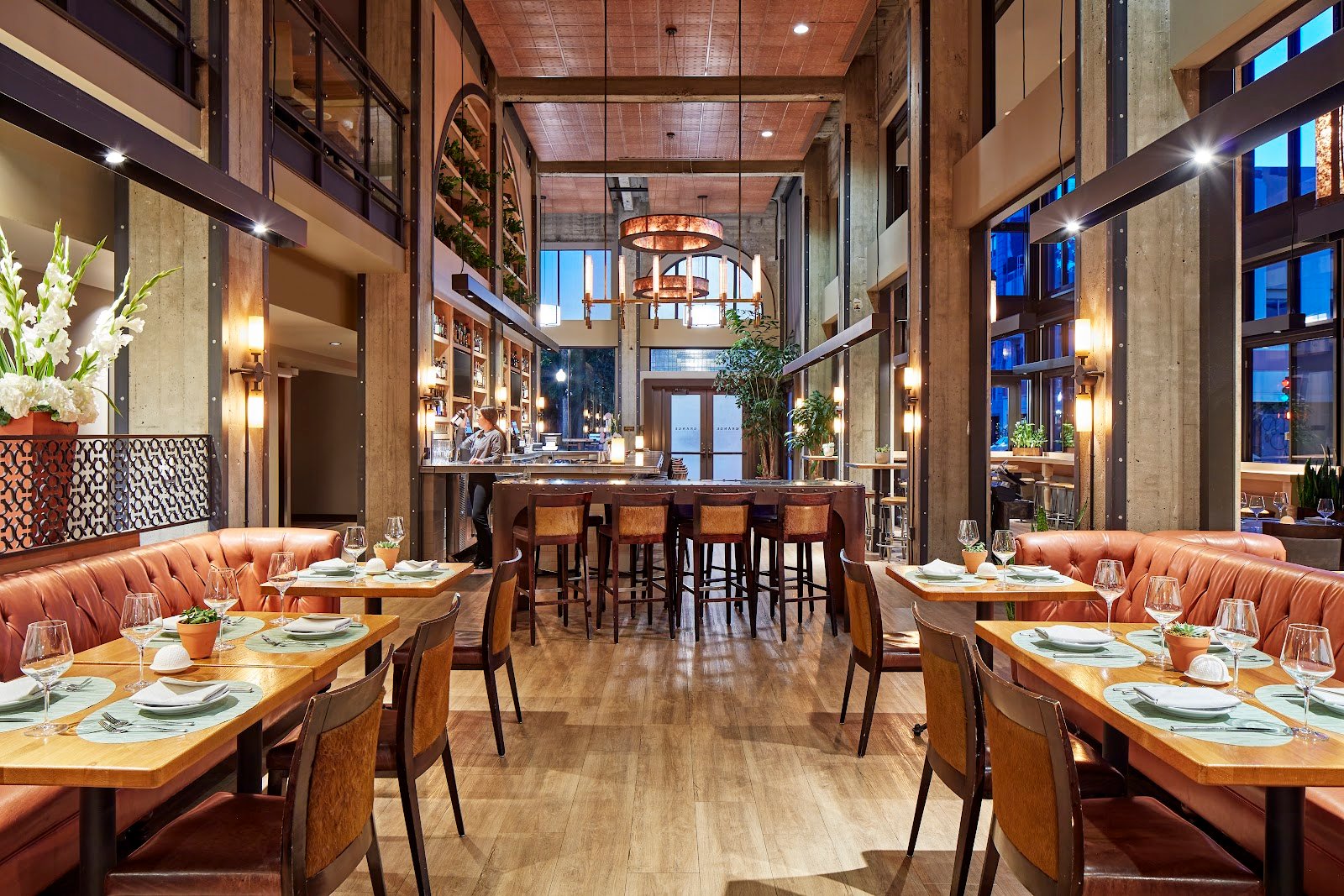
Midtown is the city's creative and social core, a walkable grid of tree-lined streets packed with chef-driven restaurants, independent boutiques, craft cocktail bars, and art galleries. The neighborhood draws a young, eclectic crowd and pulses with energy on weekend evenings. It is widely considered the best area for dining and nightlife in the city.
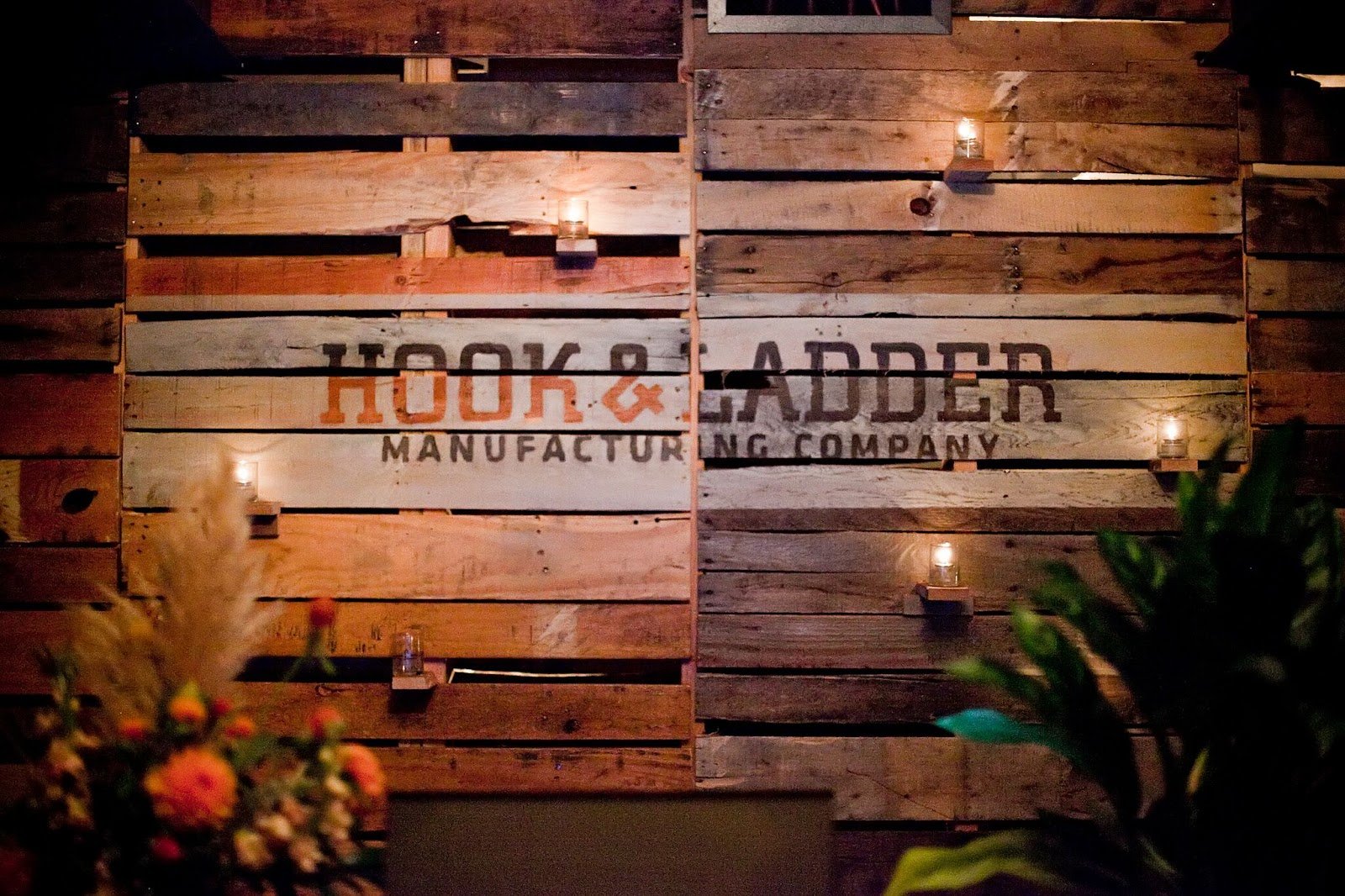
The R Street Corridor is Sacramento's adaptive reuse district, where former rail warehouses and industrial buildings have been converted into breweries, galleries, event spaces, and farm-to-fork restaurants. The brick-and-iron aesthetic gives the district a gritty, creative character that sets it apart from the rest of downtown. It is a hub for the city's arts and craft beverage scenes.
East Sacramento is a quiet, affluent residential neighborhood known for its Craftsman bungalows, elm-shaded streets, and the beloved Fab 40s historic district. The area centers on Folsom Boulevard and McKinley Park, offering a relaxed, neighborhood-scale experience away from downtown bustle. It appeals to travelers looking for a slower pace and a glimpse of Sacramento's residential character.
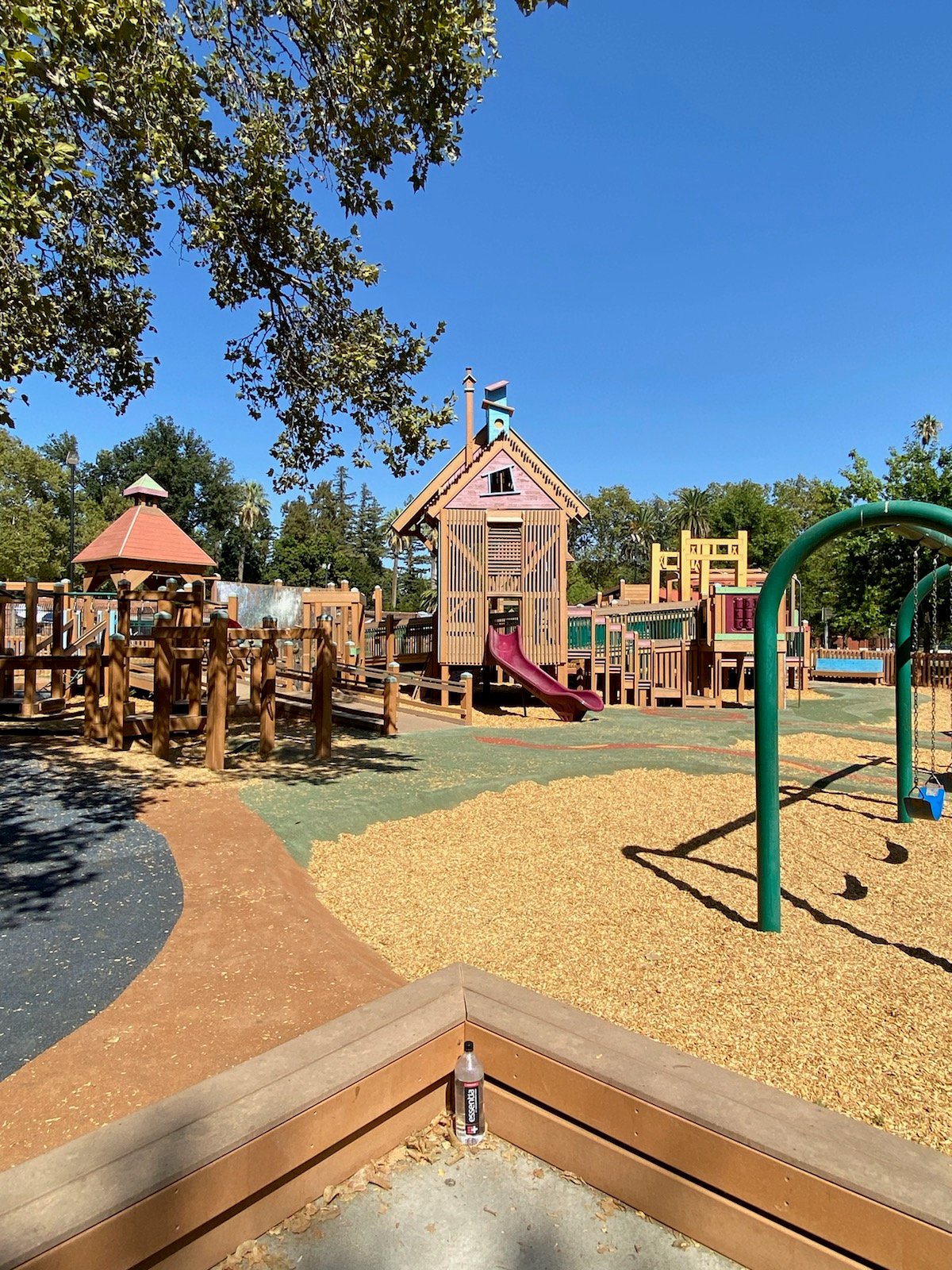
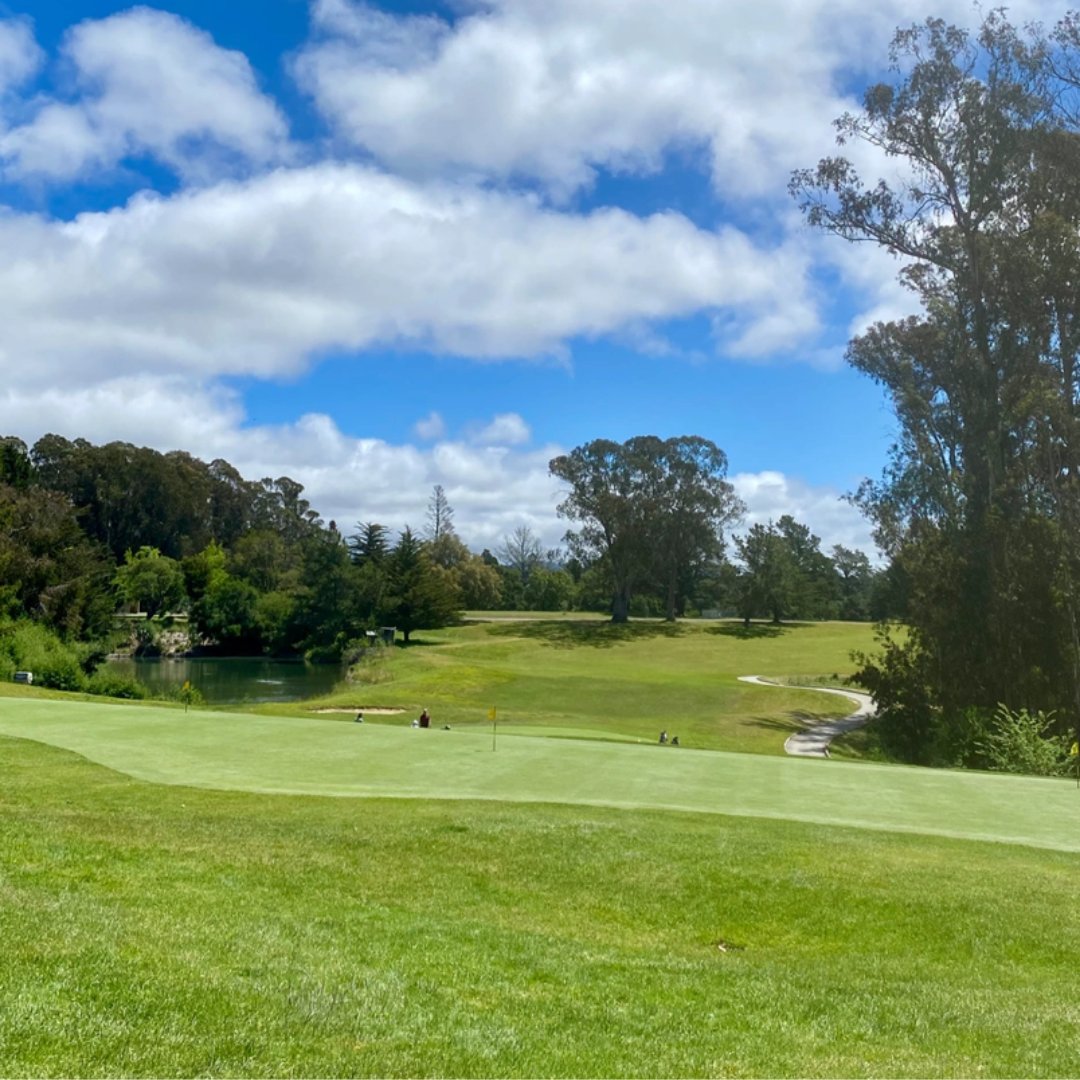
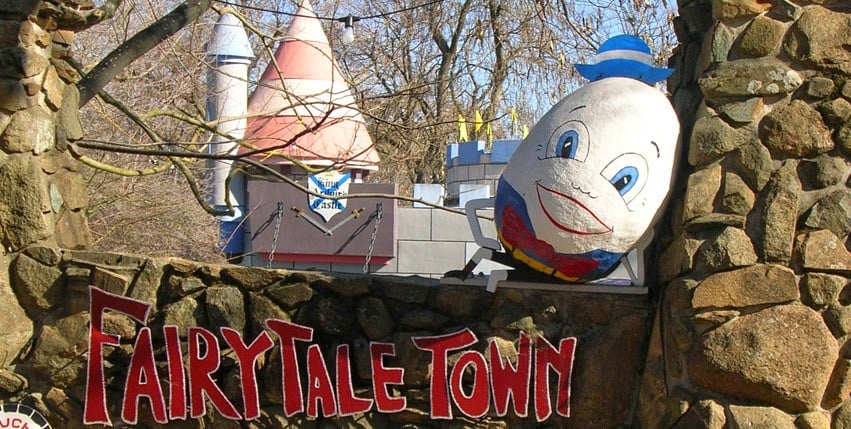
Land Park is a family-friendly neighborhood anchored by William Land Park, which contains the Sacramento Zoo, Fairytale Town, and a public golf course. The surrounding streets are lined with Tudor and Spanish Colonial Revival homes and a handful of local cafes and eateries. It offers a relaxed, green alternative to the denser urban neighborhoods to the north.
Sacramento's signature experiences are rooted in three things that no other American city can replicate in quite the same way: its Gold Rush legacy, its role as America's Farm-to-Fork Capital, and its position at the heart of California's political and civic life.
Farm-to-Fork Dining
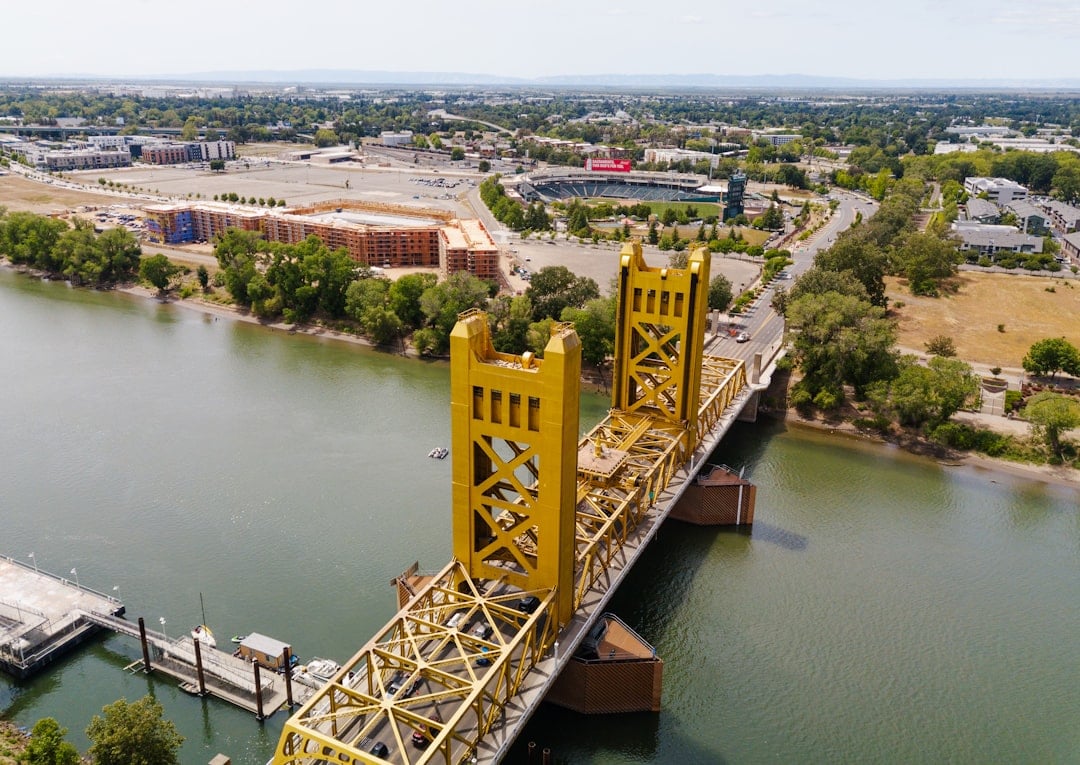
More than a marketing slogan, Sacramento's farm-to-fork identity is a genuine expression of its geography. The city sits within 30 miles of over 1.5 million acres of farmland, and its chefs have built careers around that proximity. The annual Tower Bridge Dinner, held on the iconic bridge spanning the Sacramento River, is one of the most celebrated culinary events in California. The Saturday Midtown Farmers Market draws locals and visitors alike into a weekly ritual of seasonal eating that defines life in the city.
Old Sacramento and Gold Rush History
Old Sacramento Waterfront preserves 28 acres of 19th-century architecture along the Sacramento River. The California State Railroad Museum, housed here, is widely considered one of the finest rail museums in North America. The Underground Tours take visitors beneath street level to explore the original city buried during flood-control efforts in the 1860s. Scavenger Hunt Walking Tours offer an interactive way to uncover the neighborhood's layered stories.
The Sacramento River and Delta
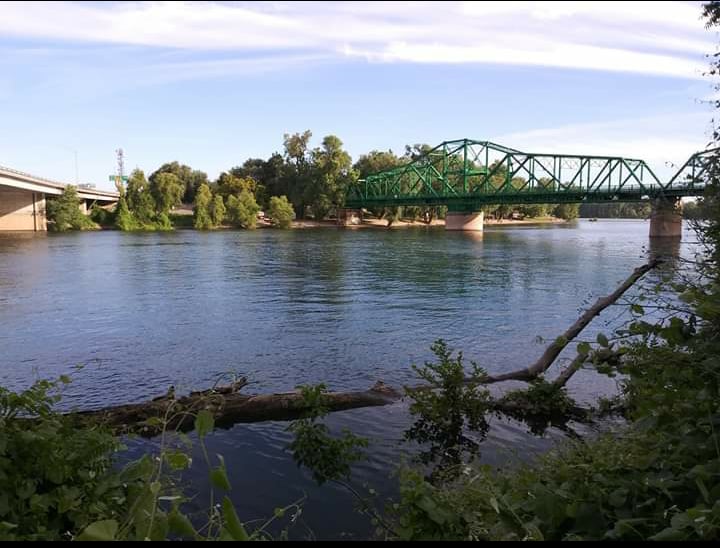
The confluence of the Sacramento and American Rivers is the geographic and historical heart of the city. Kayaking and paddling the Delta waterways, watching migratory birds at the Cosumnes River Preserve, and cycling the American River Parkway are experiences that connect visitors directly to the landscape that made Sacramento possible.
California's Political Heart
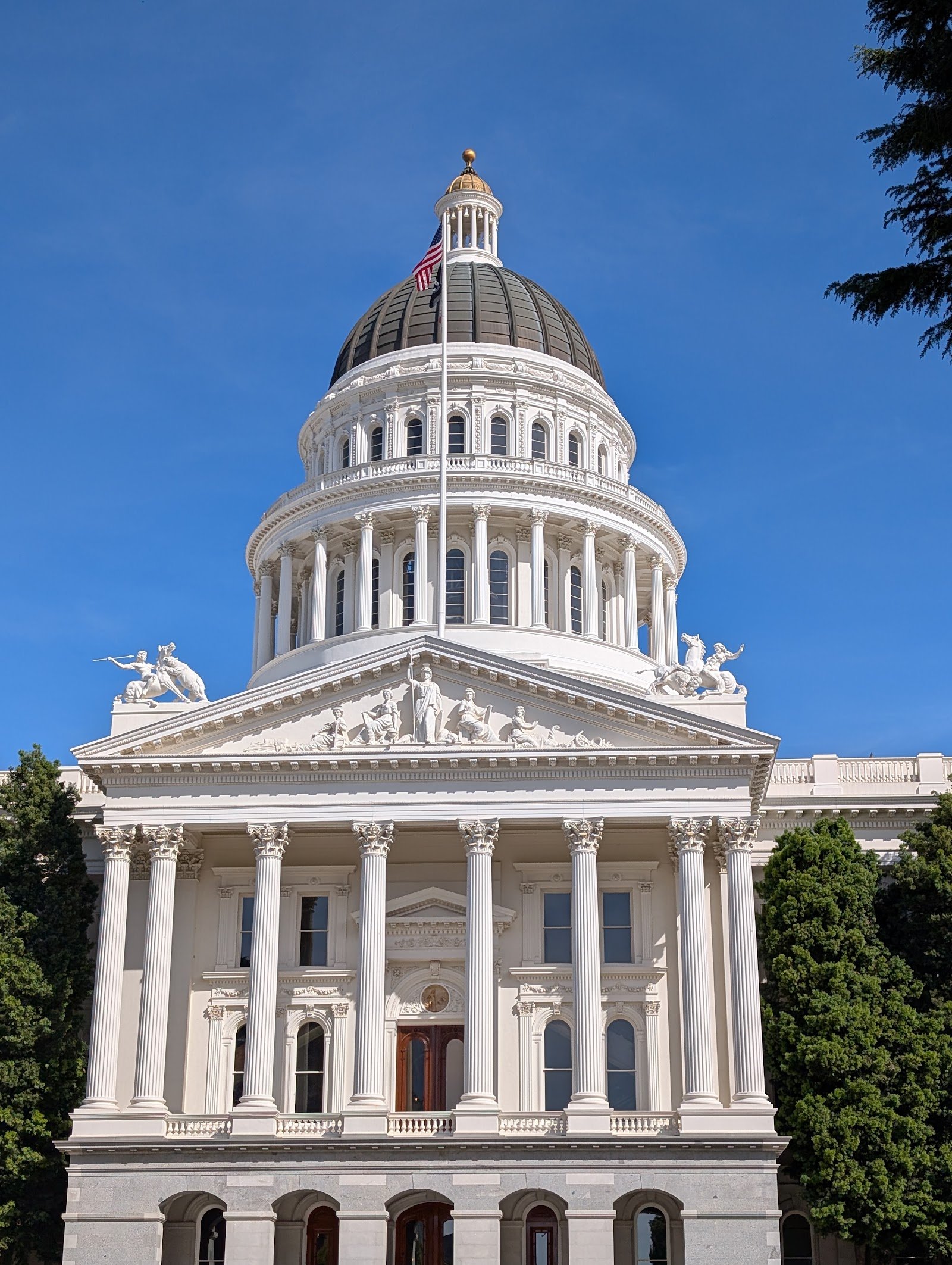
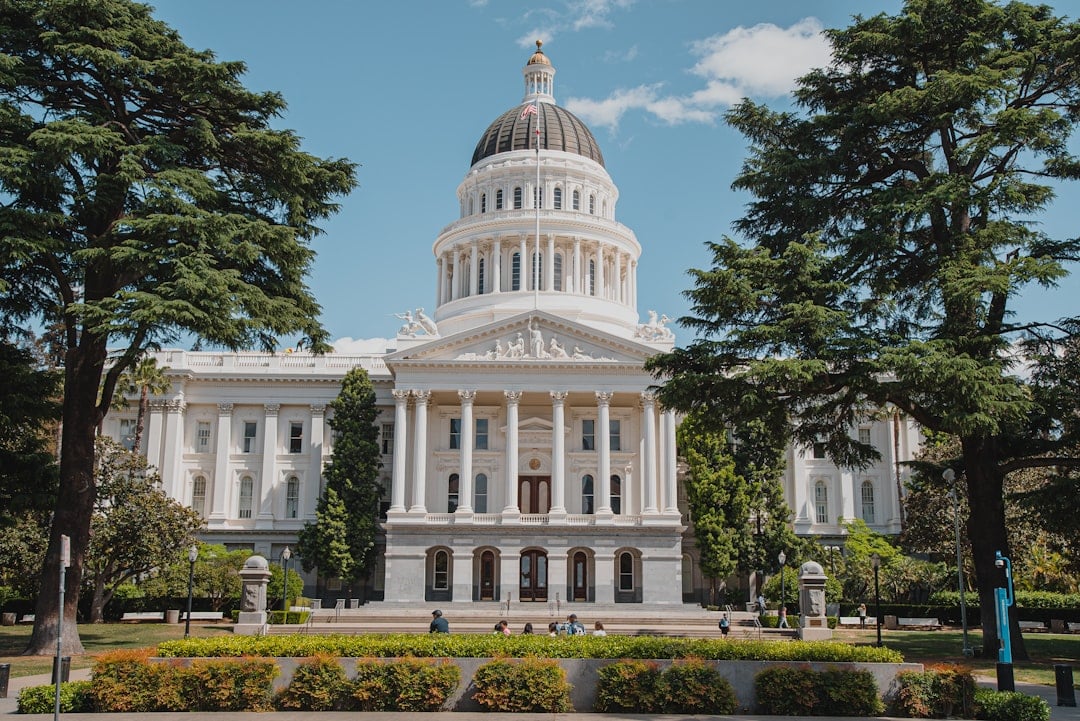
The California State Capitol is a working seat of government and a beautifully restored landmark. Walking its grounds and halls connects visitors to the ongoing story of the most populous state in the nation, a living civics lesson unlike anything else in the West.
Sacramento offers a wide range of activities that reflect its unique position as a historic capital city surrounded by fertile farmland, open waterways, and natural landscapes.
Outdoor Recreation
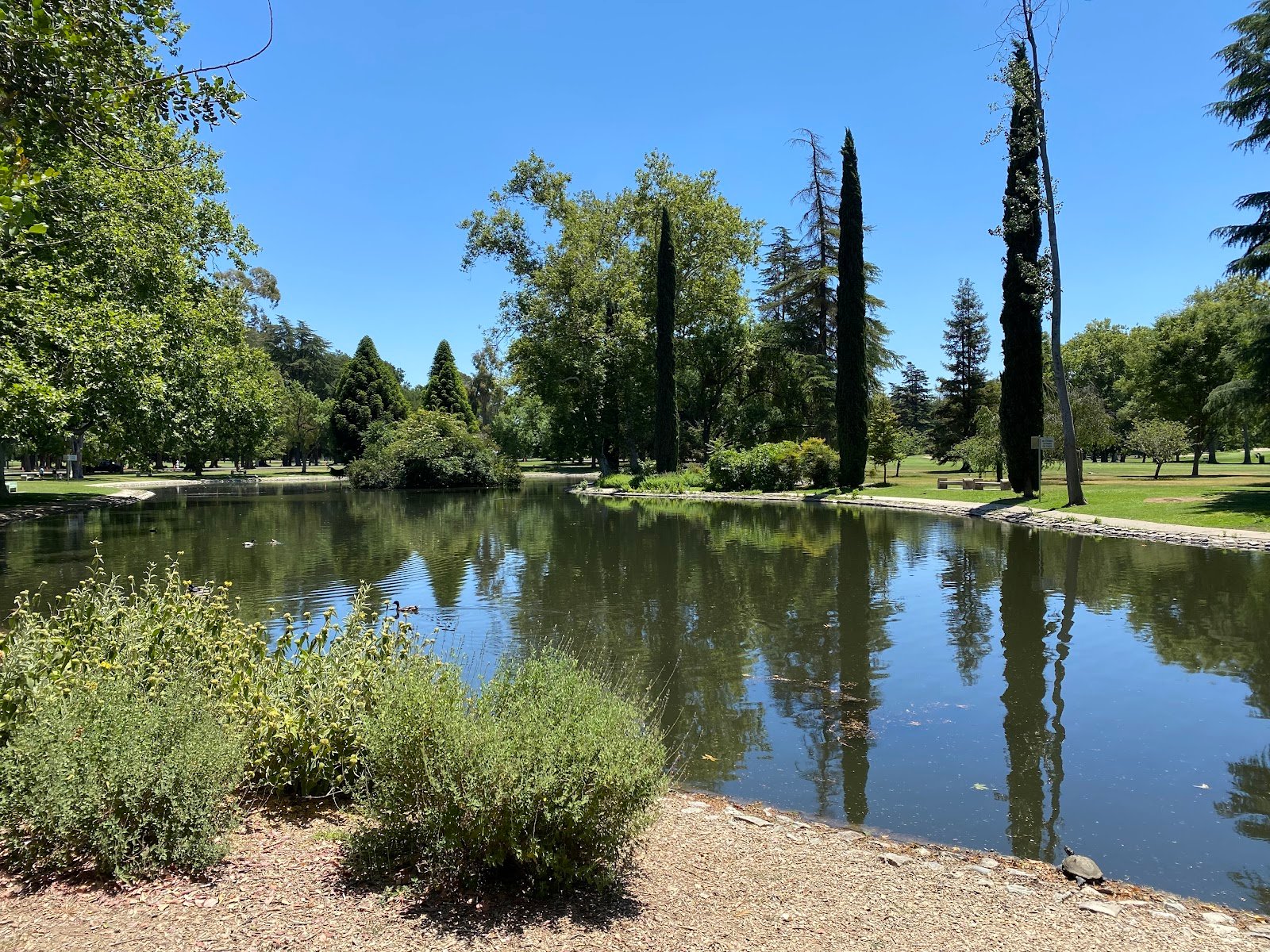
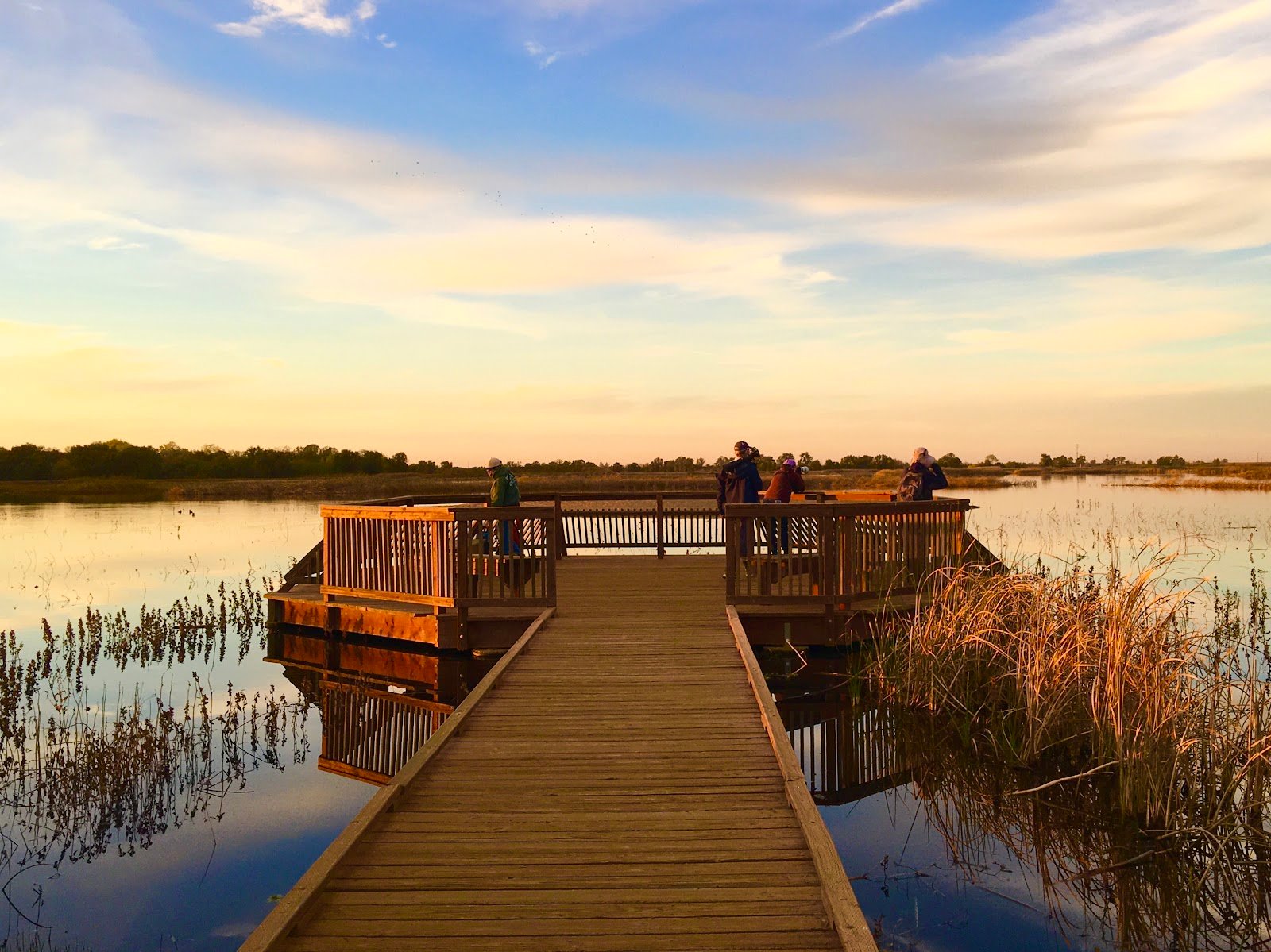
The American River Parkway is one of the longest urban parkways in the United States, stretching more than 30 miles and offering world-class cycling, jogging, and kayaking. Discovery Park sits at the confluence of the Sacramento and American Rivers, making it a popular launch point for paddlers and picnickers. McKinley Park and William Land Regional Park provide green escapes within the city, while the Cosumnes River Preserve south of the city is a premier destination for birdwatching and wildlife observation.
Cultural Attractions and History
Sacramento's Gold Rush and railroad heritage is preserved throughout the city. Sutter's Fort State Historic Park brings the 1840s to life through living history demonstrations. The California State Capitol Park anchors the city's civic core and is open to visitors year-round. Old Sacramento's Underground Tours reveal the buried street level of the original city, a fascinating window into 19th-century urban history.
Arts and Entertainment
The Crocker Art Museum anchors a thriving arts scene that extends into Midtown galleries, live music venues, and the performing arts. Fairytale Town and the Sacramento Zoo make William Land Park a family-friendly hub. For something more offbeat, Enchambered offers immersive escape room experiences, and Underground Mini Golf combines the city's subterranean history with family fun.
Scenic Exploration
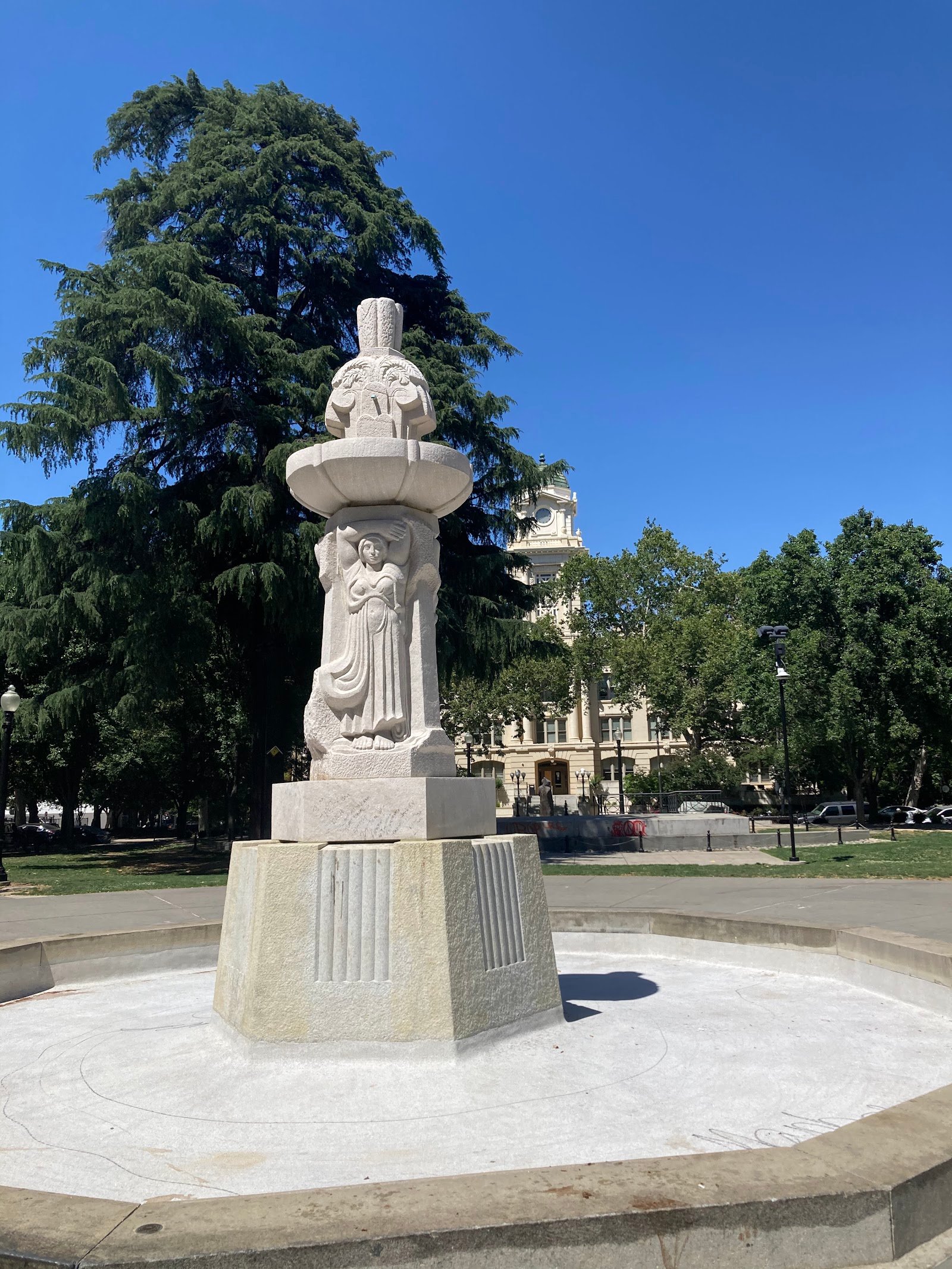
The city's rose gardens are a quieter pleasure. McKinley Rose Garden and the State Capitol Park World Peace Rose Garden bloom brilliantly in spring and early summer. César Chávez Plaza serves as a lively civic gathering space in the heart of downtown.
Food and Dining
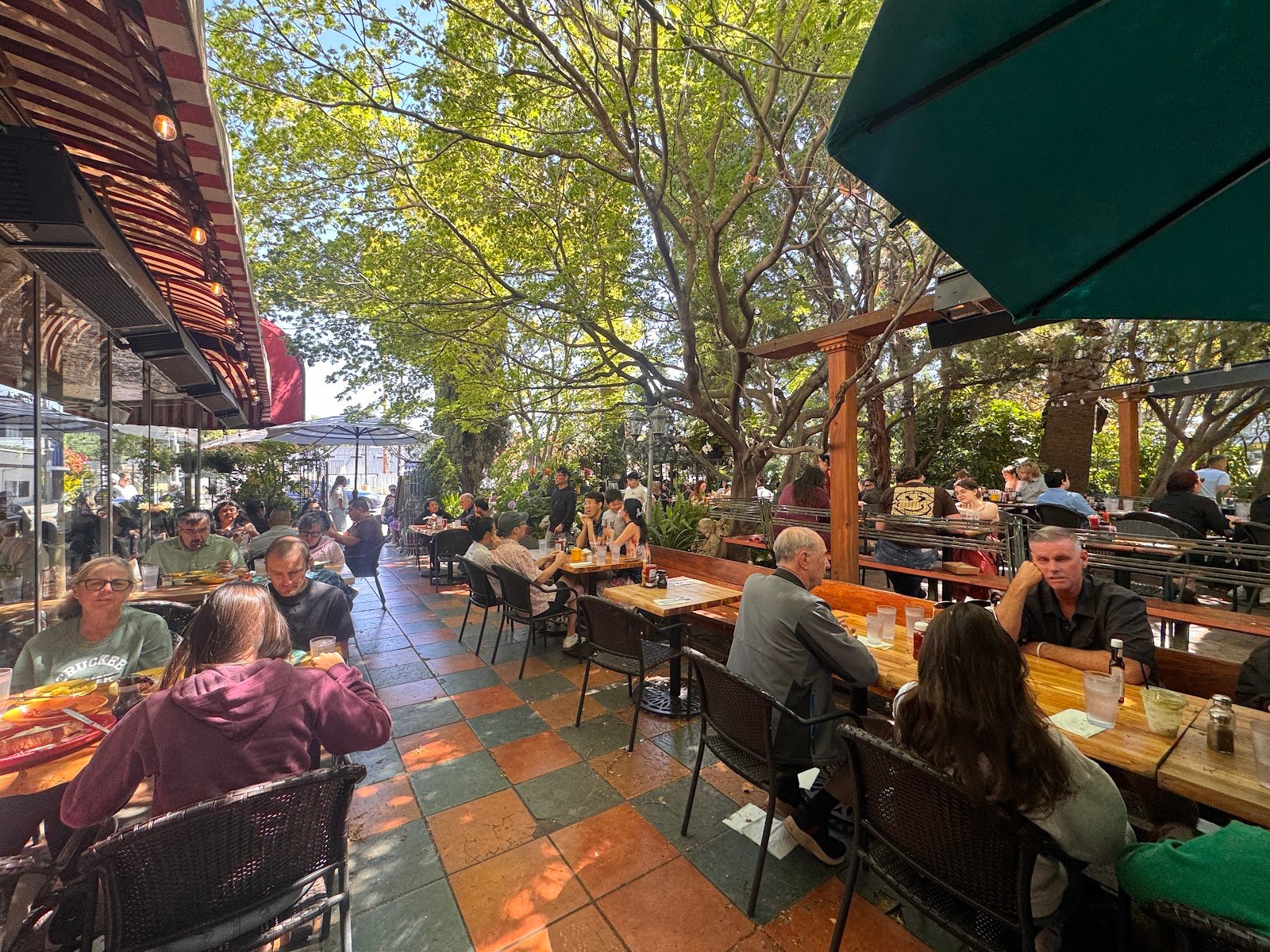
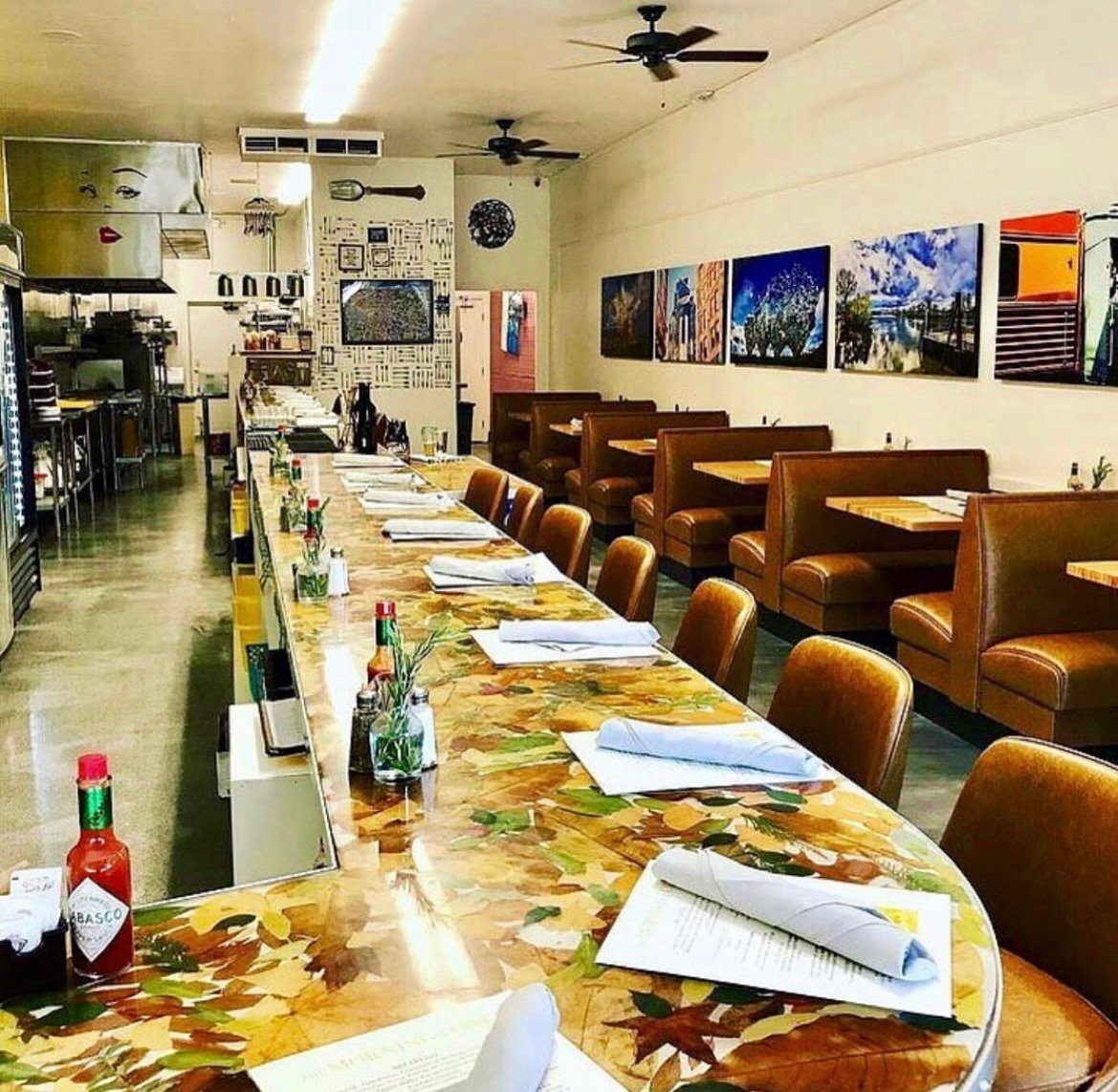
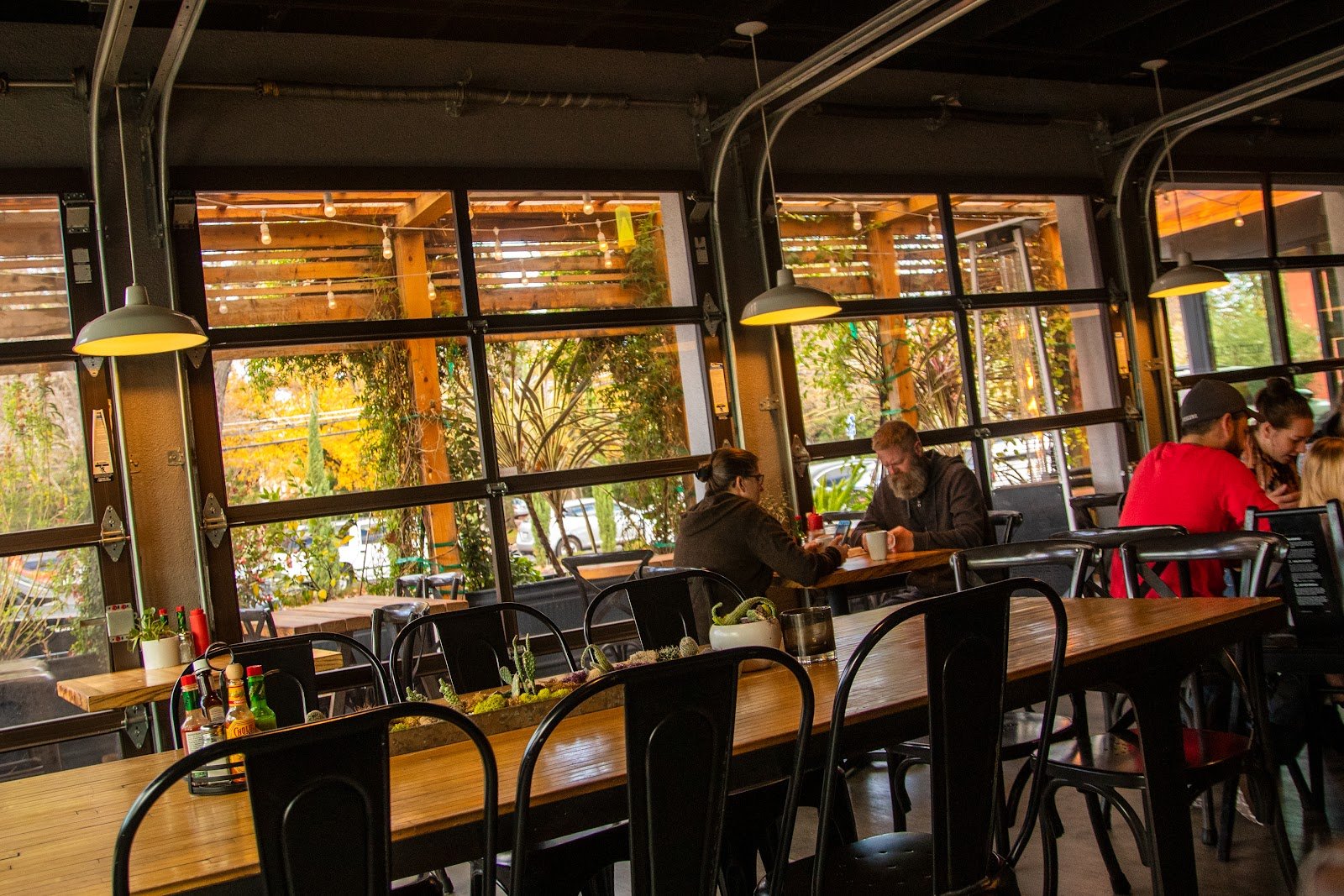
Sacramento's Farm-to-Fork identity drives a restaurant scene that punches well above its weight. From chef-driven neighborhood spots in Midtown to casual brunch institutions, the city rewards curious eaters at every price point.
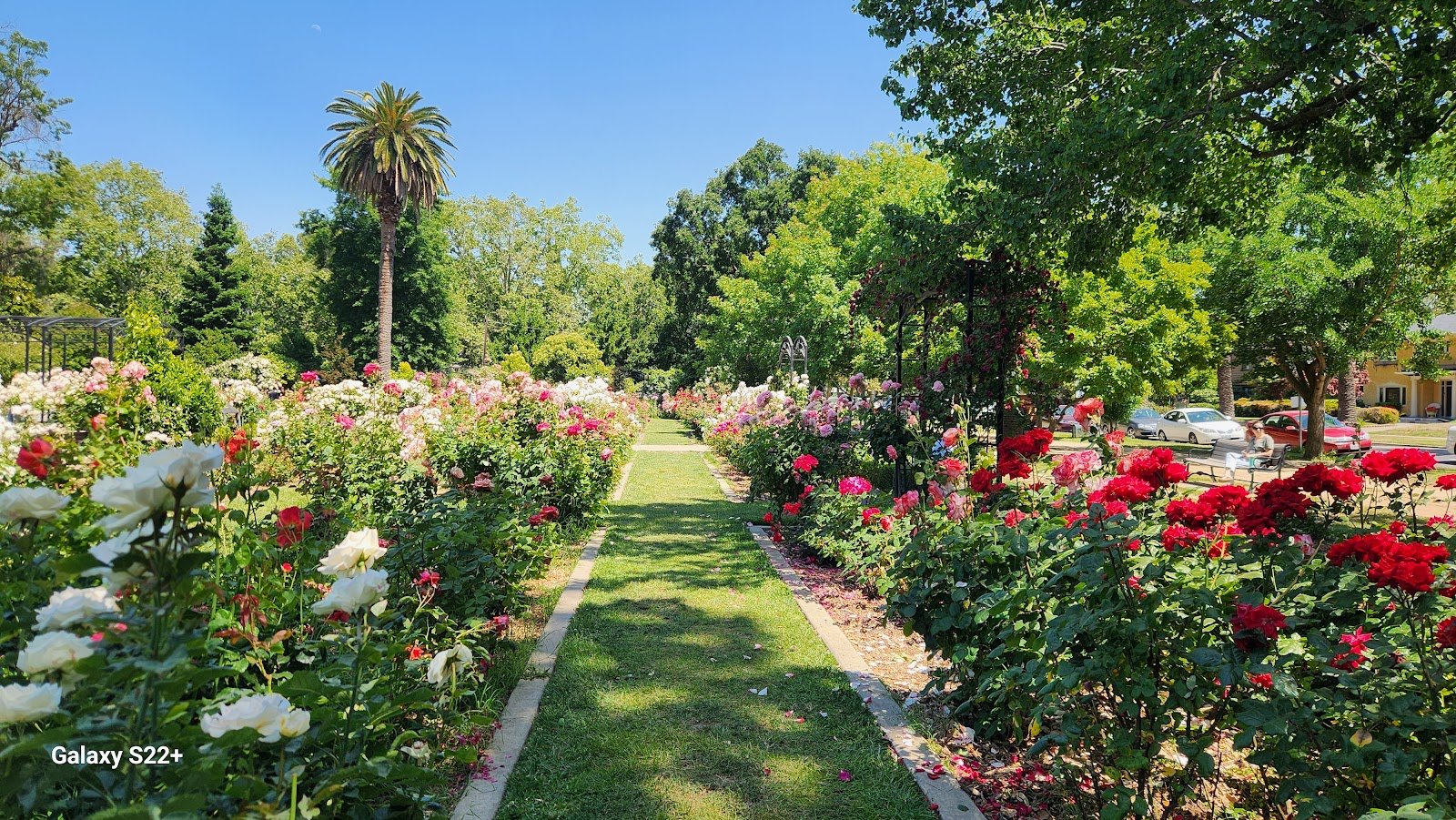
McKinley Rose Garden Tranquil spot, available for weddings & events, featuring 1,200+ rose bushes, paths & benches.
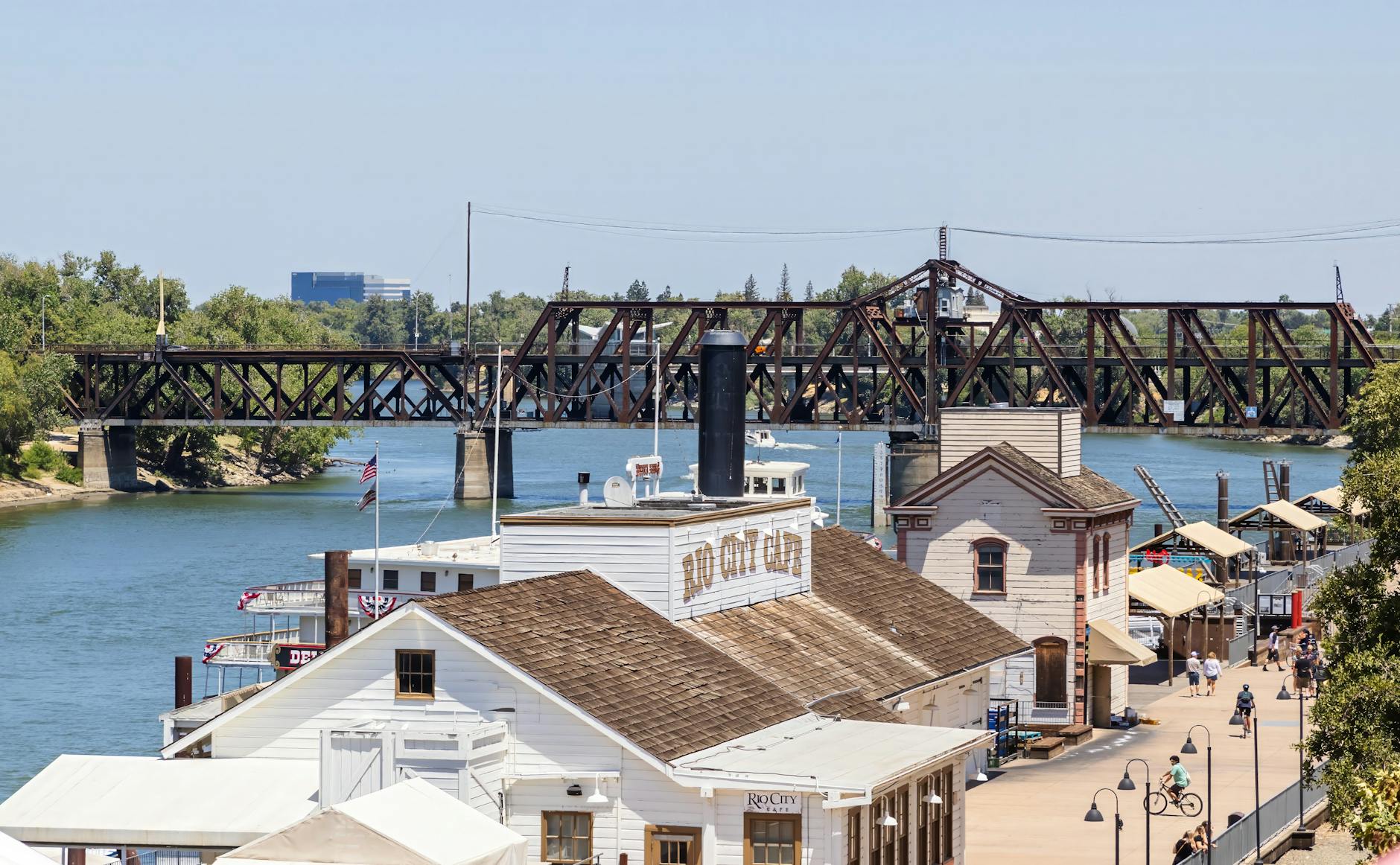
Start the morning at Old Sacramento Waterfront, exploring Gold Rush-era storefronts and the world-class California State Railroad Museum. Grab lunch at a riverside cafe, then head to Sutter's Fort State Historic Park for a deep dive into early California history. In the evening, stroll to the R Street Corridor for craft cocktails and dinner at one of the neighborhood's chef-driven restaurants.
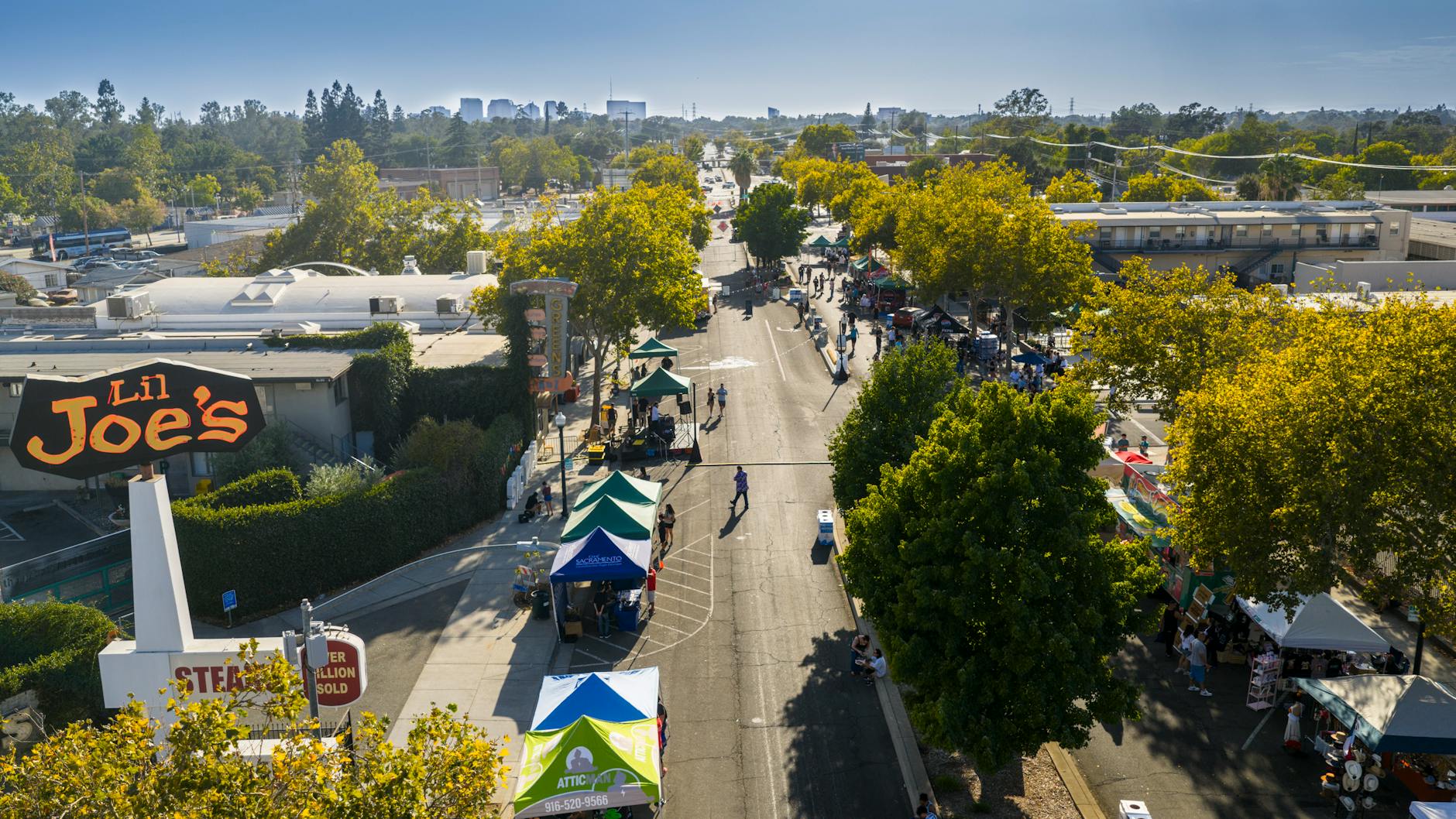
Spend the morning at the Saturday Midtown Farmers Market, sampling seasonal produce and local goods from Central Valley farms. Afterward, walk to the Crocker Art Museum for a few hours among its impressive collection. In the afternoon, visit the California State Capitol Museum and its surrounding park. End the evening with dinner in Midtown, Sacramento's most vibrant dining and nightlife neighborhood.
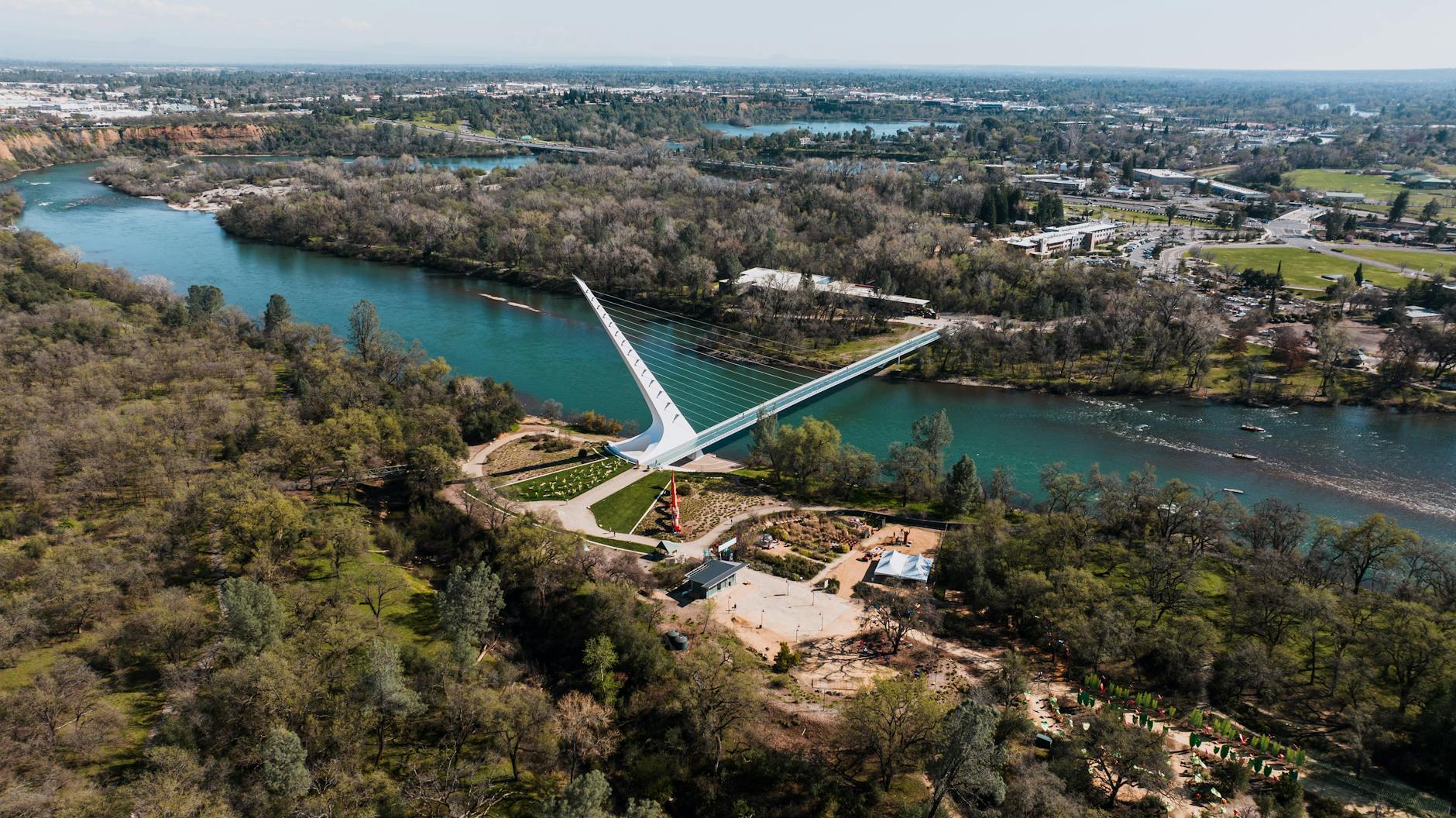
Head out early for a morning bike ride or walk along the American River Parkway, one of the longest urban river trails in the country. Return to the city for a farm-to-fork brunch at a local Midtown spot. In the afternoon, explore the Sacramento-San Joaquin Delta by kayak or boat tour. Wrap up the trip with a sunset dinner near the Tower Bridge, Sacramento's most iconic landmark.
Sacramento's cultural calendar is shaped by its agricultural roots, outdoor lifestyle, and deep civic pride, with something meaningful happening in nearly every season.
Sacramento's identity as America's Farm-to-Fork Capital is not a marketing slogan. It is a geographic reality. The city sits at the center of one of the most productive agricultural regions on earth, with more than 1.5 million acres of farmland within 30 miles of downtown. That proximity shapes everything about how the city eats.
Sacramento International Airport (SMF) is the closest and most convenient air gateway,
located about 12 miles northwest of downtown, with rideshare, taxis, and rental cars readily available, and no direct light rail connection currently in service.
Travelers from the San Francisco Bay Area typically drive Interstate 80 East,
a trip of roughly 85 to 90 miles that takes about 90 minutes under normal conditions, though Bay Bridge and I-80 congestion during commute hours can add significant time.
Amtrak's Capitol Corridor line runs multiple daily trains between Oakland and Sacramento,
making it a practical car-free option for Bay Area visitors, with the Sacramento Valley Station located just a short walk from Old Sacramento Waterfront.
Highway 50 West connects Sacramento to South Lake Tahoe in about 2 hours,
making Sacramento a natural base or stopover for Sierra Nevada road trips, with the route also passing through El Dorado Hills and Placerville.
FlixBus and Greyhound both serve Sacramento's downtown bus terminal,
offering budget-friendly connections from Los Angeles, the Bay Area, and other California cities for travelers who prefer not to drive or fly.
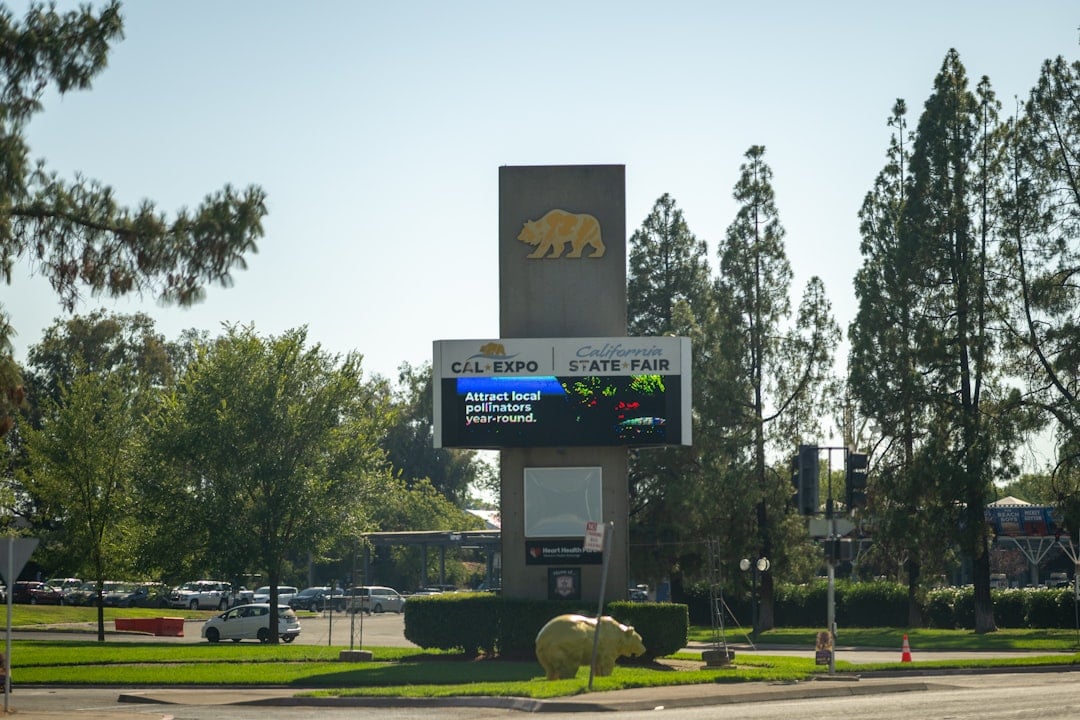
Downtown and Midtown Sacramento are laid out on a walkable grid,
making it easy to move between restaurants, the State Capitol, the Crocker Art Museum, and the R Street Corridor entirely on foot during a central-city stay.
Sacramento Regional Transit's Gold Line and Blue Line light rail connect key neighborhoods,
including Downtown, Midtown, and East Sacramento, with day passes available for unlimited rides and trains running at frequent intervals during peak hours.
The American River Parkway bike trail runs 32 miles from Old Sacramento to Folsom,
and bike rentals are available near the waterfront, making cycling a practical and scenic way to reach riverside parks and recreation areas without a car.
Rideshare services like Uber and Lyft are reliable throughout Sacramento,
and are the most practical option for reaching attractions outside the walkable core, including the Sacramento Zoo, Cal Expo, and neighborhoods farther east.
Parking near the Golden 1 Center and Old Sacramento Waterfront fills quickly on event nights,
so visitors driving to those areas should book a garage spot in advance through SpotHero or arrive early to avoid circling for street parking.
Sacramento summers are hot, with temperatures regularly exceeding 100 degrees Fahrenheit in July and August - plan outdoor activities for early morning and carry water. Spring and fall are the most comfortable seasons for sightseeing. The Farm-to-Fork Festival in October is the city's biggest annual food event and books up fast, so reserve restaurants and accommodations well ahead. Tipping follows standard California norms: 18 to 20 percent at restaurants, a few dollars for coffee bar service. The Sacramento app and the SacRT app are both useful for transit navigation and local event listings. Old Sacramento Waterfront can feel tourist-heavy on weekends; visiting on a weekday morning gives a calmer experience. The city is generally safe for visitors, though the area around the Greyhound terminal and parts of lower Downtown warrant the usual urban awareness. Tap water is safe to drink throughout the city.
Three days is a comfortable amount of time to explore Sacramento. You can cover the Old Sacramento Waterfront and California State Railroad Museum on day one, dive into the city's farm-to-fork dining scene and Midtown neighborhoods on day two, and visit Sutter's Fort, the Crocker Art Museum, or the American River Parkway on day three.
Sacramento is best known as California's state capital and as America's Farm-to-Fork Capital. It is also famous for its Gold Rush history, the Old Sacramento Waterfront, and the California State Railroad Museum. The city served as the western terminus of the first transcontinental railroad and remains one of the most historically significant cities in the American West.
Yes, Sacramento works very well as a weekend trip, especially from the San Francisco Bay Area, which is roughly 90 miles away. Two days is enough to explore Old Sacramento, sample the farm-to-fork dining scene in Midtown, and visit a key museum or historic site. It is also a practical base for day trips to the Sierra Nevada or Napa Valley.
Sacramento is notably more affordable than San Francisco or Los Angeles. Hotels, dining, and attractions are priced at a mid-range level for a California capital city. Many top experiences - including the American River Parkway, farmers markets, and the State Capitol grounds - are free or low cost, making it a budget-friendly option for California travel.
Spring (March to May) and fall (September to November) offer the most pleasant weather, with mild temperatures and minimal rain. Summer is hot and dry, often exceeding 95 degrees Fahrenheit, though it coincides with the popular Tower Bridge Dinner and peak farm-to-fork season.