
Baltimore, MD
A Journey guide to
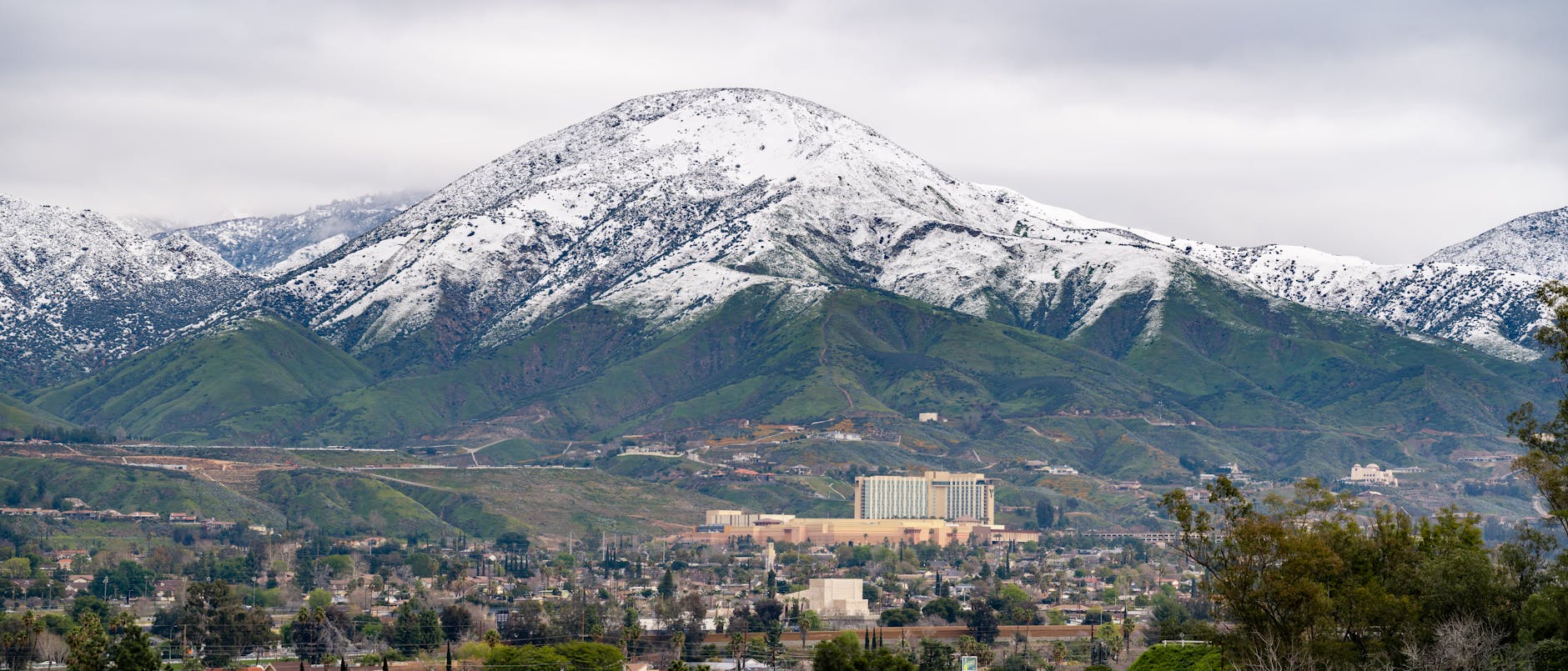
San Bernardino is a city of layered identities: a working-class Inland Empire hub, a living landmark on the original Route 66 corridor, and the urban gateway to some of Southern California's most dramatic mountain terrain. Travelers who pass through expecting little often leave with a sharper sense of place than they anticipated. The city rewards curiosity with authentic neighborhoods, deep American road history, and a skyline framed by peaks that rise above 10,000 feet.
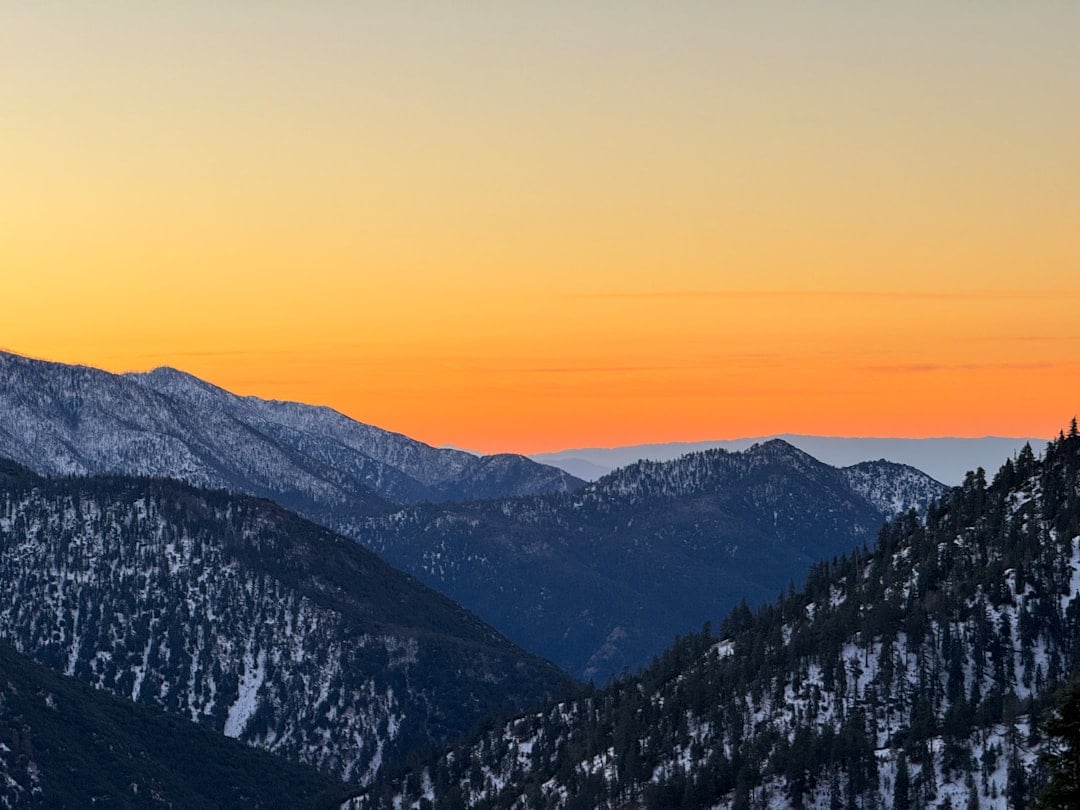
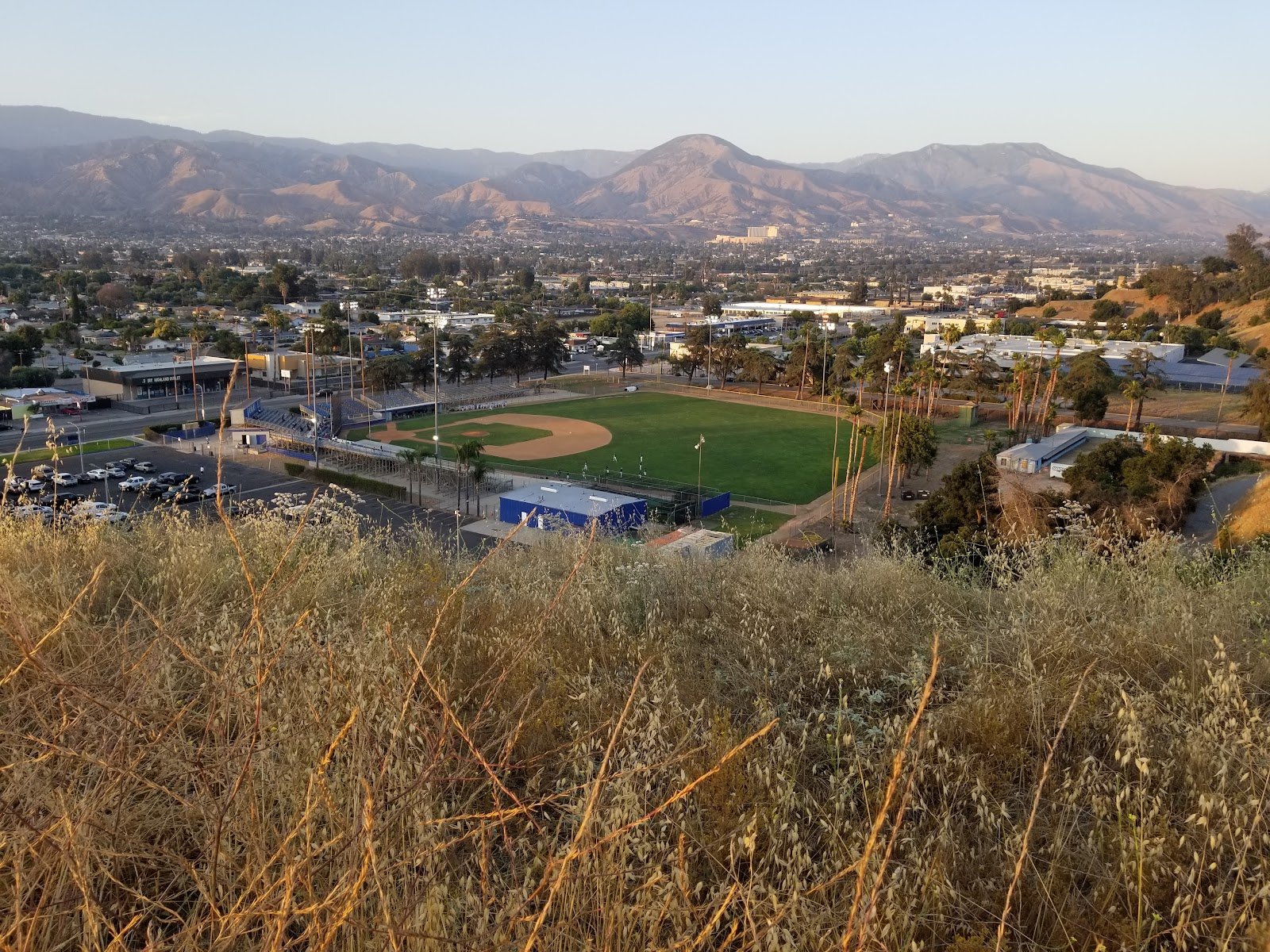
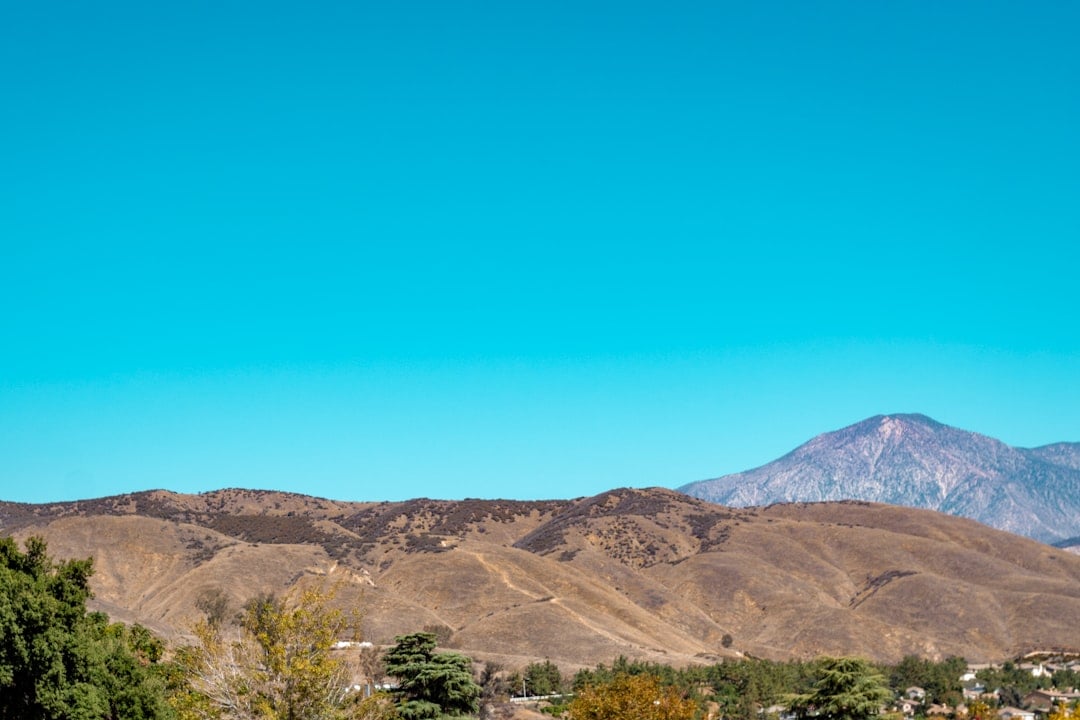
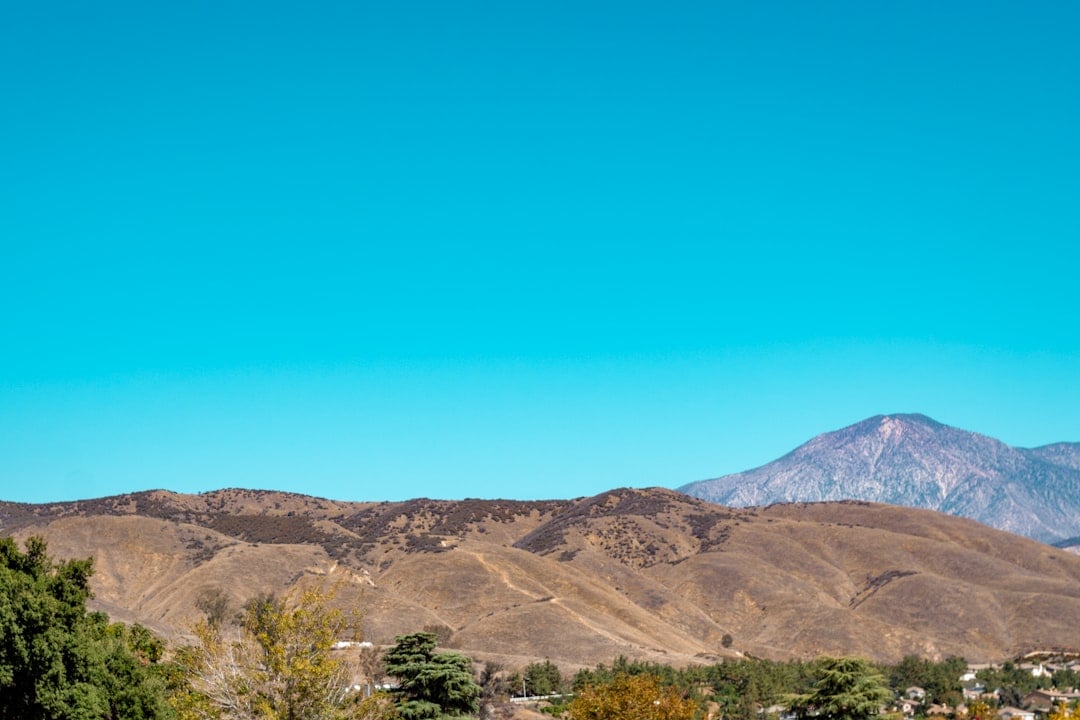
The San Bernardino Mountains loom directly behind the city, making it a natural staging point for Big Bear Lake, Lake Arrowhead, and the San Bernardino National Forest. Hikers, mountain bikers, and skiers heading to Bear Mountain or Snow Valley frequently base themselves here before ascending into the range. The proximity of wilderness to an urban grid of this scale is genuinely uncommon and gives San Bernardino a dual character that few California cities can match.
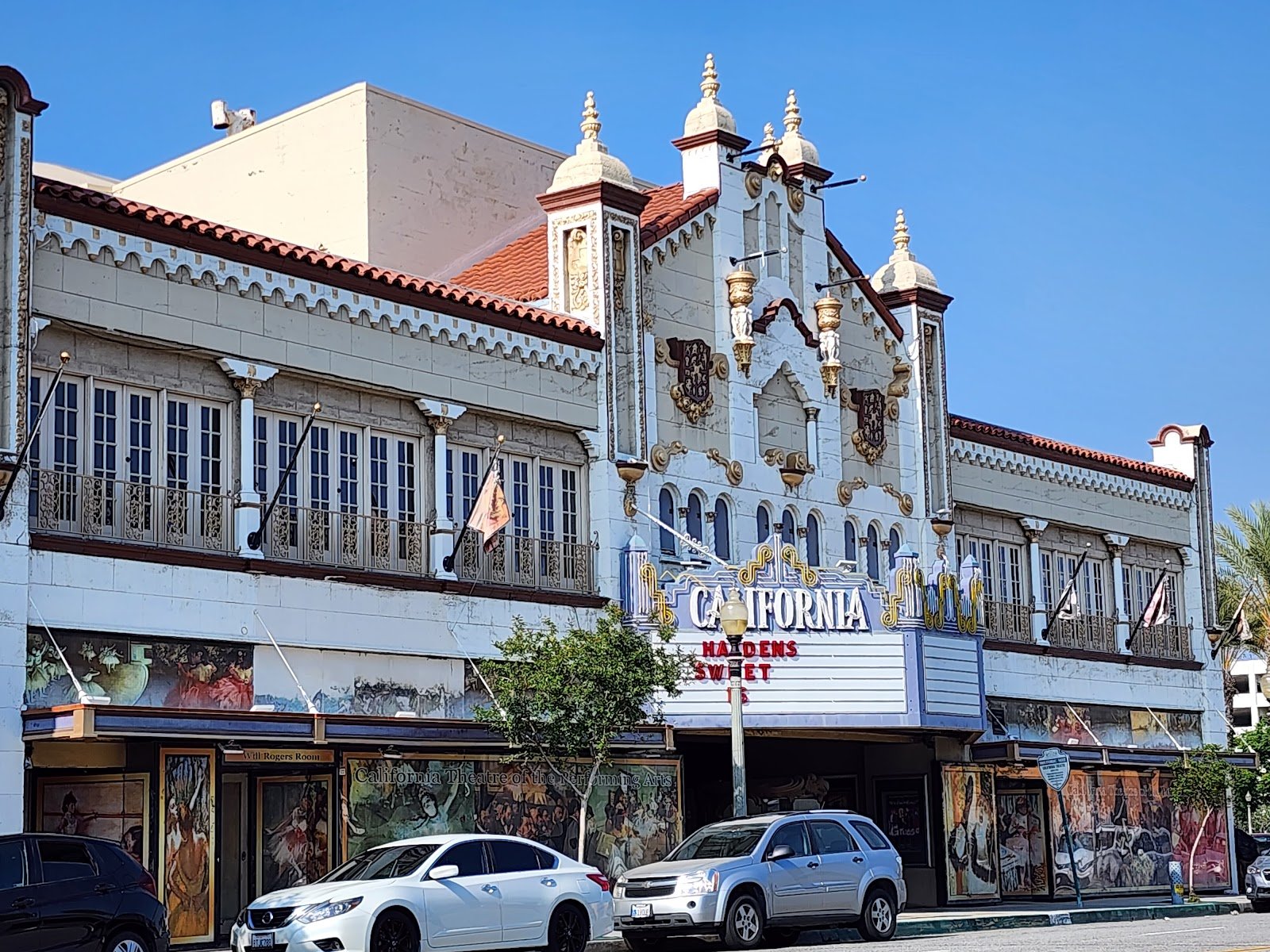
History runs deep in San Bernardino. The city holds the site of the original McDonald's restaurant, now a museum on North E Street, and was a critical stop on the historic National Old Trails Road that became Route 66. The California Theatre of the Performing Arts, opened in 1928, anchors a downtown that is actively rebuilding its cultural identity. The Mormon Battalion passed through in the 1850s, and the city's founding as a planned community by Latter-day Saint settlers left an enduring imprint on its street grid and civic layout.
San Bernardino draws a diverse traveler: road-trippers tracing the Mother Road, outdoor adventurers using the city as a basecamp, history enthusiasts exploring Inland Empire heritage, and budget-conscious visitors who want proximity to Los Angeles and Palm Springs without the price premium. It is a destination that operates on its own terms, uninterested in polish for its own sake, and more compelling for it.
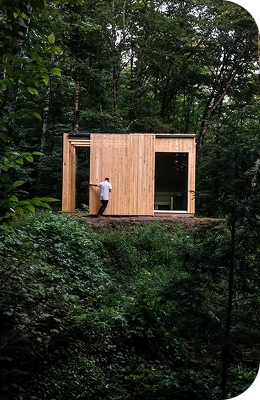



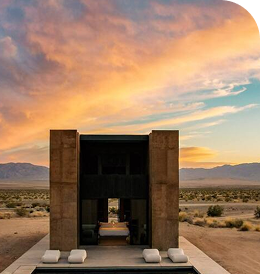

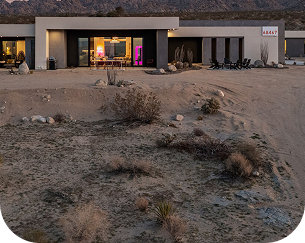

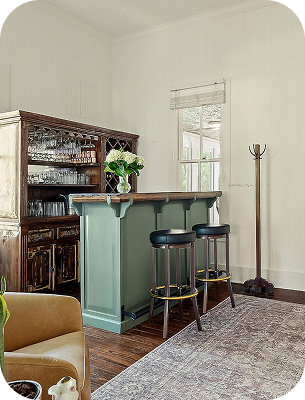

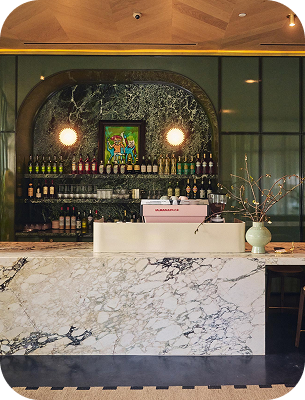

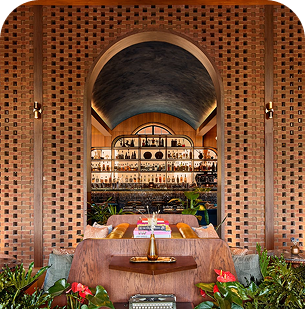

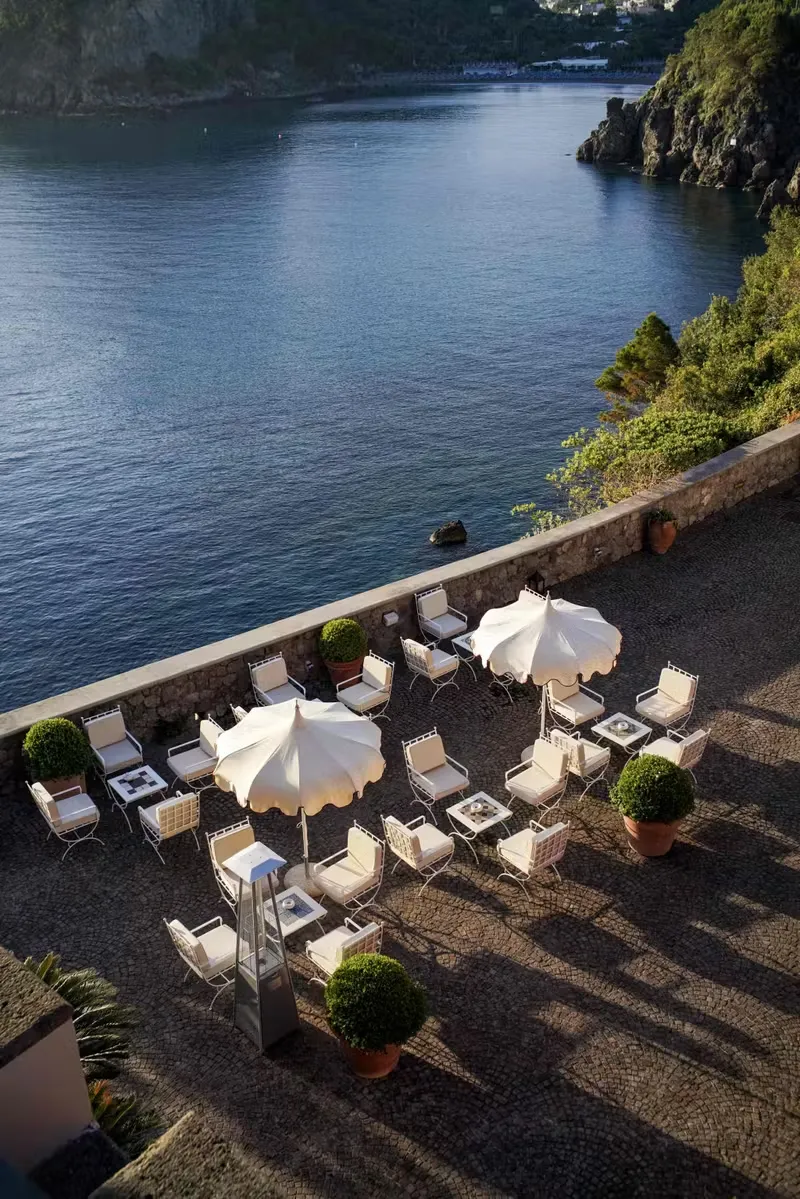

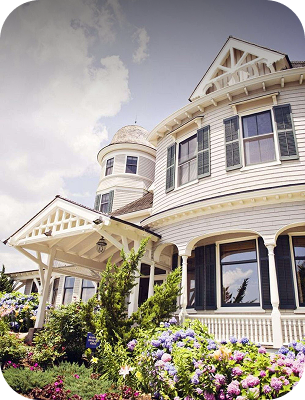

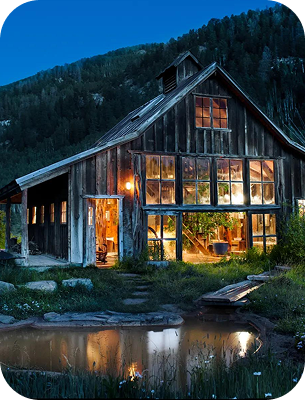

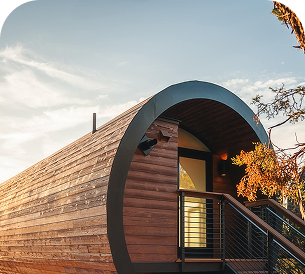

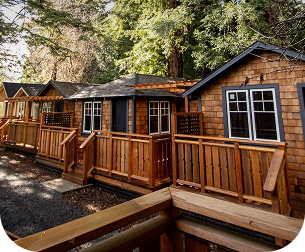

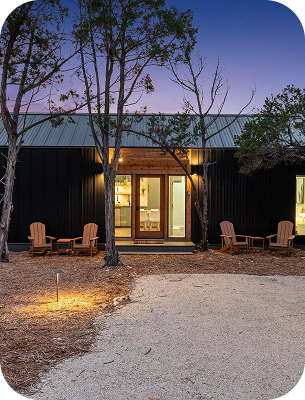

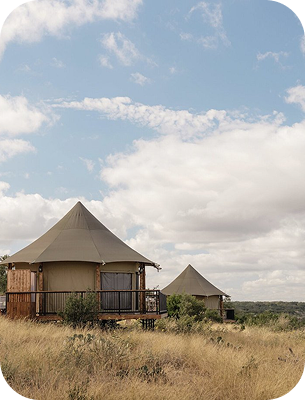

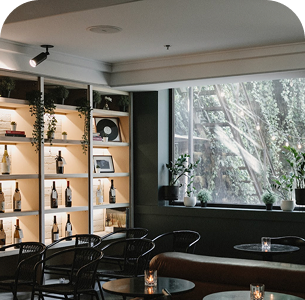

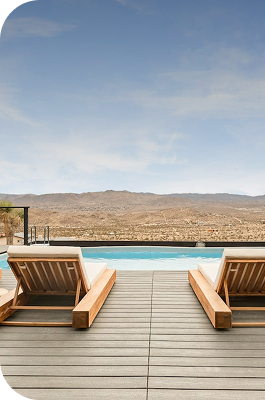

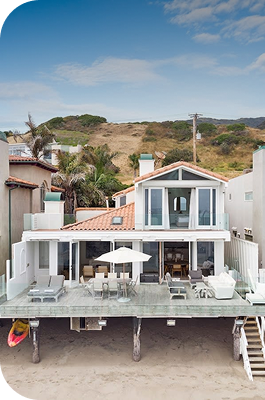

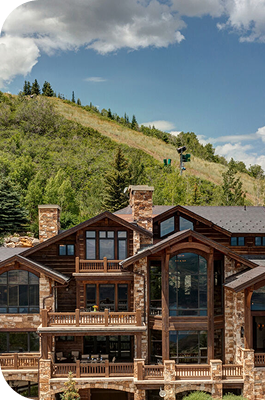
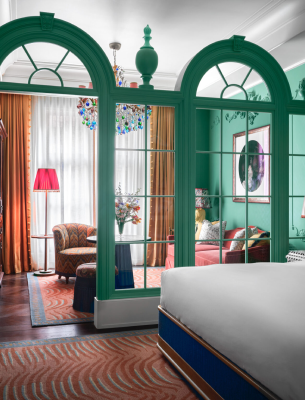
Journey connects travelers to a curated network of boutique hotels and distinctive residences around the world, all united under one rewards program. Explore handpicked stays for your trip while earning points, unlocking exclusive offers, and receiving rewards across the Journey collection.
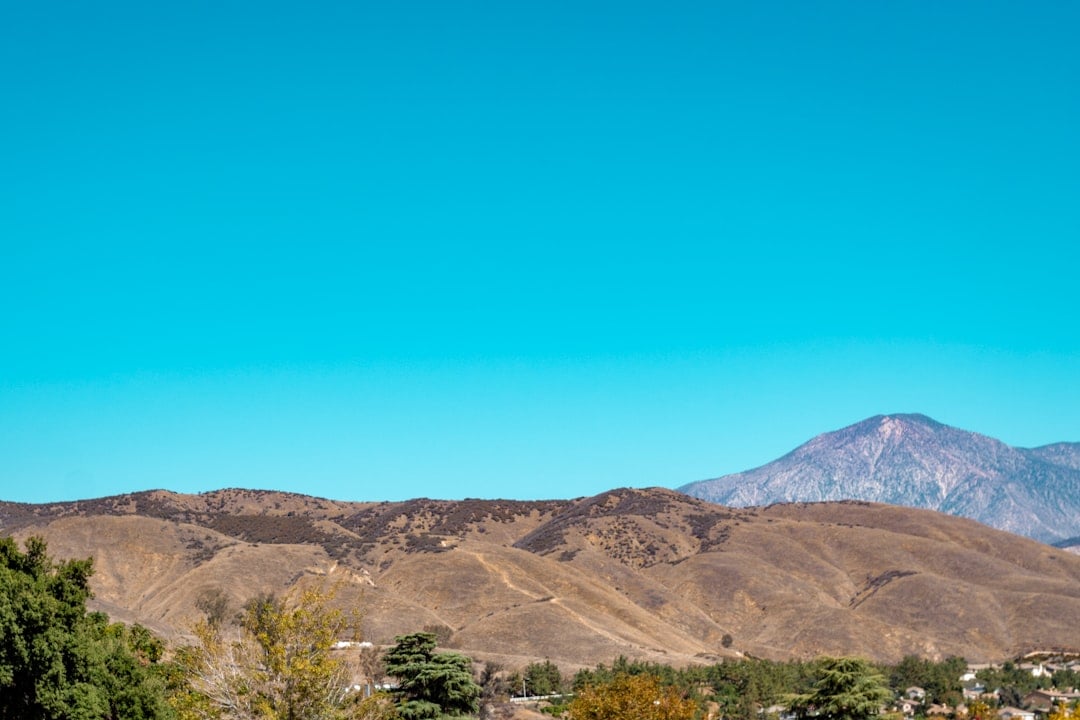
San Bernardino sits at the eastern edge of the Los Angeles Basin, where the flatlands of the Inland Empire meet the dramatic uplift of the Transverse Ranges. The Santa Ana River runs through the valley floor, and the city is flanked to the north and east by the San Bernardino Mountains, a range that includes San Gorgonio Mountain - the highest peak in Southern California at 11,503 feet. To the south, the land opens toward the Santa Ana Canyon and eventually the desert. This geography is not incidental; it defines everything about how the city functions and what it offers.
Founded in 1851 by a group of Latter-day Saint colonists who purchased the Rancho San Bernardino land grant, the city was incorporated in 1854, making it one of the oldest incorporated cities in California. It grew rapidly as a railroad hub in the late 19th century, with the Atchison, Topeka and Santa Fe Railway establishing major operations here, and that industrial backbone shaped the city's working-class character for generations. Route 66, the iconic American highway that connected Chicago to Santa Monica, ran directly through downtown San Bernardino, and the city became a celebrated waypoint in the road-trip mythology of 20th-century America.
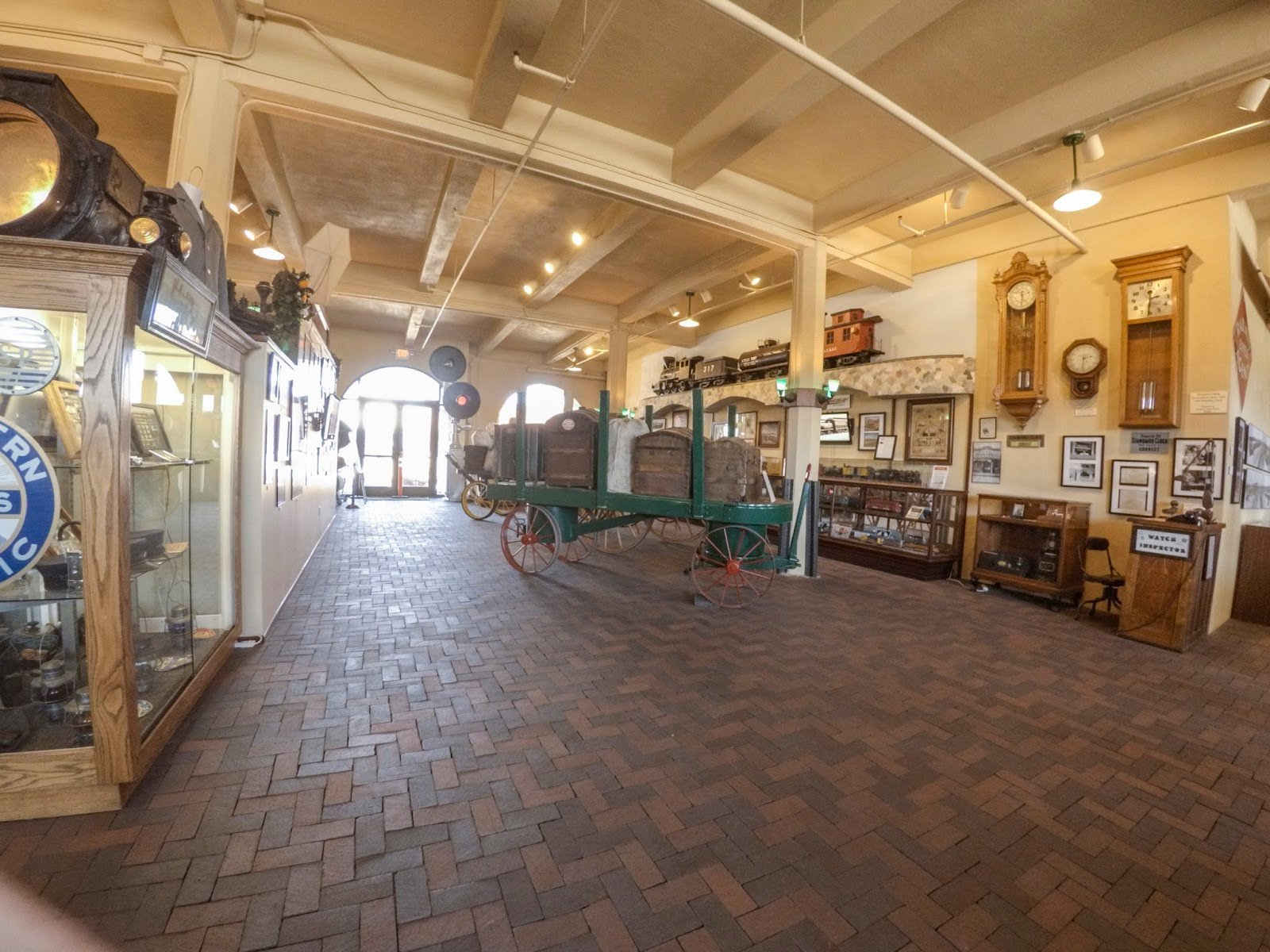
Culturally, San Bernardino is one of the most ethnically diverse cities in California, with a majority Latino population and deep roots in Mexican-American heritage. The city's food scene reflects this directly - carnicerias, taquerias, and family-run Mexican restaurants are woven into nearly every neighborhood. The National Orange Show Events Center recalls the era when the Inland Empire was defined by its citrus groves, and the San Bernardino History and Railroad Museum preserves the rail legacy that built the region.
For travelers, San Bernardino offers an unvarnished, genuine California experience. It is not a resort town or a curated destination, but a real city with real history, sitting at the crossroads of desert, mountain, and metropolis. That intersection - geographic and cultural - is its defining quality.
The sweet spot for visiting San Bernardino falls in spring (March through May) and fall (September through November), when the city and its surrounding landscapes are most accessible and comfortable for outdoor activity. These shoulder seasons also tend to draw fewer crowds than the peak summer months, making them ideal for travelers who want flexibility without fighting for trailhead parking or mountain resort traffic.
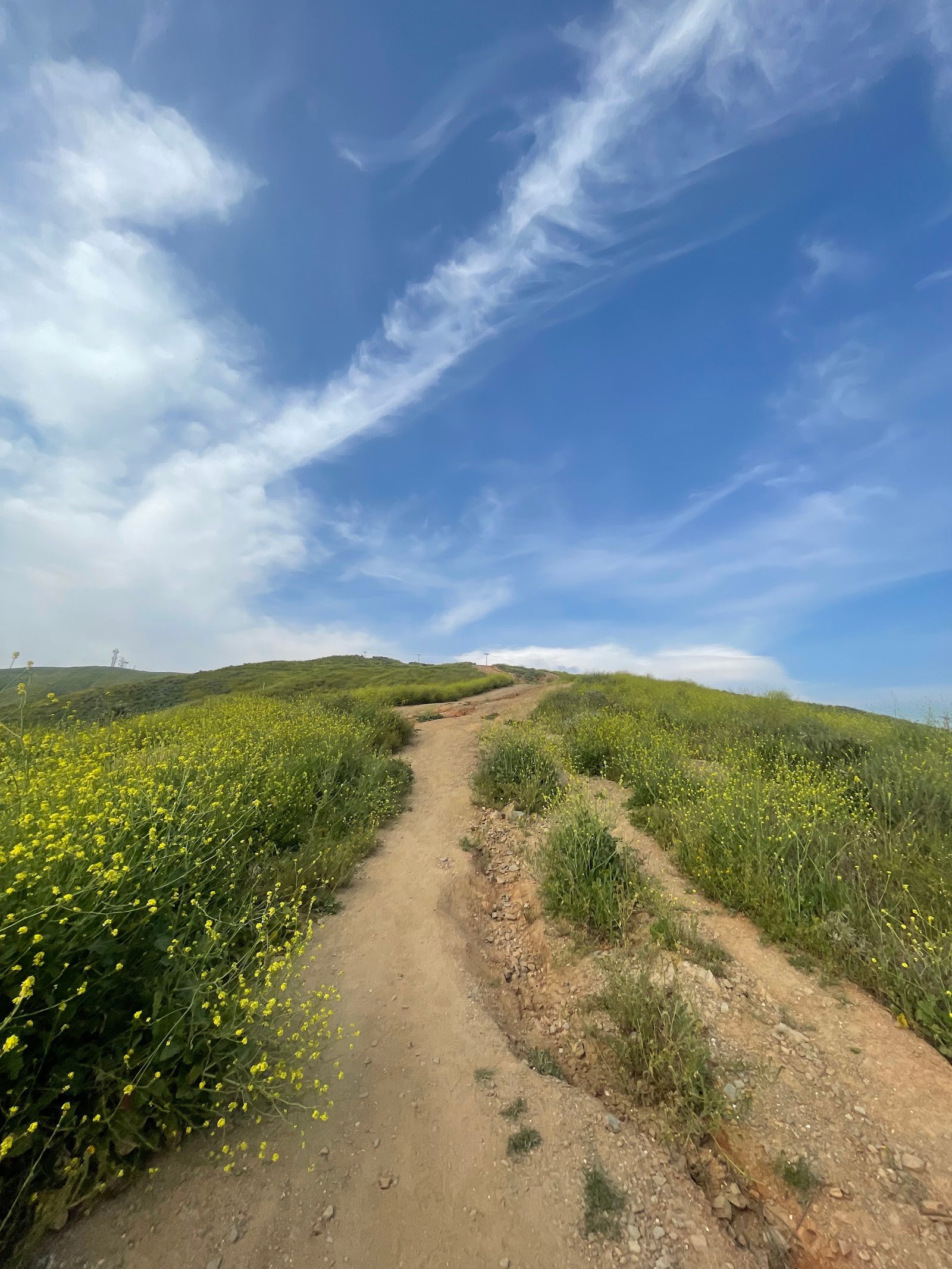
Spring is particularly rewarding for those planning to use San Bernardino as a basecamp for the San Bernardino Mountains. Snow has typically cleared from lower elevations by April, opening up hiking trails in the San Bernardino National Forest while Big Bear Lake transitions from ski season to warmer-weather recreation. Wildflowers appear on the surrounding hillsides, and the city itself feels energized after the quieter winter months.
Fall draws a different kind of visitor. Hikers and mountain bikers return to the high country as summer crowds thin, and the aspen groves around Big Bear take on color in October, making the short drive up the mountain especially worthwhile. Route 66 road-trippers tend to favor fall for its clear skies and open roads, and the California Theatre of the Performing Arts typically ramps up its performance season in autumn.
Summer brings the highest visitor volume, driven largely by families heading to Big Bear Lake and Snow Valley for warm-weather recreation. The mountains provide a natural escape from valley heat, but weekends can be congested on the mountain highways. Winter is the quietest period in the city itself, though ski season at Bear Mountain and Snow Valley draws a steady stream of snow-seekers to the region. Travelers focused on cultural sites, the Route 66 museum, and downtown San Bernardino will find winter the least competitive time to explore without distraction.
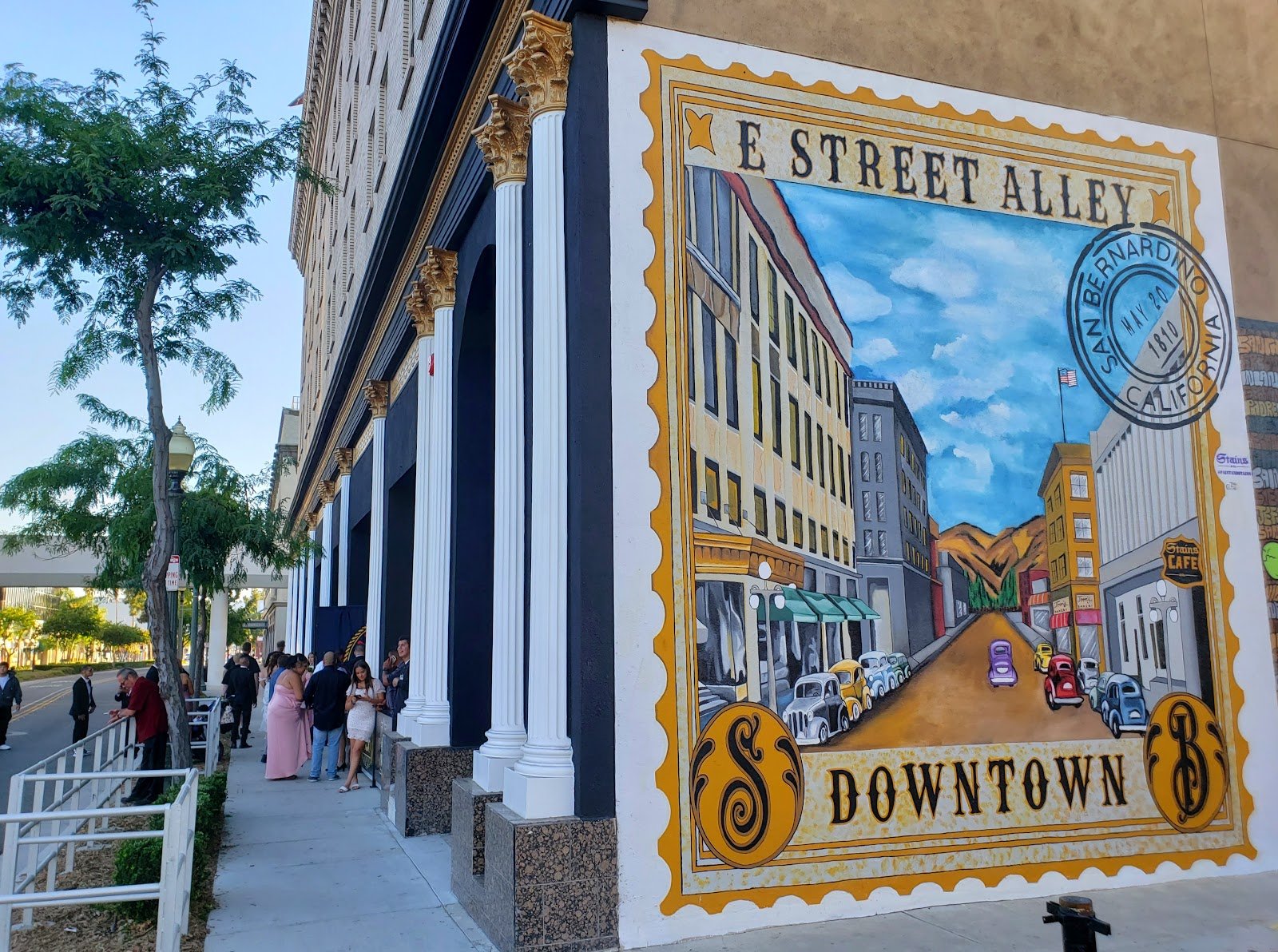
The civic and cultural core of the city, Downtown San Bernardino is home to the historic California Theatre of the Performing Arts and a street grid laid out by its founding settlers. The area is in active revitalization, with murals, local businesses, and public spaces giving it a gritty, evolving energy that rewards exploration.
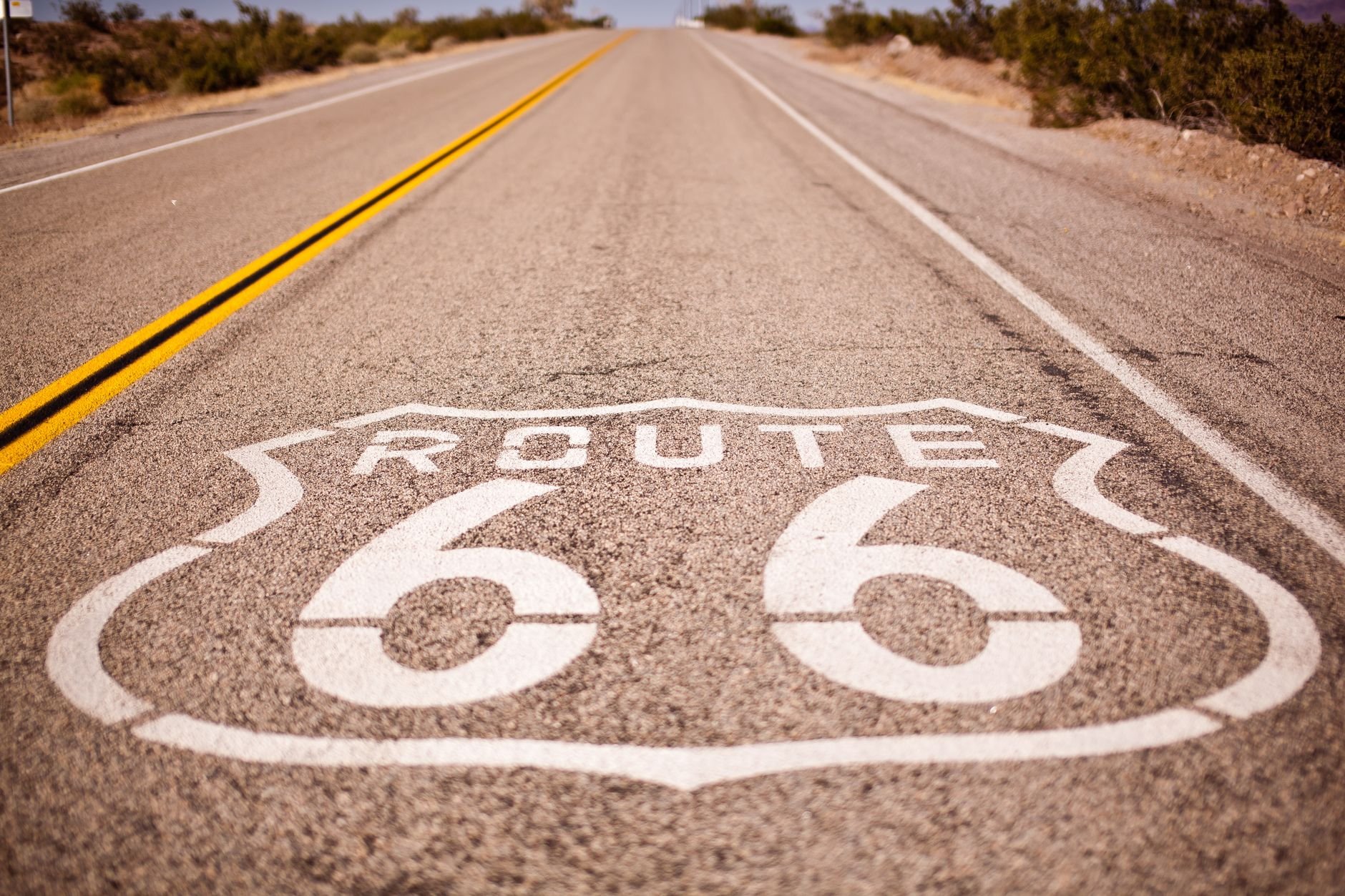
Stretching through the heart of the city, the Route 66 corridor is a living piece of American road history, lined with vintage signage, mid-century architecture, and the site of the original McDonald's now preserved as a museum. This strip captures the nostalgic spirit of the Mother Road and draws road-trippers and history enthusiasts from across the country.
Named for the natural arrowhead formation visible on the mountainside above the city, this district sits at the northern edge of San Bernardino and serves as the transition zone between urban life and the San Bernardino Mountains. It offers a mix of local services, trailhead access, and a quieter residential character popular with outdoor enthusiasts.
The commercial heart of San Bernardino, this district centers on the Inland Center Mall and the surrounding retail and dining corridors that serve the broader Inland Empire community. It is practical and accessible, offering travelers a full range of everyday amenities with a distinctly local, working-class character.
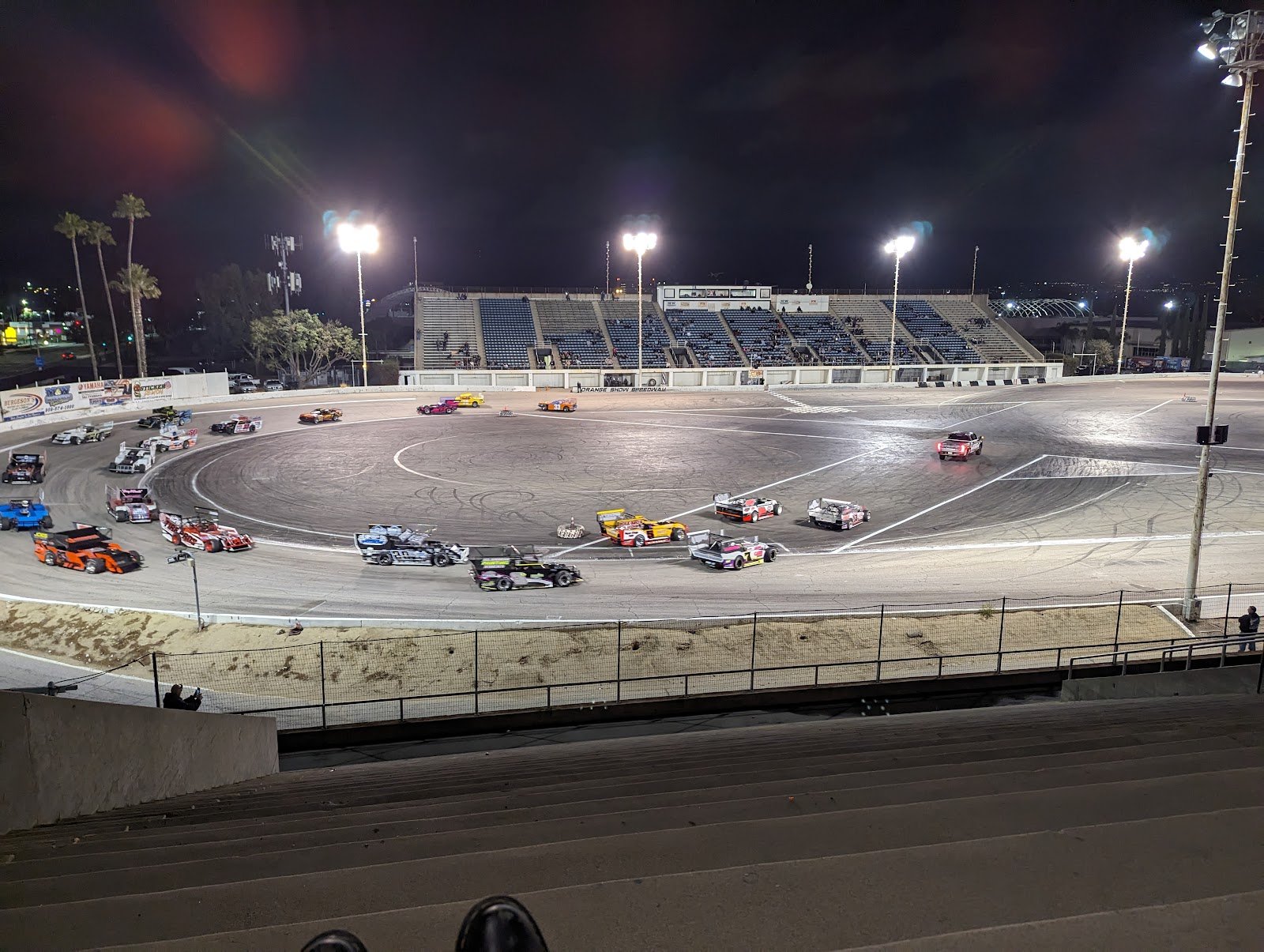
Home to the National Orange Show Events Center, this district on the south side of the city transforms throughout the year to host major festivals, concerts, and fairs that draw tens of thousands of visitors. Outside of event weekends, it reflects the industrial and community-oriented fabric of the surrounding Inland Empire neighborhoods.
San Bernardino earns its place on the travel map through a set of experiences that are genuinely difficult to replicate elsewhere in Southern California.
Driving and Walking Historic Route 66
San Bernardino sits on one of the most storied stretches of the original Route 66 corridor. The city was a critical stop on the National Old Trails Road, the precursor to the Mother Road, and travelers still trace this historic alignment through the city's older commercial districts. The route carries a palpable sense of American road history, with vintage signage, mid-century architecture, and the kind of unfiltered Americana that dedicated Route 66 enthusiasts travel thousands of miles to find.
The Original McDonald's Museum
The site of the original McDonald's restaurant on North E Street is one of the most specific pieces of American food history in California. The museum occupies the location where Richard and Maurice McDonald opened their first hamburger stand in 1940, and it documents the origins of a global fast-food phenomenon with original artifacts and period details. It is a pilgrimage site for food history enthusiasts and a genuinely surprising landmark for first-time visitors.
Mountain Basecamp Adventures
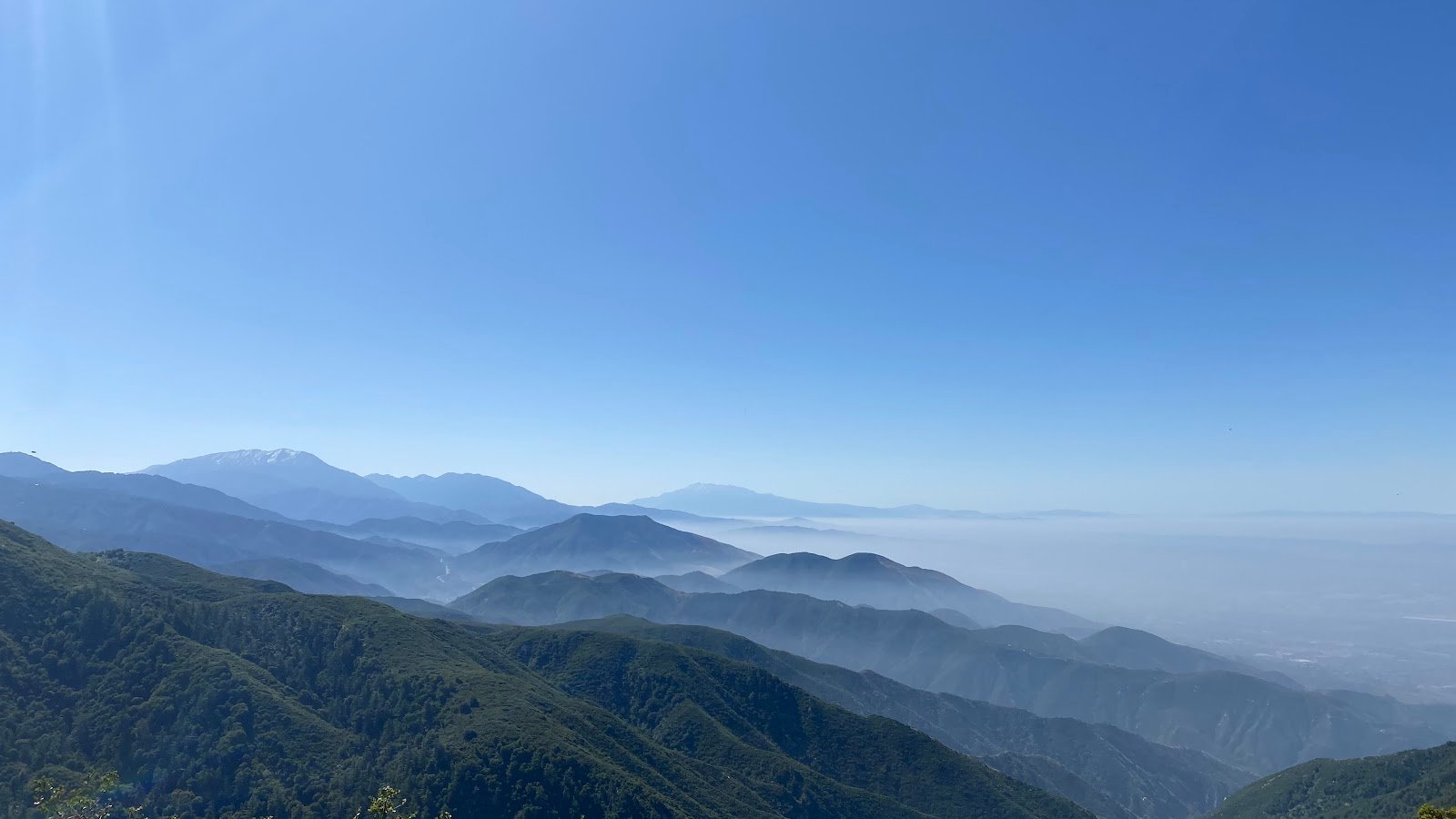
San Bernardino serves as the primary urban gateway to Big Bear Lake, Lake Arrowhead, and the San Bernardino National Forest. Travelers base themselves in the city before ascending Rim of the World Drive, one of California's most dramatic scenic byways, which climbs into the San Bernardino Mountains and connects the valleys below to alpine resort communities. In winter, the route leads to Bear Mountain and Snow Valley ski areas. In summer, it opens access to hiking, fishing, and lakeside recreation at elevations above 6,000 feet.
Rim of the World Scenic Drive
The Rim of the World highway offers sweeping views across the Inland Empire and into the desert basin beyond, framing the urban sprawl below against a vast Southern California panorama that few visitors expect to find this close to Los Angeles.
San Bernardino offers a wide range of activities that reflect its dual identity as an urban Inland Empire hub and a gateway to the San Bernardino Mountains.
Outdoor Recreation
The city's parks and surrounding wilderness provide ample space for hiking, cycling, and open-air exploration. Perris Hill Park and Blair Park are local green spaces popular with families and fitness enthusiasts, while Hidden Falls in nearby Lytle Creek draws hikers seeking a short but rewarding trail to a natural waterfall. The San Bernardino National Forest, accessible directly from the city, opens up miles of backcountry hiking and mountain biking terrain.
Cultural Attractions
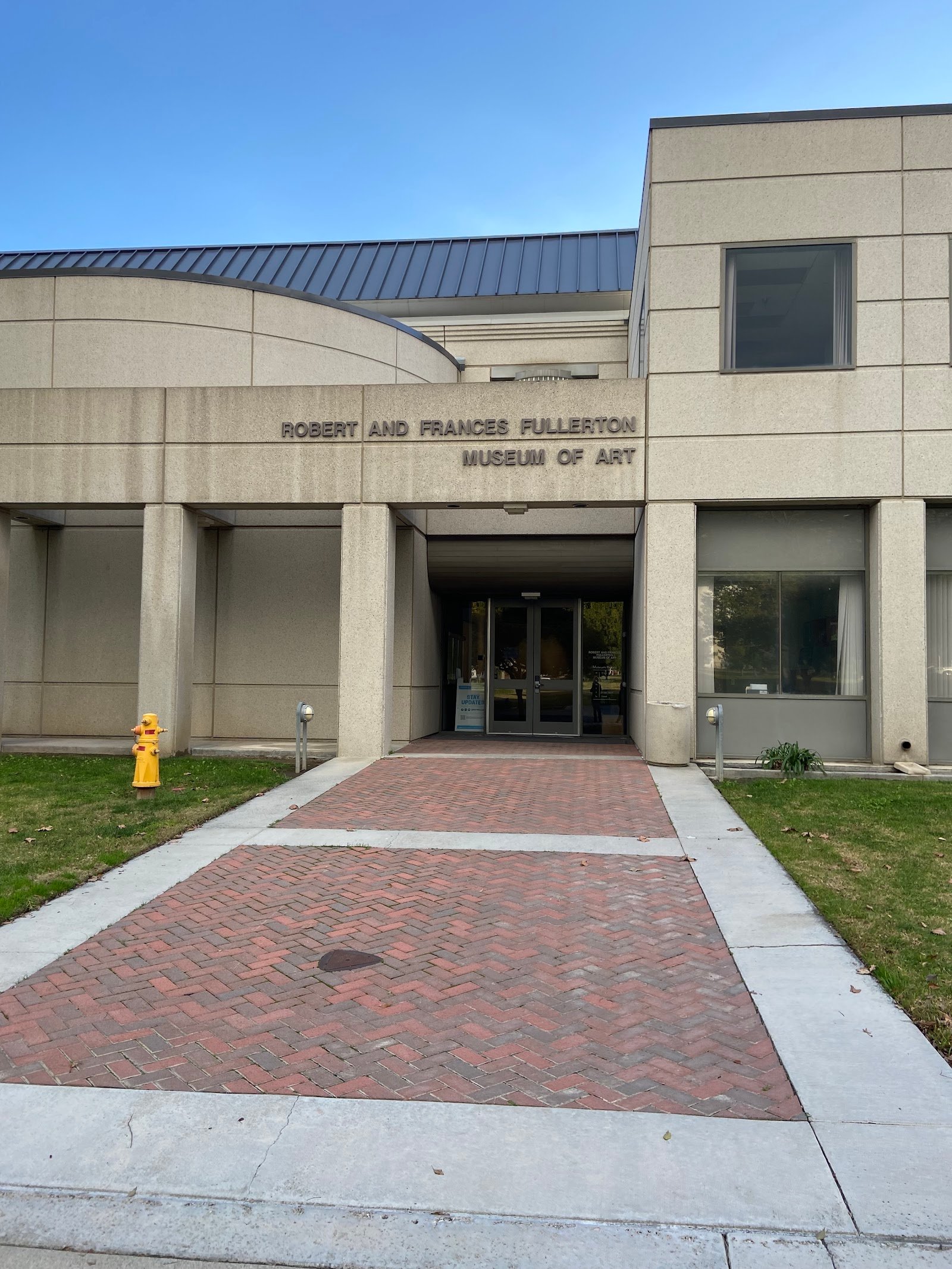
San Bernardino's history is well documented at the San Bernardino History and Railroad Museum, which chronicles the city's pivotal role in the development of the American West and its railroad heritage. The Robert and Frances Fullerton Museum of Art at California State University San Bernardino presents rotating exhibitions spanning fine art and cultural history. The E Street Alley Murals bring public art into everyday streetscapes, transforming downtown corridors into open-air galleries.
Arts and Entertainment
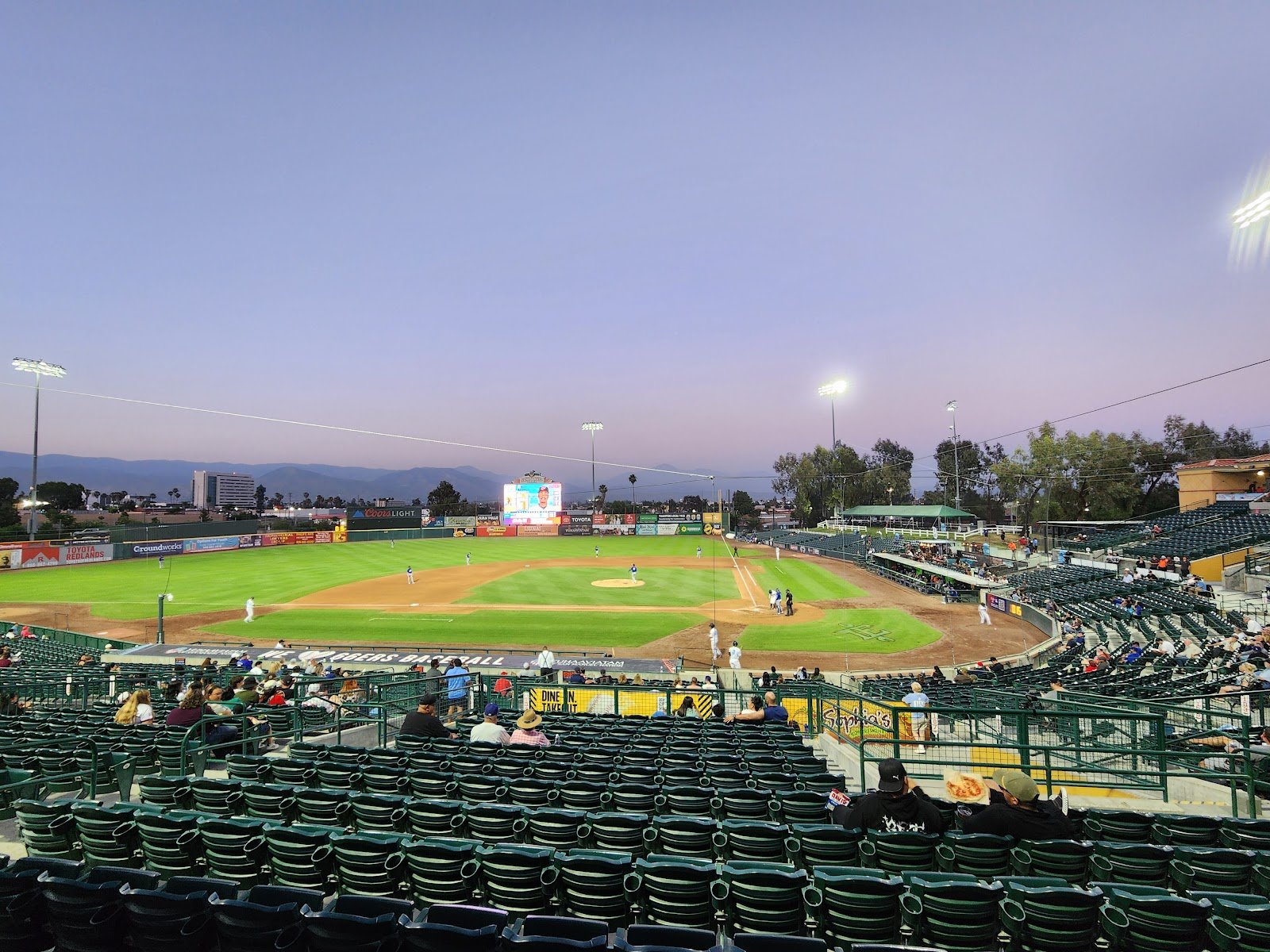
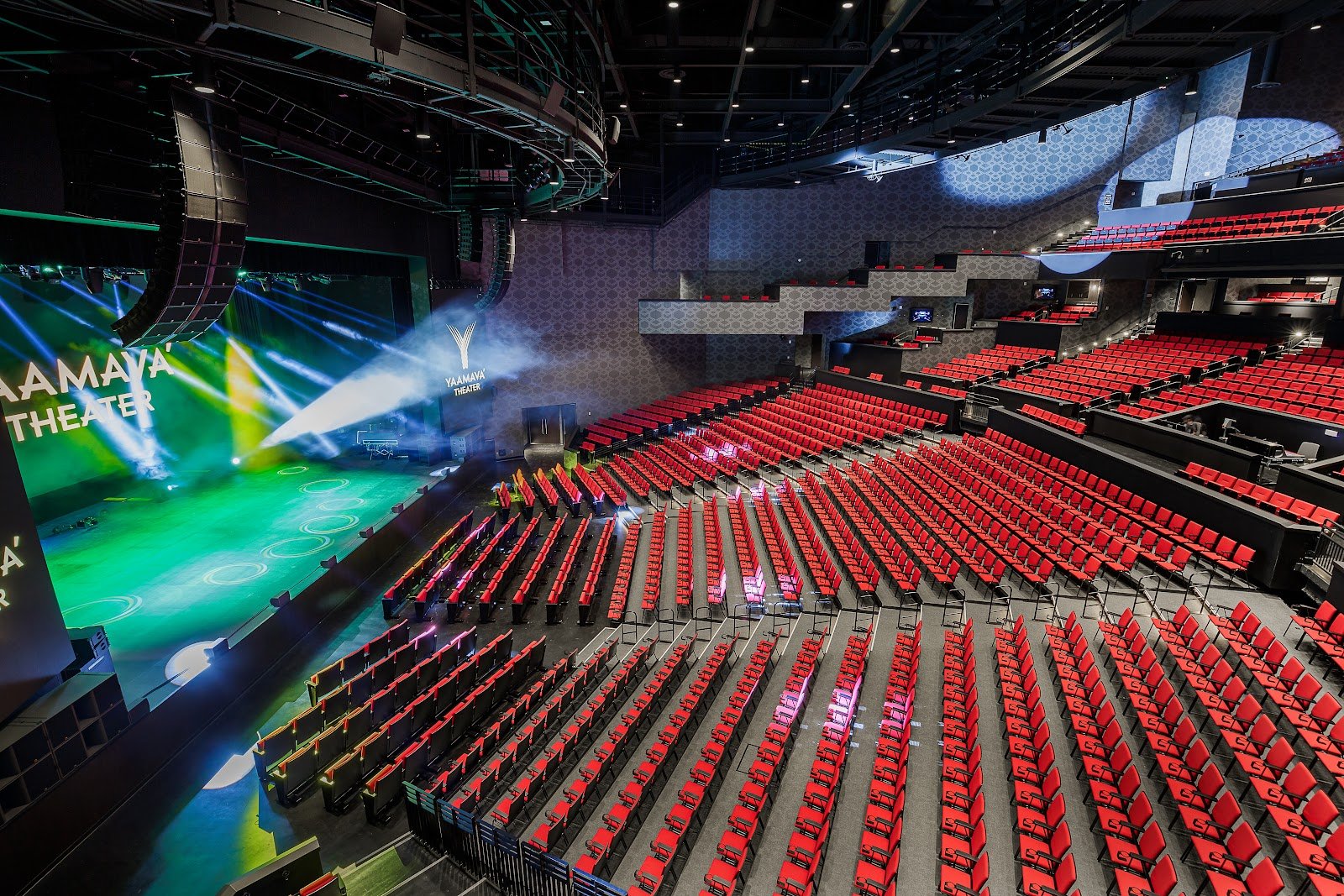
The California Theatre of the Performing Arts, a 1928 Spanish Colonial Revival landmark, hosts concerts, theatrical productions, and community events year-round. San Manuel Stadium is home to the San Bernardino Cowboys, offering an accessible and lively minor league baseball experience. Yaamava' Theater at the Yaamava' Resort and Casino in nearby Highland brings nationally touring acts to the region.
Gaming and Nightlife
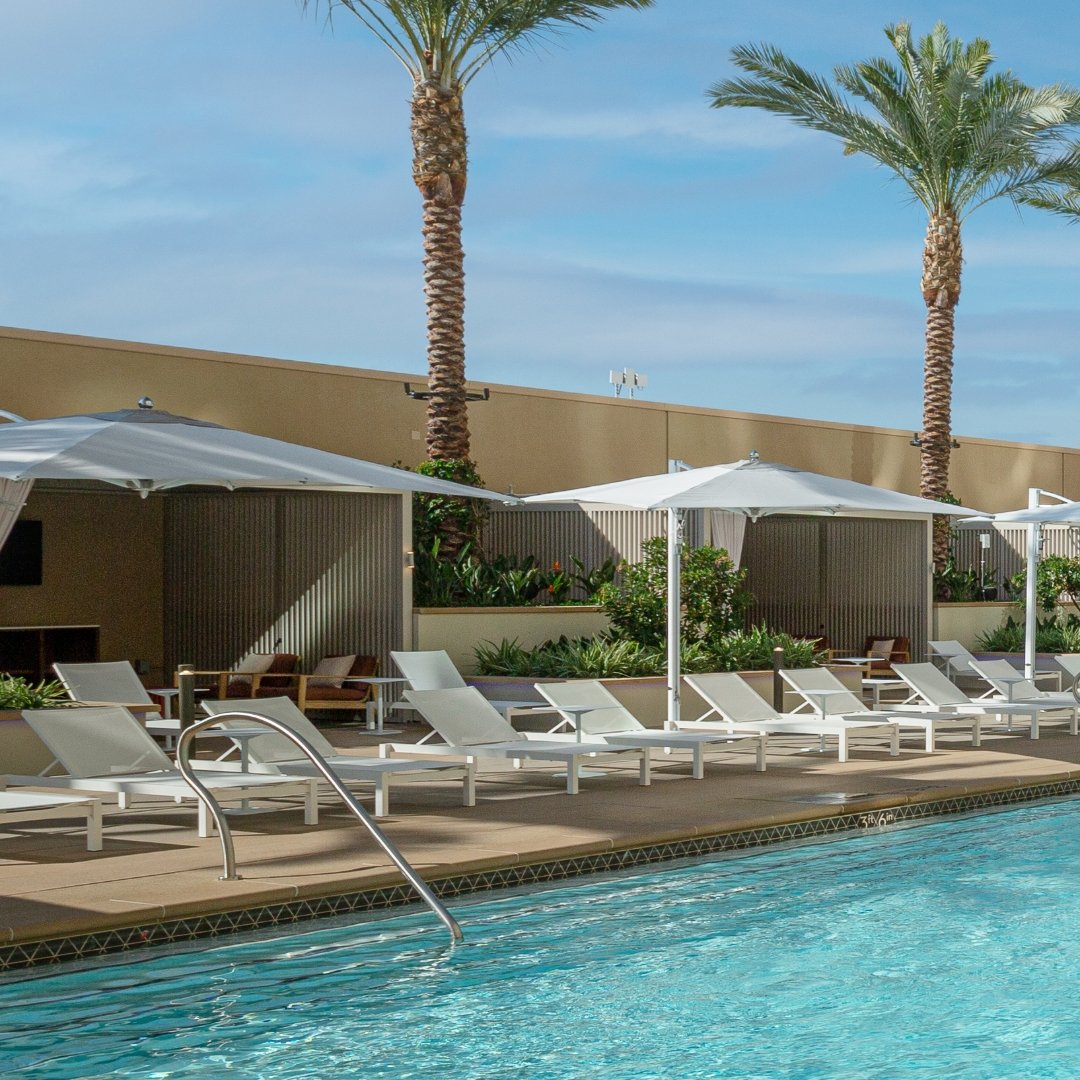
Yaamava' Resort and Casino is the region's premier gaming and entertainment complex, featuring a full casino floor, resort amenities, and regular live entertainment.
Escape Rooms and Indoor Fun
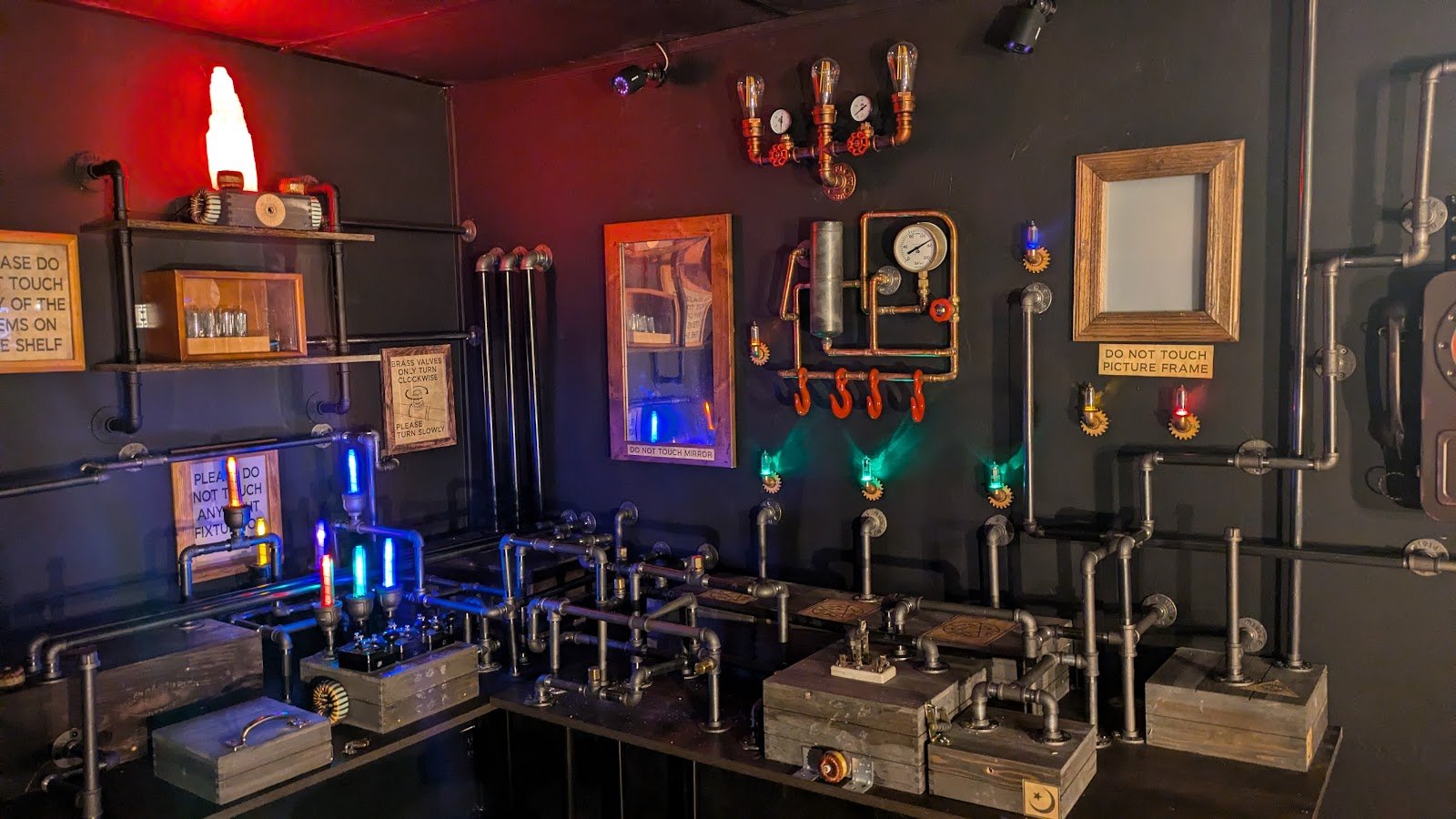
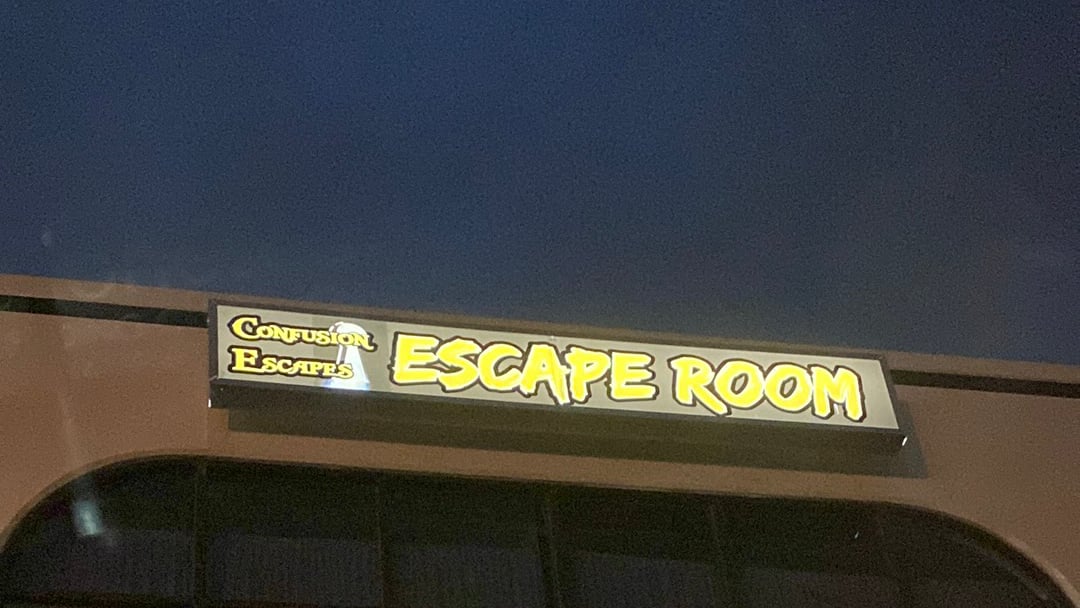
For those seeking indoor entertainment, Confusion Escapes and Hall of Shadows Mystery Games offer immersive puzzle experiences for groups and families.
Food and Dining
San Bernardino's dining scene reflects the cultural diversity of the Inland Empire, with options ranging from international cuisine to casual local favorites. New Delhi Palace brings Indian cuisine to the city's restaurant landscape, while the broader area supports a mix of family-owned eateries and regional chains.
Notable venues include:
Rim of the World
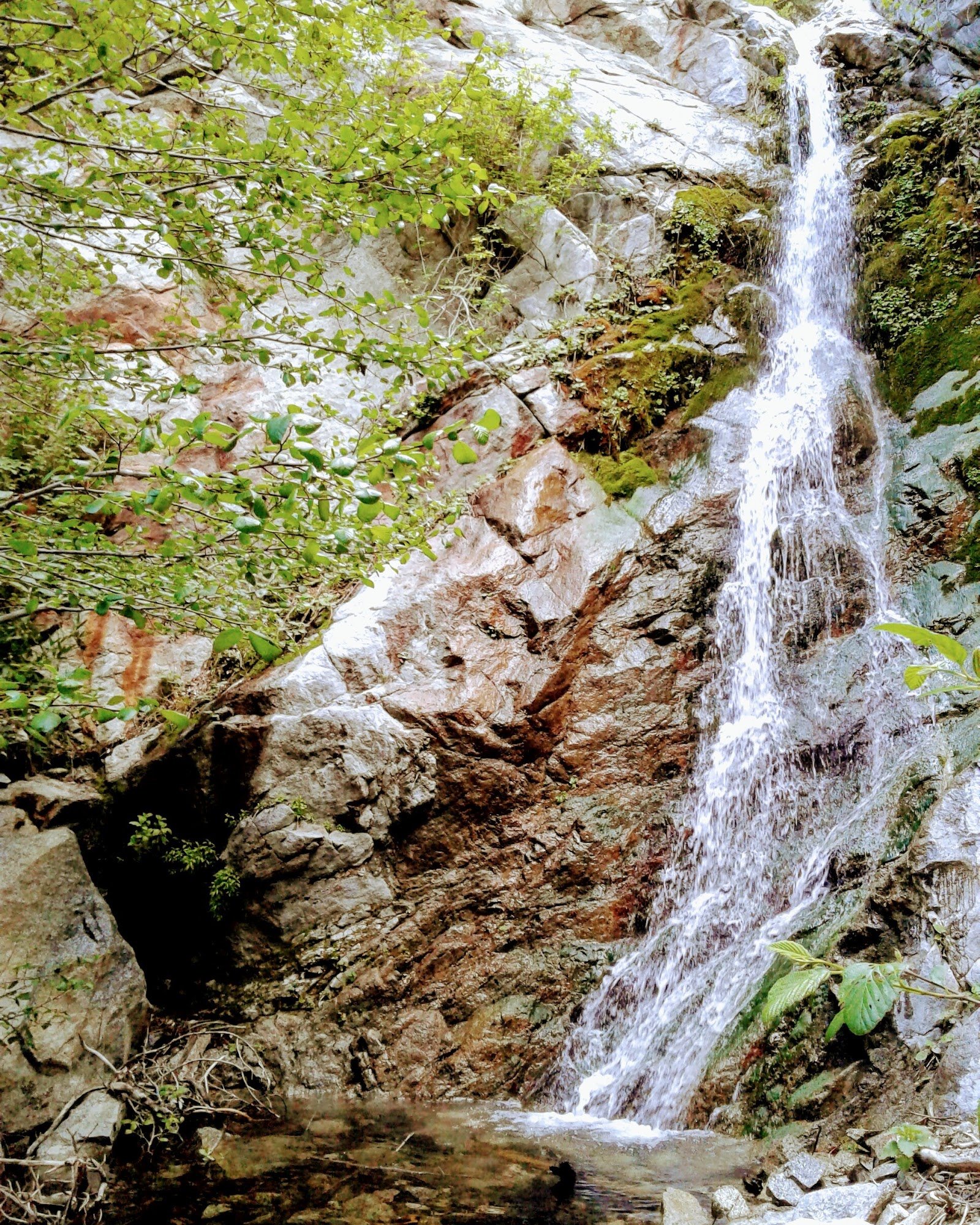
Hidden Falls
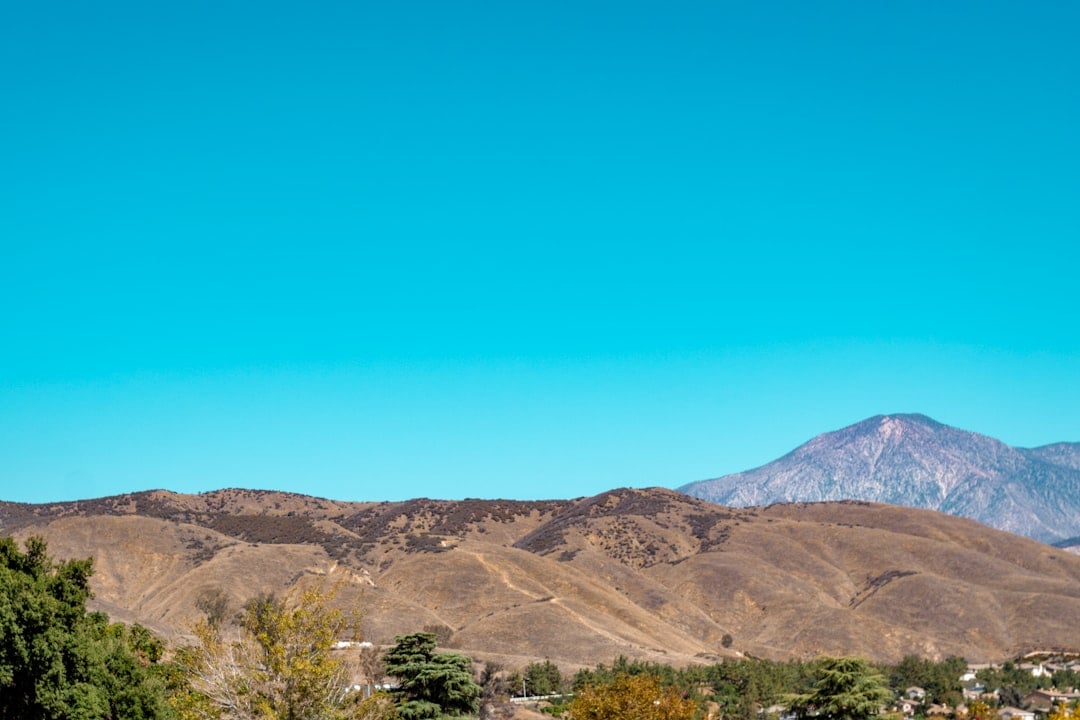
Start the morning on Historic Route 66 through San Bernardino, stopping at the McDonald's Museum on North E Street for a look at fast food history. Head downtown to explore the California Theatre of the Performing Arts and the surrounding Carousel Mall district. In the evening, grab dinner at a local spot in the Westside neighborhood and take a walk along the Santa Ana River trail as the sun sets over the valley.
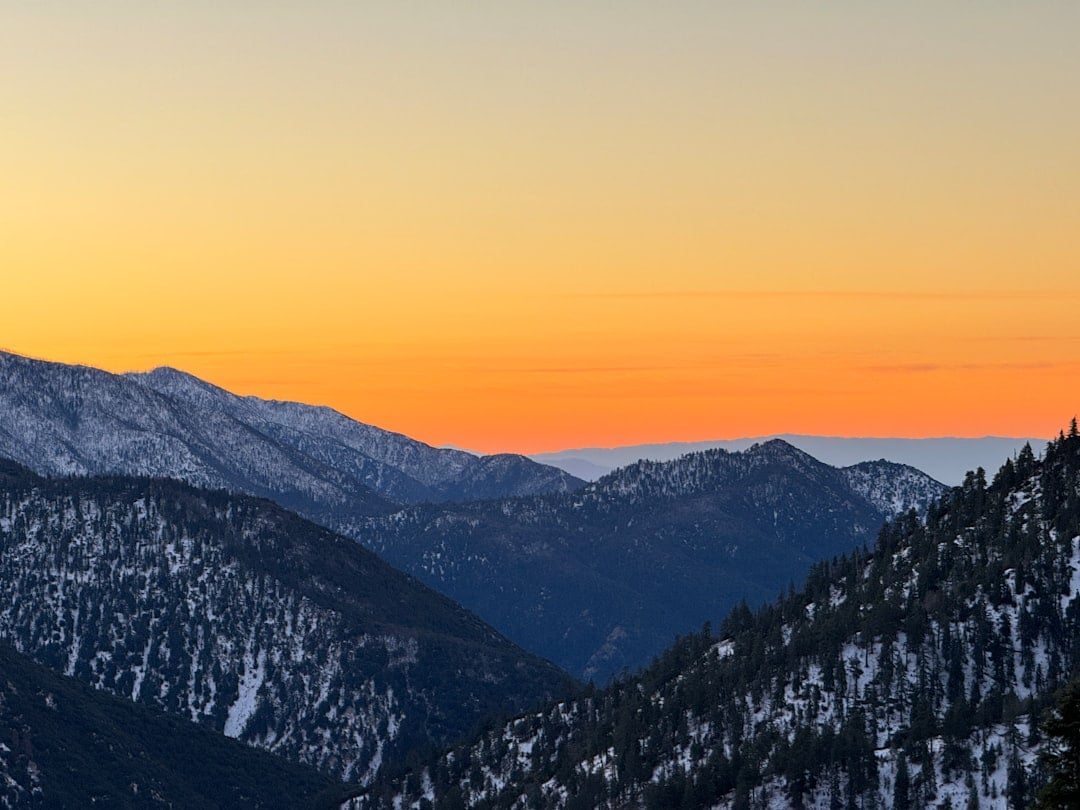
Use the morning to drive up the Rim of the World Scenic Byway into the San Bernardino Mountains, stopping at viewpoints overlooking the Inland Empire basin. Spend the afternoon at Big Bear Lake: kayak or paddleboard in summer, or hit the slopes at Bear Mountain in winter. Return to the city by early evening and unwind with dinner at one of the Highland Avenue restaurants.
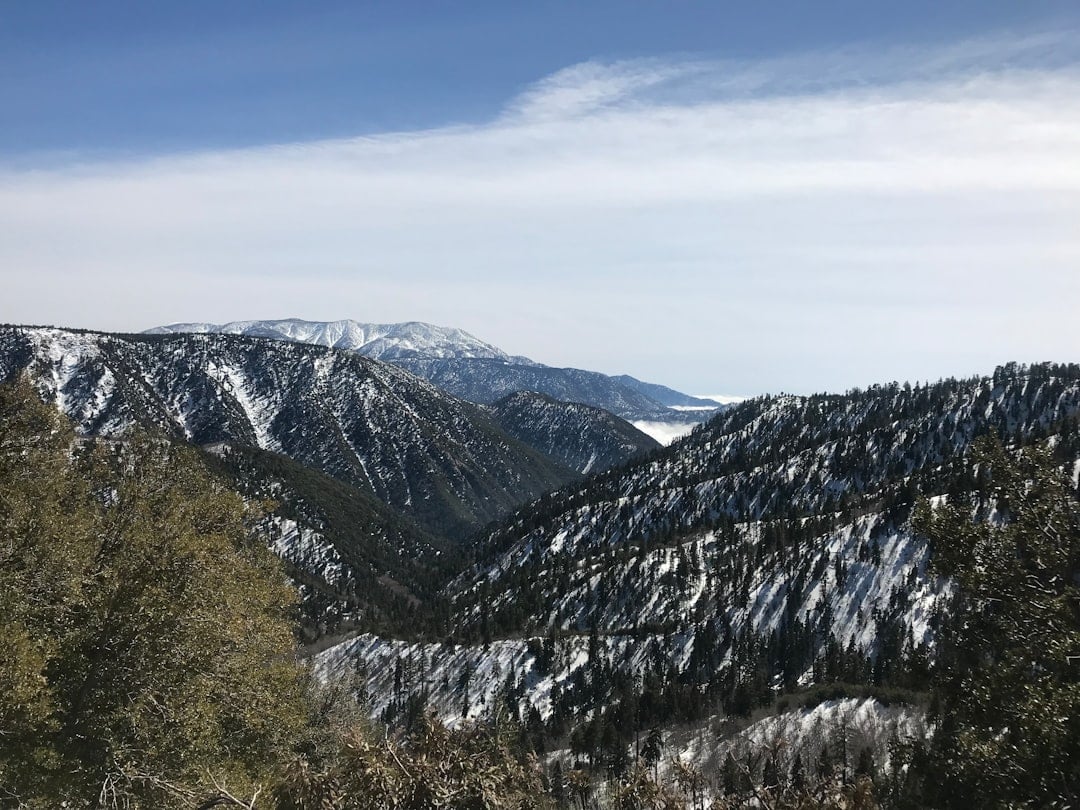
Spend the morning hiking in the San Bernardino National Forest, with trails accessible from the Angelus Oaks area east of the city. After lunch, visit Glen Helen Regional Park for open-air relaxation along the Cajon Creek. Close out the trip with a drive west along the original Route 66 corridor toward Fontana, stopping at roadside landmarks that tell the story of mid-century American travel.
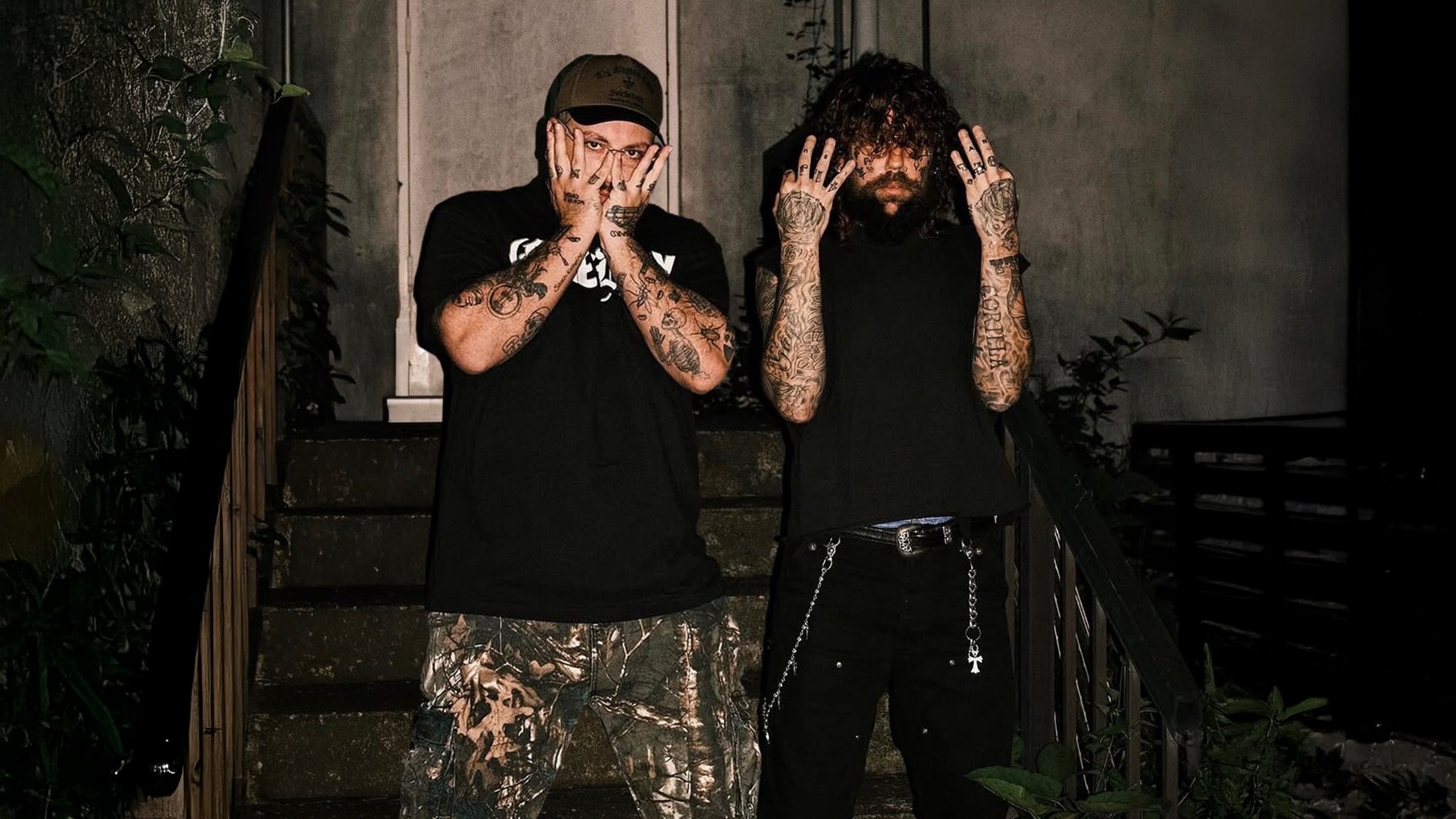
San Bernardino's event calendar is anchored by the NOS Events Center, one of Southern California's premier outdoor festival venues, which gives the city an outsized presence in the regional entertainment landscape. The city pulses with large-scale electronic music festivals across multiple seasons, drawing tens of thousands of visitors from across the state and beyond.
Oct 3, 2026
San Bernardino's dining scene is rooted in the culinary traditions of the communities that built the city, with Mexican and Latin American food forming the backbone of what locals actually eat. Taquerias, birrieria spots, and family-run Mexican restaurants are scattered across the Westside and throughout the broader city grid, many operating for decades and known by neighborhood regulars rather than travel guides. Birria tacos, carne asada plates, and house-made salsas are the benchmarks by which San Bernardino's food culture is best measured.
Ontario International Airport (ONT) is the closest airport to San Bernardino,
located about 15 miles west of downtown, with rental cars, rideshare, and taxis available for the roughly 20-minute drive into the city.
Los Angeles International Airport (LAX) offers significantly more flight routes,
but the 60-mile drive east on I-10 can take 90 minutes or longer during peak traffic, so factor that into your arrival timing.
Amtrak's Sunset Limited and Southwest Chief stop at San Bernardino's downtown station on West 3rd Street,
connecting the city directly to Los Angeles and destinations as far as New Orleans and Chicago for travelers who prefer rail.
Metrolink's San Bernardino Line runs frequent commuter rail service between San Bernardino and Los Angeles Union Station,
making it a practical and affordable option for visitors arriving from LA who want to skip the freeway entirely.
Driving into San Bernardino via I-10 from Los Angeles or I-15 from San Diego
is the most common approach for road-trippers, with both interstates feeding directly into the city's core and connecting onward to Route 66.
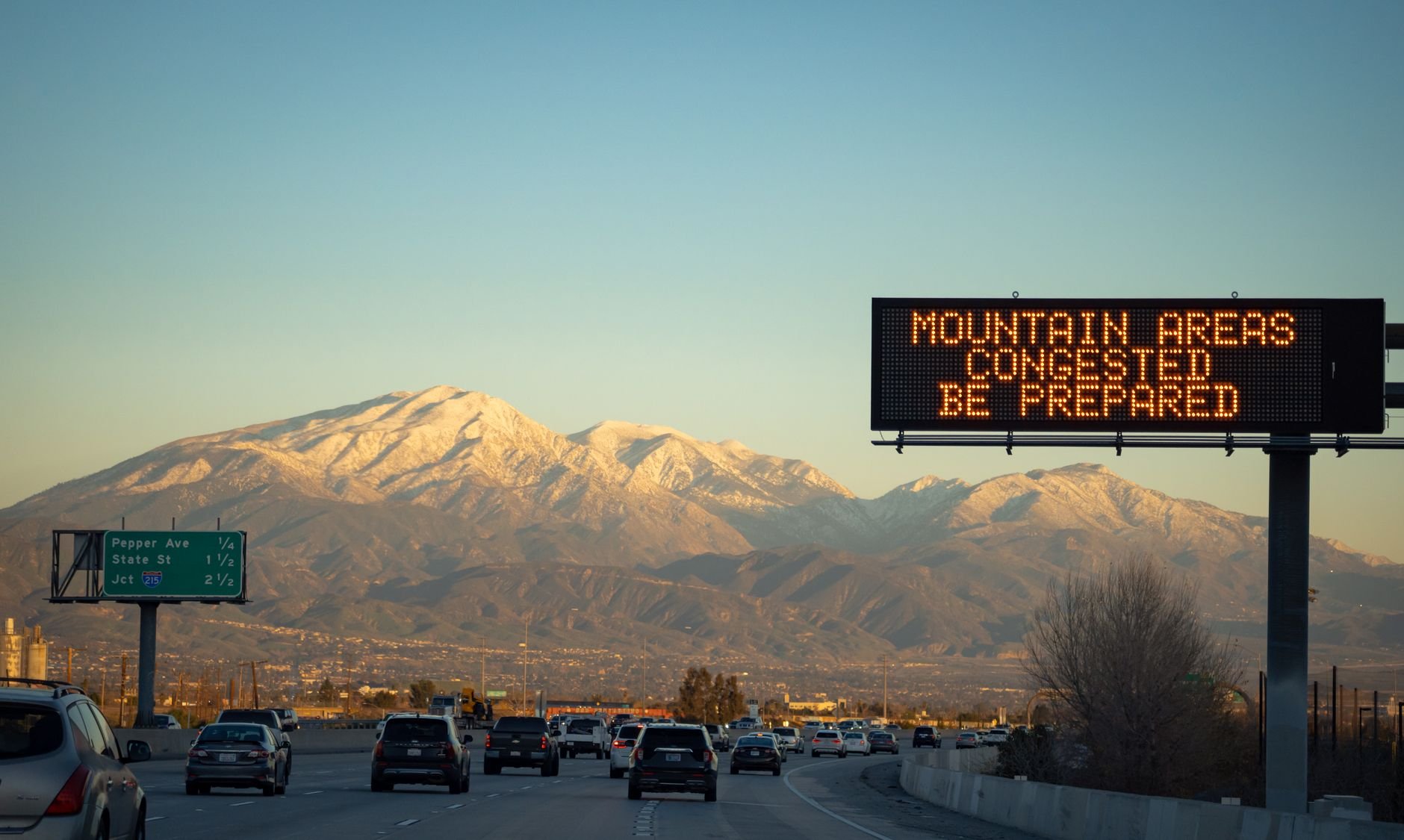
Renting a car is strongly recommended for getting around San Bernardino,
as the city's wide street grid and spread-out attractions - including mountain access roads to Big Bear and Arrowhead - make driving the only truly flexible option.
Omnitrans bus routes cover major corridors across the city and into surrounding Inland Empire communities,
but service frequency is limited and the network is better suited to commuters than visitors trying to move between multiple attractions in a day.
Uber and Lyft operate reliably throughout San Bernardino,
making rideshare a convenient option for evenings out downtown or short hops when you would rather not deal with parking.
The downtown area around the California Theatre and North E Street
is compact enough to walk between a handful of sites, but most visitors will still need a car or rideshare to reach neighborhoods and attractions beyond the core.
San Bernardino's desert-adjacent climate means temperatures can swing sharply between seasons - summers regularly exceed 100 degrees Fahrenheit, so plan outdoor activity for early morning and carry water. If you are heading into the San Bernardino Mountains, check Caltrans road conditions before departing, as Highway 18 and Highway 138 can close without much notice during winter storms. Caltrans QuickMap is a free, reliable app for real-time road and chain control updates. Most restaurants and shops operate on cash and card equally, and standard tipping norms apply - 18 to 20 percent at sit-down restaurants. Downtown San Bernardino has undergone ongoing revitalization and is generally safe in commercial areas during the day, but exercise normal urban awareness after dark and stick to well-lit, populated streets. Parking is widely available and often free or low-cost throughout the city, which is a genuine advantage over most Southern California destinations.
Two days is enough to cover San Bernardino's main highlights. Spend one day exploring Route 66 history, the original McDonald's museum on North E Street, and the California Theatre downtown. Use the second day for a drive into the San Bernardino Mountains toward Big Bear Lake or Lake Arrowhead. Extend to three days if you plan serious hiking or skiing.
San Bernardino is best known as a historic Route 66 city and the urban gateway to the San Bernardino Mountains. It holds the site of the original McDonald's restaurant, now a museum, and sits at the foot of peaks exceeding 10,000 feet. Big Bear Lake, Lake Arrowhead, and the San Bernardino National Forest are all accessed directly from the city.
Yes, San Bernardino works well as a weekend trip, especially from Los Angeles, which is roughly an hour west. A two-day visit covers downtown history, Route 66 landmarks, and a mountain excursion into the San Bernardino National Forest. It also pairs naturally with a stop in Palm Springs, about an hour to the southeast.
San Bernardino is one of the more affordable cities in Southern California. Hotels, food, and activities cost noticeably less than in Los Angeles or Palm Springs. It is a practical base for travelers who want access to mountain recreation and Inland Empire attractions without paying a premium for proximity to major tourist centers.
Spring and fall offer the most comfortable temperatures for exploring the city and surrounding mountains. Summer works well for lake recreation at Big Bear and Arrowhead, while winter draws skiers to Bear Mountain and Snow Valley resorts just above the city.