
Baltimore, MD
A Journey guide to
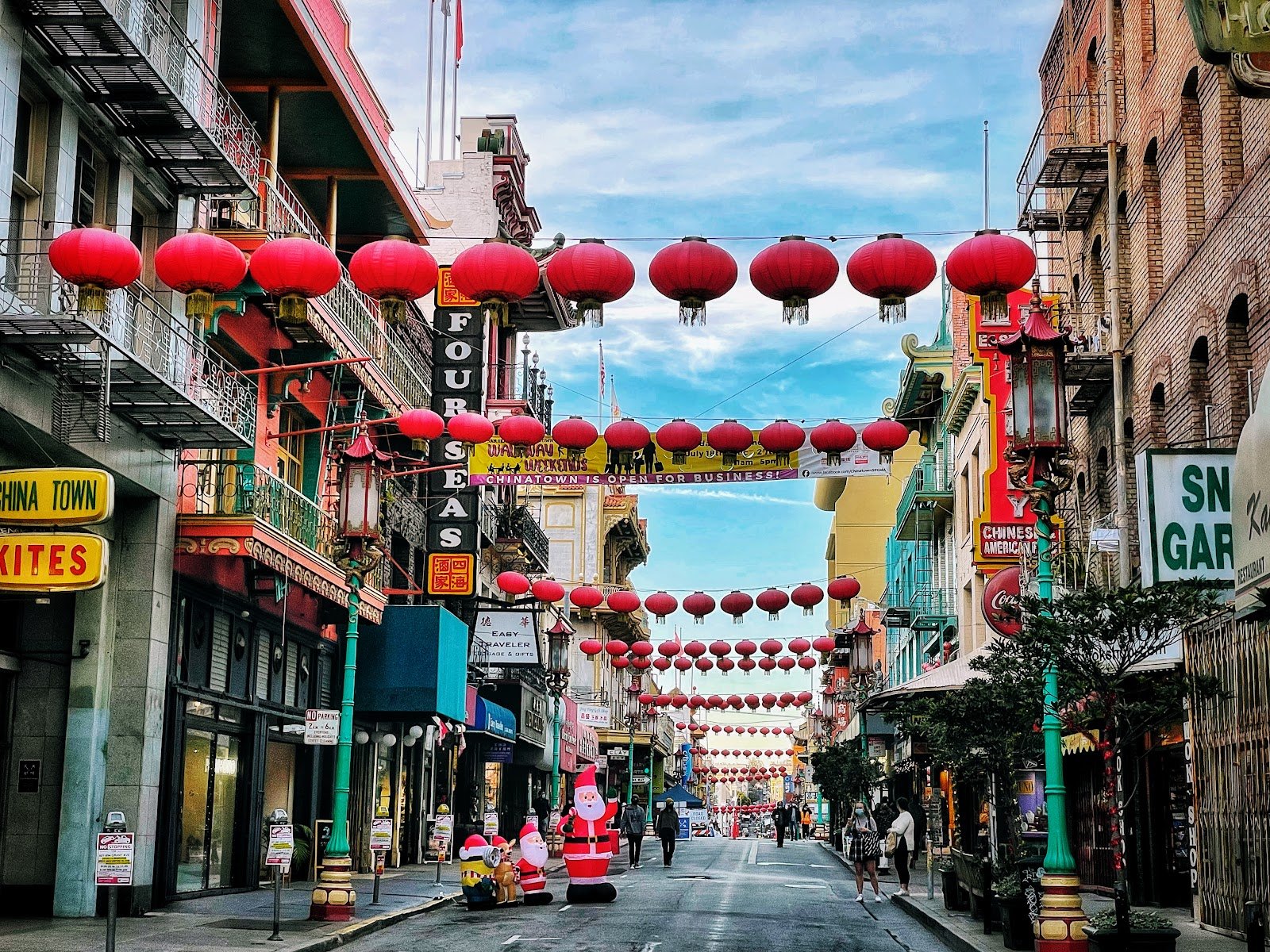
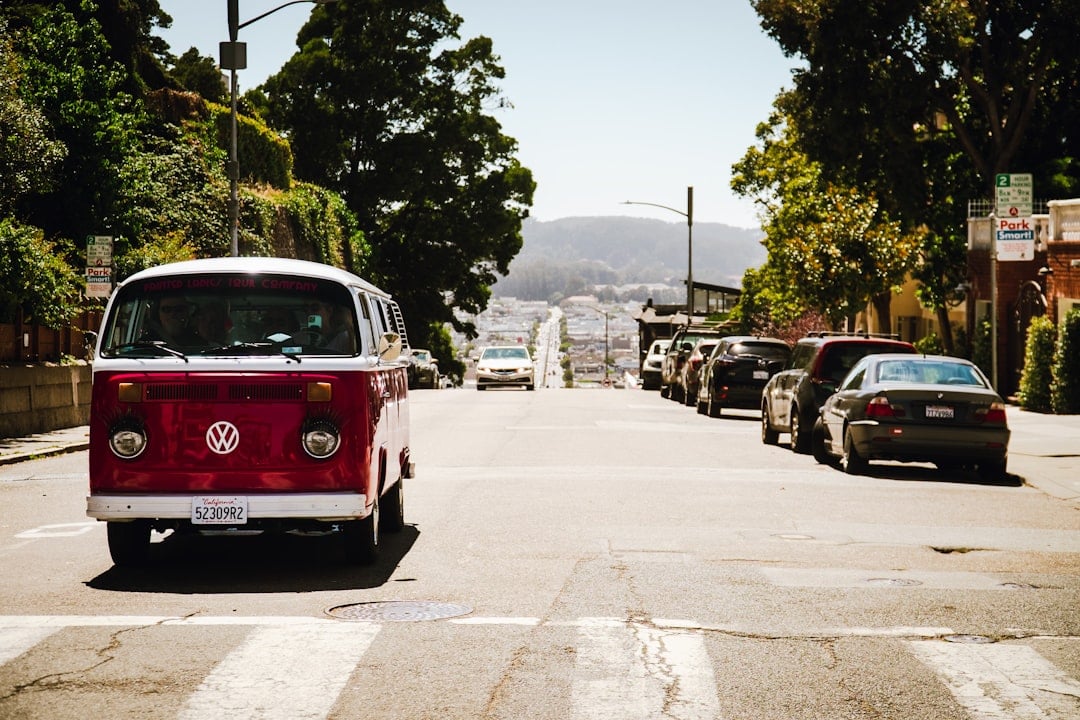
San Francisco is one of the most visually dramatic cities in the United States, built across a peninsula of steep hills that tumble toward the Pacific and San Francisco Bay. It is a city of distinct neighborhoods, each with its own character: the Victorian storefronts of the Haight, the murals and taquerias of the Mission, the boutiques and galleries of Hayes Valley, and the lantern-strung alleyways of Chinatown, one of the oldest in North America. No two blocks feel quite the same.
The city has long been a cultural and intellectual capital. It was the cradle of the Beat Generation and the counterculture movement of the 1960s, and today it remains a hub of creativity, progressive thought, and technological innovation. That layered identity gives San Francisco an energy that is simultaneously historic and forward-looking, making it compelling for travelers who want more than surface-level tourism.
Dining in San Francisco is a serious pursuit. The city's proximity to the Central Valley, the Pacific, and the wine regions of Napa and Sonoma means that ingredients are exceptional and chefs take full advantage. From Michelin-starred tasting menus in SoMa to a bowl of clam chowder on Fisherman's Wharf, the food culture is democratic and deeply rooted in place. The Ferry Building Marketplace is a destination in its own right, anchoring a thriving farmers' market scene.
San Francisco draws a wide range of travelers: design-minded visitors who come for the architecture and museums, food travelers chasing the city's celebrated restaurant scene, and those drawn by the natural drama of the surrounding Bay Area. Alcatraz, the cable cars, and the Golden Gate Bridge are genuinely worth the time, but the city rewards those who wander off the main circuit and explore its quieter, more intimate corners.

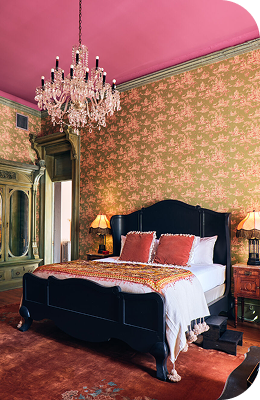

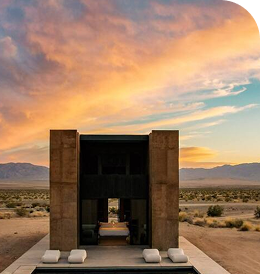

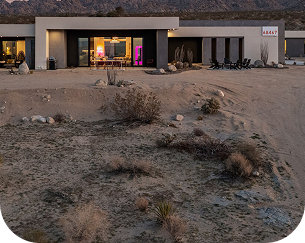

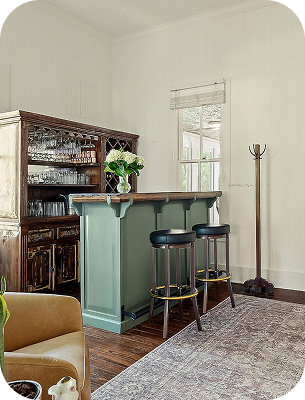

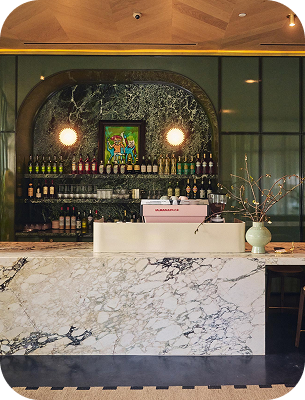

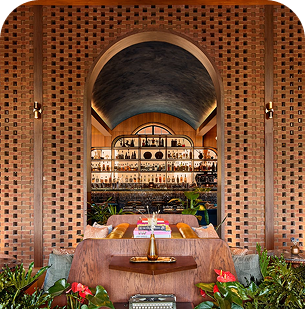

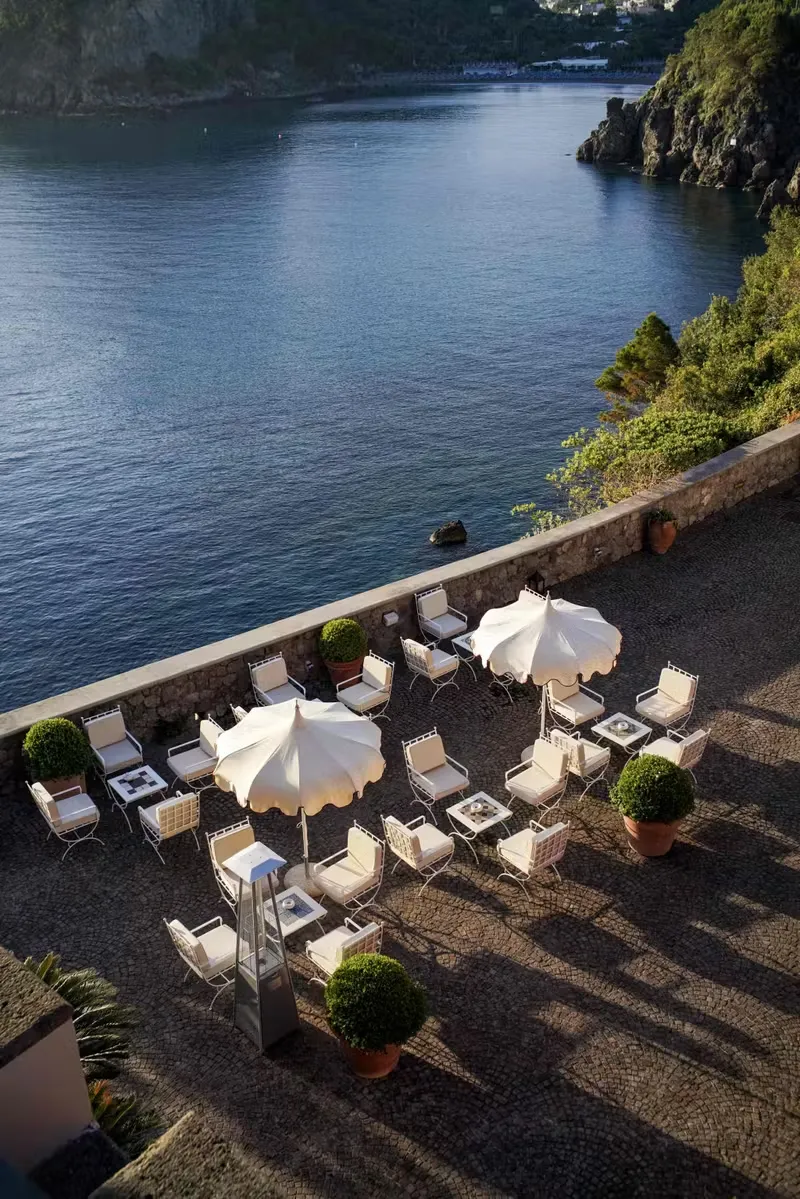

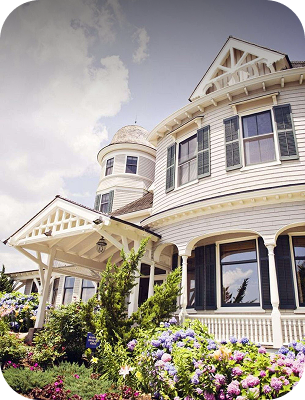

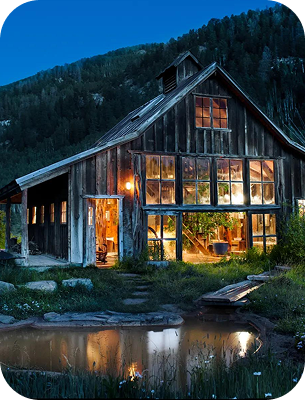

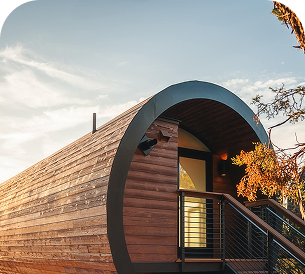

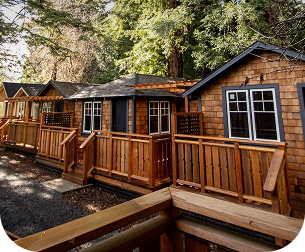

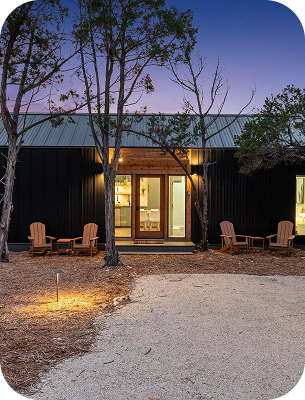



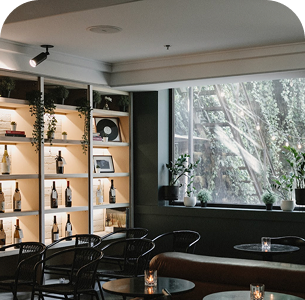

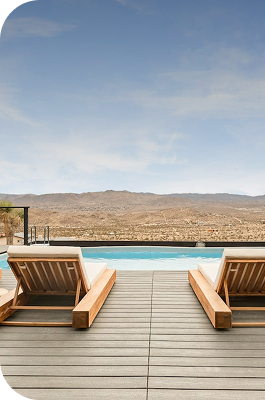

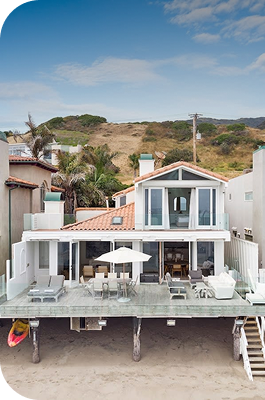

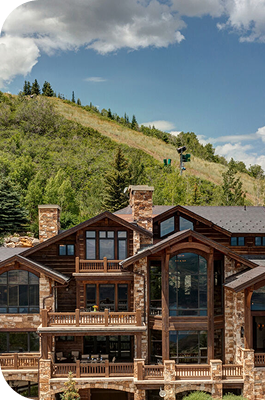
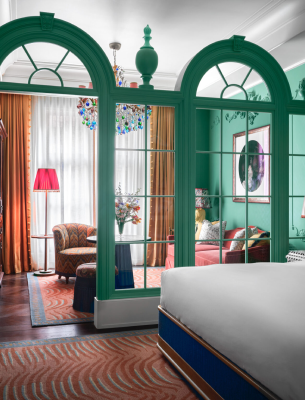
Journey connects travelers to a curated network of boutique hotels and distinctive residences around the world, all united under one rewards program. Explore handpicked stays for your trip while earning points, unlocking exclusive offers, and receiving rewards across the Journey collection.
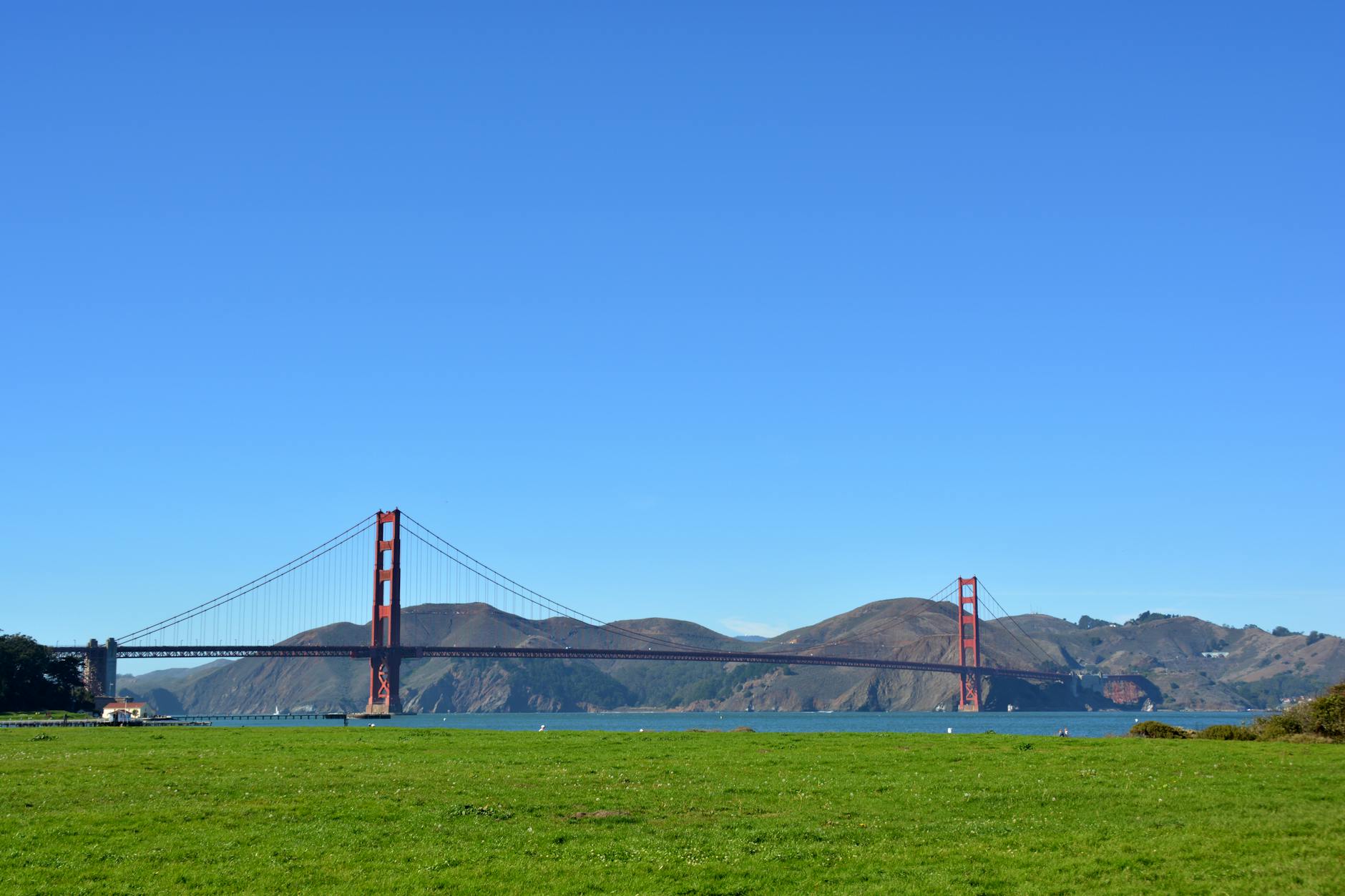
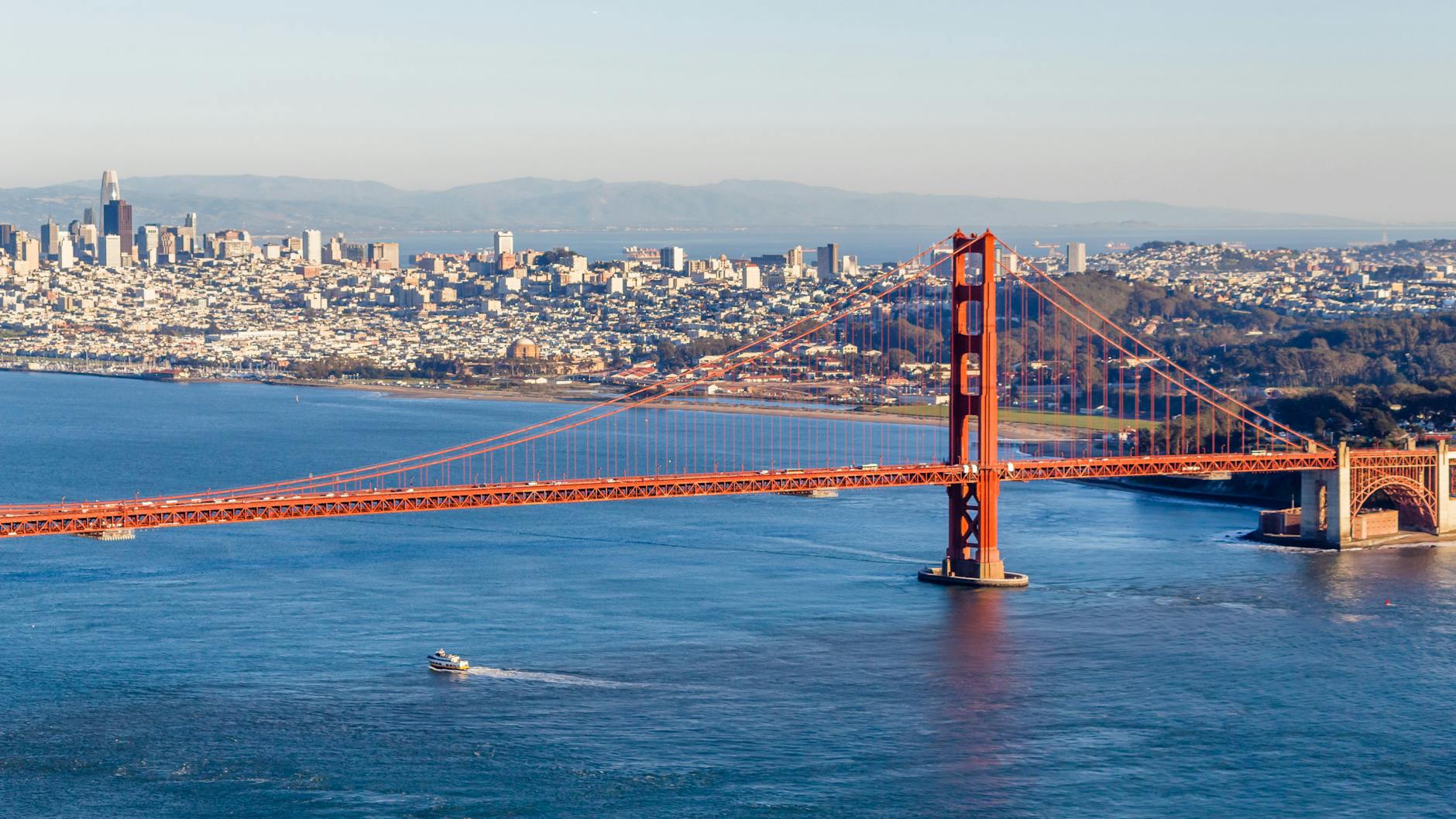
San Francisco occupies the tip of a 32-mile peninsula between the Pacific Ocean and San Francisco Bay, covering just 47 square miles of land. That compact geography is part of what makes the city so immediately legible: hills rise sharply from the waterfront, neighborhoods stack against one another, and the bay is almost always visible from high ground. The Golden Gate strait, the narrow channel connecting the bay to the ocean, is spanned by the bridge that has become the city's defining image worldwide.
The city was founded as a Spanish mission settlement in 1776 and grew explosively during the California Gold Rush of 1849, transforming almost overnight from a small outpost into a boomtown of international ambition. That rapid, chaotic growth shaped its character: San Francisco has always been a place of reinvention, migration, and restless energy. The earthquake and fire of 1906 destroyed much of the city, and its rebuilding reinforced a civic identity built on resilience and reinvention.
Culturally, San Francisco holds an outsized place in American history. The Beat writers gathered in North Beach in the 1950s. The Summer of Love centered on the Haight-Ashbury neighborhood in 1967. The Castro became one of the most significant centers of LGBTQ+ life and activism in the world. These histories are not merely commemorated here; they are woven into the daily texture of the city.
Today, San Francisco is a global city in the fullest sense. It is home to major financial institutions, world-class universities, and the technology industry that has reshaped the global economy. That concentration of wealth and talent has made it one of the most expensive cities in the world, but it has also funded museums, architecture, and a restaurant scene of extraordinary ambition. For travelers, the city offers a rare combination: genuine historical depth, cultural complexity, and a physical setting of almost cinematic beauty.
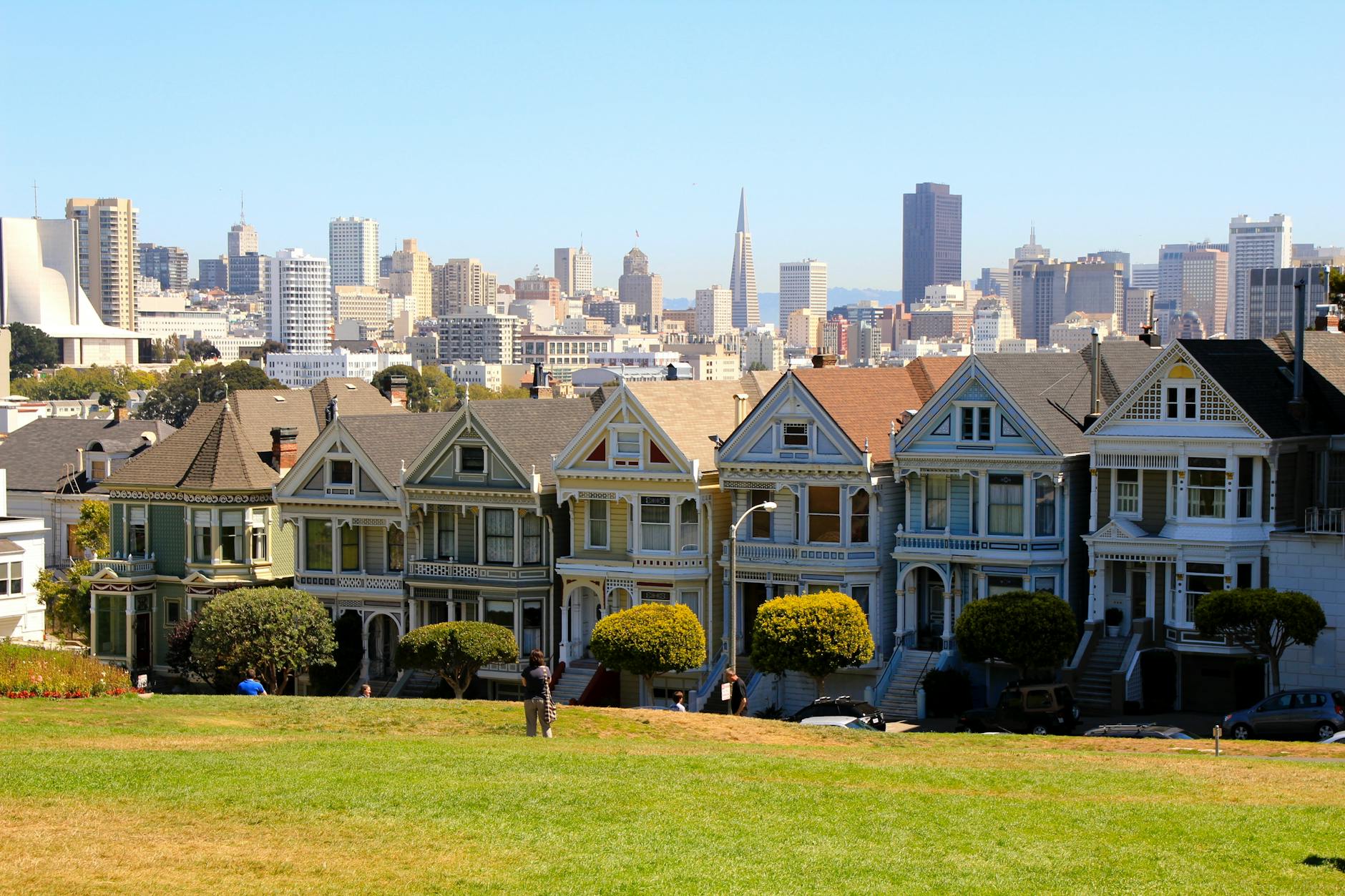
September and October are the best months to visit San Francisco. This is when the city's notorious summer fog retreats, crowds thin out compared to peak summer, and the weather cooperates for exploring both the city and the surrounding Bay Area. Outdoor activities, from hiking the Marin Headlands to cycling across the Golden Gate Bridge, are far more rewarding when skies are reliably clear.
Late spring, particularly May and early June, is another strong window. The city is lively with cultural events and festivals, parks are green from winter rains, and visitor numbers have not yet hit their summer peak. The Haight, Dolores Park, and the Embarcadero are all at their most pleasant before the fog season settles in.
Summer draws the largest crowds, particularly July and August, when families and international visitors fill the major attractions. Be aware that this is also when fog is most persistent, especially in neighborhoods close to the coast and the western side of the city. Fisherman's Wharf, the Golden Gate, and Ocean Beach can feel completely socked in by mid-afternoon. Travelers who are not prepared for cool, overcast conditions are often caught off guard.
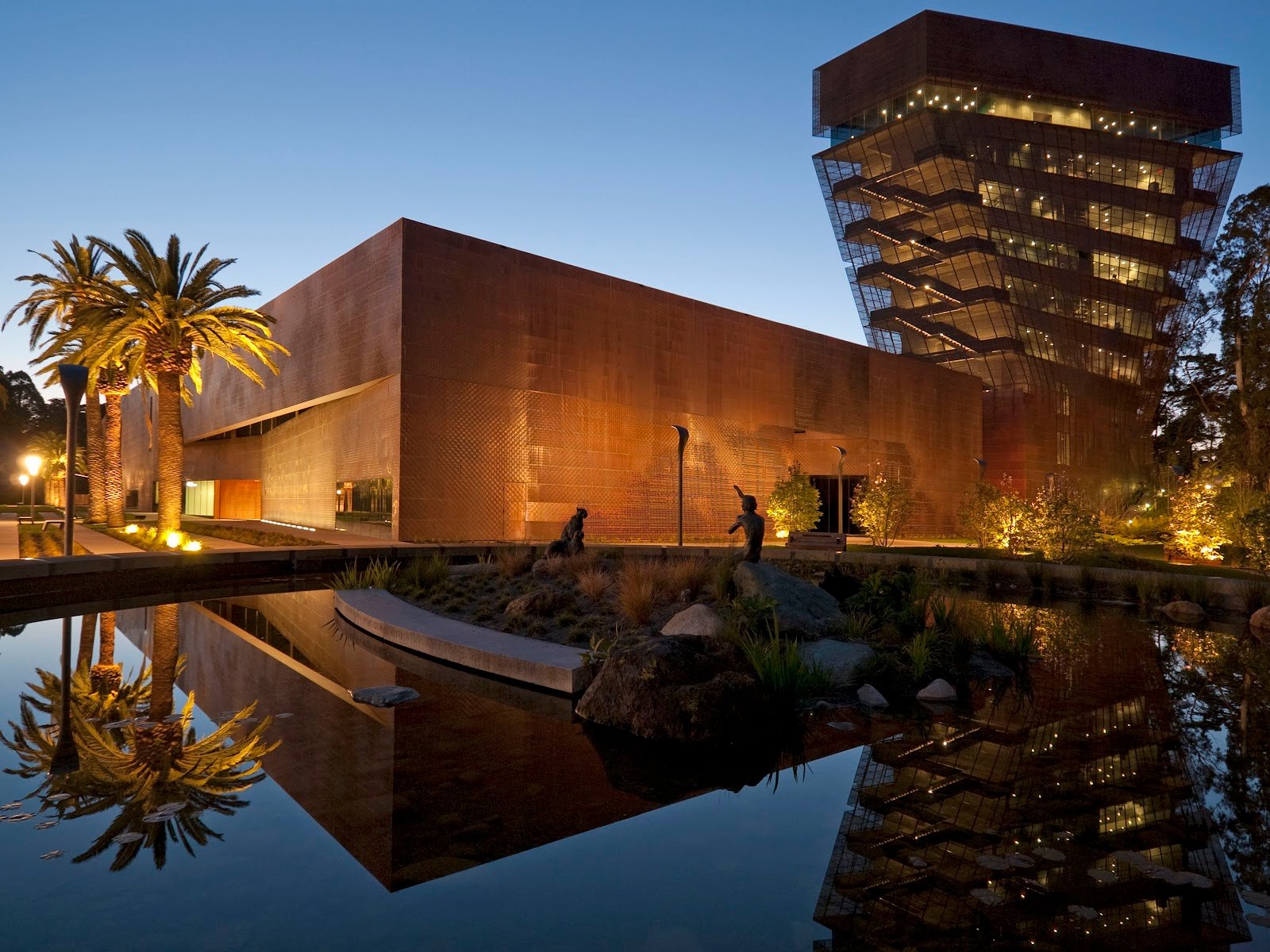
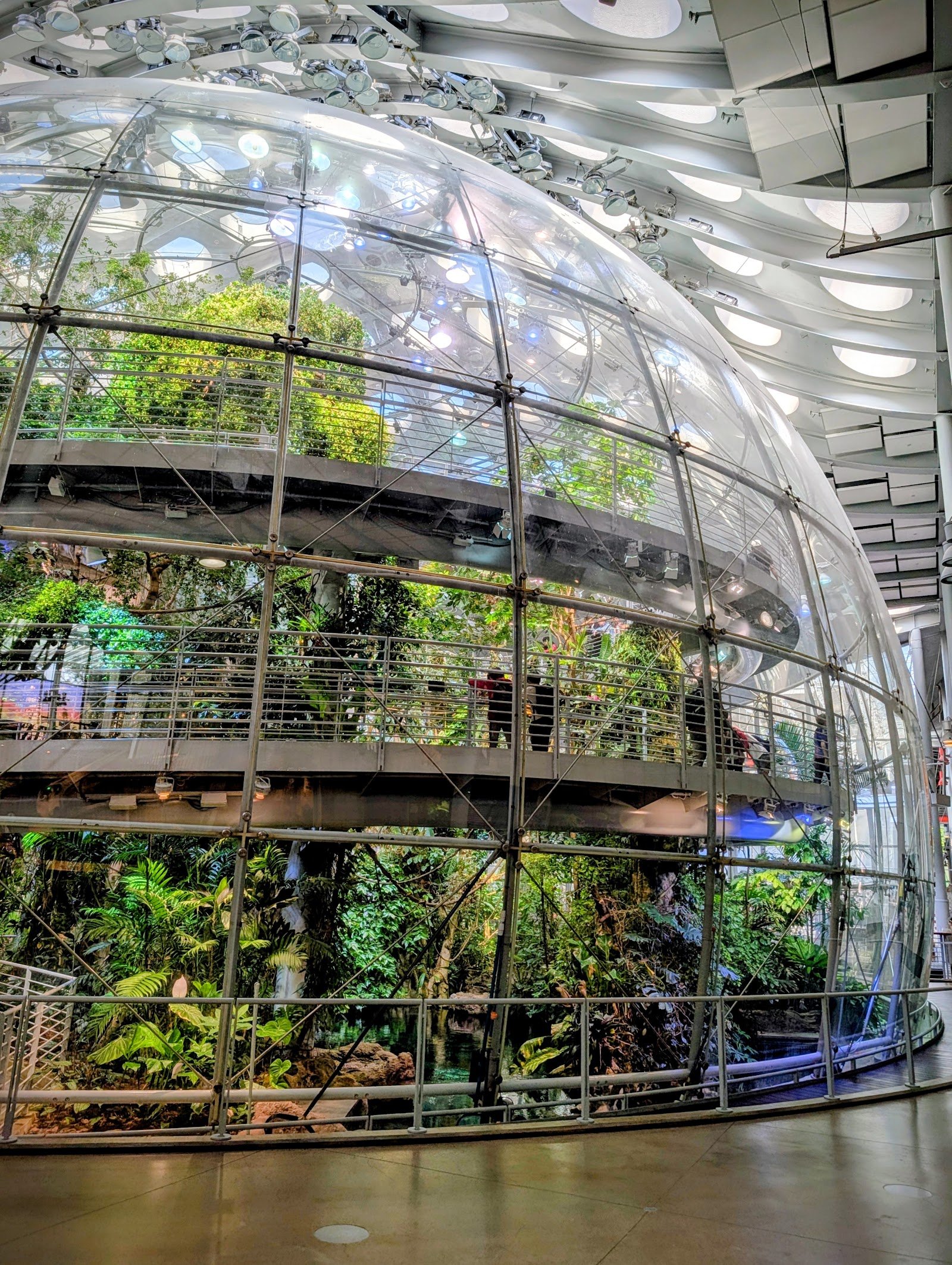
Winter is the quietest season for tourism and a good time to find lower hotel rates and shorter lines at popular spots. The rainy season does mean some outdoor plans may need to flex, but the city's indoor cultural life, including its museums, theaters, and restaurant scene, is fully active. The de Young Museum, SFMOMA, and the California Academy of Sciences are all excellent wet-weather options.
For those focused on outdoor access and peak neighborhood energy, September through early November is the clear choice. For budget-conscious travelers willing to work around rain, January and February offer the most value.
The Mission is San Francisco's most vibrant and culturally layered neighborhood, defined by its Latino heritage, bold street murals, and some of the city's best taquerias and bars. Balmy Alley and Clarion Alley are open-air galleries of political and community art that have made this district a pilgrimage for street art lovers. The neighborhood also anchors a thriving restaurant and nightlife scene that draws locals and visitors alike.
Hayes Valley is a compact, walkable neighborhood that has evolved into one of San Francisco's most design-conscious districts, lined with independent boutiques, wine bars, and acclaimed restaurants. The neighborhood centers on a stretch of Hayes Street that feels curated without being sterile, with a mix of local shops and well-regarded dining destinations. Patricia's Green, a small neighborhood park, anchors the area and frequently hosts public art installations.
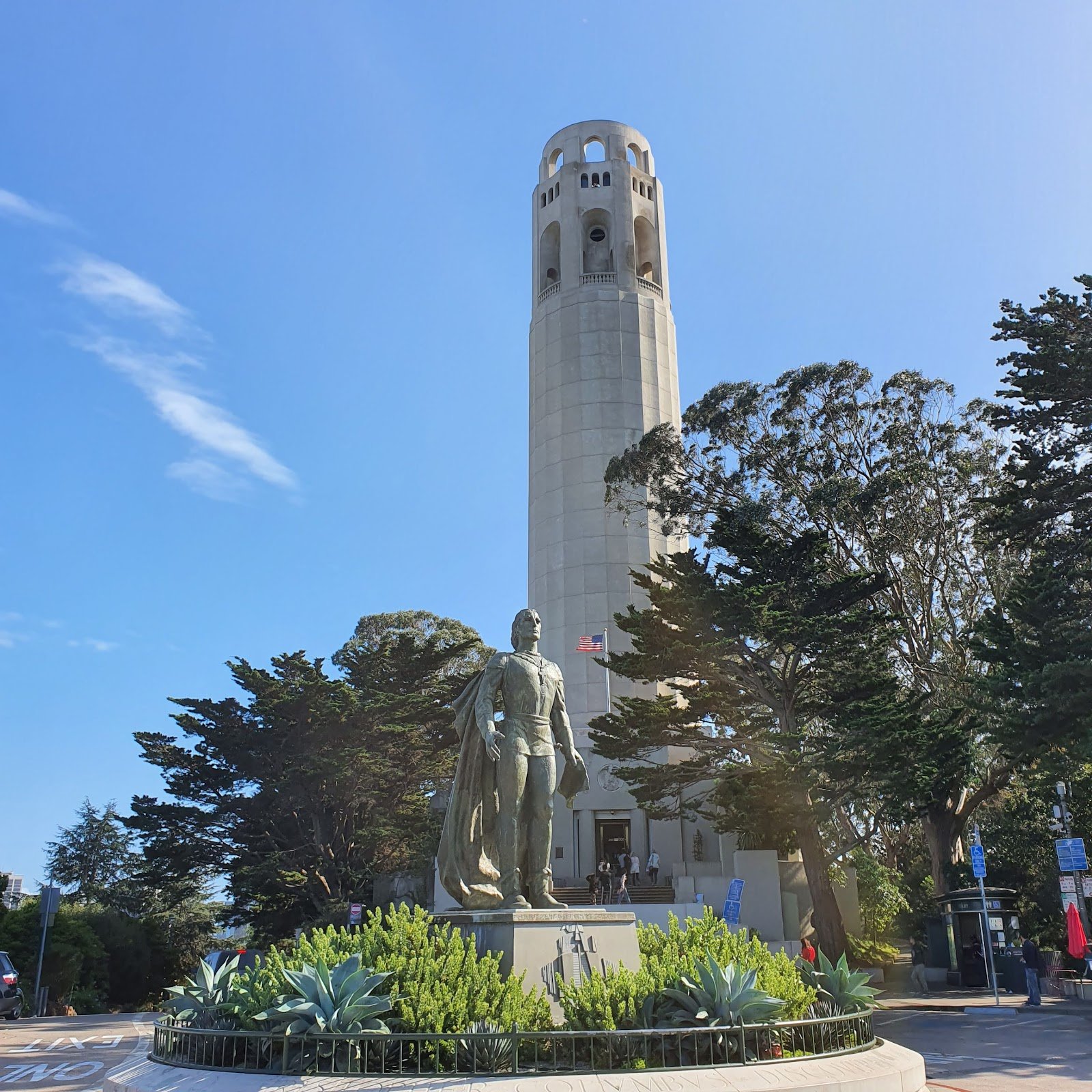
North Beach is San Francisco's historic Italian neighborhood and the birthplace of the Beat Generation, where City Lights Bookstore still stands as a literary landmark on Columbus Avenue. The neighborhood is defined by its espresso bars, trattorias, and the lively Washington Square Park, where locals gather at all hours. Coit Tower rises above the district, offering sweeping views of the Bay and a reminder of the city's dramatic topography.
San Francisco's Chinatown is the oldest in North America and one of the most densely populated urban neighborhoods in the country, a living, working community that also happens to be one of the city's most atmospheric places to wander. Dragon's Gate on Grant Avenue marks the entrance to a grid of lantern-strung streets, herbal apothecaries, dim sum parlors, and produce markets. It is a neighborhood best explored on foot, slowly, with appetite.
South of Market is San Francisco's most architecturally diverse district, home to the San Francisco Museum of Modern Art, the Yerba Buena Gardens, and a concentration of the city's best fine dining and cocktail bars. The neighborhood's industrial bones have been repurposed into galleries, event spaces, and restaurants that give it an energy distinct from the city's residential neighborhoods. It is the cultural and culinary anchor of contemporary San Francisco.
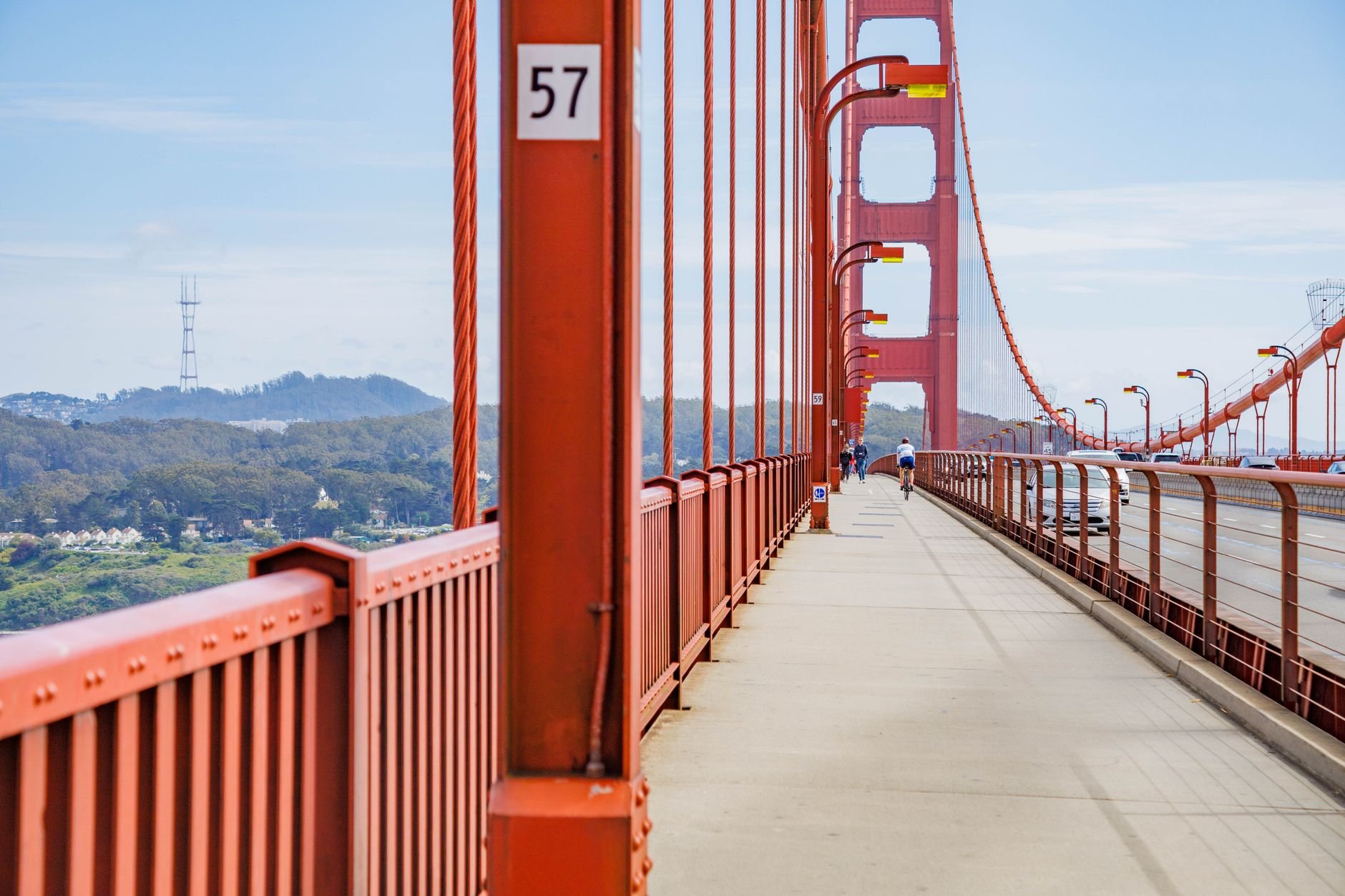
San Francisco has a short list of experiences that exist nowhere else on earth, and travelers return for them specifically.
Walking or Cycling the Golden Gate Bridge
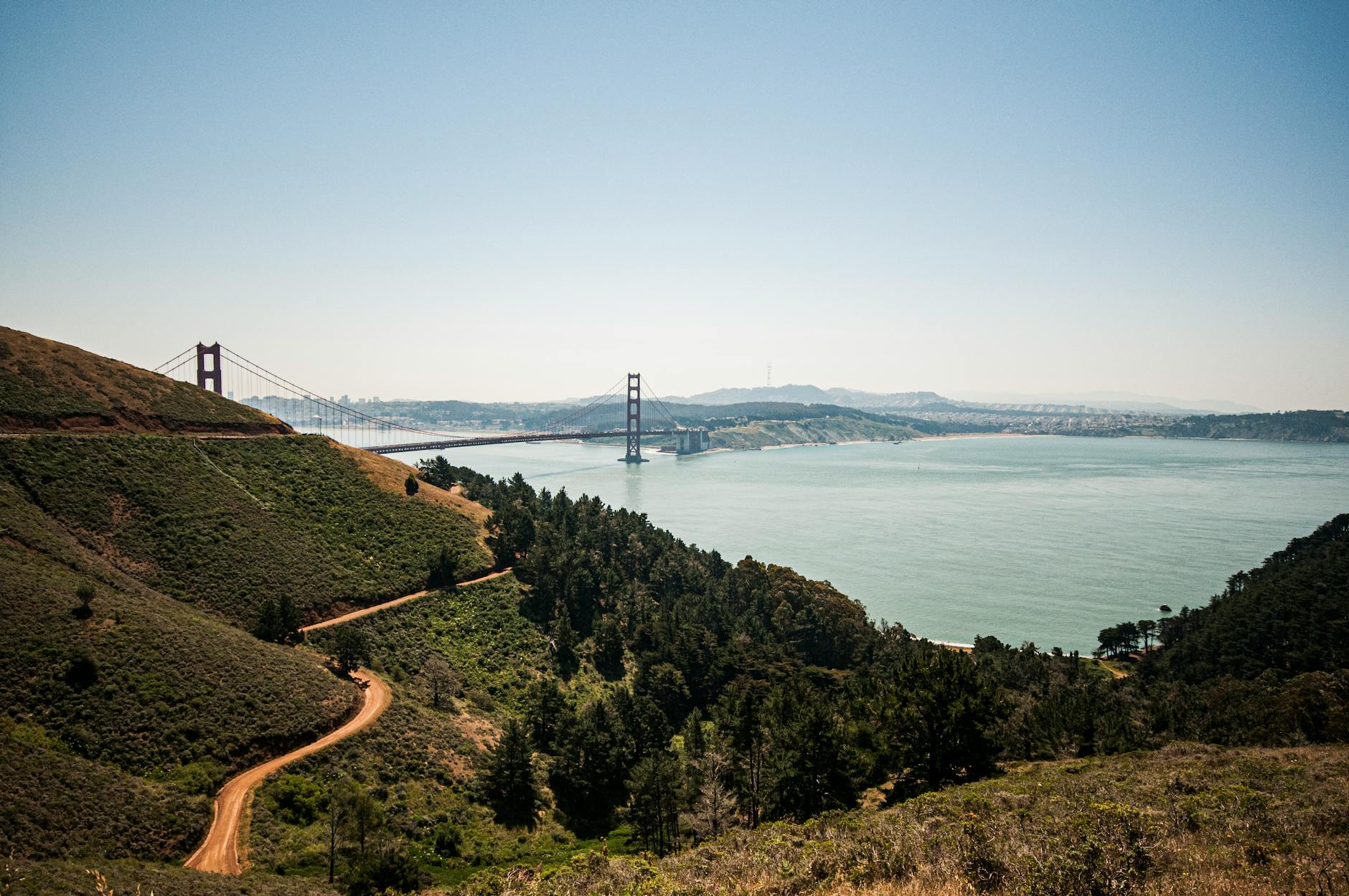
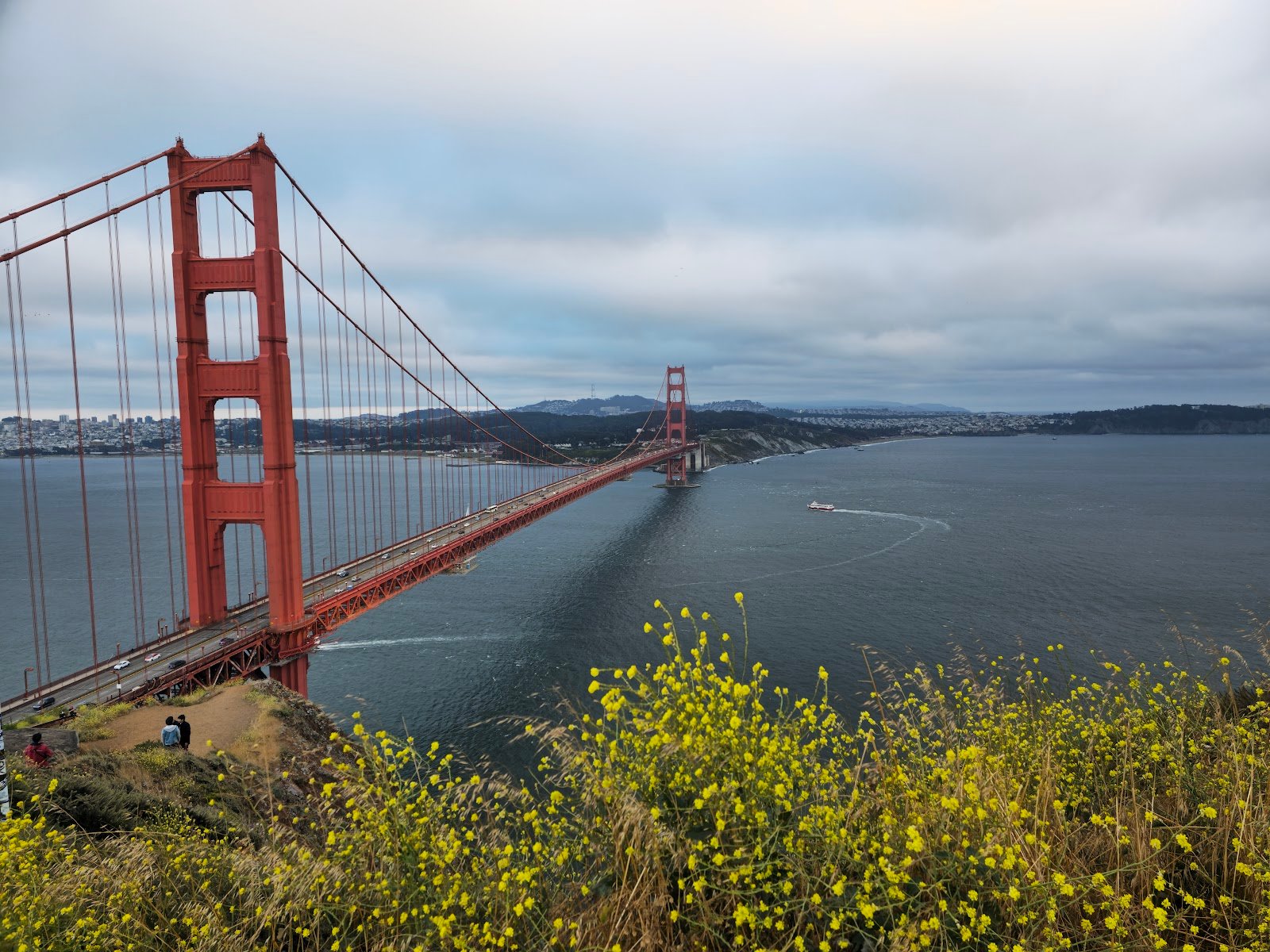
The Golden Gate Bridge is not just a photo subject. Walking or cycling across its 1.7-mile span, with the Pacific on one side and the Bay on the other, is a physical experience that photographs cannot replicate. The approach from the Marin Headlands, particularly from Battery Spencer, delivers the most dramatic perspective of the bridge against the San Francisco skyline.
The Ferry Building and Its Farmers' Market
On Tuesday, Thursday, and Saturday mornings, the Ferry Building Marketplace becomes the center of Northern California's food culture. Farmers from the Central Valley, artisan cheesemakers, and specialty producers line the Embarcadero. Shopping here is less an errand than an education in California's agricultural abundance.
Exploring Alcatraz
A boat ride across the Bay to Alcatraz is one of the most compelling historical experiences in American tourism. The audio tour, narrated by former guards and inmates, transforms what could be a simple sightseeing stop into something genuinely affecting. The island's views back toward the city skyline are among the best available.
Coastal Ruins at Sutro Baths
The ruins of the Sutro Baths at Lands End are one of San Francisco's most atmospheric sites. The collapsed walls of a Victorian-era public bathhouse sit at the edge of the Pacific, surrounded by cypress trees and coastal trails. At dusk, the light here is extraordinary.
Neighborhood Staircase Walks
San Francisco's mosaic-tiled stairways, particularly the 16th Avenue Tiled Steps and the Hidden Garden Steps in the Inner Sunset, are community art projects built into the hillside. Climbing them rewards visitors with neighborhood views and a sense of the city's creative, locally-rooted character that no organized tour provides.
San Francisco offers an extraordinary range of activities across every interest, making it one of the most rewarding cities to explore on the West Coast.
Outdoor Recreation
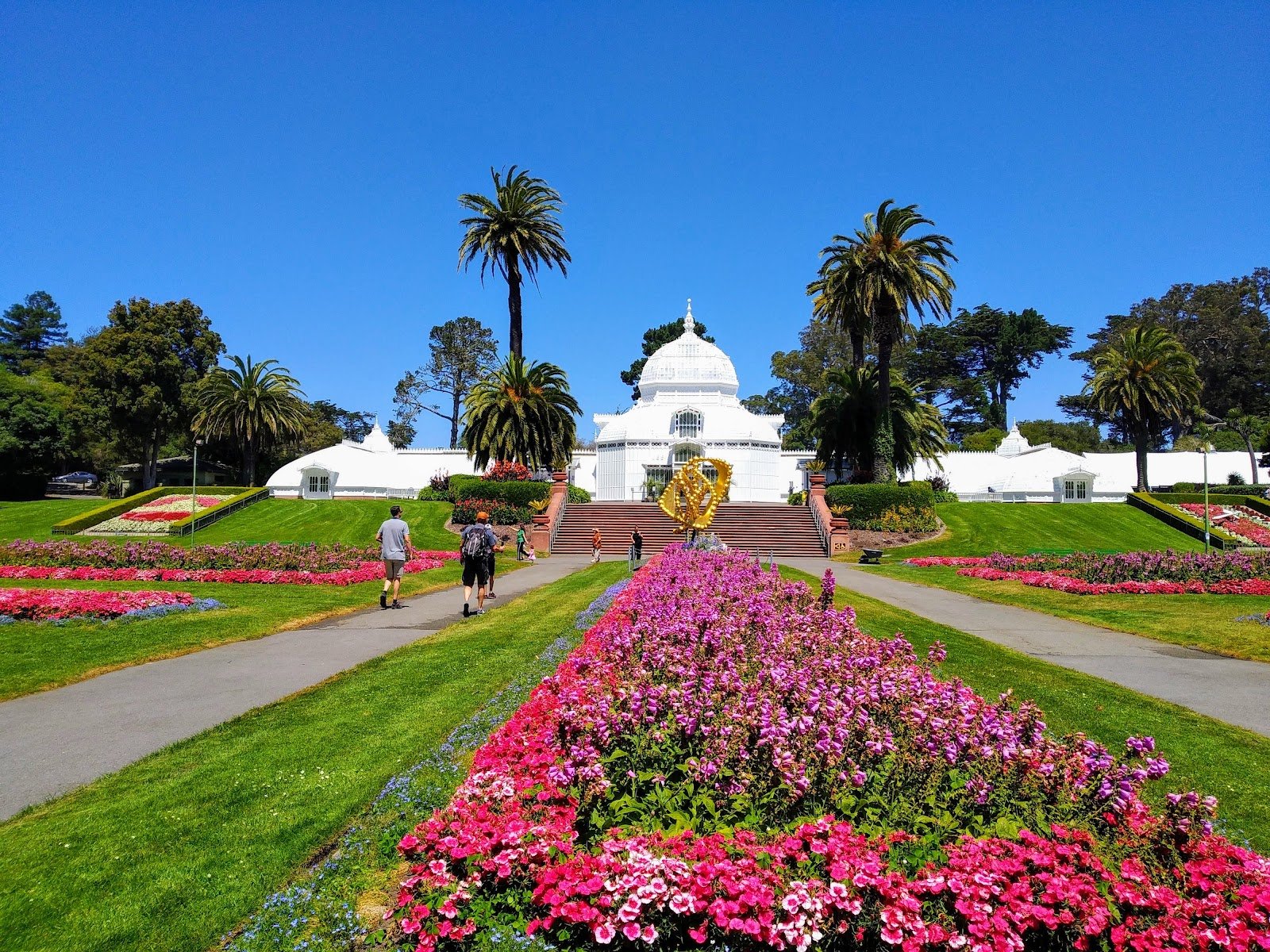
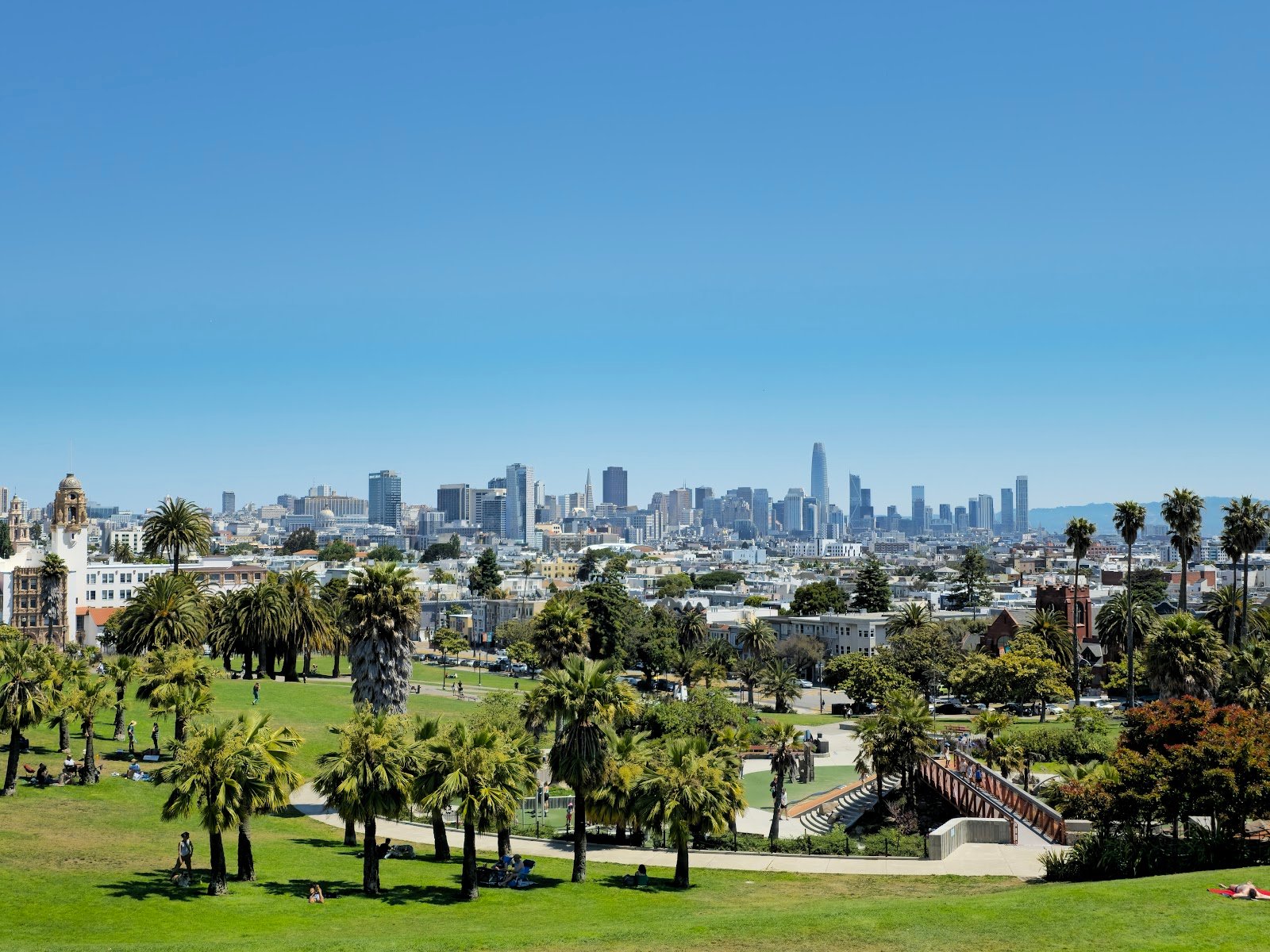
The city's geography is its greatest asset for outdoor enthusiasts. Golden Gate Park stretches across 1,000 acres of gardens, meadows, and trails, while the Marin Headlands just across the bridge offer rugged coastal hiking with sweeping Bay views. Mission Dolores Park is the neighborhood gathering spot for locals on sunny afternoons, and the city's famous staircase walks — from the Filbert Steps to the 16th Avenue Tiled Steps — combine fitness with neighborhood discovery.
Scenic Exploration
Few cities reward wandering the way San Francisco does. The Golden Gate Bridge is a genuine icon worth crossing on foot or by bike. Lands End and Sutro Baths offer dramatic coastal scenery on the city's western edge, where ruins meet crashing surf. Coit Tower crowns Telegraph Hill and delivers panoramic views of the Bay, while Tank Hill Park provides a quieter vantage point away from the crowds.
Cultural Attractions
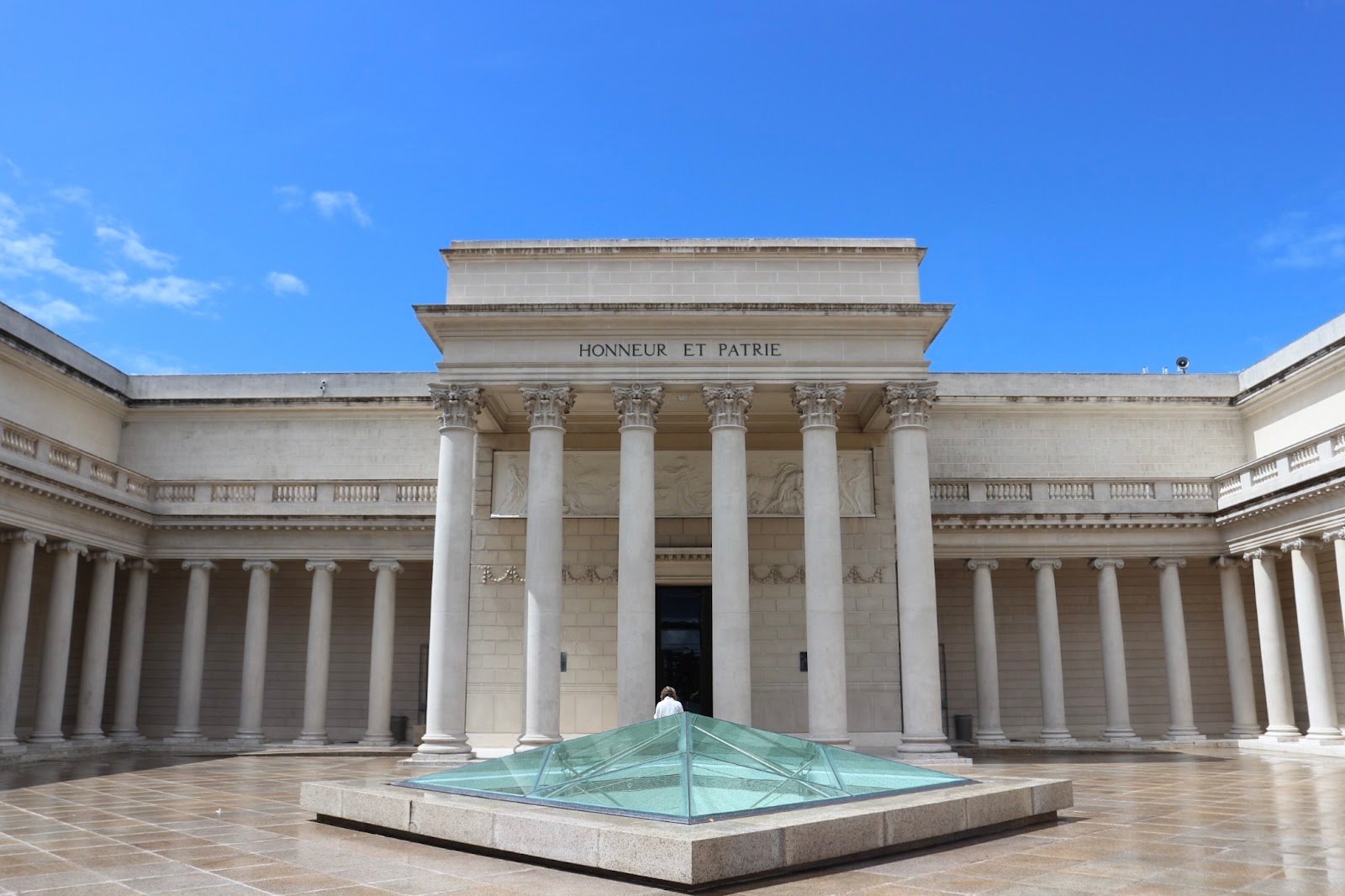
San Francisco's museum scene is exceptional. The de Young Museum houses American art and hosts major international exhibitions. The California Academy of Sciences combines a natural history museum, planetarium, and living rainforest under one roof. The Legion of Honor sits dramatically above Land's End and holds a world-class European art collection. Chinatown, one of the oldest in North America, is a living cultural district worth exploring beyond its main corridor.
Arts and Entertainment
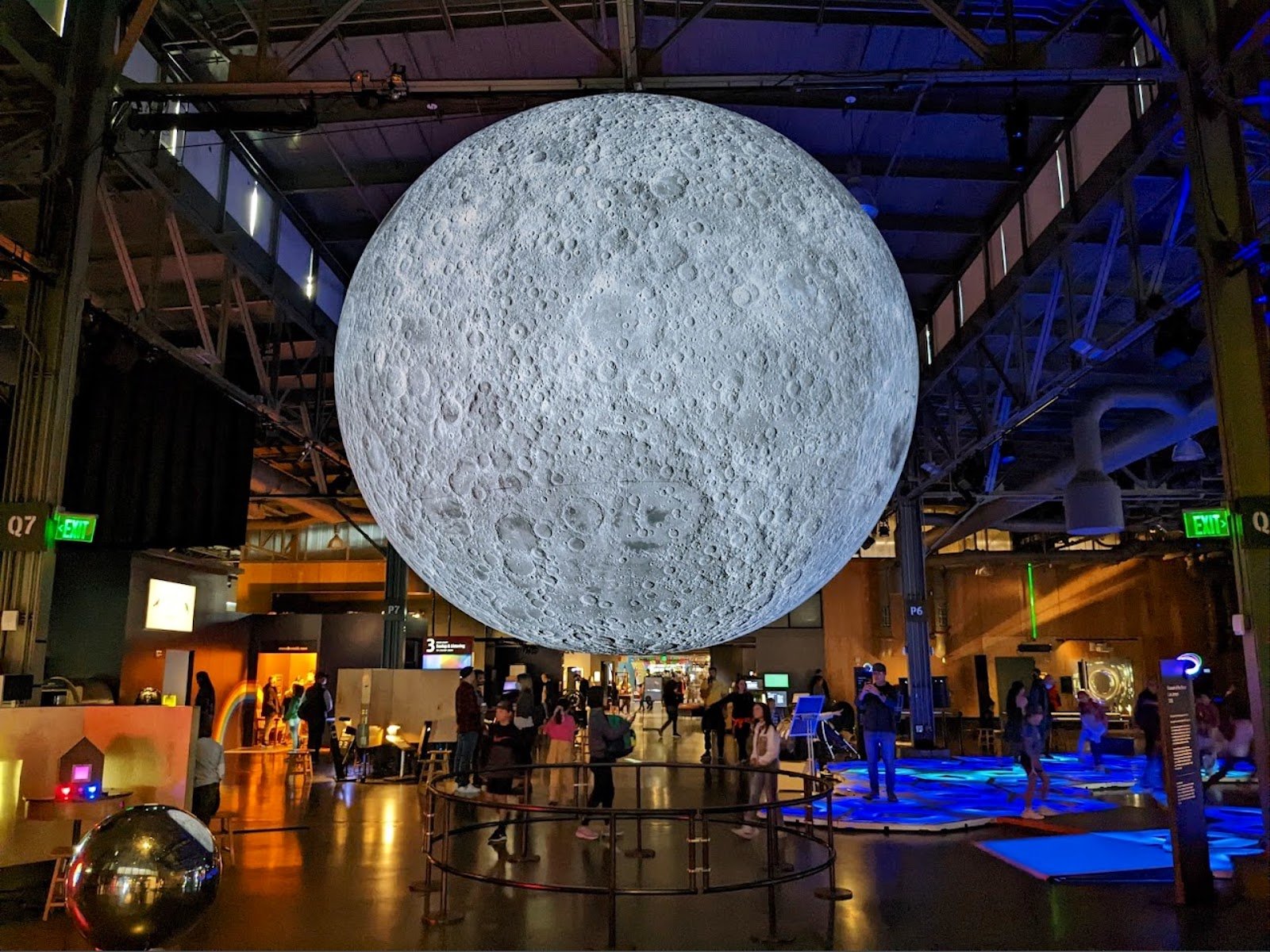
The city has a vibrant performing arts culture, from the San Francisco Symphony and Opera to independent theater. Club Fugazi Experiences offers one of the city's most talked-about theatrical productions. The Exploratorium at Pier 15 is a hands-on science museum that appeals equally to adults and children.
Food and Dining
San Francisco's food scene is among the best in the country. The Ferry Building anchors a celebrated farmers' market and houses acclaimed food vendors. Fisherman's Wharf remains a beloved destination for seafood classics. The Mission, Hayes Valley, and SoMa neighborhoods are dense with acclaimed restaurants ranging from casual taquerias to Michelin-starred dining rooms.
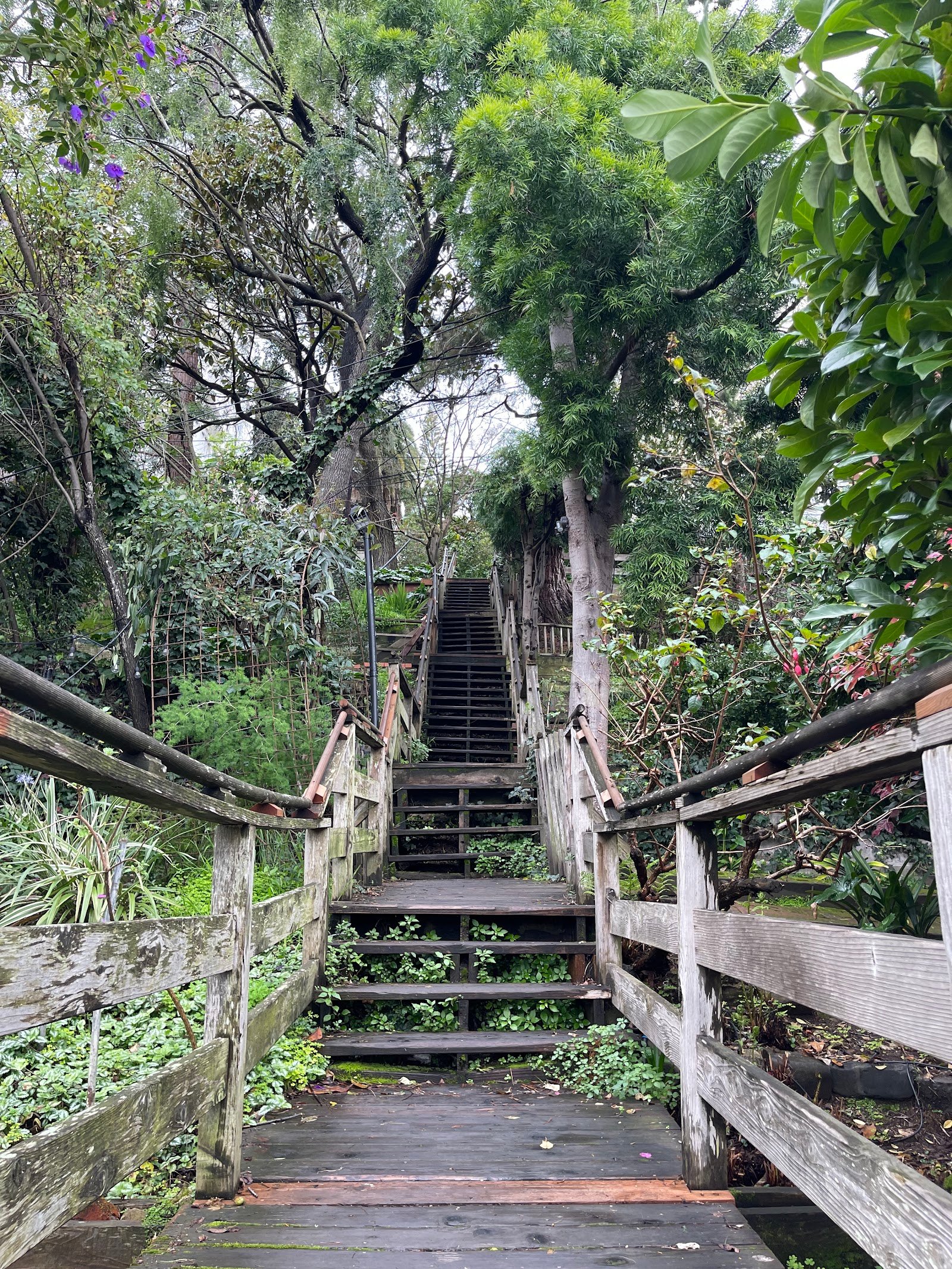
Filbert Steps Steep wooden staircase amid leafy gardens with wild parrots & views of the San Francisco Bay.
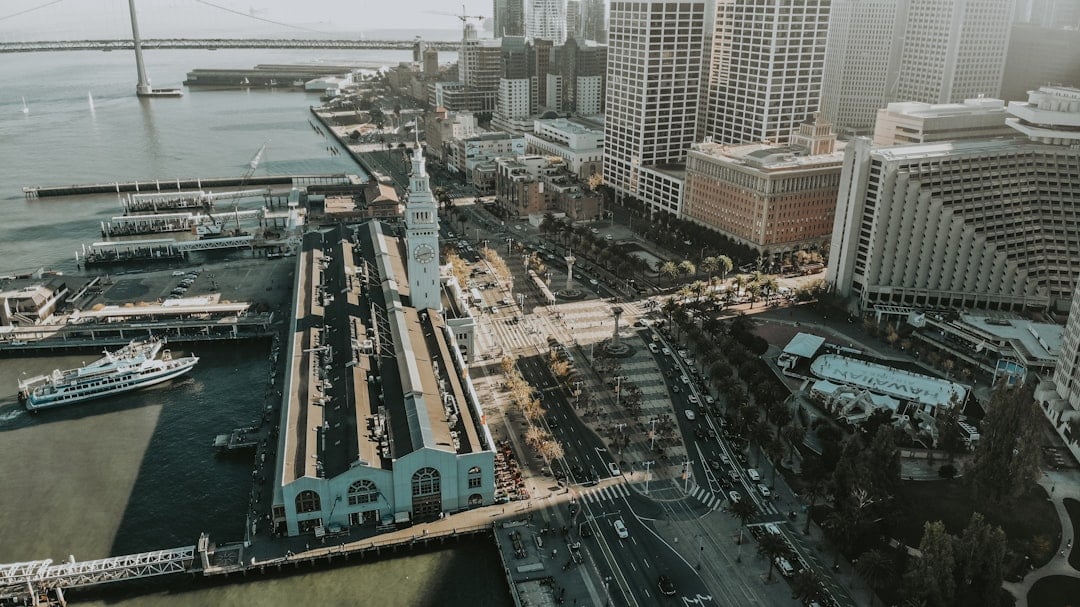
Start the morning at the Ferry Building Marketplace, grabbing coffee and browsing the farmers' market stalls along the Embarcadero. Head to Fisherman's Wharf for a clam chowder bread bowl, then hop a cable car up to Nob Hill. Spend the afternoon exploring Chinatown's lantern-strung alleyways and grab dim sum for a late lunch. End the evening with dinner in Hayes Valley.
Take the early ferry to Alcatraz for a morning tour of the historic island prison with sweeping bay views. Return to the city and spend the afternoon walking across the Golden Gate Bridge or exploring the Marin Headlands overlook. Head back into the city for sunset drinks in the Mission District, followed by tacos and murals along Valencia Street.
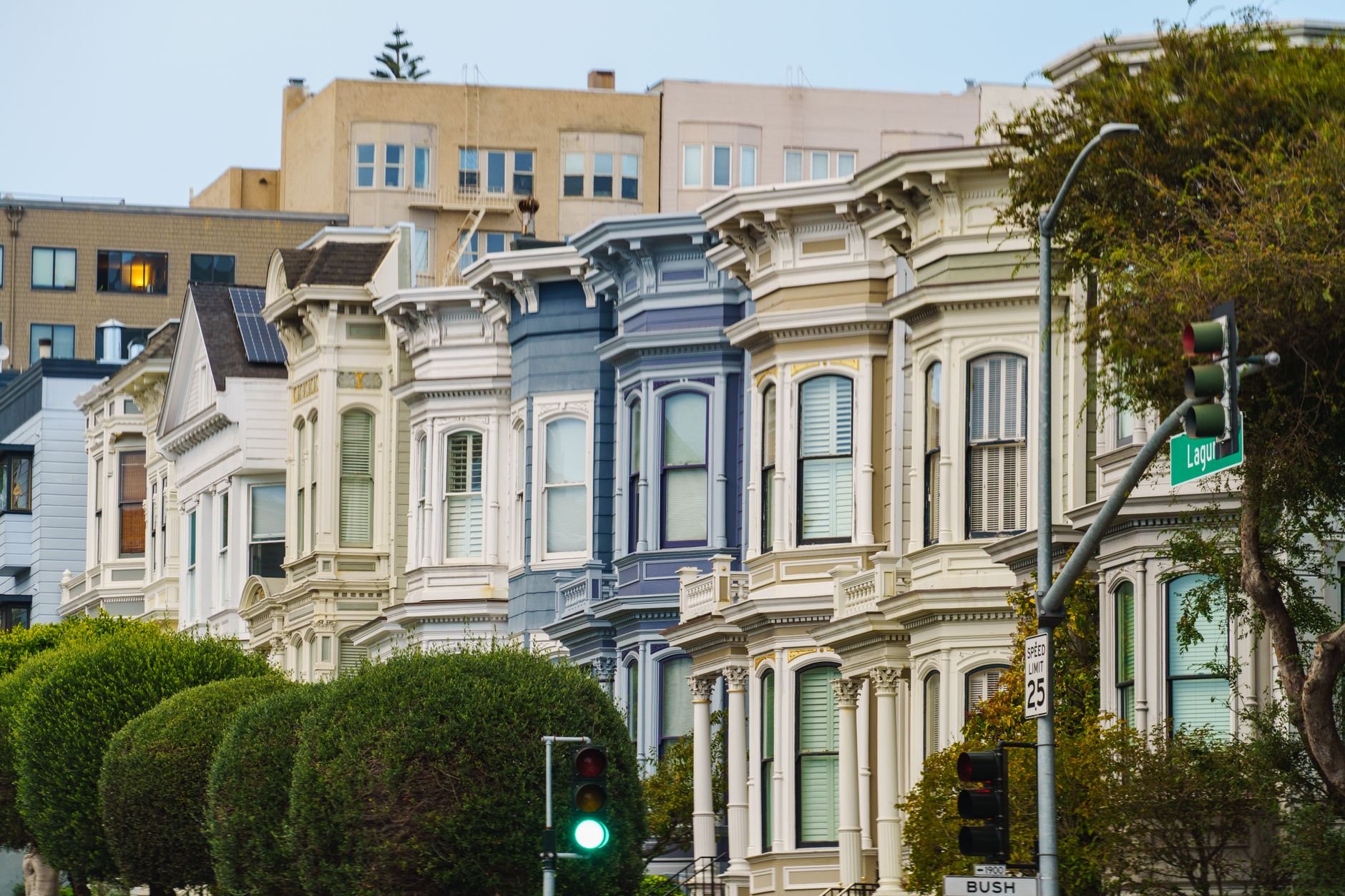
Spend the morning wandering the colorful Victorian storefronts of the Haight-Ashbury neighborhood, stopping into vintage shops and local cafes. Head to Golden Gate Park in the afternoon to visit the de Young Museum or the Japanese Tea Garden. Wrap up the trip with an early evening stroll through the Castro and a farewell dinner at one of the neighborhood's celebrated restaurants.
San Francisco's cultural calendar is as layered as its geography, with events that reflect the city's deep commitments to music, identity, civic pride, and the arts. Spring brings the San Francisco International Film Festival, one of the oldest in the Americas, drawing filmmakers and audiences to venues across the city for nearly two weeks of screenings and conversations. Late May marks Carnaval San Francisco, a Mission District celebration of Latin American and Caribbean culture that fills the streets with dancers, musicians, and elaborate costumes.
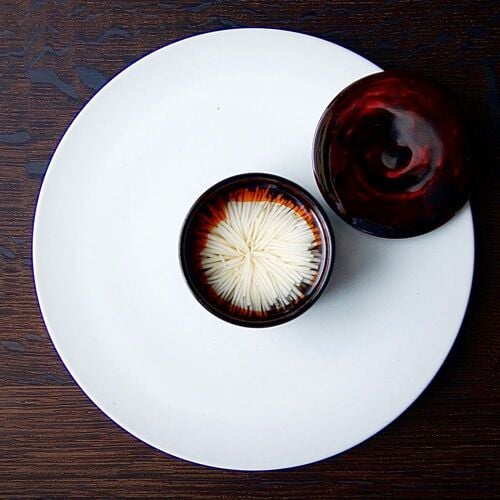
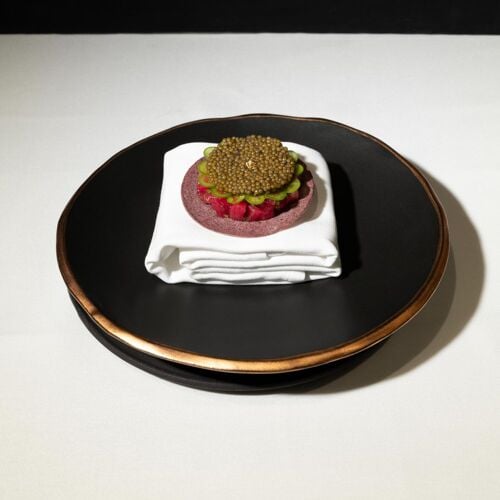
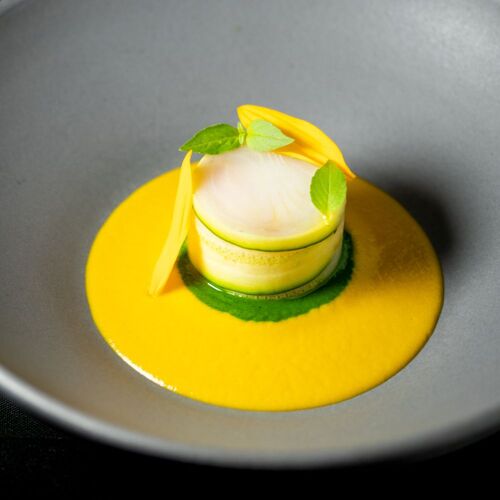
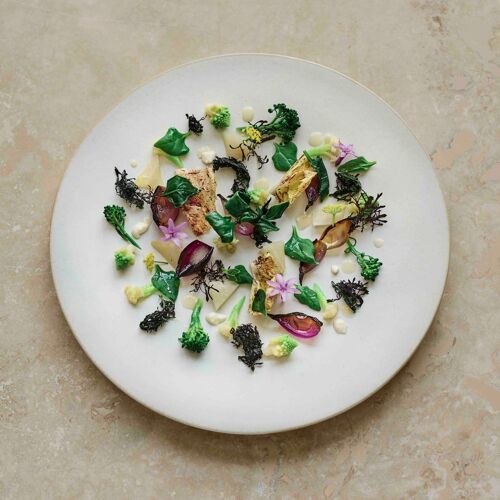
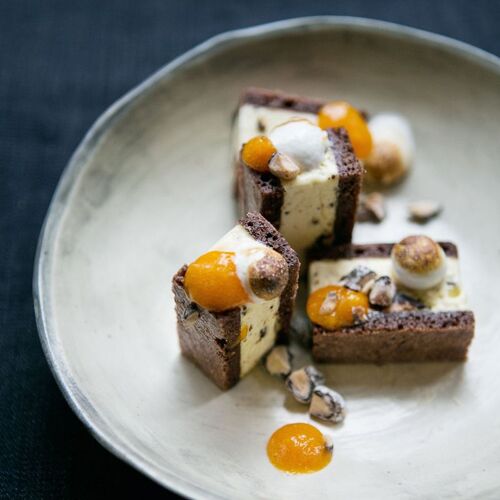
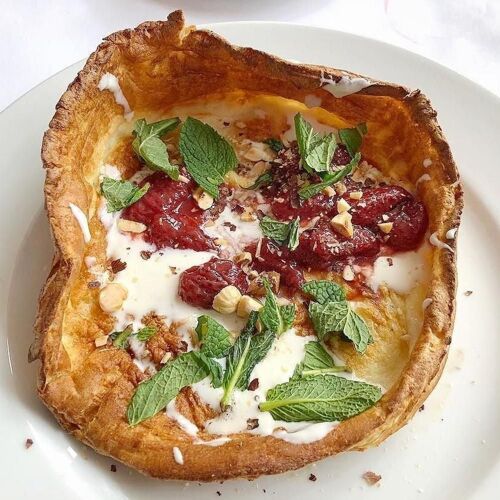
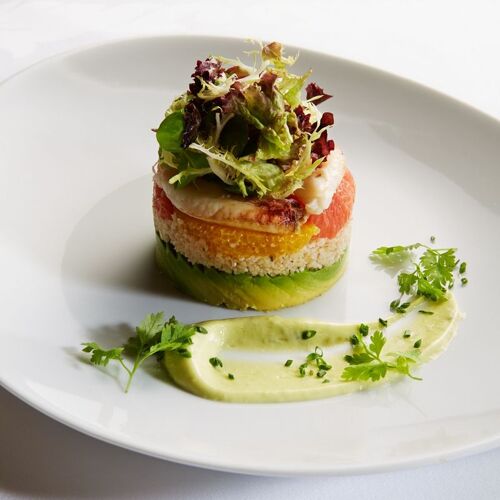
San Francisco's dining culture is rooted in proximity: to the Pacific, to the Central Valley's farms, and to the wine country of Napa and Sonoma just across the bay. That access to exceptional ingredients has shaped a restaurant scene that is simultaneously ambitious and ingredient-driven, where the sourcing of produce, seafood, and meat is taken as seriously as the cooking itself. The Ferry Building Marketplace on the Embarcadero is the symbolic center of this culture, housing artisan food producers and anchoring a farmers' market that operates several days a week and draws both chefs and home cooks.

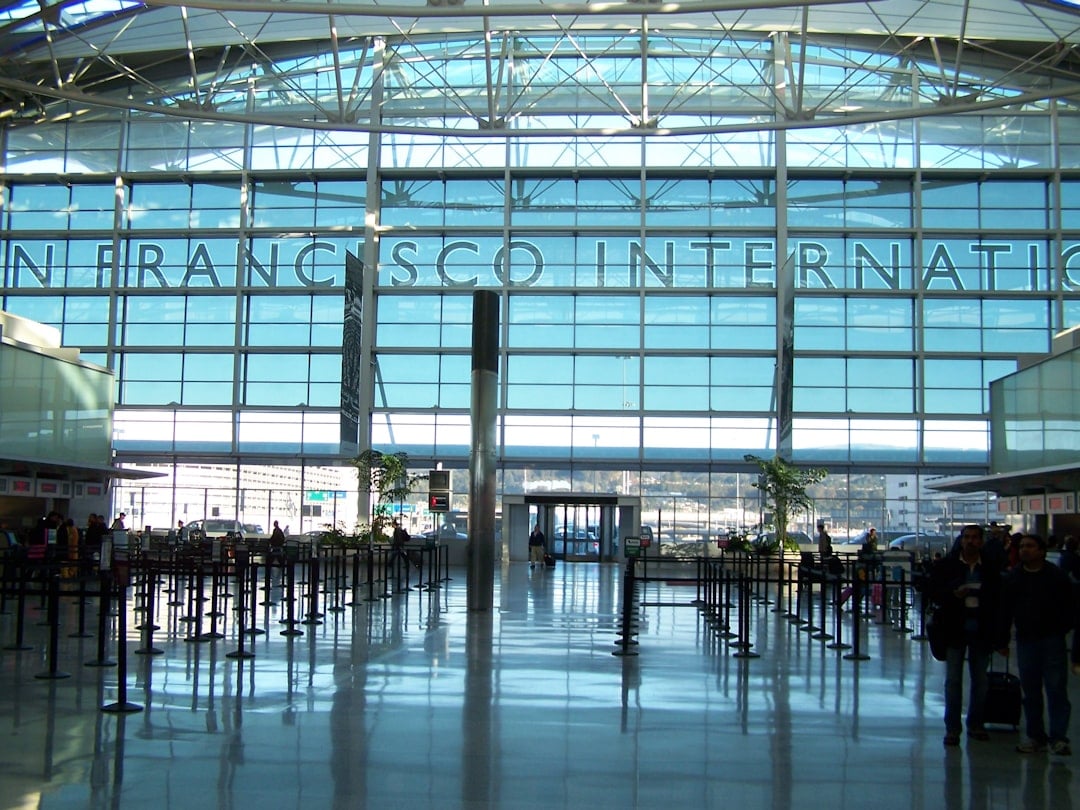
San Francisco International Airport (SFO) is the primary gateway,
located about 14 miles south of downtown, with BART's SFO station offering a direct 30-minute ride to the city center for around $10, plus rideshare and rental car options.
Oakland International Airport (OAK) is a strong alternative for budget travelers,
served by Southwest and other low-cost carriers, with BART connections via the OAK-Coliseum shuttle placing you in downtown San Francisco in about 45 minutes.
Drivers arriving from the north on US-101 cross the Golden Gate Bridge,
which charges a toll in the southbound direction only, collected electronically, so have a FasTrak account or expect a bill-by-mail charge.
Amtrak's Capitol Corridor and Coast Starlight routes stop in Emeryville and Oakland,
where free connecting Amtrak bus service runs directly into the Salesforce Transit Center in downtown San Francisco, making train travel a practical car-free option.
FlixBus and Greyhound serve the Salesforce Transit Center at First and Mission Streets,
with frequent departures from Los Angeles (roughly 8 hours), Sacramento (about 2 hours), and other California cities, making bus travel a budget-friendly arrival option.
The Muni Metro and bus network covers the entire city,
and a Clipper card loaded with transit credit is the most efficient way to pay, giving you seamless access to buses, light rail, and the historic cable cars on Powell-Hyde and Powell-Mason lines.
The Mission District, Hayes Valley, and the Castro are best explored on foot,
with flat or gently graded streets, dense blocks of restaurants and shops, and easy Muni or rideshare connections back to other parts of the city.
BART is the fastest link between downtown and the Mission,
with 16th Street Mission and 24th Street Mission stations putting you in the heart of the neighborhood in under 10 minutes from the Civic Center or Powell Street stations.
Parking in San Francisco is expensive and genuinely scarce,
so if you arrive by car, consider leaving it at your hotel for the duration and relying on Muni and Lyft or Uber for daily movement around the city.
San Francisco's weather is famously unpredictable: summer is often the foggiest and coolest season, with temperatures in the mid-50s Fahrenheit in the morning even in July. Layer regardless of the time of year and always carry a jacket.
Tipping follows standard US norms: 18 to 20 percent at restaurants, a few dollars for coffee bar service, and standard rates for rideshare. Many restaurants now include an automatic service charge, so check your bill before adding more.
Book popular restaurants well in advance, particularly for weekend dinners at well-known spots in the Mission or Hayes Valley. OpenTable and Resy are the most widely used reservation platforms in the city.
The Muni and BART apps are useful for real-time departures. Download the Clipper app to manage your transit card digitally.
Neighborhoods like the Tenderloin and parts of SoMa require normal urban awareness, particularly at night. Stick to well-trafficked streets and keep valuables out of sight.
Three to four days is a solid amount of time to cover San Francisco's highlights without rushing. You can explore iconic neighborhoods like the Mission, Haight, and Chinatown, visit Alcatraz, walk the Golden Gate Bridge, and still have time for the city's exceptional food scene. A fifth day allows for day trips to Napa, Sonoma, or Marin County.
San Francisco is best known for the Golden Gate Bridge, Alcatraz Island, its historic cable cars, and its steep, scenic hills. It is also celebrated for its distinct neighborhoods, a world-class dining scene rooted in local ingredients, and its cultural legacy as the birthplace of the Beat Generation and the 1960s counterculture movement.
Yes, San Francisco works well as a weekend trip, particularly for travelers flying in from the West Coast. Two days is enough to hit the main landmarks, eat well, and get a feel for a few neighborhoods. To explore beyond the tourist circuit and take in the broader Bay Area, a longer stay is worth considering.
Yes, San Francisco is one of the more expensive cities in the United States. Hotels, dining, and transportation costs are above the national average. That said, many of the city's best experiences - walking its neighborhoods, visiting the Ferry Building Farmers Market, and crossing the Golden Gate Bridge on foot - cost little to nothing.
September and October are widely considered the best months to visit, offering the warmest and clearest weather San Francisco gets. Summer can be surprisingly cool and foggy, especially near the coast, so layers are recommended regardless of when you travel.