
Baltimore, MD
A Journey guide to
San Jose is the capital of Silicon Valley and the largest city in Northern California by both population and area. It is a city defined by innovation, ambition, and an extraordinary density of global technology companies. Travelers who come here find a destination that moves fast, thinks big, and wears its multicultural identity with quiet confidence. The city rewards curious, independent travelers who seek substance over spectacle.
The culinary scene in San Jose reflects one of the most diverse populations in the United States. Vietnamese pho houses, Mexican taquerias, Japanese ramen bars, and Michelin-recognized restaurants sit within blocks of each other. The Japantown district, one of only three remaining in the country, anchors a rich Asian-American heritage that shapes the city's food, arts, and community life in ways few American cities can match.
Beyond tech campuses and boardrooms, San Jose holds genuine cultural depth. The San Jose Museum of Art, the Tech Interactive science museum, and the Mexican Heritage Plaza represent a city investing seriously in its creative and intellectual identity. Live music, independent cinema, and a thriving craft beverage scene give the downtown core an energy that surprises first-time visitors expecting a corporate suburb.
San Jose draws a distinctive mix of travelers: business visitors attending conferences at the McEnery Convention Center, design-minded tourists drawn to the Winchester Mystery House, and food-focused explorers navigating the city's extraordinary ethnic neighborhoods. It also serves as a practical and often underrated base for exploring the broader Bay Area, the Santa Cruz Mountains, and the wine country of the Santa Clara Valley.

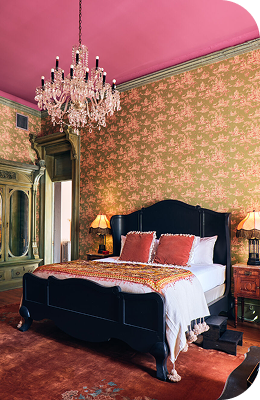

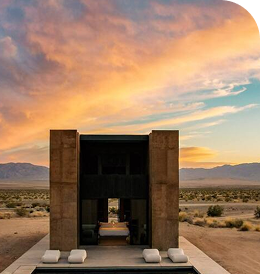

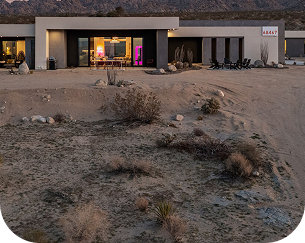

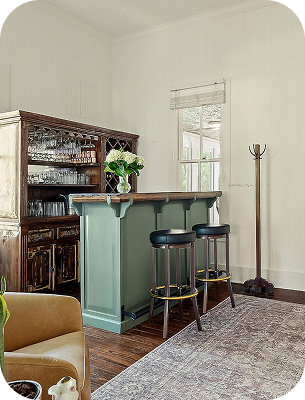

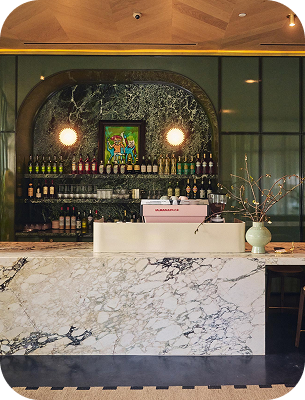

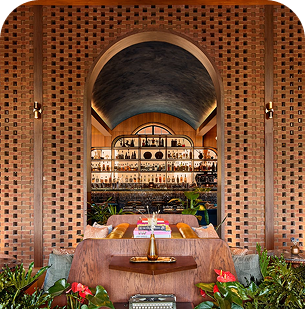

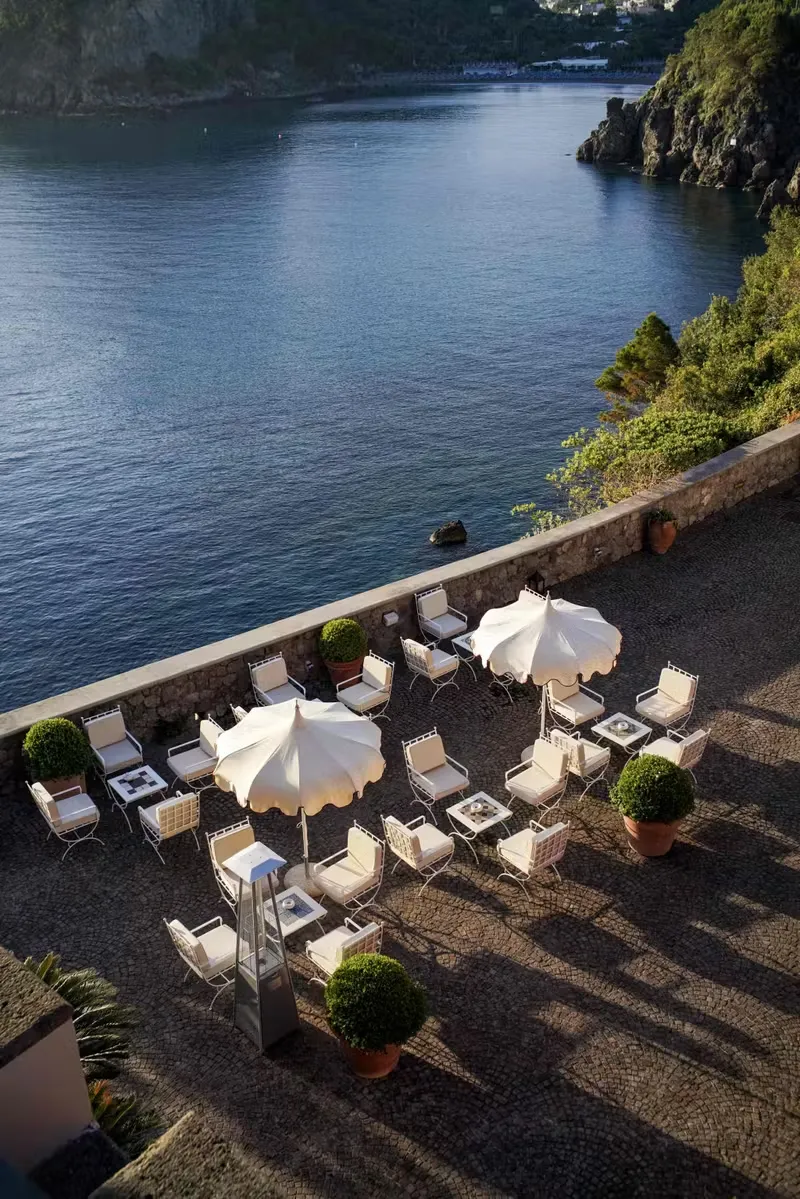

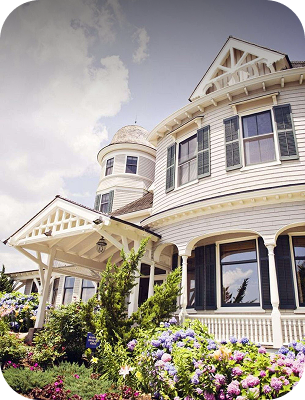

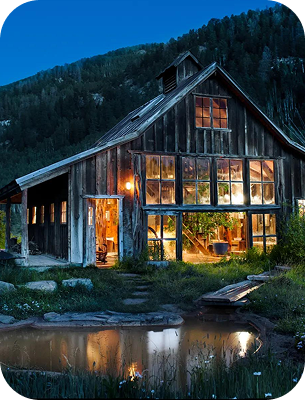

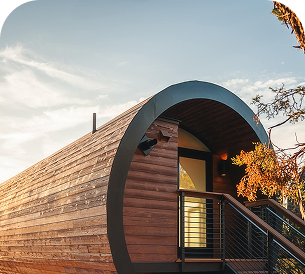

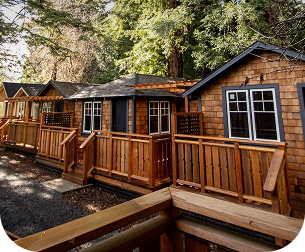

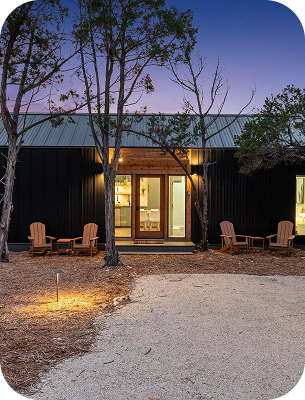

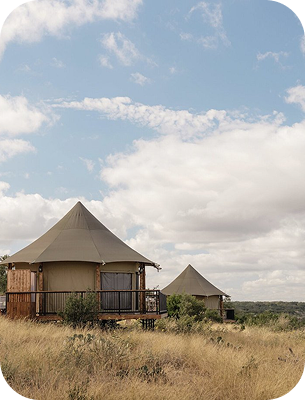

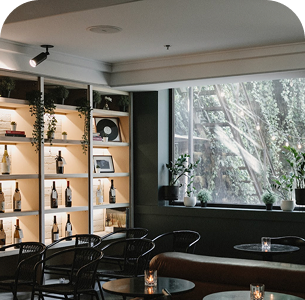

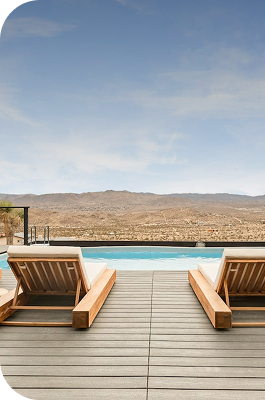

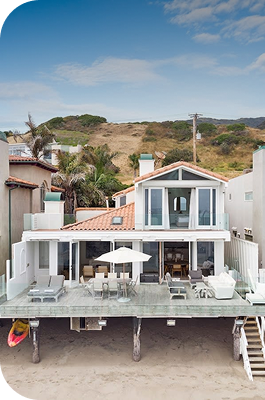

Journey connects travelers to a curated network of boutique hotels and distinctive residences around the world, all united under one rewards program. Explore handpicked stays for your trip while earning points, unlocking exclusive offers, and receiving rewards across the Journey collection.
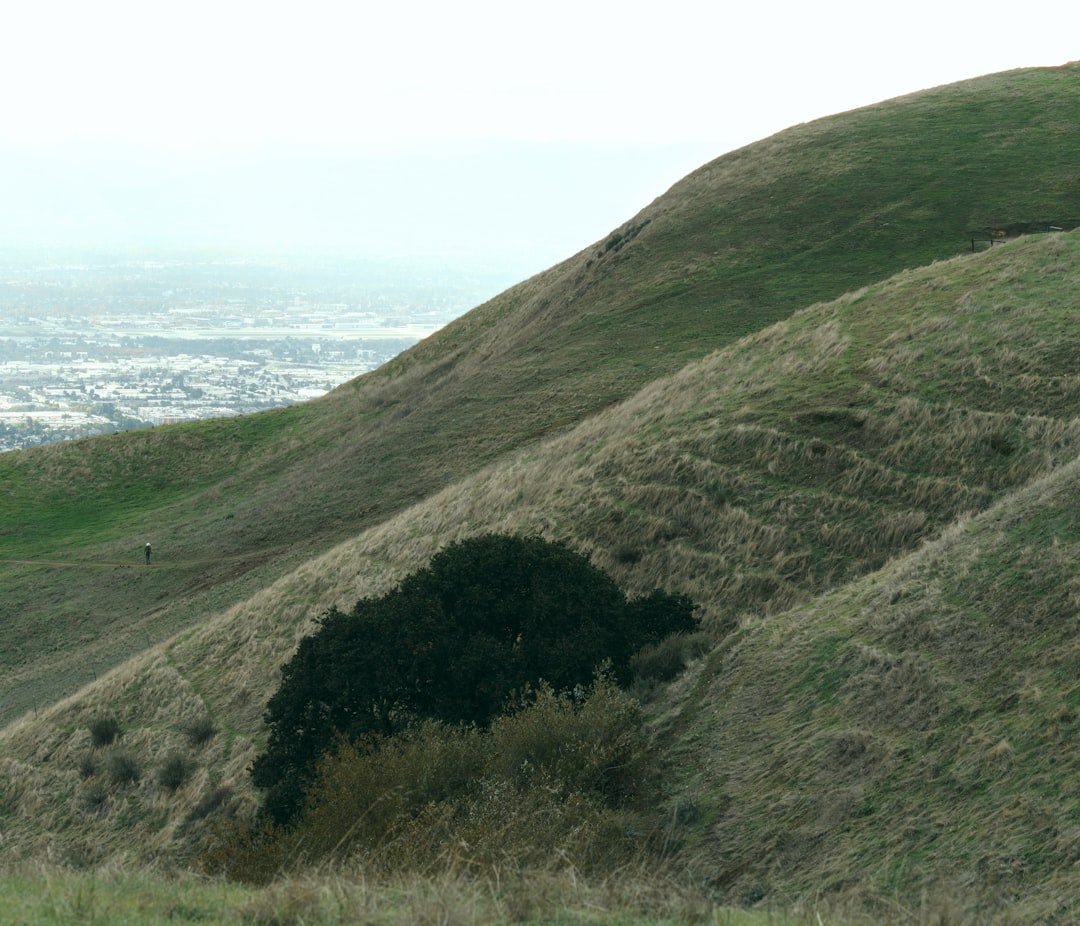
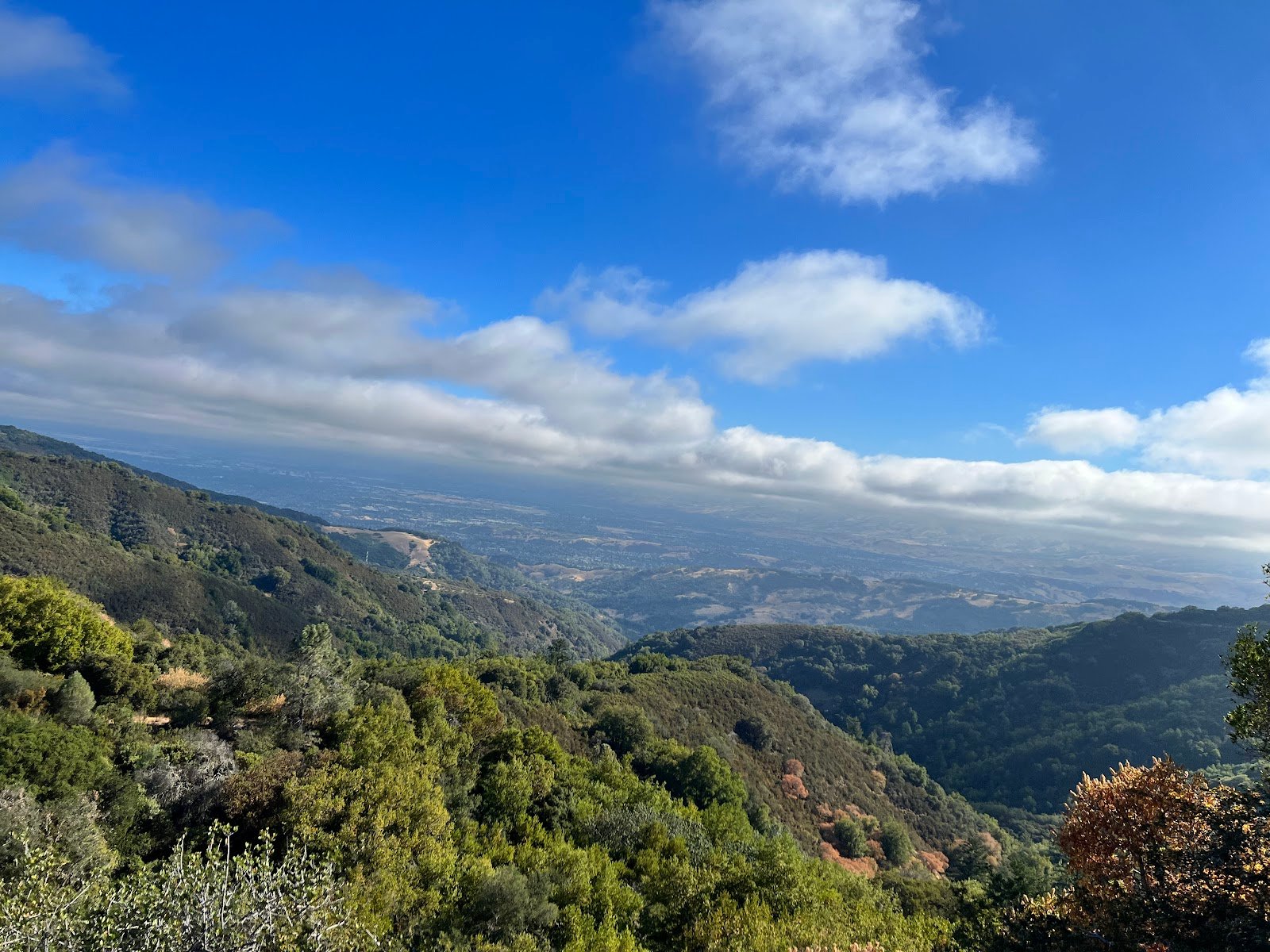
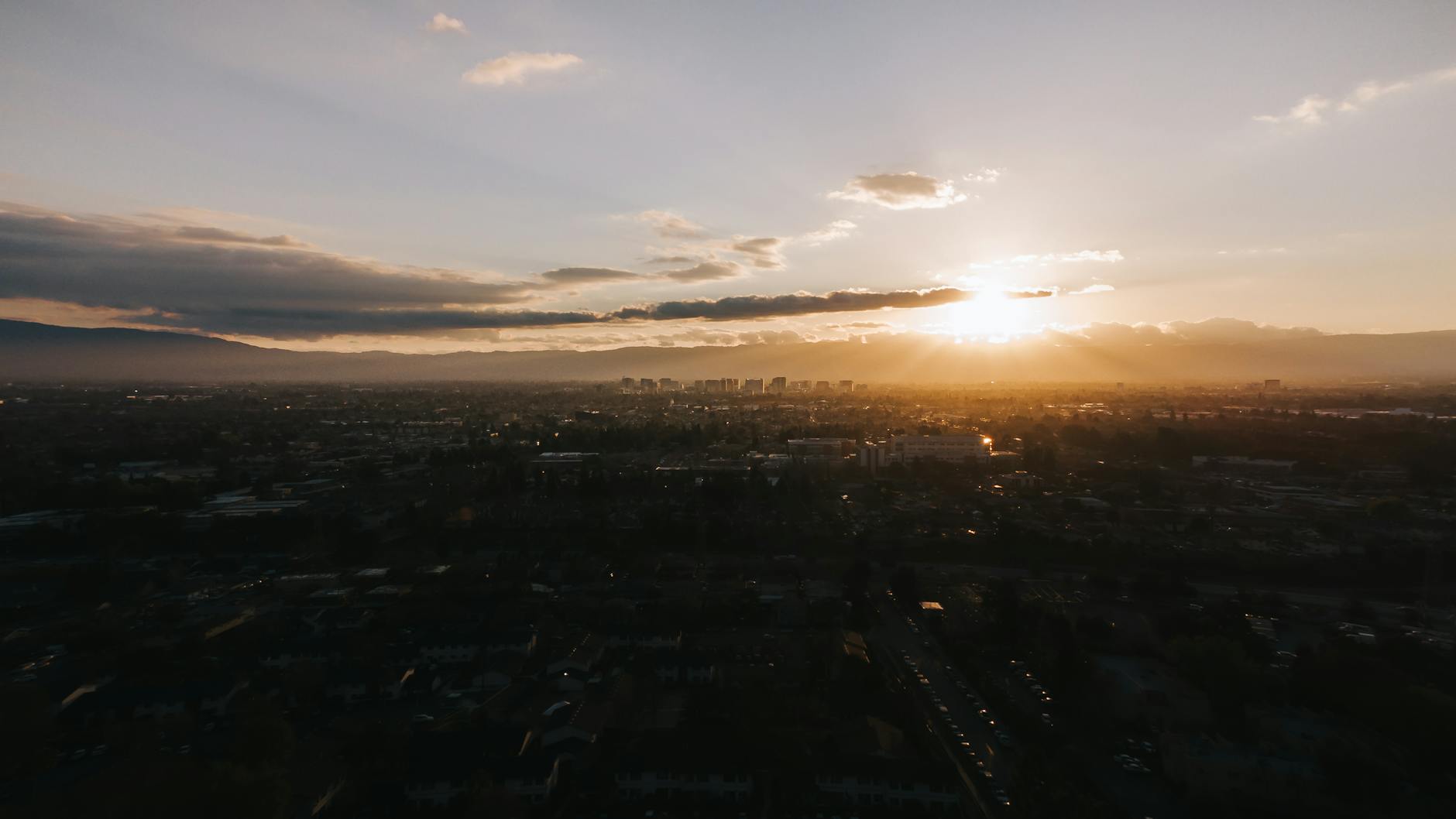
San Jose sits at the southern end of San Francisco Bay, cradled by the Diablo Range to the east and the Santa Cruz Mountains to the west. The Santa Clara Valley floor on which it spreads was historically one of the most productive agricultural regions in California, a landscape of orchards and vineyards that earned it the name "Valley of Heart's Delight" before the semiconductor industry arrived and rewrote the region's identity entirely.
Founded in 1777 as El Pueblo de San José de Guadalupe, San Jose holds the distinction of being the first civilian settlement in Alta California under Spanish colonial rule. That founding history is still traceable in the grid of the downtown core and in the cultural institutions that celebrate the city's Mexican and indigenous roots. The Peralta Adobe, the oldest surviving structure in San Jose, stands as a quiet marker of that layered past amid a city that otherwise races toward the future.
Today, San Jose is the tenth-largest city in the United States and the economic engine of Silicon Valley. Headquarters and major campuses for companies including Cisco, Adobe, and eBay define its professional landscape, but the city's identity is not reducible to corporate addresses. It is home to a population that is majority non-white, with particularly deep Vietnamese, Mexican-American, Filipino, and Chinese communities that have built enduring institutions, neighborhoods, and cultural traditions.
The travel atmosphere in San Jose is relaxed and unpretentious compared to San Francisco, with wider streets, easier parking, and a pace that feels more like a city at ease with itself. Downtown has undergone sustained revitalization, with the SoFA District emerging as a hub for galleries, live music venues, and independent restaurants. Santana Row offers a polished, walkable retail and dining experience with a European boulevard feel. For travelers willing to explore beyond the obvious, San Jose consistently delivers more than it promises.
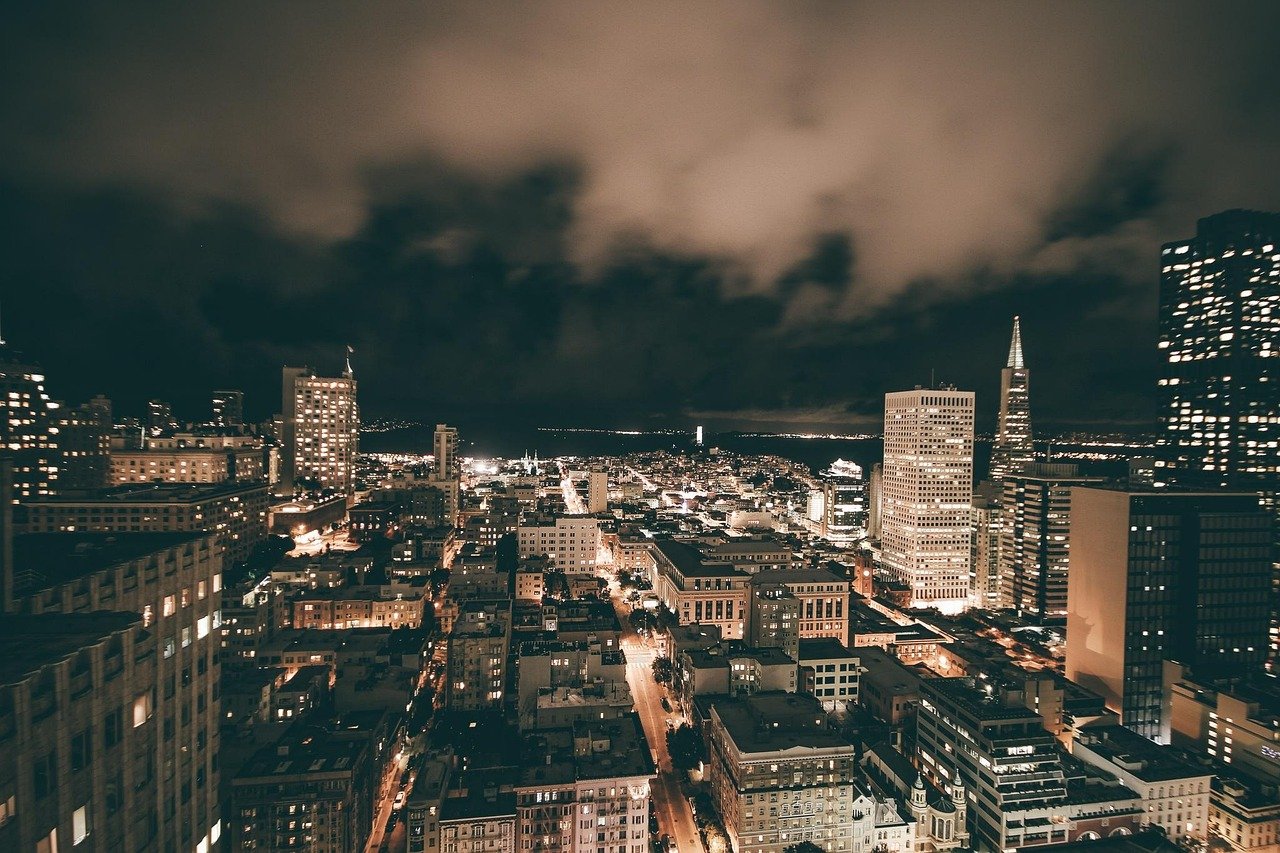
Fall and spring are the strongest windows for visiting San Jose, and each suits a different kind of traveler. October stands out as the single best month overall: crowds are manageable, outdoor dining and city parks are at their most inviting, and the cultural calendar fills with festivals and community events. The San Jose Jazz Autumn Festival and a range of neighborhood street fairs give the city a lively, local character that peak summer tourism can actually dilute.
Spring, particularly April and May, runs a close second. The hills surrounding the valley are at their greenest, and the transition from the rainy season means outdoor spaces feel freshly renewed. Visitor numbers are lower than summer, making it easier to secure tables at popular restaurants and access attractions like the Winchester Mystery House without long waits. This window also aligns well with the broader Bay Area's shoulder season, so day trips to Santa Cruz or the Santa Clara Valley wine country feel unhurried.
Summer draws the largest crowds, driven by conference season at the McEnery Convention Center and family travel. The Tech Interactive and other major museums see their highest attendance from June through August, and hotel rates reflect that demand. Travelers who do visit in summer benefit from the longest daylight hours and the most active outdoor event programming, including open-air concerts and food festivals.
Winter is the quietest period for leisure tourism, which translates to lower accommodation rates and uncrowded museums and galleries. The San Jose Museum of Art and the Japantown district are particularly rewarding to explore without summer foot traffic. Business travel remains steady through the winter months, so downtown stays active even during the slowest stretch for leisure visitors.
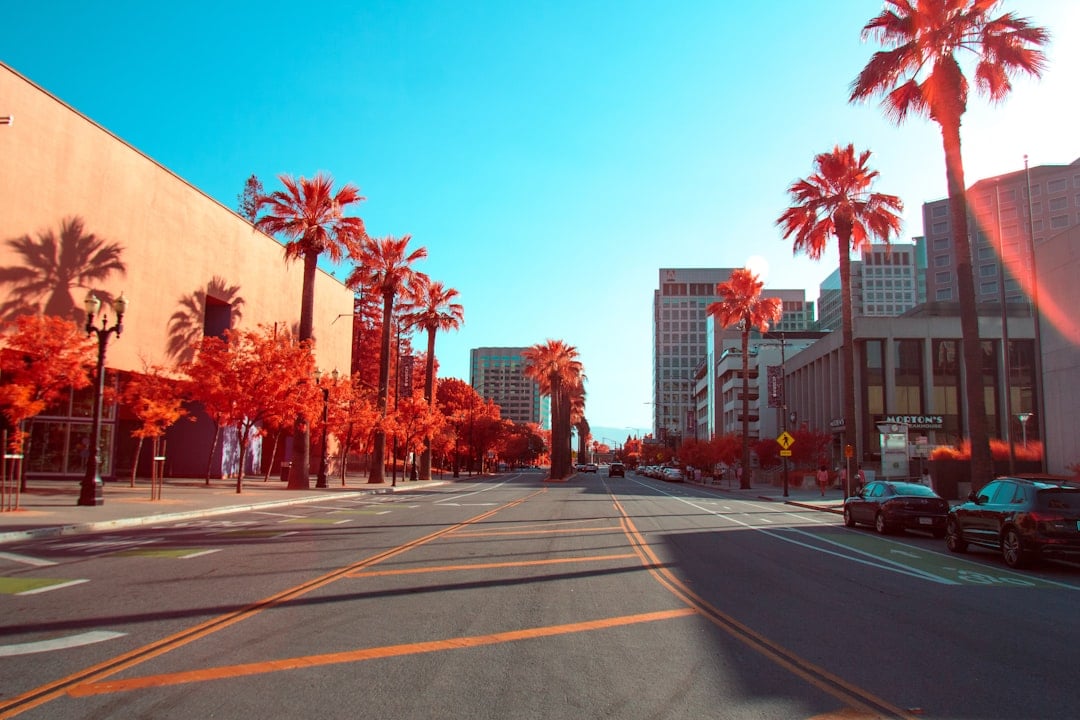
The civic and cultural core of the city, Downtown San Jose pulses with museums, theaters, and a growing restaurant scene. Pedestrian-friendly streets connect the San Jose Museum of Art, the Tech Interactive, and the McEnery Convention Center, making it a natural starting point for any visit. After dark, the SoFA district adds live music venues, galleries, and cocktail bars to the mix.
One of only three remaining Japantowns in the United States, this compact district carries deep cultural significance and a lived-in authenticity that sets it apart. Visitors find family-run Japanese restaurants, mochi shops, independent bookstores, and community murals lining Jackson Street. Seasonal festivals and a strong sense of neighborhood identity make Japantown one of San Jose's most rewarding places to explore on foot.
A charming residential village tucked inside the city, Willow Glen centers on Lincoln Avenue and its tree-lined blocks of boutique shops, wine bars, and neighborhood cafes. The area has a relaxed, walkable energy that feels distinctly unlike the tech-campus pace of the rest of San Jose. It is a favorite among locals for weekend brunch, antique browsing, and slow afternoon strolls.
One of San Jose's oldest commercial corridors, The Alameda stretches from downtown toward Santa Clara and rewards visitors with an eclectic mix of independent restaurants, craft breweries, and specialty shops. The street has a low-key, neighborhood-bar energy that attracts locals more than tourists, giving it an unpretentious authenticity. Several of the city's most respected dining destinations are anchored along this historic boulevard.
San Jose's upscale open-air shopping and dining district, Santana Row is a carefully designed pedestrian promenade lined with designer boutiques, hotel terraces, and lively restaurant patios. The atmosphere is polished and social, drawing a mix of shoppers, diners, and people-watchers throughout the day and into the evening. It sits adjacent to Westfield Valley Fair, making the area a destination in its own right for those who enjoy curated retail alongside quality food.
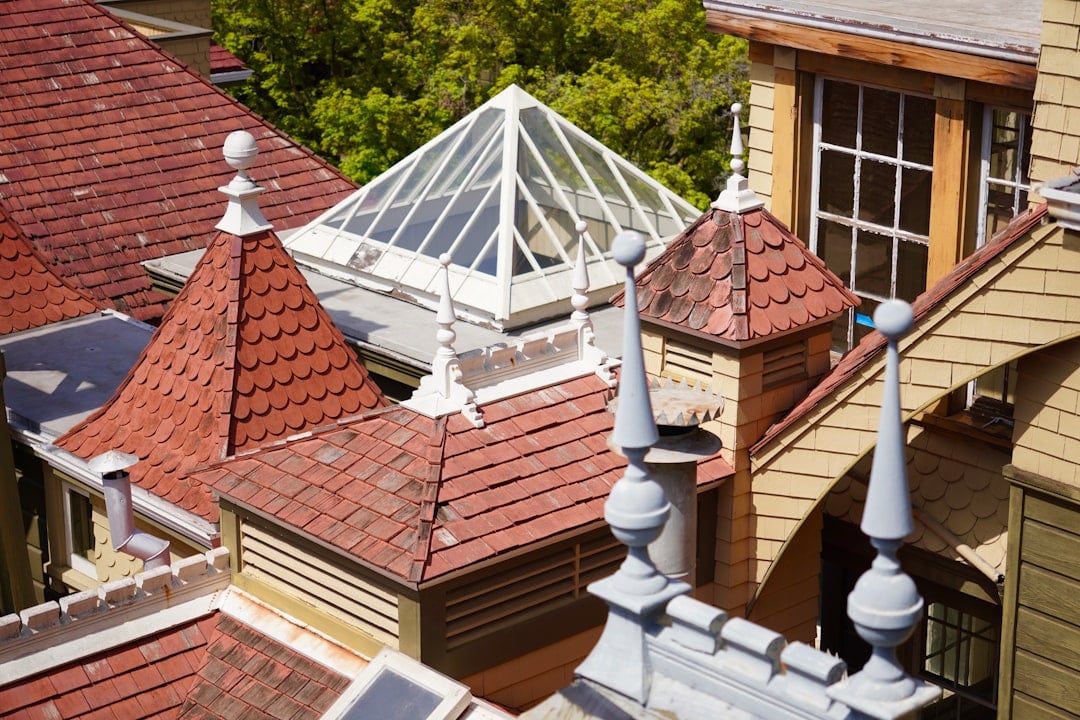
San Jose's signature experiences are rooted in the forces that shaped it: the technology revolution, a deep multicultural heritage, and a location at the edge of some of California's most spectacular natural terrain.
The Winchester Mystery House
No experience in San Jose is more singular than a tour of the Winchester Mystery House. Built continuously from 1884 to 1922 by Sarah Winchester, heir to the Winchester rifle fortune, the Victorian mansion sprawls across six acres with 160 rooms, stairways that lead to ceilings, doors that open to sheer drops, and corridors designed to confuse. It remains one of the most architecturally bizarre and genuinely mysterious landmarks in the United States, and it draws visitors from around the world who come specifically to walk its labyrinthine halls.
Japantown
San Jose is home to one of only three remaining Japantowns in the entire country, and it functions as a living cultural district rather than a tourist reconstruction. Visitors come to eat at generations-old Japanese restaurants, browse independent shops, attend the annual Obon Festival, and engage with a community that has maintained its identity through decades of adversity. It is an irreplaceable piece of American cultural history that exists nowhere else in quite the same form.
Silicon Valley's Innovation Culture
San Jose sits at the epicenter of the global technology industry, and travelers increasingly come to engage with that culture directly. The Tech Interactive provides the most accessible entry point, with immersive exhibits on artificial intelligence, bioengineering, and space exploration. Beyond the museum, the city's coffee shops, co-working spaces, and public plazas hum with the ambient energy of a place where the future is actively being built. For many visitors, simply being in Silicon Valley - attending a conference, touring a campus, or walking through downtown - is itself the destination.
San Jose offers travelers a rich and varied slate of activities across outdoor recreation, cultural attractions, arts and entertainment, scenic exploration, and world-class dining.
Outdoor Recreation
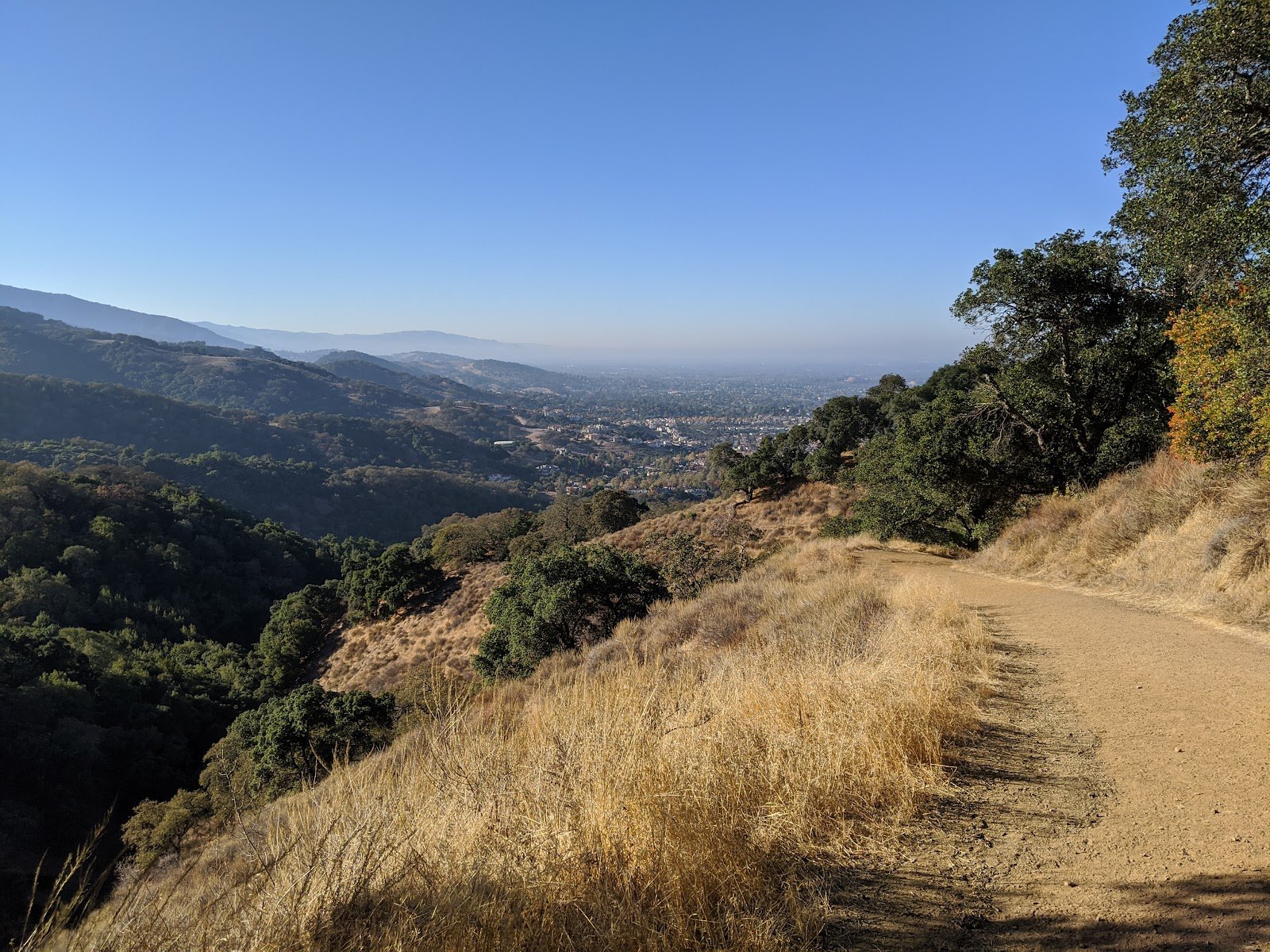
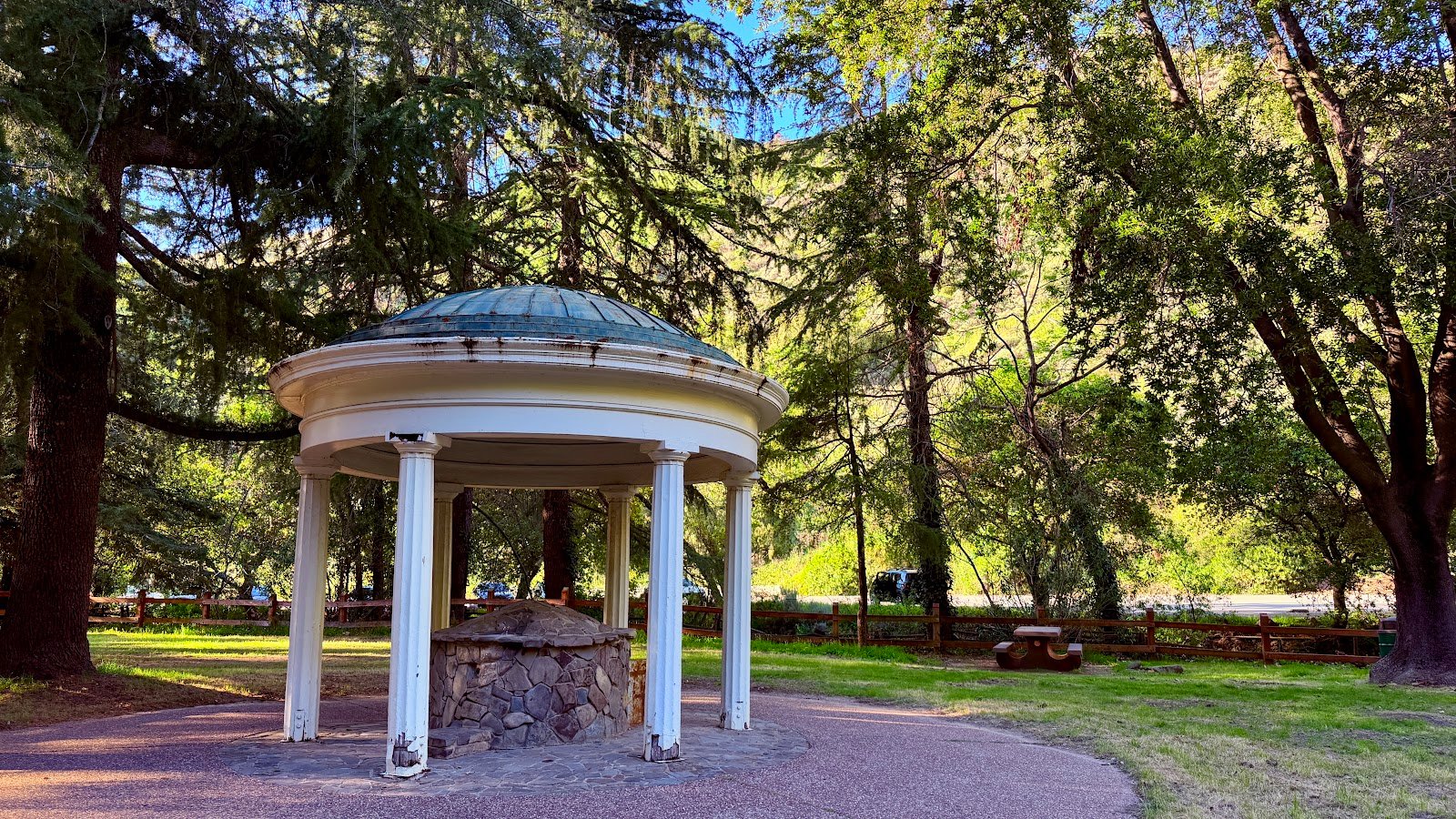
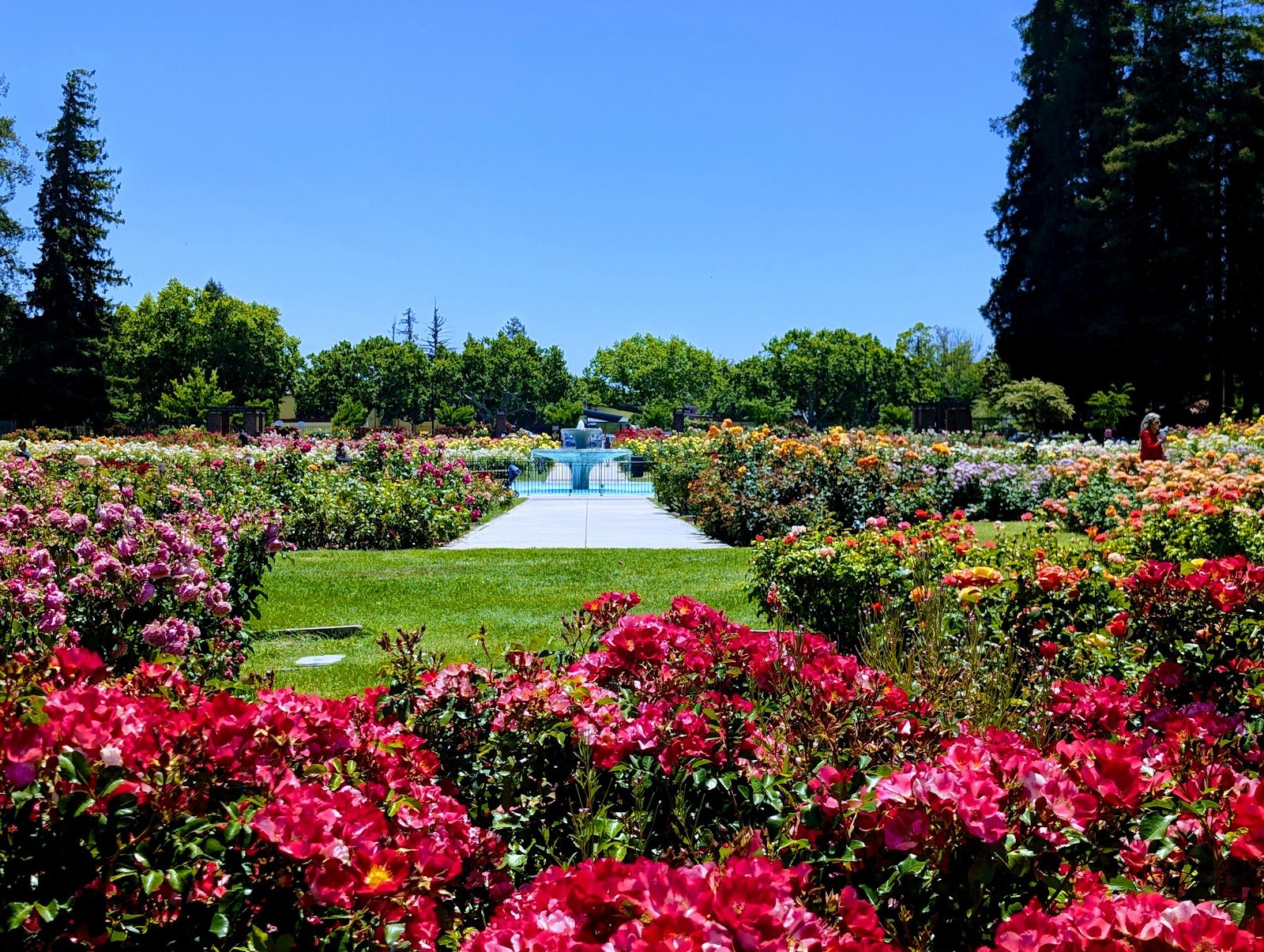
The city and its surrounding hills are laced with parks and open space preserves that draw hikers, cyclists, and nature lovers year-round. Almaden Quicksilver County Park offers miles of trails through oak woodlands and historic mercury mine remnants. Alum Rock Park, one of California's oldest municipal parks, features rugged creek-side trails and mineral spring ruins tucked into the Diablo foothills. Sierra Azul Open Space Preserve rewards ambitious hikers with sweeping views across the Santa Clara Valley. Closer to the city center, the Municipal Rose Garden blooms with more than 3,500 rose plants across nearly 200 varieties, making it one of the finest public rose gardens in the American West.
Cultural Attractions and History
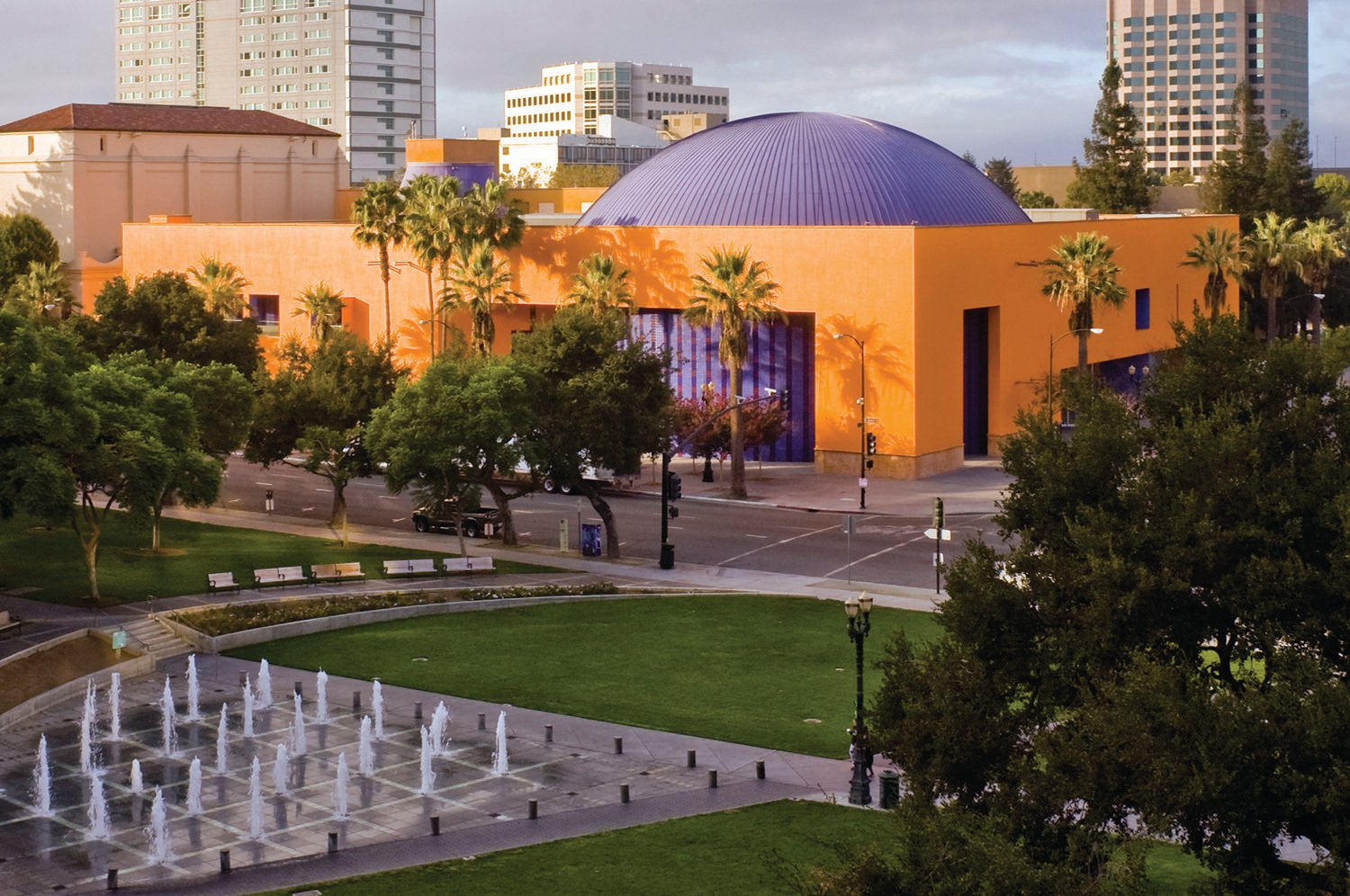
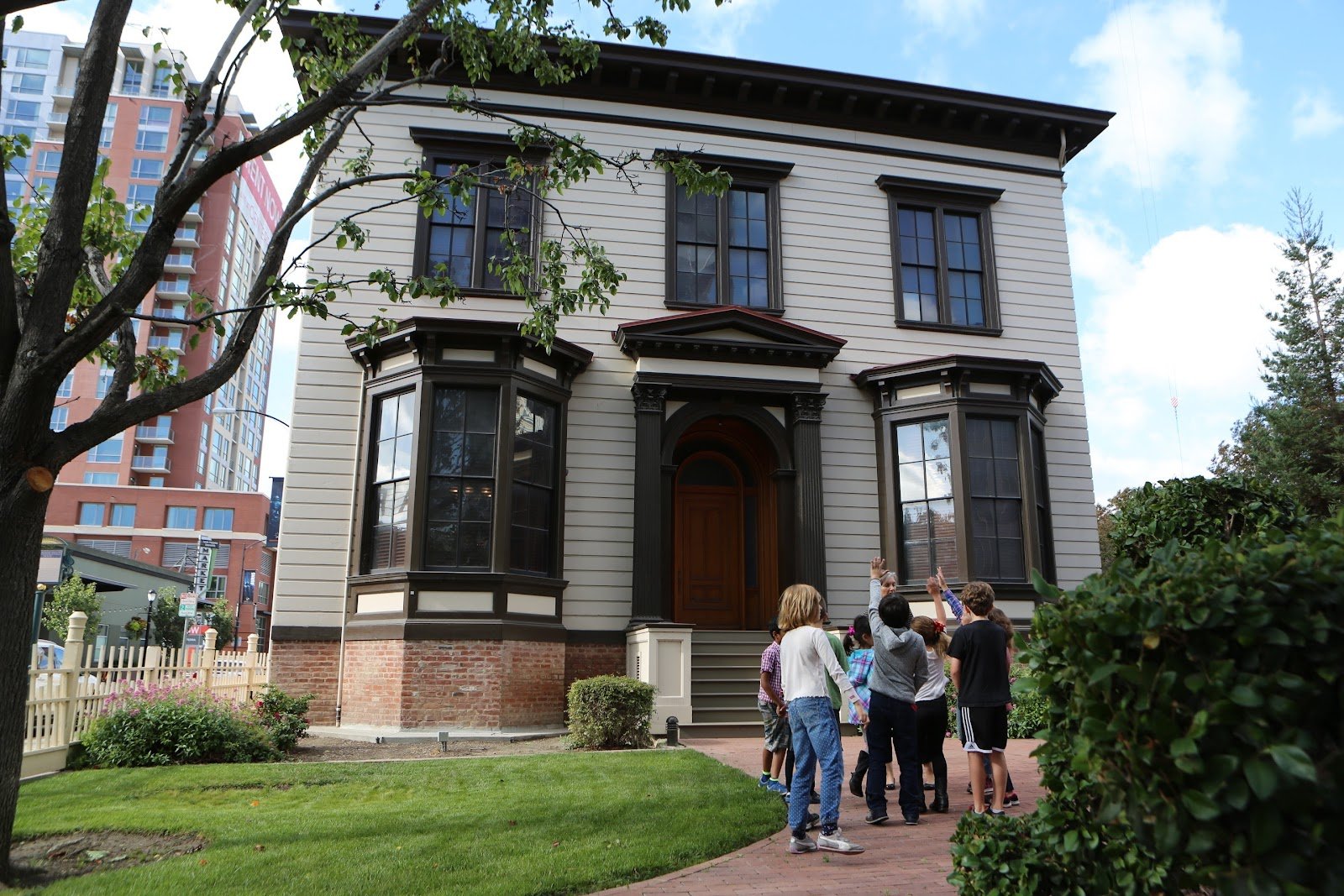
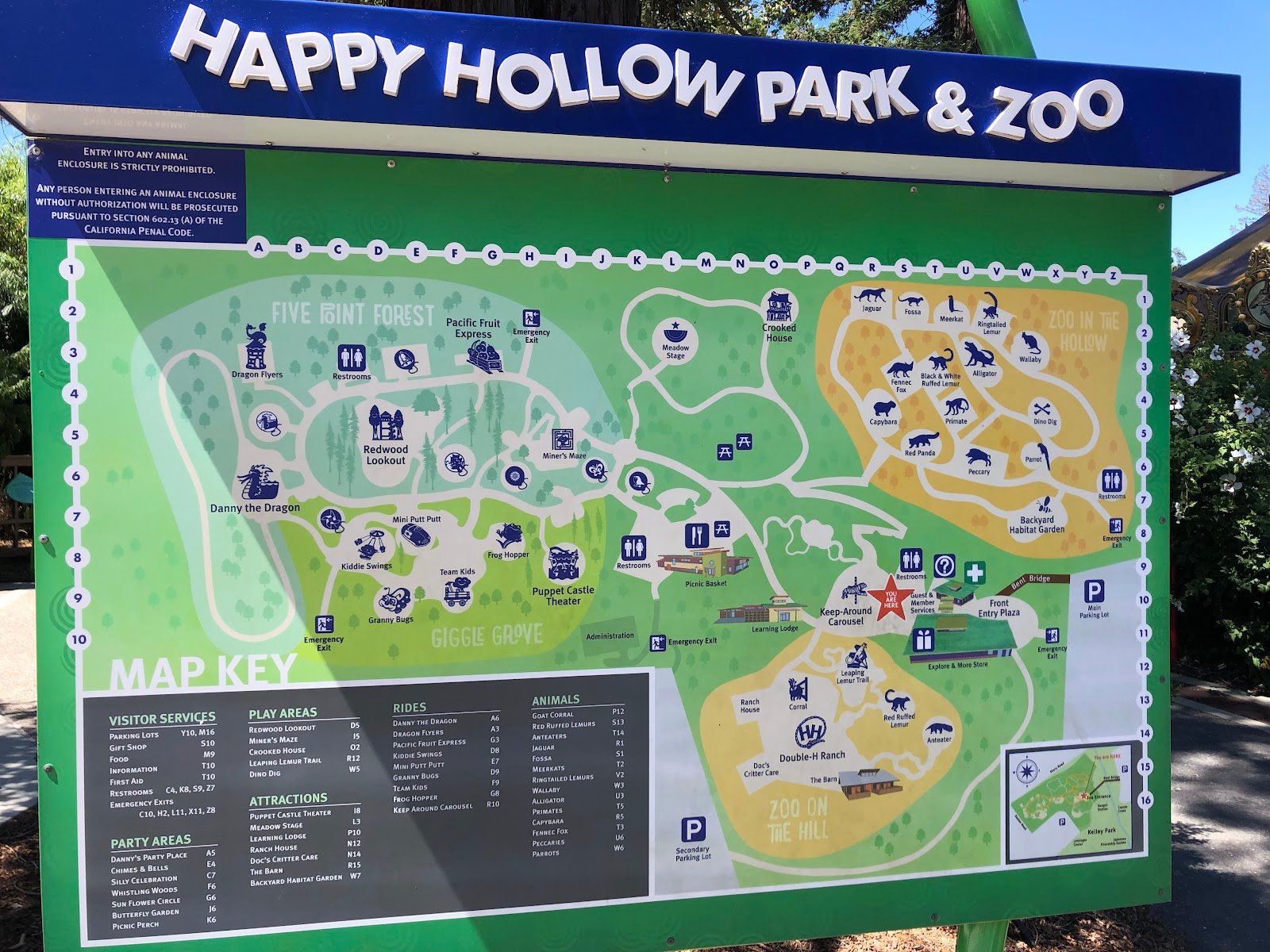
San Jose's cultural institutions punch well above their weight. The Tech Interactive is a hands-on science and technology museum that brings innovation to life for visitors of all ages. The Gonzales-Peralta Adobe and Fallon House Historic Site preserves two of the city's oldest surviving structures and offers a window into San Jose's Spanish colonial and Victorian-era past. Happy Hollow Park and Zoo blends family-friendly wildlife encounters with a beloved neighborhood amusement park.
Arts and Entertainment
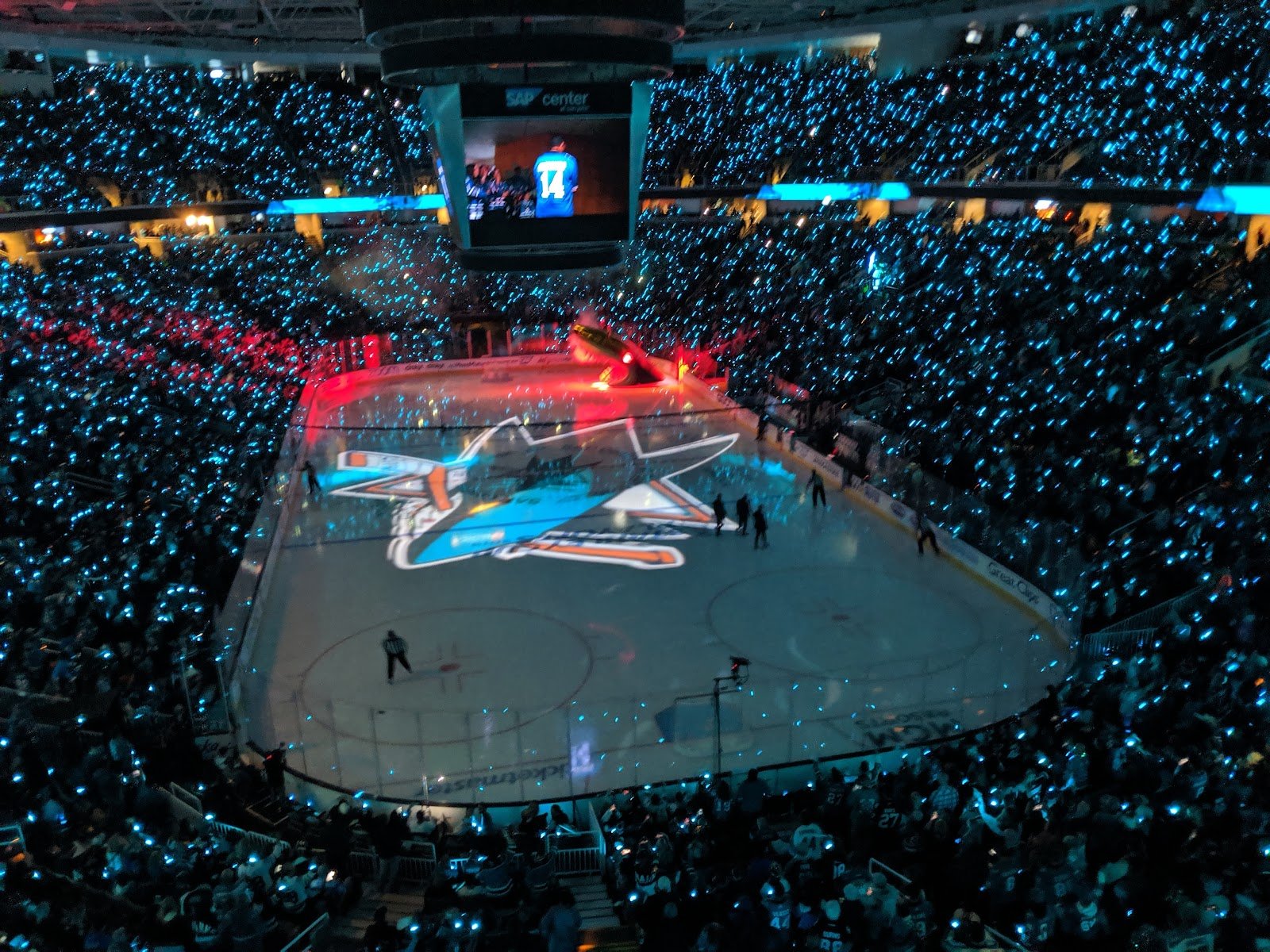
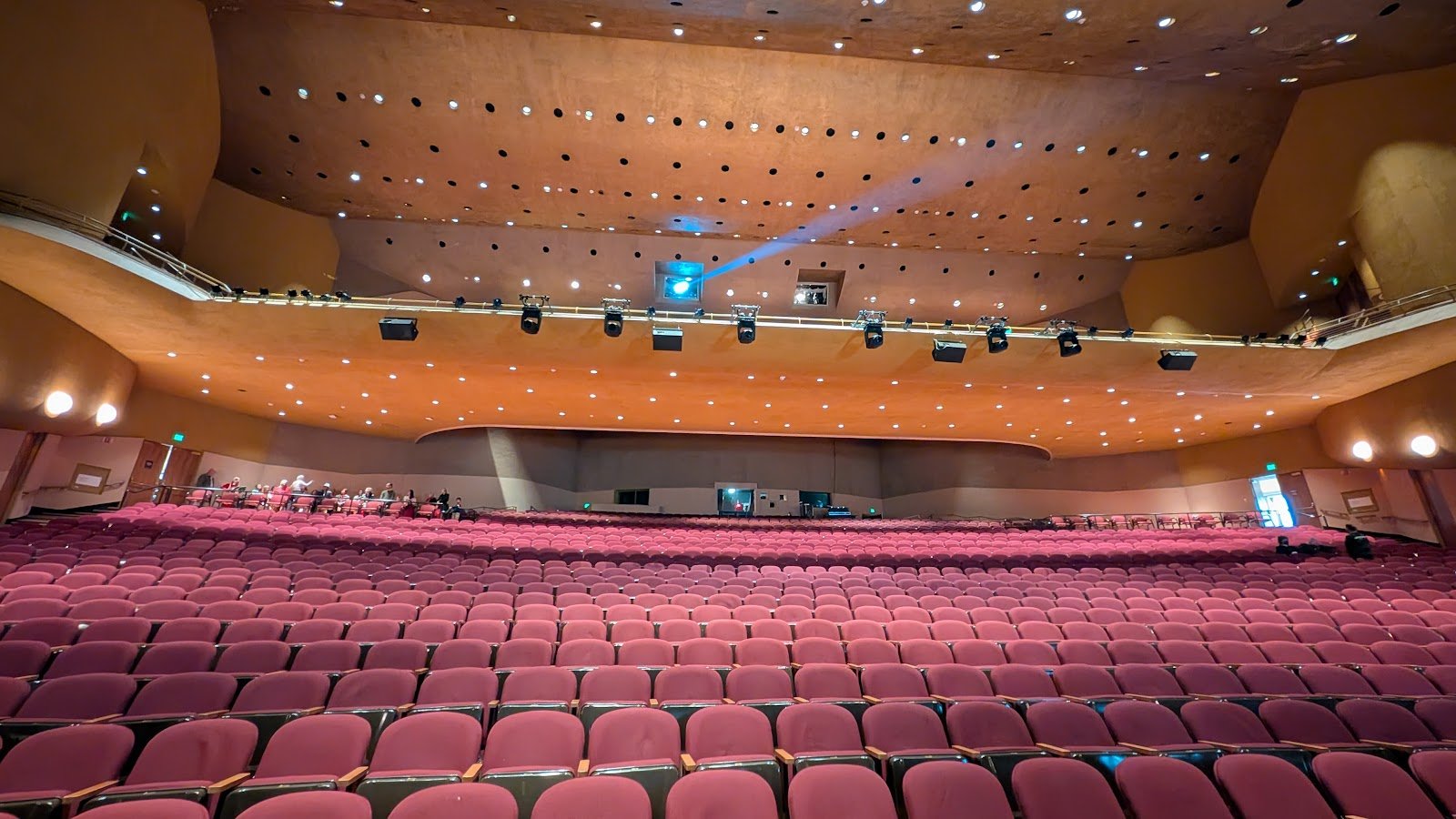
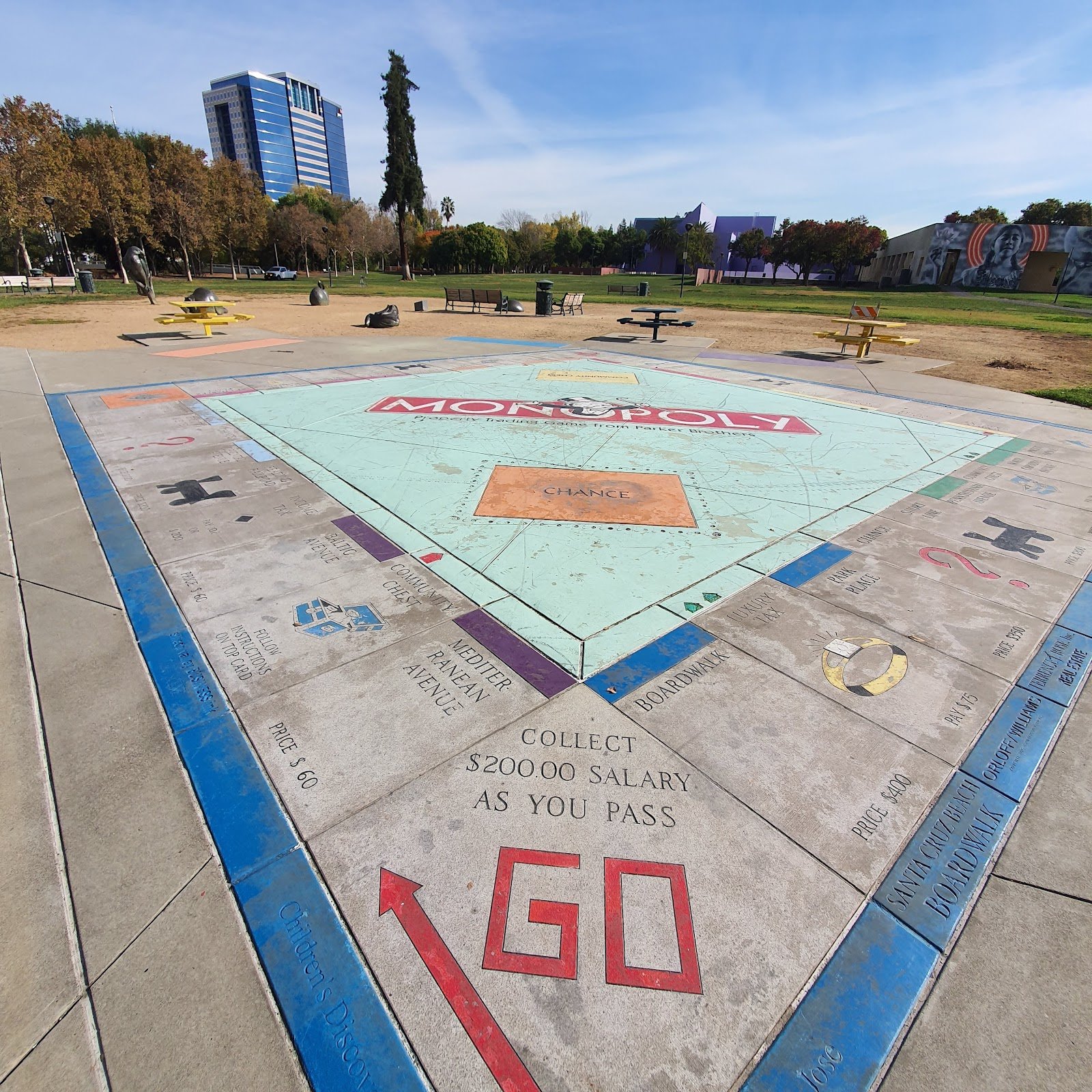
Downtown San Jose anchors a lively entertainment district. The SAP Center hosts major concerts and San Jose Sharks NHL games. The San Jose Center for the Performing Arts and the San Jose Civic stage everything from Broadway touring productions to indie rock shows. The San Jose Improv delivers stand-up comedy in an intimate club setting. For something interactive, Monopoly in the Park at Plaza de Cesar Chavez features the world's largest permanent Monopoly board.
Food and Dining
San Jose's dining scene reflects one of the most diverse urban populations in the country. Vietnamese pho houses in the East Side, Japanese ramen bars in Japantown, Mexican taquerias along Story Road, and contemporary California cuisine downtown give food-focused travelers an extraordinary range of options within a compact area.
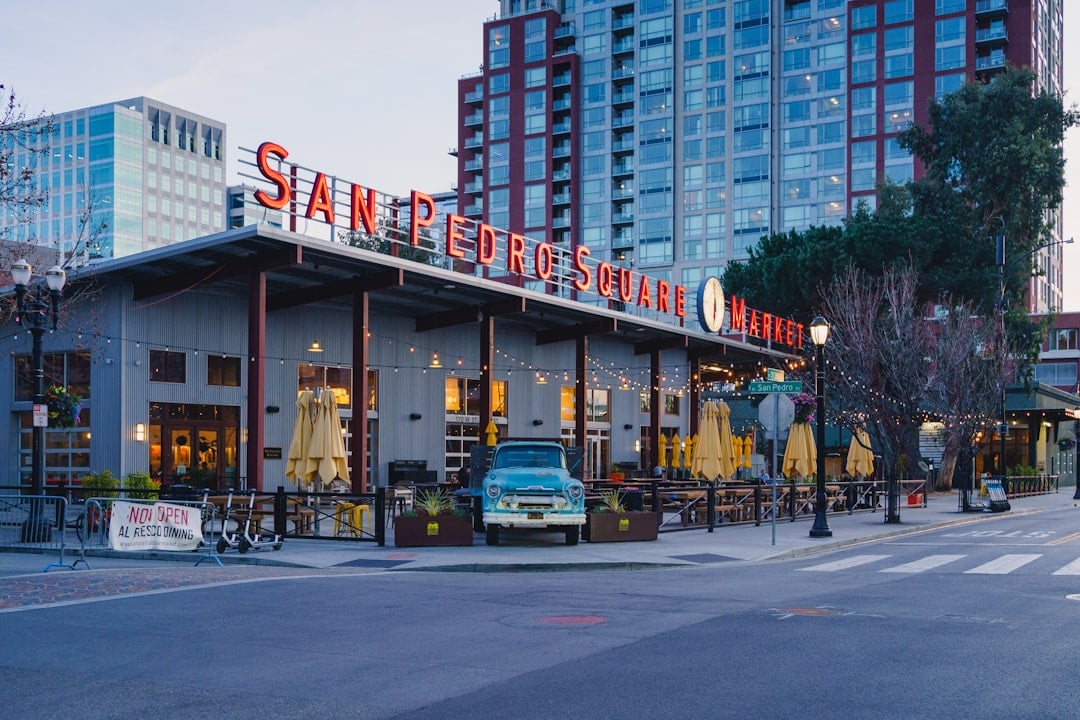
Start the morning at the Tech Interactive museum downtown for hands-on exhibits exploring innovation and science. Head to Japantown for lunch at one of its beloved ramen or sushi spots, then browse the neighborhood's independent shops and cultural landmarks. In the evening, explore downtown San Jose's dining scene and catch live music or a show near Plaza de Cesar Chavez.
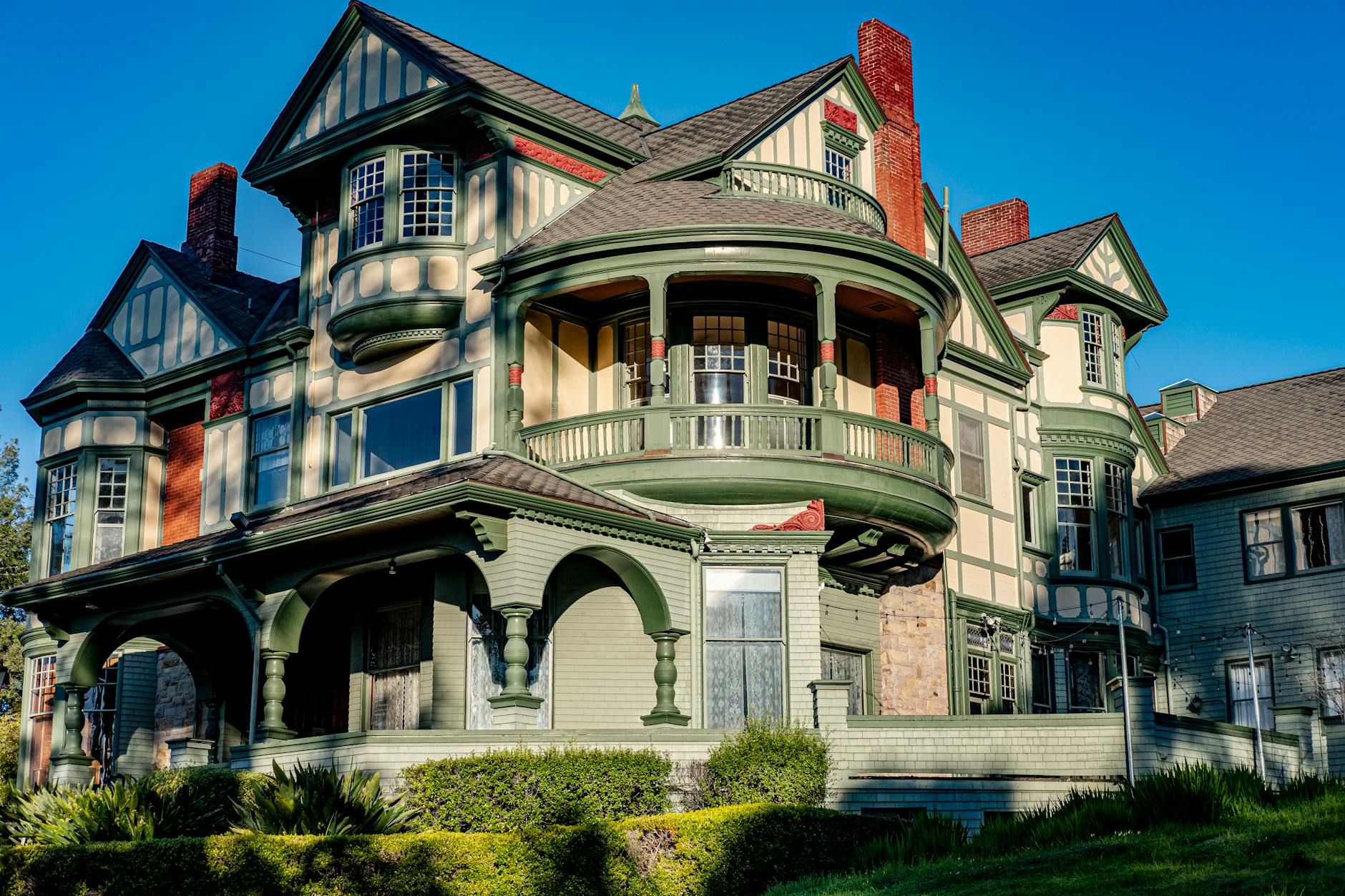
Spend the morning touring the Winchester Mystery House, one of California's most iconic and eccentric historic landmarks. Grab lunch along The Alameda corridor, then head to the San Jose Museum of Art in the afternoon for a deep dive into contemporary works. Wind down the evening with dinner and craft cocktails in the SoFA arts district.
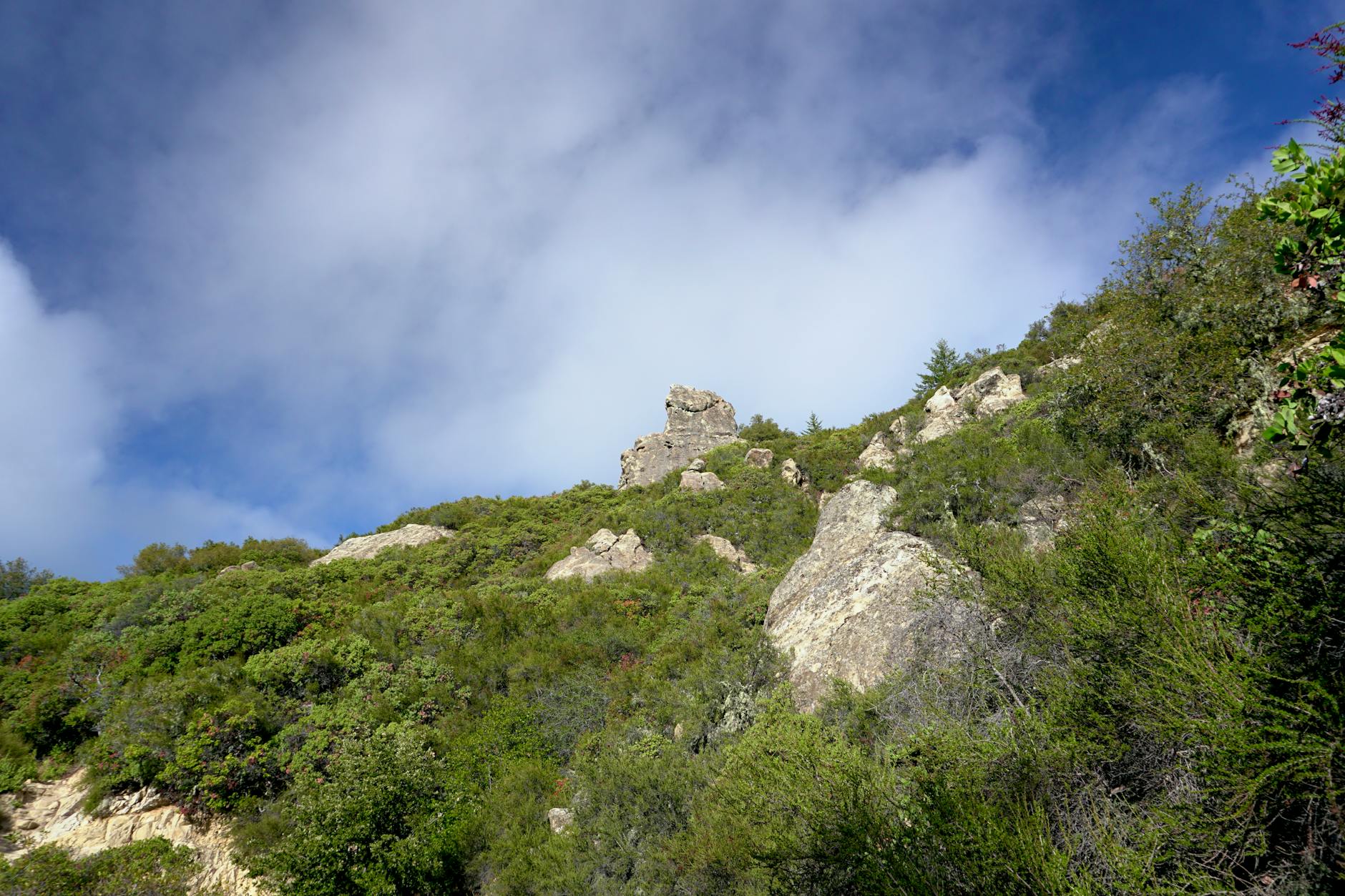
Take the morning to explore the Mexican Heritage Plaza and the surrounding Alum Rock neighborhood, rich in Latino culture and murals. In the afternoon, drive up into the Santa Cruz Mountains for scenic views and a hike at Alum Rock Park. Return to the city for a farewell dinner in the Willow Glen neighborhood, known for its charming main street and local restaurants.
San Jose's cultural calendar reflects the city's dual identity as a global technology hub and one of America's most ethnically diverse urban centers. The year moves through a rhythm shaped by community celebration, innovation, and deep-rooted heritage.
Mineta San Jose International Airport (SJC) is the closest and most convenient arrival point,
sitting just three miles from downtown with rideshare, taxis, and rental car facilities all available on-site, making it the default choice for most visitors.
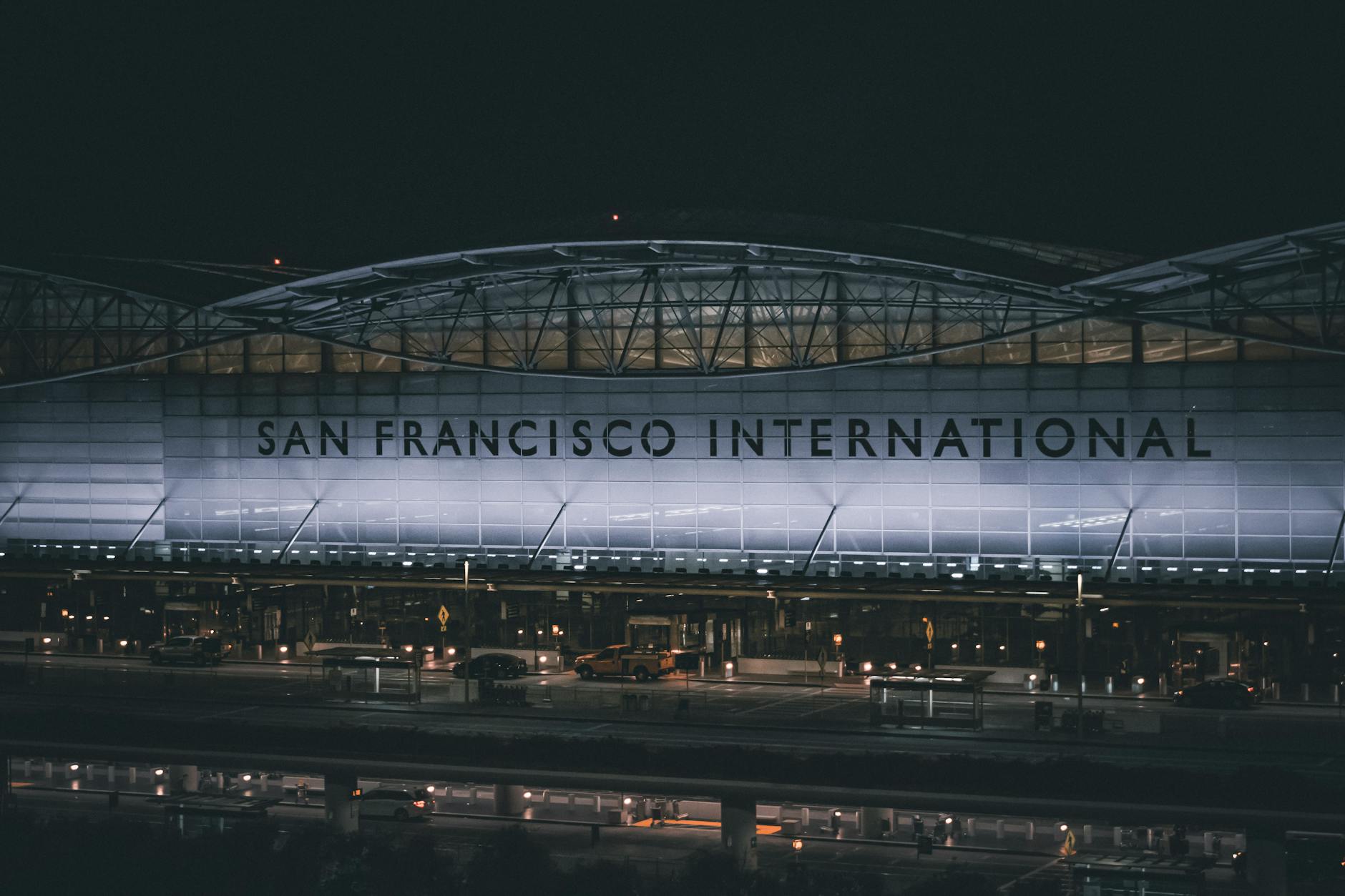
San Francisco International Airport (SFO) is worth checking for better fares or international connections,
though it sits roughly 35 miles north via US-101, adding 45 to 75 minutes of travel time depending on Bay Area traffic conditions.
Oakland International Airport (OAK) is a third option used by budget-conscious travelers,
located about 40 miles from downtown San Jose via I-880 South, with rideshare and rental cars available but no direct transit connection to San Jose.
Caltrain runs frequent commuter rail service between San Francisco and San Jose's Diridon Station,
making it a stress-free and affordable option for travelers arriving from or staying on the Peninsula, with trains running throughout the day and into the evening.
Drivers from the East Bay typically approach via I-880 South,
while those coming from San Francisco and the Peninsula follow US-101 South or the more scenic I-280 South, both of which feed directly into the downtown core.
Downtown San Jose and the SoFA district are compact enough to explore on foot,
with the San Jose Museum of Art, the Tech Interactive, and a strong concentration of restaurants and bars all within comfortable walking distance of the main hotel corridor.
Rideshare via Uber and Lyft is the most practical option for cross-city trips,
covering neighborhoods like Japantown, Little Saigon, and the Eastside quickly and affordably, especially given the VTA light rail network's limited frequency and coverage.
The VTA light rail connects Diridon Station, downtown, and the convention center corridor,
which is useful for conference attendees and airport-adjacent travelers, though service runs less frequently than comparable systems in San Francisco or Oakland.
Bay Wheels bike-share is available in central San Jose neighborhoods,
making it a convenient and low-cost option for short trips between downtown, Japantown, and the Guadalupe River Trail on days when weather cooperates.
Renting a car is the best choice for travelers planning day trips beyond the city,
as the Santa Cruz Mountains, Santa Clara Valley wine country, and coastal routes are all within an hour's drive but are not practically accessible by public transit.
San Jose operates on a tech-industry rhythm, so hotel rates and restaurant availability can spike sharply during major conferences at the McEnery Convention Center. Check the convention calendar before booking and adjust your timing if flexibility allows. Tipping follows standard California norms: 18 to 20 percent at sit-down restaurants, with counter-service prompts common but discretionary. Google Maps is reliable for transit and rideshare coordination across the city. The VTA app is useful if you plan to use light rail regularly. San Jose is generally safe for visitors, though the area around the Diridon Station corridor warrants standard urban awareness after dark. Summers are warm and dry, with temperatures regularly reaching the mid-80s Fahrenheit, while winters are mild but can bring rain from November through March. Sunscreen is advisable year-round given the consistent sunshine and low humidity.
Two to three days is enough to cover San Jose's highlights, including the Tech Interactive, Winchester Mystery House, Japantown, and the downtown dining scene. If you plan to use the city as a base for day trips to Santa Cruz, wine country, or other Bay Area destinations, budget three to four days to get the most out of your visit.
San Jose is best known as the capital of Silicon Valley and the global hub of the technology industry. Beyond tech, it is recognized for its exceptional cultural diversity, one of only three remaining Japantowns in the United States, the Winchester Mystery House, and a dining scene that reflects one of the most multicultural populations in the country.
Yes, San Jose works well as a weekend trip. Two days is enough to visit the Winchester Mystery House, explore Japantown, browse the San Jose Museum of Art, and sample the city's diverse restaurant scene. Its proximity to San Francisco and Santa Cruz also makes it easy to combine with a broader Bay Area weekend itinerary.
San Jose is one of the pricier U.S. cities to visit, reflecting its Silicon Valley economy. Hotels and dining can be costly, particularly midweek when business travelers drive up demand. That said, the city has budget-friendly options - especially in its diverse ethnic neighborhoods, where excellent Vietnamese, Mexican, and Japanese meals can be found at reasonable prices.
The best time to visit San Jose is September through November, when temperatures are warm, skies are clear, and the summer fog has lifted. Spring, from March to May, is also pleasant with mild weather and fewer crowds than peak summer months.