
Baltimore, MD
A Journey guide to
Santa Ana is one of the most culturally rich cities in Southern California, serving as the county seat of Orange County and a proud hub of Latino heritage, street art, and independent dining. While neighboring cities lean into theme parks and beach resorts, Santa Ana offers something more grounded: an authentic urban identity shaped by generations of Mexican-American culture, a thriving arts district, and a food scene that rivals any city in the region.
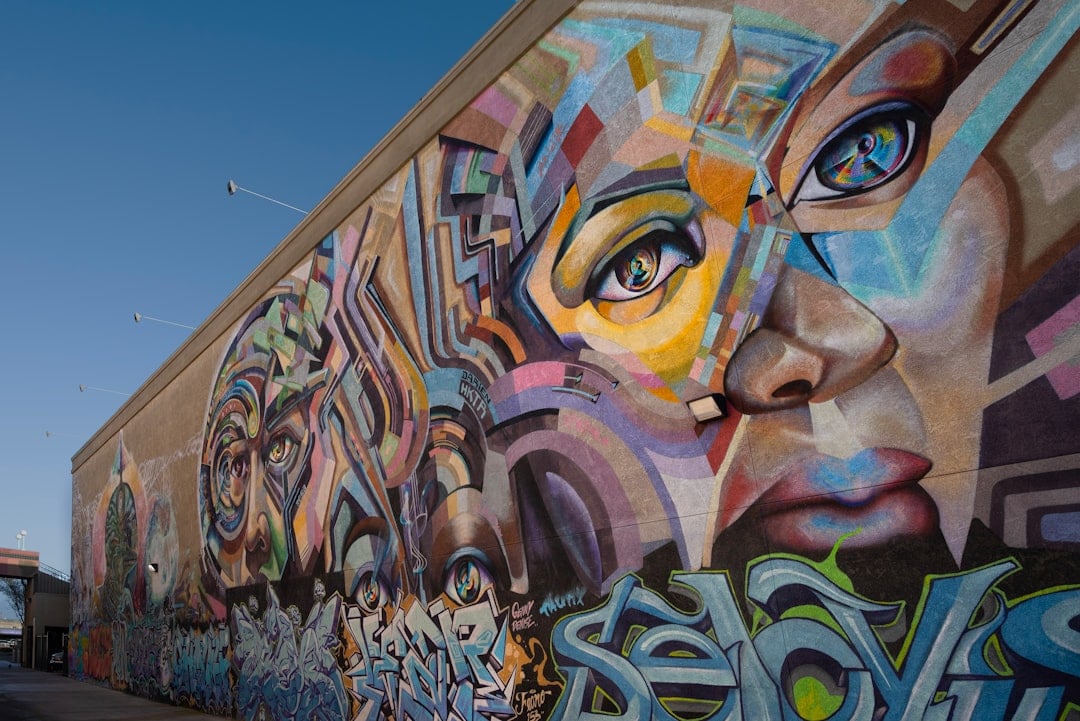
The Downtown Santa Ana Arts District is the creative engine of the city. Warehouses and historic storefronts have been transformed into galleries, breweries, and live music venues, while large-scale murals by local and internationally recognized artists cover entire building facades. The neighborhood draws artists, collectors, and curious travelers who want culture without the crowds of more tourist-saturated destinations.
Food is central to Santa Ana's identity. The city is renowned for its taquerias, panaderias, and mercados, many of which have operated for decades and represent distinct regional traditions from Oaxaca, Jalisco, and beyond. Fourth Street and the surrounding blocks form one of the most compelling corridors for authentic Mexican cuisine in all of California, attracting serious food travelers from across the country.
Santa Ana also holds genuine institutional weight. The Bowers Museum is one of the finest art and anthropology museums in the American West, with a permanent collection spanning pre-Columbian artifacts to Pacific Rim art. The city's historic downtown, anchored by the 1920 Orange County Courthouse, reflects a layered architectural legacy that rewards those who take the time to walk it.
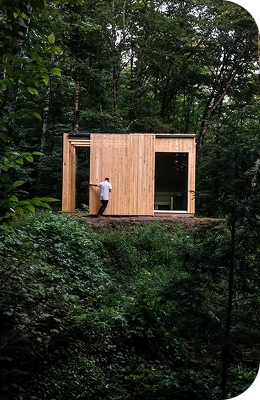



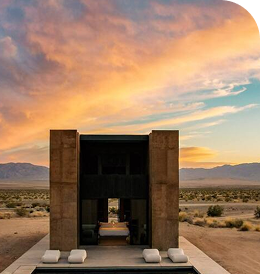

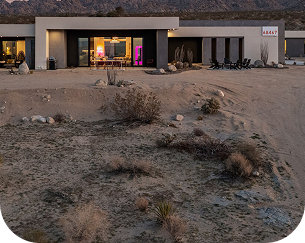

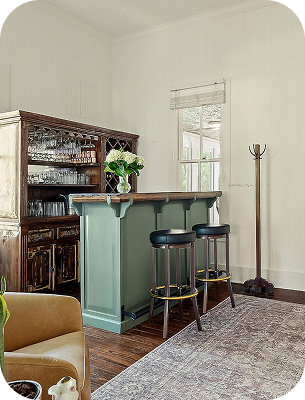

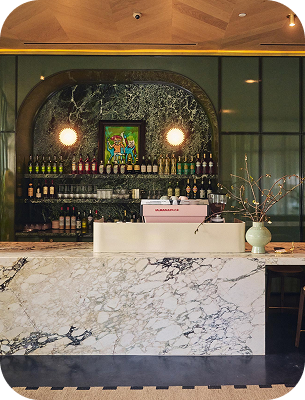

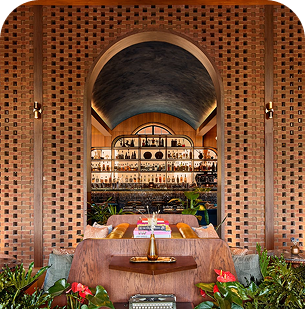

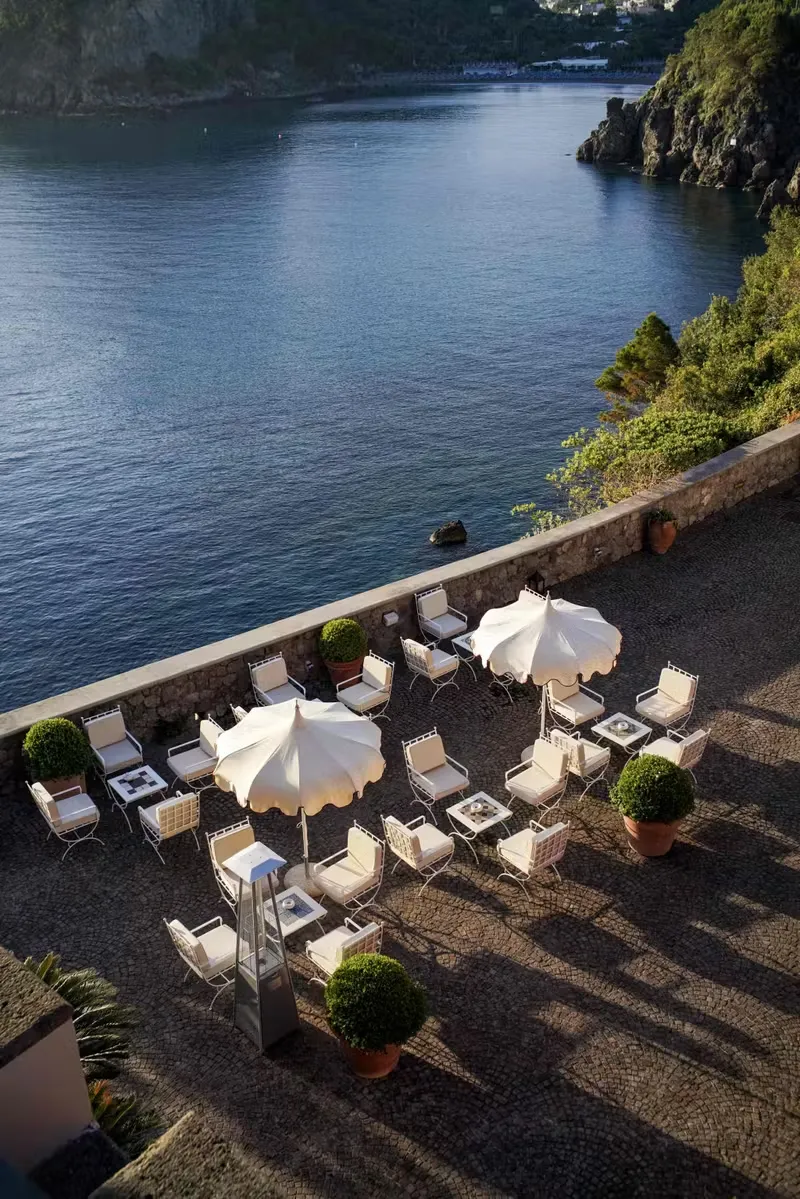

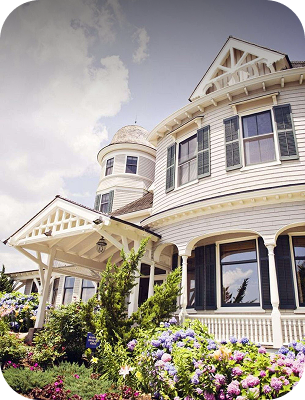

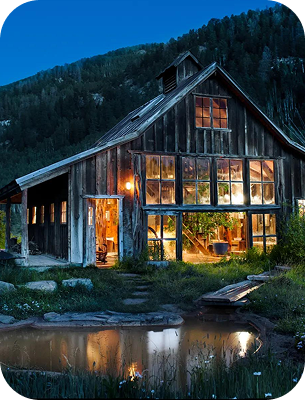

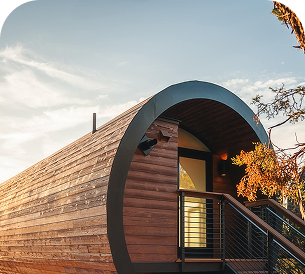

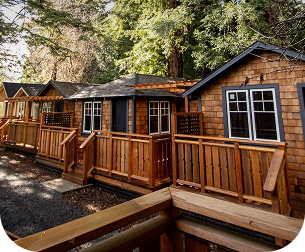

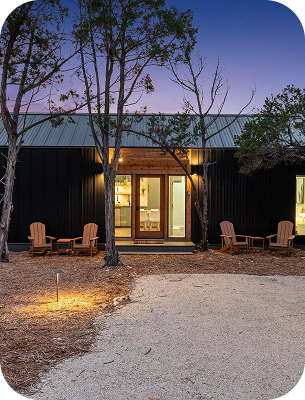



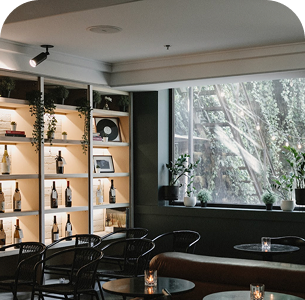

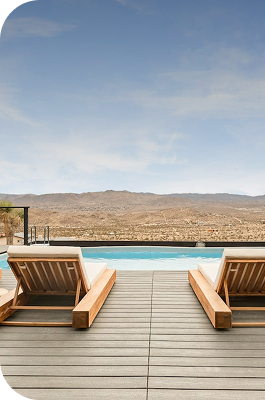

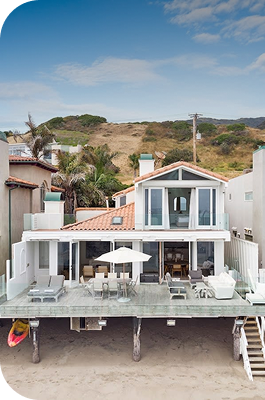

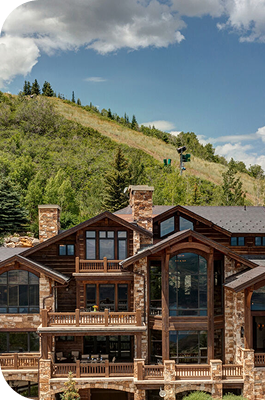
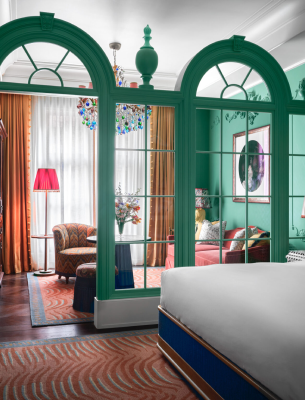
Journey connects travelers to a curated network of boutique hotels and distinctive residences around the world, all united under one rewards program. Explore handpicked stays for your trip while earning points, unlocking exclusive offers, and receiving rewards across the Journey collection.
Santa Ana sits at the geographic and civic heart of Orange County, roughly 10 miles inland from the Pacific coast and 30 miles southeast of downtown Los Angeles. The city occupies a broad, flat basin in the Santa Ana River watershed, a landscape that belies the density and dynamism of what has developed here over more than a century of continuous growth.
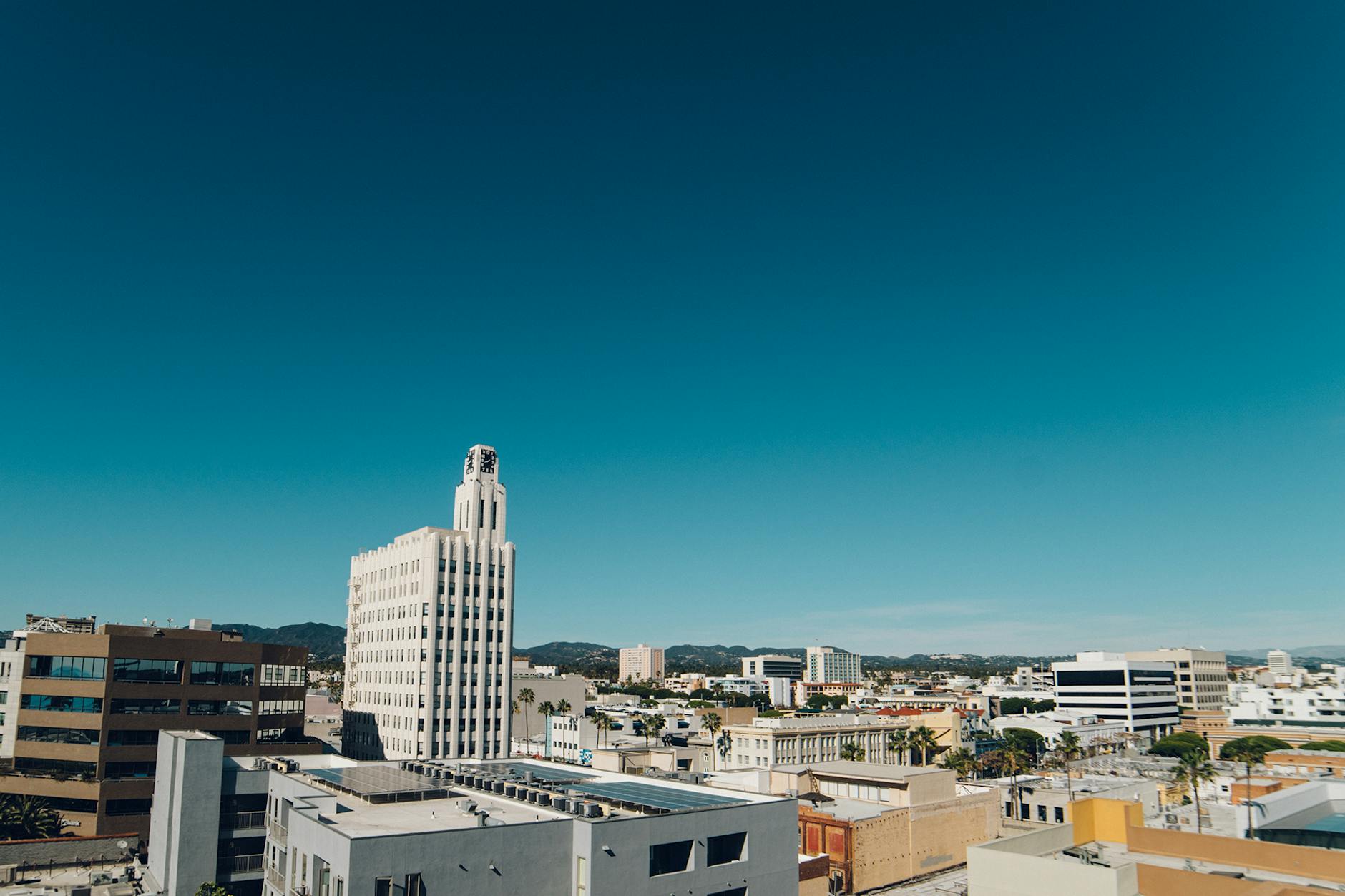
Founded in 1869 and incorporated in 1886, Santa Ana grew initially as an agricultural center, benefiting from the fertile soils of the Santa Ana Valley and its position along early rail lines connecting Southern California's interior to coastal markets. It became the county seat of Orange County when the county was carved out of Los Angeles County in 1889, a status it retains today. The city's historic downtown, with its Beaux-Arts civic buildings and early 20th-century commercial blocks, is a direct inheritance of that administrative importance.
Through the mid-20th century, Santa Ana evolved into a regional commercial and industrial center, and from the 1960s onward it became one of the primary destinations for Mexican and Central American immigration into Southern California. Today, the city is one of the most densely populated in the United States and one of the most Latino cities in the country by percentage, with a demographic identity that is not an overlay but the very foundation of its culture, commerce, and community life.
For travelers, this translates into a destination that feels genuinely lived-in and unperformed. The mercados are not curated for tourists; the murals are expressions of community history, not decoration. The Bowers Museum brings world-class collections to a city that is itself a kind of living museum of migration, craft, and cultural continuity.
Santa Ana rewards the traveler who moves at street level, engages with local institutions, and resists the pull of Orange County's more packaged attractions. It is a city with real character, one that has been earned over generations rather than designed for consumption.
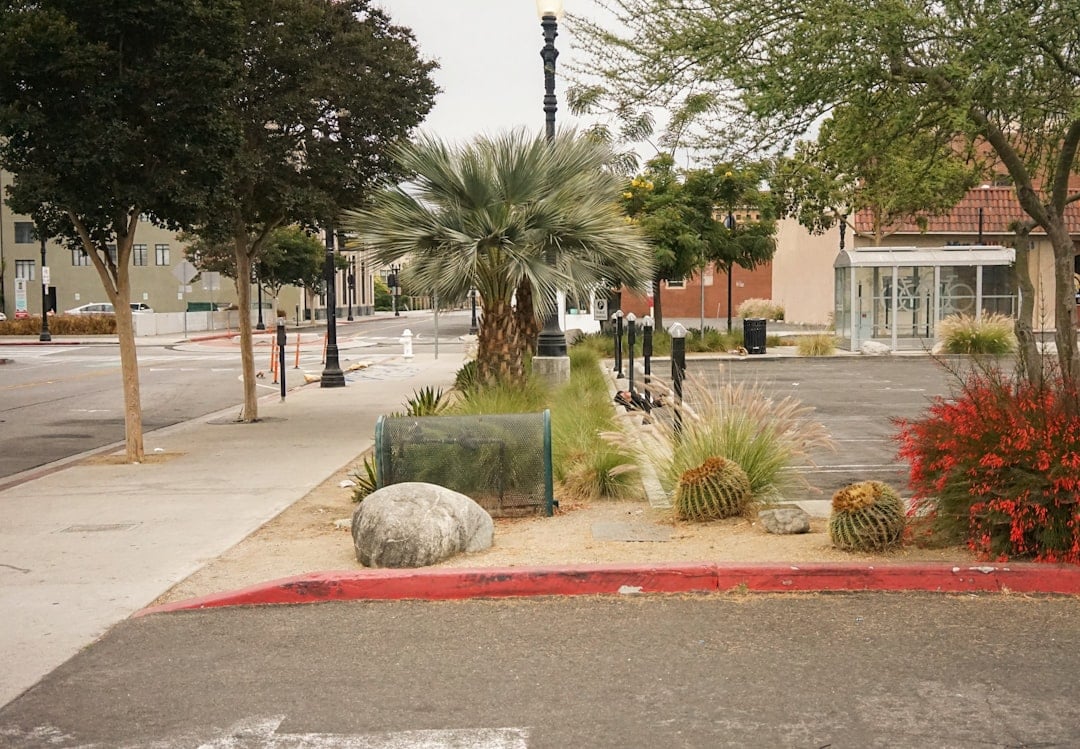
Santa Ana is a rewarding destination year-round, but the timing of your visit shapes the experience considerably. Spring, from March through May, is widely considered the most well-rounded window. The city's outdoor spaces and walkable arts district are at their most inviting, cultural programming picks up across galleries and community venues, and crowds remain manageable compared to the peak summer travel season. It is an ideal time to explore the Downtown Arts District on foot and linger over meals along Fourth Street without contending with long waits.
Summer draws more visitors to greater Orange County overall, which means increased activity in Santa Ana as well, particularly around weekend events, food festivals, and evening markets. If you visit in summer, aim for weekday mornings to explore the Bowers Museum and historic downtown before the afternoon heat sets in. The city's indoor cultural institutions make it a more comfortable summer destination than purely outdoor-oriented stops in the region.
Fall, particularly September and October, offers another strong window. The city's arts and dining scenes are active, outdoor dining is pleasant in the evenings, and the broader tourist pressure on Orange County begins to ease after the Labor Day holiday. Keep in mind that Santa Ana wind events can occur during this period, occasionally disrupting outdoor plans for a day or two.
Winter is the quietest season for tourism and a practical choice for travelers who prefer uncrowded streets and easy access to restaurants and attractions without reservations far in advance. Holiday-season events and cultural celebrations tied to the city's Mexican-American community make December especially lively in the downtown core. For cultural immersion and authentic neighborhood exploration, winter visits offer a more local, unhurried rhythm than any other time of year.
The creative heart of the city, where converted warehouses and century-old storefronts house galleries, craft breweries, and live music venues. Massive murals by local and internationally recognized artists transform building facades into open-air canvases. It draws a mix of artists, collectors, and travelers seeking culture without the theme-park crowds.
A bustling commercial strip that serves as the culinary and cultural spine of Santa Ana's Latino community. Taquerias, panaderias, mercados, and family-run restaurants line the blocks, many operating for decades with recipes rooted in Oaxacan and Jaliscan tradition. It is one of the most compelling corridors for authentic Mexican food in all of California.
Anchored by the grand 1920 Orange County Courthouse, this district rewards those who slow down and walk its streets. Layers of architectural history from the early twentieth century sit alongside local shops and civic institutions. The area reflects Santa Ana's role as the county seat and its deep roots as an urban center in Southern California.
Centered on one of the finest art and anthropology museums in the American West, this area offers a quieter, more contemplative side of Santa Ana. The Bowers Museum's permanent collection spans pre-Columbian artifacts to Pacific Rim art, and the surrounding streets feature mature trees and Spanish Colonial Revival architecture. It is an ideal starting point for understanding the city's cultural depth.
One of Santa Ana's oldest residential neighborhoods, Logan Barrio is a living record of the city's Mexican-American heritage. Community gardens, neighborhood murals, and longtime local businesses give the area an intimate, lived-in character distinct from the more commercial districts. Visitors who venture here get a genuine sense of the community that has shaped Santa Ana's identity for generations.
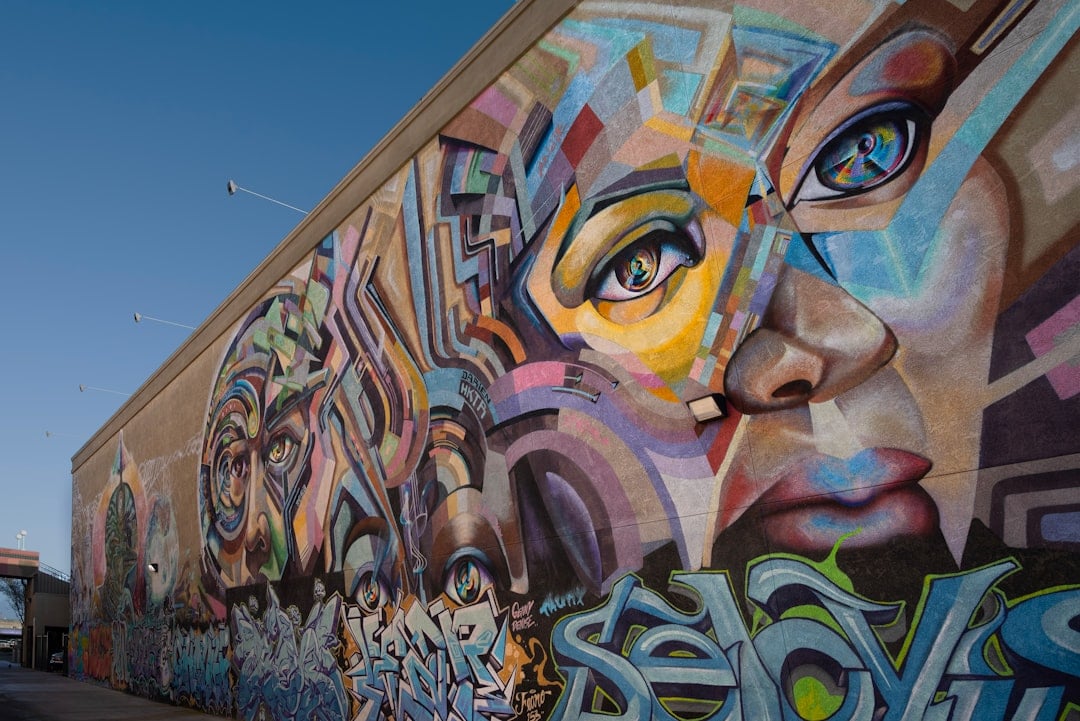
Santa Ana's signature appeal lies in the intersection of deep cultural identity, world-class street art, and a food scene built over generations rather than trend cycles.
Exploring the Downtown Arts District
The Downtown Santa Ana Arts District is unlike anything else in Orange County. Entire building facades have been transformed into monumental murals by local Chicano artists and internationally recognized names, making a walk through the neighborhood feel like an open-air gallery visit. First Saturday art walks draw collectors, artists, and curious visitors to galleries and studios that spill out onto the sidewalks, creating one of Southern California's most genuine grassroots creative communities.
Eating Your Way Through Fourth Street
No experience defines Santa Ana more than its food. The stretch of Fourth Street and its surrounding blocks represents one of the most concentrated and authentic corridors of Mexican regional cuisine in the entire country. Visitors come specifically to eat at family-run taquerias serving Oaxacan tlayudas, Jalisco-style birria, and handmade tamales from recipes passed down across generations. Panaderias and mercados complete the picture, offering an immersive experience that is part meal, part cultural education.
The Bowers Museum
The Bowers Museum draws travelers who want serious art and anthropology in a setting that rarely feels crowded. Its permanent collection spans pre-Columbian artifacts, Native California art, and Pacific Rim cultural objects, while its rotating special exhibitions frequently achieve national recognition. For a museum of its caliber, the Bowers offers an intimate experience that larger metropolitan institutions simply cannot match.
Nightlife in a Historic Venue
The Yost Theater, a restored 1912 landmark, gives Santa Ana a nightlife anchor with genuine character. Catching a concert or live event here connects visitors to the city's long history of gathering and performance, and to a community that has kept this venue alive through decades of change.
Santa Ana delivers a wide range of activities rooted in culture, creativity, and community, making it one of Orange County's most rewarding cities to explore on foot.
Outdoor Recreation
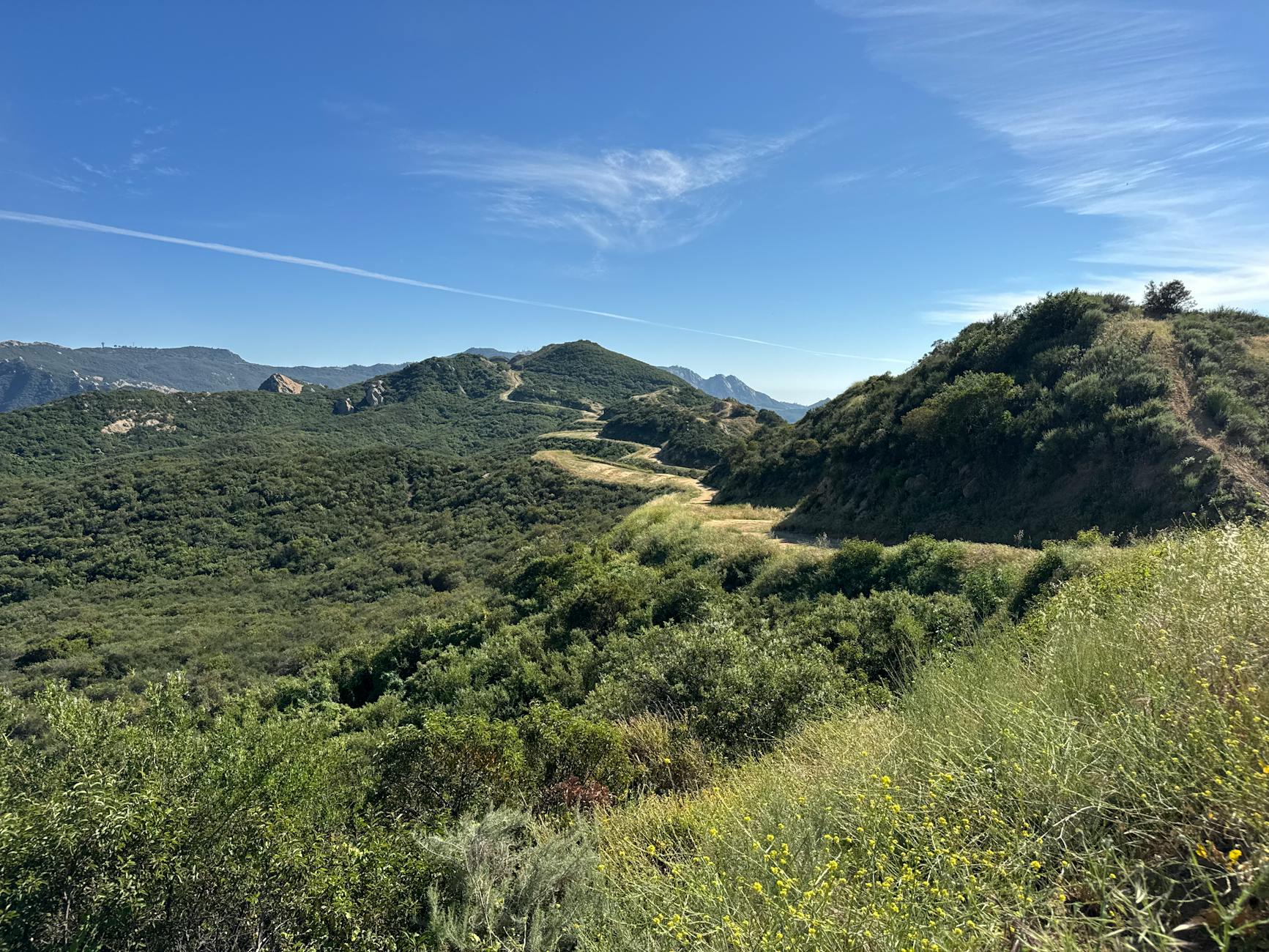
The city's green spaces offer accessible escapes from urban life. Santiago Park follows the curves of Santiago Creek and connects to the Santiago Creek Wildlife and Watershed Center, where visitors can learn about local ecosystems and spot native birds along shaded trails. Peters Canyon Regional Park provides more rugged terrain for hikers and cyclists, while the Santa Ana River Trail offers a long, flat corridor popular with joggers and cyclists heading toward the coast.
Cultural Attractions
The Bowers Museum anchors the city's institutional cultural life, housing one of the West's finest collections of pre-Columbian, African, and Pacific Rim art. The Downtown Santa Ana Historic District preserves the city's architectural legacy, with landmarks dating to the early twentieth century clustered around the 1920 Orange County Courthouse. French Park is a quiet residential historic district worth a stroll for its craftsman and Victorian-era homes.
Arts and Entertainment
The Downtown Santa Ana Arts District is the city's creative heartbeat. Rotating gallery exhibitions, large-scale street murals, and live performance spaces give the neighborhood a dynamic, ever-changing character. The Yost Theater hosts concerts, comedy, and special events in a beautifully restored historic venue. Mission Control Bar Arcade brings a lively, retro-gaming atmosphere to the nightlife scene.
Food and Dining
Santa Ana's food culture is among the most celebrated in Southern California, with an especially deep bench of authentic Mexican regional cuisine. Fourth Street and surrounding blocks are lined with taquerias, panaderias, and mercados. Newer restaurants in the arts district have expanded the scene to include farm-to-table, craft cocktail bars, and eclectic international menus.
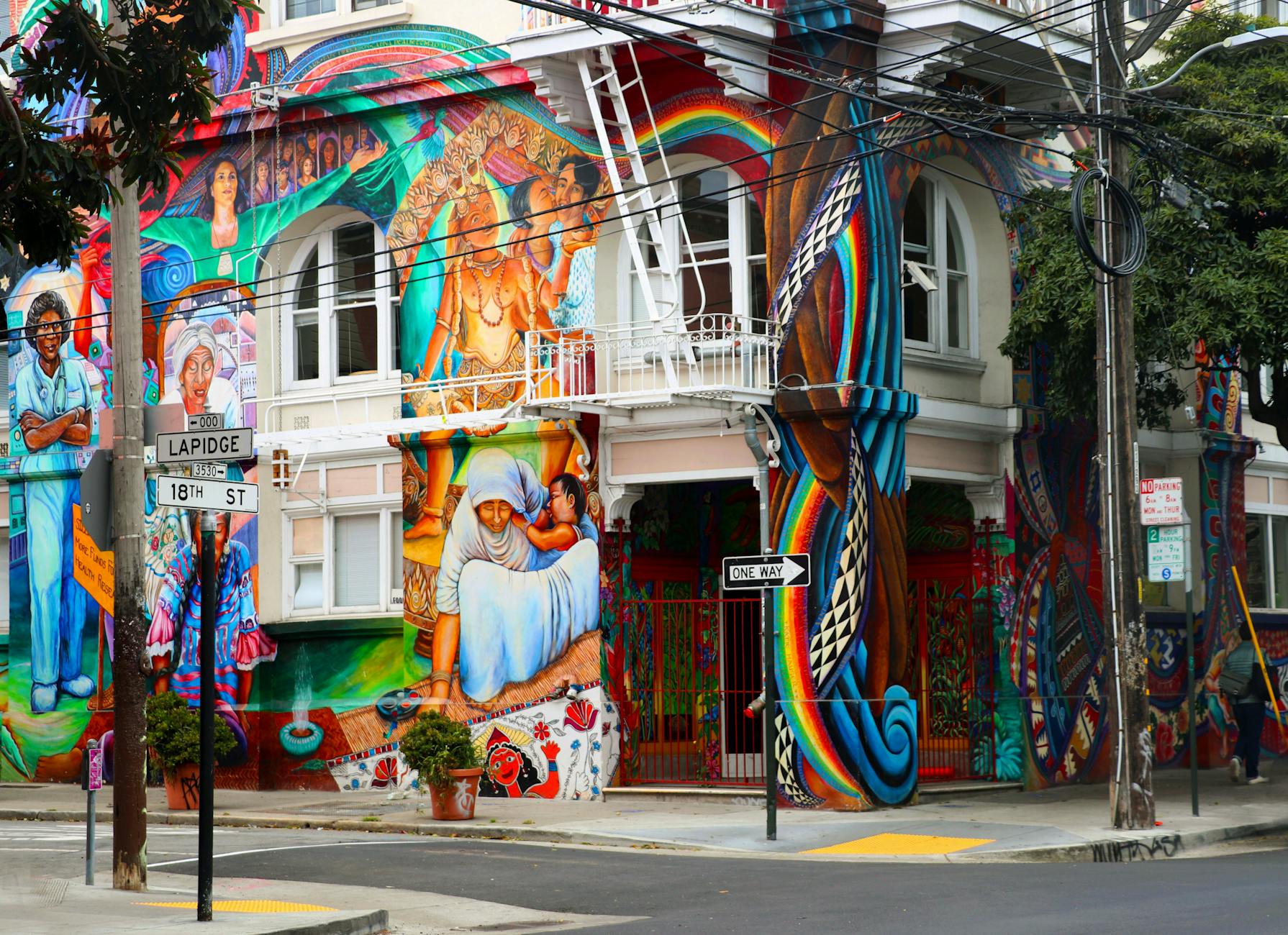
Start your morning at the Downtown Santa Ana Arts District, exploring large-scale murals and independent galleries along the historic storefronts. Grab lunch at one of the beloved taquerias on Fourth Street, where regional Mexican cuisine from Oaxaca and Jalisco shines. In the evening, settle into a local brewery or live music venue in the Arts District and soak up the neighborhood's creative energy.
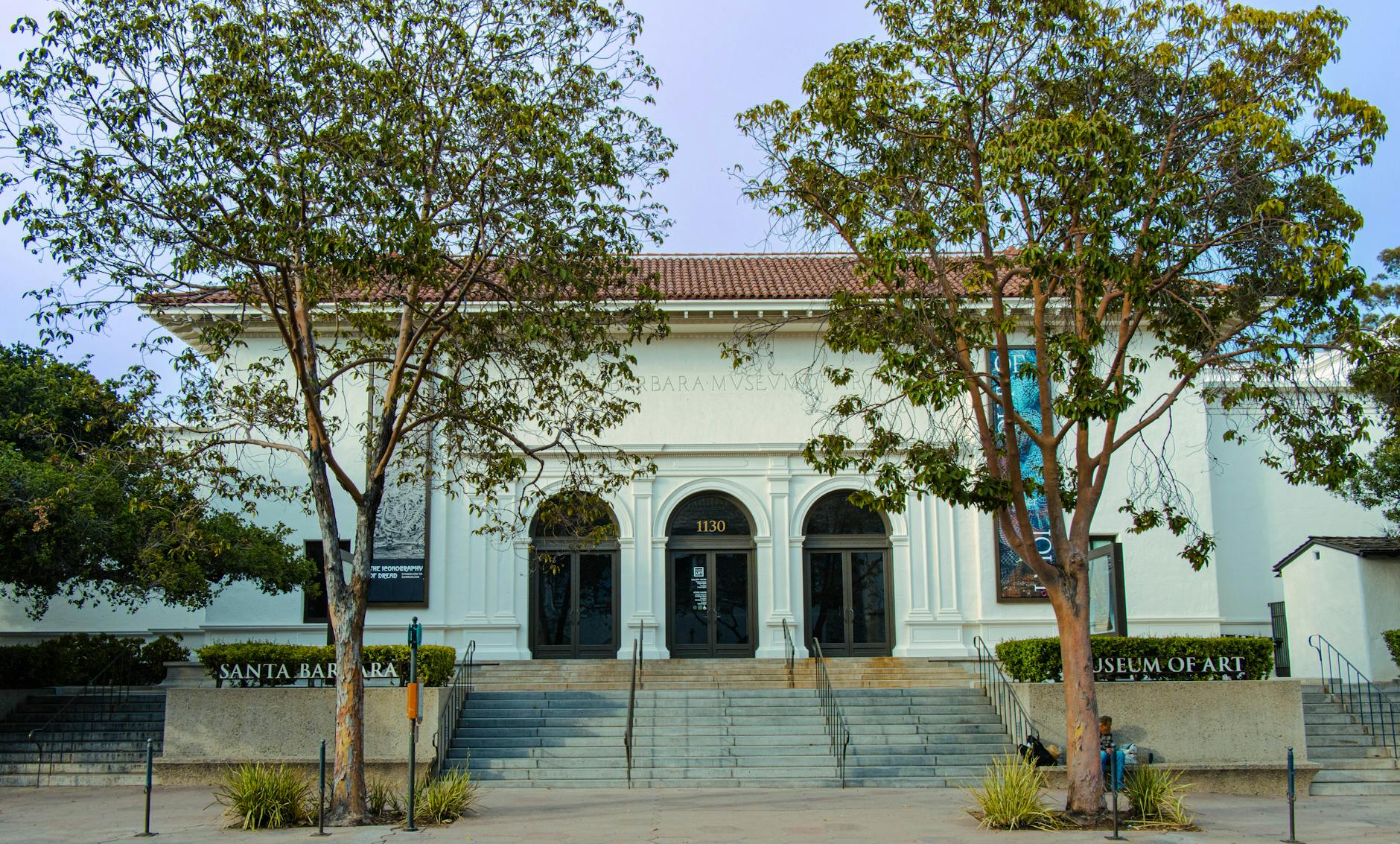
Spend your morning at the Bowers Museum, exploring its impressive collection of pre-Columbian artifacts and Pacific Rim art. After lunch at a nearby cafe, walk over to the historic downtown anchored by the 1920 Orange County Courthouse, taking in the layered architecture along the way. End the evening browsing a local mercado or panaderia for fresh pan dulce and regional specialties.
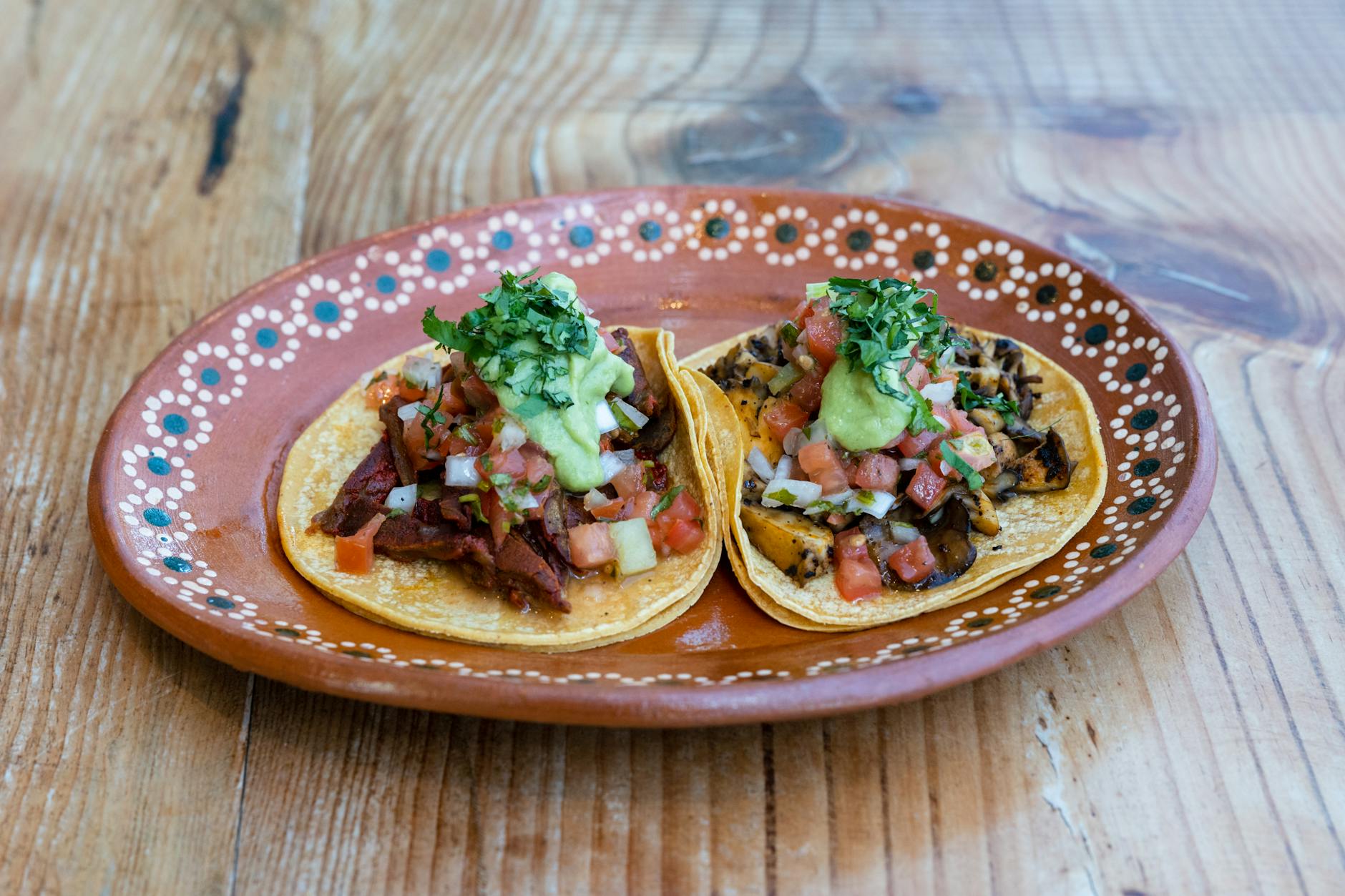
Dedicate your final morning to a deep dive into Santa Ana's food scene - hit a local panaderia early for breakfast pastries, then explore the stalls and vendors along Fourth Street for a late morning snack. Spend the afternoon revisiting any gallery or mural corridor you missed earlier in the trip. Close out your visit with dinner at a sit-down Mexican restaurant showcasing authentic regional cooking.
Santa Ana's cultural calendar reflects a city that celebrates its Latino roots while embracing a broad, eclectic creative energy. The year builds toward its most meaningful moment in September, when Fiestas Patrias fills the streets with music, dance, traditional food, and community pride to mark Mexican Independence Day. It is the city's most deeply felt public celebration, drawing families and visitors from across Orange County.

Sep 11, 2026

Jul 17, 2026

Aug 8, 2026

Jun 18, 2026
Jun 5, 2026
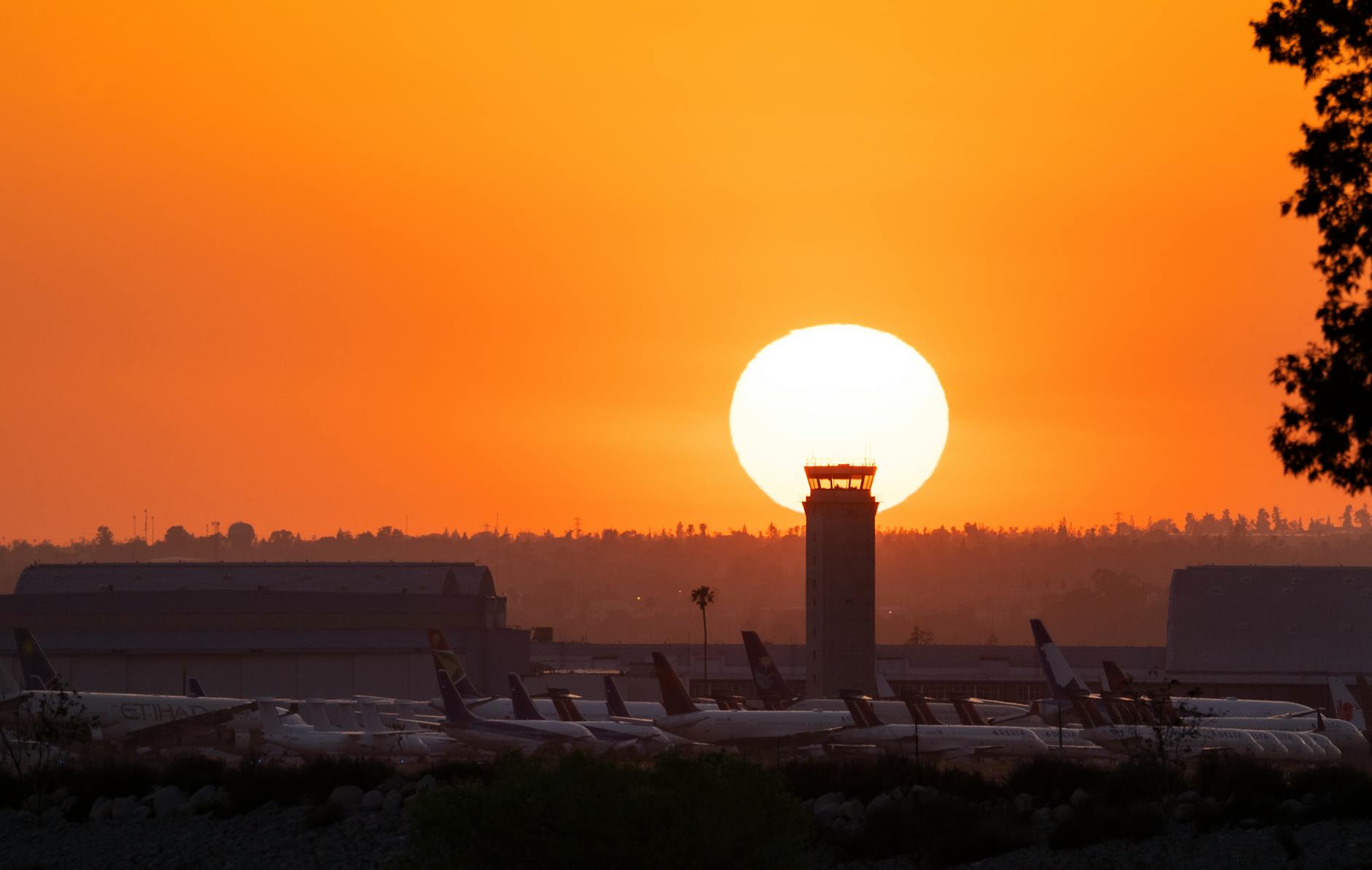
John Wayne Airport (SNA) is the closest airport to Santa Ana,
located about 4 miles from downtown, with rideshare, taxis, and rental cars readily available for a quick 10 to 15 minute transfer.
Los Angeles International Airport (LAX) is the largest nearby hub,
sitting roughly 35 miles northwest of Santa Ana via Interstate 405 or Interstate 5, with a drive time of 45 minutes to over an hour depending on traffic.
Interstate 5 is the primary driving corridor into Santa Ana,
connecting the city to Los Angeles to the north and San Diego to the south, with State Route 55 offering an additional approach from the coastal communities to the west.
Amtrak's Pacific Surfliner stops at the Santa Ana Regional Transportation Center,
providing a car-free connection to Los Angeles Union Station, San Diego, and points along the Southern California coast with multiple daily departures.
Long Beach Airport (LGB) is a lower-traffic alternative,
about 20 miles from Santa Ana and served by Southwest and a handful of other carriers, making it a convenient option if fares or schedules work in your favor.
The Downtown Santa Ana Arts District is compact and walkable,
making it easy to cover galleries, murals, restaurants, and the historic courthouse district entirely on foot during a single afternoon or evening.
The OC Streetcar connects Santa Ana to Garden Grove
along a dedicated rail corridor, offering a car-free option for travelers moving between those two cities without dealing with traffic or parking.
OCTA bus routes cover most of Santa Ana and the broader Orange County area,
with the OCTA app providing real-time schedules and trip planning tools that make navigating the network straightforward for visitors.
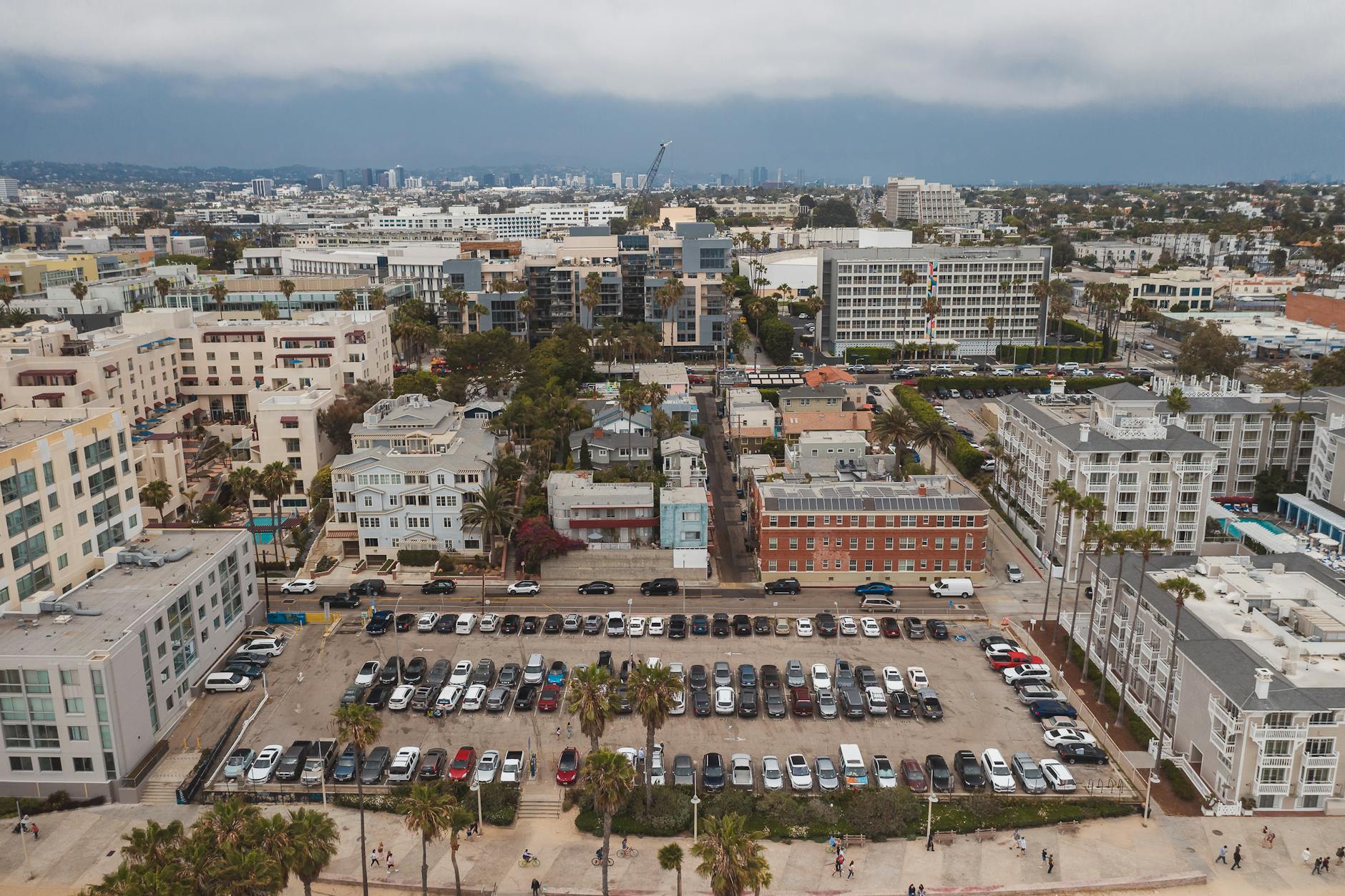
Street parking in downtown Santa Ana fills quickly on Friday and Saturday evenings,
especially during monthly art walks and events, so using one of the city's public parking structures or arriving by rideshare will save significant time and frustration.
Santa Ana's food scene is built around independent, family-run businesses, many of which are cash-preferred or cash-only, so carry small bills when exploring taquerias and mercados on Fourth Street. Tipping follows standard California norms: 18 to 20 percent at sit-down restaurants and a dollar or two for counter service. The Downtown Arts District hosts a monthly art walk on the first Saturday of each month, which draws large crowds and is worth planning around or ahead of. Spanish is widely spoken throughout the city, and a few words of courtesy go a long way. For transit, download the OCTA app before you arrive. The city is generally safe for tourists in the arts and dining districts, but as with any urban area, stay aware of your surroundings after dark in less-trafficked blocks. Summers are warm and dry, so light layers and sunscreen are practical essentials.
Two days is enough to explore Santa Ana's highlights. Spend the first day in the Downtown Arts District, taking in murals, galleries, and breweries. Use the second day for the Bowers Museum and a deep dive into the food scene along Fourth Street. If you want to linger over meals and explore neighborhood side streets, a third day adds value.
Santa Ana is best known for its deep Latino heritage and culture, particularly its outstanding Mexican food scene centered around Fourth Street. The city is also recognized for its Downtown Arts District, filled with large-scale murals and creative venues, and for the Bowers Museum, one of the leading art and anthropology museums in the American West.
Yes, Santa Ana works very well as a weekend trip, especially for travelers based in Southern California. Two days is enough to cover the Arts District, the Bowers Museum, and several meals along the Fourth Street corridor. Its central Orange County location makes it easy to reach by car, and it pairs naturally with nearby destinations like Anaheim or the coast.
Santa Ana is one of the more affordable destinations in Orange County. Authentic taquerias, panaderias, and mercados keep food costs low, and many of the city's best experiences - street art, neighborhood walks, and cultural events - are free. The Bowers Museum charges a modest admission fee. Accommodation costs vary, but are generally lower than nearby beach cities.
Spring and fall offer the most comfortable weather, with mild temperatures and low humidity. Summer is warm and busy, while winters are mild by most standards, making Santa Ana a reasonable year-round destination.