
Baltimore, MD
A Journey guide to
Aurora is Colorado's third-largest city and one of the most culturally diverse communities in the Rocky Mountain West. Bordering Denver to the east, it serves as both a gateway to the high plains and a launching point for mountain adventures. Travelers who look beyond the obvious find a city with genuine character — rooted in military heritage, shaped by waves of immigration, and quietly building one of the most interesting food and arts scenes on the Front Range.
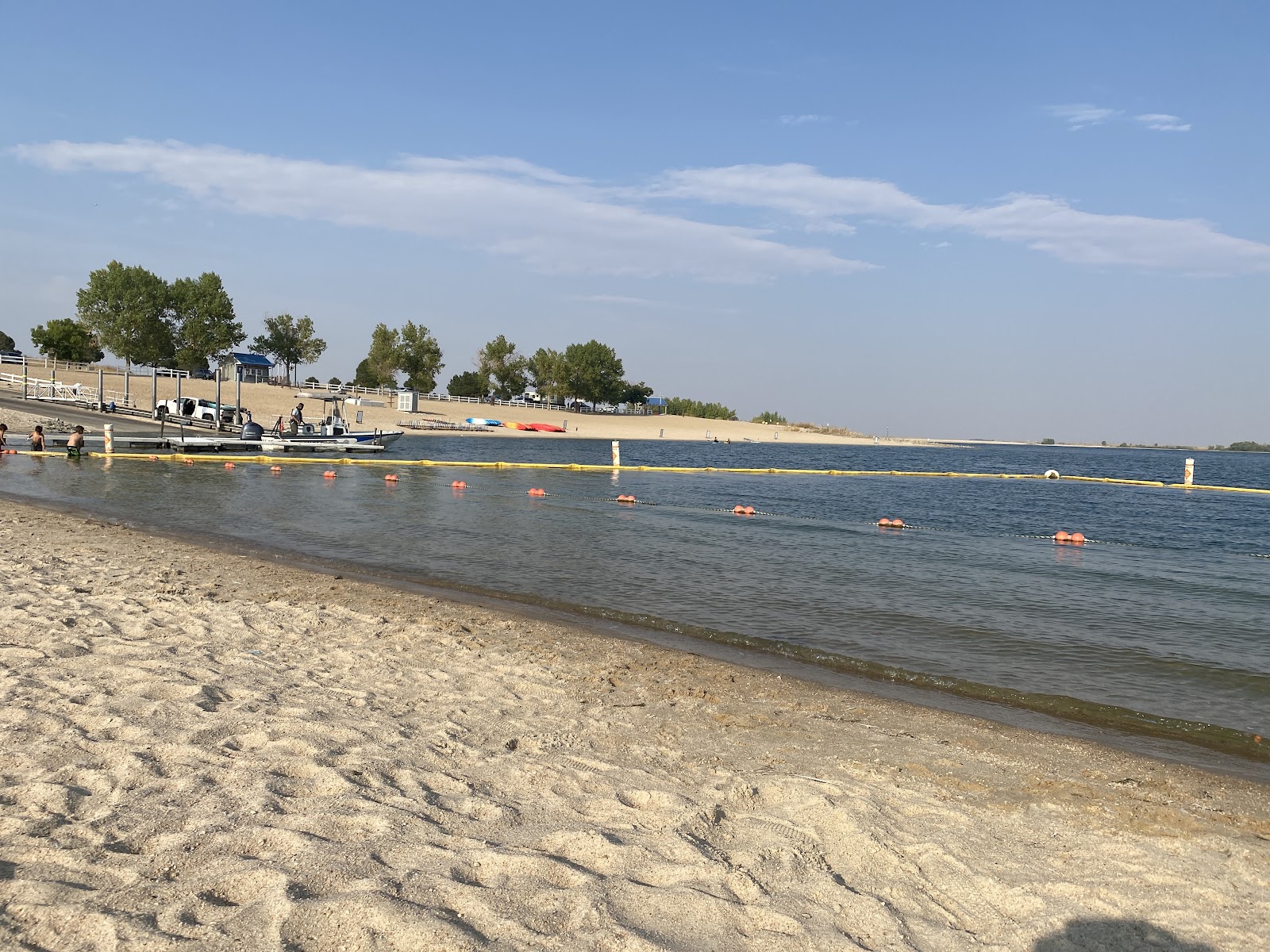
Outdoor enthusiasts are well served here. Cherry Creek State Park anchors the south side of the city with a reservoir popular for sailing, paddleboarding, and shoreline hiking. Rocky Mountain Arsenal National Wildlife Refuge, one of the largest urban wildlife refuges in the United States, sits within Aurora's boundaries and offers bison sightings, prairie dog colonies, and migratory bird watching just minutes from the city center.
Aurora's culinary landscape reflects its demographics in the most compelling way. The stretch of East Colfax Avenue running through the city is a genuine international corridor — Ethiopian injera houses, Vietnamese pho shops, Somali tea rooms, and Mexican taquerias coexist block by block. This is not a curated "food hall" experience but an organic, neighborhood-level diversity that rewards explorers willing to venture off the standard tourist path.
The city also draws visitors through its proximity to Denver International Airport, making it a natural base for travelers arriving in the metro area. The Anschutz Medical Campus on Aurora's western edge is one of the largest medical and research complexes in the country, giving the city a distinct identity beyond its role as a Denver suburb. For travelers who value authentic local texture over polished tourist infrastructure, Aurora consistently delivers.

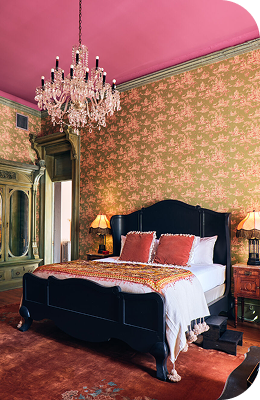

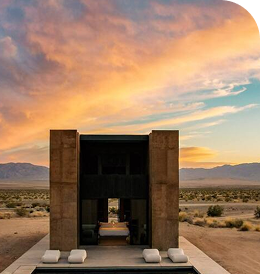

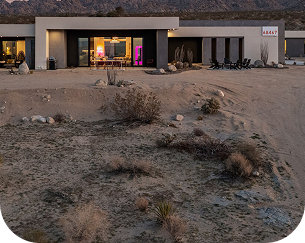

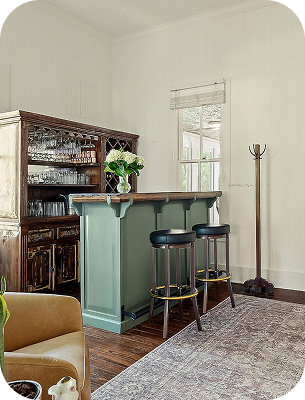

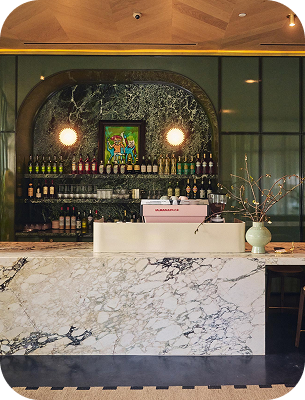

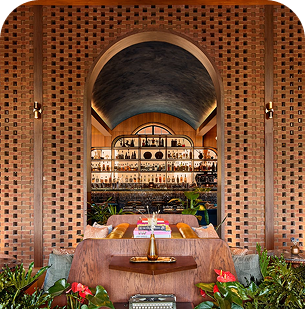

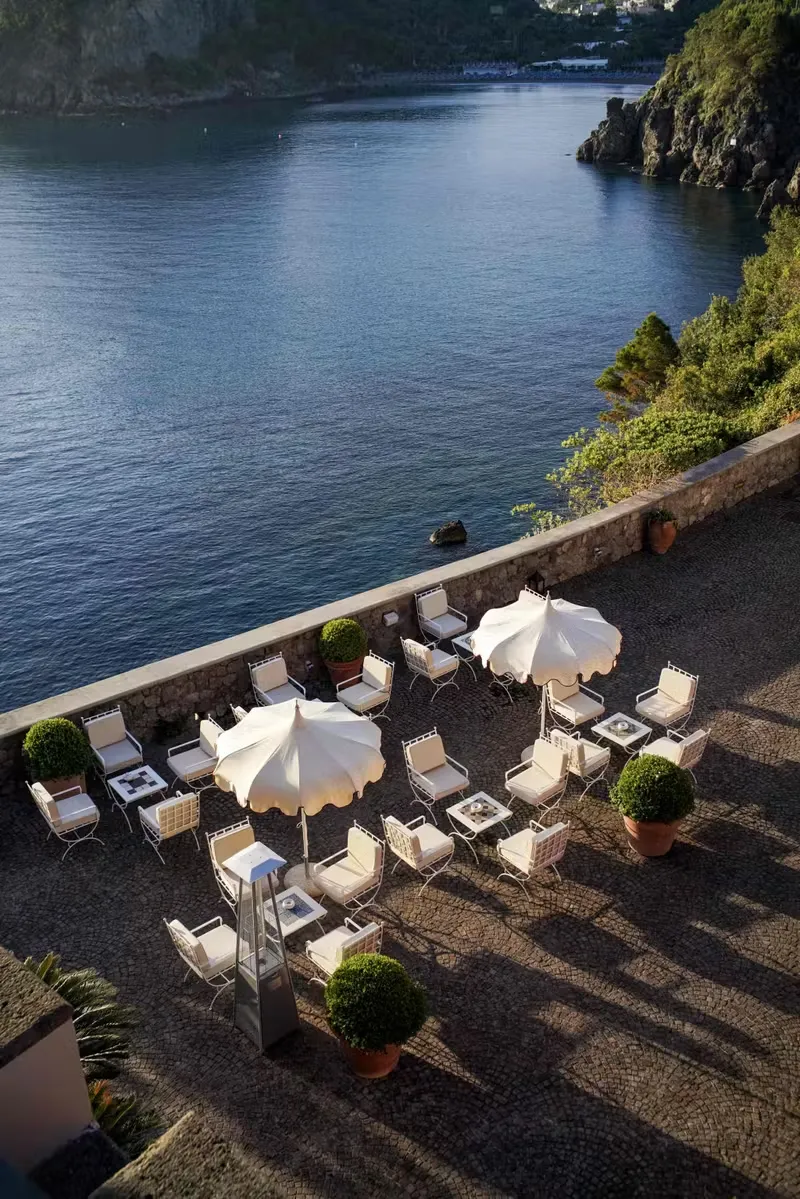

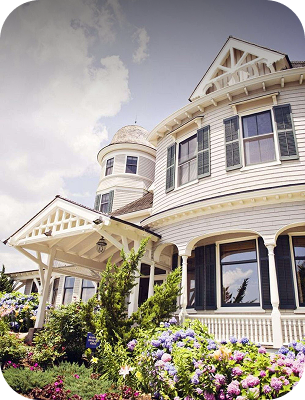

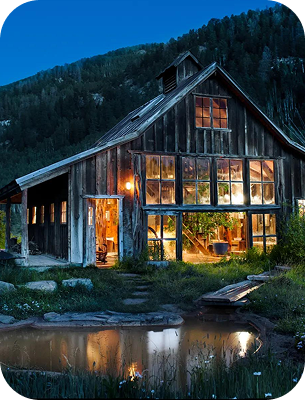

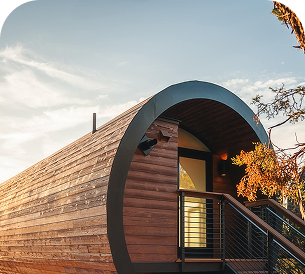

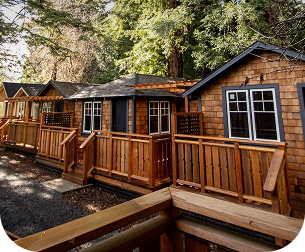

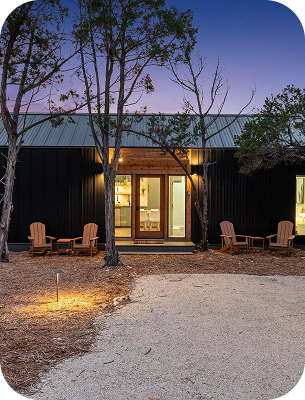

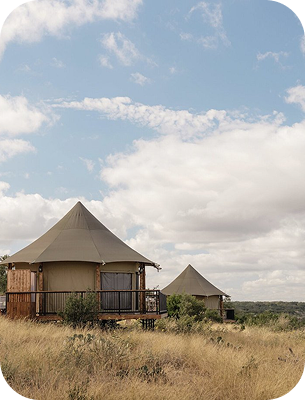

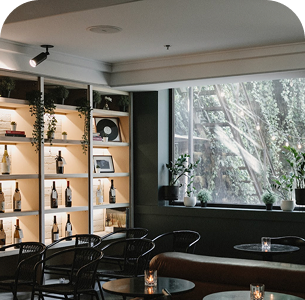

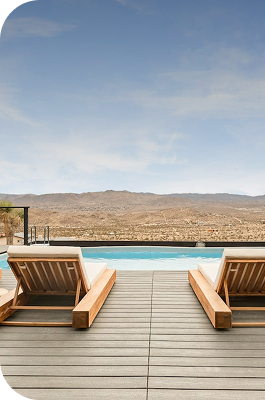

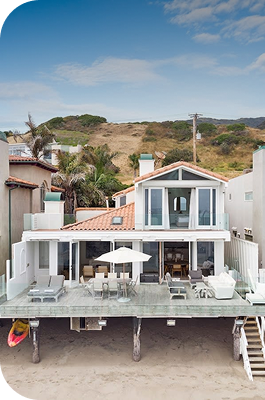

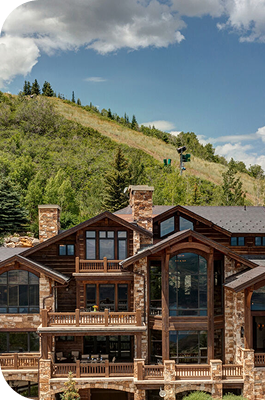

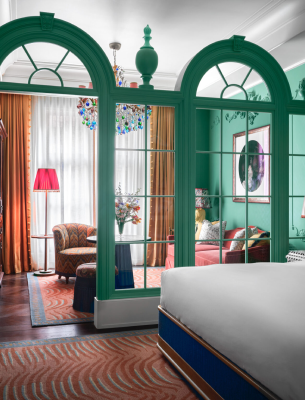

Journey connects travelers to a curated network of boutique hotels and distinctive residences around the world, all united under one rewards program. Explore handpicked stays for your trip while earning points, unlocking exclusive offers, and receiving rewards across the Journey collection.
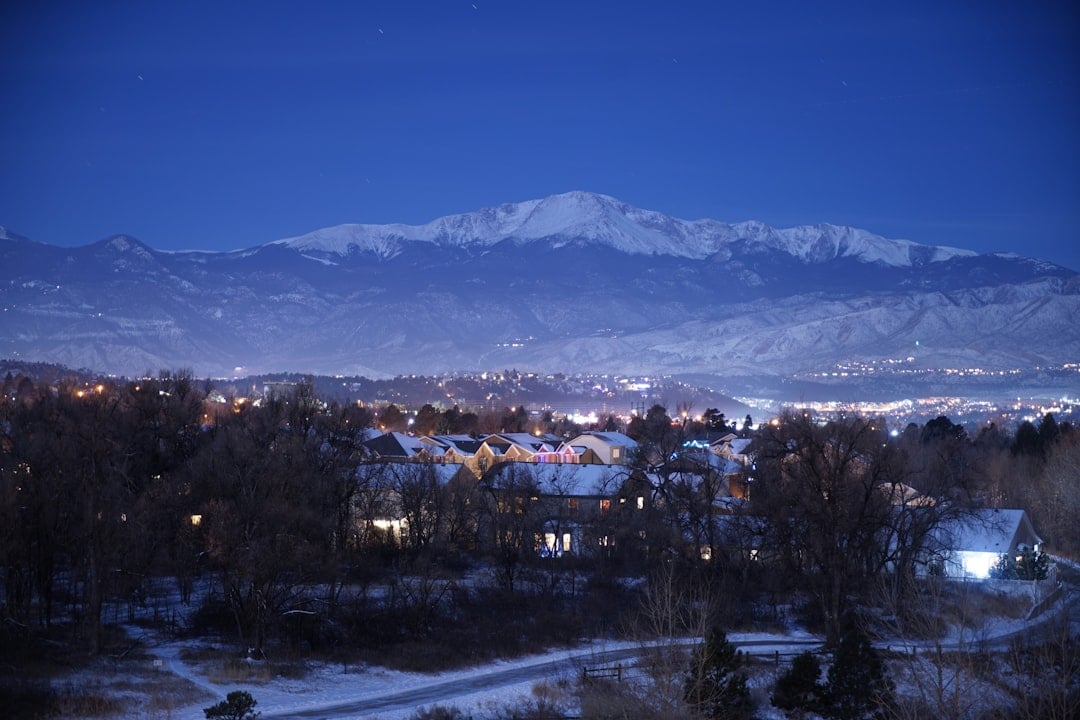
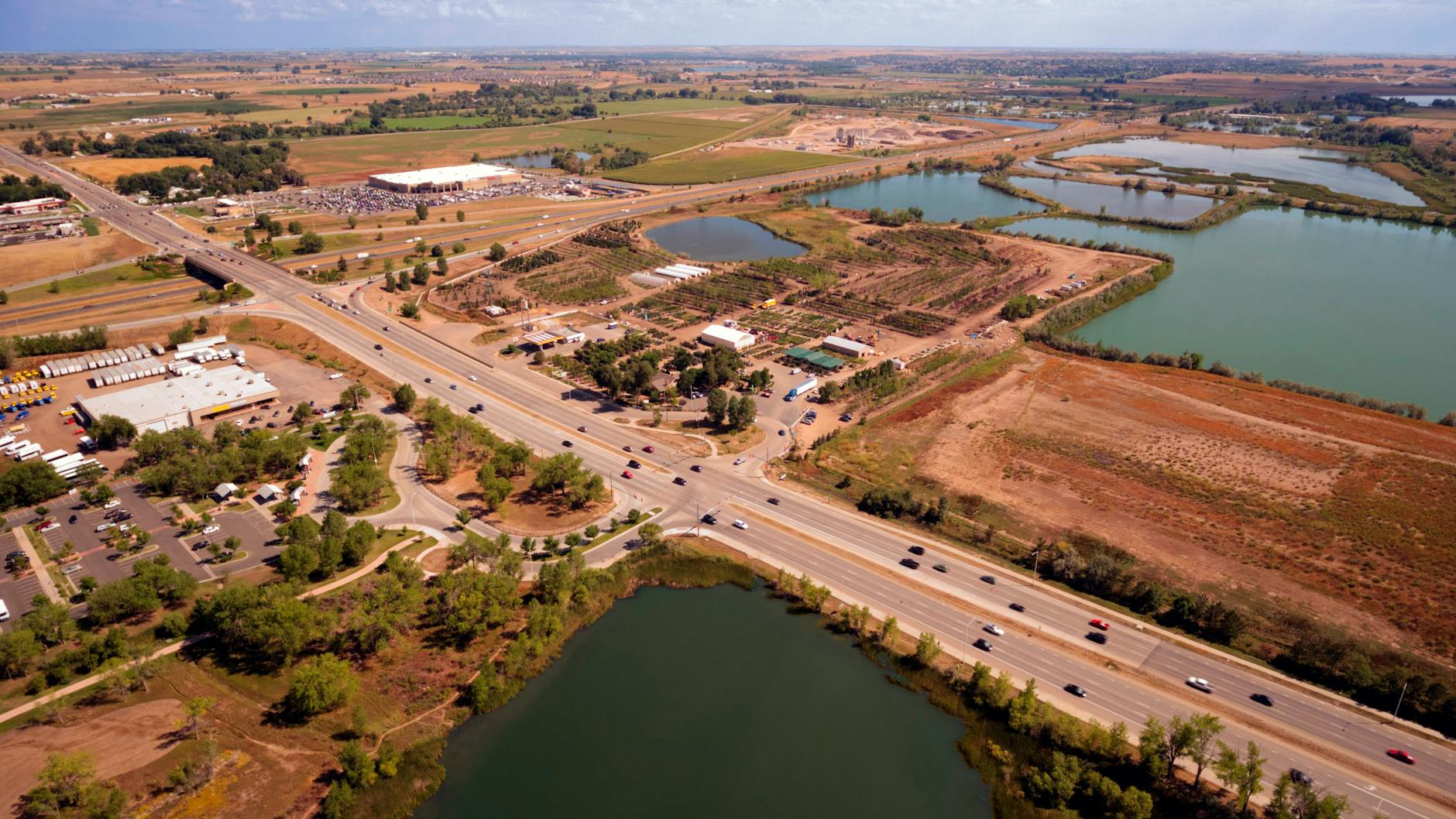
Aurora occupies a broad stretch of the Colorado Front Range, spreading east from Denver across the high plains toward the horizon. At roughly 6,000 feet above sea level, it sits at the same elevation as Denver but feels distinctly more open — the mountains visible to the west, the grasslands extending to the east, and the sky enormous in every direction. The city covers more than 150 square miles, making it geographically one of the larger municipalities in Colorado.
Founded in 1891 as Fletcher, the city was renamed Aurora in 1907 and grew steadily through the twentieth century, shaped in large part by the presence of Buckley Space Force Base (formerly Buckley Air Force Base), which remains an active installation and a major employer. That military heritage runs deep in Aurora's civic identity and helps explain the city's pragmatic, unpretentious character.
The modern Aurora is defined above all by its diversity. It is home to significant communities from East Africa, Southeast Asia, Latin America, and the Middle East, and has been recognized repeatedly as one of the most ethnically diverse cities in the United States. This demographic richness is not a recent development but the result of decades of resettlement programs and immigration patterns that have fundamentally shaped the city's culture, cuisine, and community life.
Culturally, Aurora supports a dedicated performing arts center, the Aurora Fox Arts Center, and a growing network of public art installations and cultural festivals. The Aurora History Museum provides context for the city's development from frontier settlement to urban center.
For travelers, Aurora functions simultaneously as a destination in its own right and as an exceptionally well-positioned base. Denver International Airport sits within the city limits, connecting Aurora directly to the world. Downtown Denver is a 20-minute drive, and the mountains begin in earnest less than an hour to the west. The combination of genuine local culture, significant natural spaces, and logistical convenience makes Aurora a smarter choice than many visitors initially expect.
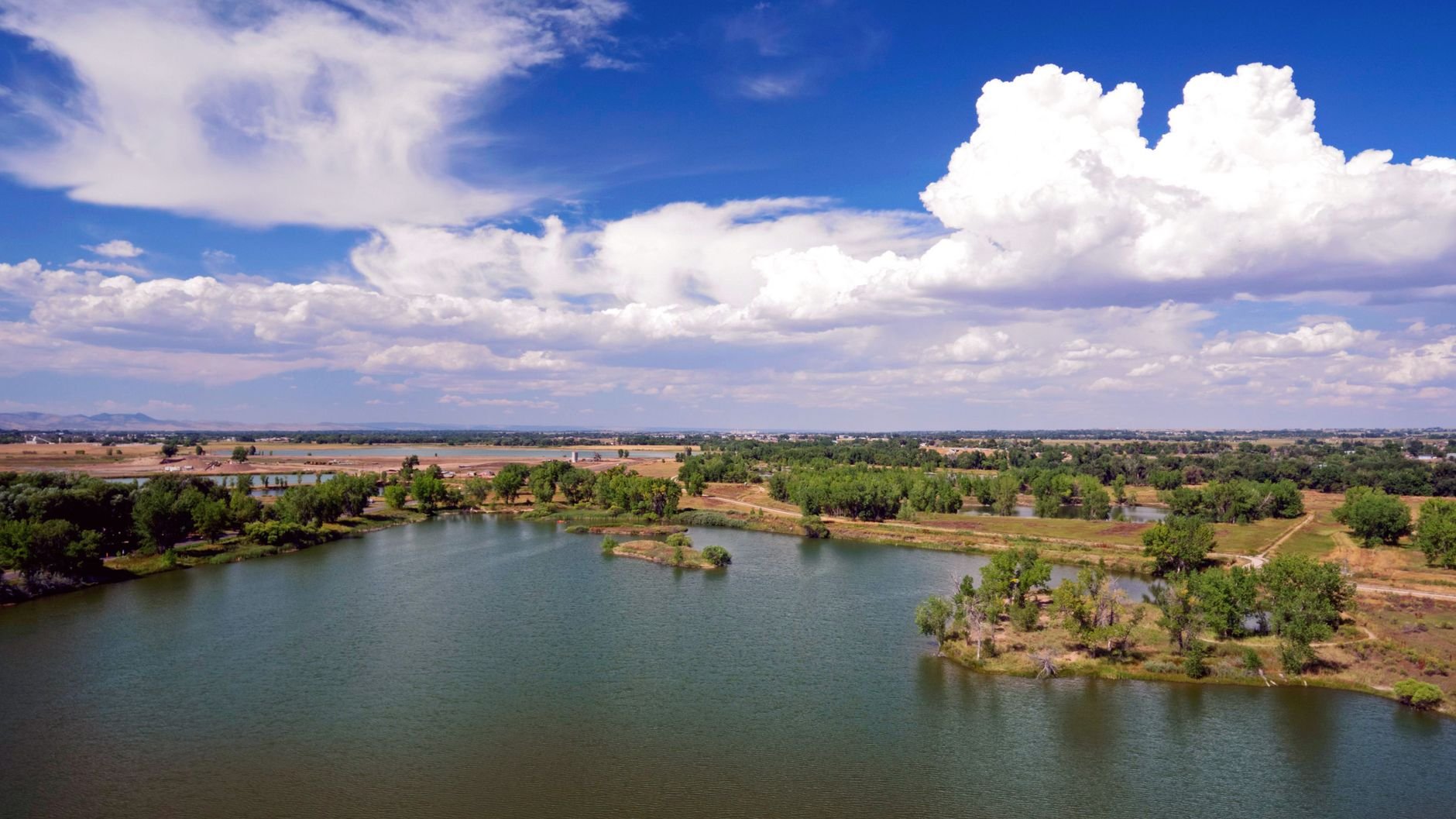
Spring and fall are the strongest all-around windows for visiting Aurora. From late April through early June, the city shakes off winter and the surrounding natural areas hit their stride — Cherry Creek State Park fills with migratory birds, Rocky Mountain Arsenal National Wildlife Refuge hosts active bison herds and prairie dog colonies, and the East Colfax dining corridor buzzes with foot traffic as patio season opens. Crowds remain manageable compared to peak summer, and Denver International Airport connections make this an easy arrival window.
Summer draws the most visitors, particularly families and outdoor-focused travelers. Cherry Creek Reservoir is at full capacity for sailing and paddleboarding, and the proximity to Rocky Mountain National Park and other mountain destinations makes Aurora a practical base for day trips west. Be aware that July and August bring the highest demand for accommodation across the Denver metro area, so booking ahead matters. Weekend afternoons can see congestion along the major corridors connecting Aurora to Denver.
Fall rivals spring as the most rewarding time to visit. September and October deliver some of the year's most reliable weather, and the wildlife refuge sees another surge of migratory activity. Cultural programming picks up across the metro, and the Anschutz area draws conference and event traffic that keeps the city's restaurant scene lively. Travelers who prioritize outdoor exploration with fewer crowds will find this window especially appealing.
Winter is the quietest season for tourism in Aurora. The city's proximity to the airport makes it a functional stopover, and the international dining scene on East Colfax is fully active year-round regardless of season. Travelers targeting ski resorts to the west sometimes use Aurora as a cost-effective base, though mountain road conditions should factor into any planning.
Anchored by one of the largest medical and research complexes in the United States, this district on Aurora's western edge has grown into a hub of activity with hotels, restaurants, and transit connections serving thousands of daily visitors and workers. The area has a modern, purposeful character distinct from the rest of the city, with walkable blocks and proximity to the University of Colorado campus. It serves as a practical base for travelers arriving via light rail from Denver International Airport.
The neighborhoods surrounding Cherry Creek State Park offer a quieter, more residential side of Aurora defined by access to water, trails, and open sky. The reservoir draws sailors, paddleboarders, and anglers, while the surrounding parkland provides miles of hiking and cycling paths. This area appeals to travelers who want outdoor immersion without leaving the city limits.
Bordering one of the largest urban wildlife refuges in the country, this part of Aurora offers an experience unlike any other in the metro area. Bison herds, prairie dog towns, and migratory raptors are regular sights within minutes of suburban streets, giving the area a genuinely wild character. The refuge entrance and surrounding roads attract nature photographers, birders, and families looking for accessible wildlife encounters.
Aurora Town Center functions as the commercial and civic heart of the city, with shopping, dining, and community gathering spaces concentrated around a walkable mixed-use core. The area has seen significant investment in recent years and reflects the city's ambitions to build a recognizable downtown identity. It is a convenient base for visitors who want easy access to services, transit, and local events.
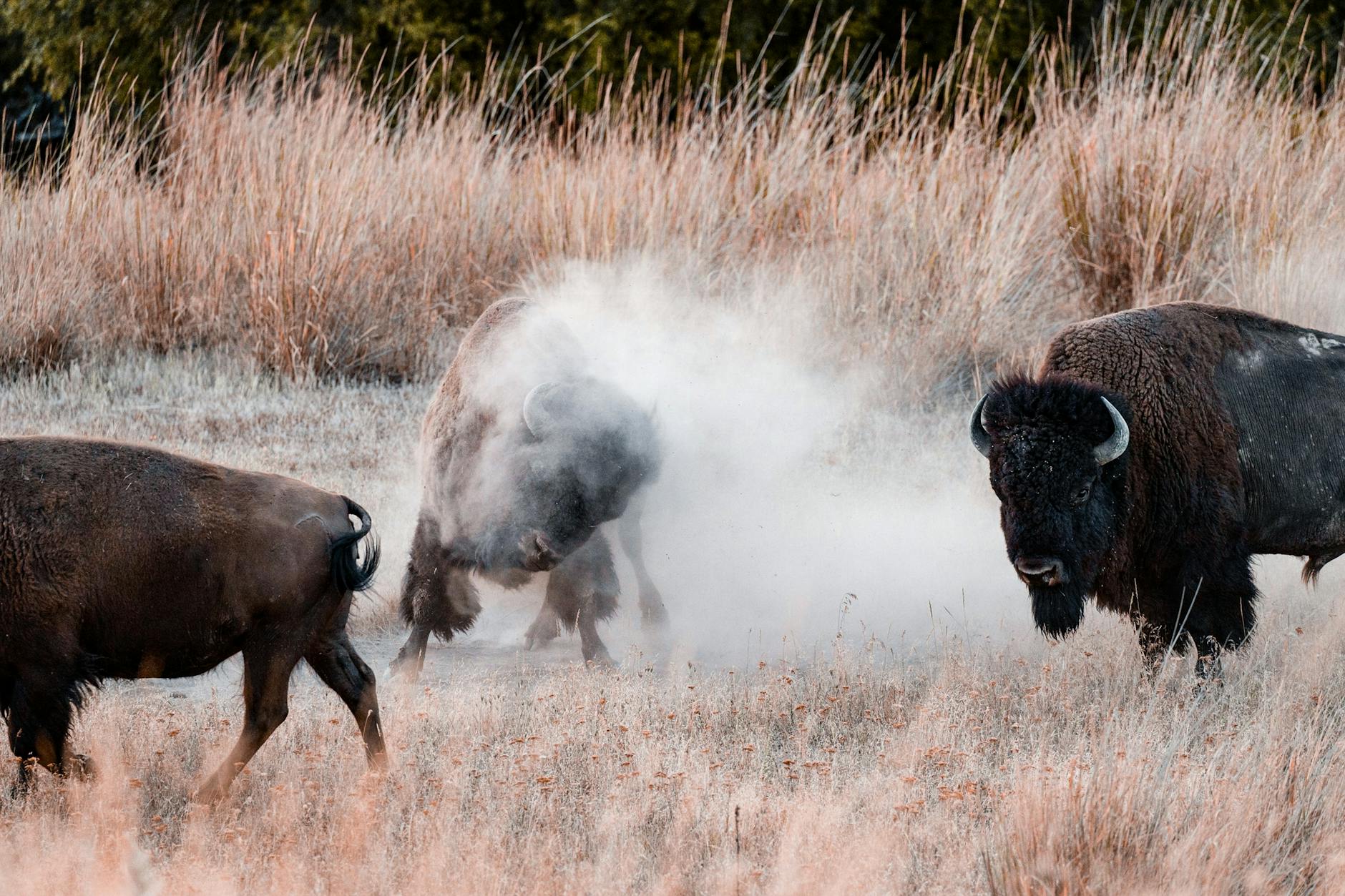
Aurora's most distinctive experiences are rooted in two things that few cities its size can claim: one of the largest urban wildlife refuges in the United States and one of the most organically diverse food corridors on the Front Range.
Rocky Mountain Arsenal National Wildlife Refuge
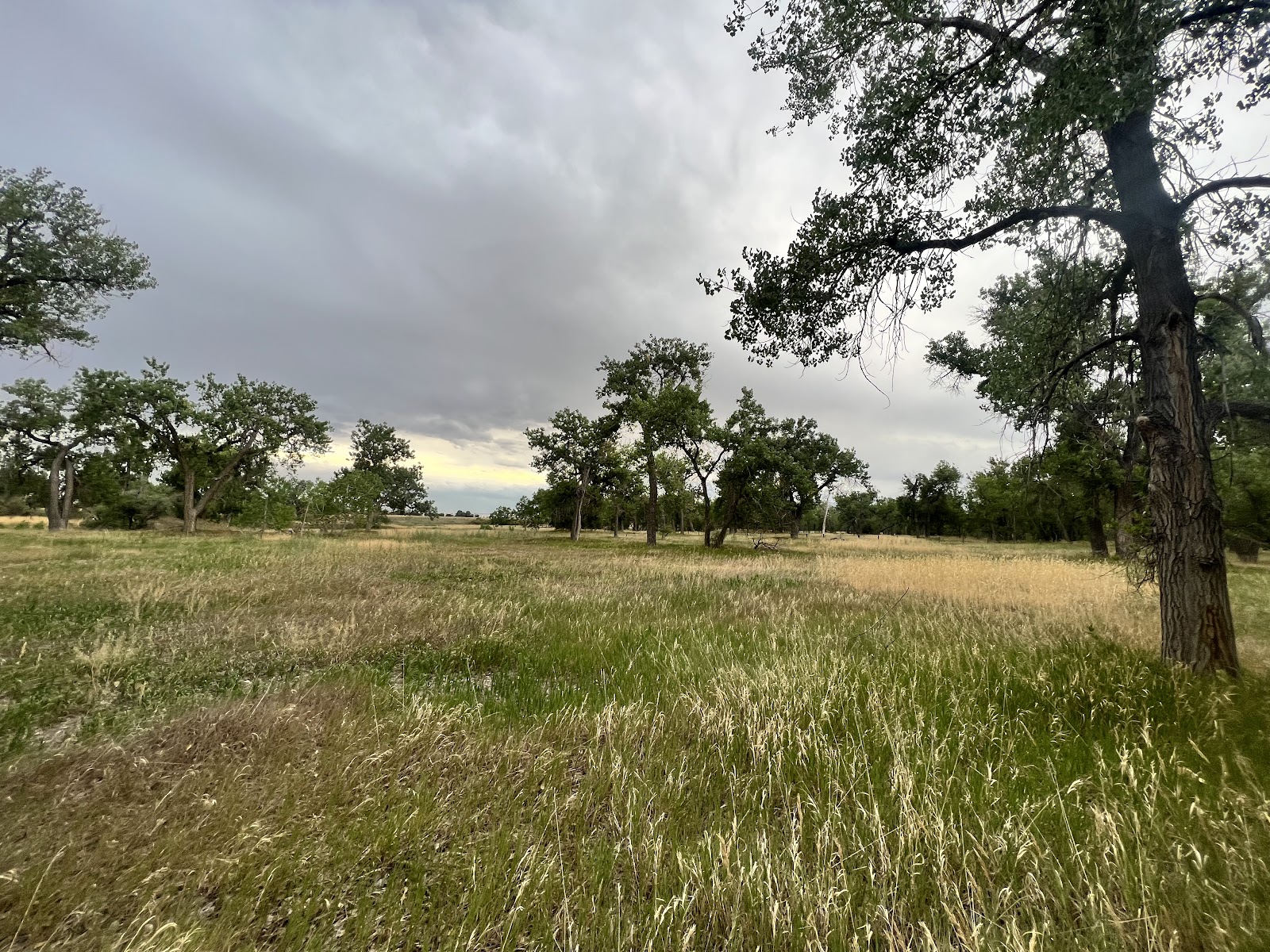
Watching a herd of bison move across open prairie just minutes from a major metro area is not something most travelers expect to find in Colorado. The refuge covers more than 15,000 acres and supports white-tailed deer, bald eagles, coyotes, and one of the largest free-roaming bison herds in the region. Seasonal wildlife drives, guided tours, and hiking trails make it accessible for all experience levels. This is Aurora's single most iconic natural experience.
East Colfax International Food Corridor
The stretch of East Colfax Avenue running through Aurora is a living map of the city's immigrant communities. Travelers who walk or drive this corridor encounter Ethiopian injera houses, Somali tea rooms, Vietnamese pho shops, and Mexican taquerias — not in a curated food hall but in real neighborhood storefronts built by the communities themselves. Dining here is an immersive cultural experience as much as a culinary one.
Stanley Marketplace
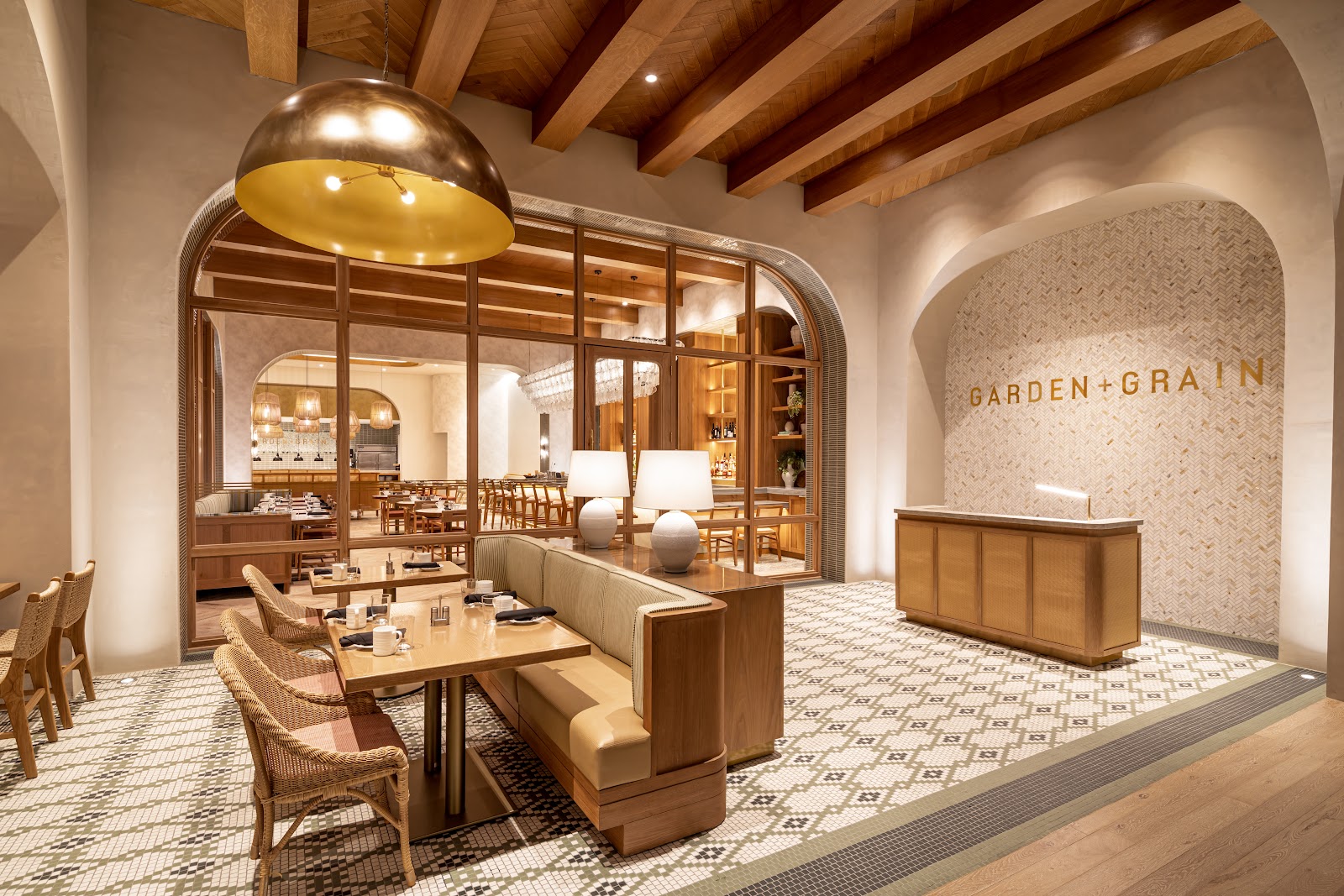
Housed in a former United Airlines hangar, Stanley Marketplace has become Aurora's most celebrated gathering place. The complex brings together locally owned restaurants, breweries, boutiques, and wellness studios under one roof. Annette and Garden + Grain Seasonal Kitchen are among its anchor dining destinations, drawing diners from across the metro area.
Plains Conservation Center
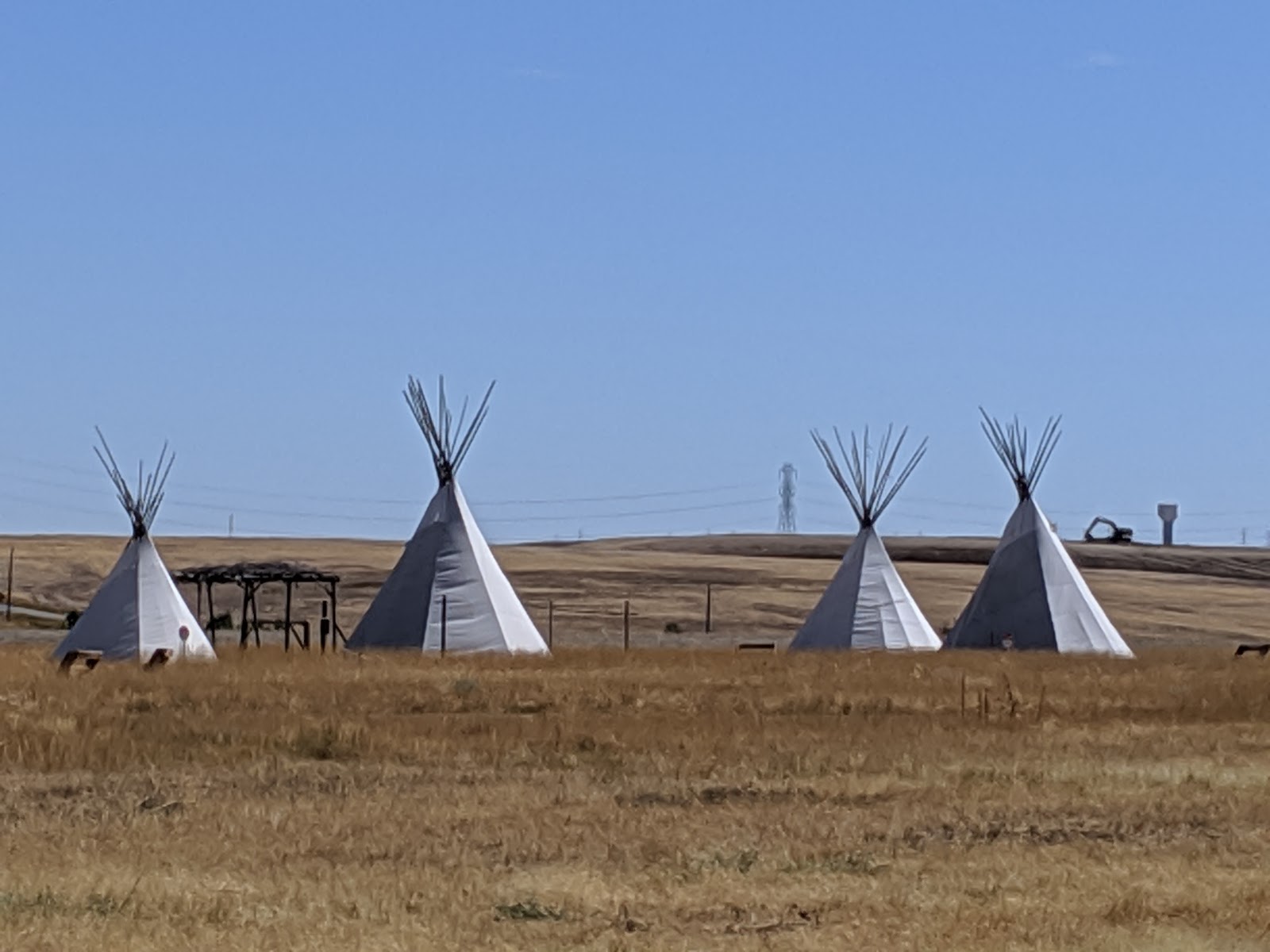
For travelers interested in the deep history of the Colorado plains, the Plains Conservation Center offers living history programs, guided prairie walks, and overnight camping experiences that connect visitors to the shortgrass ecosystem and homesteading heritage that shaped this region.
Aurora offers a wide range of activities spread across its parks, cultural venues, and neighborhoods — making it a rewarding destination for travelers who enjoy both outdoor adventure and urban exploration.
Outdoor Recreation
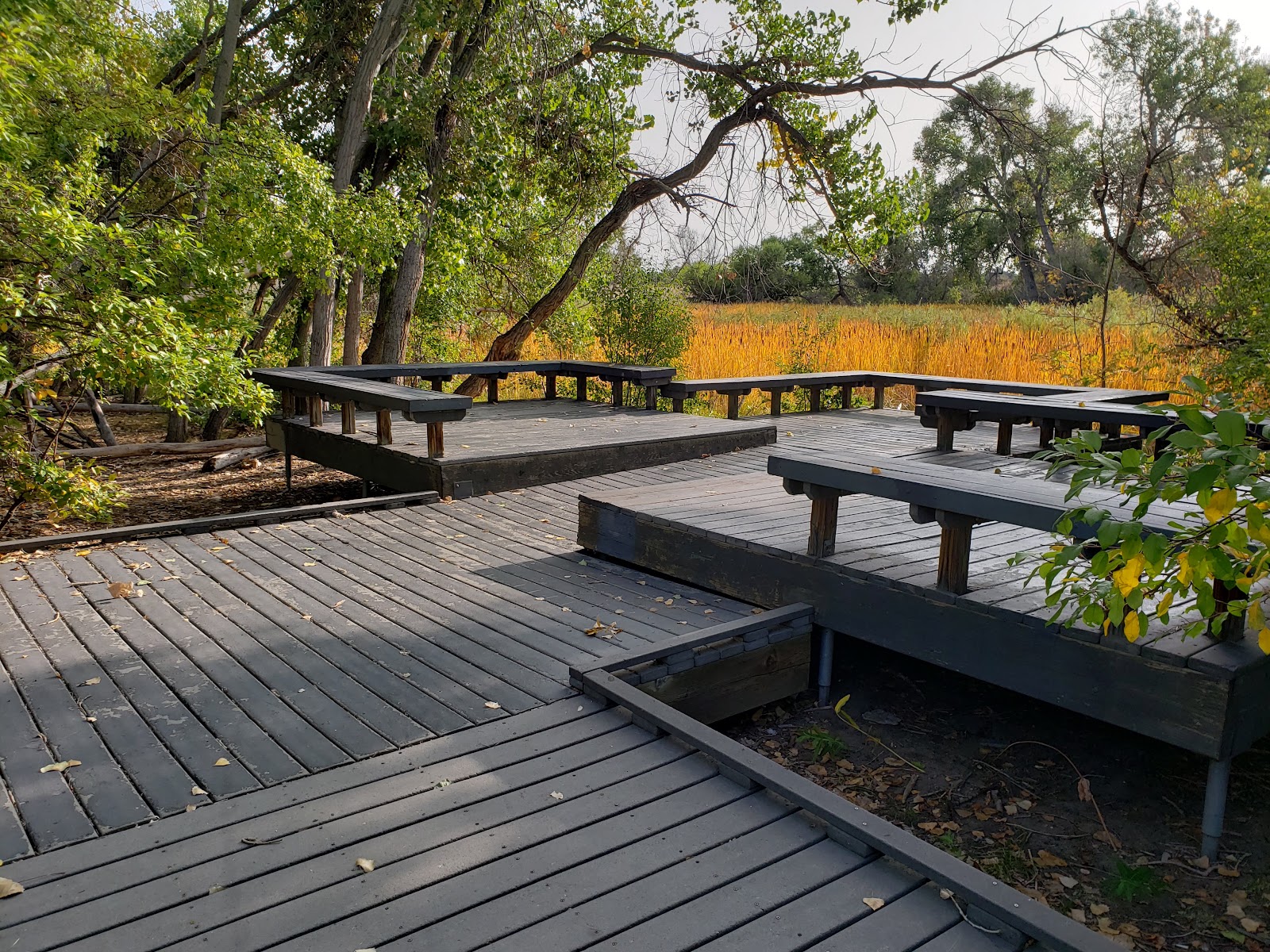
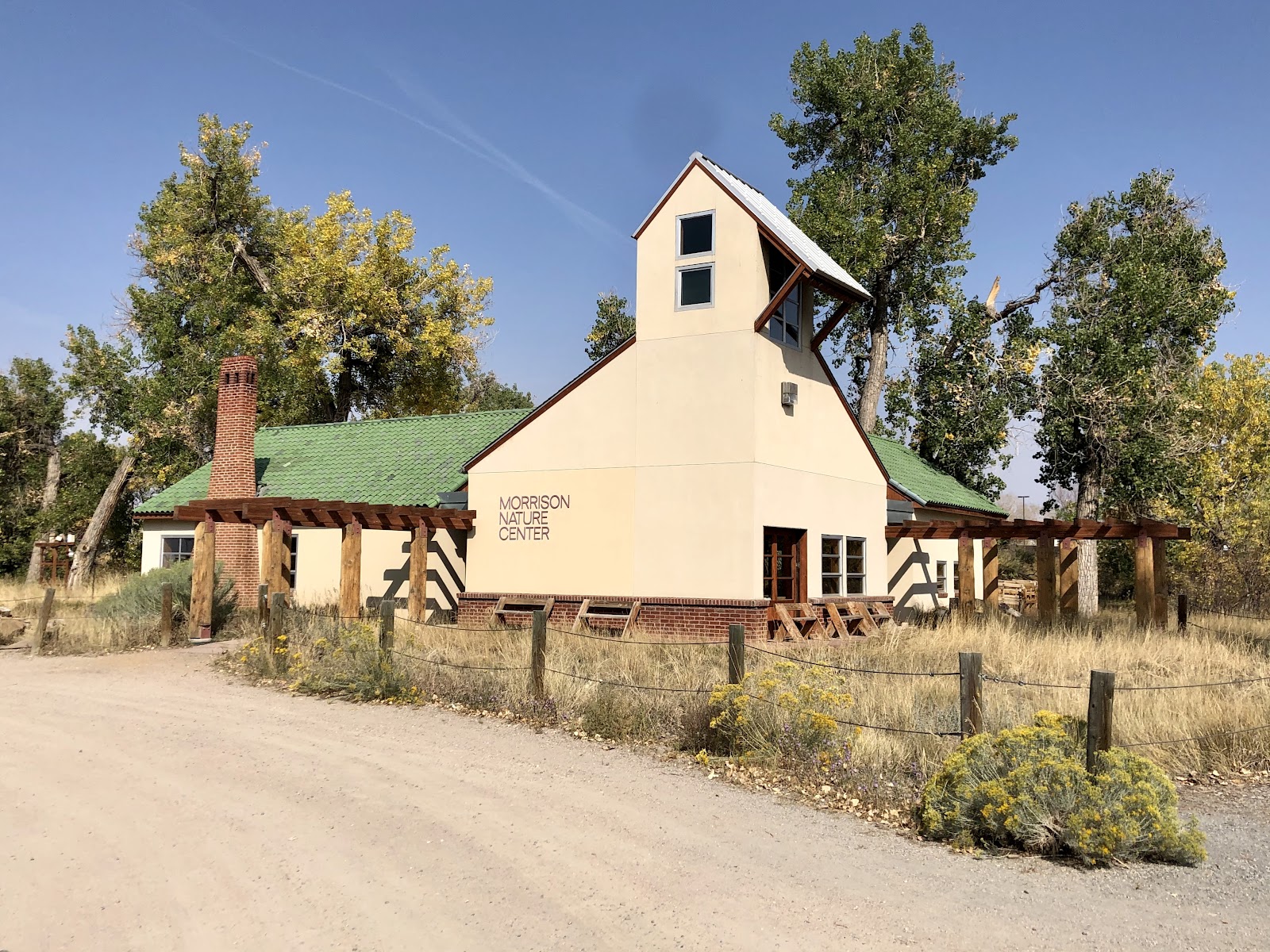
Aurora is home to an impressive network of parks and natural spaces. Cherry Creek State Park anchors the southern part of the city with a reservoir ideal for sailing, paddleboarding, kayaking, and shoreline hiking. Rocky Mountain Arsenal National Wildlife Refuge draws wildlife enthusiasts with bison herds, prairie dog towns, and seasonal bird migrations across thousands of acres of restored prairie. For more casual outings, Aurora Reservoir offers fishing, swimming, windsurfing, and cycling on its perimeter trail. Jewell Wetlands Park and Morrison Nature Center provide quieter escapes into native habitat, with interpretive trails suited for families and nature lovers.
Cultural Attractions
The Plains Conservation Center preserves a rare stretch of shortgrass prairie and offers living history programs that connect visitors to the region's homesteading past. Star K Ranch and the surrounding open space reflect Aurora's deep ties to Colorado's agricultural heritage.
Arts and Entertainment
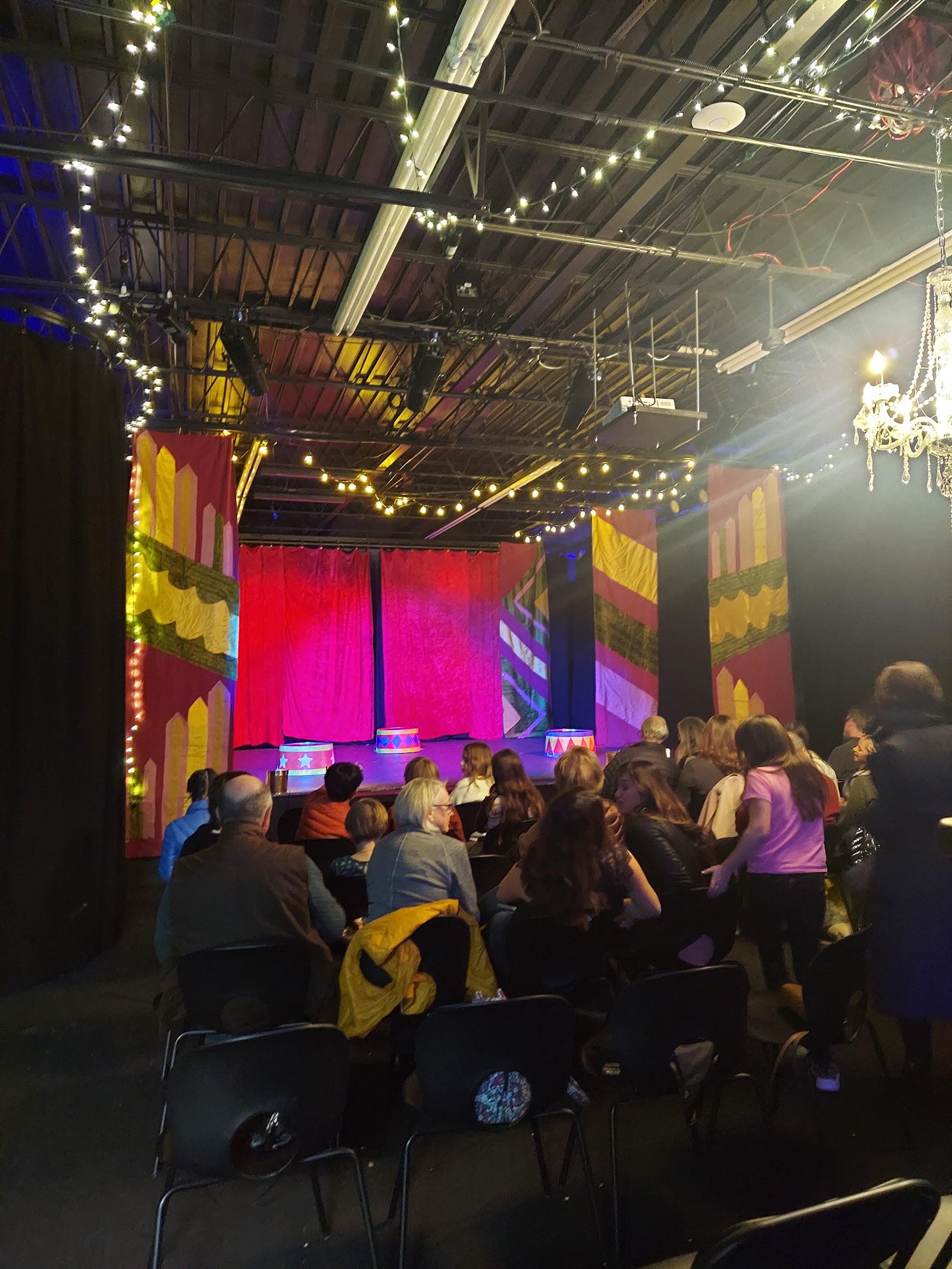
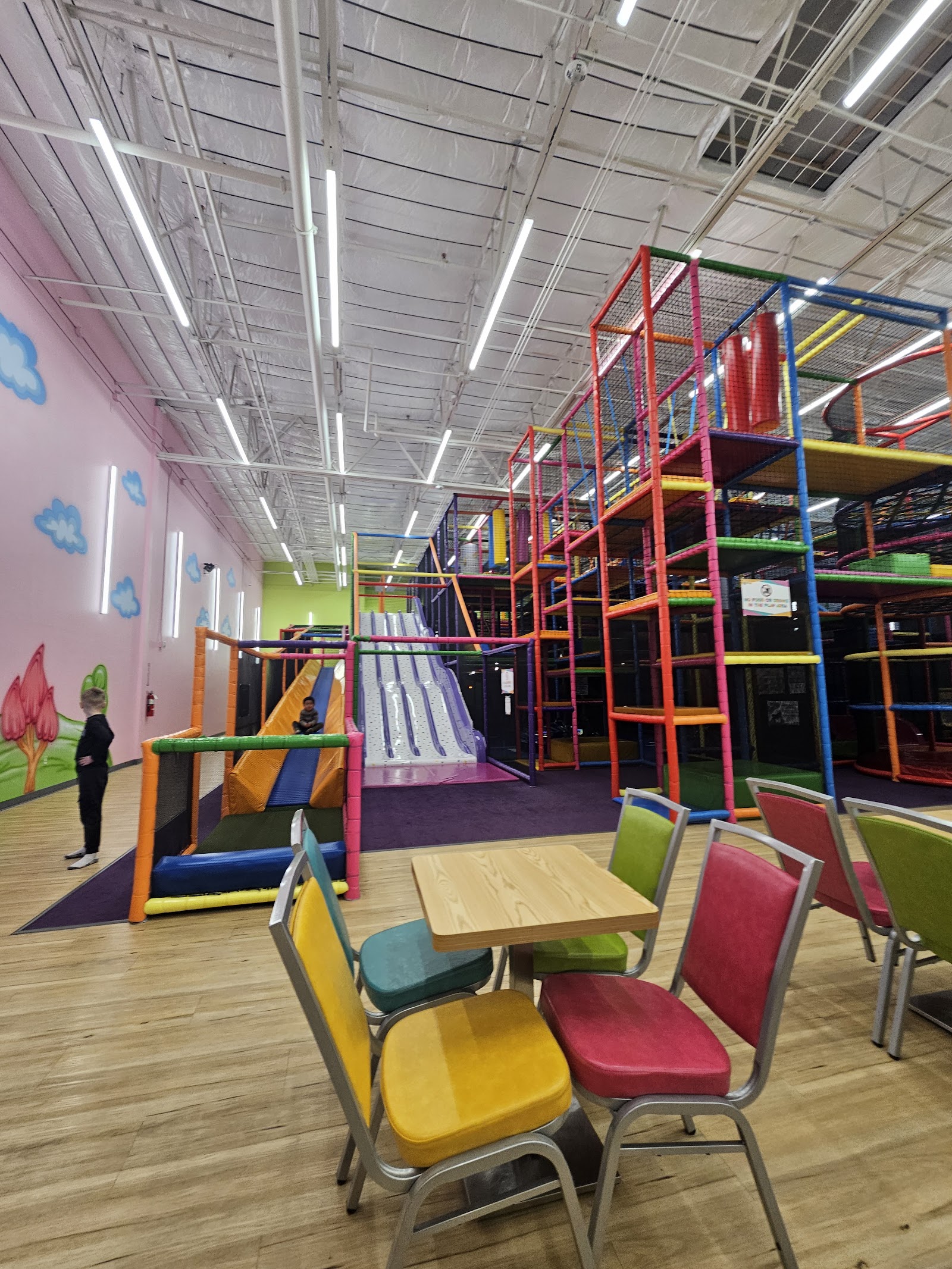
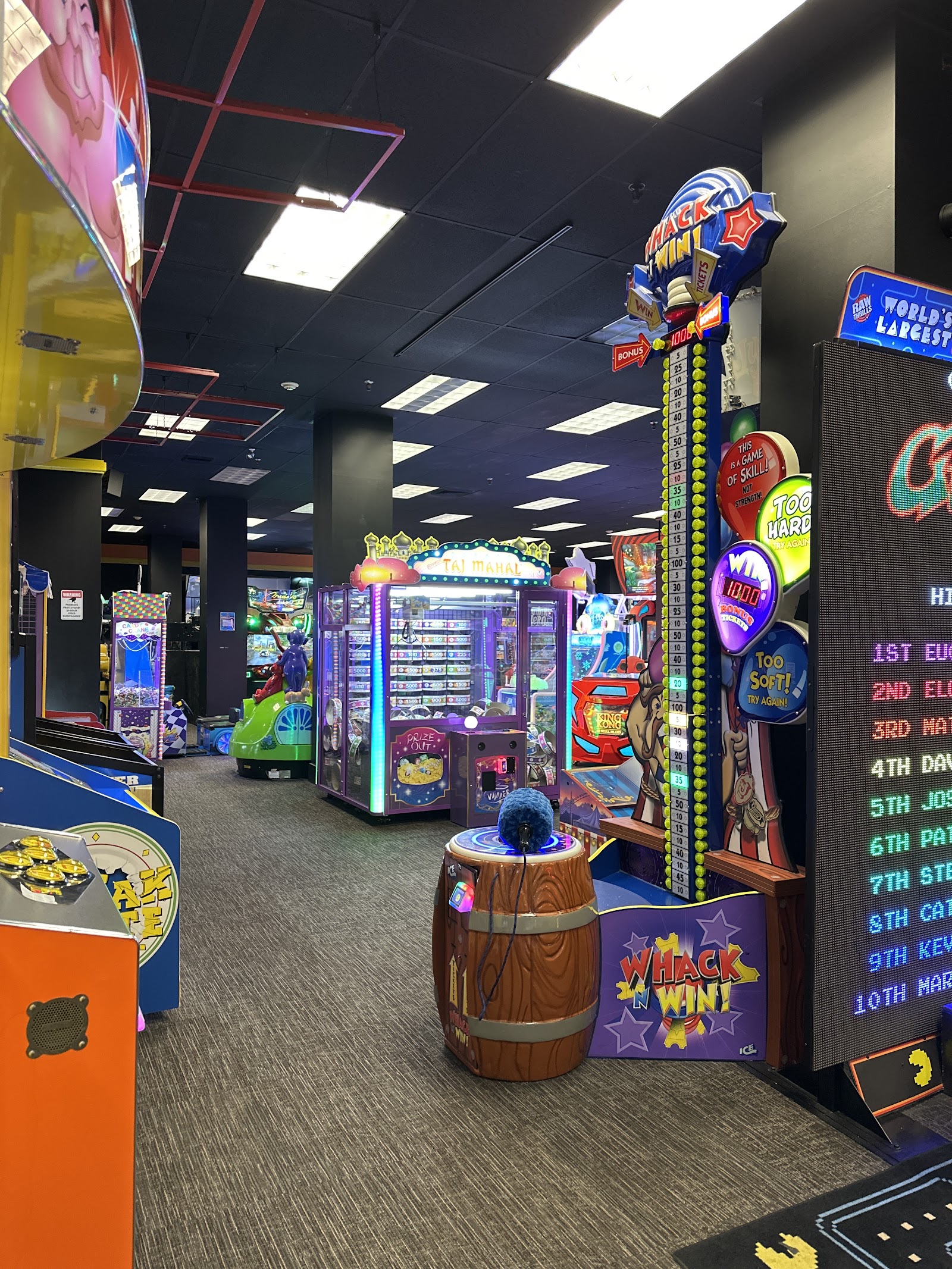
Roaming Gnome Theatre stages community and family productions throughout the year. Activate Aurora and The Wreck Room Escape Game cater to those looking for interactive, social entertainment. Ka-Ko Jo's adds a local flavor to the city's growing arts and creative scene.
Food and Dining
Aurora's dining scene is one of its most compelling draws. East Colfax Avenue serves as an international food corridor, with Ethiopian, Vietnamese, Somali, and Mexican restaurants operating side by side. Stanley Marketplace, a converted hangar complex, houses some of the city's most celebrated restaurants and local food vendors.
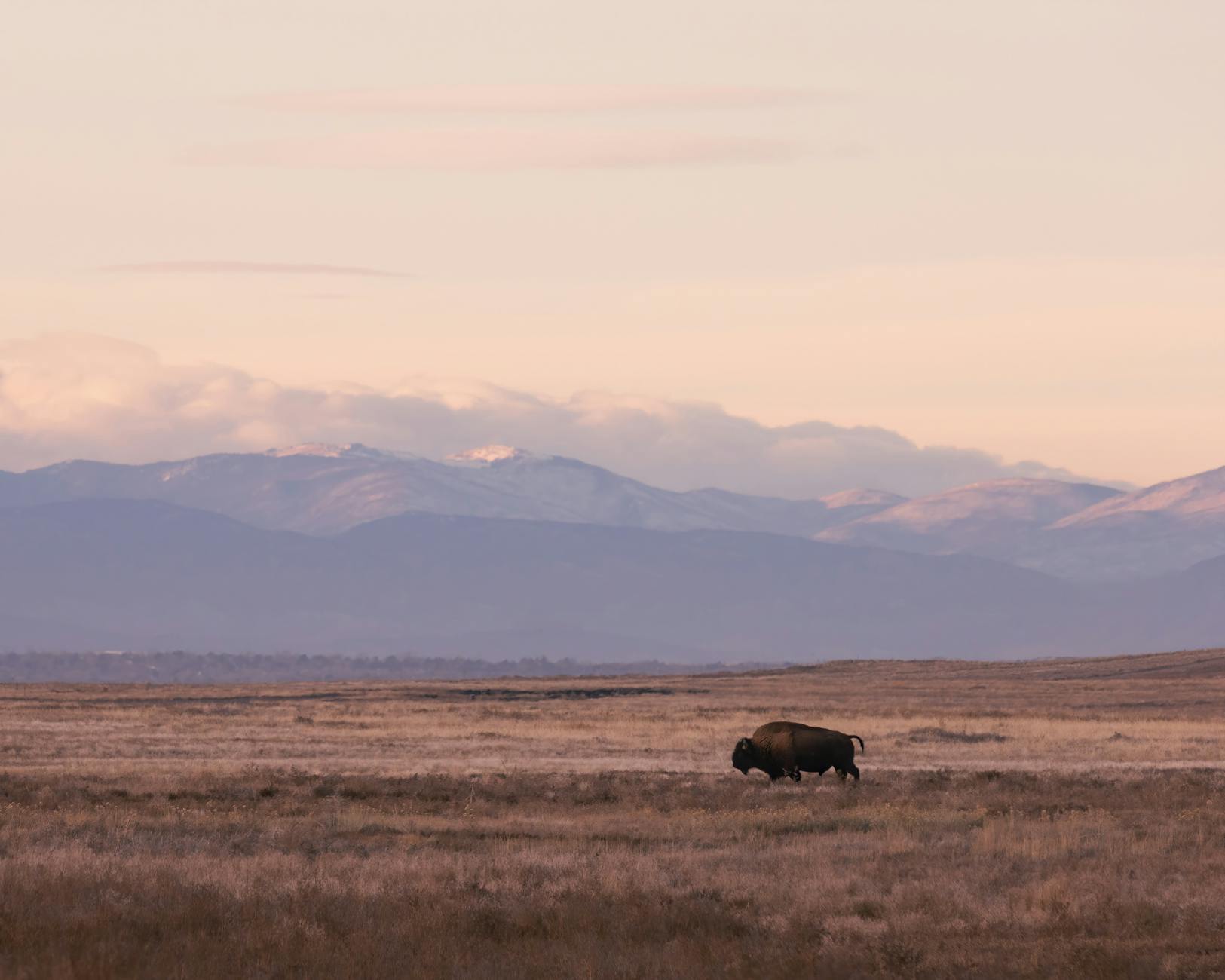
Start the morning at Rocky Mountain Arsenal National Wildlife Refuge, scanning the prairie for bison and prairie dog colonies. Grab lunch along East Colfax Avenue, exploring the international corridor with Ethiopian or Vietnamese options. In the afternoon, browse the neighborhood and settle into your stay. End the evening with dinner at one of Aurora's Somali or Mexican restaurants along Colfax.
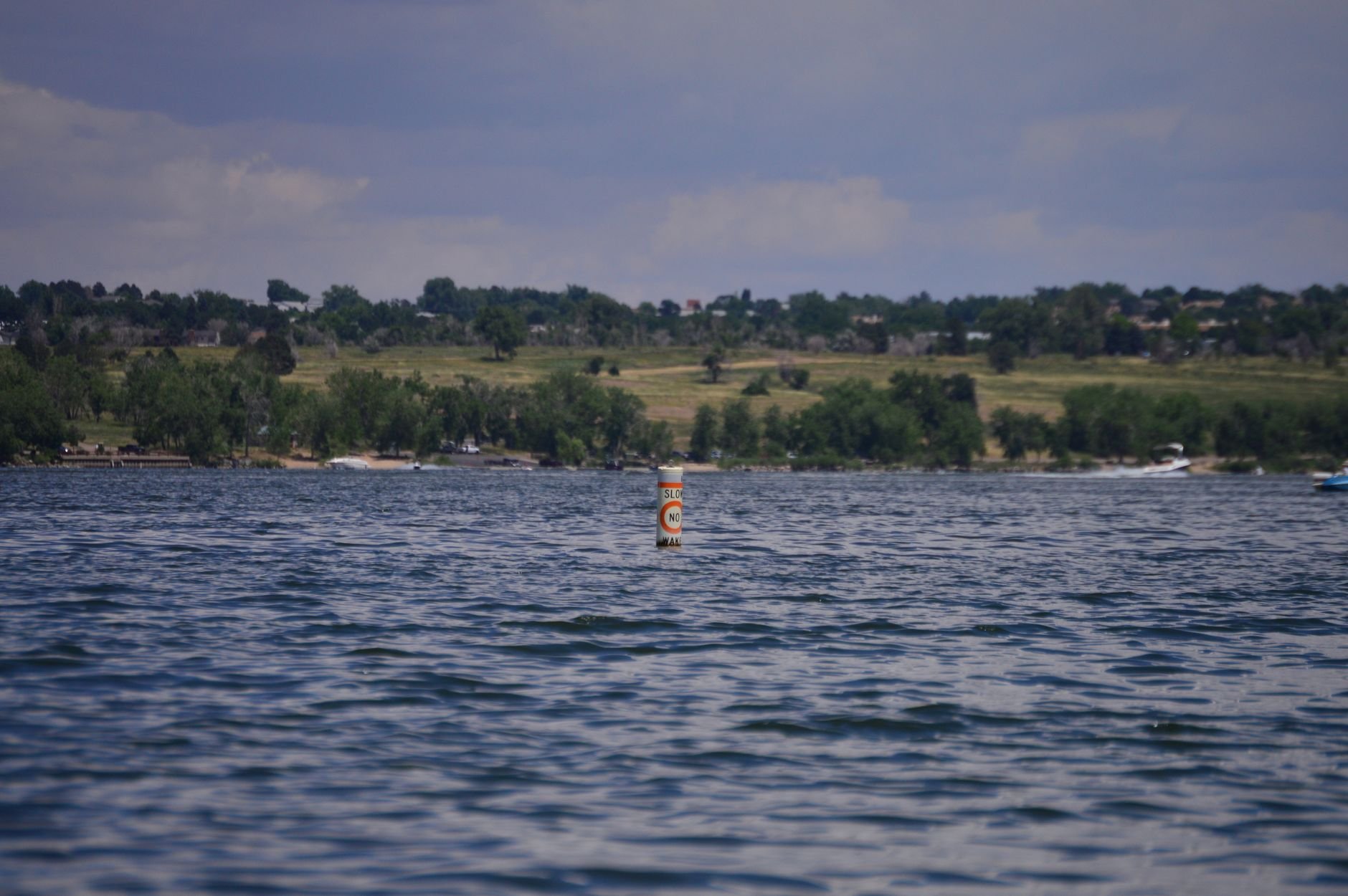
Head to Cherry Creek State Park in the morning for a shoreline hike or paddleboard session on the reservoir. Picnic along the water at midday before driving into neighboring Denver for the afternoon. Explore the RiNo Art District murals and galleries, then return to Aurora for dinner at a local Ethiopian injera house on East Colfax Avenue.
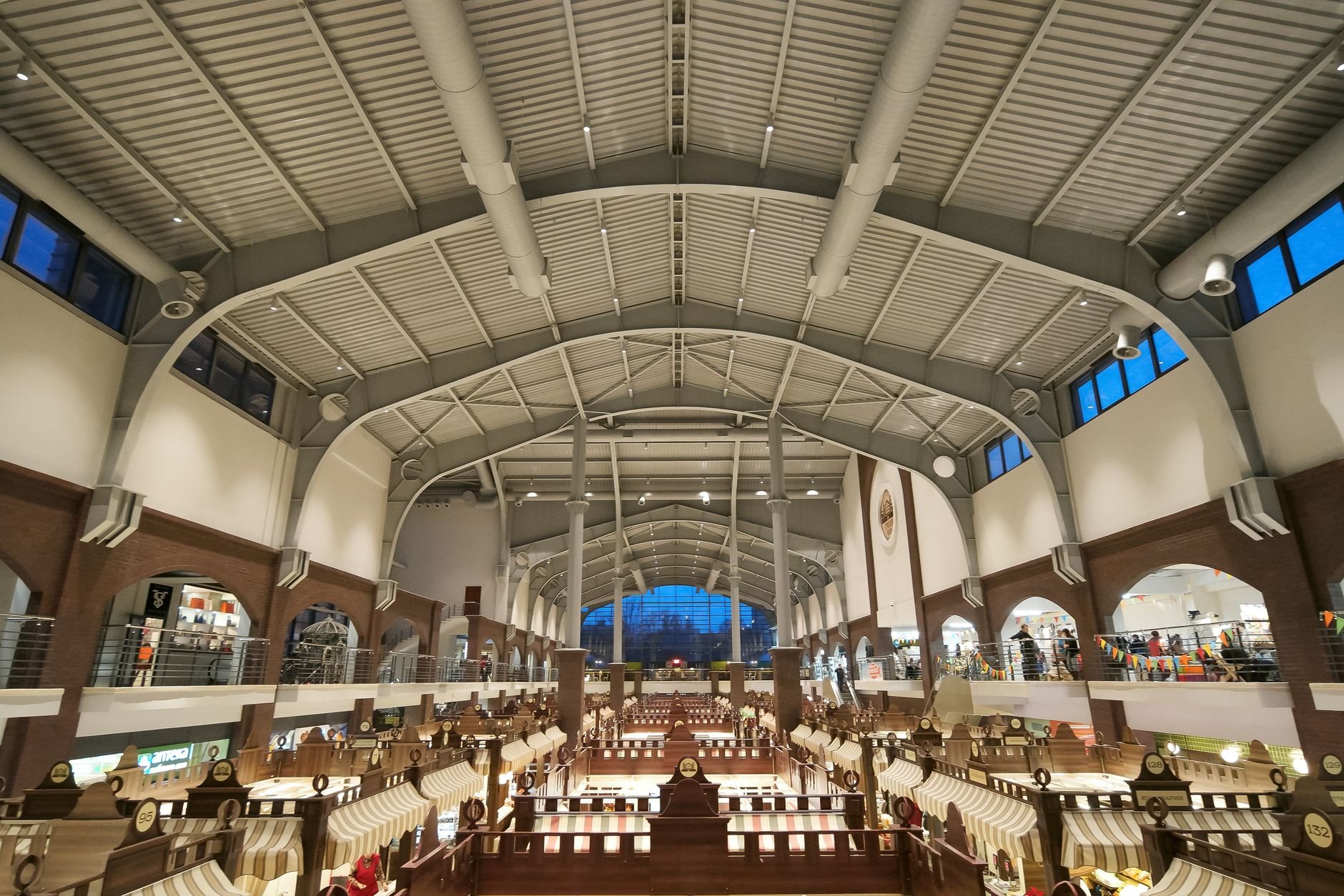
Spend the morning visiting the Anschutz Medical Campus area and the nearby Aurora Municipal Center district. Head to Stanley Marketplace, a converted airplane hangar turned local food and retail hub, for brunch and shopping. Spend the afternoon exploring Aurora's cultural arts scene at the Aurora Fox Arts Center, then close out the trip with a final meal on East Colfax.
Aurora's cultural calendar reflects the city's dual identity as both a working community and a gateway destination. The spring season brings professional conferences to the Anschutz and convention corridor, drawing visitors from across the country who often discover the city's dining and outdoor assets along the way. Summer is the most active season, when Cherry Creek State Park fills with boaters and cyclists, the Rocky Mountain Arsenal Refuge hosts guided wildlife tours, and outdoor venues come alive with music and community gatherings.
Aurora's food scene is shaped almost entirely by its demographics, and that is precisely what makes it worth seeking out. The East Colfax corridor functions as one of the most authentic international dining streets in Colorado, with Ethiopian restaurants serving spongy injera and slow-cooked stews, Vietnamese shops ladling out pho and banh mi, Somali tea houses offering cardamom-spiced chai alongside rice dishes, and Mexican taquerias running from breakfast through late night. This is not a curated food hall concept but a genuine, neighborhood-level accumulation of cuisines that reflects decades of immigration and community building.
Denver International Airport (DEN) sits within Aurora's city limits
making it one of the rare cases where your destination and your arrival airport are the same city, with no highway transfer needed to reach most Aurora hotels.
The RTD University of Colorado A Line connects DEN directly to Denver's Union Station
with stops at Peoria Station and other Aurora-area stations along the way, offering a car-free option for travelers heading into the metro.
I-225 is the primary north-south spine through Aurora
linking the airport corridor in the north to Cherry Creek State Park in the south, and serving as the main artery for drivers navigating between Aurora's key districts.
I-70 westbound from Aurora puts you at the base of the Rockies in under an hour
making Aurora a practical base for day trips to mountain towns like Idaho Springs, Breckenridge, or Vail without paying Denver's higher hotel rates.
RTD regional bus routes, including the Route 15 along Colfax Avenue
connect Aurora to central Denver for travelers who prefer not to rent a car, though service frequency varies and a transit app like Transit or Google Maps is helpful for timing.
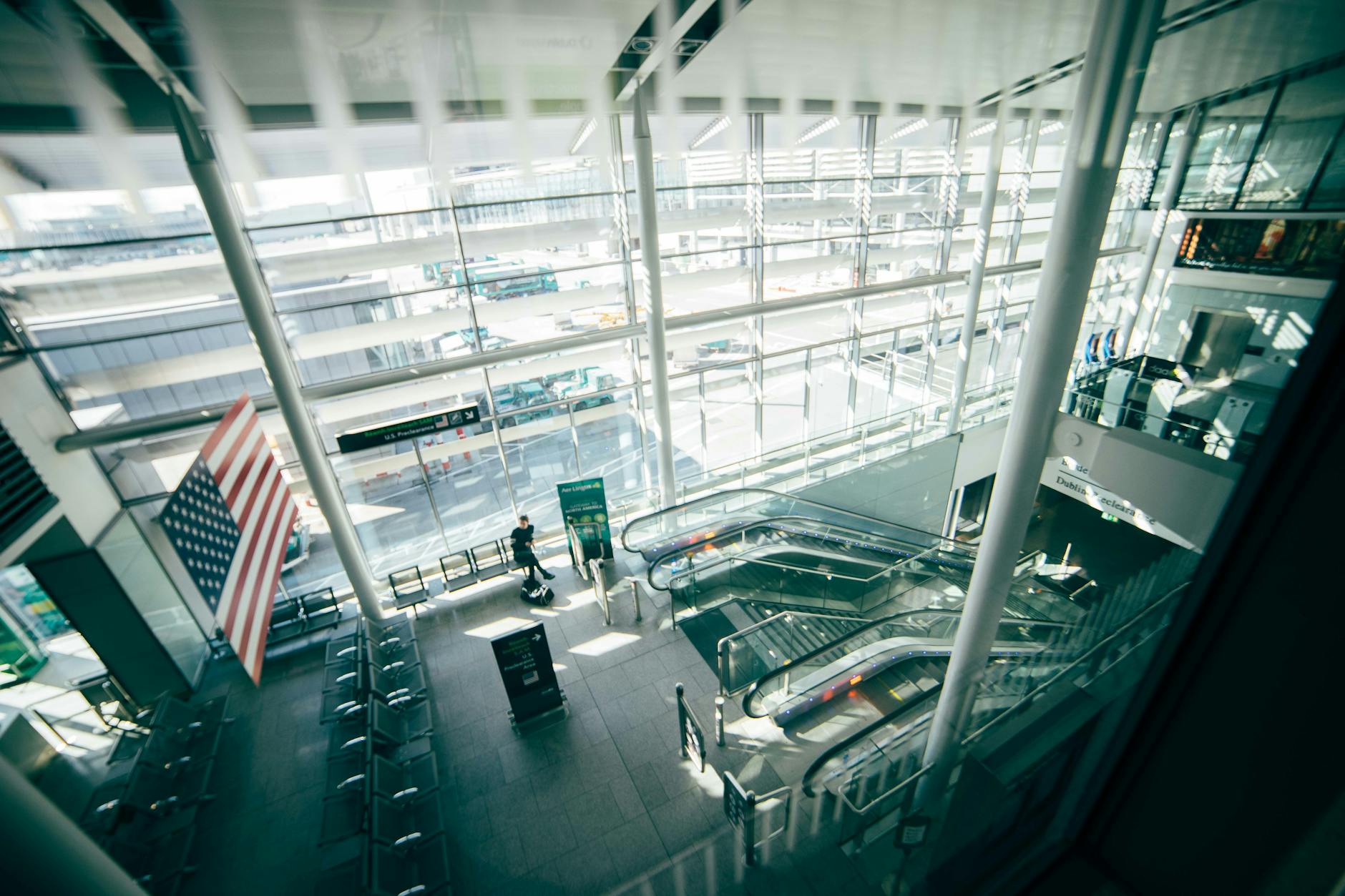
The RTD R Line light rail runs through central Aurora
connecting the Anschutz Medical Campus area to Nine Mile Station and points toward downtown Denver, making it a reliable car-free option for that specific corridor.
East Colfax Avenue is best explored by car or rideshare
since the international restaurant corridor stretches several miles and the stops are spread out enough that walking between them is impractical for most visitors.
Cherry Creek State Park has its own dedicated trail network
that connects to the broader Cherry Creek Regional Trail, making it one of the few areas in Aurora where a bike or on-foot exploration genuinely replaces the need for a car.
Parking at Rocky Mountain Arsenal National Wildlife Refuge is free and plentiful
so driving is the clear choice for visiting the refuge, as no transit service reaches the refuge entrance directly.
Aurora rewards a little advance research. For East Colfax dining, many of the best spots are small, family-run restaurants with limited hours — check Google Maps listings before heading out, as hours can vary or change seasonally. Tipping follows standard U.S. norms: 18 to 20 percent at sit-down restaurants, a few dollars for counter service if a tip option appears. The RTD app and Google Maps both handle transit routing well if you plan to use light rail or bus. Summers in Aurora are warm and sunny but afternoon thunderstorms are common from June through August — carry a light layer if you are spending time outdoors. Cherry Creek State Park and Rocky Mountain Arsenal require a Colorado State Parks pass or a day-use fee, so budget accordingly. Aurora is generally safe for visitors, though as with any large city, staying aware of your surroundings in unfamiliar neighborhoods after dark is sensible practice.
Two to three days is enough to explore Aurora's highlights. Spend a day at Cherry Creek State Park or Rocky Mountain Arsenal National Wildlife Refuge, another exploring the international dining corridor along East Colfax Avenue, and a third venturing into nearby Denver or the Rocky Mountains. The city is compact enough to cover key attractions without feeling rushed.
Aurora is best known for its exceptional cultural diversity, reflected most visibly in its international food scene along East Colfax Avenue. It is also recognized for Rocky Mountain Arsenal National Wildlife Refuge, one of the largest urban wildlife refuges in the US, Cherry Creek State Park, its proximity to Denver International Airport, and the major Anschutz Medical Campus on its western edge.
Yes, Aurora works well as a weekend destination, especially for travelers flying into Denver International Airport. In two days you can cover the wildlife refuge, the reservoir at Cherry Creek State Park, and a tour of East Colfax Avenue's international restaurants. Its location also makes it a convenient base for day trips into Denver or toward the Rocky Mountains.
Aurora is generally more affordable than Denver for lodging and dining. Its diverse restaurant scene along East Colfax Avenue offers excellent budget-friendly options from Ethiopian to Vietnamese to Mexican cuisine. Outdoor attractions like Rocky Mountain Arsenal National Wildlife Refuge are free to enter, and Cherry Creek State Park charges only a modest vehicle day-use fee.
Late spring through early fall - roughly May to September - offers the most pleasant weather for outdoor activities at Cherry Creek State Park and Rocky Mountain Arsenal. Summer brings warm days ideal for paddleboarding and hiking, while fall adds cooler temperatures and good wildlife viewing conditions.