
Baltimore, MD
A Journey guide to
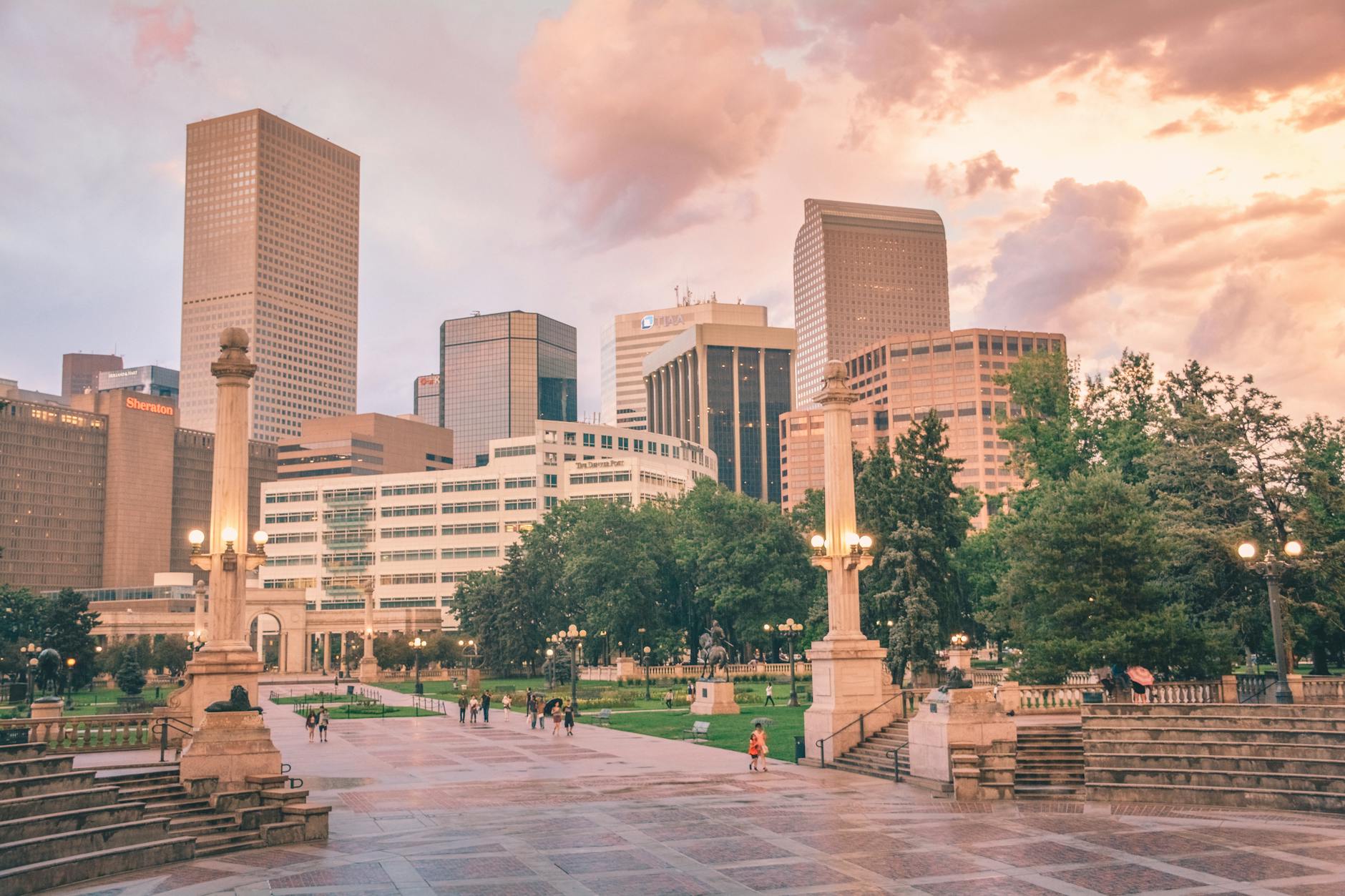
Denver is the undisputed gateway to the American West - a city that pairs an energetic urban core with immediate access to some of the most dramatic mountain terrain on the continent. The skyline sits at exactly one mile above sea level, and the Front Range of the Rockies looms visibly to the west, a constant reminder that wilderness is never more than an hour's drive away. It is a city that takes both its culture and its outdoors seriously.
The food and drink scene in Denver has matured into one of the most exciting in the Mountain West. The city's craft brewery density rivals any in the nation, and neighborhoods like RiNo (River North Art District) and LoHi (Lower Highlands) have produced a dining culture defined by bold, locally rooted cooking. Larimer Square, Denver's oldest commercial block, anchors a walkable downtown where independent restaurants, cocktail bars, and live music venues sit side by side.
Denver draws a wide spectrum of travelers. Skiers and snowboarders use it as a staging point for world-famous resorts including Vail, Breckenridge, and Aspen - all within two to three hours by car. Hikers, mountain bikers, and climbers find the city itself ringed by trailheads, with Rocky Mountain National Park reachable in under two hours. City-focused travelers come for the Denver Art Museum, the performing arts complex on Civic Center, and a sports culture that borders on obsessive.
The city's population has grown rapidly over the past two decades, bringing with it a youthful, outdoors-oriented demographic that shapes everything from the retail landscape to the pace of the streets. Denver rewards travelers who want the full spectrum - a proper city with neighborhoods worth exploring, and a landscape that demands to be experienced firsthand.
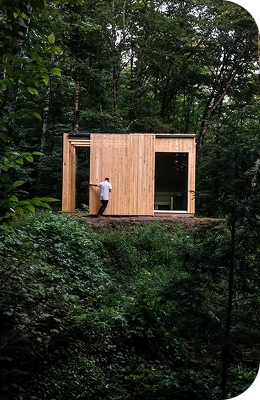



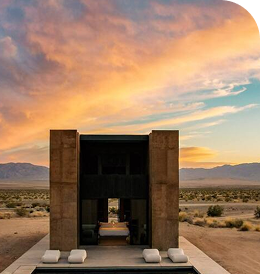

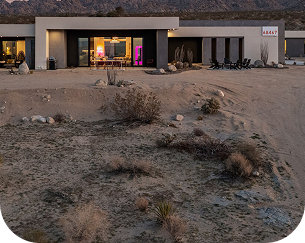





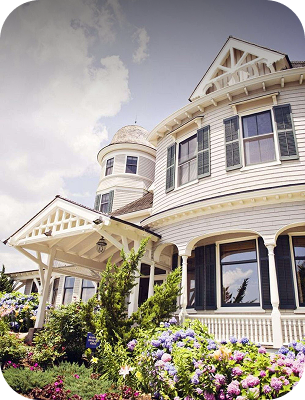

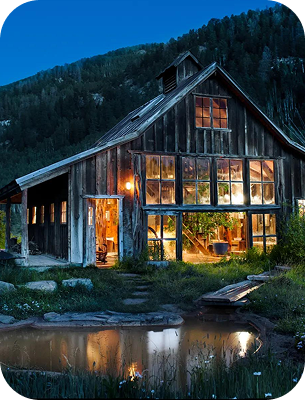

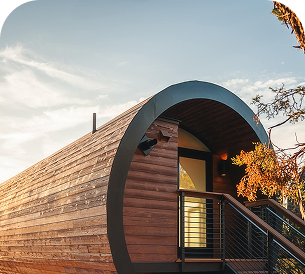

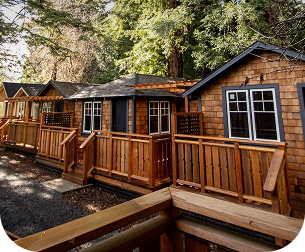

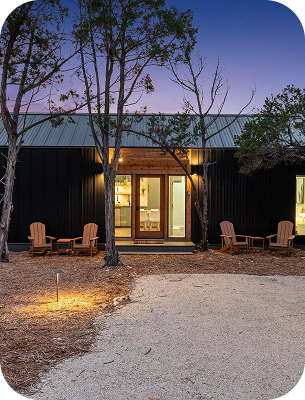

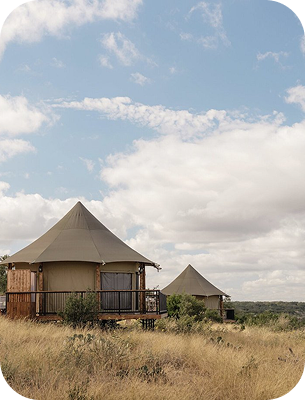

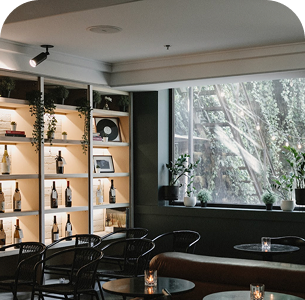

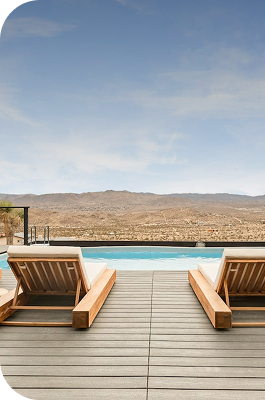

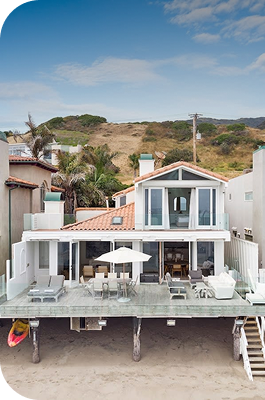

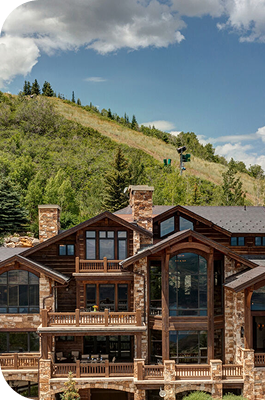

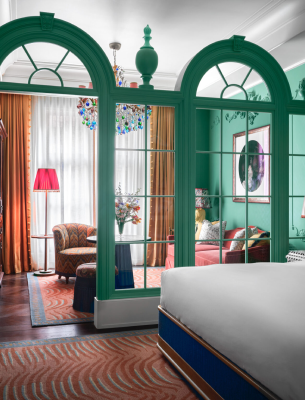

Journey connects travelers to a curated network of boutique hotels and distinctive residences around the world, all united under one rewards program. Explore handpicked stays for your trip while earning points, unlocking exclusive offers, and receiving rewards across the Journey collection.
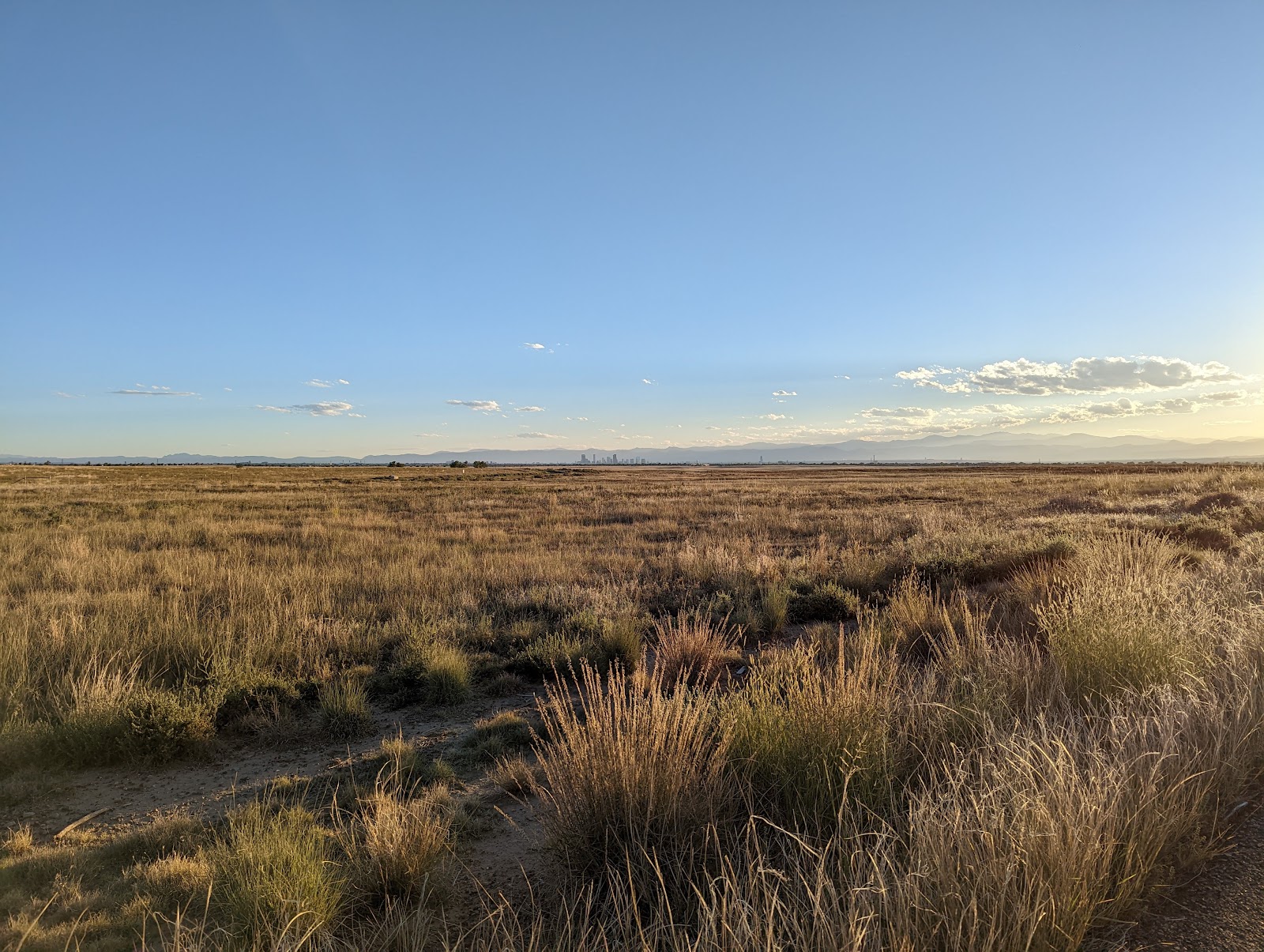
Denver occupies a singular geographic position: planted on the high plains at the precise eastern edge of the Rocky Mountains, it is neither a mountain town nor a conventional plains city, but something entirely its own. The South Platte River and Cherry Creek converge near downtown, and the city spreads outward across a broad, flat bench of land with the Front Range as its permanent western backdrop. At 5,280 feet above sea level - exactly one mile - the altitude is more than a marketing slogan. It shapes the light, the air, and the physical experience of being here.
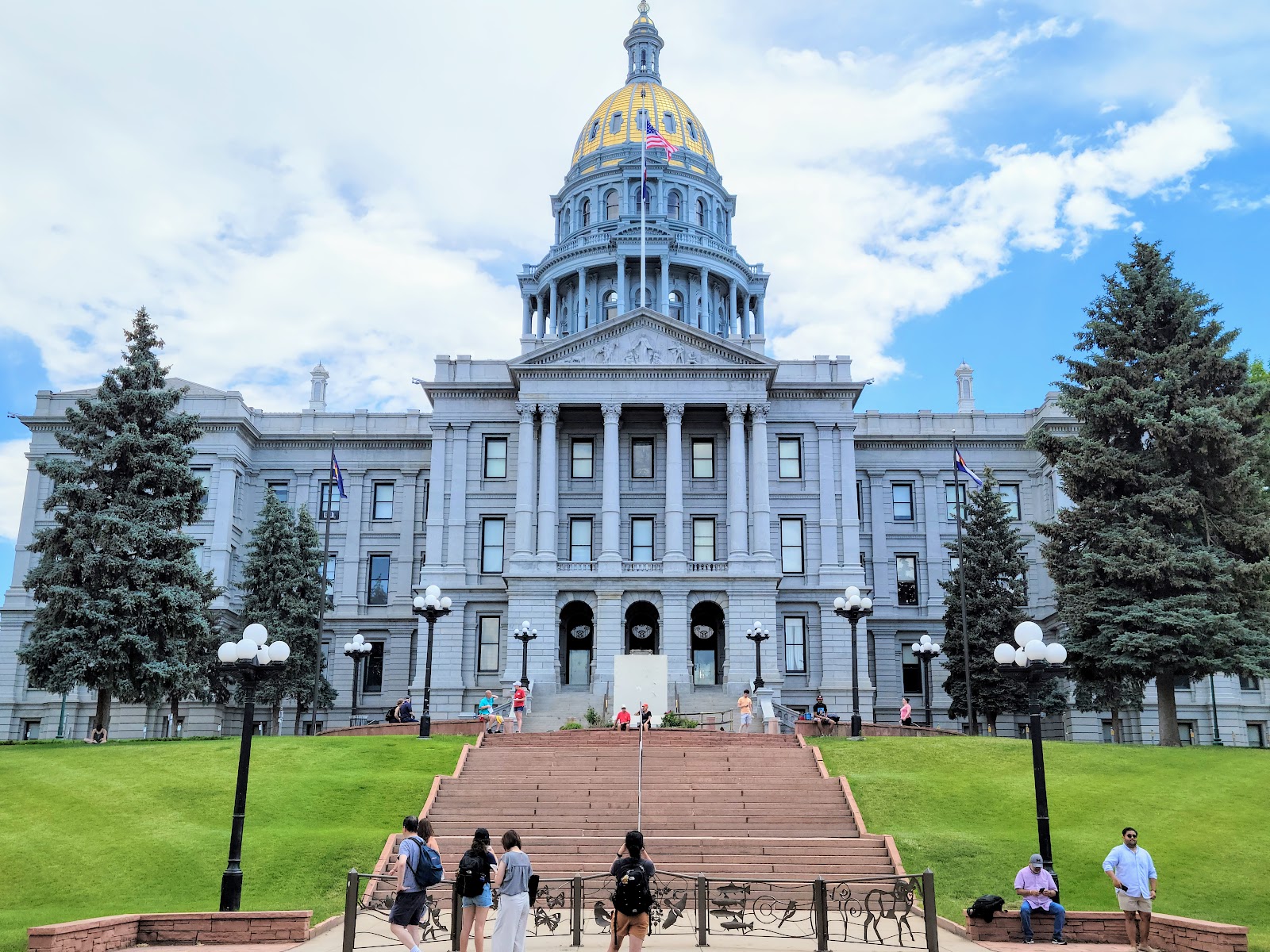
The city was founded in 1858 as a supply hub during the Colorado Gold Rush, and that frontier pragmatism never fully left its character. Denver grew into a regional capital of commerce, government, and transportation, and today it functions as the economic and cultural anchor of the Mountain West. The Colorado State Capitol, built with Colorado rose onyx and gold-leafed dome, sits at the geographic heart of the city and marks the official elevation point.
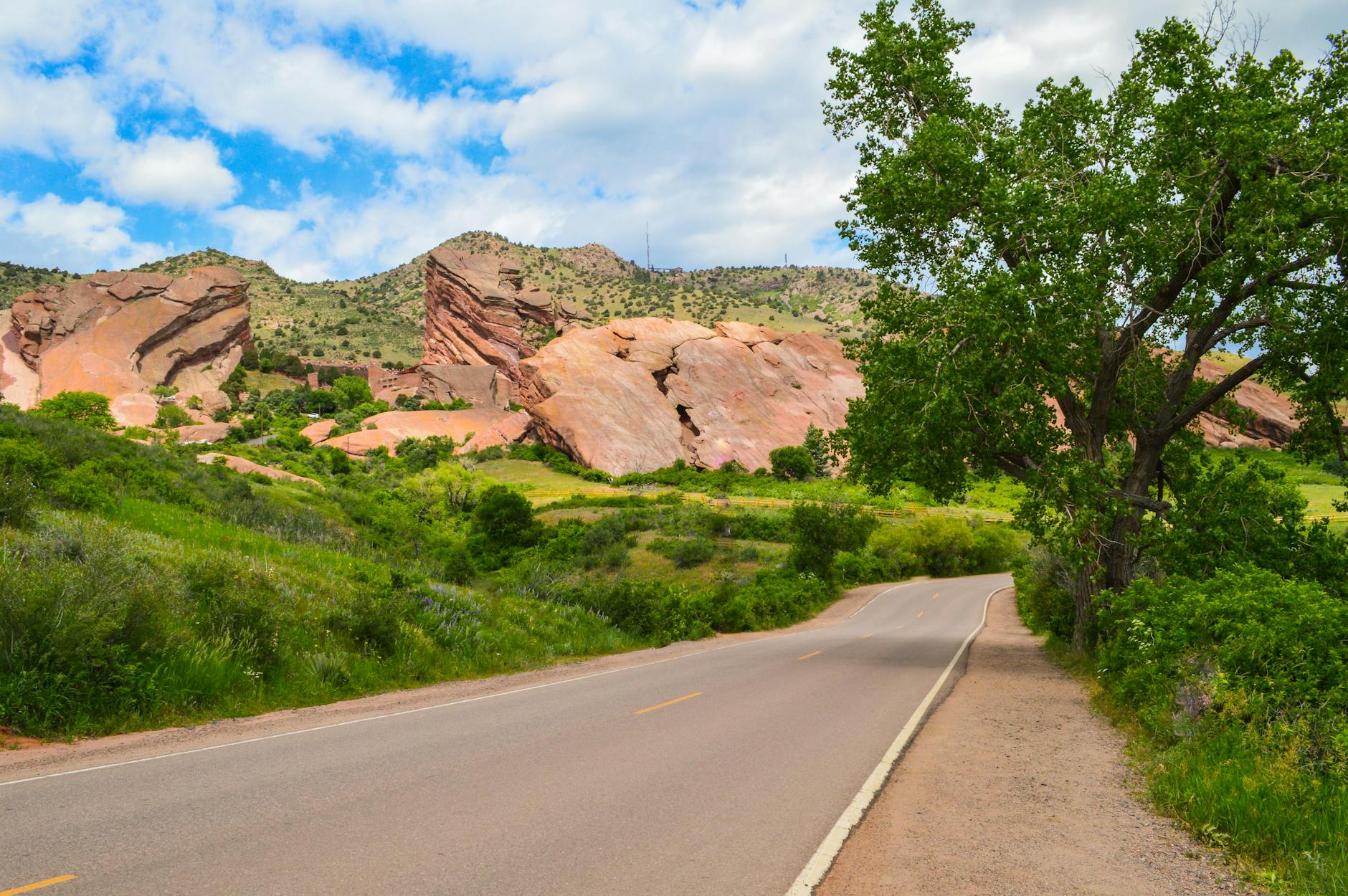
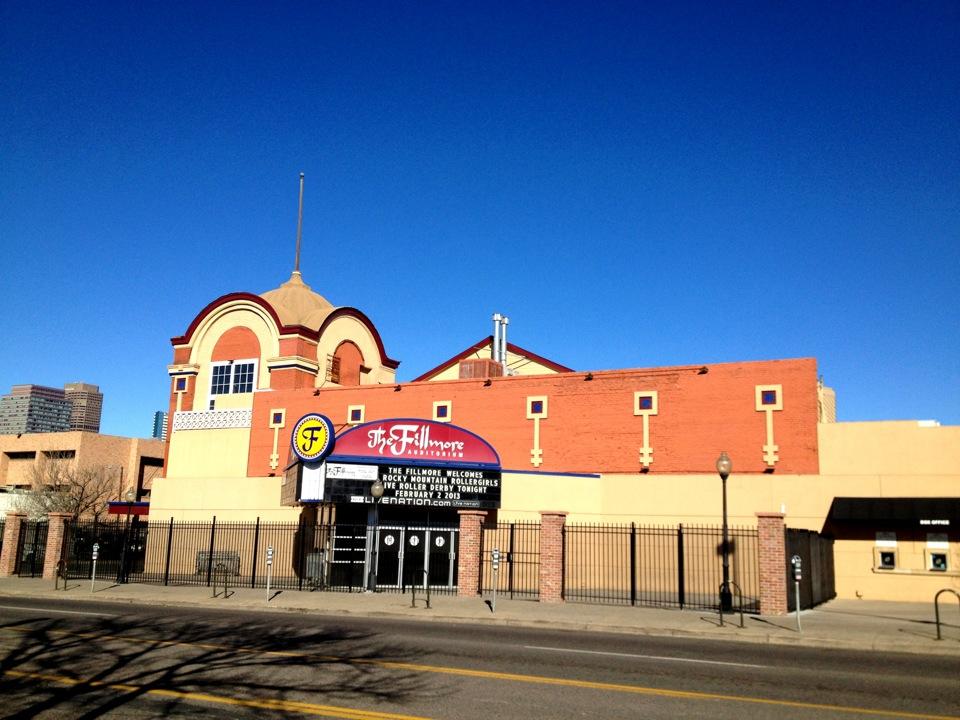
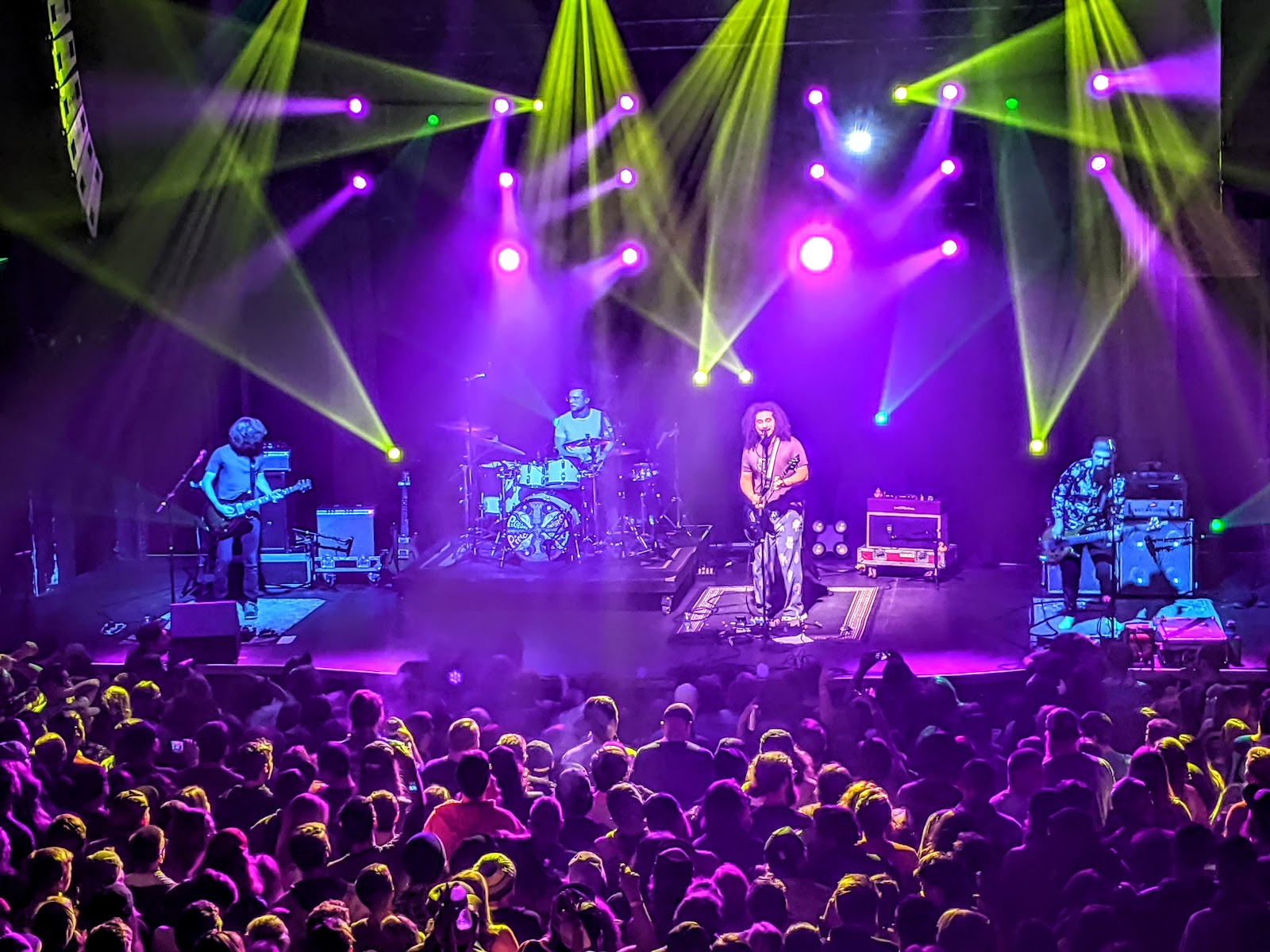
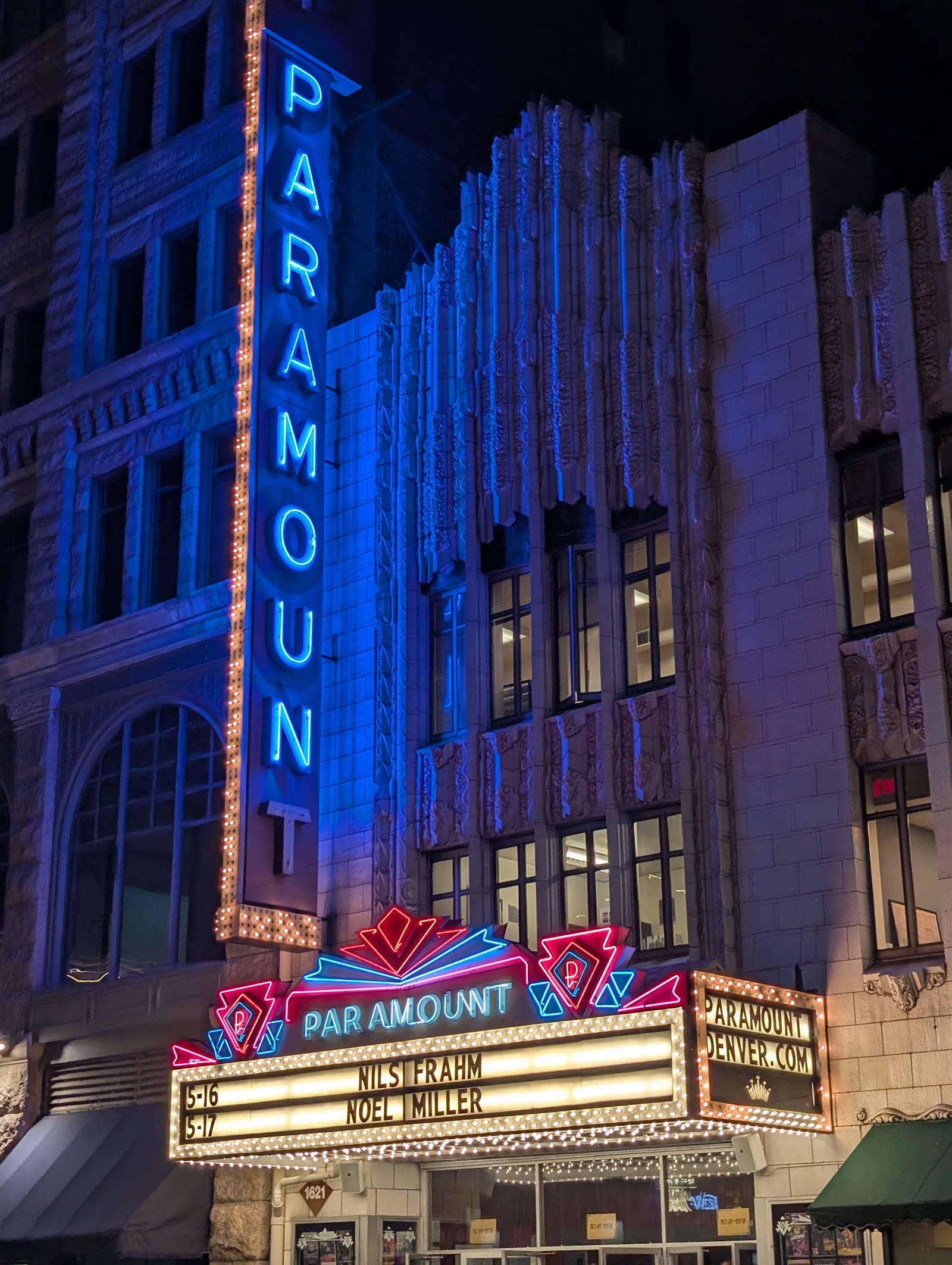
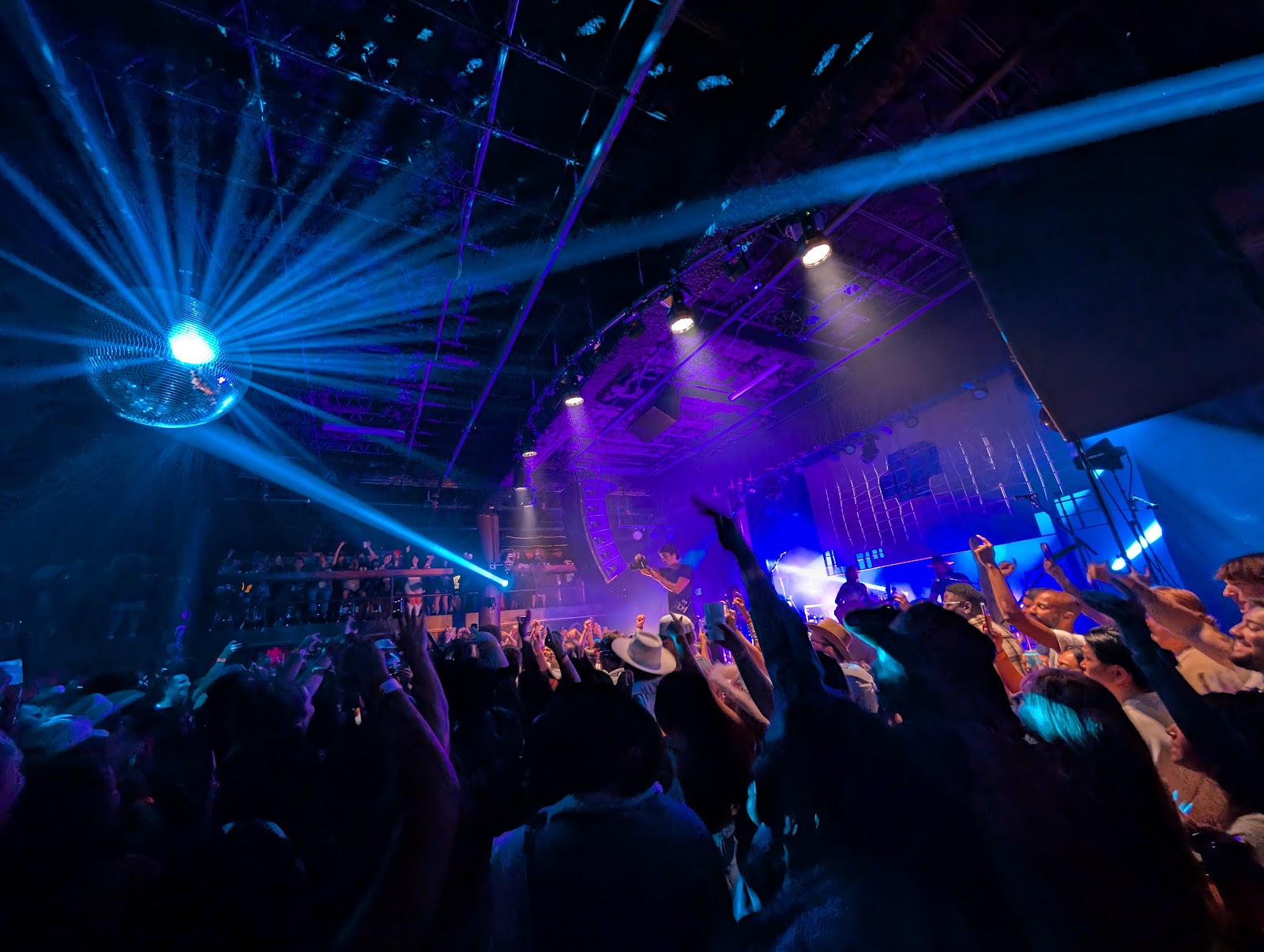
Culturally, Denver has shed any lingering cow-town reputation. The Denver Art Museum holds one of the finest collections of Native American art in the world, and its Frederic C. Hamilton Building - designed by Daniel Libeskind - is itself a work of architecture worth visiting. The Denver Center for the Performing Arts operates one of the largest performing arts complexes in the country outside of New York. The city's music venues, from Red Rocks Amphitheatre carved into the foothills to intimate clubs in RiNo, reflect a deep and serious relationship with live performance.
Neighborhoods give Denver its texture. Capitol Hill carries the bohemian energy of the city's older counterculture. Cherry Creek is polished and walkable, built around serious shopping and dining. Washington Park is a residential anchor around a beloved urban lake. Each district contributes to a city that feels genuinely lived-in - not a place performing for tourists, but one that happens to be worth visiting.
Denver is a year-round destination, but the timing of your visit shapes the experience considerably. Late spring through early summer - roughly May through mid-June - offers a strong balance of outdoor access, manageable crowds, and a full calendar of cultural events. The mountains are thawing, hiking trails are opening up, and the city's festival season is just getting underway without the peak-summer congestion.
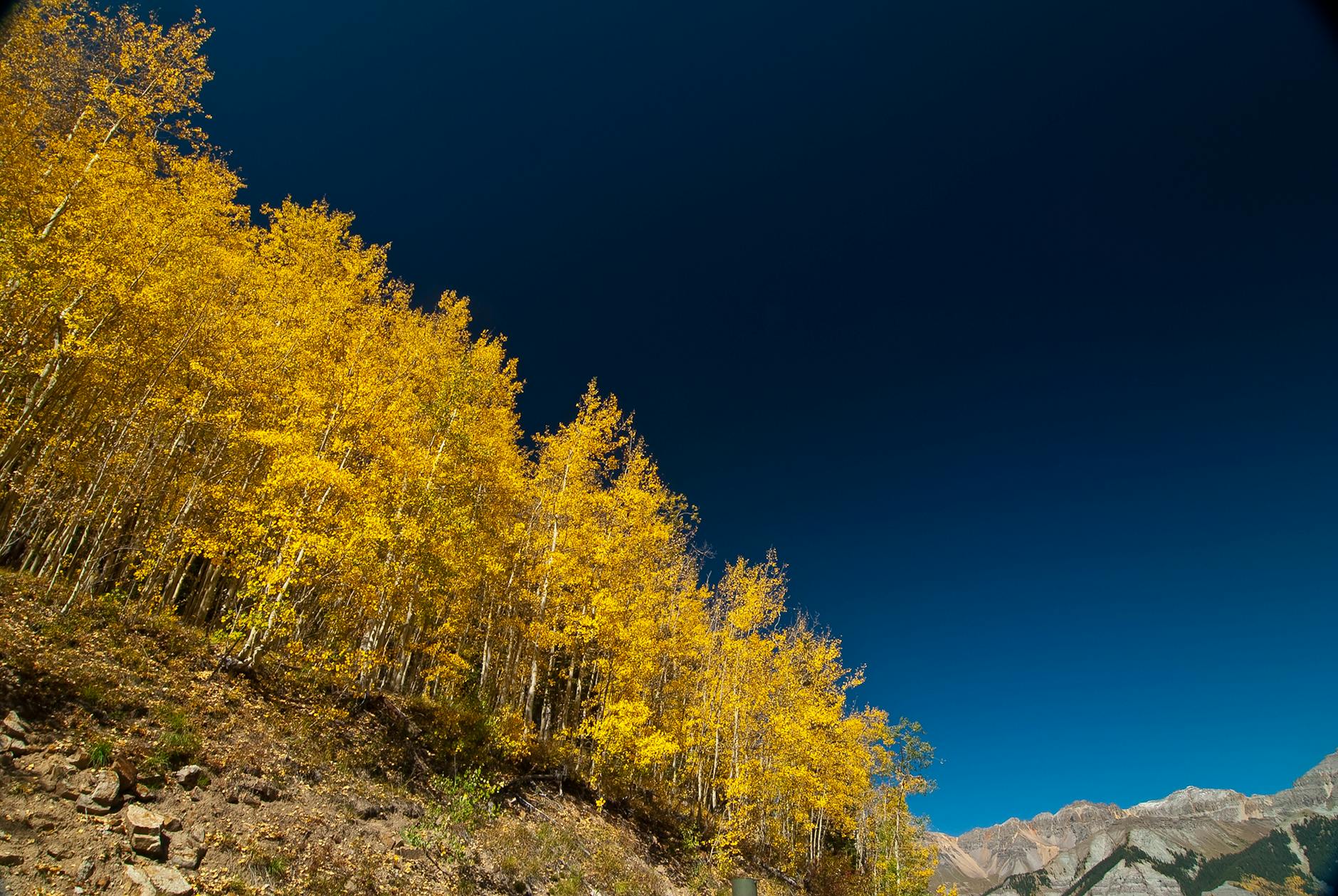
Fall, particularly September and October, is the most celebrated window for visitors. The aspen groves across the high country ignite in gold and amber, drawing leaf-peepers to the mountain roads above the city. Crowds are lighter than summer, accommodation rates begin to ease, and the city itself feels energized by the return of the arts and sports seasons. The Denver Broncos are in full swing, performing arts venues ramp up their programming, and the dining scene hums with the kind of activity that defines the city at its best.
Winter is the obvious choice for skiers and snowboarders. Denver serves as the primary hub for accessing world-class resorts including Vail, Breckenridge, Keystone, and Arapahoe Basin - all within two hours by car. The city itself is lively through the holiday season, and hotel rates in Denver proper tend to be lower than at the mountain resorts, making it a practical base for slope-focused trips.
Summer - July and August - brings the largest crowds, especially to Rocky Mountain National Park and the mountain corridors west of the city. Outdoor concerts, rooftop bars, and street festivals make the city itself worth visiting, but expect higher prices and advance planning to be essential for popular restaurants and trailhead parking. Travelers who prioritize space and value are better served by the shoulder seasons on either side.
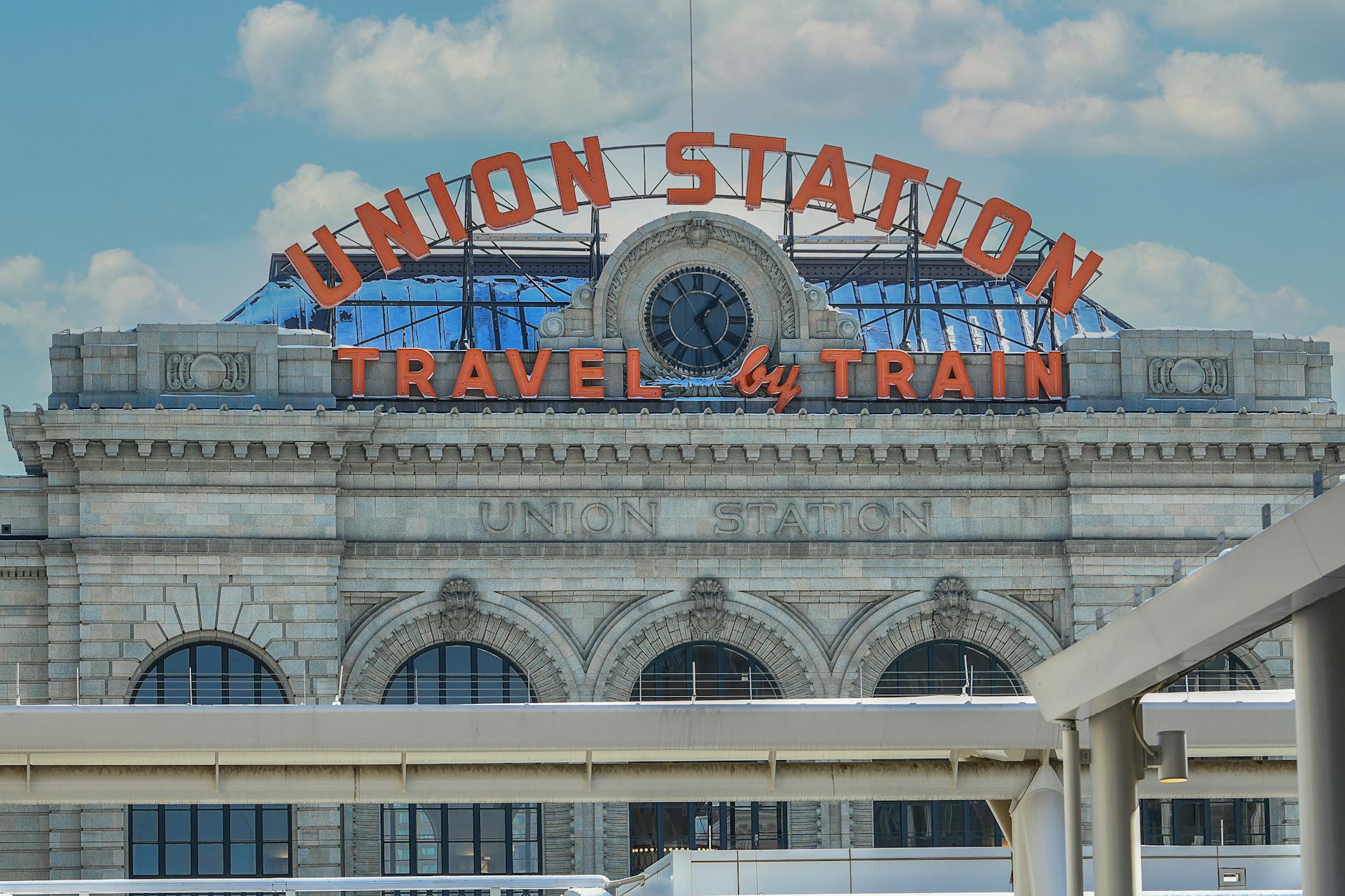
Denver's oldest and most storied district, LoDo is anchored by red-brick warehouse buildings that now house brewpubs, jazz clubs, and some of the city's best restaurants. Larimer Square sits at its heart, a pedestrian-friendly block of Victorian-era facades strung with lights and lined with independent dining and cocktail bars. Coors Field brings a lively energy on game days, and Union Station serves as the neighborhood's social centerpiece.
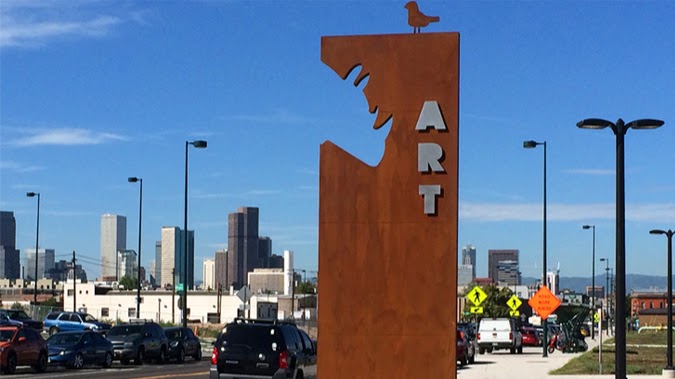
RiNo is Denver's creative engine, a former industrial corridor transformed by murals, galleries, craft breweries, and chef-driven restaurants. The streets are layered with large-scale street art that changes seasonally, making every walk feel like a curated outdoor exhibition. It draws a younger, design-conscious crowd and remains one of the most photographed and visited neighborhoods in the city.
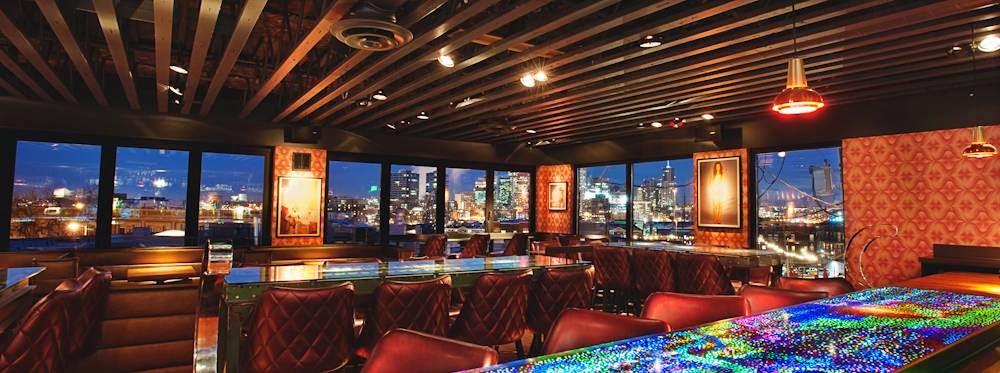
Perched on a bluff just across the Platte River from downtown, LoHi combines residential charm with a buzzing restaurant and bar scene. The neighborhood is known for its walkable streets, rooftop patios with downtown views, and some of Denver's most celebrated independent eateries. Its mix of Victorian homes and modern infill gives it a distinct, layered character.
Capitol Hill is Denver's most eclectic and historically dense neighborhood, built around the gold-domed State Capitol and lined with grand mansions from the city's late-19th-century silver boom. It is home to the Denver Art Museum, the Kirkland Museum of Fine and Decorative Art, and a lively stretch of Colfax Avenue packed with dive bars, vintage shops, and live music venues. The neighborhood pulses with a bohemian energy that sets it apart from the rest of the city.
Cherry Creek is Denver's upscale retail and dining corridor, built along a tree-lined creek path that connects to an extensive urban trail network. The neighborhood hosts a polished mix of boutiques, galleries, and white-tablecloth restaurants alongside a sprawling outdoor farmers market in the warmer months. It offers a quieter, more refined counterpoint to the energy of downtown.
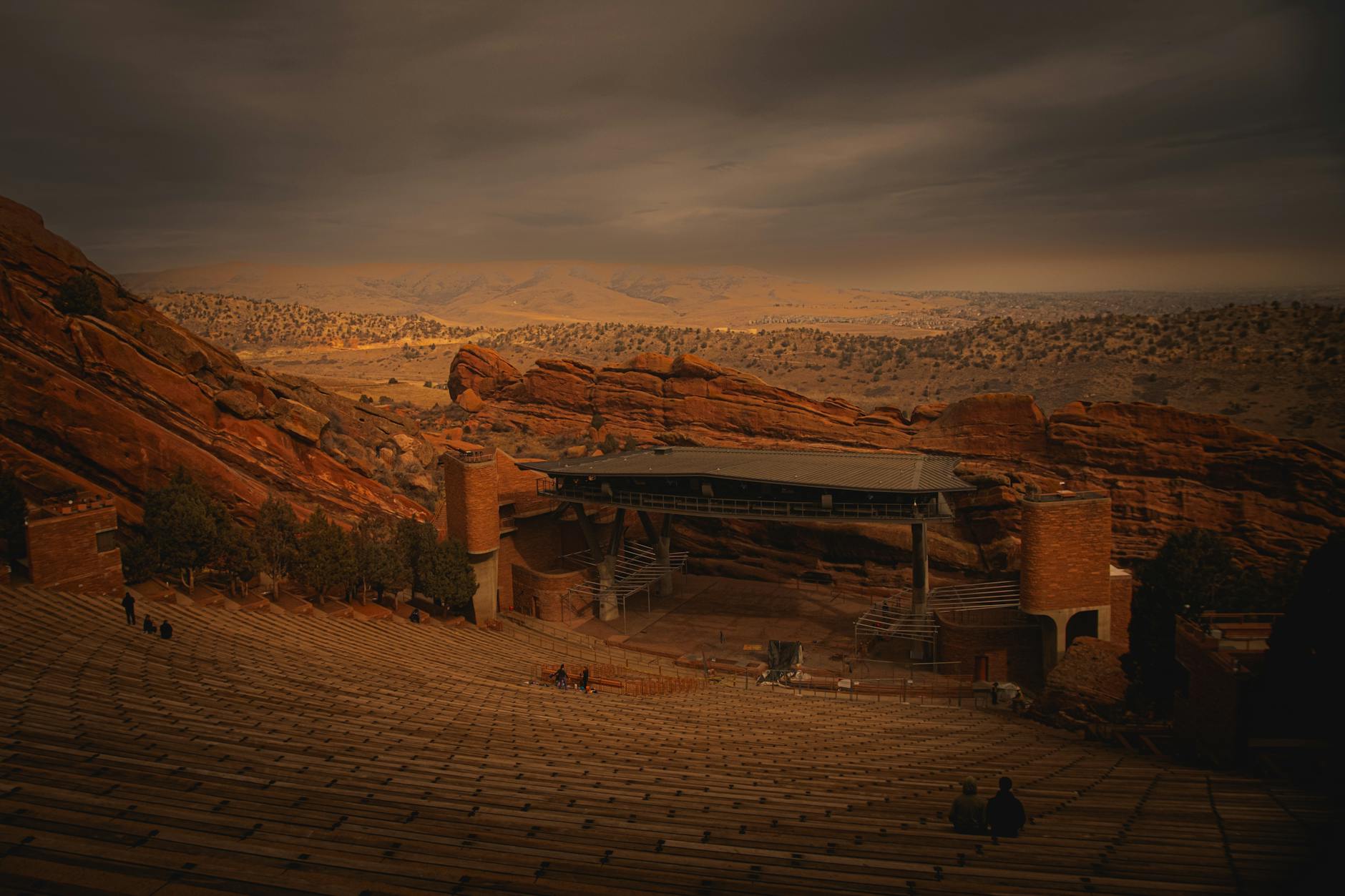
Denver's signature experiences are rooted in the intersection of mountain access and urban culture - a combination found nowhere else quite like this.
Red Rocks Amphitheatre
No experience defines Denver more completely than a concert at Red Rocks Amphitheatre. Carved into 300-foot sandstone formations 15 miles west of the city, this natural outdoor venue is widely regarded as the finest concert setting in the world. The sight of a band performing beneath those ancient red walls at sunset is genuinely unforgettable. Even without a show, the site draws visitors for sunrise yoga sessions and morning hikes.
Day Trips to Ski Country
Denver is the undisputed staging point for Colorado's legendary ski resorts. Breckenridge, Vail, Keystone, and Arapahoe Basin are all reachable within two hours, making Denver the most practical base for a ski trip in North America. The I-70 mountain corridor is a rite of passage for winter travelers.
Rocky Mountain National Park
Less than two hours from downtown, Rocky Mountain National Park delivers high-alpine scenery that stops visitors in their tracks. Trail Ridge Road, the highest continuous paved highway in the United States, crosses the park at over 12,000 feet and offers views that define the Colorado experience.
The Mile High Craft Beer Trail
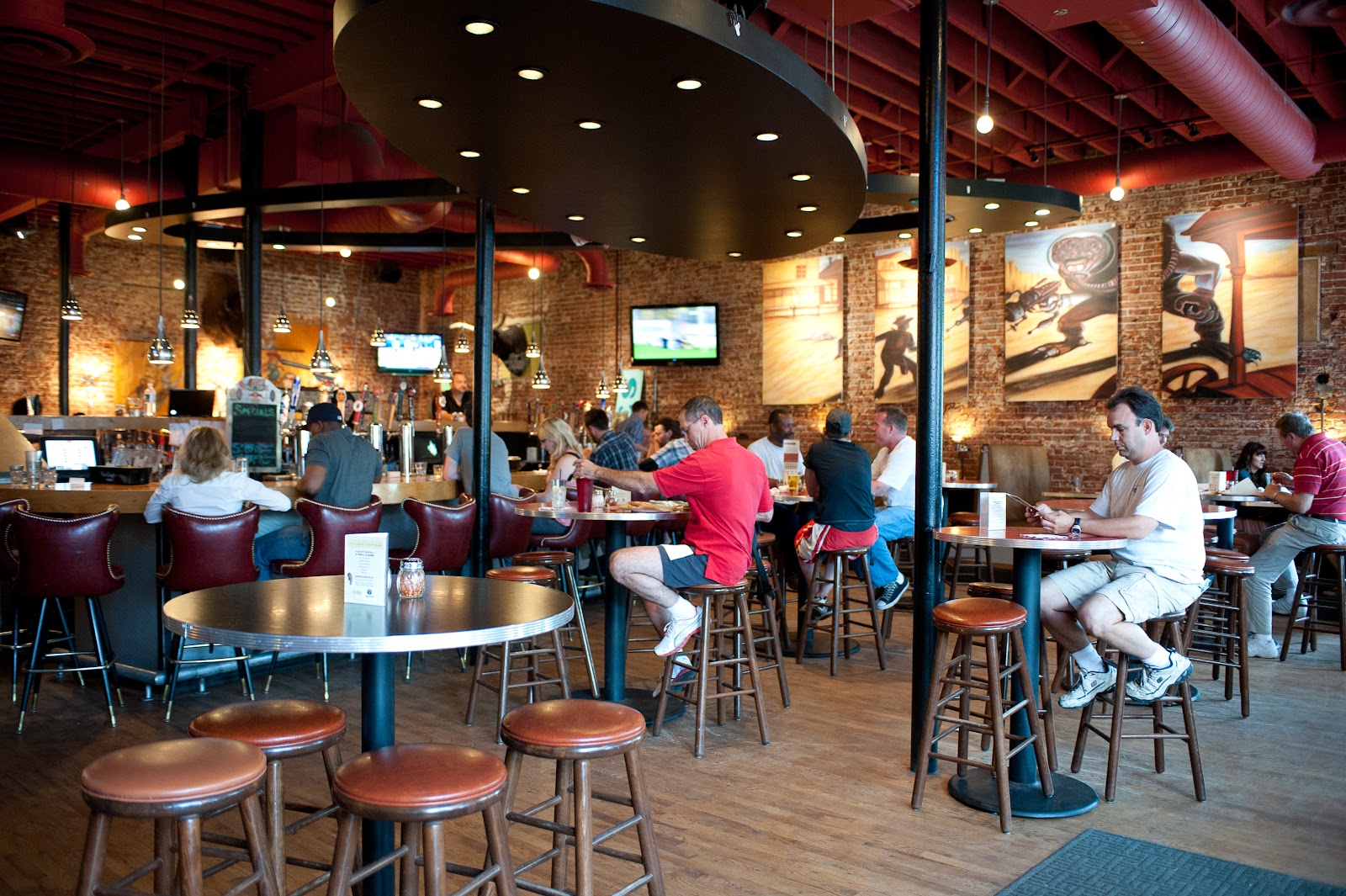
Denver's craft brewery culture is a destination in its own right. The city has more craft breweries per capita than almost anywhere in the country, and neighborhoods like RiNo and LoHi have developed genuine brewery districts where visitors move on foot between taprooms. Great Divide, Breckenridge Brewery, and Wynkoop - the brewpub co-founded by a former Colorado governor - are landmarks of this scene.
16th Street Mall and LoDo
Denver's pedestrian-friendly 16th Street Mall runs through the heart of downtown, connecting Lower Downtown (LoDo) with its historic warehouse district, Coors Field, and a dense concentration of bars, restaurants, and live music venues that make the city feel alive at street level.
Denver offers an exceptional range of activities that reflect its dual identity as a vibrant urban center and the premier gateway to the American West.
Outdoor Recreation
The city's position at the edge of the Rockies makes outdoor adventure a daily reality for visitors. Dozens of trailheads sit within the city limits, with options ranging from casual walks along the Cherry Creek Trail to serious climbs in the foothills. Red Rocks Park, just 15 miles west, combines dramatic geology with world-class hiking. Mountain biking, kayaking on Clear Creek, and white-water rafting are all within easy reach. In winter, world-famous ski resorts including Vail, Breckenridge, and Aspen are two to three hours away by car.
Cultural Attractions
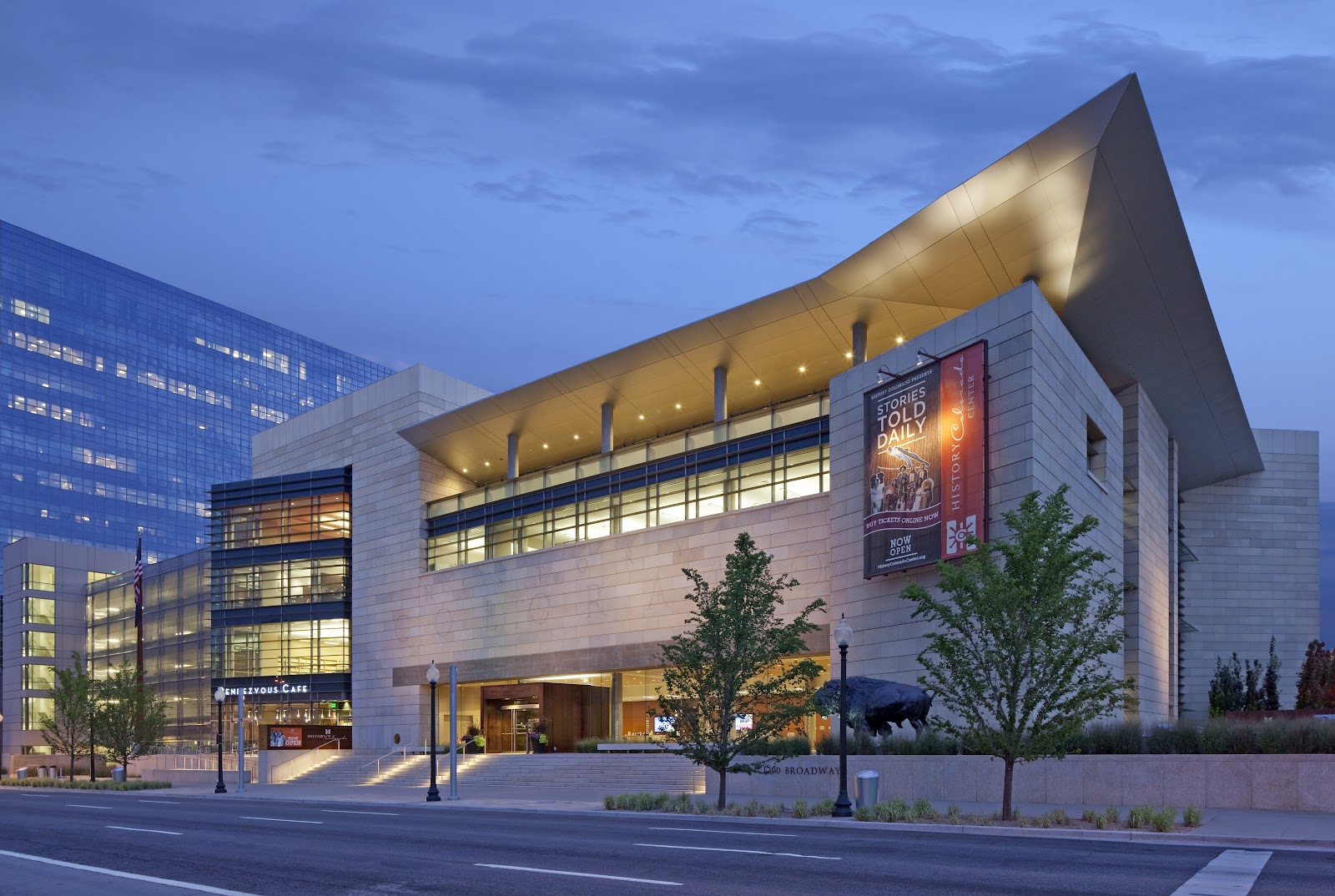
Denver's museum scene punches well above its weight. The Denver Art Museum holds one of the largest collections in the Mountain West, with particular strength in American Indian and Western American art. The Denver Museum of Nature and Science draws families and curious minds, while the History Colorado Center tells the story of the state with engaging, hands-on exhibits.
Arts and Entertainment
The Denver Performing Arts Complex is one of the largest in the country, hosting the Colorado Symphony, Colorado Ballet, and touring Broadway productions. The RiNo Art District has transformed a former industrial corridor into a canvas of murals, galleries, and creative studios.
Food and Dining
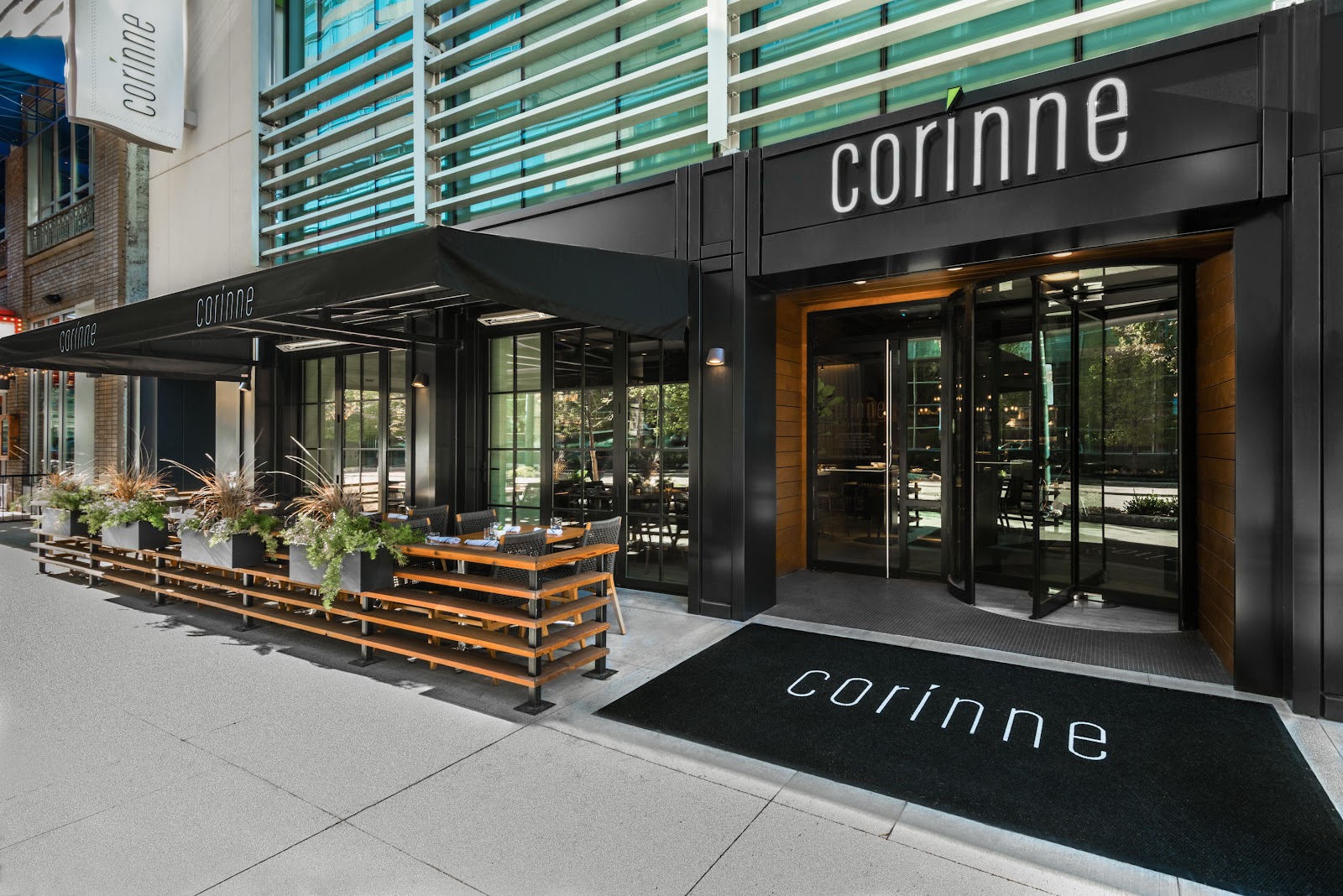
Denver's culinary scene is defined by bold, locally rooted cooking. Neighborhoods like LoHi and RiNo have produced acclaimed restaurants and cocktail bars, while Larimer Square anchors a walkable dining corridor in the heart of downtown. The city's craft brewery density rivals any in the nation.
Start the morning at Denver Union Station, grabbing coffee at Mercantile Dining and Provision before exploring the 16th Street Mall. Head to Larimer Square for lunch, then spend the afternoon at the Denver Art Museum. As evening arrives, walk to RiNo for craft cocktails and dinner at one of the neighborhood's standout restaurants along Brighton Boulevard.
Drive 30 minutes to Red Rocks Amphitheatre for a morning hike along the Trading Post Trail, with stunning sandstone formations and city views. Return to Denver for lunch in LoHi, then explore the neighborhood's independent shops and murals. End the evening back in LoHi with dinner at one of the elevated restaurants overlooking downtown.
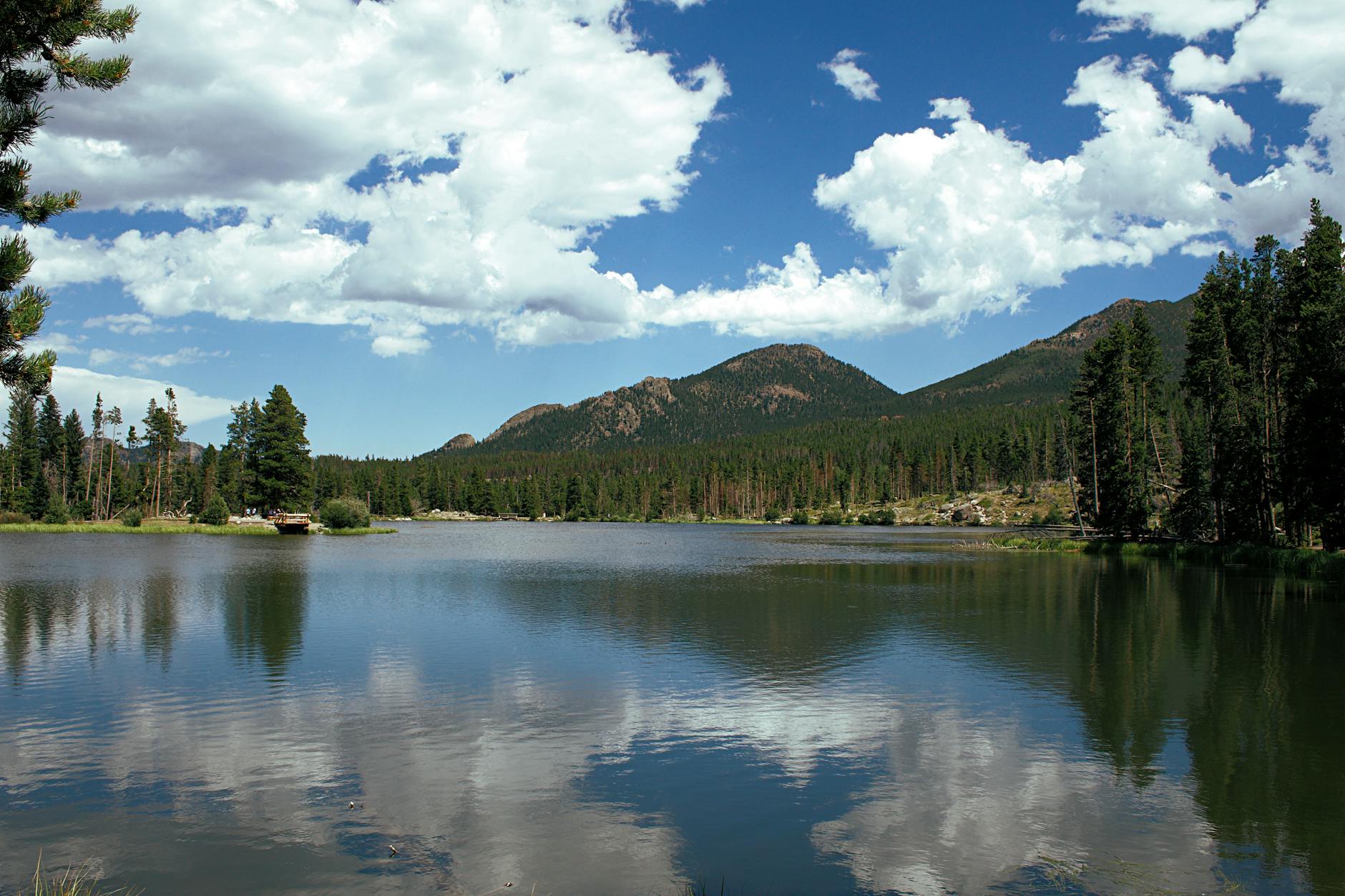
Head northwest on US-36 to Rocky Mountain National Park, arriving early to beat crowds on the Bear Lake loop trail. Take in alpine meadows, wildlife, and panoramic peaks through the afternoon. Stop in the charming town of Estes Park on the way back for a late lunch and a stroll through its main street shops before the scenic drive back to Denver.
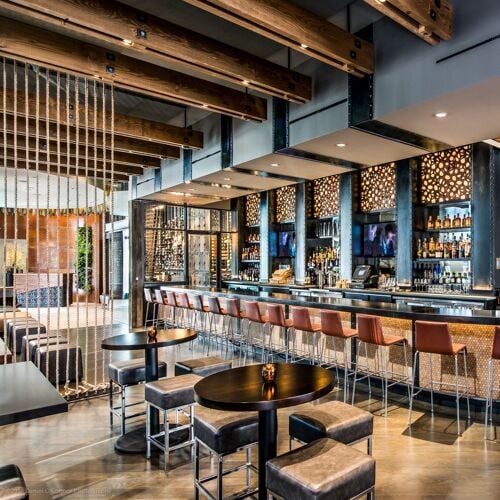
Denver's dining scene has grown from a meat-and-potatoes mountain town into one of the most dynamic culinary cities in the American West. The transformation has been driven by a wave of independent chefs who draw on the region's agricultural richness: Colorado lamb, Rocky Mountain trout, Palisade peaches, and Olathe sweet corn all appear regularly on menus that take local sourcing seriously without being precious about it.
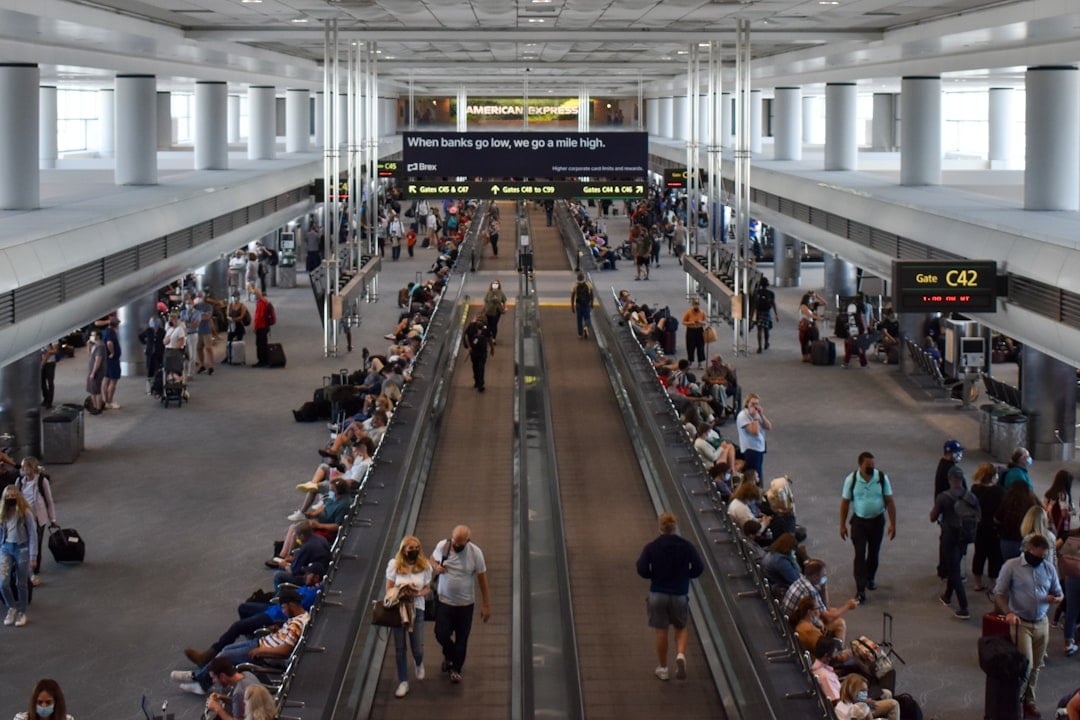
By Air
Denver International Airport (DEN) is served by all major domestic carriers and several international airlines. It is a major hub for United Airlines and Southwest, meaning competitive fares are common from most U.S. cities.
Airport to Downtown
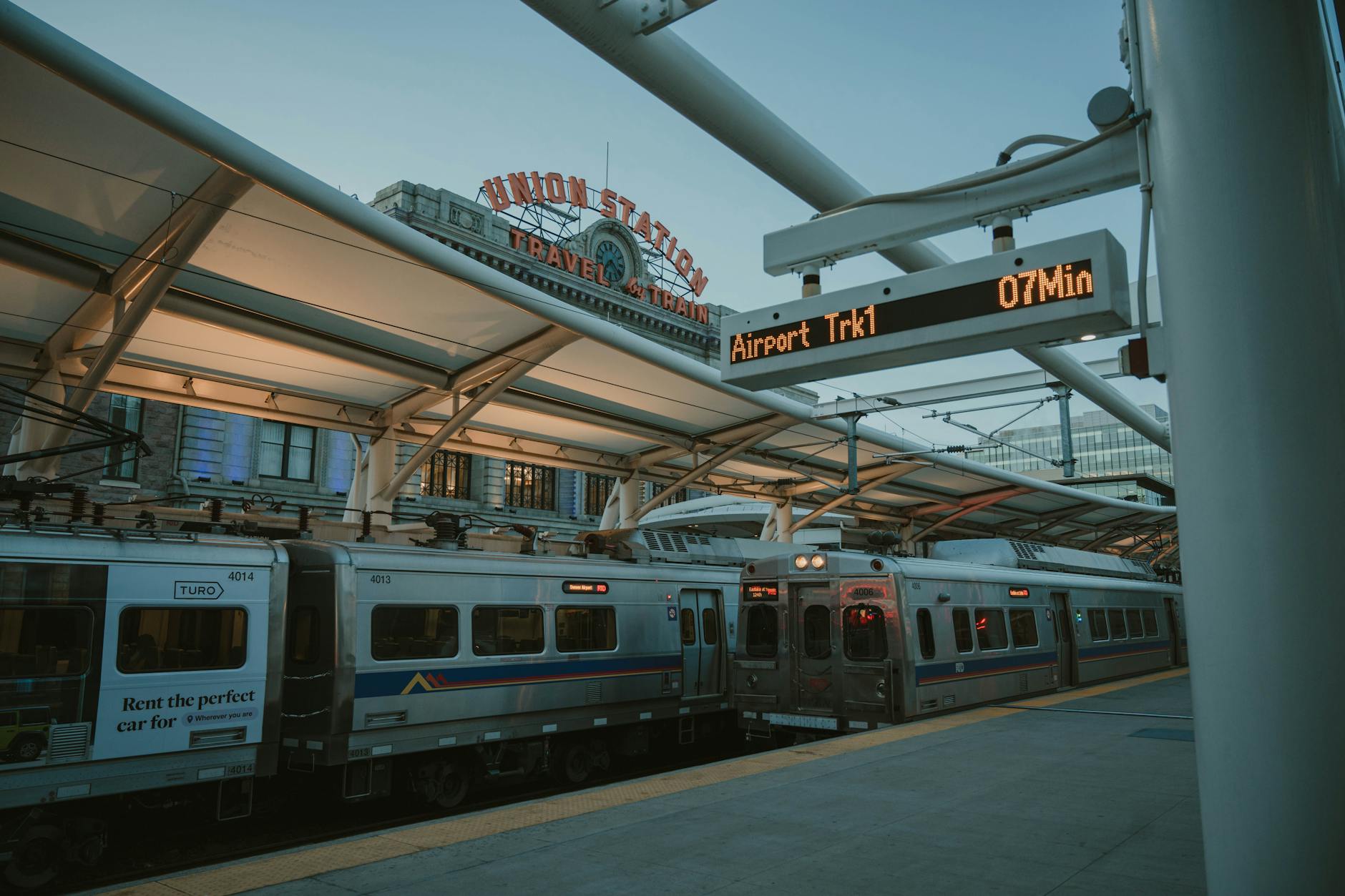
The University of Colorado A Line train runs directly from DEN to Union Station in about 37 minutes for a flat fare. Taxis, rideshares, and shuttle services are also available at the airport but will take longer and cost more during peak traffic.
By Car
I-70 is the primary east-west route into Denver and doubles as the main corridor to mountain ski resorts to the west. I-25 connects Denver to Colorado Springs (about 1 hour south) and Fort Collins (about 1 hour north).
By Train
Amtrak's California Zephyr stops at Denver Union Station, linking the city to Chicago to the east and the San Francisco Bay Area to the west. Service runs once daily in each direction, so plan accordingly.
By Bus
Greyhound and FlixBus both serve Denver with affordable routes from regional cities including Albuquerque, Salt Lake City, and Kansas City. Buses arrive at or near Union Station, which is centrally located downtown.
On Foot
Downtown Denver, RiNo, LoHi, and Capitol Hill are all walkable neighborhoods with concentrated dining, bars, and attractions. The 16th Street Mall is a mile-long pedestrian corridor at the heart of downtown with a free shuttle running its length.
Public Transit
RTD operates light rail, commuter rail, and bus routes across the metro area. The A Line from the airport to Union Station and the W, E, and R light rail lines are the most useful for visitors staying downtown.
Rideshare
Uber and Lyft are widely available throughout Denver and are the most convenient option for moving between neighborhoods at night or when carrying gear. Surge pricing can apply during major events at Ball Arena or Empower Field.
By Rental Car
A rental car is strongly recommended if you plan any mountain day trips to Rocky Mountain National Park, Breckenridge, Vail, or Aspen. Book in advance during ski season and summer, when demand drives prices up significantly.
By Bike or Scooter
Denver's B-Cycle bike-share network and several dockless scooter operators provide a practical way to cover short distances between neighborhoods. The Cherry Creek Trail and Platte River Trail offer scenic off-street routes for cyclists.
Denver's altitude of 5,280 feet affects visitors more than most expect. Drink extra water from the moment you arrive, limit alcohol on your first day, and give yourself 24 to 48 hours to acclimate before attempting strenuous hikes or ski runs. Sunscreen is essential year-round: the thinner atmosphere at elevation means UV exposure is significantly higher than at sea level.
Tipping follows standard U.S. norms: 18 to 20 percent at restaurants, a few dollars for bartenders, and standard rates for rideshare drivers. Most establishments are card-friendly, but carrying some cash is useful at smaller bars and food halls.
Download the RTD app for transit navigation and the ParkDenver app if you are driving, as paid parking zones are common downtown. Weather in Denver changes quickly in any season: afternoon thunderstorms are routine in summer, and mountain road conditions can shift rapidly in winter. Check road conditions on CDOT's website or app before any mountain drive.
Late spring through early fall - roughly May to October - offers the most reliable weather for city exploration and hiking. Winter is ideal if skiing or snowboarding is your priority, with easy access to major resorts within two to three hours of the city.
Denver sits in the mid-range for U.S. cities. Hotels, dining, and activities are generally more affordable than coastal cities like San Francisco or New York. Costs rise if you add ski resort day trips, since lift tickets and mountain lodging carry a premium. Staying in the city itself and eating at local spots keeps the budget very manageable.
Yes, Denver works well as a weekend destination. Two days is enough to cover the main neighborhoods, hit a few standout restaurants and breweries, and explore the downtown arts district. Adding a half-day drive into the foothills or nearby Rocky Mountain scenery is easy and makes the trip feel well-rounded without requiring extra nights.
Three to four days is a solid amount of time in Denver. That gives you enough time to explore neighborhoods like RiNo and LoHi, visit the Denver Art Museum, and take at least one day trip into the Rockies. If you plan to ski or hike in the mountains, budget five to seven days to do the city and the surrounding landscape justice.
Denver is best known as the gateway to the Rocky Mountains and for its outdoor lifestyle. It sits exactly one mile above sea level and offers quick access to world-class ski resorts including Vail, Breckenridge, and Aspen. The city is also recognized for one of the highest craft brewery densities in the country, a strong arts scene, and a passionate sports culture.