
Baltimore, MD
A Journey guide to
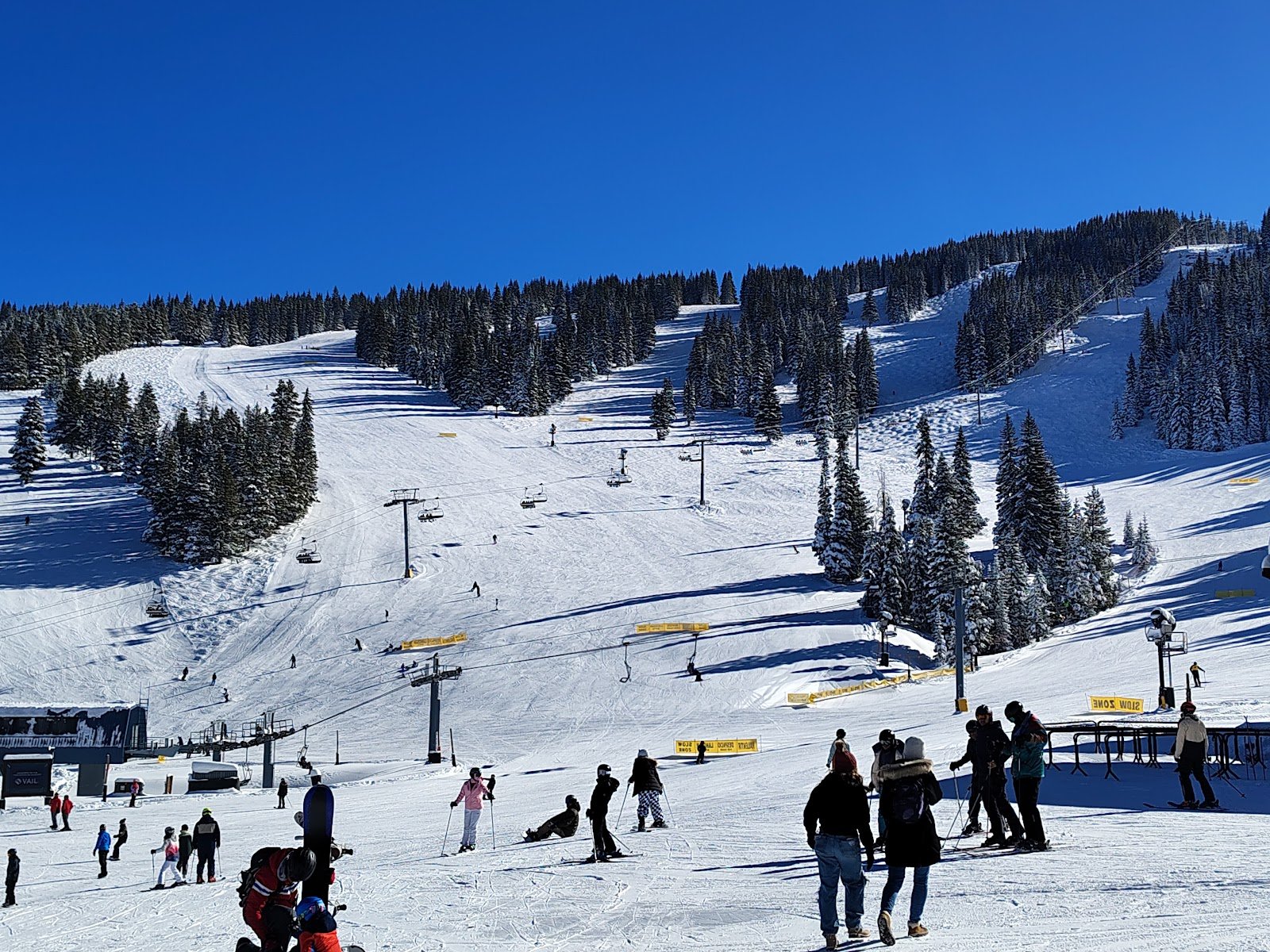
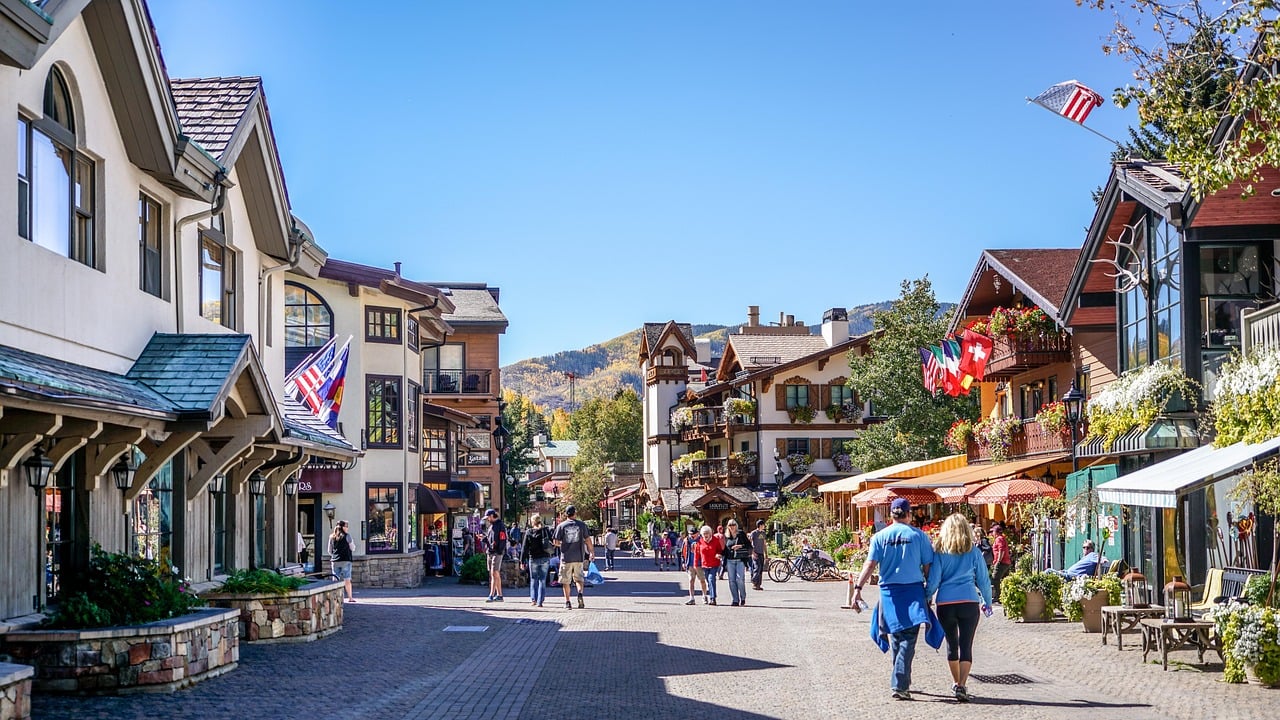
Vail is one of the most celebrated mountain resort destinations in North America, built around a ski mountain that consistently ranks among the world's finest. The resort spans over 5,300 acres of skiable terrain, including the legendary Back Bowls — a vast, open expanse of powder skiing with few rivals on the continent. Beyond the mountain, Vail delivers a complete alpine resort experience with Michelin-recognized dining, high-end retail, and a walkable village designed entirely for pedestrians.
What sets Vail apart from other Colorado ski towns is its European resort aesthetic. Vail Village and Lionshead were deliberately modeled on Tyrolean alpine architecture, giving the town a cohesion and character that feels intentional rather than incidental. Covered bridges, heated sidewalks, and stone-clad chalets create an atmosphere closer to Zermatt or Kitzbühel than a typical American ski town. That design philosophy extends to the lodging, where slope-side ski-in, ski-out properties set the standard.
Vail draws a sophisticated, high-expectation traveler. The destination is a magnet for serious skiers and snowboarders seeking challenging terrain and impeccable grooming, but it equally attracts those who come for the après-ski culture, the spa retreats, and the culinary scene. In summer, Vail transforms into a hiking and mountain biking hub, with the Vail Mountain Bike Park and miles of Gore Range trails drawing an entirely different but equally passionate crowd.
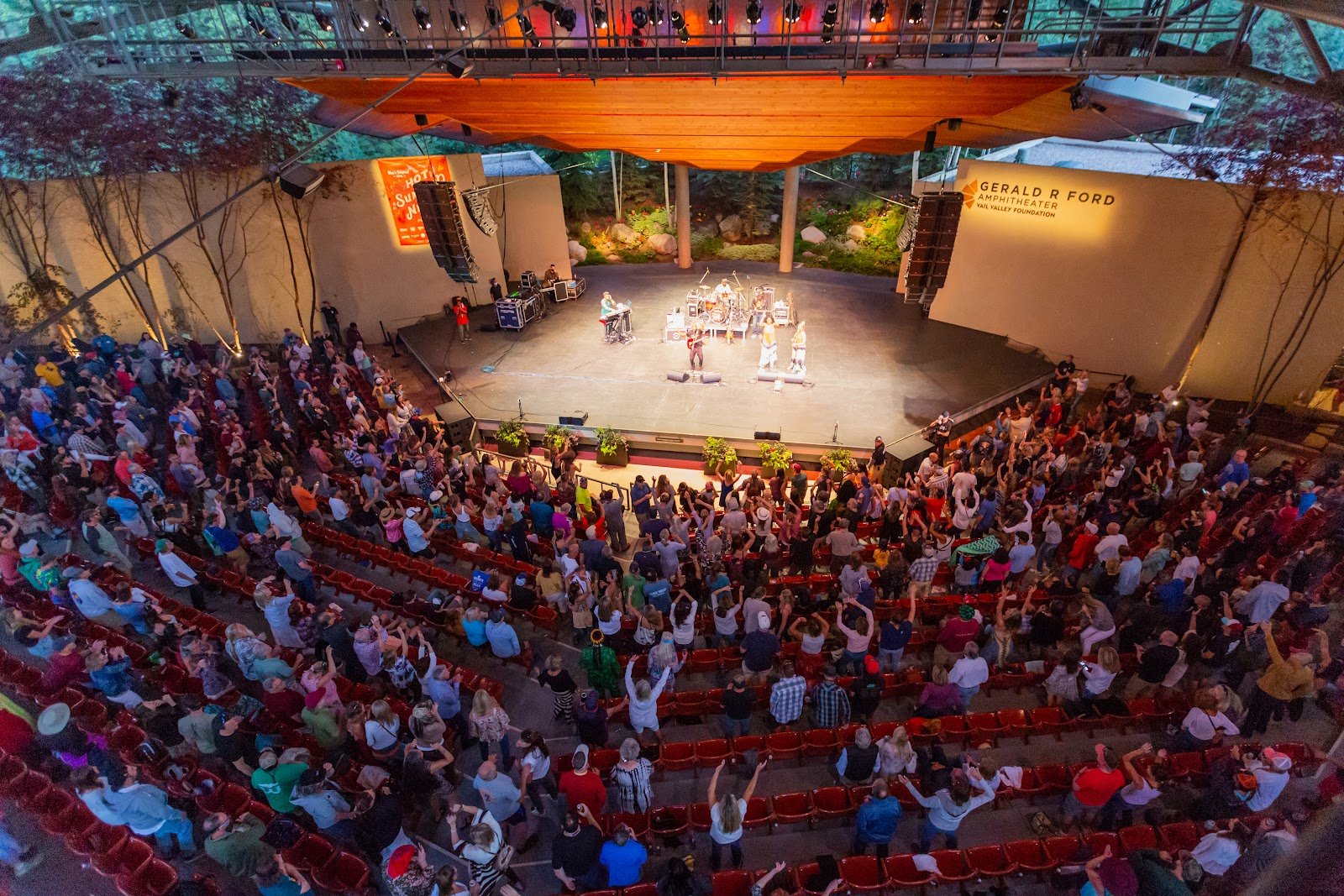
The town also has a notable cultural dimension that surprises first-time visitors. The Gerald R. Ford Amphitheater hosts major performing arts events, and the Vail Valley has long been a gathering point for political and business leaders. Vail's identity is layered: it is simultaneously a world-class ski resort, a luxury retreat, and a genuine mountain community with civic pride and year-round vitality.
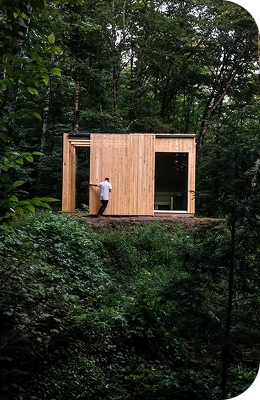

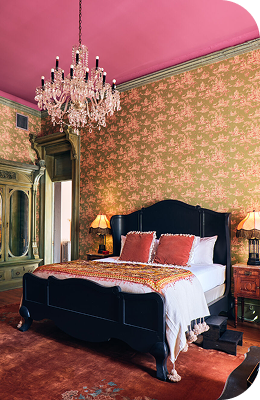

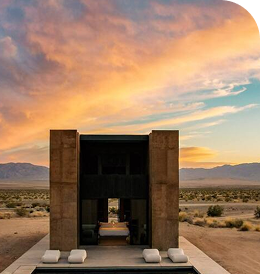

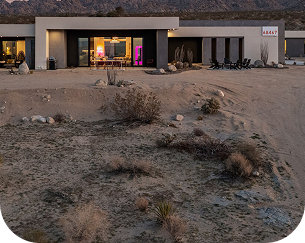

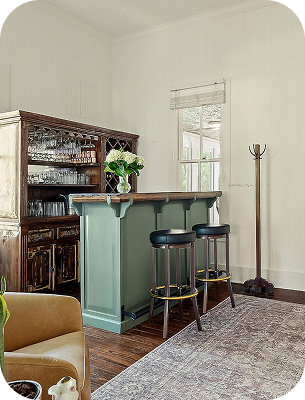

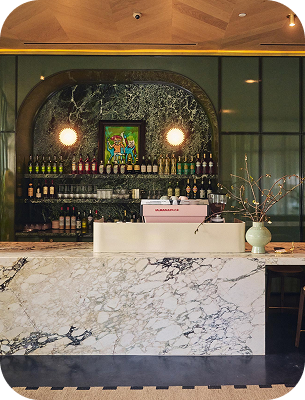

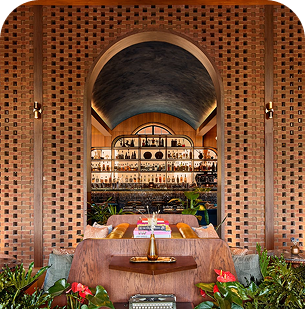

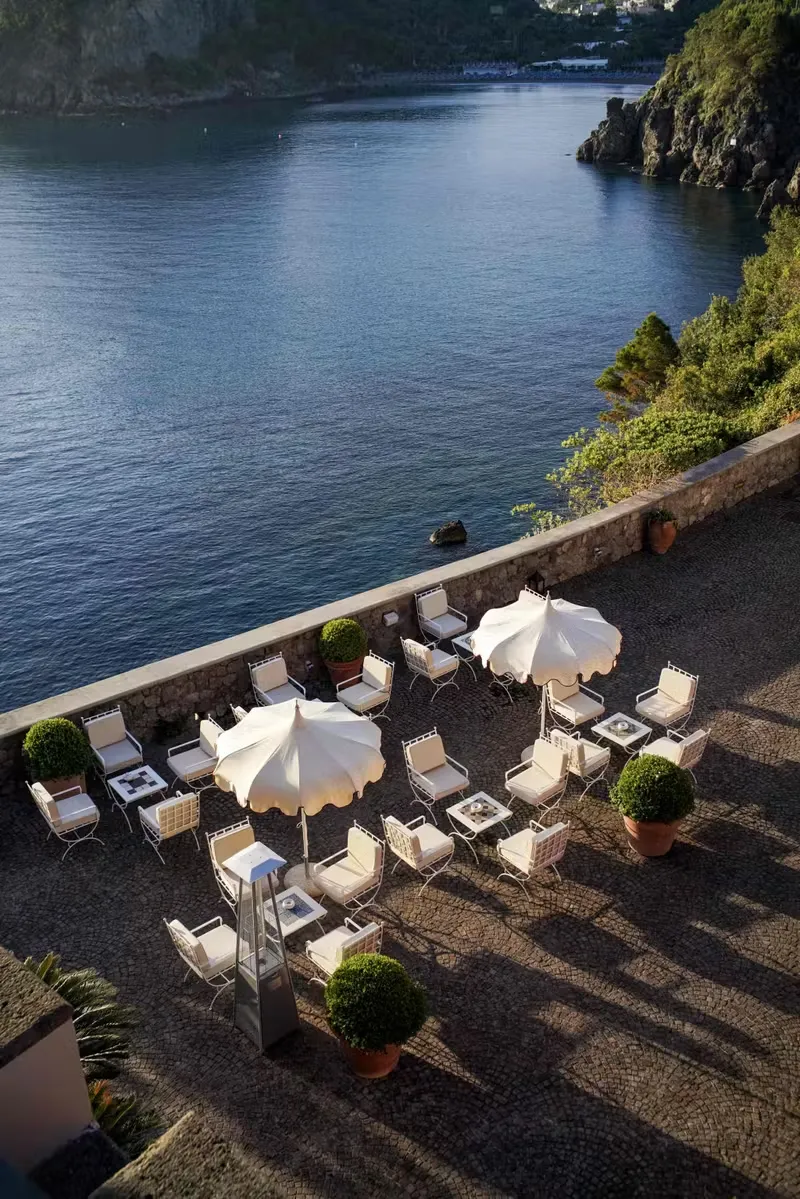

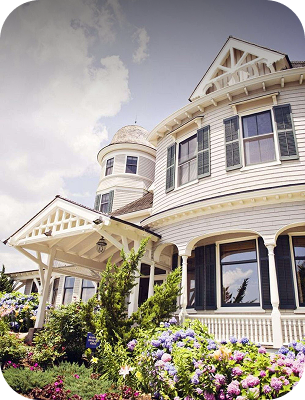

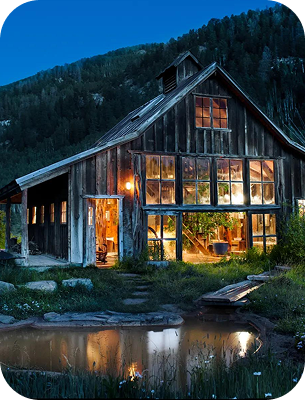

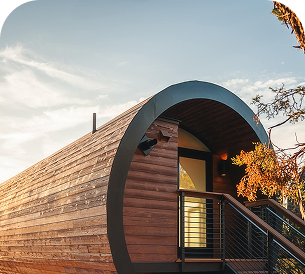

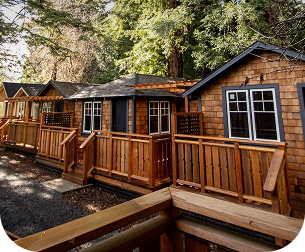

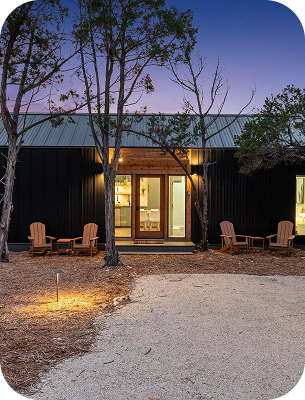

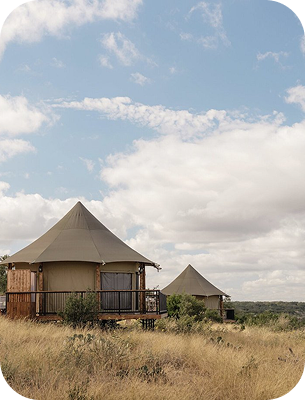

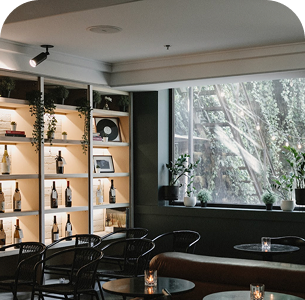



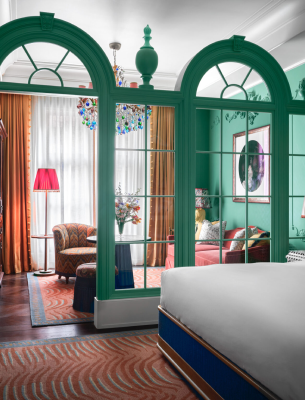
Journey connects travelers to a curated network of boutique hotels and distinctive residences around the world, all united under one rewards program. Explore handpicked stays for your trip while earning points, unlocking exclusive offers, and receiving rewards across the Journey collection.
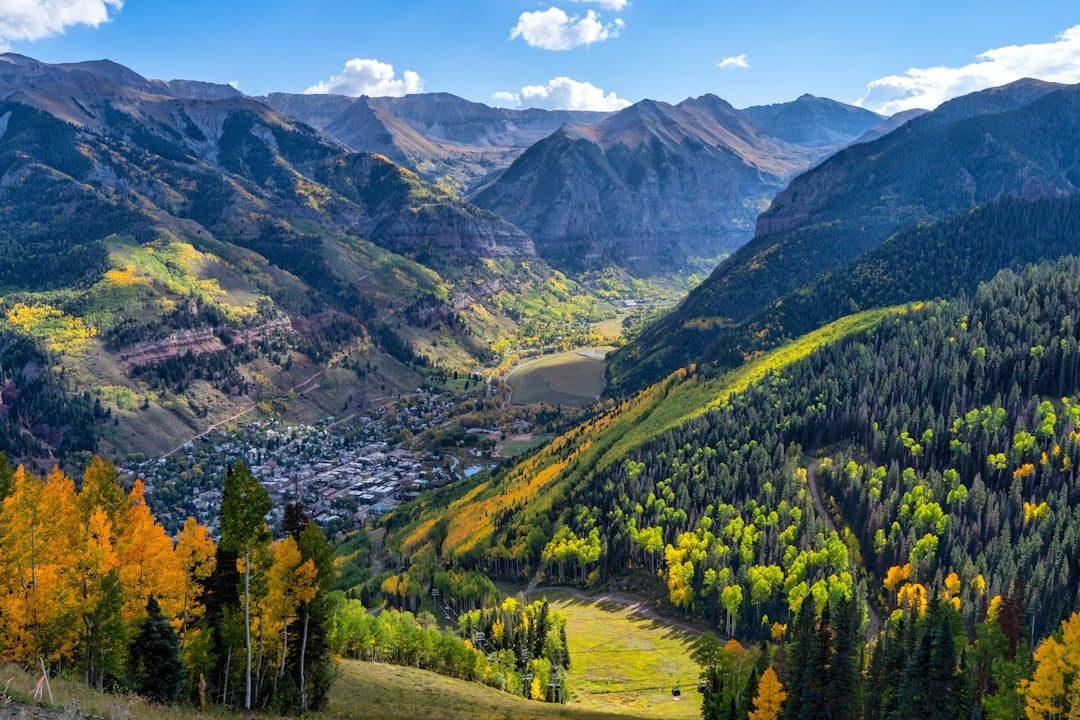
Vail sits in the Eagle River Valley along Interstate 70, approximately 100 miles west of Denver at an elevation of 8,150 feet. The town is flanked by the White River National Forest and framed by the Gore Range to the north and the peaks of the Sawatch Range to the south. The physical setting is dramatic in every direction, and the valley's relatively narrow corridor gives Vail an intimate scale despite its international reputation.
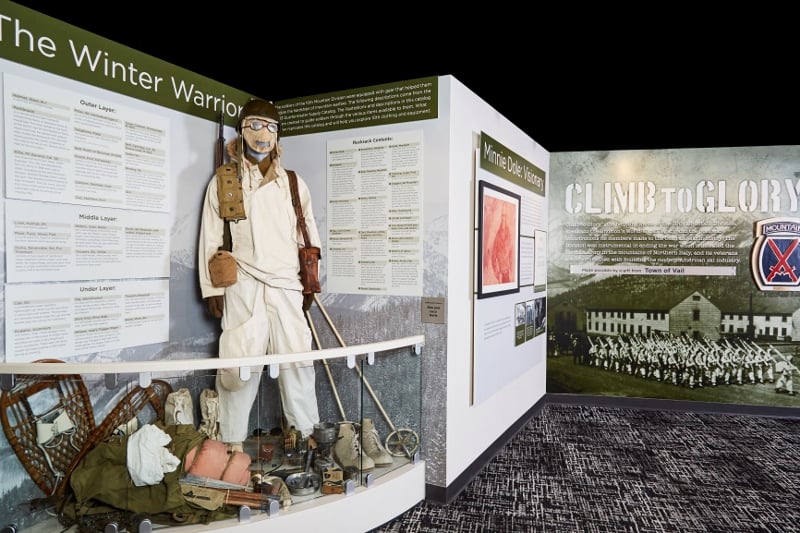
The town was essentially purpose-built as a ski resort, founded in 1962 by Pete Seibert and Earl Eaton after Seibert, a 10th Mountain Division veteran, identified Vail Mountain as ideal ski terrain during a backcountry traverse. That military heritage is woven into the region's identity — the 10th Mountain Division trained at nearby Camp Hale during World War II, and their influence on American skiing culture is widely acknowledged here. The Vail Mountain School, the Betty Ford Alpine Gardens (the world's highest public botanic garden at 8,200 feet), and the Colorado Ski and Snowboard Museum all speak to a community that takes its mountain heritage seriously.
Culturally, Vail operates on two distinct registers. The resort infrastructure caters to an affluent international clientele, with Four Seasons and Vail Mountain Lodge properties, white-tablecloth restaurants, and a retail corridor anchored by luxury brands. Yet beneath that polish is a working mountain town with a year-round residential community, a strong service industry workforce, and a genuine outdoor ethos. Locals hike, bike, climb, and fish the Eagle River with the same intensity that visitors ski.
The travel atmosphere in Vail is polished but not pretentious. The pedestrian villages encourage lingering — over a long lunch on a sun-drenched patio, a stroll through the covered bridge at Vail Village, or a gondola ride taken purely for the views. It is a destination that rewards those who slow down and engage with both the mountain and the community that has grown up around it.
Choosing when to visit Vail depends largely on what kind of experience you are after, because the destination shifts dramatically between its two peak seasons.
Mid-December through March is peak ski season, and for good reason. The mountain operates at full capacity, all lifts are running, and the Back Bowls and upper terrain are at their best. The trade-off is that this is also the most crowded and expensive window. The weeks between Christmas and New Year are the busiest of the entire year, with lift lines, packed village streets, and premium pricing across lodging and dining. If skiing is the priority but crowds are a concern, January and February offer the best balance: snow conditions are typically excellent, holiday crowds have thinned, and rates are more manageable than the holiday weeks.
Spring skiing in March and early April can be a sleeper pick for experienced skiers. The mountain is still open, the days are longer, and the village is noticeably quieter. Late April and May represent a shoulder period when the ski area closes and summer amenities have not yet launched, making it a less compelling time to visit unless you are specifically seeking solitude.
Summer, from late June through August, is Vail's second peak season. The Vail Mountain Bike Park, Gore Range hiking trails, and a full calendar of outdoor events and festivals draw a strong crowd. The Gerald R. Ford Amphitheater hosts major performances, and the village has a lively but more relaxed energy than winter. Families and outdoor enthusiasts find this season particularly rewarding.
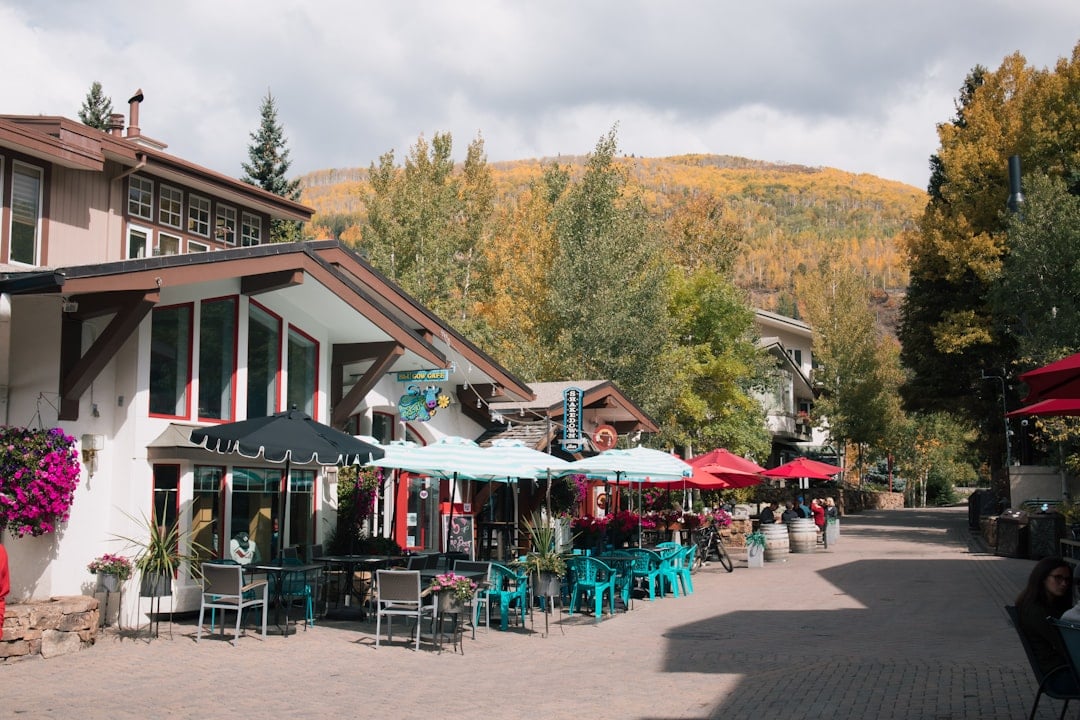
September and early October are arguably the most underrated time to visit. The aspen groves surrounding Vail explode into gold, hiking trails are uncrowded, and the summer festival season winds down to a quieter pace. Lodging rates drop significantly, and the scenery rivals anything the mountain offers in winter.
The heart of the resort, Vail Village is a pedestrian-only enclave of Tyrolean-inspired architecture, boutique shops, and slope-side restaurants. Cobblestone walkways and covered bridges connect ski runs directly to hotel lobbies, making it the most coveted address on the mountain. The village buzzes from first chair to last call, with an energy that is both refined and genuinely festive.
Lionshead sits at the western base of Vail Mountain and has evolved into a polished, modern counterpart to Vail Village. Home to the Arrabelle at Vail Square and a growing collection of restaurants and galleries, it offers a slightly more relaxed atmosphere while maintaining direct gondola access to the mountain. The open plaza is a natural gathering point for families and après-ski crowds alike.
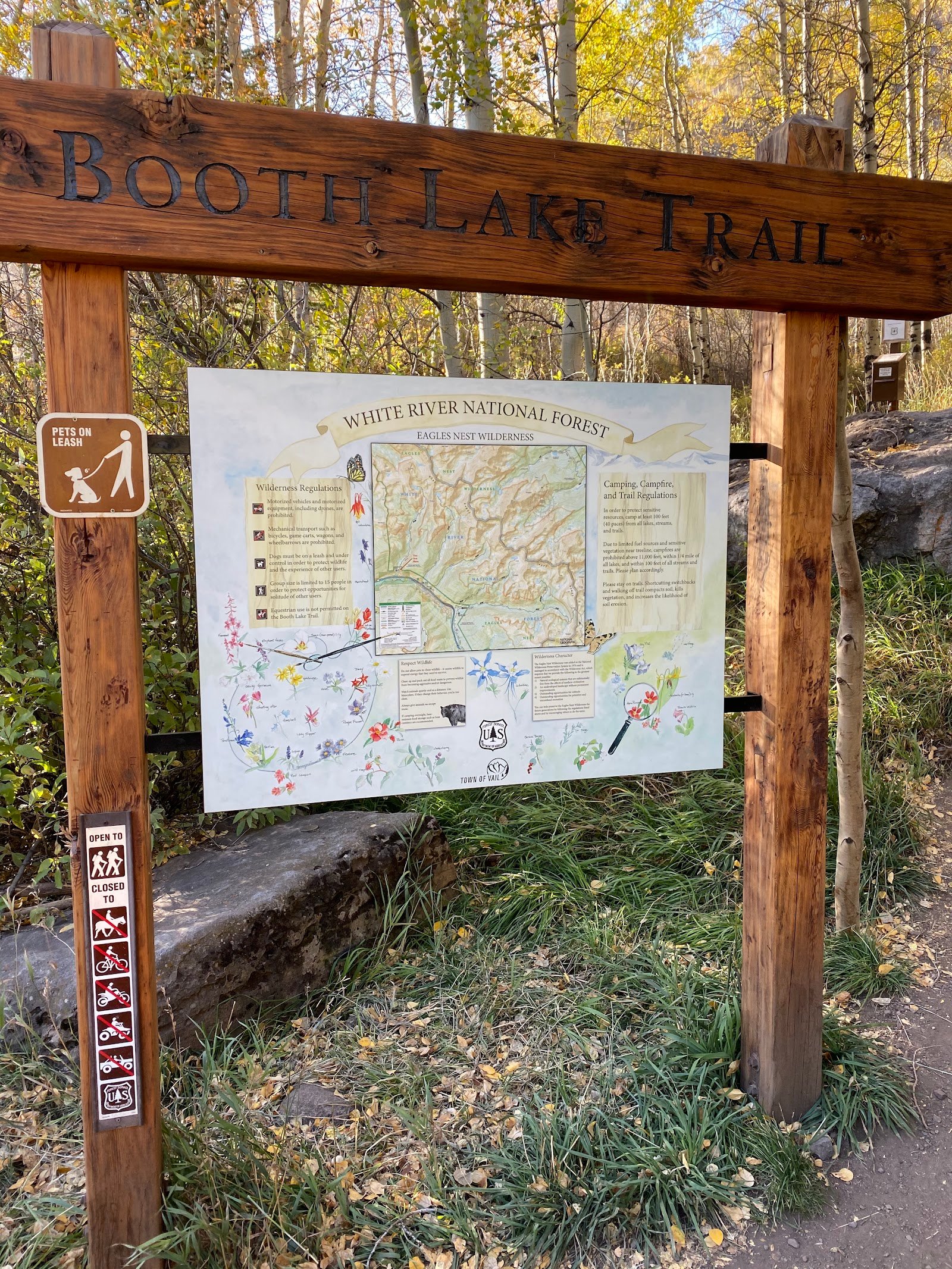
East Vail is a quieter, more residential corridor that stretches along Interstate 70 toward the Gore Range trailheads. It draws hikers, trail runners, and travelers seeking a more local, less tourist-facing side of the valley. The area provides easy access to backcountry terrain and the Booth Falls trail, one of the most rewarding day hikes in the region.
West Vail is the practical, everyday side of town where locals shop, eat, and live without the resort price premium. A strip of neighborhood restaurants, grocery stores, and casual bars gives it an unpretentious character that contrasts sharply with the polished villages to the east. Travelers staying here get an authentic sense of Vail as a working mountain community rather than a stage-set resort.
Cascade Village occupies a quieter pocket between Vail Village and Lionshead, anchored by the Vail Cascade Resort and its private chairlift access. The area has a secluded, retreat-like quality, with the Gore Creek running alongside and mature pines providing natural shelter. It appeals to travelers who want ski-in convenience without the foot traffic of the main village corridors.
Vail is built around a handful of experiences that simply cannot be replicated anywhere else, and travelers who know the mountain come specifically for them.
Skiing the Back Bowls
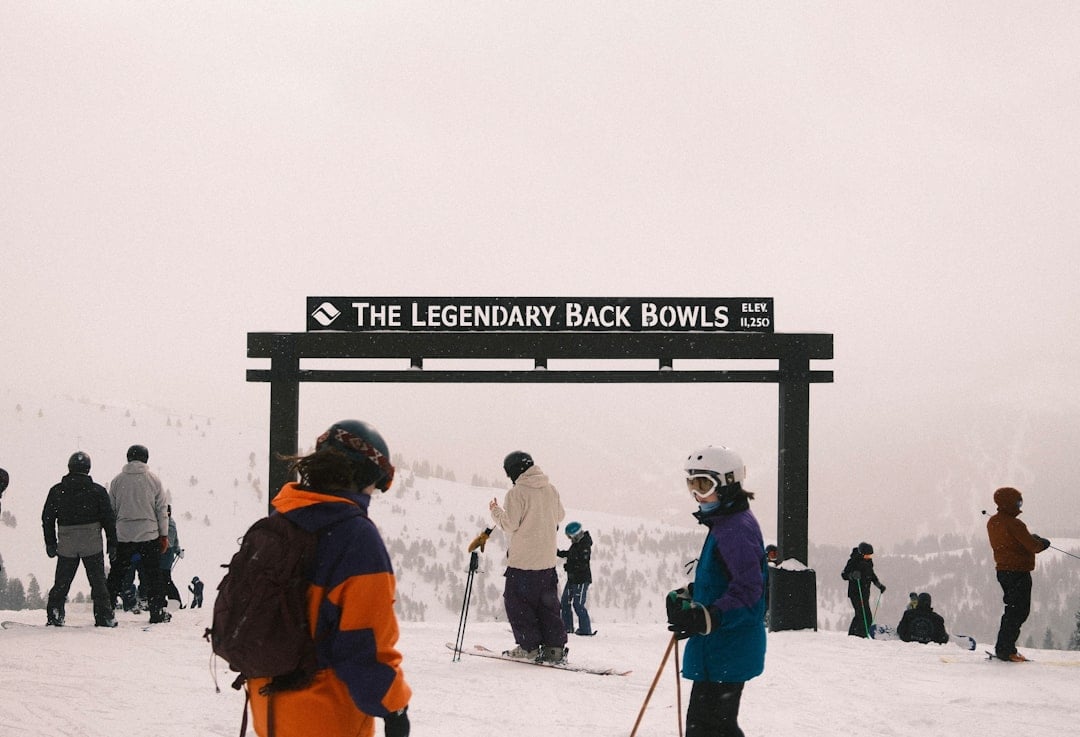
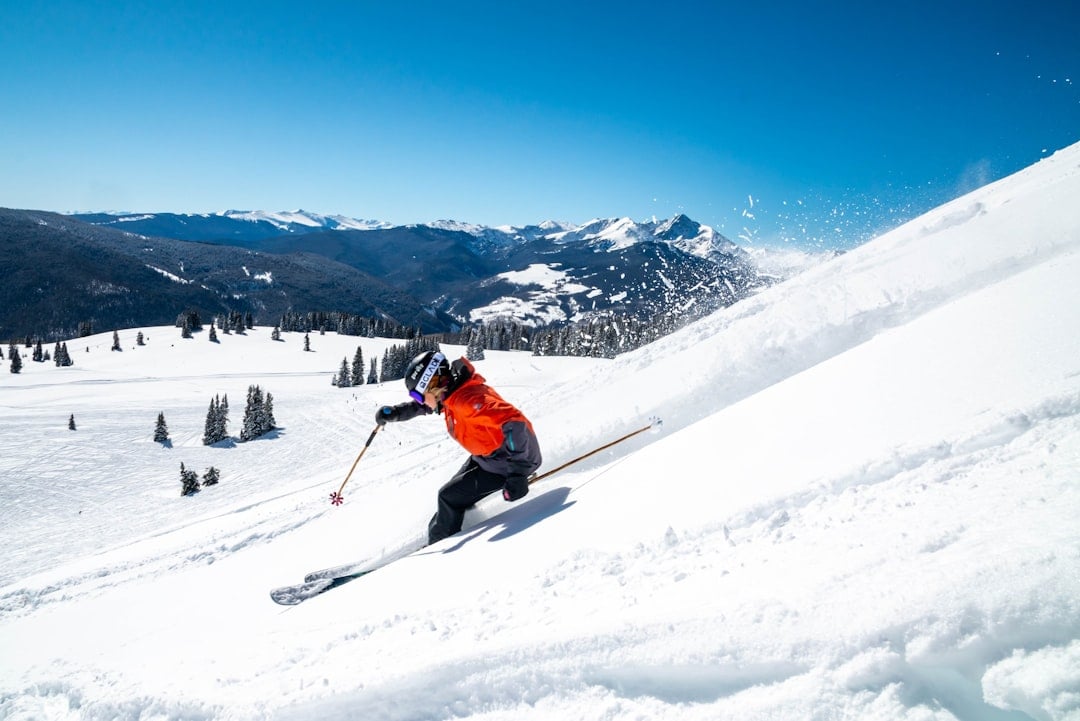
The Back Bowls are the defining feature of Vail's ski terrain - seven open, sun-drenched bowls covering nearly 3,000 acres of skiable terrain on the mountain's south side. Unlike the tight tree runs of many eastern resorts, the Back Bowls offer wide-open powder skiing with a sense of scale and freedom that is rare in North America. On a bluebird day after a fresh snowfall, this is as good as resort skiing gets.
The Vail Village Experience
Vail Village is one of the few purpose-built pedestrian resort villages in the United States, modeled on Tyrolean alpine architecture. Walking its heated, cobblestoned streets - moving between ski runs, boutiques, and restaurants without ever getting in a car - is itself a signature part of the Vail experience. The village's European coherence sets it apart from virtually every other American ski town.
Slope-Side Dining and Apres-Ski
Vail has elevated après-ski into an art form. The transition from mountain to village - skis off, boots on, glass in hand - is a daily ritual here. Matsuhisa at the base of the mountain draws a serious dining crowd, while the Vail Brewing Company and spots like Root and Flower keep the energy going well into the evening. The concentration of quality within walking distance of the lifts is exceptional.
Summer Alpine Immersion
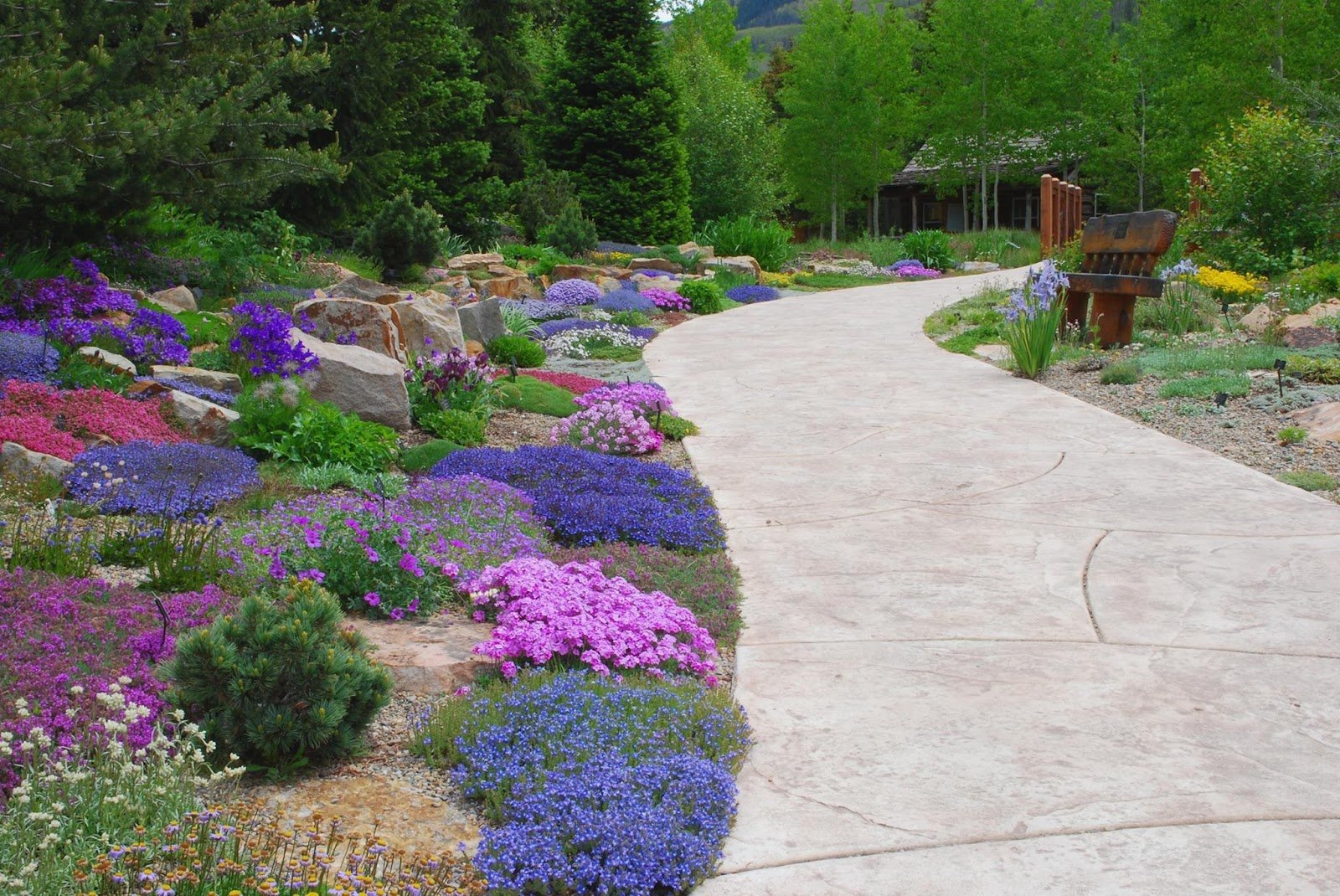
Vail's summer identity is underappreciated. The Betty Ford Alpine Gardens - the highest public botanical gardens in North America - bloom in full color through July and August. Combined with the Vail Mountain Bike Park, the Gore Valley Trail, and the amphitheater's summer performance season, Vail in summer offers a genuinely distinct and rewarding experience that rivals its winter reputation.
Vail packs an extraordinary range of activities into its alpine setting, making it one of the most versatile mountain destinations in North America. Whether you are chasing powder, exploring trails, or simply soaking in the village atmosphere, there is no shortage of ways to fill your days.
Outdoor Recreation
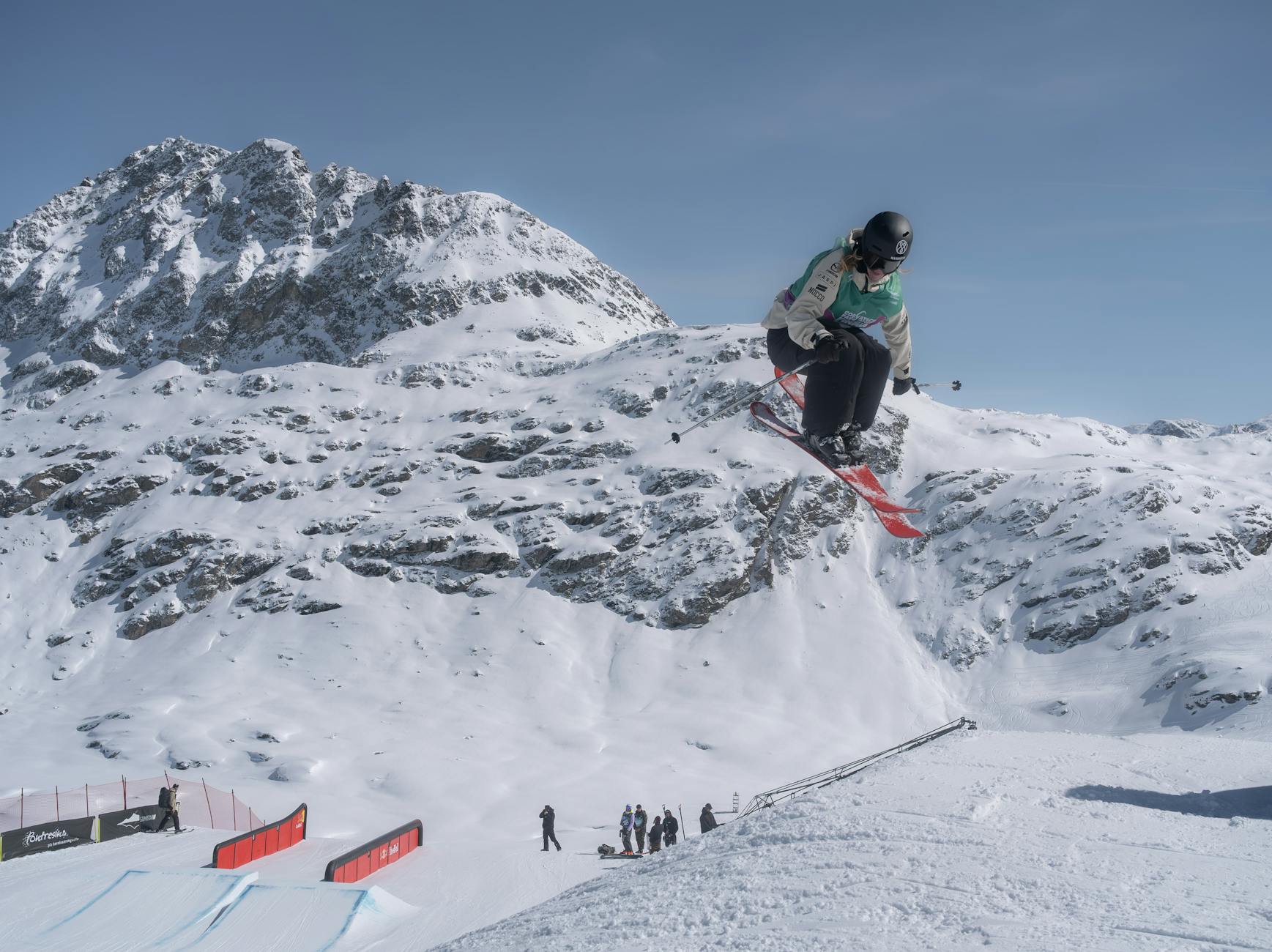
Skiing and snowboarding at Vail Mountain are the headline draw, with over 5,300 acres of terrain ranging from groomed cruisers to the legendary Back Bowls. When the snow melts, the mountain transitions into a world-class hiking and mountain biking destination. The Vail Mountain Bike Park draws riders of every skill level, while trails like Booth Falls and the Gore Valley Trail offer rewarding hikes through aspen groves and alpine meadows. East Vail Falls is a quieter escape for those seeking scenic solitude.
Cultural Attractions and Arts
Vail has a richer cultural life than its resort reputation might suggest. The Colorado Snowsports Museum and Hall of Fame chronicles the history of skiing in Colorado with engaging exhibits. The Gerald R. Ford Amphitheater hosts a summer season of concerts, dance performances, and cultural events set against a stunning mountain backdrop. Walking Mountains Science Center in nearby Avon offers nature education programs and guided hikes for curious travelers of all ages.
Scenic Exploration
The Betty Ford Alpine Gardens, open in summer, are the highest public botanical gardens in North America and a peaceful counterpoint to the resort's energy. Bighorn Park and the surrounding Gore Range trails reward those who venture beyond the village with dramatic Rocky Mountain scenery.
Food and Dining
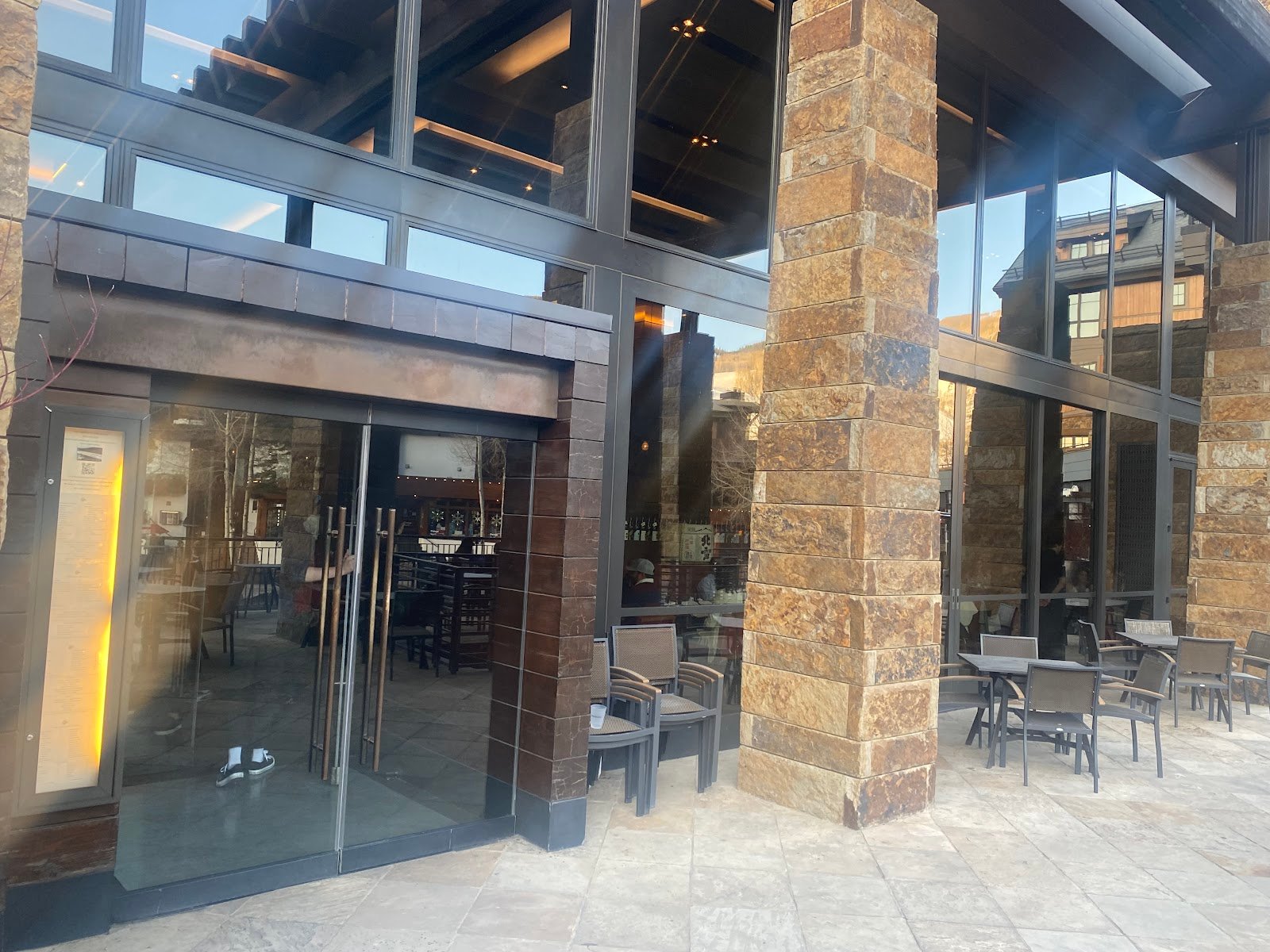
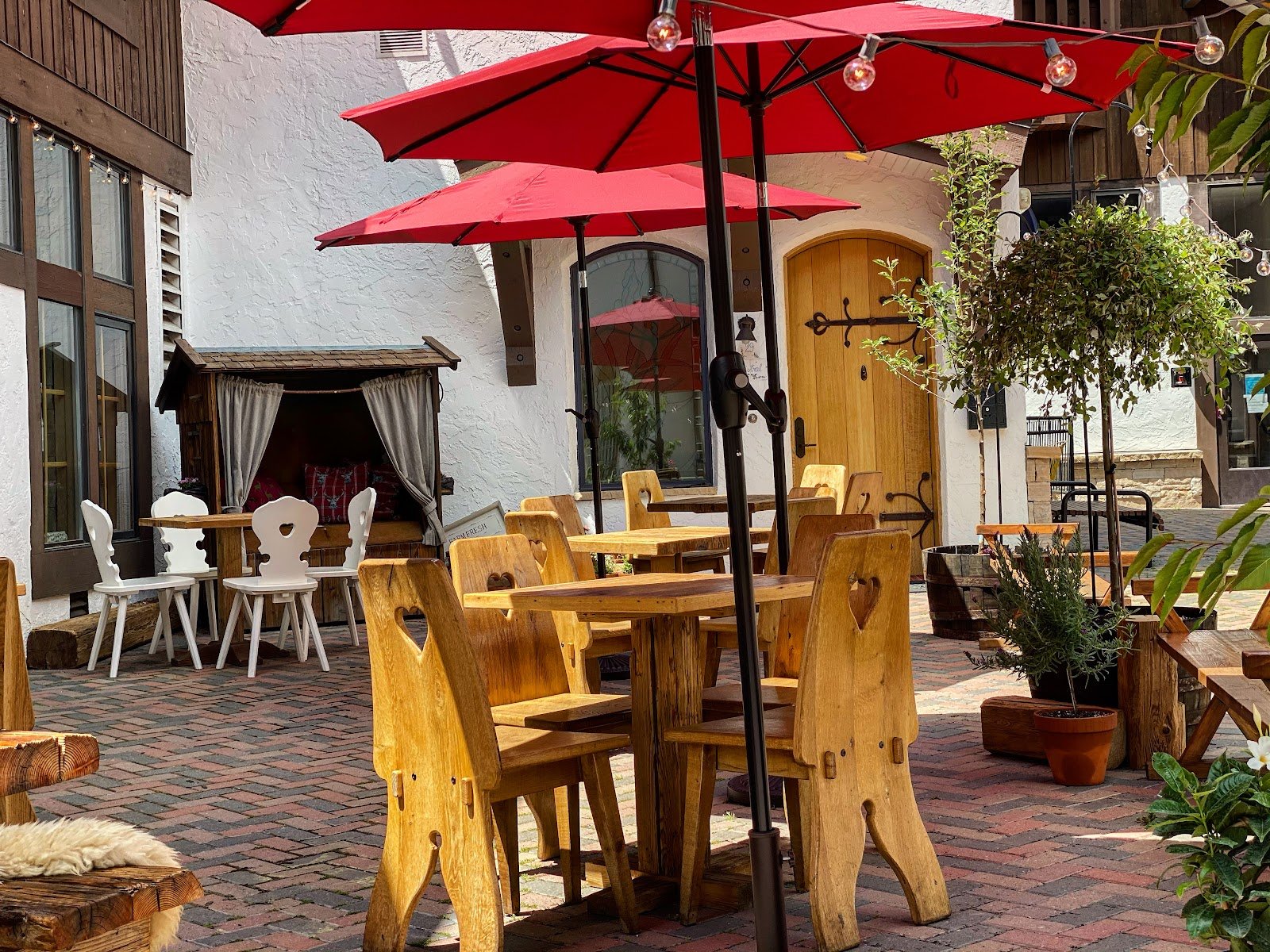
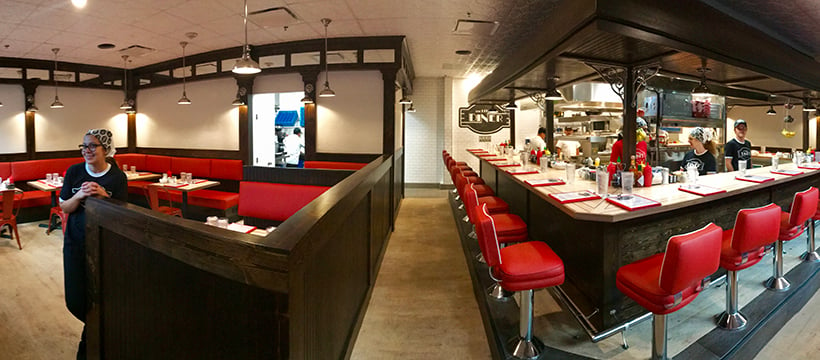
Vail's dining scene punches well above its size. From Matsuhisa's celebrated Japanese-Peruvian cuisine to the relaxed warmth of Alpenrose and the casual charm of The Little Diner, the village offers a full spectrum of culinary experiences. The Vail Brewing Company is a favorite après-ski stop, and Root and Flower brings a craft cocktail sensibility to the mountain bar scene.
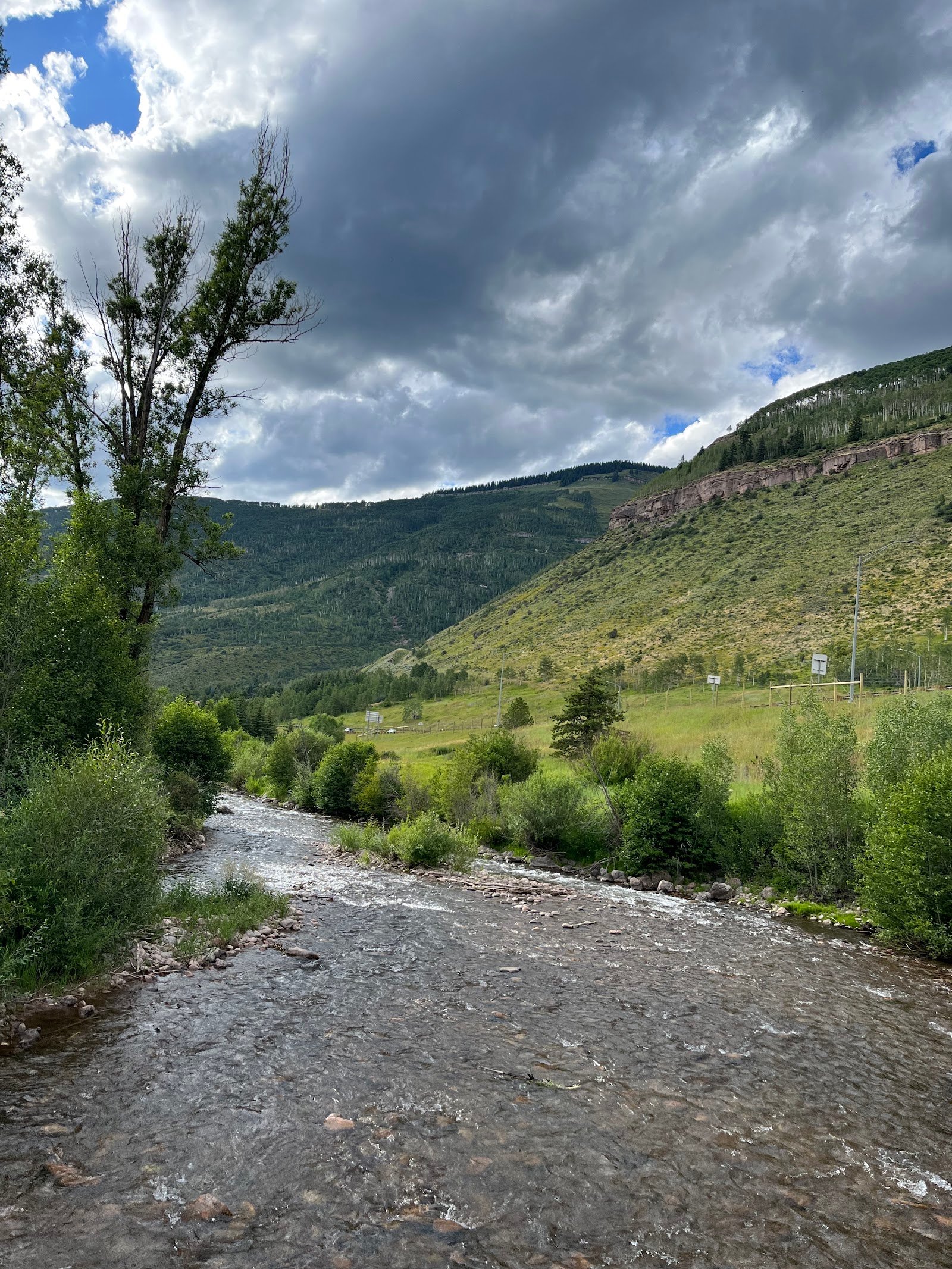
Gore Valley Trail
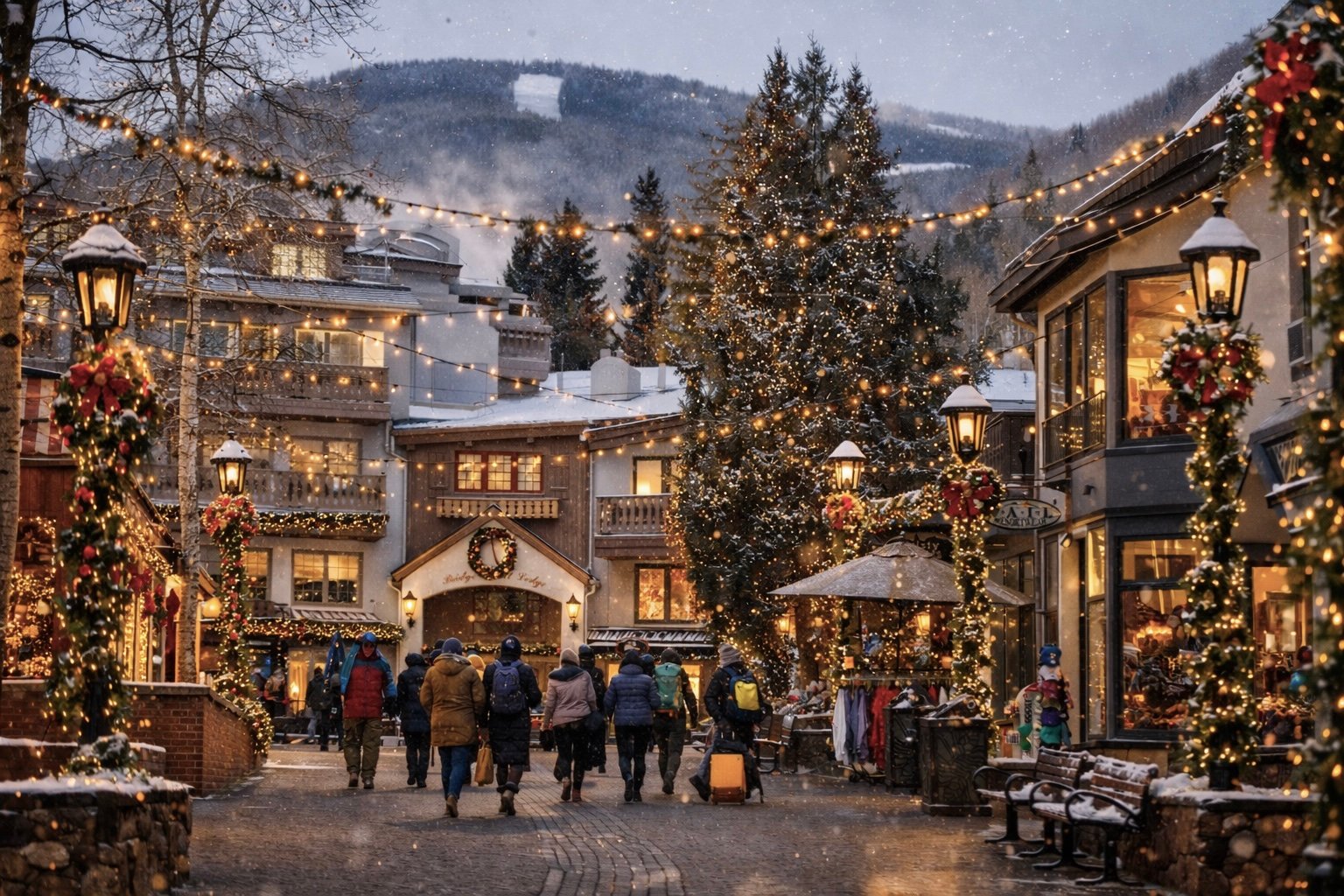
Vail Village
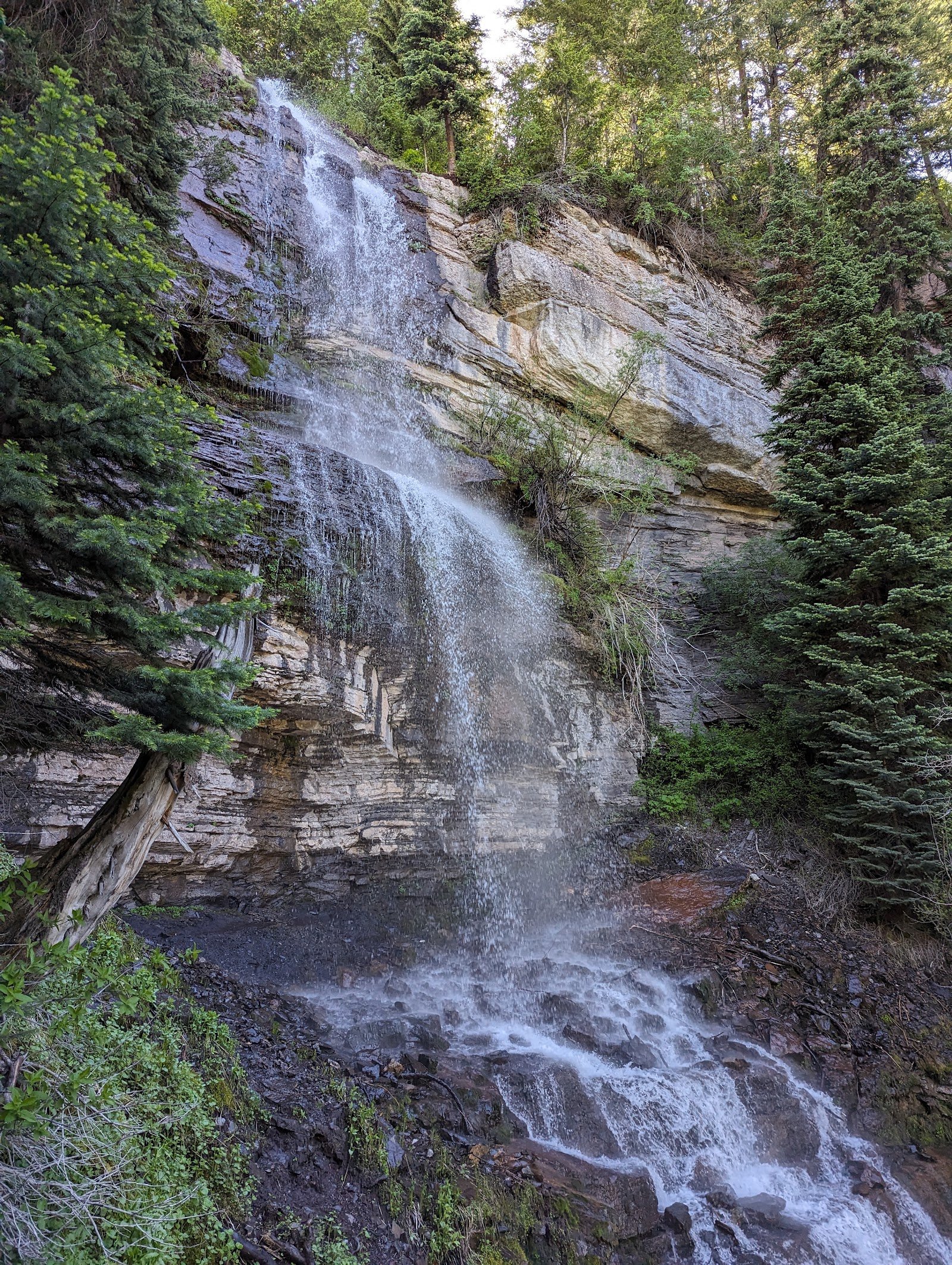
East Vail Falls
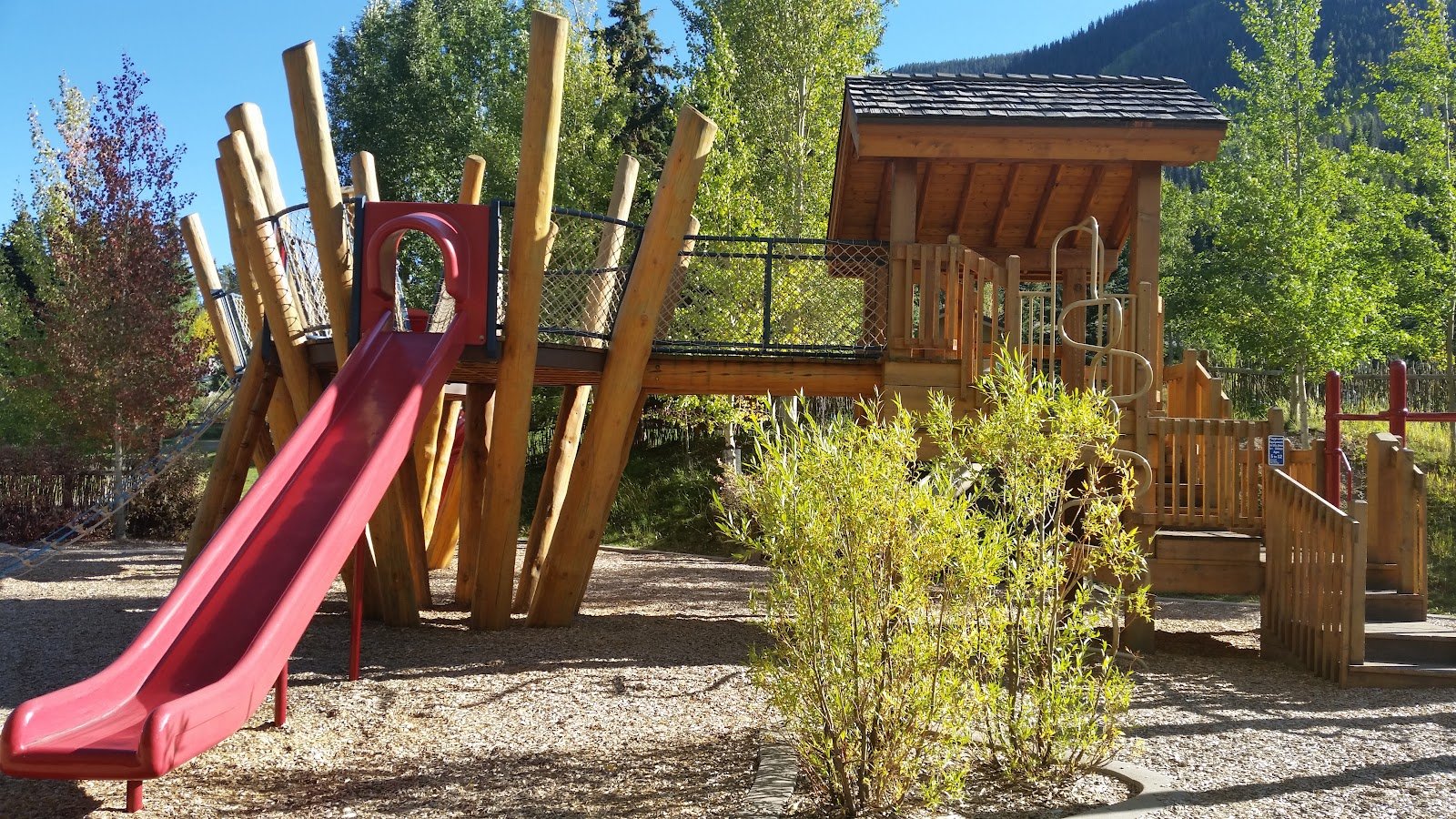
Bighorn Park Sprawling local park known for its expansive open spaces, dog run & lake in a charming setting.
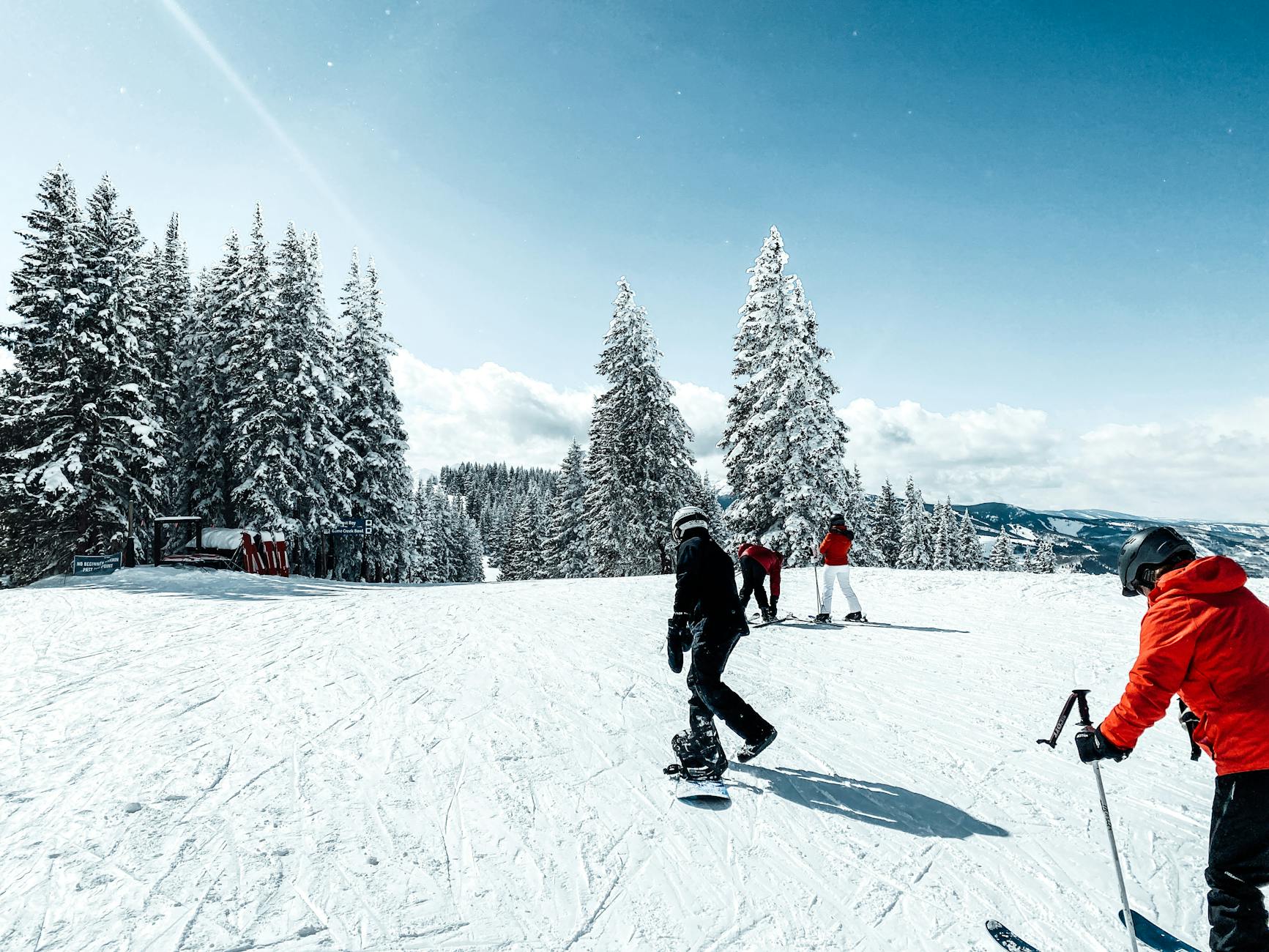
Start with a morning ski run from Vail Village onto the groomed blue and black runs of the Front Side. Grab lunch at Mid-Vail at the top of Chair 4. In the afternoon, venture into the legendary Back Bowls for wide-open powder terrain. Wind down with après-ski drinks at Garfinkel's or the Tap Room, then dinner at Matsuhisa Vail for upscale Japanese cuisine.
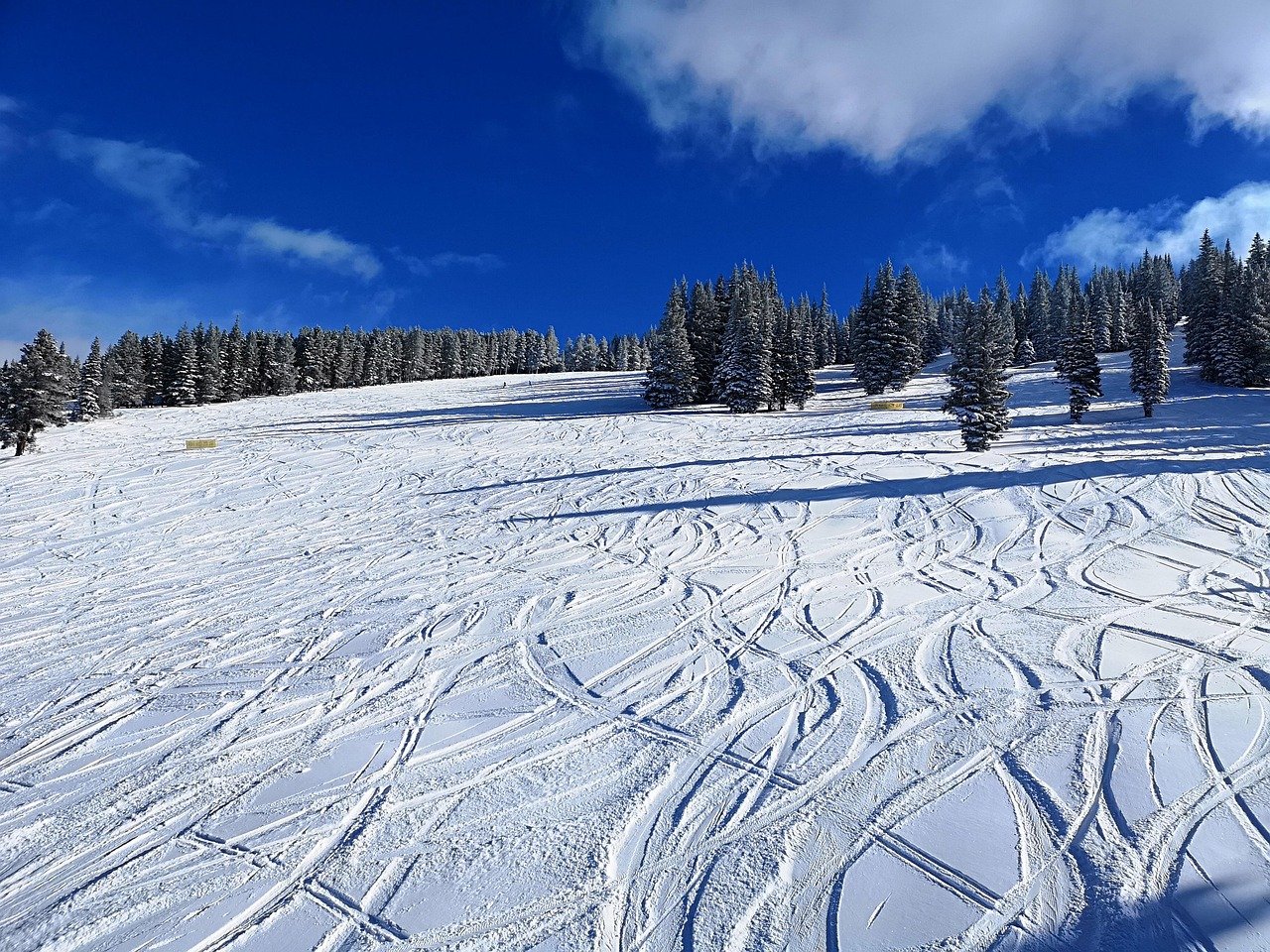
Spend the morning exploring Blue Sky Basin, Vail's most remote and scenic terrain. After skiing, head into Lionshead Village for lunch at Bart and Yeti's. In the afternoon, swap skis for a spa session at the Sonnenalp or Four Seasons Vail. In the evening, stroll the pedestrian Vail Village, browse the boutiques, and dine at Flame restaurant for Colorado-inspired cuisine.
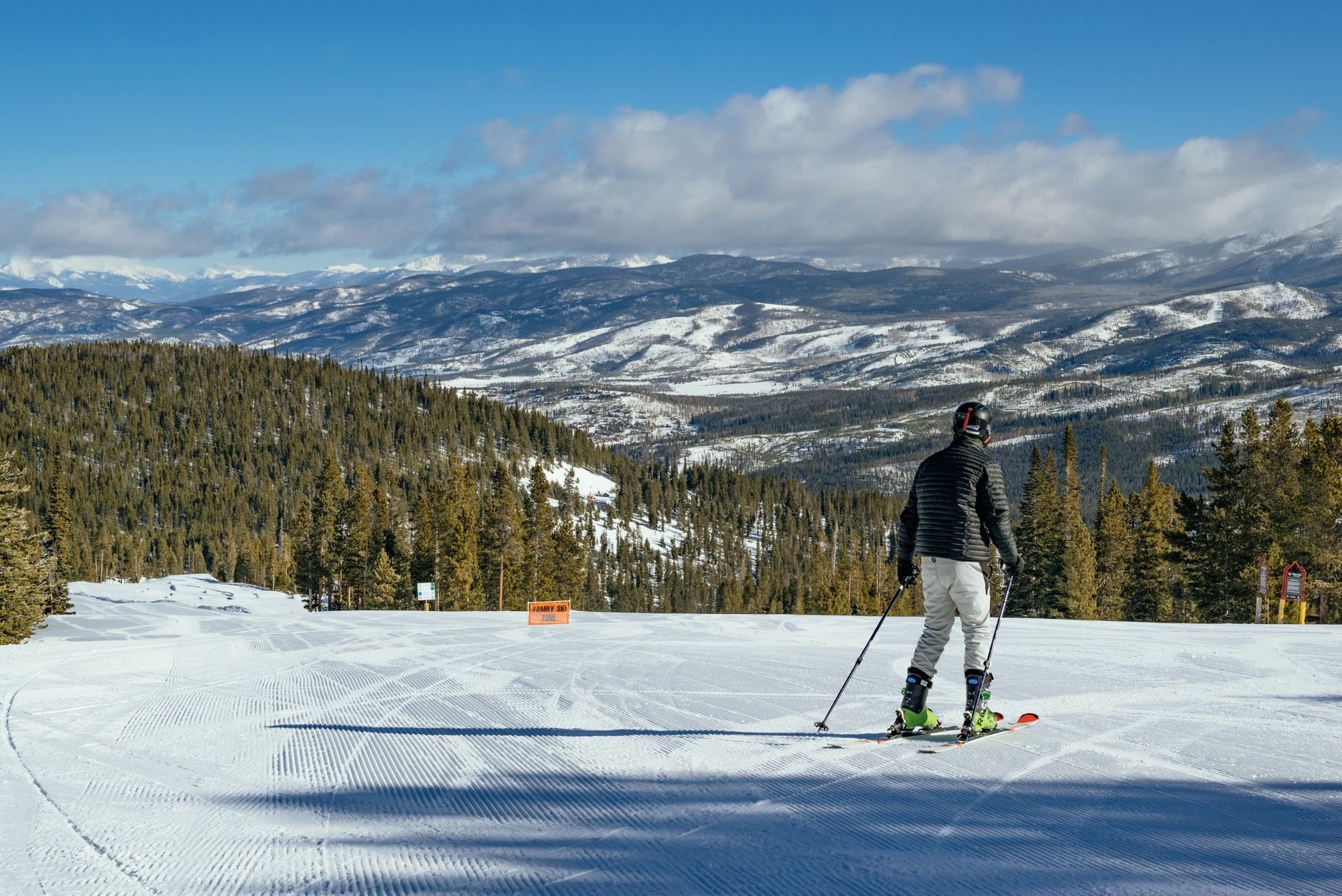
Take a leisurely morning ski on groomed runs before returning gear by midday. After checkout, walk the covered bridges of Vail Village and stop for lunch at Los Amigos, a local après-ski staple. In the afternoon, visit the Colorado Snowsports Museum on the Vail Village bus route. Head east along I-70 toward Denver, stopping in Beaver Creek or Avon for a final mountain view.
Vail's cultural calendar is as carefully curated as its ski terrain, shifting with the seasons to reflect the full range of what this mountain town values. Winter arrives with elite competition: the Stifel Birds of Prey World Cup brings the world's top alpine ski racers to nearby Beaver Creek each December, drawing crowds who understand exactly what they are watching. As snow melts and wildflowers push through the meadows, Vail pivots to summer with equal ambition.
Vail's dining scene punches well above its size, reflecting both the wealth of its visitor base and a genuine culinary ambition that has developed over decades. The resort has earned Michelin recognition, and several restaurants operate at a level that would distinguish them in any major American city.
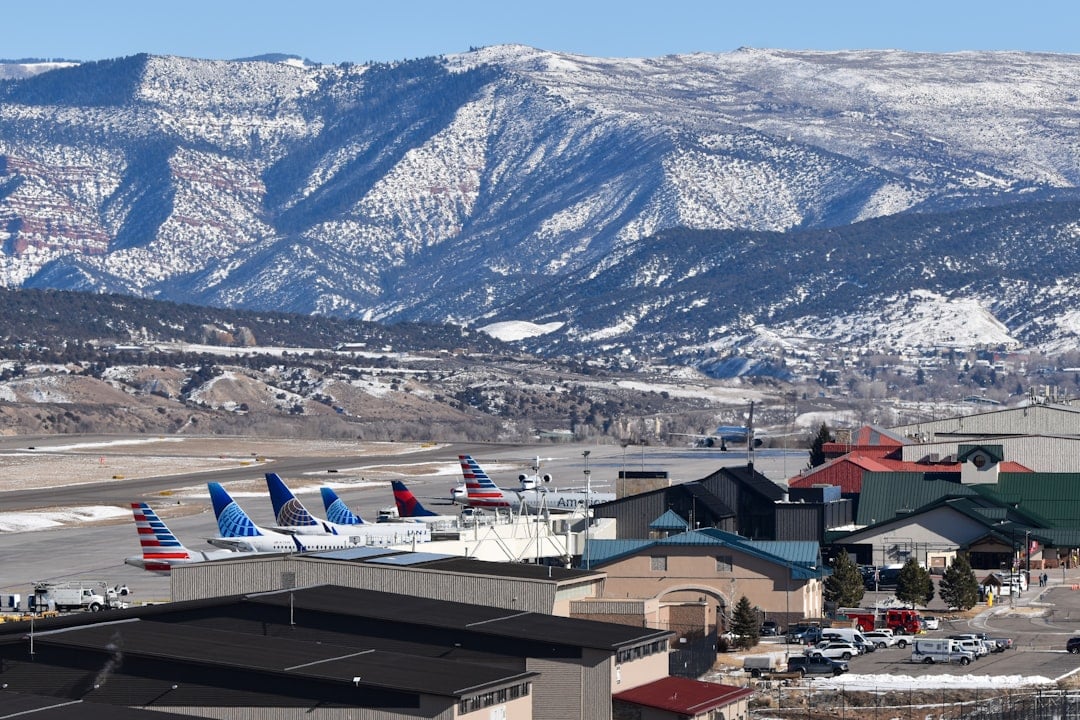
Eagle County Regional Airport (EGE) is the closest airport to Vail,
located about 35 miles west and offering seasonal nonstop service from cities including Dallas, Houston, Chicago, and New York during peak ski season, with the drive into Vail taking under 40 minutes.
Denver International Airport (DEN) serves as the primary year-round gateway,
with the widest range of nonstop routes and rental car options, sitting roughly 100 miles east of Vail via I-70 for a drive of about 2 hours in clear conditions.
I-70 westbound from Denver is the main driving corridor into Vail,
but Friday evening and Sunday afternoon traffic through the Eisenhower Tunnel and Vail Pass can add an hour or more to the drive, so timing your departure mid-week or early morning makes a significant difference.
Colorado Mountain Express runs shared and private shuttles between both DEN and EGE and Vail,
making it a reliable car-free option with advance reservations recommended during holiday weeks when seats fill quickly.
Amtrak's California Zephyr stops in Glenwood Springs, about 60 miles west of Vail,
from which rental cars or shuttle transfers can complete the journey for travelers who prefer arriving by rail from Chicago or the San Francisco Bay Area.
Vail Village and Lionshead are fully pedestrian zones,
meaning most guests staying in either area can walk to ski lifts, restaurants, and shops without ever needing a car, rideshare, or transit connection.
The free Vail Transit bus system connects Vail Village, Lionshead, Cascade Village, East Vail, and West Vail
on frequent daily and evening schedules, making it the most practical and cost-effective way to move between neighborhoods without dealing with parking.
Parking in central Vail is limited and can cost $30 or more per day during peak season,
so guests who drive in are better served by using the Vail Village or Lionshead parking structures and then relying on foot and bus for the rest of their stay.
Uber and Lyft operate in Vail but surge pricing and limited driver availability are common during busy après-ski hours,
so building in extra time or walking to a less congested pickup point can save both money and frustration.
A rental car becomes worthwhile if you plan to day-trip to Beaver Creek, Breckenridge, or Aspen,
but for a Vail-focused itinerary the combination of walkability and free transit handles nearly everything most visitors need.
Book ski rentals, lessons, and lift tickets online before you arrive: on-mountain rental shops and ski school desks get crowded during holiday weeks, and advance purchase often saves money. The Epic Pass covers Vail Mountain and is worth evaluating if you plan to ski multiple days or multiple resorts in the same season. Altitude in Vail sits around 8,150 feet at the base and over 11,500 feet at the summit, so drink extra water, limit alcohol on your first day, and give yourself time to acclimatize before pushing hard on the mountain. Tipping follows standard U.S. norms: 18 to 20 percent at restaurants, a few dollars per bag for bellhops, and $5 to $10 per day for ski valets. The Vail App provides trail maps, lift status, and grooming reports. Cell service is generally reliable in the village but can drop on the mountain. Dress in moisture-wicking layers regardless of season, as mountain weather changes quickly.
Most visitors spend 4 to 7 days in Vail to make the most of the mountain. In winter, that gives you enough time to explore the ski terrain across multiple areas, including the Back Bowls. In summer, 3 to 4 days covers the main hiking and biking trails, though a full week lets you settle into the resort's slower, more relaxed pace.
Vail is best known for its world-class ski mountain, which covers over 5,300 acres of skiable terrain and includes the legendary Back Bowls - one of the largest powder skiing areas in North America. It is also recognized for its European-style alpine village, Michelin-recognized dining, luxury lodging, and a strong summer season with hiking and mountain biking.
Vail can work as a weekend trip, especially from Denver, which is about 2 hours away. A long weekend gives you 2 solid days on the mountain in winter or time to hike and explore the village in summer. However, given travel time and the cost of lodging, many visitors find that 4 or more days delivers better value and a less rushed experience.
Yes, Vail is one of the pricier destinations in Colorado. Lift tickets, ski rentals, lodging, and dining all trend toward the high end. Slope-side hotels and ski-in, ski-out properties command premium rates. Budget-conscious travelers can save by booking early, staying in nearby towns like Avon or Edwards, and eating at casual spots rather than resort restaurants.
For skiing, mid-January through March offers the best snow conditions and fewest crowds. Summer, particularly July and August, is ideal for hiking, mountain biking, and outdoor festivals with mild temperatures and lush mountain scenery.