
Baltimore, MD
A Journey guide to
Wilmington is Delaware's largest city and its commercial engine, sitting at the confluence of the Christina and Brandywine rivers just 25 miles from Philadelphia. It is one of the most important corporate and legal hubs in the United States, home to the registered offices of more than half of all Fortune 500 companies. Yet beyond its boardrooms, Wilmington rewards visitors with a surprisingly rich cultural and culinary identity that many travelers overlook.
The Brandywine Valley, which stretches north from the city into Pennsylvania, is the destination's defining landscape. Here, the du Pont family legacy is woven into the terrain through grand estates and gardens: Winterthur Museum, Longwood Gardens, and Nemours Estate together form one of the most remarkable concentrations of decorative arts and horticultural design in the country. Art lovers make the pilgrimage specifically for the Delaware Art Museum and the Brandywine River Museum of Art, the latter dedicated to three generations of Wyeth paintings.
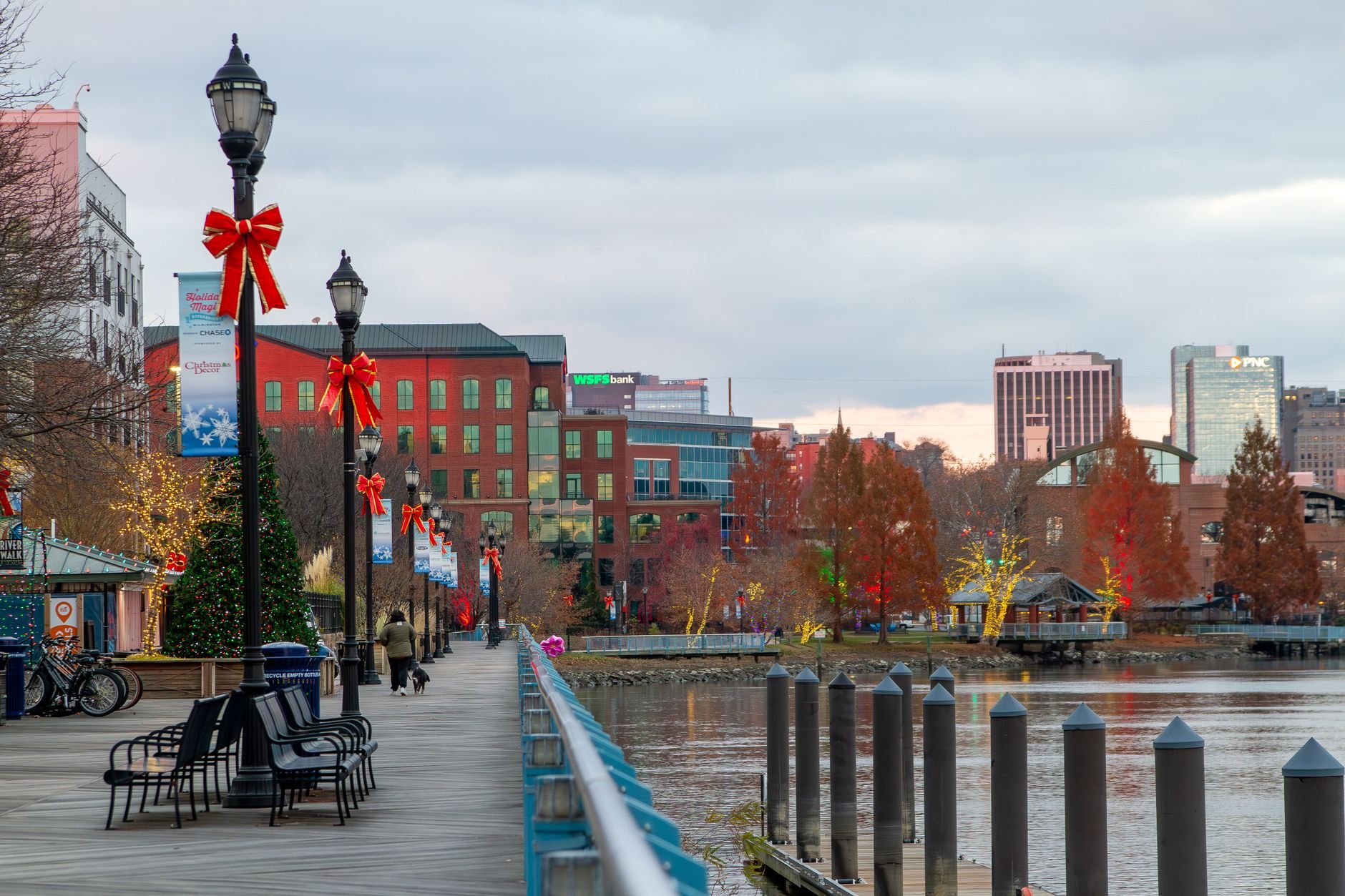
Wilmington's revitalized riverfront along the Christina River has transformed what was once an industrial waterfront into a lively corridor of restaurants, live music venues, a minor-league baseball park, and the DuPont Environmental Education Center. The neighborhood draws locals and visitors alike for weekend markets, waterfront dining, and performances at The Queen and Riverfront Live. It is a city that rewards those who look past its corporate reputation.
The traveler drawn to Wilmington tends to value substance over spectacle. History enthusiasts, garden devotees, art collectors, and food-focused visitors find the city punches well above its size. Its position on the Amtrak Northeast Corridor also makes it an effortless addition to a broader Mid-Atlantic itinerary, sitting neatly between Washington, D.C. and New York City and accessible without a car.

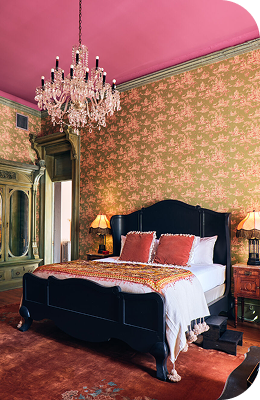

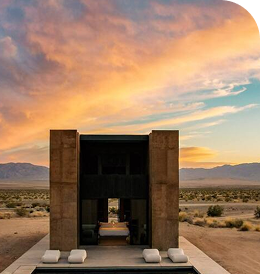

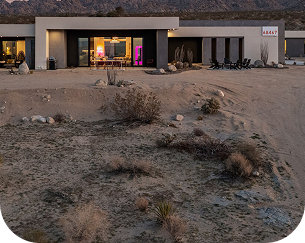

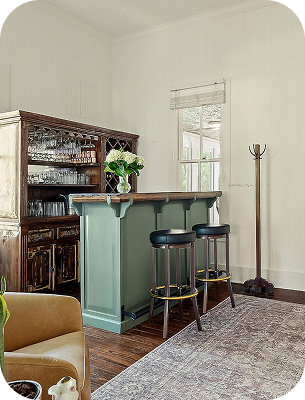

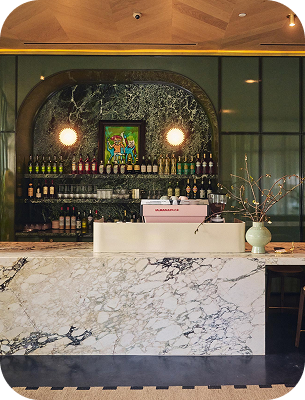

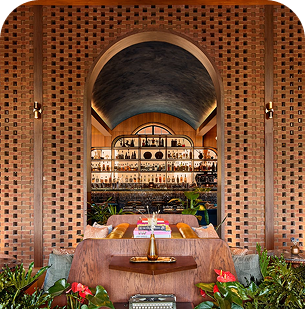

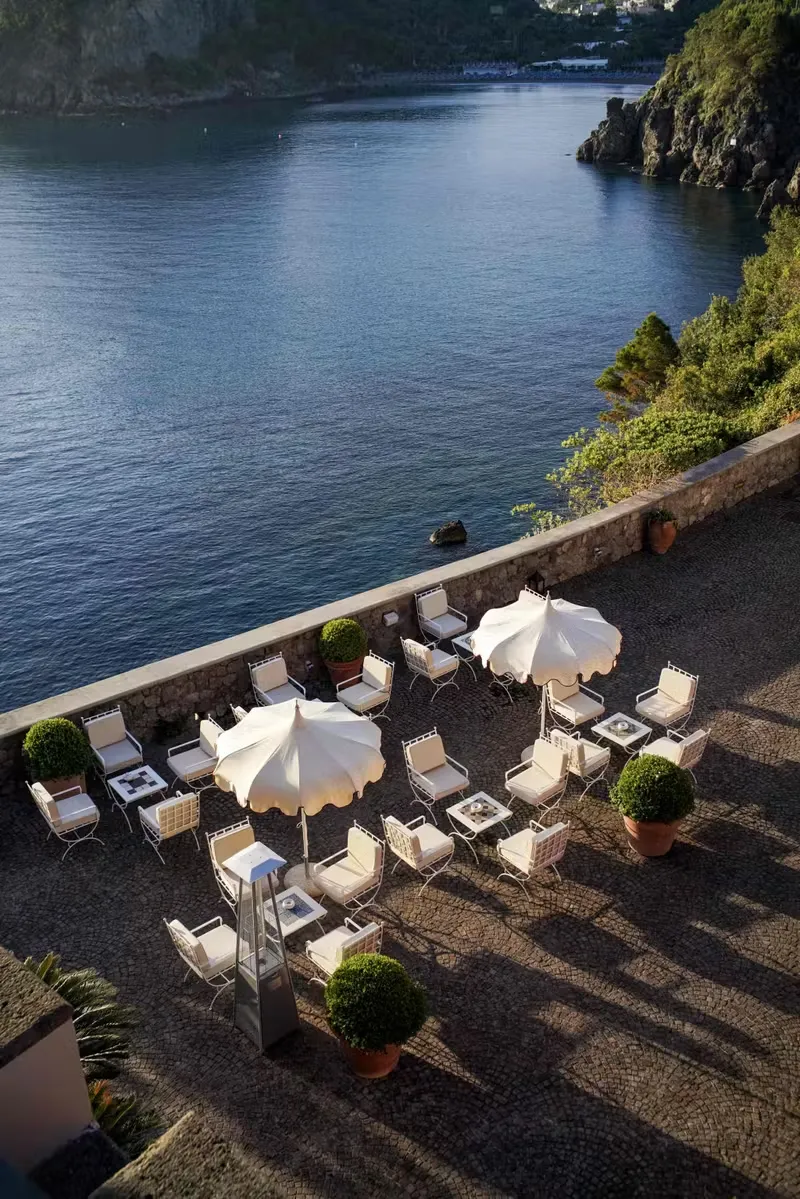

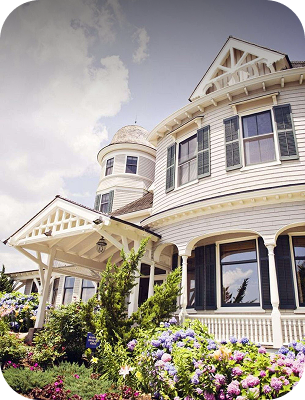











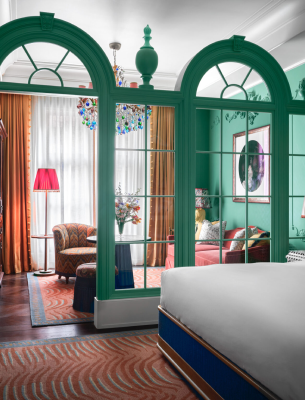

Journey connects travelers to a curated network of boutique hotels and distinctive residences around the world, all united under one rewards program. Explore handpicked stays for your trip while earning points, unlocking exclusive offers, and receiving rewards across the Journey collection.
Wilmington occupies a strategic position at the mouth of the Brandywine Creek where it meets the Christina River, just before the Christina flows into the Delaware River. This geography shaped the city's entire history: Swedish colonists established Fort Christina here in 1638, making it one of the earliest European settlements in North America. The site is commemorated today at the Kalmar Nyckel shipyard and museum, where a full-scale replica of the original Swedish flagship is berthed.
The du Pont family arrived in the early 19th century and proceeded to define the region for the next two centuries. Their gunpowder mills along the Brandywine grew into one of America's great industrial empires, and the philanthropic legacy that followed produced the museums, gardens, and estates that now anchor Wilmington's tourism identity. The du Pont imprint is everywhere: in the grand hotels, the civic institutions, and the manicured landscapes that roll across the valley north of the city.
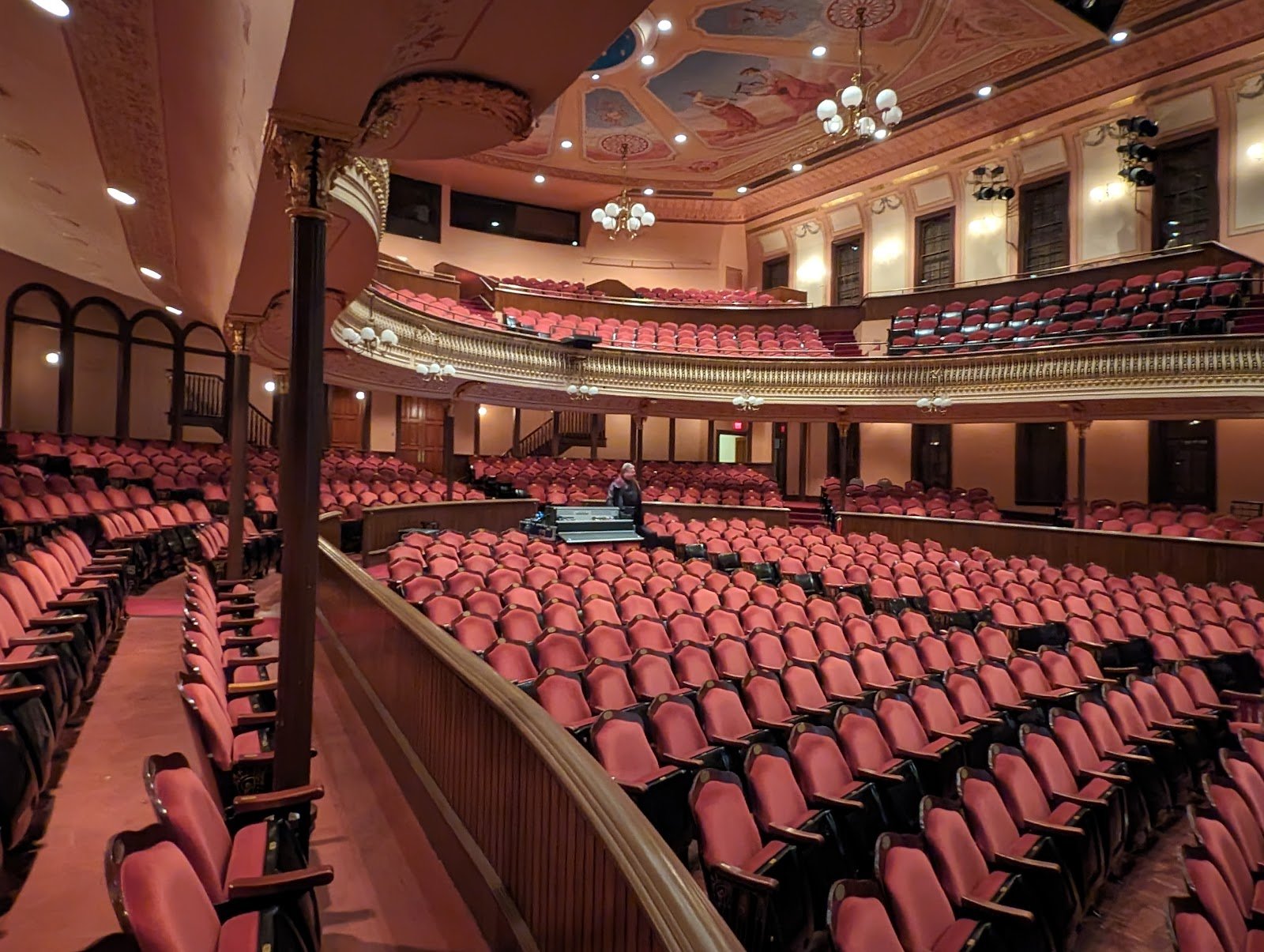
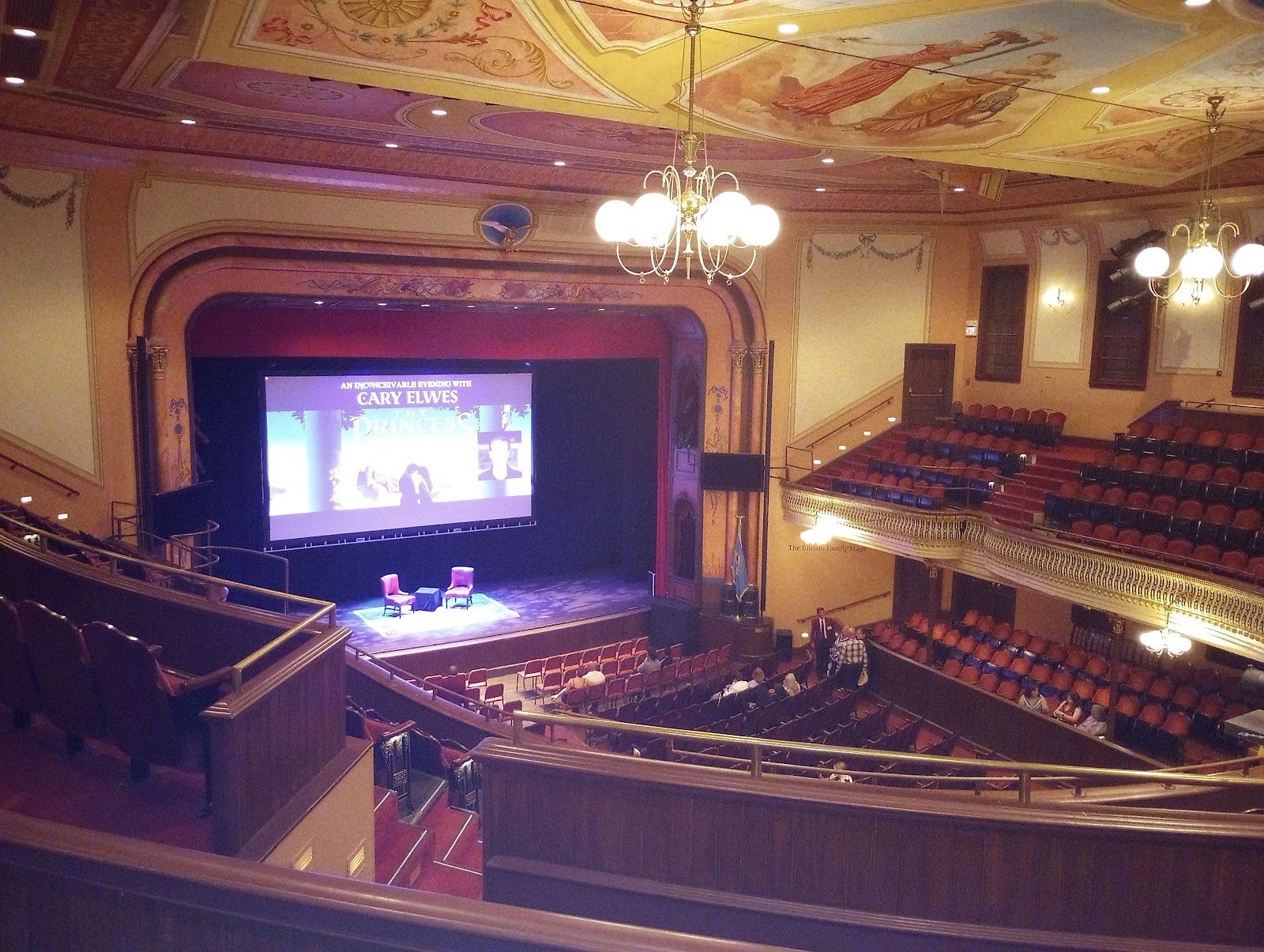
Culturally, Wilmington is a working city with genuine neighborhood character. The Trolley Square district is lined with independent restaurants and boutiques. Little Italy maintains a proud culinary tradition anchored by the annual Italian Festival. The Quaker Hill historic district preserves some of the finest Federal and Colonial architecture in the region. Rodney Square, at the heart of downtown, remains the civic anchor, framed by the Grand Opera House, a Victorian gem that hosts national touring productions and orchestral performances.
The city's position on the Northeast Corridor rail line gives it an outsized connectivity for its size. Amtrak's Wilmington station, housed in a handsome 1908 building, places the city 25 minutes from Philadelphia, roughly 90 minutes from New York Penn Station, and under two hours from Washington Union Station. This accessibility makes Wilmington both a self-contained destination and a natural base for exploring the broader Brandywine Valley, the Delaware beaches to the south, and the Chesapeake Bay region to the west.
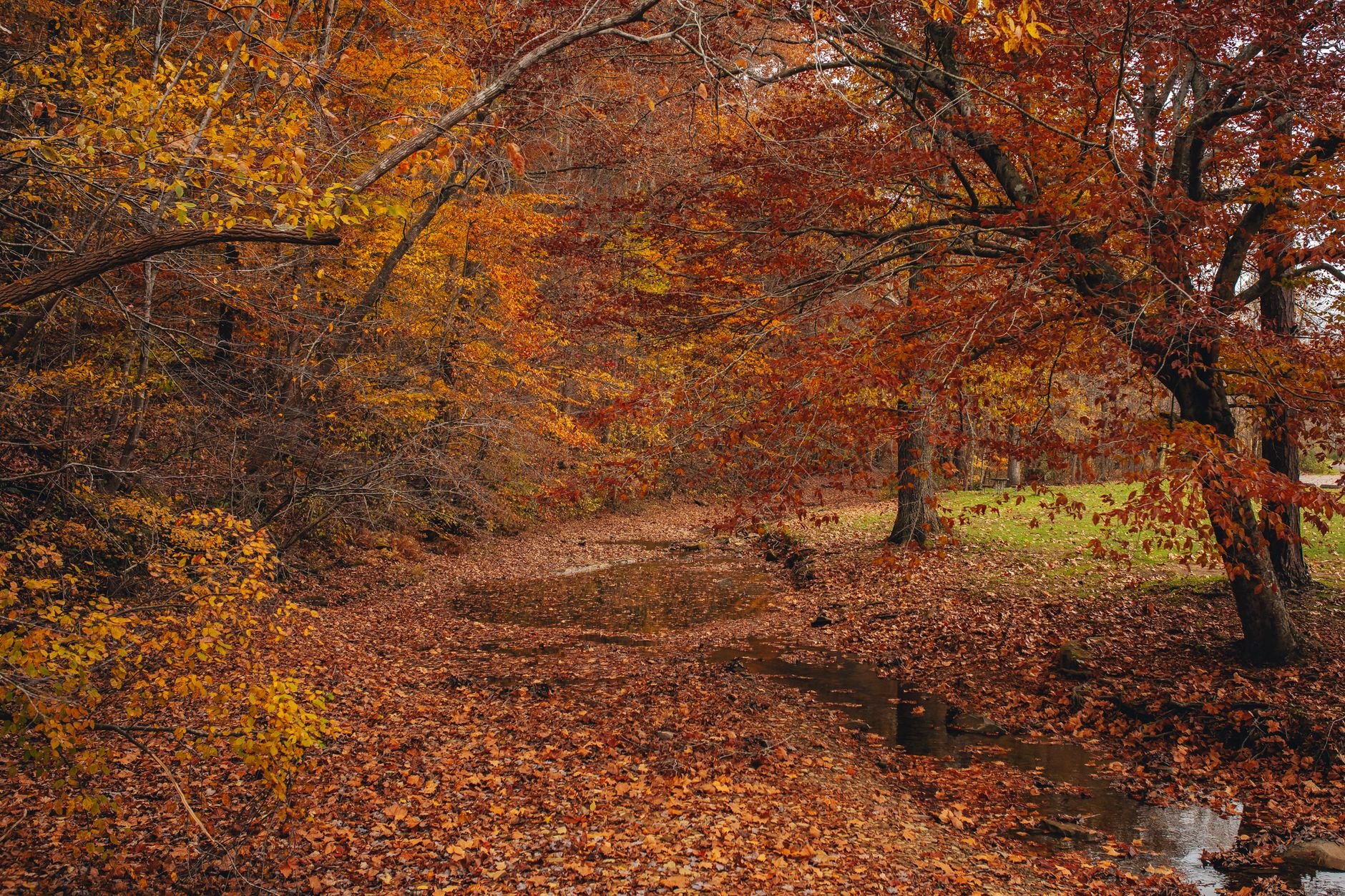
Spring and fall are the sweet spots for visiting Wilmington, each offering distinct advantages depending on your interests.
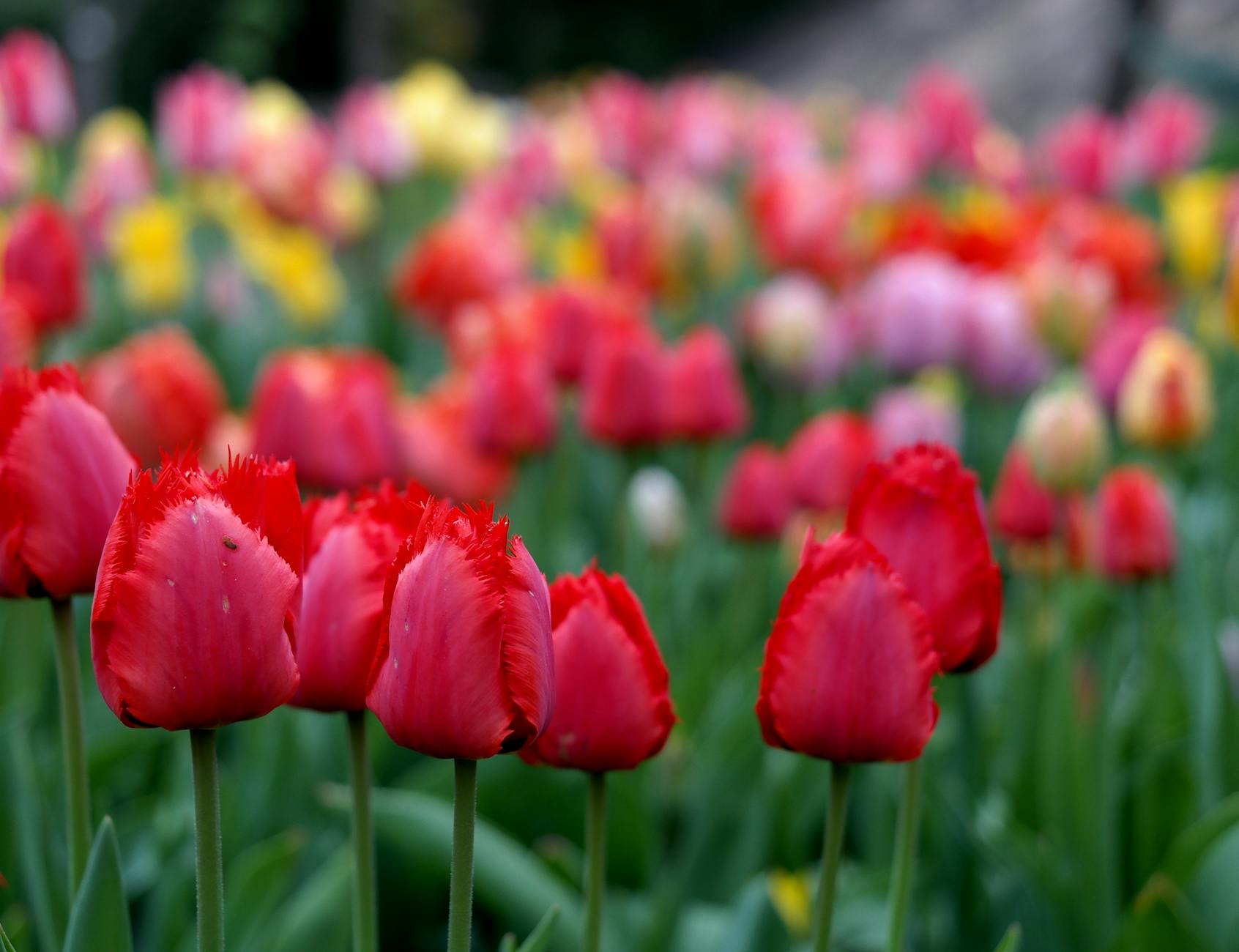
Spring, particularly late April through May, is the premier season for garden lovers. The du Pont estates come fully alive during this window, with Longwood Gardens and Winterthur hosting peak blooms that draw visitors from across the Mid-Atlantic. Crowds are present but manageable, and the Brandywine Valley feels genuinely spectacular. Booking accommodations in advance for late April and early May is advisable, as garden-focused events fill hotels quickly.
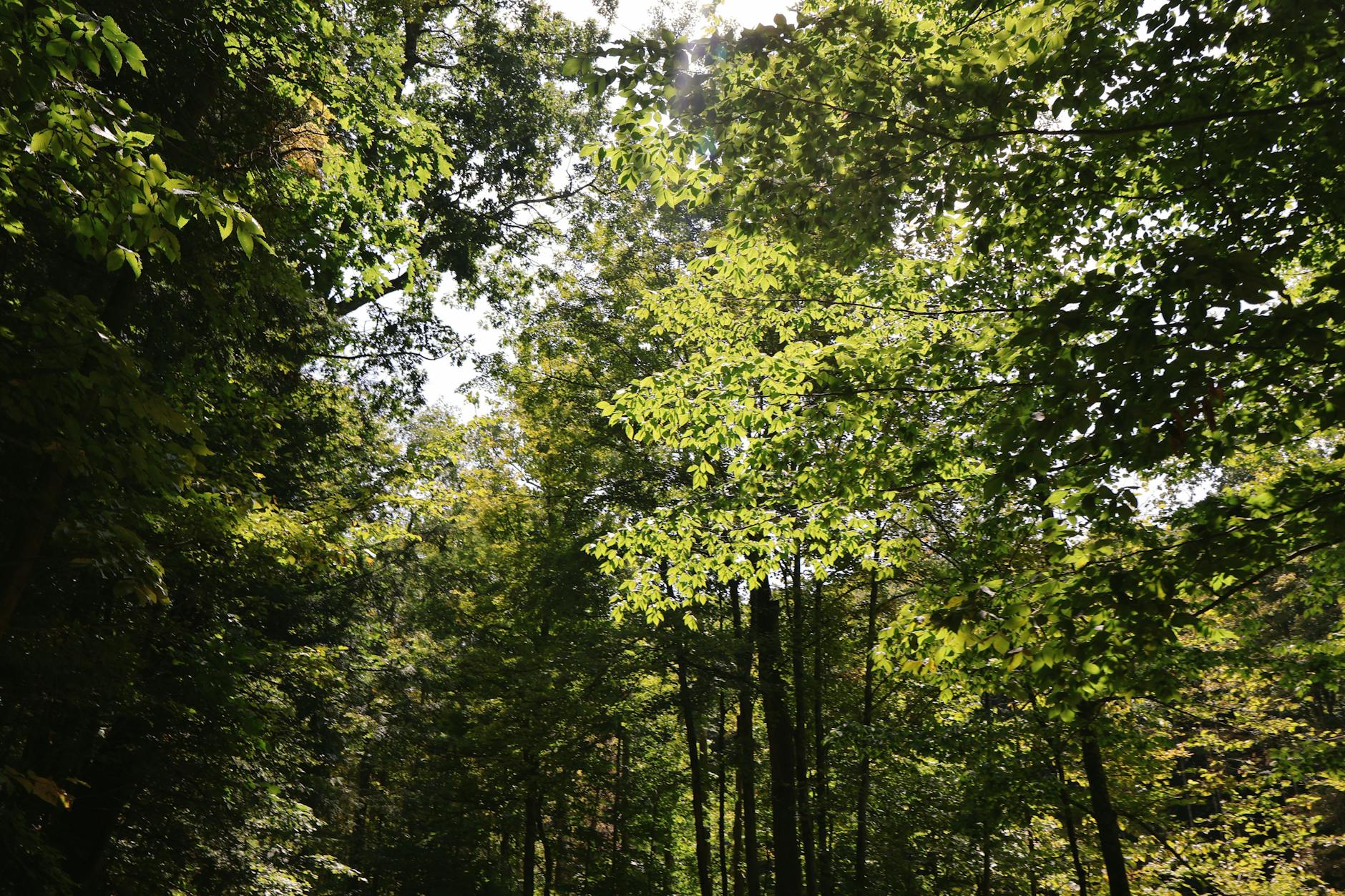
Fall, from mid-September through October, rivals spring for sheer beauty. The foliage across the Brandywine Valley and surrounding woodlands is dramatic, and the estates take on a different but equally compelling character. Cultural programming picks up in the fall, with museum exhibitions, riverfront events, and the local food scene operating at full energy before the holiday slowdown. Crowds are lighter than spring, making it an excellent choice for travelers who want the scenery without the competition for reservations.
Summer brings a lively riverfront scene, with outdoor concerts, farmers markets, and minor-league baseball at Frawley Stadium drawing a local crowd. It is a good time to experience Wilmington's community energy, though the combination of heat and humidity can make extended outdoor exploration less comfortable during midday hours. Those visiting in summer should plan outdoor activities for mornings and evenings.
Winter is the quietest period, with reduced crowds and lower hotel rates. It suits travelers focused on indoor cultural experiences: the Delaware Art Museum, the Brandywine River Museum of Art, and Nemours Estate's interior are all accessible and uncrowded. The city's restaurant scene remains active year-round, making a winter visit perfectly viable for the food-focused traveler.
Wilmington's most energized district runs along the Christina River where former industrial warehouses have given way to restaurants, live music venues, and a minor-league baseball park. The DuPont Environmental Education Center anchors its green edge, while weekend markets and waterfront patios draw a lively local crowd. It is the city's most visitor-friendly corridor and the best introduction to modern Wilmington.
The city's commercial core is a grid of mid-rise office towers, historic bank buildings, and a growing roster of independent restaurants and bars along Market Street. The Grand Opera House and several corporate plazas give the neighborhood a dual identity as both a business hub and a cultural anchor. Evening hours bring a quieter, more local energy as workers give way to diners and theatergoers.
Sitting just north of downtown along the Brandywine Creek, this compact neighborhood blends 19th-century rowhouses with independent coffee shops, galleries, and neighborhood restaurants. Its tree-lined streets and proximity to Brandywine Park make it a favorite for walkers and cyclists. The area has a settled, residential character that contrasts pleasantly with the Riverfront's more commercial buzz.
This tight-knit south Wilmington neighborhood has anchored the city's Italian-American community for well over a century and remains one of its most distinctive cultural pockets. Red-sauce restaurants, corner bakeries, and the annual St. Anthony's Italian Festival give it a warmly old-world atmosphere. The neighborhood is unpretentious and proudly local, offering some of Wilmington's most satisfying and honest dining.
A walkable commercial strip in the Highlands neighborhood, Trolley Square is lined with boutique shops, wine bars, and casual restaurants that draw a professional and creative crowd. The area has a relaxed, neighborhood-pub energy and is popular for weekend brunches and low-key evenings out. Its human-scale streetscape and independent businesses make it one of the city's most livable and browseable corners.
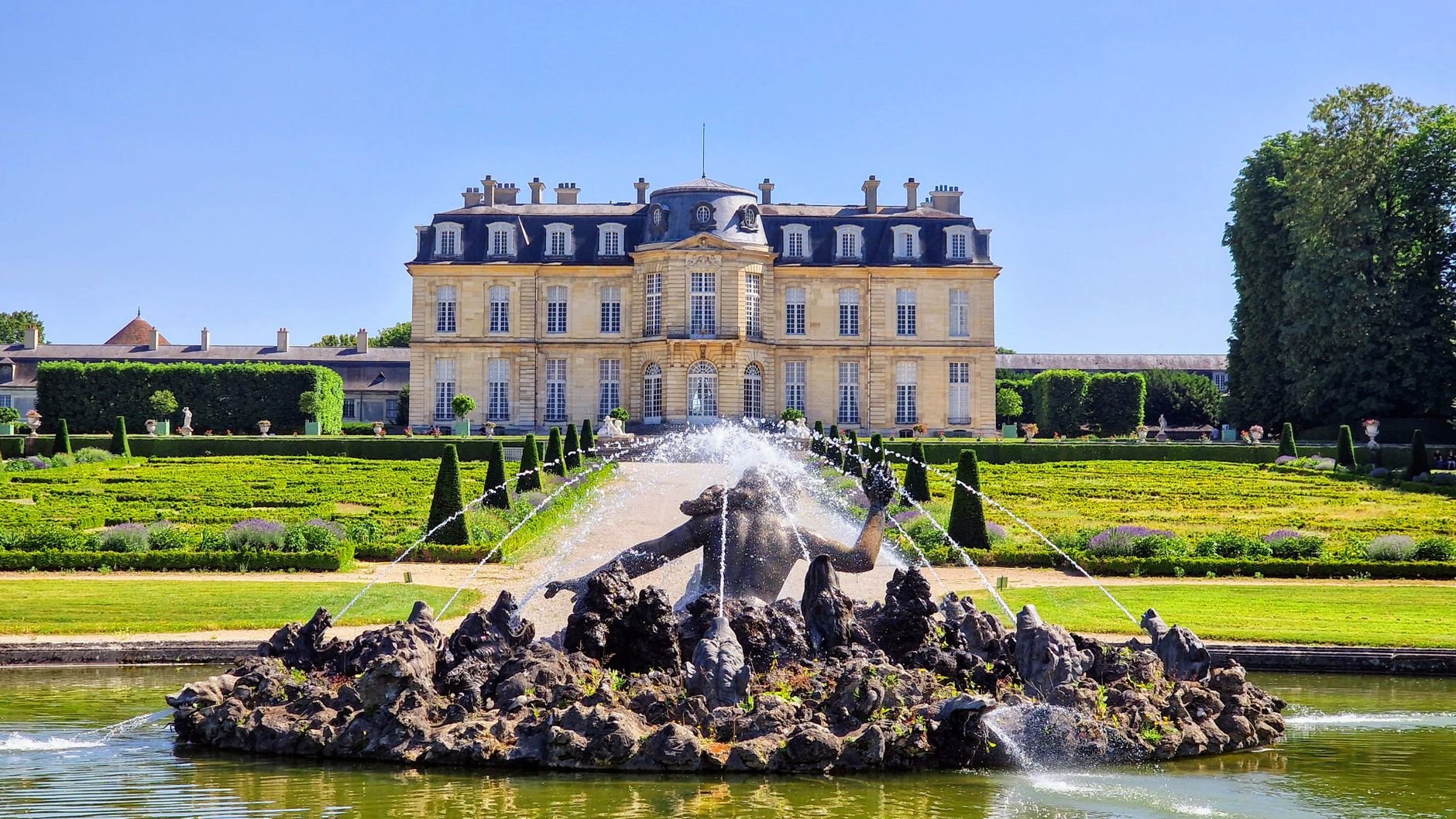
Wilmington's defining experiences are rooted in the extraordinary legacy of the du Pont family and the landscapes they shaped across the Brandywine Valley — a concentration of estates, gardens, and decorative arts collections found nowhere else in America.
The du Pont Estate Circuit
Nemours Estate is the crown jewel: a 300-acre Louis XVI-style chateau surrounded by formal French gardens, fountains, and reflecting pools that took decades to complete. The scale and ambition of the property is genuinely surprising for a mid-Atlantic city of Wilmington's size. Marian Coffin Gardens at Gibraltar offers a quieter, more intimate counterpoint — a masterwork of early 20th-century landscape design set on a wooded hilltop. Together, these properties form an estate trail unlike anything else in the region.
Brandywine Valley Gardens
While Longwood Gardens lies just across the Pennsylvania border, the broader Brandywine Valley garden tradition is inseparable from Wilmington's identity. The Stanley Rehder Carnivorous Plant Garden at Piney Ridge Nature Preserve is a genuinely unusual local gem — a free, volunteer-maintained collection of native carnivorous plants that draws botanists and curious visitors from across the country.
Riverfront Wilmington
The transformation of the Christina Riverfront from industrial wasteland to a vibrant public corridor is one of the city's great civic achievements. An evening here captures Wilmington at its most alive: waterfront dining, live performances at Riverfront Live, minor-league baseball at WSFS Bank Park, and the glow of the city reflected on the water. It is the experience that best reveals the modern character of a city still writing its story.
New Castle's Historic District
A short drive south, the colonial streetscape of New Castle at First State National Historical Park offers one of the best-preserved 18th-century townscapes on the East Coast — a half-day excursion that anchors Wilmington firmly in the sweep of American history.
Wilmington delivers a well-rounded range of activities across outdoor recreation, cultural attractions, arts and entertainment, and dining — all within a compact, walkable city anchored by two rivers.
Outdoor Recreation
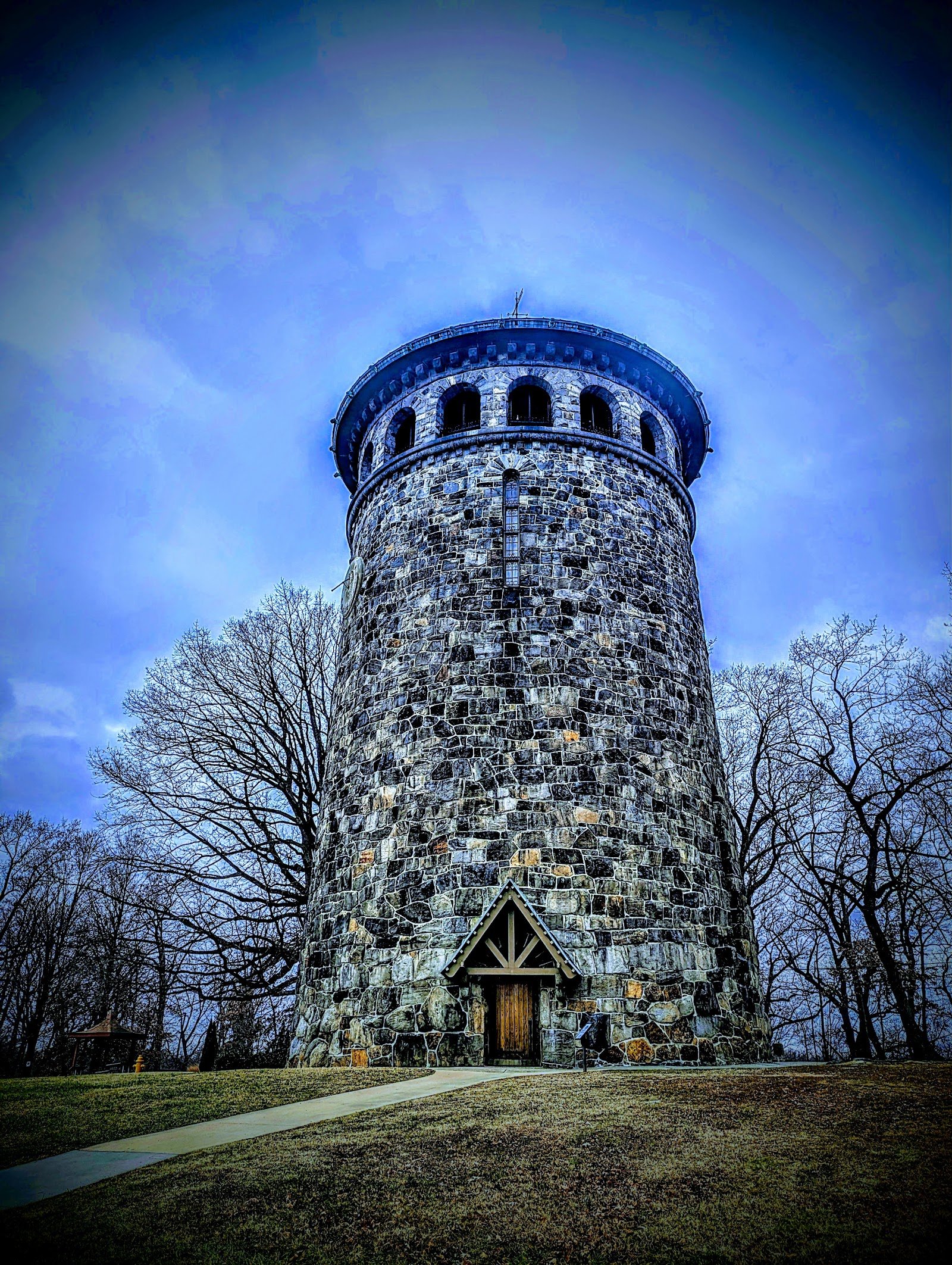
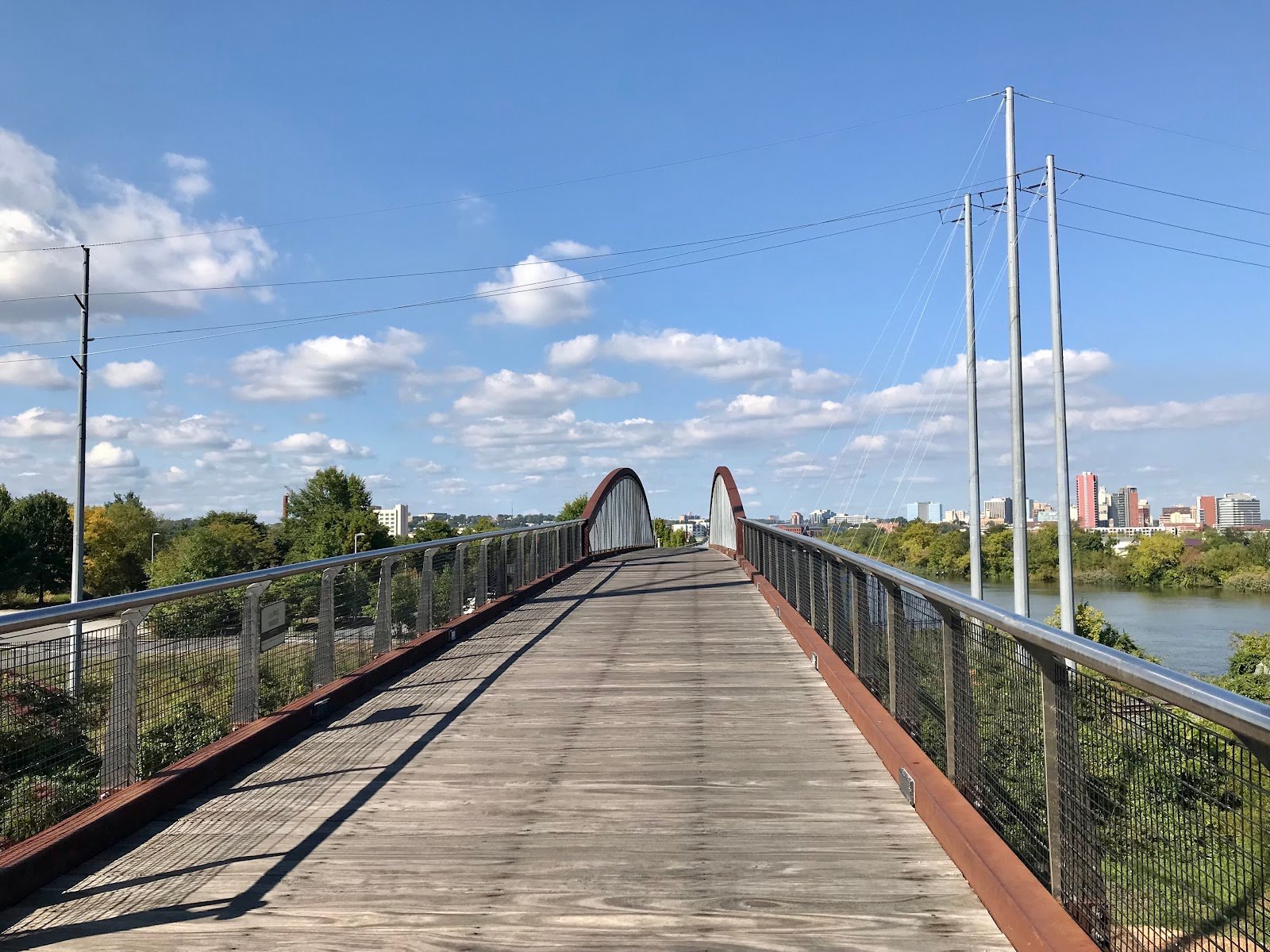
The Brandywine Valley provides the city's green backbone. Brandywine Creek State Park offers hiking through tall-grass meadows and forested ravines, while Brandywine Park follows the river through the heart of the city with walking and cycling paths. Bellevue State Park adds tennis, equestrian trails, and open lawns north of downtown. The Jack A. Markell Trail is a paved multi-use path connecting the riverfront to surrounding neighborhoods, ideal for cyclists and joggers. Rockford Park crowns a hill above the Brandywine with sweeping views and open space for picnics and casual recreation.
Cultural Attractions and History
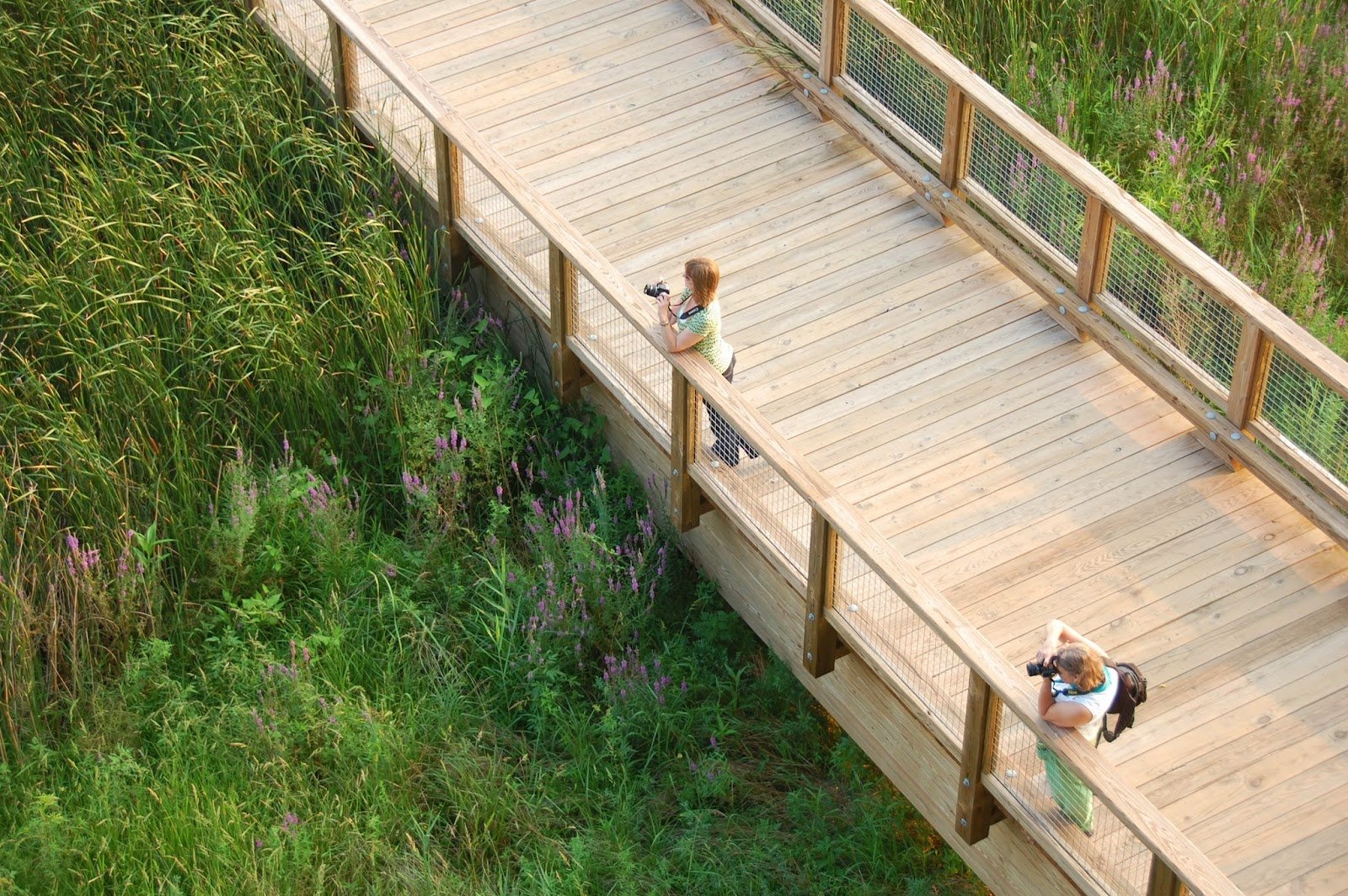
Wilmington's colonial and industrial history surfaces at the Hendrickson House Museum and First State National Historical Park in nearby New Castle, where preserved 17th- and 18th-century streetscapes bring early American settlement to life. The DuPont Environmental Education Center sits on the Christina Riverfront and connects visitors to the region's natural and industrial heritage.
Arts and Entertainment
The Grand Opera House is Wilmington's premier performing arts venue, hosting Broadway touring productions, classical music, and dance. Baby Grand, its sister venue, programs jazz, comedy, and intimate performances. The Queen anchors the live music scene with indie and rock acts in a converted historic theater.
Family and Leisure
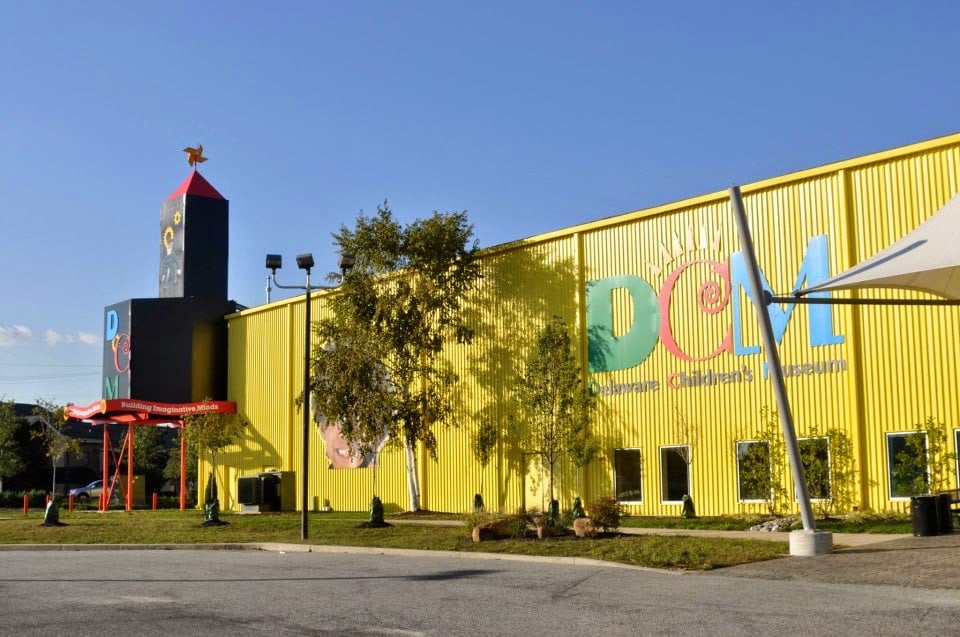
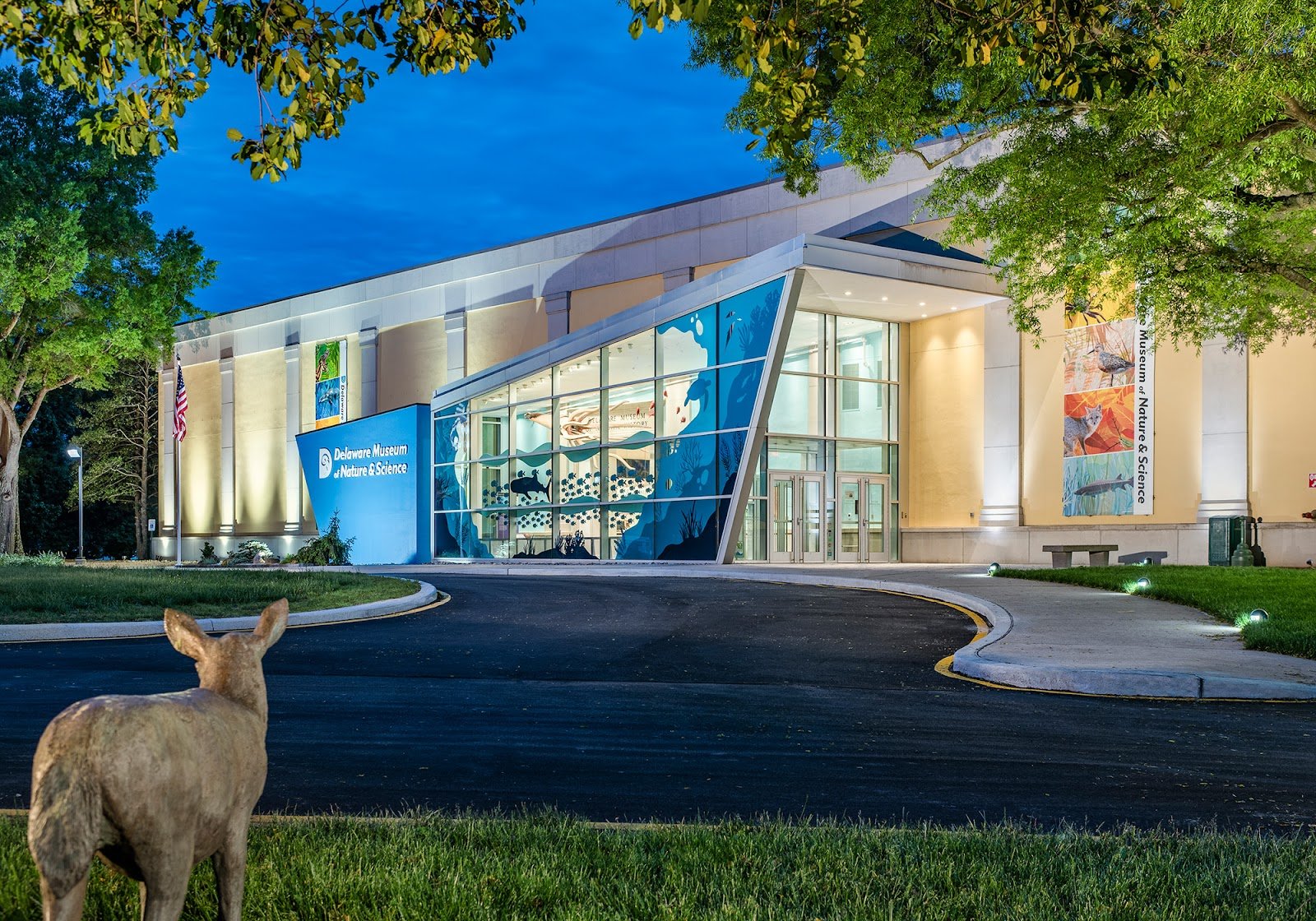
The Delaware Children's Museum and Delaware Museum of Nature and Science offer interactive programming for younger visitors. Escape room enthusiasts can challenge themselves at The Exit Games.
Start your morning at Wilmington's revitalized Riverfront along the Christina River - grab breakfast at a waterfront cafe before exploring the DuPont Environmental Education Center. Spend the afternoon browsing the Delaware Art Museum's impressive collection. In the evening, head to The Queen or Riverfront Live for dinner and live music in one of the city's most energetic entertainment corridors.
Dedicate the day to the Brandywine Valley. Morning opens at Winterthur Museum, exploring its extraordinary collection of American decorative arts and sweeping naturalistic gardens. After lunch on the grounds, drive to the Brandywine River Museum of Art in Chadds Ford to spend the afternoon immersed in three generations of Wyeth paintings. Return to Wilmington for dinner at a downtown restaurant.

Begin with a morning visit to Nemours Estate, the stunning Louis XVI-style chateau and formal French gardens built by Alfred I. du Pont. After the tour, head to Longwood Gardens in nearby Kennett Square for an unforgettable afternoon among world-class fountains, conservatories, and seasonal plantings. Wind down with a relaxed dinner in downtown Wilmington before departing.
Wilmington's cultural calendar is rooted in community pride, the arts, and a deep sense of local history that surfaces most vividly in the warmer months. The city's position as Delaware's largest urban center means it carries the state's ceremonial weight alongside its own neighborhood traditions, from riverfront concerts to ethnic heritage festivals that have anchored specific communities for generations.

Aug 9, 2026

Sep 18, 2026
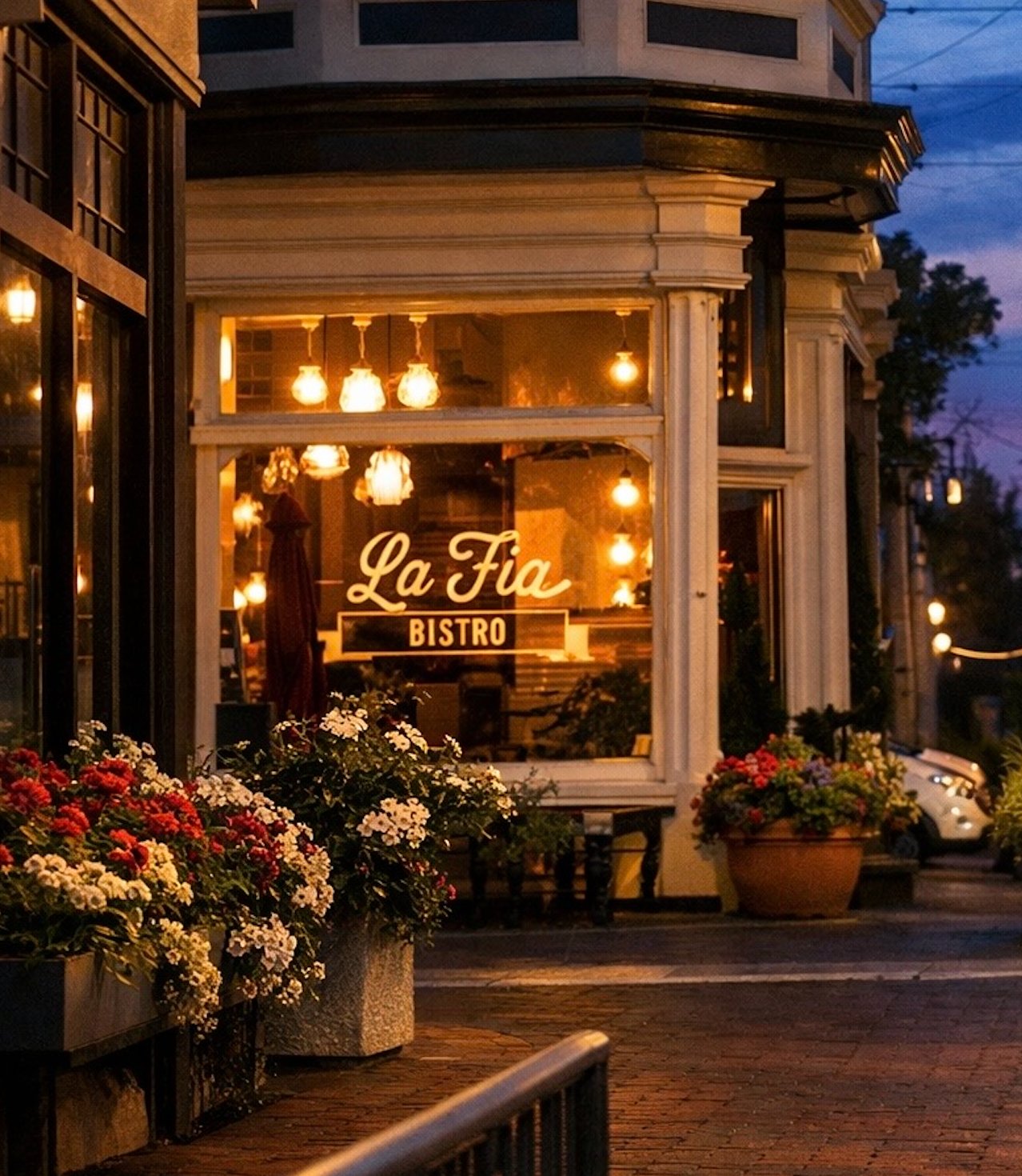
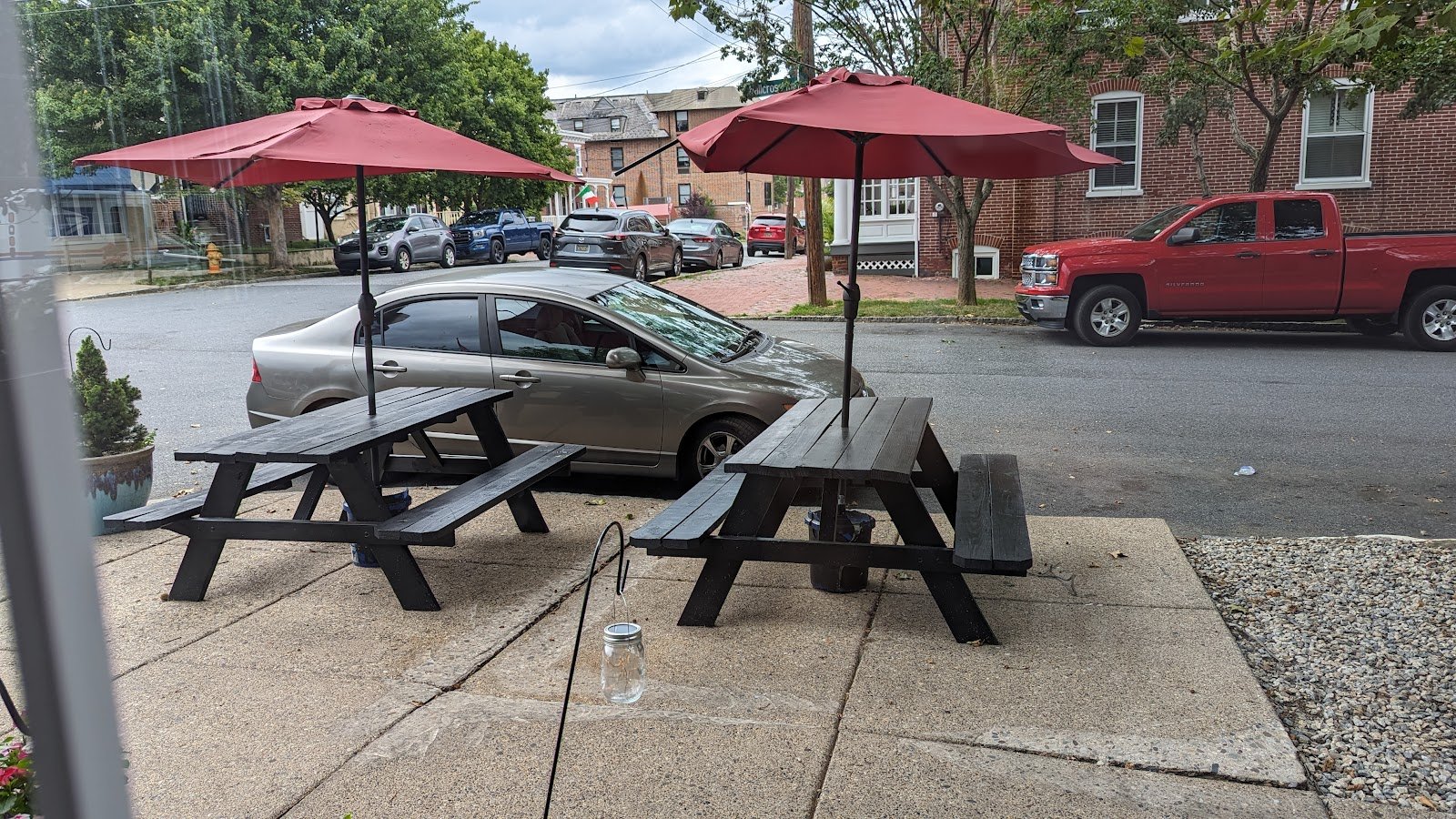
Wilmington's dining scene is more sophisticated than its modest size would suggest, shaped by its proximity to Philadelphia, its large professional class, and a set of immigrant communities that have maintained culinary traditions over multiple generations. The result is a city where serious farm-to-table cooking coexists comfortably with century-old Italian-American red-sauce institutions and a growing roster of chef-driven independent restaurants.
Philadelphia International Airport (PHL) is the closest major airport to Wilmington,
sitting about 25 miles northeast of downtown, with a drive time of 30 to 40 minutes via I-95 South, plus rideshare, rental cars, and SEPTA regional rail connections available.
Baltimore/Washington International Airport (BWI) is a solid alternative for travelers flying into the region,
located approximately 65 miles southwest of Wilmington and reachable in about an hour by car via I-95 North, with rental cars readily available on-site.
Wilmington Station on Martin Luther King Jr. Boulevard is a full Amtrak stop on the Northeast Corridor,
served by both the Acela and Northeast Regional trains, making rail travel from New York City (about 1.5 hours), Philadelphia (25 minutes), or Washington D.C. (about 1.5 hours) a fast and car-free option.
Drivers arriving from the north or south typically follow I-95,
which runs directly through Wilmington and connects to downtown exits, while travelers coming from the west use US-202, which passes through the Brandywine Valley before entering the city.
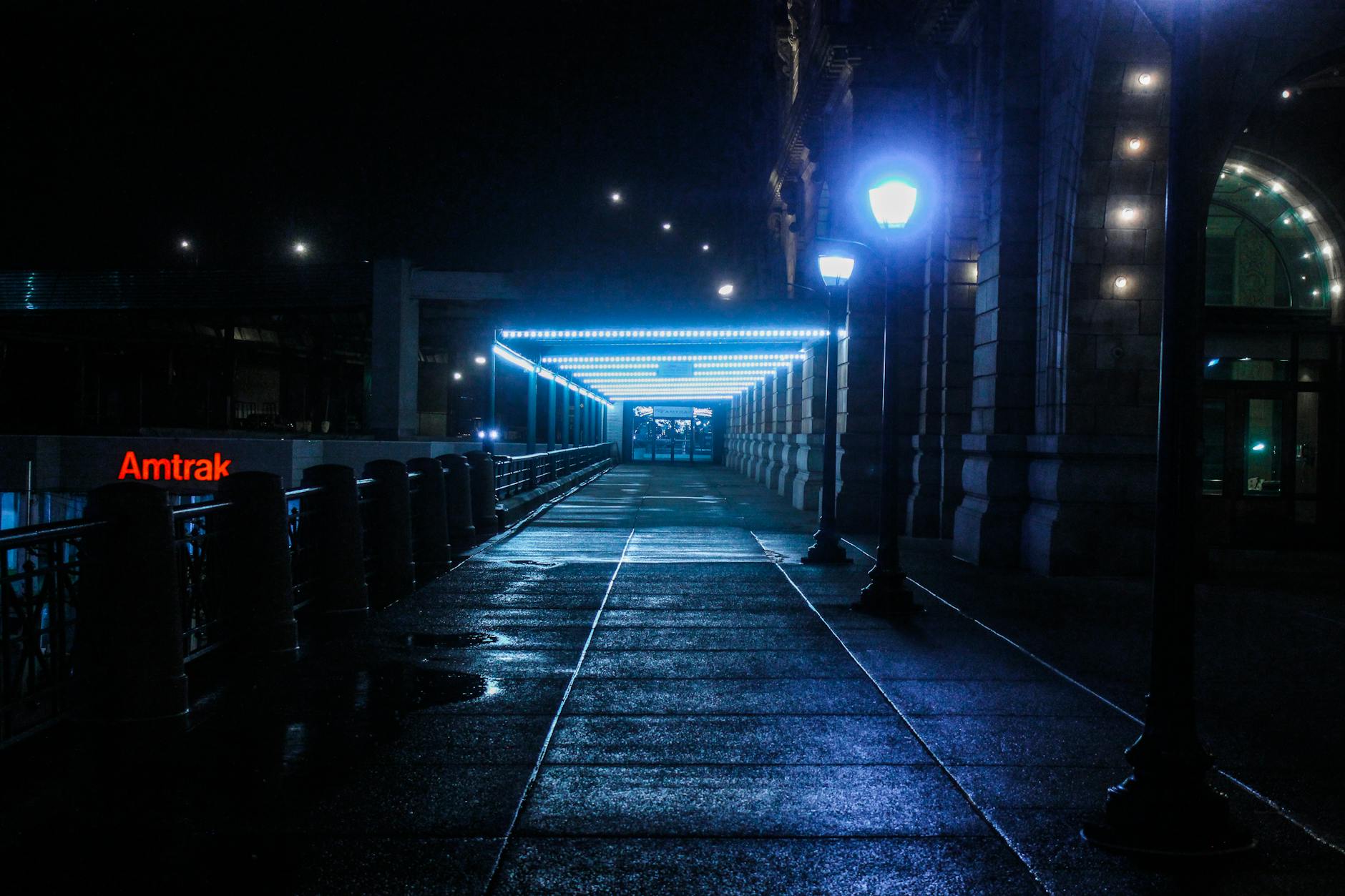
The Riverfront and downtown Wilmington are compact and walkable,
so most visitors can cover restaurants, venues, and the Christina River waterfront on foot without needing a car or transit for those areas.
Uber and Lyft operate reliably throughout Wilmington,
making rideshare the most practical option for hopping between downtown, the Riverfront, and neighborhoods like Trolley Square without the hassle of parking.
Visiting Winterthur, Nemours Estate, or Longwood Gardens requires a car or rideshare,
as these sites are spread across a wide swath of the Brandywine Valley and are not connected by any practical public transit route.
DART First State bus service covers Wilmington and surrounding areas,
but routes and frequency are limited enough that most visitors find it more convenient to rely on rideshare or a rental car rather than building an itinerary around bus schedules.
Downtown parking garages and surface lots are widely available and reasonably priced,
making driving and self-parking a stress-free option for visitors who rent a car and want flexibility for day trips into the Brandywine Valley.
Delaware has no sales tax, which means shopping in Wilmington is genuinely cheaper than in neighboring Pennsylvania, Maryland, or New Jersey. Tipping follows standard U.S. norms: 18 to 20 percent at restaurants, a few dollars for rideshare drivers, and similar for hotel housekeeping. Book tickets for Winterthur, Nemours Estate, and Longwood Gardens in advance, especially in spring and fall when garden season is at its peak and timed-entry slots fill up. The Riverfront area is safe and well-trafficked on weekends, though quieter on weekday evenings. Google Maps is reliable for navigation throughout the city and valley. Summers are humid, so pack accordingly if you are planning outdoor garden visits. The city observes a relatively early dinner culture, with many popular restaurants filling up by 6:30 p.m., so reservations are recommended for weekend evenings at well-regarded spots.
Two to three days is enough to cover Wilmington's highlights. One day works well for the riverfront, downtown dining, and the Delaware Art Museum. A second day is ideal for exploring the Brandywine Valley, including Winterthur, Nemours Estate, or the Brandywine River Museum of Art. A third day allows for a deeper dive into gardens or nearby attractions.
Wilmington is best known as a major U.S. corporate and legal hub, home to registered offices of more than half of all Fortune 500 companies. Beyond business, it is celebrated for the Brandywine Valley's grand du Pont estates and gardens - Winterthur, Longwood Gardens, and Nemours Estate - as well as its revitalized Christina River waterfront and strong arts scene.
Yes, Wilmington is an excellent weekend destination. Two days is enough to explore the riverfront, visit a Brandywine Valley estate, and enjoy the local dining scene. Its location on the Amtrak Northeast Corridor makes it easy to reach from Philadelphia, New York City, or Washington, D.C. without a car, making it a low-effort, high-reward getaway.
Wilmington is moderately priced compared to nearby cities like Philadelphia or Washington, D.C. Hotels, dining, and attractions tend to be more affordable, though some Brandywine Valley estates charge admission fees. Delaware has no sales tax, which helps stretch your budget on shopping and dining. Overall, it offers solid value for a Mid-Atlantic destination.
Spring (April to June) and fall (September to October) are the best times to visit. Spring brings blooming gardens at Winterthur and Longwood, while fall offers colorful foliage across the Brandywine Valley.