
Baltimore, MD
A Journey guide to
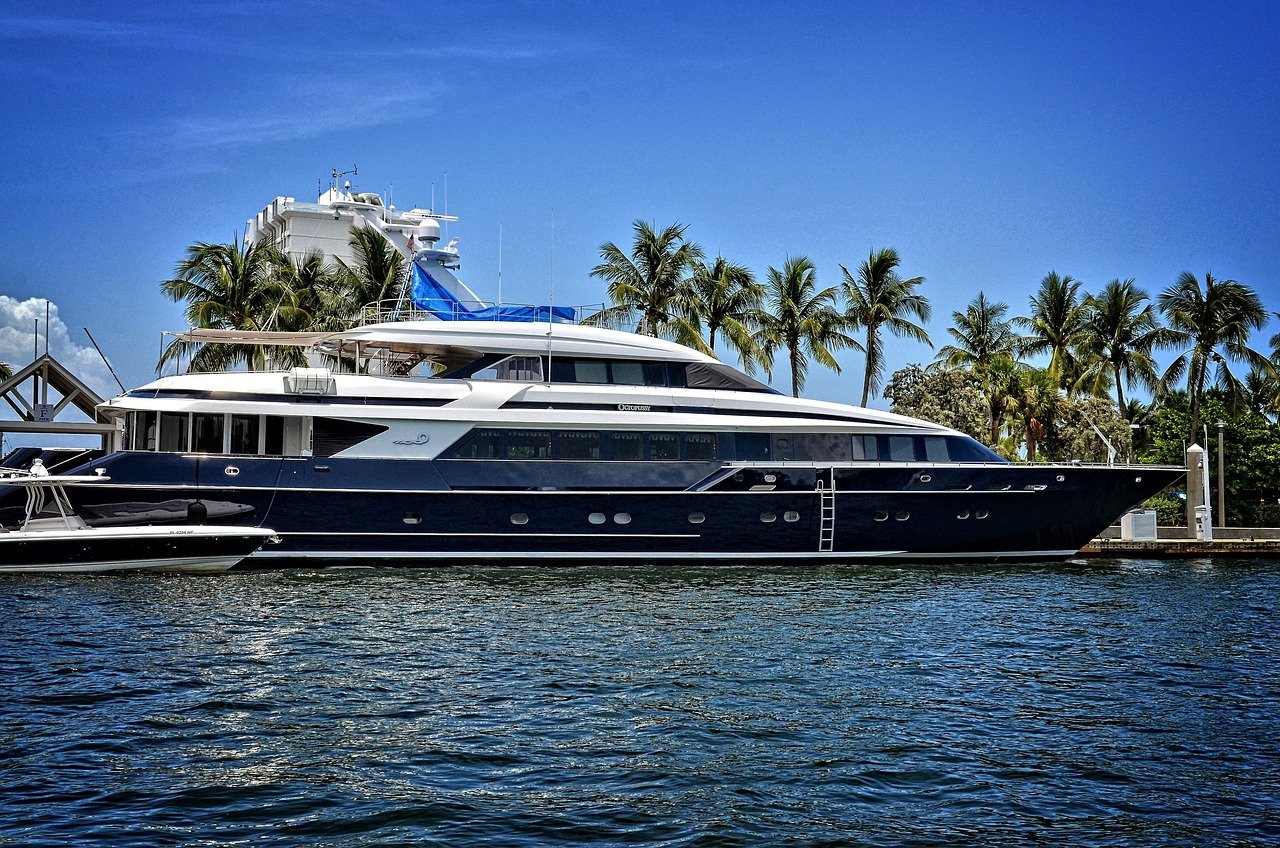
Fort Lauderdale sits at the intersection of beach culture and coastal sophistication, offering a distinctly different experience from its more frenetic southern neighbor, Miami. The city is anchored by 23 miles of Atlantic coastline, a thriving marina district, and a downtown that has matured into a genuine urban destination. Travelers come for the water in every form: ocean swimming, paddleboarding, deep-sea fishing, and world-class yachting. The annual Fort Lauderdale International Boat Show is the largest in-water boat show on the planet.
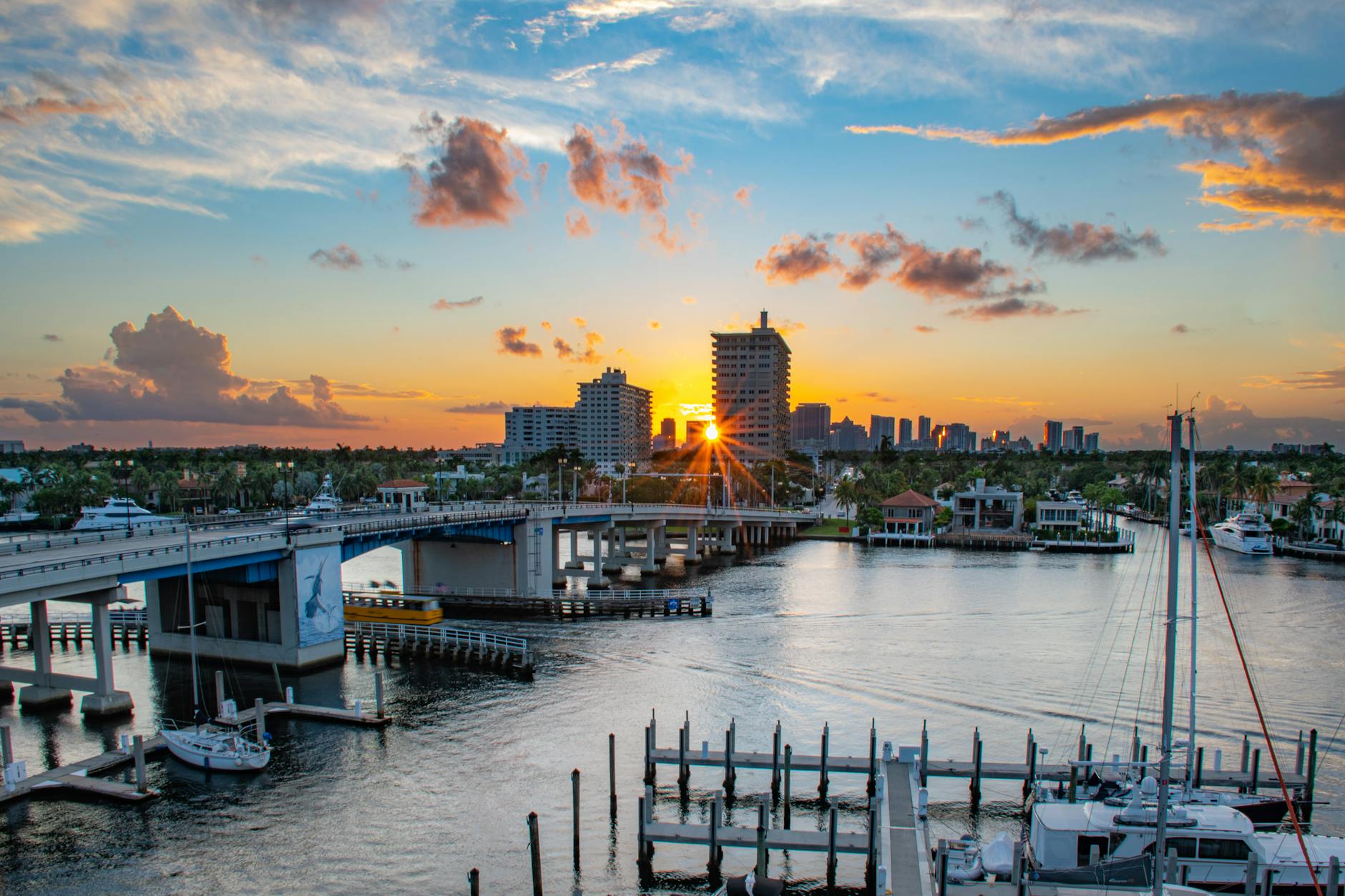
The city earned its nickname, the Venice of America, for good reason. More than 300 miles of navigable inland waterways thread through residential neighborhoods, luxury hotel properties, and restaurant-lined canals. Water taxis connect key destinations along the Intracoastal Waterway, making the waterways themselves a mode of transit as much as a leisure attraction. Neighborhoods like Las Olas Isles are defined by the water that borders nearly every property.
Las Olas Boulevard functions as the cultural and culinary spine of the city. Stretching from downtown to the beach, it is lined with independent restaurants, boutique shops, art galleries, and rooftop bars. The Flagler Arts and Technology Village, known as FAT Village, has cemented Fort Lauderdale's reputation as a legitimate arts destination, hosting galleries, studios, and a monthly art walk that draws a discerning creative crowd.
Fort Lauderdale attracts a broad spectrum of travelers. Families gravitate toward the calm, wide beaches and the interactive exhibits at the NSU Art Museum and the Museum of Discovery and Science. Luxury travelers are drawn by the concentration of superyacht marinas, high-end resorts along the beachfront, and proximity to Port Everglades, one of the busiest cruise ports in the world. The city also has a long-established and welcoming LGBTQ+ community, particularly concentrated in the Wilton Manors neighborhood just north of the city center.


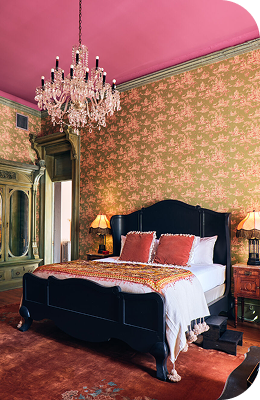

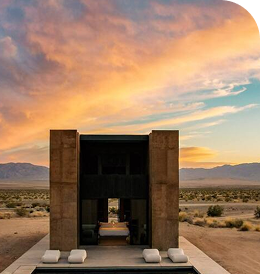

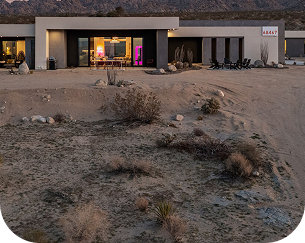

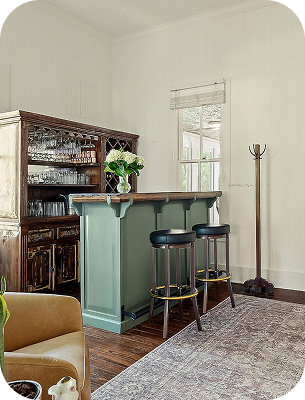

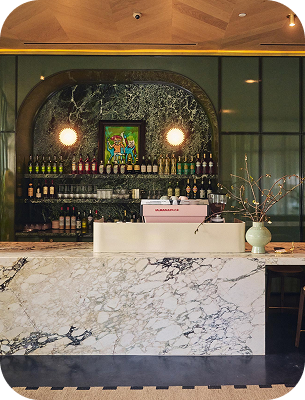

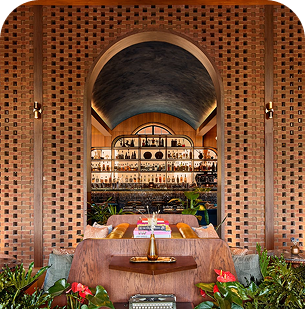

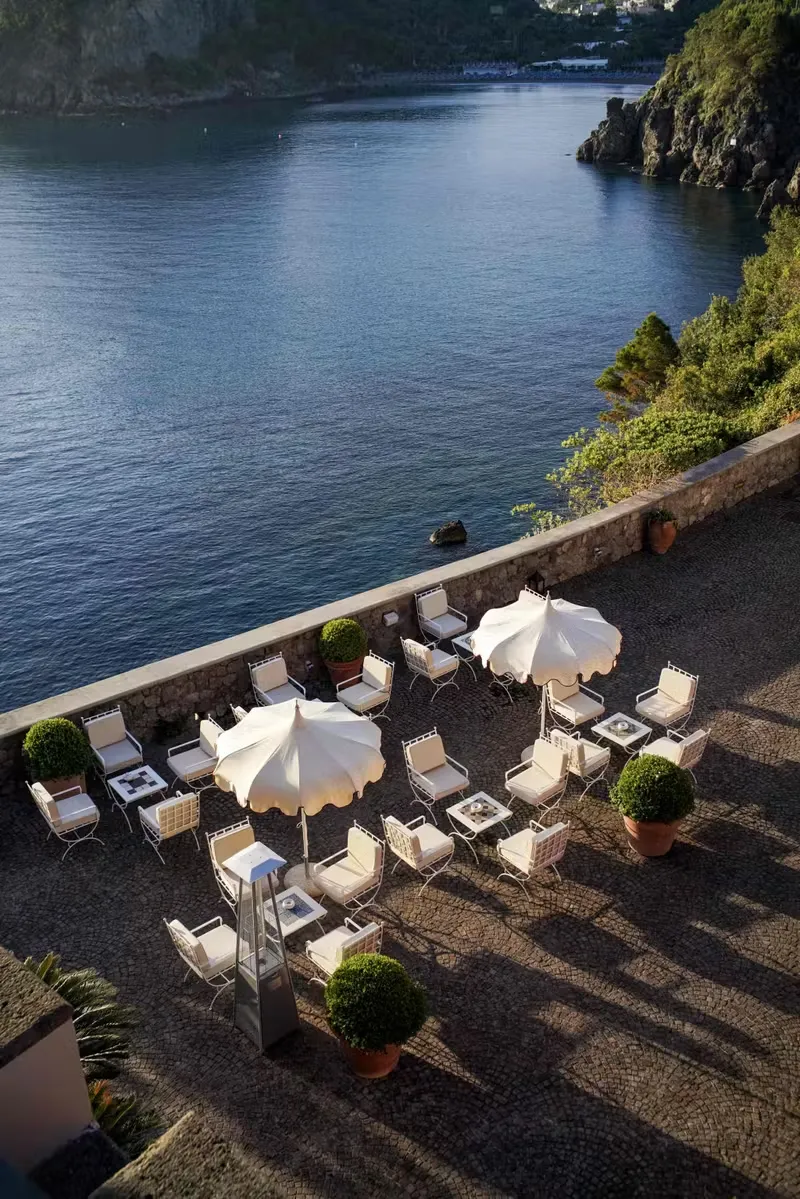

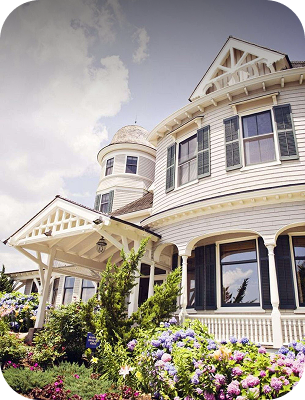



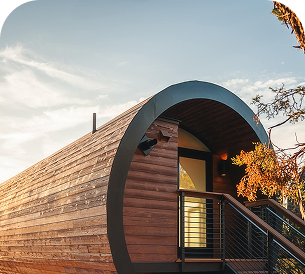

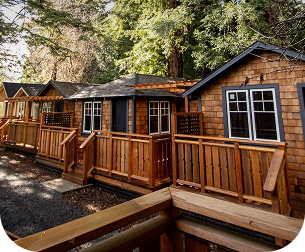

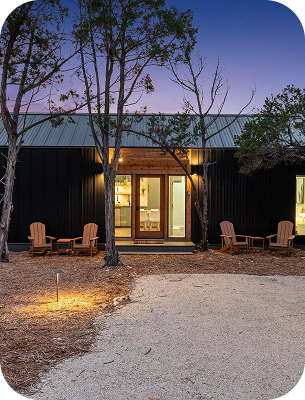

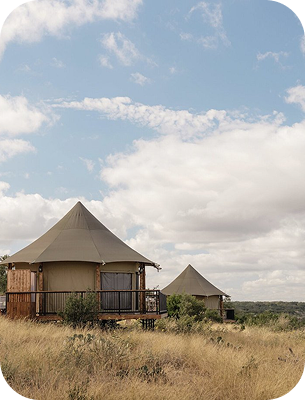

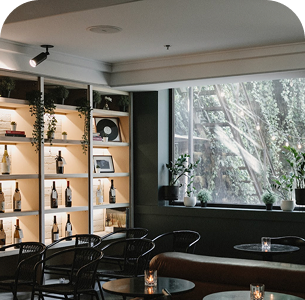

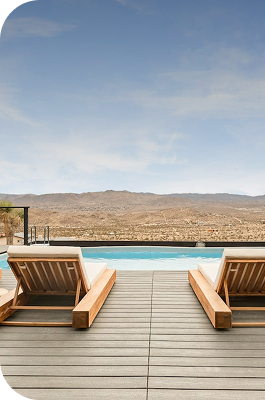

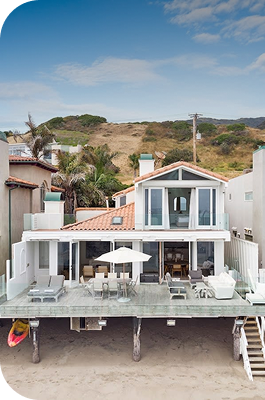

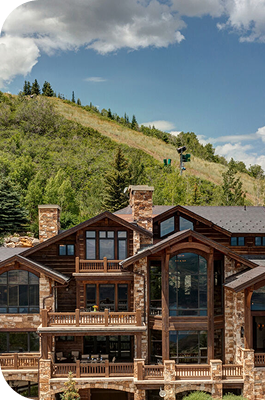
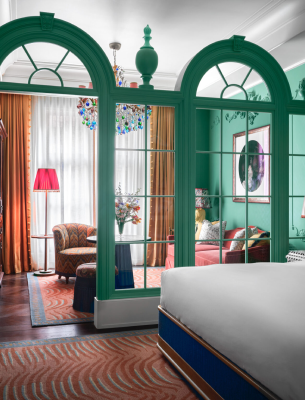
Journey connects travelers to a curated network of boutique hotels and distinctive residences around the world, all united under one rewards program. Explore handpicked stays for your trip while earning points, unlocking exclusive offers, and receiving rewards across the Journey collection.
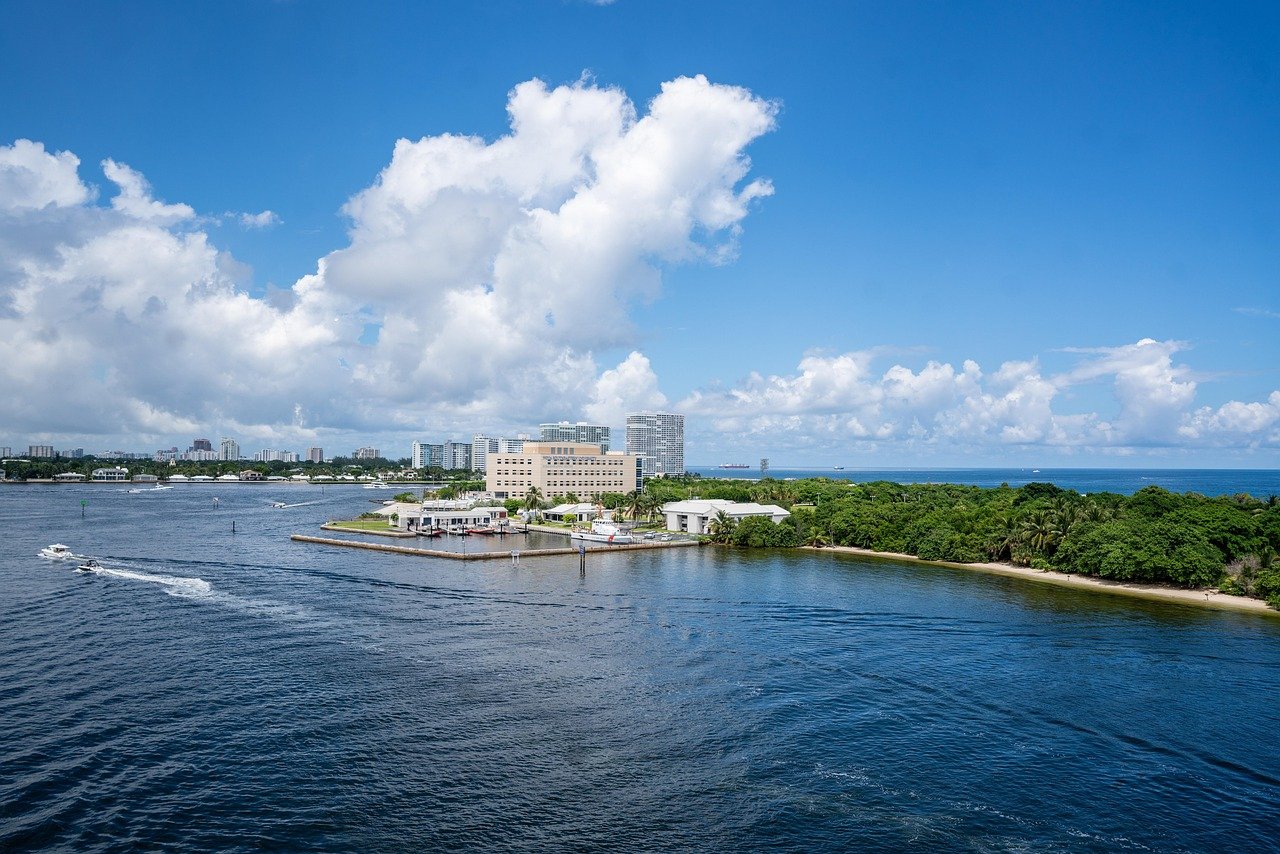
Fort Lauderdale occupies the southeastern corner of Florida in Broward County, positioned between Miami to the south and Palm Beach to the north. The city sits at sea level along the Atlantic coast, defined by a flat, low-lying topography that has allowed an extraordinary network of canals, rivers, and bays to develop as the urban fabric itself. The New River bisects the downtown core, and the Intracoastal Waterway runs parallel to the coastline, creating a layered aquatic geography that is central to daily life and civic identity.
Historically, Fort Lauderdale developed as a military outpost during the Second Seminole War in the 1830s before transforming into an agricultural hub in the early twentieth century. Henry Flagler's Florida East Coast Railway brought settlers and capital, and the city incorporated in 1911. Post-World War II growth was rapid and substantial, driven by veterans relocating to South Florida and a booming real estate market. For decades, the city was synonymous with spring break tourism, a reputation it has deliberately and successfully moved away from since the late 1980s in favor of a more upscale, year-round identity.
Today, Fort Lauderdale is a city of roughly 190,000 residents, though the broader metropolitan area is home to over 1.9 million people. The economy is anchored by marine industry, tourism, finance, and healthcare. Port Everglades is one of the top three cruise ports globally and a major cargo hub, handling a significant share of South Florida's trade. The city's proximity to Miami-Dade County gives it access to an international airport and a global business community, while its own Fort Lauderdale-Hollywood International Airport serves as a major gateway in its own right.
The travel atmosphere in Fort Lauderdale is relaxed but polished. It rewards those who slow down enough to explore its waterways by boat, linger over long dinners on Las Olas, and discover the genuine neighborhood character that distinguishes it from the more performance-oriented energy of Miami. It is a city that has grown into itself with confidence.
Fort Lauderdale is a year-round destination, but the timing of your visit shapes the experience considerably. The peak season runs from December through April, when the weather is at its most inviting and the city draws its largest crowds. Hotels fill quickly, rates climb, and the beaches and Las Olas Boulevard buzz with energy. The Fort Lauderdale International Boat Show, held each October or November, is a major draw for nautical enthusiasts and brings a surge of visitors to the marina district. Booking well in advance is essential during this period.
Travelers seeking a quieter, more affordable visit should consider the shoulder months of May and early November. The beaches are less crowded, restaurant reservations are easier to secure, and hotel rates drop meaningfully. May still offers good conditions for water activities before the full heat of summer sets in.
Summer is the low season, which means the best deals on accommodations and a noticeably thinner crowd on the beach. The tradeoff is the wet season, with afternoon storms that can interrupt outdoor plans. That said, mornings are typically clear, making early-day beach visits and boat excursions still very manageable. Families traveling on a budget often find summer a practical window, particularly given the range of indoor attractions like the Museum of Discovery and Science.
For outdoor enthusiasts focused on water sports, paddleboarding, or deep-sea fishing, the dry season from November through April offers the most reliable conditions. Cultural travelers drawn to the FAT Village arts scene and gallery events will find the most programming concentrated in the winter and spring months, when the city's creative calendar is at its fullest.
The cultural and commercial spine of Fort Lauderdale, Las Olas stretches from downtown to the beach lined with independent restaurants, boutique shops, art galleries, and rooftop bars. It is the city's most walkable corridor and the place where locals and visitors converge for dining, nightlife, and weekend strolling. The boulevard's mix of tropical landscaping and low-rise storefronts gives it a relaxed sophistication that sets the tone for the whole city.
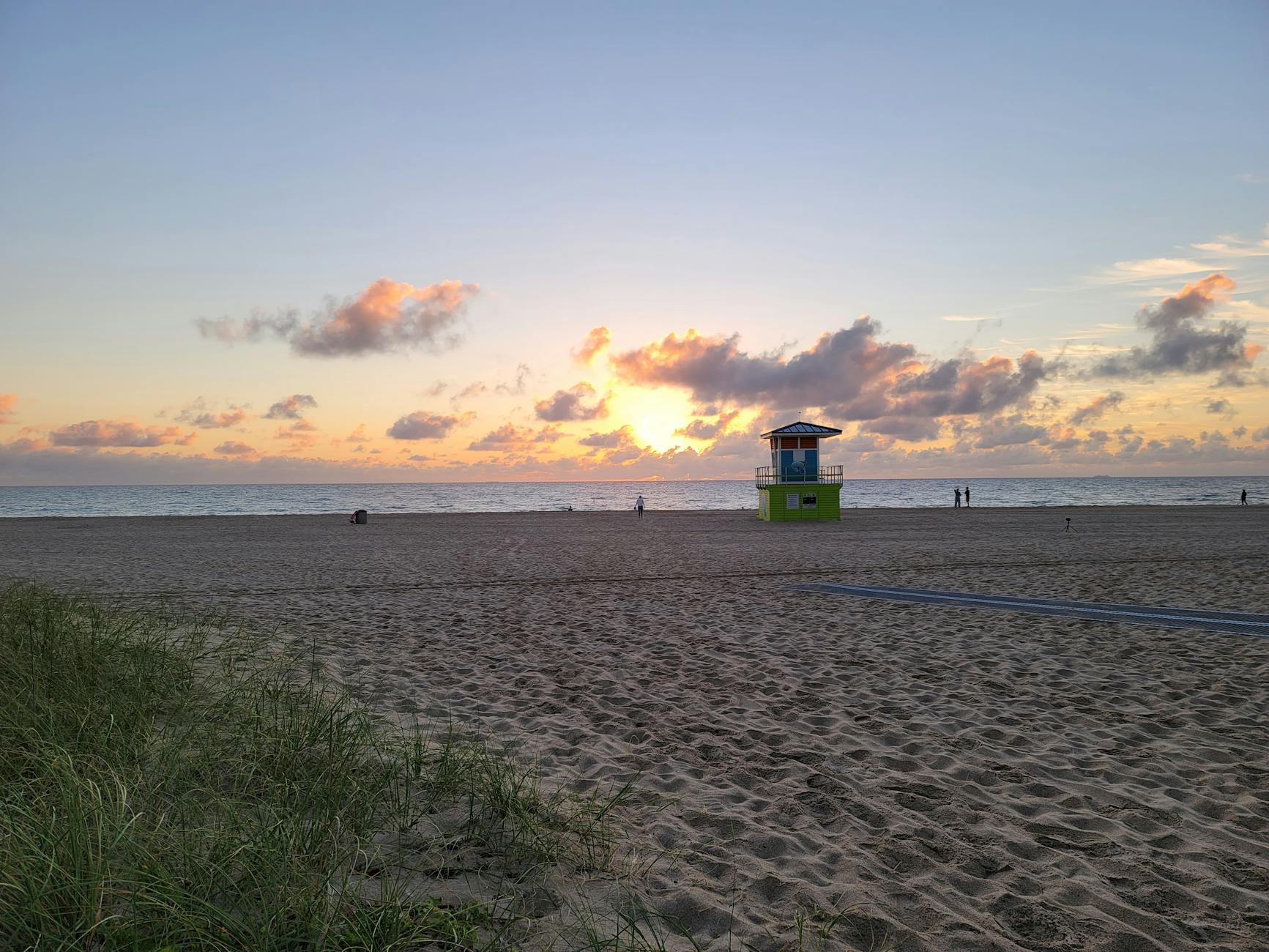
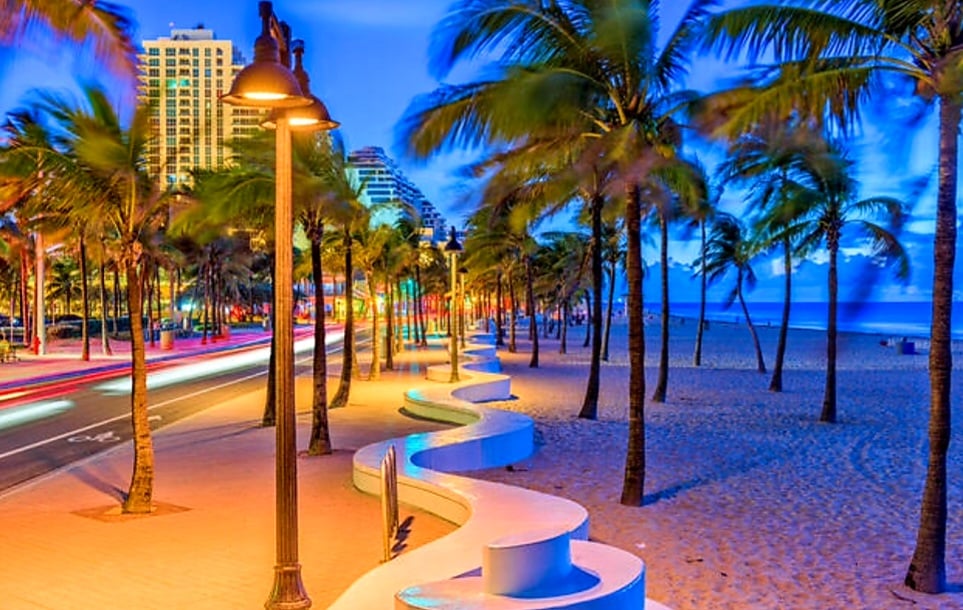
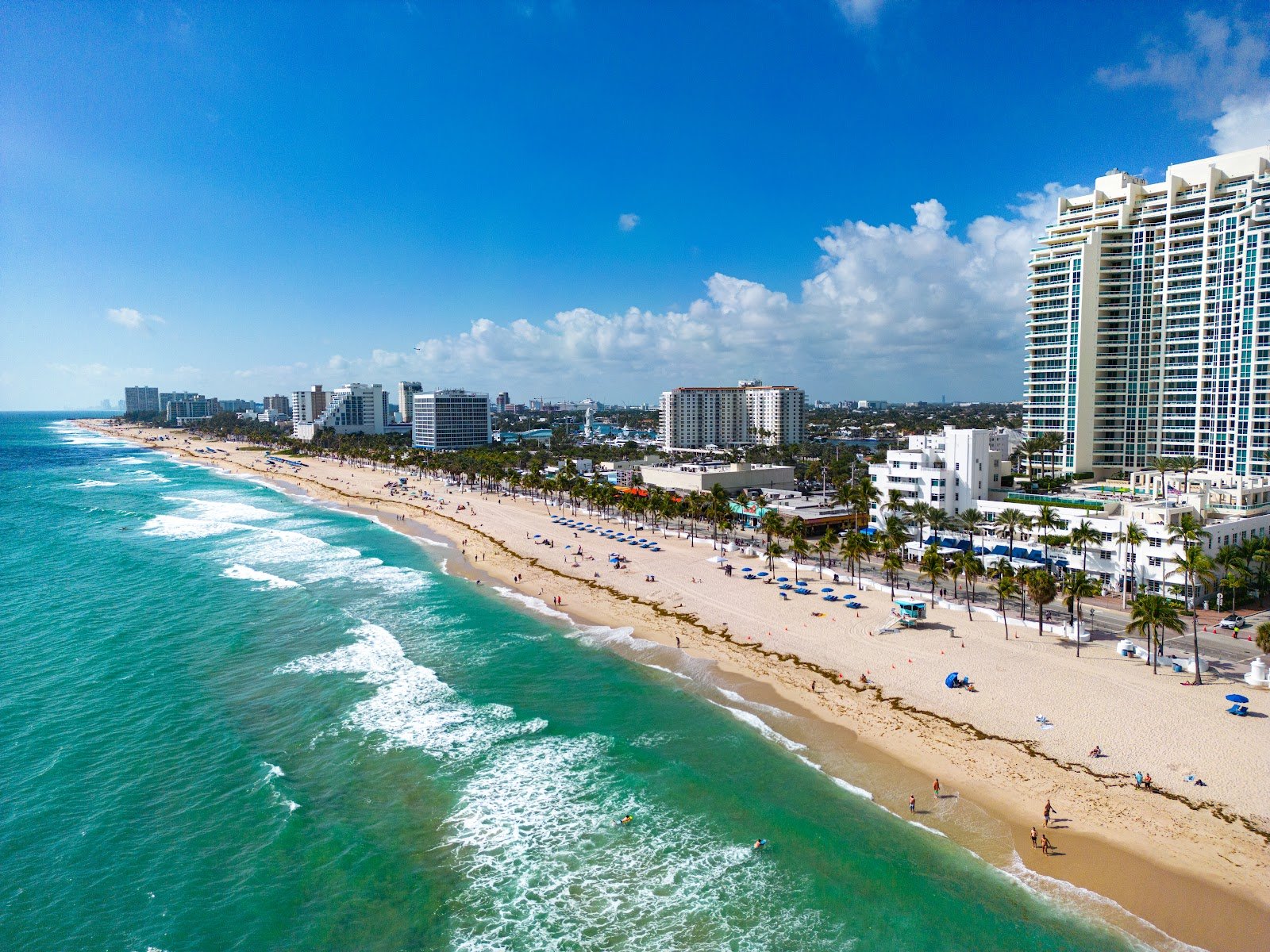
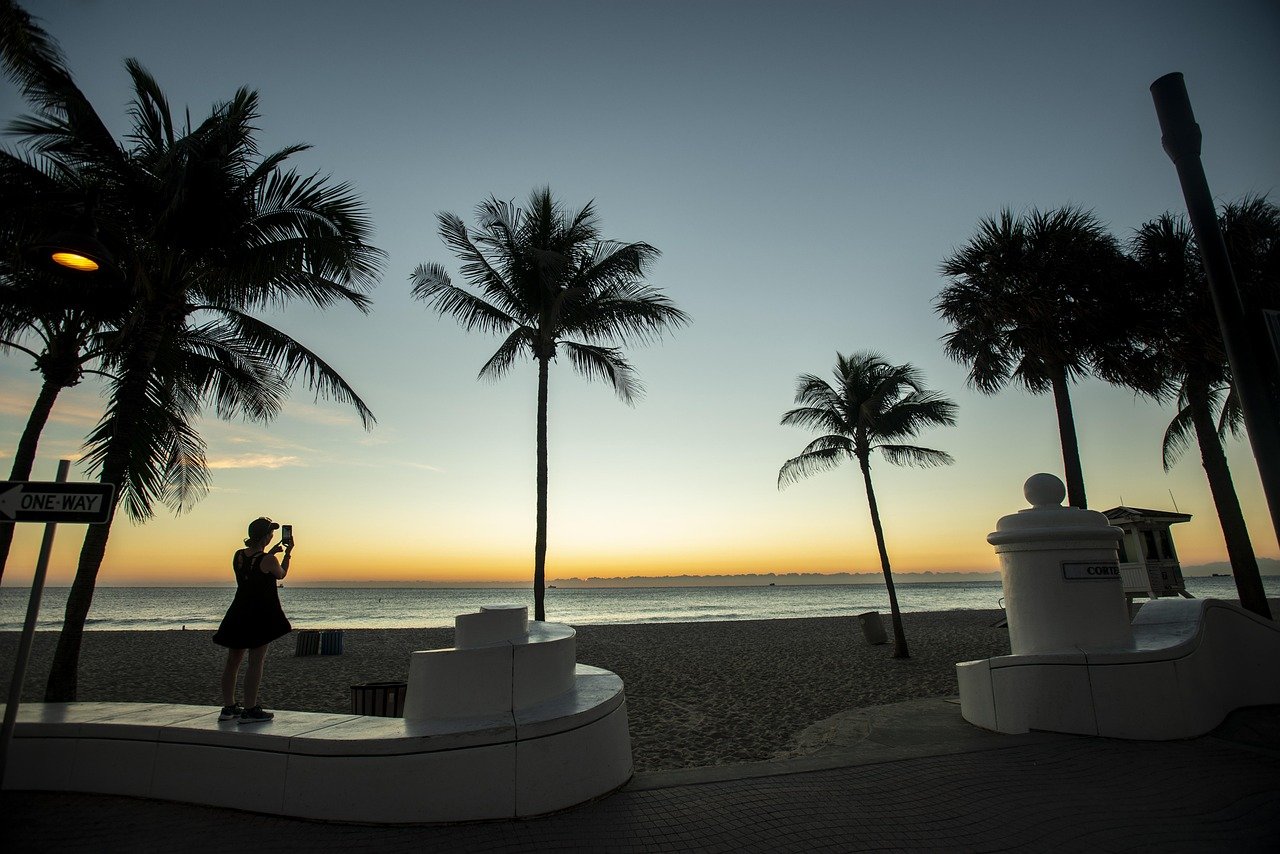
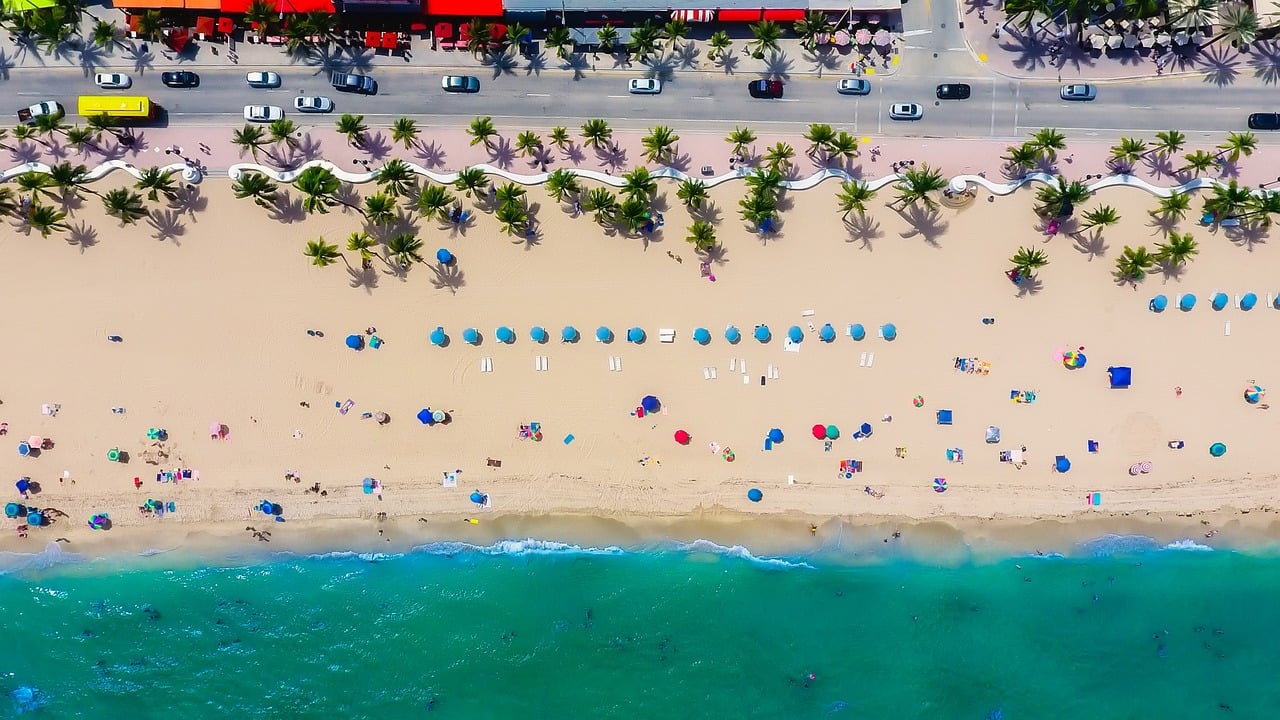
Fort Lauderdale's beachfront stretches 23 miles along the Atlantic, offering wide, clean sands backed by a lively promenade of restaurants, bars, and resort hotels. The beach draws everyone from families seeking calm surf to luxury travelers checking into oceanfront properties. The area has a more relaxed energy than South Beach, making it ideal for those who want sun and water without the intensity of Miami.
The Flagler Arts and Technology Village, known as FAT Village, is Fort Lauderdale's creative hub, anchored by galleries, artist studios, and a monthly art walk that draws a discerning crowd. Converted warehouses and industrial buildings now house creative businesses, pop-up markets, and independent food concepts. It is the clearest expression of the city's growing identity as a legitimate arts destination.
Just north of the city center, Wilton Manors is a close-knit, walkable community with a long-established and welcoming LGBTQ+ identity. Wilton Drive is the neighborhood's main artery, lined with bars, restaurants, and shops that give the area a distinctive village-like character. The neighborhood is known for its inclusive atmosphere, lively nightlife, and strong sense of community.
Las Olas Isles is a residential district defined by the waterways that border nearly every property, embodying Fort Lauderdale's reputation as the Venice of America. Luxury homes line the canals, and water taxis connect key destinations along the Intracoastal Waterway, making the water itself a mode of transit. This is the neighborhood that best captures the city's relationship with its more than 300 miles of navigable inland waterways.
Fort Lauderdale has a handful of experiences that are genuinely its own, drawing visitors who want something beyond a standard beach holiday.
Exploring the Waterways by Boat
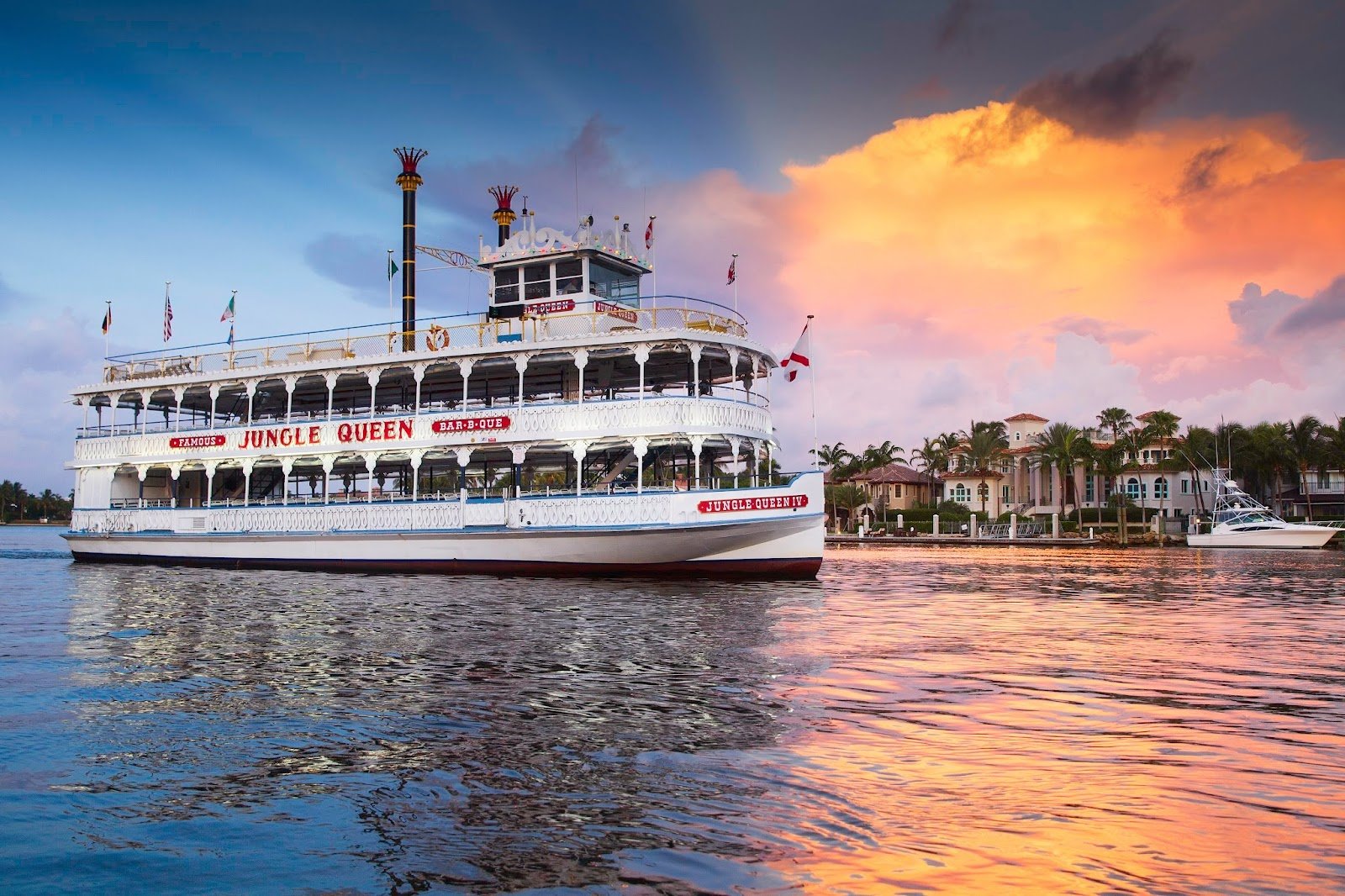
The city's nickname, the Venice of America, is earned on the water. Fort Lauderdale's 300-plus miles of navigable inland waterways are best experienced by boat, whether on a narrated Jungle Queen Riverboat cruise along the New River, a water taxi hop between restaurants and hotels on the Intracoastal, or a private charter that winds through residential canals lined with superyachts and waterfront estates. This is not a generic boat tour experience: the density and grandeur of the marine infrastructure here is unlike anything else on the East Coast.
The Fort Lauderdale International Boat Show
Held each October or November, this is the largest in-water boat show on the planet, spanning multiple marinas across the city and showcasing hundreds of vessels from tenders to megayachts. Even for non-buyers, it is a spectacle of scale and engineering that defines the city's identity as the yachting capital of the world.
Las Olas Boulevard End-to-End
Walking or cycling the full length of Las Olas from downtown to the beach is a Fort Lauderdale ritual. The boulevard transitions from gallery-lined blocks and boutique storefronts through the residential canal islands of Las Olas Isles before opening onto the Atlantic. The combination of architecture, water views, dining, and street life along a single corridor captures the city's character in a way no single attraction can.
Bonnet House Estate
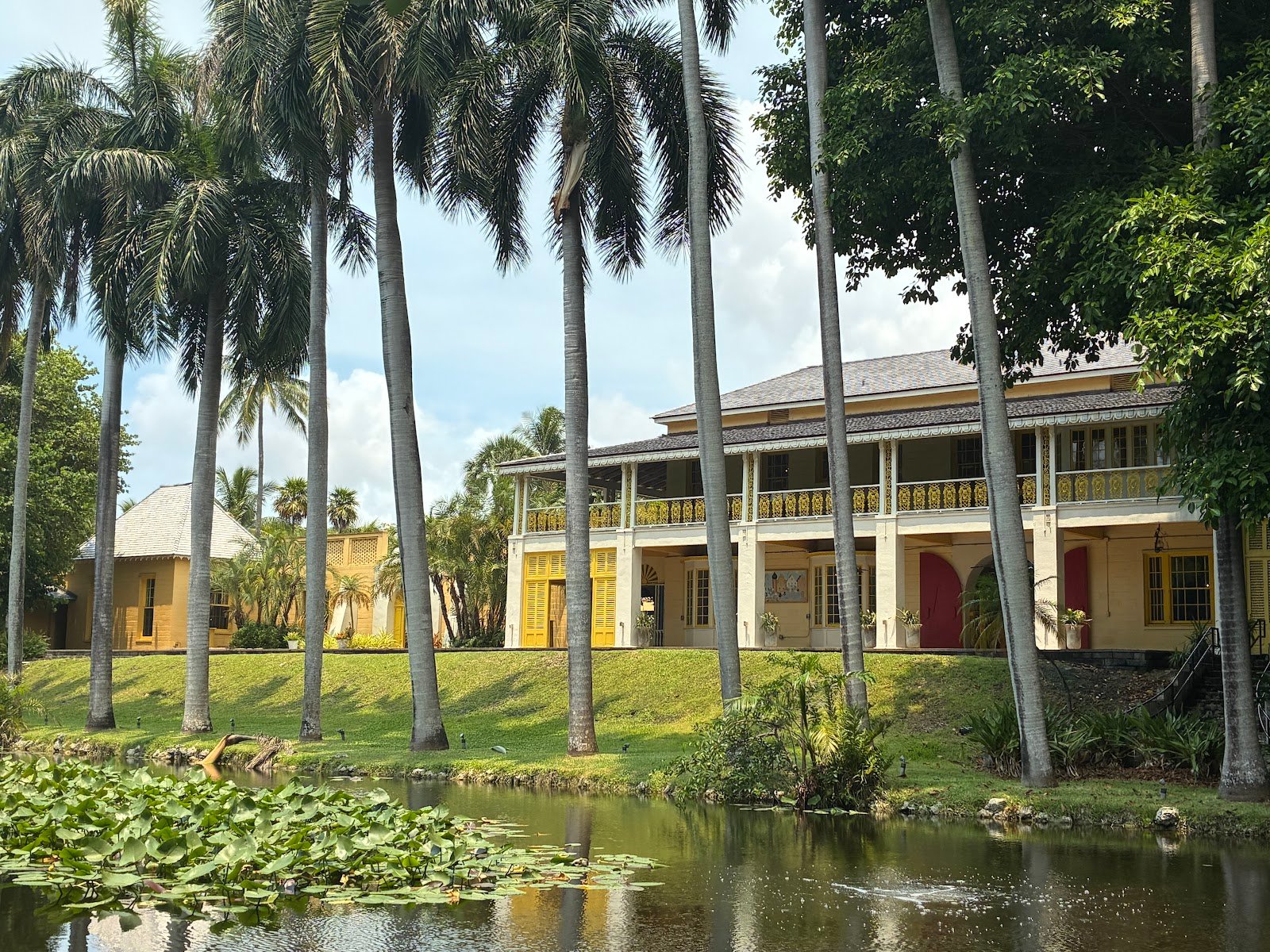
This 35-acre historic estate tucked between the beach and the Intracoastal is one of South Florida's most distinctive cultural sites. The hand-built home, filled with folk art and eccentric personal collections, sits within gardens that feel genuinely wild, with resident swans, monkeys, and tropical plantings. It is the kind of place that surprises even long-time visitors to the city.
Fort Lauderdale delivers an impressive range of activities across its beaches, waterways, cultural institutions, and entertainment districts, making it a compelling destination for nearly every type of traveler.
Outdoor Recreation
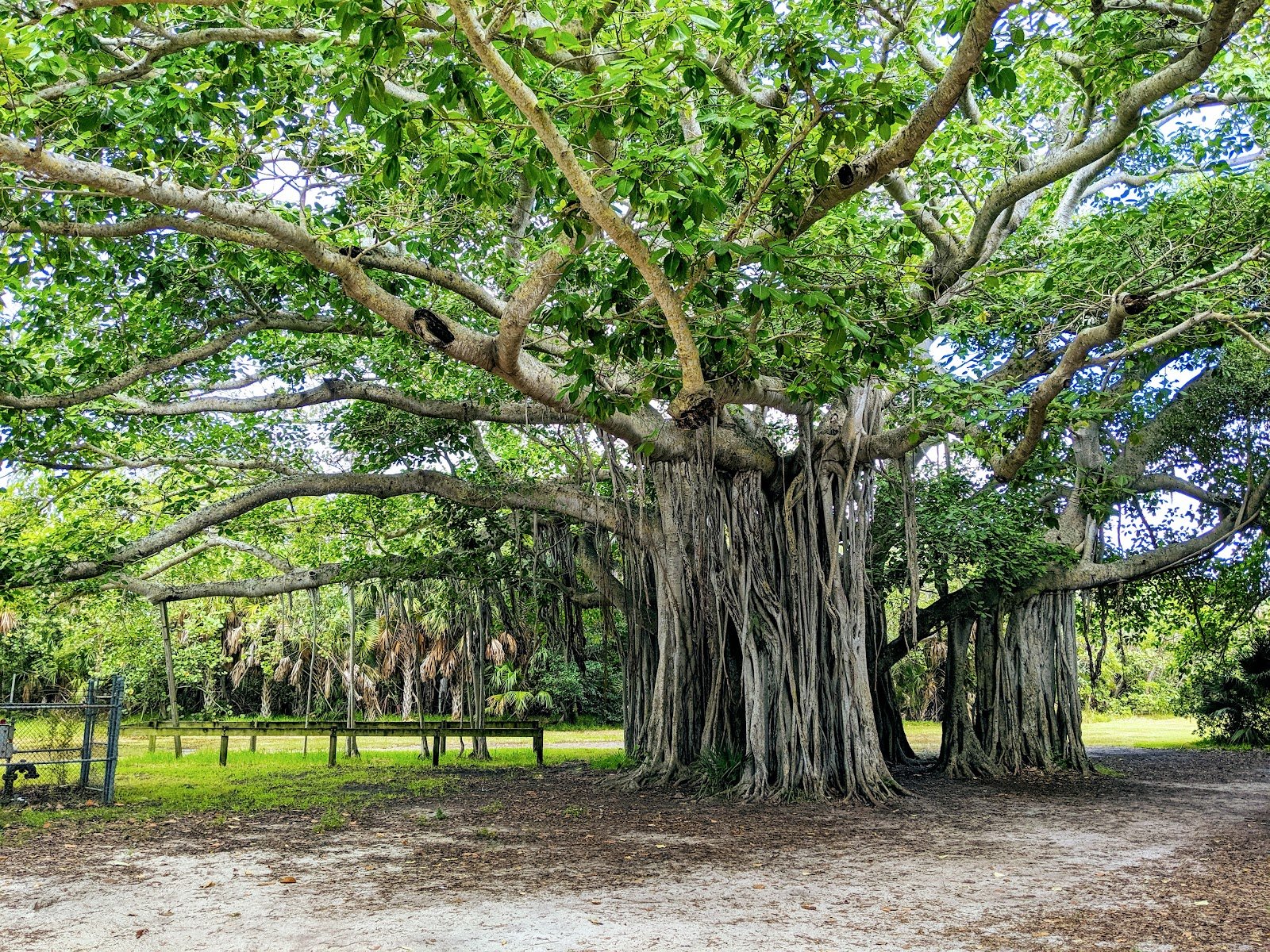
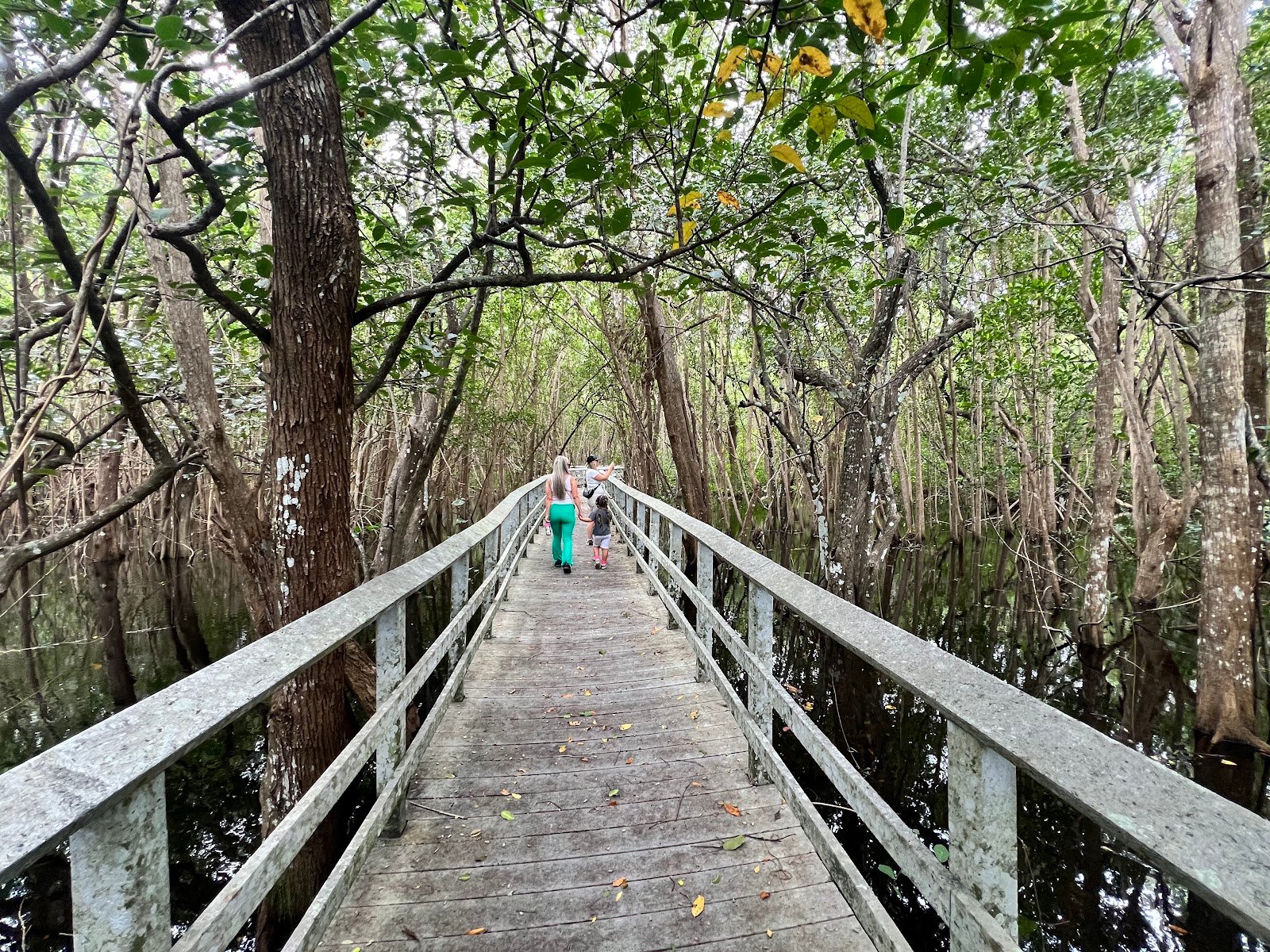
The city's 23 miles of Atlantic coastline are the starting point for most outdoor pursuits. Fort Lauderdale Beach and Las Olas Beach offer wide, calm stretches ideal for swimming, sunbathing, and paddleboarding. Hugh Taylor Birch State Park provides a rare pocket of old-growth hammock forest just steps from the ocean, with trails, canoe rentals, and freshwater lagoons. Secret Woods Nature Center and Fern Forest Nature Center offer quieter escapes into native Florida landscapes, popular with birders and hikers. Snyder Park and Colee Hammock Park round out the city's green spaces with picnic areas and walking paths.
Scenic Exploration
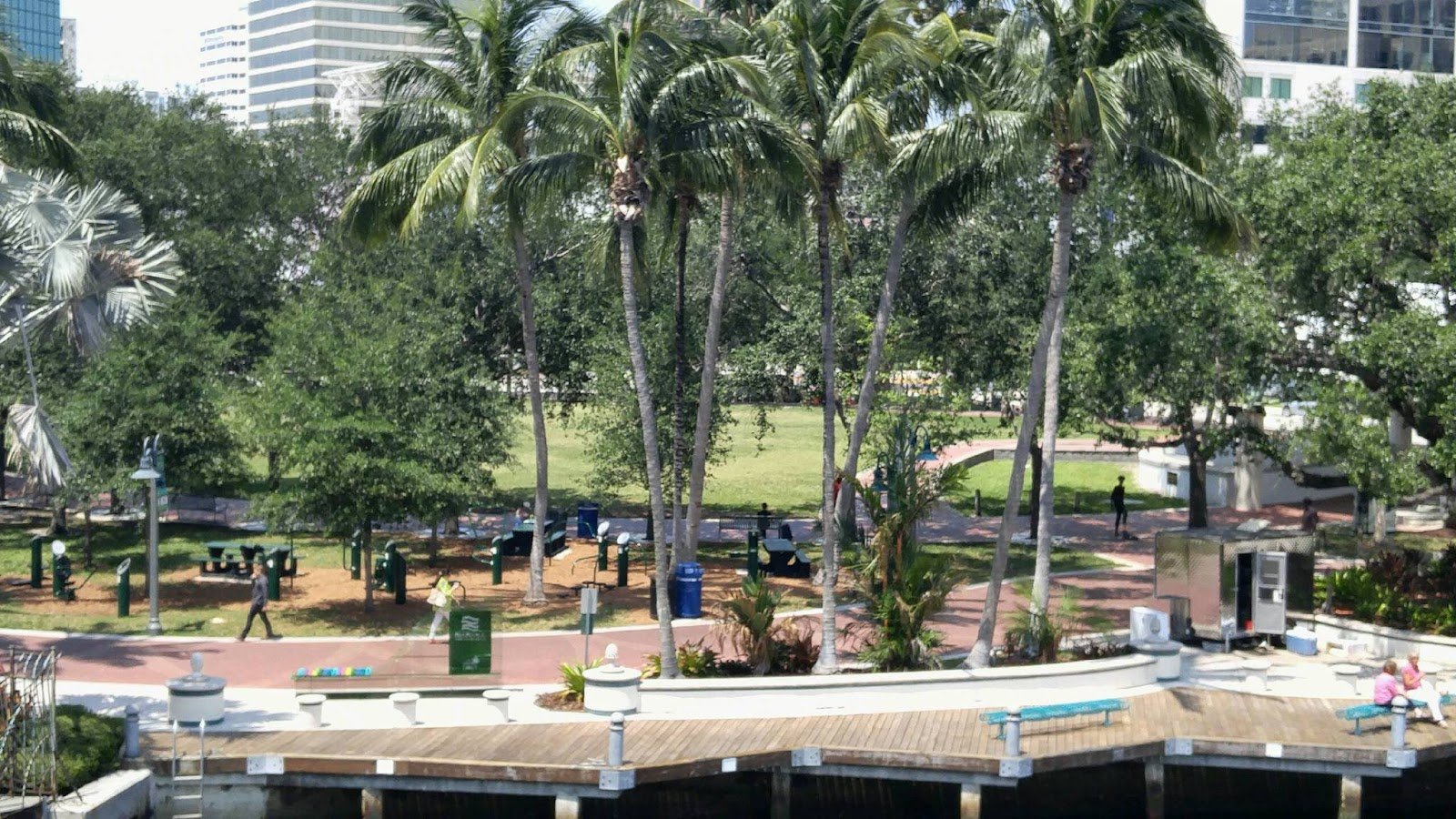
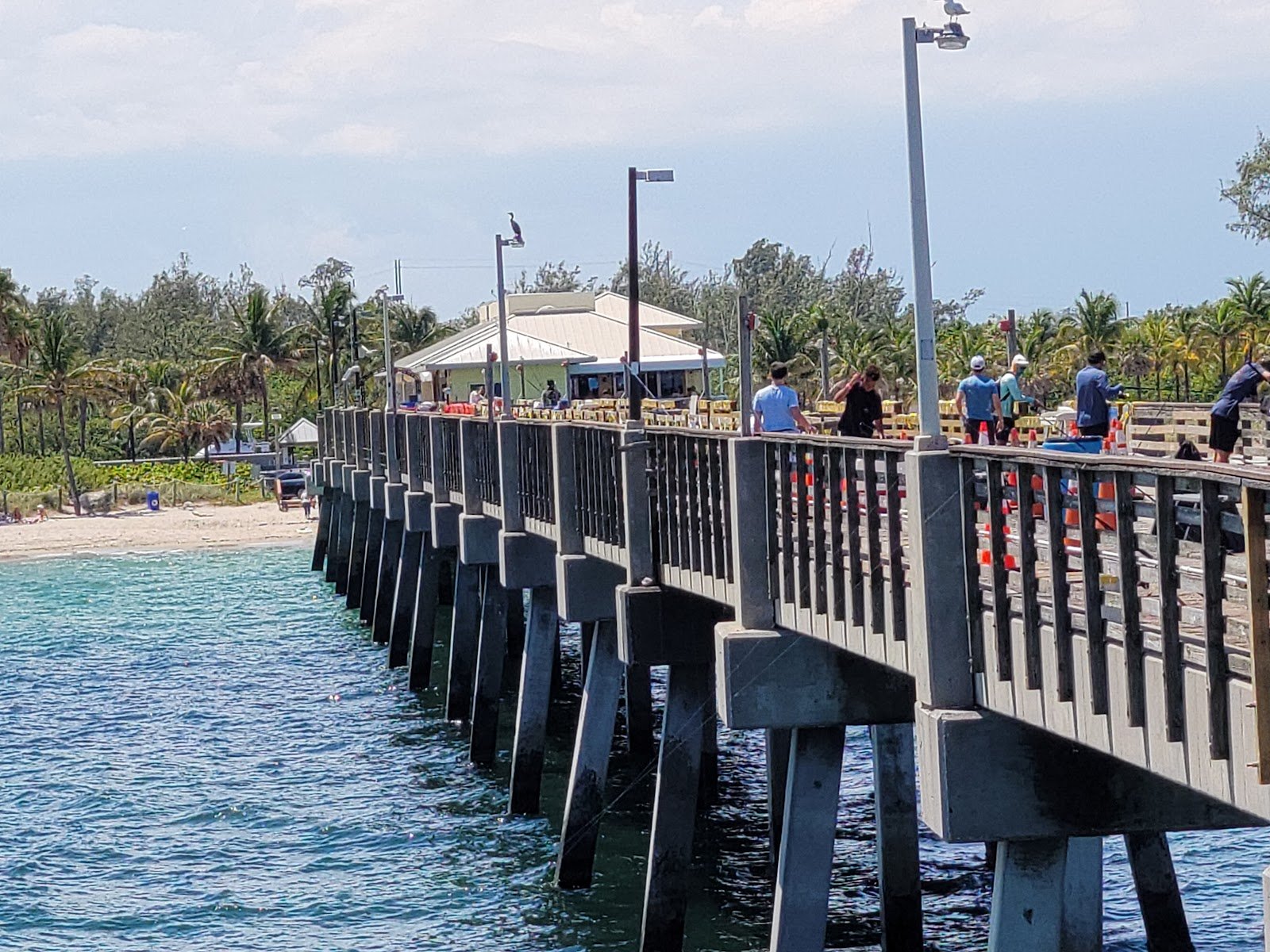
Fort Lauderdale's waterways are as much a destination as any single attraction. The Jungle Queen Riverboat offers narrated cruises along the New River and Intracoastal Waterway, passing by mansions, yachts, and tropical scenery. Riverwalk Fort Lauderdale follows the New River through the heart of downtown, connecting cultural venues and outdoor dining along a landscaped promenade. The Dania Beach Pier extends over the Atlantic and is a favorite for fishing and watching the horizon.
Cultural Attractions
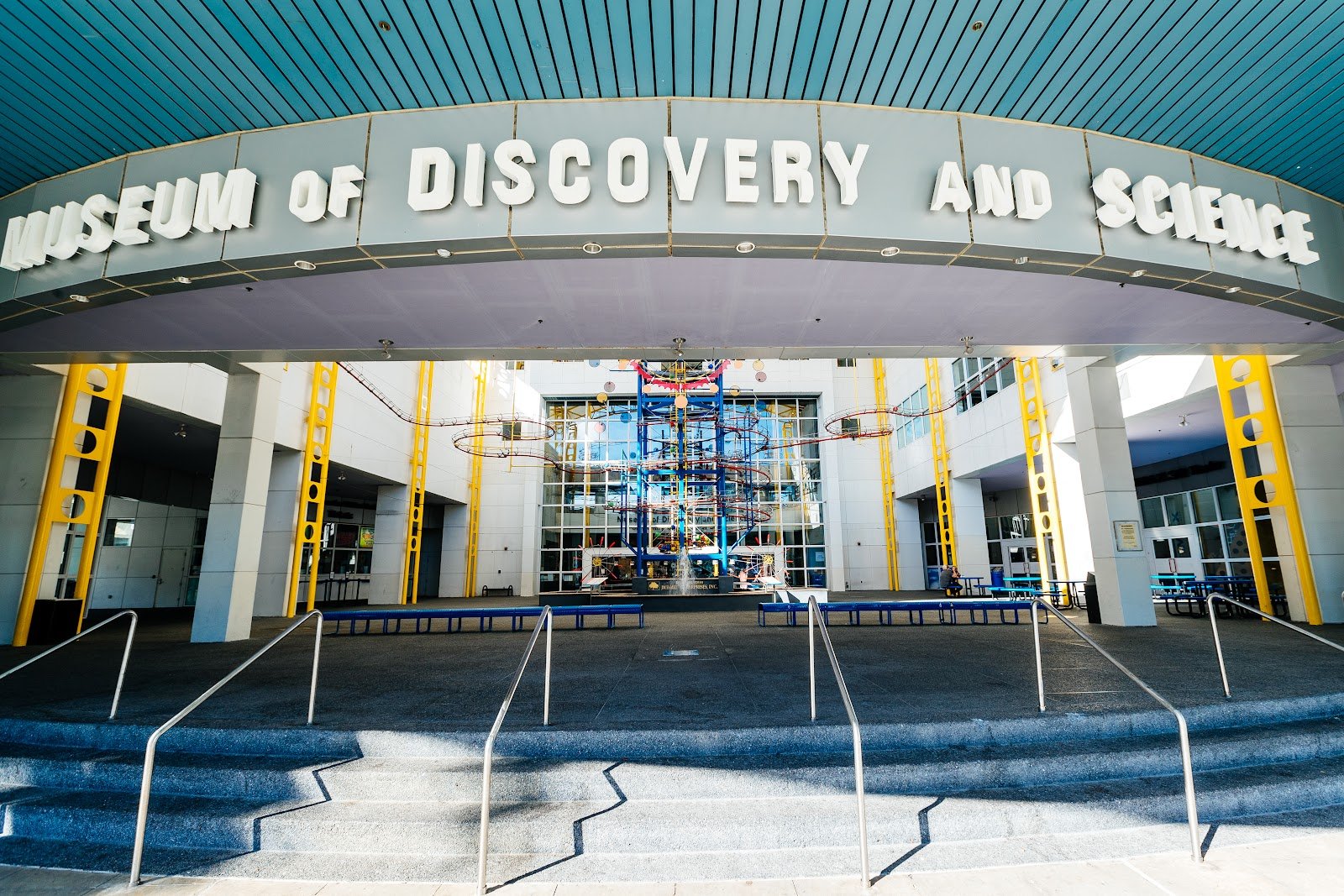
The Museum of Discovery and Science is one of South Florida's premier interactive science centers, featuring an IMAX theater and hands-on exhibits popular with families. Bonnet House Museum and Gardens preserves a historic 35-acre estate with original folk art, lush gardens, and guided tours that reveal the city's early 20th-century history.
Arts and Entertainment
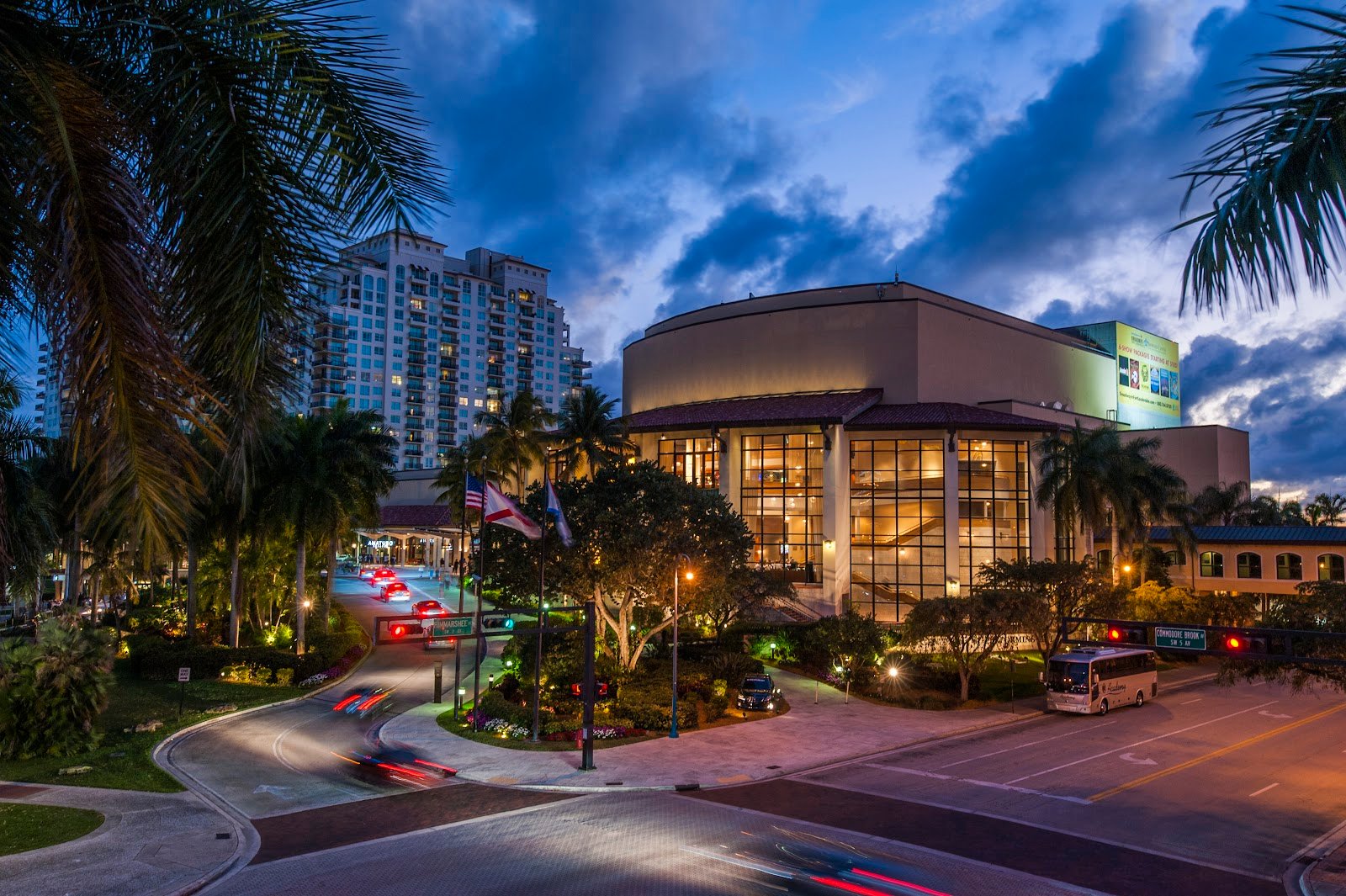
The Broward Center for the Performing Arts anchors the city's performing arts scene with Broadway touring productions, concerts, and dance performances. Culture Room is a beloved mid-size music venue hosting national and regional acts. Glitch Bar blends arcade gaming with craft cocktails for a distinctly local evening out. Rhythm and Vine and The Wilder offer vibrant nightlife along the Las Olas corridor.
Food and Dining
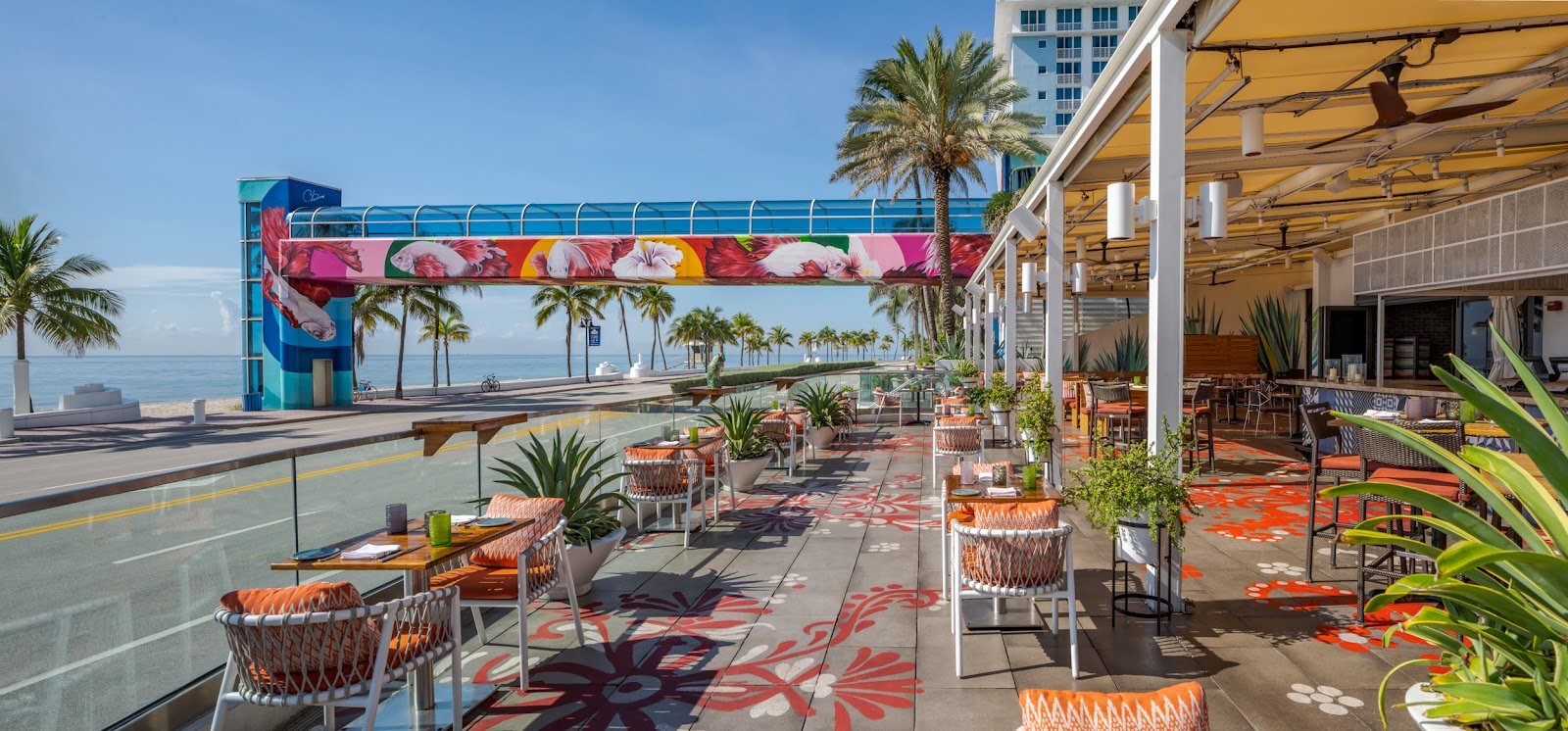
Las Olas Boulevard is the culinary heart of the city, lined with independent restaurants, wine bars, and rooftop terraces. YOLO Restaurant and Lona Cocina Tequileria are among the neighborhood's most celebrated tables. Laudy Bar and Craft Kitchen brings a craft-focused approach to casual dining, while Whiskey Creek Hideout offers a laid-back atmosphere in nearby Dania Beach.
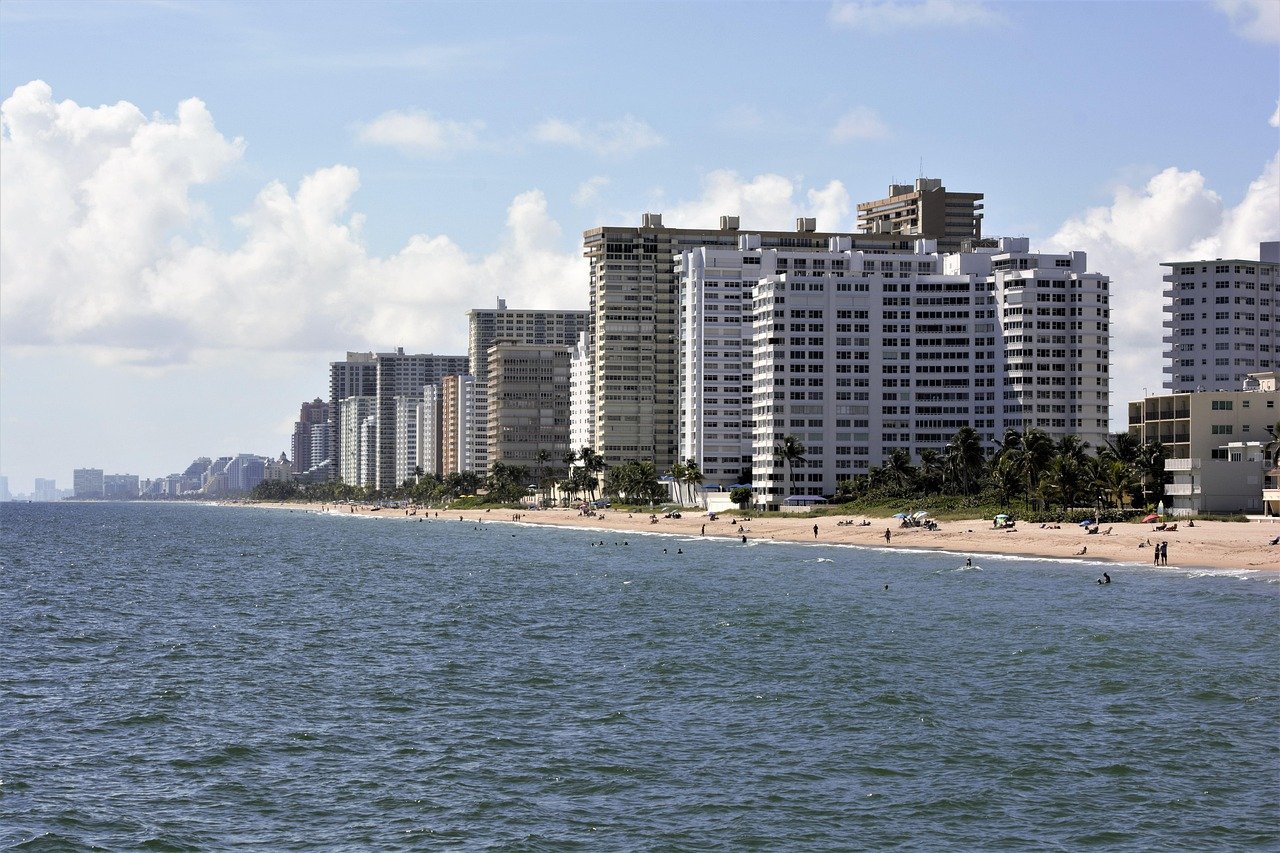
Start the morning with a walk along Fort Lauderdale Beach, one of Florida's widest and most scenic stretches of Atlantic coastline. Rent a paddleboard or kayak before lunch at a beachside cafe on A1A. In the afternoon, hop on the water taxi along the Intracoastal Waterway to explore the canals of Las Olas Isles. End the evening with dinner and drinks on Las Olas Boulevard.
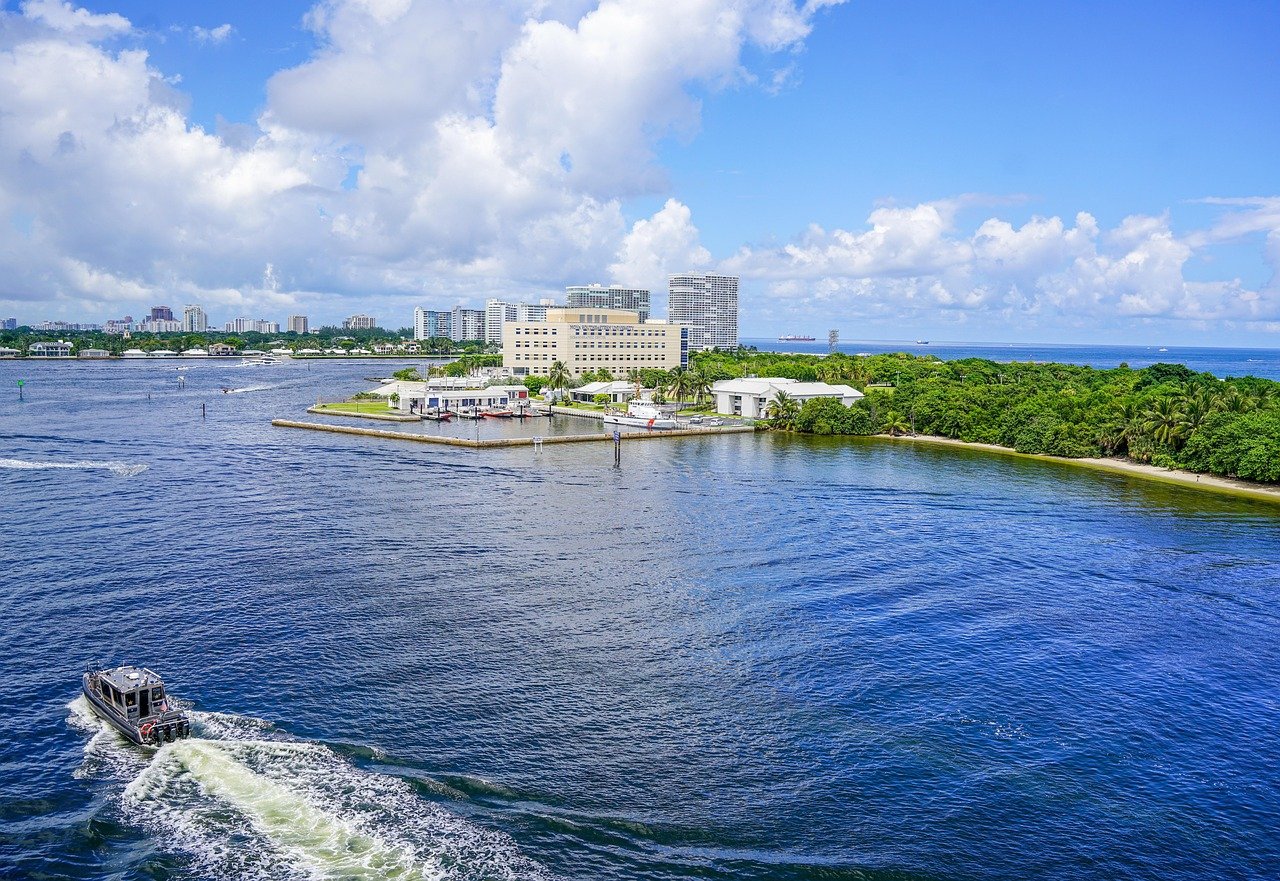
Spend the morning exploring the NSU Art Museum and the Museum of Discovery and Science in downtown Fort Lauderdale. Grab lunch at a gallery cafe in FAT Village, the Flagler Arts and Technology district. Browse local studios and street murals in the afternoon. As evening arrives, head to a rooftop bar downtown for skyline views before a seafood dinner near the marina district.
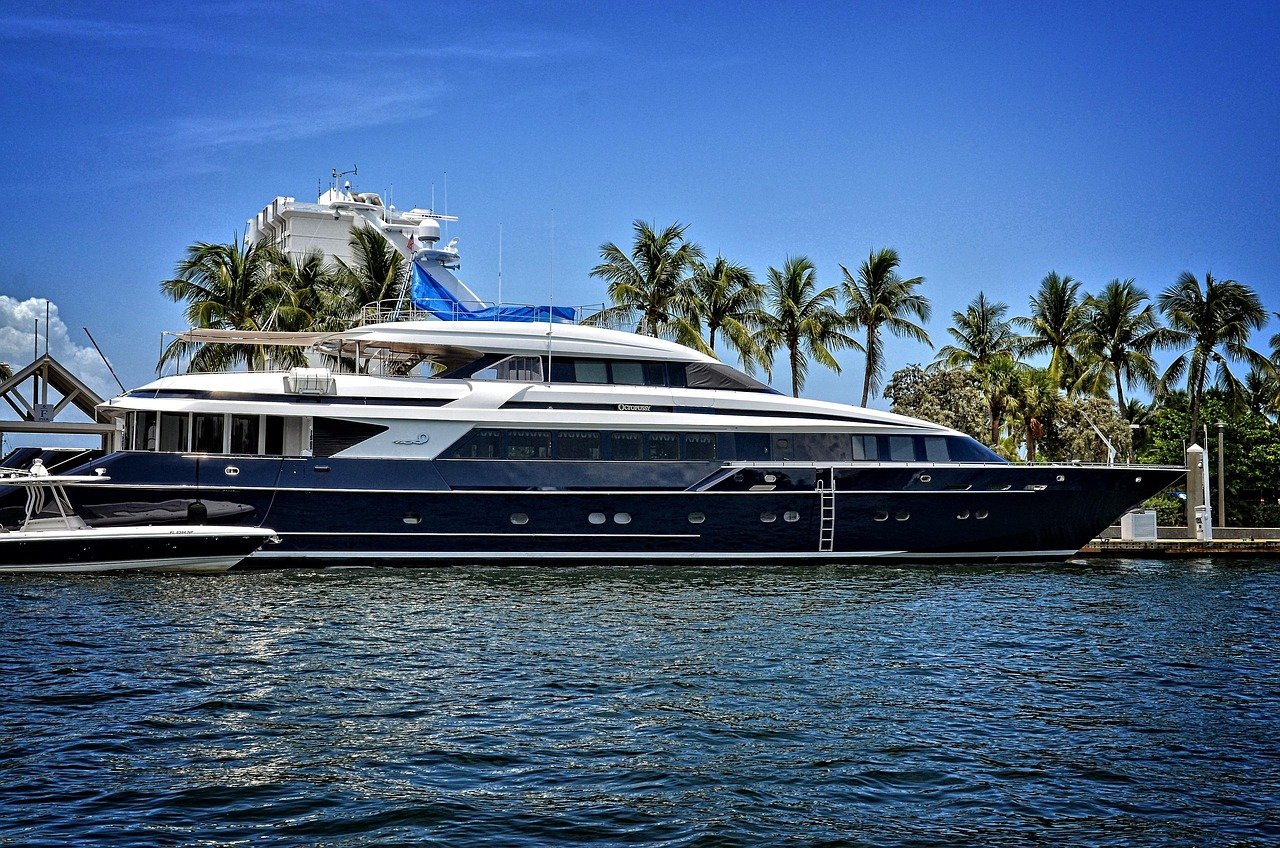
Begin the morning with a visit to Port Everglades to watch the massive cruise ships and superyachts come and go. Head north to Wilton Manors for a lively brunch along Wilton Drive. Spend the afternoon back on the water with a deep-sea fishing charter or a sunset sailing cruise departing from the marina. Close the trip with a final waterfront dinner overlooking the Intracoastal.
Fort Lauderdale's calendar is shaped by its coastal identity, with water, music, and food anchoring the city's most celebrated gatherings. Winter is peak season, drawing visitors with warm temperatures and a packed schedule of events. The Seminole Hard Rock Winterfest Boat Parade, one of the most-watched holiday spectaculars in the country, illuminates the Intracoastal Waterway each December with elaborately decorated vessels and waterfront crowds. January brings the Visit Lauderdale Food and Wine Festival, a celebration of the city's culinary ambitions that draws chefs and food lovers from across the region.
Jun 4, 2026
Fort Lauderdale's dining scene is shaped by its coastal geography, its multicultural population, and a growing ambition that has elevated the city well beyond its old reputation as a spring break destination. Seafood is the foundation of the local table, with stone crab claws, Florida spiny lobster, and fresh-caught mahi-mahi appearing on menus from casual waterfront shacks to polished restaurant dining rooms. The proximity to the ocean means the supply chain is short and the quality is consistently high.
Fort Lauderdale-Hollywood International Airport (FLL) is the closest and most practical arrival point,
sitting just three miles from the beach, with rideshare, taxis, rental cars, and the Broward County Transit Route 1 bus all available for the short trip into the city.
Miami International Airport (MIA), about 30 miles south,
is worth considering when fares are significantly lower, though factor in 45 to 60 minutes of driving time depending on I-95 traffic.
I-95 is the primary driving corridor into Fort Lauderdale from both Miami and Palm Beach,
with exits feeding directly into downtown and the Las Olas area, though rush-hour congestion between 7 and 9 a.m. and 4 and 7 p.m. can add significant time.
Brightline's Fort Lauderdale station connects the city to Miami in about 30 minutes and to Orlando in roughly three hours,
making it a genuinely convenient car-free option for travelers arriving from or continuing to either city.
Travelers arriving by cruise ship dock at Port Everglades,
one of the busiest cruise ports in the world, located less than two miles from the beach and easily reached by rideshare or taxi for pre- or post-cruise stays.
The Water Taxi network along the Intracoastal Waterway and New River
connects hotels, restaurants, and major attractions and is one of the most enjoyable ways to move between destinations, with all-day passes available for unlimited boarding.
The Sun Trolley's Las Olas and Beach routes run frequently and are free or low-cost,
making them a practical way to travel between the beach, Las Olas Boulevard, and downtown without dealing with parking.
Las Olas Boulevard and the beachfront along A1A are walkable and compact,
so visitors staying in those areas can reach most restaurants, shops, and beach access points on foot without needing a car for daytime activities.
Rideshare services like Uber and Lyft are widely available across Fort Lauderdale
and are the most efficient option for reaching FAT Village, Wilton Manors, or other neighborhoods that are not well served by the trolley network.
Beach parking along A1A fills quickly on weekends and holidays,
so using one of the city-operated garages near the beach or arriving before 10 a.m. will save significant time and frustration.
Fort Lauderdale's peak season runs from December through April, when temperatures are ideal and the city fills with snowbirds and spring breakers. Book accommodations and popular restaurants well in advance for this window. Summer brings heat, humidity, and frequent afternoon thunderstorms, but also lower rates and thinner crowds. The Sun Seeker and Water Taxi apps are useful for navigating local transit. Tipping follows standard U.S. norms: 18 to 20 percent at restaurants, a few dollars for hotel housekeeping per night, and standard rideshare tips through the app. Many beach and waterway activities require advance reservations, particularly boat charters and paddleboard rentals during busy weekends. The beach is generally safe, but be aware of posted flag warnings for surf and rip current conditions, which can change quickly. Wilton Manors, just north of downtown, is a welcoming and well-established LGBTQ+ neighborhood worth knowing about when choosing where to stay or go out.
Three to four days is the sweet spot for Fort Lauderdale. That gives you enough time to explore the beach, cruise the waterways by water taxi, walk Las Olas Boulevard, and dip into the arts scene at FAT Village or the NSU Art Museum. If you are adding a cruise departure from Port Everglades, two to three days works well.
Fort Lauderdale is best known for its beaches, boating culture, and extensive canal system - earning it the nickname the Venice of America. It hosts the largest in-water boat show in the world, the Fort Lauderdale International Boat Show. The city is also recognized for its vibrant Las Olas dining scene, Port Everglades cruise port, and the welcoming LGBTQ+ community in nearby Wilton Manors.
Yes, Fort Lauderdale works very well as a weekend trip, especially from within Florida or the eastern United States. Fort Lauderdale-Hollywood International Airport is well-connected with frequent flights. In two days you can cover the beach, a water taxi ride along the Intracoastal Waterway, and an evening on Las Olas Boulevard without feeling rushed.
Fort Lauderdale spans a wide price range. Beachfront resorts and superyacht marinas cater to luxury travelers, but mid-range hotels, casual seafood spots, and free beach access keep costs manageable for most budgets. Dining on Las Olas trends upscale, though plenty of affordable options exist. Visiting outside peak winter season can significantly reduce accommodation costs.
November through April is the best time to visit, with warm, dry weather and low humidity. Summer brings heat, humidity, and frequent afternoon thunderstorms, though hotel rates drop considerably.