
Baltimore, MD
A Journey guide to
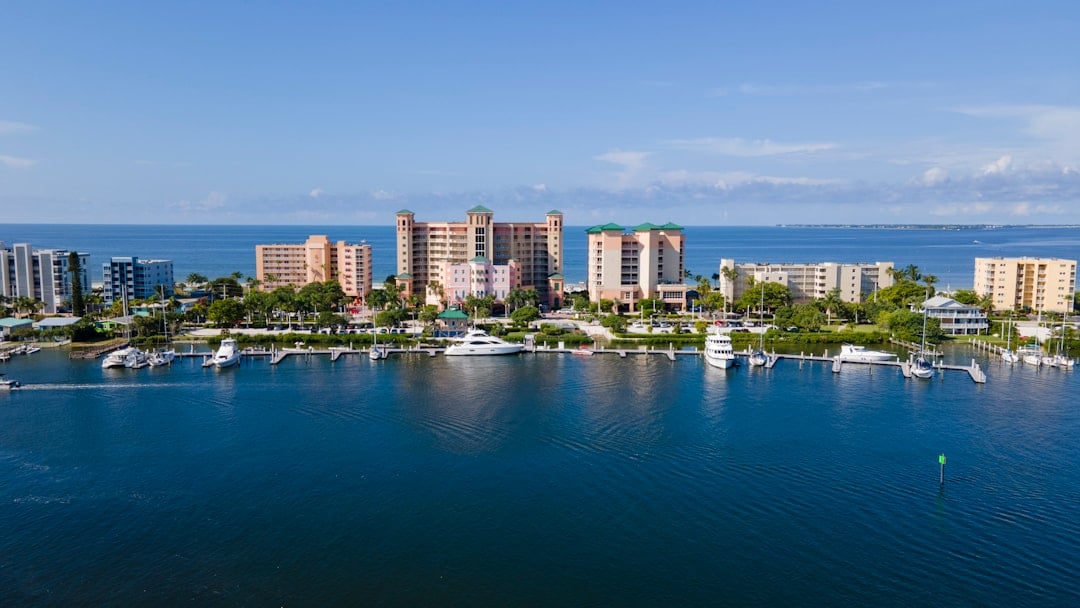
Fort Myers is Southwest Florida's cultural and commercial hub, sitting along the broad Caloosahatchee River just inland from the Gulf of Mexico. The city earned its nickname "The City of Palms" from the royal palms lining McGregor Boulevard, planted at the urging of Thomas Edison, who made Fort Myers his winter home. That legacy of invention and ambition still shapes the city's identity today.
The historic River District is the beating heart of Fort Myers, a walkable downtown packed with galleries, independent restaurants, craft breweries, and live music venues. First Street and the surrounding blocks have undergone a sustained revival, drawing a creative class alongside longtime residents who appreciate the city's unhurried Gulf Coast pace. The waterfront amphitheater and marina add to the district's appeal as a gathering place.
Fort Myers draws a diverse mix of travelers: history enthusiasts come for the Edison and Ford Winter Estates, one of Florida's most compelling historic sites; outdoor adventurers arrive for kayaking the Caloosahatchee, fishing the backcountry flats, and exploring the nearby Corkscrew Swamp Sanctuary. Families and beach lovers use Fort Myers as a base for day trips to Fort Myers Beach, Sanibel Island, and Captiva Island, each just a short drive away.
The city also serves as the gateway to the broader Lee County region, which encompasses barrier islands, nature preserves, and working fishing villages. Fort Myers itself retains a genuine small-city character that distinguishes it from more tourist-saturated Florida destinations. It rewards travelers who look beyond the beaches to engage with its neighborhoods, its history, and its surprisingly vibrant food and arts scene.
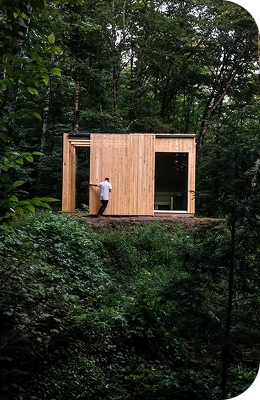

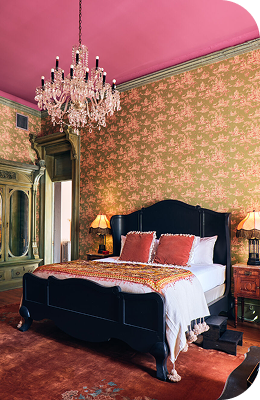

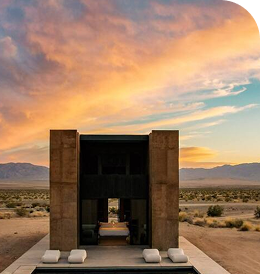









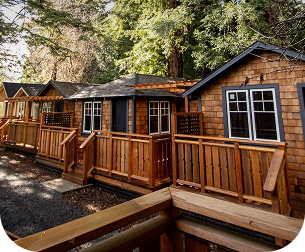

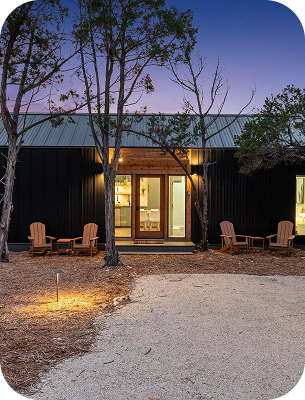

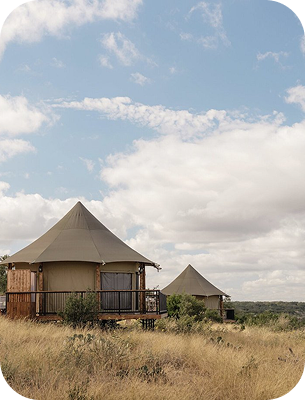

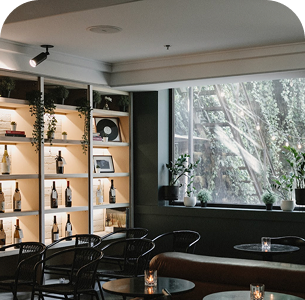





Journey connects travelers to a curated network of boutique hotels and distinctive residences around the world, all united under one rewards program. Explore handpicked stays for your trip while earning points, unlocking exclusive offers, and receiving rewards across the Journey collection.
Fort Myers occupies the northern bank of the Caloosahatchee River in Lee County, roughly 12 miles from the Gulf of Mexico. The river is not merely scenic backdrop - it is the city's geographic and historical spine, connecting the interior of South Florida to the coast and shaping the settlement patterns that defined the region for centuries. The surrounding terrain is characteristically flat Florida lowland, punctuated by wetlands, pine flatwoods, and mangrove-lined tidal creeks that feed into Charlotte Harbor and the Gulf.
The city's modern identity was forged in the late 19th century when Thomas Edison established his winter laboratory here in 1885, later drawing his friend Henry Ford to build an adjacent estate. That pairing of industrial genius and natural beauty set the tone for Fort Myers as a place where ambition and leisure coexist. The city grew steadily through the 20th century as a regional center for agriculture, commerce, and eventually real estate, becoming the seat of Lee County and the economic engine of Southwest Florida.
Culturally, Fort Myers occupies an interesting middle ground. It is neither the hyper-developed resort corridor of Naples to the south nor the sprawling anonymity of greater Tampa to the north. The River District carries genuine urban texture - murals, independent businesses, a performing arts center, and a calendar of farmers markets and community events that reflect a city investing in its own character. The Barbara B. Mann Performing Arts Hall and the Sidney and Berne Davis Art Center anchor a cultural infrastructure that punches above the city's weight.
For travelers, Fort Myers functions as both a destination in its own right and an exceptionally well-positioned base. The barrier islands of Sanibel and Captiva, celebrated for shelling and wildlife refuges, lie just across the Sanibel Causeway. Fort Myers Beach occupies Estero Island directly to the southwest. The broader appeal of Fort Myers is its layered quality: history, nature, urban life, and Gulf Coast access all within easy reach of one another.
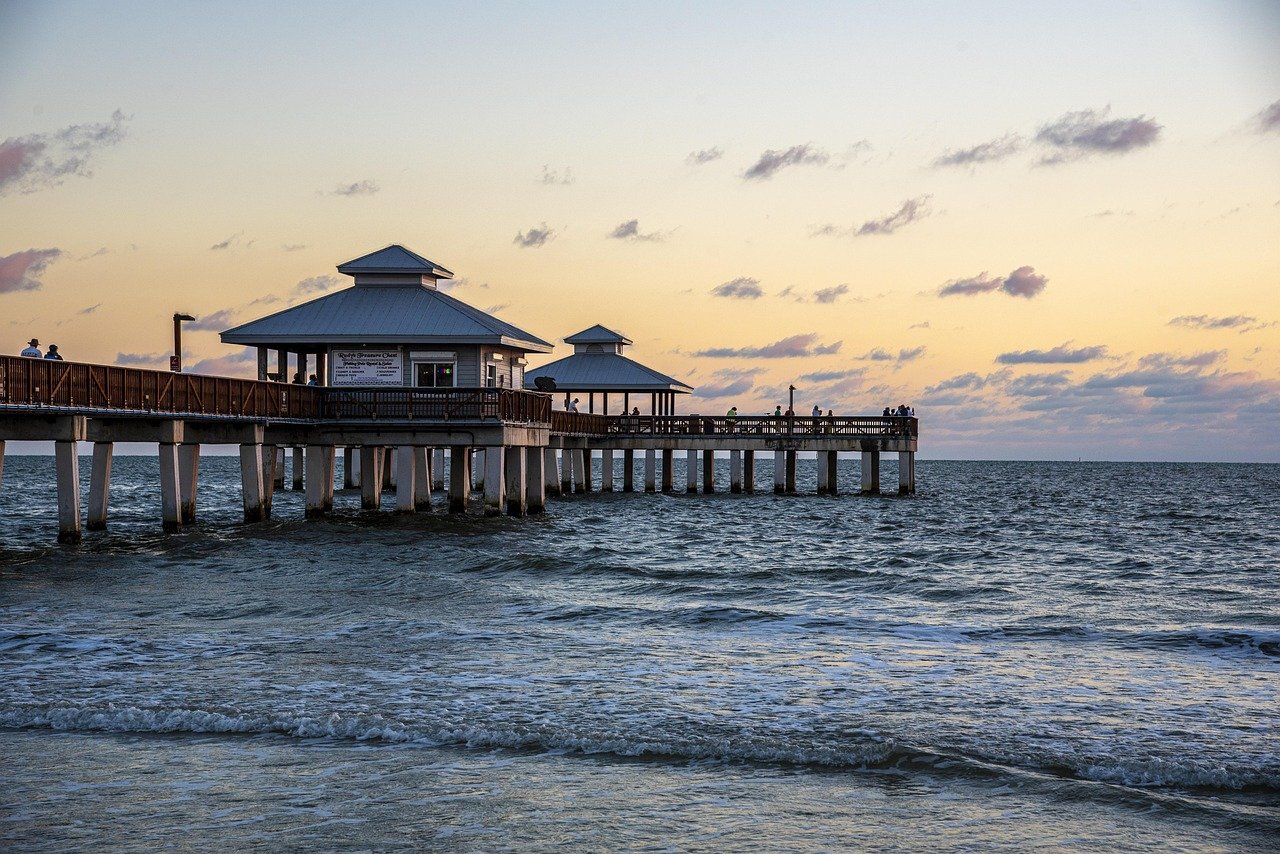
Fort Myers rewards visitors differently depending on what they are after, but the window from mid-November through April represents the sweet spot for most travelers. This dry season period brings clear skies, low humidity, and reliably calm Gulf waters, making it ideal for beach days on Sanibel and Fort Myers Beach, kayaking the Caloosahatchee, and exploring the Edison and Ford Winter Estates without the discomfort of summer heat. Crowds and prices peak between January and March, when snowbirds and winter vacationers fill the region's accommodations. Booking well in advance is essential for this period, particularly for waterfront properties and popular restaurants in the River District.
Travelers seeking a balance of good conditions and thinner crowds should target November or April. November marks the transition into dry season, with summer's humidity fading and the tourist surge yet to arrive. April offers similarly manageable crowds before the school-holiday rush, and the beaches and outdoor attractions remain fully accessible.
Spring breakers descend on Fort Myers Beach and the surrounding area in March, so travelers who prefer a quieter experience should avoid that month or focus on the city's inland neighborhoods, galleries, and cultural venues, which see less spring break traffic.
Summer and early fall bring the lowest prices and the fewest visitors, which can appeal to budget-conscious travelers willing to work around daily afternoon storms. Outdoor activities are best scheduled for mornings. Hurricane season runs through November, with the greatest risk concentrated in August through October, so travelers visiting during this window should monitor forecasts and consider flexible booking options.
For fishing enthusiasts, tarpon season peaks from May through July in the backcountry flats around Pine Island Sound, making late spring a compelling time to visit despite the heat.
Fort Myers' historic downtown core hugs the Caloosahatchee River and pulses with galleries, craft breweries, live music venues, and independent restaurants. First Street anchors the district with a walkable mix of restored storefronts and waterfront gathering spots. The riverfront amphitheater and marina make it a natural hub for both locals and visitors.
Lined with towering royal palms planted at Thomas Edison's urging, McGregor Boulevard is one of Florida's most iconic residential streets and the route to the Edison and Ford Winter Estates. The corridor blends grand historic homes with quiet neighborhood character, offering a window into Fort Myers' storied past. It is the city's most photographed thoroughfare and a leisurely cycling or driving route.
Centered on the sprawling riverside estates of Thomas Edison and Henry Ford, this district draws history enthusiasts to one of Florida's most compelling museum complexes. The surrounding streets feature early 20th-century architecture and lush tropical gardens that reflect the area's Gilded Age heritage. It is a quieter, contemplative corner of the city with genuine historical weight.
Overlapping with the River District but distinct in energy, Fort Myers' arts corridor runs through the blocks surrounding the Sidney and Berne Davis Art Center and clusters of independent galleries. Monthly art walks draw a creative crowd, and murals enliven the side streets with color and local expression. It is the city's most culturally active neighborhood for those who want to engage with the local creative scene.
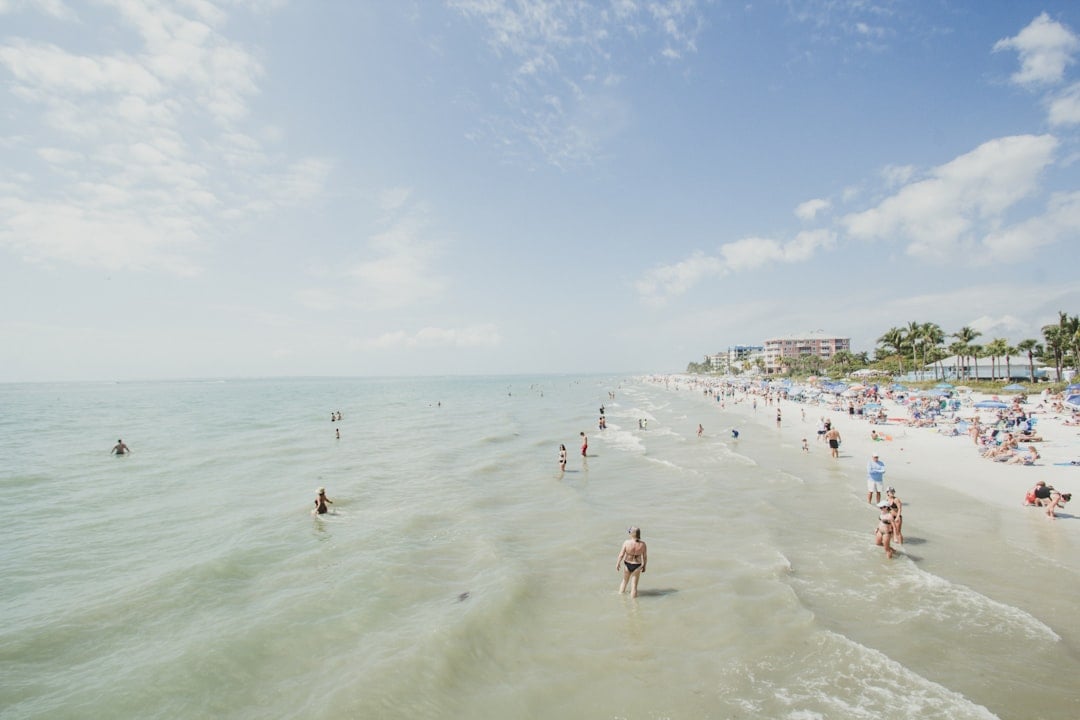
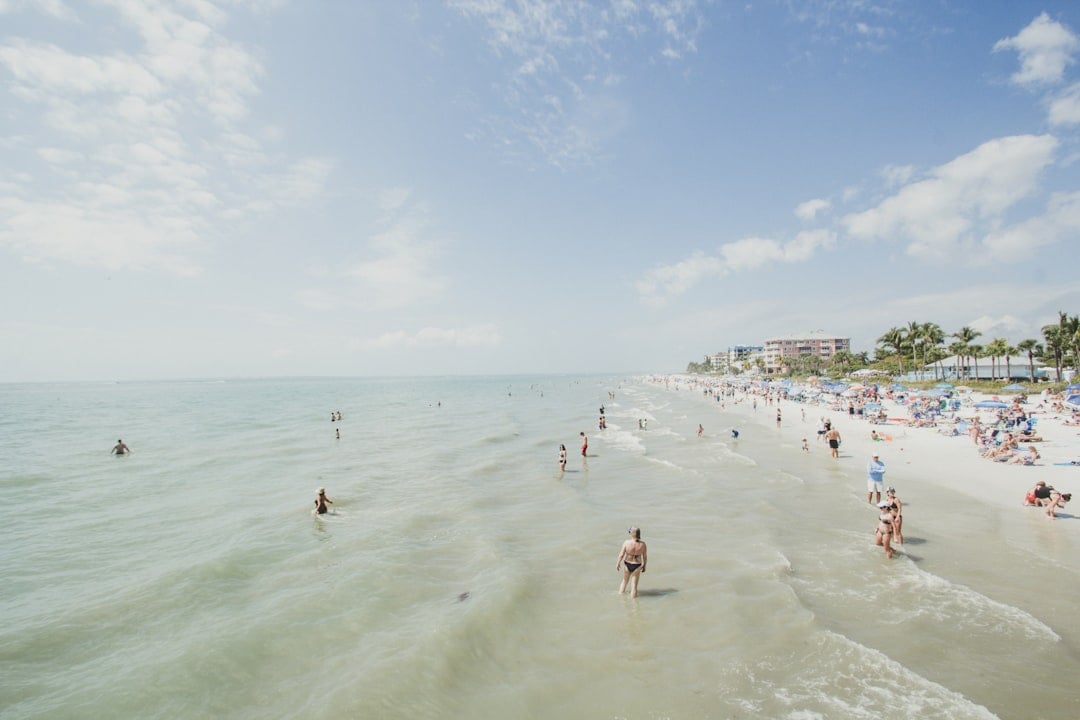
A short drive from the city proper, Fort Myers Beach occupies the northern end of Estero Island and serves as the region's primary beachfront destination. Times Square at the island's north end concentrates casual seafood restaurants, beach bars, and souvenir shops just steps from the Gulf. The area has undergone significant rebuilding following Hurricane Ian and is re-emerging as a lively coastal community.
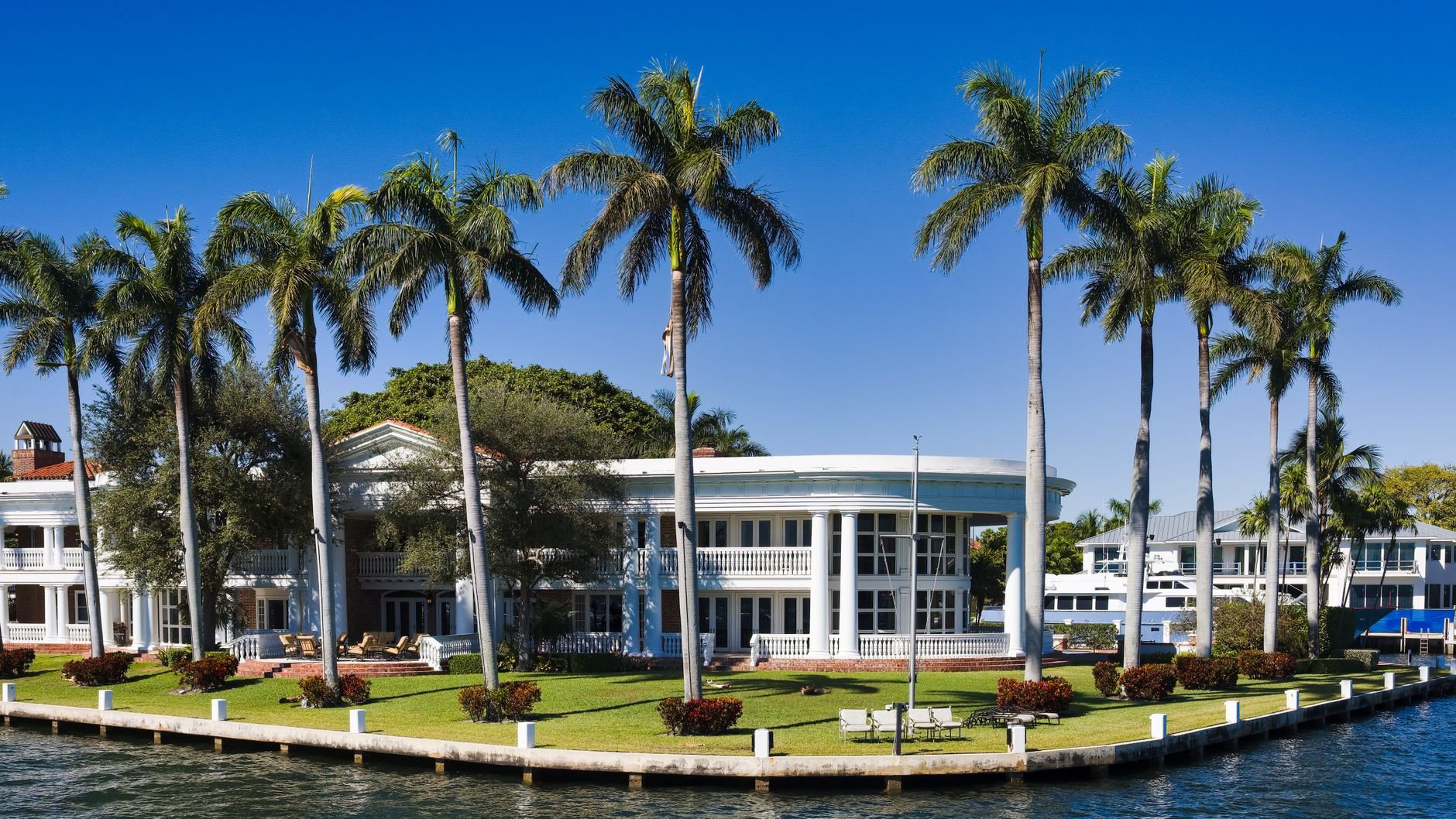
Fort Myers is defined by a handful of experiences that no other destination can replicate.
Edison and Ford Winter Estates
The most iconic stop in Fort Myers, this 21-acre National Historic Landmark preserves the adjacent winter retreats of Thomas Edison and Henry Ford. Visitors walk through Edison's working laboratory - still stocked with original equipment - wander a botanical garden he cultivated over decades, and tour the homes where two of America's most consequential inventors spent their winters together. The on-site museum holds a remarkable collection of artifacts and inventions. It is the experience that draws history travelers to Fort Myers above all else.
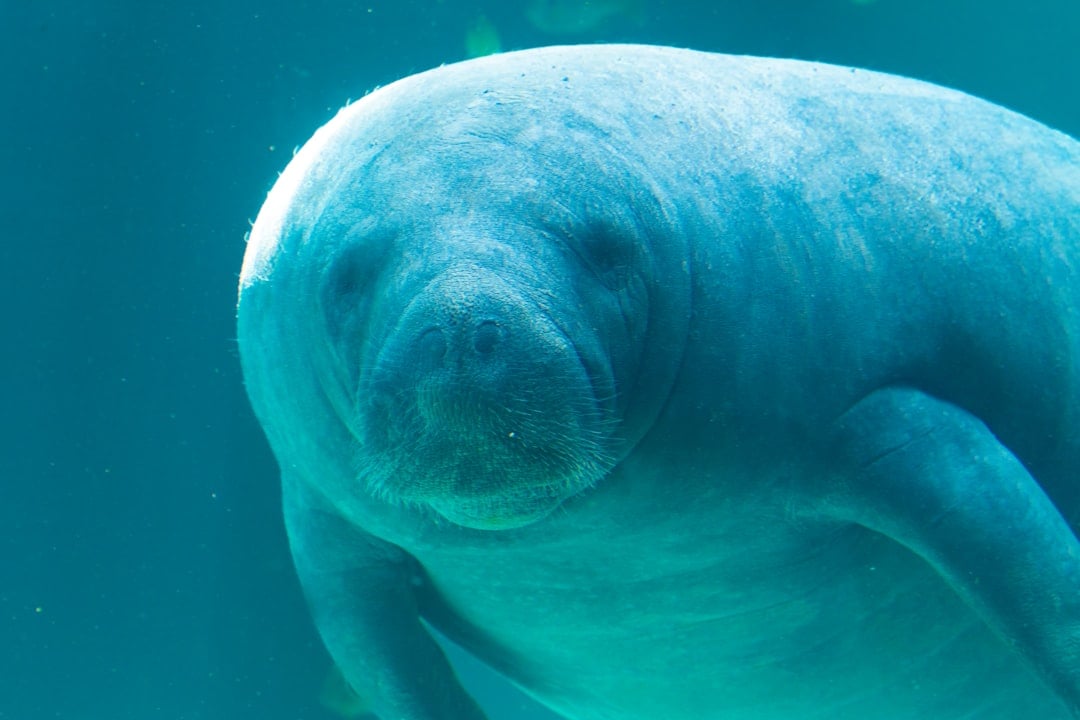
Manatee Watching at Manatee Park
Between November and March, Florida manatees congregate in the warm-water outflow of the Florida Power and Light plant adjacent to Manatee Park, creating one of the most accessible and reliable wildlife viewing opportunities in the state. Visitors line the observation decks and kayak launch to watch dozens of these gentle giants up close - an experience that consistently ranks among the most memorable wildlife encounters in Florida.
Exploring the River District
Fort Myers' historic downtown has evolved into the social and cultural heart of the city. First Street and the surrounding blocks offer a walkable mix of independent restaurants, craft breweries, art galleries, and live music venues. The waterfront setting along the Caloosahatchee River adds a scenic backdrop to evenings spent exploring the neighborhood's eclectic character - a side of Florida that feels genuinely local rather than tourist-facing.
Gateway to the Islands
Fort Myers serves as the natural launching point for day trips to Sanibel Island, famous worldwide for shell collecting, and Captiva Island, known for its quiet beauty and sunset views. The short drive across the causeway delivers travelers to a very different Gulf Coast experience, and many visitors structure their entire trip around this combination of city base and island escape.
Fort Myers offers a rich range of activities that blend Gulf Coast nature, history, and a lively downtown arts scene.
Outdoor Recreation
The city and surrounding region are a playground for nature lovers. Six Mile Cypress Slough Preserve offers a boardwalk trail through a wetland ecosystem teeming with birds, alligators, and native wildlife. Manatee Park is a beloved spot to watch Florida manatees gather in the warm-water discharge canal during cooler months. Nearby Lovers Key State Park and Bowditch Point Park provide kayaking, paddleboarding, and shelling along pristine shorelines. San Carlos Bay - Bunche Beach Preserve rewards birders and beachcombers with undeveloped coastal habitat, while the Caloosahatchee Creeks Preserve and Prairie Pines Preserve offer peaceful hiking through upland and wetland terrain north of the city.
Cultural Attractions
Fort Myers punches well above its weight in history and heritage. The Edison and Ford Winter Estates stand as one of Florida's most significant historic sites, preserving the laboratories, gardens, and winter homes of two American icons. The Burroughs Home and Gardens offers an elegant look at early 20th-century Florida life, while Mound Key Archaeological State Park reveals the ancient Calusa civilization through shell mound remnants accessible only by water.
Arts and Entertainment
The River District anchors a thriving downtown arts and nightlife scene. The Sidney and Berne Davis Art Center hosts exhibitions and live events in a stunning neoclassical building. Broadway Palm Dinner Theatre and Barbara B. Mann Performing Arts Hall at FSW bring professional theater and touring performances to the area year-round. For country music and live entertainment, The Ranch Concert Hall and Saloon draws regional and national acts.
Food and Dining
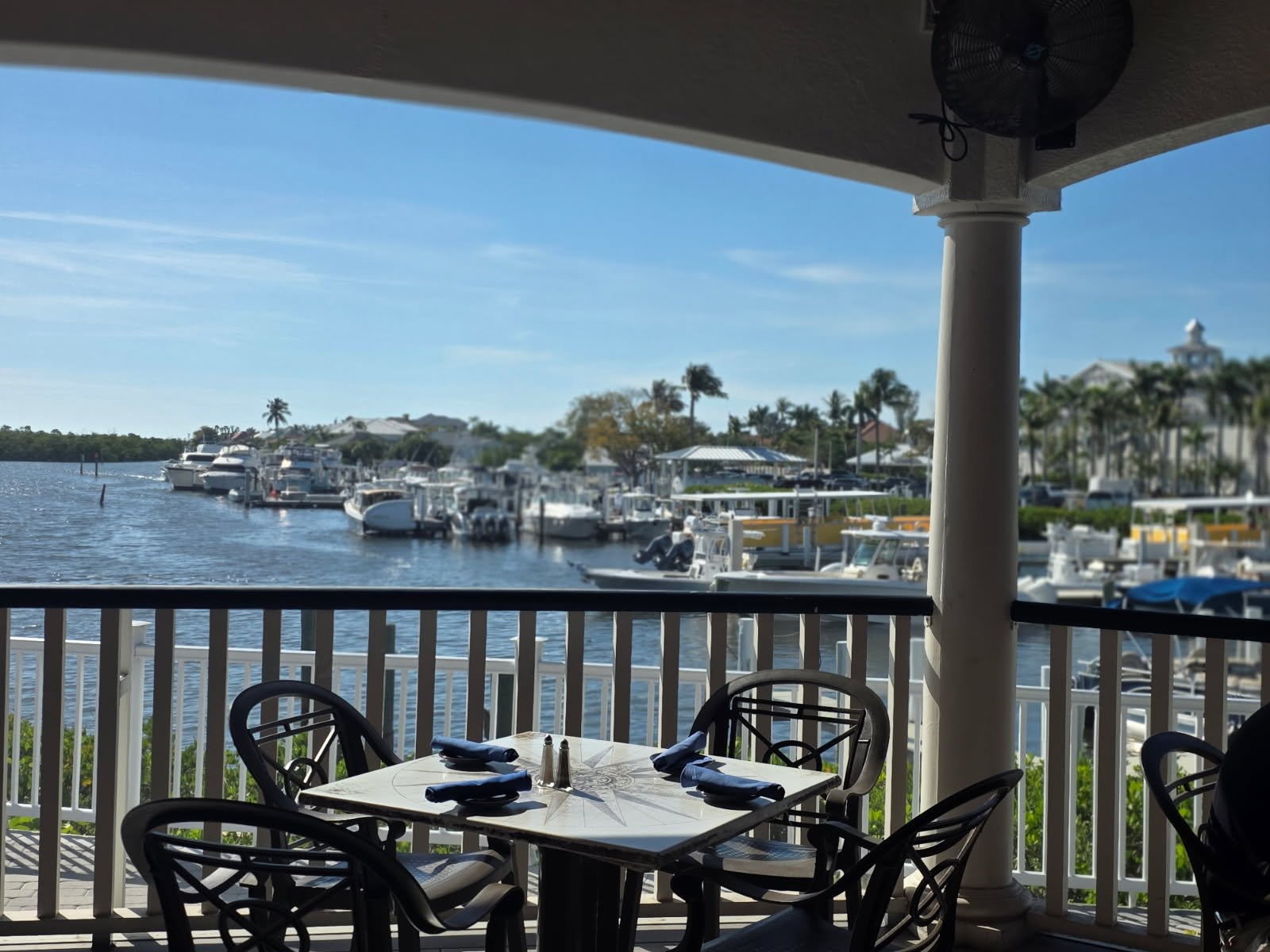
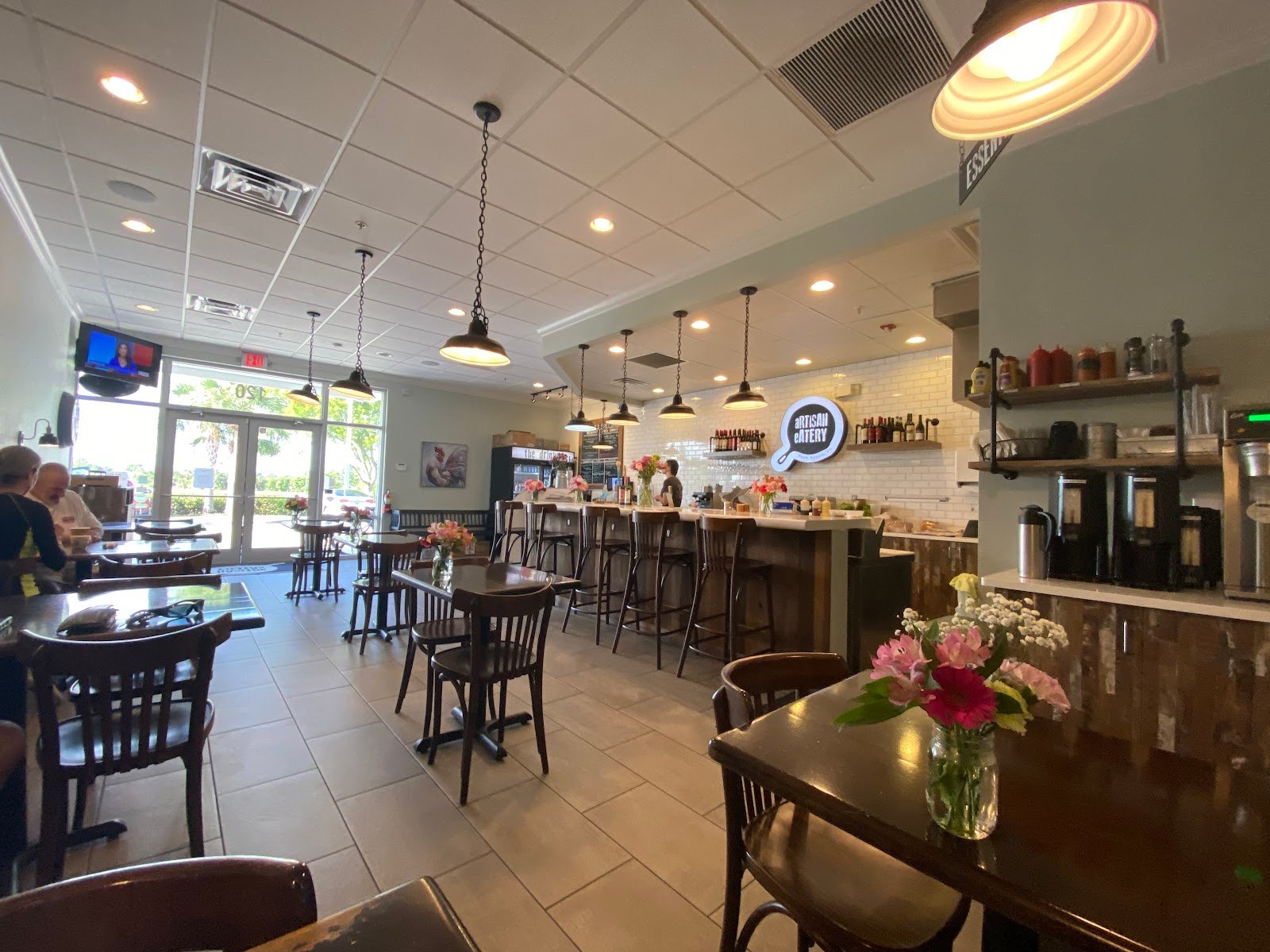
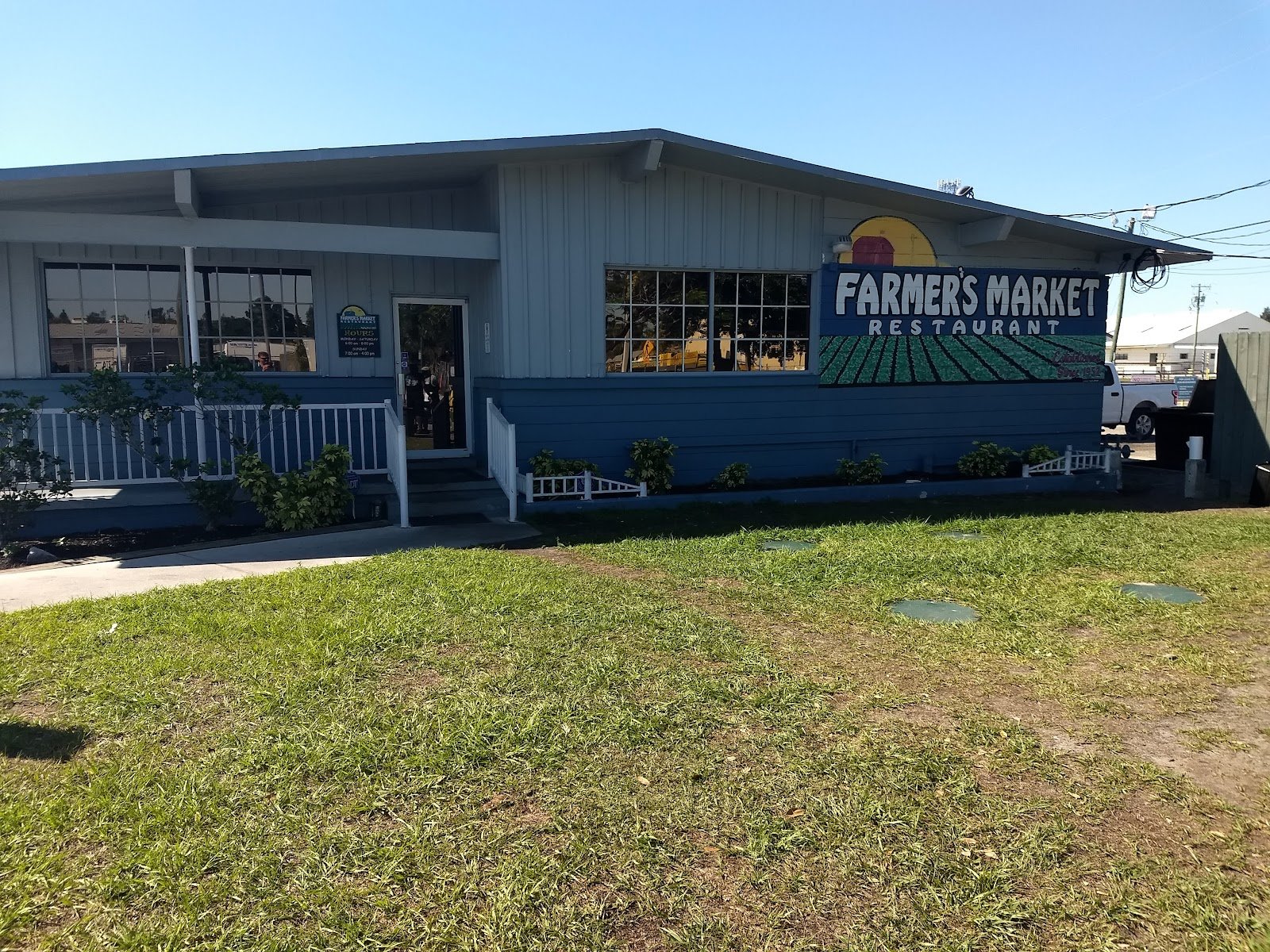
Fort Myers has developed a genuine dining culture centered on the River District. From waterfront seafood to Italian classics and farm-fresh menus, the city's independent restaurants reflect its Gulf Coast character and growing culinary ambition.
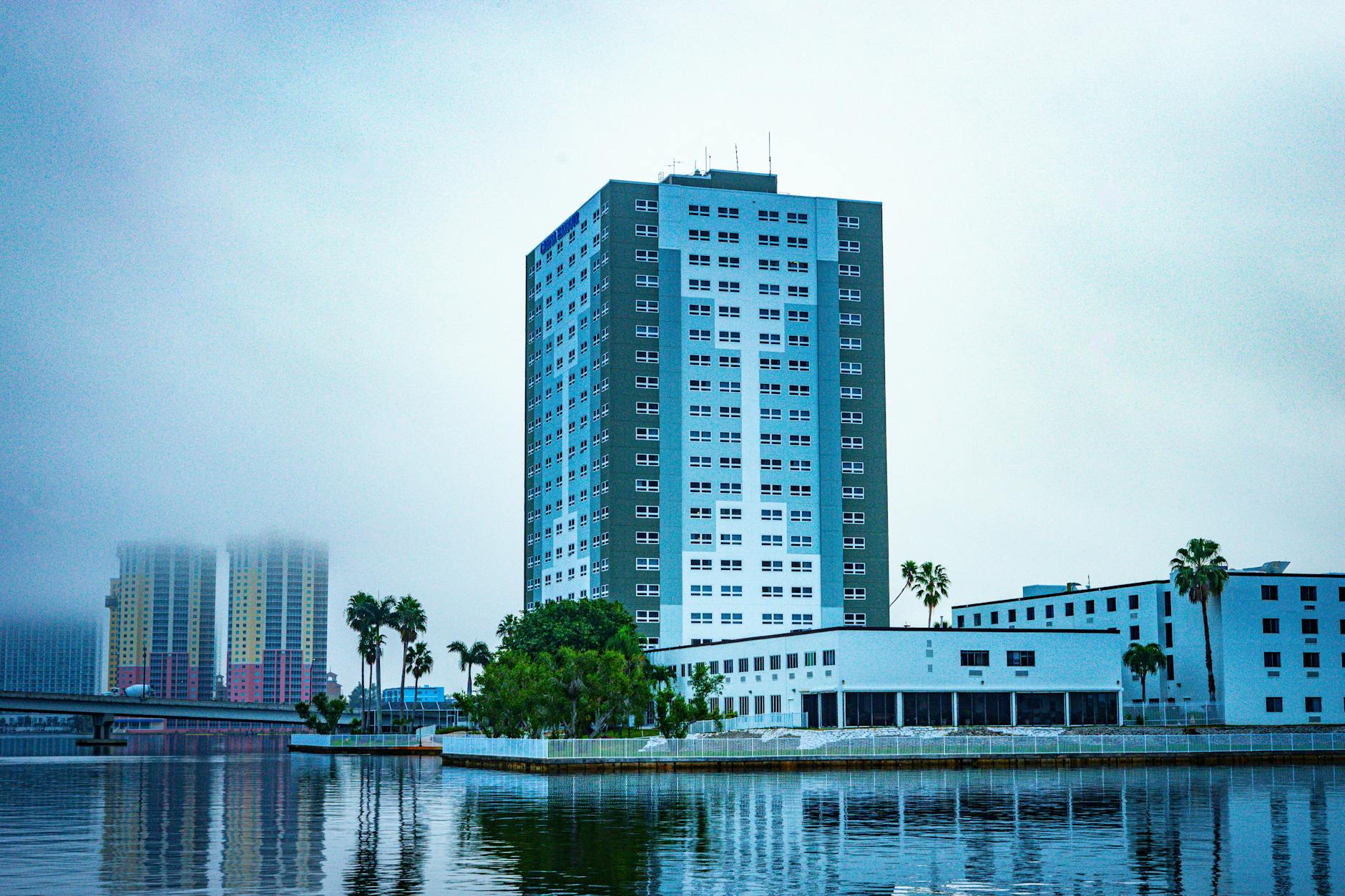
Start your morning at the Edison and Ford Winter Estates, exploring the historic homes, botanical gardens, and museum along the Caloosahatchee River. After lunch at a spot on First Street in the River District, browse the galleries and boutiques lining the walkable downtown blocks. End the evening with craft beers and live music at one of the River District's local breweries or waterfront venues.
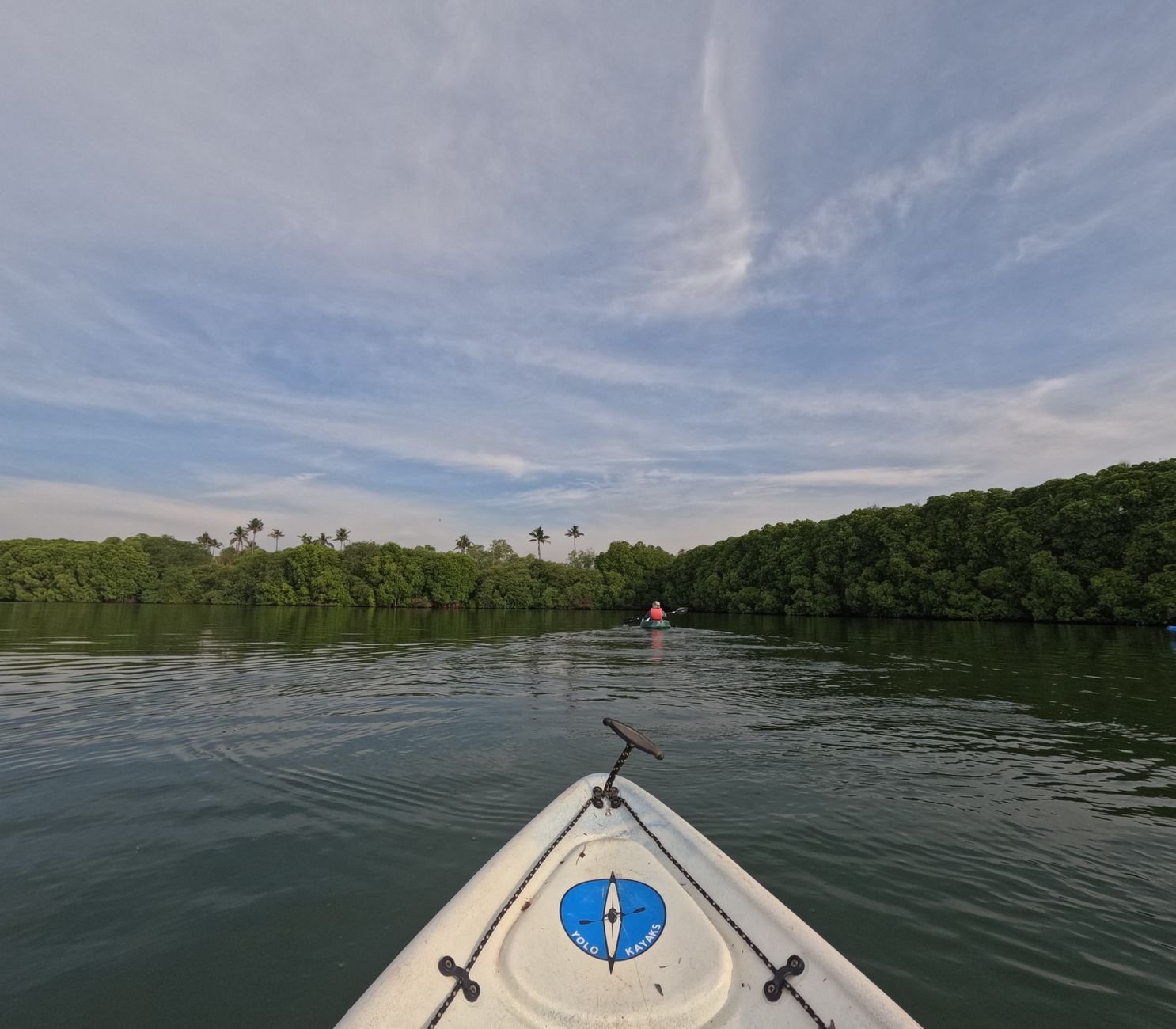
Head out early for a kayak or canoe trip along the Caloosahatchee backcountry flats, or drive to the Corkscrew Swamp Sanctuary for a guided boardwalk nature walk through ancient cypress forest. Grab a casual lunch at a local seafood shack, then spend the afternoon and evening exploring Fort Myers Beach: stroll the pier, watch the sunset, and enjoy fresh Gulf seafood at a waterfront restaurant.
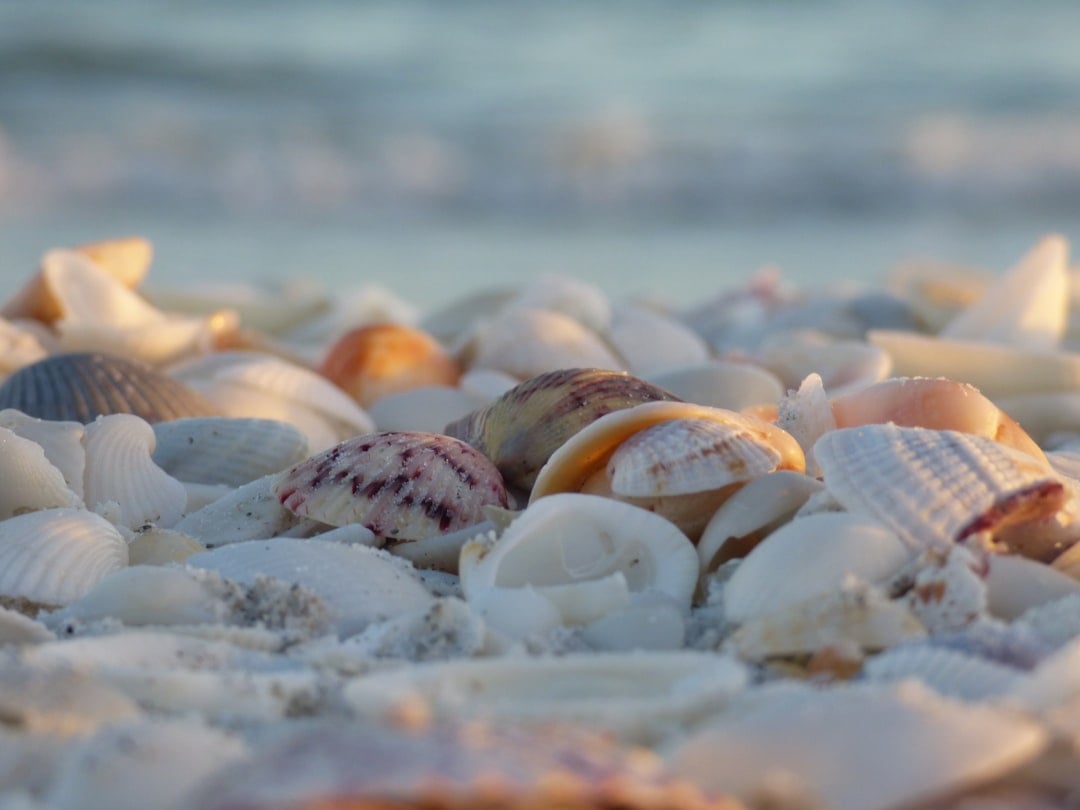
Take a short morning drive over the causeway to Sanibel Island, famous for its world-class shelling on uncrowded beaches. Stop at the J.N. 'Ding' Darling National Wildlife Refuge for a wildlife drive or bike ride through mangroves and wetlands. Head back to Fort Myers in the late afternoon and wrap up your trip with dinner at one of the independent restaurants in the River District.
Fort Myers moves to a distinctly Gulf Coast rhythm, shaped by a dry, sun-drenched winter season that draws snowbirds and cultural programming in equal measure, and a slower, storm-watchful summer that belongs mostly to locals. The coolest months, roughly November through April, are when the city's event calendar fills fastest, with outdoor festivals, live music, and food celebrations taking advantage of the mild air and low humidity.
Oct 2, 2026
Oct 24, 2026
Dec 11, 2026
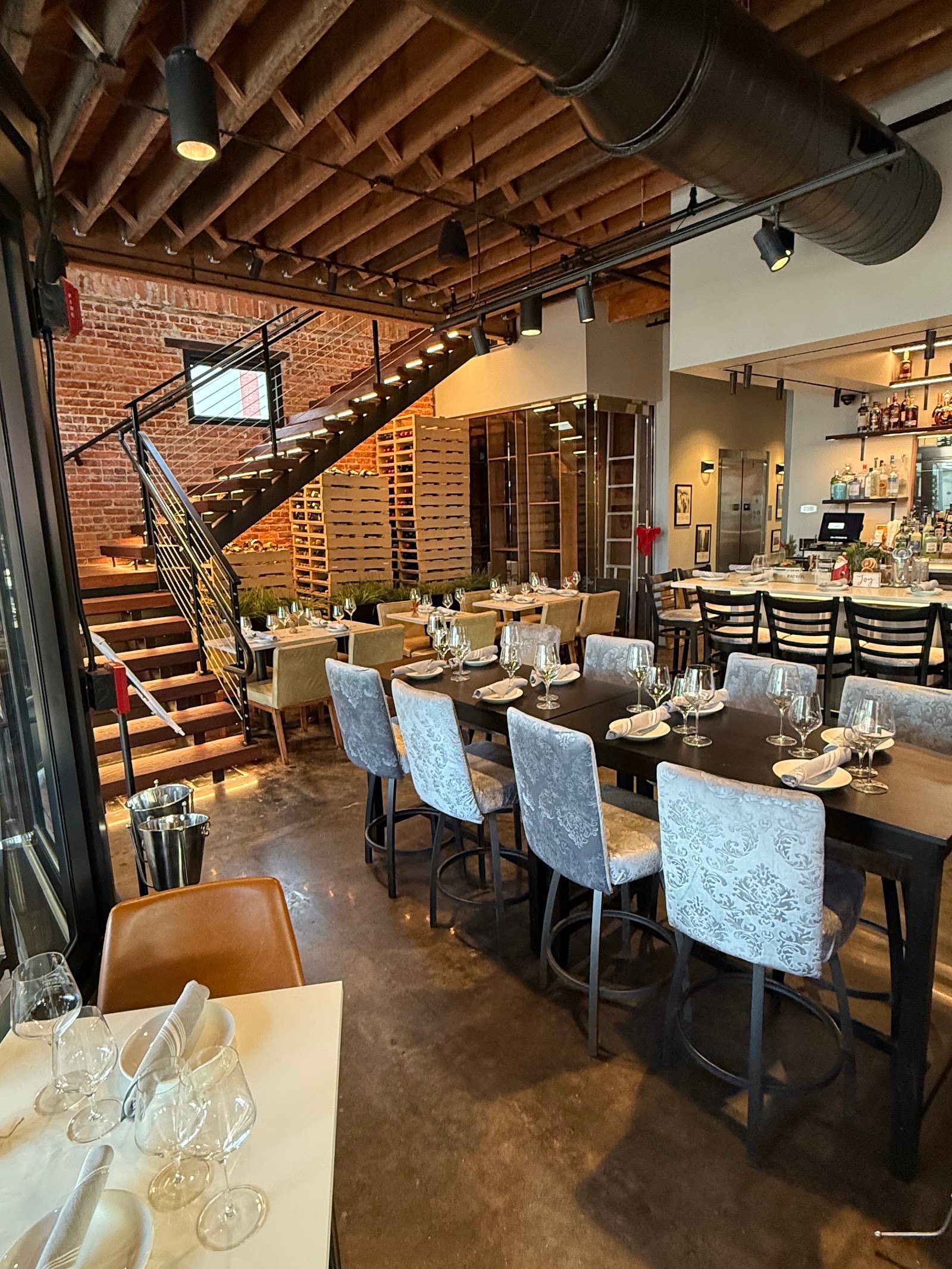
Fort Myers' dining scene reflects its position at the intersection of Gulf Coast seafood culture, a growing creative class, and a large seasonal population with sophisticated tastes. The result is a food landscape that ranges from no-frills waterfront fish shacks to polished farm-to-table restaurants, often within a few blocks of each other in the River District.
Southwest Florida International Airport (RSW) is the primary gateway to Fort Myers,
located about 14 miles southeast of downtown with nonstop service from dozens of U.S. cities, plus on-site rental car facilities and rideshare pickup.
Drivers arriving from the north reach Fort Myers via I-75,
which connects directly to the city from Tampa (roughly 2.5 hours) and continues south toward Naples, making it the fastest and most straightforward driving corridor into the region.
Miami-area travelers can reach Fort Myers in about 2 hours via I-75 west through Alligator Alley,
a toll road that cuts across the Everglades and is the most direct route from South Florida's east coast.
Amtrak does not serve Fort Myers directly,
so rail travelers should plan to arrive at Tampa's Union Station and arrange a rental car or shuttle for the remaining 2.5-hour drive south.
Greyhound and FlixBus offer limited intercity bus service into Fort Myers,
but connections are infrequent and the bus terminal is not centrally located, making this option best suited for budget travelers with flexible schedules.

The River District downtown is compact and walkable,
making it easy to cover First Street galleries, restaurants, and the waterfront amphitheater on foot, though you will need a car for anything beyond the immediate downtown core.
LeeTran, Lee County's public bus network, connects Fort Myers and Cape Coral,
but routes run infrequently and are not optimized for tourist destinations, so most visitors rely on it only as a backup rather than a primary way to get around.
Uber and Lyft operate reliably throughout Fort Myers,
making rideshare a smart choice for evenings in the River District when you want to avoid parking or driving after dinner and drinks.
The Sanibel Causeway charges a toll for vehicles heading to Sanibel Island,
so budget for the round-trip fee if you plan a day trip to Sanibel or Captiva, and consider arriving early to beat the midday traffic that backs up at the causeway entrance.
Peak season runs January through April, when snowbirds arrive and prices for hotels and vacation rentals rise sharply. Book accommodations and any guided tours or fishing charters well in advance during this window. Hurricane season runs June through November, with the highest risk in August and September. Travel insurance is worth considering if you are visiting in the fall. Tipping follows standard U.S. norms: 18 to 20 percent at restaurants, a few dollars for shuttle drivers and hotel staff. The Visit Fort Myers app and website are useful for event listings and attraction hours. Cash is rarely necessary, as nearly all businesses accept cards, but keep small bills handy for causeway tolls and farmers markets. Mosquitoes and no-see-ums can be intense near waterways and nature areas, especially at dawn and dusk. Pack insect repellent if you plan to kayak, hike, or spend time outdoors near the water.
Three to four days is ideal for Fort Myers. That gives you time to explore the historic River District, tour the Edison and Ford Winter Estates, and take day trips to nearby Fort Myers Beach, Sanibel Island, or Captiva Island. If you plan to kayak, fish, or visit Corkscrew Swamp Sanctuary, budget an extra day or two.
Fort Myers is best known for the Edison and Ford Winter Estates, one of Florida's most visited historic sites, and for its royal palm-lined McGregor Boulevard, which earned it the nickname 'The City of Palms.' It is also known as the gateway to Sanibel and Captiva Islands, and for its revitalized downtown River District with galleries, breweries, and live music.
Yes, Fort Myers works well as a weekend trip. In two days you can tour the Edison and Ford Winter Estates, walk the River District for dining and live music, and squeeze in a beach visit to Fort Myers Beach or Sanibel. It is a manageable destination with enough variety to fill a short getaway without feeling rushed.
Fort Myers is moderately priced by Florida standards. It is generally more affordable than Miami or Naples, with a range of dining options from casual waterfront spots to independent restaurants in the River District. Costs rise during peak winter season. Nearby barrier islands like Sanibel tend to be pricier, but Fort Myers proper offers good value.
The best time to visit Fort Myers is November through April, when temperatures are mild, humidity is low, and rainfall is minimal. Summer brings intense heat, high humidity, and frequent afternoon thunderstorms, though crowds thin out and prices drop.