
Baltimore, MD
A Journey guide to
Hialeah is one of the most distinctly Cuban cities in the United States, a place where Spanish is the dominant language, Cuban coffee is a way of life, and the rhythms of salsa and reggaeton drift from storefronts and family restaurants. Situated just northwest of Miami, it is less a tourist destination than a living, breathing cultural enclave — one that rewards travelers who seek authenticity over polish.
The city's most iconic landmark is Hialeah Park, a National Historic Landmark and former thoroughbred racing venue whose infield is home to a legendary colony of American flamingos. The Art Deco grandstand and lush grounds make it one of the most architecturally striking racing venues in the country, and it remains a touchstone of Hialeah's identity even as the track has evolved over the decades.
Hialeah's dining scene is a serious draw for food-focused travelers. The city is packed with Cuban bakeries, ventanitas (walk-up coffee windows), and family-run restaurants serving ropa vieja, croquetas, and pressed Cuban sandwiches that rival anything found in Miami proper. Calle Ocho culture has deep roots here, and the local food landscape is a direct expression of the community's heritage.
The traveler drawn to Hialeah is typically one chasing real cultural immersion — someone less interested in luxury resorts than in wandering a neighborhood where the culture is lived rather than performed. It pairs naturally with a broader Miami itinerary, offering a counterpoint to South Beach's glamour with something far more grounded and genuinely local.
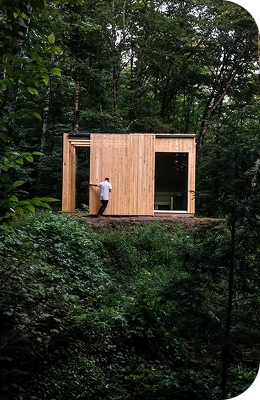

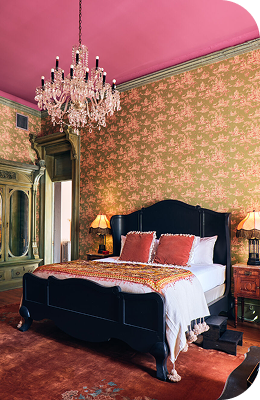

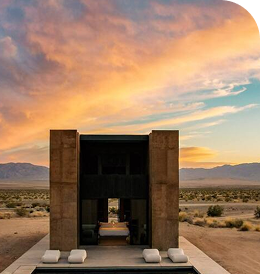





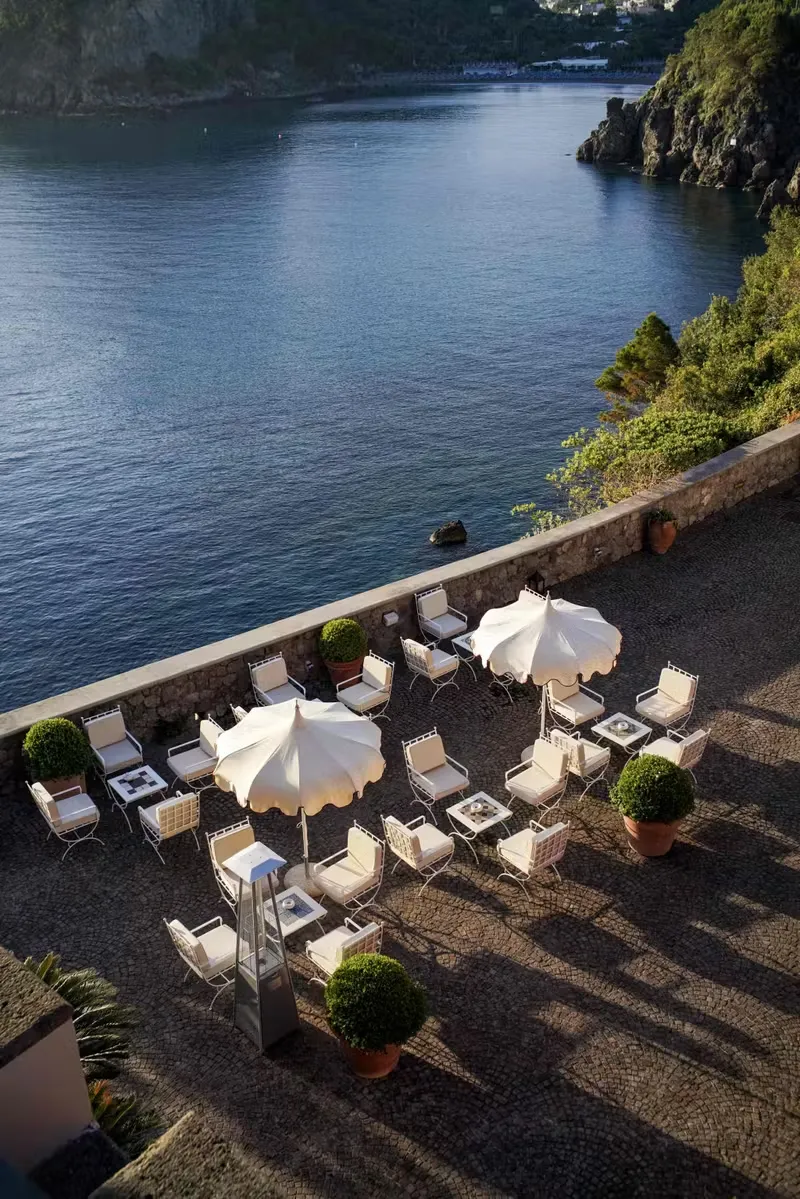

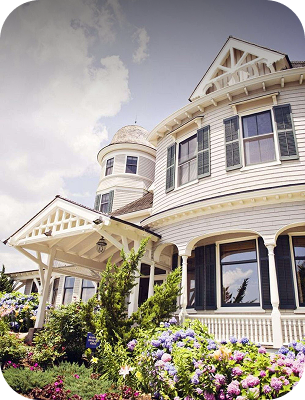

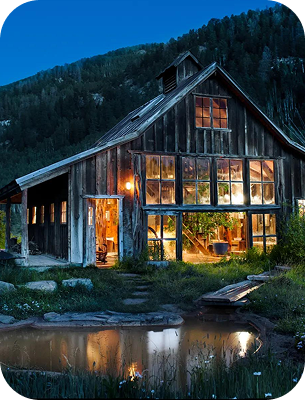

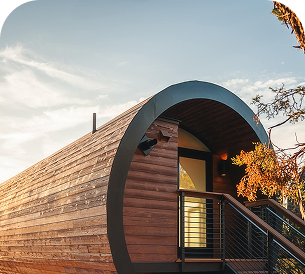







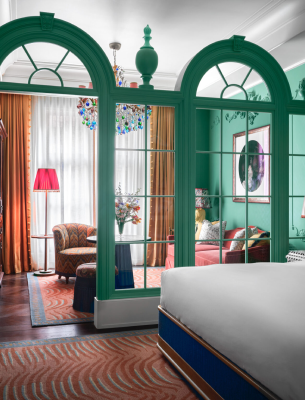
Journey connects travelers to a curated network of boutique hotels and distinctive residences around the world, all united under one rewards program. Explore handpicked stays for your trip while earning points, unlocking exclusive offers, and receiving rewards across the Journey collection.
Hialeah occupies a flat, low-lying position in Miami-Dade County, bordered by Miami to the south and east, and sitting just inland from the coastal development that defines much of South Florida. The city covers roughly 21 square miles and is one of the most densely populated cities in Florida, with a population that is overwhelmingly Hispanic — more than 94 percent — and predominantly of Cuban descent. That demographic reality shapes everything about the city: its sounds, its food, its commerce, and its community rhythms.
The city's roots go back to the early 20th century, when it was incorporated in 1925 and quickly developed as a destination for horse racing and outdoor recreation. Hialeah Park opened in 1925 and became one of the premier thoroughbred racing venues in the country through the mid-20th century, attracting celebrities, gamblers, and horse racing royalty. The park's famous flamingo colony — introduced in the 1930s — became the city's enduring symbol.
The transformation of Hialeah into a Cuban-American stronghold accelerated after the Cuban Revolution of 1959, as waves of Cuban exiles settled in the Miami metro area. Hialeah absorbed a large portion of that population and became, over subsequent decades, one of the most culturally cohesive Cuban communities outside of the island itself. Today, walking its commercial corridors feels like a genuine cultural experience: signage is in Spanish, conversations happen in Spanish, and the food, music, and social fabric reflect a community that has maintained its identity across generations.
For travelers, Hialeah is best understood as a complement to Miami rather than a standalone destination. It offers a window into Cuban-American life that is unmediated and deeply authentic. The city lacks the beach and the nightlife infrastructure of Miami Beach, but it more than compensates with cultural depth, extraordinary everyday food, and the particular energy of a community that has built something enduring far from its homeland.
The best time to visit Hialeah is from mid-November through April, when the dry season brings clear skies, comfortable conditions, and a full calendar of cultural activity. This stretch is peak season for the broader Miami area, and Hialeah is no exception — the streets are lively, outdoor dining at ventanitas is a daily pleasure, and the city's Cuban cultural fabric is on full display without the punishing humidity of the warmer months.
December and January sit at the sweet spot of the dry season. Crowds are present but Hialeah, being a local residential city rather than a resort destination, never feels overwhelmed the way South Beach does. This is an ideal time to explore Hialeah Park, linger over a Cuban coffee at a walk-up window, and spend unhurried time in the neighborhood without weather working against you.
February and March are particularly well-suited for food-focused travelers. The city's family-run restaurants and bakeries are in full swing, and the comfortable conditions make it easy to move between spots on foot or by car without fatigue. Spring training baseball activity in the broader Miami region also draws visitors who often pair a Hialeah cultural detour with a game day.
April remains excellent, though humidity begins to creep back in by the latter half of the month. Travelers on a budget who want to avoid peak-season pricing in nearby Miami hotels may find April a smart compromise — conditions are still good and rates begin to soften.
Summer visits are possible for travelers who are heat-tolerant and flexible around afternoon storms, but the combination of intense humidity and near-daily downpours makes extended outdoor exploration challenging. The rainy season also carries hurricane risk through November, so travel insurance is advisable for anyone visiting between June and early November.
Anchored by the legendary Hialeah Park racetrack, this area is defined by its Art Deco grandstand and the famous flamingo colony that inhabits the infield. The surrounding streets carry an old-Florida energy, with local diners and small businesses that have served the community for generations. It is a must-visit for anyone wanting to understand Hialeah's history and civic pride.
East Hialeah is one of the city's most densely Cuban corridors, where ventanitas line the sidewalks and the smell of cafe cubano drifts into the street at all hours. Family-run bodegas, bakeries, and lunch counters pack the main avenues, creating a neighborhood that feels more like a Havana barrio than a Miami suburb. Foot traffic is constant and the atmosphere is unmistakably alive.
Centered on Milander Park and its adjacent cultural center, this district is the civic and recreational heart of Hialeah. The park hosts community festivals, holiday celebrations, and arts programming that draw residents from across the city. Tree-lined paths and open green space offer a quieter contrast to the bustle of the commercial corridors nearby.
This commercial spine cuts through the heart of Hialeah and is lined with independent shops, Latin supermarkets, and casual eateries that reflect the city's working-class Cuban-American identity. It is less polished than Miami's tourist districts but far more authentic, offering a ground-level view of daily life in one of the most culturally concentrated cities in the country. Shoppers, families, and vendors animate the sidewalks throughout the day.
Okeechobee Road serves as Hialeah's main artery connecting the city to greater Miami, and the corridor around it has developed into a hub for auto shops, wholesale markets, and large Latin grocery stores. It is not a destination in the traditional sense but gives travelers a clear sense of Hialeah's commercial character and blue-collar energy. Several well-regarded Cuban restaurants anchor the strip and draw loyal regulars from across the region.
Hialeah's signature experiences are inseparable from its identity as the most Cuban city in the United States. This is a place where culture is lived rather than curated, and the experiences that define it are rooted in community, heritage, and daily ritual.
Hialeah Park and the Flamingo Colony
No visit to Hialeah is complete without seeing Hialeah Park. This National Historic Landmark is one of the most beautiful and storied horse racing venues in the country, defined by its graceful Art Deco grandstand and the legendary colony of American flamingos that has inhabited the infield for decades. The flamingos are a living symbol of the city — vivid, unexpected, and entirely their own.
Cuban Coffee Culture at the Ventanita
The ventanita — a walk-up window serving café cubano, cortaditos, and croquetas — is a cornerstone of daily life in Hialeah. Joining the line at a local ventanita, exchanging a few words in Spanish, and sipping a thimble-sized shot of sweet, dark espresso is one of the most genuine cultural experiences South Florida has to offer. It is not a tourist activity; it is simply how Hialeah starts its day.
Authentic Cuban Dining
Hialeah's family-run Cuban restaurants serve food that reflects generations of tradition. Ropa vieja, lechon asado, pressed Cuban sandwiches, and pastelitos fresh from the bakery case are the real thing here — not adaptations for outside audiences. Dining in Hialeah means sitting down in a room where the menu may only exist in Spanish and the food arrives exactly as it should.
A Neighborhood Immersion Unlike Miami
Hialeah offers travelers a counterpoint to Miami's polished tourism infrastructure. Walking its streets, hearing salsa from an open window, and shopping at a local mercado delivers the kind of unscripted cultural immersion that is increasingly rare — and genuinely memorable.
Hialeah offers a rich mix of activities rooted in its Cuban-American culture, natural green spaces, and lively local scene — making it a compelling destination for travelers who want something real and unscripted.
Outdoor Recreation
The city's parks are among its most accessible assets. Amelia Earhart Park is the standout, a sprawling multi-use destination with lakes, picnic areas, a farm village, and dedicated mountain bike trails through wooded terrain. Morgan Levy Park, Milander Park, and Walker Park round out a network of green spaces suited to everything from casual strolls to organized sports and family outings.
Cultural Attractions
Hialeah's cultural identity is its biggest draw. The city is one of the most authentically Cuban communities in the United States, where Spanish is the primary language and Cuban heritage shapes daily life. Hialeah Park — a National Historic Landmark — stands as the city's most iconic cultural site, its Art Deco grandstand and famous flamingo colony making it unlike any other venue in Florida.
Scenic Exploration
Beyond the parks, Hialeah's streets themselves offer a kind of living cultural landscape. Wandering the neighborhoods reveals colorful murals, family-owned bodegas, and ventanitas (walk-up coffee windows) that give the city its unmistakable character.
Arts and Entertainment
Hialeah has a growing arts and nightlife presence. Exxodo Gastro Art blends creative cuisine with an artistic atmosphere, while 9 Feet Under and El Patio Live Restaurante bring live music and a festive energy to the local entertainment scene.
Food and Dining
Cuban food is the undisputed centerpiece of Hialeah's dining culture. From pressed sandwiches and croquetas to ropa vieja and strong café cubano, the city's restaurants and bakeries deliver some of the most authentic Cuban cuisine found anywhere in the country. La Bodeguita Restaurant and La Fresa Francesa are local favorites worth seeking out.
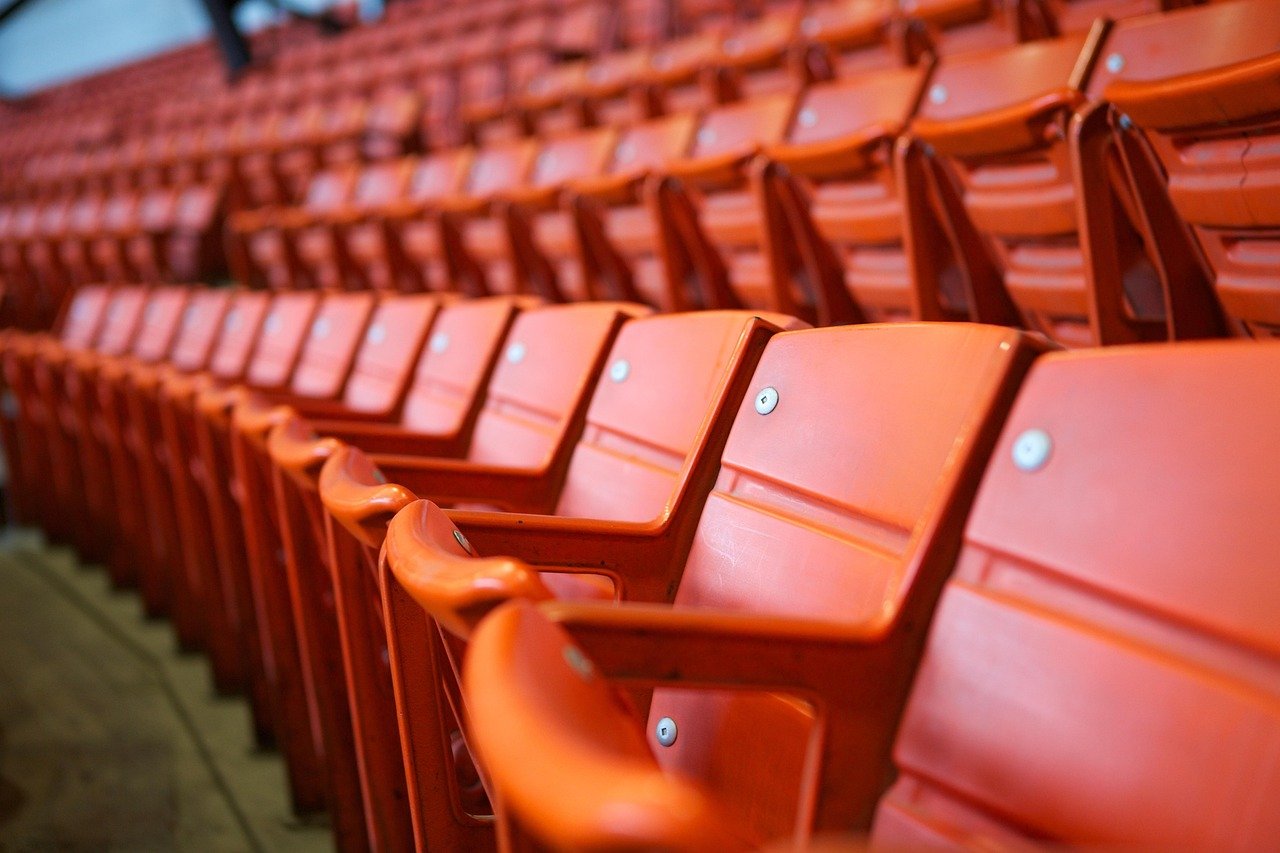
Start the morning at Hialeah Park, the National Historic Landmark where flamingos roam the infield and Art Deco grandstands set a striking backdrop. Grab a cortadito from a nearby ventanita, then spend the afternoon exploring the neighborhood's Cuban bakeries and family-run restaurants. End the evening with a plate of ropa vieja and live Latin music drifting from a local spot on Palm Avenue.
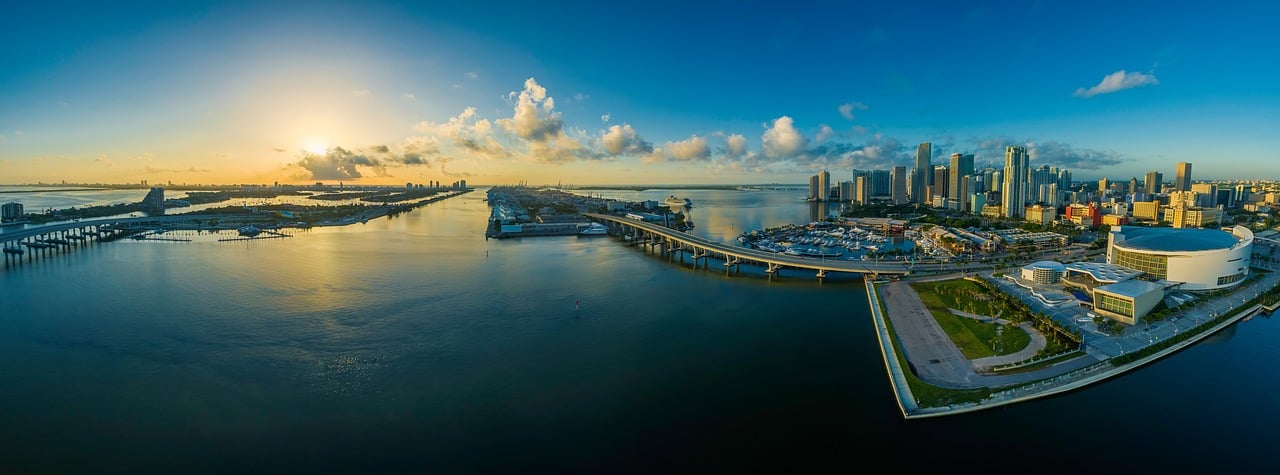
Spend the morning hunting for pressed Cuban sandwiches and fresh croquetas at Hialeah's beloved ventanitas and walk-up cafes. In the afternoon, browse the vibrant street life and local shops along West 49th Street. As evening falls, head to a family-owned Cuban restaurant for a full sit-down dinner featuring black beans, rice, and fried plantains paired with a classic mojito.
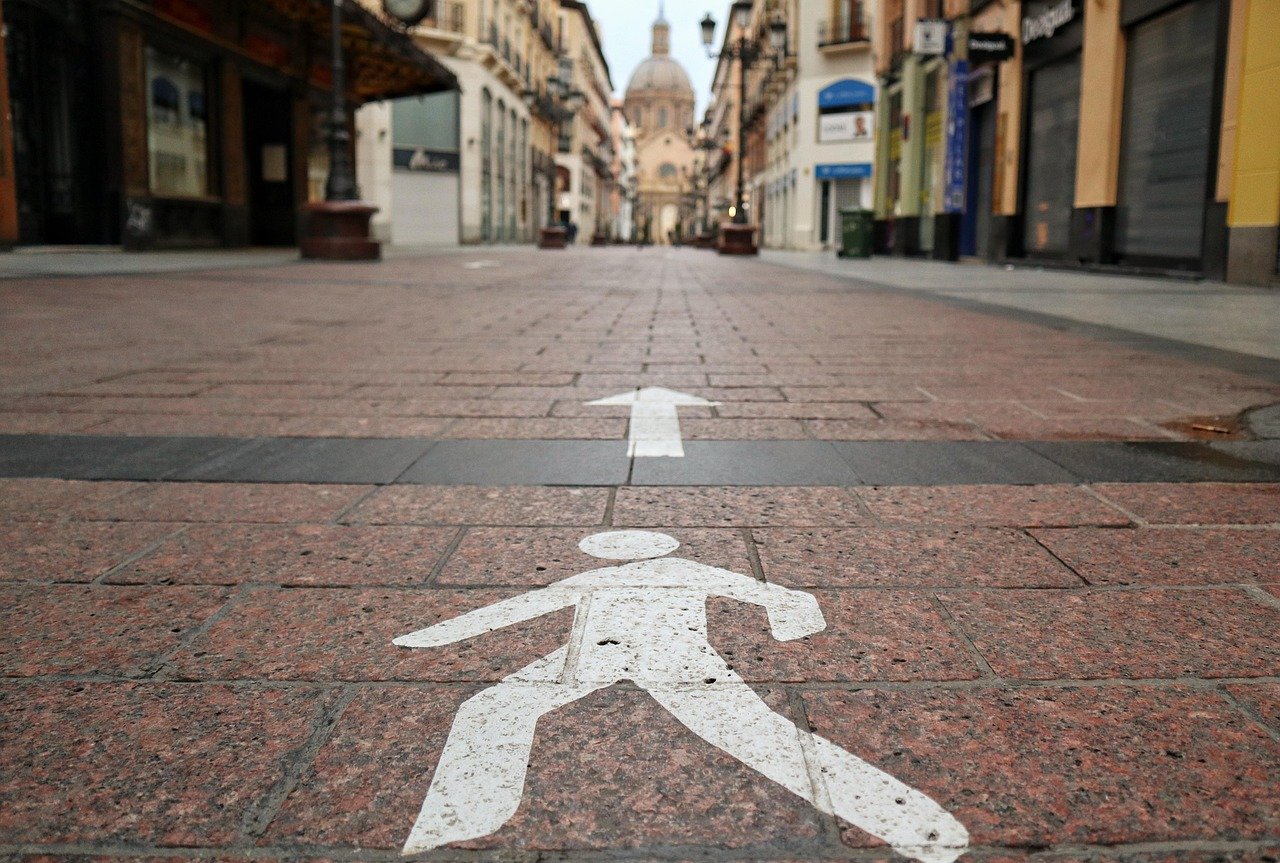
Use the morning to explore Milander Park, a local green space ideal for a relaxed stroll. After lunch at a neighborhood bakery, make the short drive into Miami proper to contrast Hialeah's authentic Cuban culture with the energy of Little Havana's Calle Ocho. Return to Hialeah in the evening for a final Cuban coffee and pastelito before wrapping up your trip.
Hialeah's cultural calendar is a reflection of its Cuban-American soul, with community life organized around heritage, music, and shared public space rather than large-scale tourism events. The city pulses with activity year-round, but the energy is most concentrated in summer and the holiday season, when families spill into parks and plazas for celebrations that feel deeply local.
Eating in Hialeah is one of the most rewarding culinary experiences in South Florida, not because of celebrity chefs or trendy concepts, but because the food here is the real thing. This is a city where Cuban cuisine is not a theme but a living tradition, passed through generations and served without pretense.
Miami International Airport (MIA) is the closest and most practical arrival point,
sitting roughly 5 miles southeast of central Hialeah with rideshare, taxis, and rental cars all available at the terminal.
Fort Lauderdale-Hollywood International Airport (FLL) is worth checking for lower fares,
as it sits about 25 miles north of Hialeah and is easily reached via I-95 South in roughly 30 to 40 minutes depending on traffic.
The Palmetto Expressway (SR-826) and I-95 are the primary driving routes into Hialeah,
connecting the city to the broader Miami metro and making it easy to reach from both the airport and neighboring communities.
Amtrak's Silver Service and Silver Star trains serve Miami's downtown station,
from which Hialeah is a quick rideshare ride of about 10 to 15 minutes, making rail a viable option for travelers coming from the Northeast or Central Florida.
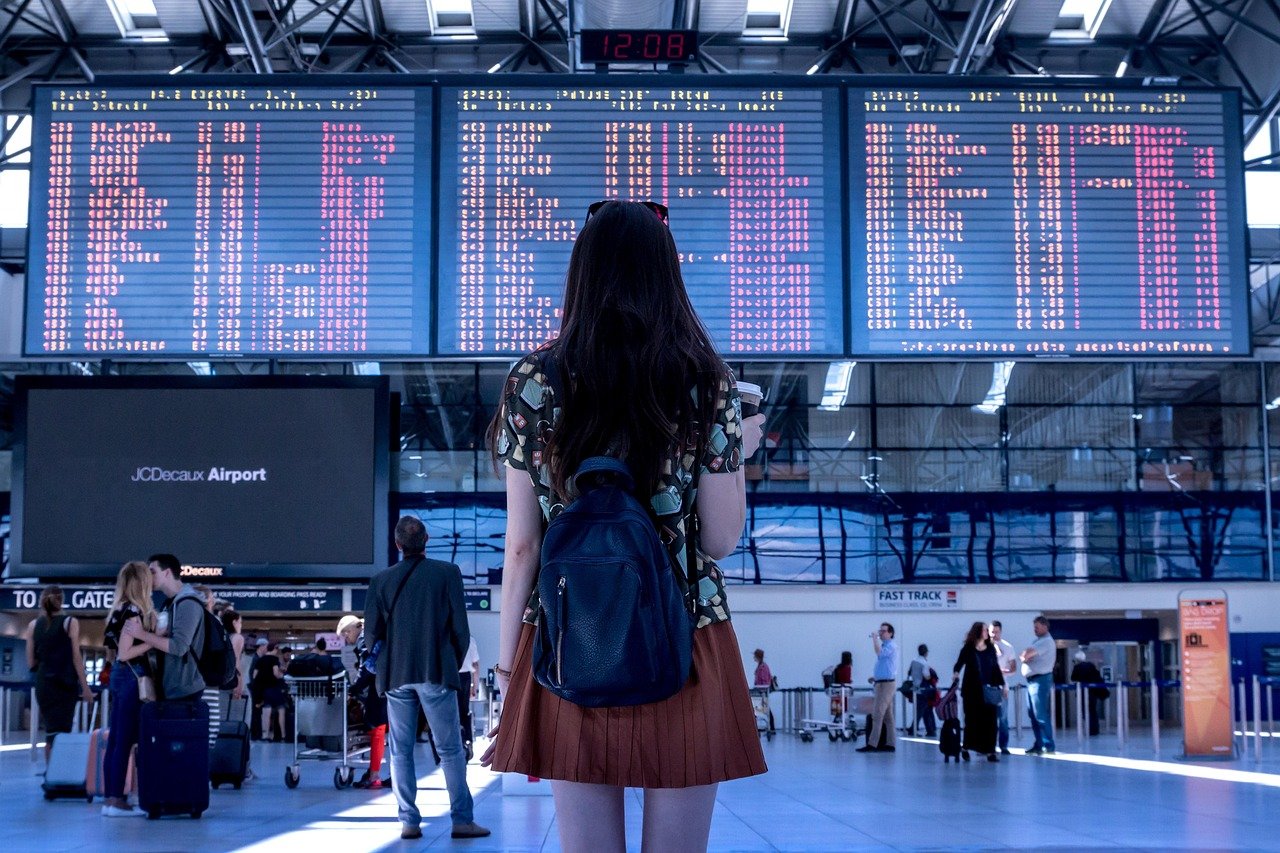
Rideshare via Uber and Lyft is the most flexible way to move around Hialeah,
with reliable coverage throughout the city and short wait times that make it practical for hopping between neighborhoods, restaurants, and Hialeah Park.
The Tri-Rail commuter line stops at Hialeah Market Station,
connecting the city to downtown Miami and Fort Lauderdale and making it a convenient option for travelers based elsewhere in South Florida who want to visit without driving.
Miami-Dade Transit Metrobus routes serve Hialeah throughout the day,
offering a low-cost way to get around for travelers comfortable with local transit, though routes and schedules are best checked in advance via the Miami-Dade Transit app.
Parking in Hialeah is generally easy and free or low-cost,
making a rental car a practical choice for visitors who want to combine Hialeah with day trips to Miami Beach, the Everglades, or other South Florida destinations.
Spanish is the dominant language in Hialeah, and while English is understood in most businesses, making an effort with basic Spanish phrases is appreciated and will enrich your experience. Tipping follows standard US norms: 18 to 20 percent at sit-down restaurants, a dollar or two at ventanitas and coffee windows is a kind gesture. Cuban coffee is strong and often sweetened by default — specify if you want it unsweetened. Hialeah is a working-class residential city, so dress and behavior that respects the local community goes a long way. Download Uber or Lyft before you arrive, as street taxis are less common. For transit, load the Miami-Dade Transit app to plan Metrobus routes. Most restaurants are cash-friendly but also accept cards. Avoid peak rush hour on the Palmetto Expressway (SR-826) and I-95, typically 7 to 9 a.m. and 4 to 7 p.m., when traffic can be significant.
One to two days is enough to experience Hialeah's highlights. Spend a day exploring Hialeah Park, grabbing Cuban coffee at a local ventanita, and eating your way through family-run restaurants. A second day allows for a deeper dive into the neighborhoods and culture. Most visitors combine Hialeah with a broader Miami itinerary rather than making it a standalone destination.
Hialeah is best known for its deeply rooted Cuban-American culture, where Spanish is the dominant language and Cuban food, music, and daily life define the city's character. Hialeah Park, a National Historic Landmark featuring a famous colony of American flamingos and a stunning Art Deco grandstand, is the city's most iconic landmark and a symbol of its unique identity.
Yes, Hialeah works well as part of a Miami weekend trip, though it is best paired with other Miami neighborhoods rather than visited alone. A half-day to full day is ideal for exploring Hialeah Park, sampling authentic Cuban food, and soaking up the culture. Travelers seeking genuine local immersion will find it a rewarding counterpoint to South Beach.
Hialeah is one of the more affordable places to visit in the Miami area. Cuban bakeries, ventanitas, and family restaurants offer excellent food at low prices. Accommodation costs are generally lower than in Miami Beach or downtown Miami. If you are traveling on a budget, Hialeah is a smart base for exploring the greater Miami region without the premium price tag.
The best time to visit Hialeah is between November and April, when temperatures are mild and humidity is low. Summers are hot and humid with frequent afternoon thunderstorms, though the city remains lively year-round.