
Baltimore, MD
A Journey guide to
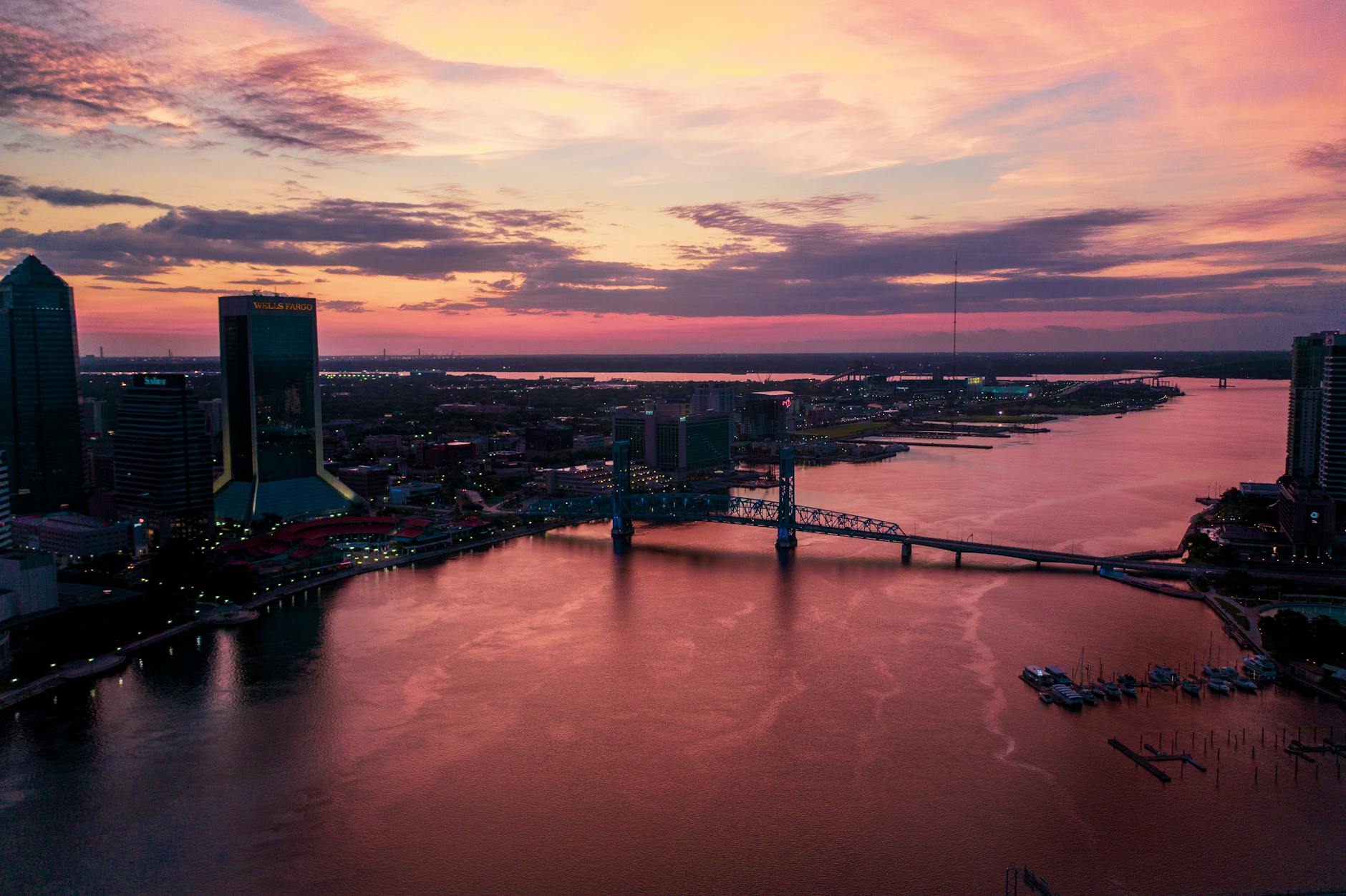
Jacksonville is the largest city by land area in the contiguous United States, a distinction that shapes everything about how it feels to travel here. Straddling the St. Johns River just south of the Georgia border, it is a city of distinct neighborhoods, each with its own personality, connected by a network of bridges and waterways. It rewards travelers who are willing to explore rather than stay in one place.
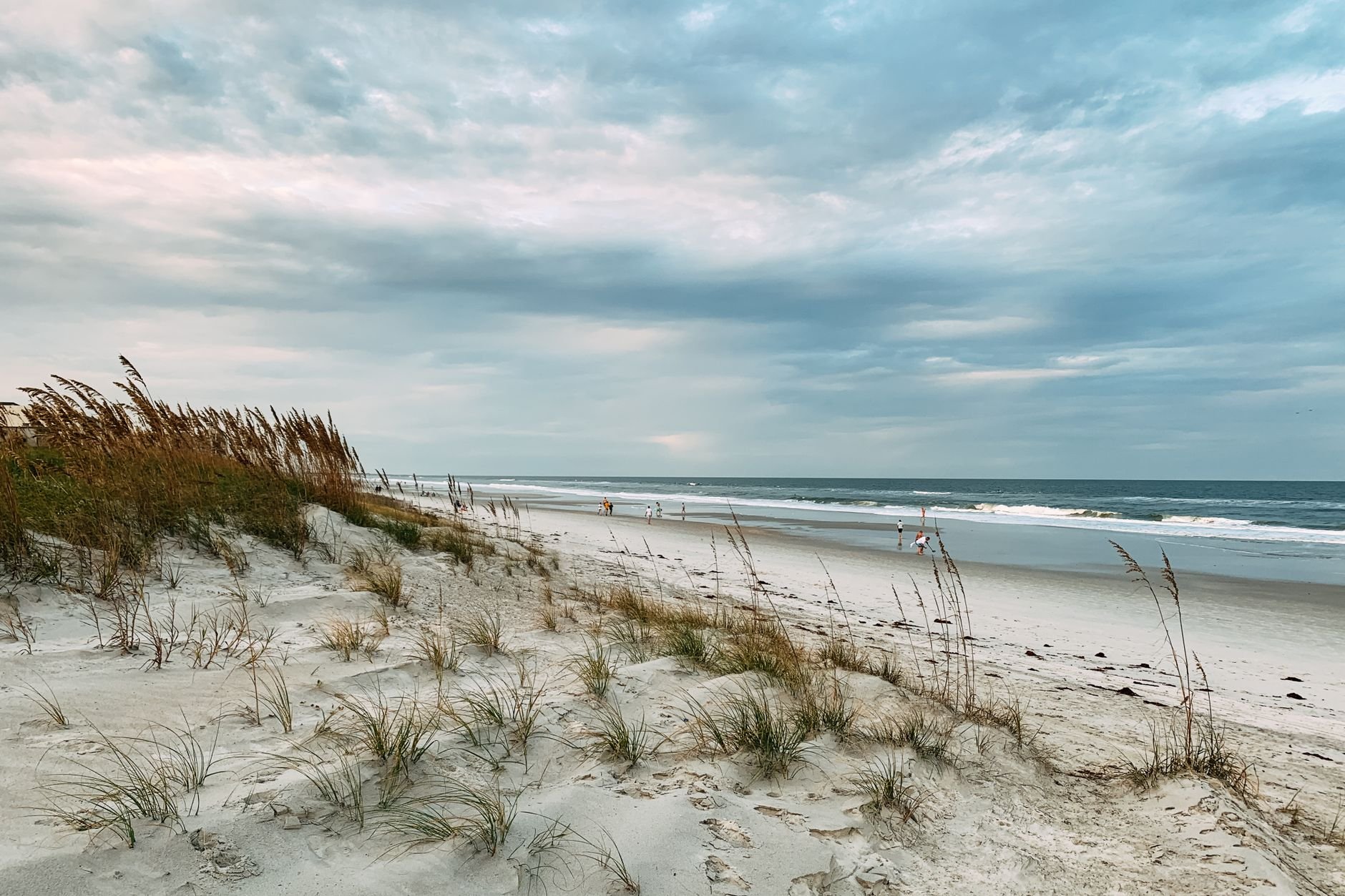
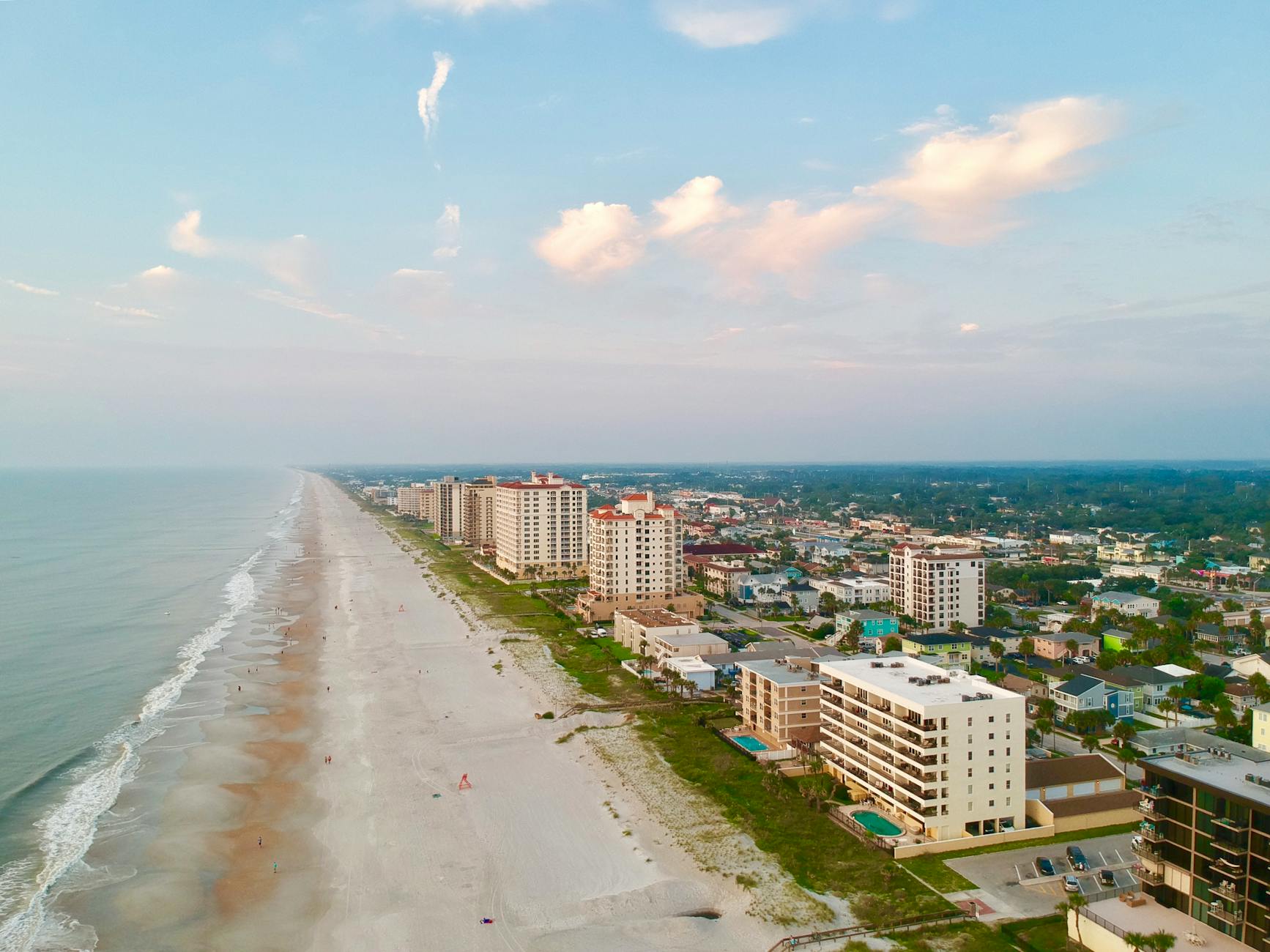
The beaches are the city's most celebrated draw. Jacksonville Beach, Neptune Beach, and Atlantic Beach form a compact coastal strip known locally as "the Beaches," offering wide sandy shores, a relaxed surf culture, and a dining and bar scene that punches well above its weight. Ponte Vedra Beach, just to the south, adds a more refined, resort-driven energy anchored by world-class golf at TPC Sawgrass.
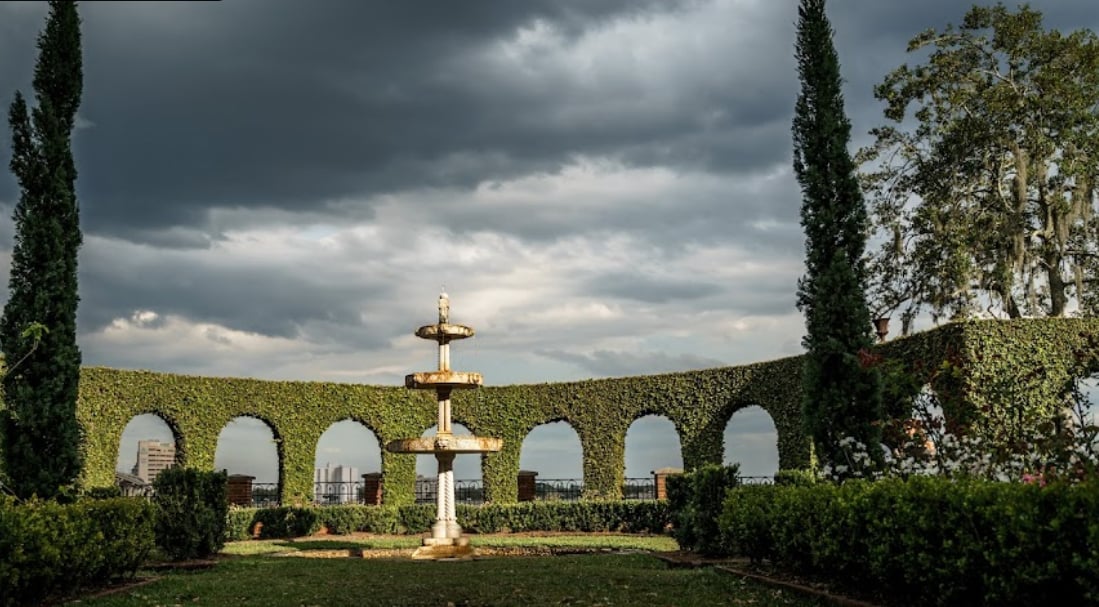
Beyond the coast, Jacksonville has built a compelling urban identity. The Riverside and Avondale neighborhoods are lined with early-20th-century bungalows, independent restaurants, and galleries. The Cummer Museum of Art and Gardens sits on the St. Johns River with one of the finest permanent collections in the Southeast. Hemming Park in downtown serves as a civic gathering point, while the Sports Complex anchors the city's identity as a passionate NFL town.
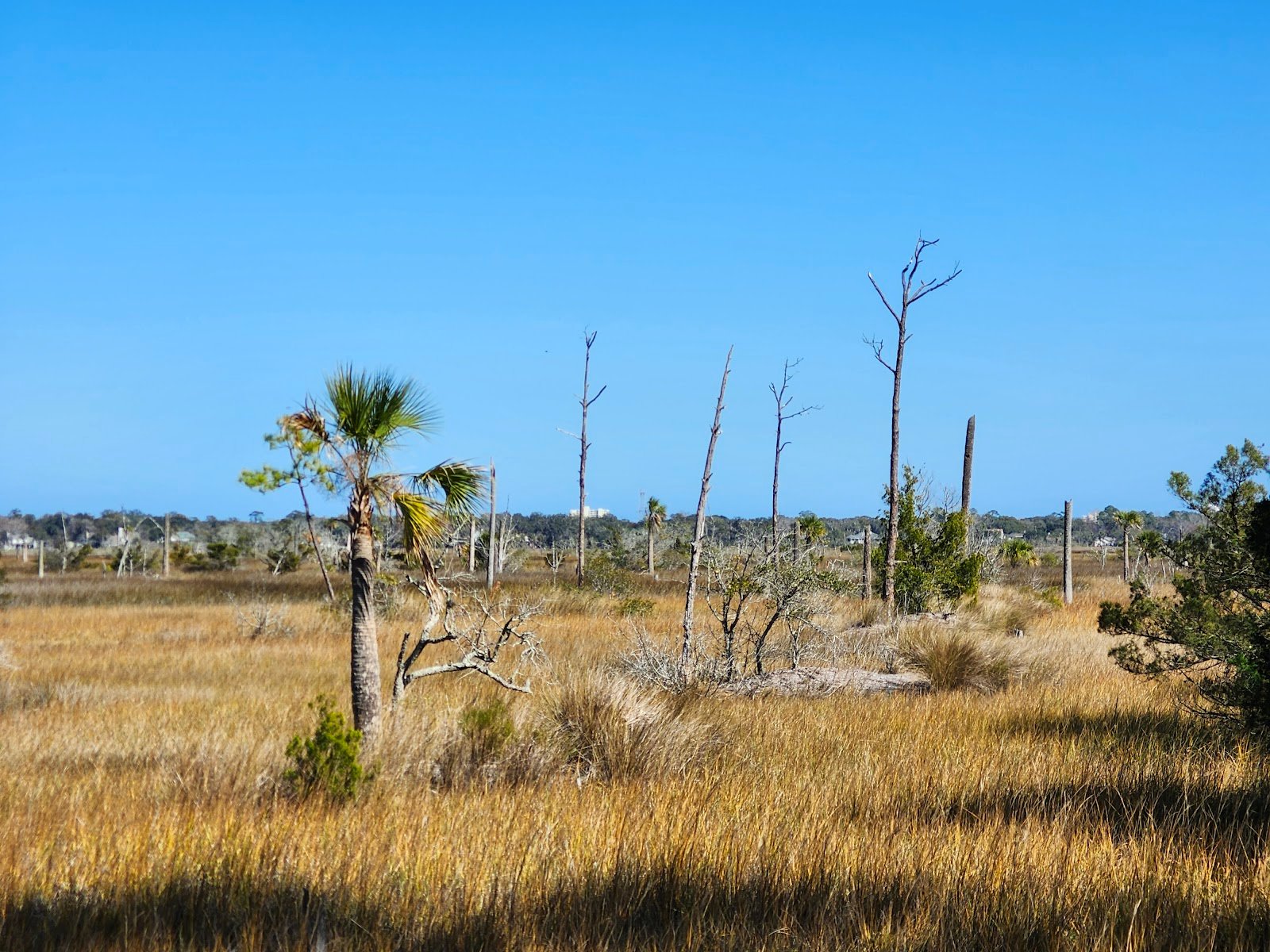
Outdoor enthusiasts find Jacksonville genuinely exceptional. The city contains more than 80,000 acres of parks and preserves, including the Timucuan Ecological and Historic Preserve, one of the last unspoiled coastal marshes on the Atlantic seaboard. Kayaking, paddleboarding, fishing, and hiking are all accessible within city limits, making Jacksonville a rare destination where urban amenities and serious nature access coexist without compromise.
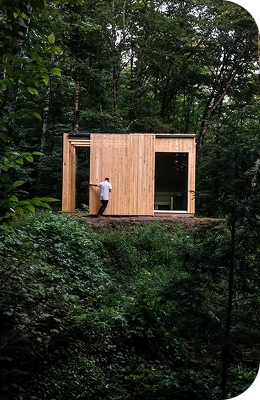

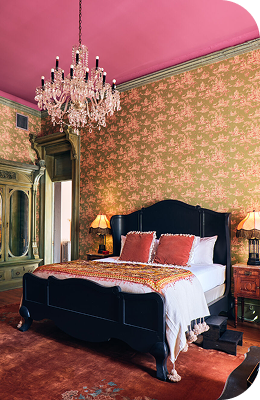

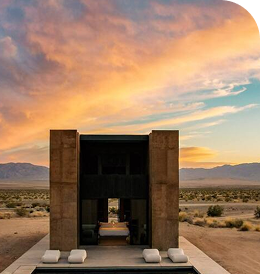

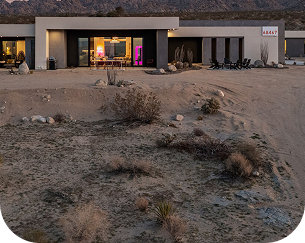

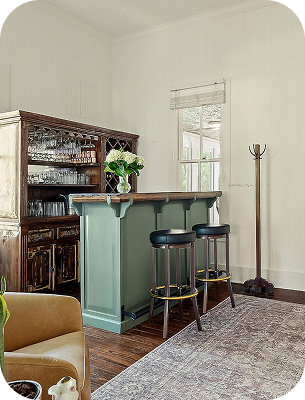

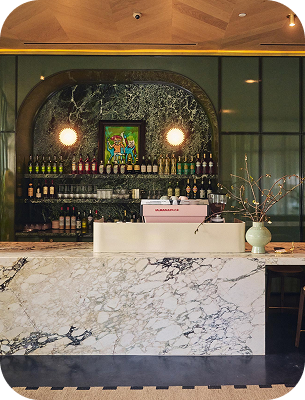

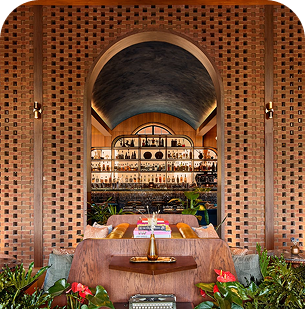

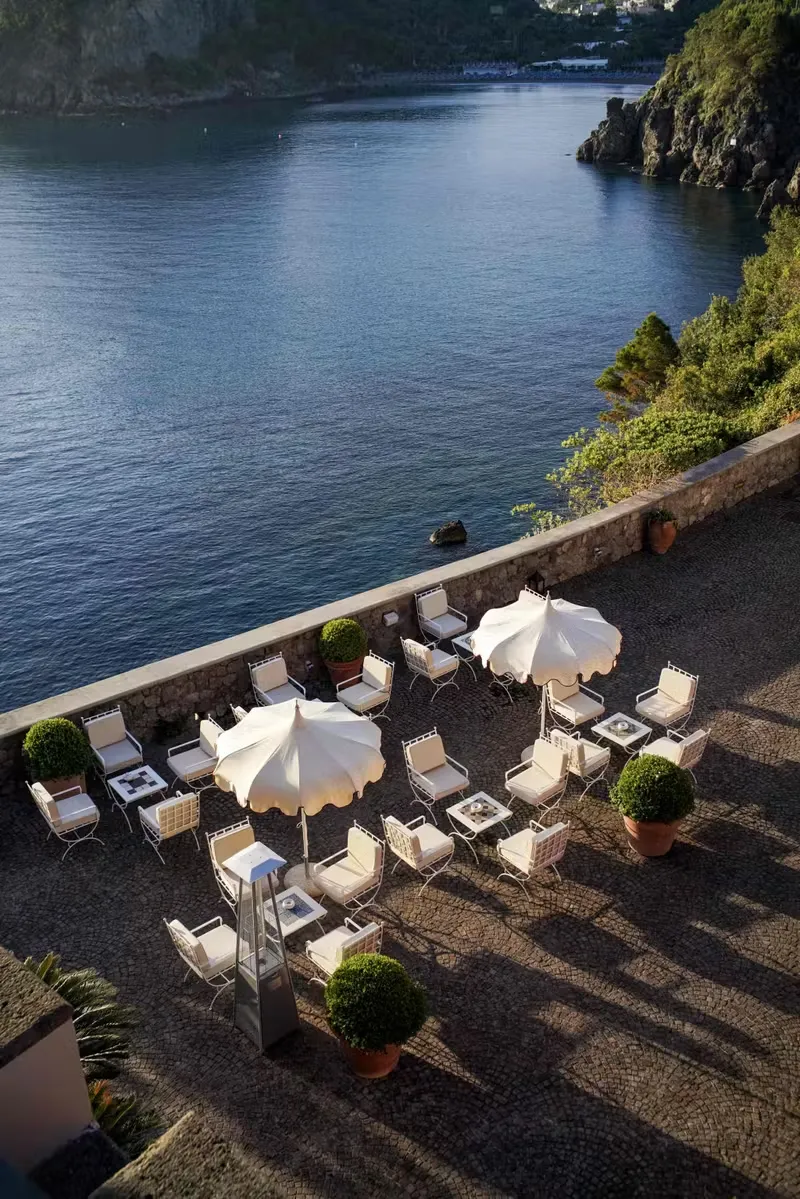

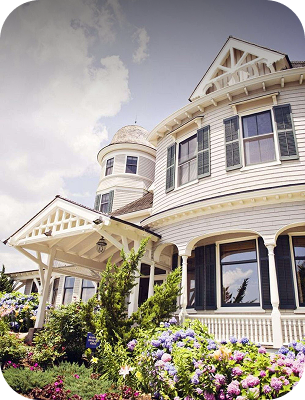

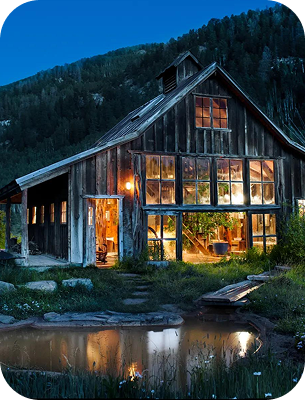

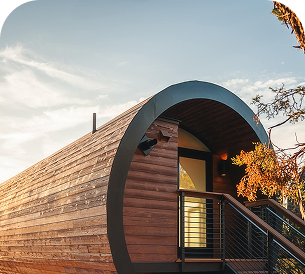

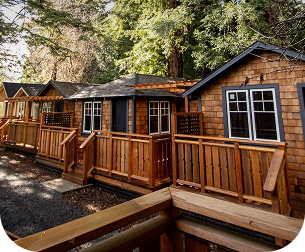

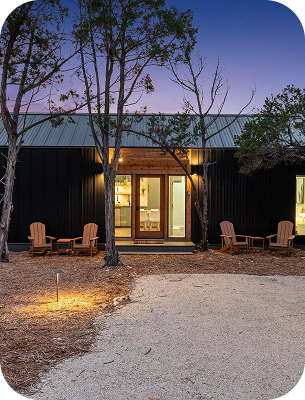

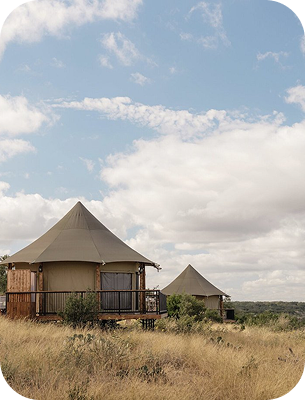

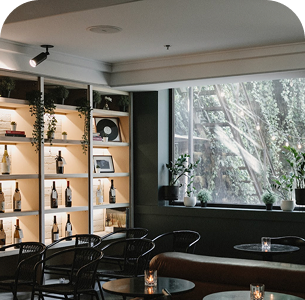

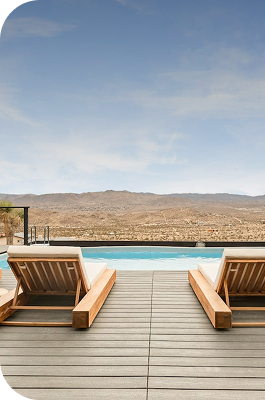

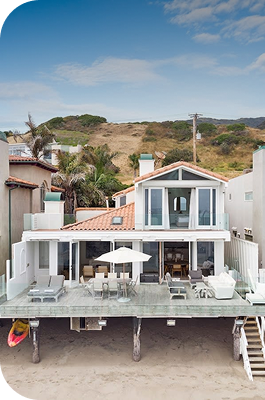

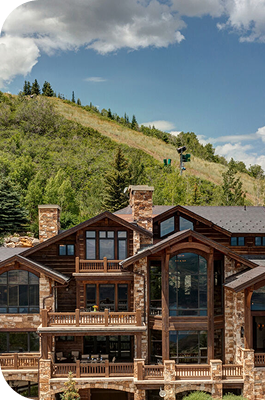

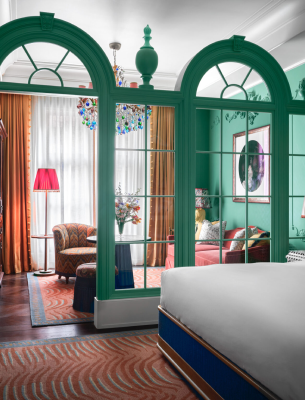

Journey connects travelers to a curated network of boutique hotels and distinctive residences around the world, all united under one rewards program. Explore handpicked stays for your trip while earning points, unlocking exclusive offers, and receiving rewards across the Journey collection.
Jacksonville occupies a singular position in the American South: a vast, sprawling metropolis built around a great river, open to the Atlantic, and shaped by centuries of layered history. The St. Johns River, one of the few rivers in North America that flows northward, cuts through the heart of the city before emptying into the ocean just east of downtown, defining the urban geography and providing an ever-present sense of water and movement.
The city's roots run deep. The area was home to the Timucua people for thousands of years before Spanish and French colonizers arrived in the 16th century. Fort Caroline, established by French Huguenots in 1564, was one of the earliest European settlements in what would become the United States. The city itself was incorporated in 1832, named for President Andrew Jackson, and grew rapidly as a port and railroad hub. Its strategic location made it a significant site during the Civil War, changing hands multiple times between Union and Confederate forces.
Modern Jacksonville emerged from a landmark 1968 city-county consolidation that merged the city with Duval County, instantly making it one of the largest cities by area in the nation. That consolidation also set the tone for a civic ambition that continues today, with ongoing investment in downtown revitalization, the arts, and waterfront development.
Culturally, Jacksonville sits at a productive crossroads. It is Southern but coastal, laid-back but ambitious, historically rooted but forward-looking. The local music scene has genuine depth, with a lineage that includes Southern rock legends and a thriving contemporary indie and hip-hop community. The food culture draws on Gulf and Atlantic seafood traditions, Floridian produce, and an increasingly diverse population that has brought Vietnamese, Latin American, and Caribbean influences into the mainstream dining conversation.
For travelers, Jacksonville offers something increasingly rare: scale without pretension, natural abundance within city limits, and an authenticity that comes from a place still in the process of discovering its own potential.
Spring and fall are the sweet spots for visiting Jacksonville, offering the most comfortable outdoor conditions and manageable crowd levels. March through May is widely considered the best window: the beaches are uncrowded compared to summer, the Timucuan Ecological and Historic Preserve is ideal for kayaking and hiking, and the city's festival calendar picks up with events in Riverside and Avondale. The Players Championship at TPC Sawgrass in March draws golf fans from around the world and adds a lively energy to the Ponte Vedra area.
Fall, particularly October and November, rivals spring as a top choice. The humidity that defines summer has largely retreated, the beaches thin out after Labor Day, and the NFL season brings a passionate home-game atmosphere to the Sports Complex. Outdoor pursuits like paddleboarding on the St. Johns River and cycling through the city's extensive park network become genuinely enjoyable again.
Summer is peak season for families, especially along the Beaches corridor, where Jacksonville Beach, Neptune Beach, and Atlantic Beach buzz with activity. Expect larger crowds at the shore, higher accommodation rates, and a need to plan around afternoon thunderstorms. That said, the surf culture and beachside dining scene are at their most vibrant, and the city's many waterways provide cooling options for those willing to get on the water.
Winter is an underrated time to visit, particularly for travelers coming from colder climates. The beaches are quiet, cultural venues like the Cummer Museum of Art and Gardens are unhurried, and downtown Jacksonville and the Riverside neighborhood are easy to explore at a relaxed pace. Holiday events in Hemming Park add a festive dimension from late November through December.
Jacksonville's most walkable and historically rich district, Riverside and Avondale is lined with early-20th-century bungalows, independent boutiques, and a thriving restaurant scene. The neighborhood draws a creative, community-minded crowd and anchors the city's arts identity with galleries, the Cummer Museum, and the Five Points corridor.
The heart of the Beaches area, Jacksonville Beach offers wide Atlantic shores, a laid-back surf culture, and a compact downtown packed with seafood restaurants and lively bars. It is the city's most social coastal neighborhood, drawing both locals and visitors to its boardwalk and oceanfront scene.
Straddling the St. Johns River, downtown Jacksonville is the city's civic and commercial core, home to Hemming Park, the Northbank Riverwalk, and the sprawling Sports Complex. The area is undergoing steady revitalization, with new dining, entertainment venues, and waterfront green spaces bringing renewed energy to its riverfront blocks.
Just south of the Beaches, Ponte Vedra Beach carries a distinctly upscale, resort-driven character anchored by world-class golf at TPC Sawgrass. Pristine shoreline, luxury accommodations, and refined dining make it a destination within a destination for travelers seeking a quieter, more polished coastal experience.
San Marco is an elegant, walkable neighborhood south of downtown defined by its Mediterranean Revival architecture, tree-canopied streets, and a charming town square ringed with independent restaurants and specialty shops. It offers one of Jacksonville's most refined day-to-evening experiences without the tourist-area energy.
Jacksonville's signature appeal is rooted in a rare combination that few American cities can offer: serious Atlantic beaches, vast unspoiled wilderness, and a lived-in urban culture - all within the same city limits.
The Beaches
The cluster of barrier island communities known as the Beaches - Jacksonville Beach, Neptune Beach, and Atlantic Beach - is what most visitors picture when they think of Jacksonville. Wide, uncrowded stretches of sand, a laid-back surf culture, and a dining and nightlife scene that thrives year-round define this coastline. Ponte Vedra Beach extends the experience southward with a more refined, resort-driven character and world-class golf at TPC Sawgrass, home of The Players Championship.
Timucuan Wilderness
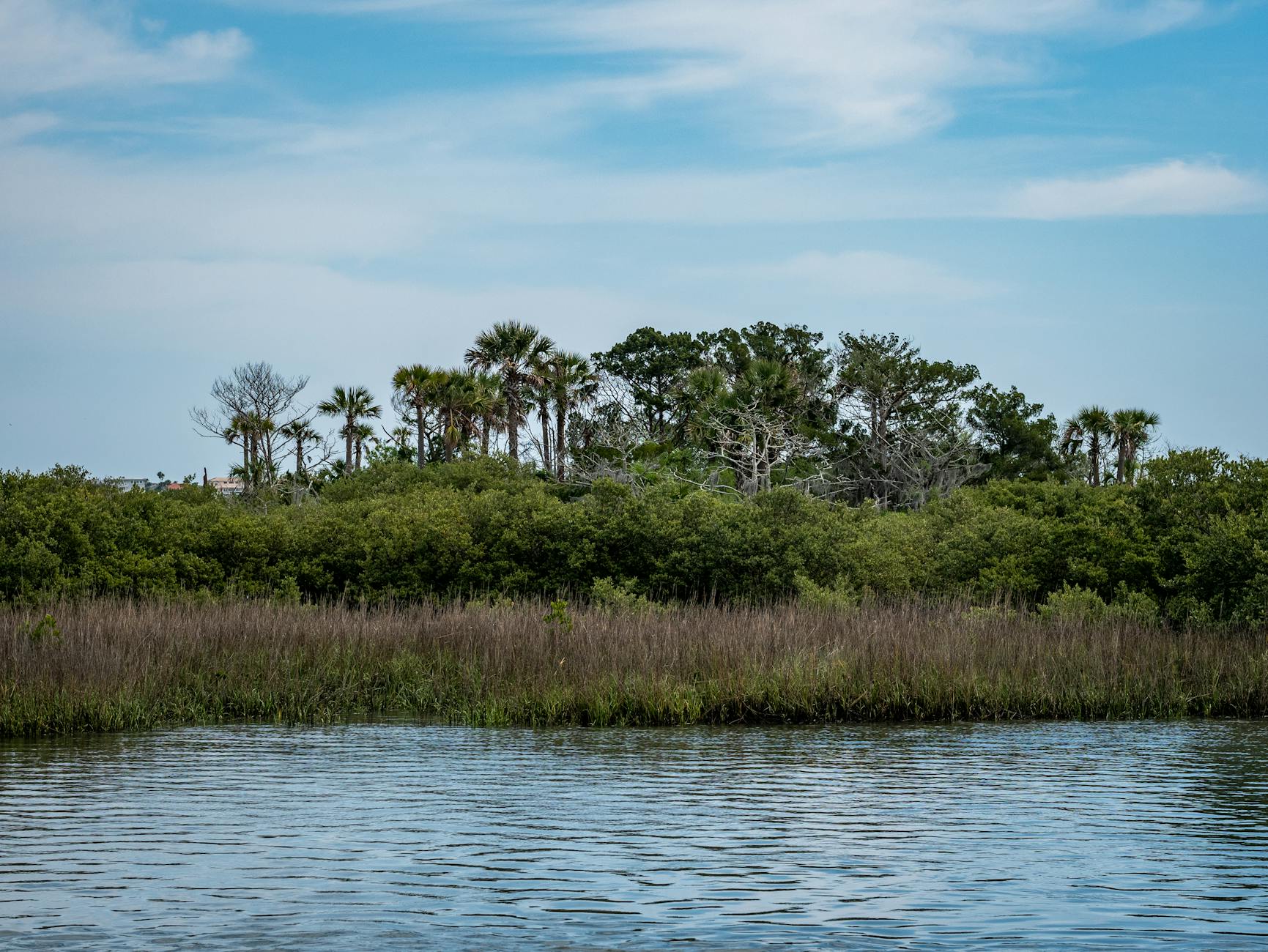
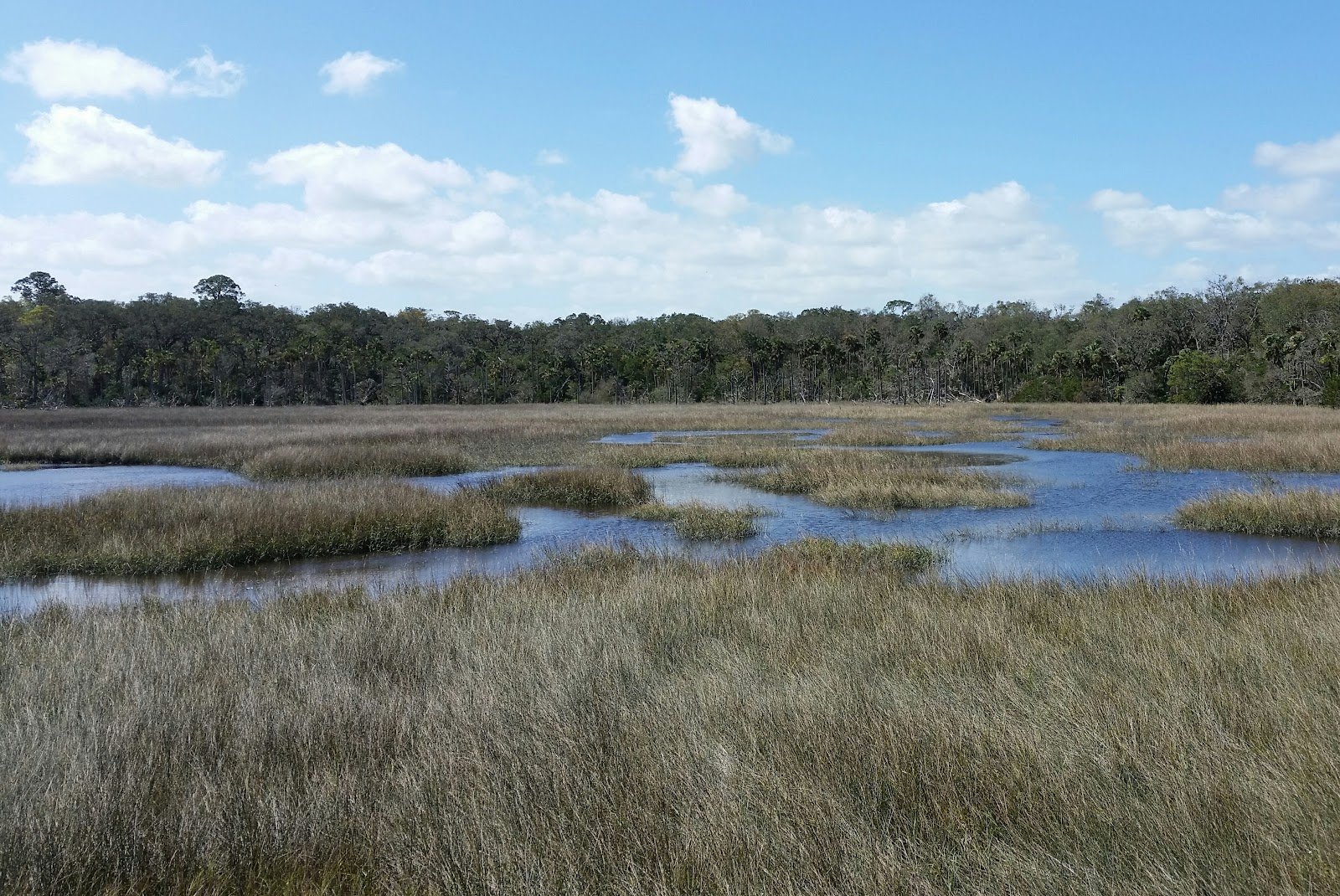
The Timucuan Ecological and Historical Preserve is Jacksonville's most distinctive natural asset. Spanning more than 46,000 acres of coastal marshes, tidal creeks, and ancient hammock forests, it is one of the last undeveloped coastal areas on the entire East Coast. Paddling its waterways at dawn, with roseate spoonbills overhead and dolphins moving through the channels, is an experience that simply cannot be replicated elsewhere in Florida.
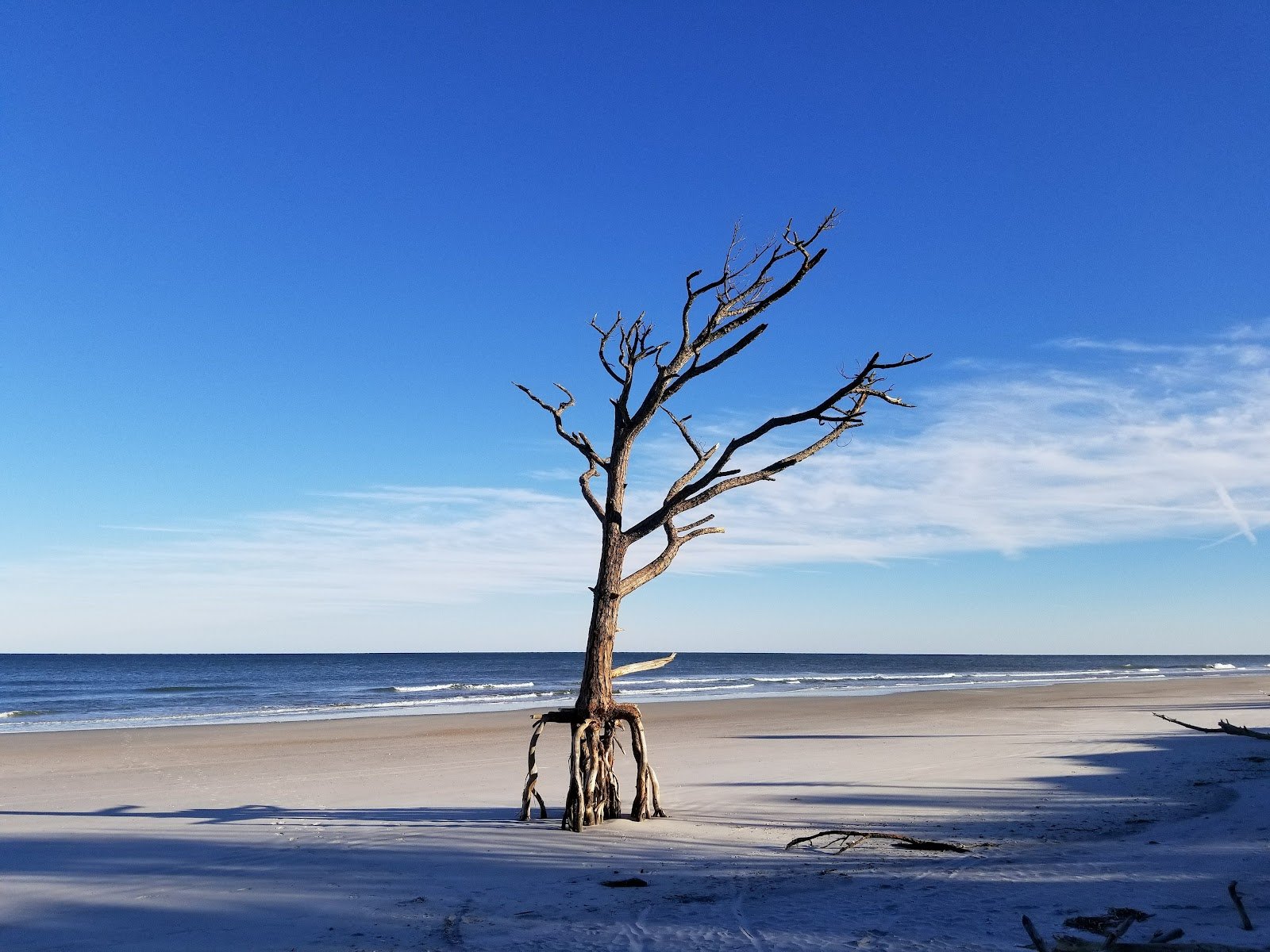
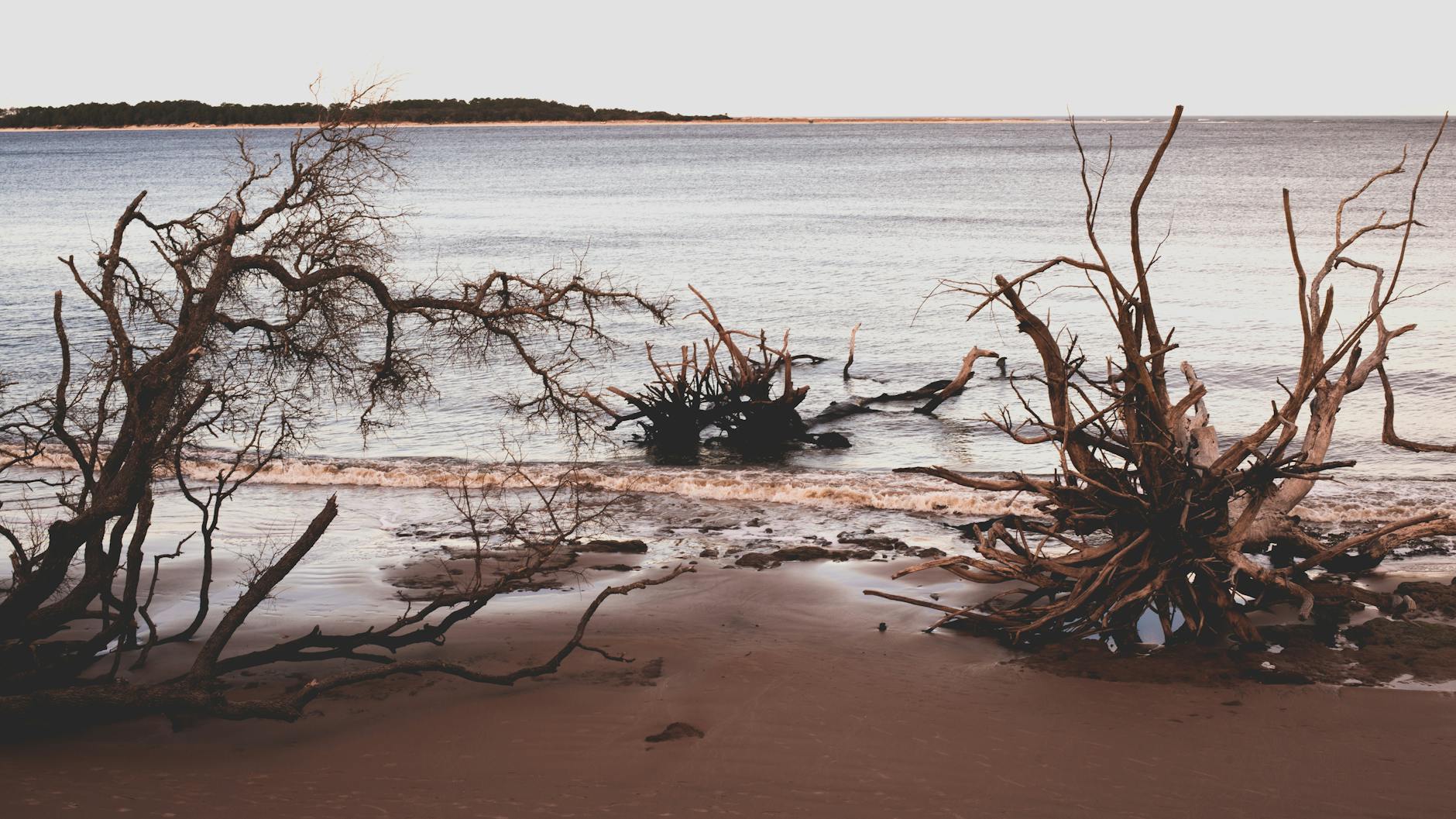
The Driftwood Beaches of Big Talbot Island
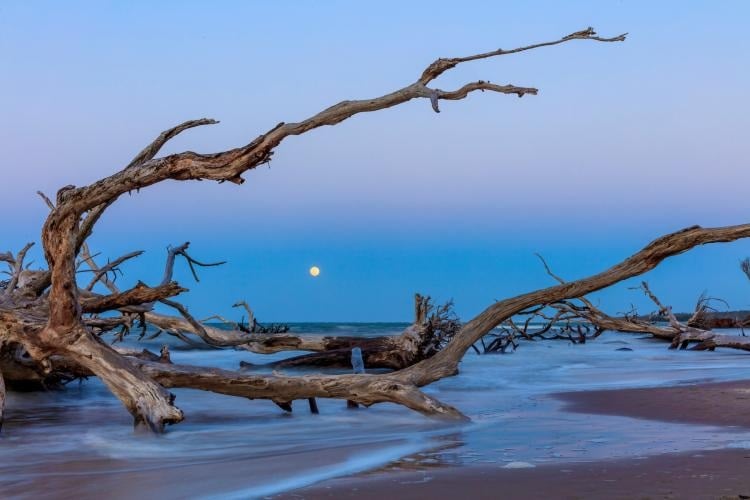
Big Talbot Island State Park draws photographers and nature lovers to its surreal shoreline of bleached, sculpted driftwood trees emerging from the sand - a landscape unlike anything else on the Atlantic coast. It is one of Jacksonville's most photographed and quietly celebrated natural wonders.
Riverside and Avondale
The historic neighborhoods of Riverside and Avondale represent Jacksonville's urban soul. Spanish-Mediterranean bungalows, independent boutiques, the Cummer Museum of Art and Gardens, and some of the city's best restaurants line the oak-canopied streets along the St. Johns River, offering a window into a distinctly Jacksonville way of life.
Jacksonville delivers an extraordinary range of activities across its sprawling landscape, from pristine coastal marshes to a thriving urban arts scene.
Outdoor Recreation
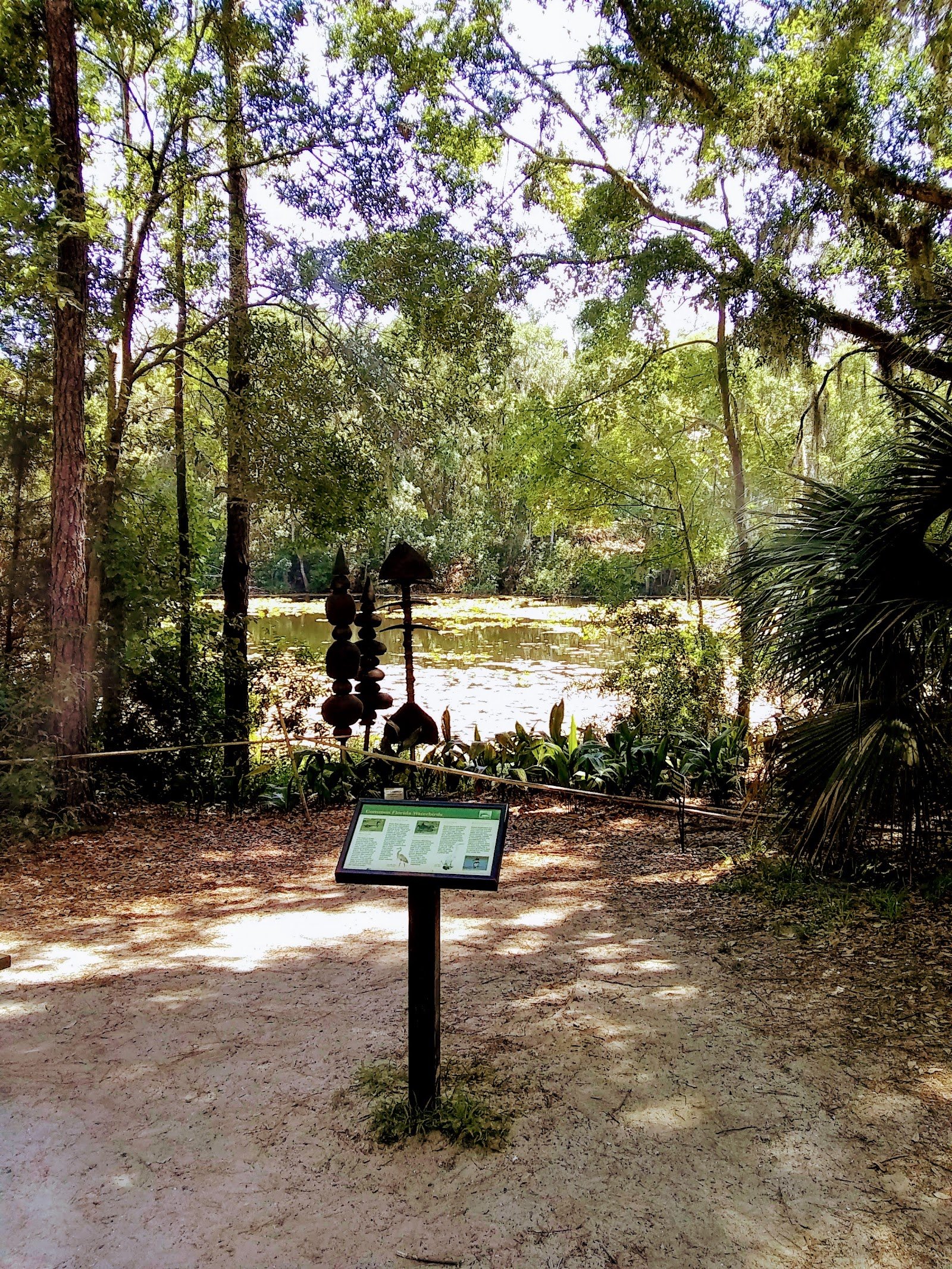
Jacksonville is a genuine paradise for outdoor enthusiasts. The city's 80,000-plus acres of parks, preserves, and waterways offer kayaking, paddleboarding, fishing, hiking, and wildlife watching at every turn. The Timucuan Ecological and Historical Preserve protects one of the last unspoiled coastal marshes on the Atlantic seaboard, while Big Talbot Island and Little Talbot Island state parks reward visitors with dramatic driftwood beaches and maritime forest trails. Julington Durbin Creek Nature Preserve and Castaway Island Preserve add even more options for birding and quiet nature walks close to the city.
Cultural Attractions and Historic Sites
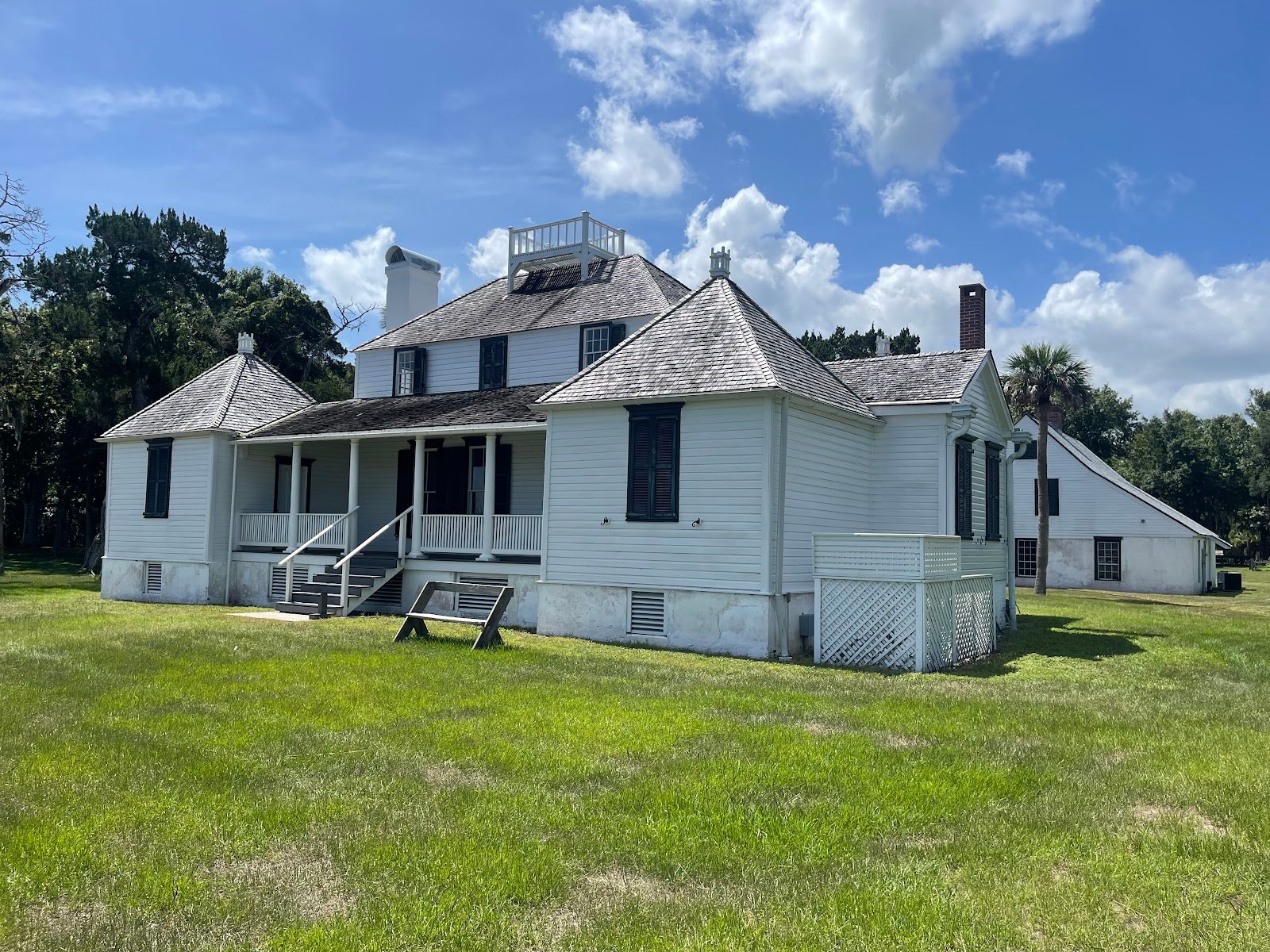
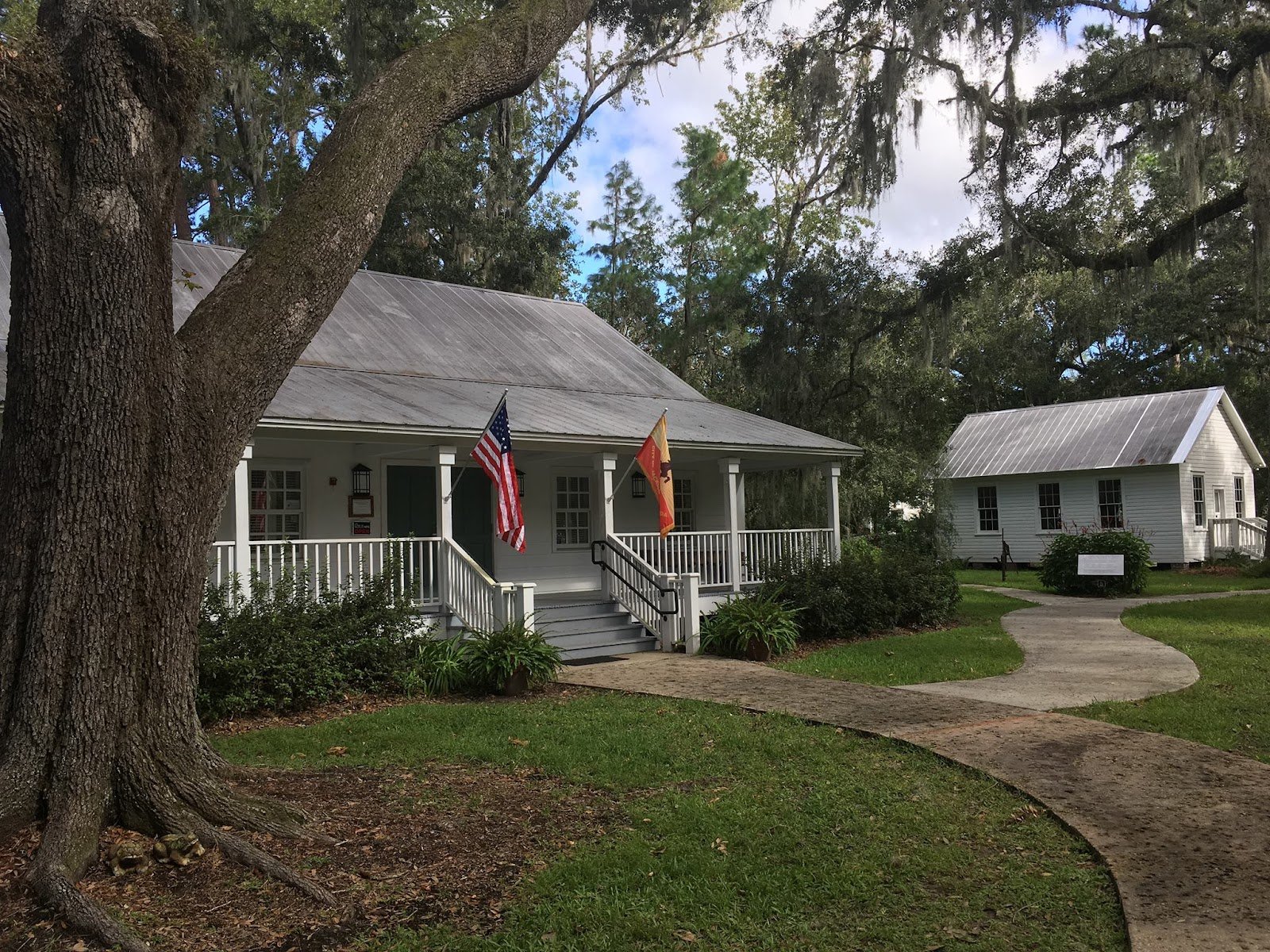
History runs deep across Jacksonville's neighborhoods and waterways. Kingsley Plantation, the oldest surviving plantation in Florida, offers a sobering and essential look at the region's antebellum past. Walter Jones Historic Park and Camp Milton Historic Preserve round out the city's Civil War and colonial-era heritage. The Jacksonville Arboretum and Botanical Gardens provides a peaceful retreat with curated native plant collections.
Arts and Entertainment
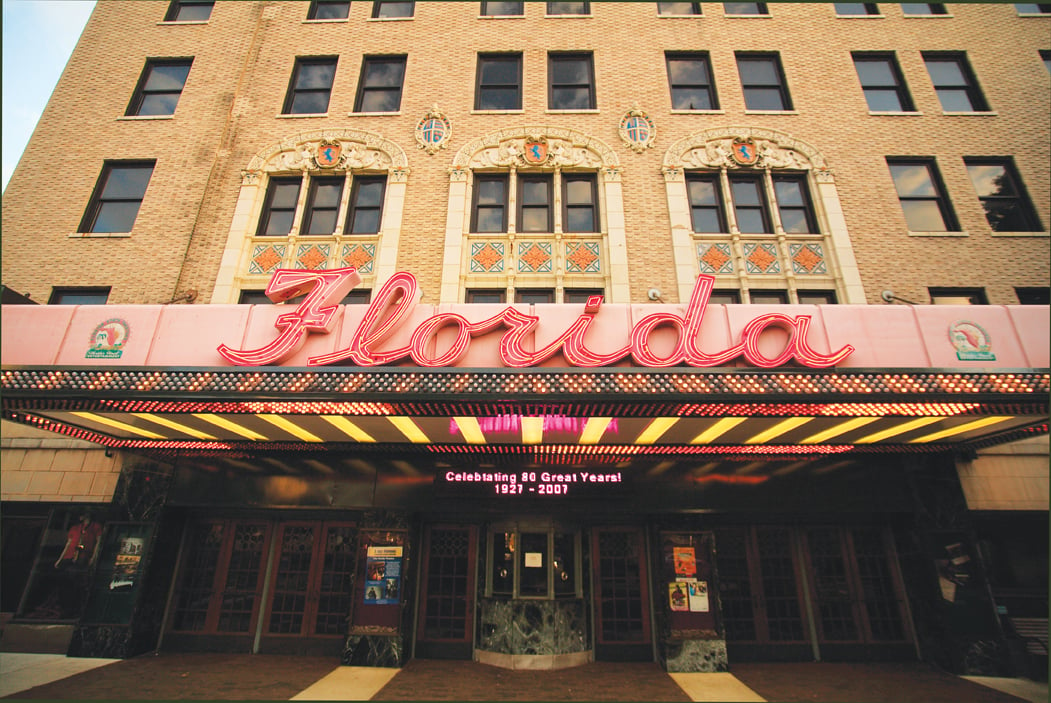
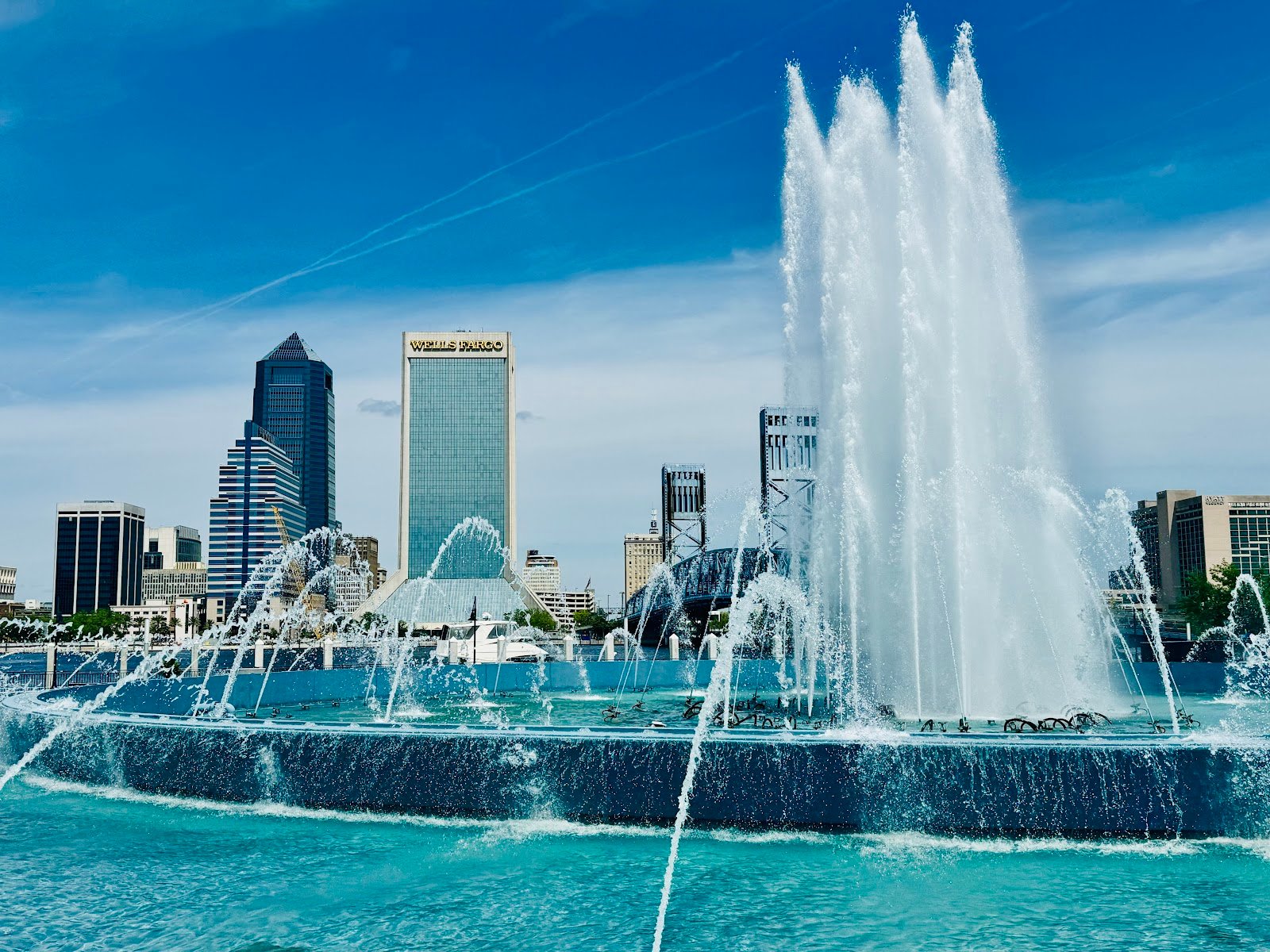
The Cummer Museum of Art and Gardens anchors Jacksonville's cultural identity with a world-class permanent collection set along the St. Johns River. The Florida Theatre, a beautifully restored 1920s movie palace, hosts concerts, comedy, and live performances year-round. Friendship Fountain on the Southbank Riverwalk is a beloved civic landmark and gathering spot.
Food and Dining
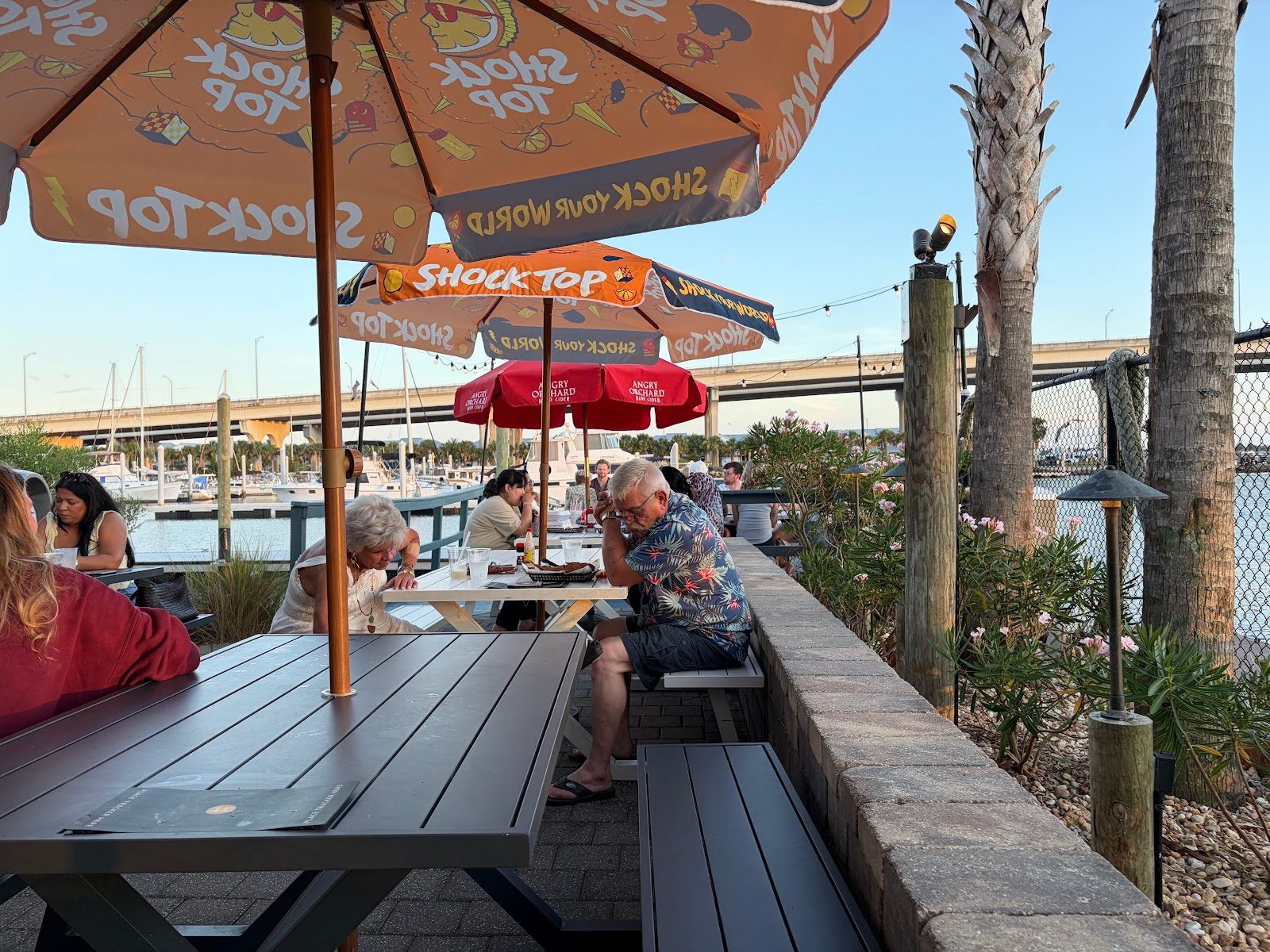
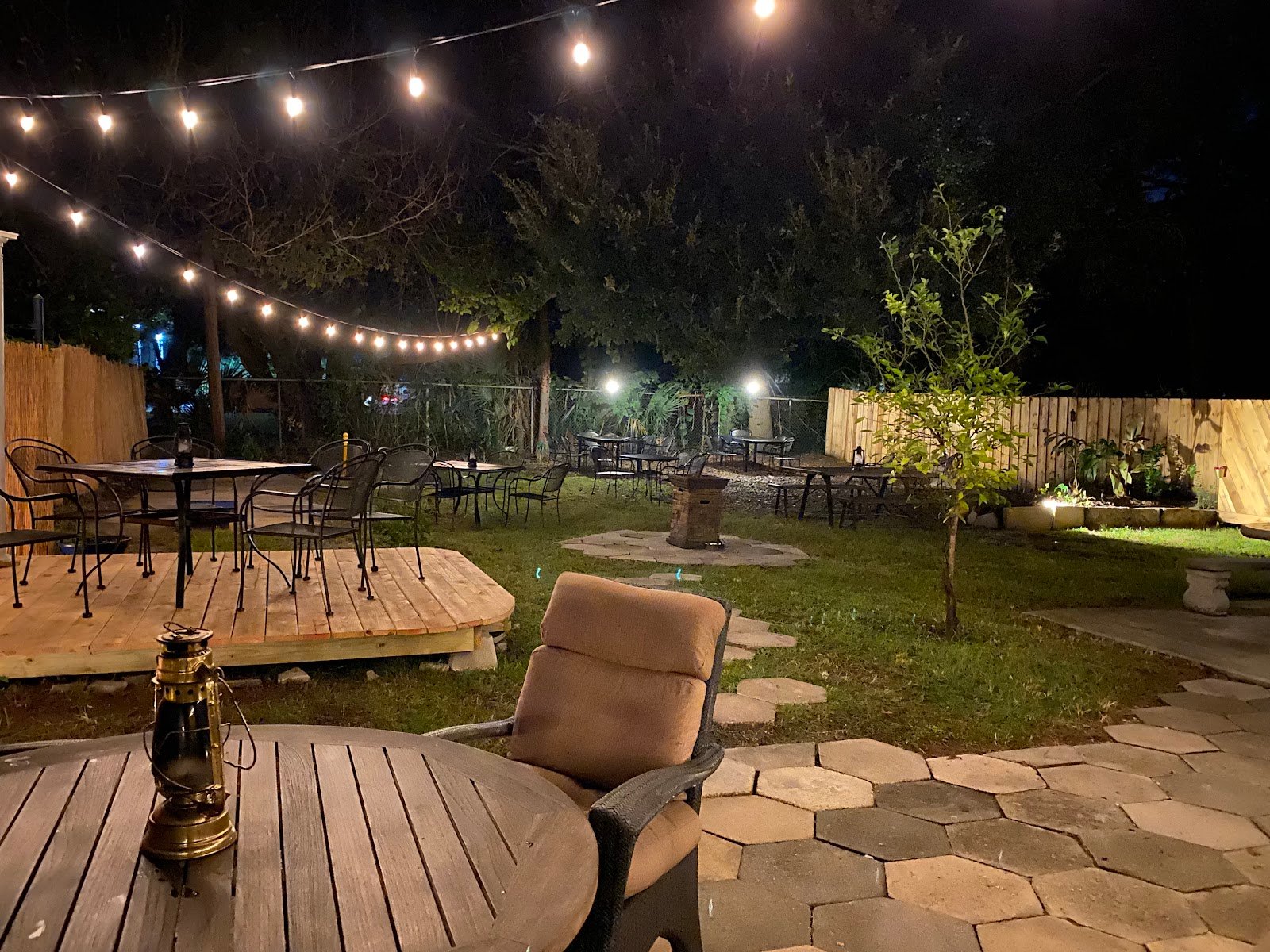
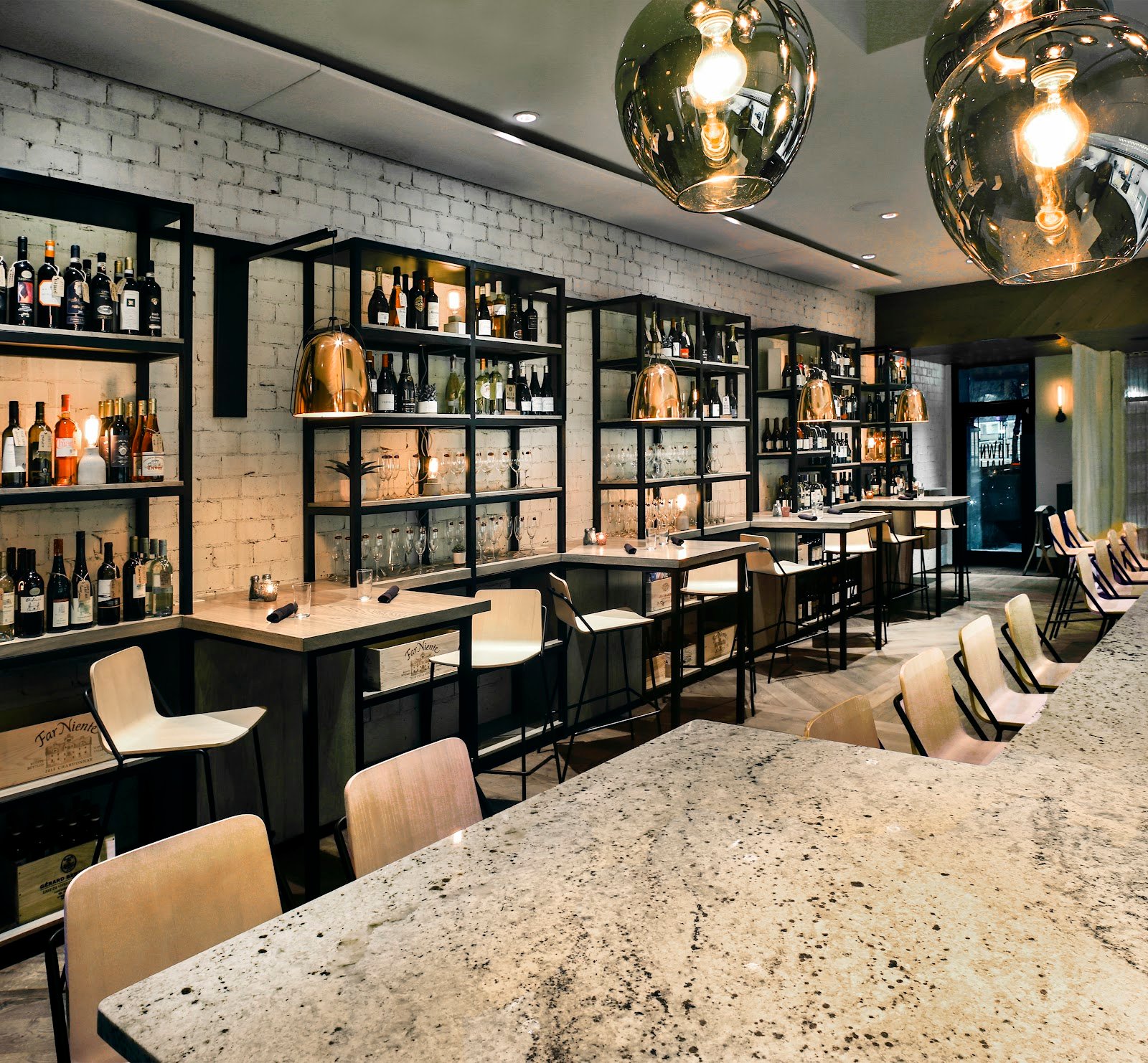
Jacksonville's food scene reflects its coastal geography and Southern roots. Waterfront seafood restaurants, neighborhood gastropubs, and chef-driven dining rooms are spread across the Beaches, Riverside, and downtown. Highlights include:
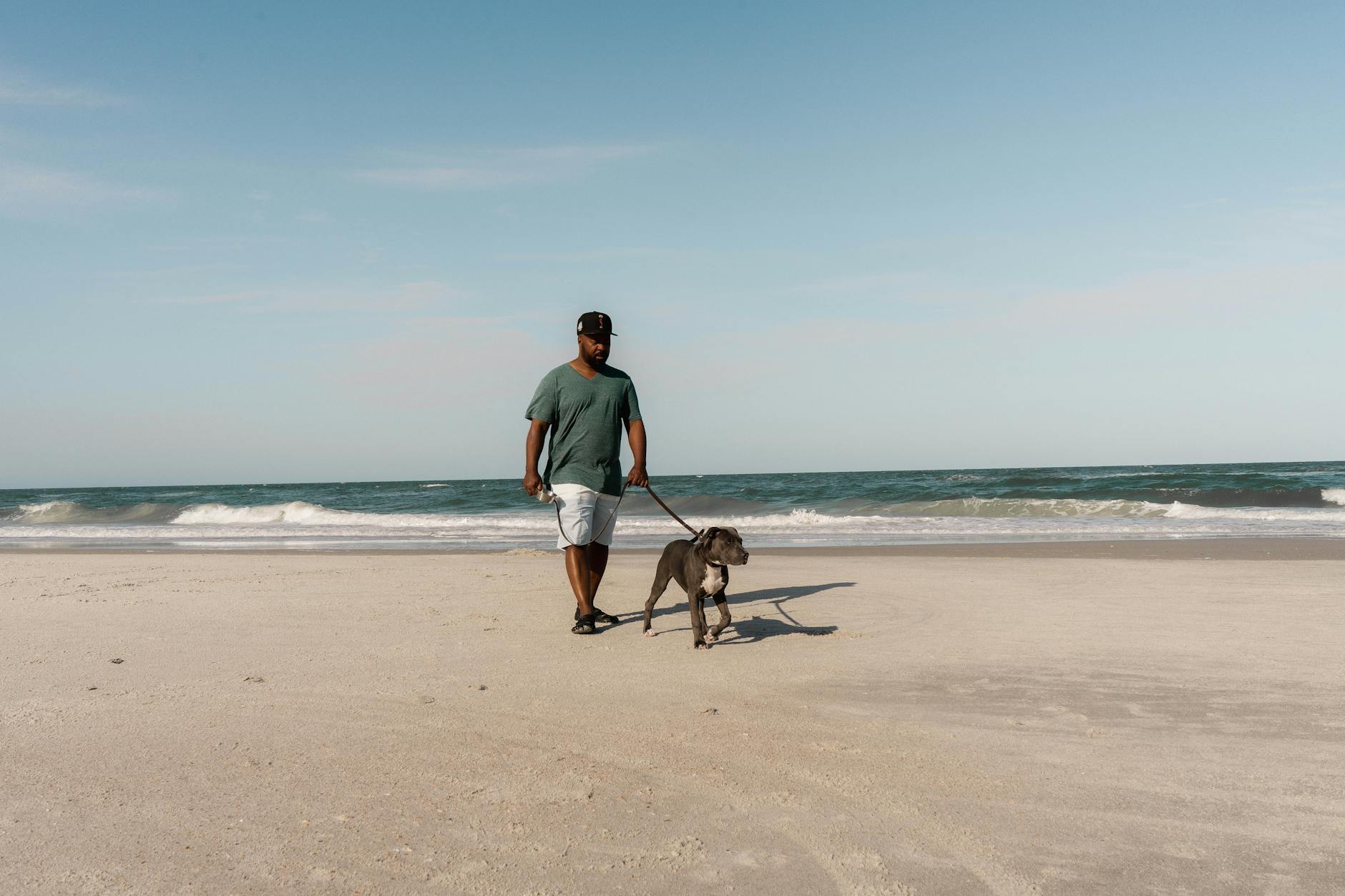
Start the morning at Jacksonville Beach, walking the wide shoreline and grabbing breakfast at one of the casual cafes along 3rd Street North. Spend the afternoon exploring Neptune Beach and Atlantic Beach, browsing local surf shops and cooling off in the Atlantic. In the evening, head to the beachside bar and restaurant strip for fresh seafood and a sunset cocktail.
Spend the morning at the Cummer Museum of Art and Gardens, strolling the riverfront gardens along the St. Johns River before exploring the permanent collection. After lunch in Riverside, wander the Avondale neighborhood for its early-20th-century bungalows, independent boutiques, and galleries. End the evening with dinner at one of the acclaimed restaurants along Park Street.
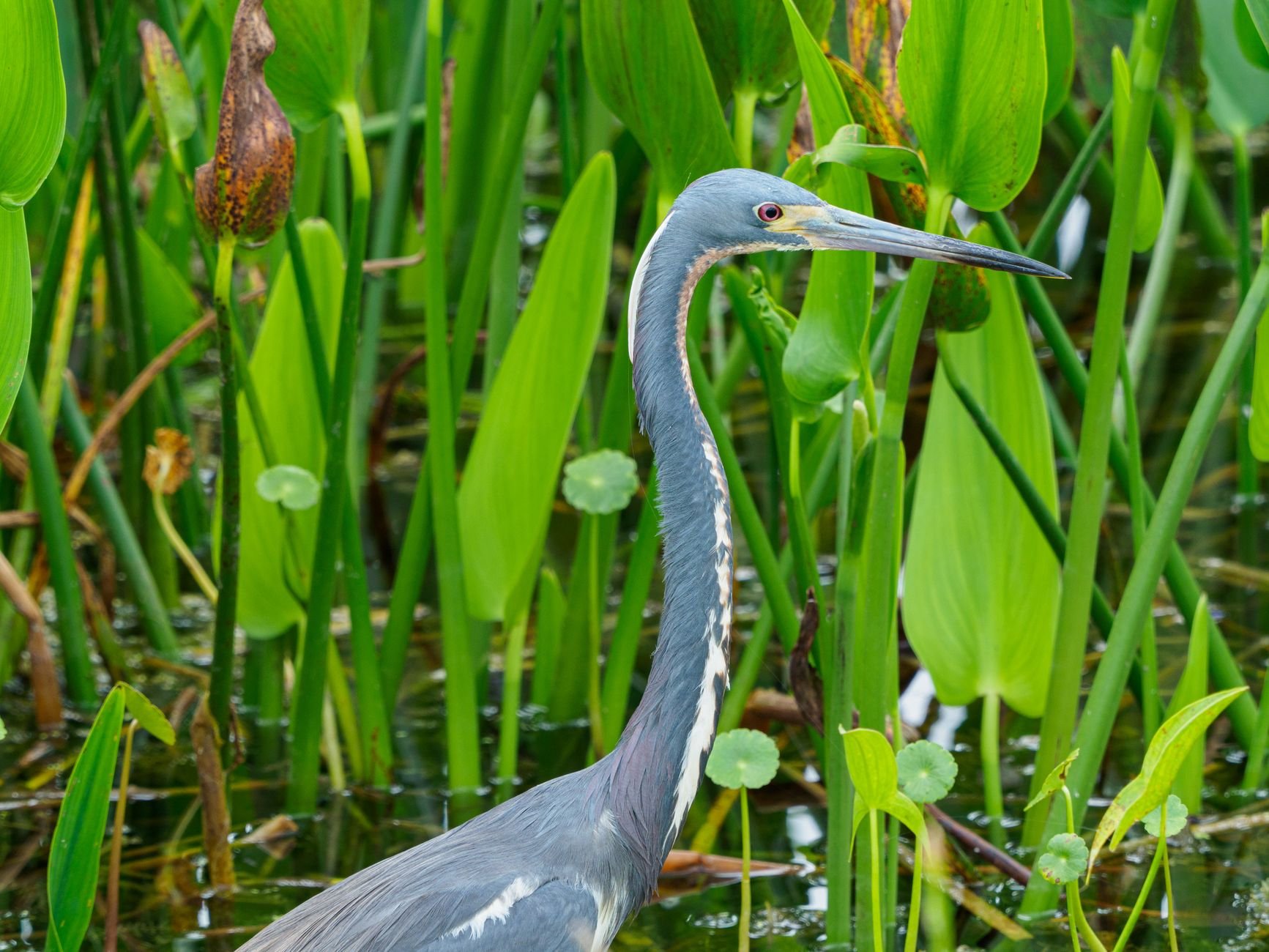
Head out early to the Timucuan Ecological and Historic Preserve for a kayak or paddleboard session through pristine coastal marshes. After lunch, drive south to Ponte Vedra Beach to catch a glimpse of TPC Sawgrass and unwind on a quieter stretch of coastline. Return to downtown Jacksonville for the evening, stopping at Hemming Park before a farewell dinner near the riverfront.
Jacksonville's cultural calendar is shaped by its dual identity as a coastal city and a passionate sports town, with a rhythm that picks up in spring and carries energy well into fall. The year opens with endurance events: the 26.2 with Donna National Marathon Weekend draws runners to Jacksonville Beach each January in support of breast cancer research, and the Gate River Run in March brings thousands to one of the country's most competitive 15K road races. Spring is the city's cultural peak. The Jacksonville Jazz Festival, one of the largest free jazz events in the Southeast, fills Hemming Park with live music each May, while Springing the Blues at Jacksonville Beach keeps the outdoor concert tradition alive each April. For golf fans, THE PLAYERS Championship at TPC Sawgrass in Ponte Vedra Beach is a marquee event on the PGA Tour calendar, drawing international attention to the region every March. The fall and winter bring football to the forefront. The TaxSlayer Gator Bowl, one of college football's longest-running bowl games, caps the year between Christmas and New Year's at EverBank Stadium, giving the city a festive, game-day send-off.

Oct 17, 2026
Jacksonville's food scene is rooted in its geography: a coastal city with a deep river running through it means seafood is the defining ingredient, and the city takes it seriously. Fresh shrimp, oysters, and local fish anchor menus across the city, from no-frills dockside shacks at the Beaches to polished waterfront dining rooms along the St. Johns. The blue crab is a local staple, and seafood boils remain a beloved communal tradition throughout the region.
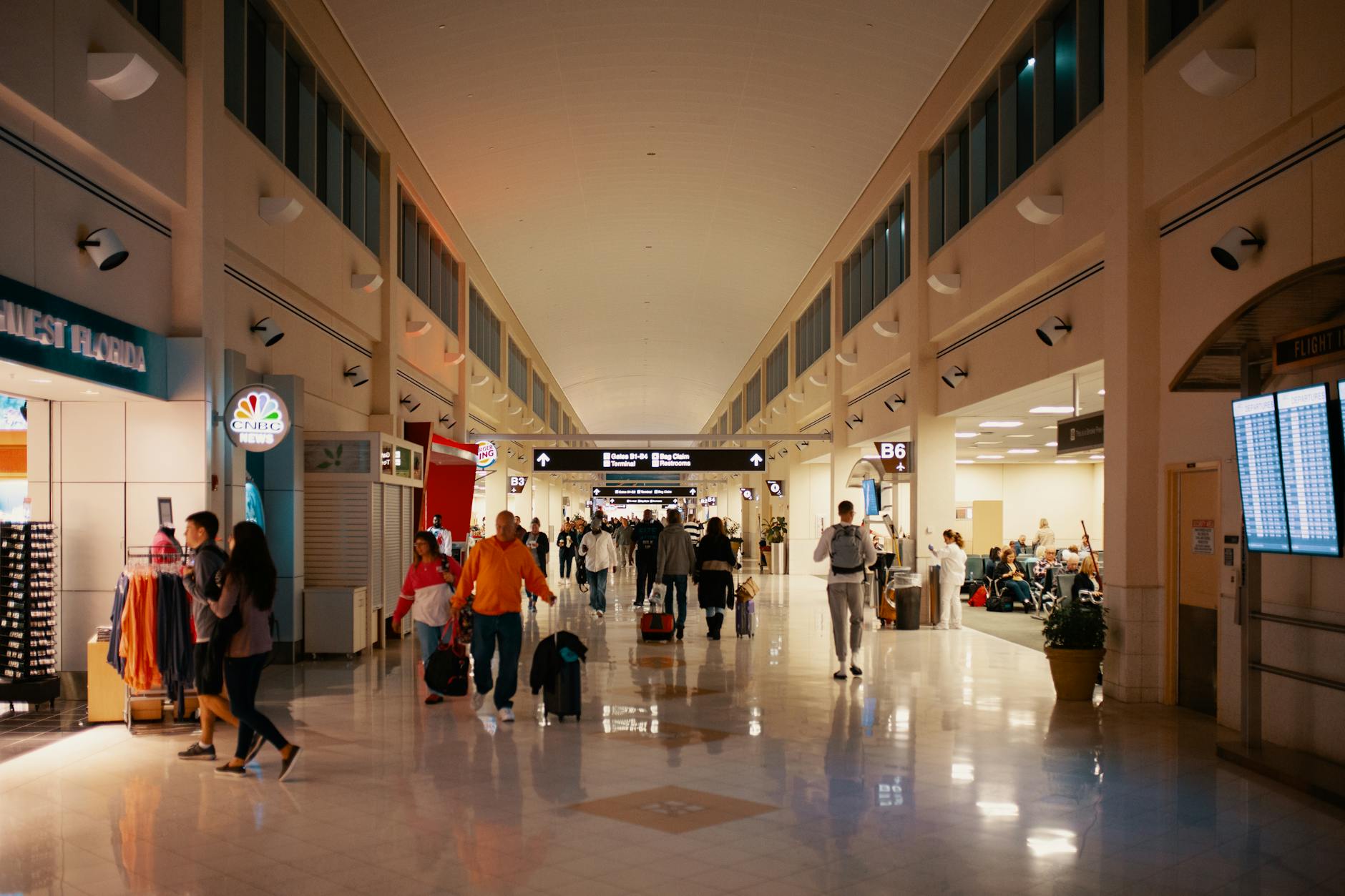
Jacksonville International Airport (JAX) sits about 14 miles north of downtown
and serves nonstop flights from dozens of U.S. cities, with rideshare, taxis, and rental cars all available curbside for the roughly 20-minute drive into the city center.
I-95 is the primary driving corridor into Jacksonville
connecting the city to Savannah in about 2 hours to the north and Orlando in about 2.5 hours to the south, making it a natural stop on East Coast road trips.
I-10 enters Jacksonville from the west
linking the city to Tallahassee (about 3 hours) and providing a cross-Florida route for travelers coming from the Gulf Coast or the Southeast interior.
Amtrak's Silver Meteor and Silver Star trains stop at Jacksonville's Clifford Lane station
connecting the city to New York, Washington D.C., and Miami along the East Coast corridor, with fares that can be competitive when booked in advance.
Greyhound and FlixBus both serve Jacksonville with intercity bus routes
offering budget-friendly connections to cities like Orlando, Savannah, and Atlanta, with the main bus terminal located near downtown on Pearl Street.
Renting a car is the most practical choice for exploring Jacksonville
given the city's enormous footprint, with key areas like the Beaches, Riverside, and the Timucuan Preserve spread many miles apart and not easily connected by public transit.
The Beaches area, particularly Neptune Beach and Atlantic Beach
are compact and walkable once you are based there, with most restaurants, bars, and surf shops accessible on foot or by bicycle along Ocean Boulevard and Atlantic Boulevard.
Riverside and Avondale are best explored on foot
with the stretch along Park Street and Edgewood Avenue offering a dense cluster of independent restaurants, coffee shops, and galleries within easy walking distance of one another.
Uber and Lyft operate reliably across Jacksonville
and are a smart option for evenings downtown or at the Beaches when parking is limited, though expect higher fares on Jaguars game days and during major events at EverBank Stadium.
Jacksonville's Skyway monorail connects several downtown stops
but covers only a small footprint in the urban core and is not useful for reaching the Beaches, Riverside, or any of the city's major natural areas.
Jacksonville's summers are hot and humid, with afternoon thunderstorms common from June through September. Plan outdoor activities for mornings and save afternoons for museums, restaurants, or covered attractions. Sunscreen and insect repellent are essential year-round, especially near the marshes and preserves. The city's tipping culture follows standard U.S. norms: 18 to 20 percent at restaurants, a few dollars for rideshare drivers, and standard hotel gratuities. Most businesses are card-friendly, but carry a small amount of cash for beach parking meters and farmers markets. Parking at the Beaches can be tight on summer weekends, so arrive early or use paid lots. The Timucuan Preserve and other natural areas require no reservations for most access points, but kayak and paddleboard rentals benefit from advance booking in peak season. Google Maps is reliable for navigation throughout the city.
Three to four days is a solid amount of time in Jacksonville. Spend a day or two at the Beaches - Jacksonville Beach, Neptune Beach, and Atlantic Beach - then dedicate time to Riverside and Avondale for dining and culture, the Cummer Museum, and outdoor exploration in the Timucuan Ecological and Historic Preserve. The city's size rewards a slower pace.
Jacksonville is best known for its Atlantic beaches - particularly the stretch known locally as 'the Beaches' - and for being the largest city by land area in the contiguous United States. It is also recognized for the Timucuan Ecological and Historic Preserve, world-class golf at TPC Sawgrass in Ponte Vedra Beach, and its passionate NFL fanbase around the Jacksonville Jaguars.
Yes, Jacksonville works well as a weekend trip, especially if you keep your focus tight. A two-day visit is enough to enjoy the Beaches, explore Riverside or Avondale, and fit in a meal or two at standout local spots. Travelers driving from Atlanta, Orlando, or Savannah will find it a manageable and rewarding short getaway.
Jacksonville is relatively affordable compared to other Florida destinations. Accommodation, dining, and activities tend to cost less than in Miami or Orlando. The beaches are free to access, and many parks and preserves charge little to nothing. Ponte Vedra Beach and its resort scene skew pricier, but the broader city offers strong value for most travel budgets.
Spring (March to May) and fall (October to November) offer the most comfortable weather, with mild temperatures and lower humidity. Summer is hot and humid with frequent afternoon storms, though the beaches remain popular.