
Baltimore, MD
A Journey guide to
Des Moines has quietly become one of the Midwest's most compelling city destinations, punching well above its weight in arts, food, and livability. The Iowa State Capitol, with its gilded dome rising above the east side, remains the city's most iconic landmark, while the Western Gateway neighborhood and the nationally acclaimed Des Moines Art Center anchor a surprisingly robust cultural scene that draws visitors from across the region.
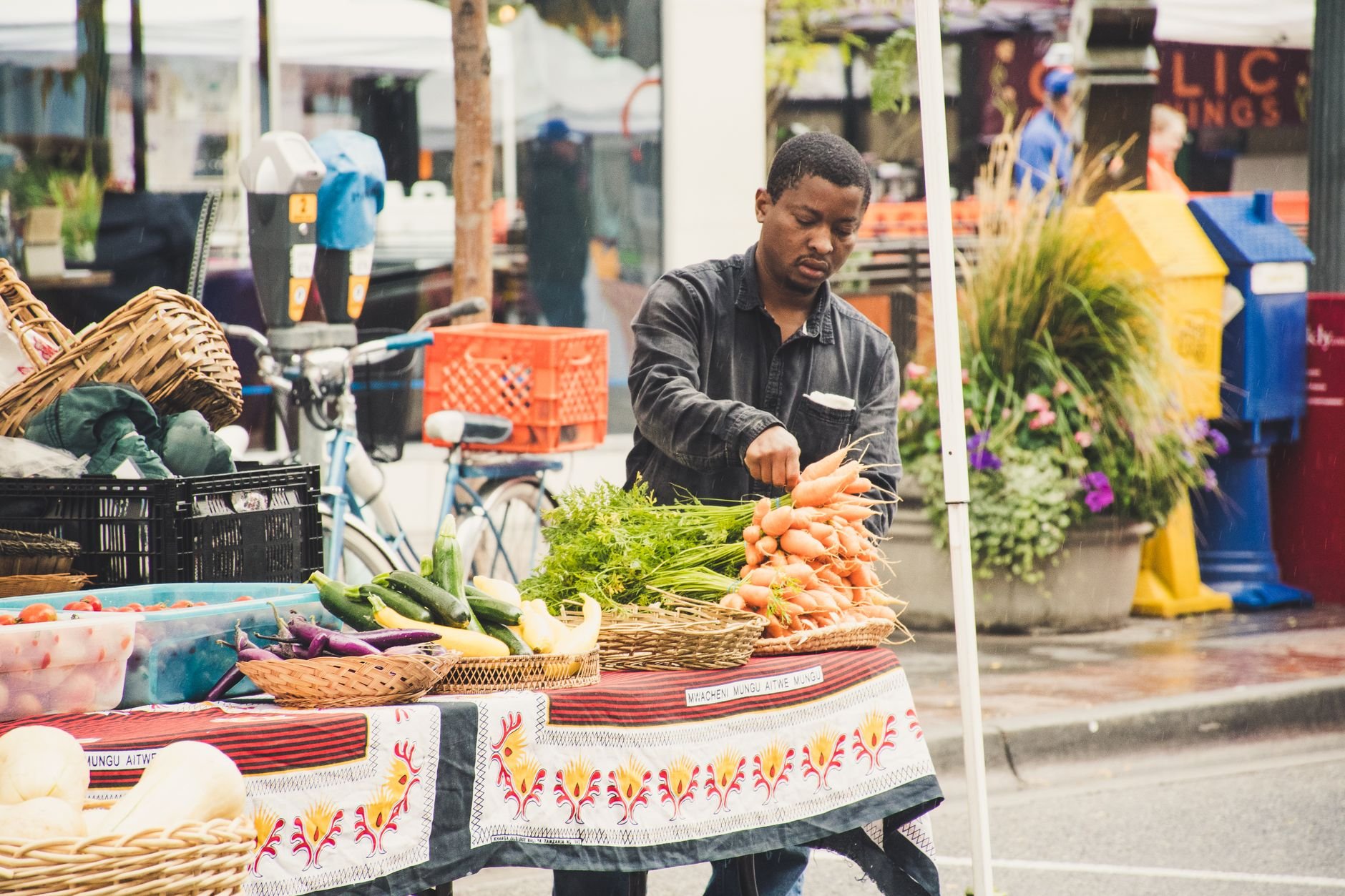
The city's food and drink culture has undergone a genuine transformation over the past decade. The East Village neighborhood is the epicenter of this shift, lined with chef-driven restaurants, craft cocktail bars, and independent coffee roasters. The Downtown Farmers' Market, running along Court Avenue, is one of the largest and most celebrated in the country and offers an authentic window into Iowa's agricultural identity and local producer community.
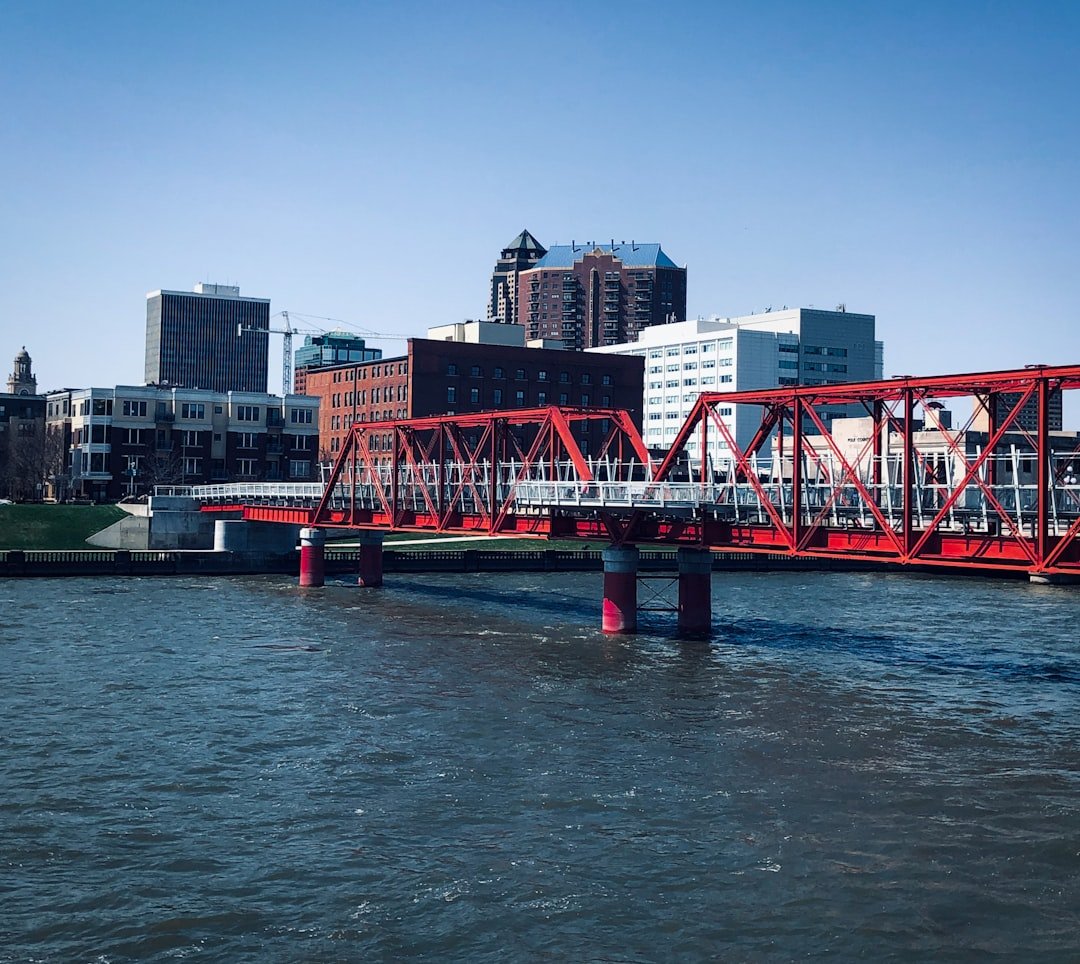
Des Moines appeals strongly to travelers who value authenticity over spectacle. It draws food-forward visitors, art enthusiasts, and those seeking a Midwestern city break without the crowds or costs of larger metros. The Principal Riverwalk connects downtown to the Raccoon River, offering a green corridor that cyclists, runners, and walkers use to move between neighborhoods with ease.
Beyond the urban core, the Greater Des Moines area offers covered bridges in Madison County, the living history campus of Living History Farms in Urbandale, and the striking landscape of Saylorville Lake. Whether visiting for a long weekend or a longer stay, Des Moines rewards curious travelers who take the time to explore beyond the obvious.
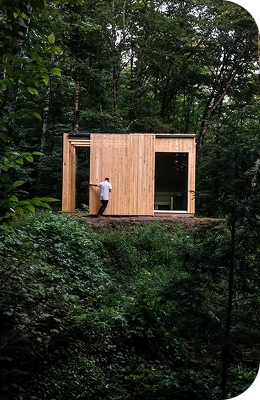

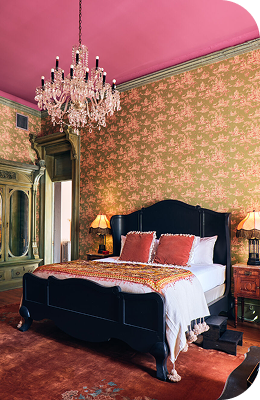

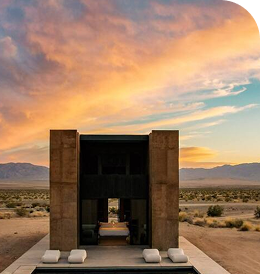

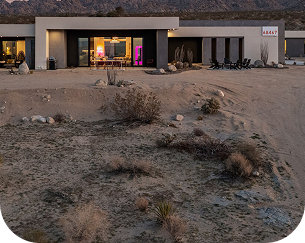

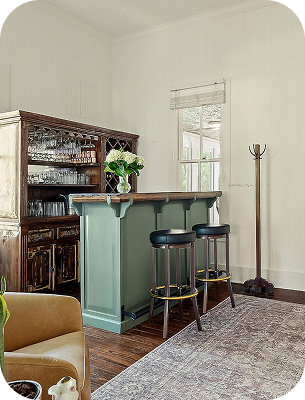

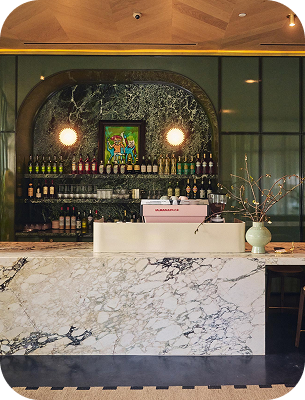

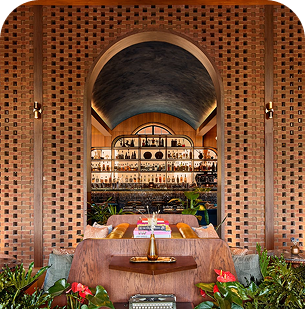

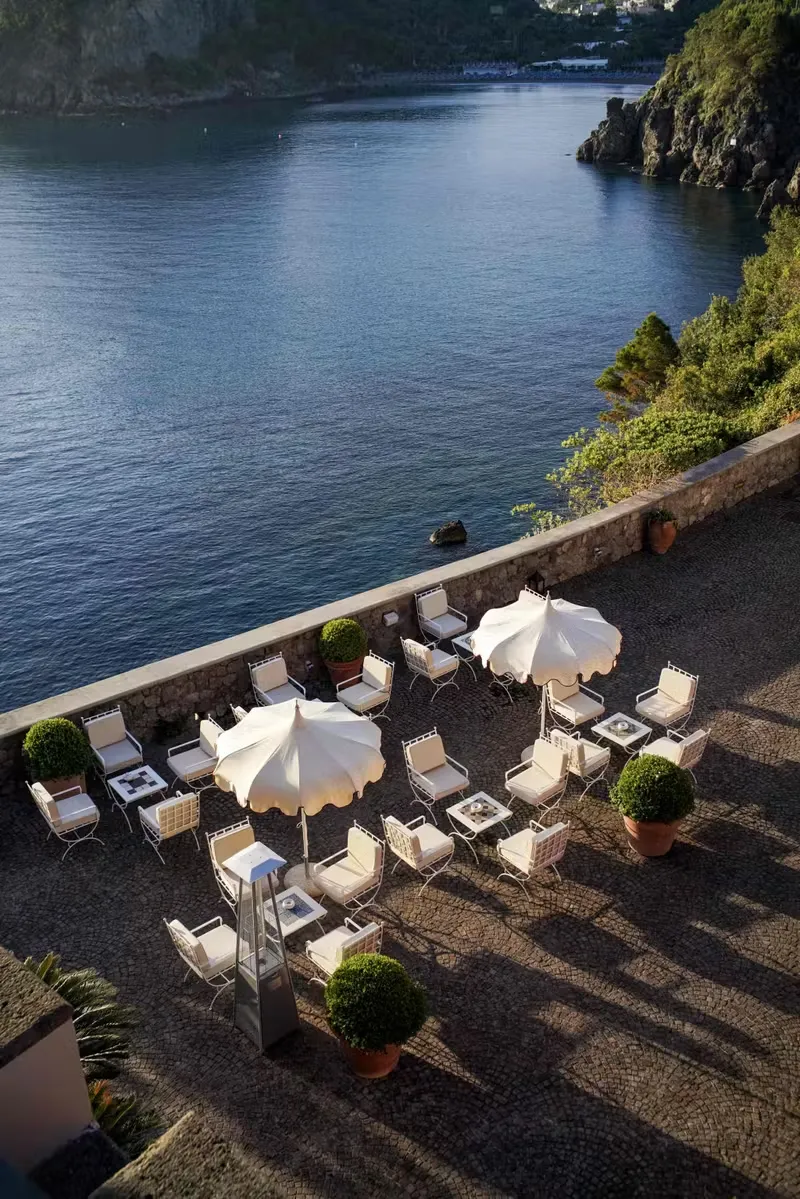

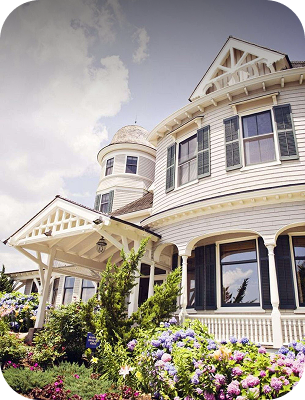

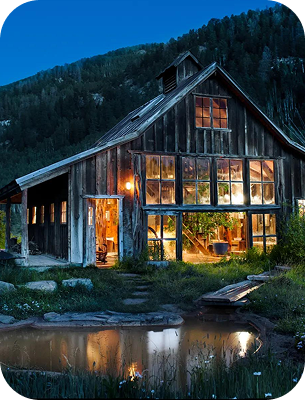


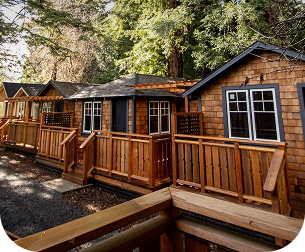

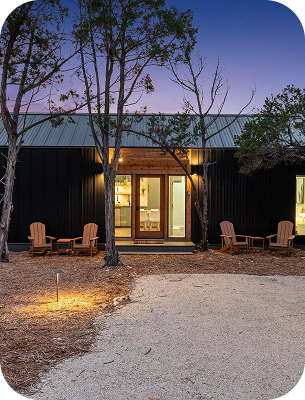

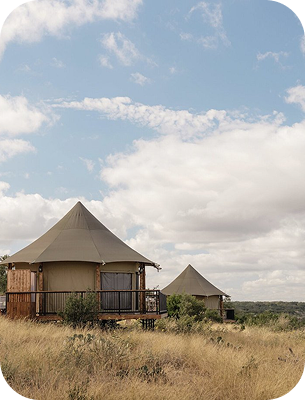

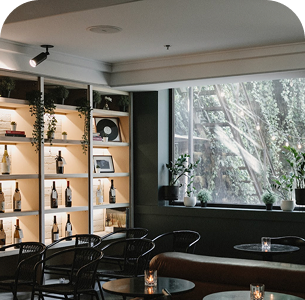

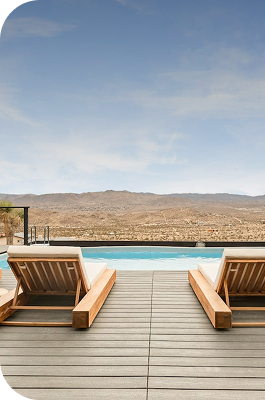


Journey connects travelers to a curated network of boutique hotels and distinctive residences around the world, all united under one rewards program. Explore handpicked stays for your trip while earning points, unlocking exclusive offers, and receiving rewards across the Journey collection.
Des Moines sits at the confluence of the Des Moines and Raccoon Rivers in the heart of Iowa, occupying a broad, gently rolling landscape that defines the tallgrass prairie region of the central United States. The city serves as Iowa's state capital and its largest urban center, functioning as the political, economic, and cultural hub of a state whose identity is deeply rooted in agriculture and civic life.
Founded in the 1840s as a military fort and rapidly incorporated as a city by 1851, Des Moines grew through the latter half of the 19th century as a center for insurance, publishing, and grain processing. That insurance industry legacy persists today: the city remains one of the top insurance capitals in the United States, home to major corporate headquarters that give its downtown a confident, working-city energy distinct from purely tourism-driven destinations.
Culturally, Des Moines defies expectations. The Des Moines Art Center houses a permanent collection of genuine international significance, with works by Francis Bacon, Edward Hopper, and Jasper Johns, housed in buildings designed by Eliel Saarinen, I.M. Pei, and Richard Meier. The Science Center of Iowa, the Des Moines Symphony, and a growing independent theater scene round out a cultural calendar that keeps the city engaged year-round.
The city's neighborhoods each carry a distinct character. The East Village, just east of the Capitol, is the hub of independent retail and dining. Ingersoll Avenue offers a more residential, neighborhood-restaurant feel. The Western Gateway district anchors the arts corridor on the west side of downtown. And the Court Avenue Entertainment District provides the city's most concentrated nightlife.
For travelers, Des Moines offers something increasingly rare: a genuine American city that has evolved on its own terms, without being reshaped entirely for tourism. It is approachable, affordable, and consistently surprising, a destination that earns loyalty from those who give it the chance.
Late spring and early fall are the sweet spots for visiting Des Moines. May is a particularly rewarding month, when the Downtown Farmers' Market kicks off its Saturday run along Court Avenue, drawing thousands of locals and visitors alike in a tradition that has made it one of the most celebrated markets in the country. The city's parks, trails, and the Principal Riverwalk are at their most inviting, and the East Village restaurant scene buzzes with outdoor dining energy.
June through August sees Des Moines at its most active, with a packed calendar of outdoor festivals, concerts, and community events. The Iowa State Fair, held each August, is a bucket-list experience for first-time visitors and a genuine cultural institution that draws enormous crowds from across the state and beyond. Those planning around the Fair should book accommodation well in advance and expect the city to be at its busiest.
September and October offer a compelling alternative for travelers who prefer a quieter pace. Crowds thin noticeably after Labor Day, the Farmers' Market continues into October, and the city's green corridors and parks take on rich autumn color. Cultural institutions including the Des Moines Art Center and Pappajohn Sculpture Park are easily explored without summer competition.
Winter is the quietest period for tourism, which can work in favor of budget-conscious travelers or those drawn to indoor cultural experiences. The Iowa State Capitol and the city's museum and gallery circuit are uncrowded and unhurried during these months.
For first-time visitors, a late May or early September arrival strikes the best overall balance, combining access to the Farmers' Market, outdoor recreation along the Raccoon River, a lively food and arts scene, and manageable crowd levels across the city's top attractions.
East Village is Des Moines' most vibrant and walkable neighborhood, sitting in the shadow of the Iowa State Capitol's gilded dome. The district is lined with chef-driven restaurants, craft cocktail bars, independent boutiques, and coffee roasters that give it a distinct urban energy. It is the go-to destination for food lovers and those seeking a lively night out in the city.
The heart of Des Moines, Downtown centers on the Court Avenue Entertainment District, a stretch of converted brick warehouses now home to breweries, bars, and live music venues. The area also hosts the legendary Downtown Farmers' Market on Saturday mornings, one of the largest in the country. The Principal Riverwalk threads through downtown, connecting the urban core to green spaces along the Raccoon River.
Western Gateway is Des Moines' cultural anchor, home to the nationally acclaimed Des Moines Art Center set within a beautifully landscaped park. The neighborhood blends residential calm with cultural prestige, attracting art enthusiasts and those seeking a quieter, more refined side of the city. Pappajohn Sculpture Park, located at the edge of the district, adds an open-air gallery of world-class works to the streetscape.
Ingersoll Avenue is a beloved neighborhood corridor that balances everyday local life with a strong independent dining and retail scene. Tree-lined and unhurried, it draws residents and visitors alike to its mix of cafes, wine bars, bookshops, and neighborhood restaurants. The avenue has a comfortable, lived-in character that reflects the authentic texture of Des Moines beyond the downtown core.
Beaverdale is a charming residential neighborhood with a tight-knit community feel and a small but beloved commercial strip along Beaver Avenue. Known for its well-kept bungalows and friendly atmosphere, it offers a genuine glimpse into everyday Des Moines life away from the tourist trail. Local bakeries, taverns, and specialty shops make it a rewarding detour for travelers who want to experience the city like a local.
Des Moines has a short list of experiences that define the city and draw travelers back repeatedly. These are not generic urban activities but things that are genuinely rooted in this place.
The Downtown Farmers' Market
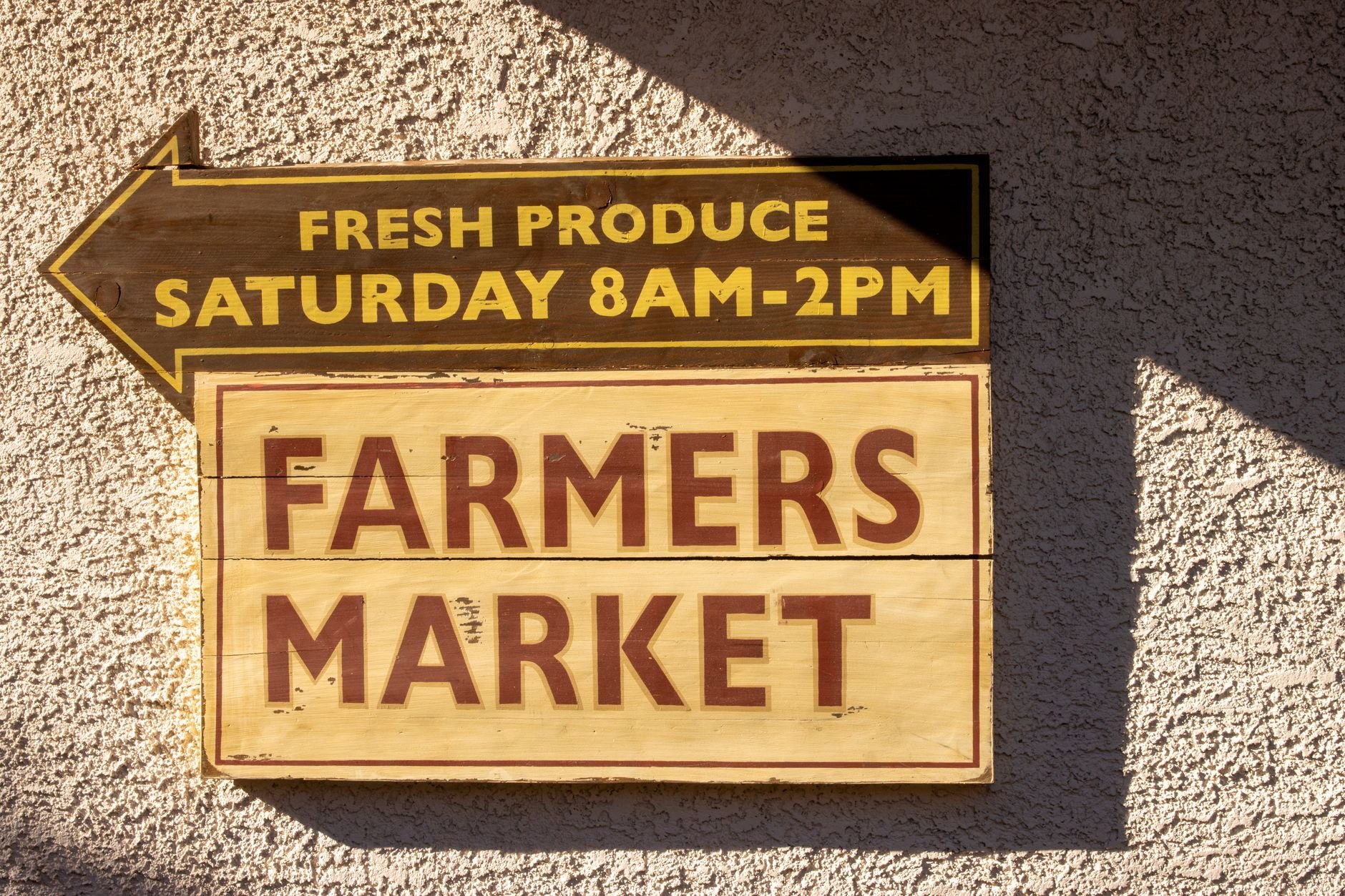
Running along Court Avenue on Saturday mornings from May through October, the Des Moines Downtown Farmers' Market is one of the largest and most celebrated in the United States. More than 300 vendors fill the streets with Iowa-grown produce, artisan foods, handmade goods, and live music. It is not simply a market but a community gathering that captures the agricultural soul of Iowa in an urban setting. For many visitors, it is the single most memorable thing they do in the city.
The Des Moines Art Center
The Art Center is not just a good regional museum. It is a genuine destination for architecture and contemporary art lovers. The building itself is a composition of wings designed by Eliel Saarinen, I.M. Pei, and Richard Meier, making the structure as compelling as what hangs inside. Admission is free, which makes it one of the most accessible world-class art experiences in the Midwest.
Iowa State Capitol Experience
The Iowa State Capitol is among the most architecturally distinguished state capitols in the country. Its central gilded dome is flanked by four smaller domes, a configuration unique among U.S. capitols. Free guided tours take visitors through the legislative chambers, law library, and historic artwork that lines the interior. The building is a working seat of government and a genuine architectural landmark.
Madison County Covered Bridges
A short drive southwest of Des Moines, Madison County is home to six historic covered wooden bridges that have become iconic symbols of rural Iowa. The landscape around Winterset draws visitors who want to experience the pastoral countryside that inspired the novel and film that made the bridges famous worldwide.
Des Moines offers a well-rounded mix of activities that reward both first-time visitors and returning travelers. The city's compact size makes it easy to move between neighborhoods and experience a wide range of what it has to offer.
Outdoor Recreation
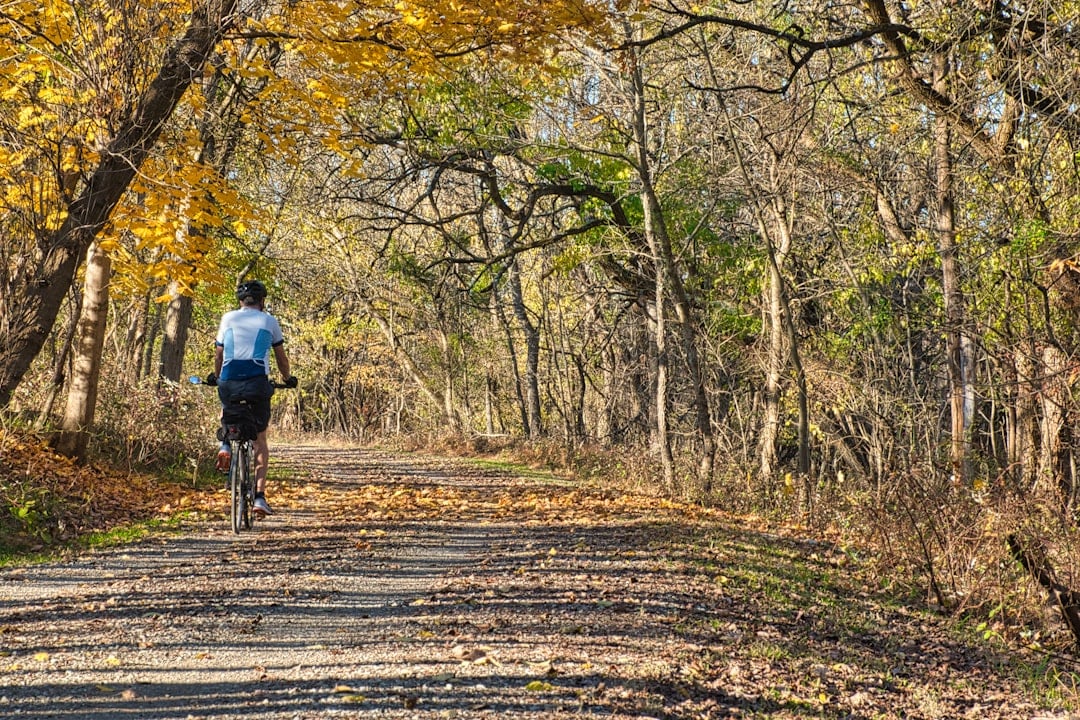
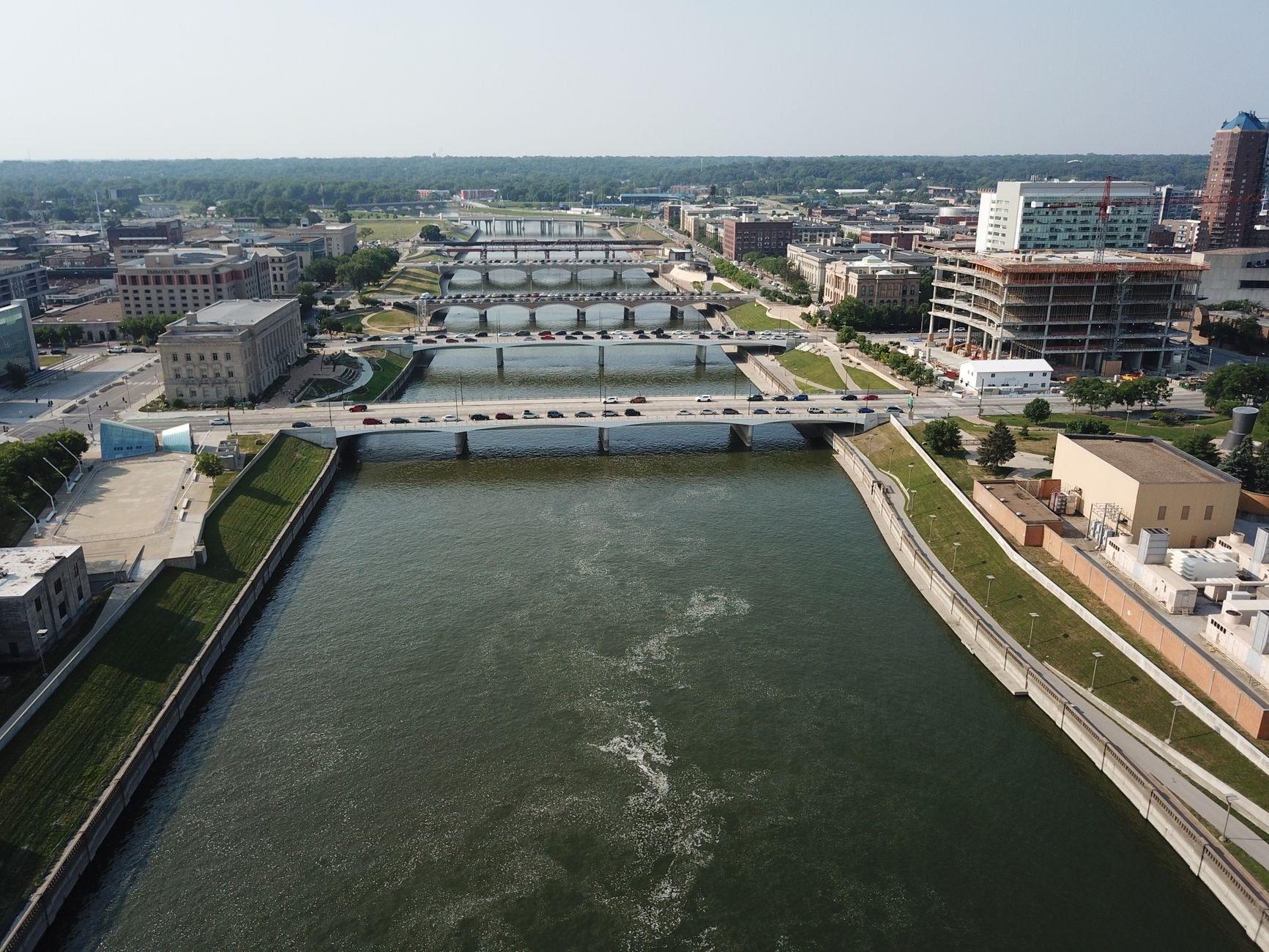
The Principal Riverwalk is the city's green spine, connecting downtown parks and trails along the Des Moines and Raccoon rivers. Cyclists, runners, and walkers use it to explore the urban core at a relaxed pace. Saylorville Lake, just north of the city, adds boating, fishing, hiking, and camping to the mix for those who want to get further into nature.
Cultural Attractions
The Iowa State Capitol is the city's most recognizable landmark, its gilded dome visible from across the skyline. Living History Farms in nearby Urbandale offers an immersive open-air museum experience covering Iowa's agricultural history across five historic time periods. The Iowa State Historical Museum provides deep context for the state's heritage and natural history.
Arts and Entertainment
Des Moines punches well above its size in the arts. The Des Moines Art Center is a nationally respected institution housing a strong permanent collection alongside rotating exhibitions, set within a campus of architecturally significant buildings. The Pappajohn Sculpture Park in the Western Gateway neighborhood brings large-scale contemporary works into a free, open public space. The Des Moines Civic Center and Hoyt Sherman Place host touring Broadway productions, concerts, and live performances throughout the year.
Food and Dining
The East Village is the city's culinary heartbeat, dense with chef-driven restaurants, craft cocktail bars, and independent coffee shops. The Court Avenue district adds a lively bar and dining scene close to downtown. Iowa's agricultural identity shows up directly on menus, with locally sourced ingredients a point of pride across many establishments.
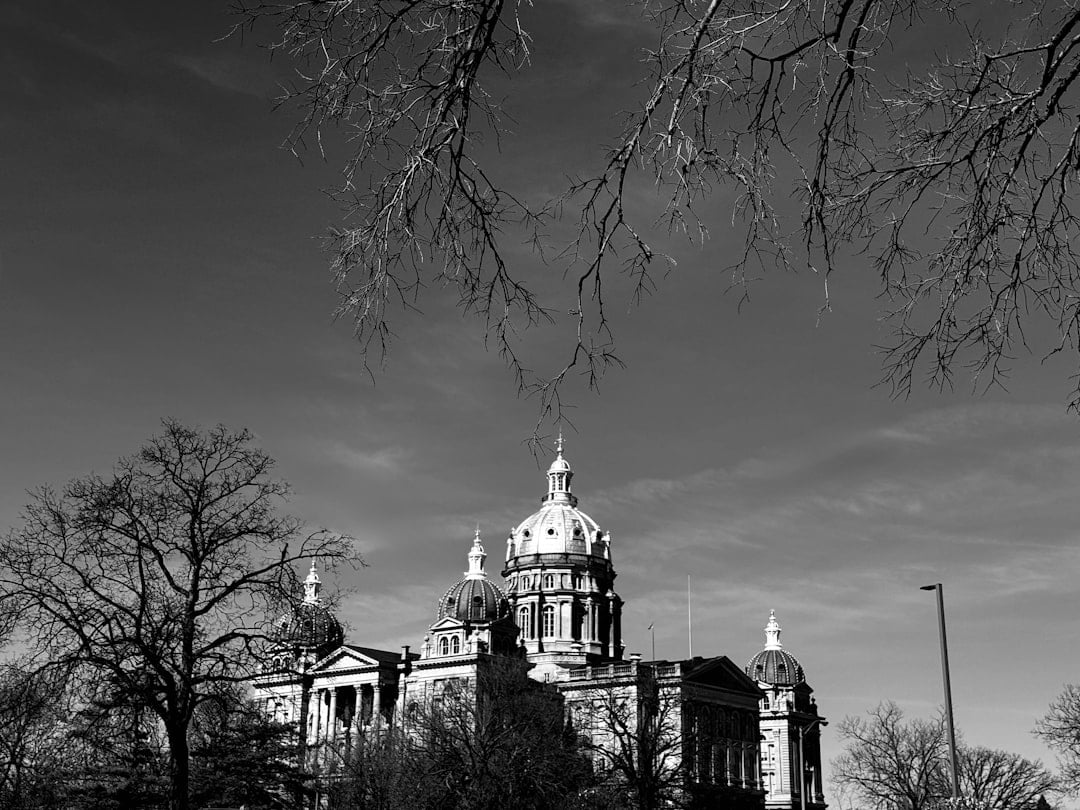
Start your morning at the Iowa State Capitol, exploring its iconic gilded dome and grand interior. Head to the East Village for lunch at one of its chef-driven restaurants, then browse independent boutiques and coffee roasters along the way. In the evening, walk the Principal Riverwalk at sunset before settling in for dinner and craft cocktails on Court Avenue.
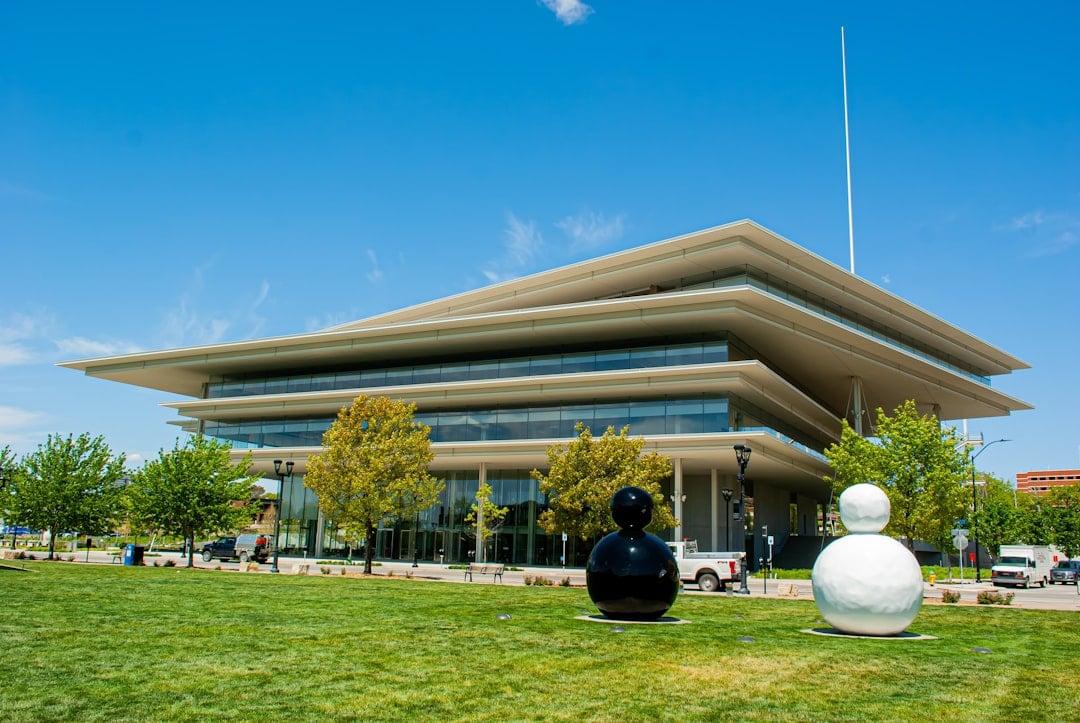
Spend the morning at the Des Moines Art Center, one of the Midwest's most acclaimed museums, set in a striking campus in Greenwood Park. Grab lunch nearby in the Western Gateway neighborhood, then explore the Pappajohn Sculpture Park just steps from downtown. End the evening with dinner at a local favorite in the East Village and a stroll through the neighborhood's vibrant bar scene.
On your final morning, visit the Downtown Farmers' Market along Court Avenue - one of the largest in the country - for local produce, artisan goods, and Iowa-made food. Spend the afternoon at Living History Farms in Urbandale for a hands-on look at Iowa's agricultural heritage. Close the trip with a relaxed evening at Saylorville Lake, taking in the open water and peaceful Midwestern landscape.
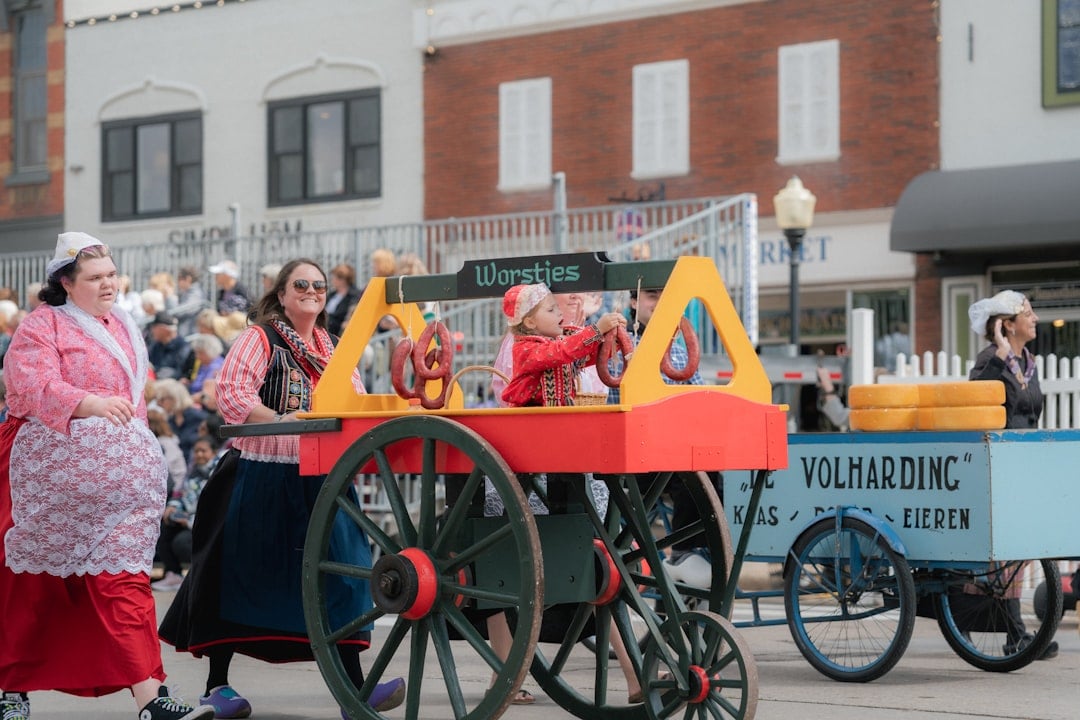
Des Moines has a lively cultural calendar that reflects its Midwestern roots and growing creative energy. Spring arrives with a bang at the Drake Relays, a storied track and field tradition that has drawn elite athletes to the city for over a century. As temperatures rise, the Downtown Farmers' Market and neighborhood festivals fill the streets, and June brings Capital City PrideFest, a joyful celebration of community and identity in the heart of downtown. Summer hits its stride with the Des Moines Arts Festival, one of the region's premier outdoor showcases for visual and performing arts, followed by the beloved Iowa State Fair in August, a sprawling two-week event that is as much a cultural institution as it is a celebration of Iowa's agricultural heritage. Late summer also welcomes the World Food and Music Festival, a free event along the riverfront that draws crowds with global cuisine and live performances. Nearby, the National Balloon Classic in Indianola paints the sky with color each July, offering a spectacle that is uniquely tied to the open landscapes of central Iowa. Fall settles in with Oktoberfest and family-friendly entertainment, rounding out a year that moves with genuine seasonal rhythm.

Oct 1, 2026
Des Moines has undergone a genuine culinary transformation over the past decade, evolving from a quiet Midwestern capital into a food destination that rewards curious eaters. The East Village neighborhood sits at the center of this shift, where chef-driven restaurants, craft cocktail bars, and independent coffee roasters line the streets and draw a loyal local following as well as visitors from across the region.
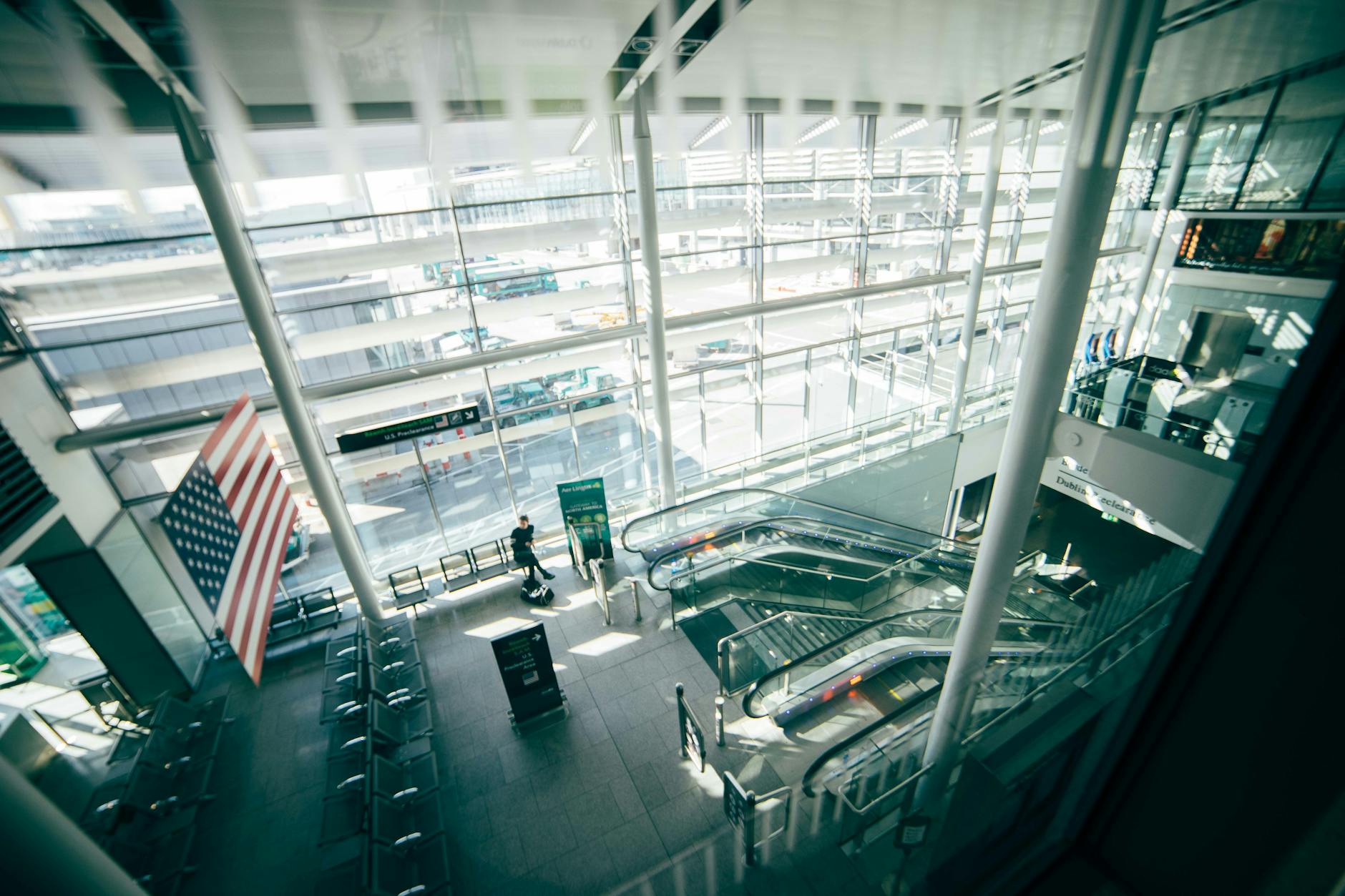
Des Moines International Airport (DSM) sits about five miles southwest of downtown
with direct routes from Chicago, Dallas, Denver, and Atlanta, plus rideshare, taxis, and rental cars available curbside for a quick transfer into the city.
Interstate 80 is the main east-west corridor into Des Moines
connecting the city to Chicago in roughly five hours and Omaha in about two and a half hours, making it a practical road-trip route from either direction.
Interstate 35 links Des Moines to Kansas City and Minneapolis
with Kansas City about three hours to the south and Minneapolis around four hours to the north, making Des Moines a natural stopover on a Midwest road trip.
Greyhound and FlixBus both serve Des Moines with regional routes
arriving at the downtown Des Moines Bus Station, which is a budget-friendly option for travelers coming from nearby cities like Omaha, Iowa City, or Kansas City.
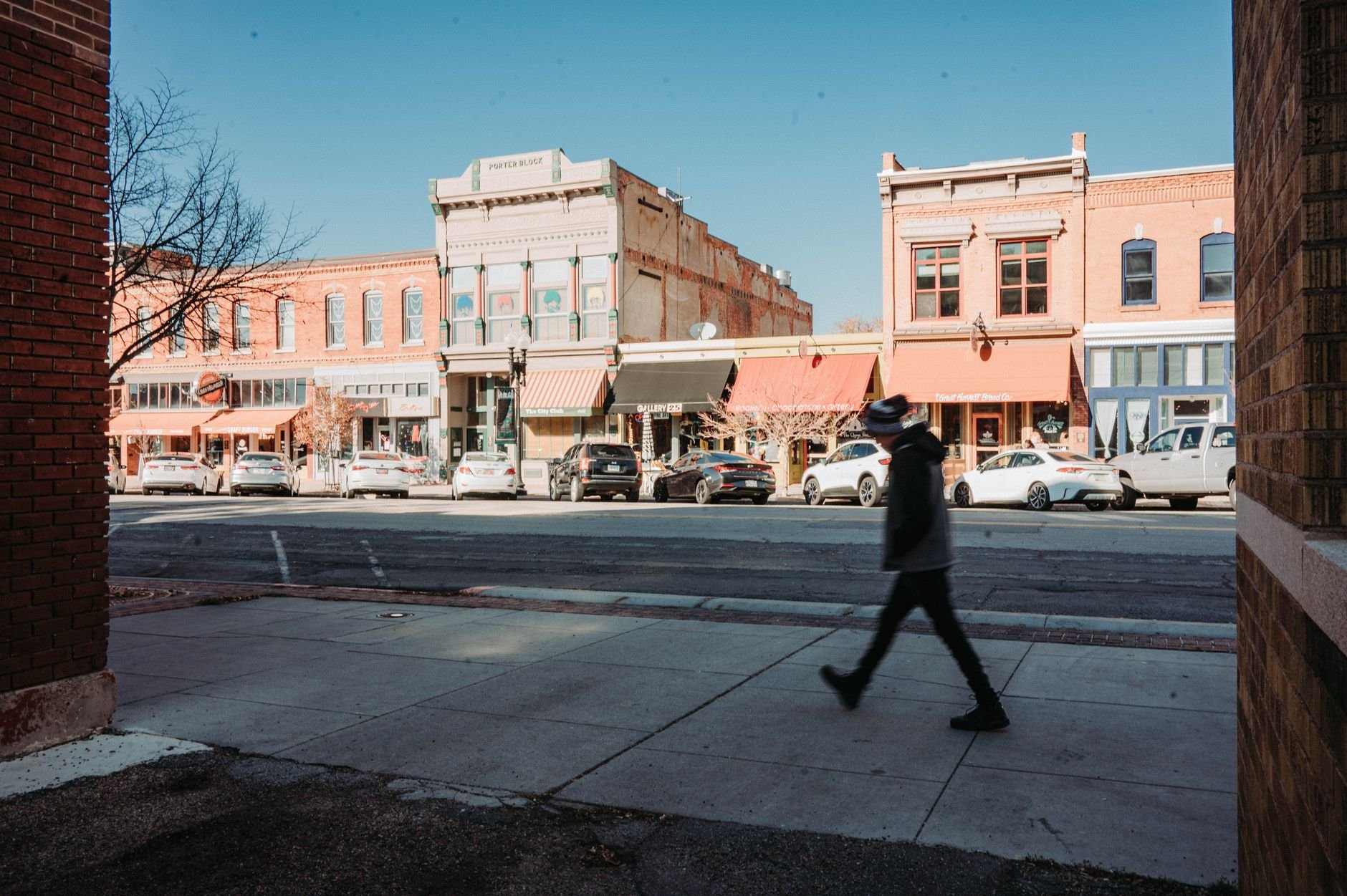
The East Village and Downtown Des Moines are compact and walkable
making it easy to move between restaurants, galleries, and the Iowa State Capitol on foot, especially if you're staying in either of those neighborhoods.
Uber and Lyft operate reliably across Des Moines
and are the most convenient option for reaching neighborhoods like Western Gateway or Ingersoll Avenue when you don't want to deal with parking.
The Principal Riverwalk trail connects downtown to the Raccoon River
and is a popular cycling and walking route that lets you move between neighborhoods and green spaces without touching a road, with bike rentals available nearby.
DART bus routes cover the broader Des Moines metro
though service frequency is limited outside peak hours, so check schedules in advance if you're relying on transit to reach destinations outside the downtown core.
Renting a car is worth considering for trips beyond the city center
especially if you plan to visit Madison County's covered bridges, Saylorville Lake, or Living History Farms in Urbandale, all of which are difficult to reach without your own wheels.
Des Moines is a low-key, easy city to navigate, but a few practical notes will help your trip run smoothly. The Downtown Farmers' Market runs Saturday mornings from May through October and draws large crowds early, so arrive by 8 a.m. for the best experience. Tipping follows standard U.S. norms: 18 to 20 percent at restaurants and bars is the local expectation. Most businesses are cashless or card-preferred, though some market vendors appreciate cash. Download Uber or Lyft before you arrive, as local taxi availability is limited. The city is generally safe, including the East Village and Downtown after dark, but standard urban awareness applies. Weather in Des Moines shifts dramatically by season: summers are hot and humid, winters are cold with occasional snow, and spring and fall offer the most comfortable conditions for walking and outdoor exploration. Pack layers if visiting outside summer months.
Two to three days is enough to cover Des Moines comfortably. You can explore the East Village food scene, visit the Des Moines Art Center, walk the Principal Riverwalk, and catch the Downtown Farmers' Market if your visit falls on a Saturday. A third day allows for day trips to Madison County or Living History Farms in Urbandale.
Des Moines is best known for the Iowa State Capitol with its gilded dome, a nationally acclaimed arts scene anchored by the Des Moines Art Center, and one of the largest downtown farmers' markets in the country. The city has also built a strong reputation for its chef-driven restaurant scene, particularly in the East Village neighborhood.
Yes, Des Moines works very well as a weekend trip. Two days gives you enough time to explore the East Village, visit the Des Moines Art Center, walk the Principal Riverwalk, and dine at standout local restaurants. It is a compact, easy-to-navigate city with no need for a car in the central neighborhoods.
Des Moines is one of the more affordable city destinations in the Midwest. Hotels, restaurants, and attractions are generally well-priced compared to larger metros. The Downtown Farmers' Market and many cultural institutions like the Des Moines Art Center offer free or low-cost entry, making it a budget-friendly option for travelers.
Late spring through early fall - roughly May to September - is the best time to visit Des Moines. This window covers the outdoor Downtown Farmers' Market season, warm weather for the Principal Riverwalk, and the city's most active events calendar.