
Baltimore, MD
A Journey guide to
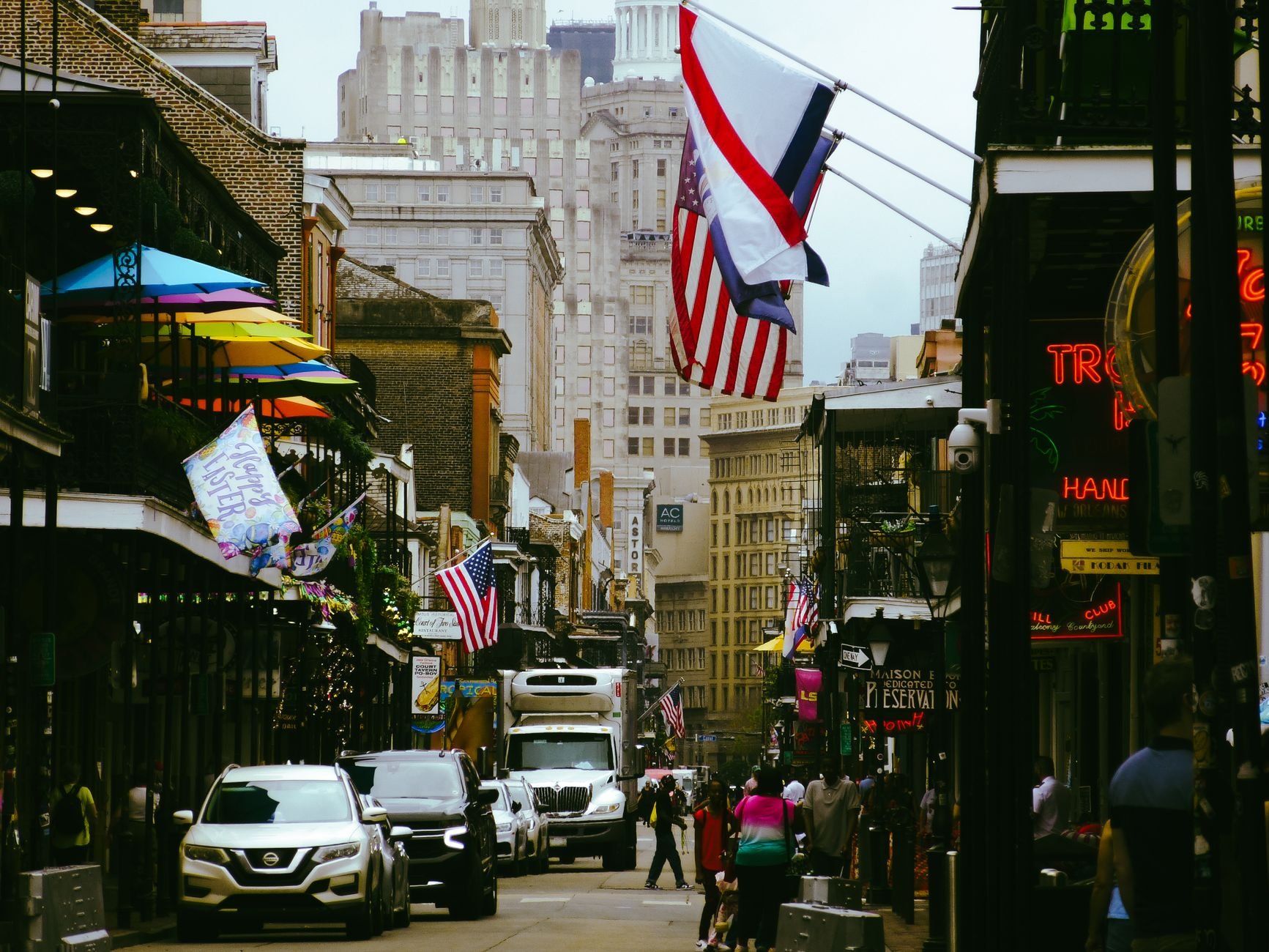
New Orleans is one of the most culturally singular cities in the United States, built on the confluence of French, Spanish, African, Caribbean, and Native American traditions. Its neighborhoods each carry a distinct personality: the wrought-iron balconies and street musicians of the French Quarter, the grand antebellum mansions of the Garden District, and the Creole cottages of Tremé, widely regarded as the oldest African American neighborhood in the country.
The city is the undisputed birthplace of jazz, and live music is not a weekend event here but a daily fact of life. From dive bars on Frenchmen Street to grand concert halls, the soundtrack of New Orleans is inseparable from its identity. Food is equally central: beignets at Café Du Monde, a bowl of gumbo in a neighborhood joint, a dressed oyster po'boy, or a refined tasting menu rooted in Creole technique all represent the city's extraordinary culinary depth.
New Orleans draws a wide spectrum of travelers. History enthusiasts come for the layered colonial past visible in the architecture and street grid. Culinary travelers make pilgrimages specifically for the food culture, which has no true equivalent anywhere else in America. Music lovers and nightlife seekers find a city with almost no closing time and an ethos that prizes celebration as a civic virtue.
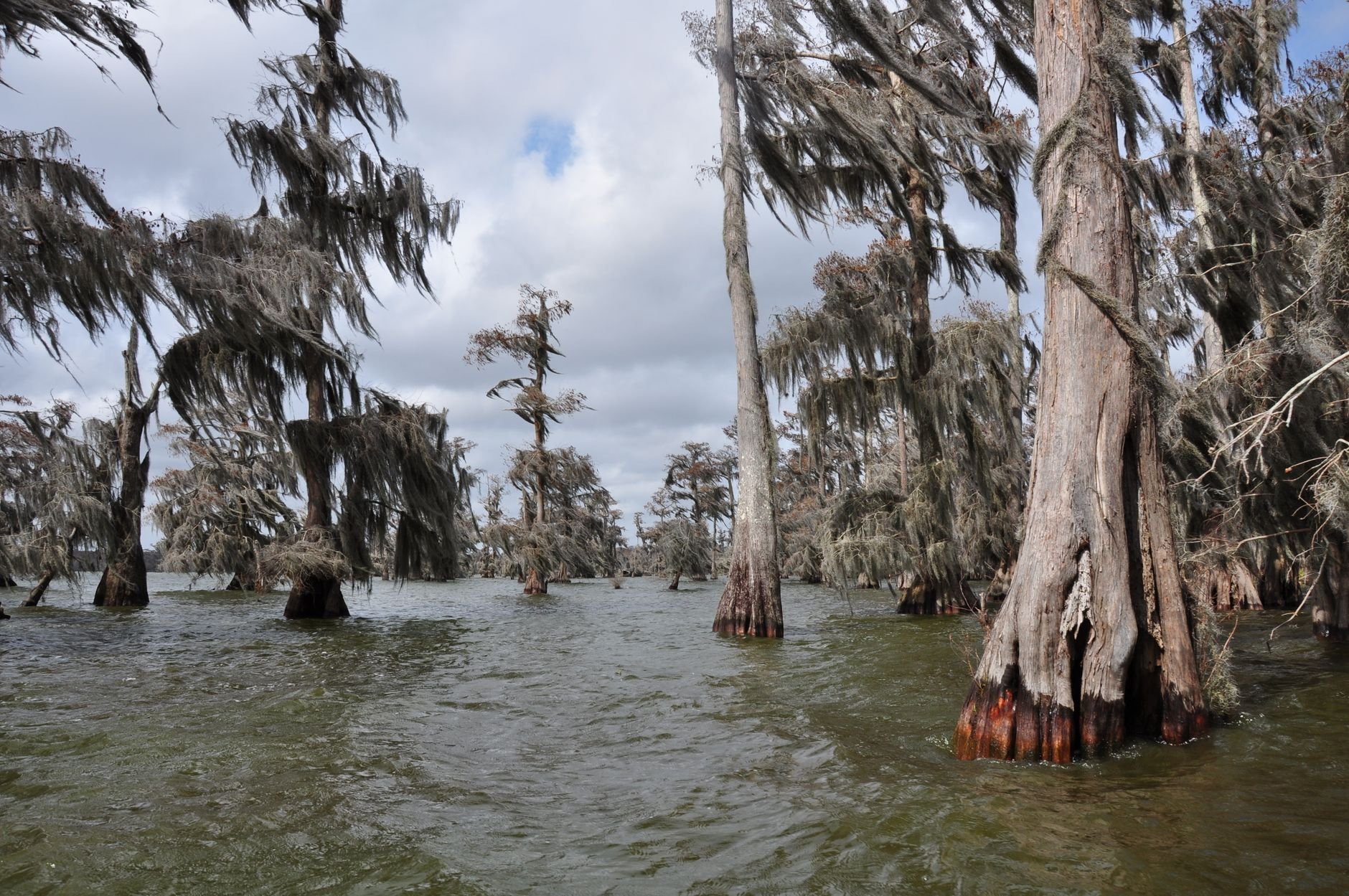
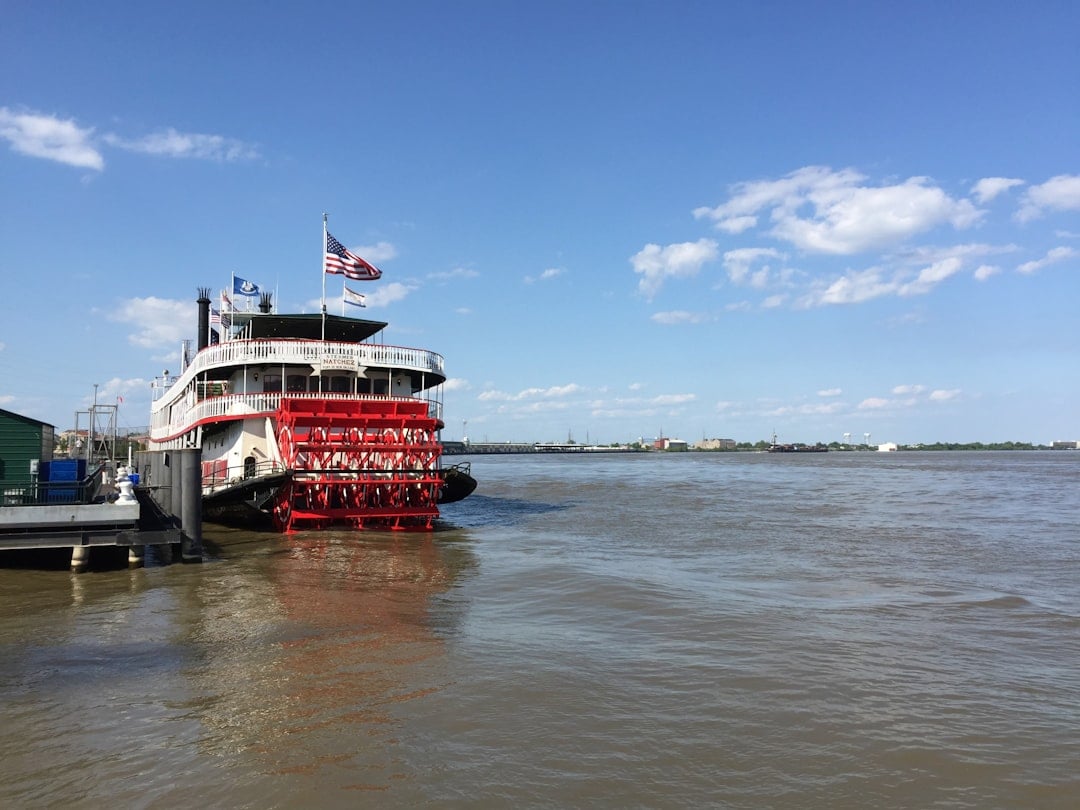
Outdoor and water-oriented travelers are often surprised by what surrounds the city: the Mississippi River, Lake Pontchartrain, and the vast Louisiana bayou ecosystem are all within easy reach. Swamp tours, riverboat excursions, and kayaking through cypress-draped wetlands offer a striking counterpoint to the urban energy of the city itself.


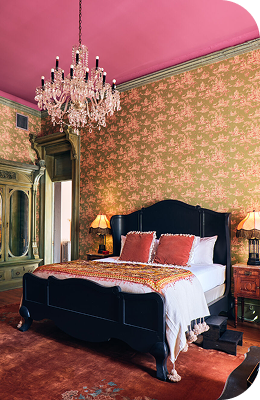

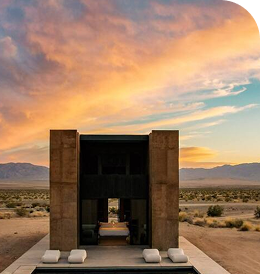








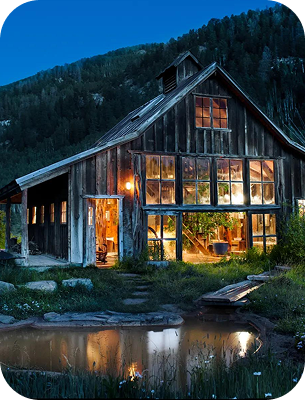

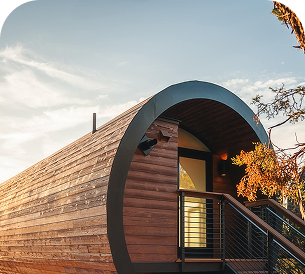

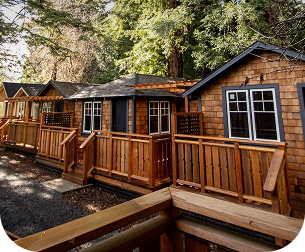

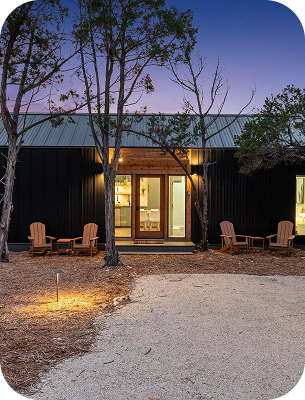



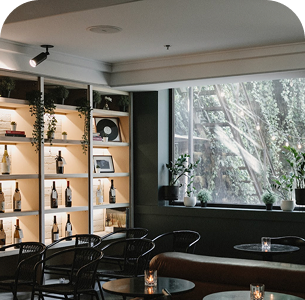

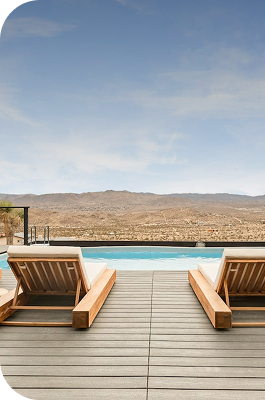



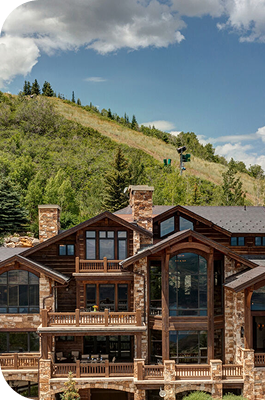

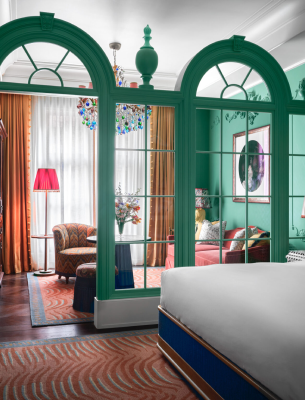
Journey connects travelers to a curated network of boutique hotels and distinctive residences around the world, all united under one rewards program. Explore handpicked stays for your trip while earning points, unlocking exclusive offers, and receiving rewards across the Journey collection.
New Orleans sits in southeastern Louisiana, cradled in a bowl-shaped lowland between the Mississippi River to the south and Lake Pontchartrain to the north. Much of the city lies at or below sea level, a geographic reality that has shaped its engineering, its architecture, and its relationship with water for three centuries. The Mississippi, one of the great commercial arteries of North America, curves dramatically around the city's oldest neighborhoods, giving New Orleans its historic nickname: the Crescent City.
Founded by French colonists in 1718, New Orleans served for decades as the capital of French Louisiana before passing to Spanish rule and eventually to the United States through the Louisiana Purchase of 1803. This colonial layering produced a cultural and architectural vocabulary unlike anything else in North America. The Vieux Carré, or French Quarter, retains a predominantly Spanish Colonial streetscape despite its name, the result of two major fires during the Spanish period. The broader city reflects centuries of Creole culture, a term that in New Orleans encompasses a complex, richly blended heritage of European, African, and Caribbean influences.
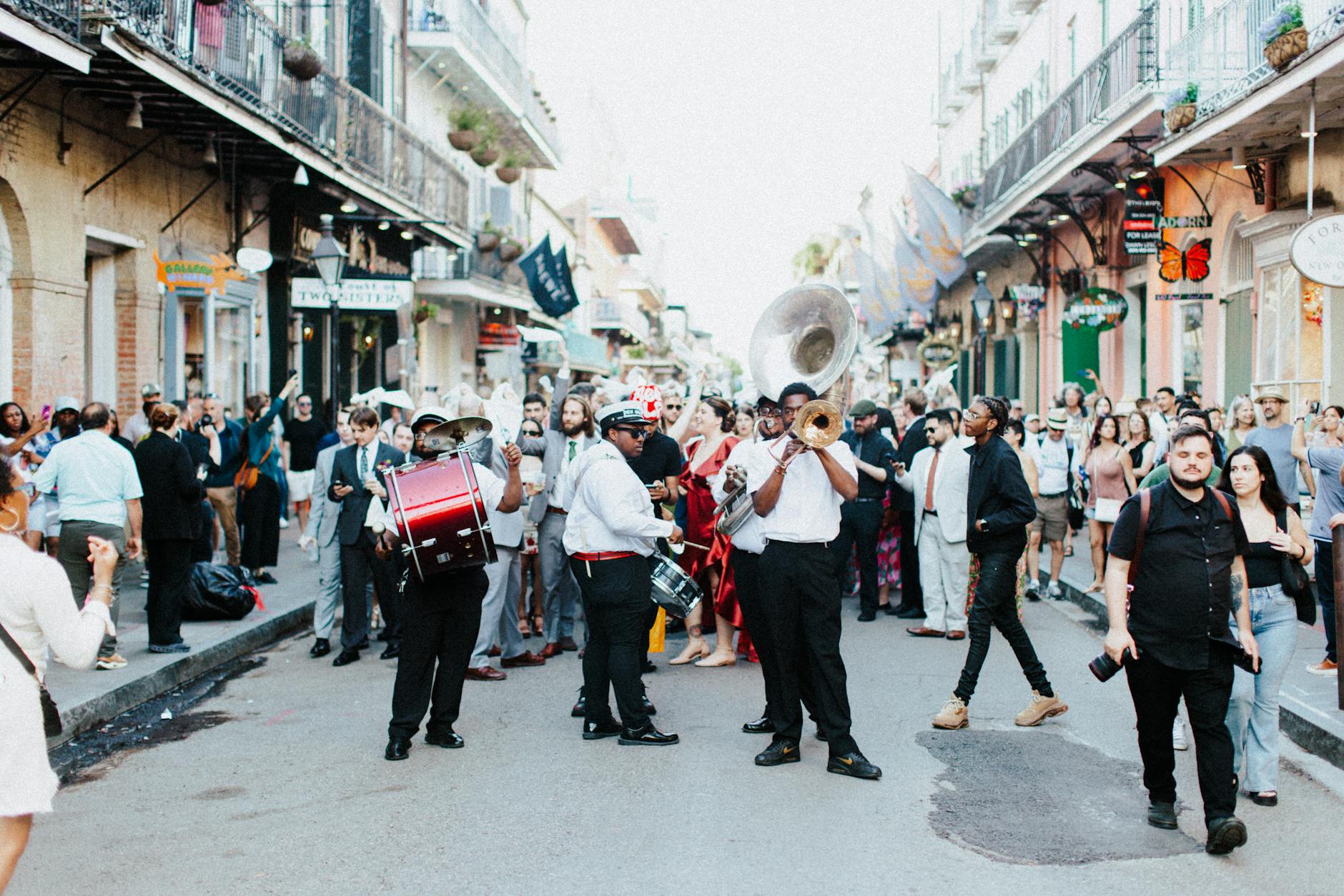
That cultural complexity is visible in every dimension of New Orleans life. The cuisine is a serious regional tradition with its own canon of dishes, techniques, and ingredients. The music scene, rooted in jazz but branching into blues, R&B, brass band, and Zydeco, is participatory rather than purely performative. Second line parades, jazz funerals, and impromptu street performances are not tourist spectacles but living community traditions.
The city's neighborhoods reward exploration on foot. The French Quarter is the historic core, but the Magazine Street corridor, the Bywater, Mid-City, and Tremé each offer a different lens on New Orleans character. The pace is unhurried by design. New Orleans does not reward rushing. It rewards lingering, and travelers who give it time consistently find it one of the most memorable cities in the world.
The best time to visit New Orleans depends on what kind of experience you are after, but most travelers find the sweet spot between October and April, when the city is at its most livable and culturally vibrant.
Fall, specifically October and November, is one of the most rewarding windows. Crowds are manageable, the city hums with local festivals, and outdoor exploration of the Garden District, City Park, and the bayou is genuinely enjoyable. The New Orleans Film Festival and Voodoo Fest draw visitors, but the city never feels overwhelmed.
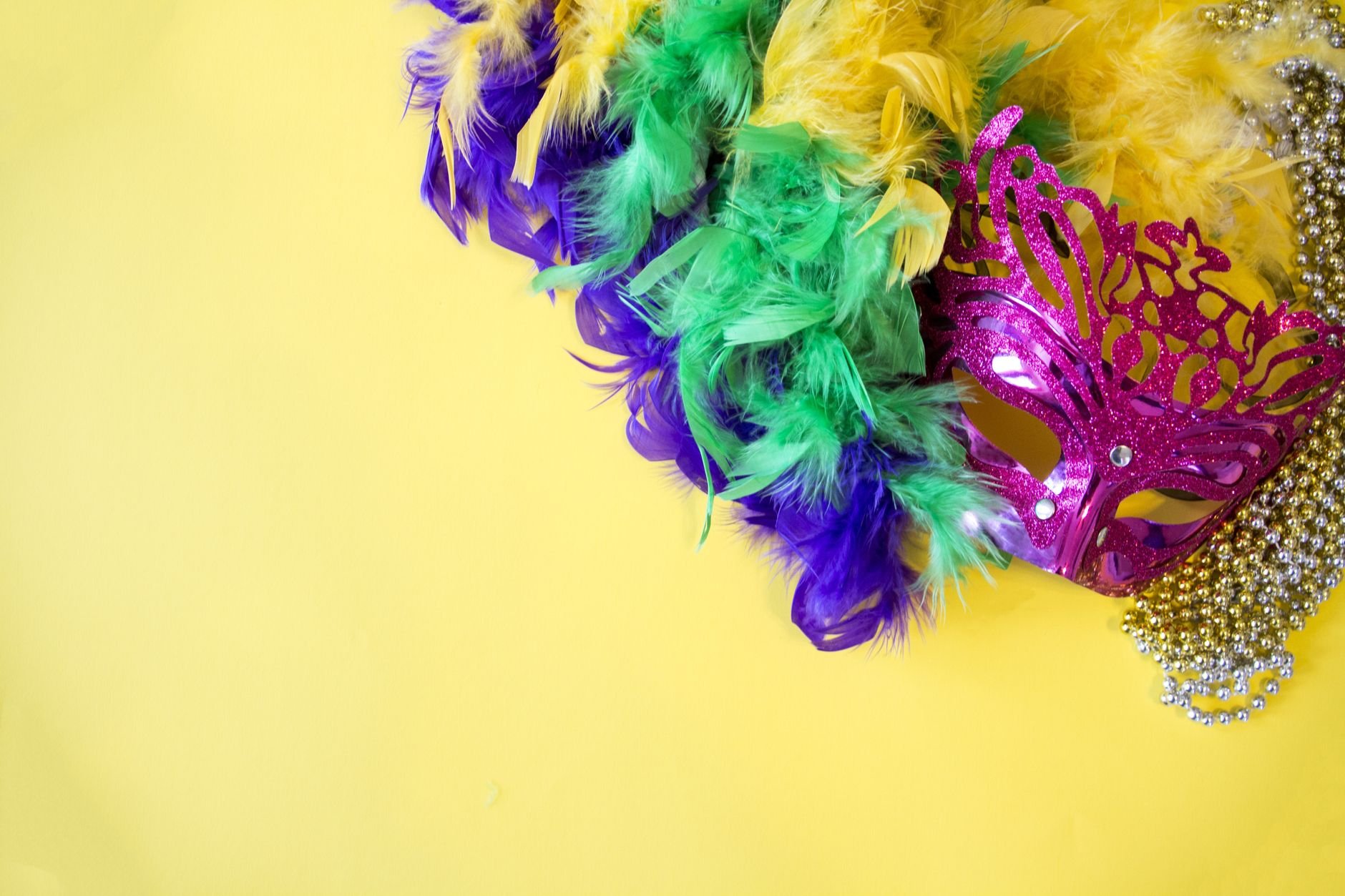
Mardi Gras season, which runs from early January through Fat Tuesday in February or March, is the city's most iconic cultural moment. Parades, masked balls, and street celebrations build for weeks before the final blowout. Crowds are massive and accommodation prices spike sharply, but for travelers who want to experience New Orleans at its most theatrical and communal, there is nothing else like it. Book months in advance if you plan to visit during this window.
Spring, particularly March through early May, offers a lively festival calendar including French Quarter Festival and Jazz Fest, the latter drawing international music fans in late April and early May. These events fill the city and push rates up, so early planning is essential. Outside of festival weekends, spring is an excellent time to explore the city at a relaxed pace.
Summer is the low season for good reason: the city empties of tourists and hotel rates drop, making it the most budget-friendly time to visit. Those who do not mind the conditions will find shorter lines at top restaurants and a more local atmosphere.
Winter outside of Mardi Gras season is quiet and affordable, with a full slate of live music, excellent dining, and easy access to all major neighborhoods without the crush of peak crowds.
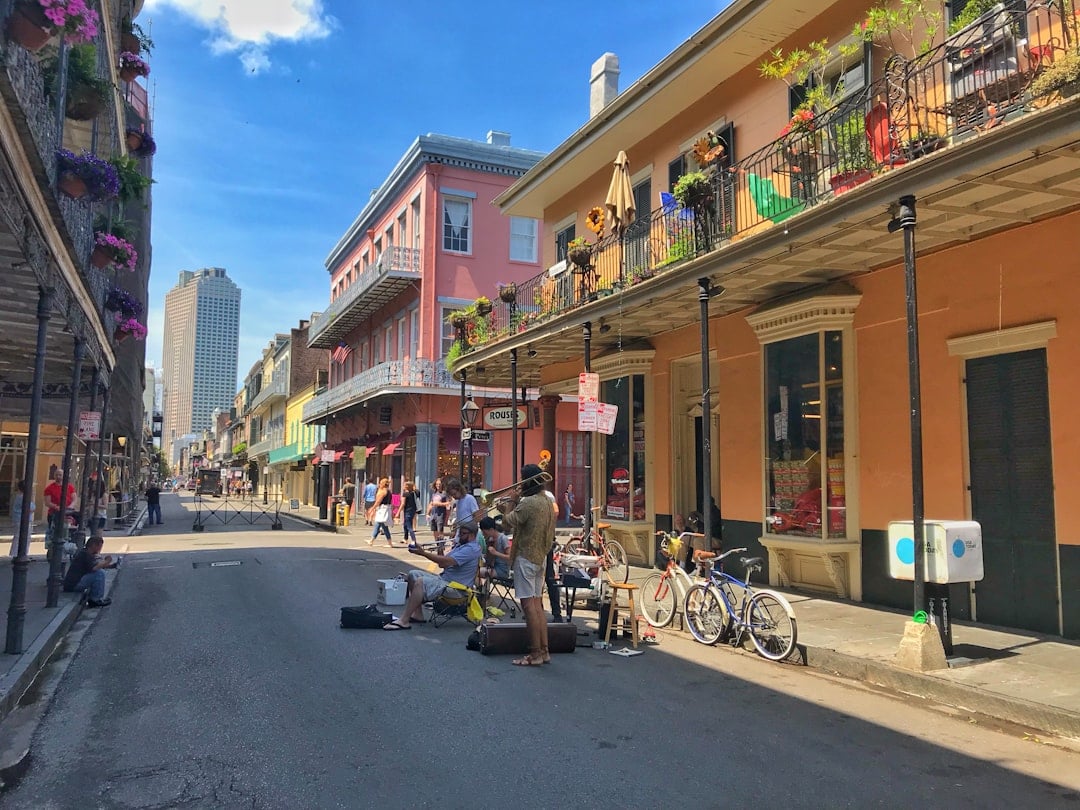
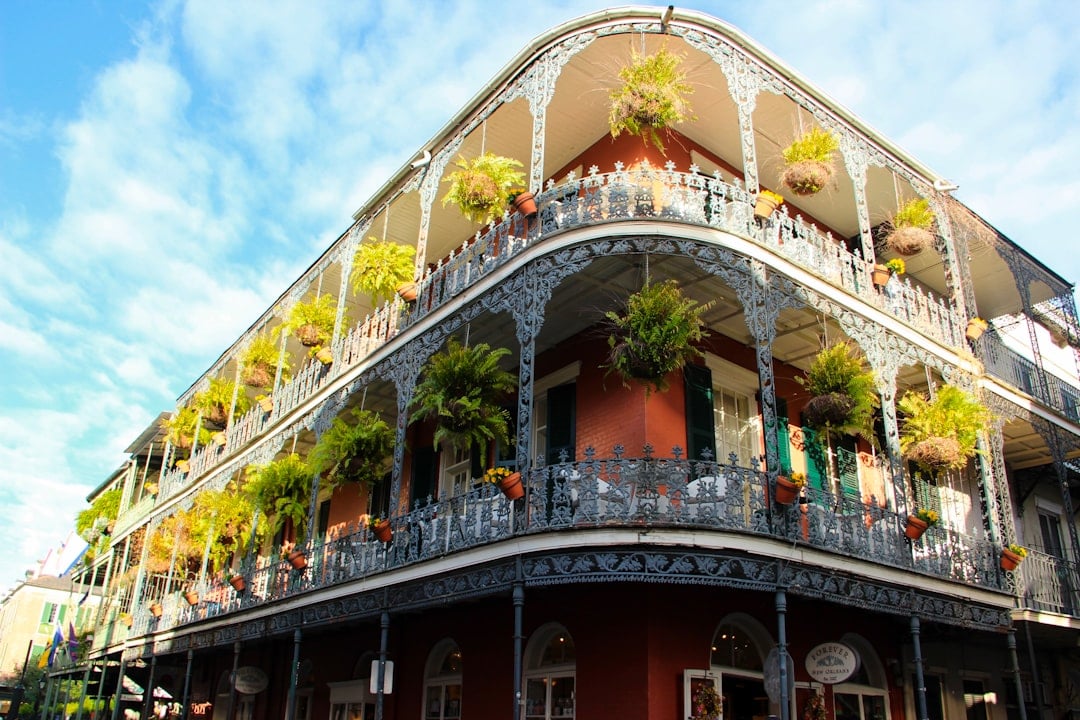
The oldest neighborhood in New Orleans, the French Quarter is a sensory landmark of wrought-iron balconies, street musicians, and Creole architecture packed into a walkable grid. Bourbon Street delivers the famous nightlife, while Royal and Chartres streets reveal antique shops, art galleries, and refined restaurants. It is the cultural and historical core of the city.
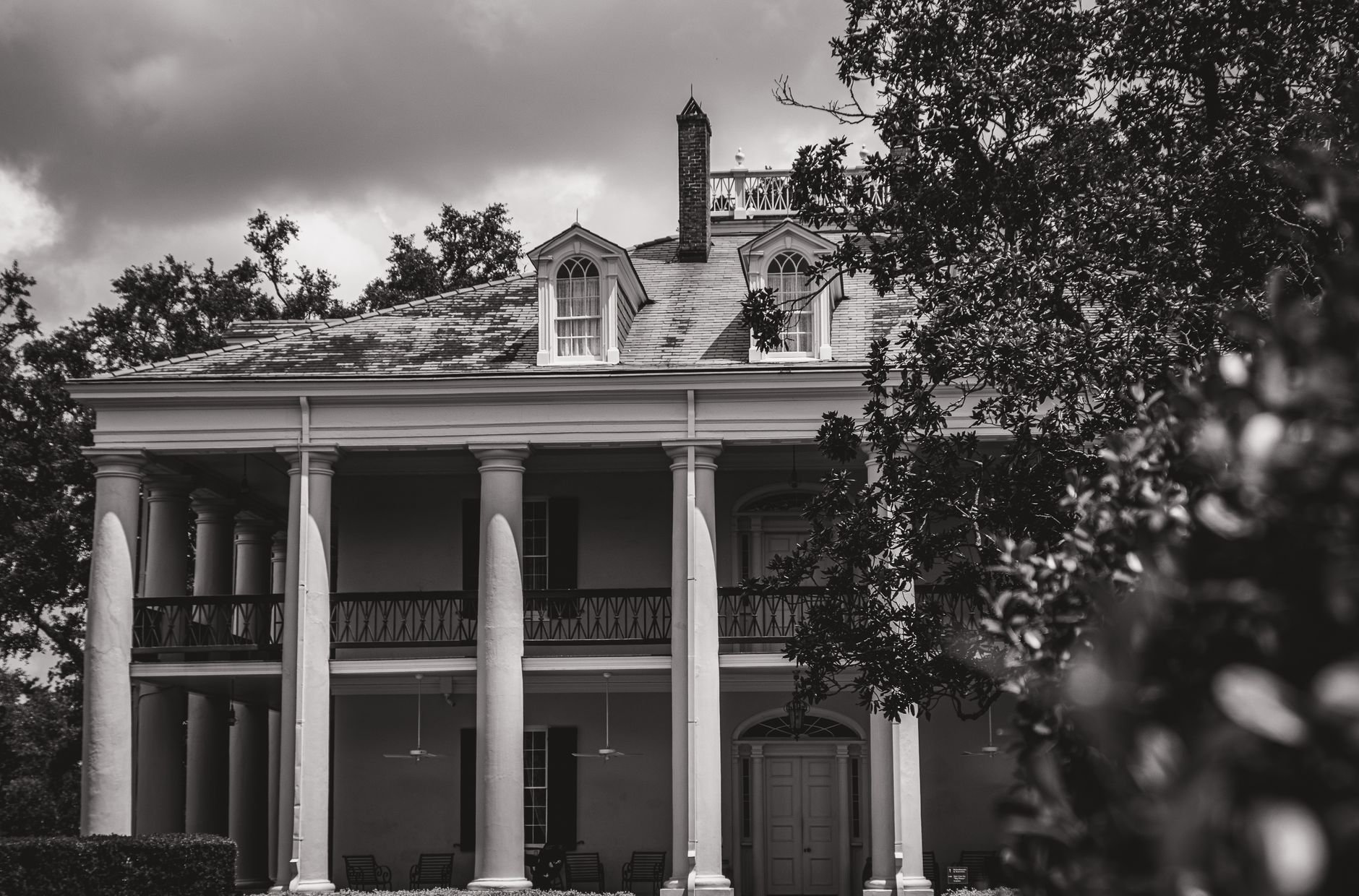
The Garden District is defined by its sweeping antebellum mansions and Victorian homes set behind magnolia trees and ornate iron fences, making it one of the most architecturally striking residential areas in the South. Magazine Street serves as its main artery, lined with independent boutiques, coffee shops, and neighborhood restaurants. The atmosphere is elegant and unhurried, a strong contrast to the energy of the French Quarter.
Tremé is widely regarded as the oldest African American neighborhood in the United States and the birthplace of jazz culture in New Orleans. Its streets pulse with the legacy of second-line parades, brass bands, and Mardi Gras Indian traditions that remain very much alive today. Visiting Tremé means engaging with the deepest roots of New Orleans music and community identity.
Stretching downriver from the French Quarter, the Marigny and Bywater districts are known for their colorful Creole cottages, shotgun houses, and a creative, bohemian energy that has made them magnets for artists and musicians. Frenchmen Street is the neighborhood's beating heart, offering some of the best live music in the city in a setting that feels genuinely local rather than touristic. Bywater's cafes, galleries, and riverside park add to the area's offbeat appeal.
New Orleans is a city that travelers seek out for experiences unavailable anywhere else in the United States.
Jazz and Live Music on Frenchmen Street
New Orleans is the birthplace of jazz, and the music here is not a performance staged for tourists - it is the living pulse of the city. Frenchmen Street in the Marigny is the most authentic corridor for nightly live music, where brass bands, jazz trios, and funk ensembles perform in small clubs and open-air spots well into the early hours. This is the experience most central to understanding what New Orleans actually is.
Creole and Cajun Cuisine
The food culture of New Orleans is a destination in itself. Beignets dusted with powdered sugar at Café Du Monde, a bowl of dark roux gumbo, a dressed oyster po'boy, or a tasting menu at one of the city's celebrated Creole restaurants - these are meals with no true equivalent elsewhere. Culinary travelers make dedicated pilgrimages to New Orleans specifically for this food culture, and the city consistently rewards them.
Mardi Gras and Festival Culture
New Orleans hosts the most famous carnival celebration in North America. Mardi Gras is not a single event but a weeks-long season of parades, masquerade balls, neighborhood gatherings, and street celebrations that culminates on Fat Tuesday. Beyond Mardi Gras, the city hosts Jazz Fest, French Quarter Festival, and dozens of other cultural events that reflect its deep commitment to public celebration as a civic tradition.
Swamp and Bayou Exploration
Just beyond the city limits, the Louisiana wetlands offer one of the most atmospheric natural environments in the country. Guided swamp tours through cypress forests draped in Spanish moss, with sightings of alligators, herons, and turtles, deliver an experience entirely unique to this region and a striking counterpoint to the city's urban energy.
New Orleans offers travelers an extraordinary range of activities rooted in its singular culture, history, and natural surroundings.
Cultural Attractions
The city's historic neighborhoods are attractions in themselves. The French Quarter delivers iconic architecture, street performers, and centuries of layered history. The Garden District rewards slow walks past antebellum mansions and lush gardens. Tremé, the oldest African American neighborhood in the country, carries deep cultural significance and remains a living hub of music and community. The National WWII Museum is one of the most visited museums in the United States and a world-class institution by any measure.
Arts and Entertainment
Live music is not an occasional event in New Orleans - it is a constant. Frenchmen Street in the Marigny neighborhood is where locals and visitors alike gather nightly for jazz, blues, brass band, and funk performances spilling out of intimate clubs and onto the sidewalk. The French Quarter's Bourbon Street offers a louder, more tourist-facing nightlife scene. Theater, gallery openings, and cultural festivals fill the calendar year-round.
Food and Dining
New Orleans has one of the most distinctive food cultures in the country. From casual neighborhood spots serving gumbo and red beans and rice to refined restaurants built on Creole technique, the dining scene rewards every level of curiosity and budget. The city's culinary traditions are rooted in French, Spanish, African, and Caribbean influences and have no true equivalent elsewhere in America.
Outdoor Recreation and Scenic Exploration
The Mississippi River, Lake Pontchartrain, and the surrounding Louisiana bayou ecosystem offer compelling outdoor options. Swamp tours, riverboat excursions, and kayaking through cypress-draped wetlands provide a striking contrast to urban life. City Park, one of the largest urban parks in the country, offers walking paths, botanical gardens, and waterways.
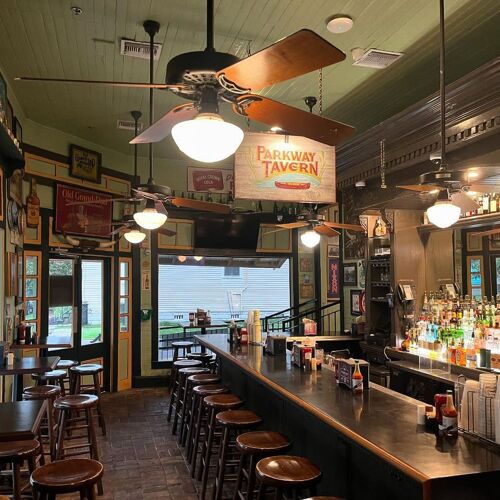
Top venues and experiences to explore:
Start in the French Quarter with beignets and cafe au lait at Cafe Du Monde, then stroll Jackson Square and St. Louis Cathedral. Spend the afternoon exploring the historic architecture and street performers along Royal Street. In the evening, head to Frenchmen Street in the Faubourg Marigny for live jazz at the Spotted Cat or d.b.a. bar.
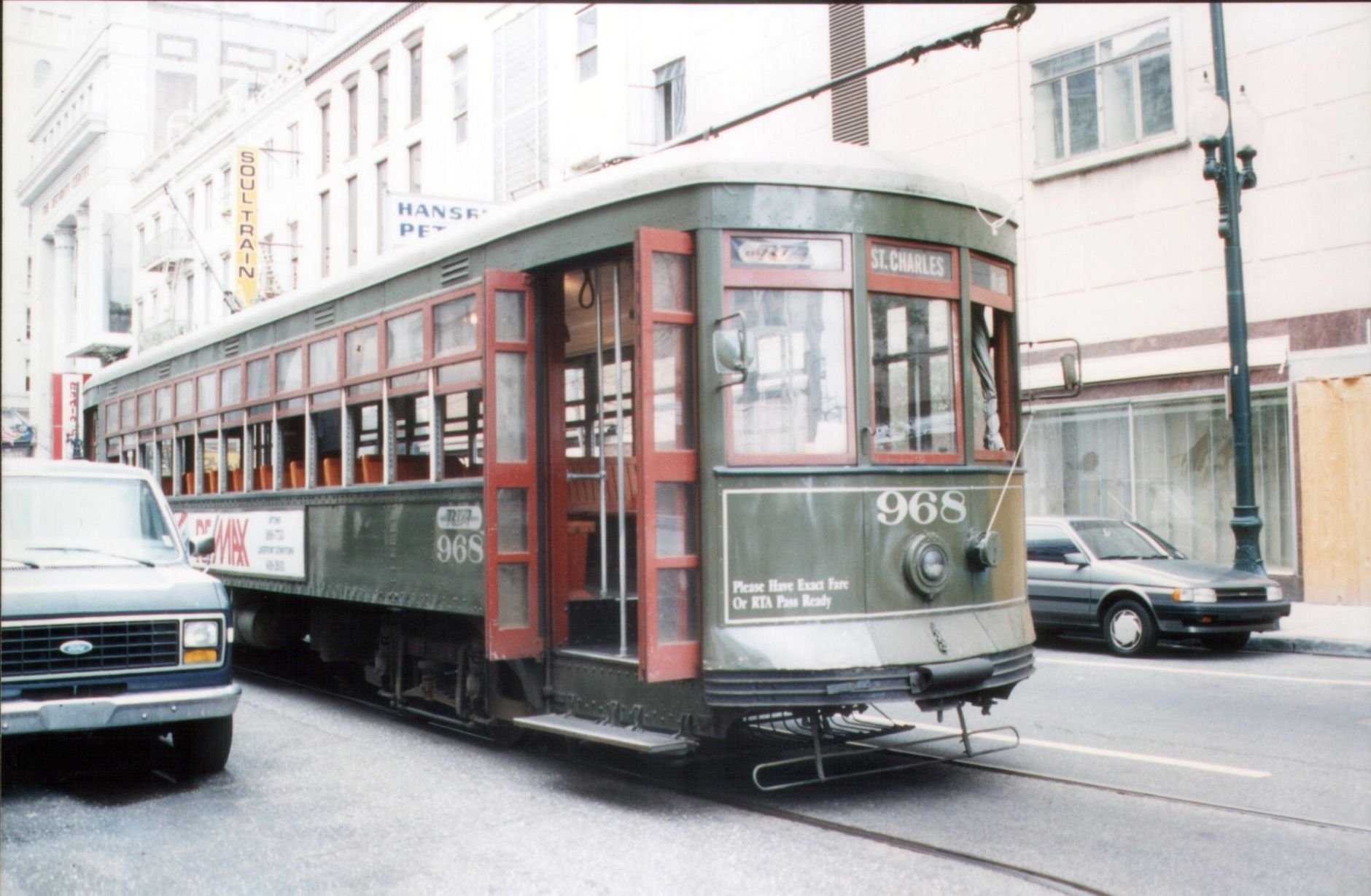
Take the St. Charles streetcar to the Garden District for a self-guided walk past antebellum mansions and Lafayette Cemetery No. 1. Grab lunch at a local po'boy shop on Magazine Street, then browse the boutiques and galleries. In the evening, return downtown for a Creole dinner at a classic restaurant like Commander's Palace or Dooky Chase's.
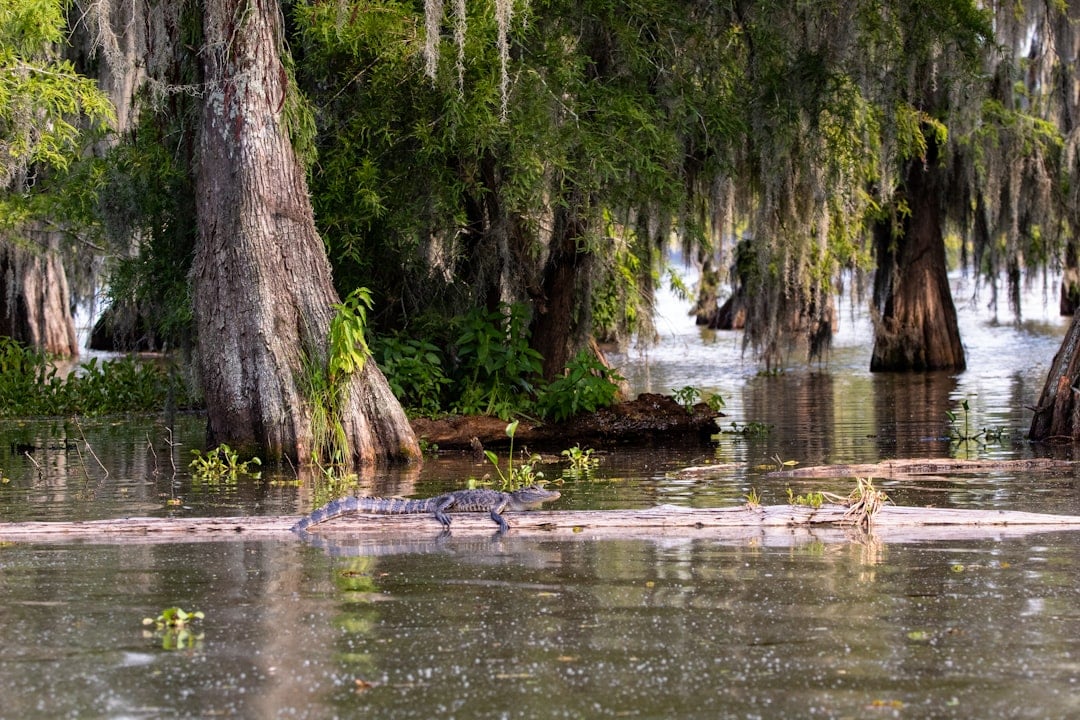
Book a morning swamp tour through the Louisiana bayou to see cypress trees, alligators, and wetland wildlife just outside the city. Back in the afternoon, explore the Tremé neighborhood, visiting the Backstreet Cultural Museum. End the trip with a bowl of gumbo at a neighborhood joint and a final night of live music on Bourbon Street.
New Orleans pulses with cultural energy year-round, shaped by a calendar of celebrations that feel less like scheduled events and more like expressions of the city's DNA. The cooler months from November through February bring a festive buildup, culminating in the weeks-long Carnival season that transforms the city into a spectacle of parades, costumes, and brass bands. Spring is peak season for music and food lovers, with the air thick with the smell of crawfish and the sound of live jazz drifting from every corner. Summer slows the pace slightly in the heat and humidity, but the music never stops, and neighborhood festivals keep the spirit alive. Autumn brings a welcome cool and a fresh wave of events that draw visitors back before the holiday season begins again.
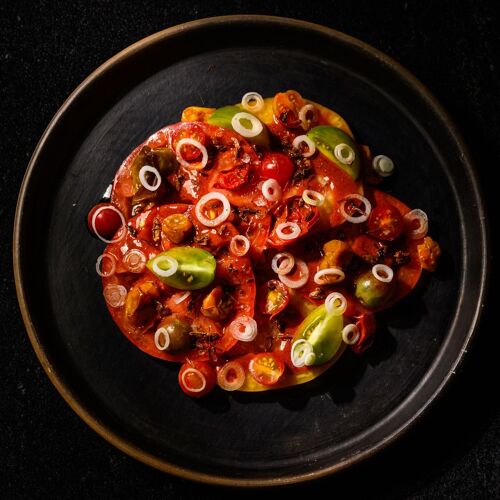
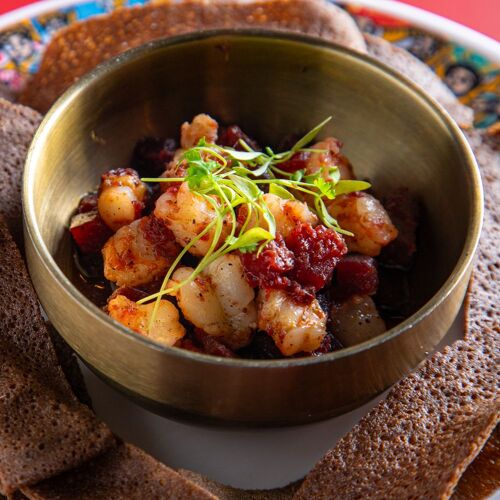
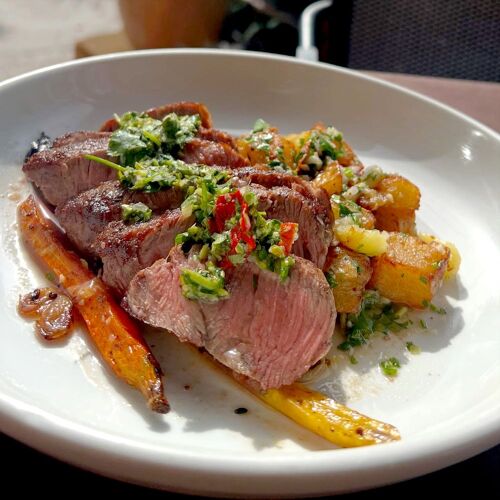
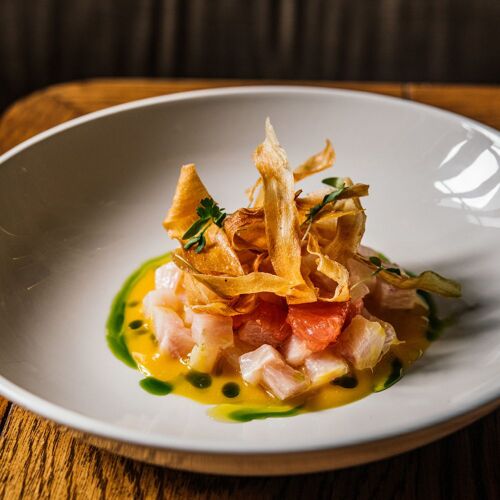
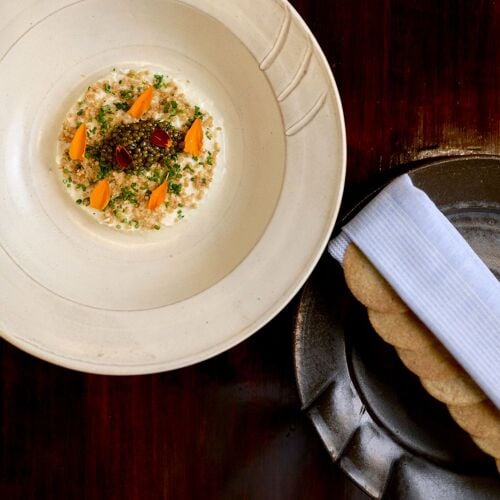
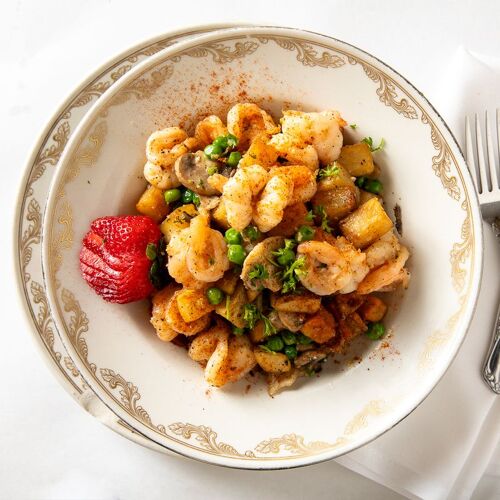
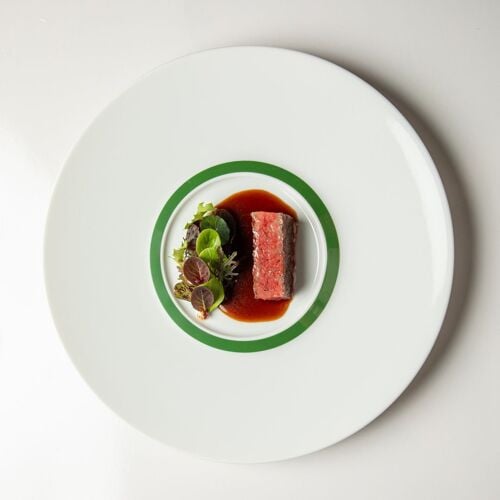
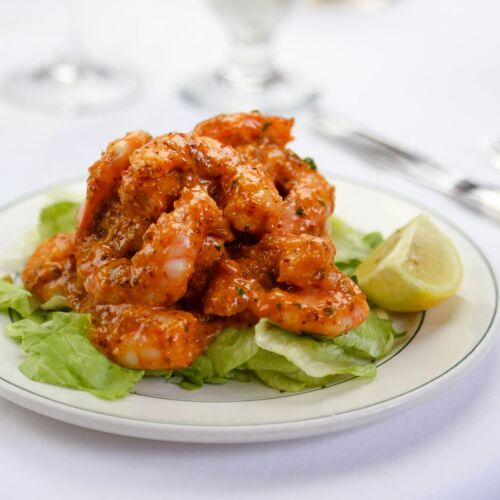
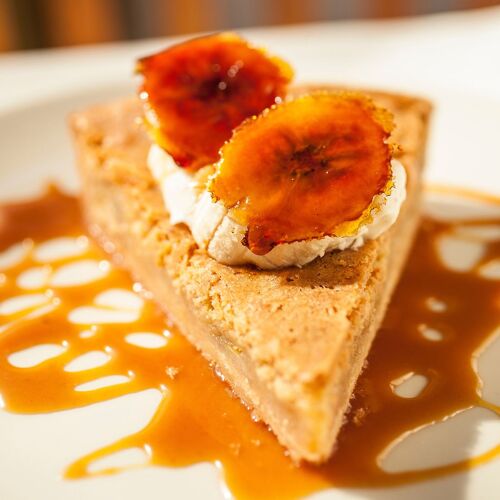
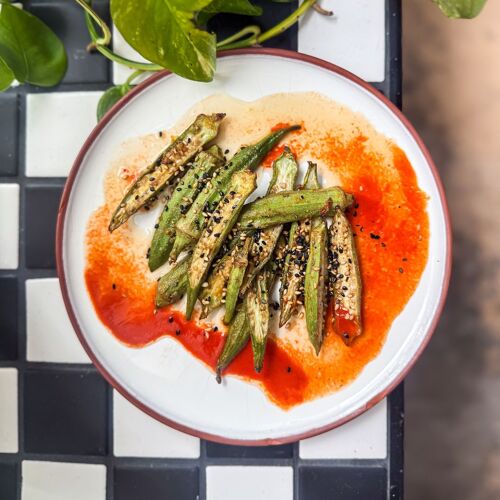
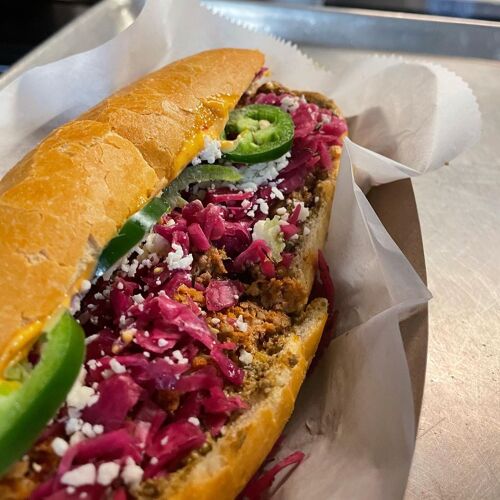
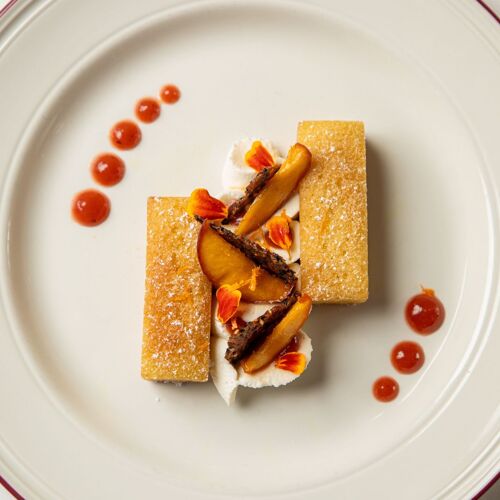
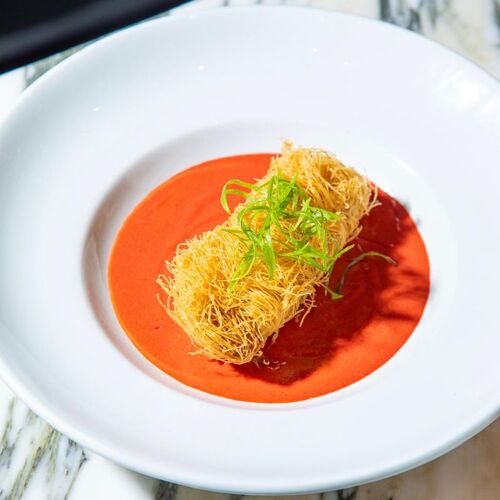
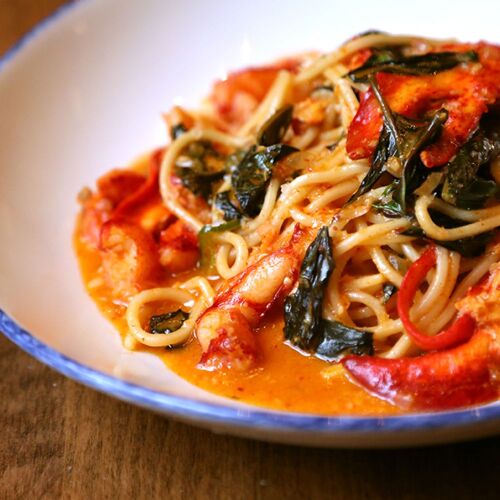
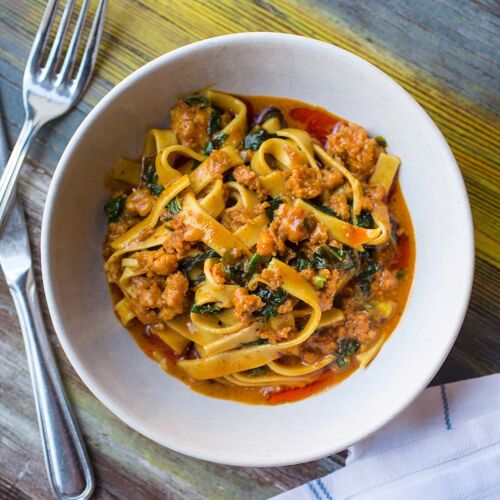
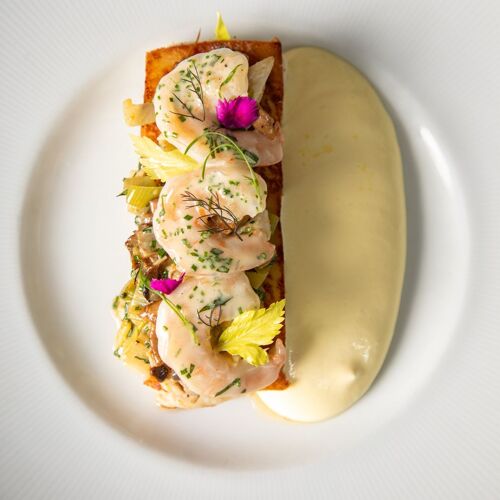
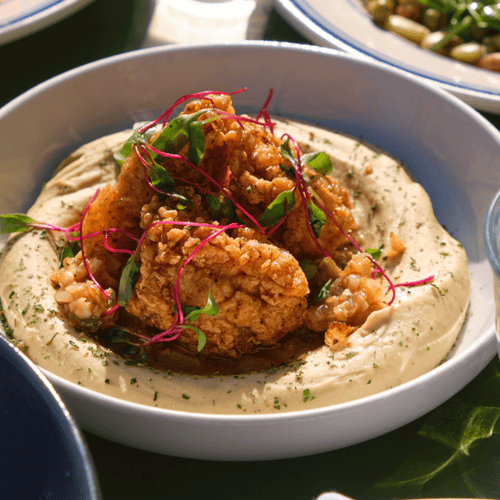
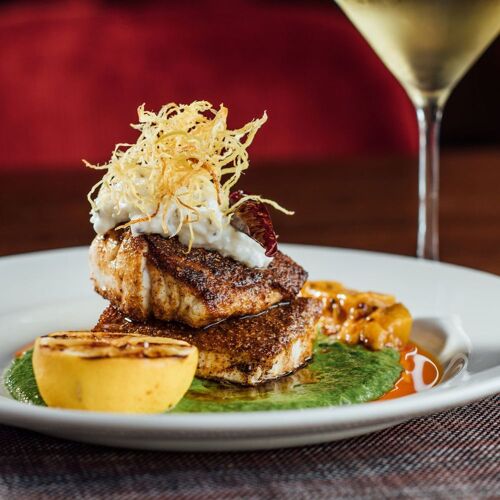
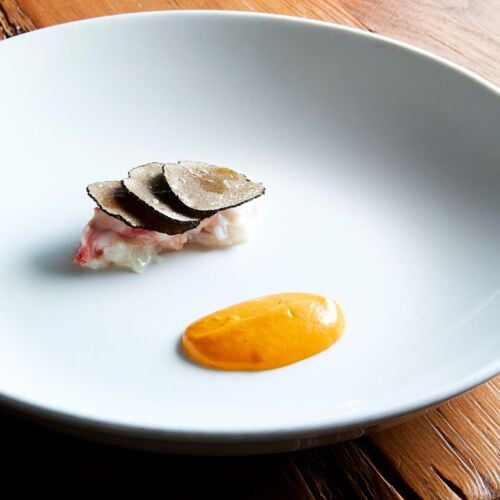
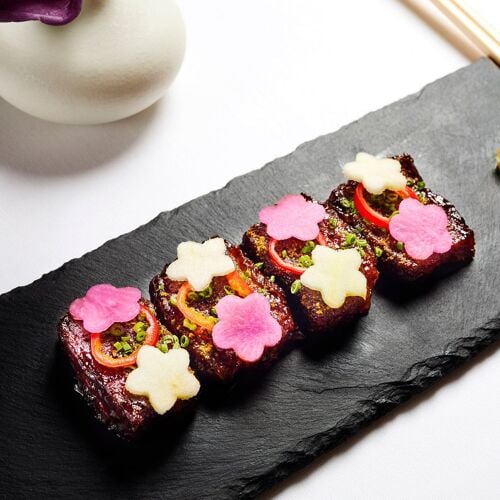
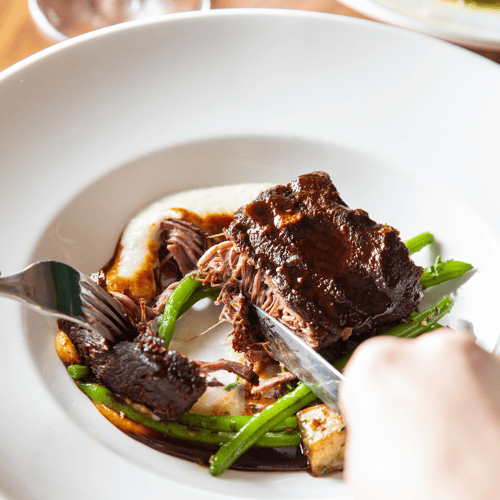
New Orleans has one of the most celebrated food cultures in the United States, a living culinary tradition shaped by French, Spanish, African, and Caribbean influences that has no true parallel anywhere else in the country. The city's signature dishes are deeply rooted in place: a bowl of red beans and rice ladled out on a Monday, a steaming cup of dark roux gumbo, a dressed oyster po'boy on French bread from a local bakery, and beignets dusted in powdered sugar at Cafe Du Monde, a ritual for visitors and locals alike.





Louis Armstrong New Orleans International Airport (MSY) is the primary gateway,
located about 15 miles west of downtown, with rideshare, taxis, rental cars, and the Airport-Downtown Connector bus all available for the roughly 30-45 minute trip into the city depending on traffic.
Amtrak's City of New Orleans, Crescent, and Sunset Limited routes all terminate at Union Passenger Terminal on Loyola Avenue,
making rail travel a practical option from Chicago, New York, Atlanta, and Los Angeles, with the station sitting just a short rideshare ride from the French Quarter.
I-10 is the main driving corridor into New Orleans from both the east and west,
with drivers from the north using either the Lake Pontchartrain Causeway or the I-10 Twin Span Bridge to cross the lake and reach the city, with downtown parking available at several garages near the French Quarter.
Greyhound and Flixbus serve Union Passenger Terminal with routes from Baton Rouge, Houston, and Mobile,
offering a budget-friendly ground travel option for visitors coming from regional cities within a few hours of New Orleans.
The St. Charles Streetcar line runs from Canal Street through the Garden District and Uptown,
making it the most useful transit route for visitors, with a flat fare and stops near major attractions, restaurants, and hotels along the way.
The French Quarter, Marigny, and Tremé are compact and walkable,
so most visitors cover these neighborhoods entirely on foot, with distances between major sites rarely exceeding 15 to 20 minutes of walking.
Rideshare via Uber or Lyft is the most practical option for late-night travel and cross-city trips,
especially after streetcar service winds down or when traveling between neighborhoods like Mid-City and the Bywater that are farther apart.
Blue Bikes New Orleans operates a bike-share system with stations across central neighborhoods,
and cycling is a genuinely practical way to get around the city given its flat terrain and relatively short distances between popular areas.
Parking in the French Quarter is expensive, scarce, and often subject to strict local regulations,
so visitors who drive into the city are better off leaving their car at a hotel garage or a paid lot on the periphery and relying on foot, streetcar, and rideshare for daily movement.
New Orleans has a cash-friendly culture: many smaller bars, music venues, and food stalls on Frenchmen Street prefer or require cash, so carry some at all times. Tipping is expected and important - bartenders, musicians passing a hat, and service staff all rely on tips as a core part of their income. Download the RTA GoMobile app to pay for streetcar and bus fares digitally. The city's heat and humidity are intense from May through September, so dress accordingly and stay hydrated. Mosquitoes are present year-round but especially active in warmer months; bring repellent if you plan to visit the bayou or spend time outdoors at dusk. The French Quarter can be loud and rowdy at night, particularly on weekends - if you are a light sleeper, consider staying in the Garden District or Marigny. Always be aware of your surroundings at night and stick to well-lit, populated streets.
Three to four days is the sweet spot for a first visit to New Orleans. That gives you time to explore the French Quarter, Garden District, and Tremé, catch live music on Frenchmen Street, and work through the essential food list: beignets, gumbo, po'boys, and a proper Creole dinner. A fifth day opens up swamp tours or the bayou.
New Orleans is best known for jazz music, Mardi Gras, and its Creole and Cajun food culture. It is the birthplace of jazz and live music is a daily constant across the city. The French Quarter, with its wrought-iron balconies and street performers, is the iconic image of the city. The food scene, rooted in French, African, and Caribbean traditions, has no real equivalent in America.
Yes, New Orleans works well as a weekend destination, especially from cities with direct flights like Atlanta, Houston, or Chicago. Two nights gives you enough time for the French Quarter, a Garden District walk, live music, and the essential meals. It is a compact, walkable city that rewards even a short visit, though a longer stay lets you go deeper.
New Orleans is moderately priced compared to other major U.S. cities. Street food, po'boys, and neighborhood restaurants are very affordable. Costs rise around Mardi Gras and Jazz Fest when hotel rates spike significantly. Outside of major festivals, you can eat and drink well on a reasonable budget, though French Quarter hotels tend to run higher than average.
The best time to visit is October through April, when temperatures are mild and humidity drops. Spring brings Mardi Gras and Jazz Fest energy, while fall offers a quieter, more local experience. Summer is hot, humid, and prone to afternoon storms.