
Baltimore, MD
A Journey guide to
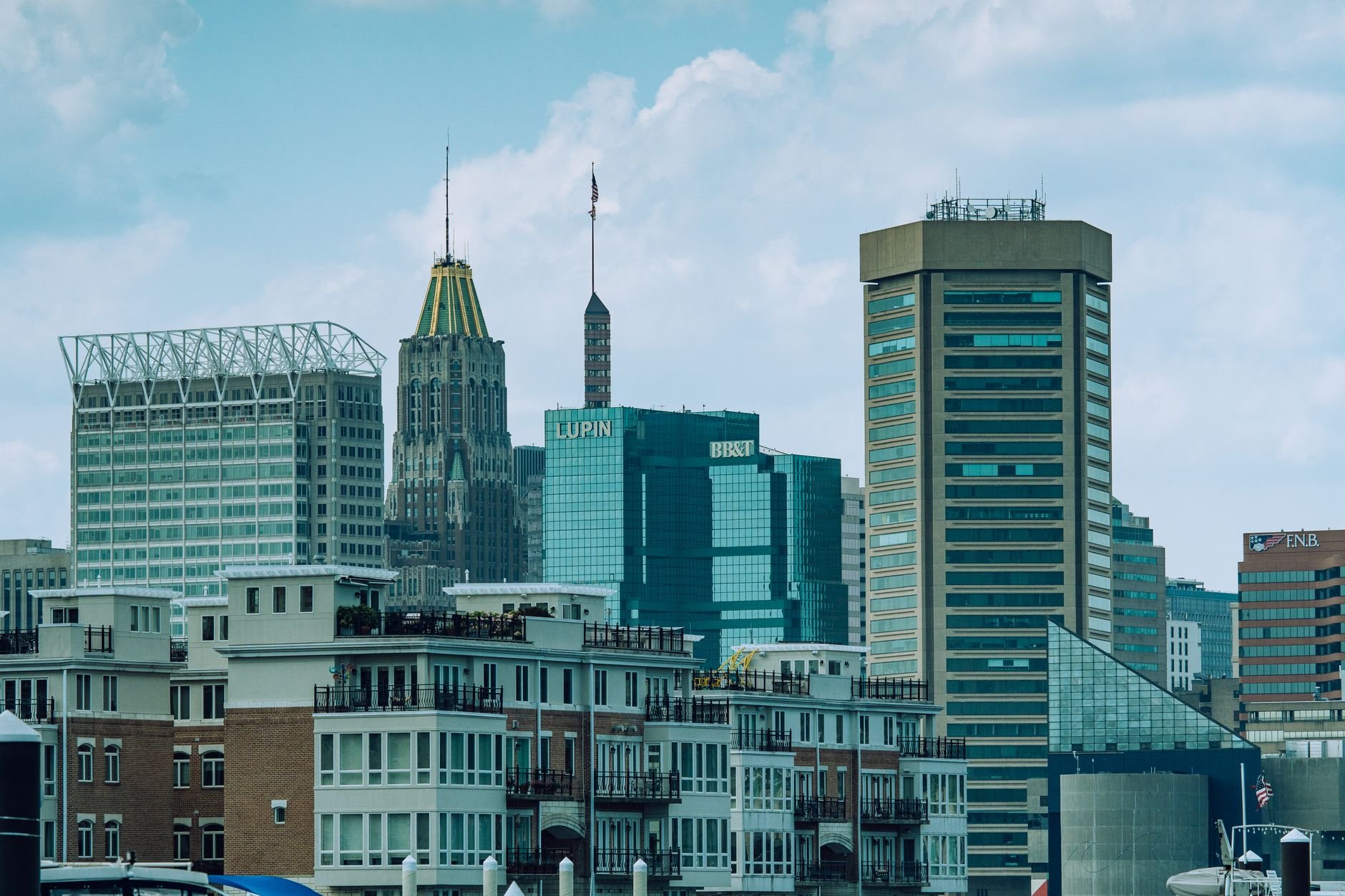
Baltimore is a city that defies easy categorization. It is a working port town with a world-class aquarium, a blue-collar food culture built around Chesapeake Bay blue crabs, and a neighborhood fabric so distinct that locals identify themselves by the block they grew up on. Charm City earns its nickname through a combination of gritty authenticity and genuine civic pride that few American cities can match.
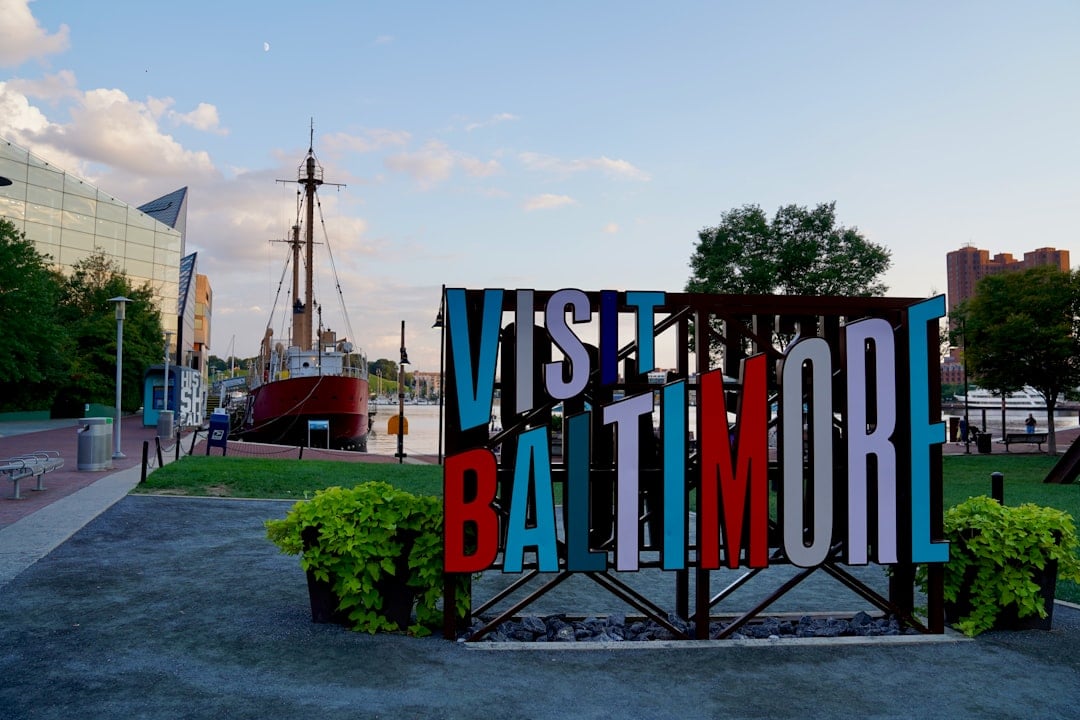
The Inner Harbor anchors the city's tourism identity, but Baltimore's real character lives in its neighborhoods. Fells Point delivers cobblestone streets, Federal Hill offers panoramic harbor views, and Mount Vernon serves as the city's cultural and architectural crown, home to the Washington Monument that predates the one in Washington, D.C. Each district tells a different chapter of the same urban story.
Baltimore draws travelers who want substance over spectacle. History enthusiasts come for Fort McHenry, the birthplace of the Star-Spangled Banner, and the Edgar Allan Poe House. Food-focused visitors arrive for steamed crabs seasoned with Old Bay, raw oysters at waterfront shacks, and a dining scene that has quietly become one of the Mid-Atlantic's most exciting. Sports fans make pilgrimages to Camden Yards, one of the most beloved ballparks in the country.
The city also punches well above its weight culturally. The Baltimore Museum of Art holds one of the finest Matisse collections in the world, the Peabody Institute is among America's oldest conservatories, and the Walters Art Museum spans 55 centuries of human creativity. For a city of its size, Baltimore's concentration of serious cultural institutions is genuinely remarkable and consistently underestimated by first-time visitors.
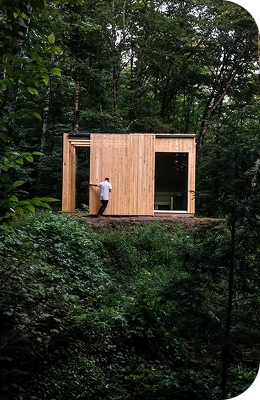

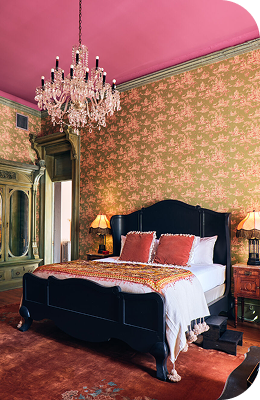

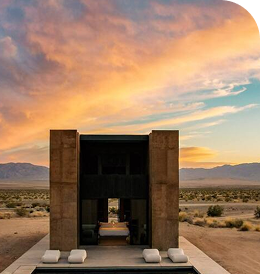

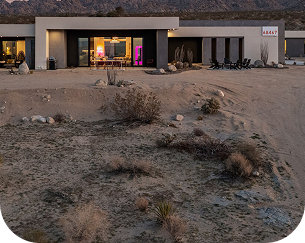

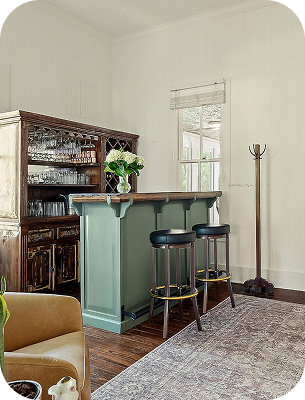

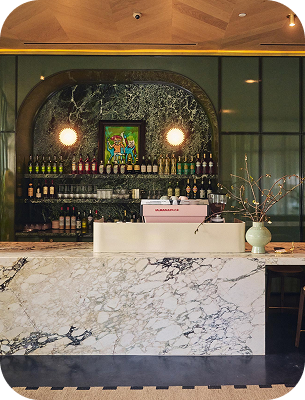

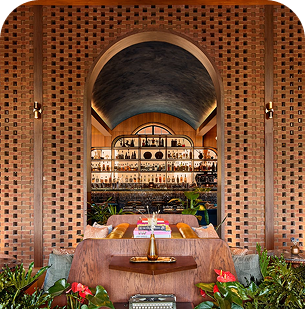





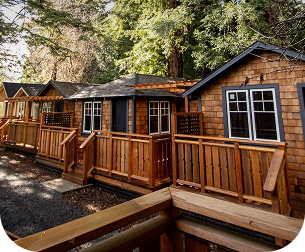

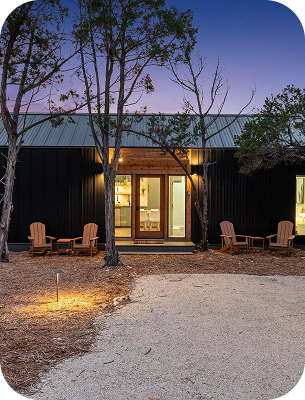

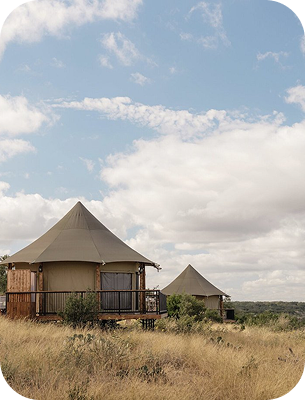

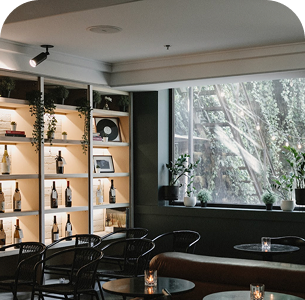



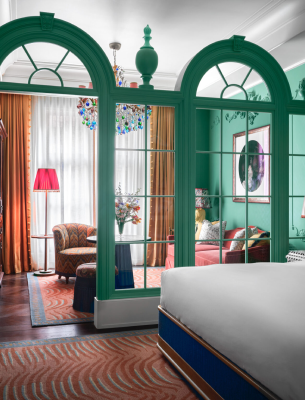
Journey connects travelers to a curated network of boutique hotels and distinctive residences around the world, all united under one rewards program. Explore handpicked stays for your trip while earning points, unlocking exclusive offers, and receiving rewards across the Journey collection.
Baltimore sits at the northern tip of the Chesapeake Bay, positioned along the Patapsco River about 40 miles northeast of Washington, D.C. and roughly 100 miles south of Philadelphia. That geographic position has defined everything about the city: it grew as one of the most important port cities in early America, channeling tobacco, grain, and trade goods through its harbor and into the Atlantic economy. Today the Port of Baltimore remains one of the busiest on the East Coast, and the working waterfront is never far from view.
The city was founded in 1729 and rose to prominence as a shipbuilding center, producing the fast and agile Baltimore Clipper schooners that became famous in the early 19th century. During the War of 1812, the successful defense of Fort McHenry against a British naval bombardment inspired Francis Scott Key to write what would become the national anthem, cementing Baltimore's place in American history. That moment of defiance mirrors something essential in the city's character: Baltimore has always been a city that holds its ground.
Culturally, Baltimore occupies a fascinating borderland. It is technically a Mid-Atlantic city, but its speech patterns, food traditions, and social rhythms carry a distinctly Southern warmth. Locals say "hon" as a term of endearment, take their crab feasts seriously as social rituals, and maintain fierce loyalty to their neighborhoods. The city's 200-plus distinct neighborhoods each maintain their own identity, from the painted screen doors of Hampden to the grand marble stoops of Bolton Hill.
Baltimore's travel atmosphere is unpretentious and welcoming. It rewards curiosity and exploration over checklist tourism. Visitors who spend time beyond the Inner Harbor discover a city of remarkable depth: independent galleries, family-run crab houses, historic architecture, and a waterfront that blends maritime heritage with contemporary energy. It is a city best understood on foot, block by block.
Late spring and fall are the prime windows for visiting Baltimore, and for good reason. May and early June bring the city fully to life: farmers markets, outdoor festivals, and waterfront activity ramp up, crowds remain manageable compared to peak summer, and the Chesapeake Bay crab season is just getting underway. This combination of cultural momentum and relative ease of access makes late spring a particularly rewarding time to explore the city's neighborhoods on foot.
Summer draws the largest crowds, especially to the Inner Harbor, National Aquarium, and Camden Yards. Orioles games fill the stadium and the surrounding area with energy, and the waterfront festival calendar is at its densest. Visitors who enjoy that lively atmosphere will find summer worthwhile, but popular attractions and waterfront restaurants will be busiest, and advance reservations become essential.
Fall is arguably Baltimore's best-kept seasonal secret. September through mid-November sees the summer crowds thin considerably while the city remains fully active. The blue crab season peaks in late summer and carries into fall, making this the ideal time for serious seafood enthusiasts. Fells Point's cobblestone streets and Patterson Park's tree canopy take on rich amber and red tones through October, and the city's arts and cultural institutions launch their fall programming, filling venues like the Peabody and the Lyric with performances.
Winter is the quietest season for tourism, which suits travelers who prefer uncrowded museums and a more local rhythm to the city. The Baltimore Museum of Art and the Walters Art Museum are easy to enjoy without the summer press of visitors. The holiday season brings some festivity to the Inner Harbor, and hotel rates drop noticeably, making winter a practical choice for budget-conscious travelers focused on culture over outdoor exploration.
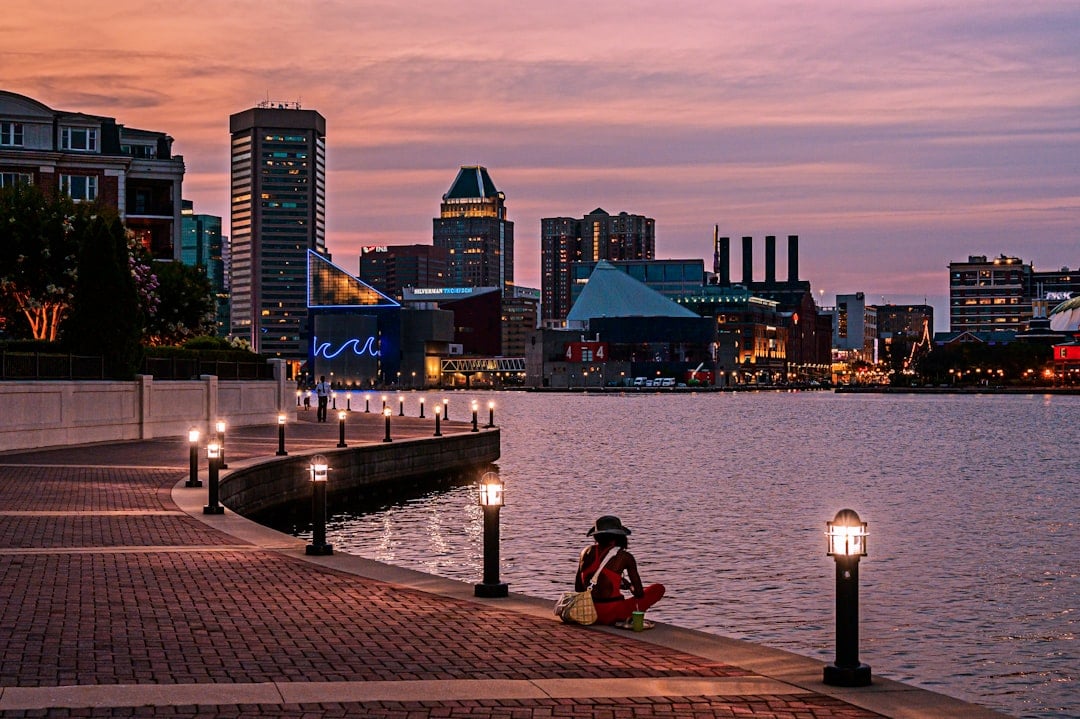
Baltimore's most iconic waterfront district is the city's tourism hub, lined with attractions, restaurants, and open promenades along the water. The National Aquarium, Maryland Science Center, and historic ships draw visitors of all ages, while the surrounding pavilions offer a lively mix of dining and people-watching. It serves as the natural starting point for any first visit to the city.
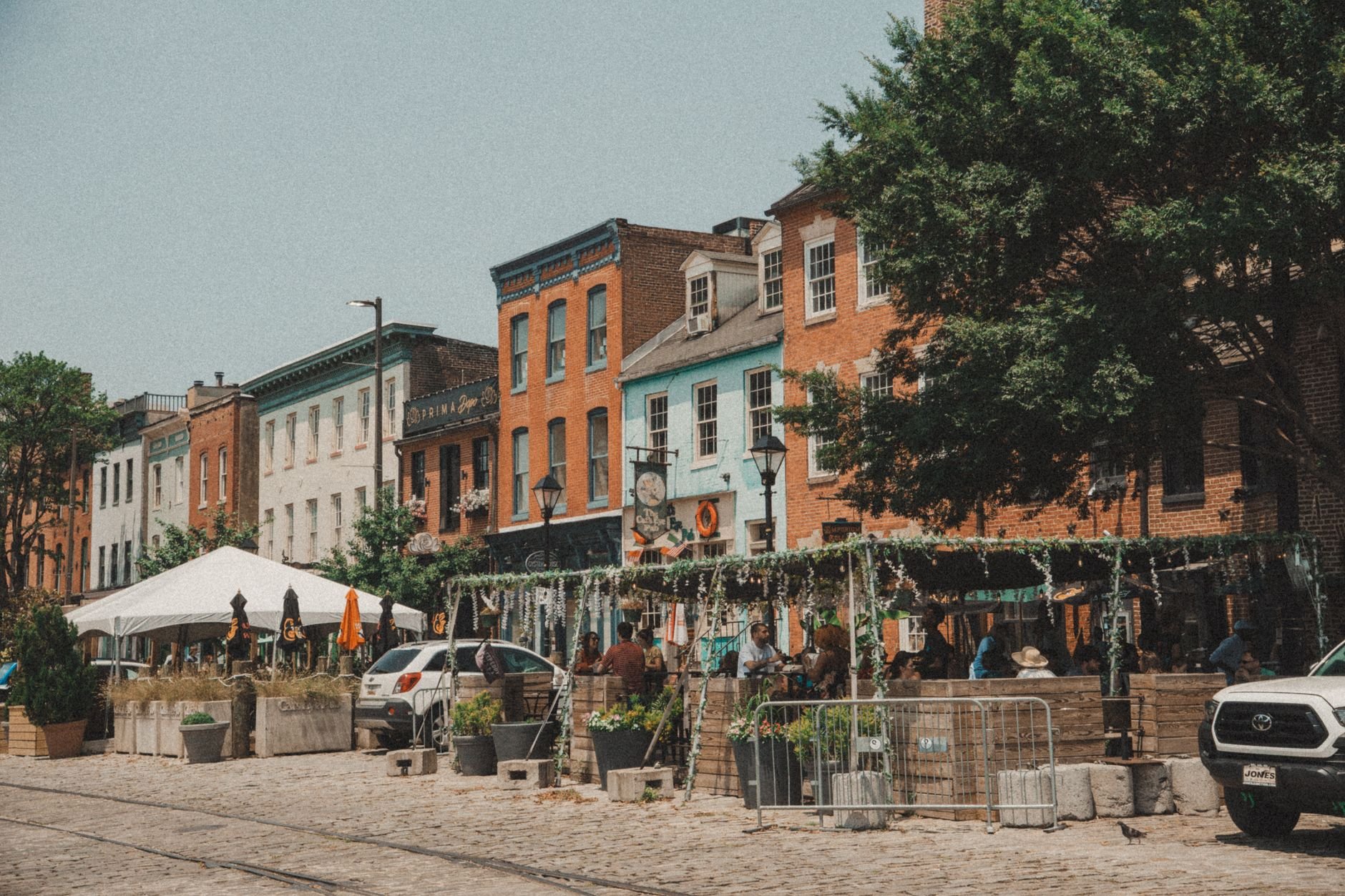
One of Baltimore's oldest and most atmospheric neighborhoods, Fells Point is a cobblestone waterfront district packed with Federal-era row houses, independent bars, and seafood restaurants. Its maritime roots run deep, and the neighborhood retains a gritty, lived-in charm that sets it apart from more polished urban districts. Weekend evenings bring a buzzing bar scene, while mornings reveal a quieter, historic streetscape perfect for wandering.
Baltimore's cultural and architectural crown, Mount Vernon is anchored by the Washington Monument that predates the one in Washington D.C., surrounded by 19th-century brownstones and grand civic buildings. The neighborhood is home to the Walters Art Museum, the Peabody Institute, and a concentration of galleries and independent restaurants that give it a distinctly cosmopolitan feel. It is the city's most elegant district and a must for travelers drawn to history and the arts.
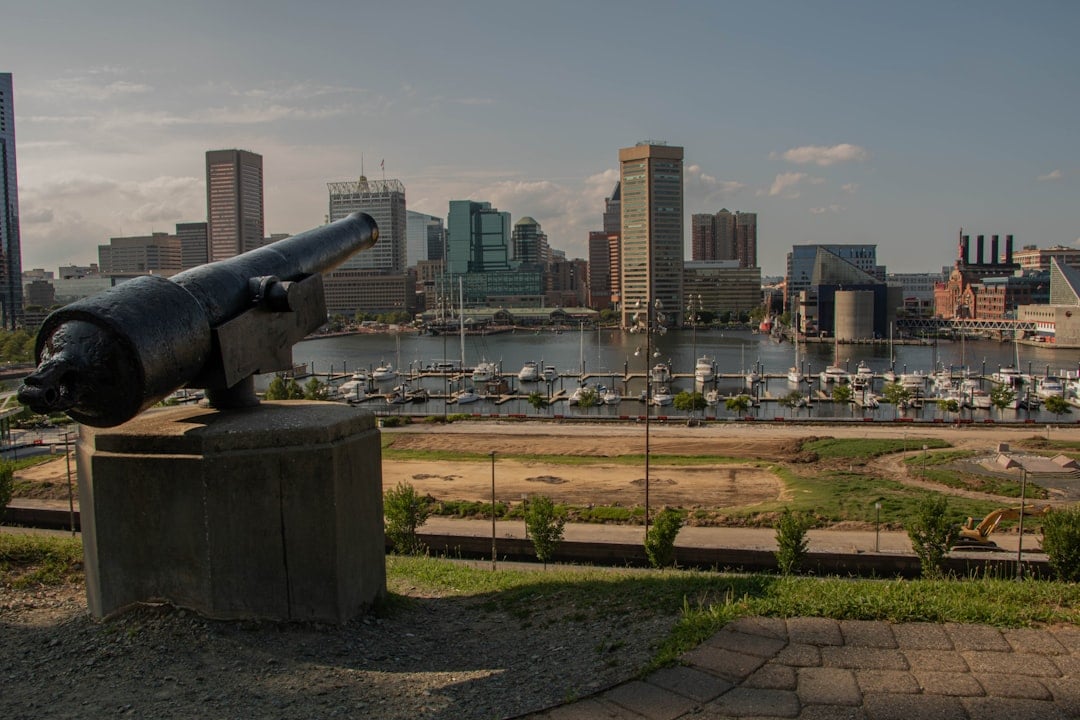
Perched on a bluff south of the Inner Harbor, Federal Hill offers some of the best panoramic views of the Baltimore skyline and waterfront. The neighborhood is a favorite among locals for its tree-lined residential streets, neighborhood bars, and the lively Cross Street Market. Its compact, walkable layout and community atmosphere make it one of the most appealing areas to stay or spend an afternoon.
A working-class neighborhood turned creative enclave, Hampden is Baltimore's most eclectic district, known for its quirky independent shops, vintage stores, and local restaurants along The Avenue, officially 36th Street. The area embraces a distinctly Baltimore personality: unpretentious, colorful, and fiercely local, with a thriving arts community and some of the city's most beloved dining spots. It rewards visitors who venture beyond the waterfront in search of authentic neighborhood life.
Baltimore has a short list of experiences that define it absolutely, the kind travelers plan entire trips around and locals consider points of civic identity.
Steamed Crabs and Chesapeake Seafood
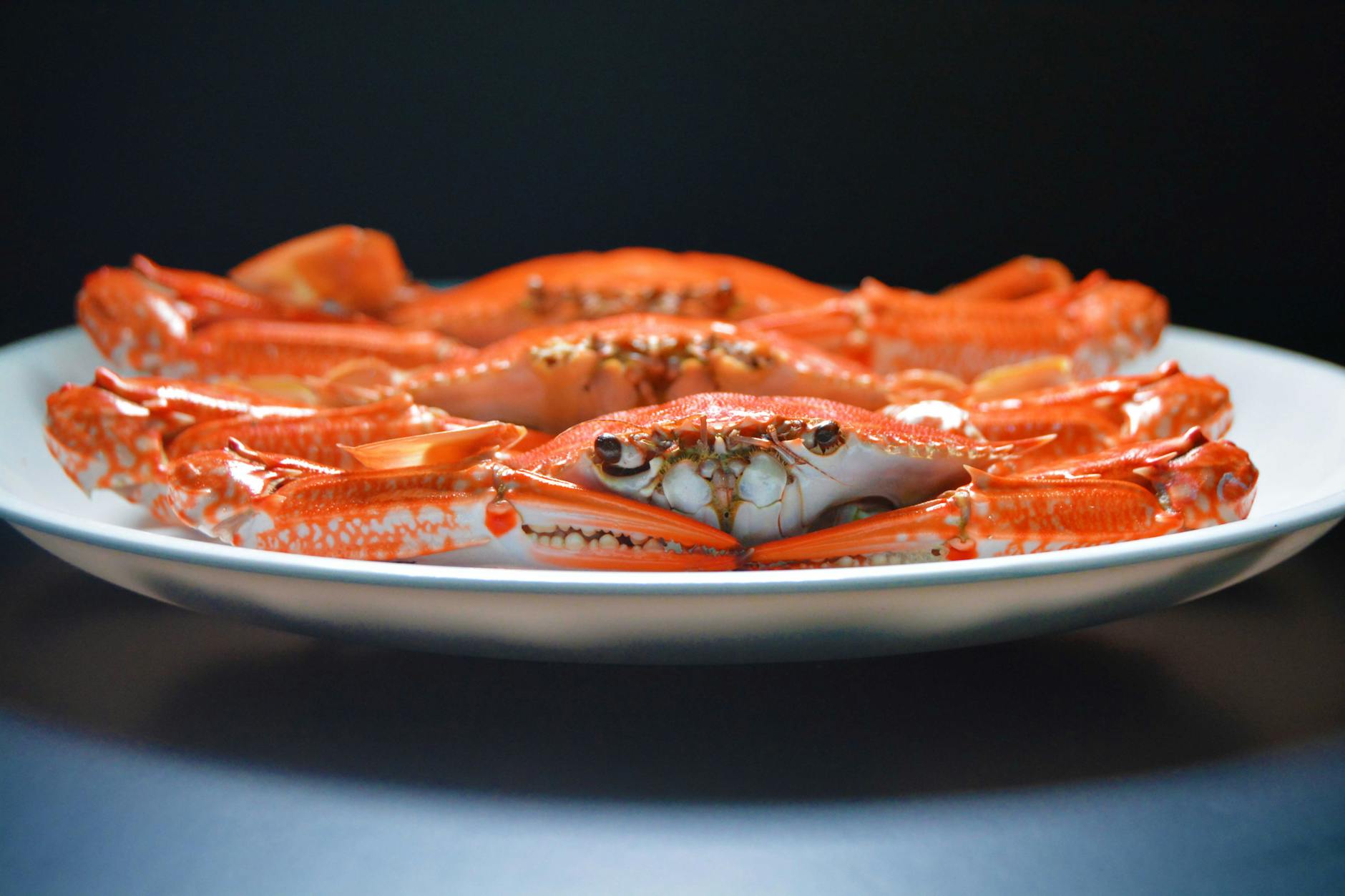
No experience is more Baltimore than sitting at a paper-covered table, wooden mallet in hand, working through a bushel of steamed blue crabs seasoned with Old Bay. This is not a tourist performance but a genuine local ritual practiced from backyard decks to waterfront crab houses. LP Steamers, L.P. Steamers, and Faidley's Seafood are institutions, but the experience belongs to the whole city. Pair it with raw oysters and a cold Natty Boh for full regional immersion.
A Game at Camden Yards
Oriole Park at Camden Yards changed baseball forever when it opened in 1992, pioneering the retro ballpark design that every team has since tried to replicate. Watching a game here is not simply attending a sporting event but experiencing one of the most beloved stadiums in American sports history. The views of the downtown skyline beyond the outfield wall are iconic, and the atmosphere on a warm summer evening is genuinely hard to match.
Fort McHenry and the Star-Spangled Banner
The bombardment of Fort McHenry in 1814 inspired Francis Scott Key to write what became the national anthem. Walking the grounds of this star-shaped fort at the mouth of the Patapsco River connects visitors to one of the most consequential moments in American history. The site's National Park rangers bring the story to life with precision and passion, and the fort itself remains remarkably intact.
Neighborhood Walking in Fells Point and Mount Vernon
Baltimore's neighborhoods carry distinct personalities that reward slow, unhurried exploration. Fells Point, settled in the 1760s, is one of the best-preserved Colonial-era waterfronts in the country. Mount Vernon surrounds the original Washington Monument with a concentration of 19th-century architecture, independent galleries, and the Walters Art Museum, all within easy walking distance of each other.
Baltimore offers travelers a rich mix of activity categories that reward curious, engaged visitors across every interest.
Outdoor Recreation
Baltimore's waterfront is the city's natural playground. The Inner Harbor promenade invites walkers, joggers, and cyclists, while the Gwynns Falls Trail and Herring Run Park extend green corridors deep into the city's neighborhoods. Patapsco Valley State Park, just outside the city limits, offers hiking, fishing, and kayaking along the river. Chesapeake Bay provides some of the East Coast's best recreational boating and fishing, and several outfitters offer kayak rentals and guided paddle tours of the harbor.
Cultural Attractions
Baltimore's museum landscape is serious and substantive. The National Aquarium draws millions of visitors annually and remains one of the finest in the country. Fort McHenry National Monument preserves the site where the Star-Spangled Banner was written. The Edgar Allan Poe House and Museum anchors the city's literary history, and the B&O Railroad Museum celebrates Baltimore's central role in American industrial development.
Arts and Entertainment
The city's arts scene spans classical to contemporary. The Peabody Institute, one of the oldest conservatories in the United States, presents world-class performances throughout the year. Centerstage is the state theater of Maryland and produces acclaimed theatrical productions. The Ottobar and Rams Head Live anchor Baltimore's independent music scene, which has long been a launching pad for original artists.
Scenic Exploration
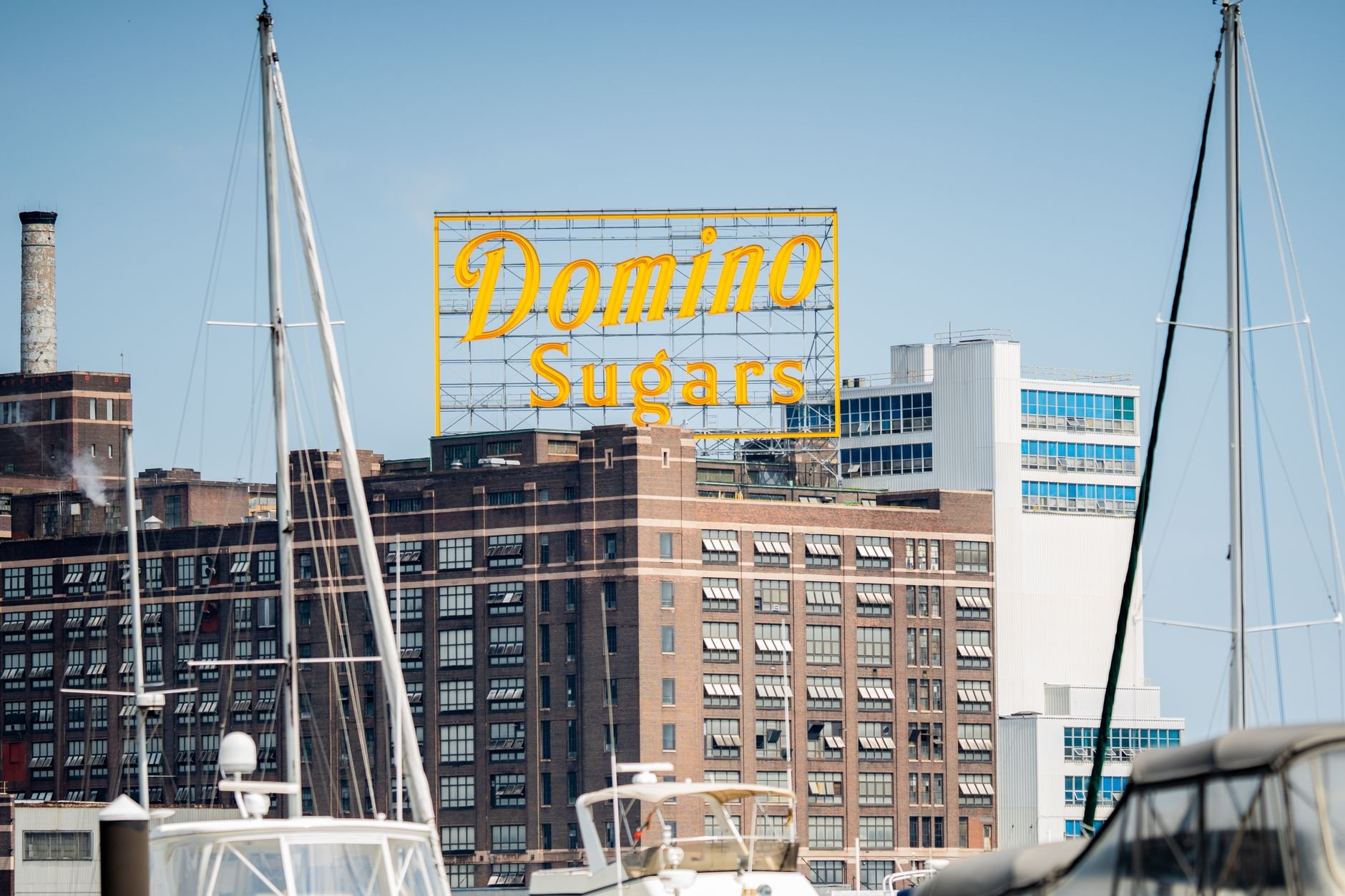
Baltimore's neighborhoods are the city's most rewarding terrain. Fells Point's cobblestone streets and Federal Hill's panoramic harbor overlook offer distinctly different vistas. The Domino Sugar sign reflected on the Patapsco River at dusk is one of the city's most photographed scenes.
Food and Dining
Baltimore's food culture is rooted in Chesapeake Bay tradition and expanding in every direction. Lexington Market, one of the oldest public markets in the United States, is a local institution. The city's restaurant scene stretches from waterfront raw bars to inventive dining rooms in Station North and Remington.
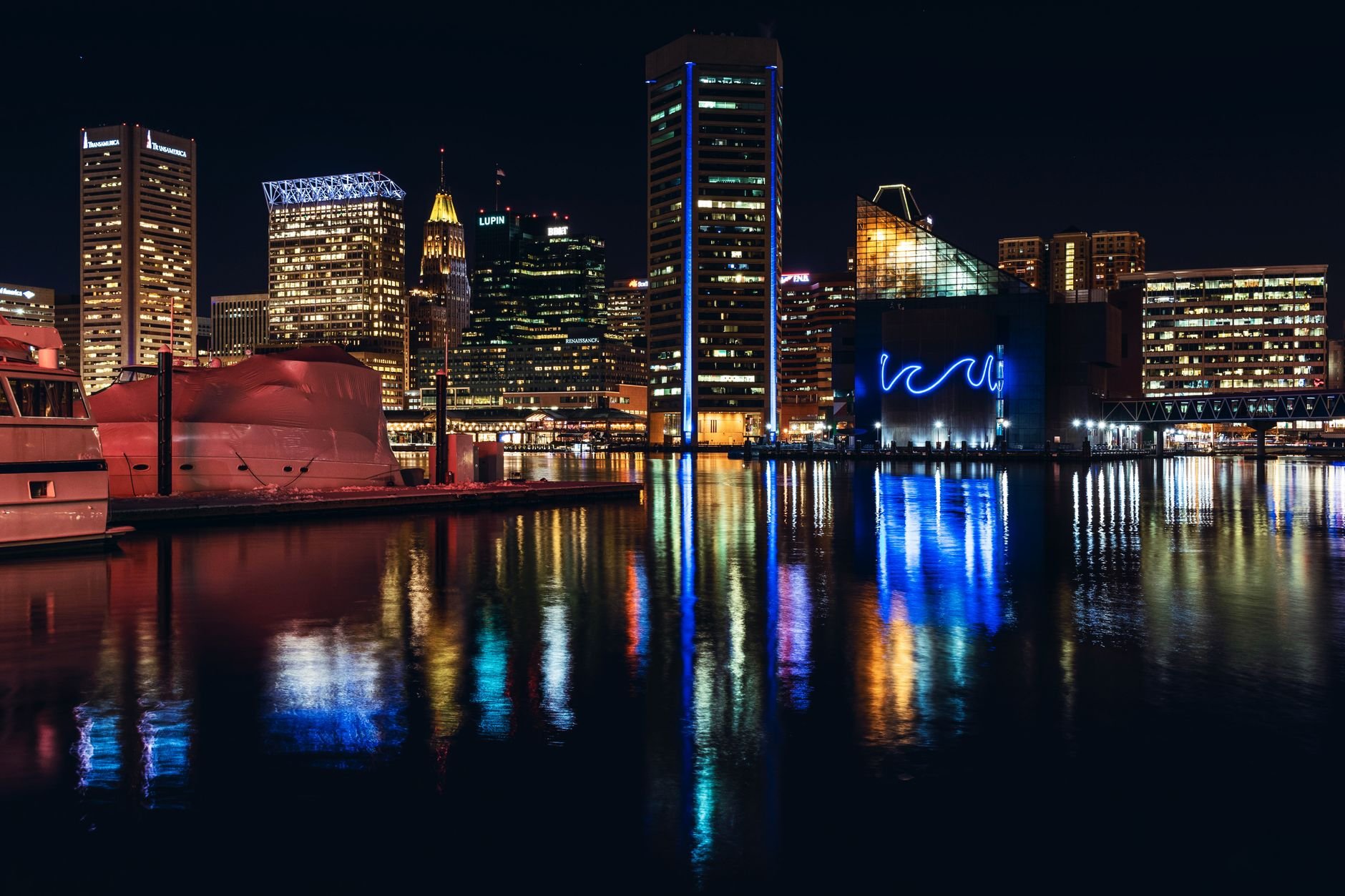
Start at the Inner Harbor: visit the National Aquarium in the morning, then grab steamed blue crabs at LP Steamers or a waterfront spot for lunch. Spend the afternoon exploring Fells Point, wandering its cobblestone streets, independent shops, and historic taverns. End the evening with dinner and drinks along Broadway Square, soaking in the neighborhood's lively waterfront energy.
Head to Fort McHenry in the morning for a walk through the birthplace of the Star-Spangled Banner. After lunch, explore Mount Vernon: visit the Washington Monument, browse the Walters Art Museum, and stroll the neighborhood's grand 19th-century architecture. In the evening, catch a Baltimore Orioles game at Camden Yards, one of the most celebrated ballparks in America.
Spend the morning at the Baltimore Museum of Art, home to one of the world's finest Matisse collections. Head to Hampden for lunch on The Avenue, a quirky, local-favorite strip of cafes and shops. Finish the afternoon at Federal Hill Park for sweeping panoramic views of the harbor and skyline, then enjoy a farewell dinner at one of the neighborhood's cozy restaurants.
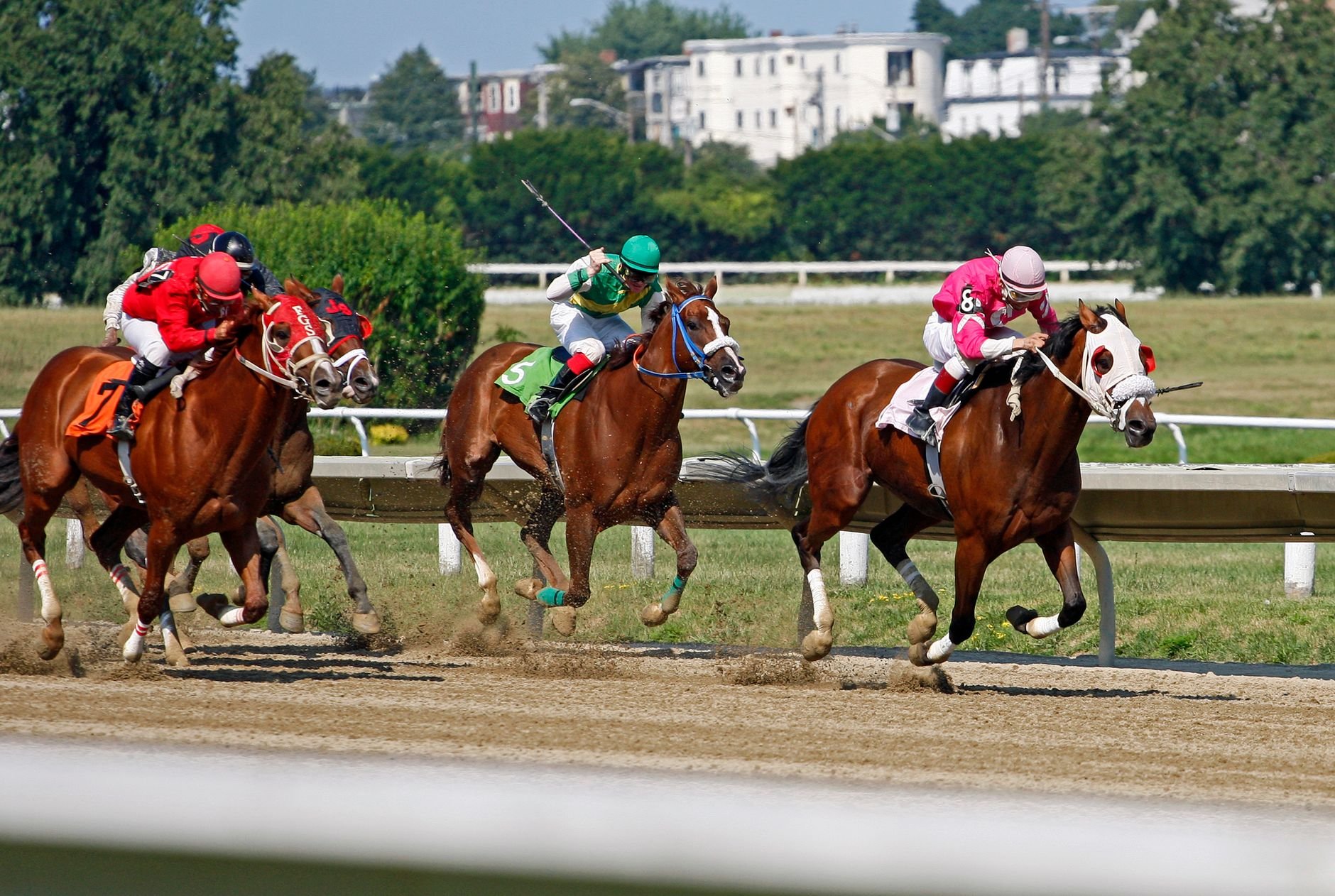
Baltimore pulses with a distinct cultural calendar that reflects its working-class roots, artistic ambition, and deep community pride. Spring arrivals are greeted by the thundering tradition of the Preakness Stakes, the middle jewel of horse racing's Triple Crown, which has called Baltimore home for over a century. As temperatures rise, the city spills into its streets with outdoor festivals that draw locals and visitors alike into shared celebration.
Baltimore's culinary identity is inseparable from the Chesapeake Bay. The blue crab reigns supreme here, served steamed and seasoned generously with Old Bay, the spice blend that is as Baltimore as the harbor itself. Picking crabs at a paper-covered table is not just a meal but a ritual, one that locals take seriously and visitors quickly embrace. Raw oysters, rockfish, and soft-shell crabs round out a seafood tradition that is among the most distinctive in the country.
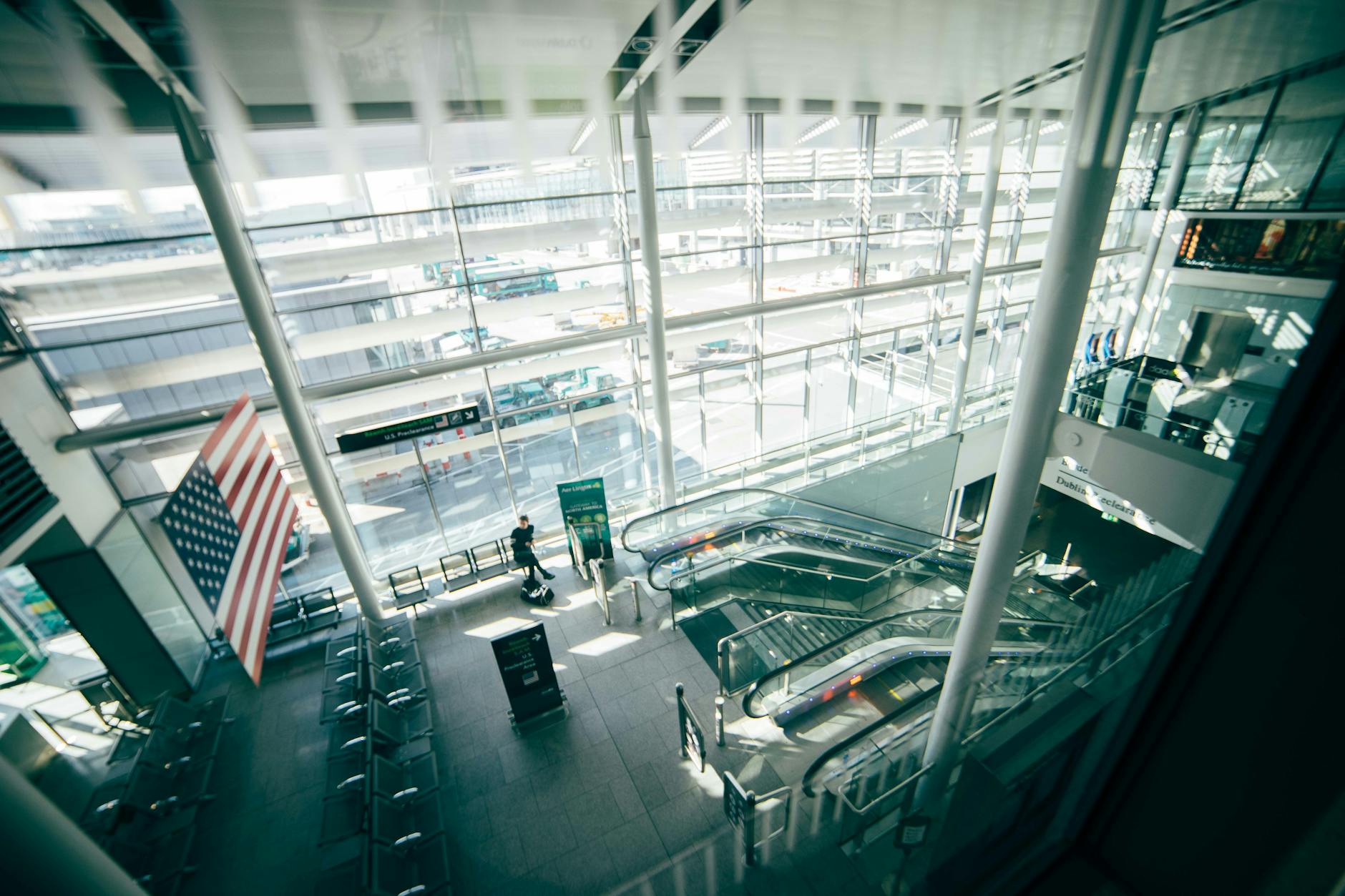
Baltimore/Washington International Thurgood Marshall Airport (BWI) is the closest airport to the city
sitting about 10 miles southwest of downtown, with rideshare, taxis, rental cars, and the MARC rail line all available for the roughly 20-30 minute trip into the city center.
Reagan National Airport (DCA) in Arlington, Virginia is a strong alternative
especially for travelers connecting through the D.C. area, with the trip to Baltimore taking about 45-60 minutes by car or roughly 90 minutes via Metro and MARC rail.
Amtrak's Northeast Corridor stops at Baltimore Penn Station
with frequent daily departures connecting Baltimore to Washington D.C. in about 40 minutes, Philadelphia in under 90 minutes, and New York City in roughly 2.5 to 3 hours.
Drivers coming from the north or south reach Baltimore directly via I-95
while those arriving from central Pennsylvania use I-83, which runs straight into the city's downtown core from the north.
The MARC Penn Line commuter rail offers a budget-friendly connection between Baltimore Penn Station and Washington Union Station
with fares well below Amtrak prices and a travel time of about 40-60 minutes, making it a practical option for day-trippers from D.C.
The Charm City Circulator runs free bus routes connecting downtown Baltimore to Fells Point, Harbor East, and Mount Vernon
making it the most cost-effective way to move between major visitor areas without a car, with buses running frequently throughout the day.
The Inner Harbor Water Taxi links waterfront stops including Fells Point, Canton, and Fort McHenry
offering a scenic and practical alternative to driving or rideshare for visitors staying near the harbor who want to reach multiple waterfront neighborhoods in one day.
Fells Point and Federal Hill are compact, walkable districts
where most bars, restaurants, and attractions sit within a few blocks of each other, making a car unnecessary once you arrive in either neighborhood.
Rideshare via Uber or Lyft is the most practical option for reaching neighborhoods like Hampden, Remington, or Station North
which are not well served by the Circulator and are far enough from the harbor that walking is not realistic for most visitors.
Parking near Camden Yards and the Inner Harbor is available in several garages
but rates spike on Orioles game days and summer weekends, so arriving early or using transit from a nearby neighborhood can save both money and time.
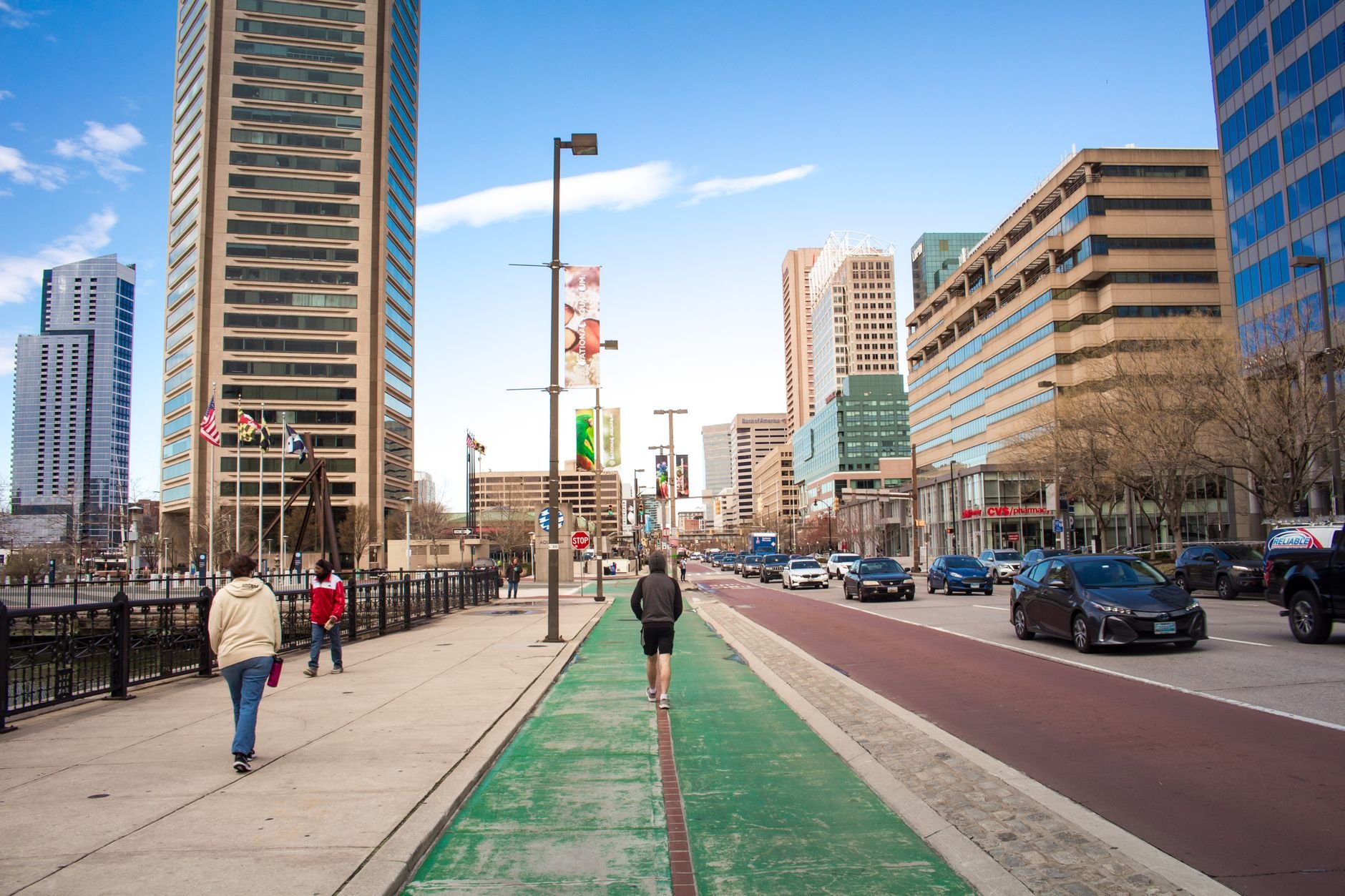
Baltimore is a straightforward city to navigate with a little preparation. The Visit Baltimore app and Google Maps both work well for transit and walking directions. Tipping follows standard U.S. norms: 18-20 percent at restaurants and for rideshare drivers. When eating crabs at a traditional crab house, expect a casual, communal experience - paper-covered tables, wooden mallets, and no pretense. Dress is relaxed almost everywhere except higher-end Mount Vernon restaurants. The Inner Harbor and popular neighborhoods are generally safe for tourists, but as with any city, stay aware of your surroundings after dark in unfamiliar areas. Book popular crab houses like LP Steamers or LP on the waterfront well in advance on summer weekends. The Baltimore Museum of Art and Walters Art Museum are both free to enter, making them easy additions to any itinerary without budget pressure.
Two to three days is enough to cover Baltimore's highlights. Spend a day exploring the Inner Harbor, National Aquarium, and Fells Point. Use a second day for Fort McHenry, Mount Vernon, and the Baltimore Museum of Art. A third day lets you dig into Federal Hill, Camden Yards, and the local crab shack scene at a relaxed pace.
Baltimore is best known for Chesapeake Bay blue crabs, the Inner Harbor, and Fort McHenry - birthplace of the Star-Spangled Banner. The city is also famous for Camden Yards, one of baseball's most beloved ballparks, the National Aquarium, and a strong arts scene anchored by the Baltimore Museum of Art and the Walters Art Museum.
Yes, Baltimore is an excellent weekend destination, especially from Washington, D.C., Philadelphia, or New York City. It is easily reachable by Amtrak and offers a compact, walkable core. In two days you can hit the Inner Harbor, Fells Point, a crab feast, and at least one major museum - making it one of the East Coast's most rewarding short getaways.
Baltimore is reasonably affordable compared to nearby Washington, D.C. and New York City. Hotels near the Inner Harbor run mid-range, and many top attractions - including the Walters Art Museum and Fort McHenry - are free or low cost. The biggest splurge tends to be seafood: a proper steamed crab feast can add up quickly but is considered a must-do experience.
Late spring (May to June) and early fall (September to October) offer the most comfortable weather and are ideal for exploring the waterfront and outdoor neighborhoods. Summer is peak crab season and draws the largest crowds, while winters are cold but quiet, with lower hotel rates.