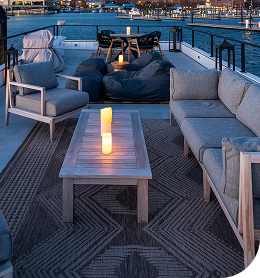

Baltimore, MD
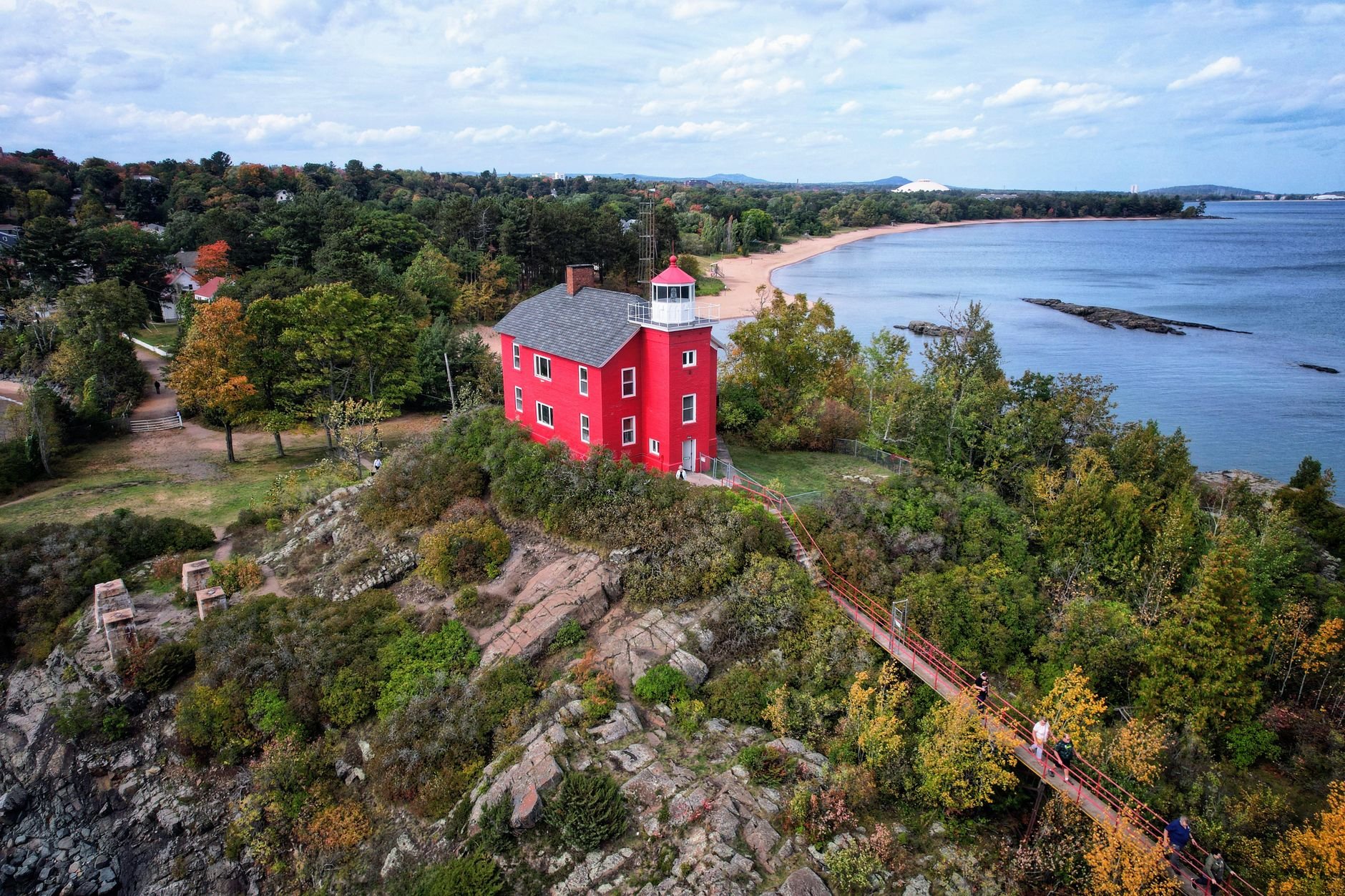
A Journey guide to
Marquette is the largest city in Michigan's Upper Peninsula and its undisputed cultural and economic hub. Perched on the rocky southern shore of Lake Superior, it commands one of the most dramatic natural settings of any city in the Great Lakes region. Visitors come for the raw, unspoiled landscape: towering sandstone bluffs, dense boreal forest, and the vast, cold expanse of the world's largest freshwater lake by surface area.
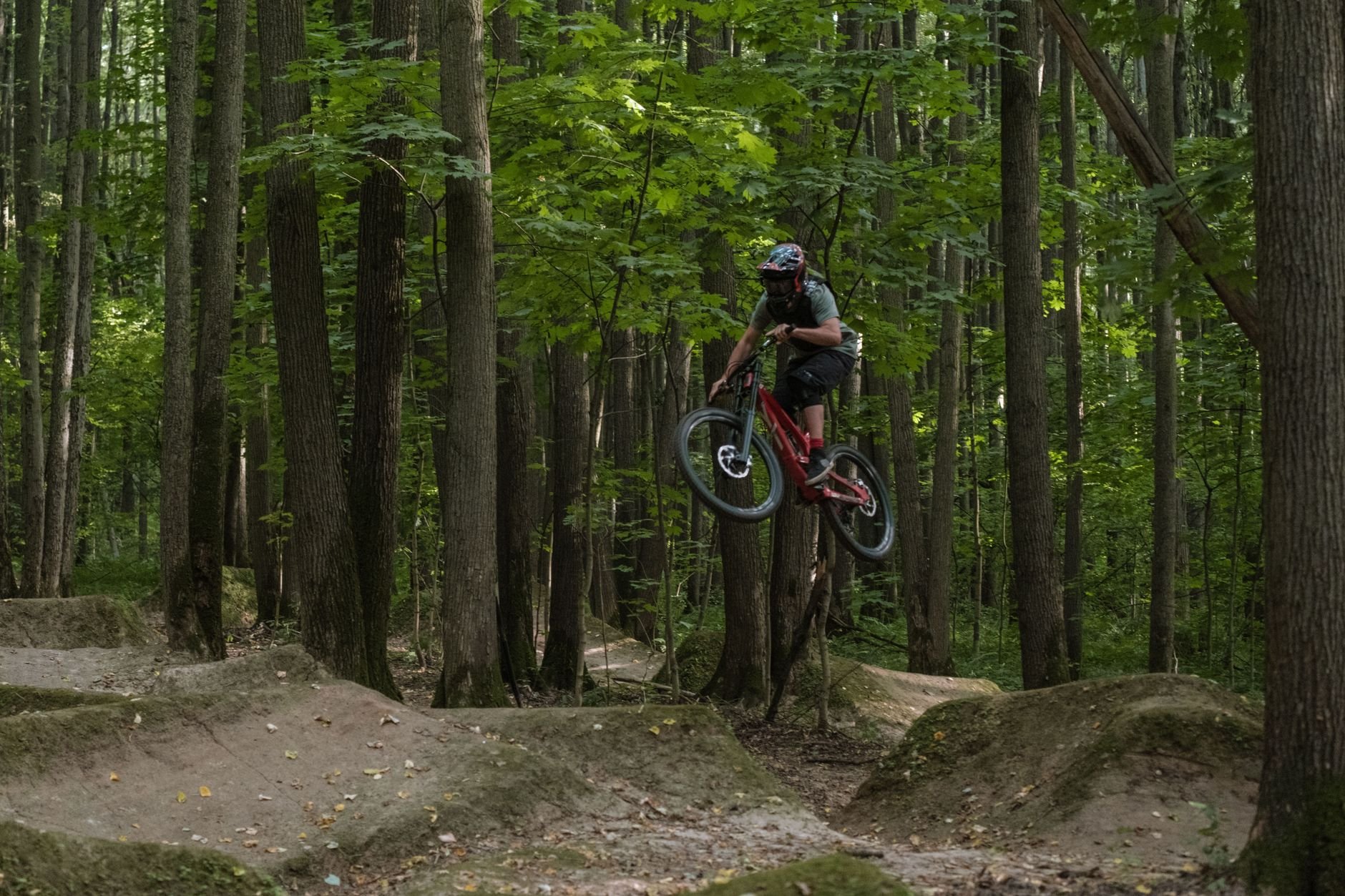
Outdoor adventure defines Marquette's identity. The city sits at the center of a trail network that draws mountain bikers, hikers, cross-country skiers, and snowshoers from across the Midwest. Presque Isle Park, a forested peninsula jutting into Lake Superior, offers some of the most striking lakeside scenery in the region, while the Noquemanon Trail Network gives serious riders and runners access to hundreds of miles of singletrack and groomed trails through the surrounding wilderness.
Marquette's iron ore heritage runs deep. The city grew as a shipping port for the iron ore extracted from the Marquette Iron Range, and that industrial legacy is woven into its architecture and identity. The iconic Lower Harbor ore dock, a massive concrete structure rising above the waterfront, stands as one of the most photographed industrial landmarks in the Upper Peninsula. The Marquette Regional History Center brings this story to life with compelling exhibits on mining, maritime trade, and Indigenous culture.
The city also punches well above its size in food, arts, and nightlife. Northern Michigan University anchors a youthful energy downtown, where craft breweries, independent restaurants, and galleries line Washington Street. Marquette attracts the independent-minded traveler who wants genuine wilderness access without sacrificing the comforts of a real city.
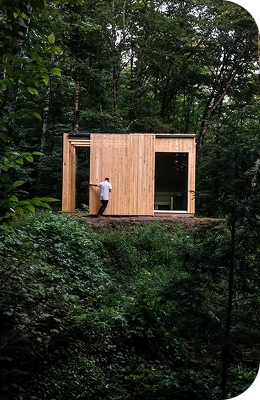

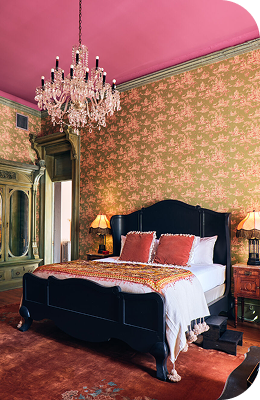





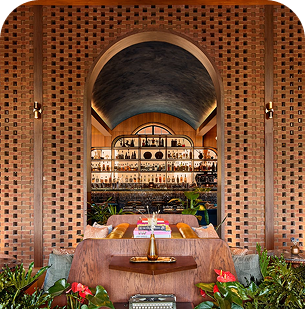

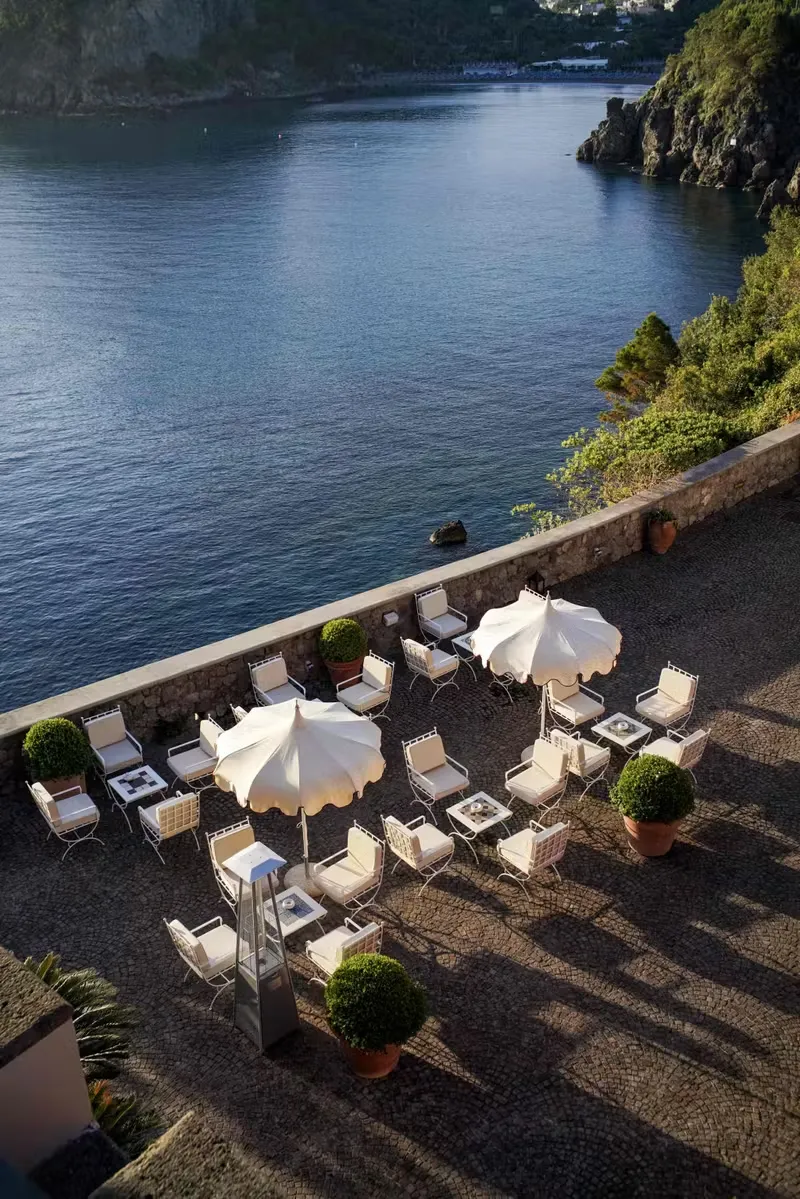

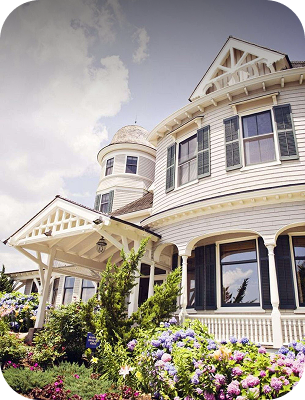

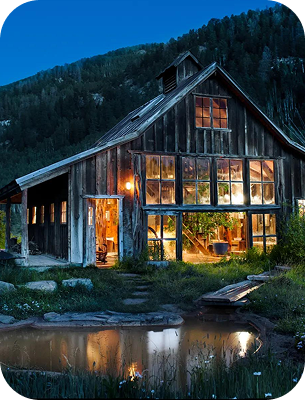

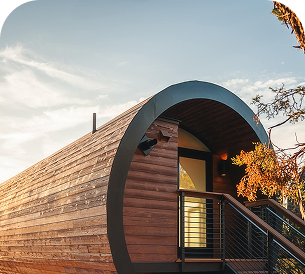

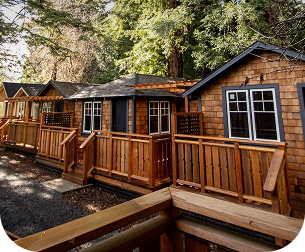

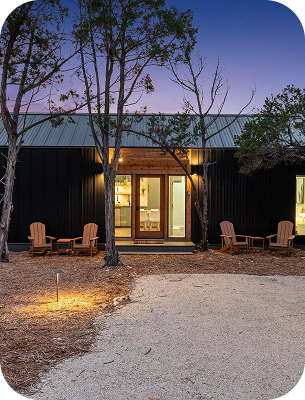

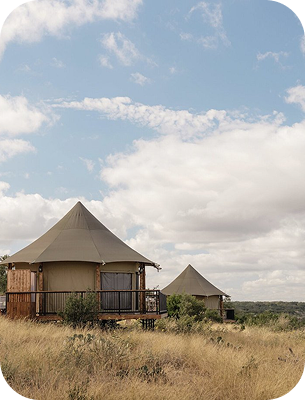

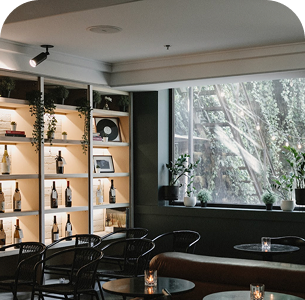

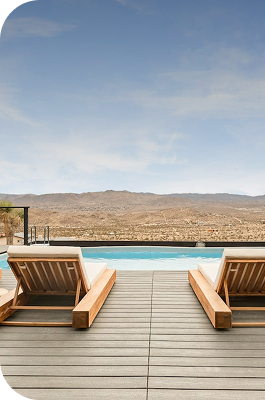

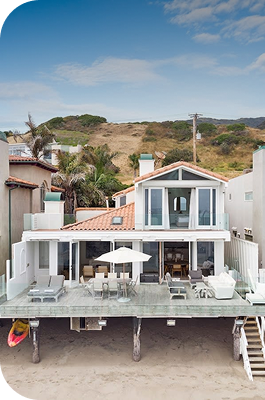

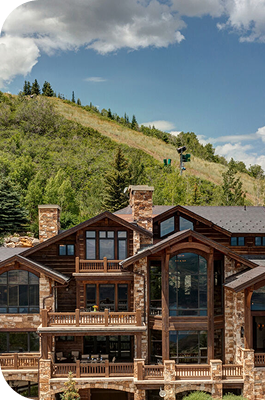

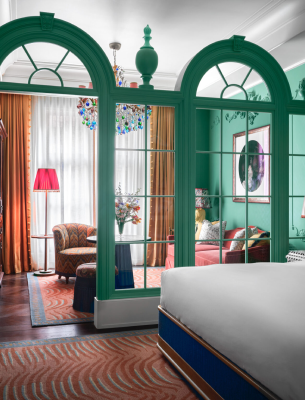

Journey connects travelers to a curated network of boutique hotels and distinctive residences around the world, all united under one rewards program. Explore handpicked stays for your trip while earning points, unlocking exclusive offers, and receiving rewards across the Journey collection.
Marquette occupies a singular position in the American Midwest: a small city of just over 20,000 people that functions as the gateway to one of the continent's last great wild places. Set on a natural harbor along Lake Superior's southern shore in Michigan's Upper Peninsula, the city is defined by its geology. Red sandstone and iron-rich bedrock shape the bluffs and outcroppings that frame the waterfront, giving Marquette a rugged, elemental character unlike anything in the Lower Peninsula or the broader Great Lakes basin.
The city's origins are rooted in the iron ore boom of the mid-19th century. Founded in 1849 and incorporated as a city in 1871, Marquette developed rapidly as the primary shipping point for ore extracted from the rich deposits of the Marquette Iron Range. The wealth generated during this period is still visible in the downtown streetscape, where handsome sandstone commercial buildings and Victorian-era churches line streets that slope toward the harbor. The Upper Peninsula's isolation from the rest of Michigan has long fostered a distinct regional identity, and Marquette is its capital in every practical sense.
Geographically, the city is surrounded by the Ottawa National Forest and Hiawatha National Forest, with the Huron Mountains to the northwest and the Pictured Rocks National Lakeshore roughly an hour to the east. This positioning makes Marquette an ideal base for exploring a vast swath of the Upper Peninsula, from the painted sandstone cliffs of Miners Beach to the remote interior lakes of the Ottawa backcountry.
Culturally, the presence of Northern Michigan University gives the city a creative and intellectual vitality that sustains a lively arts scene, a competitive athletic culture, and a population that skews younger and more engaged than many comparably sized Midwestern cities. The result is a destination that rewards travelers who seek authenticity: real wilderness, genuine community, and a sense of place that cannot be manufactured.
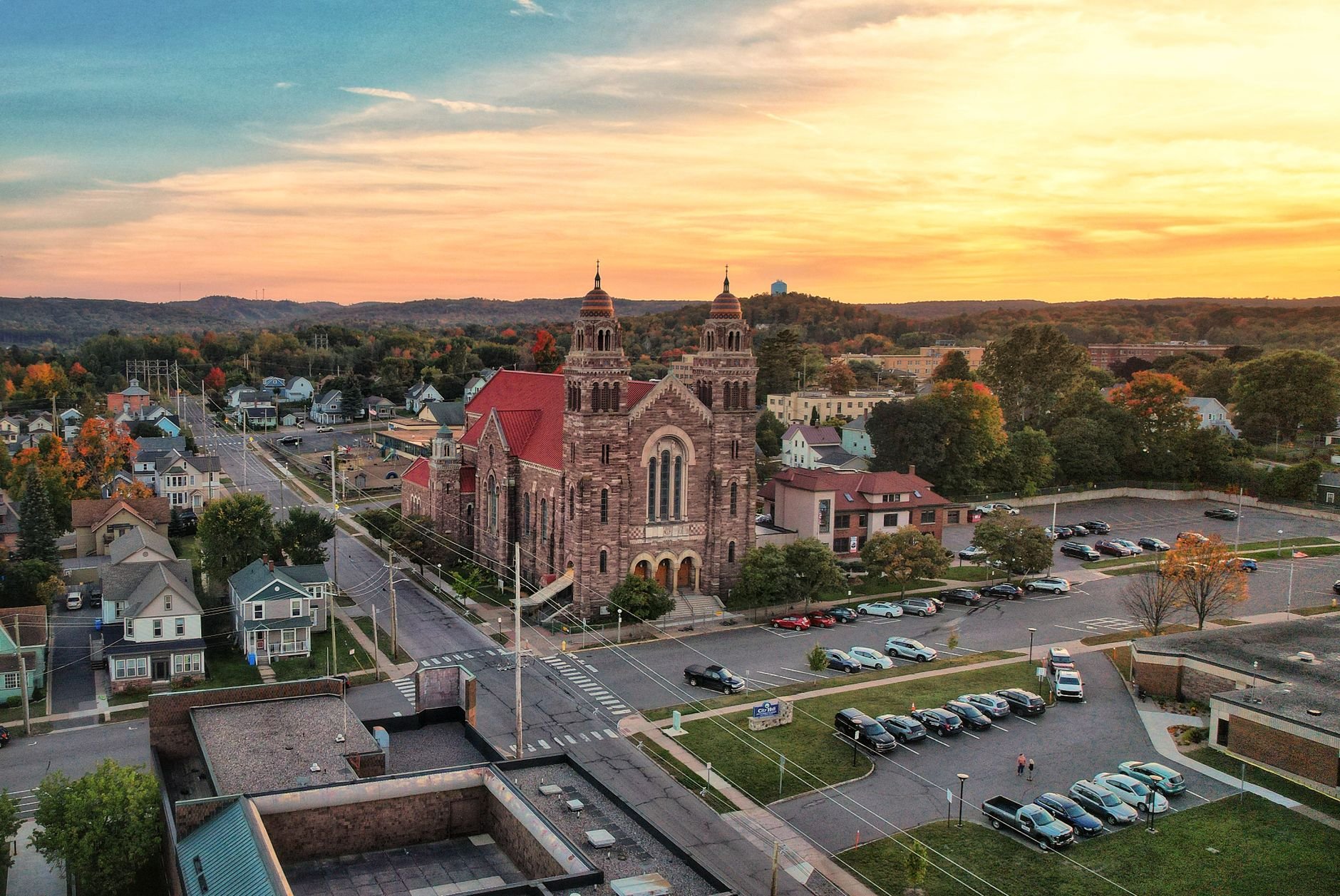
Summer, specifically late June through August, is the most popular time to visit Marquette, and for good reason. The city's trail networks, Lake Superior beaches, and Presque Isle Park are all fully accessible, and the downtown dining and brewery scene buzzes with energy. Visitors should expect higher demand for accommodations during this window, particularly on weekends and around the UP200 sled dog race in February and the Marquette Marathon in September, so booking ahead is essential.
Fall is arguably the most rewarding season for those willing to plan around it. The stretch from mid-September to mid-October delivers some of the most spectacular foliage in the Great Lakes region, with the forests surrounding the Noquemanon Trail Network and the Lake Superior shoreline turning vivid shades of red, orange, and gold. Crowds thin considerably compared to summer, and the trails remain in excellent condition for hiking and mountain biking before the first serious snowfall arrives.
Winter transforms Marquette into a destination for a very different kind of traveler. The city's massive snowfall totals make it a premier destination for cross-country skiing, snowshoeing, and fat biking, with the Noquemanon Trail Network grooming hundreds of miles of trails through the season. The Noquemanon Ski Marathon in late January draws competitors and spectators from across the Midwest. This is a niche but deeply rewarding time to visit for those who embrace winter recreation.
Spring is the least compelling season for most visitors. Trails can be muddy and partially closed, and the city has a transitional, unsettled feel before summer fully arrives. Travelers who are flexible are better served by targeting late May or early June, when conditions begin to stabilize and the summer crowds have not yet peaked.
The beating heart of the city, Downtown Marquette runs along Washington Street with an eclectic mix of craft breweries, independent restaurants, boutique shops, and art galleries. Northern Michigan University's proximity keeps the energy young and lively, especially on weekends. Sandstone storefronts and Victorian-era architecture give the corridor a handsome, small-city character that rewards a slow afternoon on foot.
Marquette's working waterfront stretches along Lake Superior's shore, anchored by the dramatic concrete ore dock that has defined the city's skyline for over a century. The Lower Harbor area is a mix of maritime heritage and recreational space, with a marina, public beach access, and sweeping views of the lake. It is the best place in the city to feel the sheer scale of Lake Superior up close.
A forested peninsula jutting into Lake Superior just north of the city center, Presque Isle Park is Marquette's crown jewel for outdoor visitors. Rocky shorelines, old-growth pines, and loop trails deliver some of the most striking lakeside scenery in the Upper Peninsula. Sunset from the park's western bluffs over the open lake is an experience that defines a visit to Marquette.
Situated just above the downtown core, Uptown is a quieter, more residential district with a neighborhood-coffee-shop feel and a scattering of local eateries and specialty retailers. It attracts a mix of longtime locals, university faculty, and outdoor enthusiasts who appreciate its walkable, unhurried pace. The area provides a grounded counterpoint to the busier waterfront and downtown corridors.
Marquette draws a specific kind of traveler - one who wants raw, dramatic wilderness paired with the energy of a real city. The experiences that define a visit here are deeply tied to place and nearly impossible to replicate elsewhere.
Lake Superior from the Shore
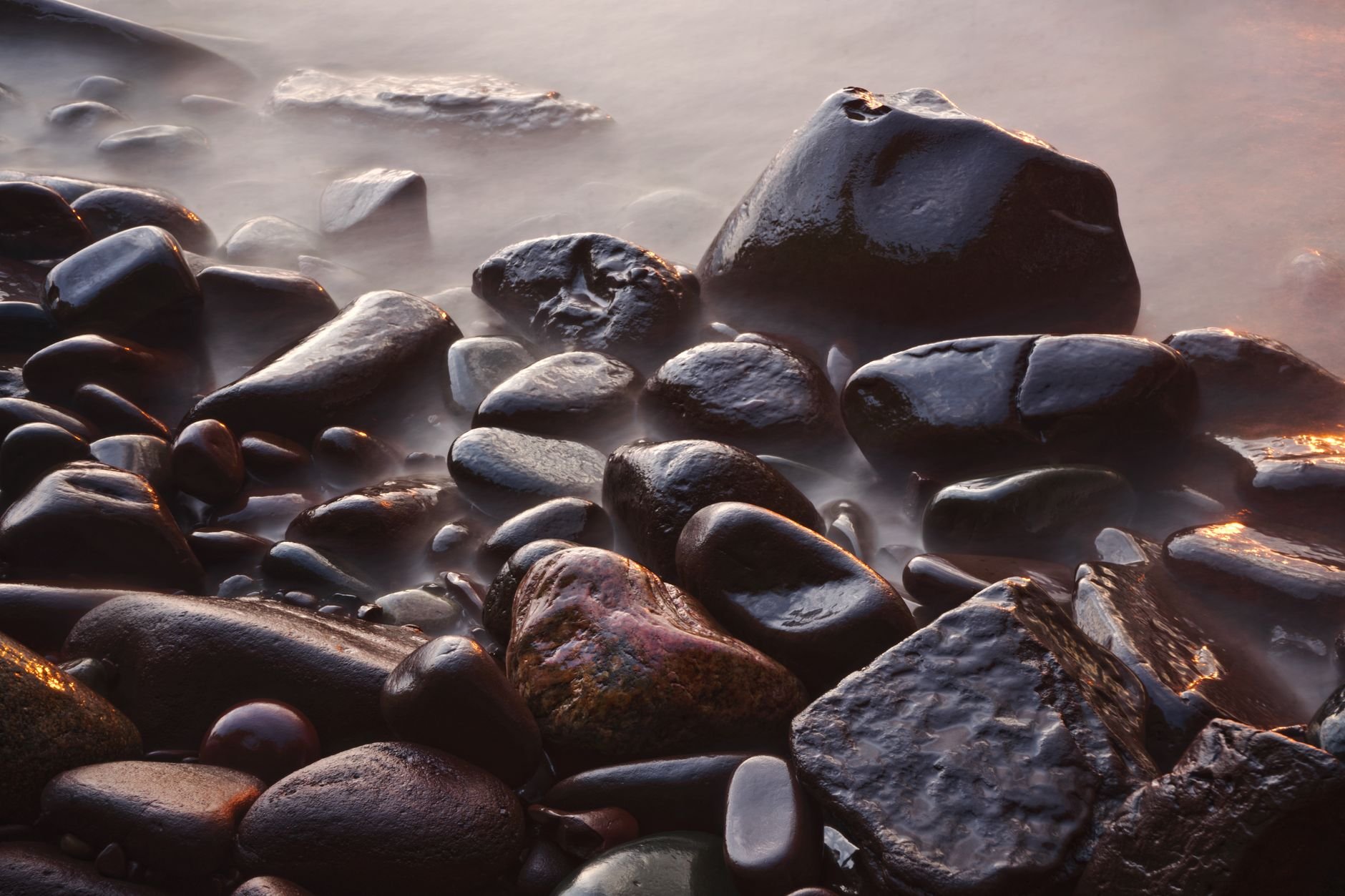
Standing on the rocky, wave-battered shoreline of Lake Superior is the defining Marquette experience. The lake is vast enough to feel oceanic - cold, clear, and endlessly powerful. Presque Isle Park offers the most dramatic access, with trails winding along exposed bedrock shoreline, through old-growth forest, and past views that stretch to the horizon. Watching a sunset from the rocks here, with the lake turning shades of copper and violet, is something visitors consistently describe as the highlight of their trip.
The Ore Dock and Iron Heritage
The Lower Harbor ore dock is one of the most iconic industrial landmarks in the Upper Peninsula - a massive concrete structure that once loaded iron ore onto freighters bound for steel mills across the Great Lakes. It looms over the harbor as a monument to the industry that built Marquette. Paired with a visit to the Marquette Regional History Center, it offers a window into a genuinely distinctive American industrial story rooted in this specific landscape.
Four-Season Trail Culture
Marquette has built an identity around its trail network in a way few cities have. In summer, the Noquemanon Trail Network is a destination for serious mountain bikers. In winter, those same trails transform into some of the best groomed cross-country skiing in the Midwest. The community's relationship with the outdoors is not recreational tourism - it is a way of life, and visitors who tap into the local trail culture find something authentic and deeply connected to the place.
These three experiences - the lake, the ore heritage, and the trail culture - are what travelers come to Marquette specifically to find.
Marquette, Michigan packs an extraordinary range of activities into a city of its size, anchored by the wild beauty of Lake Superior and the surrounding Upper Peninsula wilderness.
Outdoor Recreation
Marquette is a premier destination for trail-based adventure. The Noquemanon Trail Network offers hundreds of miles of singletrack, groomed cross-country ski trails, and snowshoe routes threading through boreal forest. Mountain biking draws riders from across the Midwest, and the trail system is widely regarded as one of the best in the Great Lakes region. Hiking, trail running, kayaking, paddleboarding, and cold-water swimming round out the warm-weather offerings, while snowshoeing, backcountry skiing, and ice fishing take over in winter.
Scenic Exploration
Presque Isle Park is Marquette's crown jewel - a forested peninsula extending into Lake Superior with rugged shoreline, dramatic rock formations, and sweeping lake views. The Lower Harbor and Picnic Rocks are beloved local spots for watching sunsets over the water. Drives along the Lake Superior shoreline reveal sandstone bluffs, sea caves, and remote beaches that feel genuinely untouched.
Cultural Attractions
The Marquette Regional History Center delivers compelling exhibits on the city's iron ore mining heritage, Indigenous Anishinaabe culture, and the maritime history of Lake Superior. The historic downtown features Victorian-era architecture built during the iron boom years.
Arts and Entertainment
Northern Michigan University brings consistent cultural programming to the city, including theater, music, and gallery exhibitions. The downtown Washington Street corridor supports independent galleries, live music venues, and a creative community that punches well above the city's size.
Food and Dining
Marquette's dining scene is anchored by craft breweries, farm-to-table restaurants, and independent cafes. The city has a genuine food culture shaped by its university population and outdoor-oriented community.
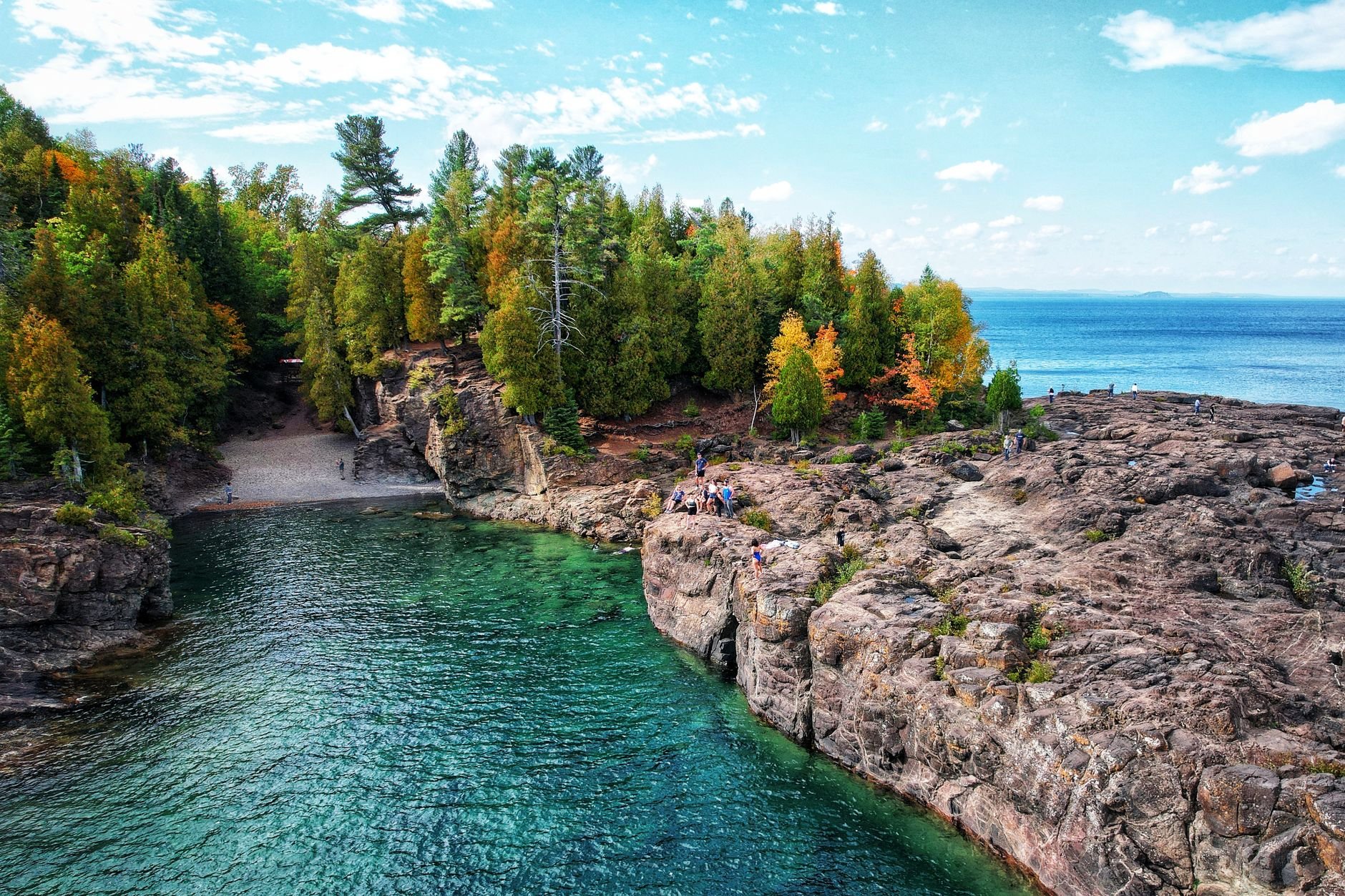
Start the morning with a walk through Presque Isle Park, taking in the dramatic Lake Superior shoreline and forested trails. Grab lunch at a spot on Washington Street downtown before exploring the Marquette Regional History Center for a deep dive into the city's iron ore and maritime past. End the evening with dinner and craft beers at one of the local breweries along the downtown corridor.
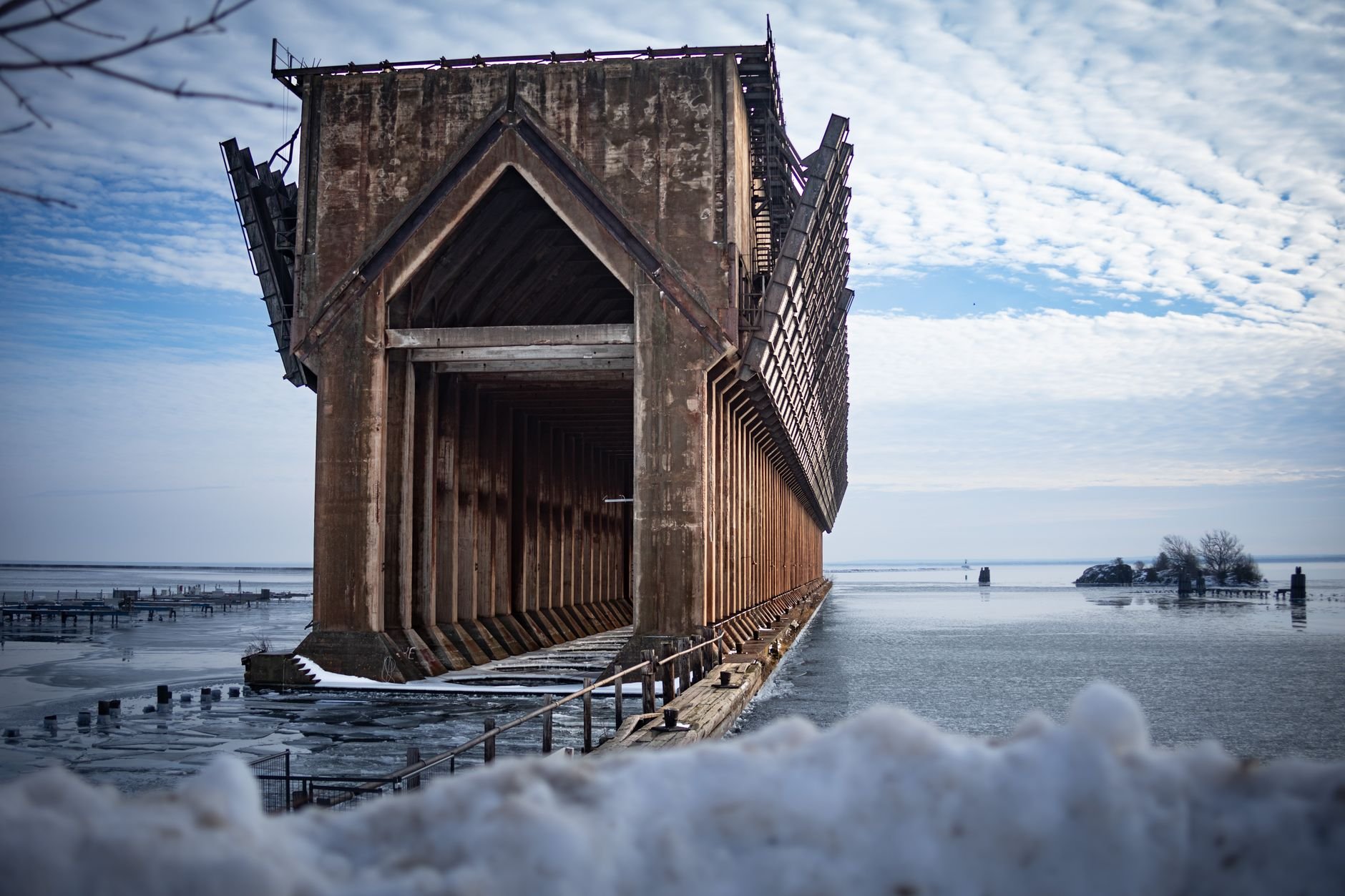
Spend the morning on the Noquemanon Trail Network - whether hiking or mountain biking, the singletrack through boreal forest is world-class. Refuel with lunch in town, then head to the Lower Harbor waterfront to photograph the iconic ore dock, one of the Upper Peninsula's most striking industrial landmarks. Catch the sunset over Lake Superior from the harbor before a relaxed dinner downtown.
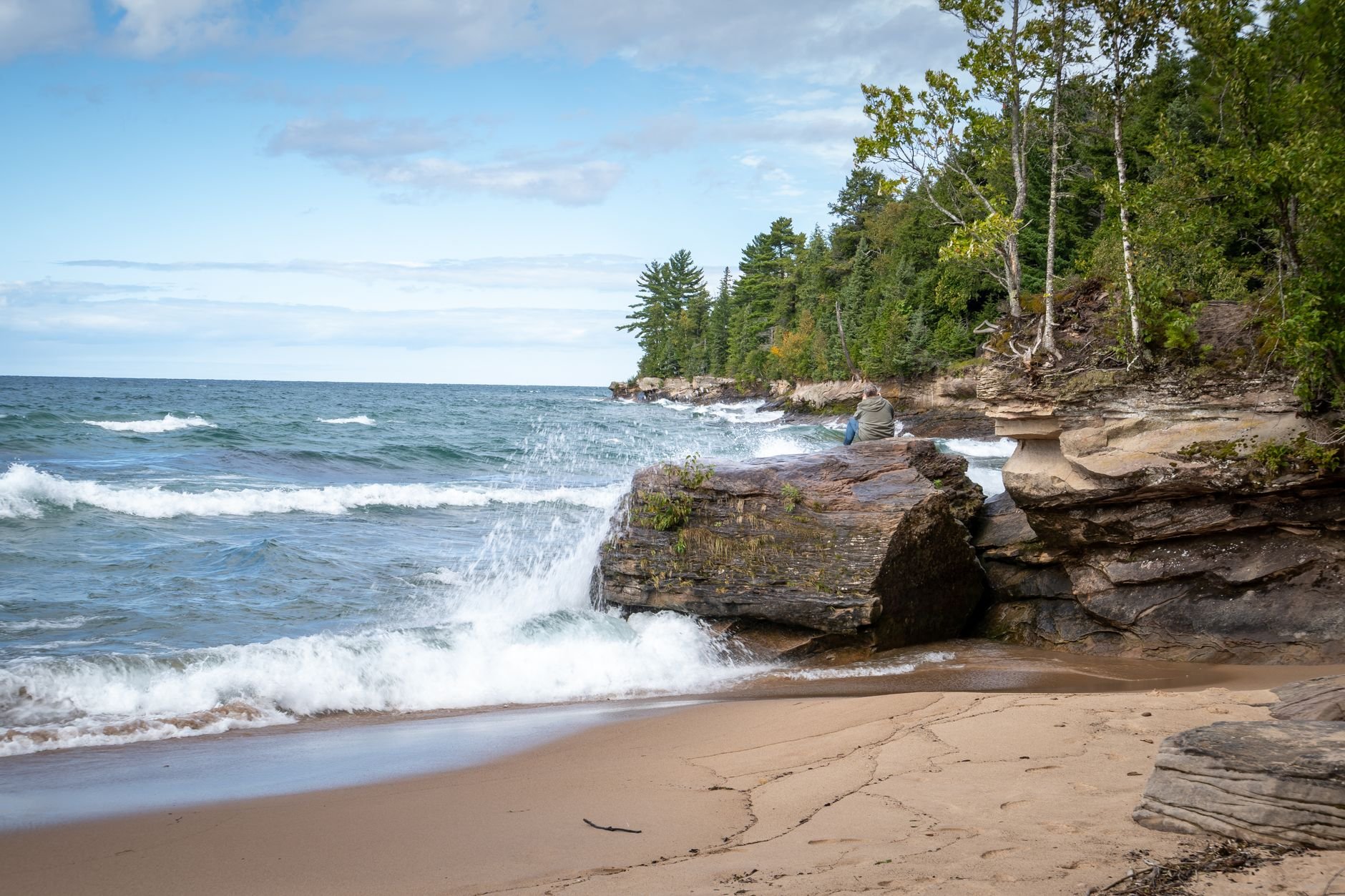
Take a morning drive along the Lake Superior shoreline to explore the sandstone bluffs and rocky beaches south of the city. Stop at a local bakery or cafe for a late breakfast before browsing the independent galleries and shops along Washington Street. Spend the afternoon paddling or swimming at a lakeside access point, then close out the trip with a farewell dinner at one of Marquette's independent restaurants.
Marquette's calendar is shaped by the extremes of its environment, and residents embrace every season with genuine enthusiasm. Winter arrives early and stays long, but rather than retreating indoors, the city leans into it. The Noquemanon Ski Marathon in January draws Nordic skiers across a demanding backcountry course, and February's UP 200 Sled Dog Race transforms downtown into a festival of headlamps, huskies, and cheering crowds at midnight.
Marquette, Michigan's food and dining scene reflects its identity as a rugged yet culturally vibrant city on the shores of Lake Superior. The dining culture here leans toward the independent and locally rooted, with Washington Street downtown serving as the spine of a lively restaurant and bar scene fueled in part by the Northern Michigan University crowd.
Sawyer International Airport (MQT) is the closest commercial airport to Marquette,
located about 8 miles southwest of downtown, with regional flights connecting through Chicago O'Hare (ORD) and Detroit Metro (DTW) via airlines including American Eagle and Delta Connection.
US-41 is the main driving artery into Marquette from both east and west across the Upper Peninsula,
with the drive from Green Bay, Wisconsin taking approximately 4.5 hours and the drive from Detroit running about 7 hours via I-75 North and US-2.
Travelers coming from Chicago can reach Marquette in roughly 7 to 8 hours by car
via I-94 to US-41 North, crossing into the Upper Peninsula over the Mackinac Bridge, which carries a toll of around $4 for passenger vehicles.
Greyhound bus service connects Marquette to Milwaukee and Chicago
but schedules are limited to a few departures per week, so check timetables well in advance and plan for a long travel day of 9 to 12 hours.
Washington Street and the Lower Harbor district are compact and walkable,
making it easy to move between downtown restaurants, breweries, and the waterfront on foot without needing a car for that portion of your visit.
Presque Isle Park is about 2 miles from downtown and requires a car or bicycle to reach comfortably,
as rideshare availability in Marquette is limited and cannot always be relied upon for timely pickups, especially outside of peak hours.
Marquette County Transit Authority operates local bus routes
but service is infrequent and coverage is limited, so most visitors will find it more practical to rent a car at Sawyer International Airport (MQT) upon arrival.
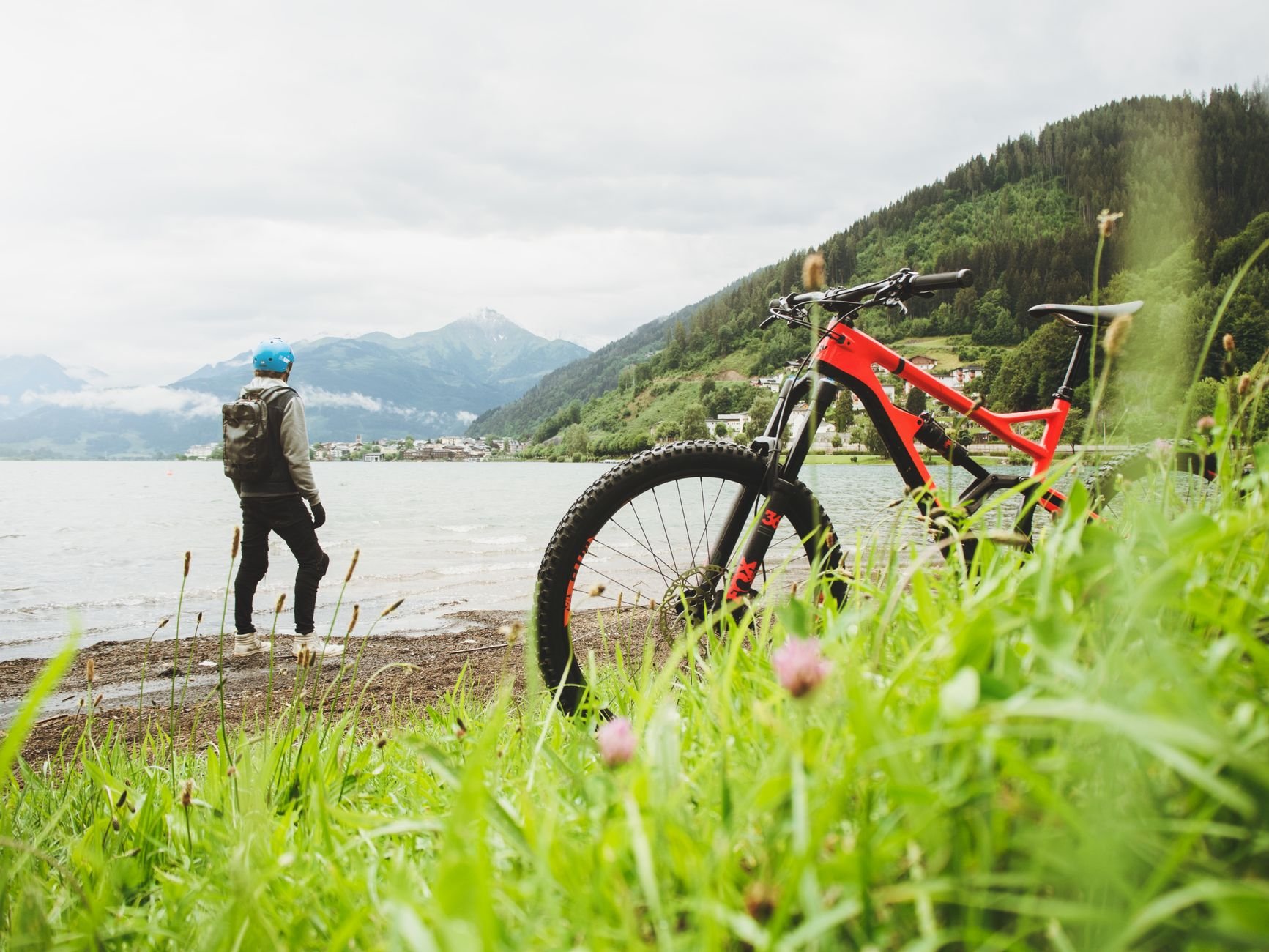
Several local outfitters near the Noquemanon Trail Network rent mountain bikes and fat bikes seasonally,
which is the most efficient way to explore the hundreds of miles of singletrack and groomed trails surrounding the city without needing to bring your own equipment.
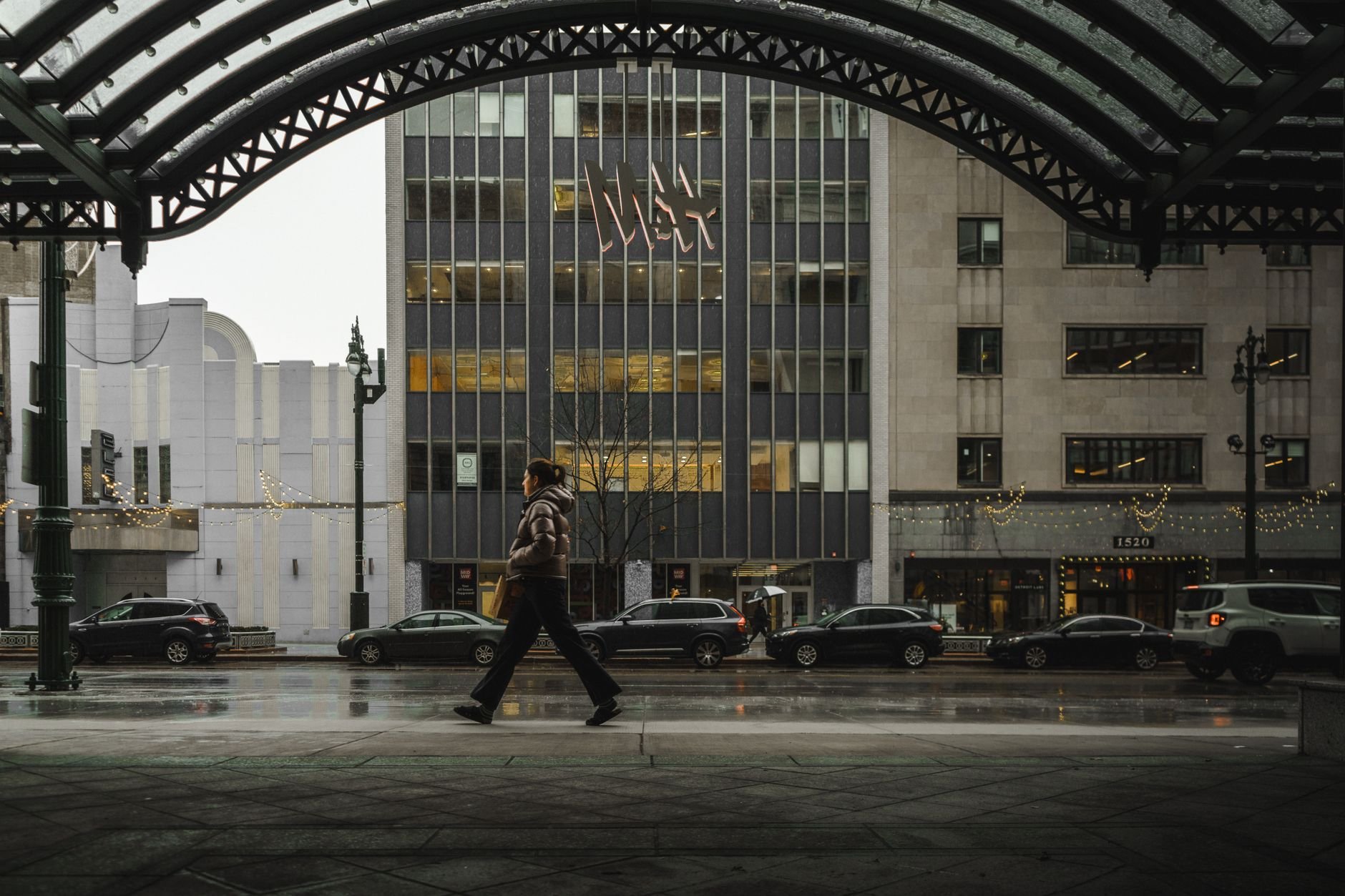
Marquette's weather is notoriously variable and can shift dramatically even in summer, with Lake Superior keeping temperatures cooler than inland Michigan - pack layers regardless of the season. Winters are long and heavy with snow, which is a feature rather than a bug for visitors who come for skiing and snowshoeing, but road conditions on US-41 can be challenging between November and April. Book popular restaurants and breweries on weekends during summer and fall color season, as the city's dining scene is excellent but small. Cell service can be spotty outside of downtown and in the surrounding wilderness, so download offline maps before heading out on trails. Tipping follows standard US norms at 18 to 20 percent at restaurants. The city is generally very safe, but Lake Superior is cold and unpredictable year-round - heed posted warnings and never swim alone or in rough conditions.
Three to four days is ideal for Marquette. That gives you enough time to explore Presque Isle Park, hike or bike the Noquemanon Trail Network, visit the waterfront and ore dock, and sample the downtown food and brewery scene. If you are focused purely on outdoor activities, you could easily fill five or more days depending on the season.
Marquette is best known for its dramatic Lake Superior shoreline, world-class outdoor recreation, and iron ore heritage. The city is a hub for mountain biking, hiking, skiing, and snowshoeing, with the Noquemanon Trail Network at its core. The iconic Lower Harbor ore dock and the city's industrial history as a major iron ore shipping port are also defining landmarks.
Yes, Marquette works well as a weekend trip, especially for travelers based in the Midwest. Two days is enough to visit Presque Isle Park, walk the waterfront, see the ore dock, and enjoy a meal or craft beer downtown. For those coming from farther away, a long weekend of three days makes the drive more worthwhile and allows time for trails.
Marquette is relatively affordable compared to most U.S. travel destinations. Lodging, dining, and activities tend to be reasonably priced, and many of the best experiences - hiking, lakeside scenery, and exploring the waterfront - are free. Costs can rise slightly in peak summer months when demand for accommodations increases, but overall it remains a budget-friendly destination.
Summer (June through August) offers the best weather for hiking, paddling, and enjoying Lake Superior's shoreline. Winter is ideal for snowshoeing, cross-country skiing, and snowmobiling on the region's extensive groomed trail network.