
Baltimore, MD
A Journey guide to
Minneapolis is the cultural and commercial capital of the Upper Midwest, a city that consistently punches above its weight. It is home to one of the most concentrated collections of theater seats per capita in the United States outside of New York City, anchored by the Guthrie Theater and the Orpheum. The city's arts infrastructure is serious: the Minneapolis Institute of Art holds more than 89,000 objects spanning 5,000 years, and admission is free.
The city is defined as much by its natural landscape as its urban fabric. Minneapolis is famously the City of Lakes, with 22 lakes and wetlands within city limits, all connected by a network of trails that draw cyclists, runners, and paddlers year-round. Chain of Lakes — linking Bde Maka Ska, Lake of the Isles, Cedar Lake, and Lake Harriet — is one of the most beloved urban recreational corridors in the country.
Food and drink are central to Minneapolis identity. The city has emerged as a genuine culinary destination, with a dining scene rooted in Scandinavian and Somali heritage alongside a new generation of chef-driven restaurants. The North Loop neighborhood has become a hub for independent restaurants, boutique retail, and craft breweries, while Eat Street on Nicollet Avenue offers one of the most diverse stretches of international cuisine in the Midwest.
Minneapolis attracts a wide range of travelers: design-minded visitors drawn to its architecture and galleries, outdoor enthusiasts who come for the lakes and trails, and food travelers who arrive specifically for the restaurant scene. The city also draws music pilgrims — Prince's legacy is woven into the city's identity, and Paisley Park in nearby Chanhassen remains an essential stop for fans of the artist and his era.

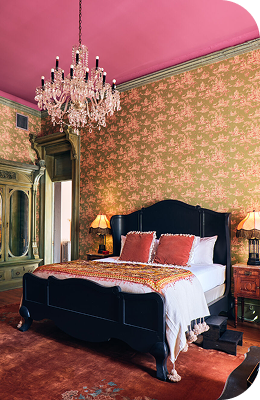

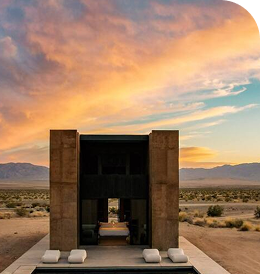

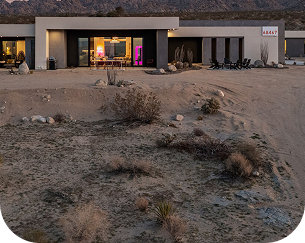

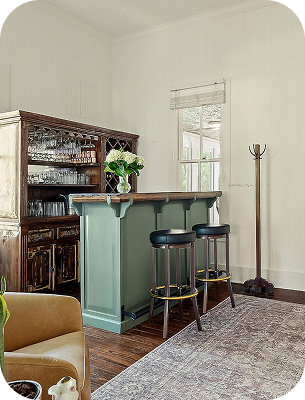

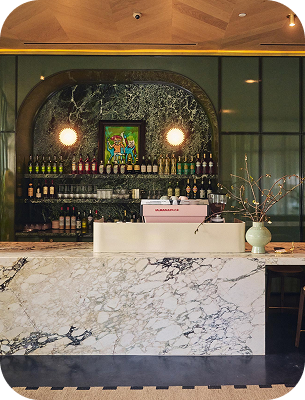

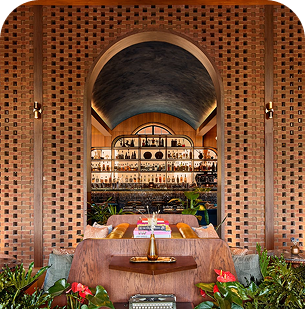

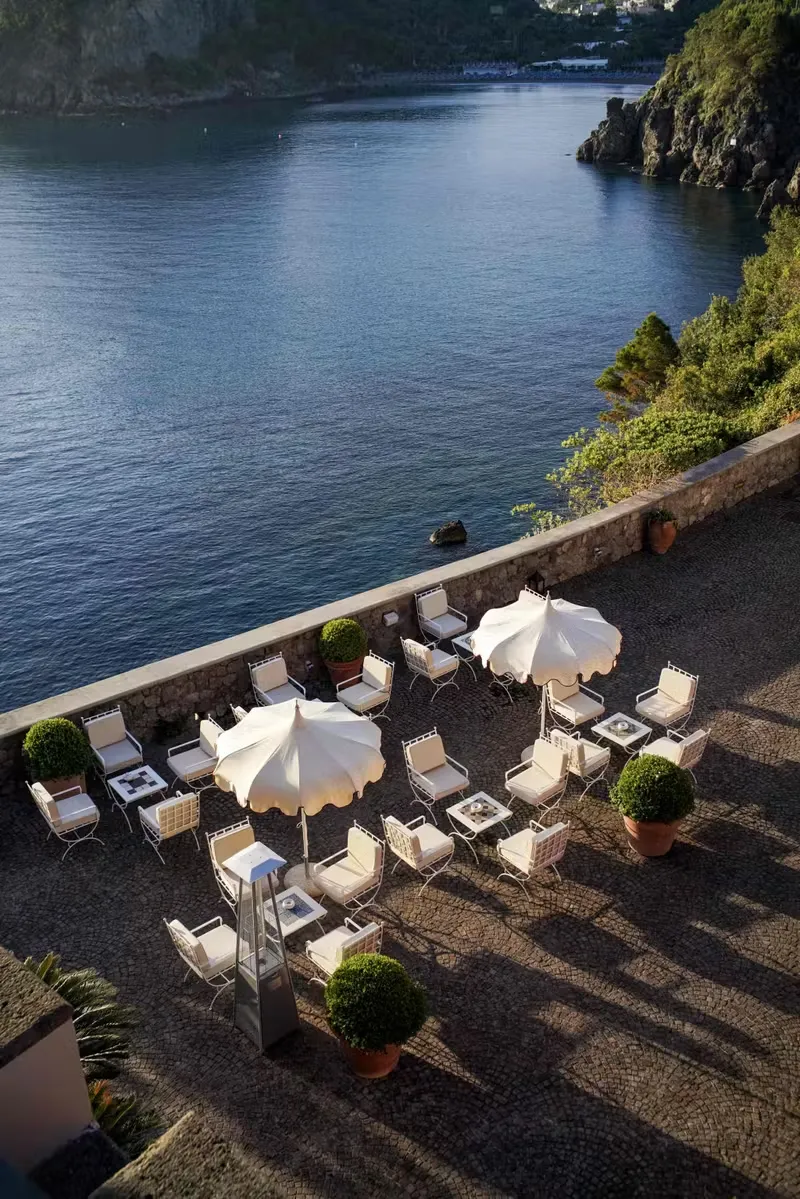

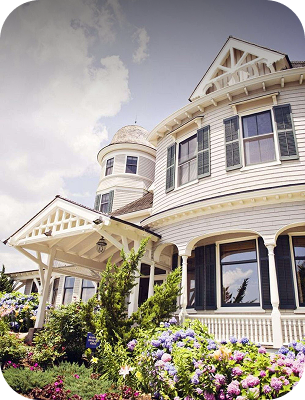

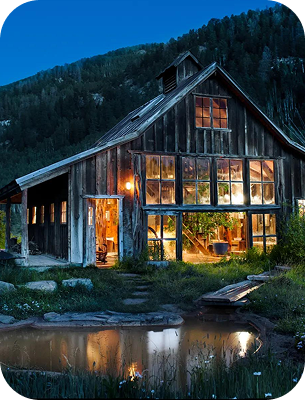

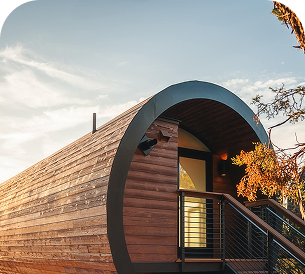

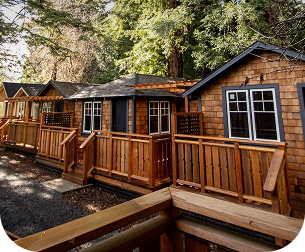

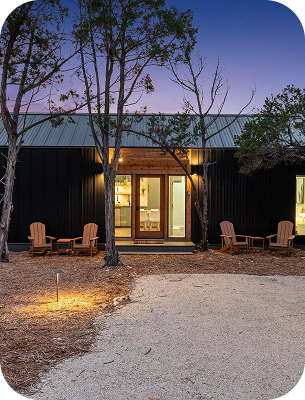

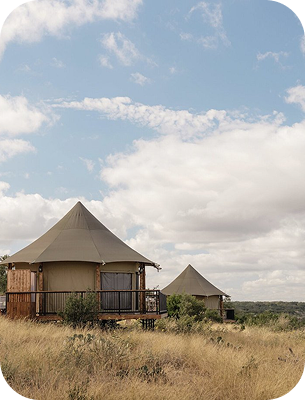

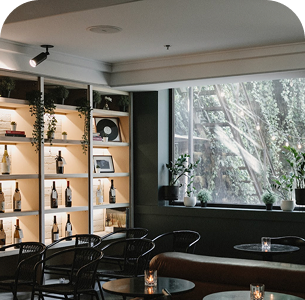

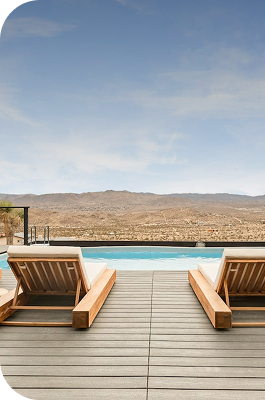

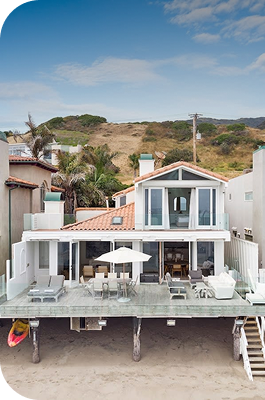

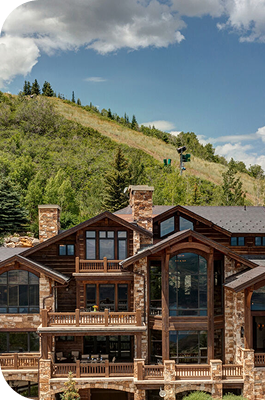
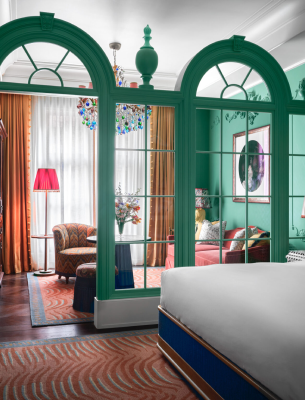
Journey connects travelers to a curated network of boutique hotels and distinctive residences around the world, all united under one rewards program. Explore handpicked stays for your trip while earning points, unlocking exclusive offers, and receiving rewards across the Journey collection.
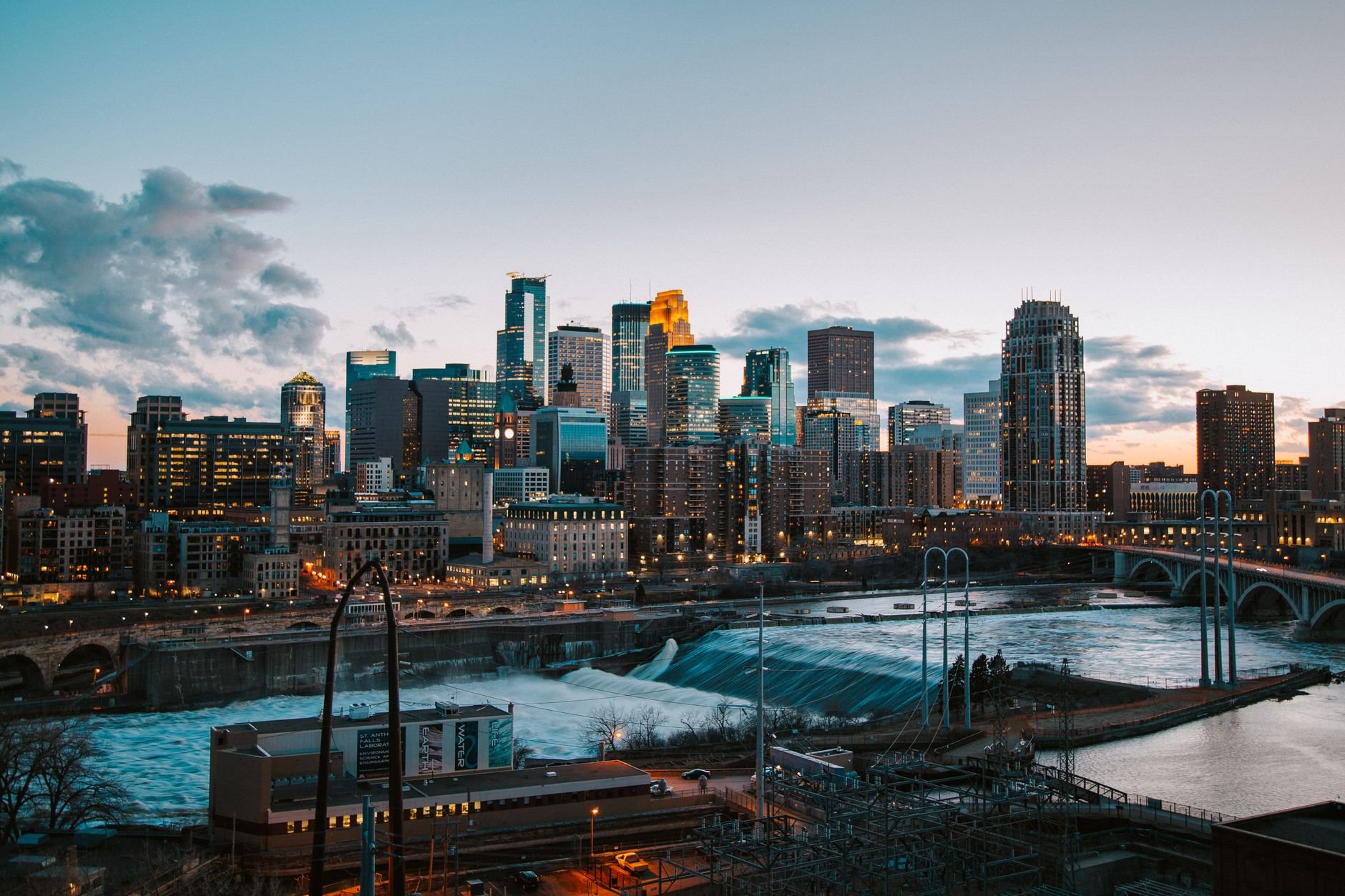
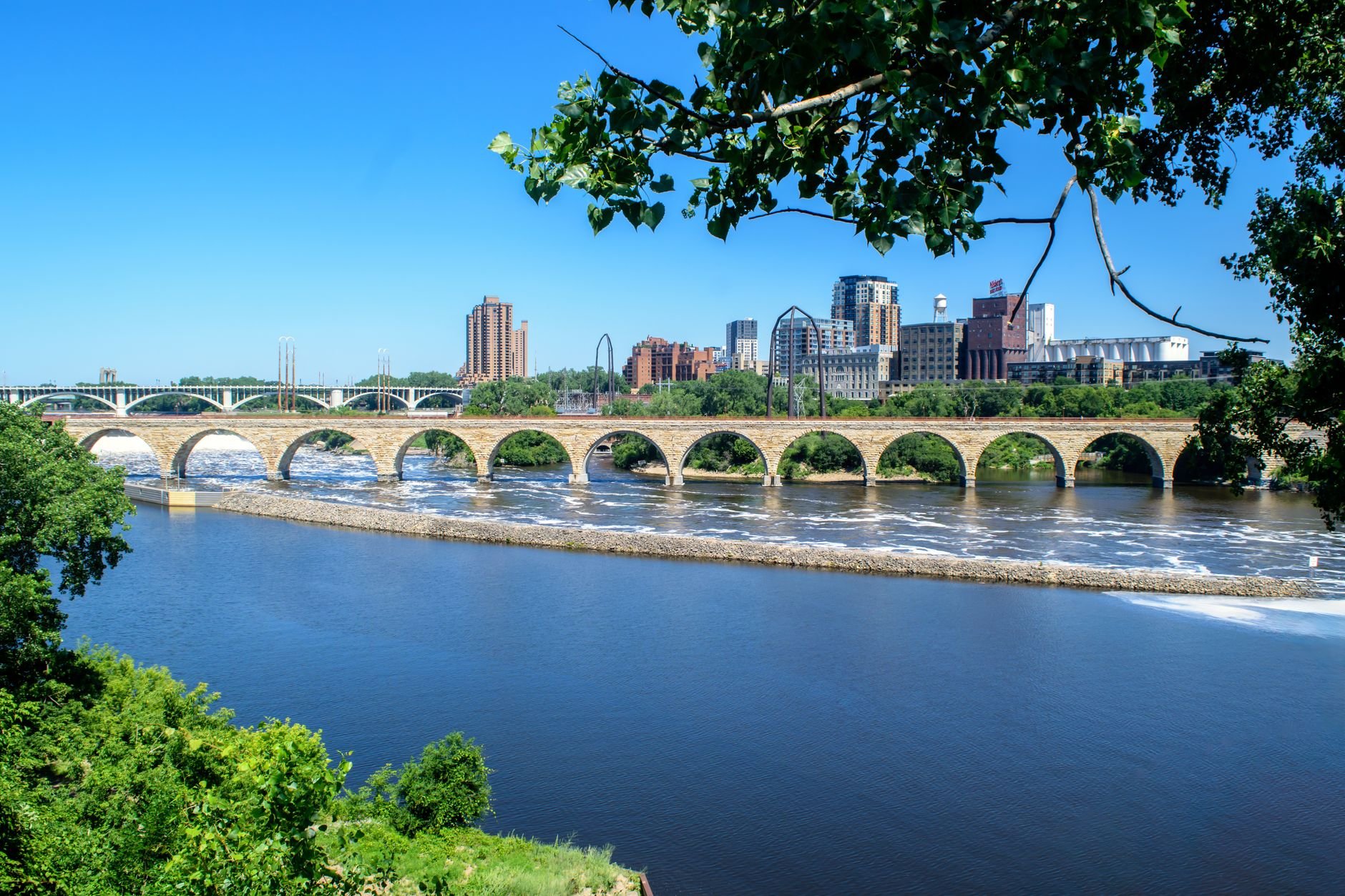
Minneapolis sits at the heart of Minnesota, straddling the Mississippi River just north of where it meets the Minnesota River. The city occupies a relatively flat glacially formed landscape punctuated by lakes, wetlands, and the dramatic gorge of the Mississippi — a geography that shapes daily life in ways few American cities can claim. The Stone Arch Bridge, a 19th-century railroad viaduct converted to a pedestrian and cycling path, frames the St. Anthony Falls — the only natural waterfall on the Mississippi River — and offers one of the most striking urban viewpoints in the region.
Minneapolis and its twin city Saint Paul together form the core of a major metropolitan area of roughly 3.6 million people, making it the largest metro between Chicago and Seattle. The two cities share a capitol and an airport but maintain distinct personalities: Minneapolis is the younger, more commercially ambitious of the pair, with a skyline that reflects decades of corporate investment from companies like Target, General Mills, and Medtronic, all headquartered in the region.
Culturally, Minneapolis is shaped by successive waves of immigration. Scandinavian settlers established the city's early character, leaving a legacy visible in architecture, food traditions, and civic values. In more recent decades, the city has become home to one of the largest Somali communities in the United States and a significant Hmong population, both of which have profoundly influenced the city's food, neighborhoods, and cultural life.
The city is also defined by a spirit of creative independence. Minneapolis has produced an outsized number of influential musicians, writers, and visual artists relative to its size. The legacy of Prince looms largest, but the city's independent music scene, literary community, and theater culture all reflect a place that takes creative work seriously. For travelers, this translates into a destination that rewards curiosity: there is always something specific, local, and genuinely worth seeking out.
Late spring and summer, from late May through August, represent the peak window for visiting Minneapolis. The lakes are fully open, the Chain of Lakes trail system is buzzing with cyclists and paddlers, and the city's outdoor festival calendar is in full swing. The Minneapolis Sculpture Garden, outdoor patios along the North Loop, and events like the Stone Arch Bridge Festival make this the most vibrant stretch of the year. Crowds are at their highest in July and early August, particularly around the lakes and popular neighborhoods, so booking accommodations in advance is essential.
Fall is the most underrated time to visit. September and October bring some of the most beautiful conditions the city offers, with foliage peaking across Minnehaha Park, the Chain of Lakes, and Theodore Wirth Regional Park. Crowds thin noticeably after Labor Day, and the cultural calendar picks up with theater seasons opening at the Guthrie and other major venues. Travelers who prioritize atmosphere over weather will find fall especially rewarding.
Spring is a transitional season best suited to travelers who want to experience the city's arts and dining scene without the summer crowds. May is the sweet spot, when outdoor life begins to return and the city feels energized without the peak-season pressure on hotels and restaurants.
Winter draws a niche but enthusiastic visitor: those who come for the Minneapolis skyway system, indoor cultural institutions like the Minneapolis Institute of Art and First Avenue, and the city's cold-weather character. It is the quietest and most affordable time to visit, and travelers who embrace the season will find the city remarkably functional and locally authentic. Ice fishing on the lakes and warming huts along trails add a distinctly Minnesotan dimension to a winter visit.
Once a warehouse district, the North Loop has evolved into Minneapolis's most fashionable neighborhood, packed with independent restaurants, craft breweries, and boutique shops housed in converted brick buildings. It draws a design-conscious crowd and serves as the city's most concentrated hub for nightlife and dining. The tree-lined streets and restored industrial architecture give it a character that feels both historic and forward-looking.
Uptown is the city's bohemian heartland, centered on the intersection of Hennepin Avenue and Lake Street and spilling out toward the shores of Bde Maka Ska. It is dense with vintage shops, independent bookstores, music venues, and a cafe culture that thrives year-round. The neighborhood has long been a gathering point for artists, students, and anyone drawn to a more eclectic, street-level version of the city.
Known locally as Northeast or NE, this neighborhood retains the working-class Eastern European immigrant character of its past while hosting one of the densest concentrations of artist studios and galleries in the Midwest. The Minneapolis Art on Broadway corridor and a string of taprooms along Central Avenue make it a natural destination for gallery-hopping and craft beer. It feels unhurried and authentic compared to trendier parts of the city.
Minneapolis's downtown core is anchored by the Nicollet Mall pedestrian corridor, the Guthrie Theater perched above the Mississippi River, and the skyway system that connects much of the city above street level. The adjacent Warehouse District blends historic architecture with performance venues, hotels, and proximity to Target Field. It is the city's civic and commercial center, and the starting point for most first-time visitors.
The stretch of Nicollet Avenue through the Whittier neighborhood, known as Eat Street, is one of the most diverse dining corridors in the entire Midwest, lined with Vietnamese, Ethiopian, Mexican, Somali, and Japanese restaurants side by side. The surrounding Whittier neighborhood is residential and walkable, with a strong arts presence anchored by the Minneapolis Institute of Art just blocks away. It is the best place in the city to eat well without spending much.
Minneapolis has a handful of experiences that are entirely its own — the reasons travelers return and the things no other city can replicate.
The Chain of Lakes
The Chain of Lakes is not simply a park amenity — it is the organizing principle of Minneapolis life. Circling Bde Maka Ska, Lake of the Isles, Cedar Lake, and Lake Harriet by bike or on foot is a rite of passage for visitors. In summer, the lakes fill with kayakers, paddleboarders, and open-water swimmers. In winter, the same paths become corridors for cross-country skiers and cold-weather runners, a testament to the city's refusal to retreat indoors.
Prince's Minneapolis
No other American city is so thoroughly shaped by a single artist. Prince recorded, performed, and lived in Minneapolis for his entire career, and his presence is still felt throughout the city. Paisley Park in nearby Chanhassen — his recording studio, creative compound, and final home — offers guided tours that are unlike any other music experience in the country. First Avenue, the downtown venue where Purple Rain was filmed, remains an active concert hall and a pilgrimage site for fans worldwide.
The Guthrie Theater
The Guthrie is not just a theater — it is a civic institution and an architectural landmark. Designed by Jean Nouvel and cantilevered dramatically over the Mississippi River, the building alone is worth a visit. The Endless Bridge, a cantilevered lobby extension, offers one of the most striking views of the Mississippi riverfront available to the public. Productions at the Guthrie set a standard that draws theater-goers from across the region.
Mill City and the Mississippi Riverfront
Minneapolis was built on the power of the Mississippi River, and the Mill City Museum preserves that origin story within the ruins of what was once the world's largest flour mill. The riverfront corridor, stretching from the Stone Arch Bridge through the historic milling district, connects industrial history with contemporary public space in a way that is specific to Minneapolis and unlike anything else in the Upper Midwest.
Minneapolis rewards travelers across every interest. The city's activity landscape spans world-class cultural institutions, an extraordinary urban lake system, a thriving performing arts scene, and a food and drink culture that has earned national recognition.
Outdoor Recreation
Minneapolis is defined by its lakes and trails. The Chain of Lakes — connecting Bde Maka Ska, Lake of the Isles, Cedar Lake, and Lake Harriet — forms one of the great urban recreational corridors in the country. Cyclists, runners, kayakers, and paddleboarders share a continuous network of paths that encircles each lake. The Grand Rounds Scenic Byway extends the trail system throughout the city, while Minnehaha Falls and its surrounding regional park offer wooded hiking and one of the most photographed natural landmarks in Minnesota.
Cultural Attractions
The Minneapolis Institute of Art houses more than 89,000 objects spanning 5,000 years of human history, with free general admission. The Walker Art Center anchors the contemporary art scene, with a permanent collection and the adjacent Minneapolis Sculpture Garden — home to the iconic Spoonbridge and Cherry sculpture. The Mill City Museum, built into the ruins of a historic flour mill on the Mississippi riverfront, tells the story of Minneapolis as the flour-milling capital of the world.
Arts and Entertainment
Minneapolis holds one of the highest concentrations of theater seats per capita in the United States outside of New York City. The Guthrie Theater, the Orpheum, and the State Theatre anchor a performing arts scene that draws productions of national caliber. Live music venues throughout the city reflect a deep local music culture shaped in part by Prince's enduring legacy.
Food and Dining
The Minneapolis dining scene is rooted in Scandinavian and Somali culinary traditions, layered with a new generation of chef-driven restaurants. The North Loop neighborhood is a hub for independent restaurants and craft breweries. Eat Street on Nicollet Avenue offers one of the most diverse stretches of international cuisine in the Midwest.
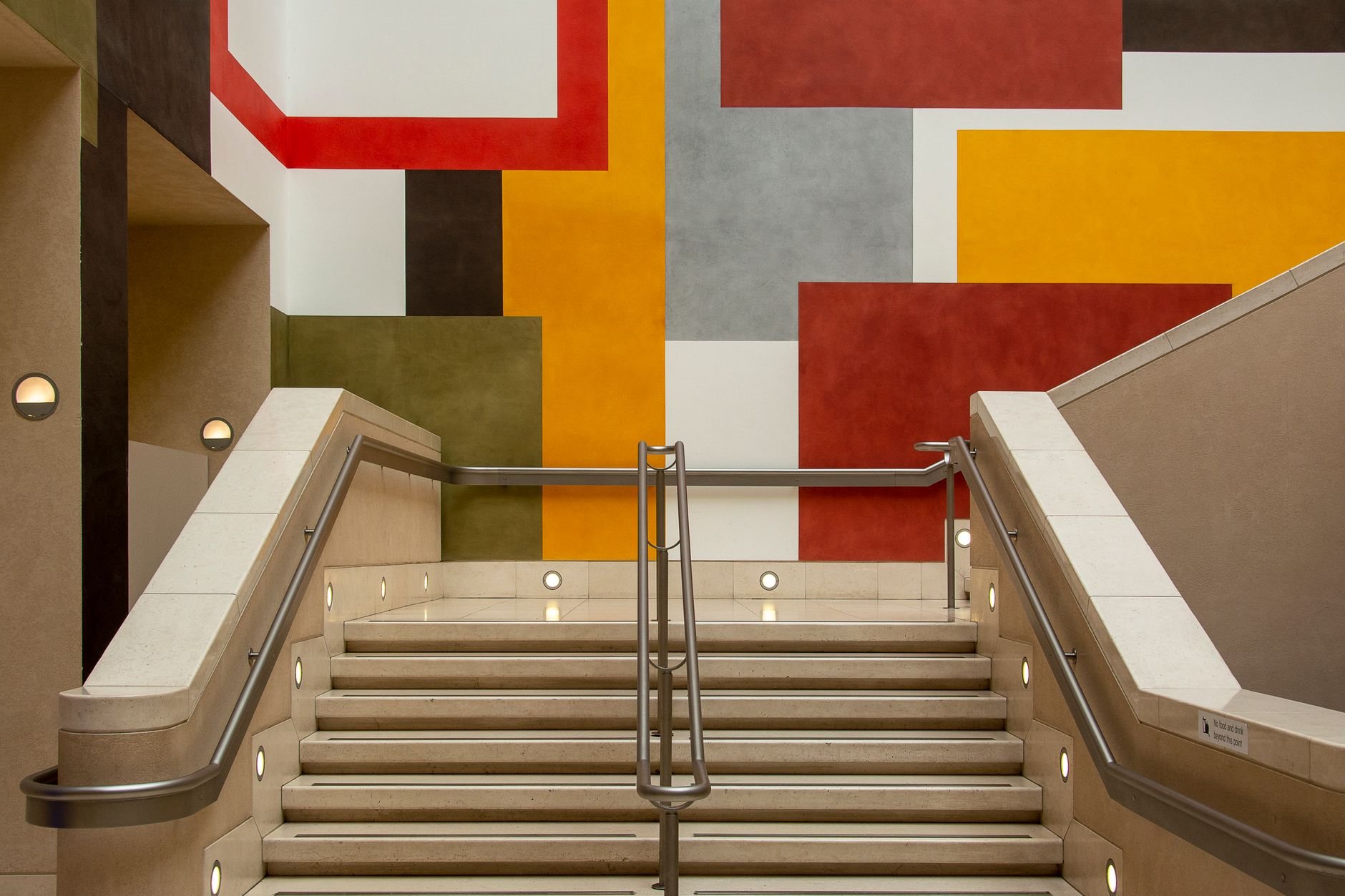
Start the morning at the Minneapolis Institute of Art, where free admission opens up 89,000 works across five floors. Head to the North Loop for lunch at one of its acclaimed independent restaurants, then browse boutique shops along Washington Avenue. In the evening, catch a performance at the Orpheum Theatre or grab craft beers at a North Loop brewery.
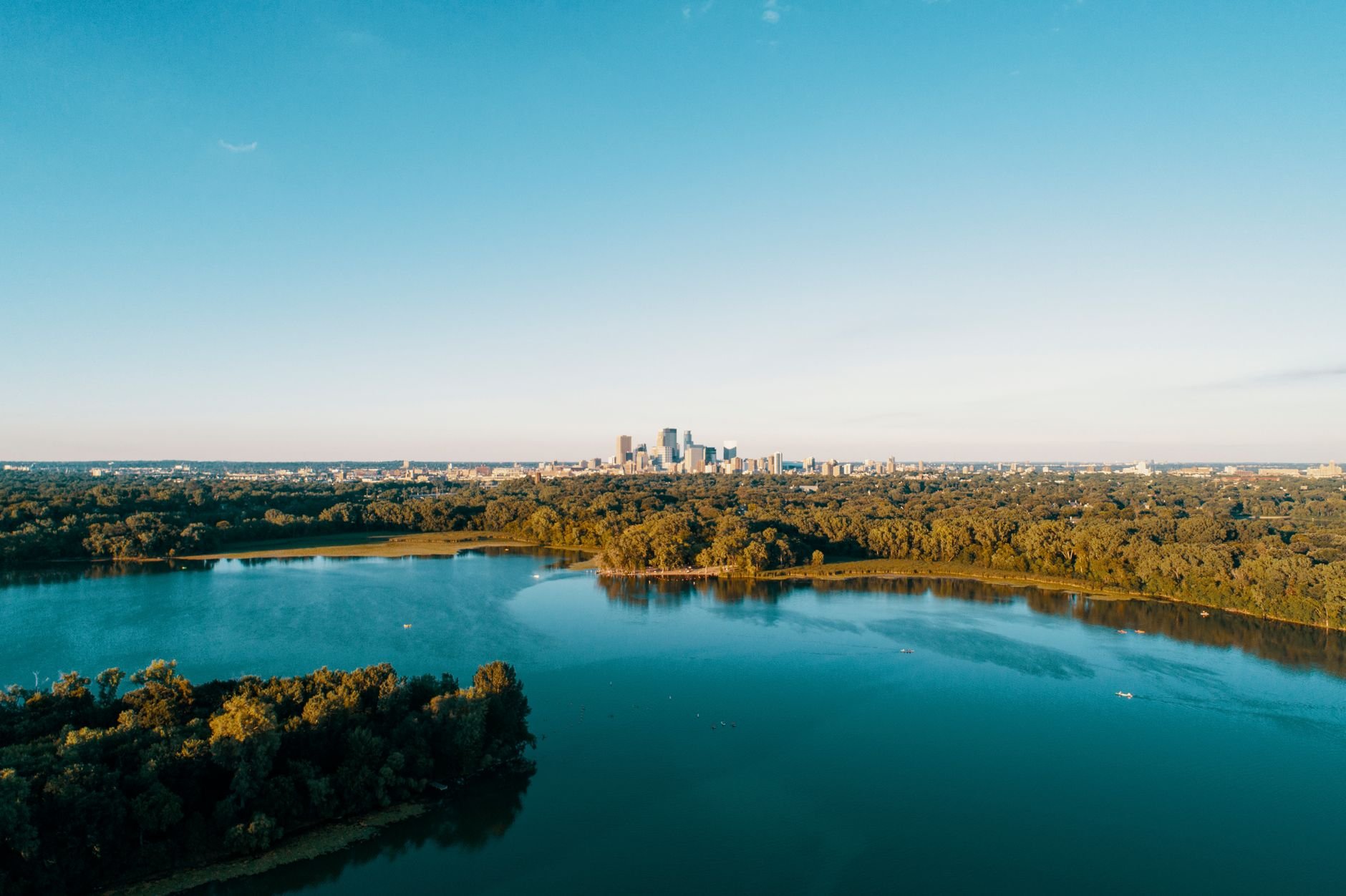
Spend the morning cycling or walking the Chain of Lakes trail, looping past Bde Maka Ska, Lake of the Isles, and Lake Harriet. Rent a paddleboard or kayak for an afternoon on the water. Wind down with dinner in the Uptown neighborhood, where laid-back cafes and lively restaurants line Hennepin and Lake Street into the evening.
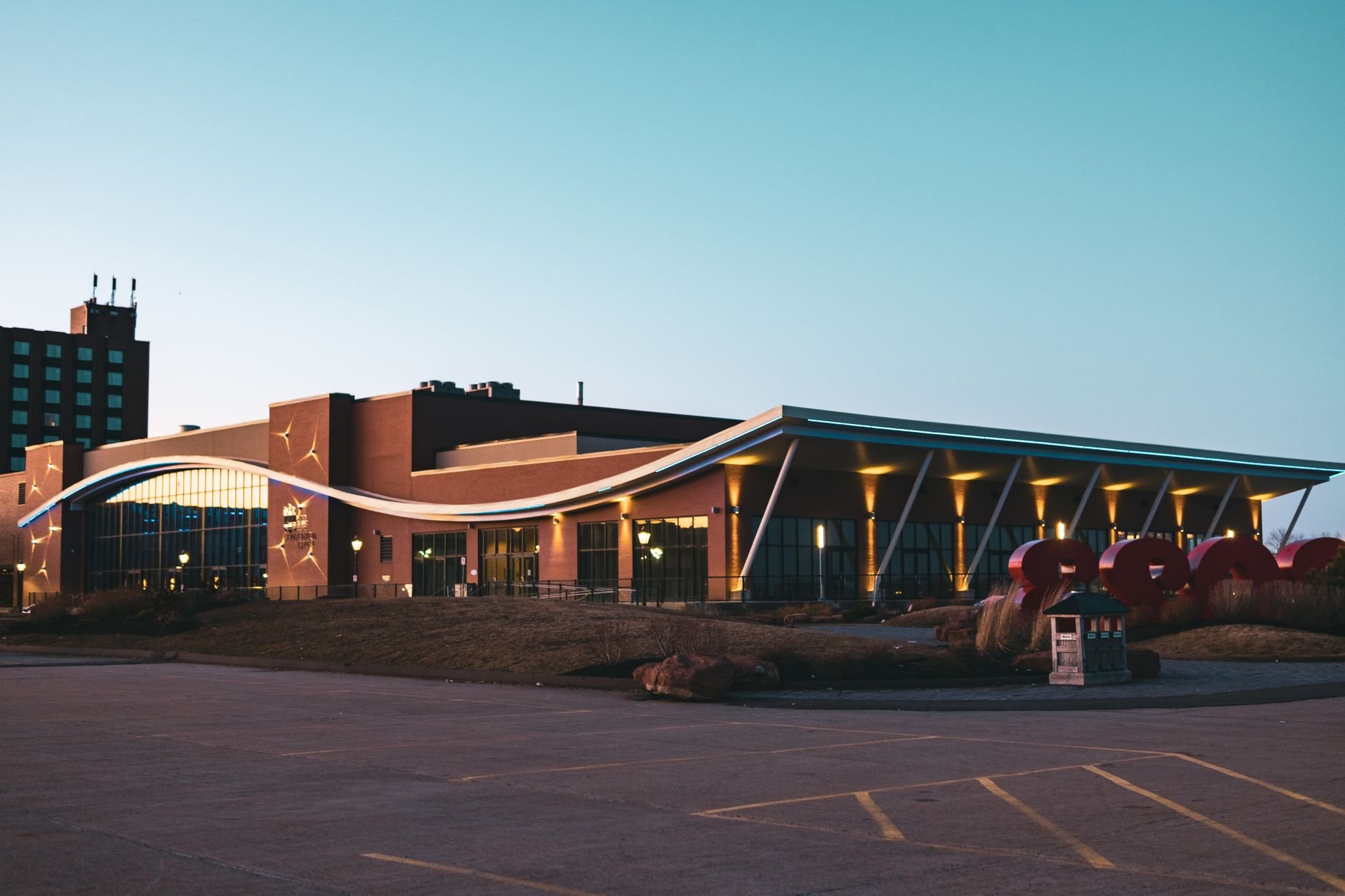
Make the short drive to Paisley Park in Chanhassen for a morning tour of Prince's legendary studio complex. Back in the city, spend the afternoon exploring Eat Street on Nicollet Avenue, sampling Somali, Vietnamese, and Latin cuisine. End the trip with a show at the Guthrie Theater, perched above the Mississippi River with stunning views of the city.
Minneapolis pulses with cultural energy across all four seasons, shaped as much by its Nordic heritage and vibrant arts scene as by its legendary resilience in the face of winter. Summer is the city's social peak, when the lakes fill with paddlers and the streets come alive with outdoor concerts, neighborhood festivals, and farmers markets. Fall brings a quieter rhythm, with the theater season kicking into gear at the Guthrie and the trees around the Chain of Lakes turning gold. Winter, far from shutting the city down, is embraced with ice skating, warming houses, and the famous Minnesota attitude that cold weather is no excuse to stay indoors. Spring signals a collective exhale, with patios opening early and the city's cycling and running culture returning in full force.
Minneapolis has emerged as one of the Midwest's most compelling culinary destinations, shaped by a layered heritage that spans Scandinavian tradition, Somali influence, and a bold new wave of chef-driven cooking. The city's food identity is genuinely its own - rooted in immigrant communities and refined by a generation of chefs who have chosen to build here rather than elsewhere.
Minneapolis-Saint Paul International Airport (MSP) is the primary arrival point for most travelers,
located about 12 miles south of downtown with direct flights from across the U.S. and select international destinations.
The METRO Blue Line light rail connects MSP directly to downtown Minneapolis,
with a ride of roughly 25 minutes and a fare under $3, making it one of the most convenient airport-to-city transit links in the Midwest.
Interstate 94 is the main driving corridor into Minneapolis from the east,
linking the city to Saint Paul, Madison, and Chicago, while I-35W serves travelers arriving from the south and north.
Amtrak's Empire Builder stops at Target Field Station in downtown Minneapolis,
offering a scenic rail option for travelers coming from Chicago (about 8 hours) or from the Pacific Northwest.
Greyhound and FlixBus both serve Minneapolis with routes from Chicago, Milwaukee, and other Midwest cities,
arriving at or near the downtown bus depot and offering a budget-friendly alternative to flying or driving.
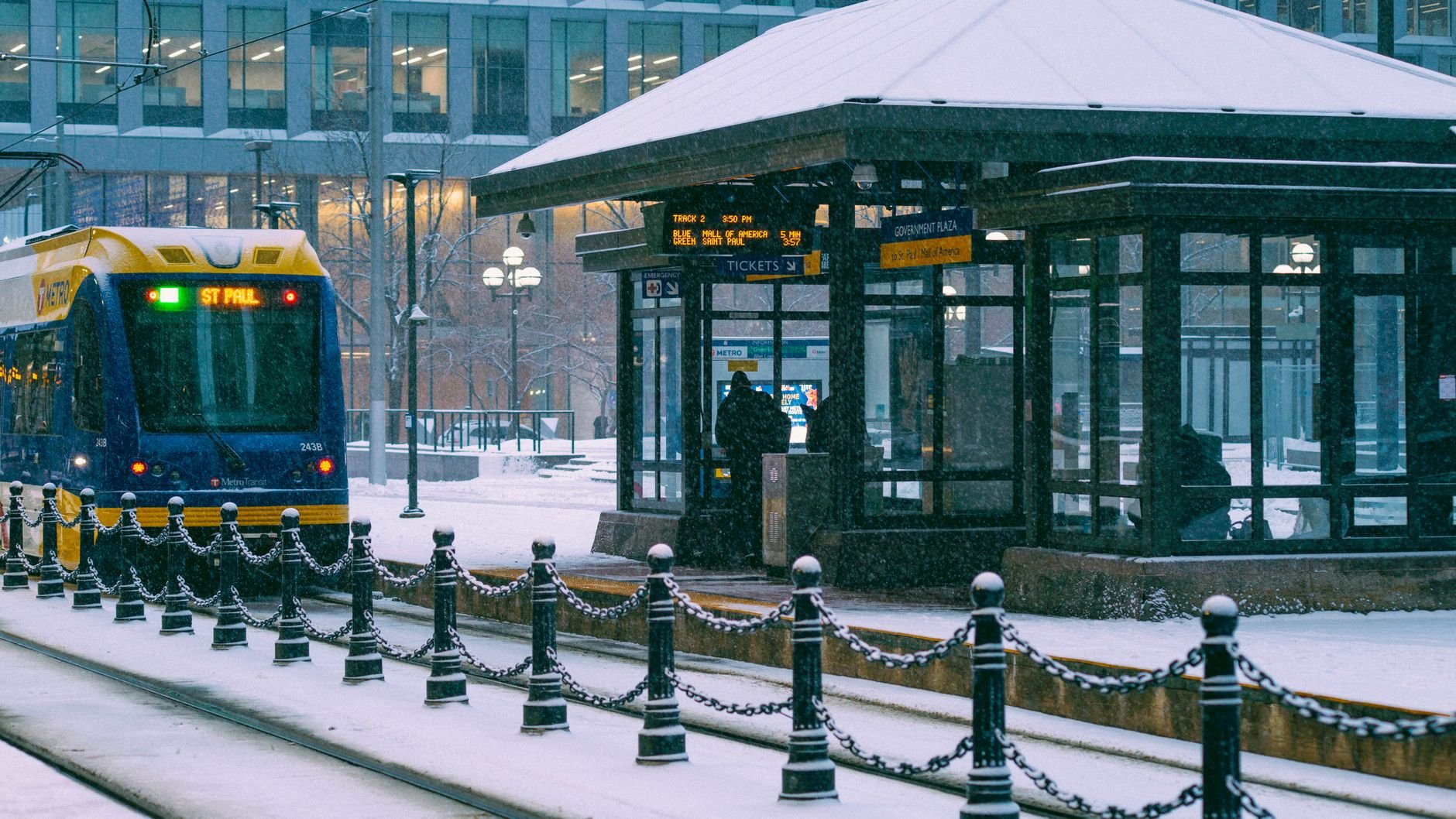
The METRO Blue and Green Lines cover the most-traveled corridors in the city,
connecting downtown Minneapolis to the airport, Mall of America, and Saint Paul for under $3 per ride with frequent service throughout the day.
Minneapolis's Skyway System spans 80 connected blocks of downtown,
allowing pedestrians to walk between hotels, restaurants, and offices entirely indoors - a critical advantage during the city's cold winters.
The Chain of Lakes and surrounding neighborhoods are best explored by bike,
with dedicated trails circling each lake and Nice Ride Minnesota docking stations positioned throughout Uptown, the North Loop, and beyond.
Rideshare via Uber and Lyft is widely available across Minneapolis,
making it the most practical option for reaching neighborhoods like Northeast or Seward that are farther from the light rail lines.
Renting a car is worth considering if your itinerary includes Paisley Park in Chanhassen,
which is about 20 miles southwest of downtown and not accessible by public transit.
Minneapolis rewards travelers who plan ahead, especially for summer. The city's festival season runs from May through September, and popular events like the Minnesota State Fair (late August) and Basilica Block Party book nearby hotels quickly - reserve accommodations early if your trip overlaps with major events. The Go Minneapolis Pass can offer savings if you plan to visit multiple paid attractions. Tipping follows standard U.S. norms: 18 to 20 percent at restaurants, and a few dollars for rideshare and hotel staff. The Metro Transit app is the most reliable tool for navigating bus and light rail schedules. Minneapolis is generally a safe city, though standard urban awareness applies after dark in unfamiliar areas. Winters are serious - temperatures regularly drop below zero Fahrenheit - so layer aggressively and take advantage of the Skyway System to move between destinations without braving the cold.
Three to four days is a comfortable amount of time to explore Minneapolis. That gives you enough time to visit the Minneapolis Institute of Art, walk or bike the Chain of Lakes, explore neighborhoods like the North Loop and Eat Street, catch a show at the Guthrie Theater, and sample the city's diverse restaurant scene without feeling rushed.
Minneapolis is best known for its 22 urban lakes and extensive trail network, its thriving arts scene anchored by the Guthrie Theater and the Minneapolis Institute of Art, and its diverse food culture rooted in Scandinavian and Somali heritage. The city is also closely tied to Prince's musical legacy, with Paisley Park located nearby in Chanhassen.
Yes, Minneapolis works well as a weekend trip. In two days you can cover the Chain of Lakes, the Minneapolis Institute of Art, and a few standout meals in the North Loop or along Eat Street. The city is compact and walkable in key areas, making it easy to get a strong sense of its character without a long itinerary.
Minneapolis is moderately priced compared to major coastal cities. Many top attractions are free or low cost - the Minneapolis Institute of Art has free general admission. Dining ranges from affordable international spots on Eat Street to upscale chef-driven restaurants. Hotels vary widely by neighborhood and season, with generally reasonable rates outside of major events.
Late spring through early fall - roughly May to September - offers the best weather for exploring the lakes, trails, and outdoor dining. Summer brings festivals, long days, and full use of the Chain of Lakes recreational corridor.