
Baltimore, MD
A Journey guide to
St. Paul is Minnesota's capital city, and it wears that status with quiet confidence. Unlike its flashier twin across the Mississippi, St. Paul rewards travelers who slow down and look closely. The city is defined by its stunning Beaux-Arts architecture, its deep roots in Irish and German immigrant culture, and a civic pride that runs through every neighborhood. It is a city that has always known exactly what it is.
The arts scene here is genuinely world-class. The Ordway Center for the Performing Arts anchors a thriving cultural district in Rice Park, while the Minnesota Museum of American Art and the Fitzgerald Theater - home of Garrison Keillor's legendary radio broadcasts - give the city a creative identity that is entirely its own. St. Paul's literary and musical heritage runs deep, from F. Scott Fitzgerald's Summit Avenue birthplace to a jazz and blues tradition that still pulses through its clubs.
Foodies and neighborhood explorers will find St. Paul endlessly rewarding. The city is home to one of the largest Hmong communities in the United States, and the Hmong Village and Hmong American Farmers Association markets are essential stops. Grand Avenue offers a walkable stretch of independent boutiques, James Beard-recognized restaurants, and Victorian brownstones that make window-shopping feel like a history lesson.
St. Paul appeals to travelers who value authenticity over spectacle. History enthusiasts come for the James J. Hill House, Fort Snelling, and the Science Museum of Minnesota perched above the river. Families are drawn to Como Park Zoo and Conservatory, one of the few free zoos in the country. And those who simply want to experience a genuinely livable, culturally rich American city will find St. Paul delivers on every count.
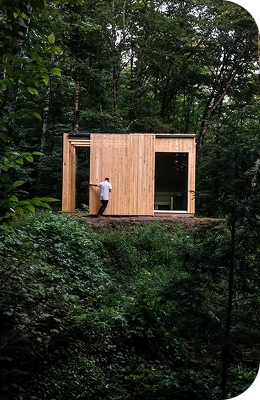

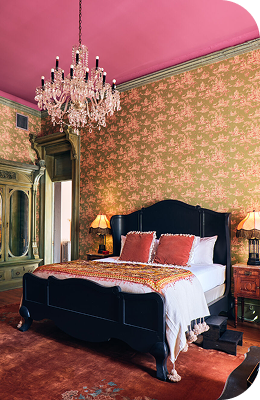

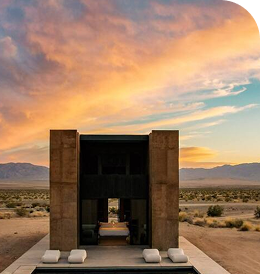

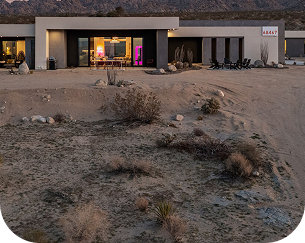

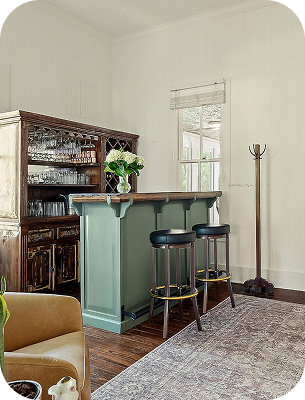

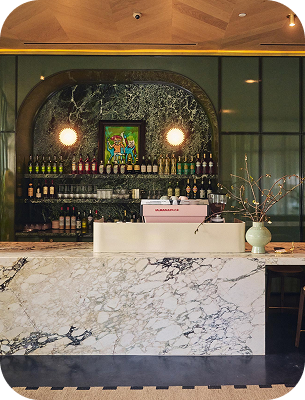

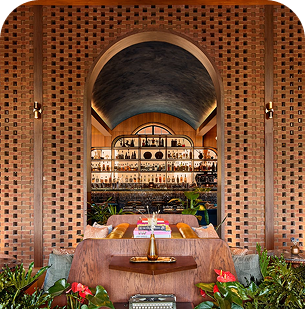

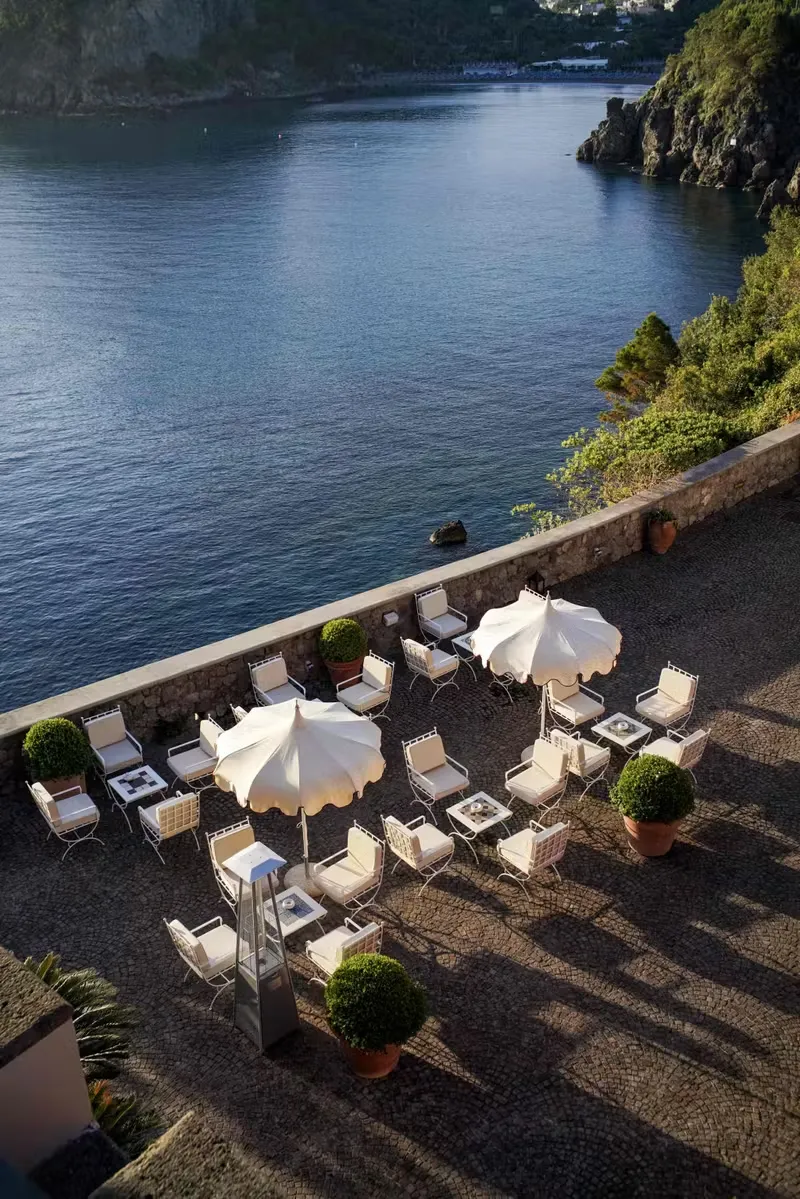

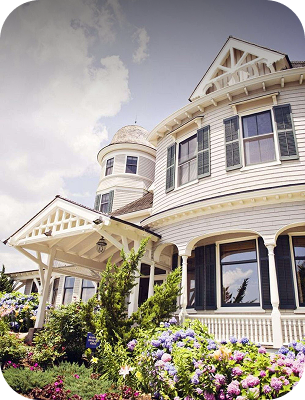

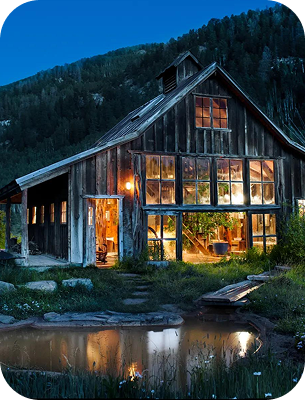

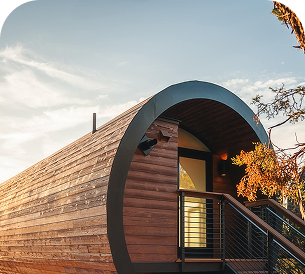

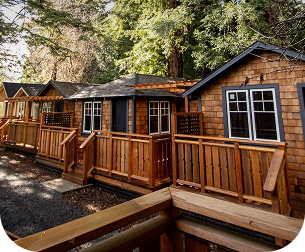

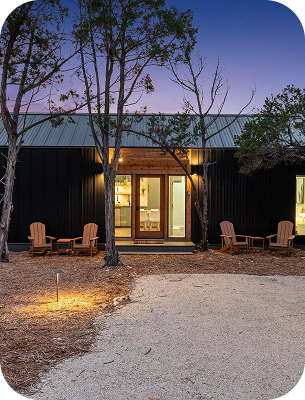

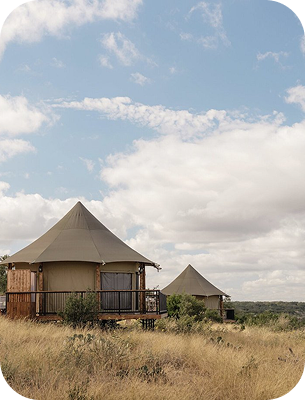

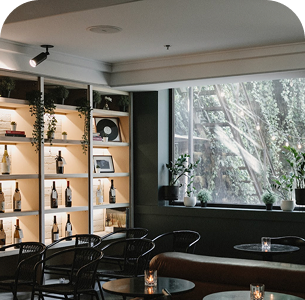

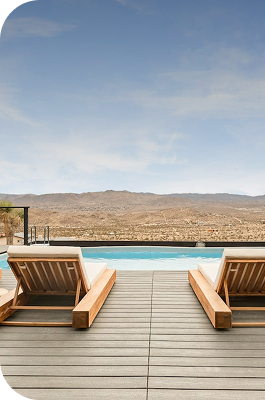

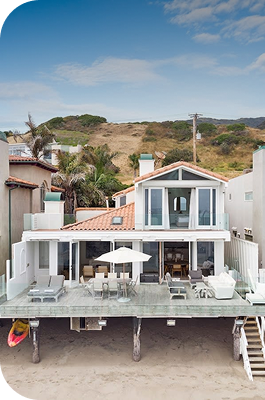

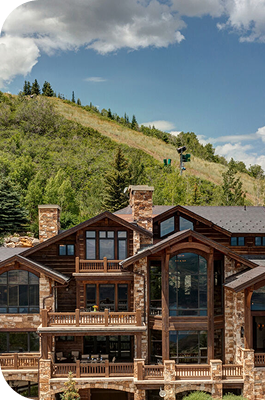
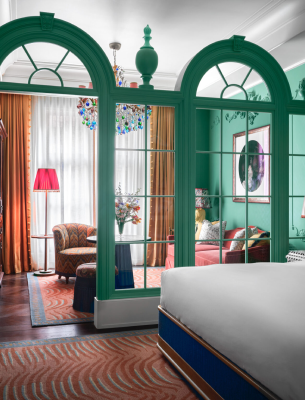
Journey connects travelers to a curated network of boutique hotels and distinctive residences around the world, all united under one rewards program. Explore handpicked stays for your trip while earning points, unlocking exclusive offers, and receiving rewards across the Journey collection.
St. Paul sits on the eastern bank of the Mississippi River, directly across from Minneapolis, and the two cities form one of the most dynamic metropolitan areas in the American Midwest. Yet St. Paul has always maintained a character entirely distinct from its neighbor. Where Minneapolis trends modern and forward-looking, St. Paul is rooted, layered, and architecturally magnificent in ways that consistently surprise first-time visitors.
The city was founded at the confluence of the Mississippi and Minnesota Rivers, a location that made it a critical hub for 19th-century commerce and westward expansion. It became the territorial capital in 1849 and the state capital when Minnesota achieved statehood in 1858. That political and economic centrality shaped the built environment: Summit Avenue, stretching nearly five miles along a bluff above the river, is the longest surviving stretch of Victorian residential architecture in the United States. The James J. Hill House, the F. Scott Fitzgerald residence, and dozens of other landmark properties line this corridor, making a walk along Summit Avenue one of the most compelling architectural experiences in the country.
The city's cultural identity has been shaped by successive waves of immigration. Irish and German settlers arrived first, followed by Scandinavians, Eastern Europeans, and later significant communities from Southeast Asia and East Africa. Today, St. Paul is home to the largest urban Hmong population in the United States, and that community's influence on the city's food, culture, and civic life is profound and visible.
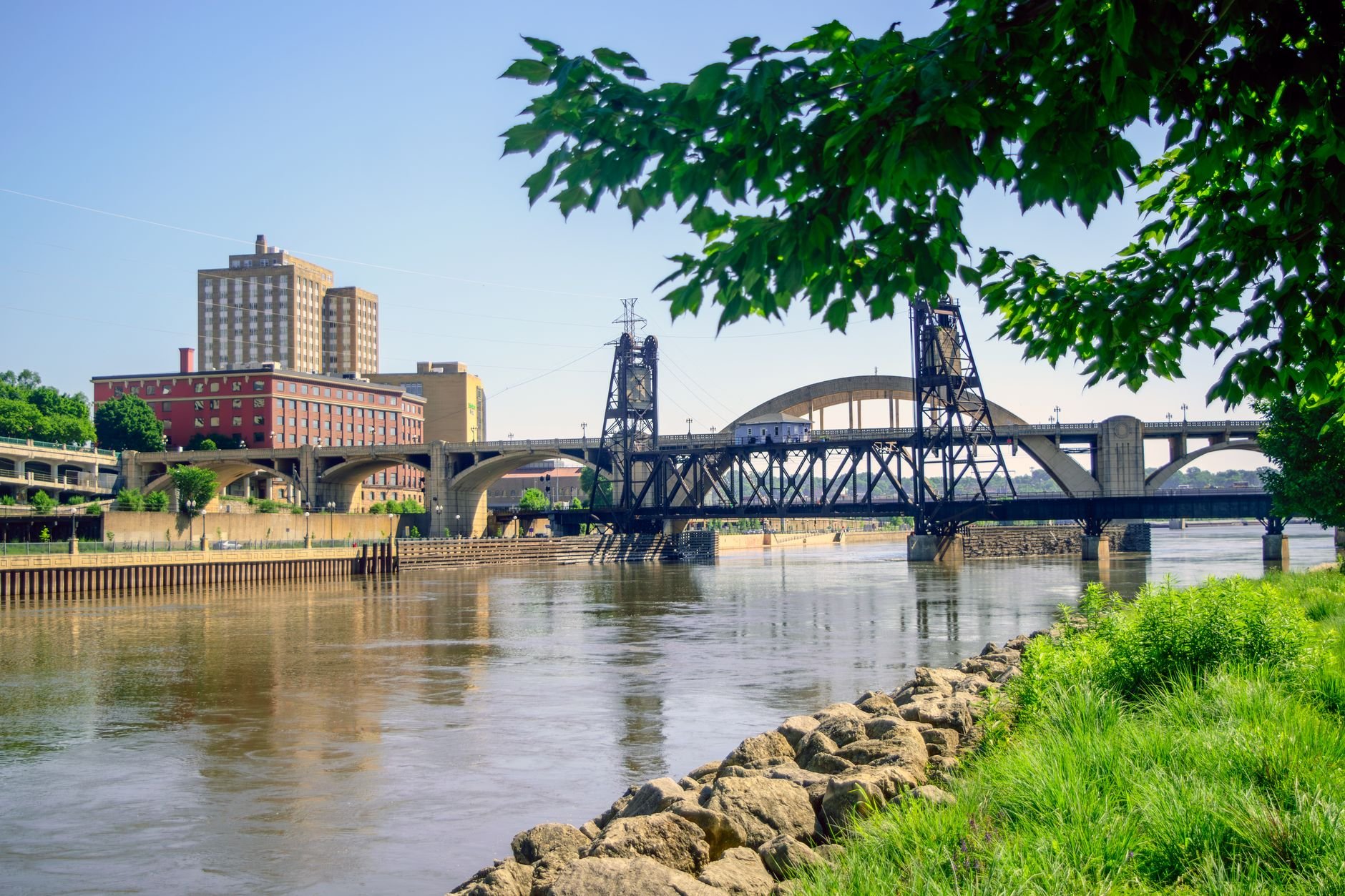
St. Paul's relationship with the Mississippi River is central to its identity. The Science Museum of Minnesota and Harriet Island Regional Park both sit close to the riverbanks, and the city's extensive trail network connects residents and visitors to the water in ways that feel genuinely integrated into daily life. The overall travel atmosphere is one of discovery: St. Paul is a city that does not announce itself loudly, but consistently delivers more than expected.
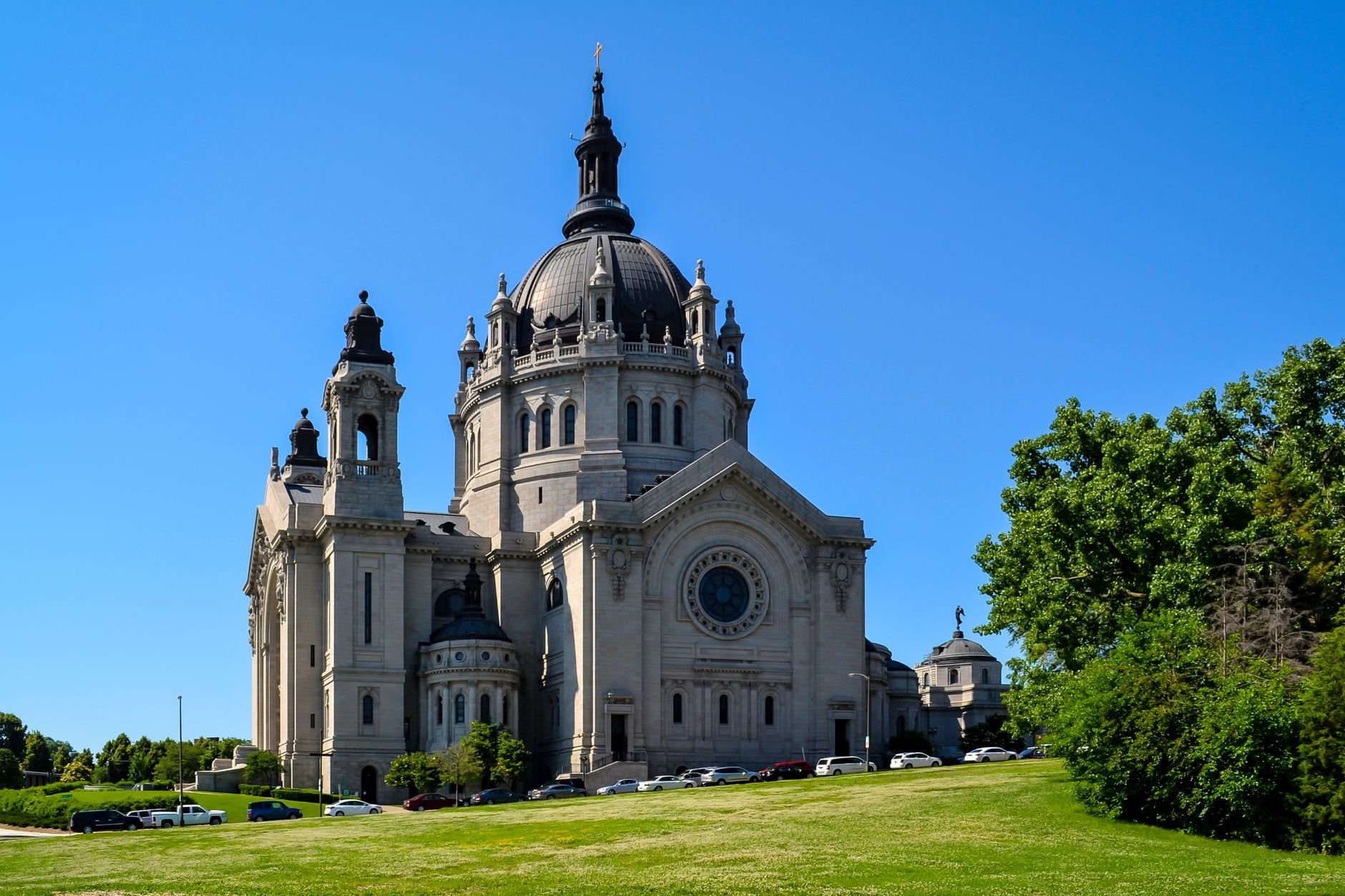
Late spring and early fall are the sweet spots for visiting St. Paul. May and June bring the city fully to life after winter, with outdoor markets opening, parks filling in, and a packed calendar of neighborhood festivals and cultural events. Crowds are manageable compared to peak summer, and the city's walkable districts — Grand Avenue, Lowertown, and the Mississippi riverfront — are at their most inviting. This window also coincides with the St. Paul Farmers Market hitting its stride and the performing arts season wrapping up with marquee programming at the Ordway.
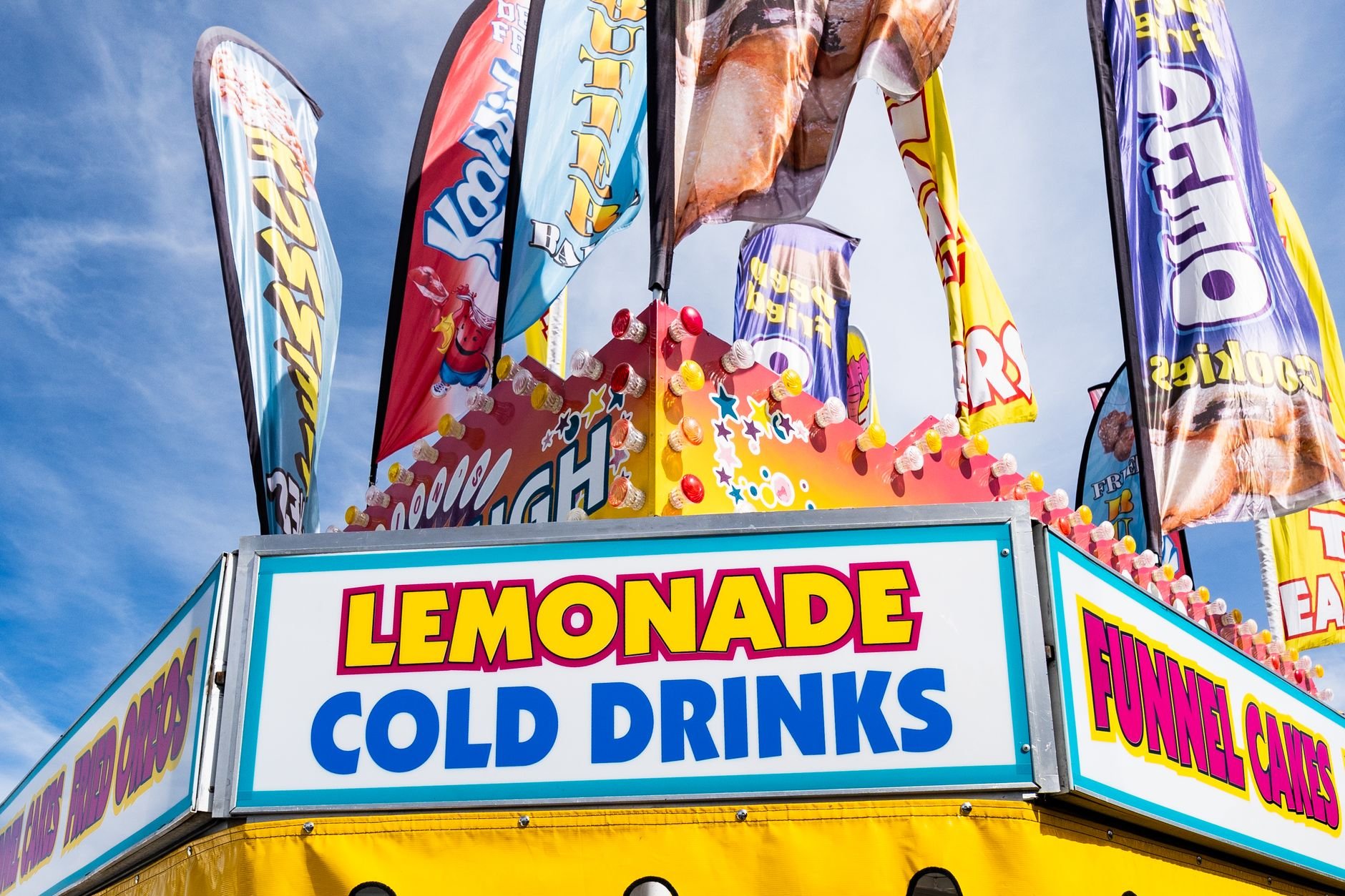
Summer, particularly July and August, draws the largest crowds and the fullest event calendar. The Minnesota State Fair, held at the end of August straddling into early September, is one of the largest in the country and a genuine cultural institution — worth planning a trip around, but expect high hotel demand and busy streets. Summer is also the best time for outdoor concerts, river activities, and exploring Como Park and the city's extensive trail network.
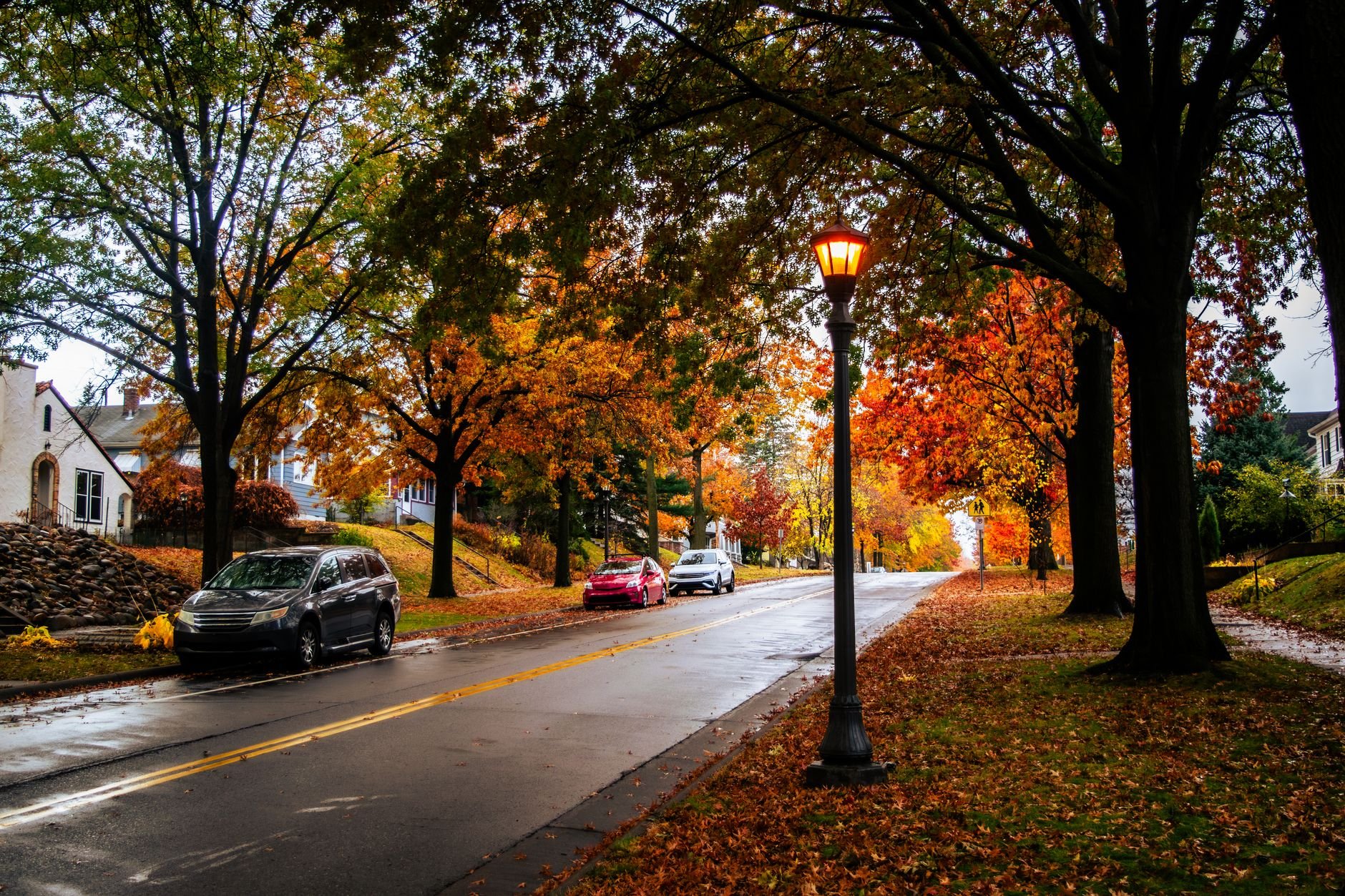
Fall, especially September through mid-October, rivals late spring as the most rewarding time to visit. Foliage across Summit Avenue's elm canopy and the bluffs above the Mississippi turns spectacular, and the city's arts and dining scenes shift into high gear as the indoor season ramps up. Crowds thin noticeably after Labor Day, making it easier to get reservations and enjoy the city at a relaxed pace.
Winter is for the committed and the curious. St. Paul leans into the cold rather than hiding from it — the St. Paul Winter Carnival, one of the oldest winter festivals in the nation, transforms January into a celebration. Visitors who embrace the season will find a quieter, more local side of the city with minimal tourist traffic and full access to the cultural calendar.
The civic and cultural heart of the city, Downtown St. Paul is anchored by the stunning Beaux-Arts architecture of Rice Park, the Ordway Center for the Performing Arts, and the landmark St. Paul Cathedral. Travelers find world-class museums, riverfront views from the Science Museum of Minnesota, and a walkable core that feels grand without being overwhelming.
Grand Avenue is St. Paul's most beloved street for strolling, lined with Victorian brownstones, independent boutiques, coffee shops, and some of the city's best restaurants. The corridor stretches through the Cathedral Hill and Mac-Groveland neighborhoods, blending residential charm with a lively commercial strip that locals and visitors alike return to again and again.
Summit Avenue is one of the best-preserved Victorian residential boulevards in the United States, stretching nearly five miles past mansion after mansion of Romanesque and Queen Anne architecture. The avenue is home to the James J. Hill House and the birthplace of F. Scott Fitzgerald, making it as much a literary and historical landmark as a neighborhood to explore.
Lowertown is St. Paul's creative district, a revitalized warehouse quarter near the Mississippi River packed with artist studios, galleries, craft breweries, and the beloved St. Paul Farmers Market. The neighborhood has a gritty, energetic character rooted in its industrial past, and its proximity to CHS Field and Union Depot makes it a hub for events and nightlife.
Frogtown and the broader East Side represent St. Paul's most culturally diverse communities, home to the largest Hmong population in the United States as well as vibrant Somali, Latino, and Karen communities. The Hmong Village market and the many family-run restaurants along University Avenue and Payne Avenue offer some of the most authentic and exciting food experiences in the entire Twin Cities.
St. Paul has a set of experiences that belong to no other city, and they are the reason travelers return.
Walking Summit Avenue
Summit Avenue is one of the best-preserved Victorian residential streets in the United States, stretching nearly five miles from the Cathedral of Saint Paul to the Mississippi River. The James J. Hill House, the Romanesque mansion built by the railroad baron who opened the American Northwest, anchors the avenue and offers guided tours that reveal the staggering scale of Gilded Age ambition. F. Scott Fitzgerald was born just off Summit Avenue, and the street's literary and architectural legacy makes every walk feel layered with history.
Exploring Hmong Village
St. Paul is home to one of the largest Hmong diaspora communities in the world, and Hmong Village is the cultural and commercial heart of that community. Visitors come specifically for the food stalls serving papaya salad, sai ua sausage, and sticky rice alongside vendors selling traditional textiles and herbal remedies. It is an immersive, authentic experience found nowhere else in the Midwest.
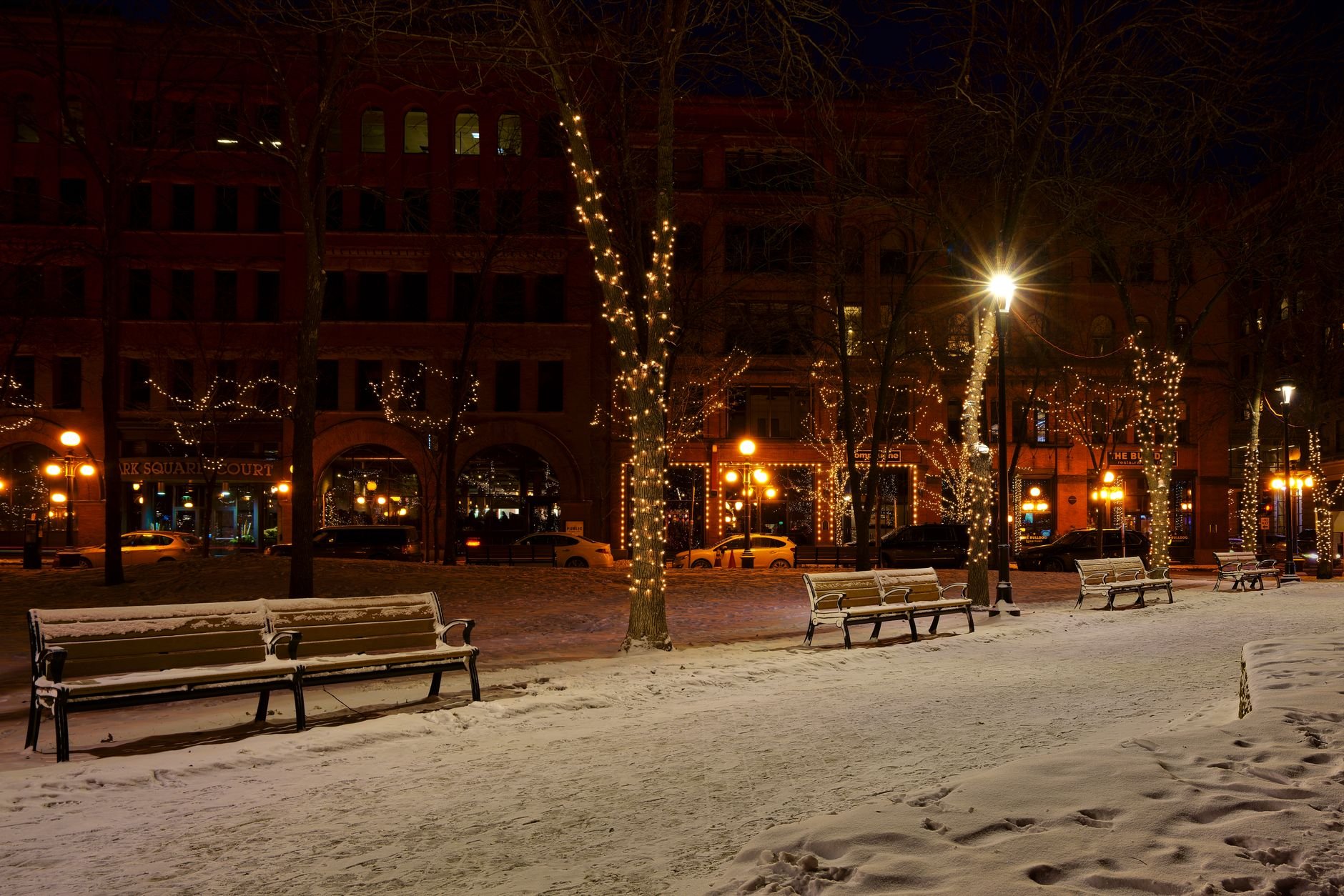
Rice Park in Winter
During the winter months, Rice Park transforms into one of the most enchanting public spaces in the region. The Saint Paul Winter Carnival, one of the oldest winter festivals in the country, fills the park with elaborate ice sculptures, ice palaces, and outdoor celebrations that embrace the cold rather than retreat from it. The surrounding Beaux-Arts buildings and the Landmark Center create a backdrop that feels genuinely cinematic.
A Night at the Fitzgerald Theater
Attending a live performance at the Fitzgerald Theater is a St. Paul rite of passage. The 1910 venue, with its ornate interior and storied connection to public radio broadcasting, creates an atmosphere that newer performance spaces simply cannot replicate. Whether the bill is comedy, folk music, or a literary reading, the Fitzgerald makes the experience feel like a piece of the city's living culture.
St. Paul, Minnesota offers travelers a rich mix of activity categories that reward both the curious and the unhurried.
Outdoor Recreation
St. Paul sits along the Mississippi River, giving visitors access to scenic trails, parks, and waterways. Harriet Island Regional Park is a beloved green space along the riverfront, ideal for walking, picnicking, and summer concerts. The Grand Round Scenic Byway connects many of the city's parks and lakes, making it a favorite for cyclists and joggers. Como Regional Park offers paddle boating, a golf course, and open lawns that draw families throughout the warmer months.
Cultural Attractions
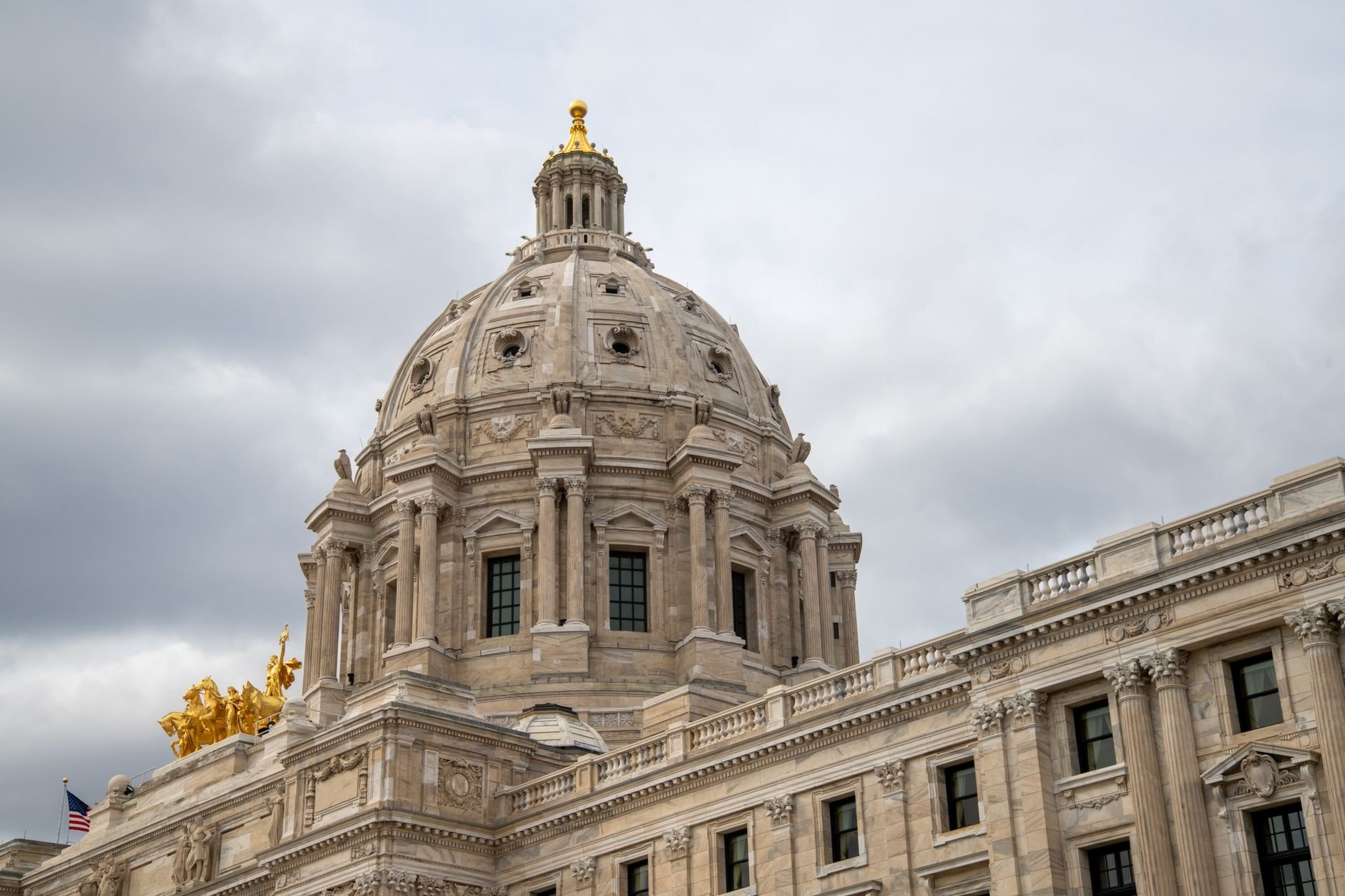
History runs deep in St. Paul. The Minnesota State Capitol, a Beaux-Arts masterpiece, is open for tours and stands as one of the most architecturally significant capitols in the country. The Science Museum of Minnesota perches above the Mississippi and features hands-on exhibits alongside an Omnitheater. Fort Snelling, just outside the city, brings early American frontier history to life through living history programs.
Arts and Entertainment
St. Paul's performing arts scene is anchored by the Ordway Center for the Performing Arts in Rice Park, home to the Minnesota Opera and Broadway touring productions. The Fitzgerald Theater, one of the oldest in the state, hosts live performances and is forever linked to Garrison Keillor's A Prairie Home Companion. The Minnesota Museum of American Art showcases works rooted in the region's creative identity.
Food and Dining
Grand Avenue is St. Paul's premier dining and boutique corridor, lined with James Beard-recognized restaurants, coffee shops, and independent eateries. The city's large Hmong community has shaped a distinctive food culture, with Hmong Village offering an extraordinary range of Southeast Asian dishes, groceries, and goods. The Lowertown neighborhood has emerged as a hub for craft breweries, wine bars, and farm-to-table dining.
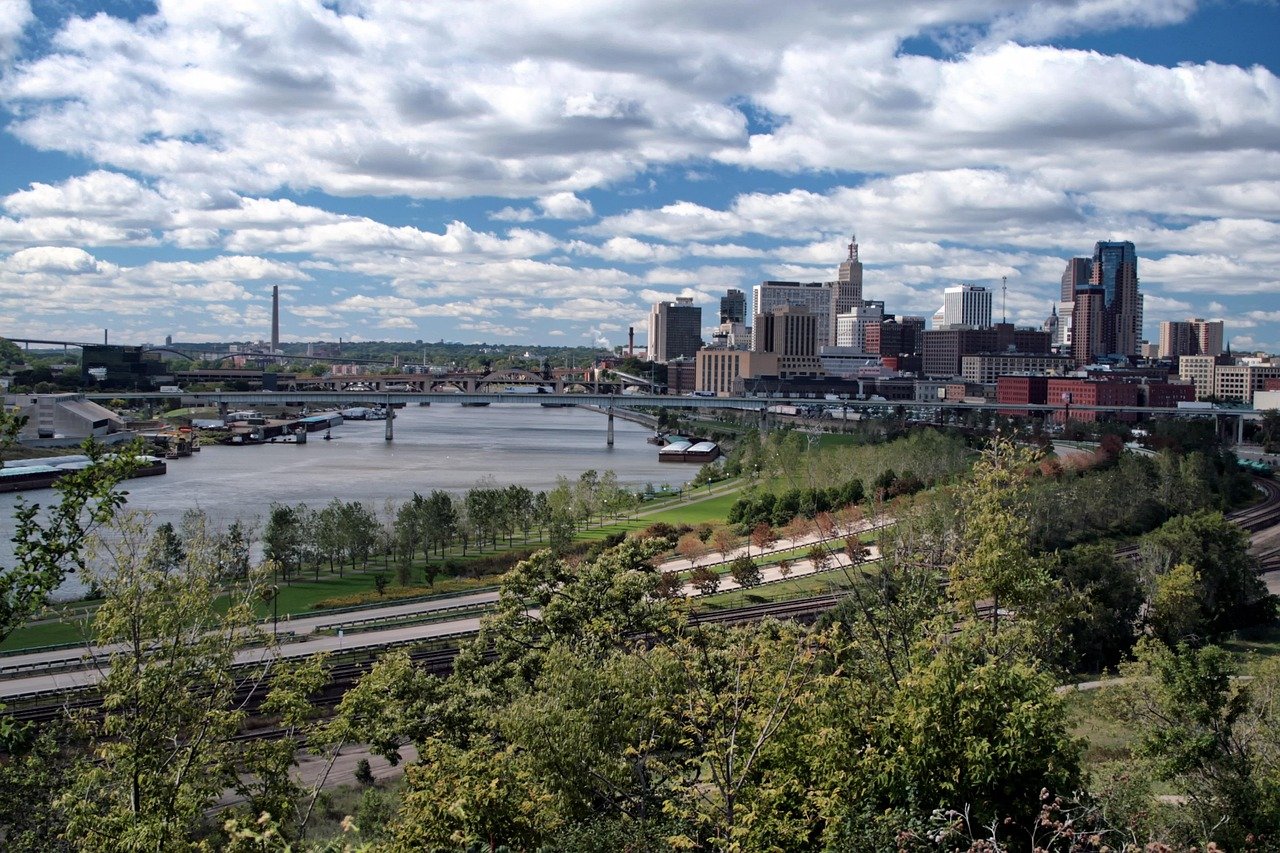
Start your morning at Rice Park, the heart of downtown St. Paul, surrounded by Beaux-Arts landmarks including the Ordway Center and Saint Paul Hotel. Head to the Science Museum of Minnesota for a riverfront afternoon with sweeping Mississippi views. In the evening, catch a live performance at the historic Fitzgerald Theater or explore the dining scene along nearby Wabasha Street.
Dedicate your morning to St. Paul's vibrant Hmong community - explore Hmong Village for fresh produce, handmade goods, and authentic Southeast Asian food stalls. In the afternoon, drive out to Historic Fort Snelling, perched above the confluence of the Mississippi and Minnesota Rivers, for a living history experience. Close your trip with sunset views from the bluffs and a final meal in the Cathedral Hill neighborhood.
St. Paul, Minnesota pulses with a distinct cultural calendar that reflects its immigrant heritage, Midwestern pride, and love of the outdoors in every season. Winter transforms the city into a celebration rather than something to endure, with the Saint Paul Winter Carnival turning frozen streets into a festival of ice sculptures, parades, and community warmth. As temperatures rise, the city's rich musical and multicultural identity takes center stage. The Twin Cities Jazz Festival brings live performances to outdoor venues, honoring a tradition deeply woven into the city's creative fabric. Summer reaches its peak with the Hmong International Freedom Festival, a joyful gathering that reflects St. Paul's standing as home to one of the largest Hmong communities in the country. Late summer belongs to the Minnesota State Fair, a beloved institution that draws visitors from across the region for food, agriculture, music, and the particular pride Minnesotans take in their state. The Twin Cities Irish Fest rounds out the warm season with a nod to the Irish immigrant roots that helped shape St. Paul's neighborhoods and civic character.
St. Paul's food scene is a genuine reflection of the city itself: unpretentious, culturally layered, and full of character. The city is home to one of the largest Hmong communities in the United States, and that influence is felt across the dining landscape. The Hmong Village market on Johnson Parkway is an essential stop, offering everything from freshly made egg rolls and papaya salad to herbal teas and tropical produce rarely found elsewhere in the Midwest. The nearby Hmong American Farmers Association market brings the same spirit of community and fresh, local ingredients to a seasonal outdoor setting.
Minneapolis-Saint Paul International Airport (MSP) is the primary gateway for air travelers,
located about 10 miles southwest of downtown St. Paul, with rideshare, taxis, and rental cars all readily available for the roughly 20-25 minute drive into the city.
The METRO Blue Line light rail connects MSP directly to downtown Minneapolis,
where travelers can transfer to the METRO Green Line to reach Union Depot and downtown St. Paul in about 50-60 minutes total from the airport.
Interstate 94 is the main driving corridor between St. Paul and Minneapolis
and serves as the primary route for travelers arriving from the east or west, with the drive from the Wisconsin border taking roughly 1.5-2 hours depending on traffic.
Amtrak's Empire Builder stops at Union Depot in downtown St. Paul,
connecting the city to Chicago (approximately 8 hours) to the east and to Seattle and Portland to the west, making it a practical option for long-distance rail travelers.
Union Depot also serves regional bus carriers including Jefferson Lines,
offering affordable connections to cities across the Upper Midwest and making it a central arrival hub for travelers coming without a car.
The METRO Green Line connects downtown St. Paul to downtown Minneapolis
with frequent service along University Avenue, making it the most useful transit option for visitors moving between the two cities without a car.
Grand Avenue is best explored on foot once you arrive,
but the stretch from downtown St. Paul is about 2 miles, so most visitors take a rideshare or drive and then walk the avenue's shops and restaurants at their own pace.
Rideshare via Uber and Lyft is reliable across St. Paul
and is the most practical way to move between neighborhoods like Como Park, Hmong Village, and Cathedral Hill without the hassle of navigating unfamiliar streets.
Parking in downtown St. Paul is generally affordable and accessible,
with surface lots and ramps available near major attractions, making a rental car a sensible choice for visitors who plan to cover multiple neighborhoods in a day.
Nice Ride Minnesota bike share offers docked bikes at stations across the city
and is a pleasant option for warmer-weather visitors who want to cover the riverfront trail or explore Summit Avenue's historic corridor at a relaxed pace.
Minnesota winters are serious: if you are visiting between November and March, pack layers, waterproof boots, and plan for temperatures that can drop well below freezing. The St. Paul Winter Carnival in late January is a highlight of the cold season, not a reason to avoid it.
Tipping follows standard U.S. norms: 18-20% at restaurants, a few dollars for rideshare and taxi drivers. Most St. Paul restaurants and shops are cashless-friendly, but carrying a small amount of cash is useful at the Hmong Village market and some smaller vendors.
The Hmong Village and Hmong American Farmers Association markets operate on their own schedules, so check hours before visiting. Many top restaurants on Grand Avenue and in Cathedral Hill fill up on weekends: make reservations in advance. Download the Transit app for real-time METRO Green Line updates. St. Paul is generally a safe, walkable city, but standard urban awareness applies after dark in unfamiliar areas.
Two to three days is enough to experience St. Paul's highlights. Spend a day exploring downtown landmarks like the Ordway Center, Rice Park, and the Science Museum of Minnesota. Use a second day for Grand Avenue's shops and restaurants and a visit to the James J. Hill House. A third day works well for Como Park Zoo and the Hmong Village market.
St. Paul is best known for its grand Beaux-Arts architecture, its role as Minnesota's capital, and a rich cultural heritage tied to Irish, German, and Hmong immigrant communities. The city is also recognized for its literary connections to F. Scott Fitzgerald, the Fitzgerald Theater, and a thriving arts scene anchored by the Ordway Center for the Performing Arts.
Yes, St. Paul works very well as a weekend trip. Two days gives you enough time to cover the main cultural sites, walk Grand Avenue, and sample the local food scene. Its compact downtown and walkable neighborhoods make it easy to cover a lot without a car, and it pairs naturally with a quick visit to neighboring Minneapolis.
St. Paul is relatively affordable compared to many major U.S. cities. Several top attractions - including Como Park Zoo and Conservatory - are free. Dining ranges from budget-friendly ethnic markets to upscale restaurants on Grand Avenue. Accommodation and transport costs are moderate, making St. Paul a solid value destination for most travelers.
Late spring through early fall - May to September - offers the most comfortable weather for exploring the city. Summer brings outdoor festivals and lively neighborhood activity, while fall delivers colorful foliage along the Mississippi River bluffs.