
Baltimore, MD
A Journey guide to
Kansas City is one of America's most underrated major cities, a place where a genuine, homegrown culture runs deeper than its modest national profile might suggest. It is the undisputed capital of American barbecue, home to a style defined by slow-smoked meats, burnt ends, and a thick, sweet-tangy sauce that has spawned hundreds of legendary pits. Food is not just a draw here — it is a civic identity, fiercely debated and proudly defended by locals.
The city's jazz heritage is equally foundational. Kansas City gave the world a distinct, blues-drenched, riff-driven style of jazz in the 1920s and 1930s, producing legends including Charlie Parker and Count Basie. That legacy lives on in the 18th and Vine Historic Jazz District, where the American Jazz Museum and the Negro Leagues Baseball Museum sit side by side — two institutions that together tell a profound story of Black American achievement and culture.
Beyond its culinary and musical credentials, Kansas City surprises visitors with world-class museums, a thriving arts scene, and one of the largest collections of outdoor fountains of any city in the world. The Nelson-Atkins Museum of Art holds a collection of genuine international stature, while the Crossroads Arts District has evolved into a nationally recognized hub for galleries, studios, and creative businesses. The city's architecture ranges from beaux-arts grandeur to sleek contemporary design.
Kansas City draws a broad mix of travelers: sports fans loyal to the Chiefs and Royals, food pilgrims chasing the perfect rack of ribs, culture seekers drawn to jazz history and fine art, and road-trippers cutting across the American heartland. It rewards the curious traveler who looks past surface impressions with a depth of character that feels authentically earned rather than manufactured for tourism.
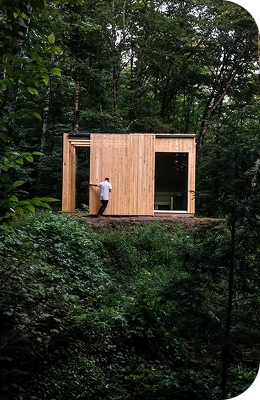

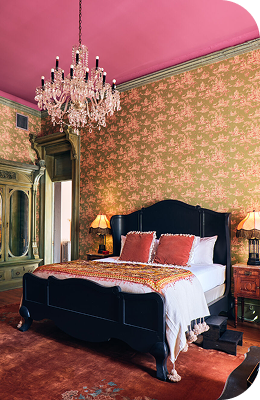

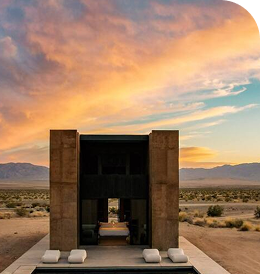

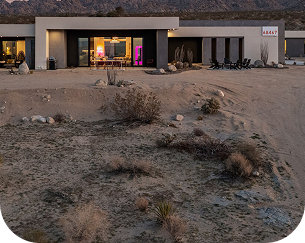

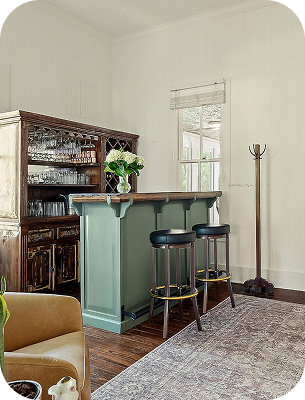

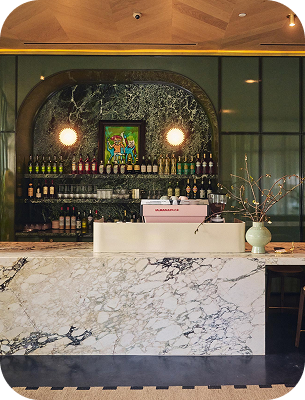

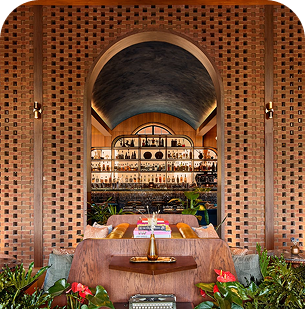



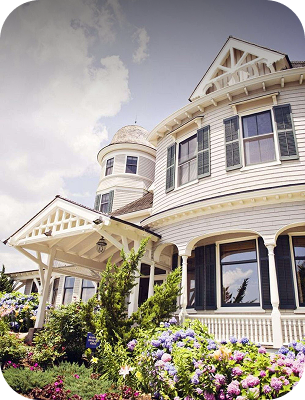

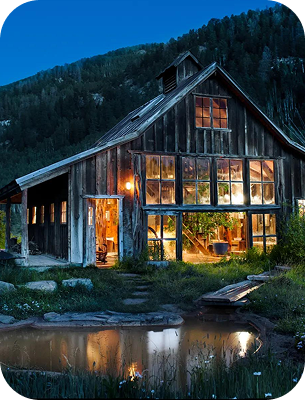

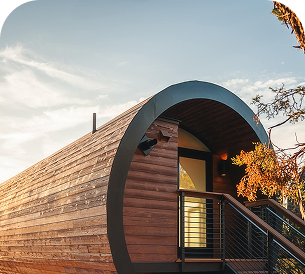

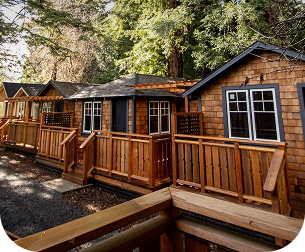

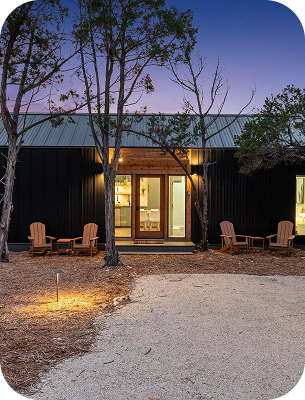

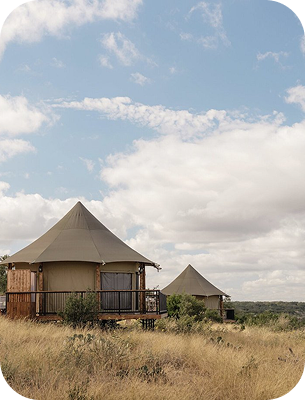

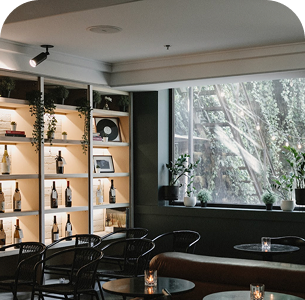

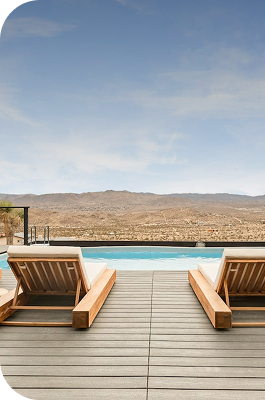

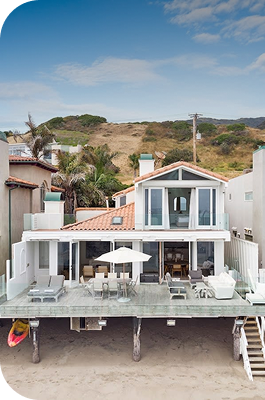


Journey connects travelers to a curated network of boutique hotels and distinctive residences around the world, all united under one rewards program. Explore handpicked stays for your trip while earning points, unlocking exclusive offers, and receiving rewards across the Journey collection.
Kansas City straddles the state line between Missouri and Kansas, sitting at the confluence of the Missouri and Kansas Rivers in the geographic heart of the continental United States. The Missouri side — the larger and more historically significant of the two — is the cultural and economic core, home to the city's iconic neighborhoods, institutions, and skyline. The metro area spreads across two states and encompasses dozens of municipalities, but downtown Kansas City, Missouri, anchors the region with a distinct urban identity.
The city's history is inseparable from its geography. Kansas City emerged in the mid-19th century as a critical gateway for westward expansion, serving as the eastern terminus of the Santa Fe, Oregon, and California Trails. The stockyards and meatpacking industry that followed made it one of the most economically powerful cities in the interior of the country. That frontier-era commercial energy never fully dissipated — it transformed over generations into the entrepreneurial, self-reliant civic character that Kansas City projects today.
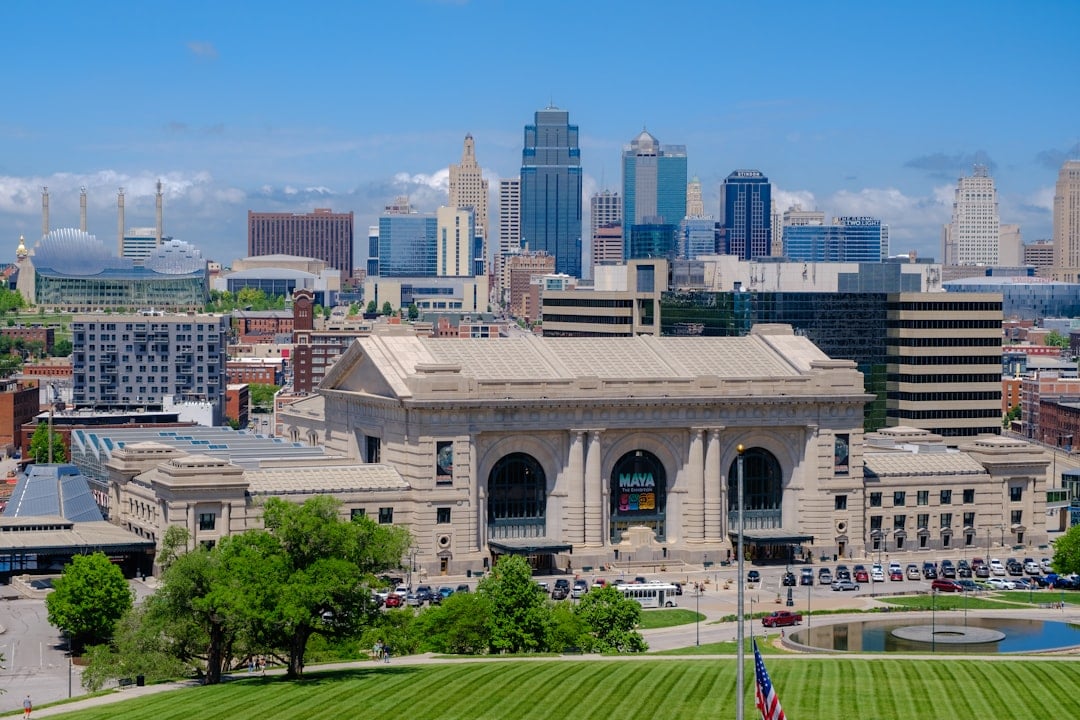
Culturally, Kansas City occupies a fascinating middle ground. It is neither a coastal metropolis nor a small regional town, but something genuinely its own: a city with deep roots in African American cultural history, a strong tradition of civic philanthropy, and a built environment that reflects ambition and pride. The Country Club Plaza, developed in the 1920s as one of America's first planned shopping districts, remains a landmark of Spanish-inspired architecture. The Stockyards District has been reimagined as an entertainment and dining destination. Union Station, a magnificent Beaux-Arts terminal, anchors the southern edge of downtown as a cultural campus.
For travelers, Kansas City offers an experience that feels both familiar and surprising. The pace is unhurried compared to coastal cities, the hospitality is genuine, and the cost of travel remains accessible. It is a city that rewards exploration on foot, by neighborhood, and at the table — a destination where the most memorable moments often happen not at marquee attractions, but in a barbecue joint at noon or a jazz club well past midnight.
Spring and fall are the sweet spots for visiting Kansas City, each offering distinct advantages depending on what you are after.
Late April through early June strikes a balance between lively outdoor activity and manageable crowds. The city's fountains are switched back on in spring, the Crossroads Arts District buzzes with gallery events and patio dining, and the barbecue trail is best enjoyed on foot when the weather cooperates. The Kansas City Jazz and Heritage Festival typically takes place in late spring, drawing strong lineups to the 18th and Vine district. Keep in mind that spring is storm season, so a rainy day or two should be factored into any itinerary.
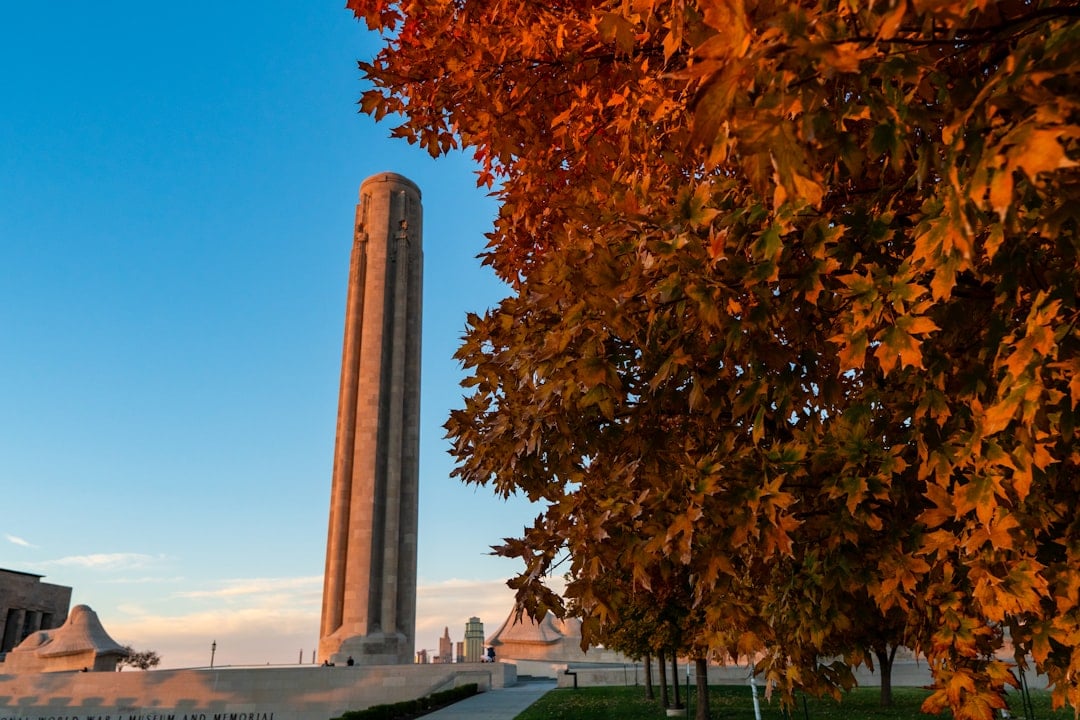
September through early November is arguably the most rewarding window. Crowds are lighter than summer, the city's parks and boulevards are draped in fall color, and the Chiefs football season is in full swing — a cultural event unto itself in Kansas City. Tailgating culture around Arrowhead Stadium is a genuine local experience worth seeking out. The Royals regular season also runs into October, giving sports-minded visitors two reasons to visit.
Summer draws the largest crowds, particularly around major festivals and sporting events, and the combination of heat and humidity makes extended outdoor exploration demanding. That said, the season is packed with activity, and those who time a visit around a specific event will find the city fully energized.
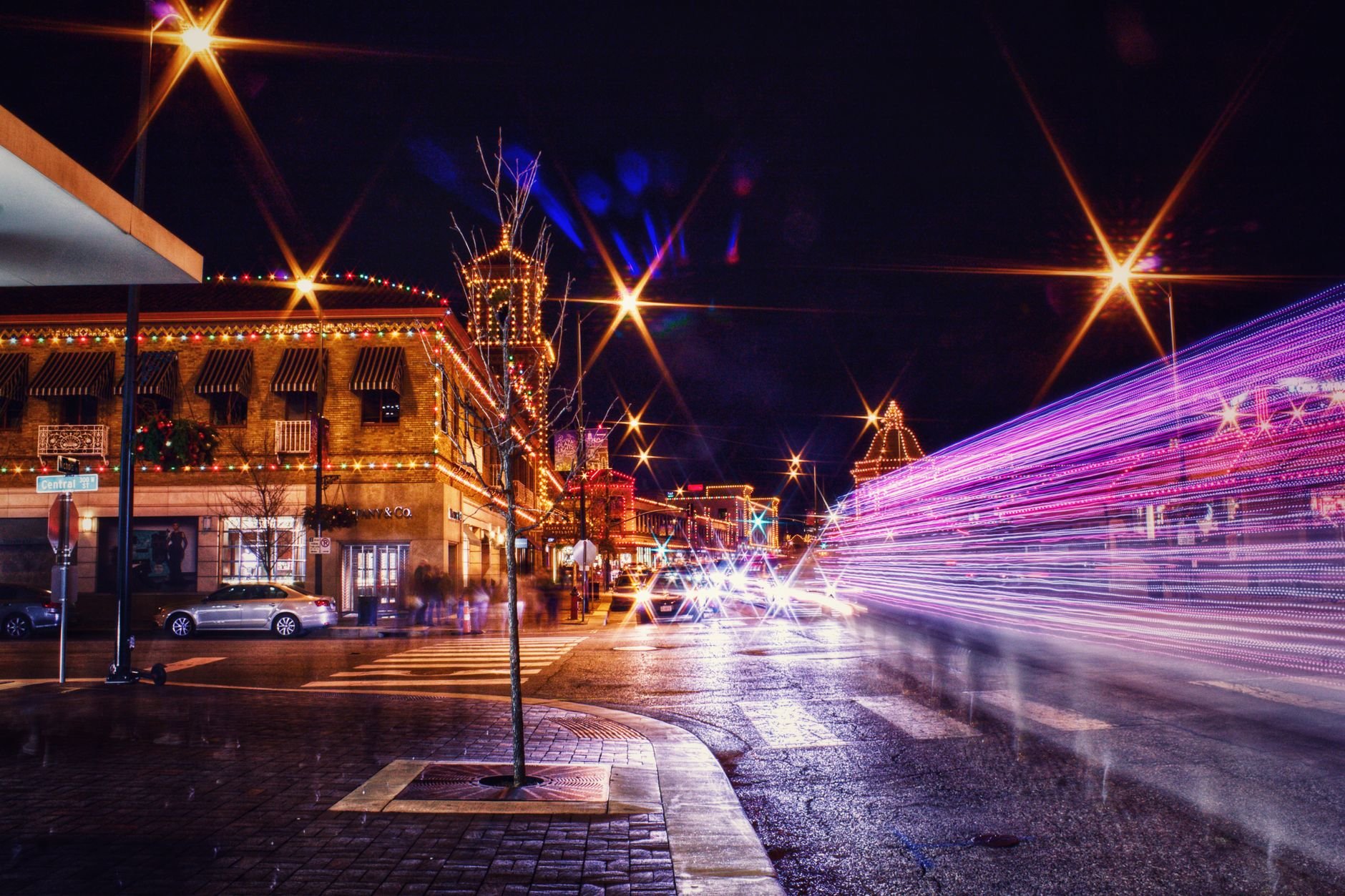
Winter is the quietest period for tourism. Crowds thin considerably and hotel rates drop, making it a practical choice for budget-conscious travelers or those focused on indoor attractions like the Nelson-Atkins Museum of Art or the American Jazz Museum. Holiday lighting along the Country Club Plaza is a local tradition worth catching in late November and December.
Kansas City's most iconic shopping and dining district, modeled after the architecture of Seville, Spain, with ornate tiled buildings, fountains, and upscale boutiques lining its walkable streets. The Plaza draws visitors for its restaurant scene, art galleries, and the legendary holiday lights display each winter. It sits adjacent to Loose Park and offers a polished, European-inflected atmosphere unlike anywhere else in the Midwest.
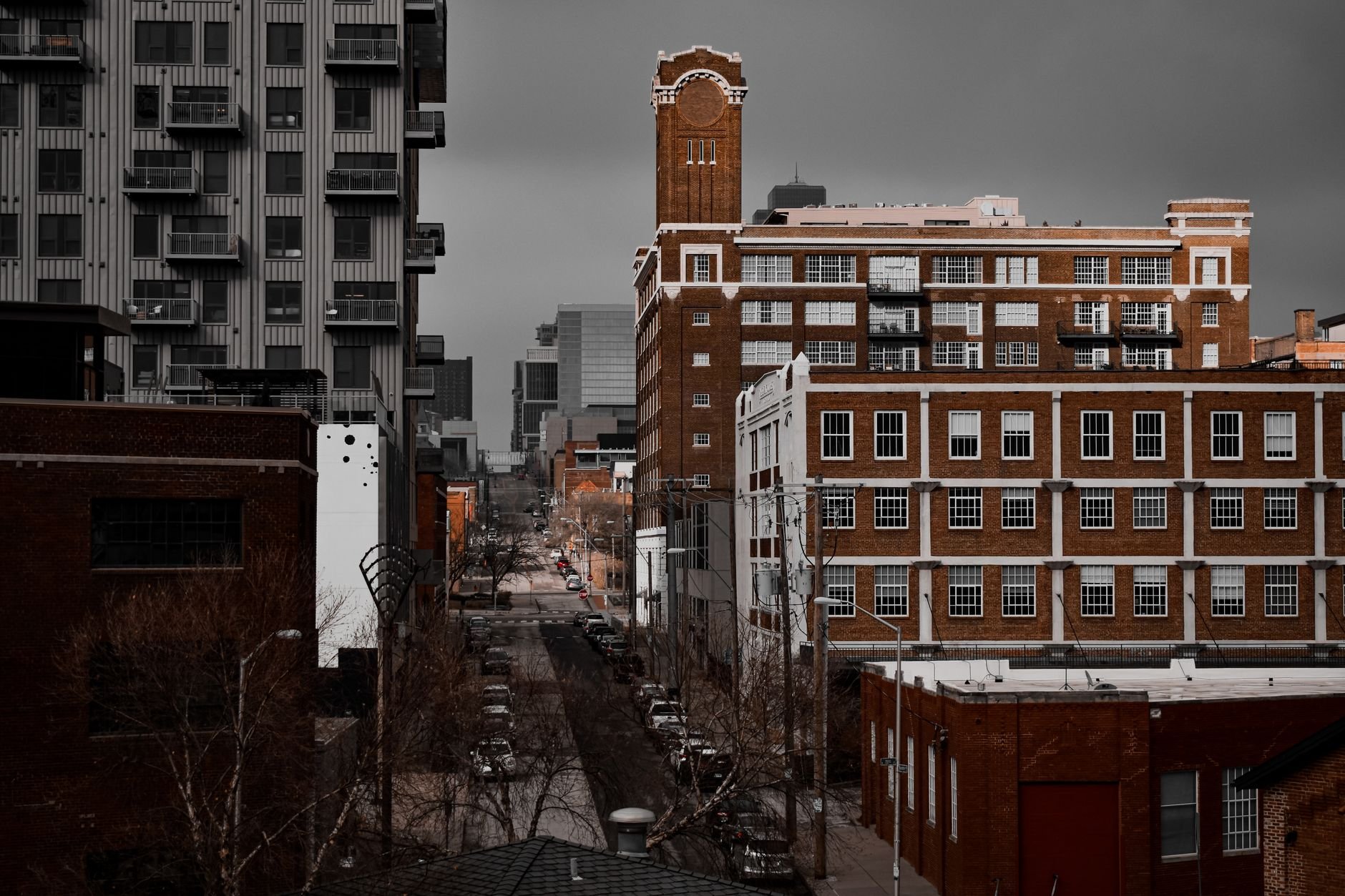
Kansas City's creative heart, the Crossroads is a formerly industrial neighborhood transformed into a nationally recognized hub of galleries, studios, design firms, and independent restaurants. First Fridays bring the district alive each month with open galleries, street vendors, and outdoor performances. The area's brick warehouses and bold murals give it a gritty, energetic character that anchors the city's contemporary arts identity.
The birthplace of Kansas City jazz, this historic district carries the cultural weight of legends like Charlie Parker and Count Basie who once played its clubs. Today it is home to the American Jazz Museum and the Negro Leagues Baseball Museum, two of the most significant cultural institutions in the American heartland. Restored venues and live music nights keep the neighborhood's deep musical soul alive.
One of Kansas City's oldest neighborhoods and a former frontier trading post, Westport is now the city's most spirited nightlife and bar district, packed with live music venues, dive bars, and casual eateries along its compact, walkable streets. It draws a lively mix of locals and visitors who come for its unpretentious, authentic energy. The neighborhood's historic buildings and tree-lined blocks give it a charm that newer entertainment districts rarely match.
Sitting at the northern edge of downtown along the Missouri River, the River Market is Kansas City's oldest commercial neighborhood and still home to its beloved public farmers market, open on weekends and drawing thousands of locals for fresh produce, international food stalls, and street vendors. The district's brick storefronts and proximity to the riverfront give it a raw, working-city character. It is also the gateway to the City Market area and a growing restaurant and bar scene.
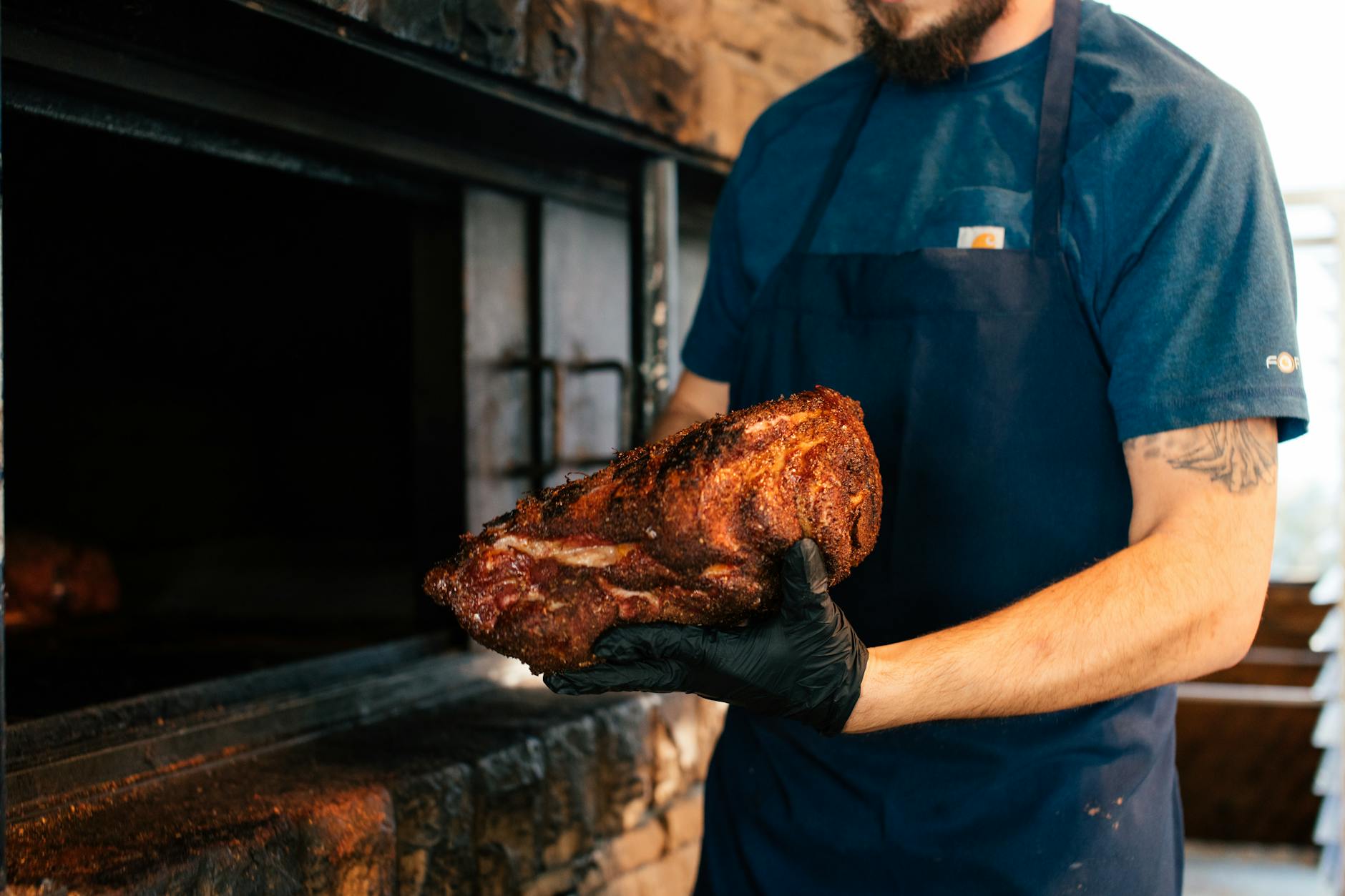
Kansas City has a short list of experiences that define it absolutely — the things travelers plan entire trips around and locals measure their city by.
Kansas City Barbecue
No city in America owns its barbecue identity more completely than Kansas City. The style is defined by slow-smoked meats cooked over hardwood, a focus on burnt ends (the caramelized, smoky tips of brisket), and a thick, sweet-tangy tomato-based sauce. Dozens of legendary pits compete fiercely for supremacy, and sampling across multiple spots is considered not just acceptable but mandatory. This is not fast food — it is a ritual, a civic religion, and the single most defining culinary tradition in the American heartland.
Jazz History at 18th and Vine
Kansas City gave the world a distinct and deeply influential style of jazz in the 1920s and 1930s, built on blues riffs, extended improvisation, and late-night jam sessions that lasted until dawn. The 18th and Vine Historic Jazz District preserves that legacy in two exceptional side-by-side museums. The American Jazz Museum traces the genre's Kansas City roots through Charlie Parker, Count Basie, and their contemporaries. The Negro Leagues Baseball Museum next door tells the parallel story of the all-Black baseball leagues that called Kansas City home. Together, they form one of the most significant cultural heritage sites in the American Midwest.
Chiefs and Royals Game Days
Kansas City is one of the most passionately sports-loyal cities in America. An NFL game at Arrowhead Stadium — consistently ranked among the loudest venues in professional sports — is a full-day tribal event that goes far beyond the game itself. Royals games at Kauffman Stadium offer a more relaxed but equally beloved local tradition. Attending a game alongside Kansas City fans is an authentic window into the city's character and community spirit.
Kansas City offers travelers a rich and varied menu of experiences, from world-famous food culture to outdoor recreation and a thriving arts scene.
Food and Dining
Kansas City is synonymous with barbecue, and exploring its legendary pits and smokehouses is an essential part of any visit. Beyond barbecue, the city's dining scene spans upscale restaurants, craft breweries, and eclectic neighborhood eateries. The River Market district draws food lovers with its farmers markets and international restaurants.
Cultural Attractions
Kansas City punches well above its weight in museums and cultural institutions. The Nelson-Atkins Museum of Art houses a world-class collection spanning ancient Egyptian artifacts to contemporary works. The 18th and Vine Historic Jazz District is home to the American Jazz Museum and the Negro Leagues Baseball Museum, two institutions that tell a powerful story of Black American history and achievement. The National WWI Museum and Memorial is one of the premier institutions of its kind in the world.
Arts and Entertainment
The Crossroads Arts District has grown into one of the Midwest's most vibrant creative neighborhoods, packed with galleries, studios, independent shops, and live music venues. The Kauffman Center for the Performing Arts hosts the Kansas City Symphony, the Lyric Opera, and touring performances in a striking contemporary building. First Fridays in the Crossroads draw large crowds each month for gallery openings and street-level arts events.
Outdoor Recreation
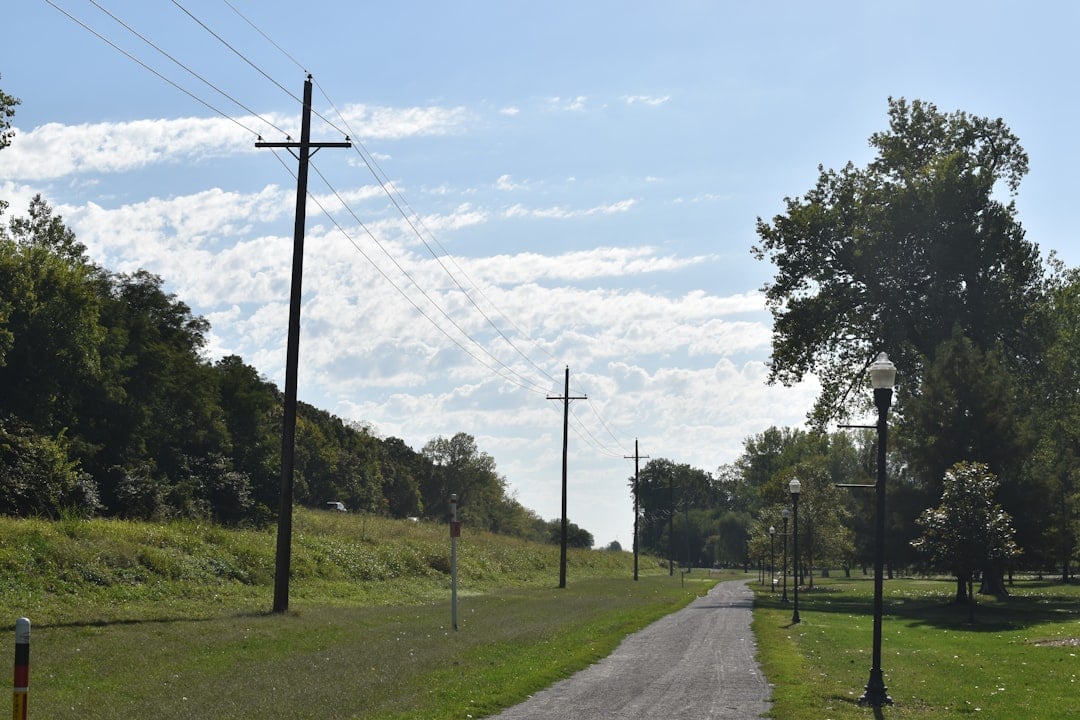
Loose Park and Swope Park offer green space, walking and cycling trails, and room to relax in the heart of the city. Swope Park also contains the Kansas City Zoo. The Missouri and Kansas rivers converge nearby, and the riverfront area provides scenic walking paths and views.
Scenic Exploration
Kansas City's Country Club Plaza is a landmark outdoor shopping and dining district styled after the architecture of Seville, Spain, and especially spectacular during its holiday lights display. The city's collection of more than 200 fountains — one of the largest in the world — rewards those who seek them out across different neighborhoods.
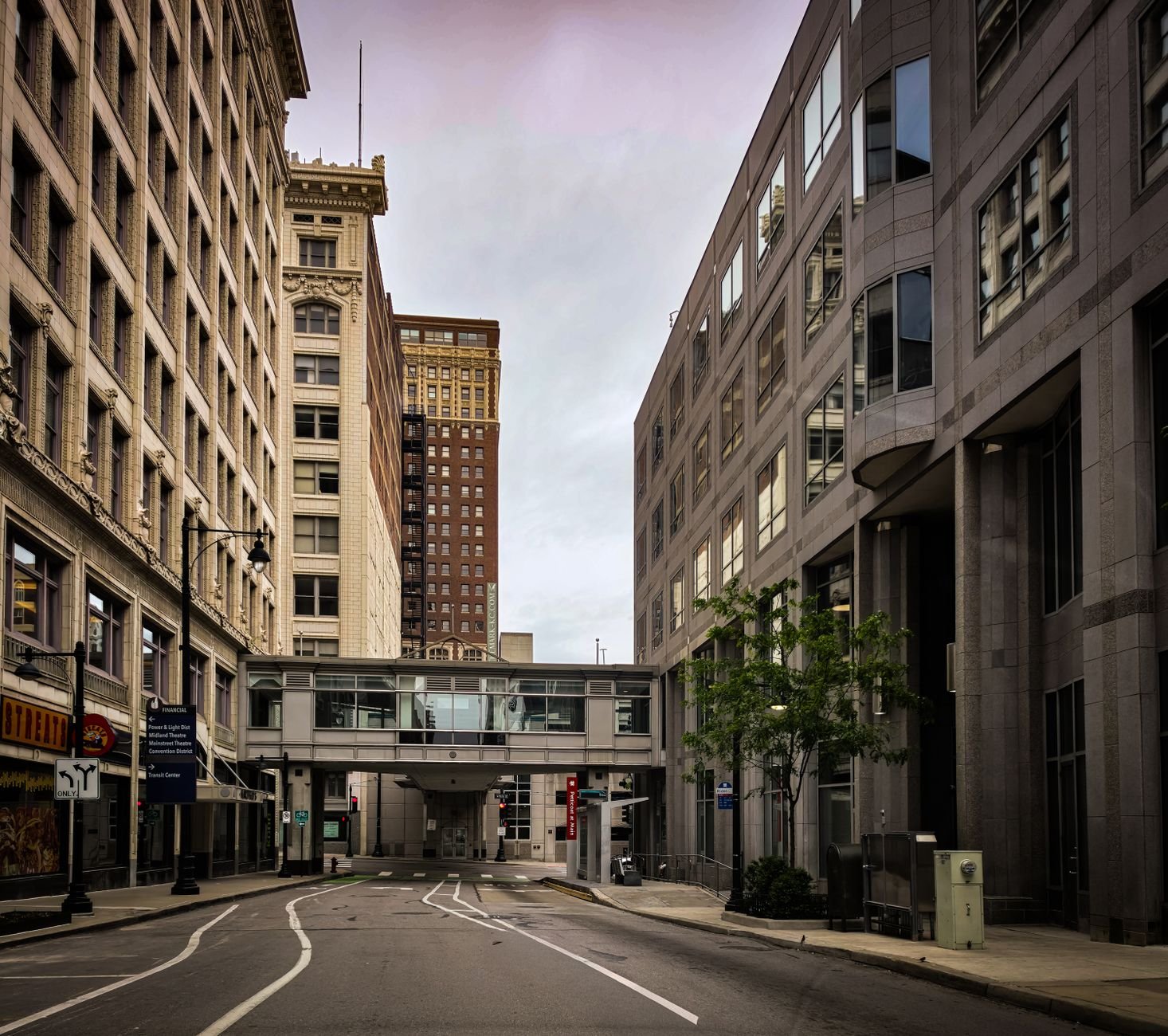
Start your morning at Arthur Bryant's or Joe's Kansas City Bar-B-Que for a true introduction to KC barbecue. Spend the afternoon exploring the 18th and Vine Historic Jazz District, visiting the American Jazz Museum and the Negro Leagues Baseball Museum side by side. In the evening, catch live jazz at a local club and soak in the neighborhood's deep musical roots.
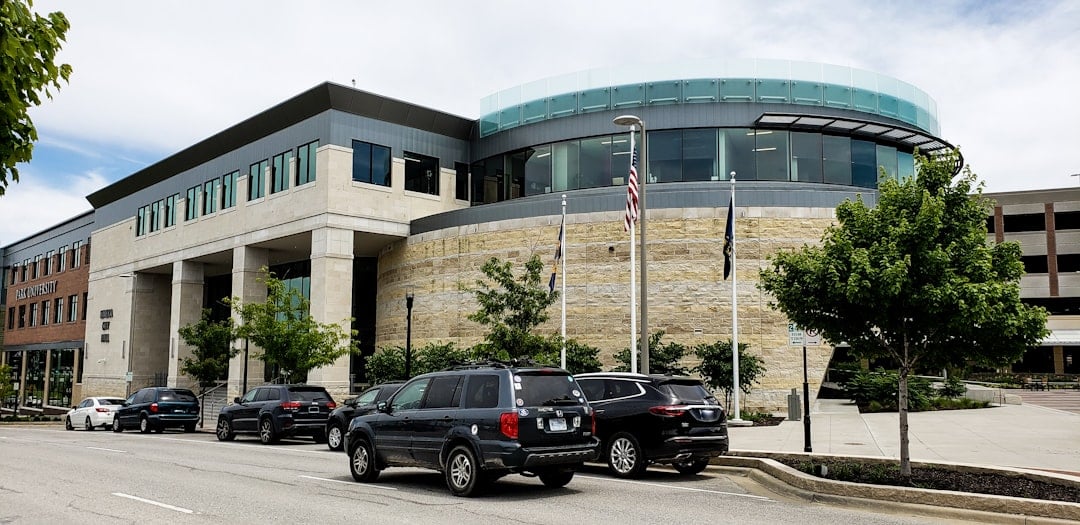
Head to the Nelson-Atkins Museum of Art in the morning for world-class collections spanning ancient to contemporary. After lunch, walk or drive through the Crossroads Arts District, browsing galleries and street murals. In the evening, explore the Power and Light District for dinner and drinks, or catch a Kansas City Royals game at Kauffman Stadium if the schedule lines up.
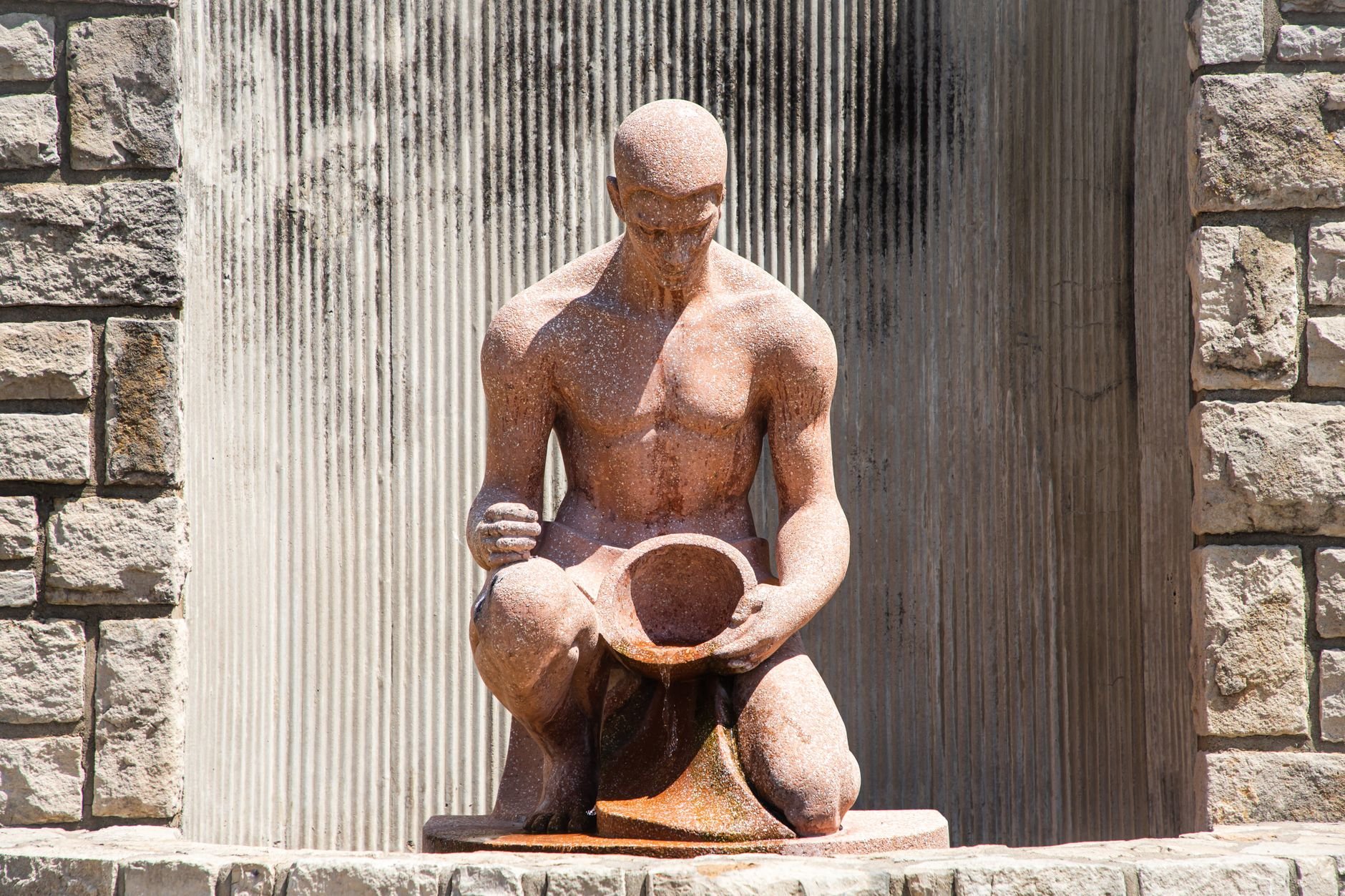
Spend your final morning at the City Market in the River Market neighborhood for fresh produce, local vendors, and a strong cup of coffee. Head to the Country Club Plaza in the afternoon to admire the Spanish-inspired architecture and browse the shops and fountains. End the trip with a sunset dinner at one of the Plaza's restaurants before heading out.
Kansas City pulses with energy year-round, shaped by a calendar that reflects its deep roots in food, music, sport, and community. Spring kicks off with college basketball fever as the Big 12 Tournament draws fans downtown, while NASCAR roars to life at Kansas Speedway. As the city warms up, neighborhoods spill into the streets for KC PrideFest and the Heart of America Shakespeare Festival, a beloved outdoor tradition that brings free performances to Southmoreland Park each summer. June carries an extraordinary charge in 2026 as Kansas City hosts FIFA World Cup matches, drawing a global audience to a city that greets the world with characteristic Midwestern warmth.
Kansas City's culinary identity is built on barbecue, and no visit is complete without exploring its legendary pits. The Kansas City style is defined by slow-smoked meats cooked low and long over hickory wood, with burnt ends - the caramelized, smoky cubes of brisket point - standing as the city's most iconic contribution to American food culture. A thick, sweet-tangy tomato-based sauce ties it all together, and the debate over which pit reigns supreme is a matter of serious local pride. Dozens of storied barbecue institutions are scattered across the metro, from no-frills counter-service spots to sit-down restaurants that have been feeding generations of families.
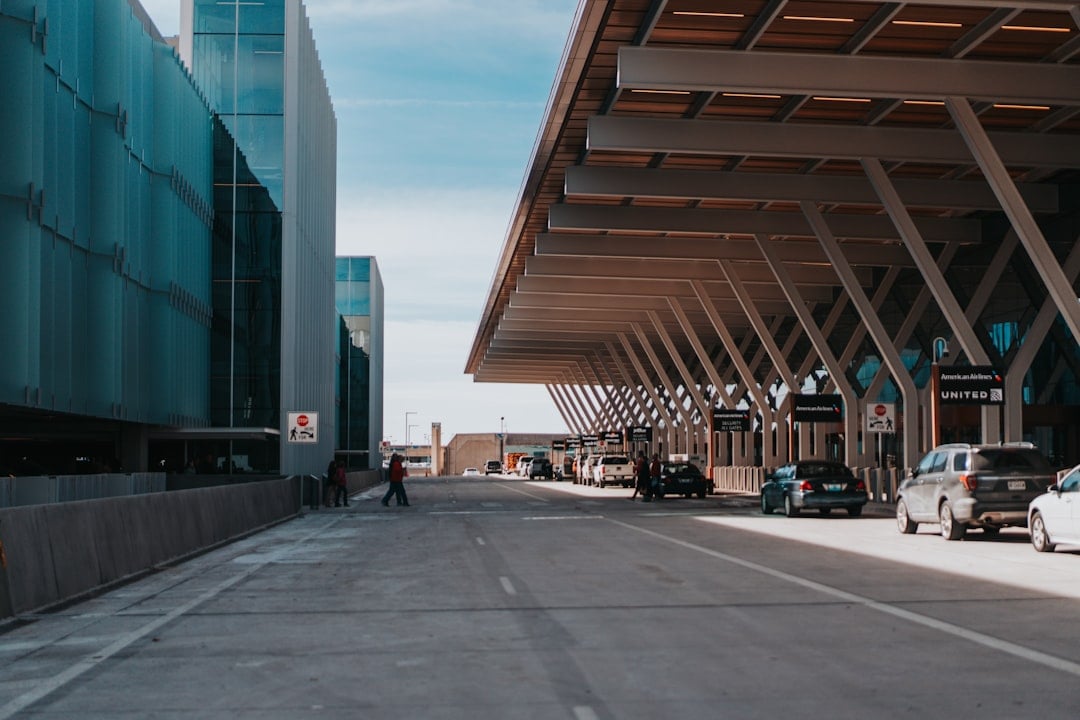
Kansas City International Airport (MCI) is the primary arrival point,
located about 18 miles northwest of downtown, with rideshare, taxis, rental cars, and a KCI Shuttle available for the roughly 25-minute drive into the city.
I-70 and I-35 intersect in Kansas City,
making it an easy drive from St. Louis (about 4 hours), Omaha (about 3 hours), Wichita (about 2.5 hours), and Oklahoma City (about 3.5 hours).
Kansas City Union Station is served by Amtrak's Missouri River Runner,
which runs daily service to and from St. Louis in roughly 5.5 hours, and by the Southwest Chief, connecting Chicago and Los Angeles with a stop in Kansas City.
Greyhound and FlixBus both operate routes into Kansas City,
offering budget-friendly options from regional cities including St. Louis, Wichita, and Tulsa, with arrivals at or near the downtown bus terminal.
The KC Streetcar runs free along a 3.5-mile Main Street corridor,
connecting the River Market, downtown, and Crown Center, making it a genuinely useful option for trips within that central spine without needing a car or rideshare.
The Crossroads Arts District, downtown, and Country Club Plaza are each walkable within their own boundaries,
but the gaps between these neighborhoods are too far to cover on foot comfortably, so plan on rideshare or a rental car to move between them.
Uber and Lyft operate reliably across Kansas City,
and are the easiest option for most inter-neighborhood trips, with typical wait times under five minutes in central areas during normal hours.
On Chiefs or Royals game days, traffic around the Truman Sports Complex off I-70 becomes heavily congested,
so build in extra time, consider rideshare drop-off to avoid parking hassles, and expect surge pricing on apps in the hours immediately after the game ends.
Kansas City's B-Cycle bikeshare program covers several central neighborhoods,
including the Crossroads, downtown, and Westport, offering a practical and affordable way to explore these areas at a slower pace when weather permits.
Barbecue restaurants often sell out of key cuts, especially burnt ends, by early afternoon, so arrive at popular spots like Joe's Kansas City or Arthur Bryant's before the lunch rush or risk missing out. Tipping follows standard U.S. norms: 18 to 20 percent at sit-down restaurants and bars, and a dollar or two per drink at live music venues. The KC Streetcar is free and requires no app or card, just board and ride. For sports events, buy Chiefs tickets well in advance as home games frequently sell out, and check the Royals schedule if a ballpark visit interests you. Summers are hot and humid, so pack accordingly if you are visiting between June and August. The city is generally safe in tourist-heavy areas, but exercise standard urban awareness after dark in unfamiliar neighborhoods. Google Maps works well for navigation and transit directions throughout the city.
Three days is a comfortable amount of time to explore Kansas City. You can spend one day hitting the barbecue trail and the 18th and Vine Jazz District, a second day at the Nelson-Atkins Museum of Art and the Crossroads Arts District, and a third day catching a game or exploring the city's fountains and neighborhoods at a relaxed pace.
Kansas City is best known for its barbecue - a slow-smoked style featuring burnt ends and a thick, sweet-tangy sauce - and its deep jazz heritage. The city produced legends like Charlie Parker and Count Basie. It is also recognized for its outdoor fountains, the Nelson-Atkins Museum of Art, the Crossroads Arts District, and its NFL team, the Kansas City Chiefs.
Yes, Kansas City works very well as a weekend trip. Two to three days is enough time to sample the barbecue scene, visit the 18th and Vine Jazz District, explore the Nelson-Atkins Museum of Art, and walk the Crossroads Arts District. The city is centrally located and easily drivable from many Midwest and Great Plains destinations.
Kansas City is one of the more affordable major American cities to visit. Hotels, meals, and attractions are generally priced below the national average for large metros. World-famous barbecue joints are often casual, wallet-friendly spots, and many top attractions - including the Nelson-Atkins Museum of Art - are free or low cost.
Late spring (April to June) and early fall (September to October) offer the most pleasant weather for visiting Kansas City, with mild temperatures and lower humidity. Summer can be hot and humid, while winters are cold with occasional snow.