
Baltimore, MD
A Journey guide to
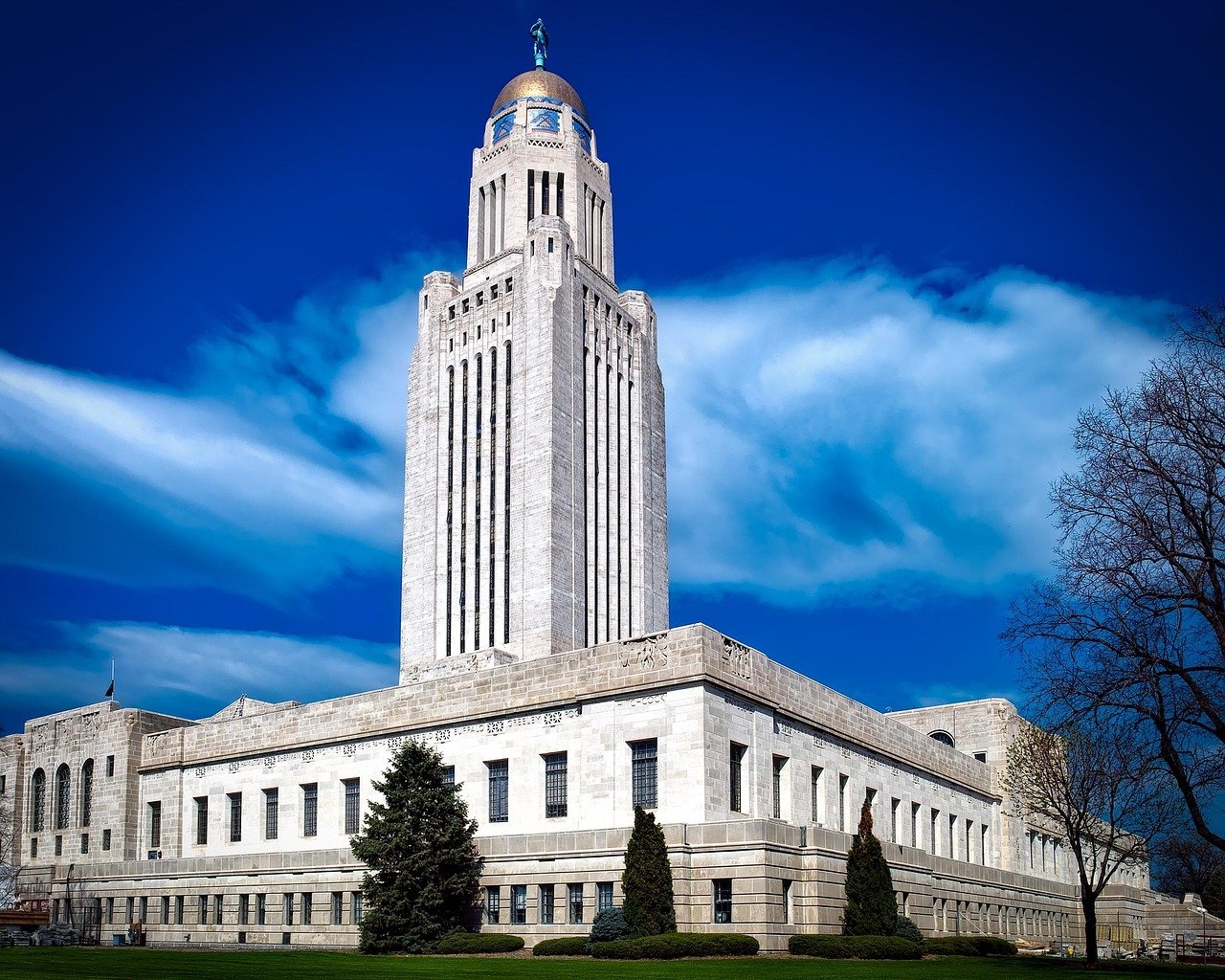
Lincoln is the capital of Nebraska and home to the University of Nebraska, a combination that gives the city a rare dual identity: seat of government and college town rolled into one. The gilded tower of the Nebraska State Capitol dominates the skyline and stands as one of the most architecturally significant government buildings in the United States. That civic pride runs deep throughout the city, shaping everything from its public art to its walkable Haymarket District.
The Haymarket neighborhood is the cultural and social heart of Lincoln, a repurposed warehouse district packed with independent restaurants, craft breweries, galleries, and a year-round farmers market that draws locals and visitors alike. Just steps away, the Railyard entertainment complex adds a modern layer to the neighborhood, with outdoor gathering spaces and a rotating calendar of community events that keep the area humming throughout the week.
College football is not merely a pastime in Lincoln - it is a civic religion. On home game Saturdays, Memorial Stadium becomes the third-largest city in Nebraska, with over 90,000 fans creating an atmosphere that has earned the Cornhuskers a reputation for some of the most passionate fan culture in American sports. Visitors who time their trip around a home game experience a side of the city that is entirely unique.
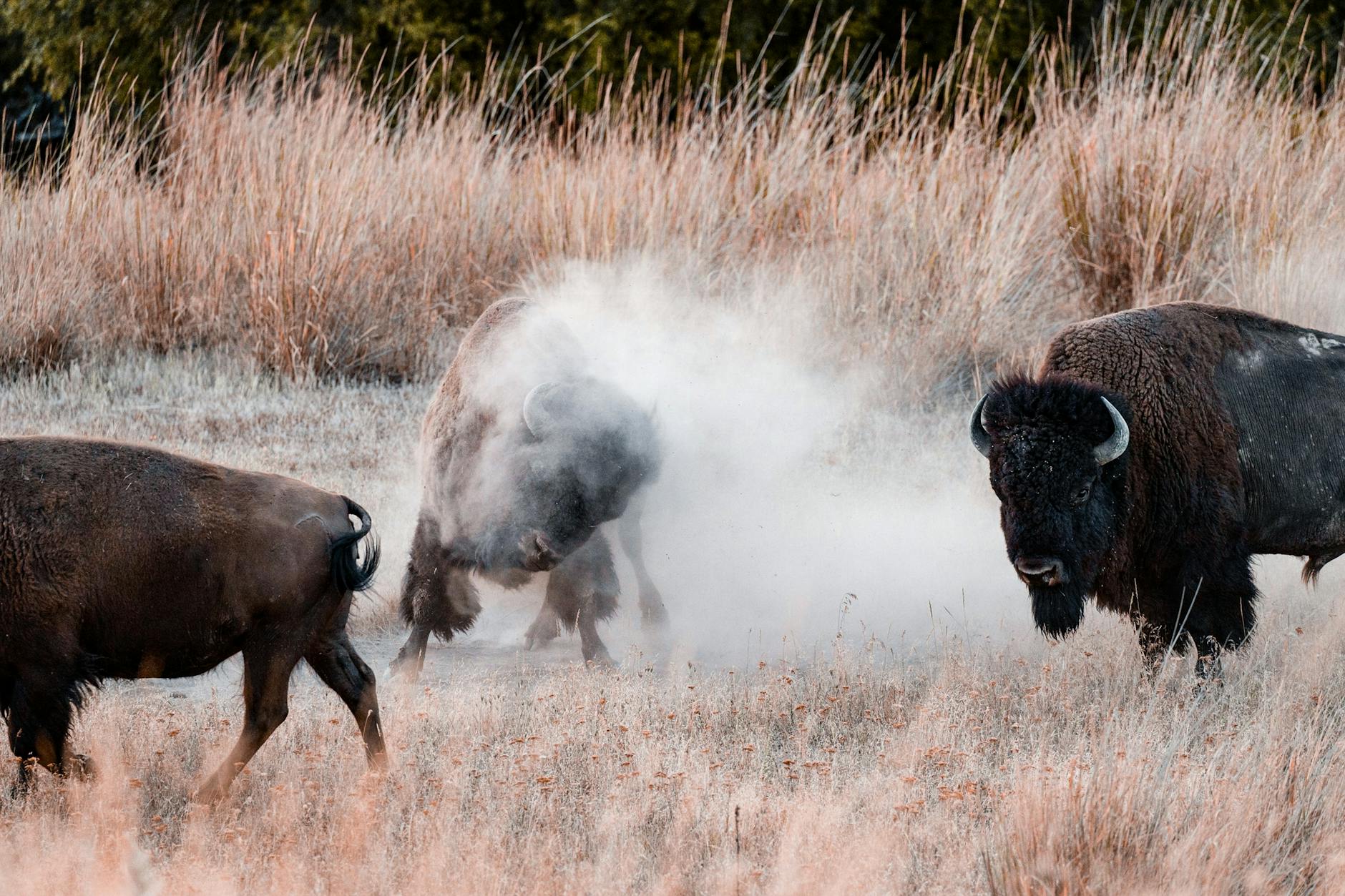
Beyond the stadium and statehouse, Lincoln rewards curious travelers with the Sheldon Museum of Art, one of the finest university art museums in the country, and Pioneers Park Nature Center, a sprawling urban refuge where bison and elk roam native prairie. The city attracts history enthusiasts, art lovers, food-focused travelers, and anyone drawn to the authentic, unpretentious energy of a Great Plains capital that consistently punches above its weight.

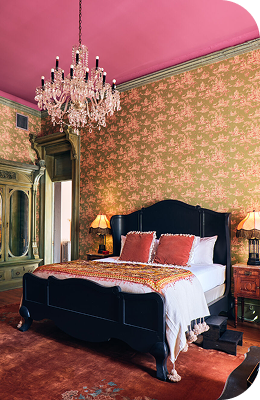

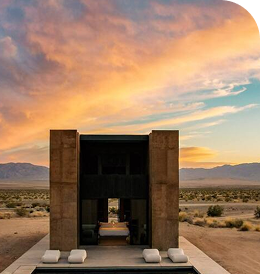

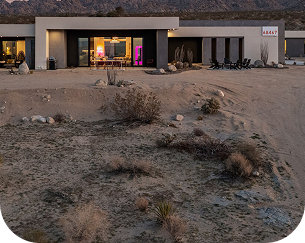

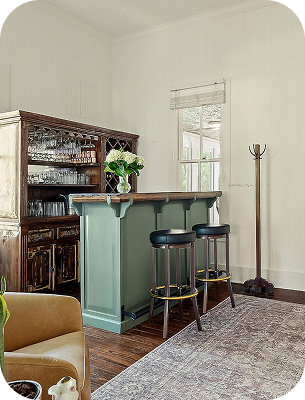

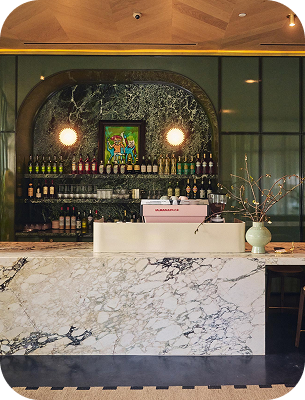

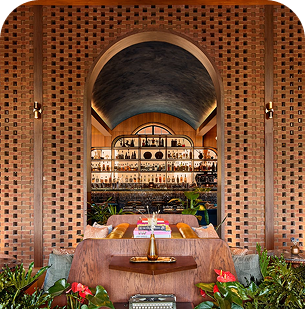

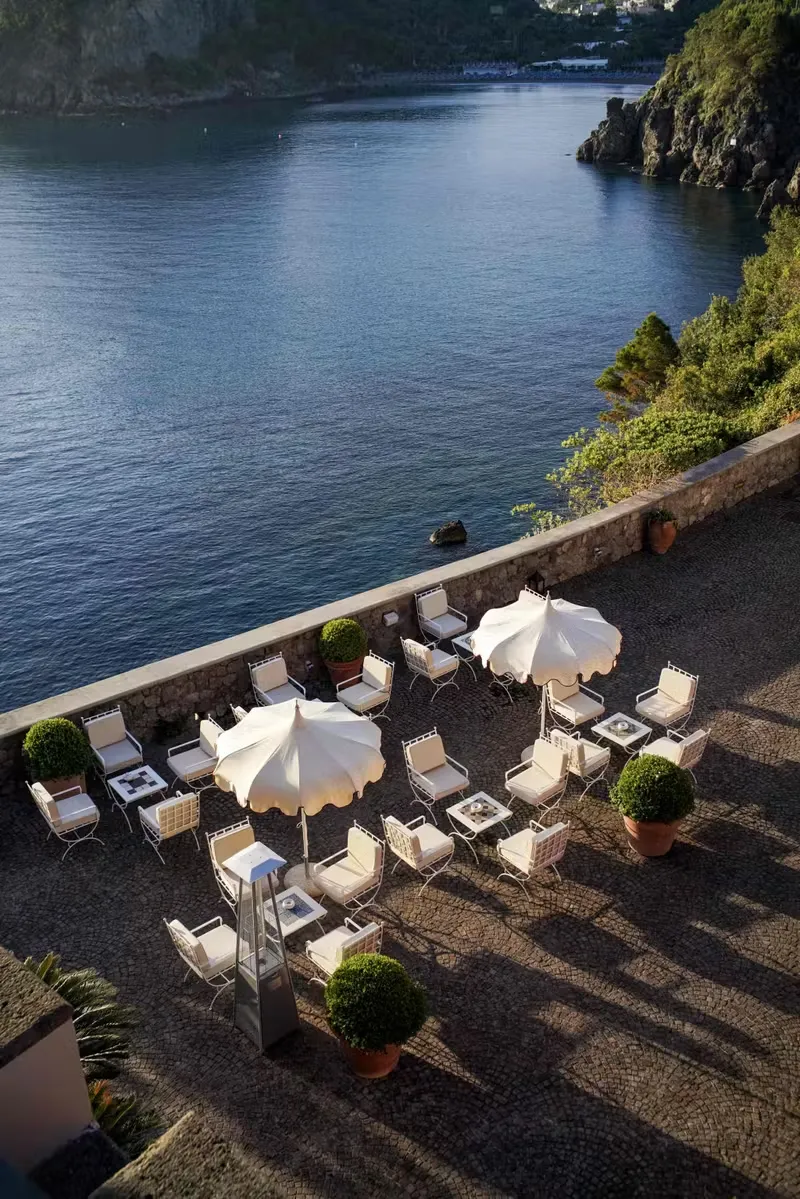

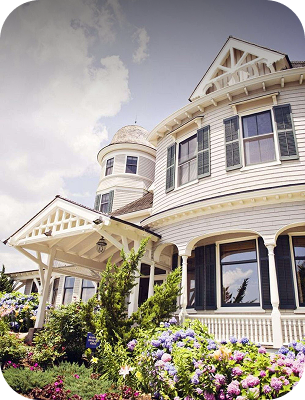

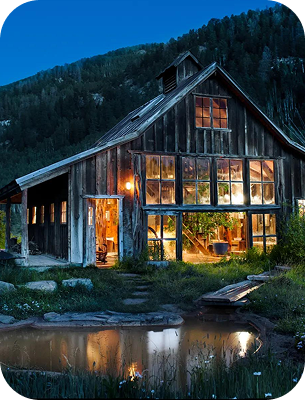

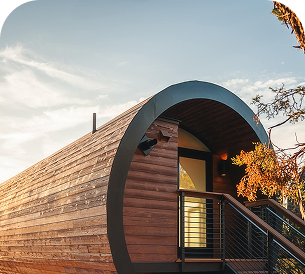

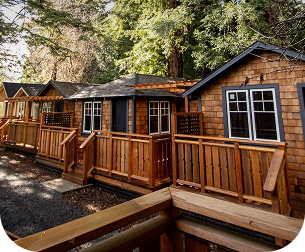

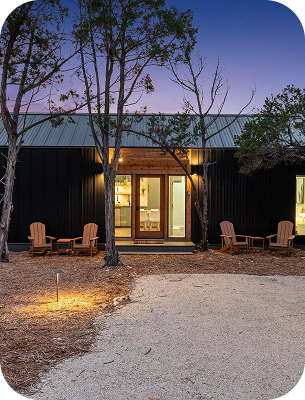

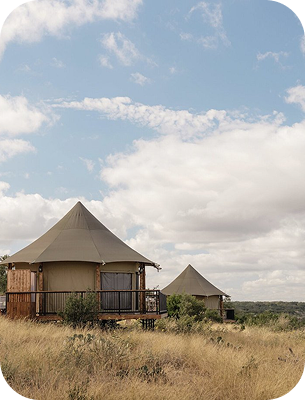

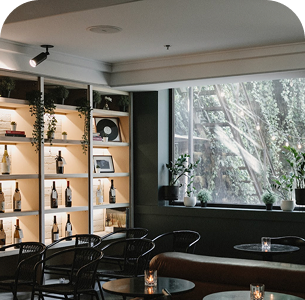

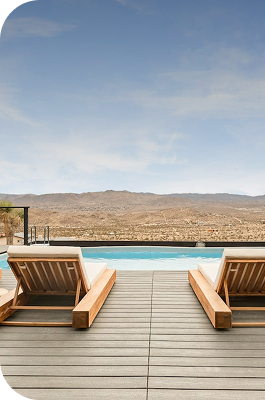

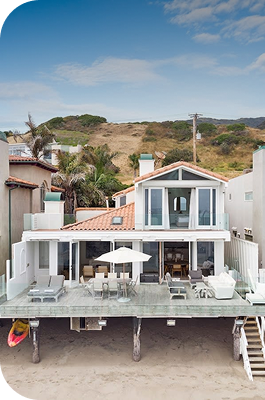

Journey connects travelers to a curated network of boutique hotels and distinctive residences around the world, all united under one rewards program. Explore handpicked stays for your trip while earning points, unlocking exclusive offers, and receiving rewards across the Journey collection.
Lincoln sits in the rolling plains of southeastern Nebraska, roughly 50 miles southwest of Omaha, at an elevation that places it squarely on the edge of the Great Plains. The city was purpose-built as a state capital, platted in 1867 and named for President Abraham Lincoln just two years after his assassination. That deliberate founding gave Lincoln a sense of civic intentionality that still shapes its character today, from the grand boulevards radiating from the Capitol to the generous parks and greenways woven through its neighborhoods.
The University of Nebraska, established the same year as statehood, has been inseparable from the city's identity for over 150 years. The university brings a constant influx of students, faculty, researchers, and visiting scholars, sustaining a cultural life that exceeds what many cities of similar size can offer. World-class museums, a thriving performing arts scene anchored by the Lied Center for Performing Arts, and a restaurant culture that has grown increasingly ambitious all trace their vitality back to the university's presence.
Lincoln's geography is defined by a series of small lakes and reservoirs - Pawnee Lake, Branched Oak, Bluestem - that ring the city and give residents and visitors easy access to outdoor recreation on the open water and along native prairie trails. The Wilderness Park linear greenway stretches nearly 10 miles along Salt Creek, offering hiking and mountain biking within the city limits.
Culturally, Lincoln occupies a distinctive position in the American Midwest. It is politically engaged, academically oriented, and quietly creative, with a local music scene, a concentration of independent bookstores, and a food community that reflects both the agricultural heritage of the Great Plains and the diversity brought by waves of immigration, including significant Sudanese, Vietnamese, and Latino communities that have enriched the city's culinary and cultural landscape. Lincoln is a destination that rewards travelers who look past the obvious and lean into what makes a place genuinely itself.
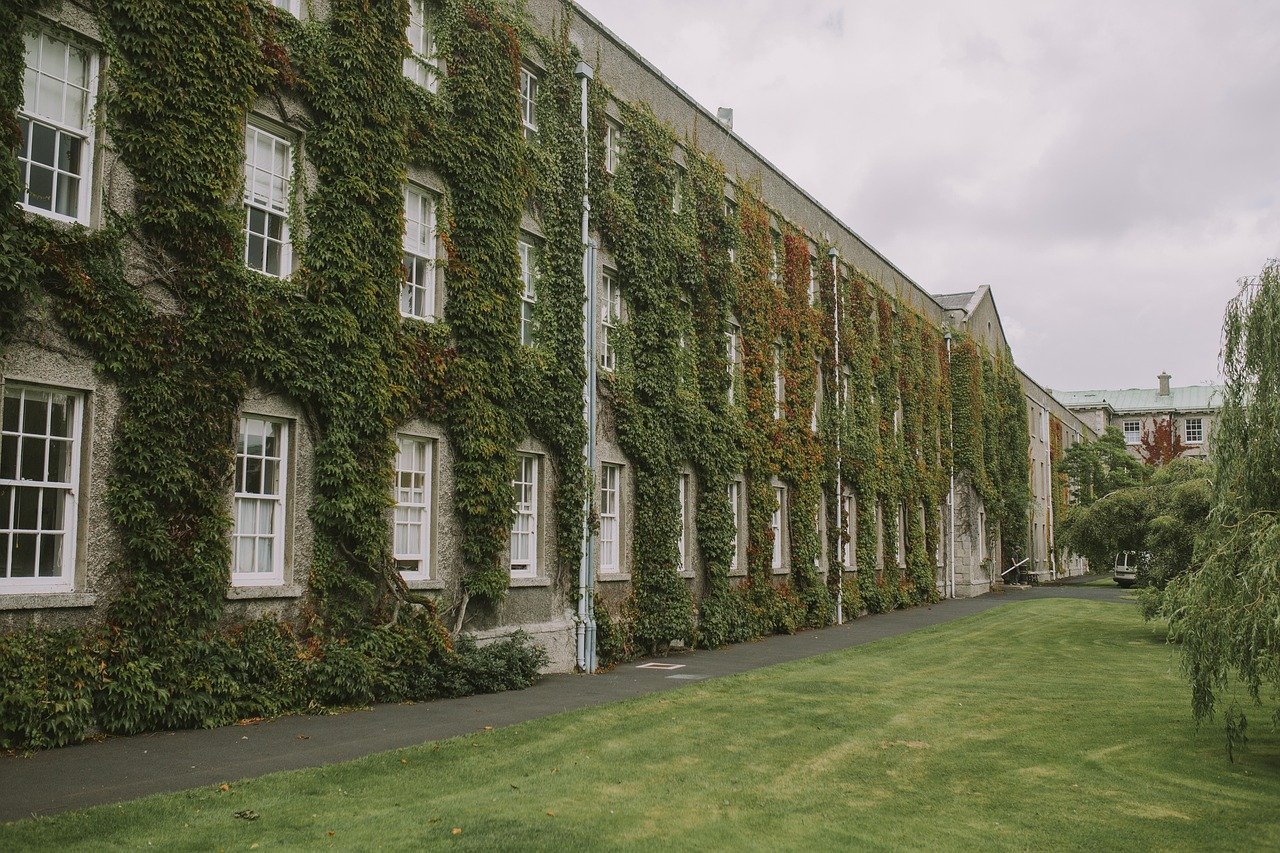
Fall and late spring are the sweet spots for visiting Lincoln, offering the most rewarding combination of outdoor access, cultural activity, and manageable crowds. September and October stand out as the premier months: the city's parks and tree-lined streets put on a vivid display of color, the farmers market in the Haymarket District is at its most abundant, and the pace of the city feels energized without being overwhelmed.
College football is the single biggest driver of the Lincoln calendar. Home game Saturdays at Memorial Stadium transform the city from late August through November, drawing over 90,000 fans and creating an atmosphere unlike anything else in the Great Plains. If catching a Cornhuskers game is on your list, book accommodations well in advance as the city fills quickly. If you prefer a quieter visit, plan around away-game weekends when the Haymarket, the Sheldon Museum of Art, and Pioneers Park Nature Center are all easily accessible without the crowds.
Late April through May offers another strong window. The university campus is alive with end-of-year energy, the Haymarket's outdoor dining and gallery scene kicks back into full swing, and Pioneers Park is ideal for spotting bison and elk on the native prairie before summer heat sets in. The farmers market also reopens in May, making it a natural anchor for a weekend visit.
Summer draws visitors for outdoor festivals and community events centered around the Railyard entertainment complex, though the city sees its highest foot traffic during this period. Winter is the quietest season for tourism, making it a practical choice for travelers focused on indoor experiences like the Sheldon Museum or the Nebraska State Capitol, without competing for space with large crowds.
Lincoln's most beloved neighborhood, the Haymarket is a revitalized warehouse district brimming with independent restaurants, craft breweries, boutique shops, and art galleries. A year-round farmers market anchors the community, while the adjacent Railyard complex adds modern gathering spaces and a lively events calendar. The area pulses with energy day and night, making it the natural starting point for any visit to Lincoln.
Anchored by the soaring gilded tower of the Nebraska State Capitol, Downtown Lincoln blends civic grandeur with everyday urban life. Government buildings, law offices, and cultural institutions share blocks with coffee shops, lunch spots, and the Sheldon Museum of Art on the University of Nebraska campus edge. It is the geographic and symbolic heart of the city, best explored on foot.
The University of Nebraska campus gives this part of Lincoln a youthful, intellectual energy that spills into the surrounding streets. Memorial Stadium looms large as a cultural landmark, and on game days the entire neighborhood transforms into a sea of Husker red. Beyond football, the area offers bookstores, casual dining, and the world-class Sheldon Museum of Art.
The Near South neighborhood offers a quieter, residential side of Lincoln with tree-lined streets, historic bungalows, and a growing number of locally owned cafes and specialty shops. Antelope Creek Trail winds through the area, connecting green space to the broader city trail network and making it a favorite for cyclists and walkers. It is the kind of neighborhood that rewards slow, unhurried exploration.
On the western edge of the city, Pioneers Park Nature Center offers a sweeping urban refuge where bison and elk roam native tallgrass prairie - a genuinely rare experience within a major American city. The surrounding southwest Lincoln neighborhoods are quiet and family-oriented, with parks, trails, and a relaxed pace that contrasts with the bustle of the Haymarket. It is the destination for travelers seeking Lincoln's natural and open-air character.
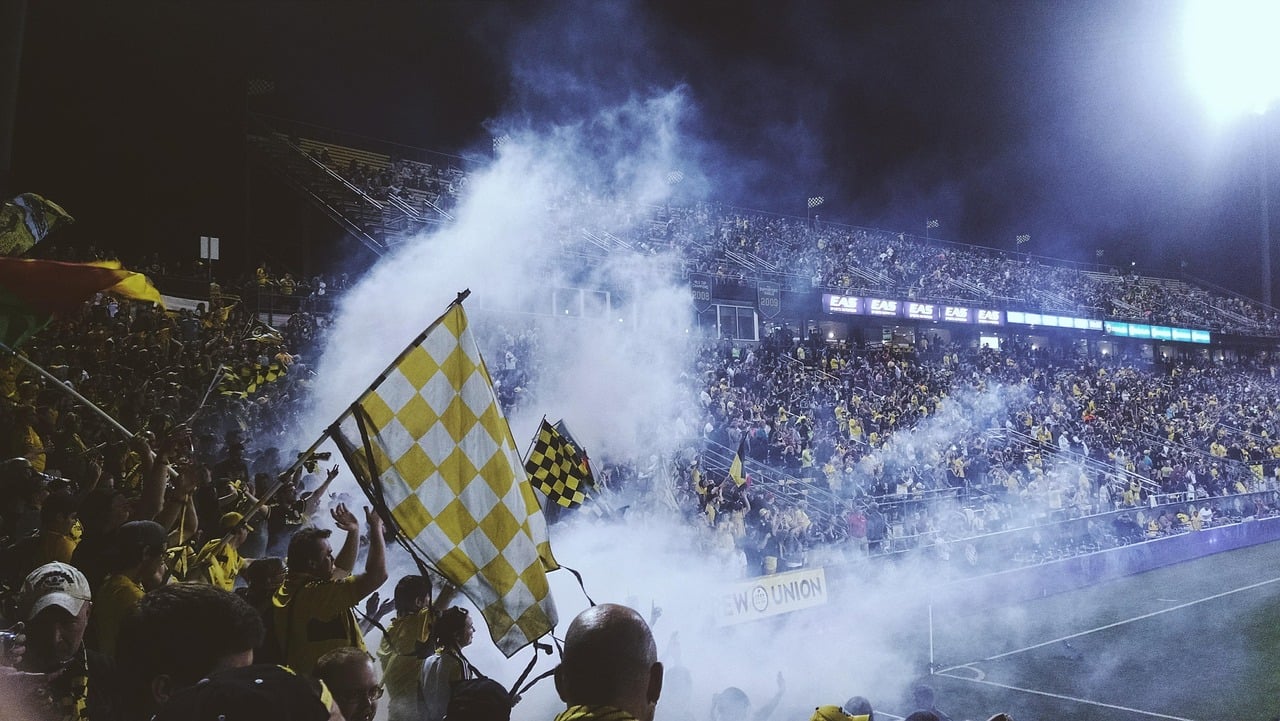
Lincoln is defined by a handful of experiences that are genuinely difficult to replicate anywhere else in the country.
Husker Game Day at Memorial Stadium
College football in Lincoln is not a sporting event - it is a full-scale civic ritual. On home Saturdays during the University of Nebraska Cornhuskers season, Memorial Stadium fills with more than 90,000 fans dressed in Husker red, temporarily making it the third-largest city in Nebraska by population. The tailgating culture, the tunnel walk, the sea of red in the stands - this is the single most defining experience Lincoln has to offer, and visitors who attend a home game encounter a side of the city that no museum or restaurant can replicate.
Exploring the Nebraska State Capitol
Lincoln's capitol building is one of the most remarkable public buildings in the United States, a departure from the traditional dome design in favor of a 400-foot tower clad in limestone and topped with a gold-leafed dome. The interior mosaics, murals, and sculptural programs were designed to tell the story of Nebraska and civilization itself. Free guided tours make this a deeply rewarding stop for architecture and history enthusiasts alike.
The Haymarket District on Market Day
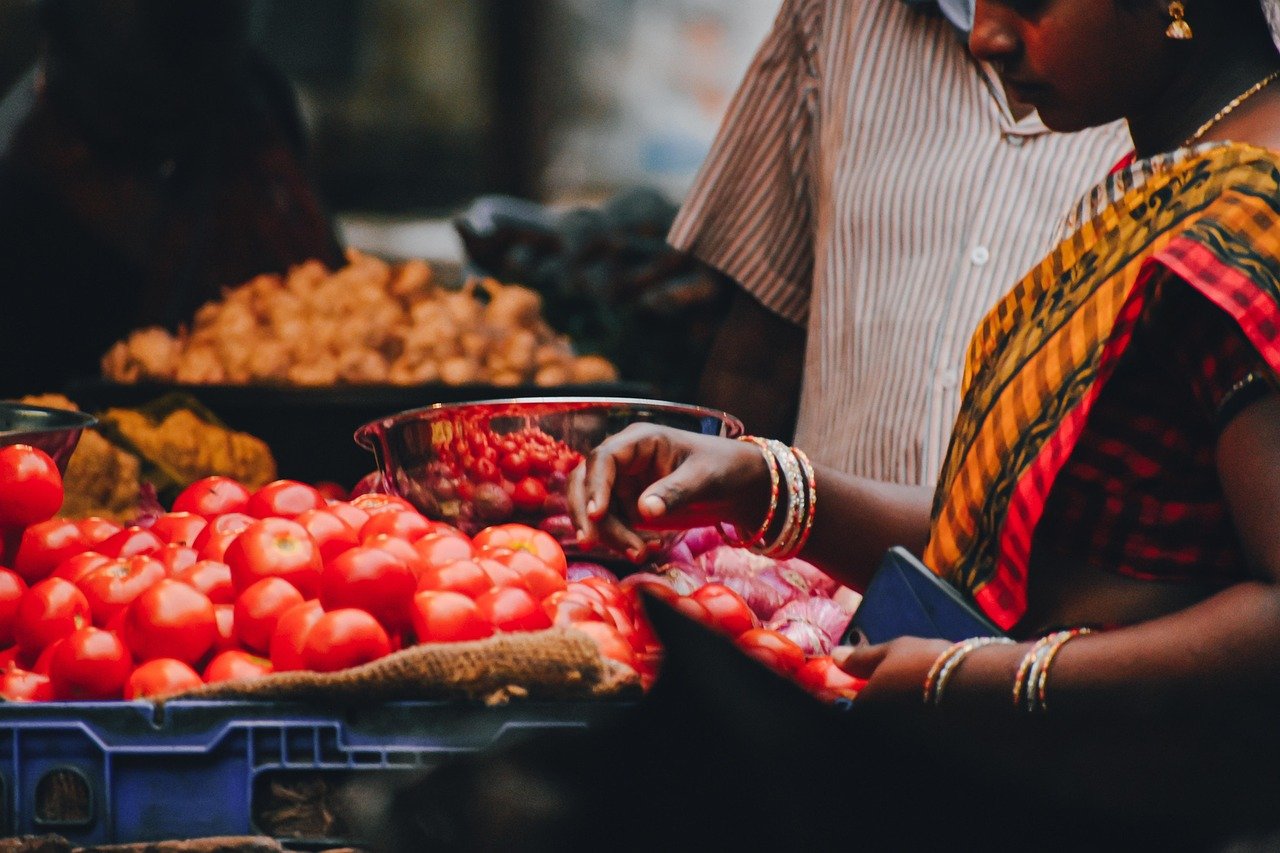
The Haymarket Farmers Market, held on Saturday mornings from May through October, is the social heart of Lincoln's weekend culture. Local farmers, food vendors, artisans, and musicians fill the historic brick streets of the Haymarket District, creating an atmosphere that is equal parts community gathering and culinary destination. Pairing the market with a walk through the neighborhood's galleries, breweries, and independent shops captures what locals love most about their city.
Lincoln, Nebraska offers a compelling mix of activity categories that reward travelers across a wide range of interests.
Outdoor Recreation
Lincoln maintains an impressive network of trails, parks, and green spaces for an inland Great Plains city. Pioneers Park Nature Center spans over 600 acres of native prairie, woodland, and wetland, where visitors can walk trails alongside free-roaming bison and elk. The Antelope Creek Trail and Jamaica North Trail connect neighborhoods and parks across the city, making Lincoln genuinely bikeable and walkable for outdoor enthusiasts.
Cultural Attractions
The Nebraska State Capitol is among the most architecturally celebrated government buildings in the country, featuring intricate mosaics, a soaring tower, and guided tours that explore its art and history. The Museum of Nebraska History and the National Museum of Roller Skating offer distinctly Nebraskan perspectives on American culture and heritage.
Arts and Entertainment
The Sheldon Museum of Art, located on the University of Nebraska campus, holds one of the most significant university art collections in the United States, with a strong focus on American art. The Lied Center for Performing Arts hosts national touring productions, orchestral performances, and dance companies throughout the year.
Food and Dining
The Haymarket District anchors Lincoln's dining scene, with independent restaurants, craft breweries, and coffee shops filling repurposed warehouse spaces. The Saturday Haymarket Farmers Market runs spring through fall and draws thousands of locals and visitors for fresh produce, local vendors, and street food. The Railyard complex nearby adds a modern dining and entertainment hub to the neighborhood.
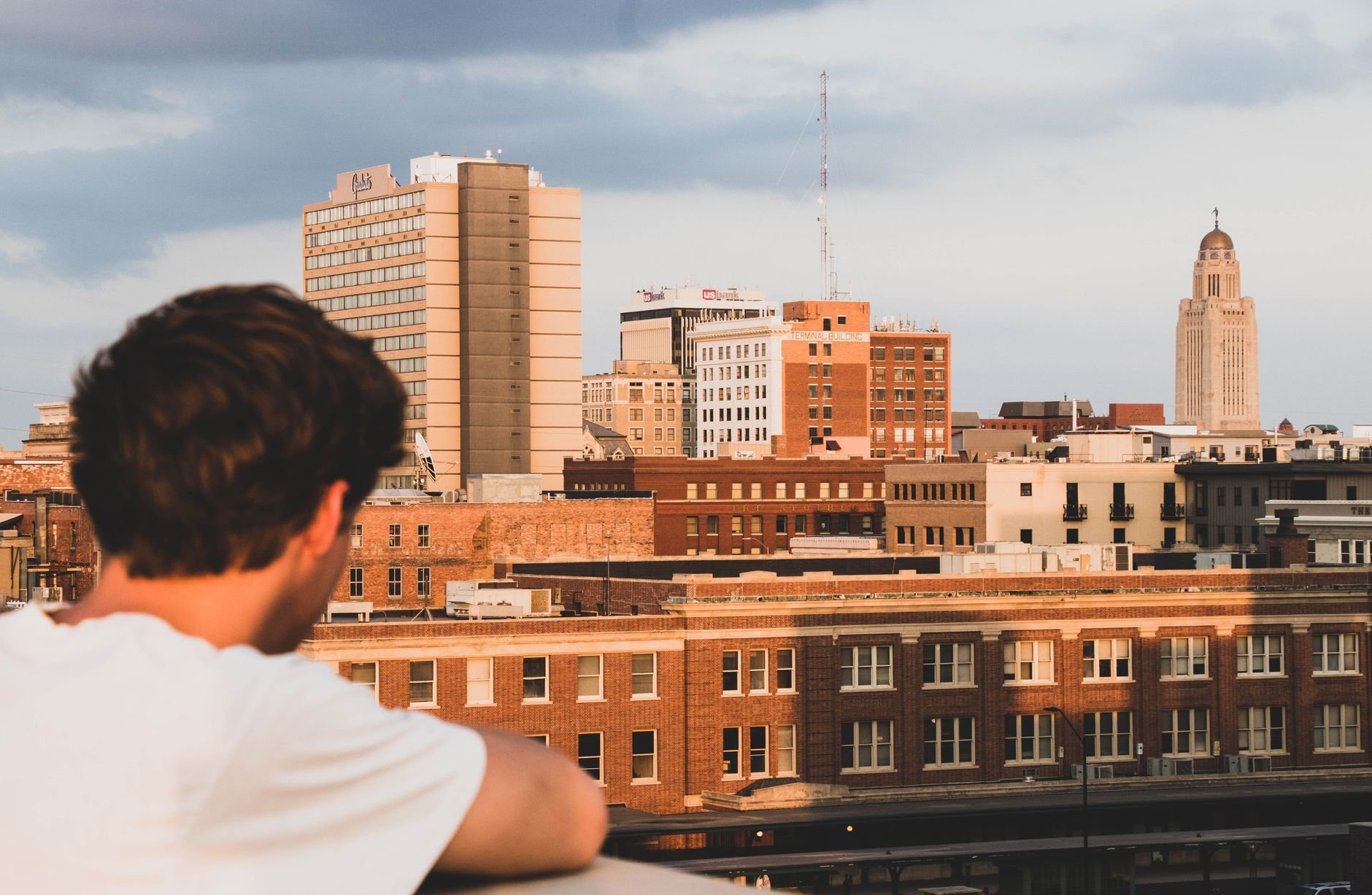
Start your morning at the Nebraska State Capitol, exploring its stunning architecture and gilded tower. Head to the Haymarket District for lunch at one of its independent restaurants, then browse the galleries and craft breweries in the afternoon. End your evening at the Railyard entertainment complex, grabbing dinner and soaking in the lively outdoor atmosphere.
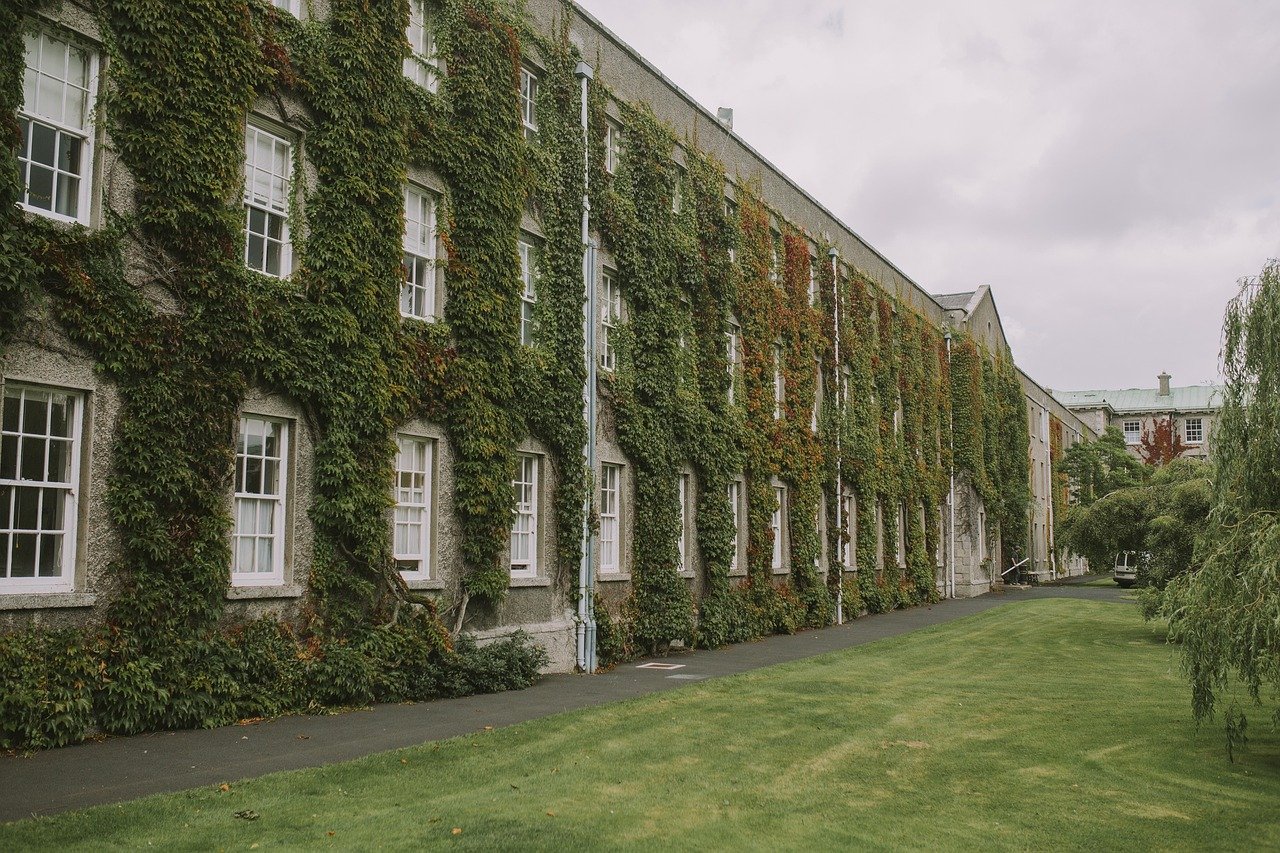
Spend the morning at the Sheldon Museum of Art on the University of Nebraska campus, one of the country's finest university art collections. Walk the campus grounds in the afternoon, then catch the energy of Memorial Stadium if a Husker home game is scheduled. Wind down with craft beers and dinner back in the Haymarket neighborhood.
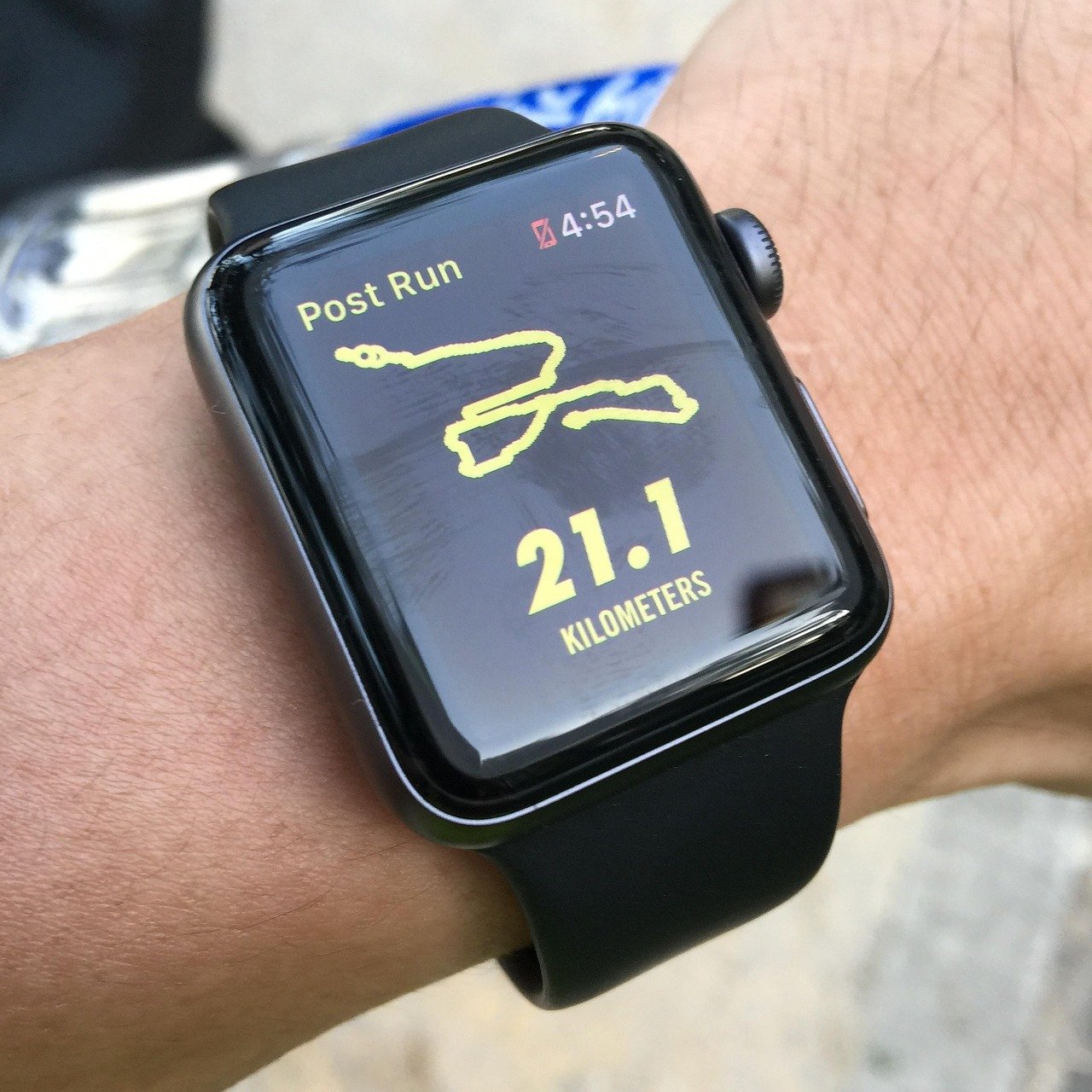
Lincoln's calendar moves to a rhythm shaped by college football, live music, and deep-rooted community traditions. Autumn is the city's most electric season, when Memorial Stadium fills with over 90,000 Cornhuskers fans and the entire city transforms around home game weekends. That same fall energy extends into the arts, with Lincoln Calling Music Festival bringing an eclectic mix of independent artists to venues across the city each September. Summer centers on the Lancaster County Super Fair, a beloved Nebraska institution celebrating its 150th anniversary in 2026, drawing families with livestock shows, carnival rides, and the smoky spectacle of the Great American Ribfest. Spring belongs to runners, as thousands take to the streets for the Lincoln Marathon, one of the Midwest's most celebrated road races. Through every season, a steady stream of touring concerts at Pinnacle Bank Arena keeps the city humming, from country headliners to classic rock icons.
Oct 7, 2026
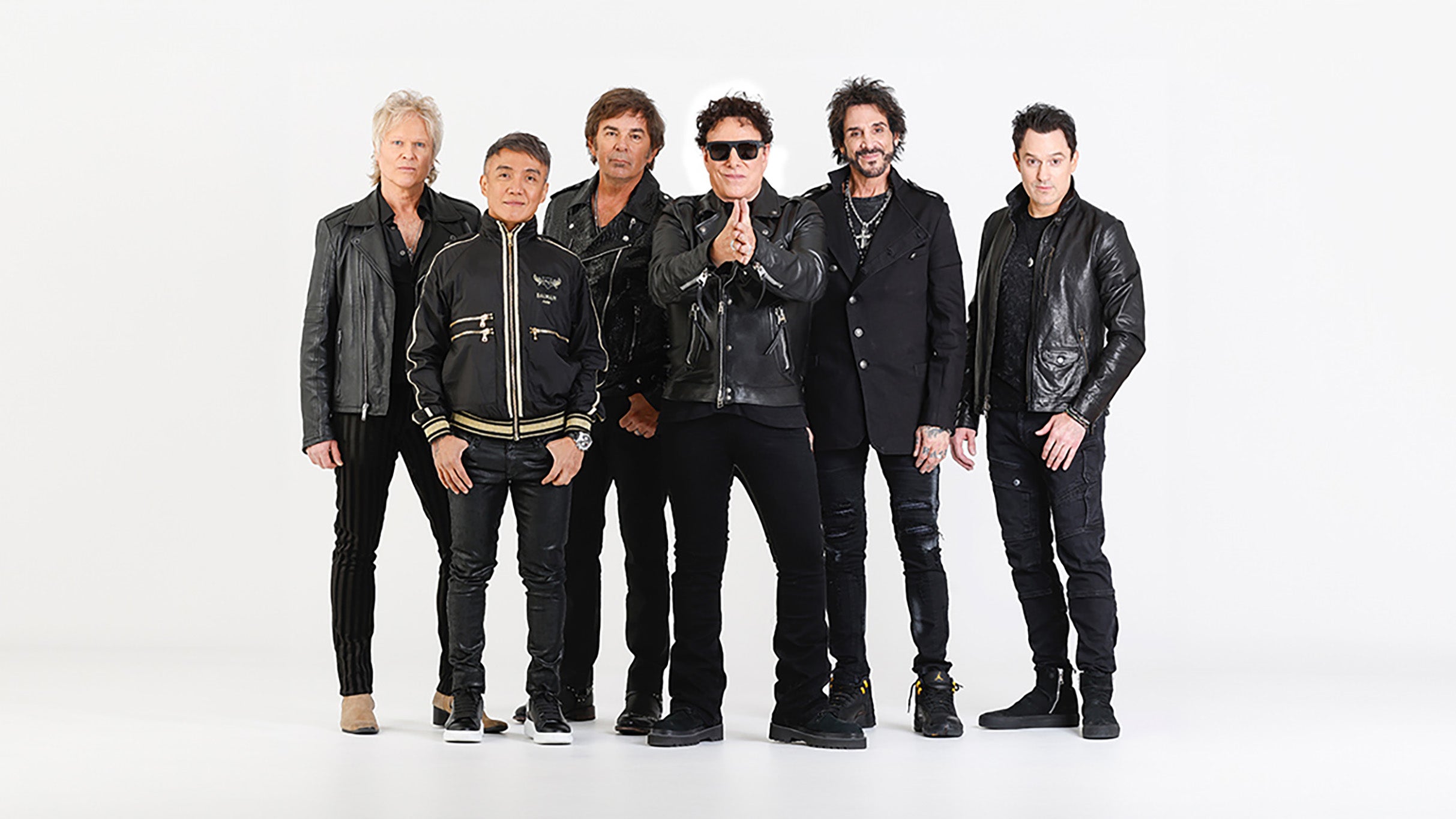
Jul 6, 2026

Jul 26, 2026
Lincoln, Nebraska's dining scene reflects its dual identity as a state capital and college town, with a food culture that balances Midwestern comfort with genuine culinary ambition. The Haymarket District is the beating heart of the city's restaurant scene, where repurposed warehouse spaces house independent eateries, craft breweries, and coffee roasters that draw a loyal local following. A year-round farmers market in the same neighborhood keeps chefs connected to regional producers and seasonal ingredients.
Lincoln Airport (LNK) sits about 5 miles northwest of downtown
making it the most convenient arrival point for direct travelers, with rental cars, taxis, and rideshare available on-site for the short drive into the city.
Omaha Eppley Airfield (OMA) offers significantly more flight options
and is located roughly 55 miles northeast of Lincoln via I-80, about a 50 to 60 minute drive that many travelers find worthwhile for better fares and connections.
I-80 is the primary driving corridor into Lincoln
connecting the city to Omaha (about 55 miles east) and Denver (about 480 miles west), with multiple exits leading directly into downtown and the Haymarket District.
Amtrak's California Zephyr stops at Lincoln's downtown station
providing a scenic rail option for travelers arriving from Chicago to the east or the Denver area to the west, with the station located just minutes from the Haymarket neighborhood.
Greyhound and FlixBus connect Lincoln to Omaha and Kansas City
offering budget-friendly intercity bus options for travelers who prefer not to rent a car or fly into the smaller Lincoln airport.
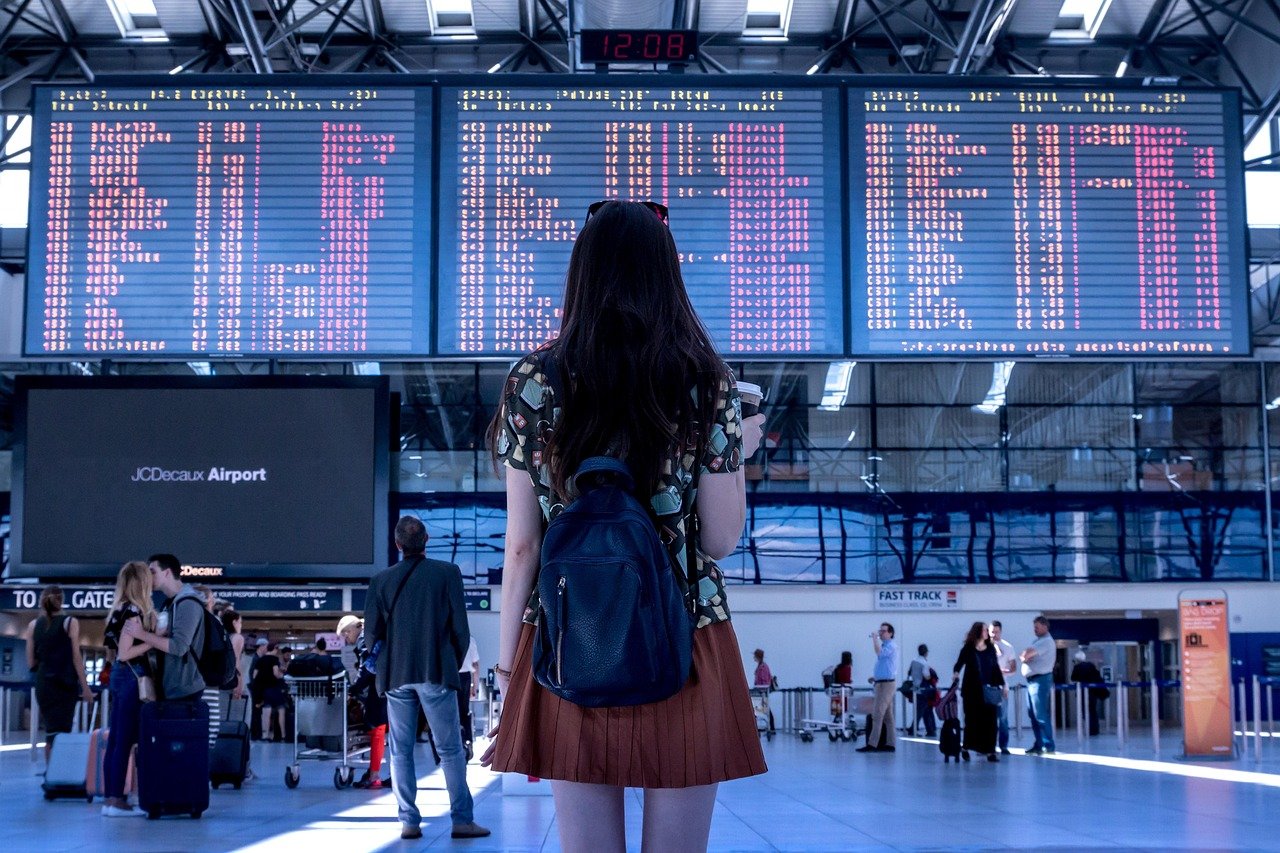
The Haymarket District and downtown Lincoln are compact and walkable
so most visitors can cover restaurants, galleries, the farmers market, and the Railyard on foot without needing a car for that portion of their trip.
Uber and Lyft operate reliably throughout Lincoln
and are the most flexible option for reaching destinations beyond the walkable downtown core, including Pioneers Park Nature Center and neighborhoods along O Street.
StarTran, Lincoln's public bus system, covers the city at low cost
but routes run infrequently and schedules may not align well with a visitor's itinerary, so it works best as a supplement rather than a primary way to get around.
On home Cornhusker football Saturdays, parking near Memorial Stadium fills hours before kickoff
so using rideshare or arriving well in advance is strongly recommended to avoid significant delays and limited options close to game time.
Lincoln's trail network, including the Jamaica North Trail and MoPac Trail
makes cycling a practical and enjoyable option in warmer months for reaching parks and green spaces, with bike rentals available through local shops.
Lincoln is a straightforward and welcoming city to navigate, but a few practical notes will help your visit run smoothly. Tipping follows standard US norms: 18 to 20 percent at sit-down restaurants and a dollar or two per drink at bars. Most businesses accept credit cards, though some smaller vendors at the farmers market prefer cash. The Husker football schedule drives the city's busiest and most expensive weekends, so check the Nebraska Cornhuskers home game calendar before booking if you want to either join the excitement or avoid the crowds. Summers in Lincoln are hot and humid, while winters can be cold and windy, so pack accordingly. The city is generally safe for visitors, including at night in the Haymarket and Railyard areas. Download the StarTran app if you plan to use the bus, and keep Uber or Lyft on your phone as a backup. Local residents are friendly and accustomed to helping visitors find their way.
Two to three days is ideal for Lincoln. One day covers the Nebraska State Capitol, the Haymarket District, and the Sheldon Museum of Art. A second day works well for a University of Nebraska campus visit and Pioneers Park Nature Center. If you are visiting during a Cornhuskers home game, budget extra time around game day.
Lincoln is best known for three things: the iconic Nebraska State Capitol, one of the most architecturally significant government buildings in the US; University of Nebraska Cornhuskers football, which transforms Memorial Stadium into the third-largest city in Nebraska on game days; and the Haymarket District, a lively warehouse neighborhood with restaurants, breweries, and a popular farmers market.
Yes, Lincoln works very well as a weekend trip. Two days is enough to hit the main highlights - the State Capitol, Haymarket District, Sheldon Museum of Art, and Pioneers Park. It is a compact, walkable city with no shortage of good food and drink options. A home football weekend adds extra energy and is worth planning around if you enjoy that experience.
Lincoln is an affordable destination by most standards. Hotels, dining, and attractions are priced well below major metropolitan cities. Many top draws - including the State Capitol, Sheldon Museum of Art, and Pioneers Park Nature Center - are free or low cost. Prices spike noticeably during University of Nebraska home football weekends, so book early if visiting then.
Late spring (May to June) and early fall (September to October) offer the most pleasant weather for exploring Lincoln. Fall also coincides with Cornhuskers football season, which adds a uniquely electric atmosphere to the city.