
Baltimore, MD
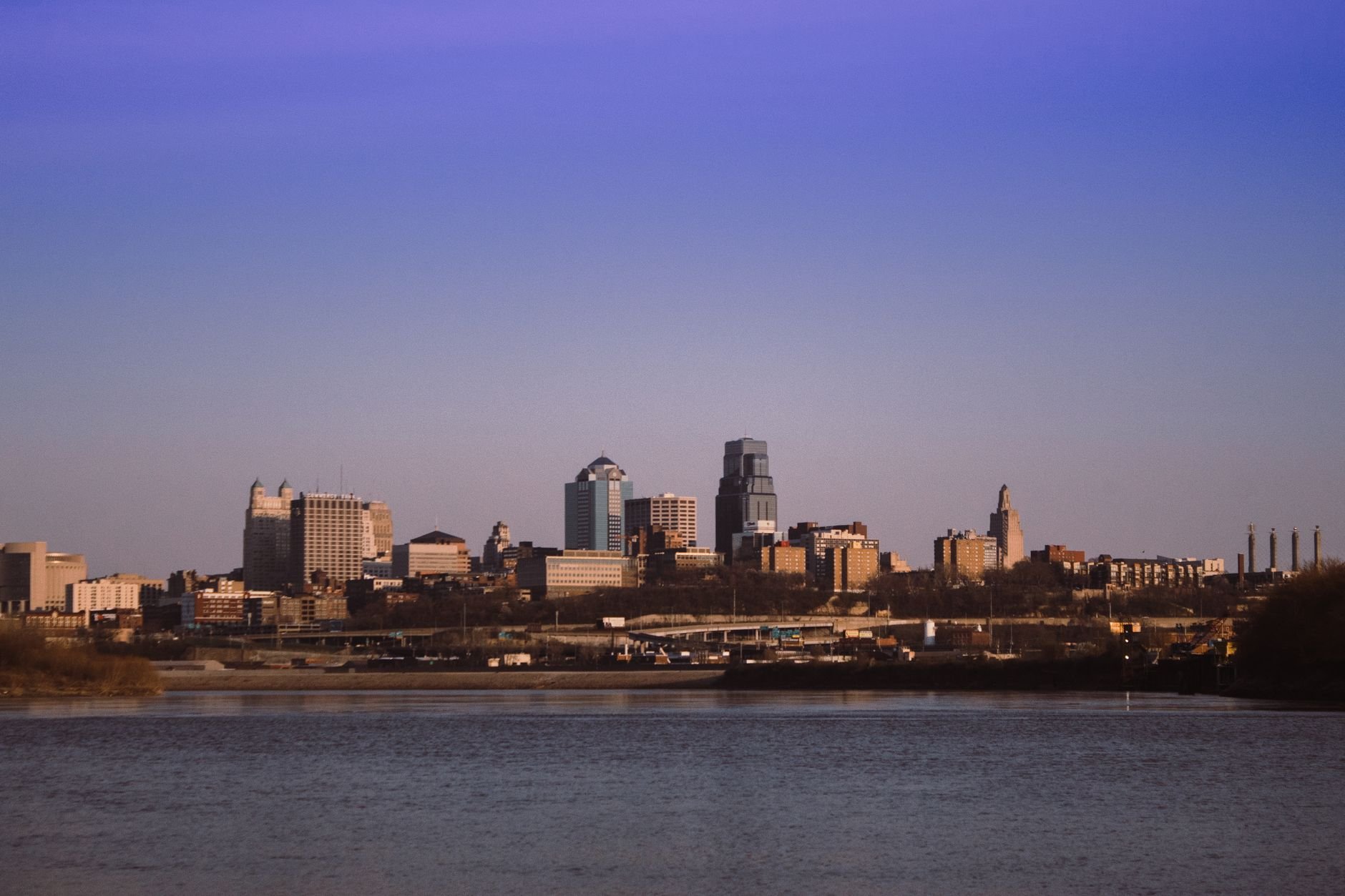
A Journey guide to
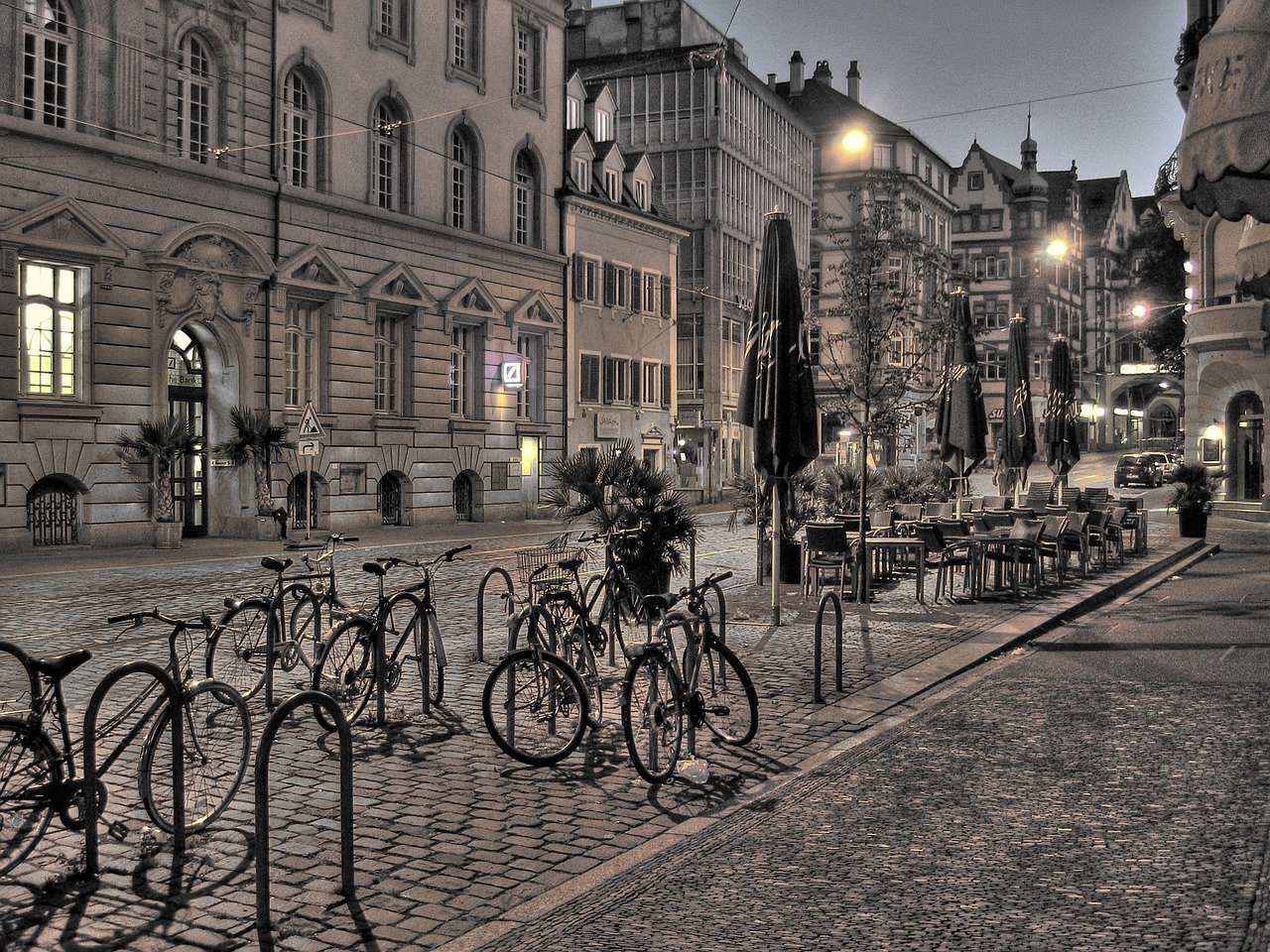
Omaha is a city that consistently surprises visitors who expect a quiet Midwestern stopover and instead find a destination with genuine culinary ambition, serious cultural institutions, and a historic streetscape that rewards exploration on foot. The city's Old Market district, with its cobblestone streets and 19th-century brick warehouses converted into restaurants, galleries, and boutiques, is one of the most walkable urban neighborhoods in the Great Plains.
The food scene is a legitimate draw. Omaha earned its reputation as a beef capital long ago, and that legacy lives on in a steakhouse culture that is both old-school and refined. But the city has grown well beyond it. A wave of chef-driven restaurants, craft breweries, and James Beard-recognized chefs has established Omaha as one of the Midwest's most compelling dining cities, with influences ranging from Vietnamese to Mexican to modern American.
Omaha punches well above its weight in museums and attractions. The Henry Doorly Zoo and Aquarium is consistently ranked among the best zoos in the world, drawing families and wildlife enthusiasts from across the country. The Durham Museum, housed in a restored Art Deco train station, offers one of the most evocative history experiences in the region. The Joslyn Art Museum anchors a serious fine arts offering that spans ancient to contemporary works.
The city draws a diverse mix of travelers: families drawn by the zoo, food lovers chasing the dining scene, history buffs tracing the Lewis and Clark expedition and the transcontinental railroad, and business travelers who find Omaha's compact, navigable downtown a welcome relief from larger metros. Warren Buffett's hometown also attracts a steady stream of finance-minded visitors, particularly during the annual Berkshire Hathaway shareholders meeting.
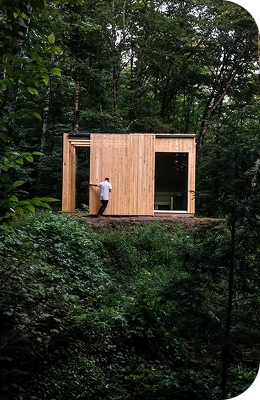

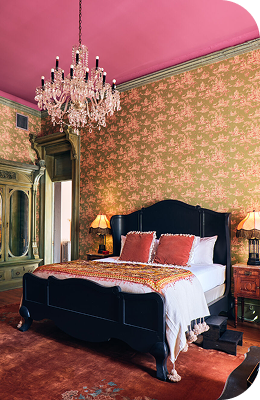

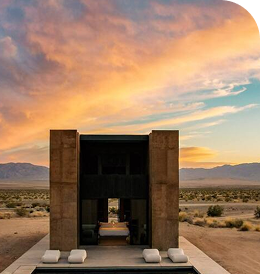

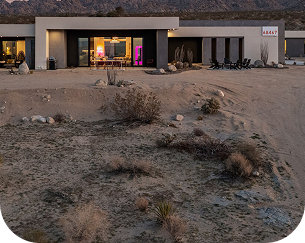

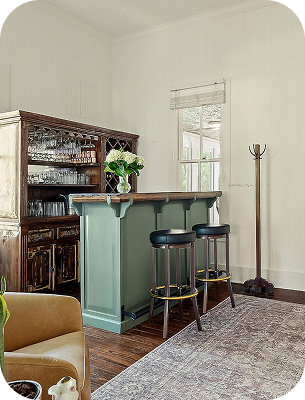

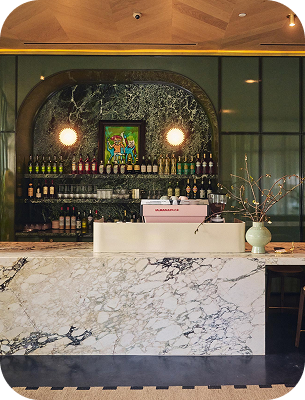

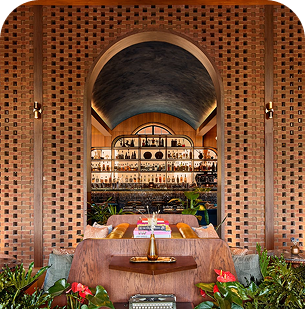

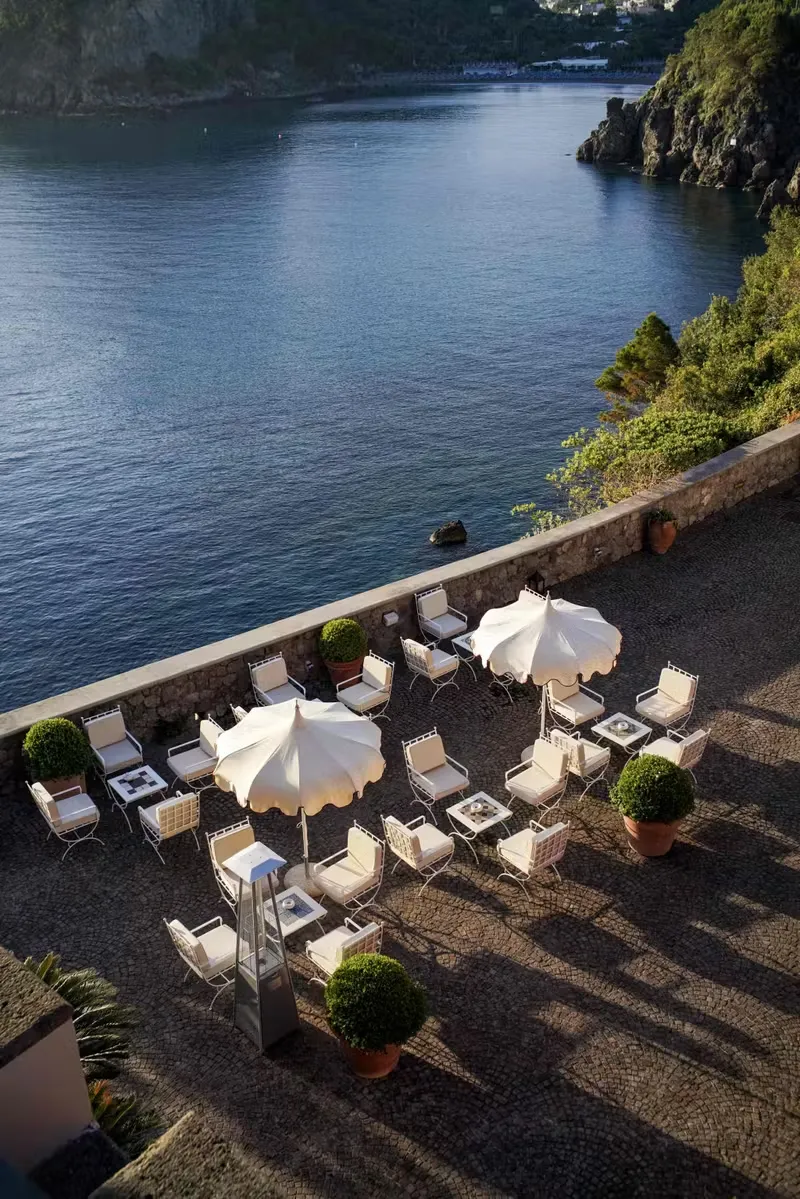

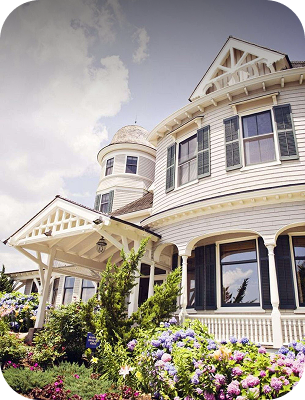

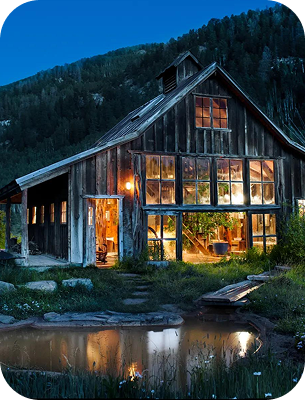








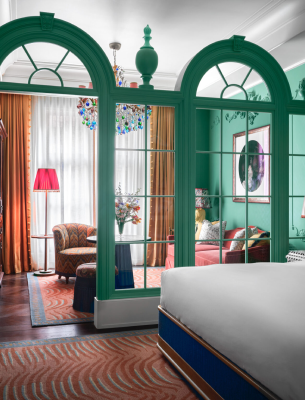
Journey connects travelers to a curated network of boutique hotels and distinctive residences around the world, all united under one rewards program. Explore handpicked stays for your trip while earning points, unlocking exclusive offers, and receiving rewards across the Journey collection.
Omaha sits on the western bank of the Missouri River in eastern Nebraska, directly across from Council Bluffs, Iowa. The river has defined the city since its founding in 1854, first as a staging ground for westward expansion and later as a critical hub for the transcontinental railroad. The Union Pacific Railroad was born here, and that heritage is woven into the city's identity, its architecture, and its museums.
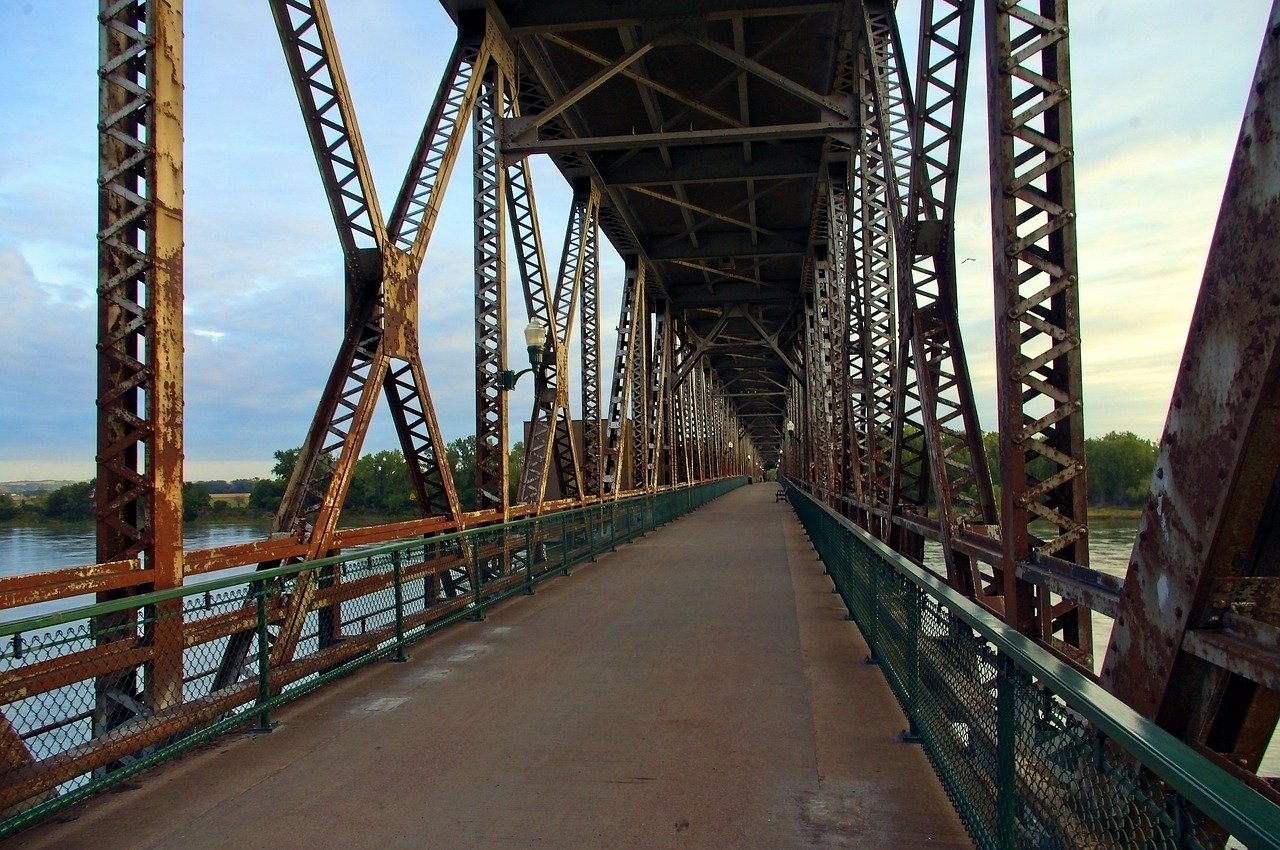
Geographically, Omaha occupies a rolling landscape of bluffs and river bottomland, giving the city more topographic character than the flat plains stereotype suggests. The Missouri River corridor provides green space, trails, and scenic outlooks that connect the urban core to the natural landscape. The Bob Kerrey Pedestrian Bridge, spanning the Missouri between Nebraska and Iowa, has become both a civic landmark and a recreational destination in its own right.
Culturally, Omaha carries the pragmatic confidence of a city that has never needed to prove itself to the coasts. It is the largest city in Nebraska and the anchor of a metropolitan area that functions as the commercial, financial, and cultural capital of the state. The presence of major corporations, including Berkshire Hathaway, Union Pacific, and Mutual of Omaha, gives the city an economic stability that supports a quality of life well above what its size might imply.
The neighborhoods tell the story of a city in genuine evolution. Midtown Crossing brought new energy to a formerly neglected stretch between downtown and the university district. Benson, a blue-collar neighborhood on the northwest side, has emerged as a hub for live music, independent bars, and creative businesses. Dundee, with its tree-lined streets and historic bungalows, offers a quieter, residential character.
For travelers, Omaha offers an authentically American urban experience, one shaped by the railroad, the river, and the resilience of the Great Plains, without the pretension or the crowds of more prominent destinations.
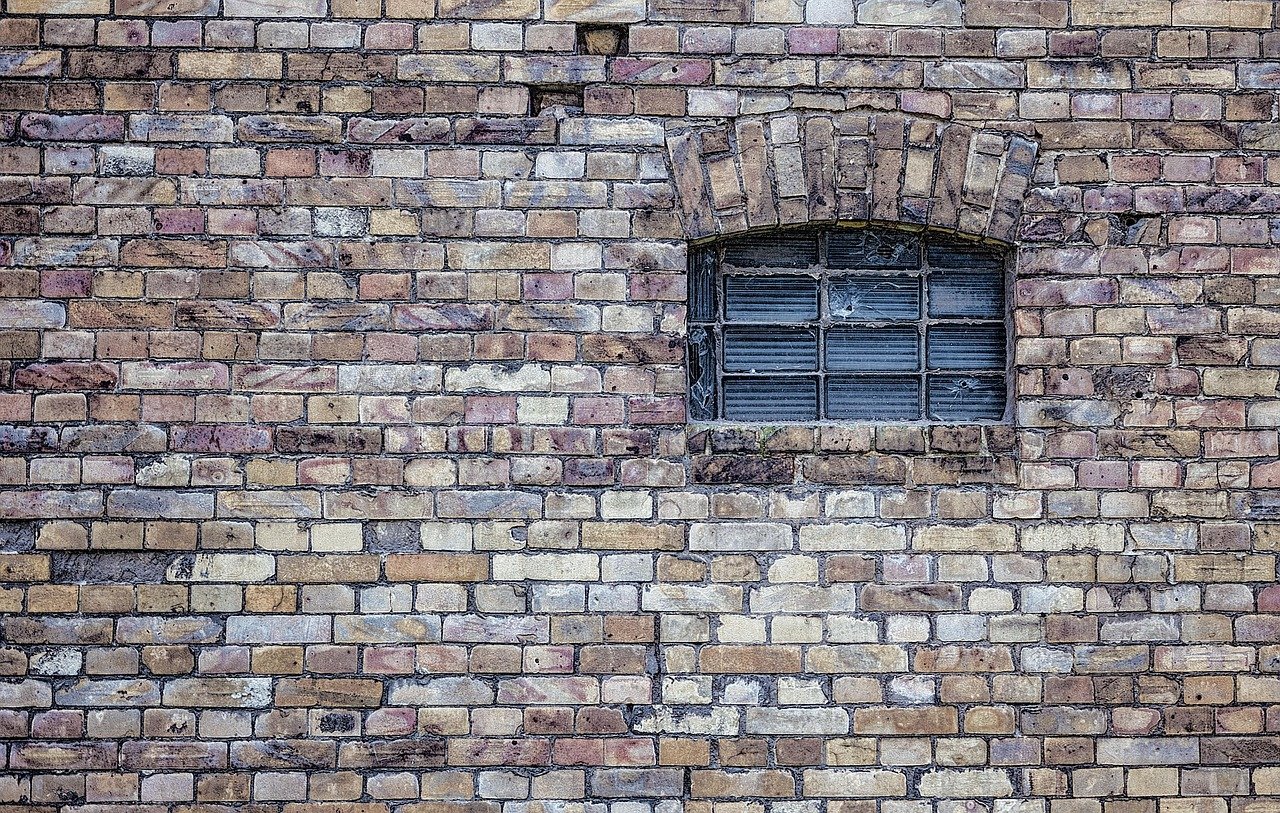
Late spring and early fall are the sweet spots for visiting Omaha, and most experienced travelers plan their trips around one of these two windows.
May and early June offer a city fully awakened after winter, with outdoor patios filling up across the Old Market, the Henry Doorly Zoo at its most vibrant, and the Missouri Riverfront Trail drawing cyclists and walkers in full force. Festival season kicks off in earnest, and the city's cultural calendar fills quickly. Crowds are present but manageable, and accommodations remain reasonably priced compared to peak summer weeks.
Summer draws the largest crowds, particularly families with school-age children making the most of the zoo and other major attractions. The Berkshire Hathaway Annual Shareholders Meeting, held each spring typically in early May, brings a significant influx of visitors and causes hotel rates to spike citywide, so travelers without a specific reason to attend should plan around that weekend.
September and October represent Omaha at its most agreeable for sightseeing. The summer crowds thin, outdoor dining remains fully in swing, and the city's parks and boulevards take on warm autumn color. The Durham Museum, Joslyn Art Museum, and the Old Market district are all easy to enjoy without the congestion of peak season. Fall also brings a strong lineup of local events, from food festivals to live music, making it an especially rewarding time for first-time visitors.
Winter is best suited to travelers with a specific draw, such as holiday events or a business trip, rather than those seeking a broad exploration of the city. Spring shoulder season in March and April can be hit or miss weather-wise, but savvy visitors who catch a good stretch will find a city with shorter lines and lower rates at top properties.
Omaha's most iconic district, the Old Market occupies a compact grid of cobblestone streets and converted 19th-century brick warehouses in the heart of downtown. Independent restaurants, wine bars, art galleries, and boutiques fill the ground floors, making it the city's most walkable and visitor-friendly neighborhood. Weekend evenings draw a lively mix of locals and out-of-towners across its patios and storefronts.
A polished mixed-use development anchored by Turner Park, Midtown Crossing sits between downtown and the University of Nebraska Medical Center. The district offers upscale dining, a seasonal farmers market, and a well-maintained green space that hosts outdoor concerts and community events. It represents Omaha's contemporary urban ambitions in a clean, walkable format.
This tree-lined residential corridor northwest of midtown has a strong neighborhood commercial strip that feels refreshingly local. Independent coffee shops, wine bars, and chef-owned restaurants line the main drag, drawing regulars who live nearby and visitors seeking a break from the Old Market scene. The area's unhurried, residential character is a genuine contrast to the busier downtown districts.
Benson has grown into Omaha's creative and nightlife hub, centered on a stretch of Maple Street packed with dive bars, craft beer spots, and live music venues. The neighborhood draws a younger, arts-oriented crowd and has a DIY energy that sets it apart from the rest of the city. Food trucks, pop-up events, and independent venues make it the best place to catch Omaha's after-dark scene.

Omaha has a short list of experiences that are genuinely its own, the kind that define why travelers make the trip and what they remember long after leaving.
Henry Doorly Zoo and Aquarium
No visit to Omaha is complete without time at Henry Doorly. This is not a typical city zoo. It is one of the most ambitious zoological institutions in the world, featuring the largest indoor desert in North America, a sprawling indoor rainforest canopy walk, a world-class aquarium, and a nocturnal animal exhibit that few facilities can match. Families plan entire trips around it, and serious wildlife enthusiasts make the journey specifically for the depth of its animal collections and conservation programs.
The Old Market Experience
Omaha's Old Market is one of the most distinctive urban neighborhoods in the Midwest. The combination of gas-lit cobblestone streets, 19th-century brick warehouse architecture, independent restaurants, galleries, and boutiques creates an atmosphere that feels genuinely historic rather than manufactured. Weekend evenings here draw locals and visitors alike, and the density of quality dining options within a few walkable blocks is remarkable for a city of Omaha's size.
Steakhouse Culture
Omaha's identity as a beef city is not mere marketing. The city sits at the heart of the American cattle industry, and its steakhouse tradition reflects that heritage with a seriousness that is hard to replicate elsewhere. Dining at one of Omaha's storied steakhouses is a regional rite of passage, with cuts and dry-aging programs that draw dedicated food travelers from across the country.
Berkshire Hathaway Shareholders Meeting
Each spring, Omaha transforms into the unlikely financial capital of the world when Warren Buffett hosts the annual Berkshire Hathaway shareholders meeting. Tens of thousands of investors, business leaders, and curious travelers descend on the city for what has become known as the Woodstock for Capitalists, a singular event with no equivalent anywhere else.
Omaha offers a well-rounded mix of activities that rewards every type of traveler, from families and food lovers to history buffs and outdoor enthusiasts.
Cultural Attractions
Omaha's museum scene is genuinely impressive for a city its size. The Henry Doorly Zoo and Aquarium is a world-class destination in its own right, consistently ranked among the best zoos in the country and home to one of the largest indoor rainforests and desert domes on earth. The Durham Museum, set inside a beautifully restored Art Deco Union Station, brings the history of the American West and the transcontinental railroad to life with immersive exhibits. The Joslyn Art Museum houses a strong permanent collection spanning ancient civilizations to contemporary works, all within a striking pink marble building.
Arts and Entertainment
Omaha has a lively performing arts and live music scene anchored by the Holland Performing Arts Center and the Orpheum Theater, a grand restored venue that hosts touring Broadway productions, orchestral performances, and special events. The Bemis Center for Contemporary Arts supports emerging artists and hosts rotating exhibitions that keep the local arts conversation fresh.
Food and Dining
Omaha's culinary identity runs deep. The city's steakhouse tradition is legendary, but the dining scene has expanded into chef-driven restaurants, craft breweries, and a growing roster of James Beard-recognized chefs. The Old Market neighborhood is the culinary and social heart of the city, lined with independent restaurants, wine bars, coffee shops, and specialty food purveyors.
Outdoor Recreation
The Missouri River waterfront and a network of parks and trails give outdoor enthusiasts plenty to explore. Heartland of America Park and the Bob Kerrey Pedestrian Bridge, which spans the Missouri River into Iowa, are popular spots for walking, cycling, and taking in river views. Zorinsky Lake Park and Cunningham Lake offer fishing, hiking, and wildlife watching close to the city.
Scenic Exploration
The Old Market district's cobblestone streets and 19th-century brick architecture make for some of the most atmospheric urban exploration in the Great Plains. Beyond the city, the Loess Hills of western Iowa are accessible via the pedestrian bridge, offering a striking natural landscape shaped by ancient wind-deposited soils.
Start in the Old Market district: wander cobblestone streets, browse boutiques, and grab breakfast at a local cafe. Spend the afternoon at the Joslyn Art Museum, exploring its collection from ancient to contemporary works. In the evening, head back to Old Market for dinner at one of the neighborhood's chef-driven restaurants and enjoy the lively bar scene.

Dedicate the morning and early afternoon to the Henry Doorly Zoo and Aquarium, one of the top-ranked zoos in the world - plan at least three to four hours for the desert dome, aquarium, and jungle exhibits. In the late afternoon, visit the Durham Museum inside its stunning Art Deco train station. End the evening with a classic Omaha steakhouse dinner.
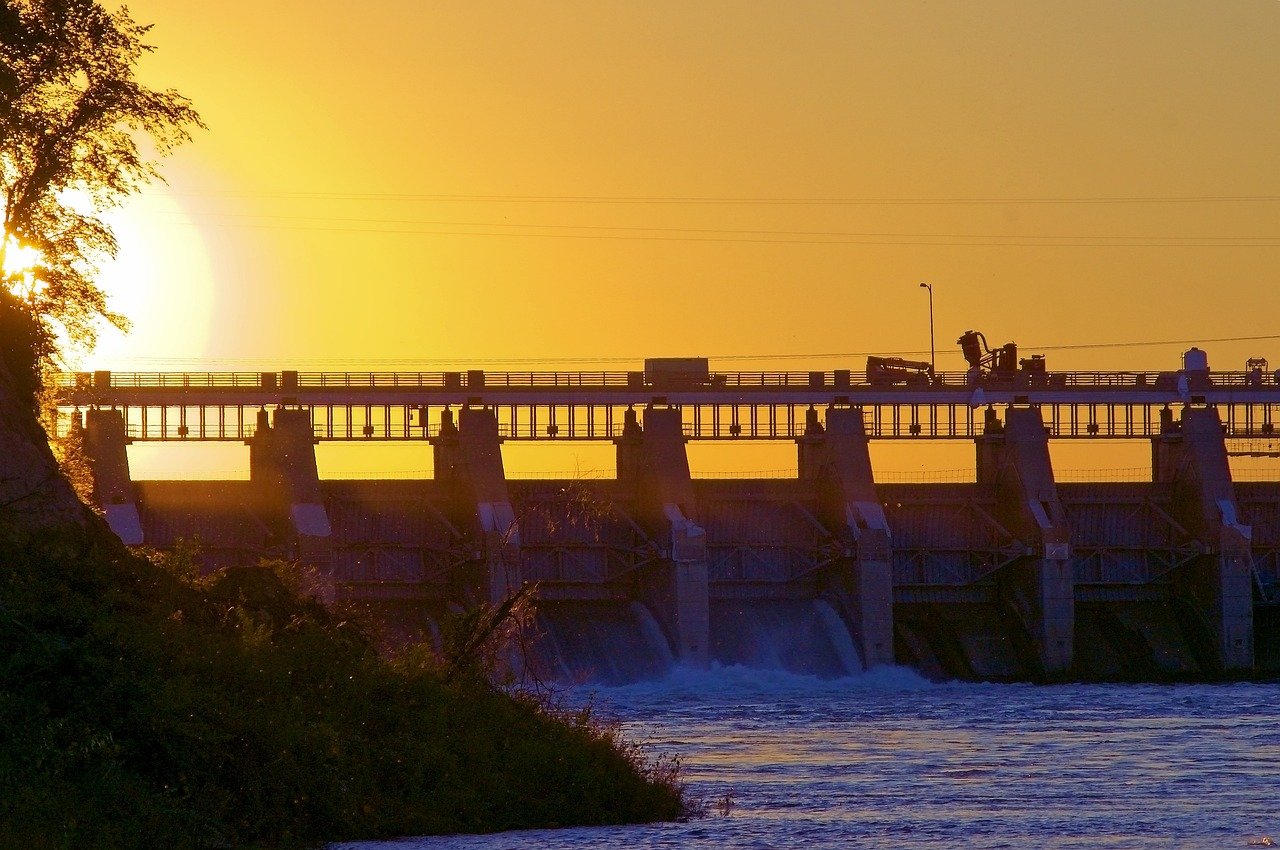
Spend the morning tracing Omaha's history along the Missouri River at the Lewis and Clark National Historic Trail Visitor Center. Head to the Benson neighborhood in the afternoon for its craft brewery scene and local lunch spots. Wrap up the trip with a stroll through Midtown Crossing at Turner Park and a farewell dinner at one of Omaha's James Beard-recognized restaurants.
Omaha pulses with a distinct seasonal rhythm shaped by its Midwestern character, love of sport, and a creative community that fills the calendar year-round. Winters are quiet and inward-looking, with local breweries and the Old Market's indoor dining scene drawing regulars. Spring brings the city back outdoors, with farmers markets returning to the riverfront and the arts district hosting gallery walks as temperatures climb. Summer is the city's most energetic season, anchored by major sporting events that draw visitors from across the country and fill the Old Market with out-of-towners discovering Omaha for the first time. The College World Series, held each June at Charles Schwab Field, is the city's signature summer moment, transforming downtown into a festival of baseball, regional pride, and street-level celebration. Fall eases into harvest festivals, food and wine events, and the kind of neighborhood block parties that reflect Omaha's strong sense of community. The Berkshire Hathaway annual shareholders meeting, held each spring, draws a uniquely finance-minded crowd that gives the city a brief but distinctive cosmopolitan charge.
Omaha's culinary identity is rooted in its legacy as a beef capital, and the city's steakhouse culture remains a cornerstone of the dining scene - ranging from classic, white-tablecloth institutions to modern, chef-driven interpretations. A great steak in Omaha is not a cliche; it is a genuine point of civic pride.
Omaha is served by Eppley Airfield (OMA)
located about 5 miles northeast of downtown, with direct flights from major hubs including Chicago, Dallas, Denver, and Minneapolis, plus rideshare and rental car options available at the terminal.
I-80 runs directly through Omaha
making it a natural stop for road trippers crossing the country east to west, with Kansas City roughly 3 hours to the southeast and Denver about 8.5 hours to the west.
Amtrak's California Zephyr stops at Omaha's Union Pacific depot
connecting the city to Chicago (about 8 hours east) and Denver (about 8 hours west), though the train runs only three times per week in each direction, so schedule planning is essential.
Greyhound and FlixBus serve Omaha with regional bus routes
linking the city to Lincoln (about 1 hour), Kansas City (about 3 hours), and Des Moines (about 2.5 hours), offering a budget-friendly alternative for travelers without a car.
The Old Market district is compact and highly walkable
so visitors staying nearby can easily cover the cobblestone streets, restaurants, galleries, and riverfront on foot without needing a car or rideshare for most of the day.
Rideshare via Uber and Lyft is the most practical option for cross-city trips
such as getting from downtown to the Henry Doorly Zoo (about 3 miles south) or the Joslyn Art Museum (about 1.5 miles north), with wait times generally short throughout the metro.
Omaha Metro Transit buses cover the city
but routes run infrequently and are best suited for budget-conscious travelers with flexible schedules rather than visitors trying to hit multiple attractions in a single day.
Parking in the Old Market on weekend evenings fills quickly
so arriving before 6 p.m. or using one of the nearby city-operated garages on 10th or 11th Street is the most reliable way to avoid circling for a spot.
Omaha is a straightforward city to navigate, but a few practical notes will help your trip run smoothly. Tipping follows standard U.S. norms: 18 to 20 percent at restaurants and for rideshare drivers. Most businesses are cash-optional, and credit cards are accepted nearly everywhere. The city is generally safe for visitors, including solo travelers, though as with any city it pays to stay aware of your surroundings in less-trafficked areas after dark.
If you are visiting during the Berkshire Hathaway shareholders meeting in early May, book hotels and restaurants well in advance as demand spikes dramatically across the metro. The Henry Doorly Zoo is best visited on weekday mornings to avoid peak crowds, and timed entry tickets can sell out on busy summer weekends. Weather in Omaha can shift quickly: summers are hot and humid, winters are cold with occasional snow, and spring brings severe storm potential. Packing layers is advisable in shoulder seasons. Download the Omaha Metro app if you plan to use public transit.
Two to three days is enough to cover Omaha's highlights comfortably. Spend a day at the Henry Doorly Zoo and Aquarium, another exploring the Old Market district and its restaurants, and a third visiting the Durham Museum and Joslyn Art Museum. The city is compact and easy to navigate, so you won't need much time to feel like you've seen it well.
Omaha is best known for the Henry Doorly Zoo and Aquarium, one of the top-ranked zoos in the world, and its deep-rooted steakhouse culture tied to its legacy as a beef capital. The city is also recognized as Warren Buffett's hometown, for the historic Old Market district, and for a growing dining scene with James Beard-recognized chefs.
Yes, Omaha works very well as a weekend trip. The city is compact and easy to navigate, and two days gives you enough time to hit the top attractions - the Henry Doorly Zoo, the Old Market, and at least one standout restaurant. It is a practical getaway for travelers coming from across the Midwest or connecting through the region.
Omaha is generally affordable compared to larger U.S. cities. Hotels, dining, and attractions tend to be reasonably priced. The Henry Doorly Zoo has an admission fee but is widely considered worth it. You can eat well at chef-driven restaurants without the price tags common in coastal cities, making Omaha a solid value destination for most travelers.
Late spring through early fall - roughly May through September - offers the most pleasant weather for exploring Omaha. Summers are warm and lively, with outdoor events and full access to attractions, though July and August can be hot and humid.