
Baltimore, MD
A Journey guide to
Las Vegas is one of the most visited cities on earth, a purpose-built spectacle in the Mojave Desert that has reinvented itself repeatedly over eight decades. The city is synonymous with the Strip, a four-mile corridor of mega-resorts that collectively represent the highest concentration of luxury hotels, celebrity chef restaurants, and headline entertainment venues anywhere in the world. It draws tens of millions of visitors annually, and no two trips to Las Vegas feel quite the same.
Beyond the casino floors, Las Vegas has matured into a genuine culinary destination. Residencies from globally recognized chefs, including Joel Robuchon, Gordon Ramsay, and Nobu Matsuhisa, have given the city serious gastronomic credibility. The arts scene has followed, anchored by institutions like the Smith Center for the Performing Arts and a growing gallery district in the Arts District, just south of downtown.
Las Vegas attracts a strikingly diverse traveler: the high-roller seeking a private suite at Wynn or Encore, the bachelorette party descending on the pool clubs of Mandalay Bay, the boxing or UFC fan at T-Mobile Arena, and increasingly the outdoor adventurer using the city as a base for Red Rock Canyon, Valley of Fire, and the Hoover Dam. The city is genuinely for everyone, which is both its greatest trick and its most underrated quality.
What sets Las Vegas apart from every other entertainment city is its commitment to scale and reinvention. Hotels are not merely places to sleep but fully realized worlds with their own retail, dining, spa, and entertainment ecosystems. The city never stops building, never stops competing with itself, and never stops surprising even the most seasoned visitor. That relentless ambition is the defining character of Las Vegas.


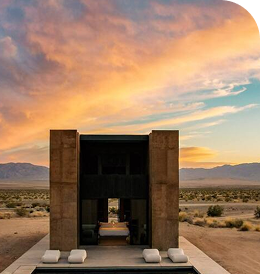

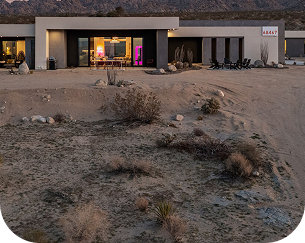

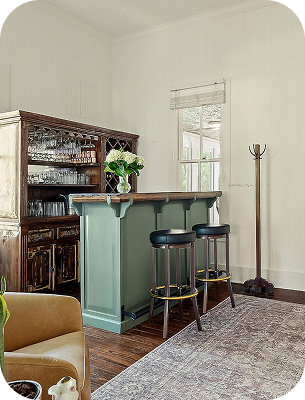

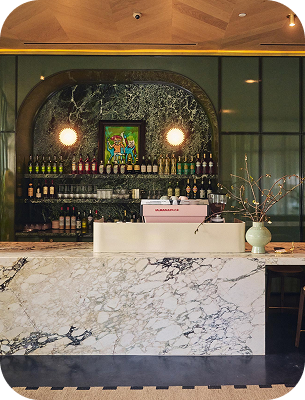





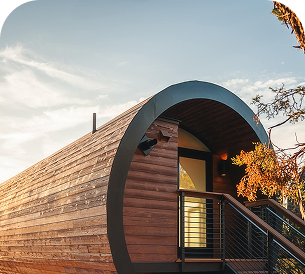

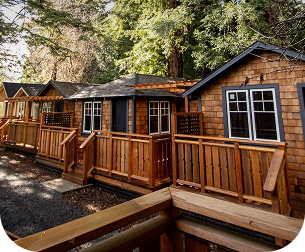

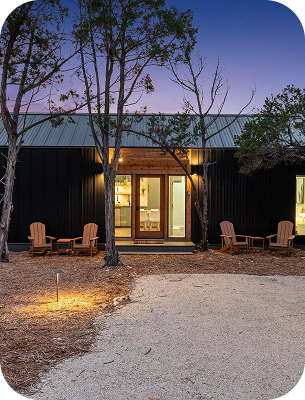

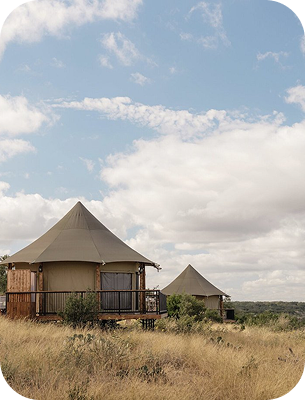

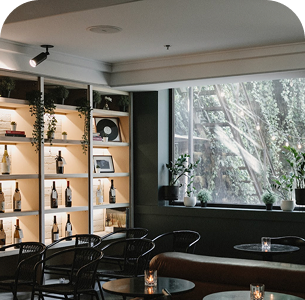

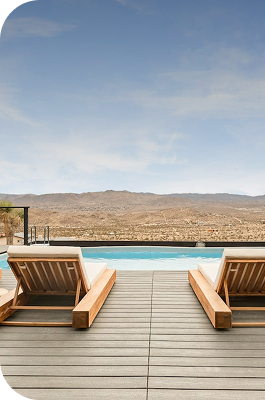

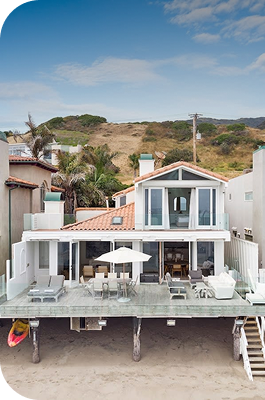

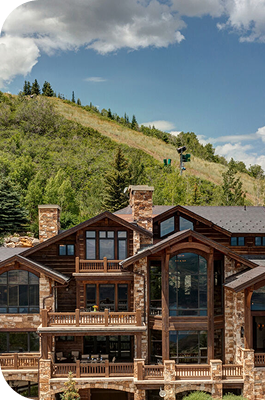

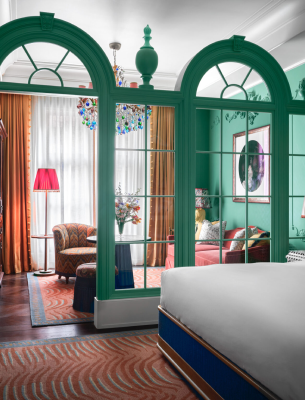
Journey connects travelers to a curated network of boutique hotels and distinctive residences around the world, all united under one rewards program. Explore handpicked stays for your trip while earning points, unlocking exclusive offers, and receiving rewards across the Journey collection.
Las Vegas sits in the southern tip of Nevada at roughly 2,000 feet elevation in the Mojave Desert, ringed by Spring Mountains to the west and the Lake Mead basin to the east. The geography is stark and dramatic, a basin of pale desert floor framed by red rock ridgelines, which makes the sudden appearance of the Strip's towers all the more surreal from the air or the highway. The city occupies the Las Vegas Valley, a broad alluvial plain that funnels into one of the most recognizable urban silhouettes in the world.
The city's modern identity was forged in 1931, when Nevada legalized gambling and the federal government began construction of Hoover Dam, drawing thousands of workers and settlers to the region. The mob era of the 1940s and 1950s, led by figures like Benjamin Siegel and his Flamingo hotel, established the blueprint for resort-casino development that would define Las Vegas for generations. Howard Hughes's arrival in the late 1960s began a corporatization of the Strip that accelerated through the 1990s megaresort boom, when properties like the MGM Grand, Bellagio, and Venetian transformed Las Vegas into a mainstream destination rather than a vice capital.
Today, Las Vegas is the seat of Clark County and the cultural and economic engine of Nevada. The metropolitan area is home to nearly 2.3 million people, a permanent population that lives alongside an almost incomprehensible tourism infrastructure. The city hosts more than 40 million visitors annually, filling over 150,000 hotel rooms, the largest inventory of any city in the United States.
Culturally, Las Vegas occupies a unique position: it is simultaneously a place of pure escapism and a city of genuine community, with thriving neighborhoods, a growing tech and healthcare sector, and a professional sports scene anchored by the Vegas Golden Knights, the Las Vegas Raiders, and the Las Vegas Aces. The travel atmosphere is electric, permissive, and relentlessly forward-facing.
Las Vegas is a year-round destination, but the timing of your visit has a real impact on how you experience the city. The sweet spots are spring, specifically March through May, and fall, from late September through November. During these windows, the desert climate is at its most forgiving, outdoor attractions like Red Rock Canyon and Valley of Fire are fully accessible, and the city hums with conventions, residencies, and major sporting events without tipping into peak overcrowding.
Winter, particularly January and February, is the insider's choice for budget-conscious travelers. Hotel rates drop significantly after the New Year rush, casino floors are less congested, and restaurant reservations at top spots are easier to secure. The holiday stretch from Thanksgiving through New Year's Eve is the exception, when the city sees some of its highest occupancy rates of the year and the Strip becomes genuinely packed.
Summer draws massive crowds to pool clubs and nightlife venues, and while the entertainment calendar stays packed, the extreme outdoor heat limits daytime activity beyond the air-conditioned casino and resort ecosystem. Travelers who prioritize outdoor day trips should avoid June through August entirely.
March Madness, the Super Bowl, major UFC and boxing events, and the Electric Daisy Carnival in May all create demand spikes that push room rates sharply higher and fill the Strip to capacity. If you plan around a specific event, book accommodations as far in advance as possible. If you prefer a quieter, more navigable Las Vegas, the weeks immediately following major holidays and the lull between Labor Day and late October offer the best combination of value, access, and atmosphere. Formula 1 racing in November has added a new peak period to the fall calendar, so check the events schedule before finalizing dates.
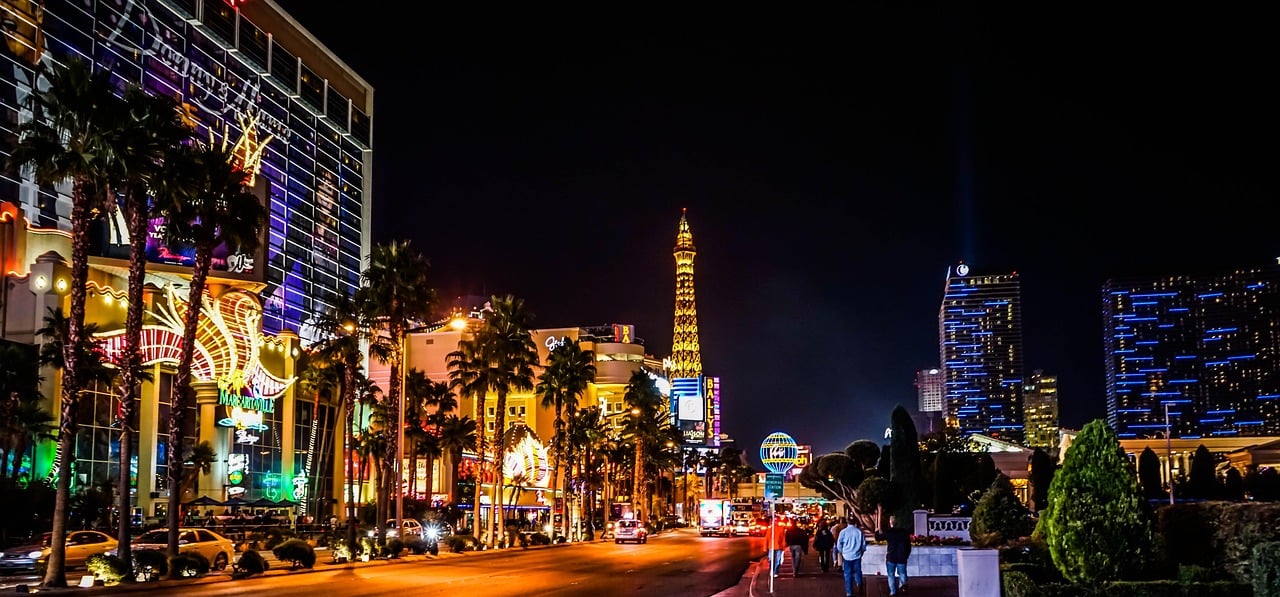
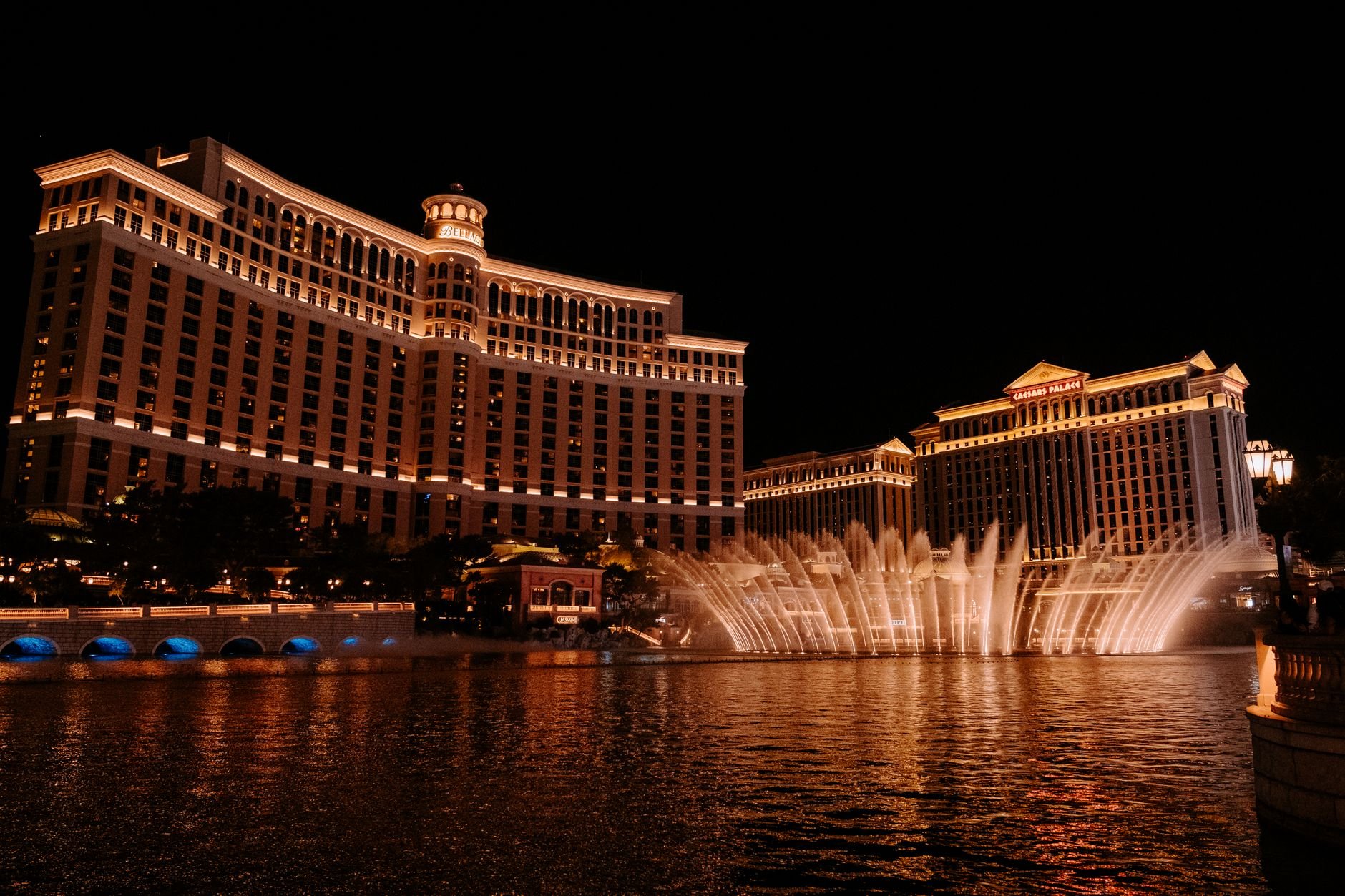
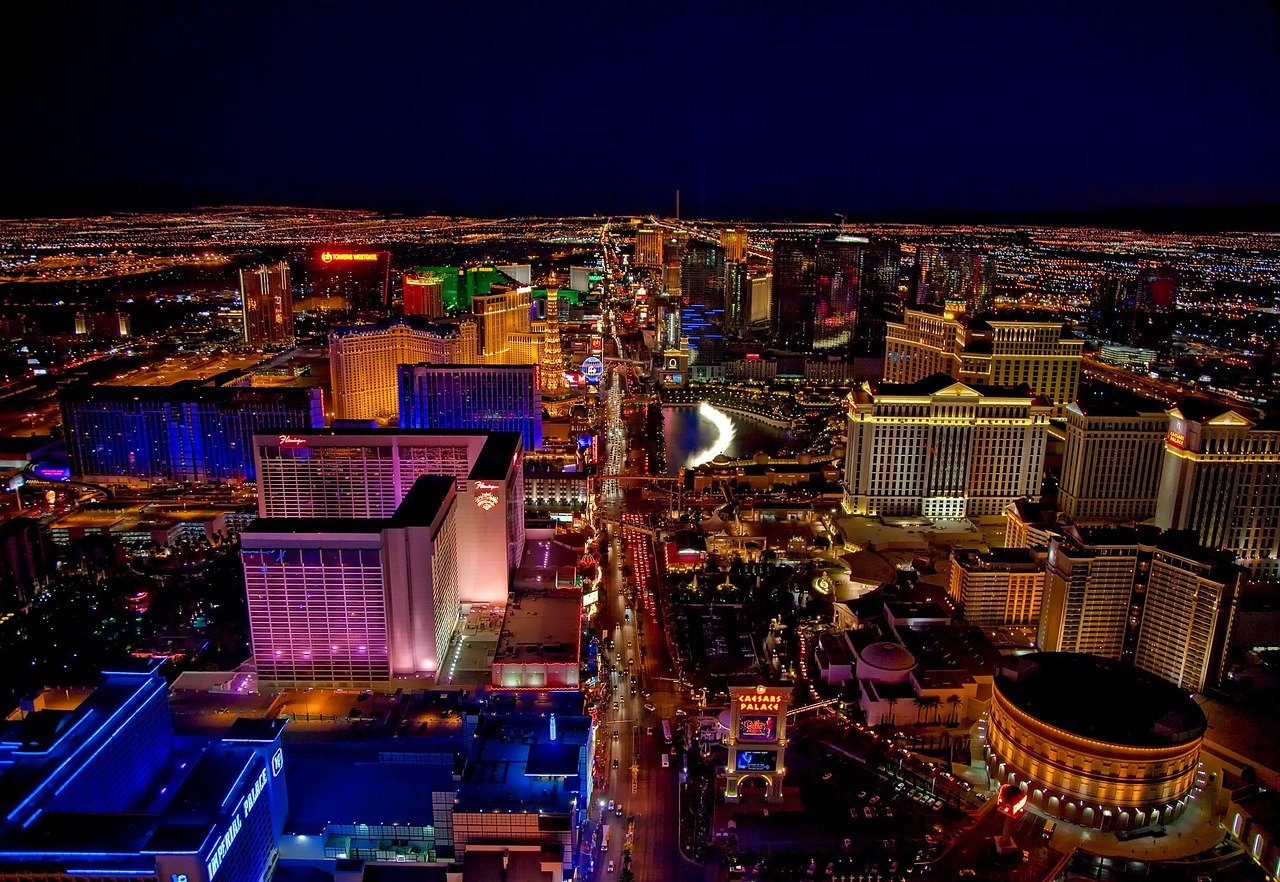
The four-mile stretch of Las Vegas Boulevard South is the undisputed center of the Las Vegas experience, lined with iconic mega-resorts like Bellagio, Caesars Palace, and the Venetian. Every property is a self-contained world of casinos, restaurants, spas, and entertainment venues. The Strip is where the city's most spectacular shows, fountains, and skyline moments unfold around the clock.
The original heart of Las Vegas, Downtown is anchored by the Fremont Street Experience, a five-block pedestrian promenade covered by a massive LED canopy that hosts nightly light shows and live music. The neighborhood has a grittier, more historic character than the Strip, with vintage neon signs, classic casinos like the Golden Nugget, and a growing bar and dining scene spilling into the surrounding streets.
Just south of Downtown, the Las Vegas Arts District is the city's most creatively charged neighborhood, filled with galleries, independent boutiques, murals, and locally owned restaurants and coffee shops. The monthly First Friday art walk draws thousands and transforms the district into an open-air festival of music, food, and visual art. It offers a side of Las Vegas that feels genuinely local and far removed from the casino floor.
On the western edge of the Las Vegas Valley, Summerlin is an upscale master-planned community that serves as a quieter, residential counterpoint to the intensity of the Strip. Downtown Summerlin is a sprawling open-air shopping and dining destination with mountain views, while Red Rock Canyon National Conservation Area sits just minutes away. It is the neighborhood of choice for travelers who want access to outdoor adventure alongside comfortable, well-appointed accommodations.
Henderson is Las Vegas's second-largest city and one of the most livable communities in Nevada, offering a relaxed suburban atmosphere with excellent dining, a charming Water Street District, and easy access to the Hoover Dam and Lake Mead. Lake Las Vegas is a resort enclave within Henderson built around a private lake, with upscale hotels and a Mediterranean-style village atmosphere that feels worlds away from the Strip.
Las Vegas is defined by a handful of experiences so singular that they exist nowhere else on earth quite the same way. These are the reasons travelers return again and again.
The Strip After Dark
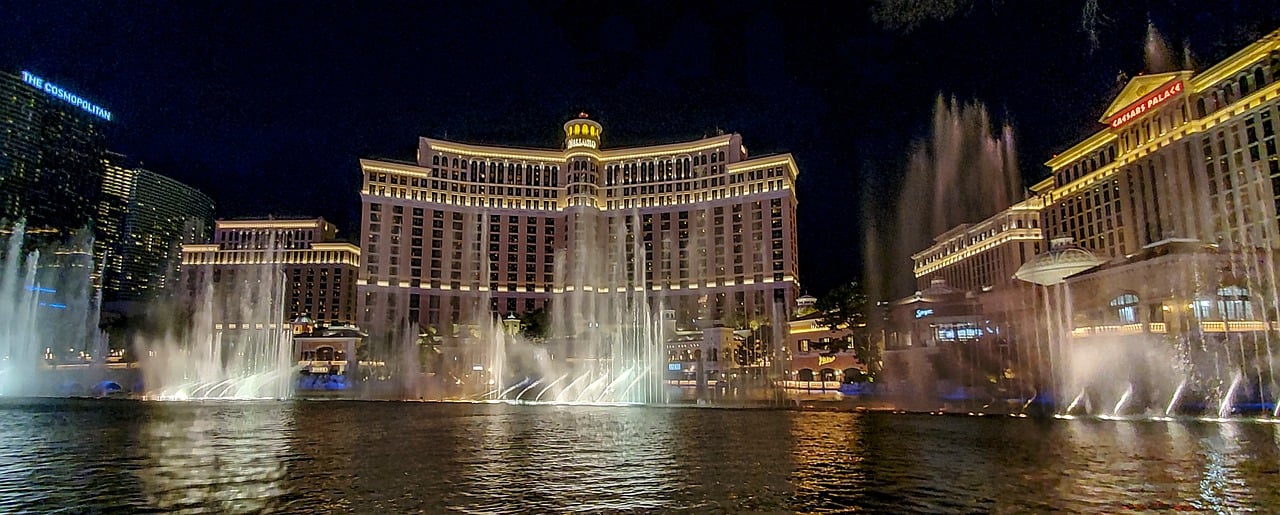
Walking the Las Vegas Strip at night is one of travel's great spectacles. The four-mile corridor of mega-resorts blazes with light, movement, and sound in a way that is genuinely overwhelming and completely intentional. The Bellagio Fountains, choreographed to music and shooting water 460 feet into the air, remain one of the most watched free attractions in the world. The sheer architectural theater of the Strip, from the pyramid of Luxor to the canals of The Venetian, is an experience unto itself.
World-Class Casino Gaming
Las Vegas invented the modern casino resort, and it remains the global standard. Whether it is the high-limit rooms of Wynn Las Vegas, the poker rooms of the Bellagio, or the buzzing energy of a craps table on a Saturday night, casino gaming here carries a mythology and atmosphere that purpose-built gambling venues elsewhere simply cannot replicate. The ritual of the casino floor, with its rhythms, its drama, and its social energy, is a Las Vegas signature.
Headline Entertainment and Residencies
Las Vegas pioneered the concert residency format, and it continues to attract the world's biggest names for extended runs at venues like Dolby Live at Park MGM, Resorts World Theatre, and T-Mobile Arena. Cirque du Soleil has maintained a multi-show presence here for decades. Seeing a headline act or a Cirque production in Las Vegas is a fundamentally different experience from a standard concert tour stop.
Pool Culture and Daylife
Las Vegas invented daylife as an entertainment category. The resort pool clubs, from Wet Republic at MGM Grand to Encore Beach Club at Wynn, transform afternoons into full productions with DJ sets, cabanas, and cocktail service. This culture of celebratory daytime leisure is as much a Las Vegas signature as anything that happens after dark.
Las Vegas offers an extraordinary range of activities that extend far beyond the casino floor, making it one of the most versatile destinations in the United States.
Outdoor Recreation
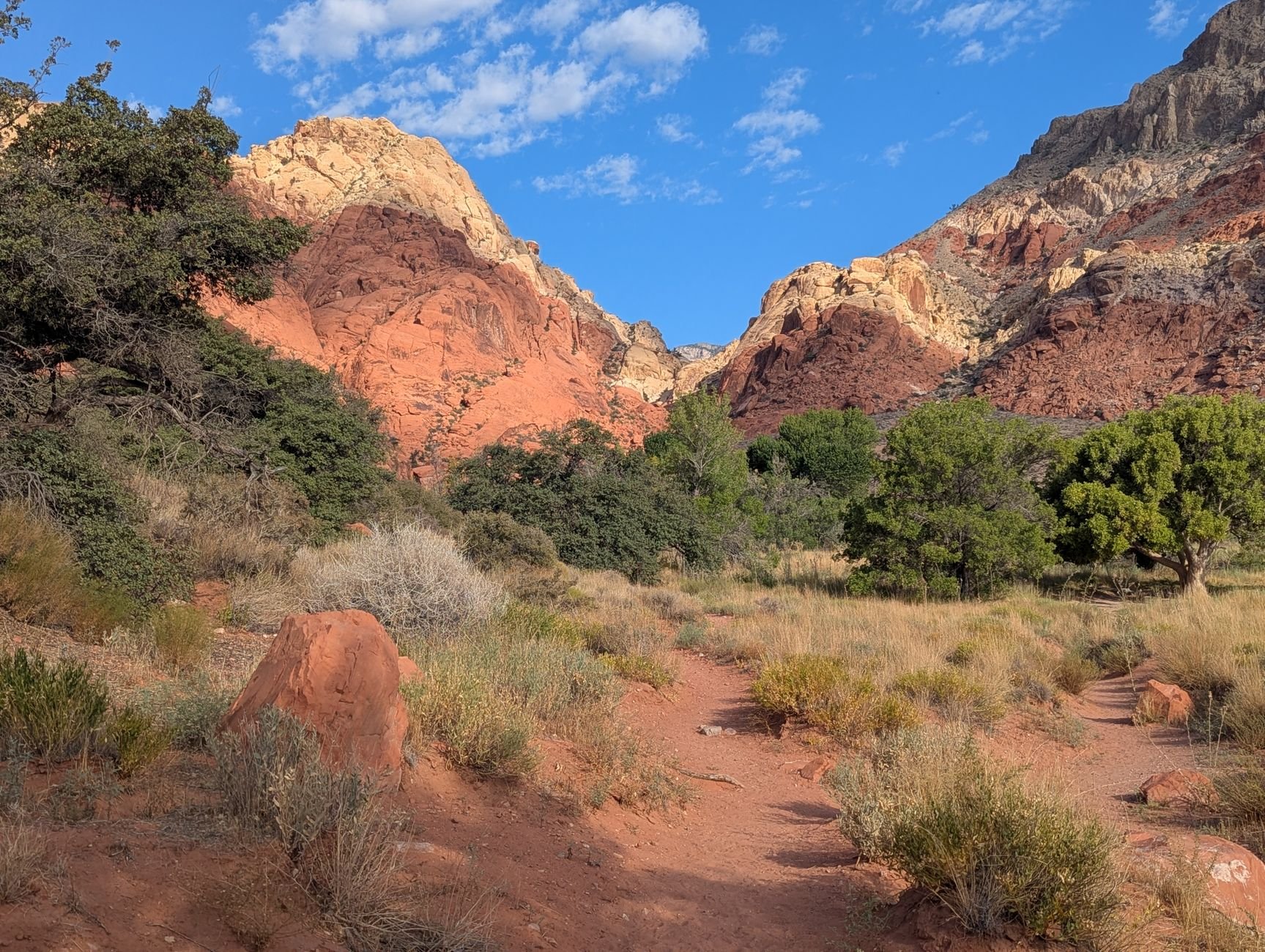
The Mojave Desert surrounding Las Vegas is a playground for outdoor enthusiasts. Red Rock Canyon National Conservation Area, just 17 miles west of the Strip, offers world-class rock climbing, hiking, and cycling against dramatic red sandstone formations. Valley of Fire State Park delivers surreal desert landscapes perfect for photography and exploration, while the Colorado River near Boulder City invites kayaking and paddleboarding. Hikers and mountain bikers will also find excellent trails at Mount Charleston, where cooler temperatures provide a welcome escape from the desert heat.
Cultural Attractions and Arts
Downtown Las Vegas has emerged as a genuine cultural hub. The Arts District, centered on South Main Street, is home to independent galleries, studios, and the monthly First Friday festival that draws thousands to its creative street scene. The Smith Center for the Performing Arts hosts Broadway touring productions, the Las Vegas Philharmonic, and world-class dance companies. The Mob Museum offers a serious and engrossing look at organized crime history, while the Neon Museum preserves the city's iconic vintage signage.
Scenic Exploration
Day trips from Las Vegas rank among the Southwest's finest. Hoover Dam, just 30 miles southeast, is a marvel of engineering and history. Grand Canyon South Rim is a half-day drive, and Zion National Park in Utah is accessible for adventurous day-trippers. Closer to the city, the Las Vegas Strip itself is a spectacle worth exploring on foot, particularly at night.
Food and Dining
Las Vegas has become one of America's premier dining cities. Celebrity chef restaurants anchor nearly every major resort, and the range spans from Michelin-recognized fine dining to exceptional casual and international cuisine. The city's buffet tradition, though evolved, remains a beloved institution.
Start on the Las Vegas Strip with a morning walk past iconic landmarks like the Bellagio fountains and Caesars Palace. Grab lunch at Gordon Ramsay Fish and Chips inside The LINQ. Spend the afternoon exploring the Bellagio Conservatory and Gallery of Fine Art. As the sun sets, catch the Bellagio fountain show from the sidewalk, then enjoy a celebratory dinner at a Strip steakhouse before hitting the casino floor.
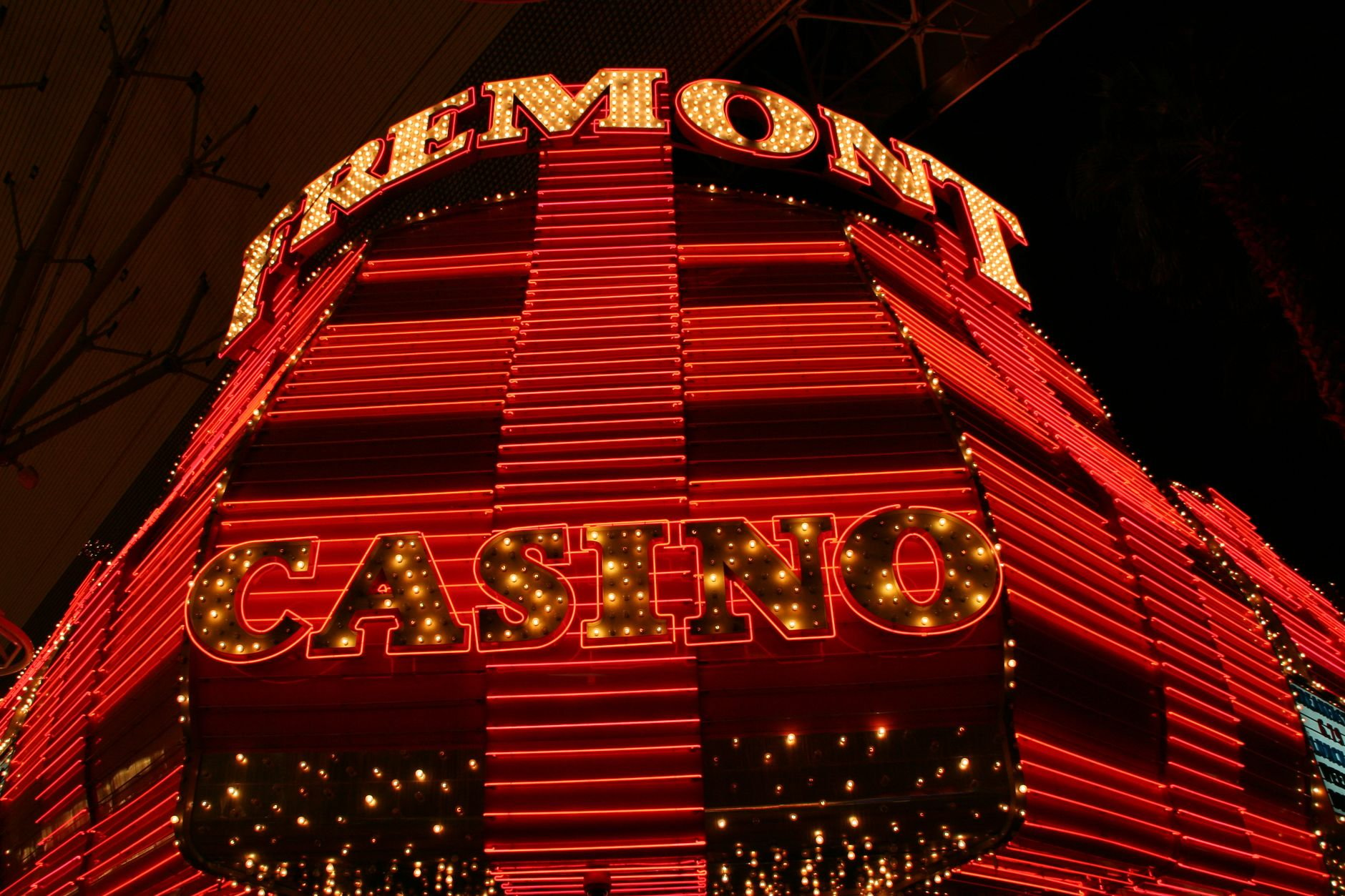
Head downtown in the morning to explore the Fremont Street Experience and the vintage neon signs of Glitter Gulch. Visit the Mob Museum for a fascinating deep dive into organized crime history. After lunch at a local spot in the Arts District, browse galleries and murals along Main Street. Return to the Strip in the evening for a headline show at the MGM Grand or a residency at Park MGM.
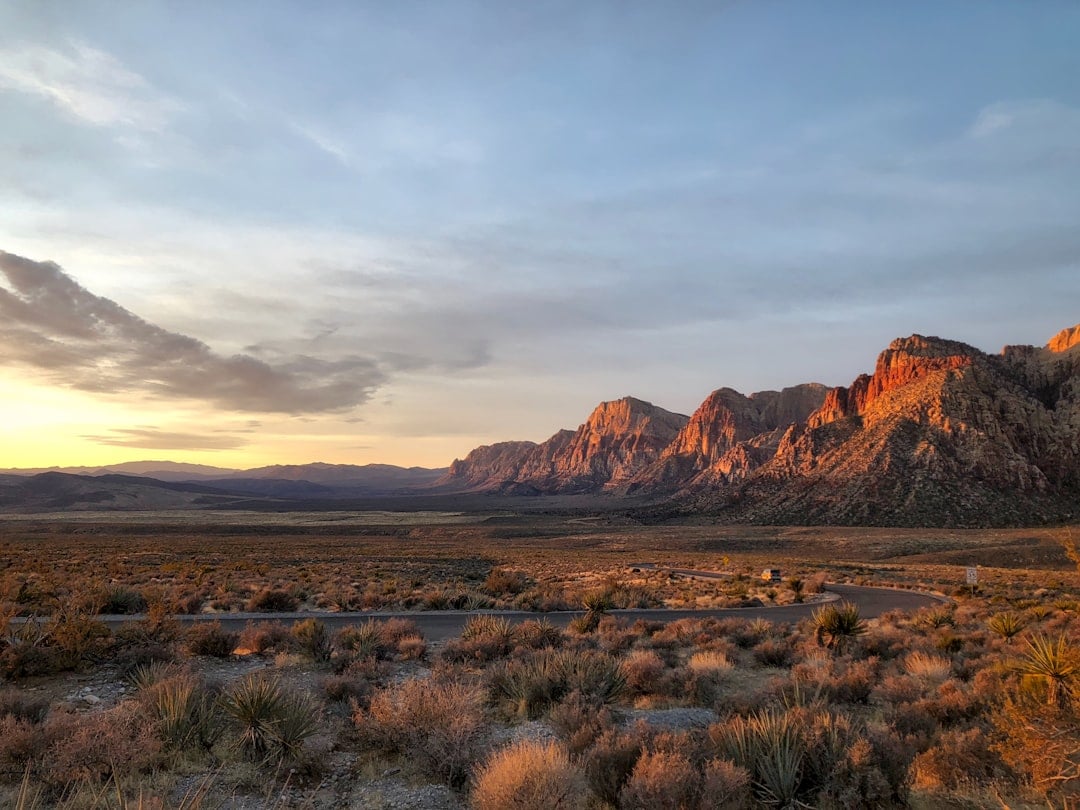
Rise early and drive 30 minutes to Red Rock Canyon National Conservation Area for a morning hike along the Calico Hills Trail with sweeping desert views. Stop at Hoover Dam on the way back for a self-guided tour and photos above Lake Mead. Return to Las Vegas by late afternoon, freshen up, and close out the trip with a rooftop cocktail at Skyfall Lounge at Delano and a final indulgent dinner at Nobu inside Caesars Palace.
Las Vegas pulses with events year-round, reflecting its identity as a city built on spectacle, competition, and collective experience. The calendar shifts from massive music festivals in spring to championship sports in fall and winter, with the city's energy never truly dimming between. Las Vegas does not slow down for any season — it simply changes costumes.
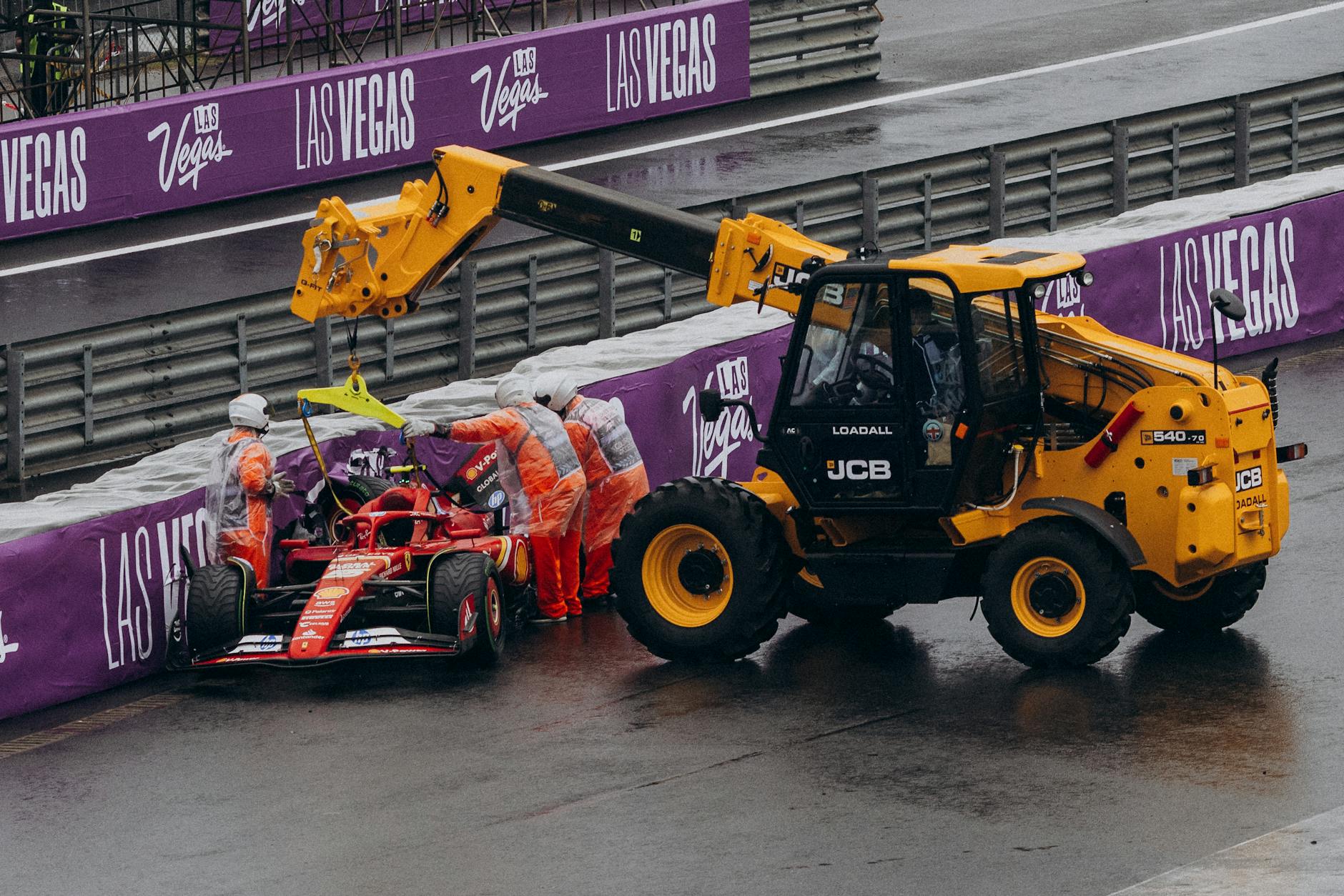
Nov 20, 2026 - Nov 22, 2026
Round 22 of the 2026 F1 season, racing down the Strip.
Las Vegas has evolved far beyond its buffet reputation into one of the most ambitious dining cities in the world. The Strip is home to an extraordinary concentration of celebrity chef restaurants, with names like Joel Robuchon, Gordon Ramsay, Nobu Matsuhisa, and Jose Andres all maintaining flagship outposts inside the major resort hotels. Dining here is as much a spectacle as the casinos themselves, with dramatic interiors, theatrical presentations, and menus that rival those of any global culinary capital.
Harry Reid International Airport (LAS) sits just 1.5 miles from the southern Strip,
making it one of the most conveniently located major airports in the country, with rideshare and taxis delivering most travelers to their resort in under 20 minutes.
Interstate 15 north from Los Angeles is the primary driving corridor into Las Vegas,
covering roughly 270 miles and taking about 4 hours under normal conditions, though Friday afternoon and Sunday evening traffic can add significant time.
From Phoenix, US-93 northwest connects to I-11 and into Las Vegas,
a drive of approximately 290 miles that takes around 4.5 hours and passes through the Hoover Dam bypass, which is worth a stop on the way in.
Greyhound and Flixbus both operate regular coach service from Los Angeles to Las Vegas,
with journey times of 5 to 6 hours and fares that are often well under $50, making them a budget-friendly option for travelers without a car.
Several private shuttle companies run shared-ride transfers between Las Vegas and nearby cities,
including services from Palm Springs and San Diego that are worth comparing against rideshare costs, especially for solo travelers or small groups.
The Las Vegas Monorail runs along the east side of the Strip with seven stops between MGM Grand and the Sahara,
making it a fast and air-conditioned option for moving between mid-Strip resorts without dealing with street traffic or rideshare surge pricing.
Free resort trams connect several Strip properties including Bellagio to Park MGM and the Mandalay Bay to Excalibur corridor,
so it is worth checking whether your route aligns with one of these systems before paying for a rideshare.
Uber and Lyft are the most practical way to travel between the Strip and downtown Fremont Street,
a 3-mile trip that typically costs $10 to $15 and takes under 10 minutes outside of peak hours.
Rental cars are worth considering only if you plan day trips to Red Rock Canyon or Hoover Dam,
since parking fees at Strip resorts now run $15 to $45 per day and a car adds little value for guests staying within the resort corridor.
Walking the full length of the Strip from Mandalay Bay to the Sahara covers nearly 4.5 miles,
which is manageable in cooler months but genuinely taxing in summer when temperatures regularly exceed 105 degrees Fahrenheit, so plan indoor shortcuts through casino floors.
Las Vegas rewards advance planning more than almost any other city. Book show tickets, restaurant reservations, and pool club access well ahead of your trip, especially for weekends and events. Tipping is deeply embedded in the local culture: dealers, cocktail servers, valets, and hotel staff all expect gratuity, and a $1 to $2 tip per drink keeps complimentary cocktails flowing on the casino floor.
Download the apps for your resort and for Uber or Lyft before you arrive. Most major casinos have their own loyalty apps that offer perks, free play credits, and dining discounts. Cash is useful but ATMs on casino floors charge high fees, so withdraw from a bank ATM before you arrive.
The desert climate means hydration is critical year-round, and summer heat can be dangerous for anyone spending extended time outdoors. Midweek visits offer noticeably lower hotel rates, smaller crowds, and easier restaurant reservations than weekends.
Most visitors find 3 to 4 days ideal for Las Vegas. That gives you enough time to explore the Strip, catch a show, try a few standout restaurants, and take a day trip to nearby attractions like Red Rock Canyon or Hoover Dam. If you are focused purely on the casinos and nightlife, 2 days can work.
Las Vegas is best known for its casino resorts, world-class entertainment, and nightlife along the Strip - a four-mile corridor of mega-resorts. It is also renowned for celebrity chef restaurants, headline residencies, boxing and UFC events at T-Mobile Arena, and pool clubs. Beyond the city, it serves as a gateway to dramatic desert landscapes.
Yes, Las Vegas is one of the most popular weekend destinations in the United States. A long weekend of 2 to 3 days is enough to experience the Strip, catch a show, and enjoy the dining and nightlife. It is especially convenient for travelers flying in from the West Coast, with short and frequent flights.
Las Vegas can range from budget-friendly to extremely expensive depending on your choices. Budget travelers can find affordable rooms midweek and cheap eats off the Strip. However, costs add up quickly with resort fees, fine dining, shows, and nightlife. High-roller suites at properties like Wynn or Encore can run hundreds to thousands per night.
Spring (March to May) and fall (September to November) offer the most comfortable temperatures for exploring Las Vegas, typically ranging from the 60s to low 80s Fahrenheit. Summer brings intense desert heat that can exceed 110 degrees, while winter is mild but can see cool nights.