
Baltimore, MD
A Journey guide to
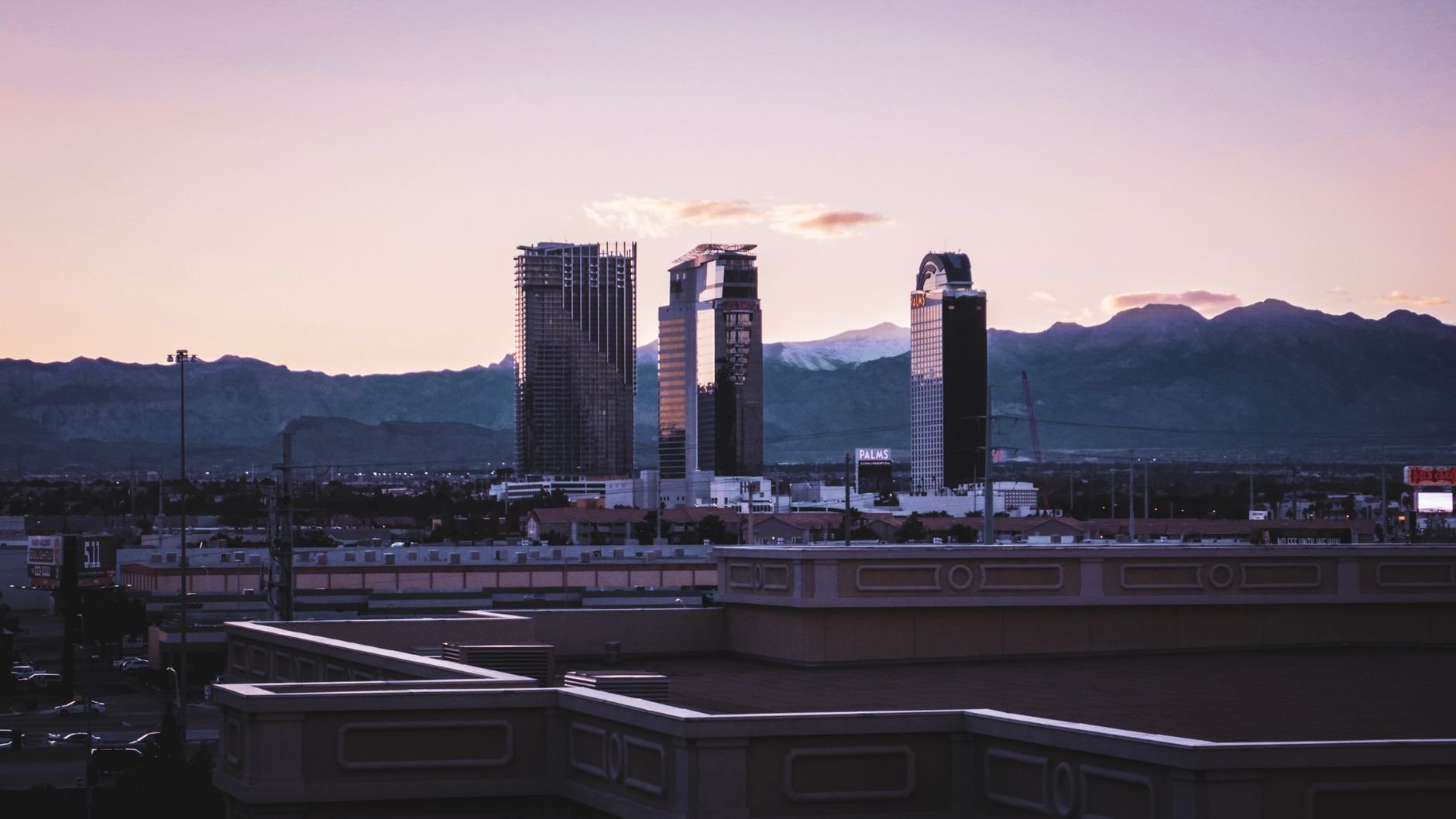
North Las Vegas is one of the fastest-growing cities in the American West, carving out a distinct identity that sits apart from the glitter of the Las Vegas Strip just miles to the south. It draws travelers who want proximity to all that Southern Nevada offers without the relentless pace of the resort corridor. The city is a genuine community with its own neighborhoods, parks, and cultural anchors that reward those willing to look beyond the obvious.
Motorsports and outdoor recreation define much of the city's recreational personality. The Las Vegas Motor Speedway, one of the premier racing venues in North America, calls North Las Vegas home and draws enormous crowds for NASCAR and NHRA events throughout the year. Beyond the track, the Mojave Desert surrounds the city, offering hiking, off-road riding, and access to Red Rock Canyon and Lake Mead within a short drive.
The city has a strong working-class character shaped by a diverse population that includes significant Latino and African American communities. Local dining reflects that diversity, with family-run taquerias, soul food kitchens, and neighborhood spots that offer far more authenticity than the tourist-facing restaurants of the Strip. Exploring North Las Vegas means eating well and cheaply, on local terms.
For travelers, North Las Vegas functions as a smart base camp. Lodging tends to be more affordable than on the Strip, and the city's position at the northern edge of the Las Vegas Valley puts visitors within easy reach of both urban attractions and the raw desert landscapes of the Mojave. It is a destination that rewards curiosity and suits travelers who prefer substance over spectacle.
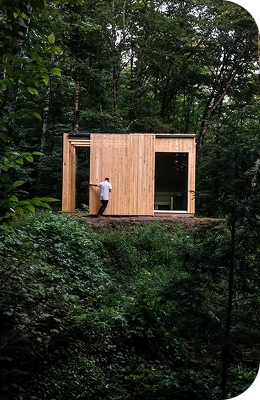

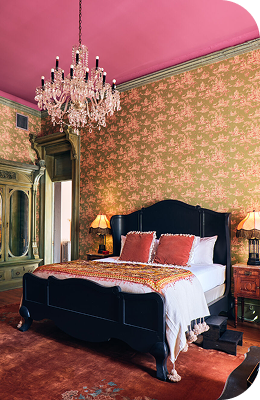

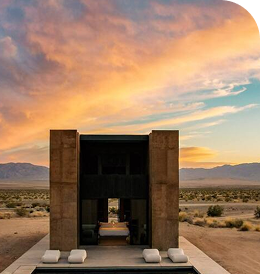

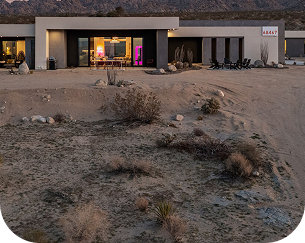

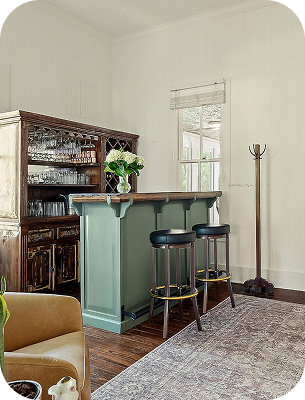

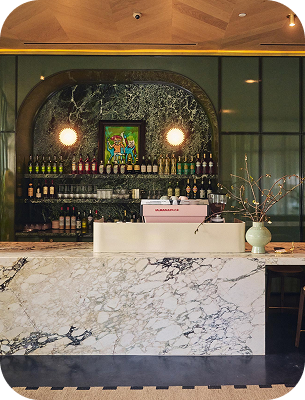





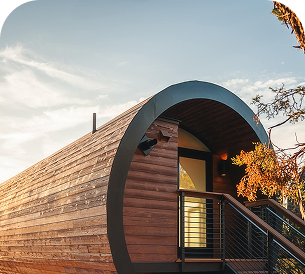

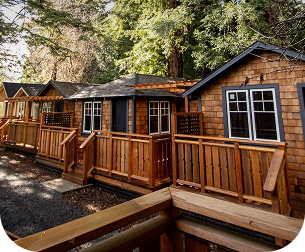

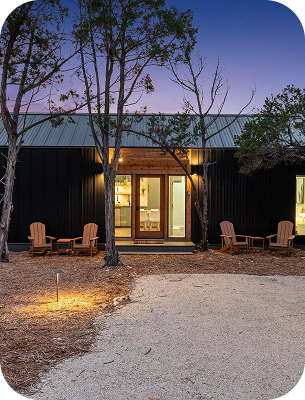
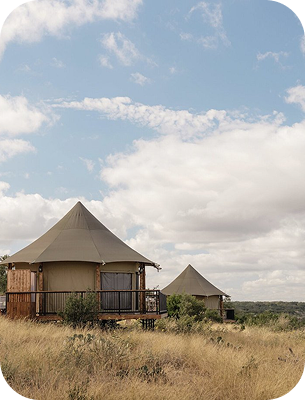

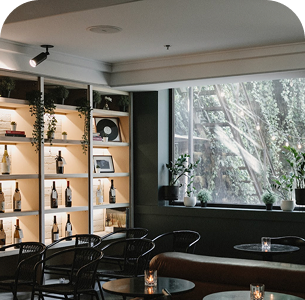

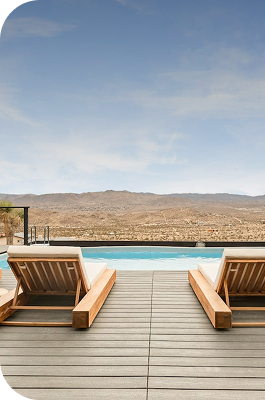

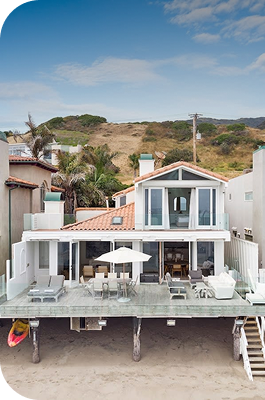

Journey connects travelers to a curated network of boutique hotels and distinctive residences around the world, all united under one rewards program. Explore handpicked stays for your trip while earning points, unlocking exclusive offers, and receiving rewards across the Journey collection.
North Las Vegas occupies the northern reaches of the Las Vegas Valley, set within the Mojave Desert at an elevation of roughly 1,900 feet. The Spring Mountains rise to the west, the River Mountains to the southeast, and the open desert stretches north toward the Nevada high country. The geography is stark and striking, a landscape of creosote flats and rocky ridgelines that frames the city's low-slung grid of streets and subdivisions.
Founded in 1919 and incorporated as a city in 1946, North Las Vegas developed largely as a working-class alternative to its more glamorous neighbor. While Las Vegas built its identity around gaming and hospitality, North Las Vegas grew around manufacturing, logistics, and the kind of practical industry that keeps a major metro functioning. Nellis Air Force Base, one of the largest and most strategically significant air bases in the United States, anchors the city's eastern edge and has shaped its demographic and economic character for decades.
In recent years, North Las Vegas has undergone significant transformation. Major distribution and technology companies have moved into the area, drawn by affordable land, favorable tax conditions, and the city's improving infrastructure. The population has surged, making it one of the fastest-growing cities in Nevada. New residential developments, parks, and commercial corridors have followed, giving the city a momentum that feels palpable on the ground.
Culturally, North Las Vegas is one of the most diverse cities in Nevada. Latino culture is especially prominent, visible in the markets, restaurants, and community celebrations that give the city much of its flavor. The arts scene is modest but growing, with community events and local organizations working to build a cultural identity that is distinctly North Las Vegas rather than a reflection of the Strip.
For travelers, the city offers an honest, unfiltered look at life in the Las Vegas Valley. It is a place where residents actually live, work, and build community, and that authenticity is increasingly its most compelling attraction.
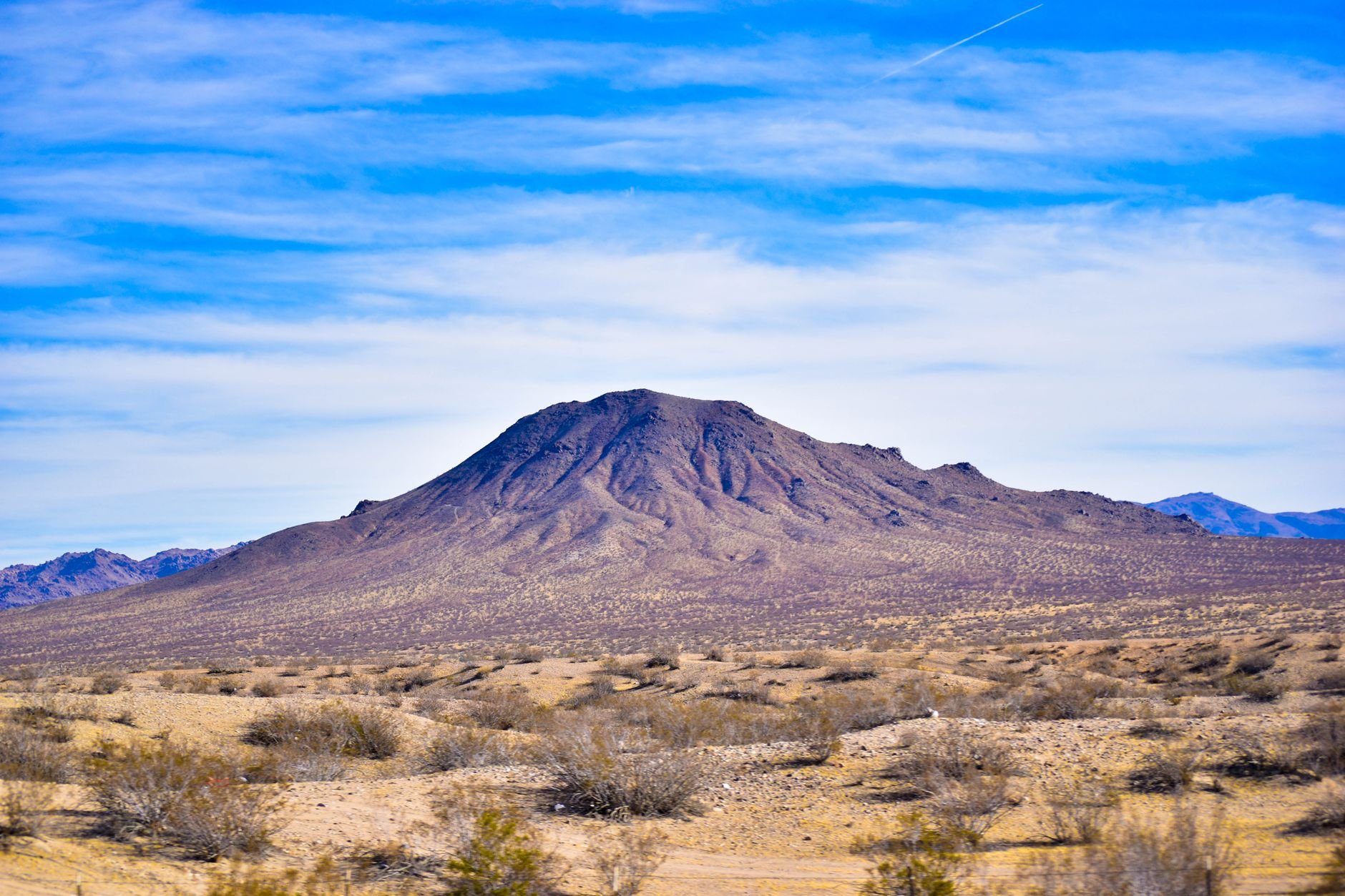
October through April is the sweet spot for visiting North Las Vegas, when the brutal summer heat has faded and outdoor exploration becomes genuinely enjoyable. Fall and spring sit at the top of the list for most travelers, offering comfortable conditions for visiting the Las Vegas Motor Speedway during major racing events, hiking trails near Red Rock Canyon, and spending time at Lake Mead without the punishing midday intensity of summer.
October and November are particularly rewarding months. Crowds at regional attractions thin out after the busy summer and Labor Day push, lodging rates tend to drop, and the desert landscape takes on a golden quality that makes day trips into the Mojave especially satisfying. NASCAR and NHRA events at the Speedway often fall in the fall calendar, drawing motorsports fans who benefit from the cooler race-day conditions.
March and April bring a similar appeal on the spring side of the calendar. Desert wildflowers bloom across the surrounding landscape, and the window before spring break crowds arrive offers a quieter, more local feel. This is a good time to explore North Las Vegas neighborhoods, visit community parks, and take advantage of the city's proximity to outdoor recreation before temperatures begin their climb.
Winter is a viable option for travelers who want the lowest prices and the fewest crowds. The holiday period brings a surge of visitors to the broader Las Vegas Valley, but January and February are genuinely quiet months when deals on accommodations are easy to find and major attractions are uncrowded.
Summer travel requires real heat management and is best suited to those whose primary destination is the indoor entertainment of the Las Vegas Strip, with North Las Vegas serving as an affordable base. Early morning outdoor activity is possible, but midday heat makes extended time outside impractical for most visitors.
The historic core of the city, Downtown North Las Vegas anchors the community with government buildings, local businesses, and longstanding neighborhood institutions. It has a no-frills, working-class character that reflects the city's roots, and its streets are lined with independent shops and family-run eateries that cater to locals rather than tourists.
Built around the Las Vegas Motor Speedway, this district in the northeastern corner of the city pulses with energy on race weekends and draws motorsports fans from across the country. Beyond the track, the area is surrounded by wide desert terrain and offers easy access to off-road recreation and the raw open landscapes of the Mojave.
Aliante is one of North Las Vegas's most polished master-planned communities, featuring tree-lined streets, a community park, and the Aliante Casino and Hotel as a neighborhood anchor. It draws families and longer-stay visitors looking for a quieter, more residential feel while remaining close to the broader Las Vegas Valley.
Craig Ranch is a well-established residential district known for its parks, sports facilities, and the sprawling Craig Ranch Regional Park that serves as a hub for outdoor activity. The neighborhood has a family-friendly atmosphere and offers a glimpse into everyday North Las Vegas life away from the casino corridor.
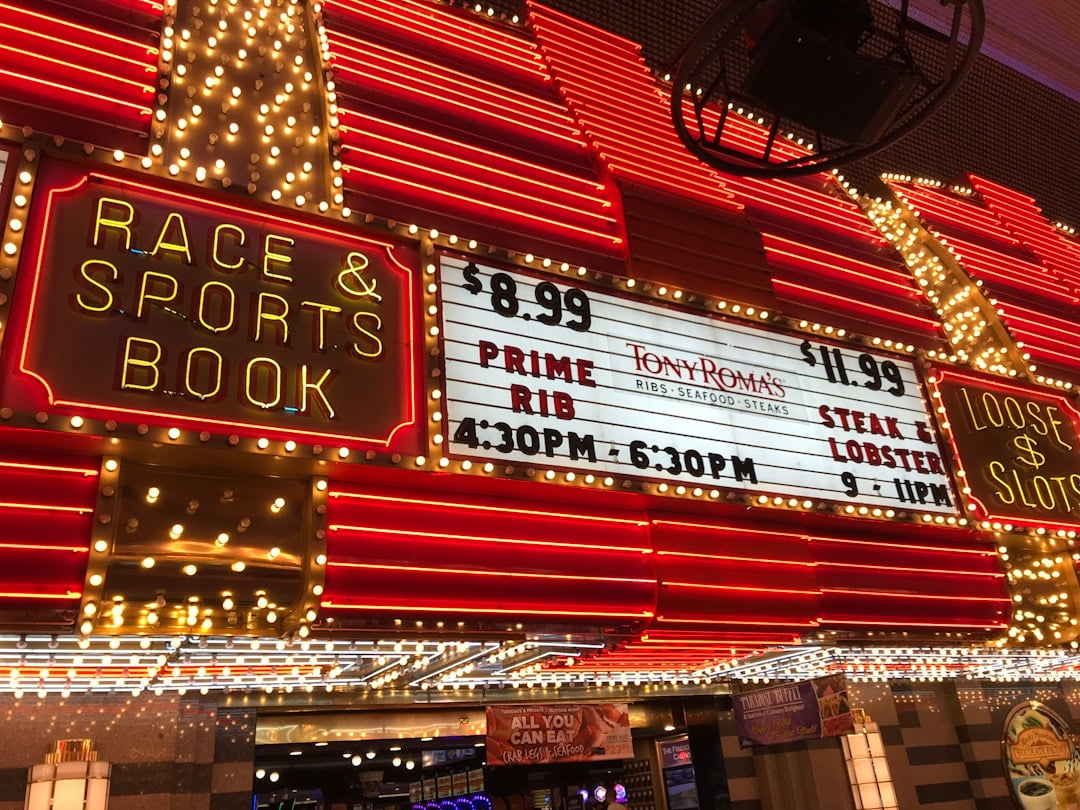
North Las Vegas is defined by two things that no other destination in the region can replicate: the Las Vegas Motor Speedway and the raw, unfiltered edge of the Mojave Desert.
Race Day at Las Vegas Motor Speedway
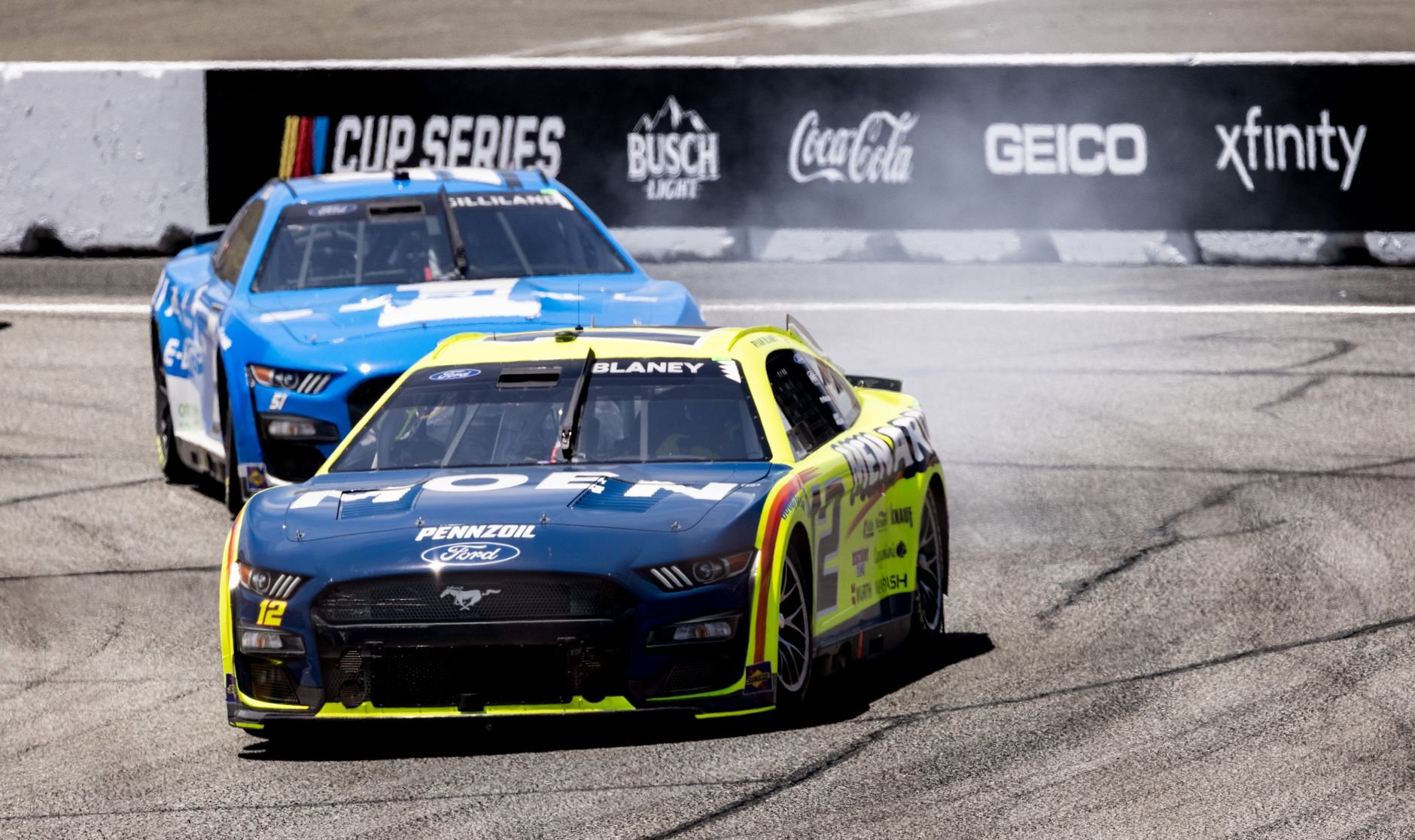
The speedway is the beating heart of North Las Vegas for many visitors. On race weekends, the energy is unlike anything else in the region. NASCAR Cup Series events pack the grandstands with tens of thousands of fans, while NHRA national events bring the spectacle of top-fuel dragsters and funny cars running quarter-mile passes in under four seconds. Even outside of major events, the speedway offers driving experiences that let visitors take the wheel on the same banked oval used by professional drivers. This is not a sideshow attraction. It is one of the premier motorsports facilities in North America, and it happens to be right here.
Desert Access Without the Tourist Filter
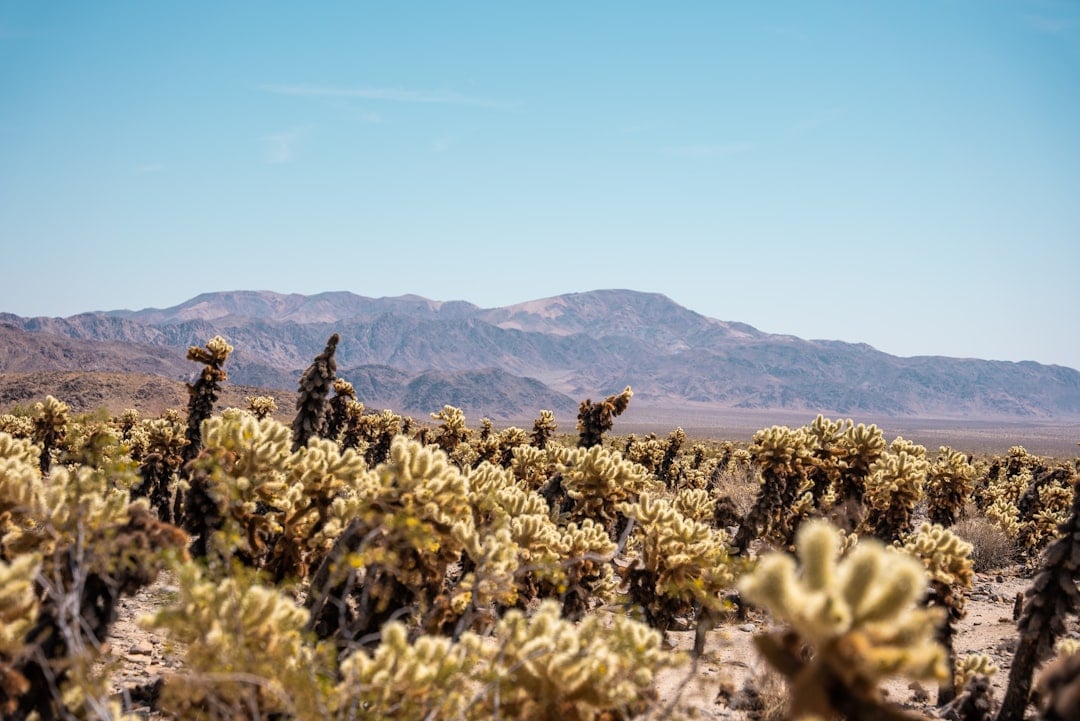
North Las Vegas sits at the edge of the Mojave in a way that feels immediate and unmediated. From here, travelers can reach the volcanic formations of the Valley of Fire State Park, the red sandstone cliffs of Red Rock Canyon, and the vast blue expanse of Lake Mead. These are not distant day trips. They are part of the fabric of daily life for North Las Vegas residents, and visiting them from a base here feels natural rather than packaged.
Eating Like a Local in a Real City
The dining culture of North Las Vegas is a signature experience in its own right. The city's Latino community has built a taqueria and Mexican restaurant scene that rivals anything in the broader Las Vegas Valley for quality and authenticity. Soul food traditions run equally deep. Eating here means sitting down in a neighborhood spot where the food reflects who actually lives in this city, not who is passing through on the way to a casino buffet.
North Las Vegas offers a surprisingly diverse range of activities for travelers who venture beyond the Las Vegas Strip. Whether you are drawn by the roar of engines, the quiet of the desert, or the flavors of a working-class city with real cultural roots, there is plenty to fill your days here.
Outdoor Recreation
The Mojave Desert sets the stage for outdoor adventure across North Las Vegas and its surroundings. Hiking, mountain biking, and off-road riding are all accessible within a short drive, and the city's own parks and trails provide green space for walking, cycling, and picnicking. Lake Mead National Recreation Area and Red Rock Canyon National Conservation Area are both reachable in under an hour, offering swimming, kayaking, rock climbing, and some of the most dramatic desert scenery in the American Southwest.
Motorsports and Spectator Events
Las Vegas Motor Speedway anchors the city's identity as a motorsports hub. NASCAR Cup Series races, NHRA drag racing events, and smaller club competitions draw visitors throughout the year. Even outside of major race weekends, the speedway hosts driving experiences and track tours for fans who want a closer look.
Cultural Attractions
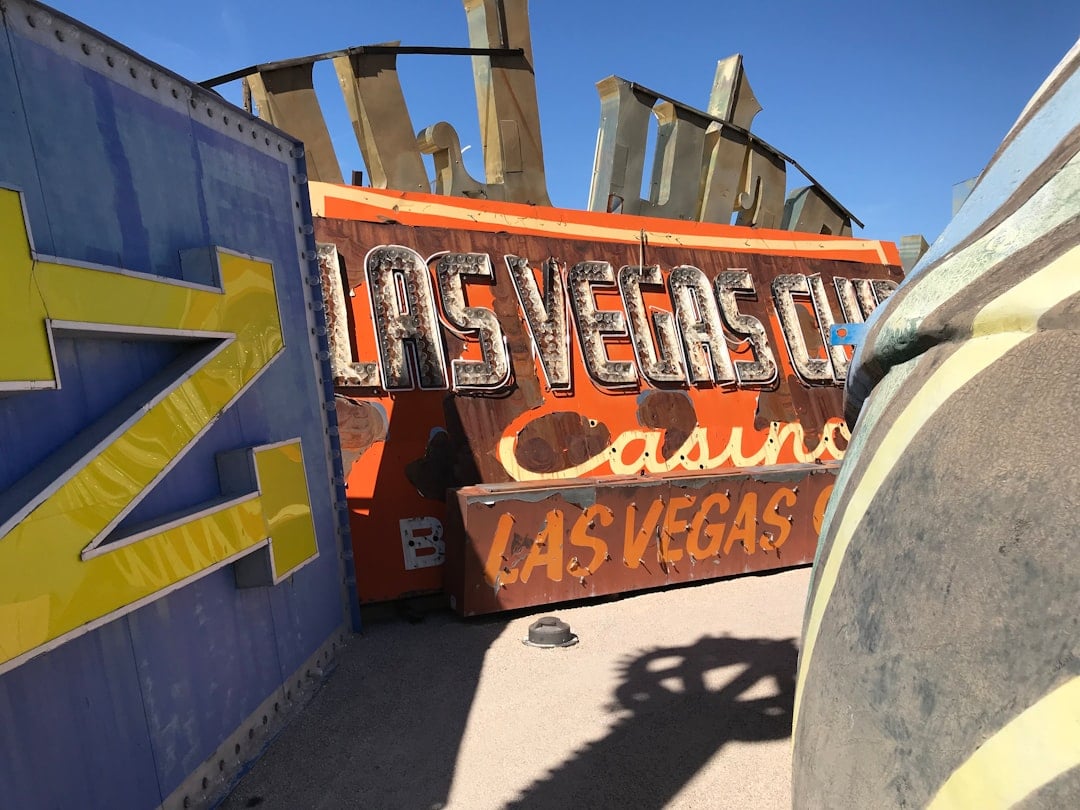
North Las Vegas has a rich multicultural character shaped by its Latino and African American communities. Local murals, community events, and neighborhood festivals reflect that heritage throughout the year. The city sits close to the Neon Museum and other Las Vegas cultural landmarks, broadening the range of cultural options for visitors staying here.
Food and Dining
The dining scene in North Las Vegas leans local and unpretentious. Family-run taquerias, soul food kitchens, and neighborhood diners serve food that is both affordable and deeply satisfying. This is a city where you can eat extremely well without paying Strip prices.
Arts and Entertainment
Proximity to the Las Vegas Strip puts world-class entertainment within easy reach, including headline residencies, comedy shows, and major arena concerts. North Las Vegas itself hosts community theater, local music venues, and seasonal outdoor events.
Example venues and destinations:
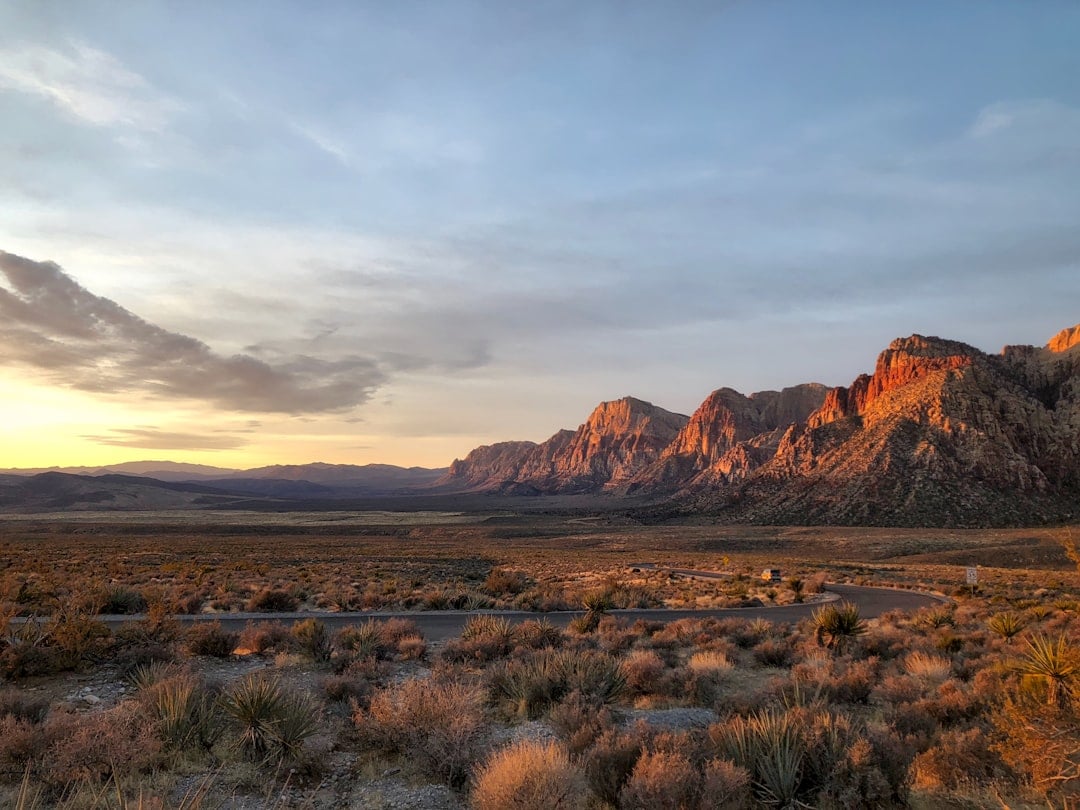
Start the morning with a walk through Craig Ranch Regional Park, one of North Las Vegas's best green spaces. Head to a local taqueria on East Lake Mead Boulevard for a hearty lunch. In the afternoon, drive out to Red Rock Canyon for a scenic loop and easy hike. Return to the city for dinner at a neighborhood soul food or Mexican spot in the heart of North Las Vegas.
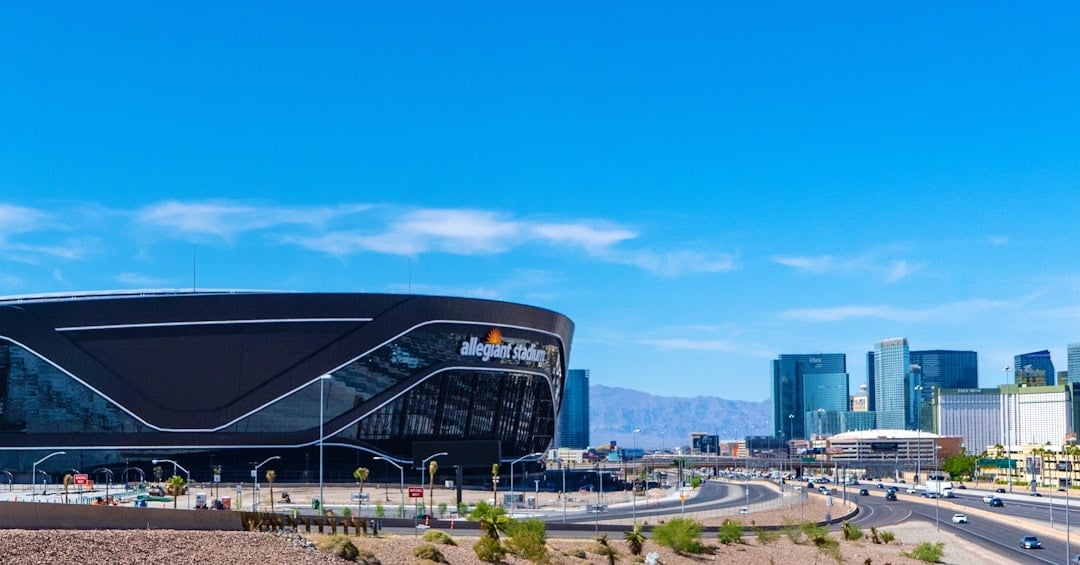
Spend the morning at the Las Vegas Motor Speedway - explore the grounds, check for scheduled events, or take a speedway tour. Grab lunch at a local diner near the track. In the afternoon, head to the Aliante Nature Discovery Park for a stroll around the fossil beds and lake. Wind down the evening with dinner and drinks at a casual local bar or grill in the Aliante neighborhood.
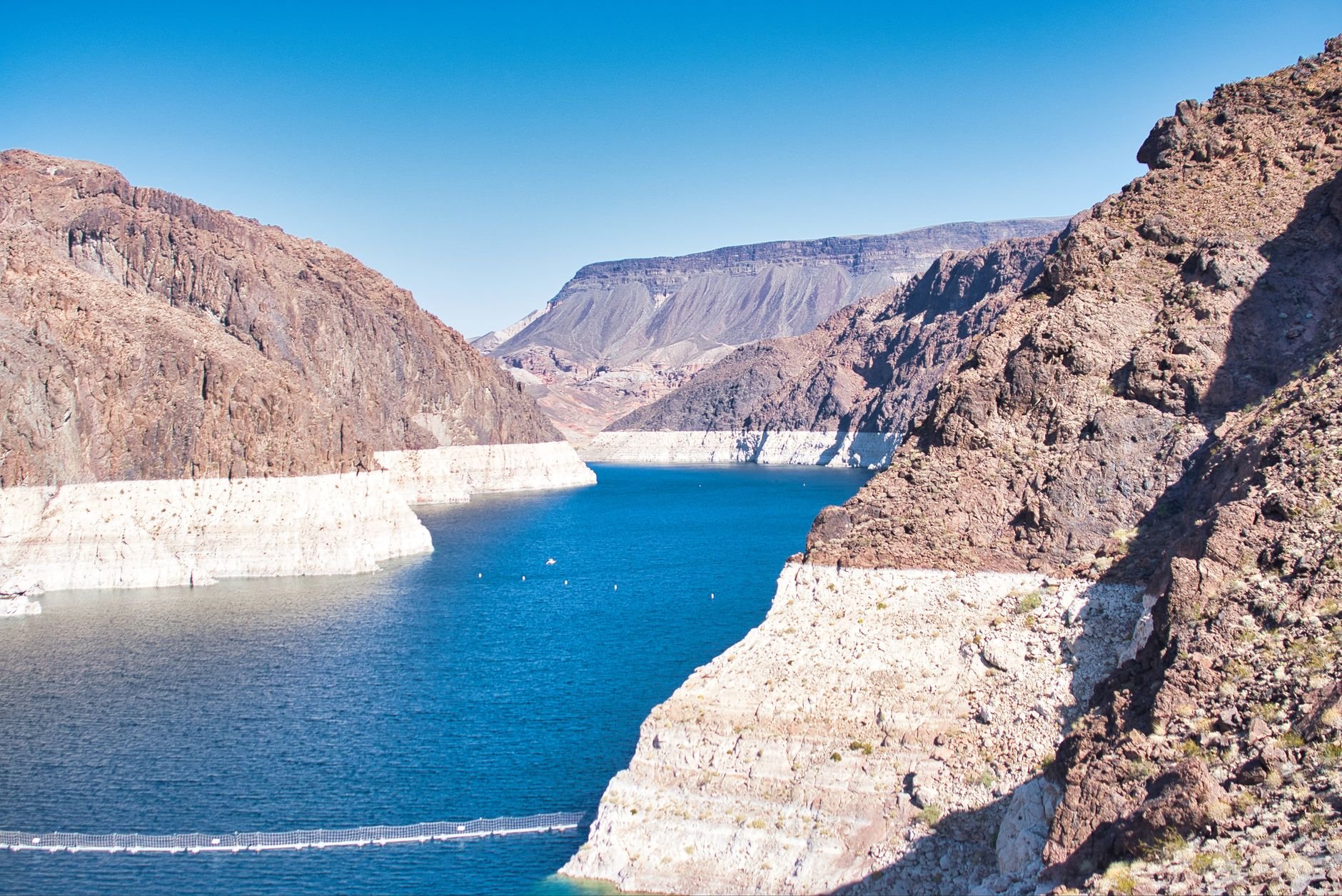
Make an early morning drive to Lake Mead National Recreation Area for kayaking or a lakeside walk along the Boulder Beach shoreline. Stop for lunch at a casual spot in Henderson on the way back. Spend the afternoon exploring the Las Vegas Strip - just a short drive south - for sightseeing and people-watching. Finish with a farewell dinner at one of the Strip's dining options before heading back to North Las Vegas.
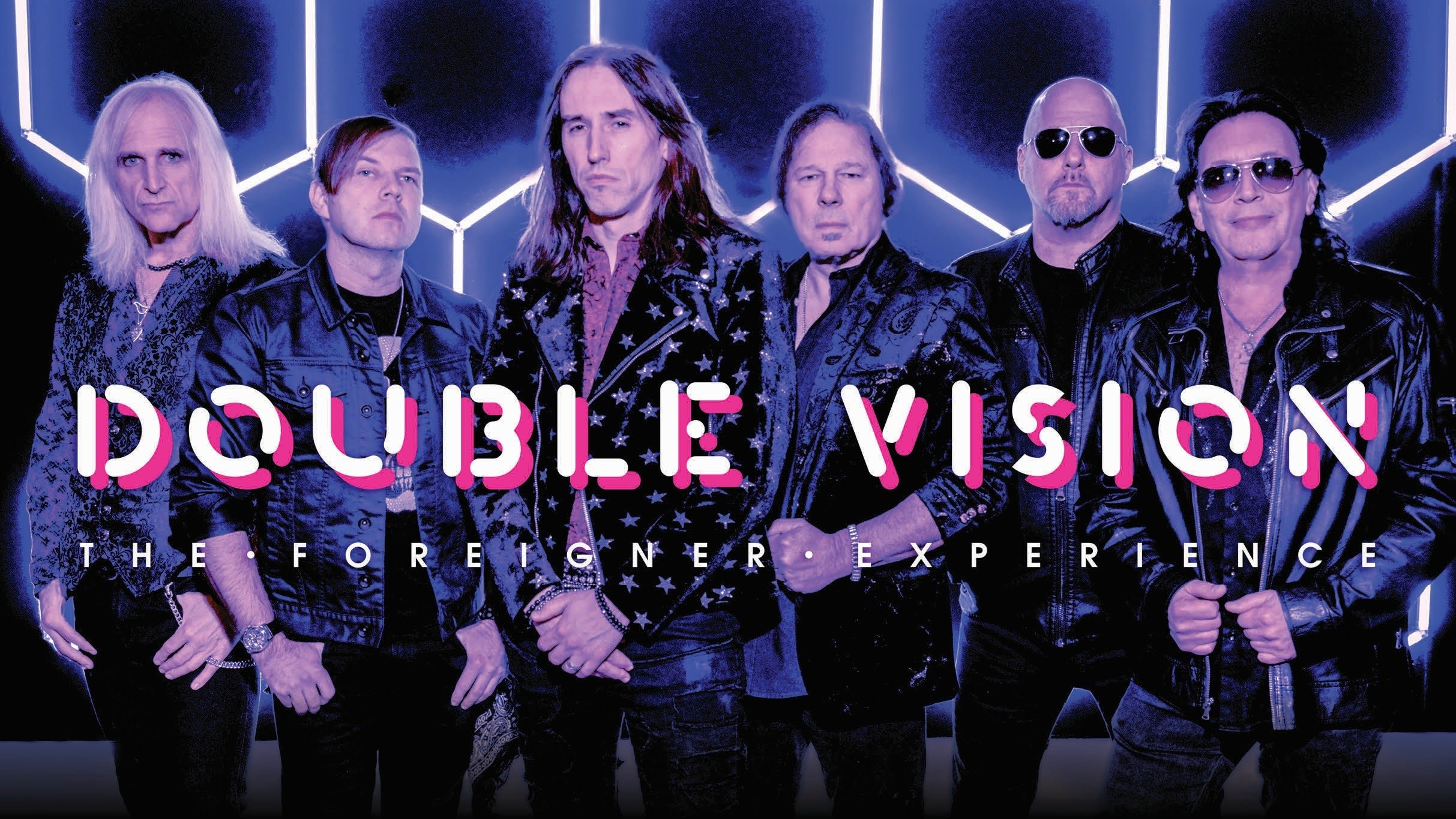
North Las Vegas pulses with energy year-round, shaped by a calendar that mixes world-class motorsports, boundary-pushing music festivals, and the cultural warmth of its diverse communities. Spring kicks off the action with food and heritage celebrations that reflect the city's multicultural character, drawing locals and visitors together before the desert heat peaks. As temperatures climb into summer, the nightlife scene roars to life, with the Las Vegas Motor Speedway transforming into one of the most iconic festival grounds in the world. Fall brings NASCAR's playoff season to the Speedway, filling the city with racing fans and the unmistakable atmosphere of high-stakes competition. Throughout the year, intimate concert venues host tribute acts and live performers that keep the entertainment calendar lively between the marquee events.

Jul 11, 2026
Aug 14, 2026
North Las Vegas has a dining scene that reflects the city's working-class roots and genuinely diverse population, offering a more authentic and affordable alternative to the tourist-driven restaurants of the Las Vegas Strip just to the south. The city's culinary identity is shaped largely by its significant Latino and African American communities, and that influence shows up in nearly every neighborhood.
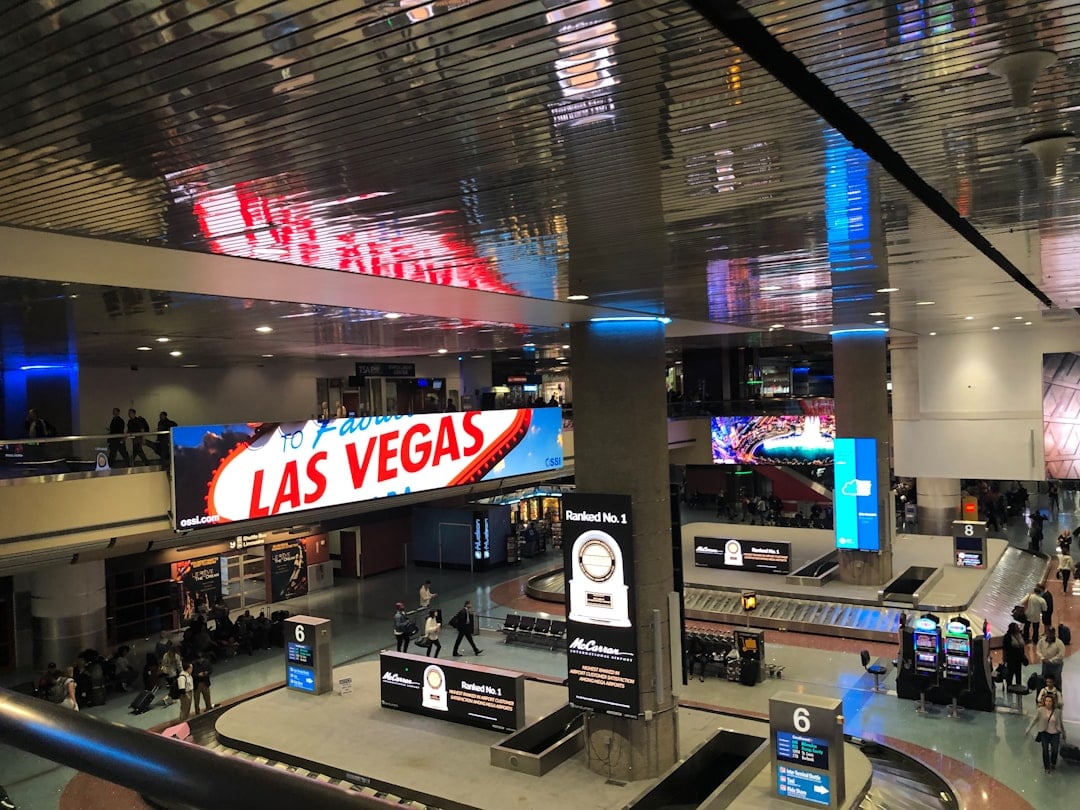
Harry Reid International Airport (LAS) is the closest major airport to North Las Vegas,
located about 12 miles south of the city center, with rideshare pickups, taxis, and rental car facilities all available on-site for a straightforward transfer north.
Interstate 15 is the main highway corridor into North Las Vegas,
connecting the city to Los Angeles in roughly 4 hours, Phoenix in about 5 hours, and Salt Lake City in approximately 7 hours, making it a natural stop on Southwest road trips.
U.S. Route 95 approaches North Las Vegas from the northwest,
making it the practical route for travelers coming from Reno, central Nevada, or the Pacific Northwest who want to bypass the congestion of the Strip entirely.
Greyhound and Flixbus operate intercity bus routes into downtown Las Vegas,
from which North Las Vegas is a quick 10 to 15 minute rideshare ride, offering a budget-friendly alternative to flying for travelers coming from Southern California or Arizona.
Renting a car is the most efficient way to navigate North Las Vegas,
since the city's attractions, restaurants, and parks are spread across a wide desert grid that makes walking or relying solely on transit impractical for most itineraries.
The RTC Southern Nevada bus network covers major North Las Vegas corridors including Craig Road and Lake Mead Boulevard,
but routes run infrequently on some lines, so check the RTC app or rtcsnv.com for schedules before planning any transit-dependent outings.
Uber and Lyft both operate reliably across North Las Vegas,
making rideshare a practical choice for evenings out, airport transfers, or any time you want to avoid parking at a busy venue or shopping area.
Speedway Boulevard and I-15 near Las Vegas Motor Speedway experience severe traffic congestion on race weekends,
so arrive early, use any available event shuttle services, or plan to park in designated lots well before event start times to avoid being stuck in gridlock.
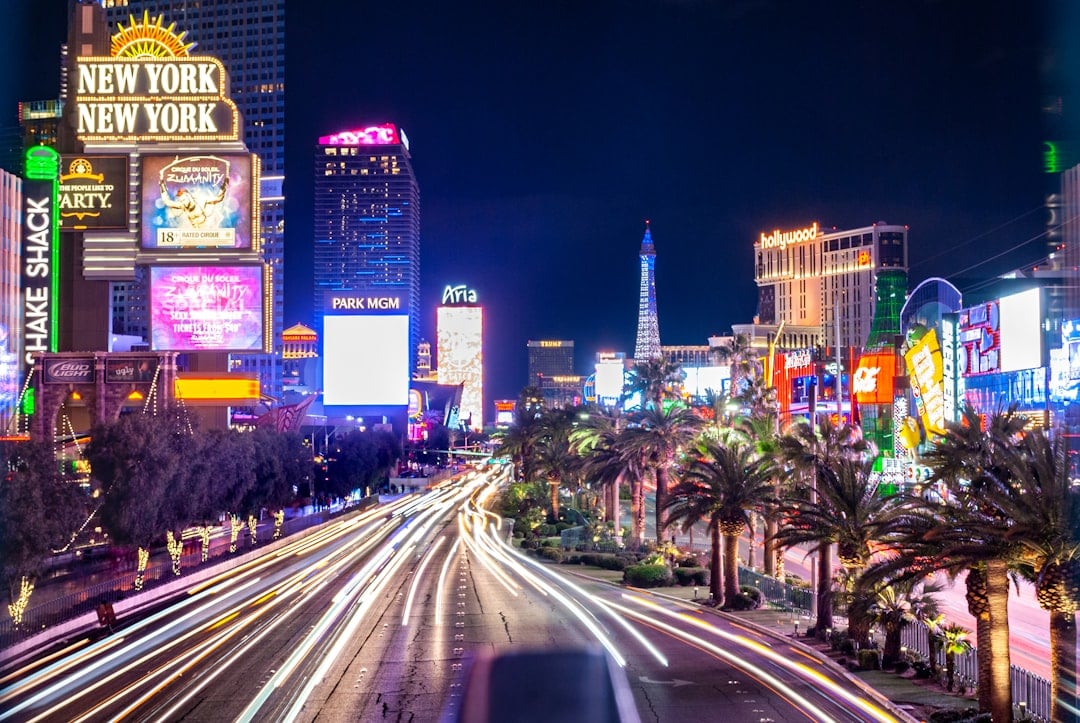
North Las Vegas sits in the Mojave Desert, where summer temperatures regularly exceed 110 degrees Fahrenheit. If you are visiting between June and September, plan outdoor activities for early morning and carry water at all times. Sun protection is essential year-round. The city's cost of living is lower than the Strip, and that extends to dining and lodging, so budget travelers will find genuine value here. Tipping follows standard American norms: 18 to 20 percent at restaurants, a few dollars for rideshare drivers, and standard hotel gratuities for housekeeping. Download the RTC Ride app if you plan to use public transit, and keep Uber or Lyft ready as a backup. During major race weekends at Las Vegas Motor Speedway, book accommodations months in advance and expect elevated prices across the valley. North Las Vegas is a working community, so exercise the same situational awareness you would in any mid-size American city, particularly after dark in unfamiliar neighborhoods.
Two to three days is enough to explore North Las Vegas comfortably. A day covers local highlights like the Las Vegas Motor Speedway and nearby parks, while extra days allow for day trips to Red Rock Canyon, Lake Mead, or the Las Vegas Strip. The city works best as a base for exploring the wider Southern Nevada region.
North Las Vegas is best known for the Las Vegas Motor Speedway, one of North America's premier racing venues hosting NASCAR and NHRA events. The city is also recognized for its proximity to Mojave Desert landscapes, including Red Rock Canyon and Lake Mead, and for its diverse, working-class community with authentic local dining well outside the tourist corridor.
Yes, North Las Vegas works well as a weekend destination. Two days is enough to visit the Las Vegas Motor Speedway, explore local dining, and take a day trip to Red Rock Canyon or Lake Mead. Its affordable lodging and easy access to both desert landscapes and the Las Vegas Strip make it a practical short-trip base.
North Las Vegas is notably more affordable than the Las Vegas Strip. Lodging, dining, and everyday costs run lower, and local restaurants - family-run taquerias and neighborhood spots - offer solid meals at budget-friendly prices. Travelers looking to experience the Las Vegas area without resort-level spending will find North Las Vegas a practical and cost-effective choice.
Spring (March to May) and fall (September to November) offer the most comfortable temperatures for outdoor activities in North Las Vegas. Summer months bring intense desert heat, often exceeding 100 degrees Fahrenheit, so early morning outings are advisable if visiting then.