
Baltimore, MD
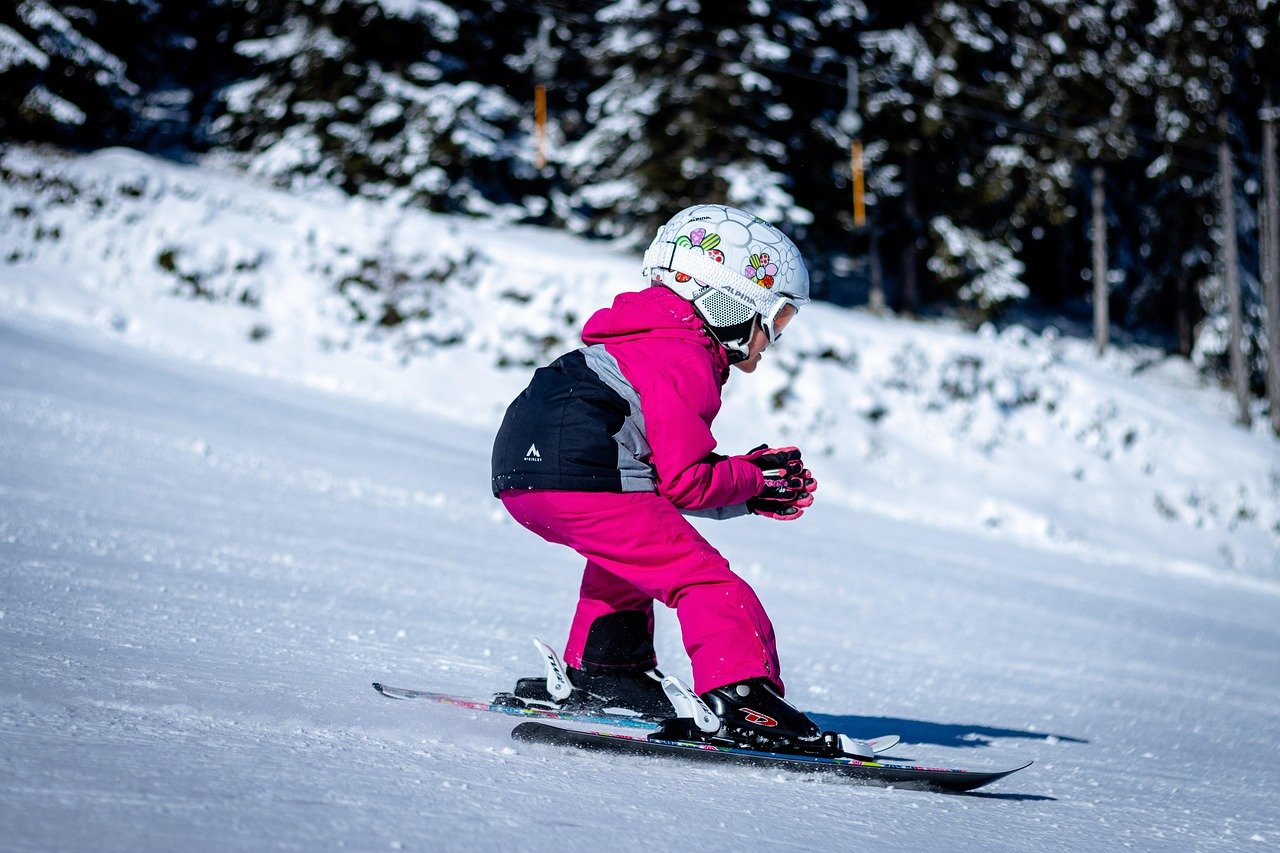
A Journey guide to
Taos Ski Valley is one of the most storied ski resorts in North America, carved into the Sangre de Cristo Mountains of northern New Mexico at elevations exceeding 12,000 feet. Founded in 1955 by Swiss-German skier Ernie Blake, the resort built its reputation on uncompromising terrain: steep chutes, deep powder, and a mountain that demands respect. It draws serious skiers and snowboarders who prize challenge and authenticity over glitz and groomed-trail monotony.
Beyond the slopes, Taos Ski Valley carries the cultural imprint of the broader Taos region. The village sits just 20 miles from the town of Taos, a centuries-old arts colony and home to Taos Pueblo, a UNESCO World Heritage Site. That proximity infuses the ski valley with a creative, independent spirit unusual for a mountain resort. Galleries, adobe architecture, and a strong Indigenous and Hispanic heritage all exist within easy reach.
The resort underwent a landmark transformation after being acquired by IRIE Holdings in 2013, adding luxury accommodations, expanded on-mountain dining, and a new gondola while carefully preserving the mountain's demanding character. The result is a destination that pairs refined hospitality with genuinely rugged terrain. Visitors range from expert skiers seeking double-black-diamond runs to families drawn by the renowned Ski and Snowboard School.
Summer brings a quieter but equally compelling experience. Hiking trails thread through the Carson National Forest, wildflowers blanket the alpine meadows, and mountain biking routes open across the terrain. Taos Ski Valley is an Ikon Pass destination, broadening its reach to a global audience of mountain travelers who value depth of experience over destination brand recognition alone.
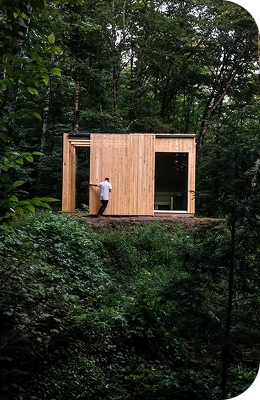



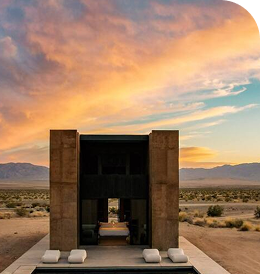

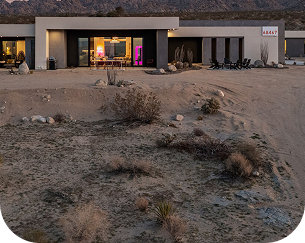





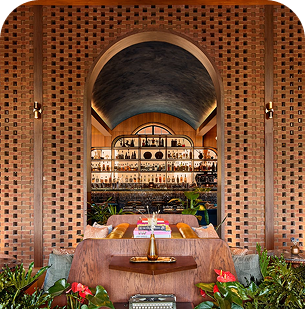

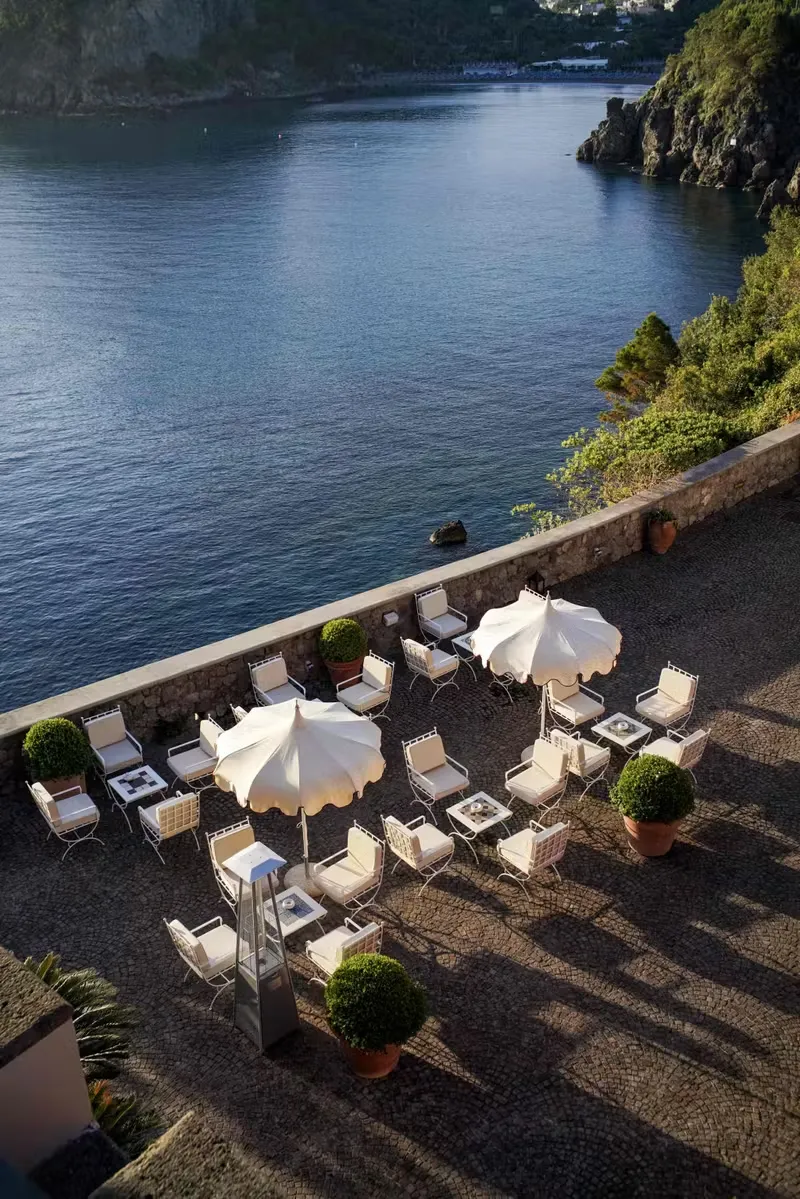

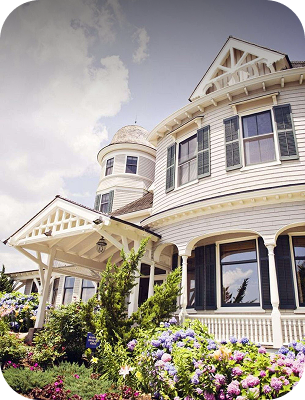

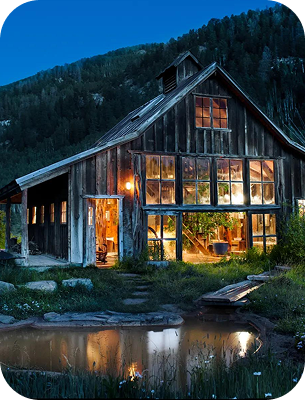

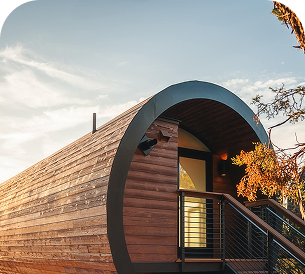

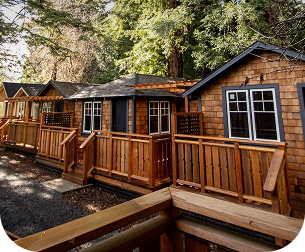

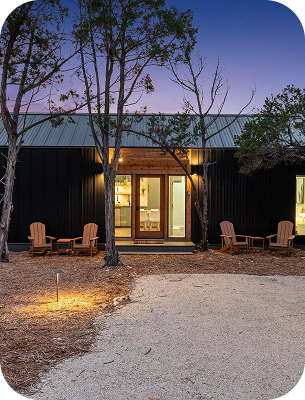

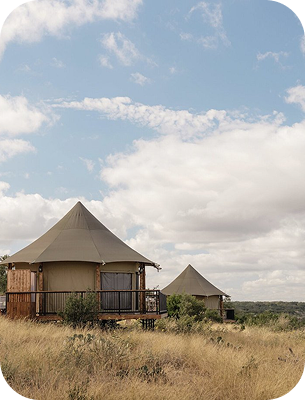



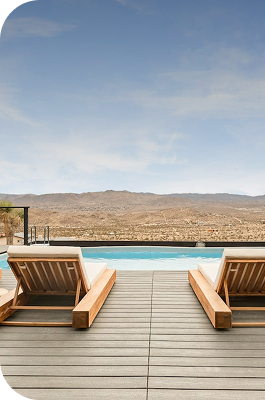



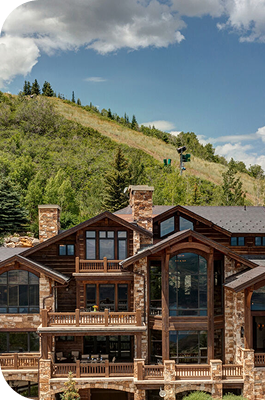



Journey connects travelers to a curated network of boutique hotels and distinctive residences around the world, all united under one rewards program. Explore handpicked stays for your trip while earning points, unlocking exclusive offers, and receiving rewards across the Journey collection.
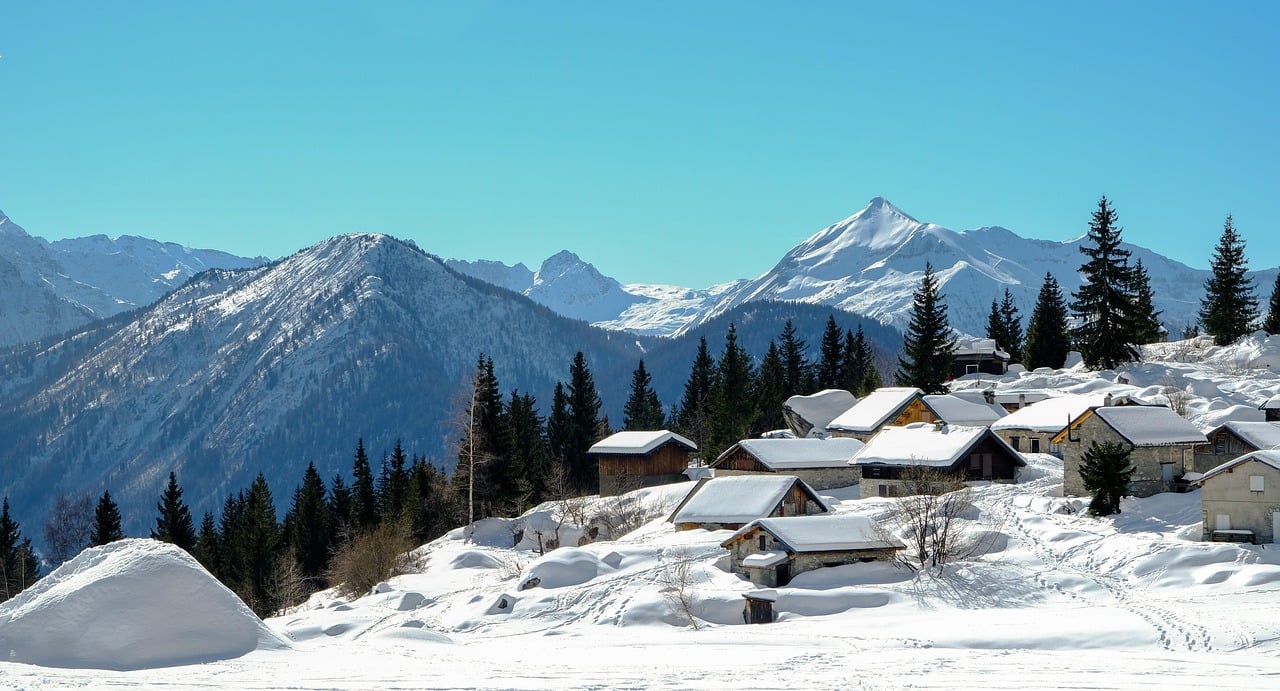
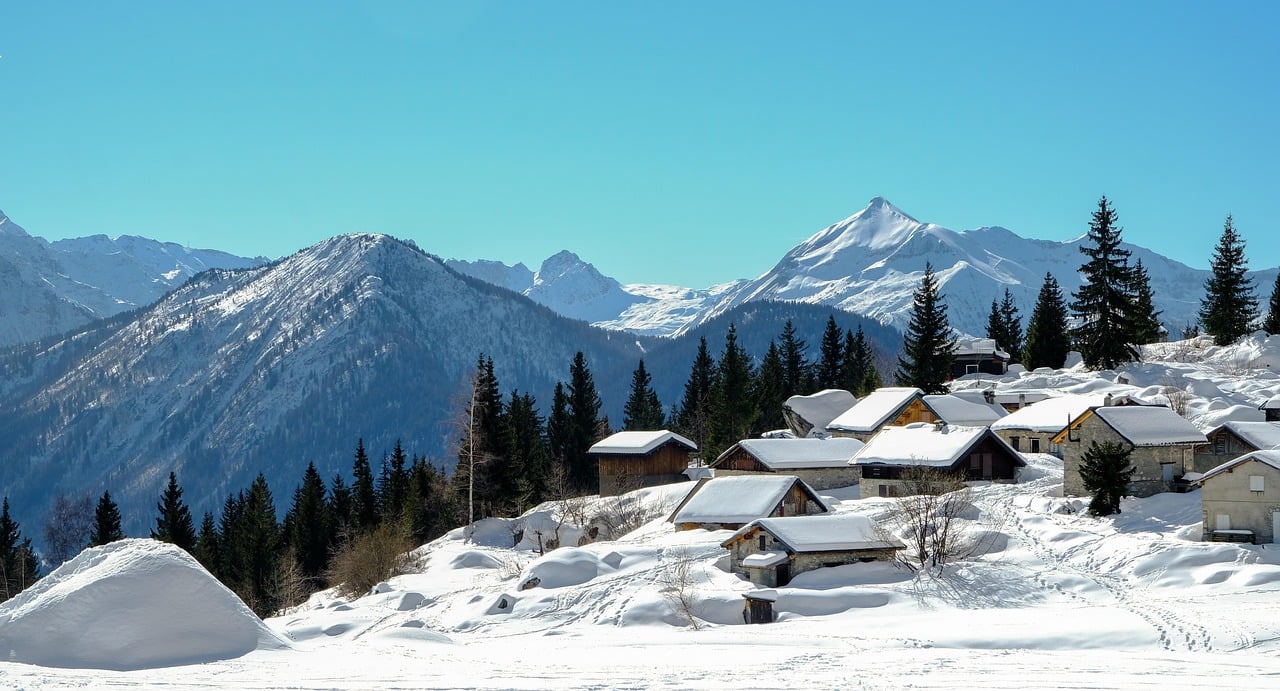
Taos Ski Valley occupies a narrow glacial canyon in the Sangre de Cristo range, the southernmost subrange of the Rocky Mountains, in Taos County, New Mexico. The village sits at approximately 9,207 feet at its base, rising to 12,481 feet at Kachina Peak, the resort's summit. The terrain is steep and compact, with the mountain rising dramatically above the village in a way that makes the scale of the skiing immediately apparent from the moment of arrival.
The canyon itself, carved by the Rio Hondo, channels the village into a tight cluster of lodges, restaurants, and ski shops that feel genuinely alpine rather than manufactured. The architecture blends Southwestern adobe traditions with mountain vernacular, and the overall atmosphere is intimate. There are no traffic lights, no big-box retail, and no sprawling base-area development. What exists is a focused mountain community built around a single, serious purpose.
The cultural context that surrounds Taos Ski Valley is unlike that of any other major ski resort in the United States. Northern New Mexico has been continuously inhabited for over a thousand years. Taos Pueblo, just down the road, is one of the oldest continuously occupied communities in North America. The Spanish colonial presence dates to the 17th century, and the early 20th century brought a wave of artists including Georgia O'Keeffe, D.H. Lawrence, and Mabel Dodge Luhan, who were drawn by the quality of the high-desert light and the richness of Indigenous and Hispanic culture. That layered history gives the entire Taos region a depth of identity that most mountain destinations simply cannot replicate.
For travelers, Taos Ski Valley functions as both a self-contained resort and a gateway into one of the American Southwest's most culturally rich corners. The combination of world-class skiing, genuine alpine character, and proximity to art, history, and Indigenous heritage makes it a destination with few true equivalents in North America.
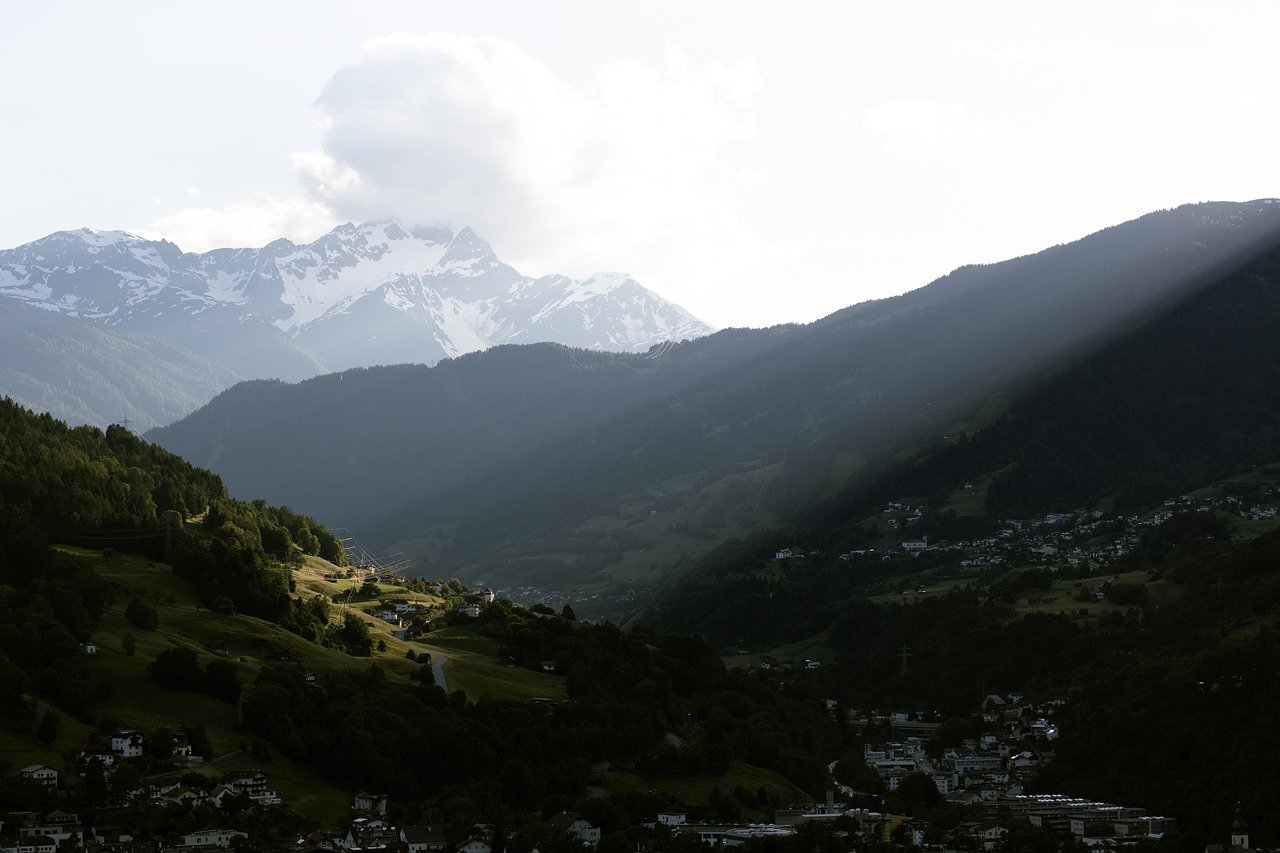
Taos Ski Valley rewards visitors differently depending on the season, and choosing the right window comes down to what kind of experience you are after.
For skiing and snowboarding, mid-January through mid-March is the sweet spot. By January the snowpack is well established, the resort is operating at full capacity, and the mountain's famously challenging terrain is in prime condition. Weekends draw stronger crowds, particularly holiday weekends around Martin Luther King Jr. Day and Presidents Day, so midweek visits offer shorter lift lines and a quieter village atmosphere. Early-season skiing in December is possible but snowpack can be variable, and late-season spring skiing in late March carries softer conditions and festive end-of-season energy.
Families with children enrolled in the Ski and Snowboard School should plan around the full operating season, roughly Thanksgiving through late March, when structured programming runs at its most complete. The resort's Ikon Pass affiliation draws a broader international audience, so peak holiday weeks in late December and early January see the highest visitor volumes of the year.
Summer is an underrated window for those seeking solitude and alpine scenery. Trails through Carson National Forest are largely crowd-free compared to more famous Colorado destinations, and the proximity to Taos town opens up a rich cultural itinerary including Taos Pueblo, galleries, and local festivals. July and August bring the monsoon season, so morning starts are essential for hikers and mountain bikers.
Fall, particularly mid-September through mid-October, is arguably the most spectacular time to visit for non-skiers. The aspen groves surrounding the valley turn vivid gold, crowds thin considerably after the summer hiking season, and the cultural calendar in nearby Taos remains active with harvest festivals and gallery events. It is also the calmest period before ski season anticipation builds again.
The compact base village is the social and logistical heart of the ski area, where ski-in/ski-out lodges, après-ski bars, and mountain boutiques cluster around the main plaza. It hums with energy after a day on the slopes, drawing skiers and snowboarders to outdoor fire pits and warming huts. The village retains a European alpine character, reflecting the Swiss-German roots of founder Ernie Blake.
Twining is the historic mining community that predates the ski resort, tucked into the upper reaches of the Rio Hondo canyon at the foot of the Sangre de Cristo peaks. Its rustic cabins and old mining heritage give it a raw, frontier atmosphere distinct from the polished resort village below. In summer, Twining serves as a trailhead hub for hikers venturing into the Carson National Forest.
Sitting roughly halfway between Taos town and the ski valley, Arroyo Seco is a small high-desert village with a creative, unhurried energy that makes it a favorite detour for travelers. Adobe storefronts house galleries, coffee shops, and a beloved general store along a single main road framed by sweeping mountain views. It captures the bohemian, artisan spirit of the greater Taos region in an intimate, walkable setting.
Twenty miles down the mountain, Taos Plaza is the cultural and commercial center of the broader Taos community, ringed by centuries-old adobe buildings, independent galleries, and acclaimed restaurants. The plaza anchors a walkable historic district where Indigenous crafts, Spanish colonial architecture, and contemporary art exist side by side. Visitors making the short drive from the ski valley find world-class dining, museums, and direct access to Taos Pueblo.
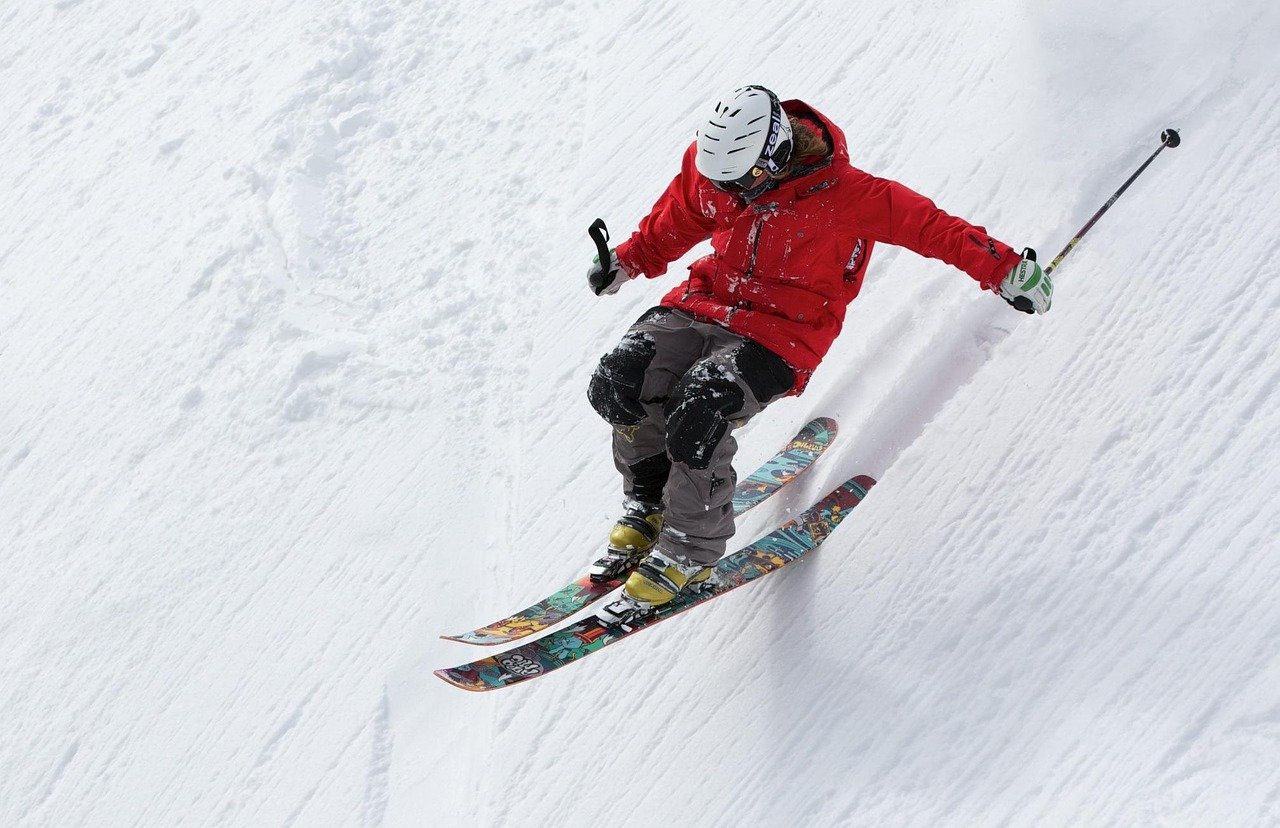
Taos Ski Valley earns its devoted following through a handful of experiences that simply cannot be replicated elsewhere in North America.
Expert Terrain Unlike Anywhere in the American Southwest
The mountain's reputation rests on its commitment to genuinely difficult skiing. Roughly 50 percent of the terrain is rated expert or advanced, and runs like Al's Run, Reforma, and the Highline Ridge chutes have challenged and humbled accomplished skiers for decades. The high elevation, consistent snowfall averaging over 300 inches per season, and north-facing aspects that preserve powder conditions make Taos a pilgrimage destination for serious skiers who have grown bored with more manicured resorts.
The Taos Ski and Snowboard School
Equally defining is the resort's legendary instructional program. Founded on the philosophy that anyone can learn to ski challenging terrain with proper instruction, the ski school has produced generations of confident mountain skiers. Week-long immersive programs, including the famous Ski Week, remain a bucket-list experience for intermediate skiers looking to make a genuine leap in ability.
A UNESCO World Heritage Site Within Reach
No other ski resort in the United States sits 20 miles from a living UNESCO World Heritage Site. Taos Pueblo has been continuously inhabited for more than a thousand years and remains home to members of the Taos Pueblo community today. Visiting during a ski trip adds a dimension of cultural depth that reshapes the entire experience of being in this landscape.
High-Desert Light and the Taos Arts Colony
The quality of light in northern New Mexico, the way it falls across adobe walls and mountain faces, drew painters to Taos more than a century ago and has never stopped drawing artists since. Spending an afternoon moving through the galleries of the Taos Art Museum at Fechin House or the historic district connects visitors to a creative tradition that is inseparable from the landscape itself.
Ikon Pass Access to a Hidden Gem
For Ikon Pass holders, Taos Ski Valley represents one of the most rewarding and least crowded destinations on the pass, a resort with genuine character and world-class terrain that has not yet been overwhelmed by the crowds that follow destination brand recognition.
Taos Ski Valley packs an extraordinary range of activities into a compact alpine village, making it a year-round destination for travelers who want more than a single-note mountain trip.
Outdoor Recreation
The mountain is the centerpiece, offering over 110 runs across 1,294 acres of skiable terrain, with a vertical drop of more than 2,600 feet. Expert skiers gravitate toward the legendary chutes of Highline Ridge and the steep pitches of Al's Run, while beginners and intermediates find welcoming terrain served by the Taos Ski and Snowboard School, one of the most respected ski schools in the country. Snowshoeing and cross-country skiing are popular alternatives for those who prefer a quieter pace on snow.
When summer arrives, the mountain transforms. The Carson National Forest surrounding Taos Ski Valley opens up hundreds of miles of hiking and mountain biking trails. The Devisadero Loop and the Wheeler Peak Wilderness trails draw hikers seeking sweeping views of the Sangre de Cristo range. Wildflower season, typically peaking in July and August, turns the alpine meadows into a vivid natural spectacle.
Cultural Attractions
The town of Taos, just 20 miles away, anchors the cultural life of the region. Taos Pueblo, a UNESCO World Heritage Site and continuously inhabited community for over a thousand years, offers guided visits that provide genuine insight into Pueblo culture and history. The Millicent Rogers Museum and the Harwood Museum of Art document the region's deep artistic and Indigenous heritage.
Arts and Entertainment
Taos has functioned as an arts colony since the early 20th century, attracting painters, sculptors, and writers drawn by the high-desert light and landscape. The Taos Art Museum at Fechin House and dozens of independent galleries throughout the town give visitors ample opportunity to engage with original work.
Food and Dining
The dining scene in and around Taos Ski Valley reflects the region's multicultural roots. Expect New Mexican cuisine built around red and green chile, alongside contemporary mountain fare. Notable spots include:
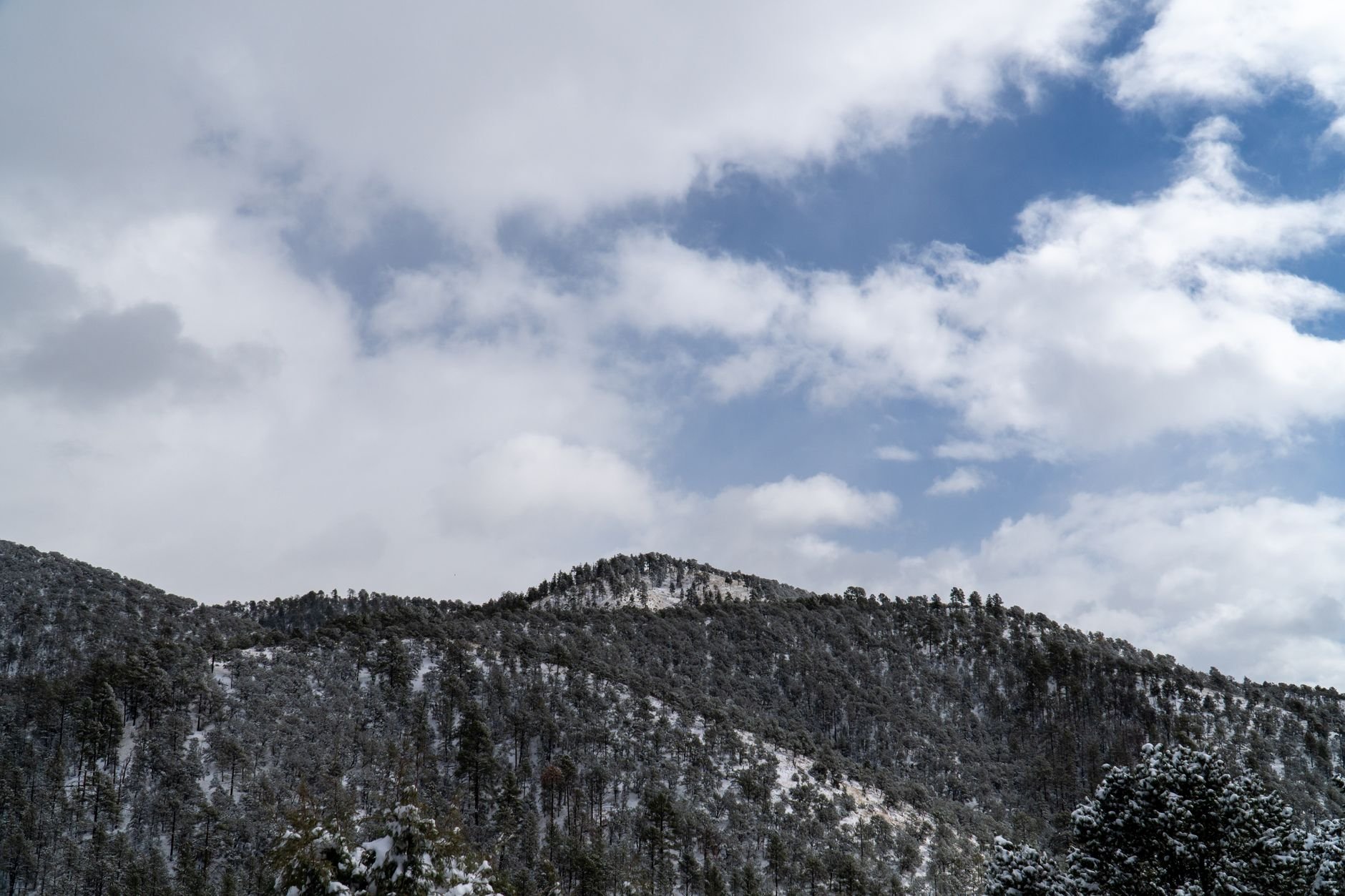
Start your first morning with a ride on the Taos Ski Valley gondola for sweeping views of the Sangre de Cristo Mountains. Hit the slopes through midday, tackling groomed runs or the resort's legendary steep chutes. In the afternoon, take a break in the village and explore local shops. End the evening with dinner at The Bavarian, a classic on-mountain lodge known for hearty alpine fare.
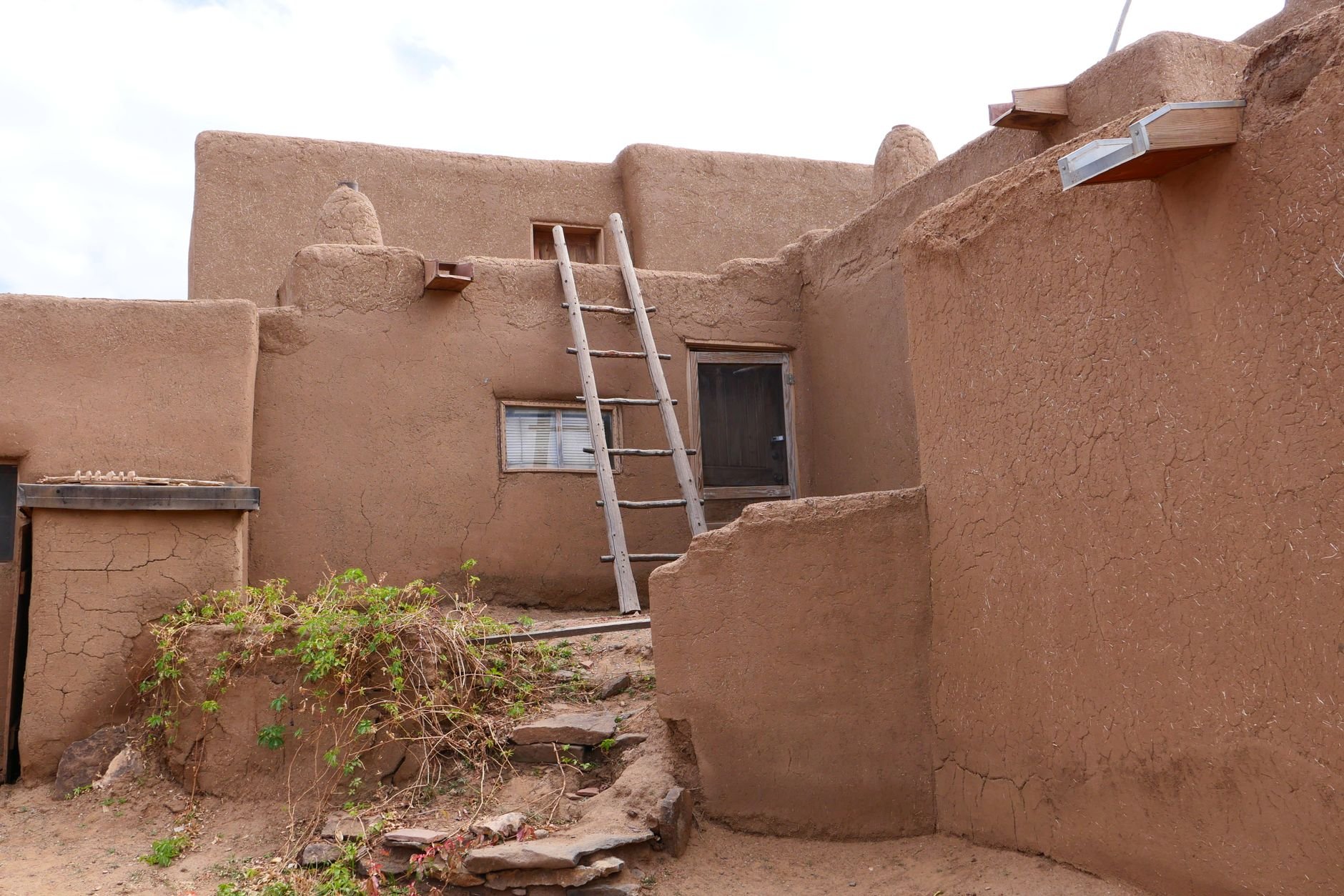
Drive 20 miles south to the town of Taos for a full cultural day. Spend the morning at Taos Pueblo, the UNESCO World Heritage Site and living Native American community. After lunch at a local cafe on the historic Plaza, browse the galleries and adobe storefronts of the arts district. Return to the ski valley in the evening for a relaxed soak and dinner at the Blake Hotel.
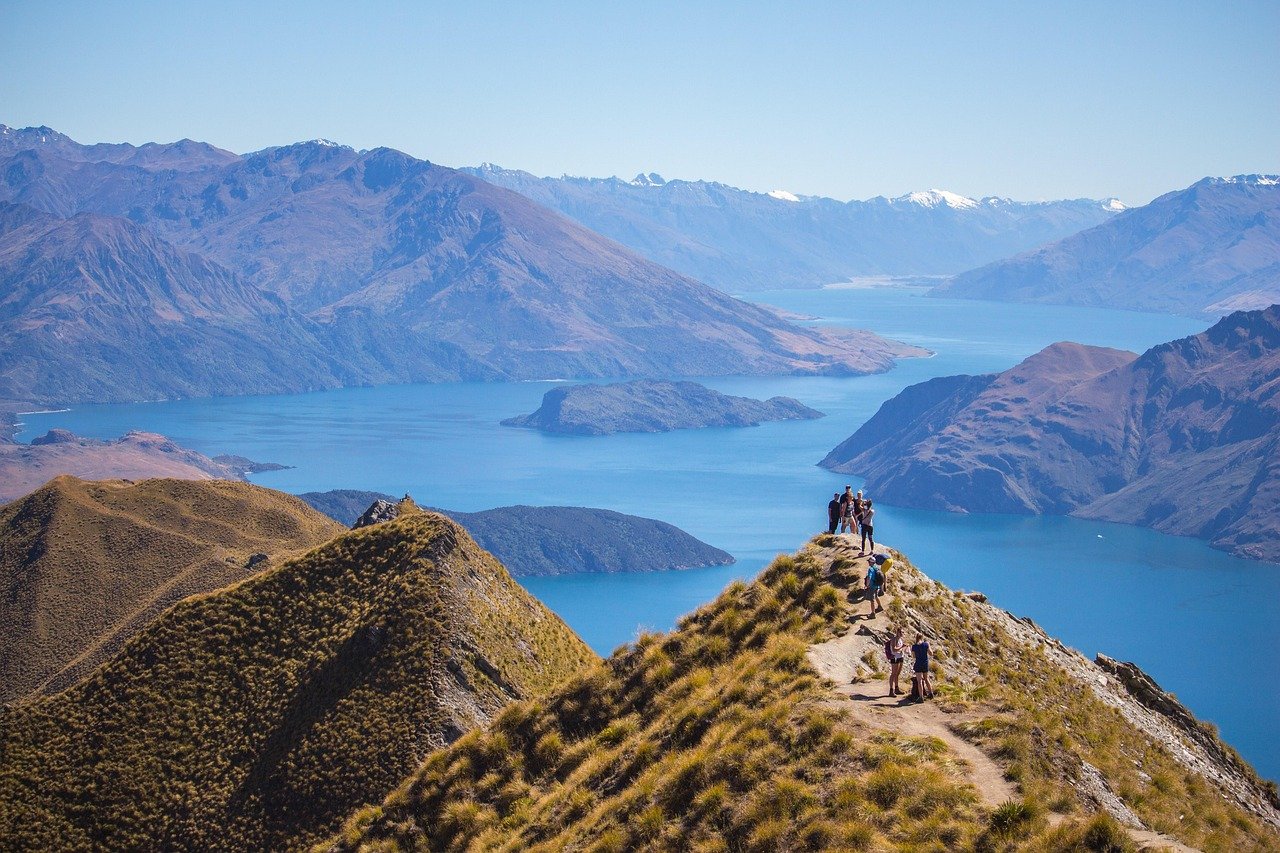
Dedicate your final day to the backcountry and alpine scenery of Carson National Forest. Set out on a morning hike through wildflower-dotted meadows above the ski valley, following trails that climb toward Wheeler Peak, New Mexico's highest summit. Picnic at a high-alpine overlook before descending. Wrap up the trip with a late-afternoon apres session at the Whiskey Dick bar in the village base area.
Taos Ski Valley pulses with a distinct cultural rhythm shaped by its alpine setting, deep Southwest heritage, and a community that celebrates both mountain sport and artistic tradition. Winter dominates the calendar, drawing skiers and snowboarders from January through March, but the valley's personality extends well beyond the slopes.
Taos Ski Valley sits at the intersection of rugged mountain terrain and the rich culinary traditions of northern New Mexico, making its dining scene as distinctive as the slopes themselves. The village draws on centuries of Indigenous and Hispanic foodways, meaning New Mexican cuisine is not a novelty here but a living, everyday tradition.
Albuquerque International Sunport (ABQ) is the primary gateway for most visitors
located about 135 miles south of Taos Ski Valley, with the drive north on I-25 to US-64 taking approximately 2.5 to 3 hours depending on road and weather conditions.
Santa Fe Municipal Airport (SAF) offers a shorter drive of roughly 90 miles
but serves limited commercial routes, so check availability early and compare fares against the more reliably served ABQ before booking.
NM-150 (Taos Ski Valley Road) is the only road into the village from Taos
and can become icy or temporarily closed during heavy snowfall, so carry chains or drive a 4WD or AWD vehicle during winter months.
New Mexico Park and Ride operates bus service between Albuquerque, Santa Fe, and the town of Taos
from which a taxi, rideshare, or shuttle can cover the final 20 miles up the mountain to the ski valley.
Denver International Airport (DEN) is a viable alternative roughly 5 hours by car
and works well for travelers combining Taos Ski Valley with a Colorado ski trip, heading south on I-25 through Raton Pass into New Mexico.
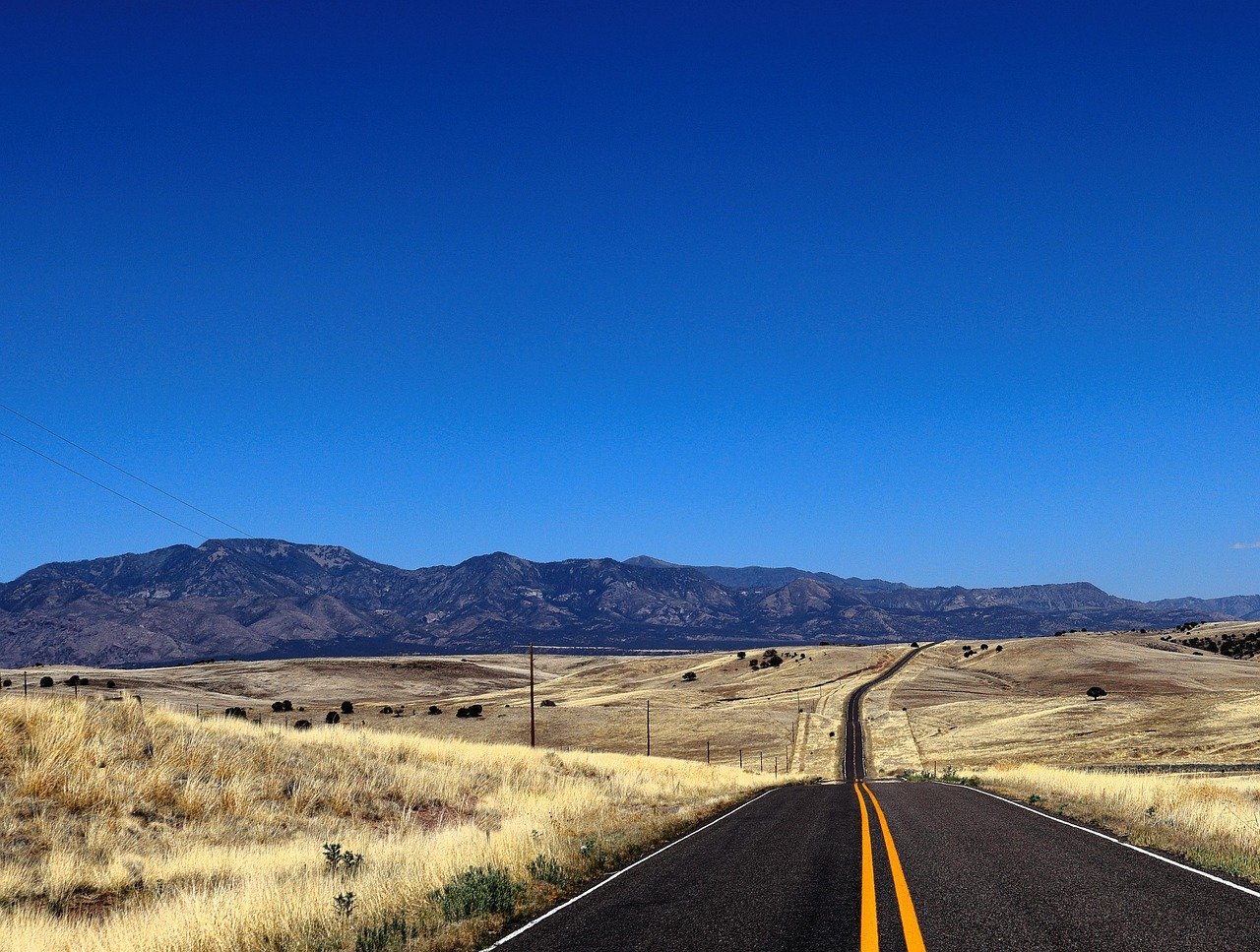
The Taos Ski Valley village is compact and walkable
so most guests can reach the lifts, restaurants, and ski school entirely on foot once they have checked into their accommodation.
NM-150, the only road connecting the ski valley to the town of Taos
takes 30 to 40 minutes to drive and is the main corridor for reaching restaurants, grocery stores, Taos Pueblo, and other regional attractions.
Rideshare services like Uber and Lyft operate in the Taos area
but coverage is inconsistent and wait times can be long, especially late at night or during storms, making a rental car the more dependable option.
The resort's free skier shuttle circulates within the village during the winter season
providing a convenient link between outlying parking areas, lodging, and the base of the mountain without needing to move your car.
Base area parking fills quickly on high-demand powder days
so plan to arrive before 8 a.m. or use overflow lots and take the shuttle to avoid a long walk in ski boots.
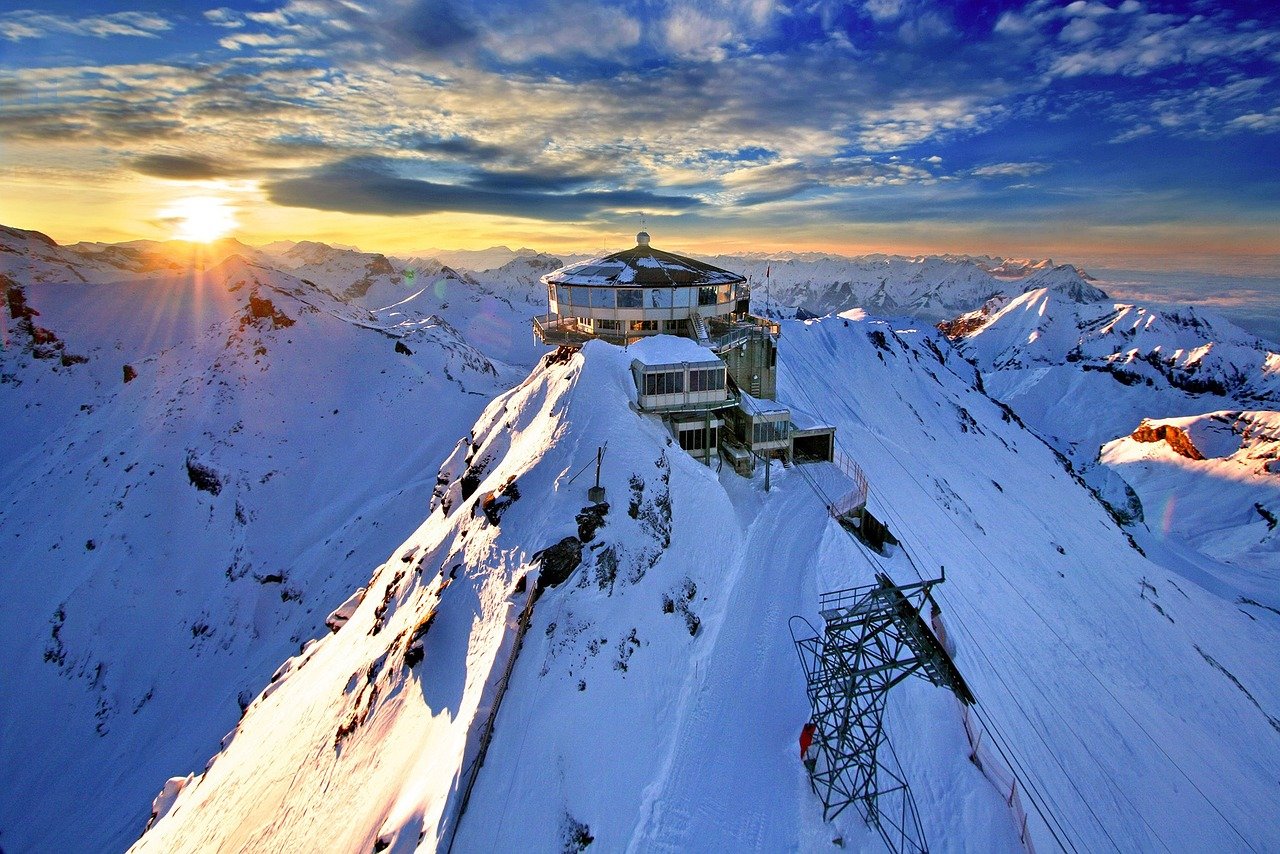
Altitude is the most important practical consideration at Taos Ski Valley. The base sits at around 9,200 feet and the summit reaches over 12,400 feet, which can cause headaches, fatigue, and shortness of breath, especially in the first 24 to 48 hours. Drink extra water, limit alcohol on arrival day, and give yourself time to acclimatize before pushing hard on the mountain.
Book ski school lessons, rentals, and restaurant reservations well ahead of arrival during peak season. The resort's on-mountain dining is popular and fills up at midday. Tipping follows standard U.S. norms: 18 to 20 percent at restaurants and for ski instructors.
Cell service can be spotty on the mountain and along NM-150. Download offline maps before you go. The resort's app and website carry real-time lift and trail status updates. Taos Ski Valley is a cashless resort, so a credit or debit card is required for all on-mountain transactions.
Most visitors spend 3 to 5 days in Taos Ski Valley to make the most of the mountain. That gives you enough time to explore the varied terrain, take a lesson at the Ski and Snowboard School, and day-trip into the town of Taos, about 20 miles away, for its galleries, culture, and cuisine.
Taos Ski Valley is best known for its challenging, expert-level terrain: steep chutes, deep powder, and double-black-diamond runs carved into the Sangre de Cristo Mountains at elevations above 12,000 feet. It is also recognized for its renowned Ski and Snowboard School, its independent mountain character, and its proximity to the arts town of Taos and Taos Pueblo.
A weekend trip to Taos Ski Valley is doable but tight. Two days on the mountain gives you a solid taste of the terrain, though you will likely want more time to explore the full resort and the nearby town of Taos. It works best as a long weekend of three to four days, especially if you are traveling from Albuquerque or Santa Fe.
Taos Ski Valley sits in the mid-to-high price range for ski destinations. Lift tickets, lodging, and on-mountain dining reflect its status as a refined resort, especially after its post-2013 renovations added luxury accommodations. That said, it is generally less pricey than top Colorado or Utah resorts, and Ikon Pass holders can access significant savings.
For skiing and snowboarding, the peak season runs from late November through early April, with January and February typically offering the best powder conditions. Summer, particularly July and August, is ideal for hiking and wildflower viewing in the alpine meadows of Carson National Forest.