
Baltimore, MD
A Journey guide to
Durham is the intellectual and creative engine of North Carolina's Research Triangle, anchored by Duke University and its Gothic-revival campus, and home to one of the most concentrated clusters of research institutions and biotech firms in the United States. It draws curious, ambitious travelers who want a city with genuine depth: a place where a world-class museum, an independent bookshop, and a cutting-edge restaurant can all occupy the same block.
Once defined by its tobacco industry, Durham has undergone one of the most compelling urban reinventions in the American South. The American Tobacco Campus, a former Lucky Strike factory, now pulses with restaurants, offices, and live-music venues. Warehouses in the Warehouse District have become galleries and breweries. The city wears its industrial past proudly, threading history into every renovation rather than erasing it.
Durham's food and drink culture punches well above its weight. The city has earned national recognition for its chef-driven restaurants, James Beard-nominated kitchens, and a craft beer scene anchored by producers like Fullsteam Brewery, which sources hyper-local Southern ingredients. The Durham Central Park Farmers Market and a constellation of independent food halls reinforce a strong farm-to-table identity rooted in the surrounding Piedmont countryside.
The arts scene is equally serious. The Nasher Museum of Art at Duke University holds a significant contemporary collection, while the Durham Performing Arts Center regularly ranks among the highest-grossing mid-size venues in North America. Minor League Baseball's Durham Bulls, immortalized in the film Bull Durham, still play at their beloved downtown ballpark, giving the city an accessible, communal gathering point that locals and visitors share with equal enthusiasm.



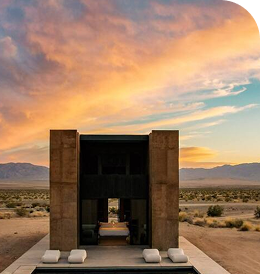

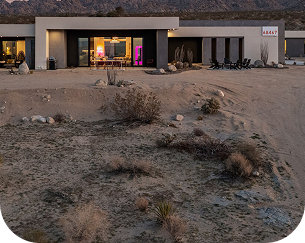

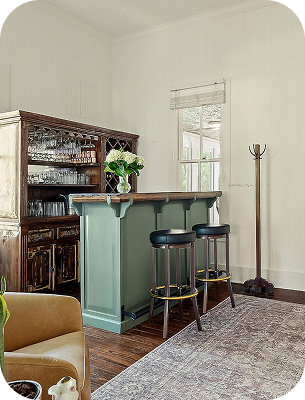

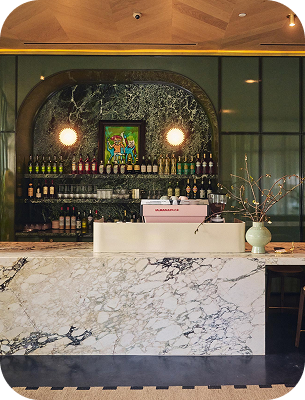

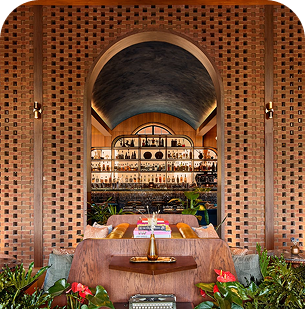



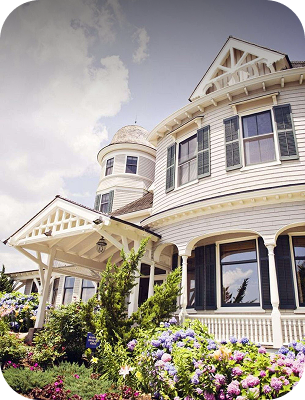

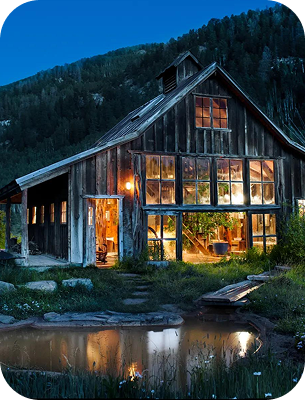

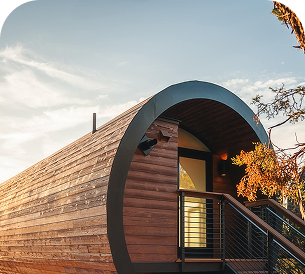

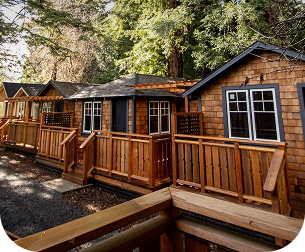

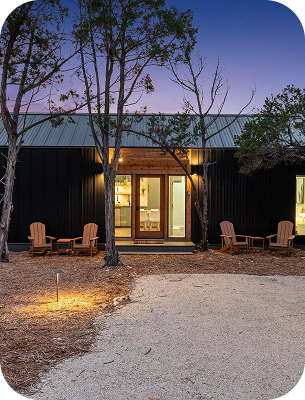

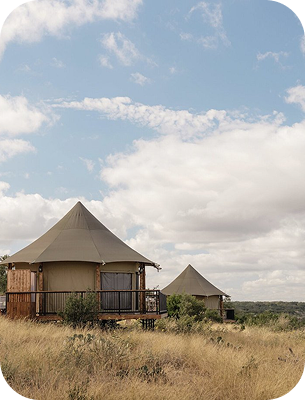

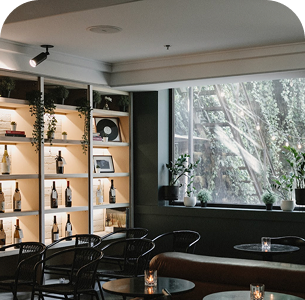

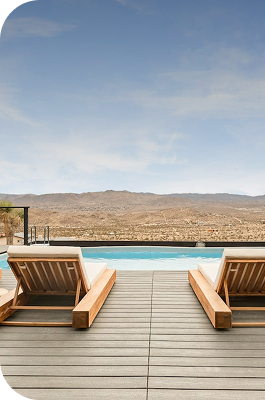

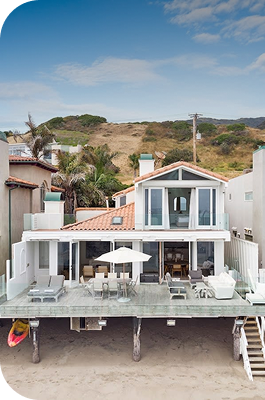

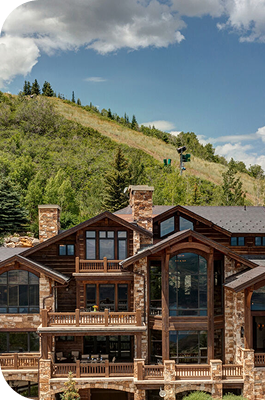

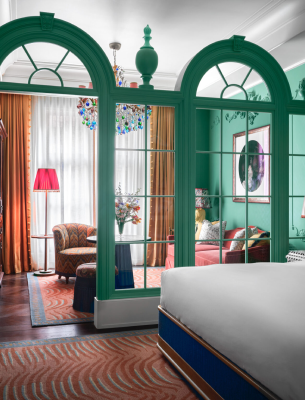

Journey connects travelers to a curated network of boutique hotels and distinctive residences around the world, all united under one rewards program. Explore handpicked stays for your trip while earning points, unlocking exclusive offers, and receiving rewards across the Journey collection.
Durham sits in the Piedmont region of central North Carolina, roughly midway between the Blue Ridge Mountains to the west and the Atlantic coast to the east. The city occupies gently rolling terrain at an elevation of around 400 feet, threaded by the Eno River and bordered by forests and farmland that soften its urban edges. It forms one corner of the Research Triangle alongside Raleigh and Chapel Hill, a metropolitan configuration that has made this part of North Carolina one of the most economically dynamic regions in the American South.
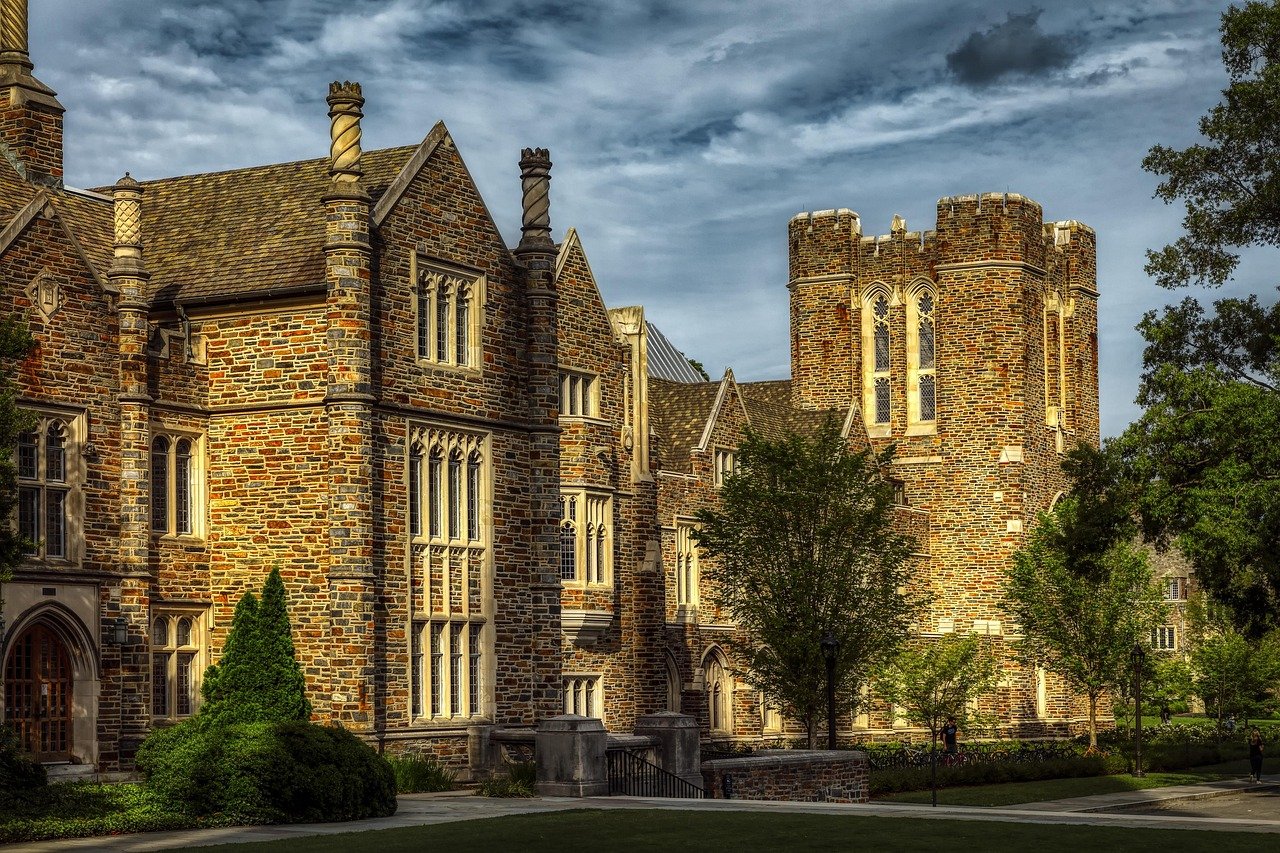
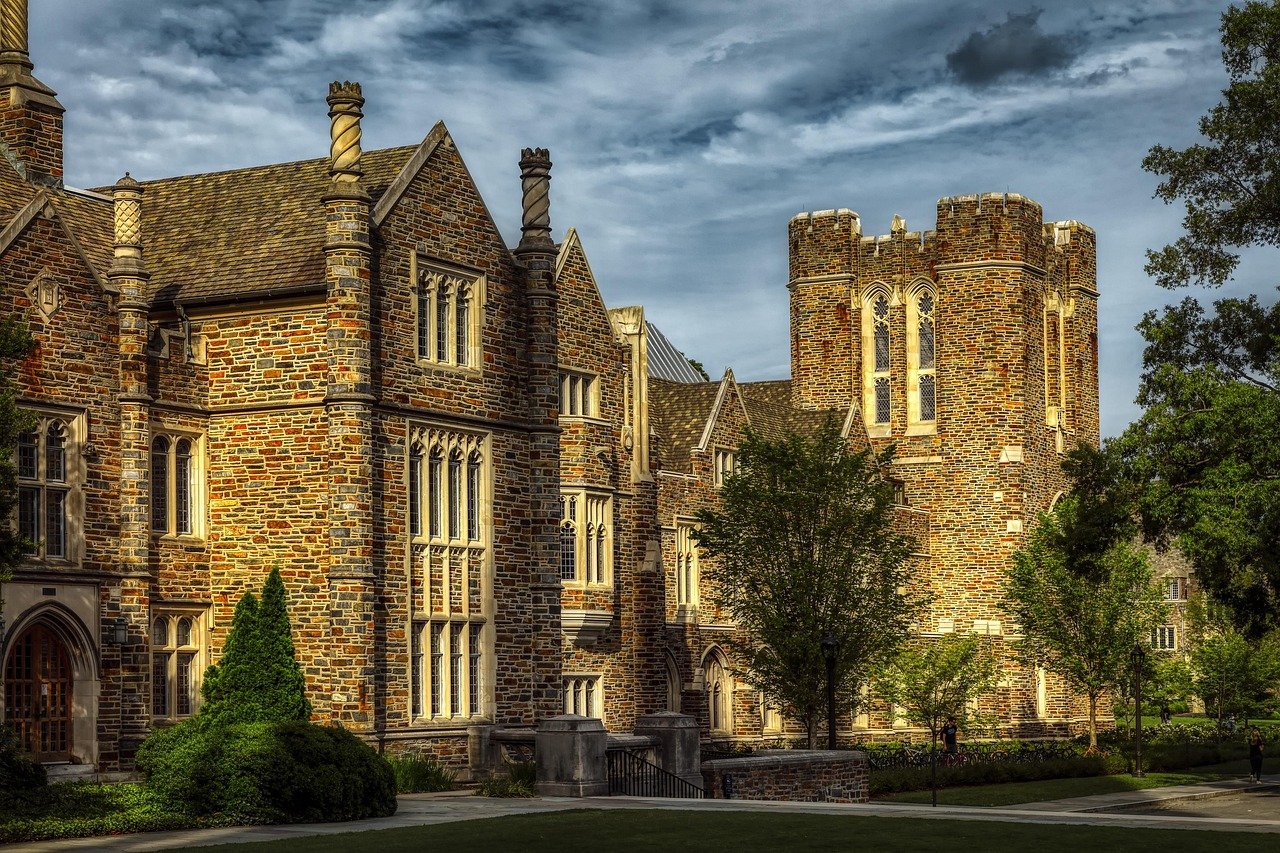
The city's identity is inseparable from Duke University, founded in its modern form in 1924 with tobacco fortune money from James B. Duke. The university's Gothic-revival West Campus, with its soaring Duke Chapel, gives Durham an architectural gravitas unusual for a mid-size American city, while its medical center and research programs generate a constant influx of scientists, physicians, and students from around the world. That international academic energy has profoundly shaped the city's culture, politics, and culinary landscape.
Historically, Durham was a center of African American entrepreneurship and cultural life. The Hayti district, once called the "Black Wall Street of the South," produced a remarkable concentration of Black-owned banks, insurance companies, and businesses in the late 19th and early 20th centuries. That legacy is honored today through institutions like the Hayti Heritage Center and North Carolina Central University, a historically Black university that remains a vital part of the city's academic fabric.
Travelers arriving in Durham today encounter a city that is simultaneously proud of its past and energetically forward-looking. The downtown core has been rebuilt around adaptive reuse, independent enterprise, and public space. Neighborhoods like Brightleaf, Trinity Park, and Old North Durham each have distinct characters, ranging from leafy residential streets to dense commercial strips. The overall atmosphere is confident and unpretentious: a city that has earned its reputation without needing to shout about it.
Durham rewards visitors year-round, but the timing of your trip shapes the experience considerably.
Spring, from late March through May, is widely considered the prime window for a first visit. The city's parks, trails, and outdoor dining patios come alive, and the Duke University campus is at its most photogenic with flowering trees in full bloom. This is also when the Durham Farmers Market and local food scene hit their stride with fresh Piedmont produce. Crowds are present but manageable, and the city's cultural calendar fills with performances at the Durham Performing Arts Center and events tied to the university calendar.
Fall, particularly October and early November, runs a close second. The surrounding landscape turns richly colorful, outdoor activity is easy and enjoyable, and the Durham Bulls baseball season wraps up with a festive community atmosphere. Hotel rates remain reasonable compared to peak summer travel periods elsewhere, and the city's restaurant scene is in full swing.
Summer draws visitors willing to embrace the heat, especially families and those attending Duke-affiliated programs or academic events. The city's indoor attractions, including the Nasher Museum of Art and the American Tobacco Campus venues, provide cool refuge, and the live-music and craft-beer scene keeps evenings lively. Booking ahead is advisable if your visit overlaps with university events or major concerts at DPAC.
Winter is the least crowded season and offers a quieter, more local experience. The holiday period brings some festivity, and the absence of peak crowds makes it easier to snag reservations at sought-after restaurants. Travelers who prioritize access to Durham's food, arts, and cultural offerings over outdoor exploration will find winter a perfectly viable and often underrated time to visit.
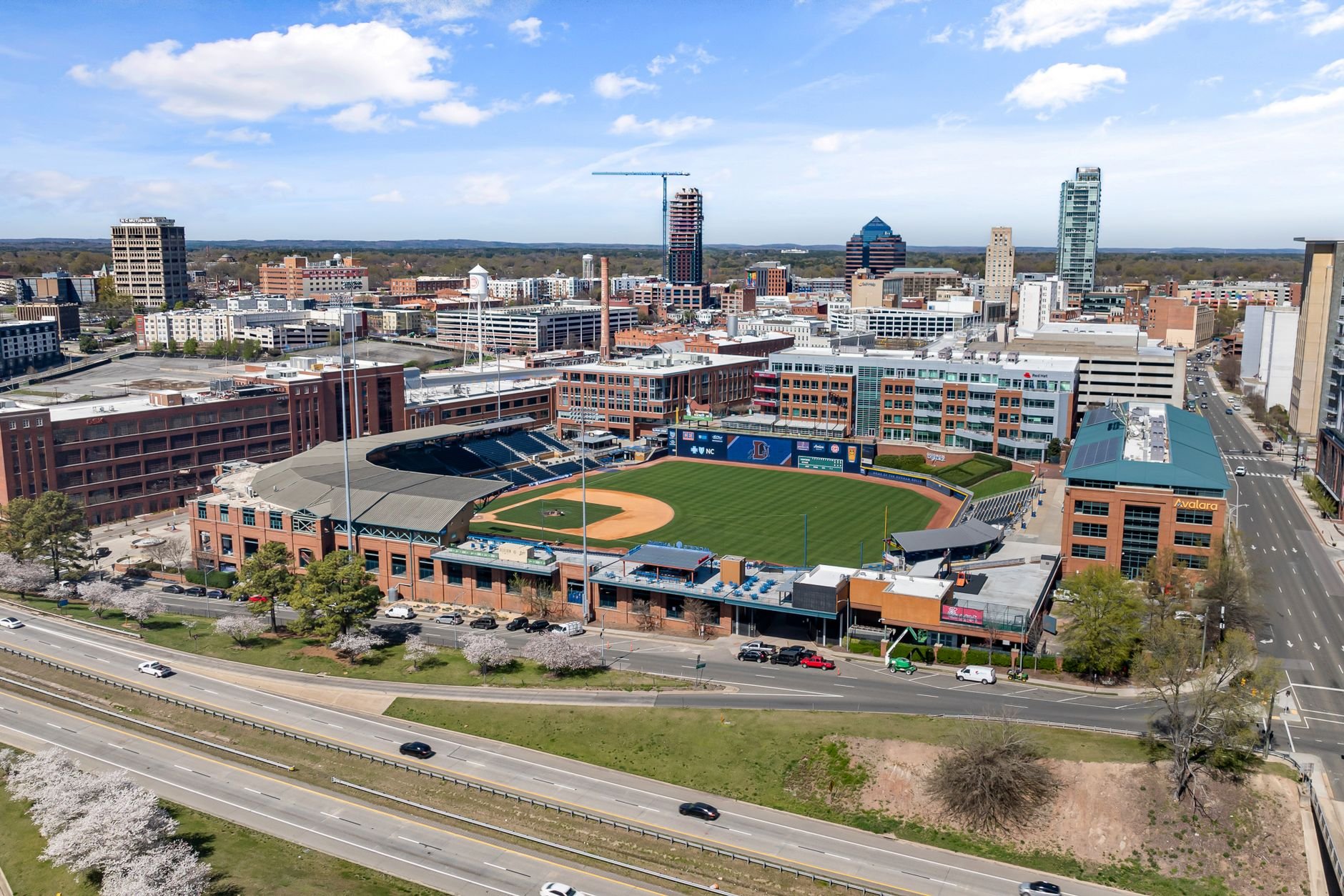
The beating heart of the city, Downtown Durham is where historic tobacco warehouses and Art Deco facades have been reimagined into restaurants, bars, live-music venues, and boutique hotels. The American Tobacco Campus anchors the southern edge, while the Durham Performing Arts Center and Durham Bulls Athletic Park draw crowds on any given evening. It is a walkable, energetic core that rewards wandering at any hour.
Anchored by Duke University's stunning Gothic-revival campus, this area blends academic grandeur with a relaxed neighborhood strip along Ninth Street. Independent cafes, bookshops, vintage clothing stores, and casual restaurants line the corridor, catering to students, faculty, and locals alike. The Nasher Museum of Art and Duke Chapel are genuine cultural landmarks worth carving out dedicated time for.
Just west of downtown, the Warehouse District is Durham's creative quarter, where converted industrial buildings house craft breweries, art galleries, recording studios, and design-forward eateries. Fullsteam Brewery is a neighborhood institution, drawing regulars with its Southern-ingredient-driven beers and communal taproom. The district has a gritty, unhurried energy that feels authentically Durham rather than polished for outside consumption.
Housed in a pair of restored 1906 tobacco warehouses, Brightleaf Square is one of Durham's most atmospheric shopping and dining destinations. Exposed brick, soaring ceilings, and original timber beams set the backdrop for specialty retailers, wine bars, and some of the city's most celebrated chef-driven restaurants. The complex captures the city's talent for threading industrial heritage into everyday life.
These leafy residential neighborhoods to the south and west of downtown offer a quieter counterpoint to the urban energy of central Durham. Tree-lined streets, craftsman bungalows, and proximity to parks like Hope Valley Country Club give the areas a comfortable, lived-in feel. Travelers staying here enjoy easy access to the city while experiencing the kind of unhurried neighborhood rhythm that locals cherish.
Durham's signature experiences are inseparable from its identity as a city that transformed itself without losing its soul.
Walking the American Tobacco Campus
The former Lucky Strike cigarette factory is the most vivid symbol of Durham's reinvention. Today its red-brick warehouses and open courtyards house restaurants, creative offices, and live-music venues, all threaded with a reflecting canal and public art. Spending an evening here, moving from dinner to a drink to a show, is quintessentially Durham.
A Game at Durham Bulls Athletic Park
The Durham Bulls are one of Minor League Baseball's most beloved franchises, immortalized in the 1988 film Bull Durham. Their downtown ballpark is an intimate, unpretentious place where locals and visitors sit side by side under the open sky. The famous mechanical bull beyond the outfield wall charges after every home run. A Bulls game is one of the most authentic community experiences in the American South.
Duke University Campus and the Nasher Museum
Few American university campuses carry this kind of architectural and intellectual weight. Walking the stone pathways of Duke's West Campus, visiting the Duke Chapel, and spending time in the Nasher Museum of Art - one of the finest university art museums in the country - constitutes a genuinely enriching half-day.
Exploring the Craft Beer and Food Scene
Durham's food and beer culture is not a backdrop but a destination in itself. Fullsteam Brewery's hyper-local Southern ingredients, the rotating chef talent at downtown restaurants, and the Saturday morning Durham Central Park Farmers Market form a culinary identity that draws food-focused travelers from across the region. This is a city where eating and drinking well is a form of cultural exploration.
Durham, North Carolina offers a rich and varied activity landscape that rewards curious travelers across every interest.
Outdoor Recreation
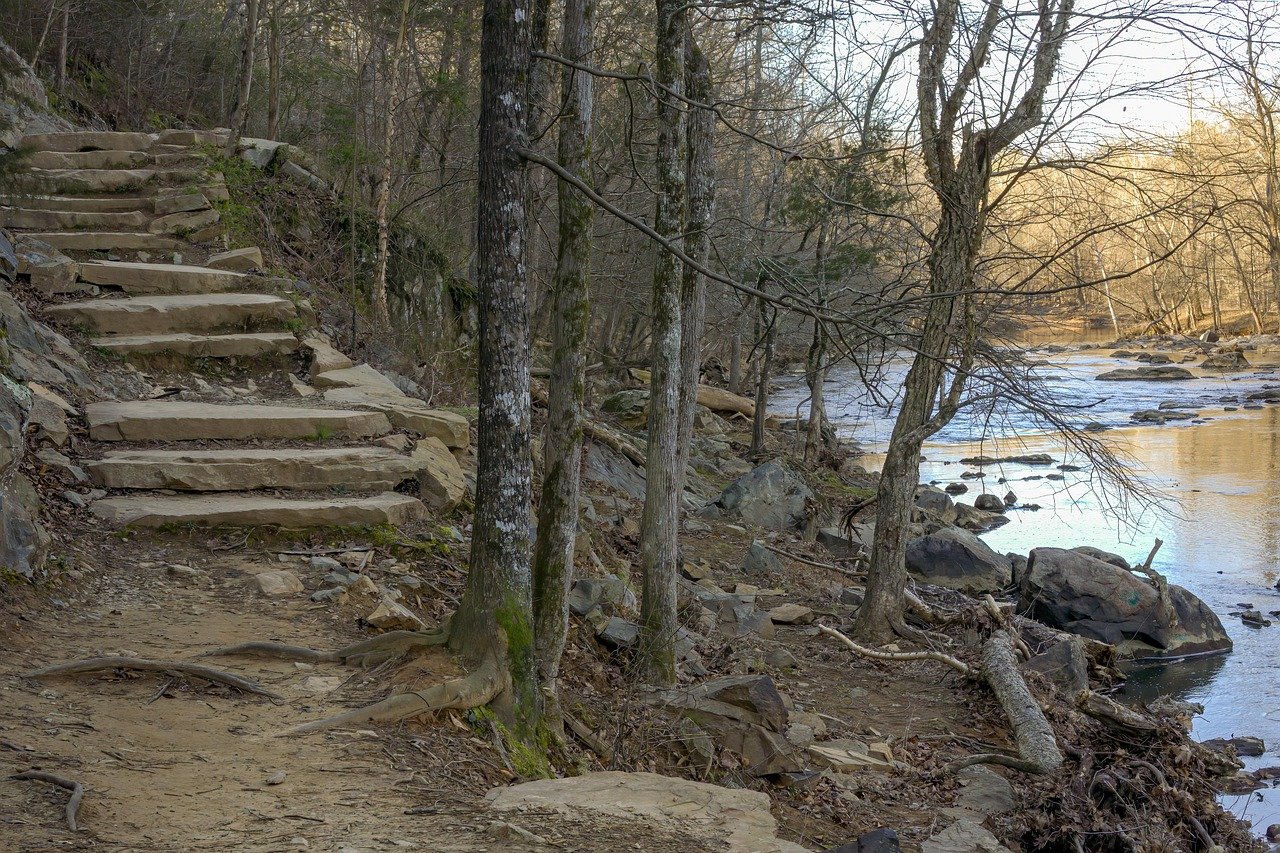
Durham's green spaces provide welcome breathing room amid the city's urban energy. Duke Forest, one of the largest privately owned research forests in the United States, offers miles of trails for hiking, trail running, and mountain biking. Eno River State Park, just northwest of downtown, draws paddlers, swimmers, and hikers to its rocky gorges and forested corridors. Durham Central Park serves as a neighborhood gathering hub with open lawns, a playground, and regular community events.
Cultural Attractions
Durham's institutional anchors are genuinely world-class. Duke University's Gothic-revival campus is itself a destination, home to the Nasher Museum of Art, which holds a strong contemporary and modern collection. The Duke Lemur Center offers rare behind-the-scenes access to the world's largest collection of lemurs outside Madagascar. The Museum of Durham History traces the city's tobacco-era roots and its remarkable reinvention.
Arts and Entertainment
The Durham Performing Arts Center consistently ranks among the top-grossing mid-size venues in North America, hosting Broadway tours, concerts, and comedy. The Carolina Theatre, a restored 1926 movie palace, screens independent and classic films. The city's live music scene thrives across intimate venues in the Warehouse District and beyond.
Food and Dining
Durham's culinary reputation is outsized for a city its size. James Beard-nominated chefs, chef-driven neighborhood restaurants, craft breweries, and a celebrated farmers market define a food culture rooted in Piedmont agriculture and Southern tradition.
Start your morning at the American Tobacco Campus, exploring the revitalized Lucky Strike factory grounds before grabbing coffee at one of its cafes. Head to downtown Durham for lunch at a chef-driven spot near Brightleaf Square. In the afternoon, walk the Duke University campus and tour the Duke Chapel. End the evening with dinner and live music along the American Tobacco Campus strip.

Spend your morning at the Nasher Museum of Art at Duke University, one of the South's top contemporary collections. Pick up fresh produce and local bites at the Durham Central Park Farmers Market at midday. In the afternoon, explore the Warehouse District's galleries and breweries, including a stop at Fullsteam Brewery. Cap the evening with dinner at a James Beard-recognized restaurant nearby.
Durham pulses with cultural energy year-round, shaped by its university roots, creative communities, and deep appreciation for the arts. Spring brings a burst of activity: the Full Frame Documentary Film Festival draws filmmakers and cinephiles from around the world to downtown venues, while the American Dance Festival transforms Duke University into a hub of contemporary movement and performance. As temperatures rise, touring Broadway productions light up the Durham Performing Arts Center, one of the most celebrated mid-size venues in the country.

Nov 27, 2026
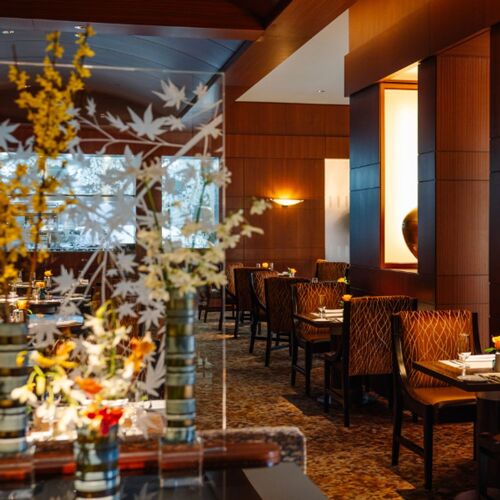
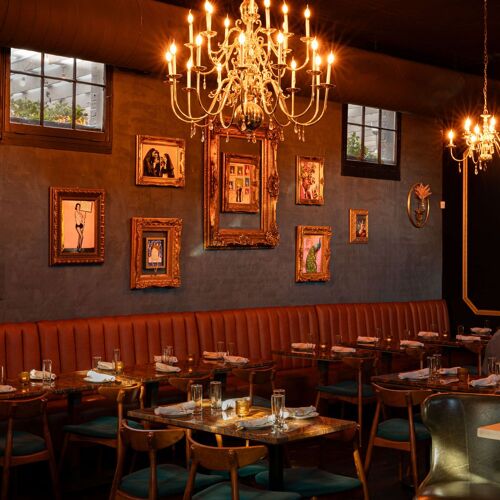
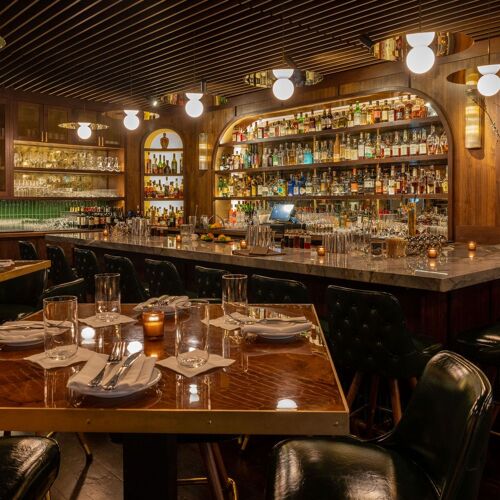
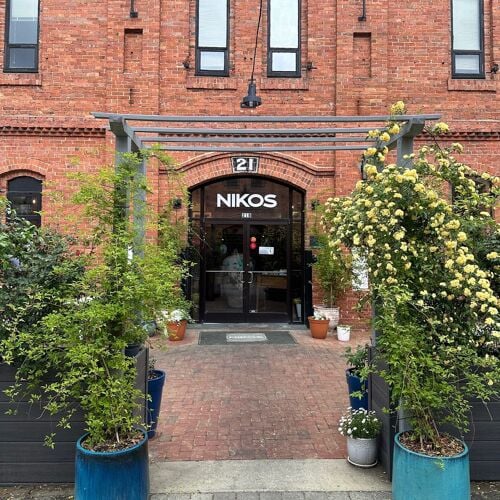
Durham's food and dining scene has earned national recognition, driven by a wave of chef-led restaurants, James Beard-nominated kitchens, and a deep commitment to sourcing from the surrounding Piedmont countryside. The city's farm-to-table identity is not a trend but a foundation, reinforced by the Durham Central Park Farmers Market and a growing network of independent food halls that connect chefs directly with local producers.
Raleigh-Durham International Airport (RDU) is the primary gateway for most visitors,
located about 15 miles northwest of downtown Durham with rideshare, taxi, and rental car options readily available and a typical drive of 20 to 30 minutes into the city.
Amtrak's Carolinian and Piedmont lines stop at Durham Station on West Chapel Hill Street,
connecting Durham to Raleigh (about 35 minutes), Charlotte, and New York City, making train travel a practical option for visitors coming from along the East Coast corridor.
I-40 is the main driving approach from the east and from the Research Triangle,
while travelers arriving from the north use I-85, with downtown Durham reachable in under three hours from Charlotte and roughly five hours from Washington, D.C.
Greyhound and FlixBus both serve Durham with intercity bus routes,
offering budget-friendly connections to Raleigh, Charlotte, and other regional cities for travelers who prefer not to rent a car.

Downtown Durham, the American Tobacco Campus, and the Warehouse District are all walkable,
so most visitors can cover a full day of dining, sightseeing, and entertainment on foot without needing a car or rideshare.
GoDurham buses serve the city's core neighborhoods and connect to GoTriangle regional routes,
linking Durham to Raleigh and Chapel Hill, though service frequency drops in the evenings and on weekends, so check schedules in advance.
Uber and Lyft are widely available throughout Durham
and are the most practical option for trips between downtown, Duke University's campus, and outlying neighborhoods, with typical wait times of five to ten minutes.
Parking decks near the Durham Performing Arts Center and the American Tobacco Campus offer convenient options,
but fill up fast on Durham Bulls game nights and during sold-out DPAC shows, so arriving early or using rideshare on those evenings is advisable.
Durham is a generally safe and welcoming city, though as with any urban area it pays to stay aware of your surroundings, particularly in less-trafficked areas after dark. Tipping follows standard American norms: 18 to 20 percent at restaurants and for rideshare drivers. Most businesses are cashless or strongly prefer cards, so carrying large amounts of cash is unnecessary. The GoDurham Transit app and Google Maps are both reliable for navigating bus routes. Restaurant reservations are strongly recommended for popular spots, especially on weekends; use OpenTable or Resy to book ahead. Durham's weather swings considerably by season: summers are hot and humid, winters are mild but occasionally cold, and spring and fall are the most comfortable times to visit. If you are attending a Duke basketball game or a DPAC performance, book tickets well in advance as both sell out quickly.
Two to three days is enough to cover Durham's highlights. Spend a day exploring Duke University's campus and the Nasher Museum of Art, another at the American Tobacco Campus and downtown restaurants, and a third browsing the Warehouse District's galleries and breweries. If you plan to catch a Durham Bulls game or a show at DPAC, add an extra night.
Durham is best known for Duke University, the Research Triangle's concentration of biotech and research institutions, and a celebrated food and craft beer scene. The city is also recognized for its revitalized tobacco heritage - particularly the American Tobacco Campus - the Durham Bulls Minor League Baseball team, and the Durham Performing Arts Center, one of North America's top mid-size venues.
Yes, Durham works very well as a weekend trip. Two days is enough to hit the main draws - Duke's campus, the American Tobacco Campus, downtown dining, and a Bulls game or DPAC show if timing aligns. Its compact, walkable core means you can cover a lot without a car, making it an easy getaway from Charlotte, Raleigh, or the Virginia coast.
Durham is moderately affordable by U.S. city standards. Hotels downtown range from budget-friendly to upscale, and while the city has acclaimed chef-driven restaurants, plenty of casual and independent dining options keep costs manageable. Many attractions - including Duke's campus, the American Tobacco Campus, and the farmers market - are free or low-cost.
Spring (March to May) and fall (September to November) offer the most pleasant weather for exploring Durham, with mild temperatures and lower humidity. Spring also brings Duke's campus gardens into bloom, making it a particularly scenic time to visit.