
Baltimore, MD
A Journey guide to
Kure Beach is one of the quieter gems on North Carolina's Cape Fear coast, a small barrier island town that trades the noise of commercialized beach resorts for something more genuine: wide, uncrowded Atlantic beaches, a working fishing pier, and a sense of place rooted in both natural beauty and deep American history. It draws travelers who want the ocean on their own terms, without the crowds.
The town sits at the southern end of Pleasure Island, flanked by the Cape Fear River to the west and the Atlantic to the east. This geography gives Kure Beach an almost island-within-an-island quality. The North Carolina Aquarium at Fort Fisher anchors the area as a serious natural science destination, with one of the largest shark exhibits on the East Coast drawing families and marine life enthusiasts alike.
History runs deep here. Fort Fisher, a massive Confederate earthwork fortification, once guarded the last open Southern port during the Civil War. The fort's remains and adjoining state historic site make Kure Beach a legitimate destination for history travelers, not just beach seekers. The combination of Civil War heritage and coastal wilderness is genuinely rare on the Atlantic seaboard.
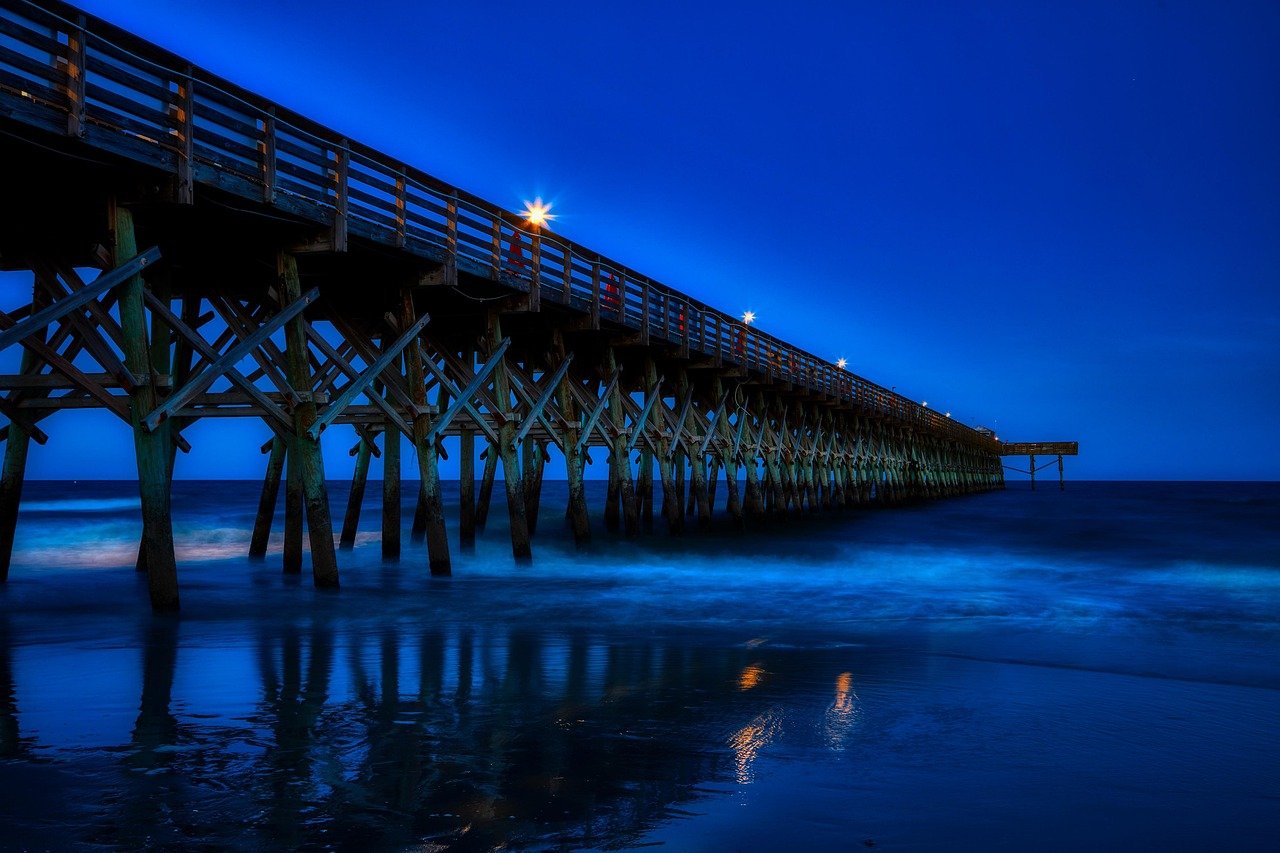
The traveler Kure Beach attracts tends to value authenticity over amenity. Families return year after year for the uncrowded shoreline. Anglers come for the Kure Beach Fishing Pier, one of the oldest on the Carolina coast. Nature lovers explore the Fort Fisher State Recreation Area, where maritime forest meets open dunes. This is a destination that rewards those willing to look past the obvious.
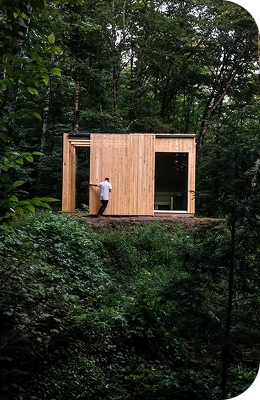

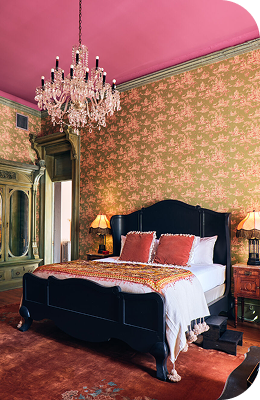

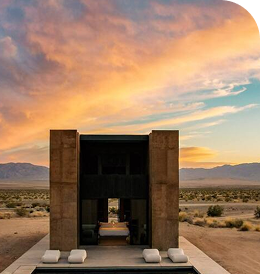

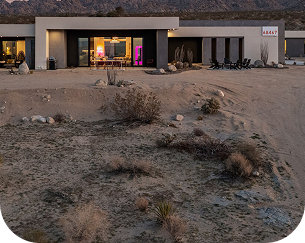













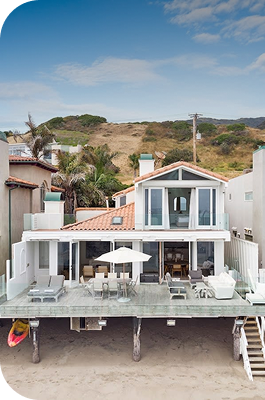

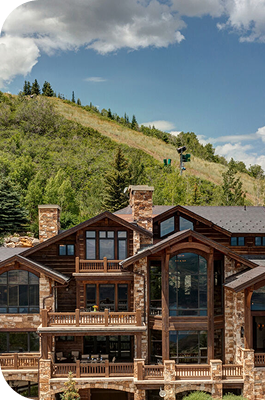

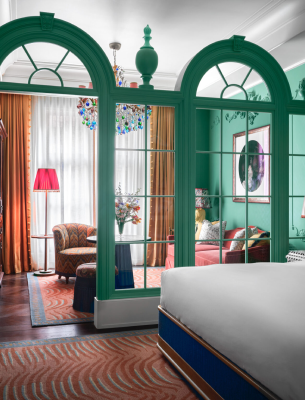

Journey connects travelers to a curated network of boutique hotels and distinctive residences around the world, all united under one rewards program. Explore handpicked stays for your trip while earning points, unlocking exclusive offers, and receiving rewards across the Journey collection.
Kure Beach occupies the southern tip of Pleasure Island, a narrow barrier island in New Hanover County separated from the North Carolina mainland by the Intracoastal Waterway and the Cape Fear River. The town covers roughly one square mile, making it one of the smallest incorporated municipalities in the state, yet its footprint punches well above its size in terms of historical and ecological significance.
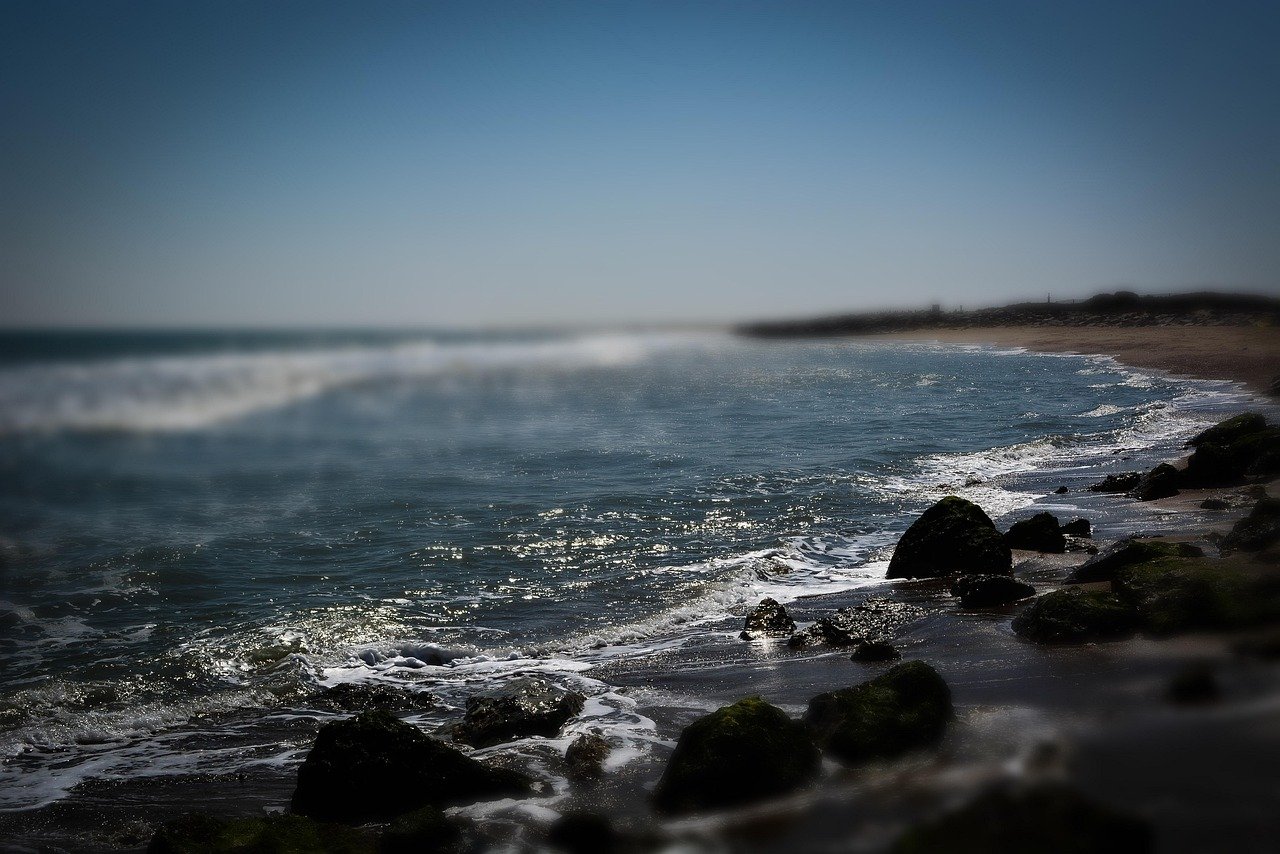
The Atlantic coastline here is notably undeveloped by the standards of the Carolina coast. Strict zoning has kept large-scale commercial development at bay, preserving the low-rise, residential character that longtime visitors prize. The beach itself is wide and clean, with hard-packed sand that extends for miles south into the Fort Fisher State Recreation Area, a stretch of protected shoreline and maritime shrub thicket that transitions into one of the most ecologically intact coastal environments in the region.
Culturally, Kure Beach belongs to the broader Cape Fear coastal identity: seafood-centric, unpretentious, and deeply tied to the rhythms of the ocean. Wilmington, the region's cultural and commercial hub, lies about 20 miles to the north, giving Kure Beach visitors easy access to a full-service city while allowing the town itself to remain refreshingly small. The relationship between the two is symbiotic: Wilmington provides the restaurants, nightlife, and arts scene; Kure Beach provides the escape.
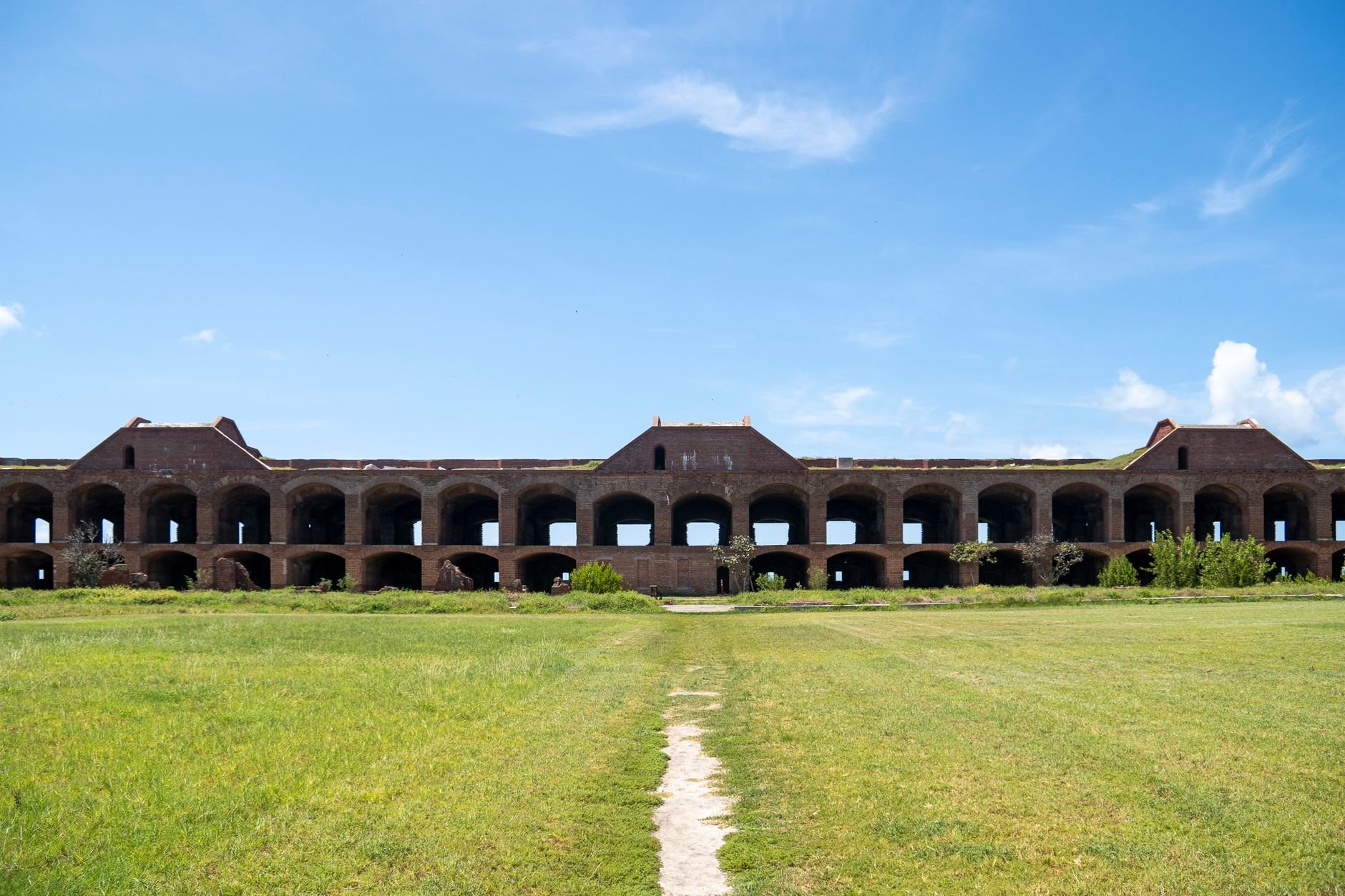
The town's defining landmark is Fort Fisher, the massive Civil War earthwork fortification that guarded the mouth of the Cape Fear River and kept Confederate supply lines open until January 1865. The fort's fall effectively sealed the Confederacy's fate, making this quiet stretch of coastline a place of genuine national historical consequence. The adjacent North Carolina Aquarium at Fort Fisher, one of three state-run aquariums on the coast, draws over 400,000 visitors annually and serves as the area's most prominent family attraction. Together, the fort and the aquarium give Kure Beach a cultural and educational depth that sets it apart from comparably sized beach towns along the Atlantic seaboard.
Kure Beach rewards visitors who time their trip carefully, and the sweet spots fall on either side of the peak summer rush. Late May offers the first real taste of beach season before the summer crowds arrive in force, with the fishing pier active, the aquarium accessible without long waits, and the shoreline still largely uncrowded. This window suits travelers who want the full Kure Beach experience without competing for space.
Summer draws the largest crowds, particularly from late June through August, when families fill the rental cottages and the beach sees its heaviest foot traffic. Those set on a summer visit will find the most activity along the strand and at Fort Fisher, but should book accommodations well in advance. The Kure Beach Fishing Pier is at its liveliest during this stretch, and the North Carolina Aquarium runs its fullest programming calendar.
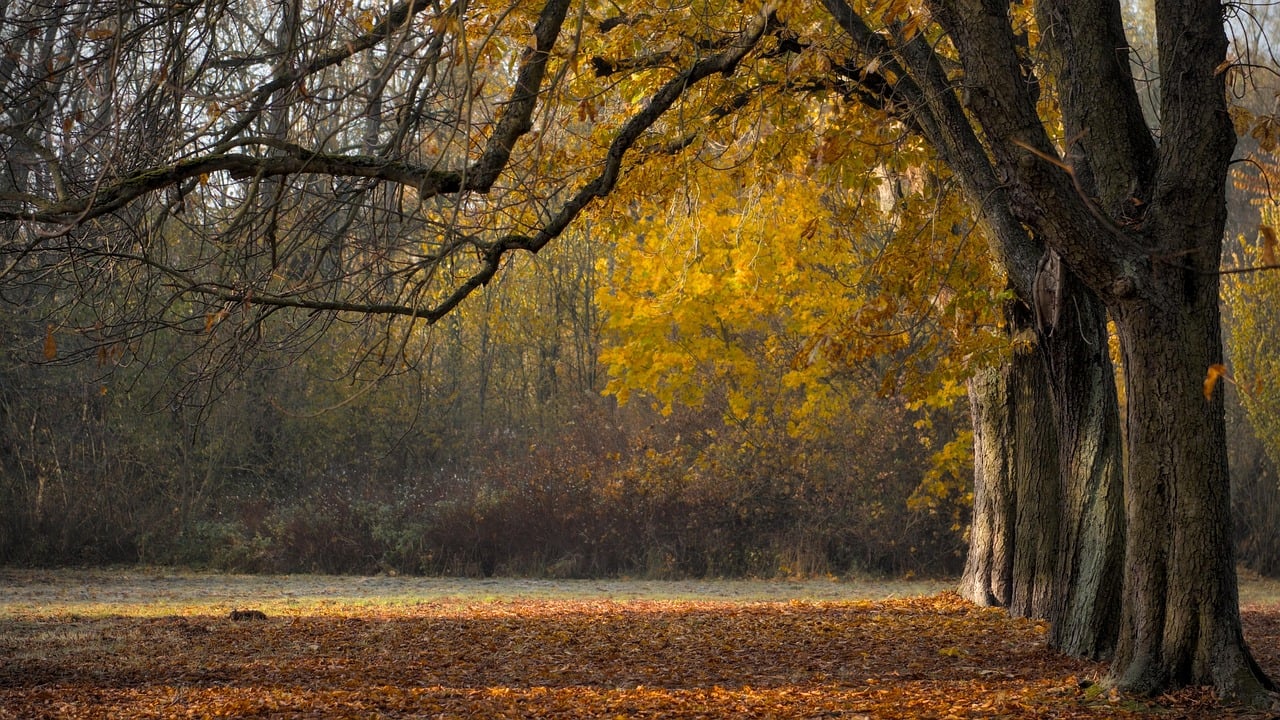
Fall is widely considered the most strategic time to visit. From September onward, crowds drop sharply while conditions remain genuinely inviting. The Fort Fisher State Recreation Area is far easier to explore without summer congestion, and the maritime forest trails feel almost private by October. History-focused travelers in particular benefit from fall visits, when Fort Fisher and its museum are accessible without the summer lines. The ocean stays swimmable into early October, making fall an especially strong choice for those who want both beach access and breathing room.
Winter draws the fewest visitors and suits a specific type of traveler: those interested in the area's Civil War heritage, birdwatching along the Cape Fear coast, or simply walking an empty Atlantic beach in solitude. The aquarium remains open year-round and is far less crowded in the off-season. Spring, especially April and early May, offers a similar quietude with the added benefit of warming conditions and the full reopening of outdoor recreation areas.
The heart of Kure Beach stretches along the Atlantic shoreline, where wide, uncrowded sands and the historic Kure Beach Fishing Pier define the rhythm of daily life. This is a low-key, residential-feeling strip where families spread out without the shoulder-to-shoulder crowds of larger resort towns. The modest beachfront blocks carry a genuine old-Carolina character, with small cottages and a relaxed pace that feels earned rather than manufactured.
The southern end of Kure Beach is anchored by Fort Fisher, the massive Civil War earthwork fortification that once guarded the last open Confederate port on the Atlantic coast. The adjoining state historic site, recreation area, and the North Carolina Aquarium at Fort Fisher make this corridor one of the most substantive stretches of coastline on the entire East Coast. Maritime forest, open dunes, and Civil War earthworks sit side by side in a combination that is genuinely rare anywhere in the country.
South of the historic fort, this protected stretch of barrier island coastline offers some of the most undeveloped shoreline accessible by road in North Carolina. Visitors come for solitary beach walks, birdwatching along the tidal flats, and access to the Cape Fear River side of the island where the scenery shifts dramatically. The recreation area rewards travelers who want nature without infrastructure, a place where the landscape does all the work.

Kure Beach has a short list of experiences that define it, and travelers who know the destination come specifically for these. They are not interchangeable with what other Carolina beach towns offer.
Fort Fisher: Civil War History on the Coast
Fort Fisher is not a minor roadside marker. It is one of the most significant Civil War sites on the Atlantic seaboard, the massive earthwork fortification that guarded the last open Southern port until its fall in January 1865. Walking the preserved earthworks with the Atlantic visible beyond them is a genuinely unusual experience: living history set inside a working coastal landscape. The adjoining museum adds depth for those who want to understand the fort's outsized role in the war's final months.
The North Carolina Aquarium at Fort Fisher
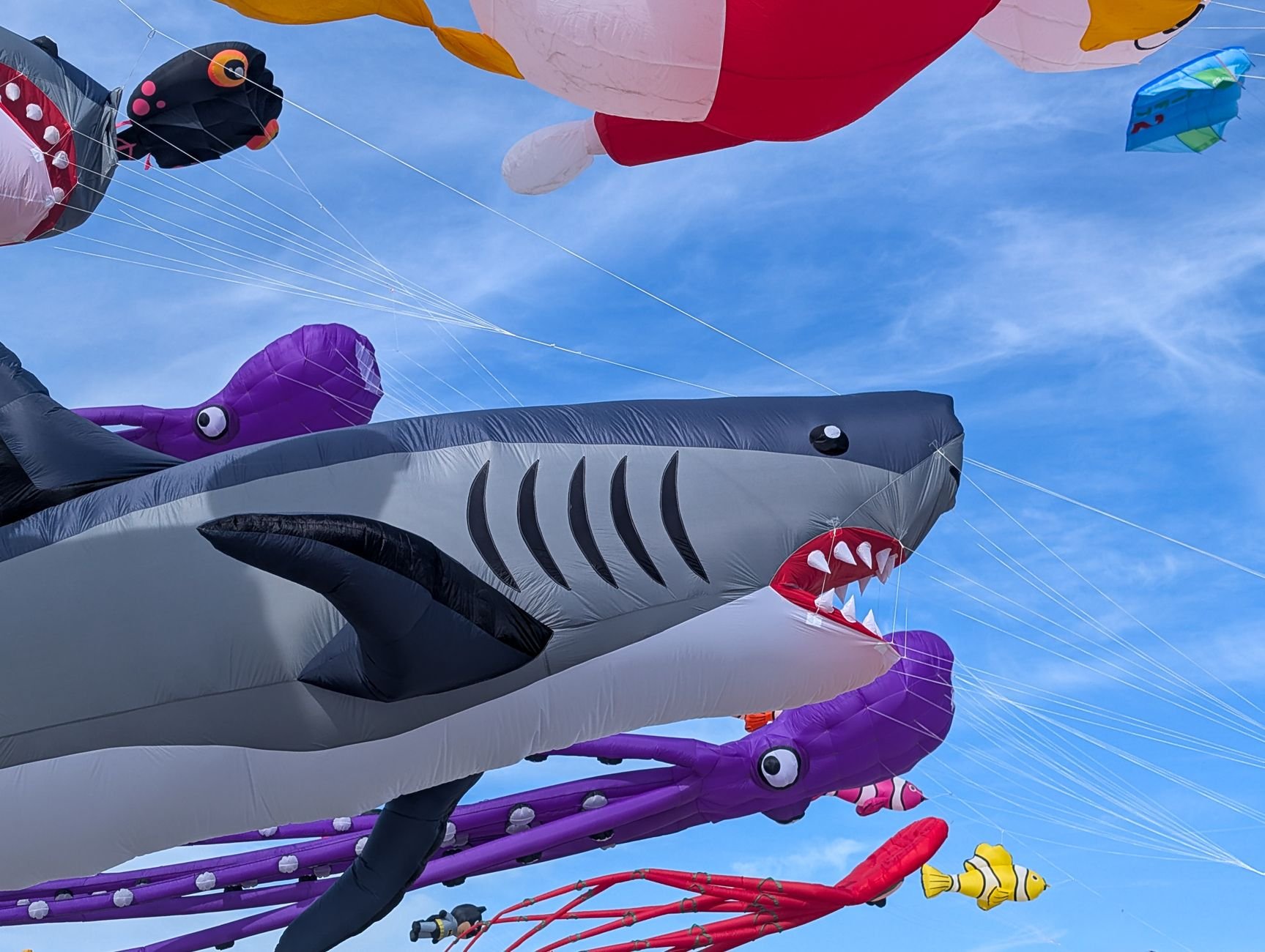
This is one of the premier aquarium experiences in the Southeast. The shark exhibit, among the largest on the East Coast, draws marine life enthusiasts who treat a visit here as a destination in itself rather than a rainy-day fallback. The aquarium's focus on the Cape Fear River and coastal Atlantic ecosystems gives it a strong sense of place that generic aquariums lack.
Uncrowded Beach Days on the Atlantic
Kure Beach's shoreline is the experience most repeat visitors cite first. The combination of wide beaches, low development density, and a town that has not chased resort-scale growth means the beach here still feels like a beach rather than a product. Families return year after year specifically because the uncrowded, unhurried quality has held.
The Kure Beach Fishing Pier
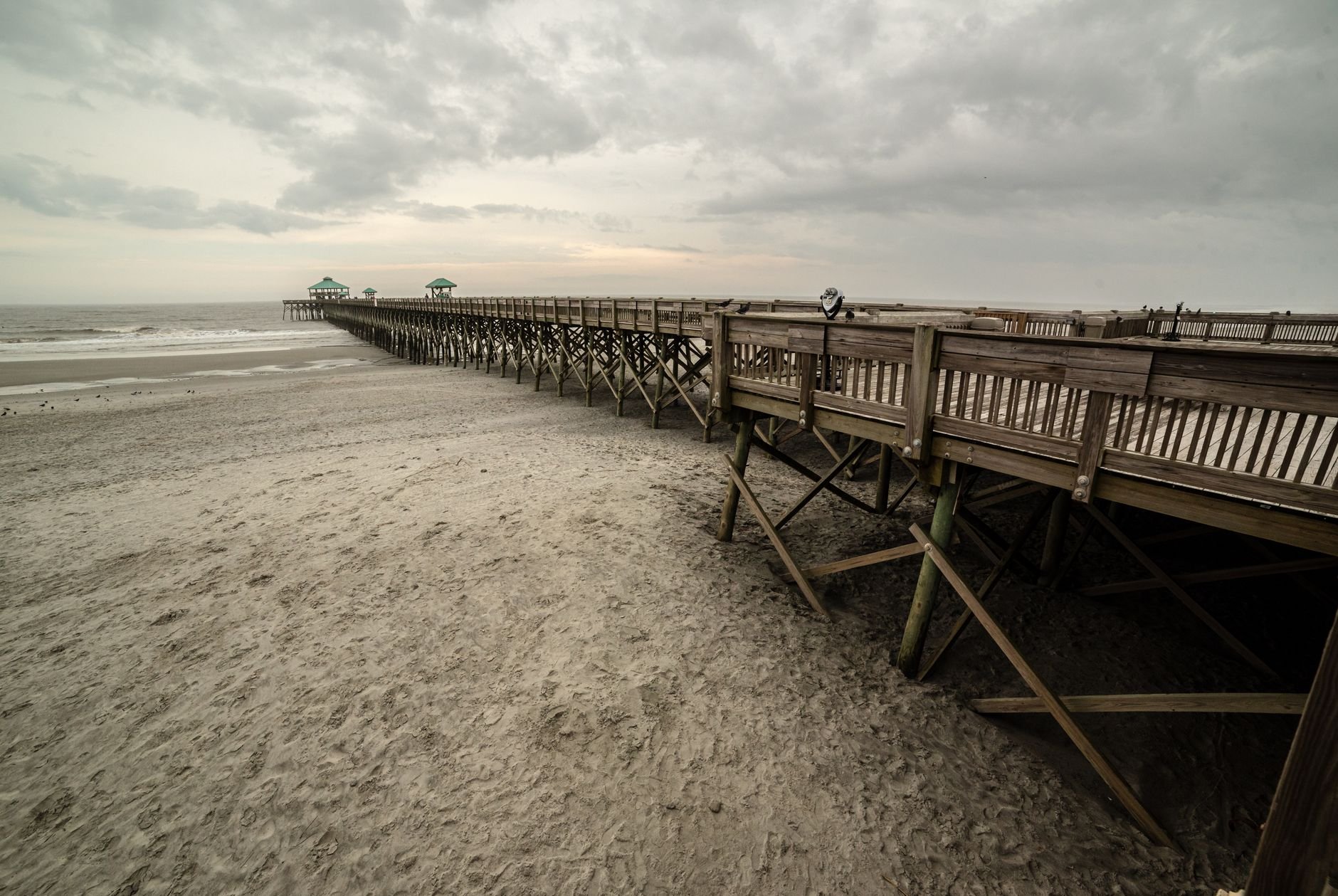
One of the oldest fishing piers on the Carolina coast, the Kure Beach Fishing Pier is a working destination for anglers and a landmark for the town. Casting a line here at dawn, with the Atlantic spreading out in every direction, is the kind of simple, place-specific experience that defines what Kure Beach actually is.
Kure Beach punches well above its size when it comes to things to do, offering a layered mix of outdoor recreation, history, and coastal culture that keeps visitors engaged well beyond a single beach day.
Outdoor Recreation
The Atlantic shoreline is the obvious starting point. Kure Beach's uncrowded, wide sandy beaches invite swimming, surfing, shelling, and long morning walks with almost no competition for space. The Fort Fisher State Recreation Area extends the coastline into a wilder, undeveloped stretch where maritime forest backs open dunes and shorebirds work the tide line. Kayaking and paddleboarding are popular along the calmer inshore waters, and the Cape Fear River side of the island offers a different, quieter paddle experience altogether.
Fishing
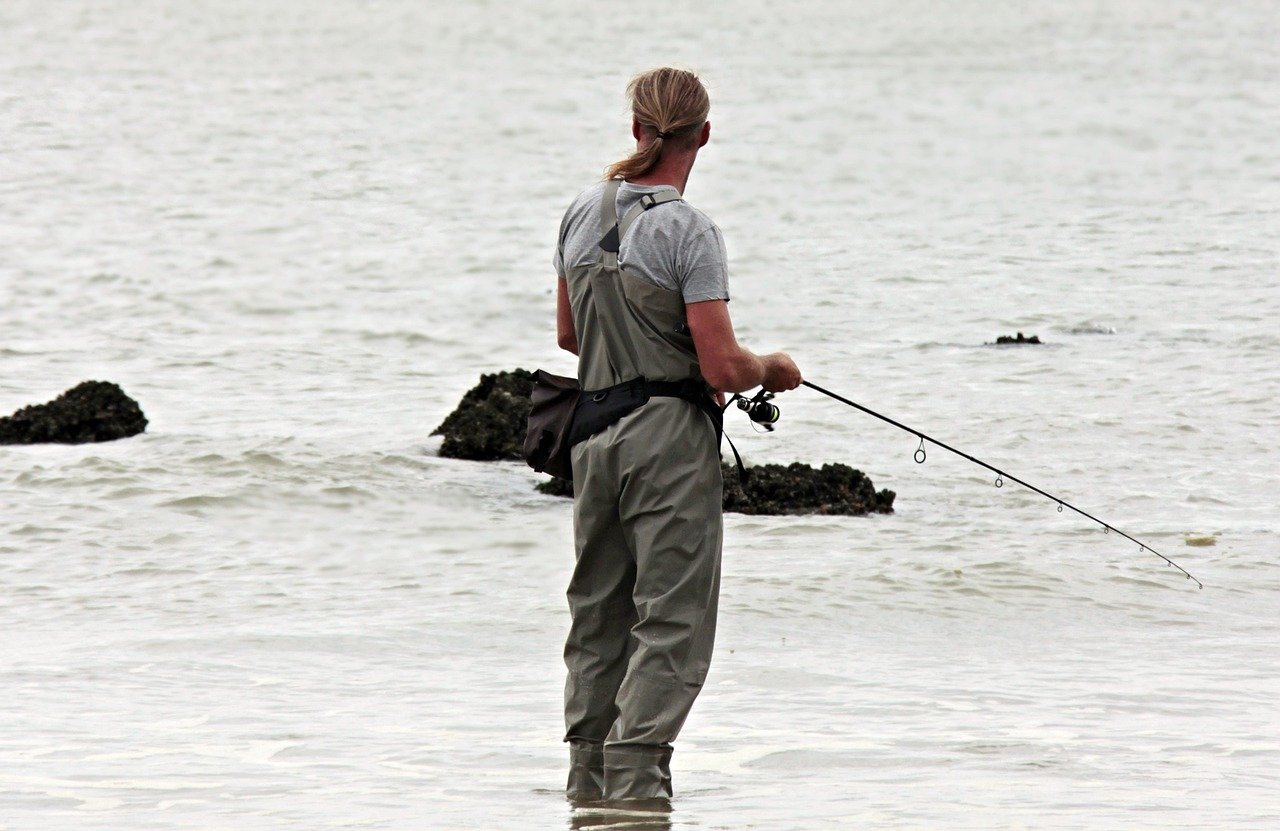
Anglers have made Kure Beach a regular stop for generations. The Kure Beach Fishing Pier, one of the oldest on the Carolina coast, puts visitors directly over the Atlantic without a boat. Surf fishing is also widely practiced along the beach and within the recreation area.
Cultural Attractions and History
Fort Fisher State Historic Site preserves the remains of one of the Civil War's largest earthwork fortifications, the last major Confederate stronghold protecting the port of Wilmington. The site includes a museum, reconstructed gun mounts, and walking trails through the preserved earthworks. The North Carolina Aquarium at Fort Fisher is a serious natural science institution, home to one of the largest shark exhibits on the East Coast and extensive exhibits on coastal and river ecosystems.
Scenic Exploration and Nature
The Fort Fisher - Southport Ferry offers a scenic crossing of the Cape Fear River, connecting Pleasure Island to Brunswick County and delivering views of the river mouth and open coast that are hard to match from land.
Food and Dining
Kure Beach's dining scene is small but genuine, favoring fresh local seafood over tourist-facing chains. Waterfront and near-beach spots serve the kind of casual, fish-forward meals that fit the town's unpretentious character.
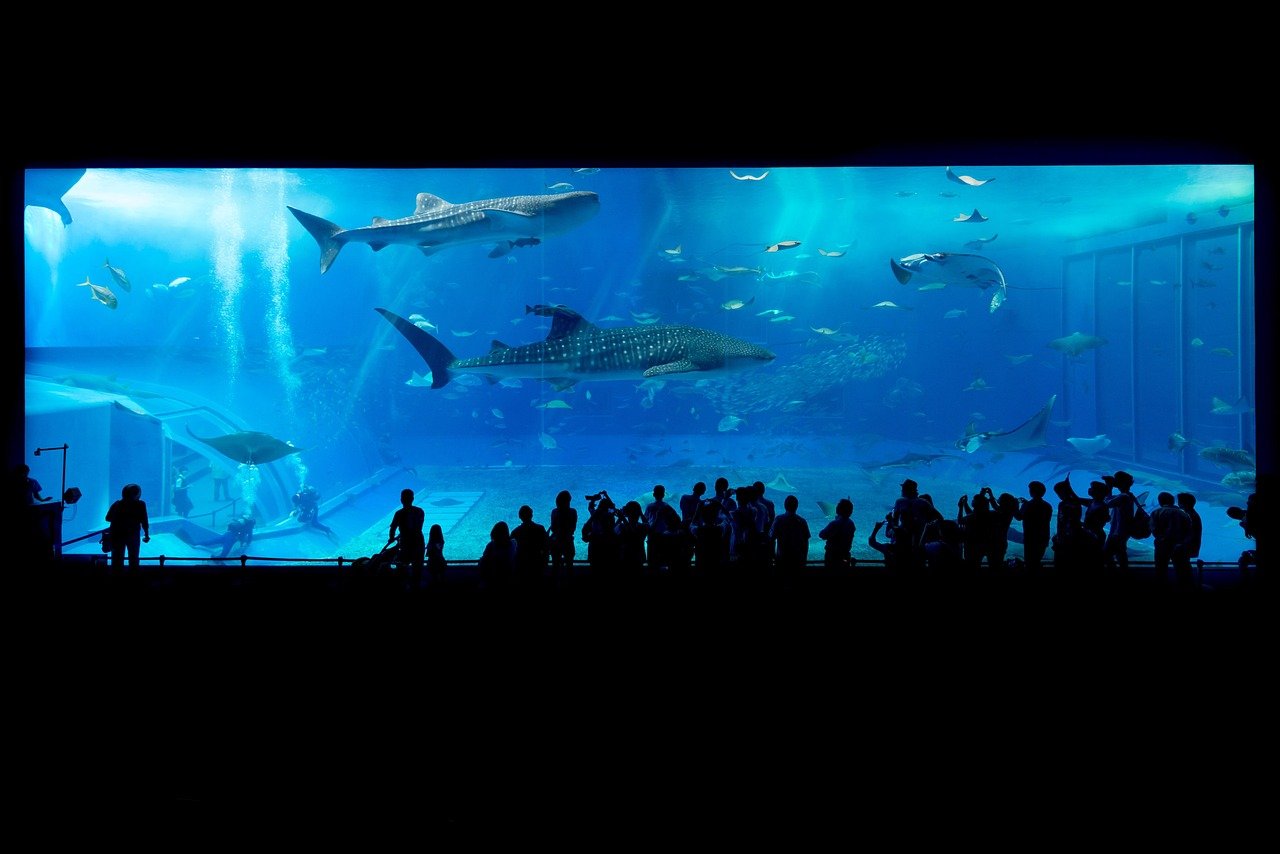
Spend the morning at the North Carolina Aquarium at Fort Fisher, exploring one of the East Coast's largest shark exhibits and diverse marine life displays. After lunch, head next door to Fort Fisher State Historic Site to walk the massive Confederate earthwork fortifications and visit the museum. Late afternoon, explore the Fort Fisher State Recreation Area where maritime forest meets open dunes.
Kure Beach, North Carolina maintains a quiet but genuine cultural calendar that mirrors the rhythms of its coastal setting. Spring brings the community together with local gatherings that celebrate the start of beach season, while summer fills the shoreline with families and the easy energy of a town that knows how to slow down. As the heat fades, fall introduces a more contemplative mood, with events that lean into the quirky, creative spirit locals embrace. The holiday season closes the year with low-key celebrations that feel more neighborhood cookout than commercial spectacle.
Kure Beach keeps its dining scene as unpretentious as the town itself. Seafood is the undisputed centerpiece here, and with good reason: the Atlantic waters just offshore and the Cape Fear River nearby supply a steady stream of fresh catch that local kitchens put to honest, satisfying use. Expect plates of fried flounder, shrimp burgers, steamed blue crabs, and hush puppies served in casual, no-frills spots where the food does the talking.
Wilmington International Airport (ILM) is the closest commercial airport to Kure Beach,
sitting about 20 miles north via US-421, with rental cars available on-site and the drive taking roughly 30 minutes under normal conditions.
US-421 South is the primary driving route onto Pleasure Island,
connecting Wilmington directly to Kure Beach and running the length of the island past Carolina Beach before reaching the town.
Travelers from Charlotte or Raleigh-Durham reach Kure Beach via I-40 East to Wilmington,
then south on US-421, with drive times of approximately 3.5 hours from Charlotte and 2.5 hours from the Raleigh-Durham area.
Amtrak's Carolinian line serves Wilmington with connections from Raleigh and Charlotte,
but a rental car or rideshare is required for the final 20-mile leg south to Kure Beach, as no local transit connects the station to the island.
The NC DOT Fort Fisher-Southport Ferry offers a scenic alternative arrival,
crossing the Cape Fear River in about 30 minutes and depositing passengers near the Fort Fisher area at the southern end of Kure Beach, ideal for travelers coming from Brunswick County.
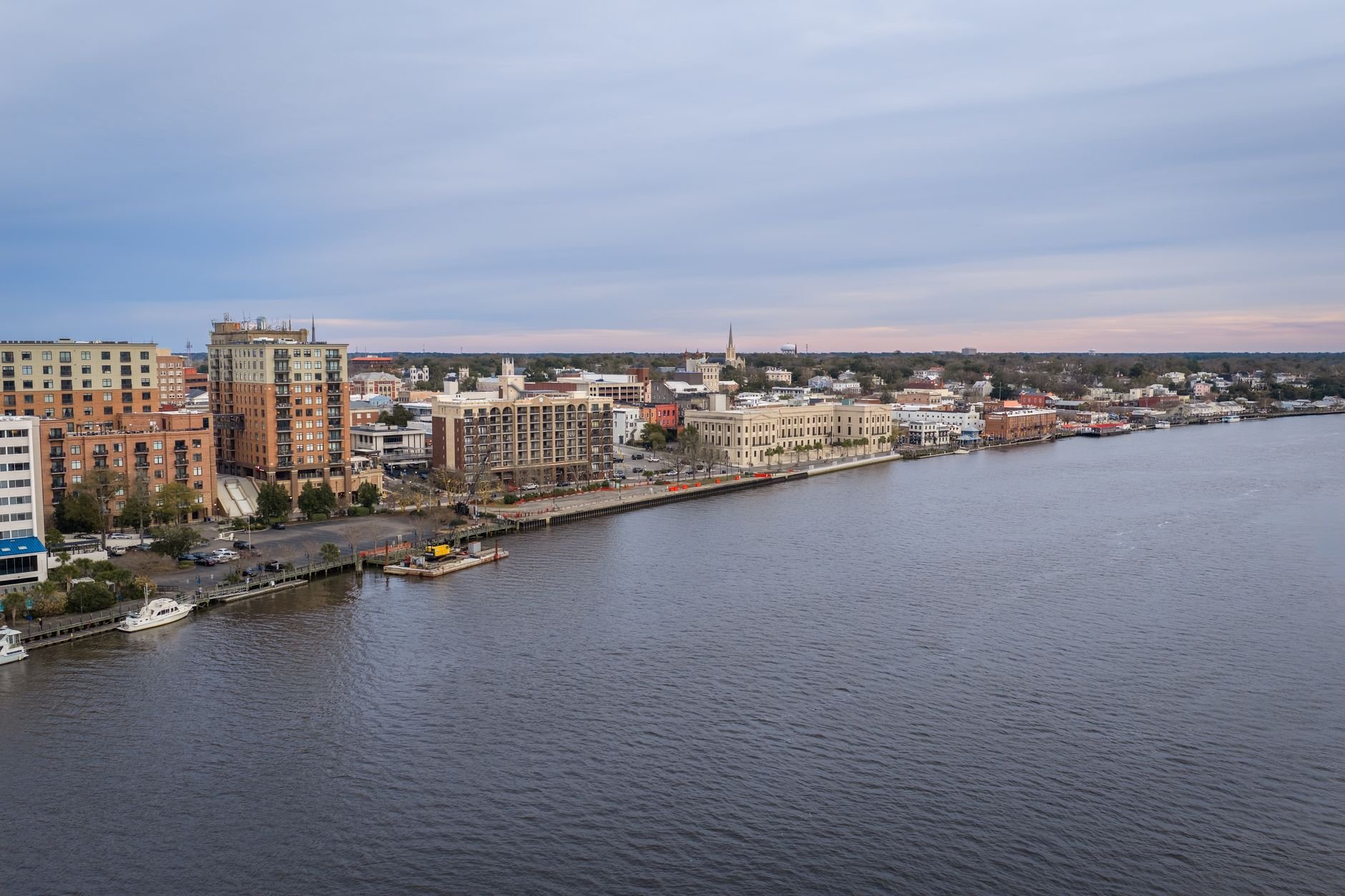
Kure Beach's beachfront strip along Fort Fisher Boulevard is compact and walkable,
making it easy to reach the fishing pier, beach access points, and a handful of local restaurants on foot once you've parked for the day.
The North Carolina Aquarium at Fort Fisher and the Fort Fisher State Historic Site require a short drive,
sitting at the southern end of the island roughly 2 to 3 miles from the main beach area, with free parking available at both attractions.
Rideshare through Uber and Lyft operates in the Kure Beach area,
but availability is inconsistent, particularly on summer evenings and weekends, so having a rental car is strongly recommended over relying on on-demand rides.
Cyclists can ride the flat coastal roads between Kure Beach and Carolina Beach to the north,
a practical and scenic option for covering the few miles between the two towns without needing to move your car.
Beach access parking lots fill quickly on summer mornings,
so plan to arrive before 9 a.m. on peak days to secure a free spot, as paid overflow options are limited in this small town.

Summer is peak season in Kure Beach, running roughly Memorial Day through Labor Day, when accommodations and the fishing pier are at their busiest. Book lodging and any fishing pier rod rentals well in advance for July and August visits. Shoulder seasons in May and September offer calmer beaches and lower rates with still-warm water. The area is cash-friendly but most restaurants and shops accept cards. Tipping follows standard US norms: 18 to 20 percent at sit-down restaurants. Sunscreen, reef-safe where possible, is essential as the sun reflects intensely off the open Atlantic shoreline. Jellyfish can be present in summer, so check with lifeguards before swimming. The Fort Fisher-Southport Ferry is a popular day-trip option and fills up on summer weekends, so arrive early or check the NC DOT ferry schedule online before heading down. Cell service is generally reliable throughout the island.
Two to three days is enough to experience the best of Kure Beach. You can spend a full day on the beach, a half day at the North Carolina Aquarium at Fort Fisher, and another exploring the Fort Fisher historic site and the Fort Fisher State Recreation Area. Longer stays suit those who want a slower, fully unplugged beach retreat.
Kure Beach is best known for its uncrowded Atlantic shoreline, the North Carolina Aquarium at Fort Fisher - home to one of the largest shark exhibits on the East Coast - and the historic Fort Fisher site, a Civil War-era Confederate earthwork fortification that guarded the last open Southern port. The Kure Beach Fishing Pier is also a longtime draw for anglers.
Yes, Kure Beach works well as a weekend getaway, especially from cities like Charlotte, Raleigh, or the Research Triangle, all within a two to three hour drive. A two-day visit is enough to hit the beach, the aquarium, and Fort Fisher without feeling rushed. It is a low-key escape that does not require extensive planning.
Kure Beach is relatively affordable compared to more commercialized Atlantic beach destinations. Dining and activities lean casual and budget-friendly. The North Carolina Aquarium charges a modest admission fee, and the beach itself is free. Accommodation costs vary by season, with summer rates higher, but options tend to be less inflated than at larger resort towns nearby.
Late spring (May to early June) and early fall (September to October) offer the best conditions - warm enough to swim, with thinner crowds and lower prices than peak summer. Summer is the busiest season but still far less crowded than larger nearby beach towns.