
Baltimore, MD

A Journey guide to
Nags Head is the heart of North Carolina's Outer Banks, a narrow barrier island chain stretched between the Atlantic Ocean and Roanoke Sound. It is best known for Jockey's Ridge State Park, home to the tallest natural living sand dune system on the East Coast of the United States. Hang gliders, kite flyers, and sandboarders share the towering dunes with hikers and photographers, making the park one of the most singular landscapes on the entire Atlantic seaboard.
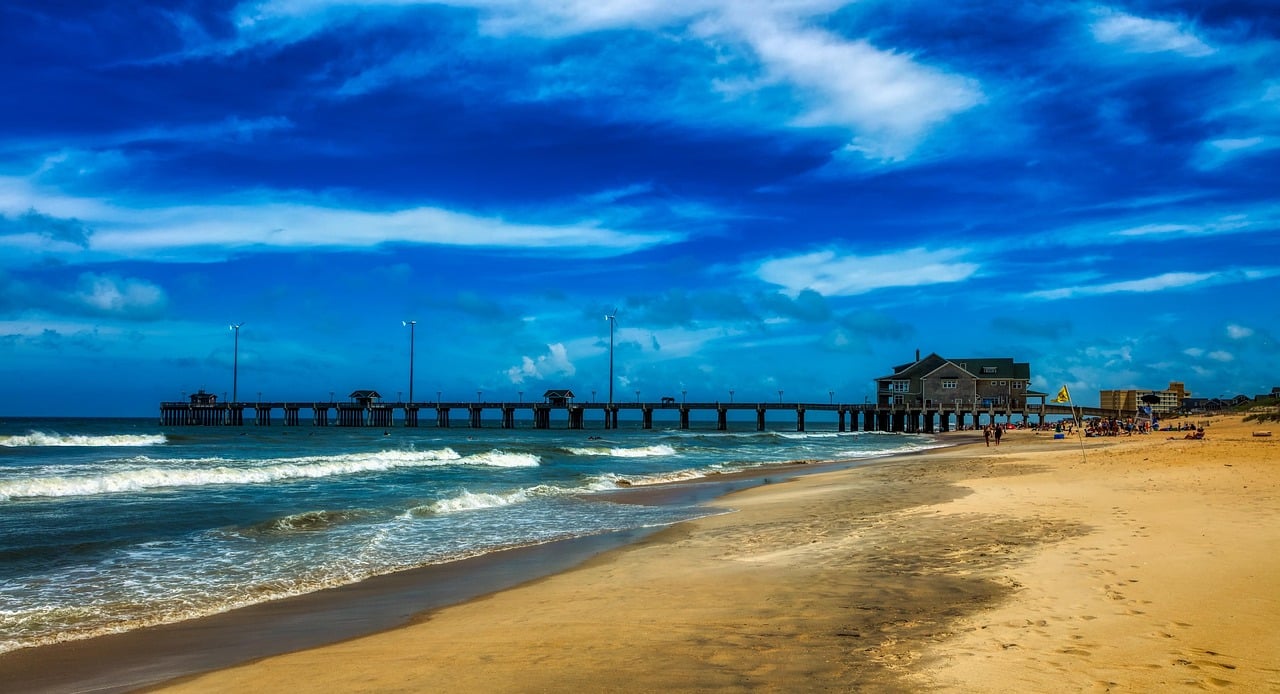
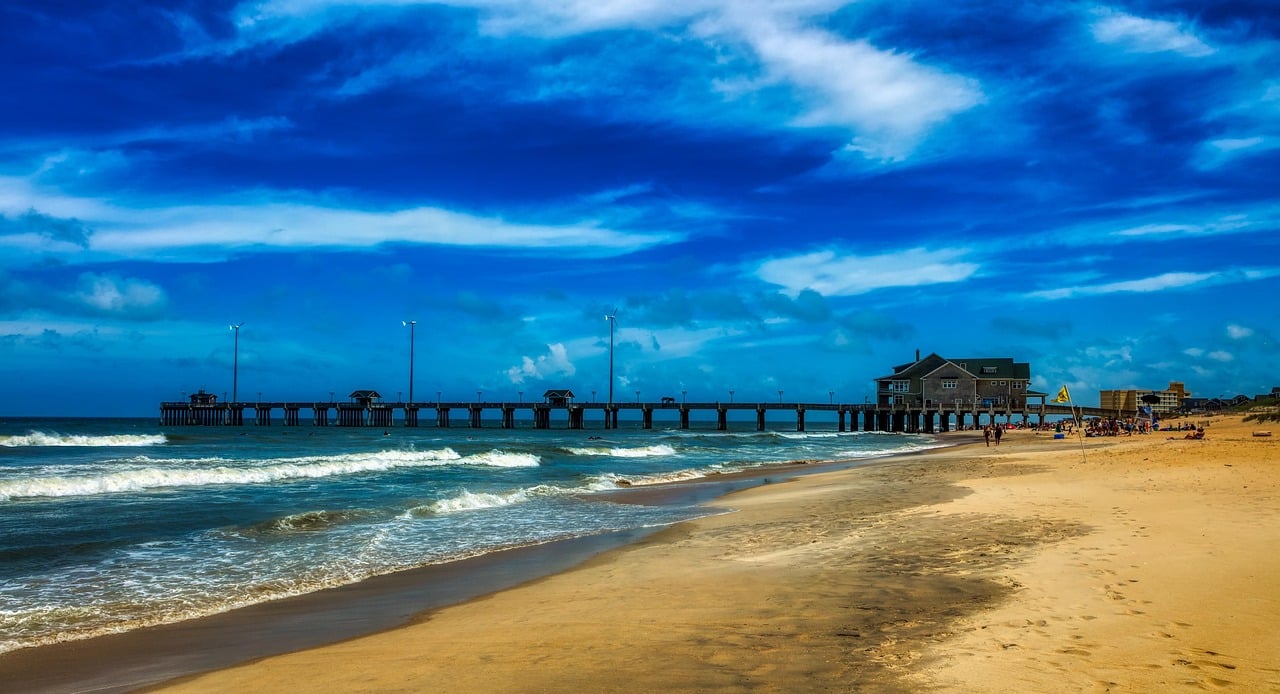
The town draws a devoted following of beach lovers who value a classic, unhurried coastal experience over resort-style development. Miles of wide, uncrowded beaches front the Atlantic, offering excellent conditions for surfing, kayaking, kiteboarding, and fishing. The waters off Nags Head also hold a remarkable collection of shipwrecks, earning this stretch of coastline its historic nickname: the Graveyard of the Atlantic. Divers and maritime history enthusiasts find it endlessly compelling.
Nags Head occupies a meaningful place in American history and aviation lore. The nearby Kill Devil Hills is where Orville and Wilbur Wright made the world's first powered airplane flights in 1903, and the Wright Brothers National Memorial sits just minutes from Nags Head's northern border. The region also carries deep ties to the Lost Colony of Roanoke, one of America's most enduring historical mysteries, centered on nearby Roanoke Island.
The destination attracts families, outdoor adventurers, history buffs, and anyone seeking a genuine barrier island escape. Vacation rentals dominate the accommodation landscape, and the town has a relaxed, community-oriented character rather than a commercial resort atmosphere. Seafood shacks, surf shops, and locally owned restaurants define the commercial strip along U.S. Route 158, giving Nags Head an authenticity that repeat visitors fiercely protect.
































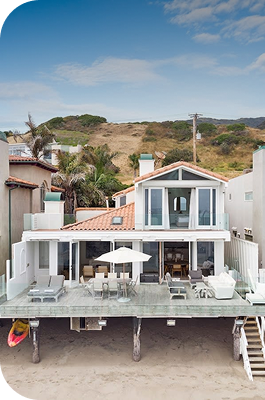

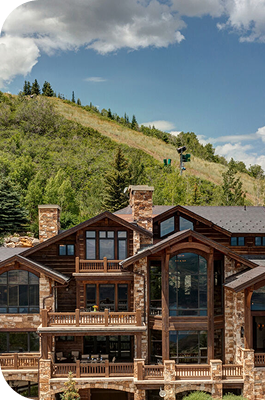



Journey connects travelers to a curated network of boutique hotels and distinctive residences around the world, all united under one rewards program. Explore handpicked stays for your trip while earning points, unlocking exclusive offers, and receiving rewards across the Journey collection.
Nags Head sits on a thin ribbon of barrier island sand roughly 70 miles south of the Virginia border, flanked by the Atlantic Ocean to the east and Roanoke Sound to the west. It is one of the oldest resort communities on the Outer Banks, with roots stretching back to the mid-1800s when wealthy inland families from the North Carolina mainland began summering along its shores. That long tradition of seasonal retreat has shaped the town's identity: low-rise, family-oriented, and deeply connected to the rhythms of the sea.
The geography here is dramatic and constantly shifting. Jockey's Ridge, rising as high as 100 feet above sea level, dominates the landscape and serves as an unmistakable landmark visible from miles away. The dunes are active, meaning they migrate slowly with the wind, and the park surrounding them preserves one of the most dynamic natural environments on the East Coast. To the west, the calm waters of Roanoke Sound provide a sheltered counterpoint to the open ocean, ideal for paddleboarding and windsurfing.
Culturally, Nags Head belongs to the broader Outer Banks community, a string of barrier islands with a strong local identity built around fishing, waterfowl hunting, and maritime heritage. The region has its own dialect, its own culinary traditions centered on fresh-caught seafood, and a collective pride in resisting the over-commercialization that has transformed other coastal destinations. The town's year-round population is small, but the community infrastructure, including schools, medical facilities, and local government, functions as a service hub for the surrounding Outer Banks.
For travelers, Nags Head offers a rare combination of accessible natural grandeur, genuine historical depth, and a beach experience that still feels earned rather than packaged. It rewards those who come curious about the land itself: its dunes, its wrecks, its winds, and the remarkable series of events, both human and geological, that have shaped this narrow strip of sand into one of America's most distinctive coastal destinations.
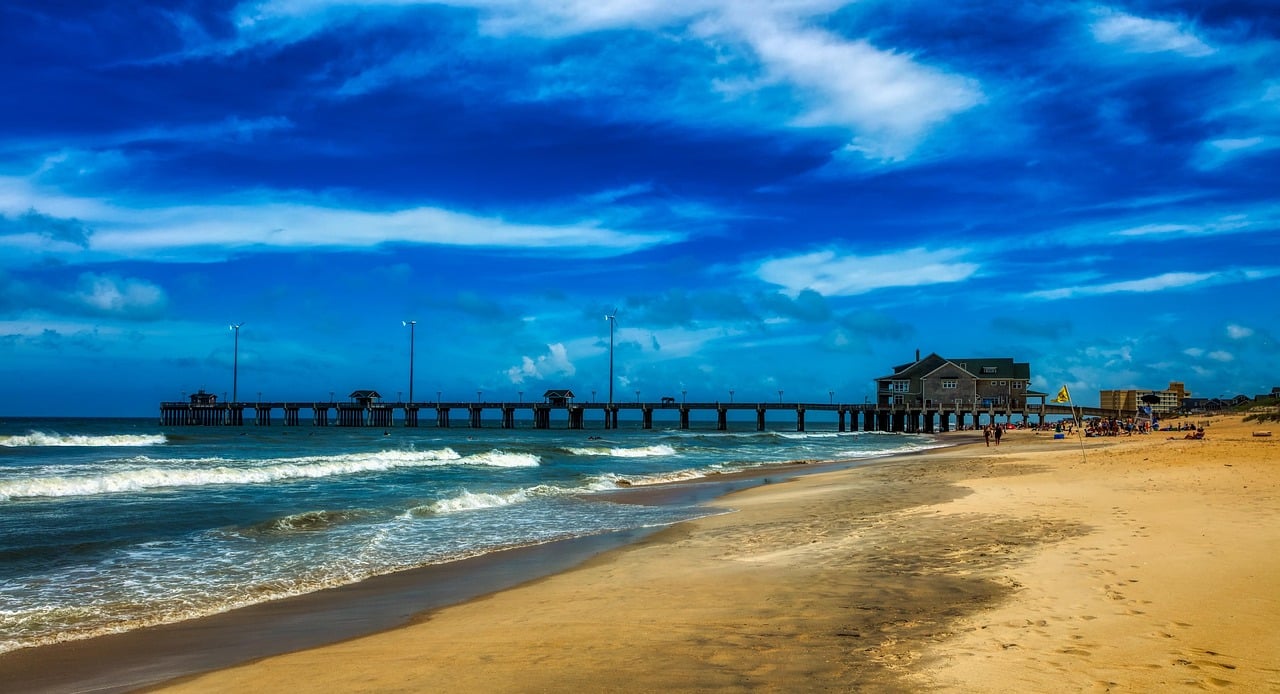
Late spring and early fall are the sweet spots for visiting Nags Head, offering the best balance of beach conditions, manageable crowds, and full access to the destination's outdoor attractions.
May and early June see the beaches come alive before the peak summer rush arrives. Jockey's Ridge State Park is at its best for hang gliding, sandboarding, and hiking, and the surf and kayaking conditions along the Atlantic are excellent without the competition for space that defines July and August. Vacation rental availability is broader, and the laid-back character of the town is easier to appreciate before the summer population surge.
July and August are the busiest months by a wide margin. Families dominate the rental market, beaches fill early in the morning, and restaurants and surf shops operate at full capacity. Travelers who prioritize peak ocean swimming conditions and a lively coastal atmosphere will find this the most energetic time to visit, though booking well in advance is essential.
September and October represent the most underrated window on the Outer Banks. The summer crowds thin considerably after Labor Day, yet the Atlantic remains warm enough for comfortable swimming well into September. Fishing conditions are widely considered the best of the year during fall, and the wreck diving off the coast is excellent. The Wright Brothers National Memorial and other historical sites are far less congested, making this an ideal time for travelers interested in the region's aviation and colonial history.
Winter draws a small but devoted crowd of solitude seekers, birdwatchers, and anglers. The beaches are essentially empty, and the dramatic nor'easter swells attract experienced surfers. Most seasonal businesses close, so travelers should confirm that restaurants and attractions are operating before planning a winter visit.
The quietest stretch of town, South Nags Head is a low-key, residential corridor where wide beaches see far fewer visitors than the central strip. Anglers work the surf and the fishing pier while families settle into classic cottage-style rentals steps from the water. It is the place to come for a slower, more contemplative version of the Outer Banks.
Stretching between mile posts 10 and 16, this is the historic and commercial heart of Nags Head. The famous Millionaires Row preserves a rare collection of early twentieth century cedar-shake beach cottages that define the town's architectural identity. Surf shops, seafood shacks, and easy beach access ramps make this the most active and visitor-friendly zone in town.
Dominated by the massive living sand dunes of Jockey's Ridge State Park, this inland zone is where hang gliders, sandboarders, and hikers come to experience one of the East Coast's most dramatic natural landscapes. The Roanoke Sound shoreline just to the west offers calm water for kayaking and kiteboarding, while a mix of local shops and casual restaurants lines the road between the dunes and the sound.

Nags Head draws travelers for experiences that exist nowhere else on the East Coast, rooted in the raw geography, aviation history, and maritime lore of the Outer Banks.
Climbing the Dunes at Jockey's Ridge
The defining image of Nags Head is a person cresting the massive sand dunes of Jockey's Ridge State Park. These are not ordinary dunes. The system rises up to 100 feet above sea level and shifts constantly with the wind, creating a living, moving landscape that feels more like a desert than a beach town. Hang gliding lessons are offered directly on the dunes, making this one of the few places in the country where beginners can take their first flight over open sand with an Atlantic backdrop. Sandboarding and kite flying are equally popular, and sunset from the top of the dunes is one of the most photographed moments in North Carolina.
Diving the Graveyard of the Atlantic
The waters off Nags Head have claimed hundreds of ships over the centuries, earning the coastline its haunting nickname. For divers, this stretch of ocean is extraordinary. Wrecks from the Civil War era, World War II U-boat engagements, and earlier maritime disasters lie within reach of dive boats departing from the Outer Banks. The German U-boat U-352 and the USS Schurz are among the most visited wrecks. Few coastal destinations on the Atlantic seaboard offer this concentration of accessible, historically significant dive sites.
Walking in the Footsteps of the Wright Brothers
The Wright Brothers National Memorial at Kill Devil Hills sits minutes from Nags Head and marks the exact spot where Orville Wright lifted off on December 17, 1903. The granite monument, the reconstructed hangar, and the markers showing the length of each historic flight make this one of the most quietly powerful historic sites in the country. For travelers drawn to the intersection of history, science, and place, it is an essential stop that gives the entire region a significance beyond its beaches.
Nags Head sits at the center of the Outer Banks, and the range of activities here reflects its position as a classic coastal destination with deep historical roots and a wild, natural character.
Outdoor Recreation
The Atlantic beaches are the foundation of any visit. Surfing, kiteboarding, and stand-up paddleboarding draw wave and wind enthusiasts to the open ocean, while the calmer waters of Roanoke Sound are ideal for kayaking and windsurfing. Fishing is a year-round pursuit, with pier fishing, surf casting, and offshore charter trips all available. The Cape Hatteras National Seashore extends south from Nags Head, opening up miles of undeveloped shoreline for hiking, birding, and shelling.
Scenic Exploration
Jockey's Ridge State Park anchors the scenic landscape of Nags Head. The park protects the tallest natural living sand dune system on the East Coast, rising up to 100 feet and offering sweeping views of the sound and ocean. Trails wind through the dunes and into a rare maritime shrub thicket. The nearby Bodie Island Lighthouse, with its distinctive black-and-white horizontal bands, is a short drive south and open for climbing during the warmer months.
Cultural Attractions
The Wright Brothers National Memorial in adjacent Kill Devil Hills is one of the most significant historic sites on the East Coast, marking the site of the world's first powered airplane flights in 1903. The Roanoke Island Festival Park and the Elizabethan Gardens on nearby Roanoke Island explore the story of the Lost Colony and the earliest English settlement attempts in North America.
Arts, Entertainment, and Dining
The Outer Banks has a modest but lively arts scene, with local galleries and the Roanoke Island Festival Park hosting live performances during summer. The dining scene along U.S. Route 158 leans heavily into fresh local seafood, with raw bars, fish houses, and casual waterfront spots defining the culinary character of the town.

Start the morning at Jockey's Ridge State Park - hike to the top of the East Coast's tallest living sand dune for sweeping views of the Outer Banks. Rent a board and try sandboarding down the slopes before lunch. Spend the afternoon on the wide Atlantic beach near Nags Head's south end. In the evening, head to a local seafood spot along U.S. Route 158 for fresh catch and a classic Outer Banks dinner.

Drive north to Kill Devil Hills to explore the Wright Brothers National Memorial - walk the flight line where the first powered airplane took off in 1903 and tour the museum. After lunch, head to nearby Roanoke Island to visit the Fort Raleigh National Historic Site and learn about the mystery of the Lost Colony. Return to Nags Head for a sunset kayak on Roanoke Sound before a casual waterfront dinner.
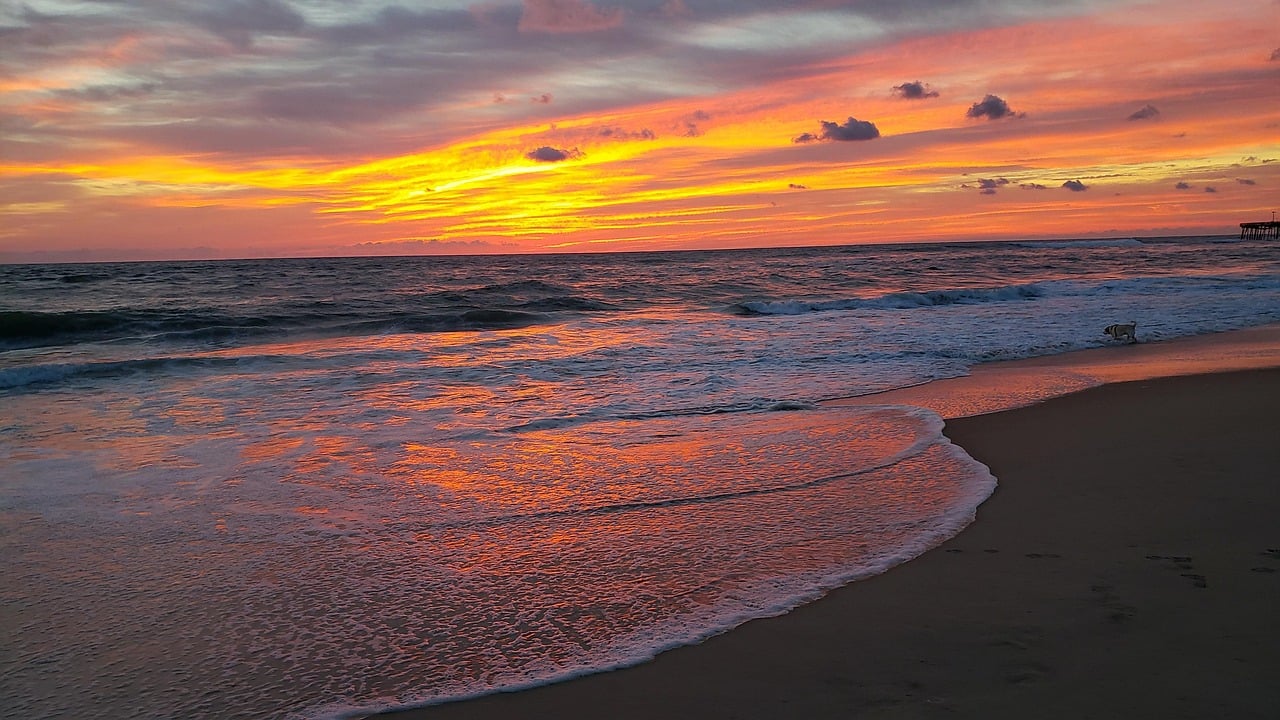
Spend the morning surfing or kiteboarding off Nags Head's Atlantic shoreline - several surf shops along the strip offer rentals and lessons. After lunch, explore the historic Nags Head Beach Cottage Row, a stretch of century-old wooden beach houses that define the town's character. End the trip with a late afternoon dive excursion or snorkel tour to one of the famous shipwrecks in the Graveyard of the Atlantic, followed by a farewell seafood dinner.
Nags Head pulses with a distinctly coastal rhythm shaped by the Atlantic seasons, drawing visitors and locals alike into a calendar of outdoor celebration, maritime tradition, and barrier island culture. Spring ushers in warmer winds and the return of hang gliders to the soaring dunes of Jockey's Ridge, while summer fills the beaches with families, kite flyers, and Fourth of July fireworks lighting up the Outer Banks sky. As the heat softens into fall, the town shifts toward harvest-season flavors and the roar of surf competitions, with the Atlantic delivering its most powerful swells of the year. The Outer Banks has always been a place where people come to feel the pull of wind and water, and its events calendar reflects exactly that spirit.
Nags Head sits at the center of one of the East Coast's most celebrated seafood traditions. The Outer Banks fishing culture runs deep here, and that heritage translates directly to the plate. Local restaurants built their reputations on the freshest possible catch, with blue crab, shrimp, clams, and flounder pulled from nearby sounds and Atlantic waters. Crab cakes, steamed shellfish, and fish tacos are staples across the dining scene, from casual waterfront shacks to sit-down spots along the U.S. Route 158 corridor.
Norfolk International Airport (ORF) is the closest major airport to Nags Head,
sitting about 80 miles north in Virginia, with a drive of roughly 90 minutes via U.S. Route 158 across the Wright Memorial Bridge — rental cars are available at the terminal and are essentially required for the trip.
Raleigh-Durham International Airport (RDU) is the main alternative for travelers flying from the south or west,
located approximately 200 miles from Nags Head and requiring about a 3.5-hour drive east on U.S. Route 64, which connects directly to the Outer Banks via the Virginia Dare Memorial Bridge.
U.S. Route 158 over the Wright Memorial Bridge from Point Harbor is the primary driving corridor into Nags Head,
and the most direct route for travelers coming from the Virginia Beach and Hampton Roads area, with the bridge depositing drivers onto the Outer Banks at Kitty Hawk, just minutes north of Nags Head.
U.S. Route 64 via the Virginia Dare Memorial Bridge is the preferred approach from Roanoke Island and points west,
connecting through Manteo before crossing onto the Outer Banks and entering Nags Head from the south, making it the natural route for visitors combining a Roanoke Island stop with their trip.
No intercity bus or passenger rail service reaches the Outer Banks,
so every visitor arriving by air or from a distant city will need a rental car, as rideshare availability on the island is limited and unreliable for airport-length trips.
U.S. Route 158 (the Bypass) and N.C. Highway 12 (the Beach Road) are the two main arteries through Nags Head,
running parallel to each other along the island, and nearly every destination — restaurants, beach accesses, shops, and parks — sits directly on or just off one of these two roads.
A rental car is the most reliable way to get around the Outer Banks,
since there is no public transit system on the island and rideshare services through Uber and Lyft are available but inconsistent, especially outside the summer peak season.
The multi-use path along the Bypass through Nags Head is a practical cycling route
for reaching nearby restaurants, shops, and beach accesses without moving the car, and bike rentals are available from several local outfitters along the Beach Road.
Parking at Jockey's Ridge State Park and popular beach access points fills quickly on summer weekends,
so arriving before 10 a.m. on Saturdays and Sundays in July and August is the most reliable way to secure a spot without circling or walking a long distance.
Summer is the busiest season in Nags Head, and vacation rentals often require Saturday-to-Saturday booking windows during peak weeks — plan accordingly and book as early as possible, sometimes 6 to 12 months out for prime oceanfront properties. Bring cash for smaller seafood shacks and roadside stands, though most restaurants and shops accept cards. Tipping follows standard U.S. norms: 18 to 20 percent at sit-down restaurants. Sun and wind are intense on the Outer Banks year-round, so pack high-SPF sunscreen, lip balm, and a hat even on overcast days. Rip currents are a genuine hazard along the Atlantic-facing beaches — always swim near a lifeguarded access point and check the daily flag conditions posted at beach accesses. The Outer Banks Visitors Bureau website and the National Park Service app are useful resources for conditions, ferry schedules, and park information during your stay.
Three to five days is ideal for Nags Head. That gives you enough time to explore Jockey's Ridge State Park, spend full days on the beach, visit the Wright Brothers National Memorial at nearby Kill Devil Hills, and browse the local seafood spots and surf shops along Route 158. Longer stays suit families who want a slower, beach-focused pace.
Nags Head is best known for Jockey's Ridge State Park, home to the tallest natural living sand dune system on the East Coast. It is also recognized for its wide Atlantic beaches, a coastline historically nicknamed the Graveyard of the Atlantic due to its many shipwrecks, and its proximity to the Wright Brothers National Memorial at Kill Devil Hills.
Yes, Nags Head works well as a weekend getaway, especially for travelers within driving distance of the Mid-Atlantic or Southeast. A two-night stay is enough to hit Jockey's Ridge, enjoy the beach, and explore the local dining scene. Keep in mind that the Outer Banks has limited access roads, so factor in drive time and potential traffic on busy weekends.
Nags Head is moderately priced compared to other East Coast beach destinations. Vacation rentals are the dominant accommodation option and can be cost-effective for groups or families. Dining skews casual, with affordable seafood shacks alongside sit-down restaurants. Costs rise significantly in peak summer months, so visiting in spring or fall can stretch your budget further.
Late May through early June and September are the sweet spots - weather is warm, the ocean is swimmable, and crowds are thinner than peak July and August. Summer is the most popular season but brings higher prices and busier beaches.