
Baltimore, MD
A Journey guide to
Raleigh is the capital of North Carolina and the anchor of one of the South's most energetic metropolitan regions. Known as the "City of Oaks" for its canopy of willow oaks lining downtown streets, Raleigh pairs its governmental heritage with a forward-looking identity built on research, technology, and higher education. It is a city that feels both rooted and restless, proud of its history yet relentlessly building toward what comes next.
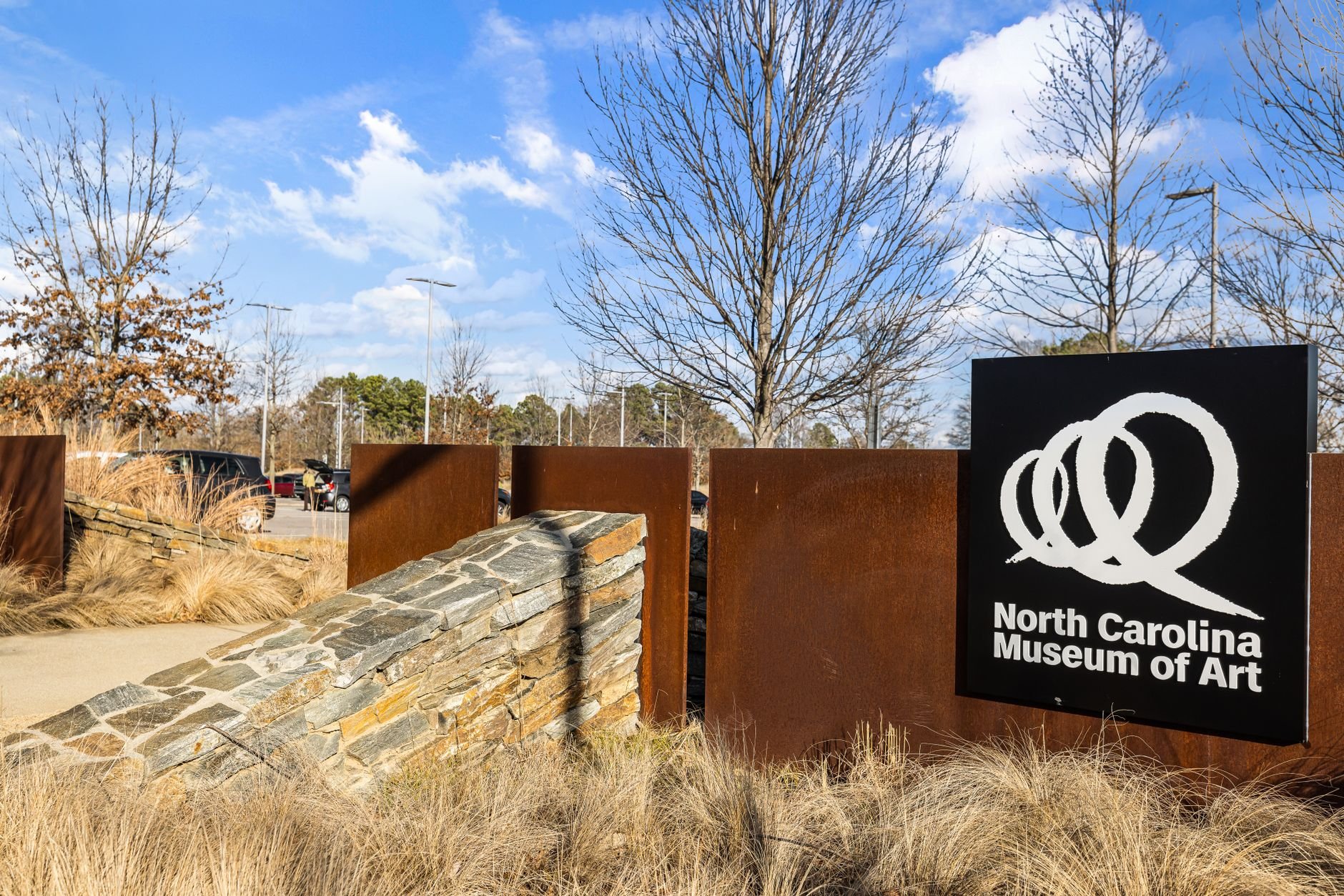
Travelers come to Raleigh for its remarkable concentration of free-admission museums clustered around the state government district. The North Carolina Museum of Art, the North Carolina Museum of Natural Sciences, and the North Carolina Museum of History each rank among the best institutions of their kind in the Southeast. The museum park on the western edge of the city extends the experience outdoors, with walking trails and large-scale art installations set across open greenspace.
The food scene is one of Raleigh's most compelling draws. The city's restaurant culture has evolved from Southern meat-and-three traditions into something far more diverse and ambitious. Neighborhoods like Glenwood South, the Warehouse District, and Five Points host acclaimed independent restaurants, craft cocktail bars, and specialty coffee roasters. Raleigh's proximity to North Carolina's farms and coast means hyper-local sourcing is a genuine commitment rather than a marketing slogan.
Raleigh appeals to a wide range of travelers: history enthusiasts exploring antebellum architecture and Civil War sites, food lovers chasing a dining scene that punches well above its weight, and culture seekers drawn to a city that supports live music, independent theater, and a thriving visual arts community. It is equally well suited to families, given its walkable downtown, free museums, and extensive greenway network connecting parks across the city.
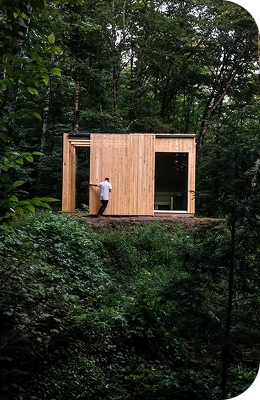

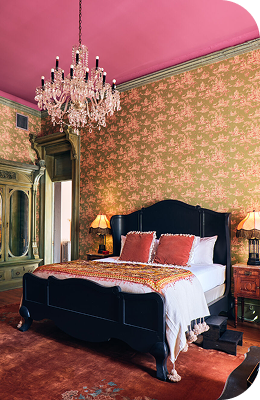

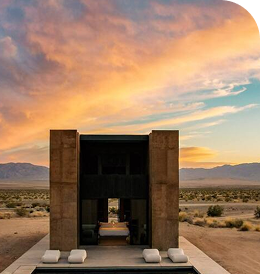

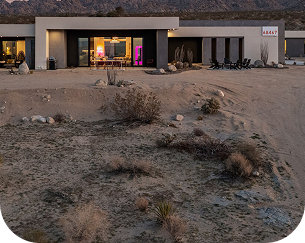

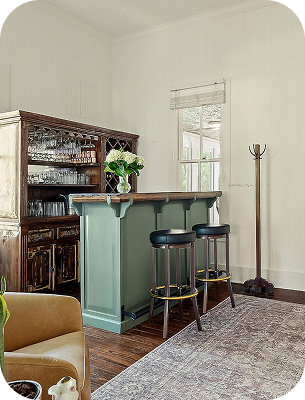

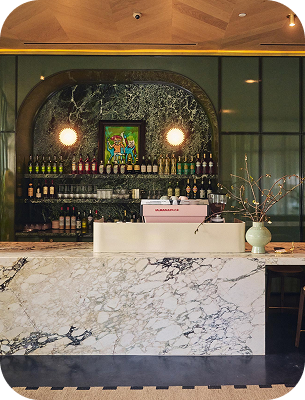

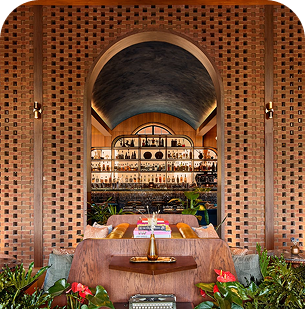

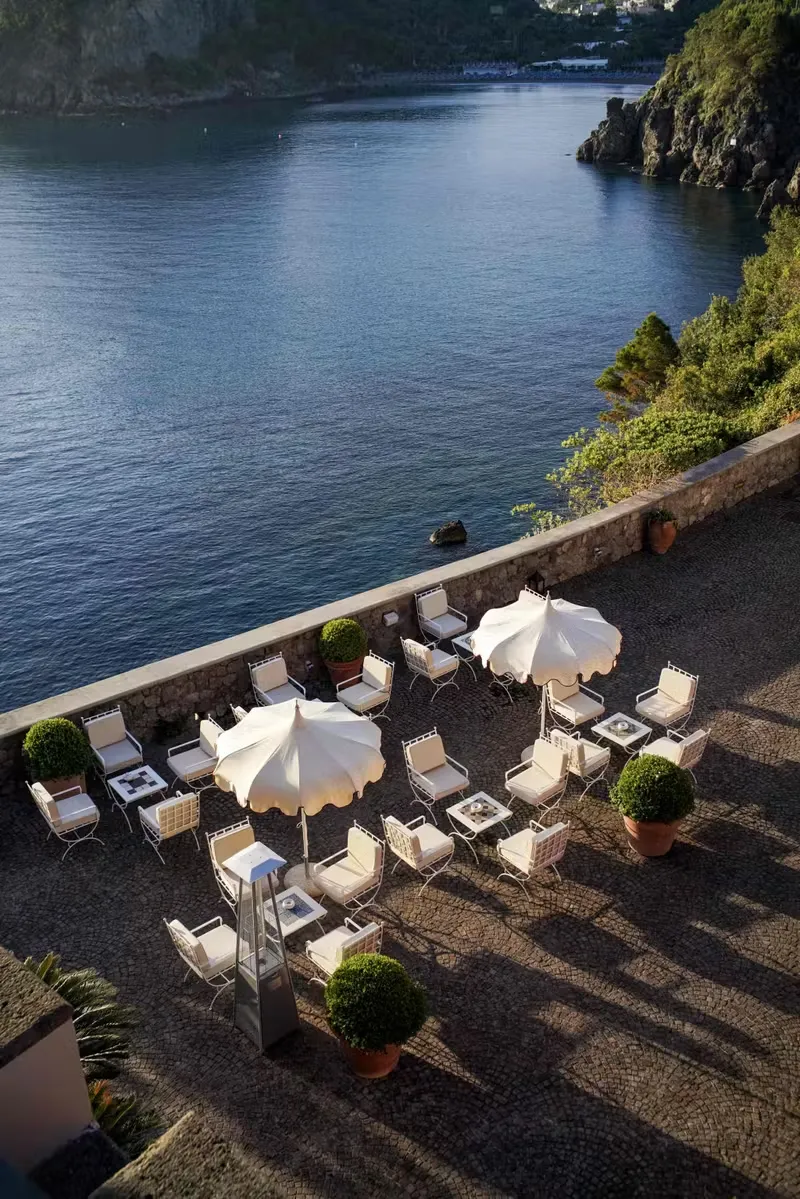

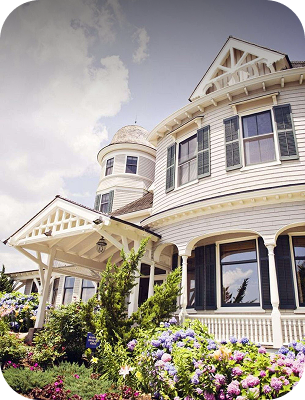

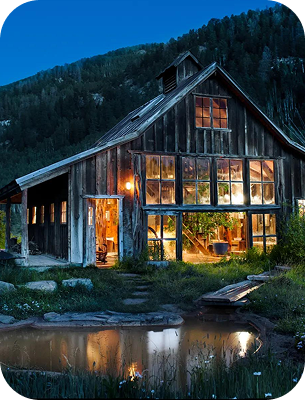

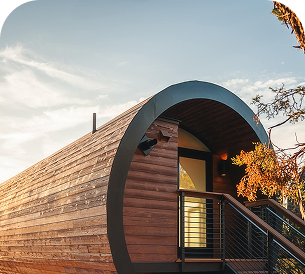

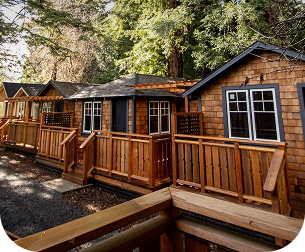

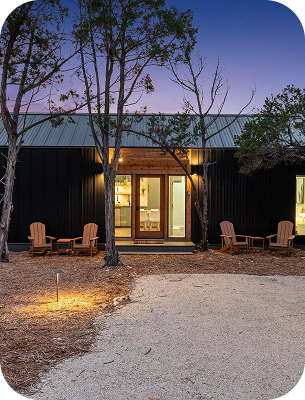

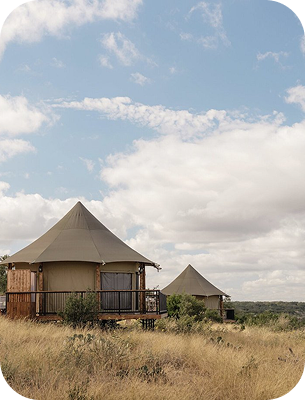

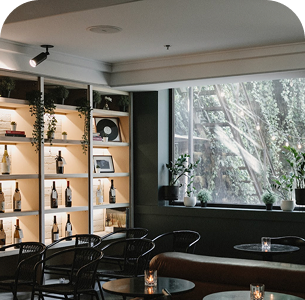

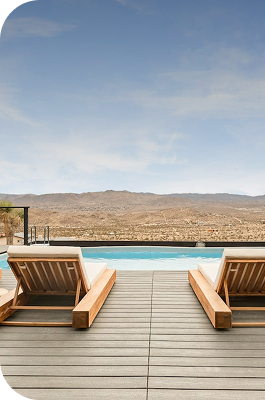

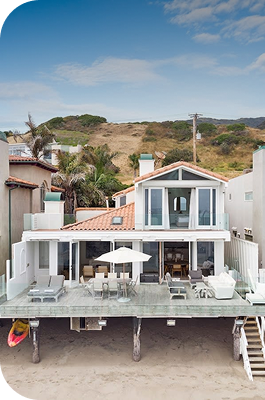

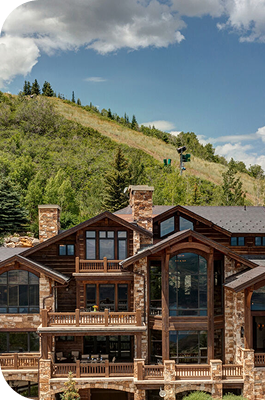
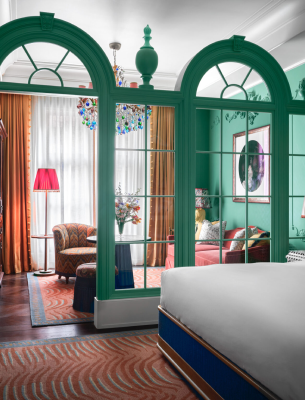
Journey connects travelers to a curated network of boutique hotels and distinctive residences around the world, all united under one rewards program. Explore handpicked stays for your trip while earning points, unlocking exclusive offers, and receiving rewards across the Journey collection.
Raleigh sits in the Piedmont region of North Carolina, positioned at the eastern edge of the rolling terrain that bridges the Appalachian foothills to the west and the Atlantic Coastal Plain to the east. The city occupies a gently hilly landscape defined by dense hardwood tree cover, a network of creekways, and an urban core that has grown dramatically while retaining a human scale. At roughly 350 feet above sea level, it sits well inland, insulated from the coast's extremes and the mountains' altitude.
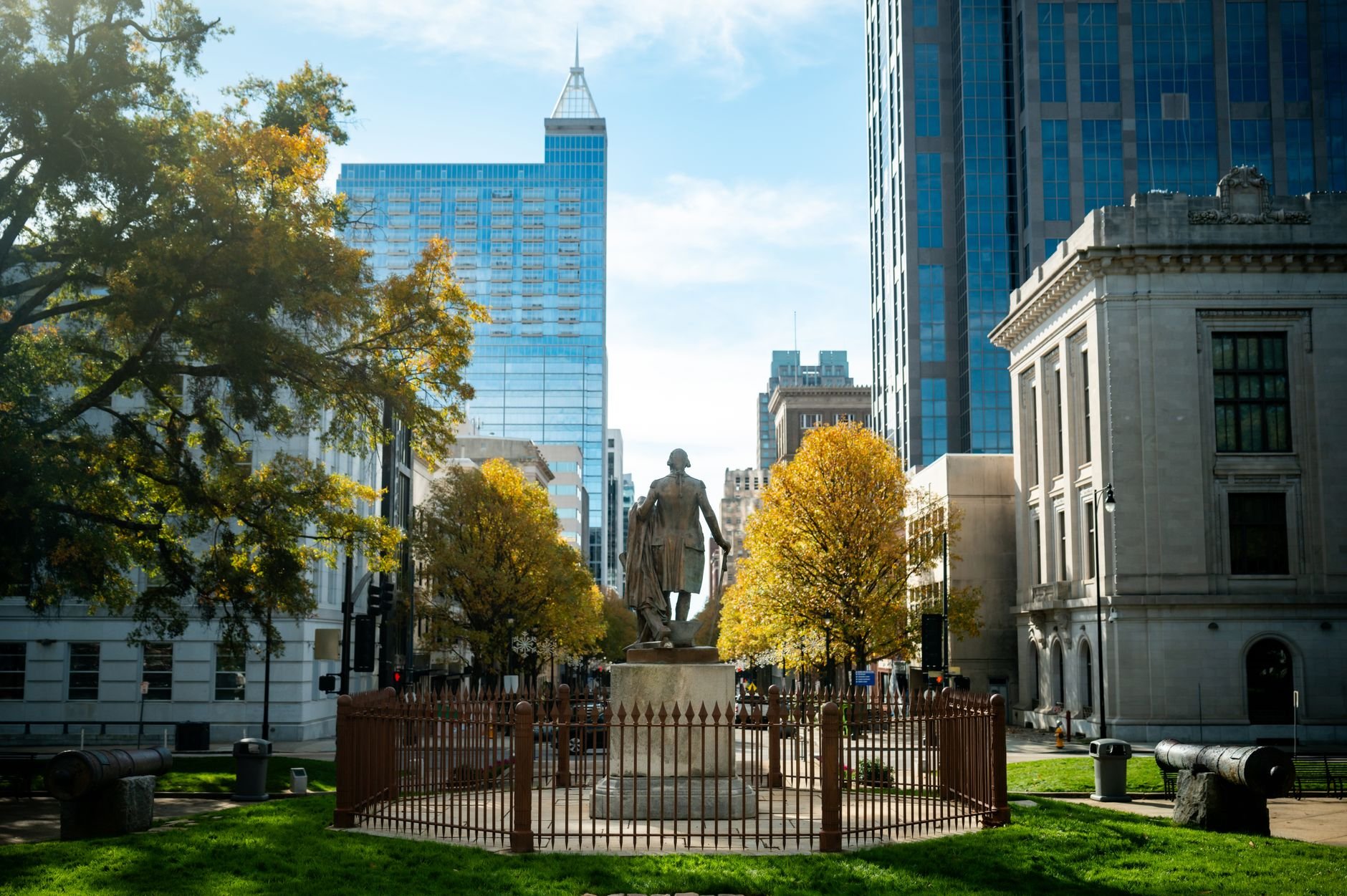
Founded in 1792 as a planned capital city, Raleigh is one of the few American cities designed from the outset to serve as a seat of government. That deliberate origin shaped its layout: a grid centered on the State Capitol, with wide streets radiating outward and public squares woven into the urban fabric. The Capitol building itself, completed in 1840 in Greek Revival style, remains the geographic and symbolic heart of downtown.
Raleigh's modern identity is inseparable from the Research Triangle, the metropolitan region it shares with Durham and Chapel Hill. The proximity of North Carolina State University within the city, and Duke University and the University of North Carolina at Chapel Hill nearby, has made the Triangle one of the most educated and innovative regions in the United States. Research Triangle Park, established in 1959 between the three cities, draws major technology, pharmaceutical, and life sciences employers and has reshaped Raleigh from a quiet government town into a fast-growing destination for talent and investment.
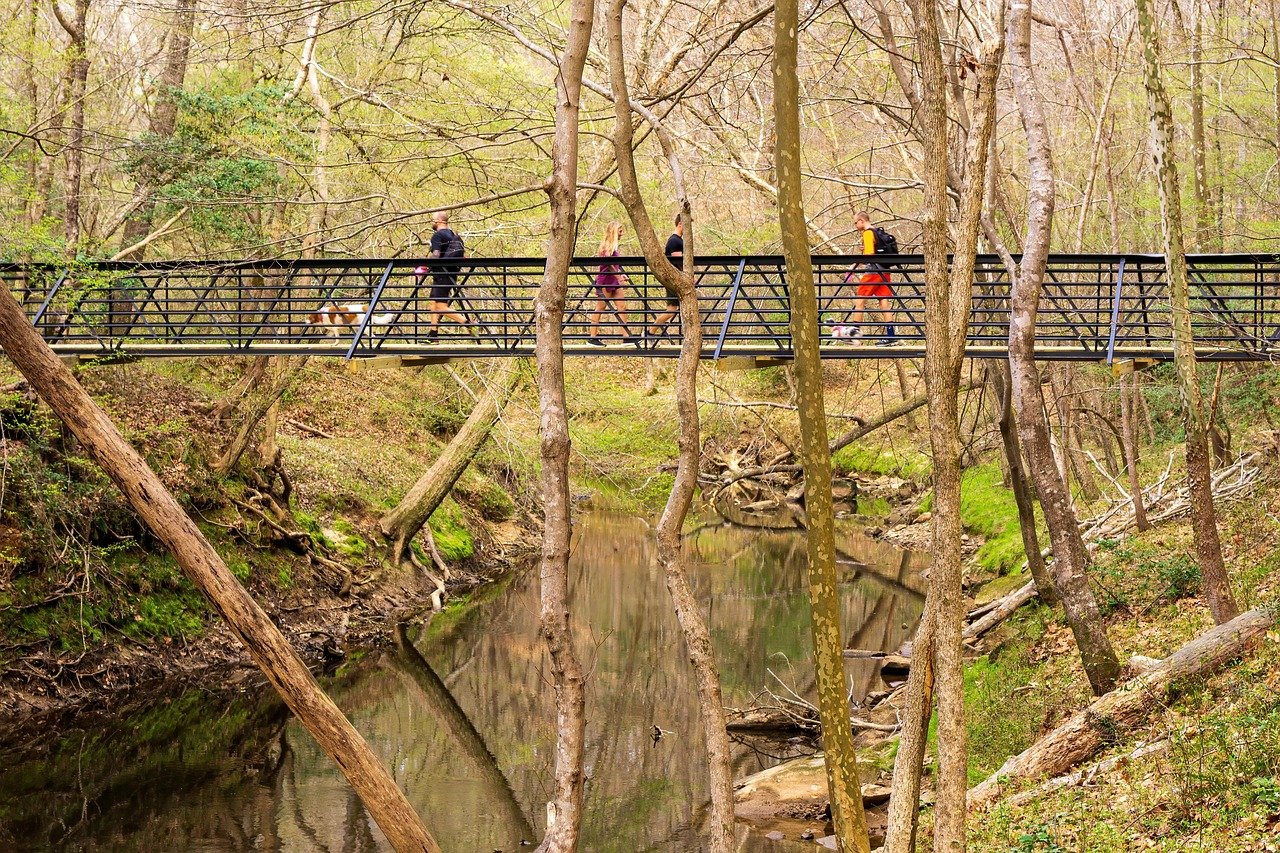
For travelers, this history and context translate into a city with genuine texture. Downtown Raleigh's Fayetteville Street corridor connects the Capitol to a walkable district of hotels, restaurants, and performance venues. Historic neighborhoods like Oakwood and Boylan Heights preserve Victorian and Craftsman architecture within easy reach of the center. The city's greenway system stretches for over 130 miles, threading through parks and along waterways to give visitors and residents alike an accessible escape into nature without leaving city limits.
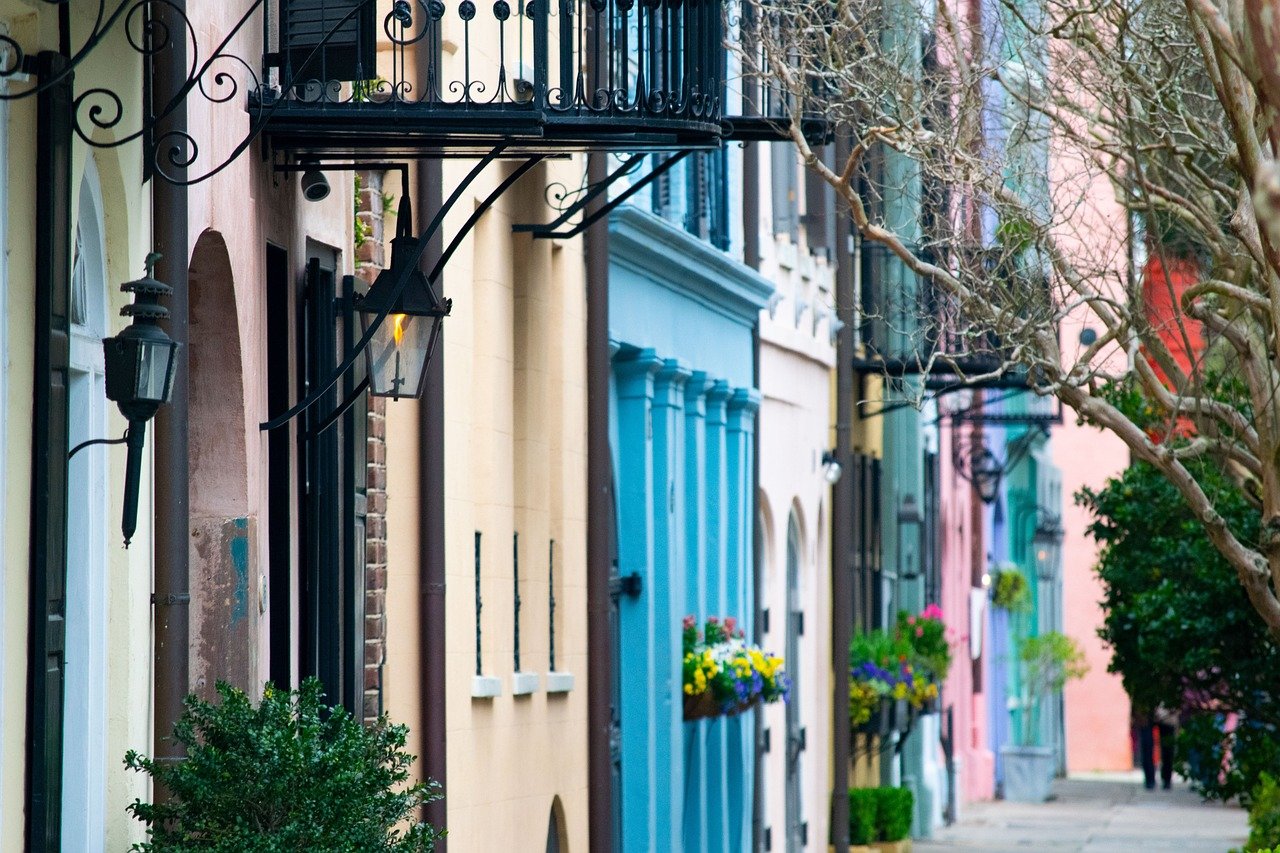
Fall and spring are the standout seasons for visiting Raleigh, and the choice between them largely comes down to personal preference and travel style.
Fall, from mid-September through November, is the most popular window for good reason. Crowds are manageable, the city's outdoor greenway network and museum park are at their most inviting, and the foliage along Raleigh's famous willow oak-lined streets reaches peak color in late October. The State Fair arrives each October, drawing visitors from across North Carolina for one of the largest agricultural fairs in the Southeast. Hotel rates remain reasonable outside of major university football weekends, which can spike demand and prices.
Spring, from late March through May, rivals fall for sheer beauty. Dogwoods and azaleas bloom across the city's parks, and the greenways fill with cyclists and walkers. The cultural calendar picks up considerably in spring, with outdoor festivals, farmers markets, and live music events returning to Glenwood South and the Warehouse District. April can bring rain, so building some flexibility into an itinerary is wise.
Summer draws families taking advantage of school breaks and the city's free museum offerings, but the heat and humidity push most outdoor activity to early mornings or evenings. Visitors willing to work around the midday heat will find shorter lines at popular attractions and competitive lodging rates.
Winter is the quietest period for tourism, making it an appealing option for travelers who prioritize uncrowded museums, easy restaurant reservations, and lower prices. The holiday season brings festive programming downtown, and the mild climate means outdoor exploration remains possible on most days. Major university events and state government functions can occasionally affect hotel availability year-round, so booking ahead is always advisable regardless of season.
The civic and cultural core of the city, Downtown Raleigh is anchored by the State Capitol and surrounded by free world-class museums, independent restaurants, and a growing skyline. Tree-lined streets shaded by willow oaks give the area its signature character, earning Raleigh the nickname City of Oaks. It is the best base for first-time visitors who want walkable access to history, food, and nightlife.
Raleigh's most vibrant entertainment corridor stretches along Glenwood Avenue, packed with craft cocktail bars, acclaimed restaurants, rooftop patios, and live music venues. The neighborhood draws a lively crowd after dark but also rewards daytime visitors with specialty coffee shops and boutique retail. Its energy and density of options make it the go-to district for nightlife and dining.
Raleigh's Warehouse District has transformed former industrial buildings into a creative hub of galleries, chef-driven restaurants, breweries, and event spaces. The neighborhood sits just southwest of downtown and carries a gritty-chic atmosphere that sets it apart from the polished corridors nearby. It is the epicenter of Raleigh's arts scene and a favorite among locals seeking something more independent and inventive.
A beloved residential neighborhood where five roads converge near the historic Drewry's Bluff area, Five Points blends bungalow-lined streets with a charming commercial strip of local restaurants, wine bars, and independent shops. The area has a distinctly neighborhood feel that contrasts with the busier entertainment corridors closer to downtown. It is a favorite for visitors who want to experience everyday Raleigh life away from the tourist circuit.
North Hills is Raleigh's upscale midtown district, offering a polished mix of high-end dining, boutique retail, luxury hotels, and manicured green spaces just a few miles north of downtown. The area has been redeveloped into a walkable urban village atmosphere anchored by a well-curated shopping and dining scene. It appeals to travelers seeking a quieter, more refined base with easy access to the broader city.
Raleigh draws travelers for experiences that are distinctly its own, rooted in the city's identity as a capital, a research hub, and a place where Southern tradition meets modern ambition.
The Free Museum Campus
Few cities of Raleigh's size offer the cultural concentration found around the state government district. Spending a day moving between the North Carolina Museum of Natural Sciences, the Museum of History, and the Museum of Art, all free to enter, is a signature Raleigh experience. The adjacent Museum Park extends the journey outdoors, with monumental art installations and walking paths set in open greenspace on the city's western edge.
A Dining Scene That Punches Above Its Weight
Raleigh has become a genuine food destination. Travelers come specifically to eat here, chasing restaurants that draw directly from North Carolina's agricultural bounty and coastal waters. The city's chefs have built reputations on honest, ingredient-driven cooking that reflects the region rather than mimicking trends from larger markets. A progressive meal through the Warehouse District or an evening hopping between the independent spots of Five Points reveals a dining culture with real conviction.
The City of Oaks on Foot
Raleigh's downtown is defined by its canopy of willow oaks, and exploring it on foot, through the Capitol grounds, along Fayetteville Street, and into the historic Oakwood neighborhood, is one of the city's most rewarding and unhurried pleasures. The Oakwood neighborhood preserves one of the finest collections of Victorian architecture in North Carolina, offering a tangible connection to the city's antebellum and post-Civil War past.
Live Music and the Local Night
Raleigh's music and nightlife culture is shaped by its proximity to major universities and a creative class that has chosen to stay. An evening in Glenwood South or the Warehouse District, moving between craft cocktail bars and live music venues, captures the energy of a city that takes its nights seriously.
Raleigh offers travelers a well-rounded mix of activities that span world-class museums, thriving neighborhoods, outdoor greenways, and one of the South's most exciting food and dining scenes.
Cultural Attractions
The state government district anchors Raleigh's cultural life, with a remarkable cluster of free-admission institutions. The North Carolina Museum of Natural Sciences is the largest natural history museum in the Southeast, while the North Carolina Museum of History chronicles the state's story from Indigenous cultures through the present day. The North Carolina Museum of Art rounds out the trio with an encyclopedic collection spanning ancient to contemporary works.
Outdoor Recreation
Raleigh's extensive greenway network connects parks, creeks, and neighborhoods across the city, offering miles of trails for walking, running, and cycling. William B. Umstead State Park, just minutes from downtown, provides hiking, fishing, and paddling in a forested setting that feels worlds away from the urban core. Shelley Lake and Lake Johnson offer calm-water kayaking and lakeside paths popular with locals year-round.
Arts and Entertainment
The city supports a lively independent arts scene. The Raleigh Little Theatre, one of the oldest community theater companies in the country, stages productions throughout the year. Red Hat Amphitheater hosts major touring acts in an open-air downtown venue, while local music clubs in Glenwood South and the Warehouse District spotlight regional and national talent on any given night.
Food and Dining
Raleigh's restaurant culture is one of its greatest assets. Neighborhoods like Glenwood South, Five Points, and the Warehouse District are packed with acclaimed independent restaurants committed to hyper-local sourcing from North Carolina's farms and coast. The city's craft beverage scene, including breweries, cideries, and specialty coffee roasters, adds further depth.
Start your morning at the North Carolina Museum of Natural Sciences, one of the largest natural history museums in the Southeast - free admission and endlessly engaging. Walk to the North Carolina Museum of History nearby for an afternoon deep dive into state heritage. In the evening, head to Glenwood South for dinner and craft cocktails at one of the neighborhood's acclaimed independent restaurants.
Spend your morning at the North Carolina Museum of Art, then explore the museum park's outdoor trails and large-scale art installations. Grab lunch in the Warehouse District and browse its galleries and boutiques in the afternoon. Come evening, catch live music or a show at one of Raleigh's independent venues, then wind down with a nightcap along Fayetteville Street.
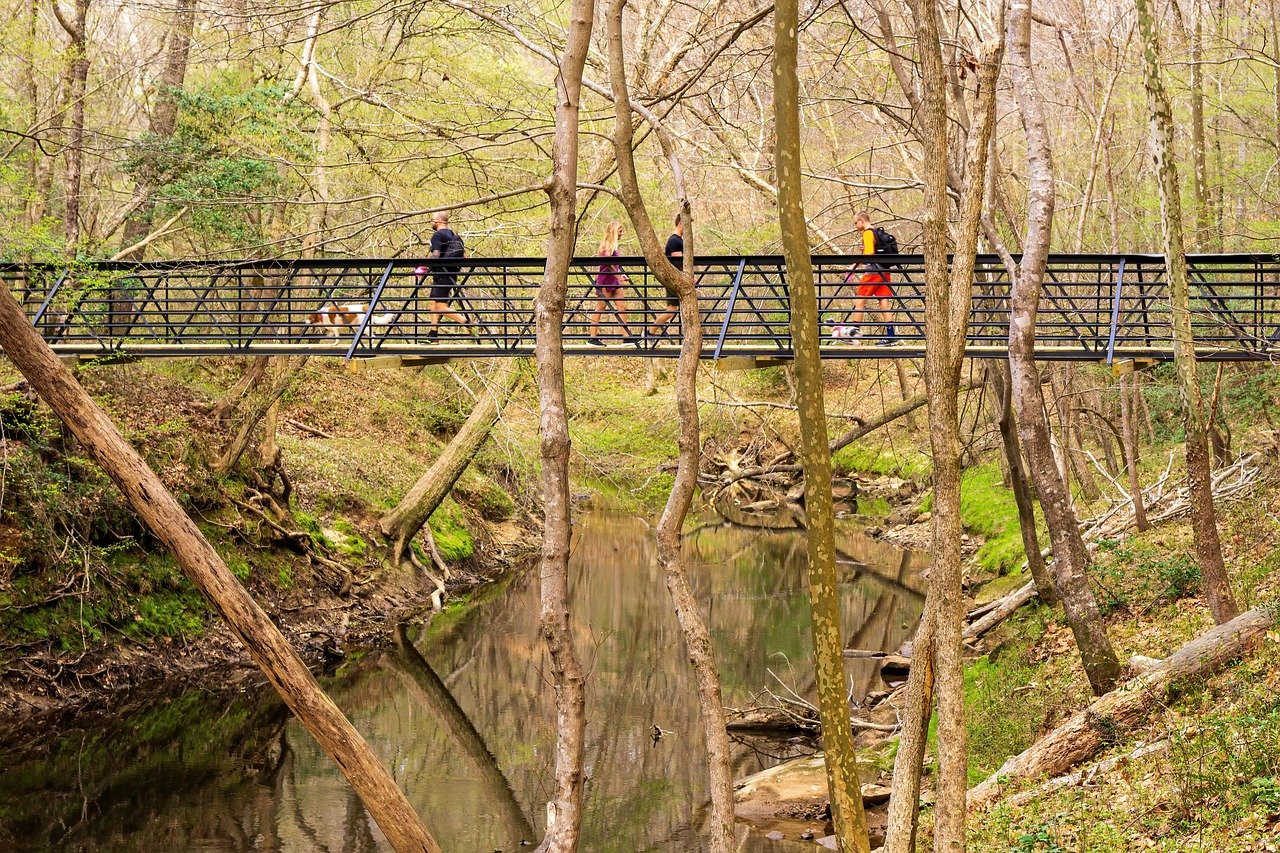
Begin the morning with specialty coffee in the Five Points neighborhood, then explore its local shops and historic streetscapes. In the afternoon, head out on one of Raleigh's greenway trails for a walk or bike ride through the city's parks. End your trip with an early dinner in the Warehouse District, sampling hyper-local farm-to-table fare at one of Raleigh's standout independent restaurants.
Raleigh pulses with a full calendar of events that reflect its blend of Southern tradition, arts enthusiasm, and community energy. Spring brings creative celebrations downtown, while summer draws music fans to outdoor venues. Fall is the city's most festive season, layering craft culture, state pride, and live entertainment across consecutive weekends. Winter adds a luminous, family-friendly finale with a beloved lantern festival nearby.
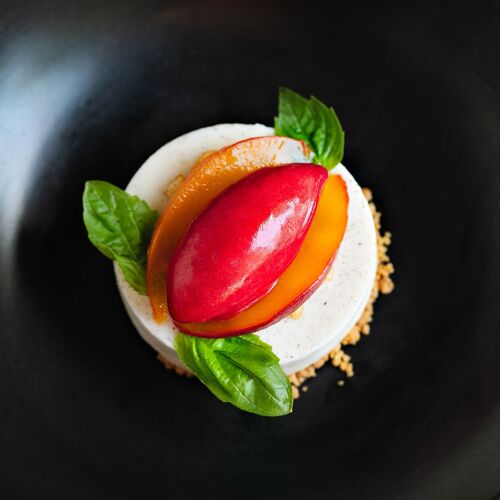
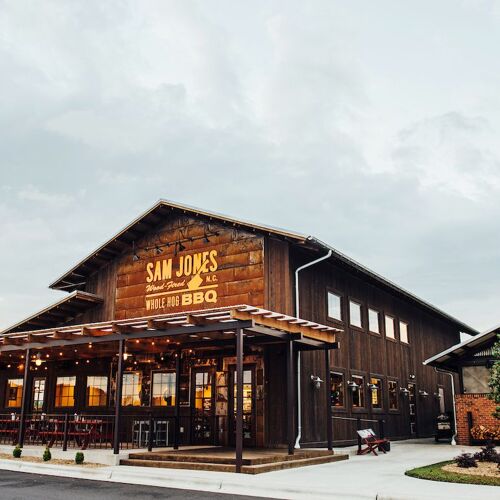
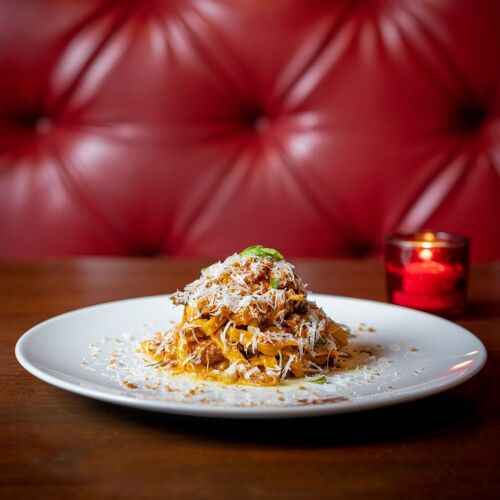
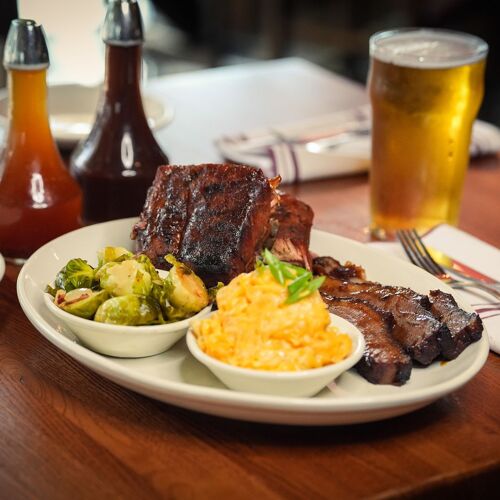
Raleigh's culinary scene has grown from its Southern meat-and-three roots into one of the most exciting and diverse food destinations in the Southeast. The city's proximity to North Carolina's farms and coastline drives a genuine commitment to hyper-local sourcing, with chefs building menus around seasonal produce, heritage pork, and fresh coastal seafood.

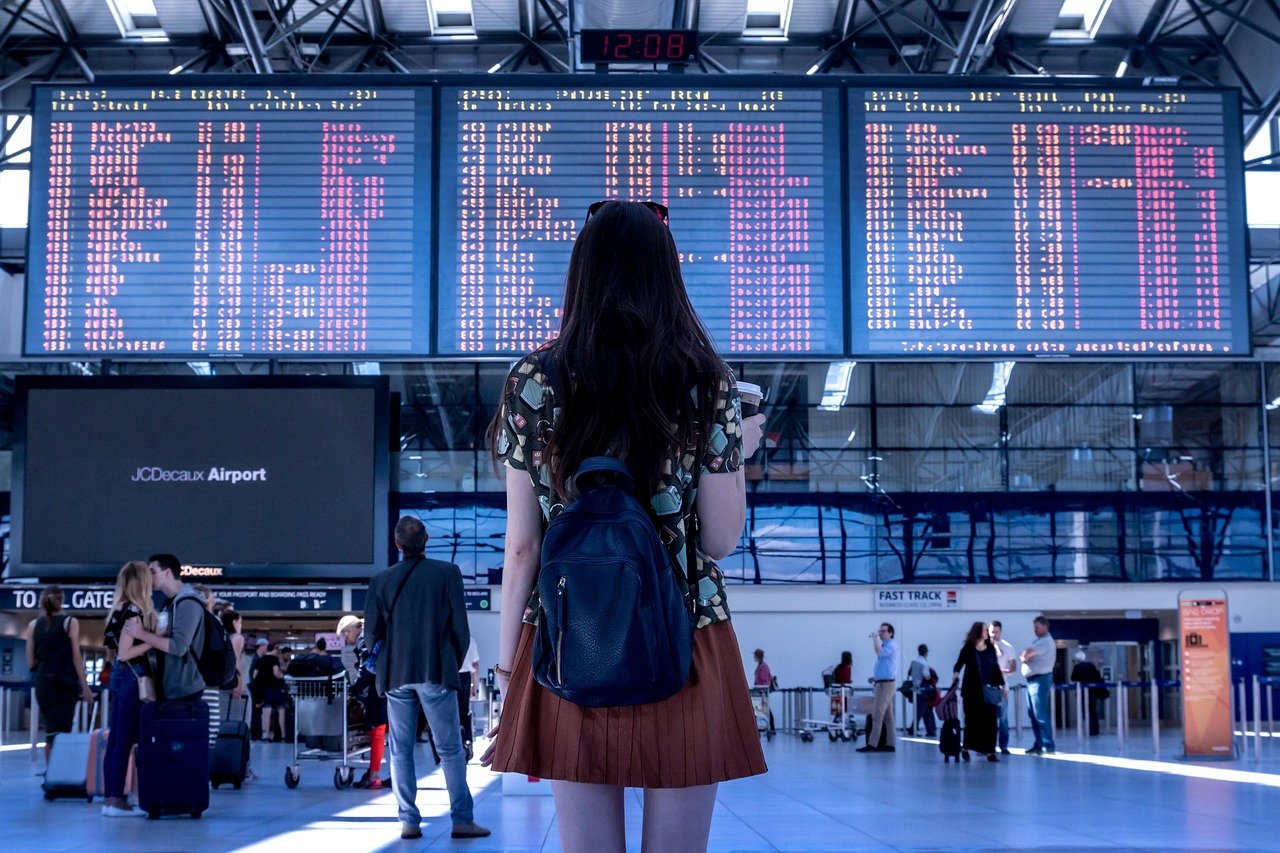
Raleigh-Durham International Airport (RDU) is the main arrival hub,
located about 14 miles northwest of downtown, with rideshare, taxis, and rental cars all available curbside at both terminals.
Amtrak's Carolinian and Piedmont lines stop at Raleigh Union Station,
connecting the city to Charlotte to the southwest and Washington D.C. and New York to the north, with the downtown station sitting just steps from the Warehouse District.
Drivers arriving from Charlotte take I-85 North to I-40 East,
a roughly two-hour drive that deposits travelers directly into the greater Raleigh metro, with I-440 serving as the inner beltline around downtown.
Travelers from the Washington D.C. and Richmond corridor follow I-95 South to I-40 West,
a drive of approximately four to five hours depending on traffic, with the route well served by rest stops and fuel along the way.
FlixBus and Greyhound offer budget-friendly intercity bus service into Raleigh,
with routes connecting from Durham, Charlotte, Richmond, and other regional cities at fares that are often significantly lower than train or air options.
The R-LINE is a free downtown circulator bus
that loops through Raleigh's core neighborhoods on a frequent schedule, making it easy to move between the Warehouse District, Fayetteville Street, and Glenwood South without paying for parking.
Downtown Raleigh's Fayetteville Street corridor and Glenwood South are compact and walkable,
so most visitors staying in these neighborhoods can reach restaurants, bars, museums, and the Capitol building entirely on foot during their stay.
Uber and Lyft operate reliably across Raleigh,
and are the most practical option for reaching neighborhoods like Five Points or North Hills that sit beyond comfortable walking distance from downtown hotels.
City-operated parking decks near downtown Raleigh charge modest hourly rates,
and visitors driving to the museum district or Warehouse District will generally find parking easier and cheaper here than in comparable mid-sized cities.
The Capital Area Greenway system connects parks and neighborhoods via more than 100 miles of trails,
making it a practical and scenic option for cyclists and runners who want to move between green spaces without navigating city streets.
Raleigh's free state museums require no tickets but can get busy on weekends and during school breaks - arriving when they open at 9 a.m. helps you beat the crowds. For dining, especially at popular Warehouse District and Glenwood South restaurants, make reservations at least a week ahead on weekends. Standard tipping in Raleigh follows national norms: 18 to 20 percent at restaurants and a dollar or two per drink at bars. The city is generally safe for visitors, including downtown after dark, though standard urban awareness applies. Download the GoRaleigh Transit app for real-time bus tracking, and use the ParkRaleigh app to locate and pay for city parking. Summers are hot and humid, so pack accordingly and plan outdoor activities for mornings. Spring and fall offer the most comfortable weather and coincide with the city's most active festival calendar.
Two to three days is enough to cover Raleigh's highlights. Spend one day exploring the free state museums and downtown, a second day eating your way through neighborhoods like Glenwood South and the Warehouse District, and a third day if you want to venture into the greenway network or nearby Research Triangle towns like Durham and Chapel Hill.
Raleigh is best known as North Carolina's capital city and as part of the Research Triangle, a hub for technology, research, and higher education. It is also recognized for its free world-class museums, a thriving independent food and dining scene, tree-lined downtown streets that earned it the nickname the City of Oaks, and a growing arts community.
Yes, Raleigh works very well as a weekend trip. Two days is enough to visit the free state museums, walk the downtown neighborhoods, and sample the restaurant scene. Its compact, walkable core means you can cover a lot without a car. It is an easy drive or short flight from much of the East Coast.
Raleigh is relatively affordable compared to larger East Coast cities. Its biggest draws - the North Carolina Museum of Art, Museum of Natural Sciences, and Museum of History - are all free admission. Dining ranges from budget-friendly local spots to upscale independent restaurants. Hotels vary widely, but mid-range options are easy to find in and around downtown.
Spring (March to May) and fall (September to November) are the best times to visit Raleigh, with mild temperatures and low humidity ideal for exploring downtown and the greenways. Summers are hot and humid, while winters are generally mild but can bring occasional cold snaps.