
Baltimore, MD
A Journey guide to
Dublin, Ohio is one of the most consistently celebrated small cities in the Midwest, earning a reputation far beyond its size through a rare combination of Irish-themed identity, civic investment in public art, and championship-caliber golf. Positioned on the northwestern edge of Columbus, Dublin draws visitors who expect a polished, well-organized destination with genuine character rather than manufactured charm. The city's walkable Historic District, anchored by the Scioto River, sets a tone that is both residential and distinctly welcoming to travelers.
Golf defines Dublin on a national stage. The city is home to Muirfield Village Golf Club, the legendary course co-designed by Jack Nicklaus and Pete Dye, which has hosted the Memorial Tournament since 1976 and has served as a Ryder Cup and Presidents Cup venue. For serious golf travelers, Dublin is not a detour but a destination in its own right. Tee times here carry the same weight as those in Scottsdale or Pinehurst.
Public art is woven into Dublin's identity in a way that surprises first-time visitors. The city's Art in Public Places program has installed over 100 works across its streets, parks, and corridors, including the beloved Field of Corn sculpture on Frantz Road, where 109 concrete ears of corn stand in a former cornfield as a tribute to the land's agricultural past. These installations reward slow exploration on foot or by bike along the Emerald Isle Greenway.
Dublin's Irish heritage is not decorative. The city maintains active cultural ties through its Irish community organizations, its sister-city relationship with Balbriggan, Ireland, and its annual Dublin Irish Festival, one of the largest Irish cultural festivals in North America. Travelers who appreciate destinations with a coherent sense of place, strong civic pride, and easy access to a major metro will find Dublin a satisfying and often underestimated base in central Ohio.










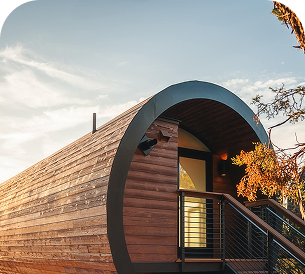



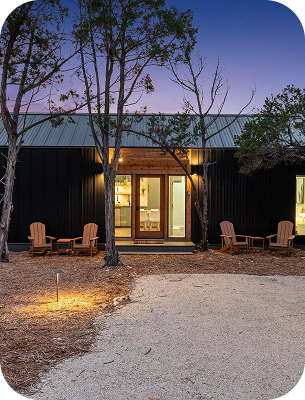





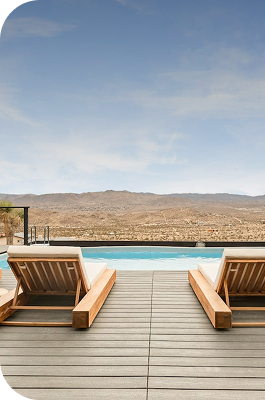

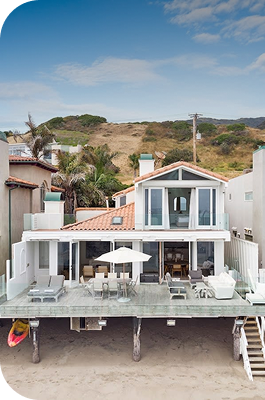

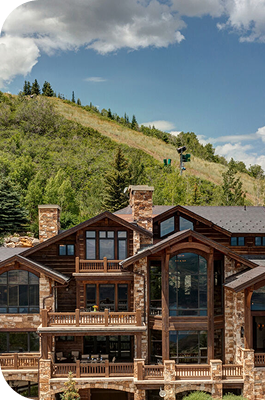
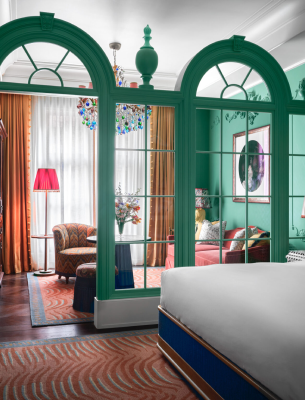

Journey connects travelers to a curated network of boutique hotels and distinctive residences around the world, all united under one rewards program. Explore handpicked stays for your trip while earning points, unlocking exclusive offers, and receiving rewards across the Journey collection.
Dublin sits along the Scioto River in Delaware and Franklin counties, roughly 15 miles northwest of downtown Columbus. The terrain is gently rolling, characteristic of central Ohio's glaciated plains, with the river corridor providing a natural green spine through the city. The Scioto and its tributaries create a network of parks, trails, and open space that gives Dublin an unexpectedly pastoral feel for a city so close to a major metropolitan center.
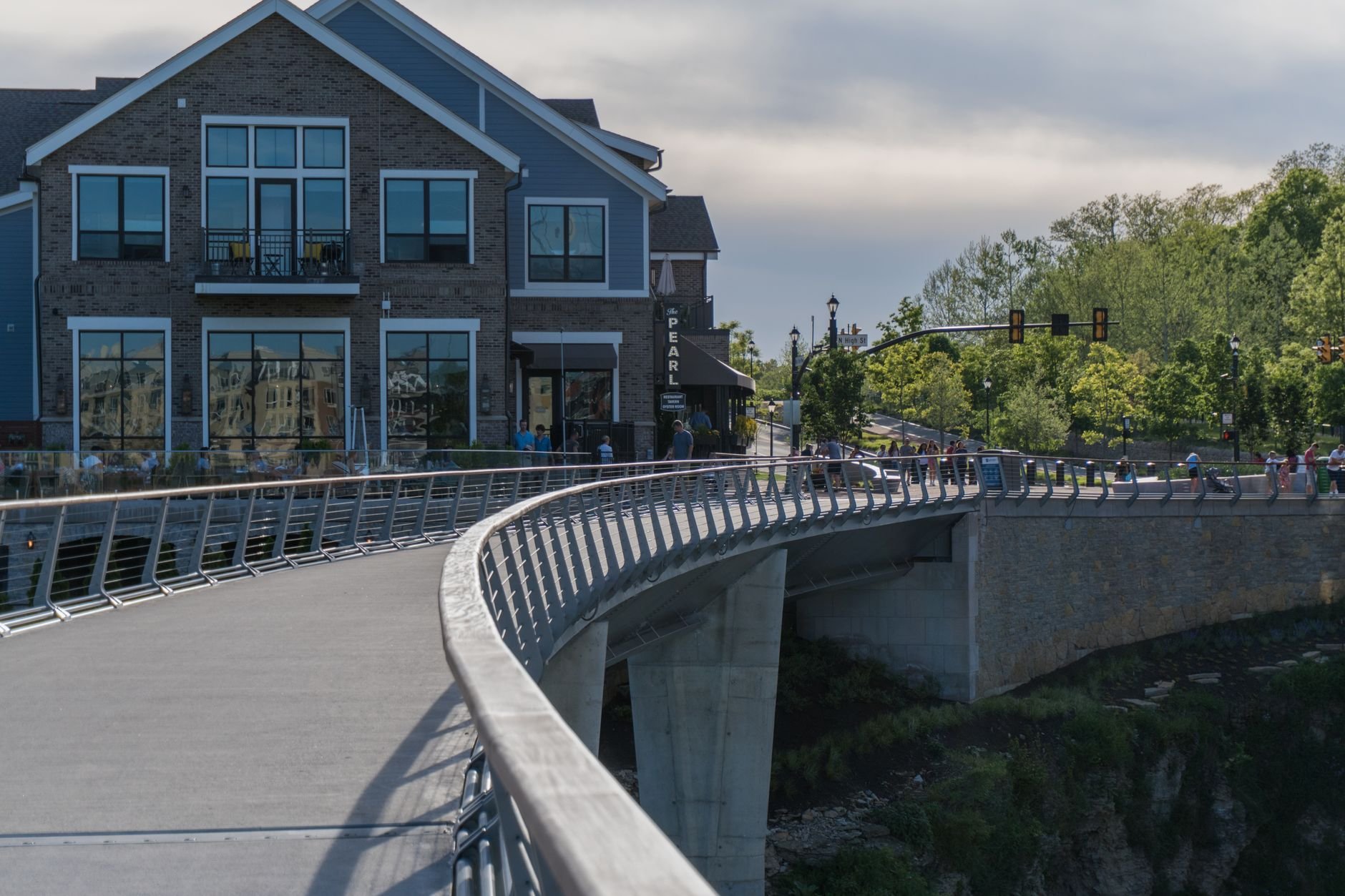
The city's origins trace to 1810, when John Shields, a surveyor from Dublin, Ireland, named the settlement after his hometown. That Irish identity has been deliberately cultivated and expanded over two centuries, shaping everything from the city's visual branding to its cultural programming. Dublin incorporated as a city in 1987, and its growth since then has been carefully managed, resulting in a built environment that feels intentional rather than sprawling. The Bridge Street District, a mixed-use urban corridor developed in the 2010s, represents the city's most ambitious attempt to create a walkable, transit-connected urban core within a traditionally suburban framework.
Culturally, Dublin occupies an interesting position: it is affluent and suburban but avoids the insularity that often characterizes such places. The city's investment in public art, its international sister-city relationships, and its role as a host for major sporting and cultural events give it an outward-facing energy. The Historic District on North High Street retains 19th-century commercial architecture alongside independent restaurants and boutiques, providing a human-scaled counterpoint to the newer development along Bridge Street.
For travelers, Dublin functions as both a self-contained destination and a gateway to Columbus, which offers major-league sports, a thriving arts scene, and one of the country's most dynamic food cultures. Dublin's own hotel and dining infrastructure is strong, shaped in part by decades of hosting golf patrons, corporate travelers, and festival visitors. The overall atmosphere is one of quiet confidence: a city that knows what it is and delivers it consistently.
Late spring and early fall are the strongest windows for visiting Dublin, Ohio, and the choice between them largely depends on what draws you there. If golf is the priority, late May is the premier moment: the Memorial Tournament at Muirfield Village Golf Club brings a charged atmosphere to the city, and the course and surrounding venues are at their most active. Securing accommodations well in advance is essential during tournament week, as demand spikes significantly across the Columbus metro.
For travelers focused on Dublin's public art, walkable Historic District, and outdoor greenways, September and October offer the most rewarding conditions. The Emerald Isle Greenway and Scioto Riverway trails are at their most scenic during peak foliage, and the city feels lively without the concentrated crowds of a major sporting event. Shoulder-season visitors also benefit from easier restaurant reservations and more flexible hotel availability.
Summer draws families and festival-goers, particularly around the Dublin Irish Festival in early August, one of the largest Irish cultural celebrations in North America. The festival transforms the city's parks into a multi-day event with live music, dance, and cultural programming. Visitors planning around this event should book lodging months ahead and expect the Historic District to be especially busy.
Winter is Dublin's quietest period. The golf courses go dormant, outdoor programming slows considerably, and the city shifts into a more residential rhythm. Travelers who enjoy a slower pace, lower rates, and easy access to Columbus's indoor dining and arts scene may find winter perfectly adequate, but it is not when Dublin shows its best face.
For a first visit without a specific event in mind, the second half of September hits the ideal balance: comfortable conditions, full access to outdoor attractions, and a city operating at a relaxed but engaged pace.
The original heart of the city, Historic Dublin lines the west bank of the Scioto River with 19th-century storefronts, independent restaurants, boutique shops, and public art installations. Its brick-paved streets and tree-canopied sidewalks make it the most walkable and atmospheric corner of the city. Weekend farmers markets and seasonal festivals keep the district lively year-round.
Dublin's most ambitious urban development project, the Bridge Street District is a mixed-use corridor stretching along both sides of the Scioto River with modern apartments, hotel properties, restaurants, and green spaces designed for pedestrian activity. The area represents a newer, more contemporary face of Dublin, with riverfront paths and curated dining options drawing a younger crowd. It connects seamlessly with Historic Dublin, making the two districts natural companions for a full day of exploration.
Anchored by the legendary Muirfield Village Golf Club, this upscale residential and commercial enclave on Dublin's western edge is a pilgrimage site for serious golf travelers. The surrounding corridors along Muirfield Drive offer polished hotels, upscale dining, and easy access to the Memorial Tournament grounds. Even outside tournament season, the area carries a quiet prestige that sets it apart from the rest of the city.

Dublin, Ohio is defined by three experiences that travelers come here for specifically and that cannot be replicated elsewhere in the region.
Golf at Muirfield Village
Muirfield Village Golf Club is the centerpiece of Dublin's national identity. Co-designed by Jack Nicklaus and Pete Dye and opened in 1974, the course is consistently ranked among the finest in the United States. It has hosted the Memorial Tournament, one of the most prestigious events on the PGA Tour, every year since 1976. The club has also served as a venue for the Ryder Cup and the Presidents Cup. For serious golf travelers, securing access to Muirfield Village is a bucket-list pursuit, and Dublin is the base from which that pursuit begins.
The Dublin Irish Festival
Each August, Dublin hosts one of the largest Irish cultural festivals in North America. The event draws more than 100,000 visitors over three days to Coffman Park for traditional Irish and Celtic music across multiple stages, step dancing competitions and performances, artisan markets, authentic food vendors, and cultural programming that reflects Dublin's genuine ties to Ireland. The city's sister-city relationship with Balbriggan, Ireland, gives the festival a depth of authenticity that sets it apart from similar events.
Public Art Exploration
Dublin's Art in Public Places program is a signature draw for travelers who appreciate thoughtfully curated civic spaces. With more than 100 installations spread across the city, the collection rewards deliberate exploration. The Field of Corn on Frantz Road, where 109 oversized concrete corn ears rise from a former agricultural field, is the most iconic stop on any Dublin art tour and has become a recognizable symbol of the city's commitment to honoring its landscape and history. Walking or cycling between installations along the Emerald Isle Greenway turns the entire city into a living gallery.
Dublin, Ohio offers travelers a well-rounded mix of outdoor recreation, cultural discovery, arts, and dining that punches well above its size as a small city.
Outdoor Recreation
The Scioto River corridor and the Emerald Isle Greenway give cyclists, joggers, and walkers a connected network of trails that weave through parks, neighborhoods, and natural green space. Coffman Park and Scioto Park are popular anchors for picnicking, open-air events, and riverside relaxation. The area's golf culture extends beyond Muirfield Village, with several well-maintained public and semi-private courses available to visitors looking for a round in a less exclusive setting.
Cultural Attractions
Dublin's Irish heritage is on display year-round through its Historic District on Bridge Street, where preserved storefronts and period architecture give the neighborhood a distinct sense of place. The Dublin Arts Council and its associated venues program rotating exhibitions and performances that keep the local cultural calendar active across seasons.
Public Art and Scenic Exploration
Dublin has invested heavily in its Art in Public Places program, which has placed more than 100 sculptures and installations across the city. Exploring these works on foot or by bike is a genuine activity in itself. The Field of Corn on Frantz Road, featuring 109 life-size concrete ears of corn standing in a former agricultural field, is one of the most photographed and talked-about public art installations in Ohio. The Scioto Audubon Metro Park nearby adds birdwatching and nature walks to the mix.
Arts and Entertainment
Live music, community theater, and seasonal festivals fill Dublin's entertainment calendar. The Dublin Irish Festival, held each summer, is one of the largest Irish cultural festivals in North America and draws tens of thousands of visitors for traditional music, dance, food, and cultural programming.
Food and Dining
Bridge Street and the surrounding Historic District host a range of restaurants, from casual Irish pubs to upscale American dining. The dining scene reflects Dublin's suburban polish, with options that cater to both families and travelers seeking a more refined meal.
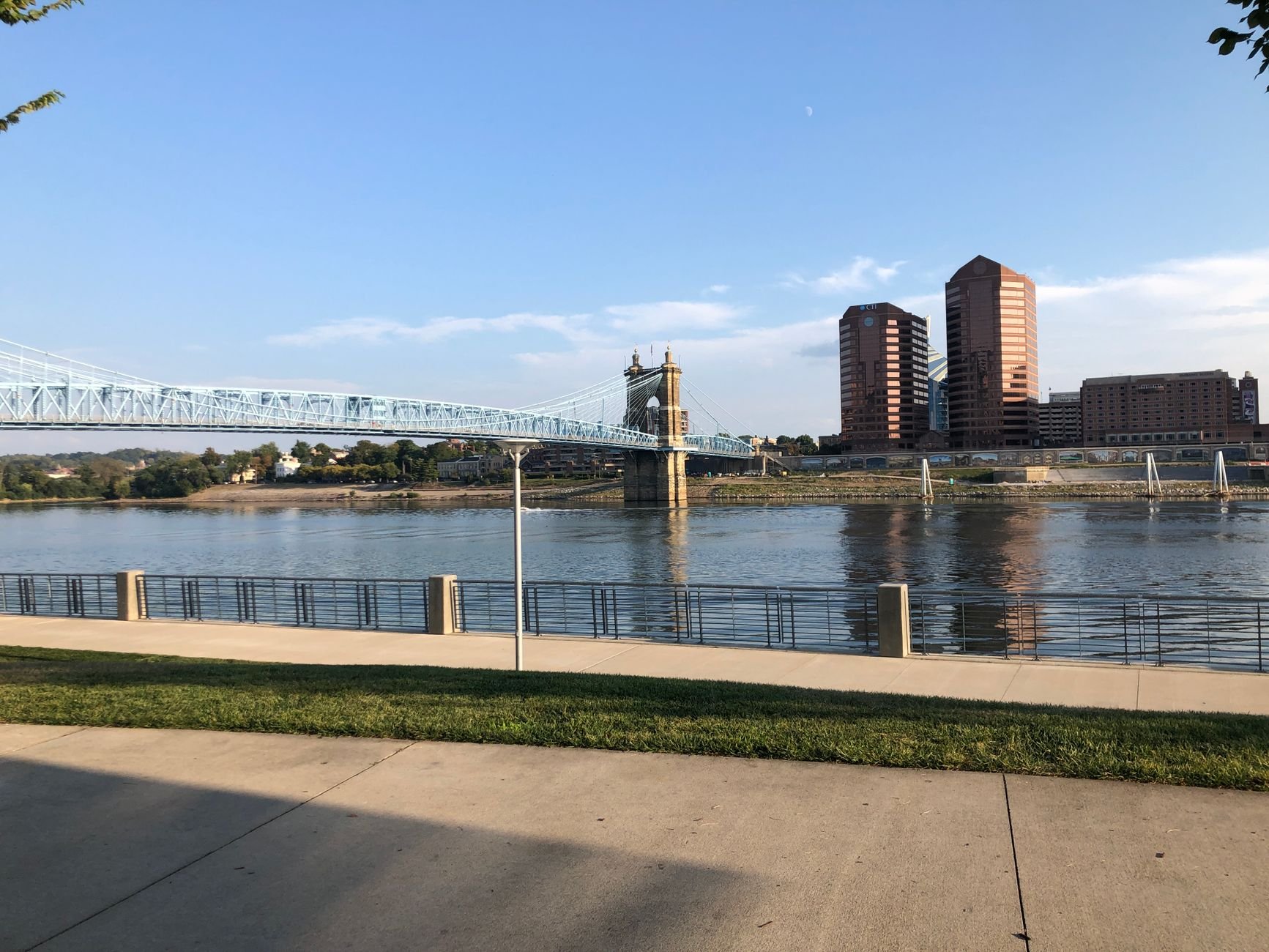
Start your morning with a stroll through Dublin's Historic District along Bridge Street, stopping into local shops and cafes. Head to Coffman Park in the afternoon to explore the grounds and public art installations. In the evening, grab dinner at one of the Bridge Street restaurants and walk along the Scioto River as the sun sets over the water.

Dedicate the morning to Muirfield Village Golf Club - walk the grounds or arrange a tee time at this Jack Nicklaus-designed championship course. Spend the afternoon cycling the Emerald Isle Greenway, a scenic trail connecting Dublin's parks and neighborhoods. Wind down with dinner at a local Irish pub, soaking in the city's authentic Celtic heritage and community atmosphere.
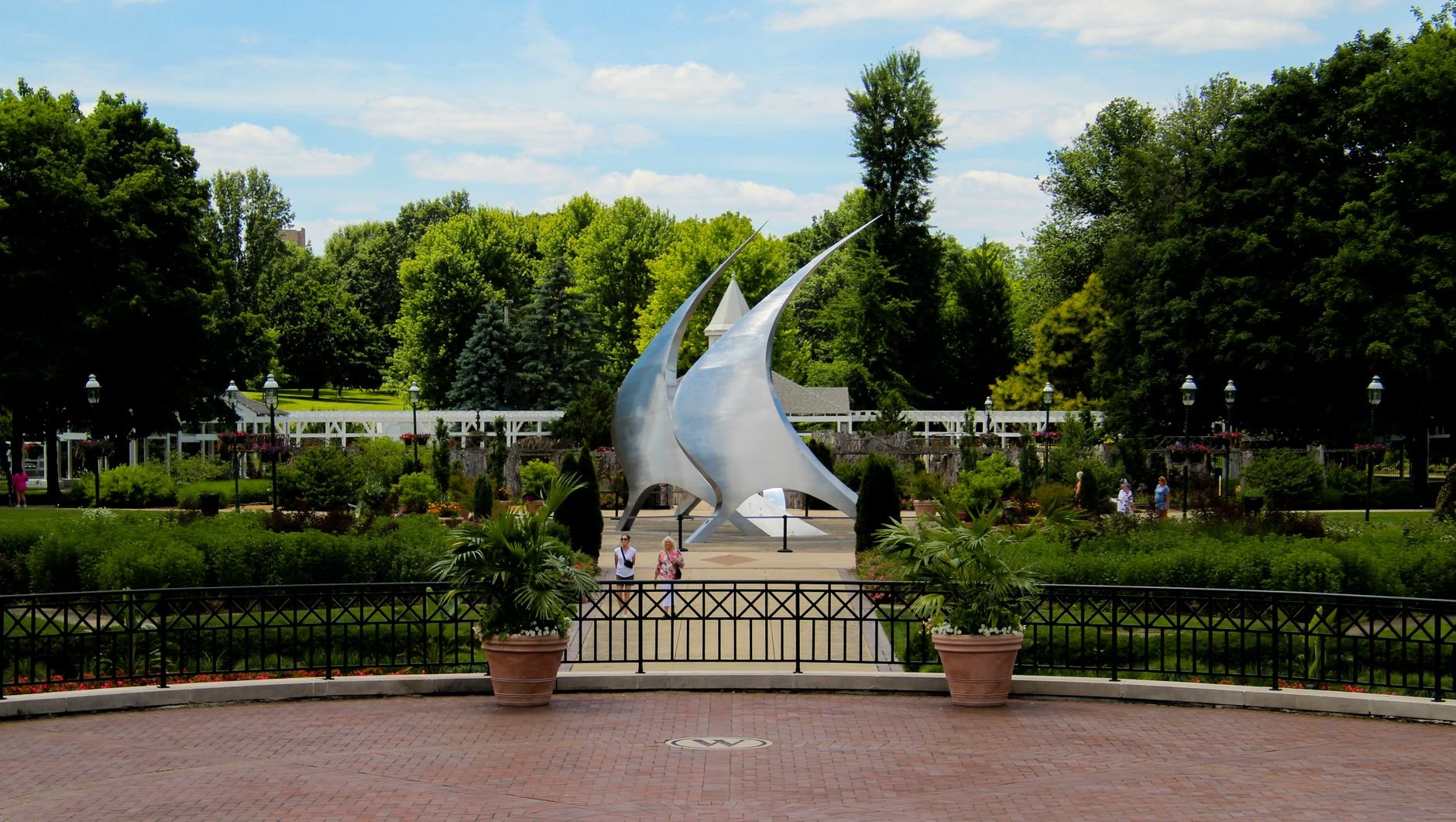
Begin the morning at the Field of Corn on Frantz Road, where 109 concrete corn sculptures make for a memorable and photogenic stop. Spend the afternoon exploring Dublin's Art in Public Places installations scattered across the city's parks and corridors. Close out your trip with a leisurely dinner downtown before a final evening walk along the Scioto River Trail.
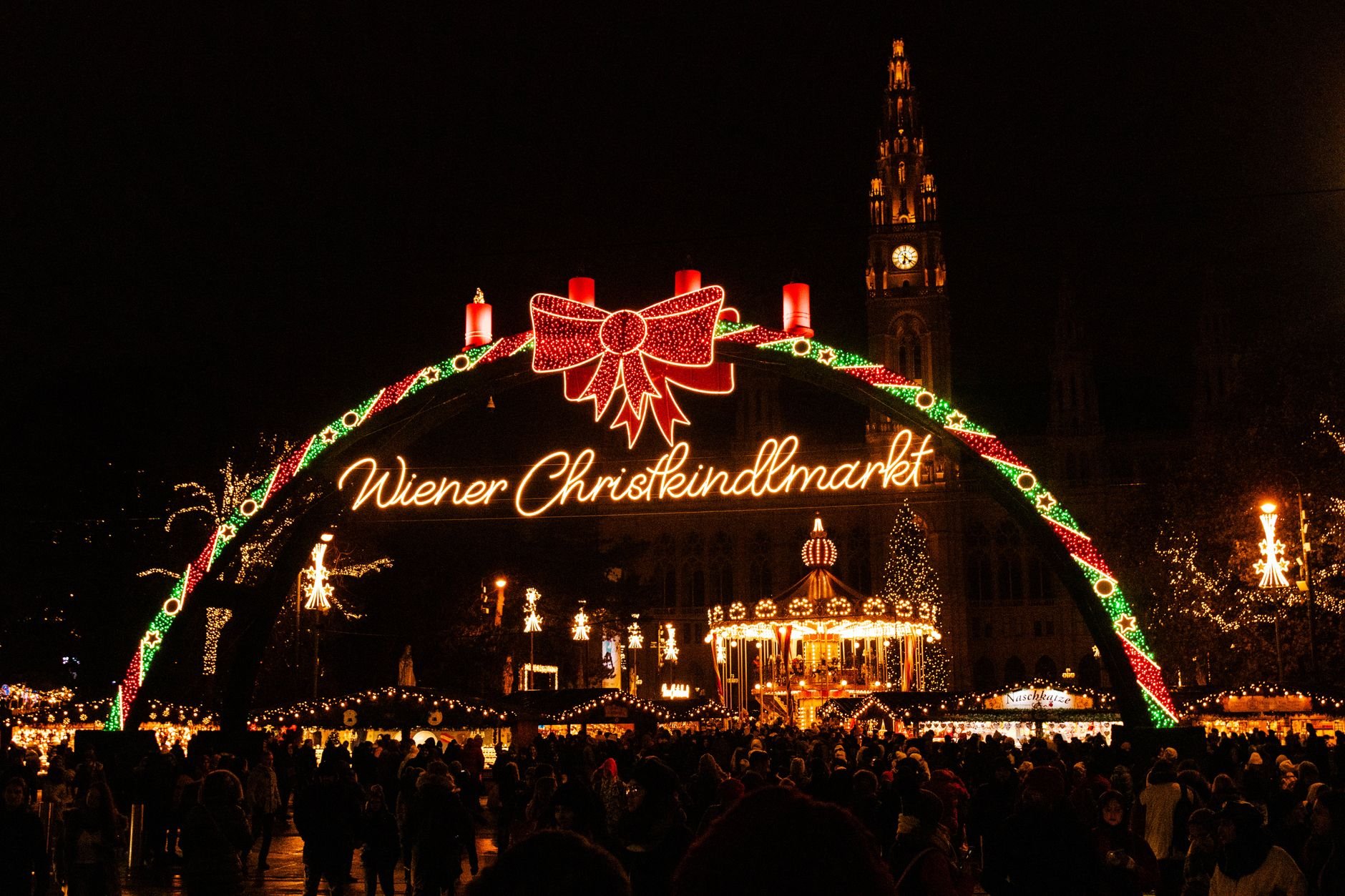
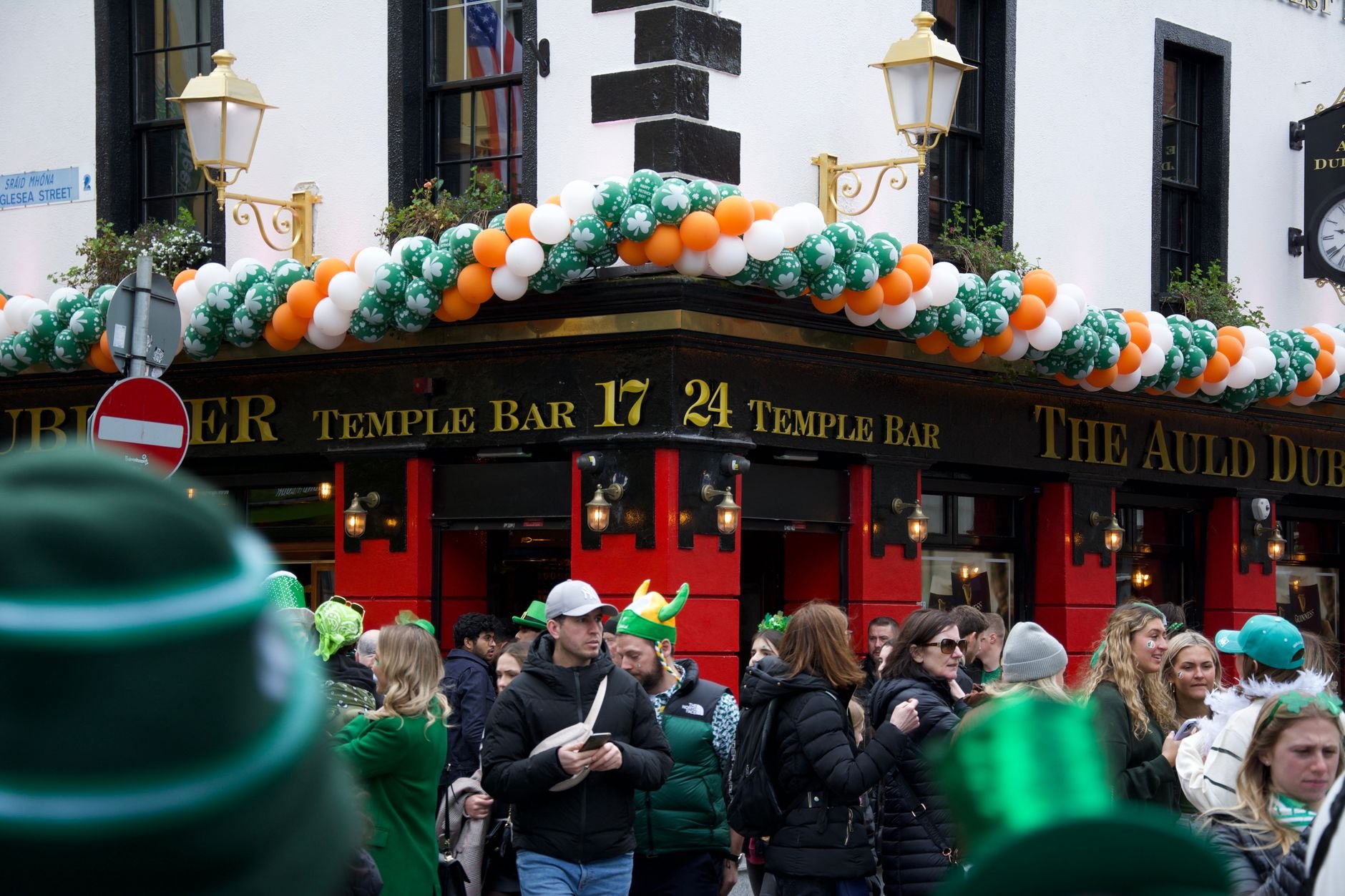
Dublin, Ohio pulses with a distinct cultural calendar shaped by its Irish heritage, championship golf, and a civic spirit that draws residents and visitors alike into shared celebration. Spring arrivals are greeted by the buildup to the Memorial Tournament at Muirfield Village Golf Club, one of the most prestigious stops on the PGA Tour and a reliable signal that the warm season has arrived. Summer is when Dublin's Irish identity takes center stage, with the Dublin Irish Festival transforming the city into a gathering point for Celtic music, dance, food, and community. Late summer and early fall bring more eclectic programming, from Japanese cultural exchange to classic car enthusiasts cruising through the suburbs. As temperatures drop, the city leans into the holiday season with a European-style Christmas market that reflects Dublin's transatlantic sensibility.
Dublin, Ohio punches well above its weight as a dining destination, offering a range of culinary experiences that reflect both its prosperous suburban character and its Irish cultural identity. The Historic District along Bridge Street is the natural starting point for food exploration, where locally owned restaurants sit alongside wine bars and casual gastropubs in a walkable, well-curated corridor.
John Glenn Columbus International Airport (CMH) is the closest major airport to Dublin,
sitting about 25 miles southeast of the city, with rideshare services, taxis, and on-site rental car agencies making the roughly 30-minute drive to Dublin straightforward.
I-270, Columbus's outerbelt highway, is the primary road connection into Dublin,
with exits at Avery-Muirfield Drive and Sawmill Road dropping drivers directly into the city's main commercial and hotel corridors.
Travelers driving from Cleveland follow I-71 south for approximately 140 miles,
then connect to I-270 west toward Dublin, with the total drive typically running two to two and a half hours depending on traffic.
Greyhound and FlixBus serve Columbus Union Station on East Town Street,
from which a rideshare to Dublin takes roughly 25 to 30 minutes, making bus travel a workable option for visitors coming from Cincinnati, Cleveland, or Pittsburgh.
The Historic District and Bridge Street corridor are Dublin's most walkable areas,
where visitors can cover restaurants, shops, and riverfront scenery on foot once they have parked or been dropped off.
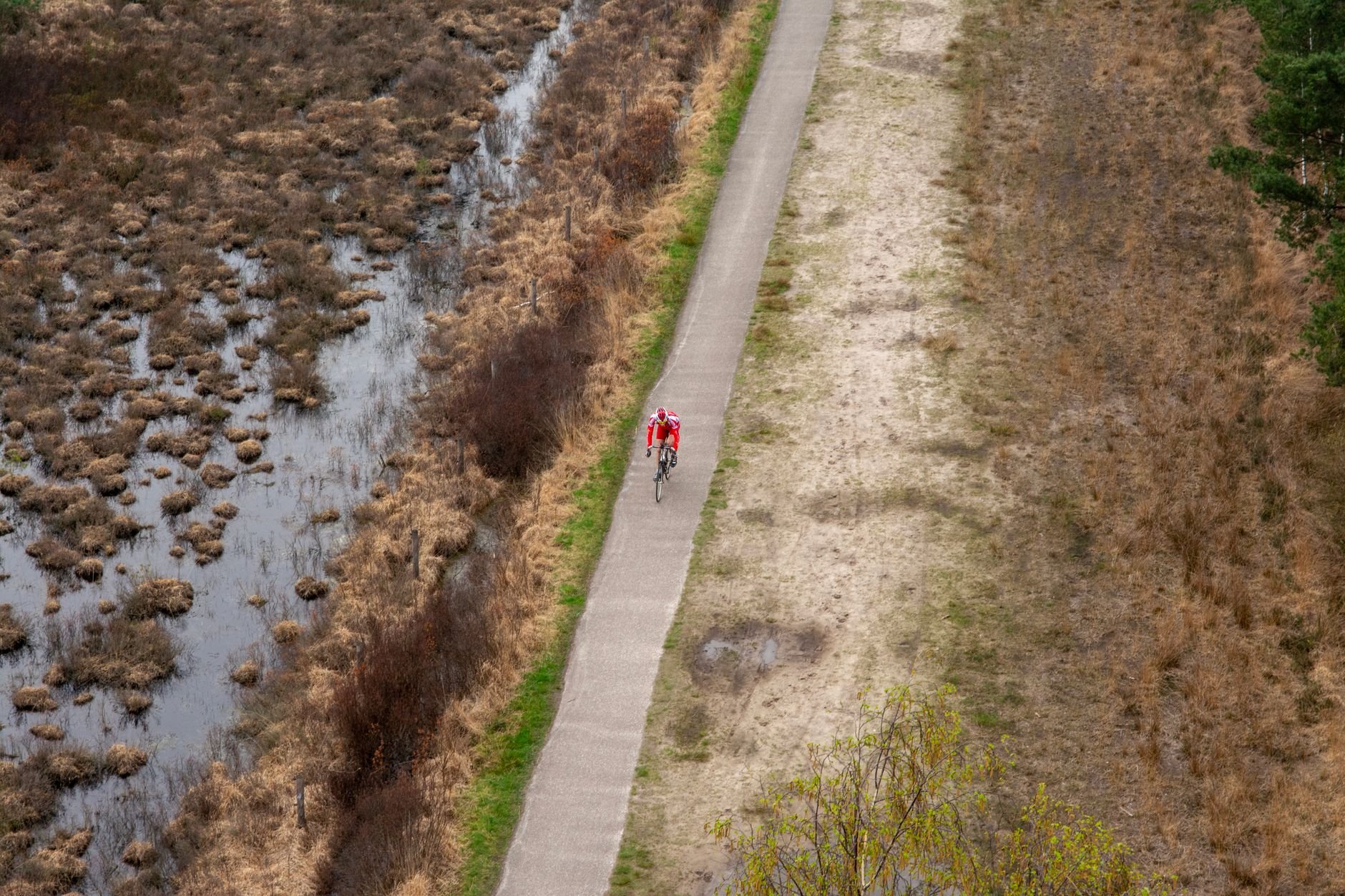
The Emerald Isle Greenway connects several of Dublin's public art installations and parks by trail,
making it a practical and scenic option for cyclists or walkers who want to reach the Field of Corn and other outdoor landmarks without driving.
Uber and Lyft operate reliably across Dublin and the broader Columbus metro,
and are the most convenient option for visitors without a rental car who need to move between the Historic District, Muirfield Village, and hotel corridors along Avery-Muirfield Drive.
COTA bus routes connect Dublin to downtown Columbus via the Dublin-Granville Road and Sawmill Road corridors,
though service is infrequent on weekends and better suited to commuters than to travelers trying to reach specific attractions on a flexible schedule.
Parking throughout Dublin is generally free and plentiful at major attractions, shopping centers, and restaurants,
so visitors who rent a car will rarely encounter the parking pressure common in denser urban destinations.

Dublin is a well-organized, visitor-friendly city, but a few practical notes will help your trip run smoothly. If your visit overlaps with the Memorial Tournament at Muirfield Village, book hotels and restaurants several months in advance, as the event draws large crowds and rates spike significantly. The Dublin Irish Festival in early August is similarly popular and worth planning around if Irish culture is a draw. Tipping follows standard U.S. norms: 18 to 20 percent at sit-down restaurants and a dollar or two per drink at bars. Most businesses are cashless-friendly, but having a card is sufficient throughout the city. The Yelp and Google Maps apps are reliable for navigating Dublin's restaurant scene, which skews toward suburban American dining with a strong Irish-themed thread. Summers can be hot and humid, so pack accordingly if you plan to spend time on the Emerald Isle Greenway or exploring outdoor public art. Dublin is a safe, low-crime destination with well-lit public spaces.
Two to three days is enough to cover Dublin's highlights. One day for the Historic District, Scioto River paths, and public art installations like the Field of Corn. A second day for golf or the Emerald Isle Greenway. A third day works well if you are combining Dublin with nearby Columbus attractions or attending a tournament or festival.
Dublin is best known for three things: world-class golf at Muirfield Village Golf Club, home of the Memorial Tournament co-designed by Jack Nicklaus and Pete Dye; its strong Irish heritage celebrated through the annual Dublin Irish Festival, one of the largest in North America; and a robust public art program with over 100 installations across the city.
Yes, Dublin works very well as a weekend trip. Its compact Historic District, walkable public art trail, and greenway paths are easy to cover in two days. It is positioned on the northwestern edge of Columbus, making it accessible by car from much of the Midwest and simple to pair with a broader Columbus itinerary.
Dublin is moderately priced compared to major U.S. cities. Dining and lodging lean toward the mid-range to upscale end given the city's polished suburban character. Public attractions like the art installations and greenway trails are free. Golf at Muirfield Village is the biggest potential splurge, as it is a premium private club with limited public access.
Late spring through early fall is the best time to visit. May and June are especially popular, coinciding with the Memorial Tournament at Muirfield Village and the Dublin Irish Festival, which typically takes place in late July or early August.