
Baltimore, MD
A Journey guide to
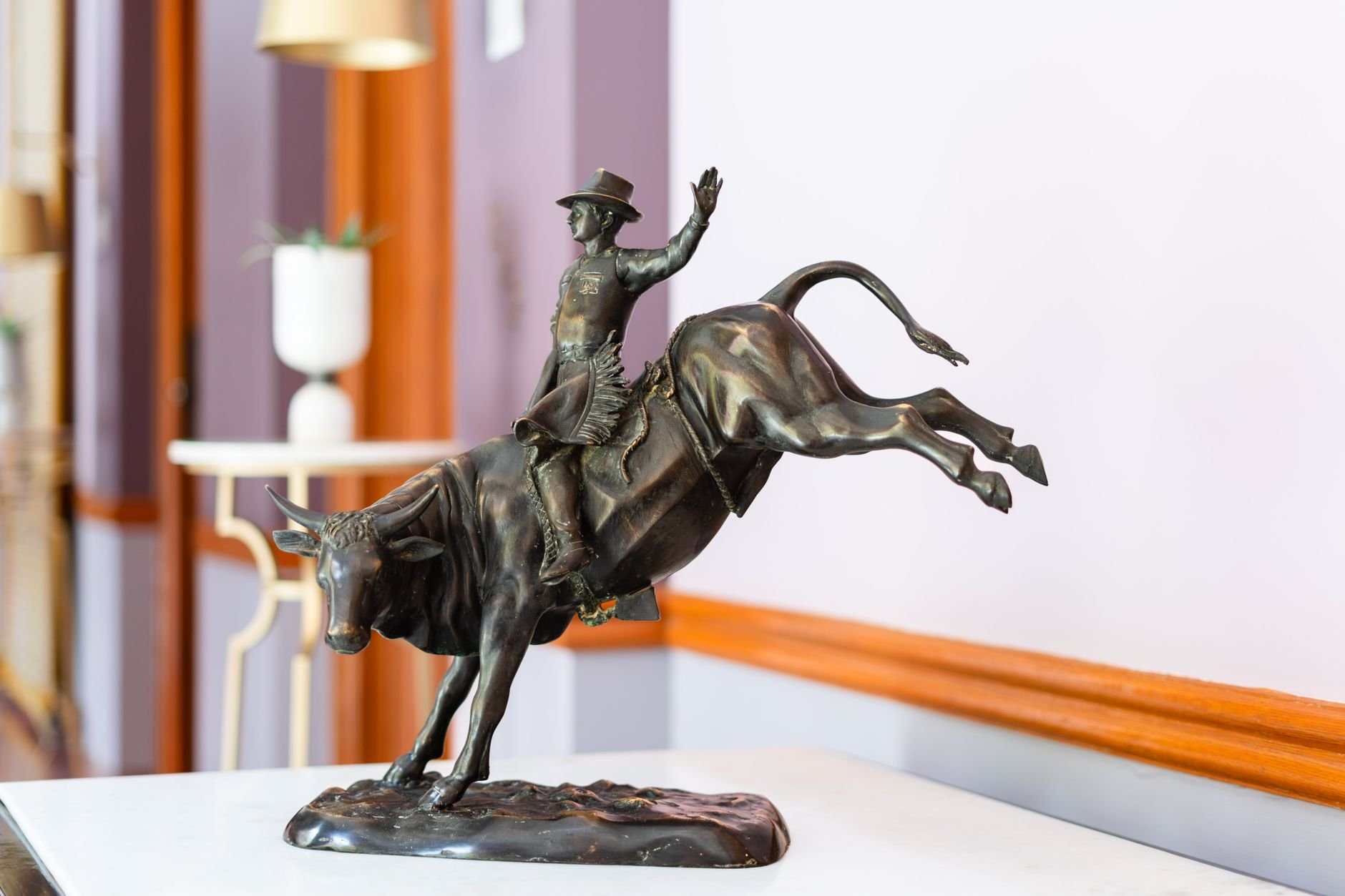
Oklahoma City occupies a singular place in the American story: a city that literally appeared overnight during the Land Run of 1889 and has never stopped reinventing itself. Today it draws travelers who want something authentic, a place where cowboy culture is not a costume but a living tradition, where the National Cowboy and Western Heritage Museum stands as one of the finest institutions of its kind in the world, and where the Stockyards City district still operates as a working cattle exchange.
The city's creative and culinary identity has undergone a remarkable transformation over the past decade. The Paseo Arts District, Oklahoma City's oldest arts neighborhood, anchors a broader scene of galleries, studios, and independent restaurants. The Film Row and Midtown corridors have filled with chef-driven kitchens, craft breweries, and cocktail bars, all housed in beautifully restored early-20th-century buildings. Travelers with serious appetites will find the local obsession with barbecue and chicken-fried steak entirely justified.
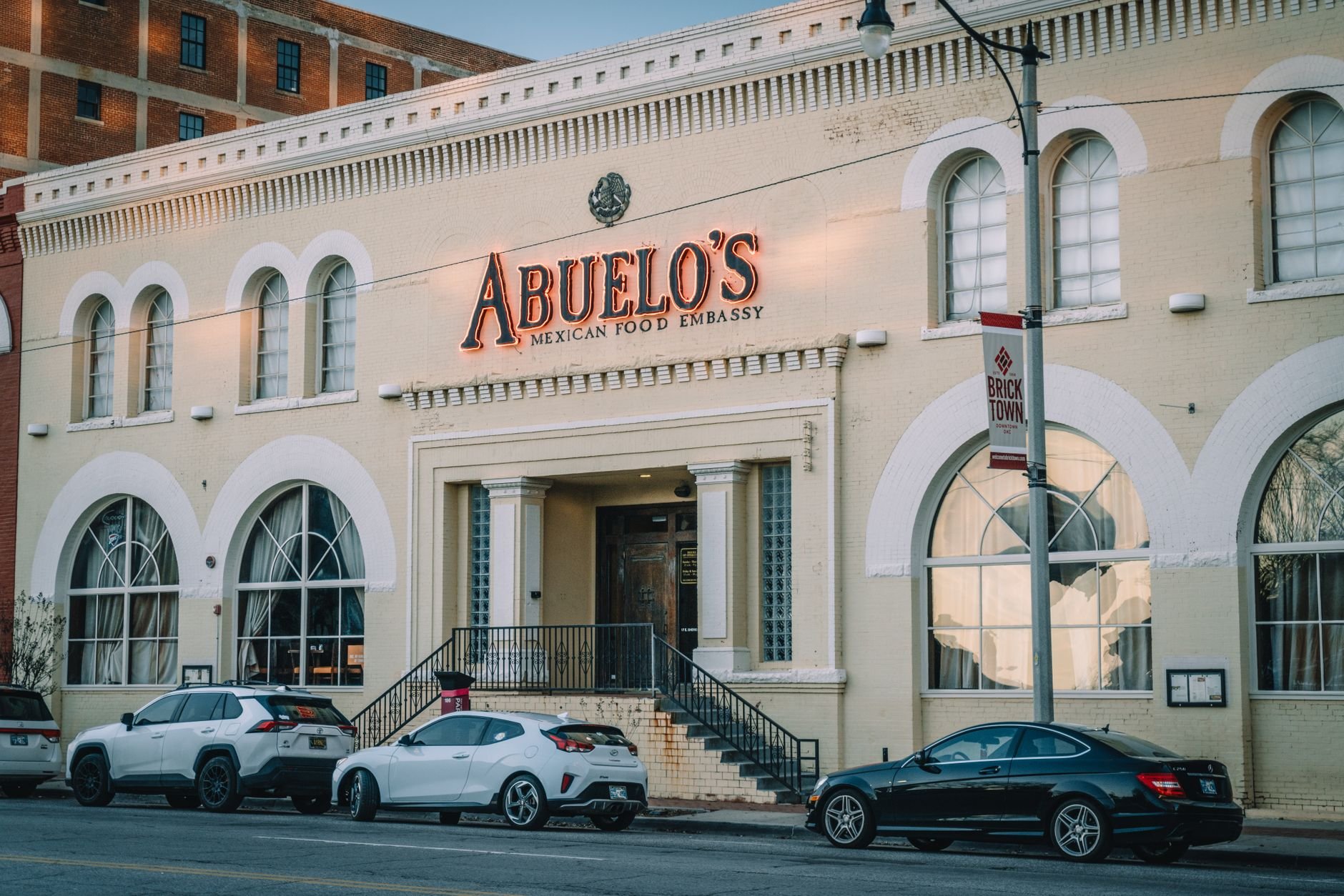
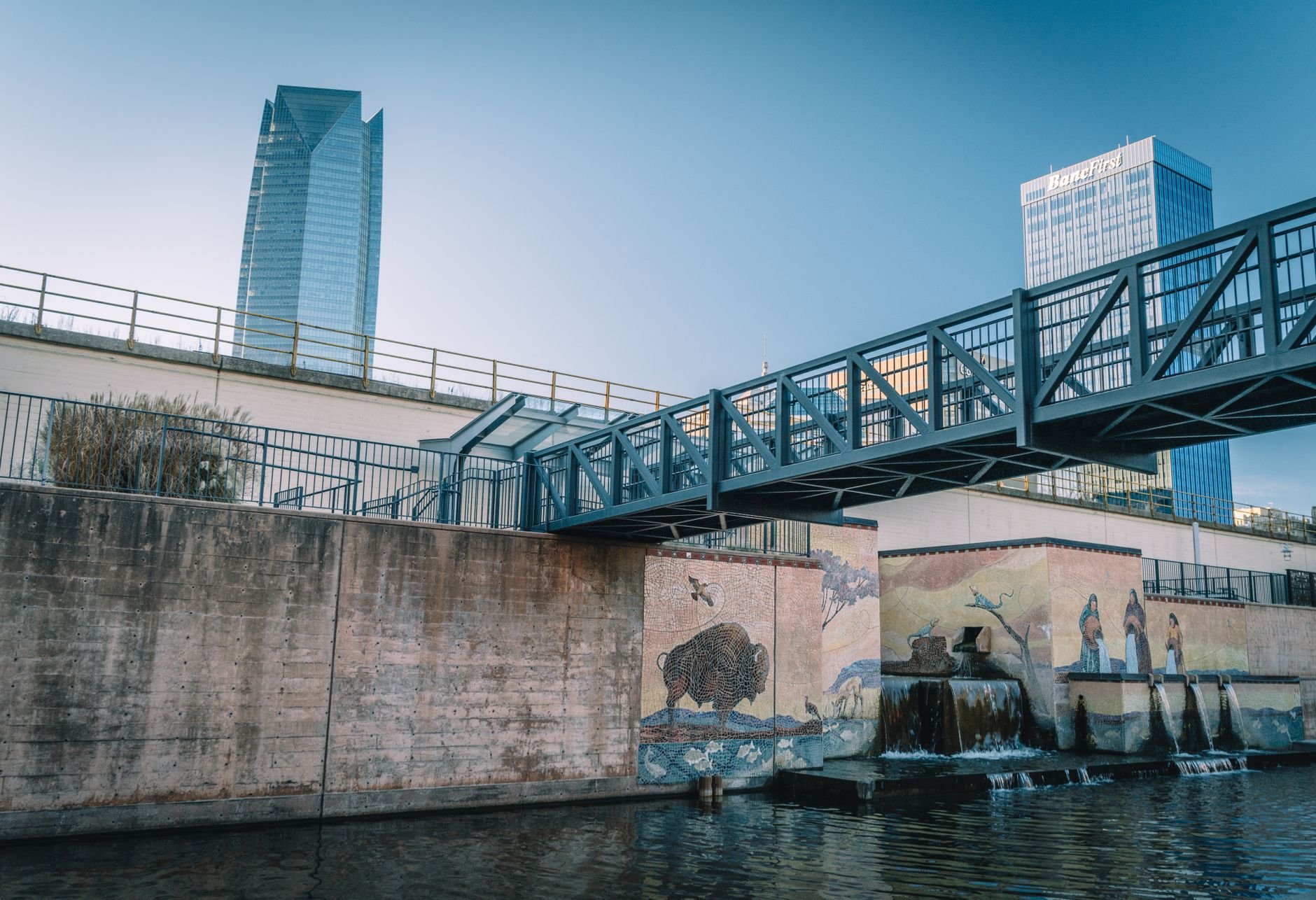
Bricktown, the converted warehouse district adjacent to downtown, functions as the city's social hub, with a canal-side walkway linking entertainment venues, live music rooms, and the Chickasaw Bricktown Ballpark. The broader downtown has seen significant investment, including the Scissortail Park, a 70-acre urban green space that has become the city's central gathering ground and a genuine landmark of contemporary landscape design.
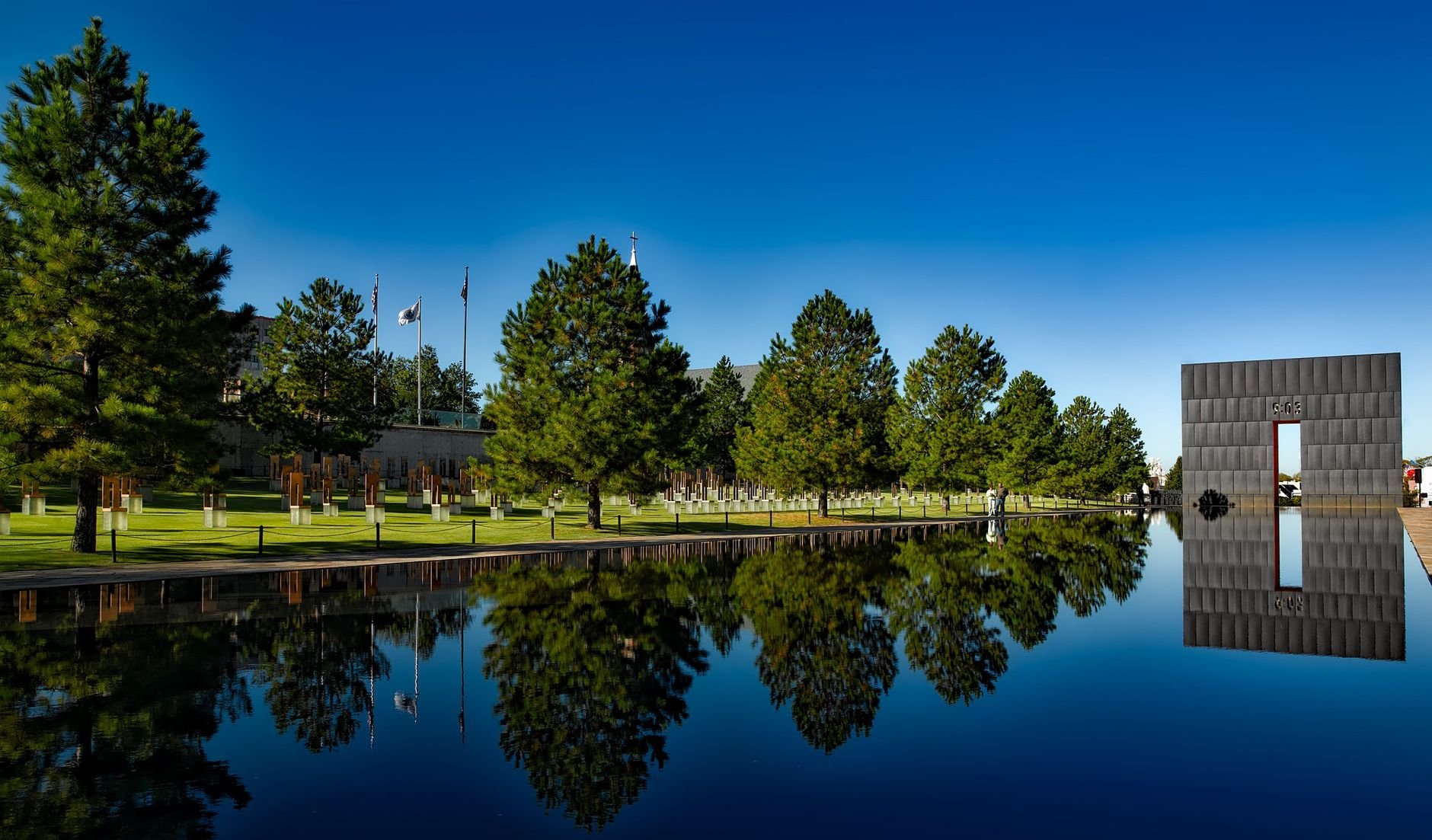
Oklahoma City also carries weight as a place of memory. The Oklahoma City National Memorial and Museum, built on the site of the 1995 federal building bombing, is a profoundly moving experience and one of the most thoughtfully designed memorial sites in the United States. It draws visitors who come specifically to reckon with that chapter of American history, and it remains central to the city's identity in a way that shapes how Oklahoma City understands itself.
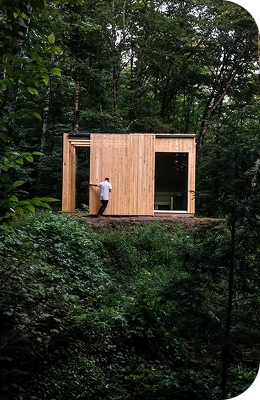

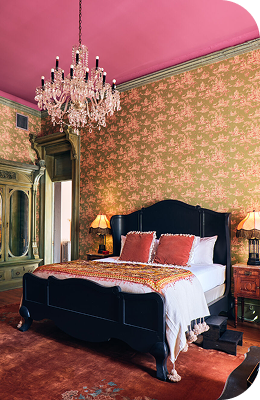

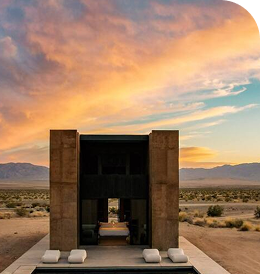

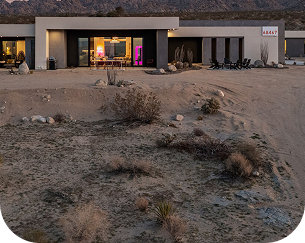

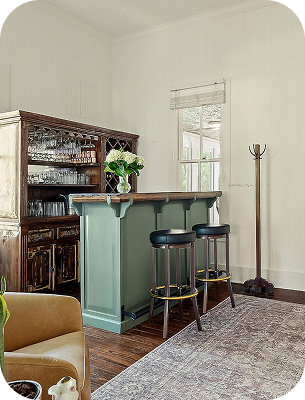

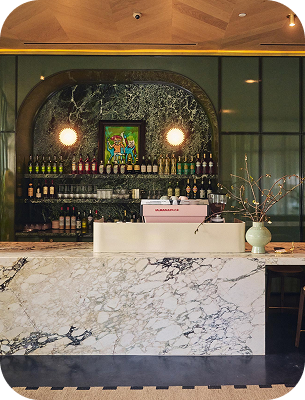

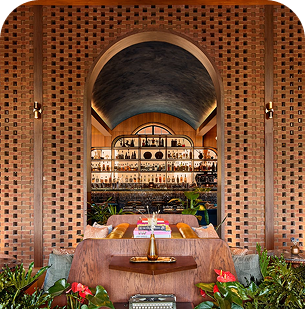

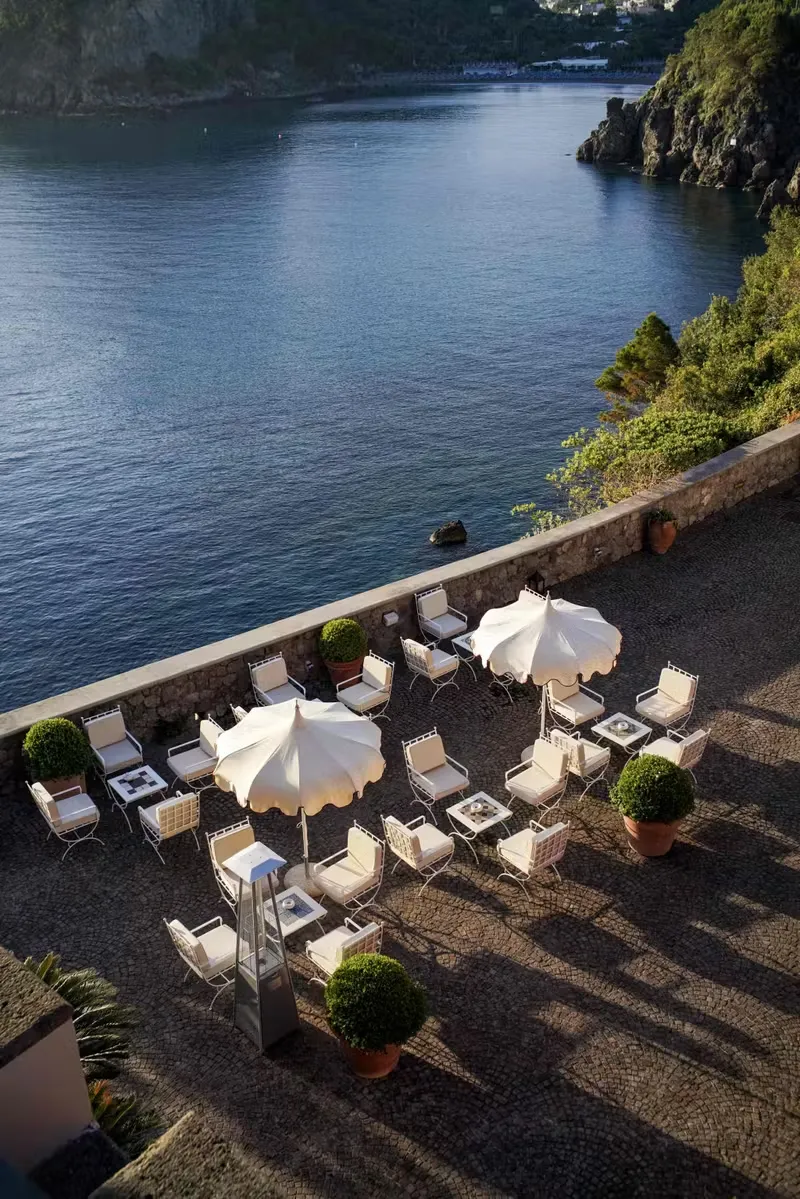

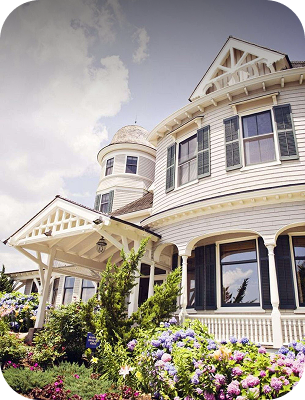

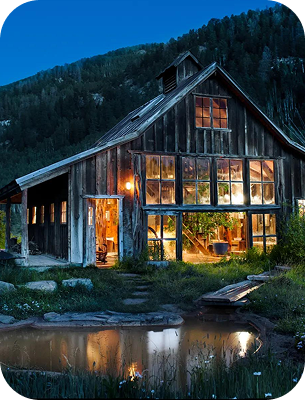


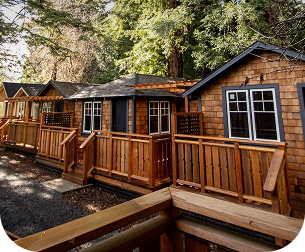

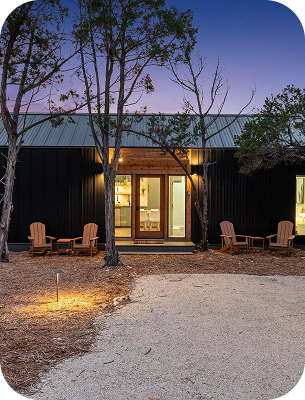

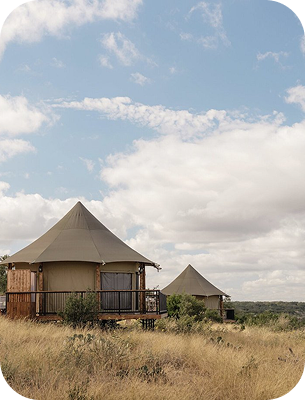

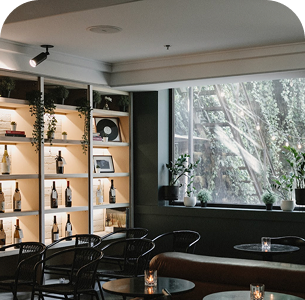

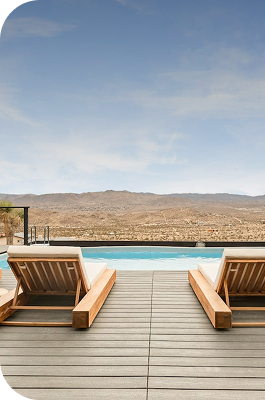


Journey connects travelers to a curated network of boutique hotels and distinctive residences around the world, all united under one rewards program. Explore handpicked stays for your trip while earning points, unlocking exclusive offers, and receiving rewards across the Journey collection.
Oklahoma City sits near the geographic center of the continental United States, straddling the North Canadian River on the rolling plains of central Oklahoma. At roughly 1,200 feet above sea level, the city spreads across one of the largest land areas of any American city, a reflection of its origins: on April 22, 1889, an estimated 10,000 settlers staked claims on what had been unassigned federal land, and Oklahoma City materialized in a single afternoon. That founding mythology of speed, ambition, and sheer will still runs through the city's character.
For much of the 20th century, Oklahoma City's fortunes were tied directly to oil. The discovery of petroleum beneath the city in 1928 transformed it into an energy capital, and the skyline still reflects that legacy, with corporate towers built during the oil boom years rising above the plains. The city has since diversified its economy into aerospace, biotechnology, and logistics, but the energy industry remains central, and the Oklahoma History Center and the American Oil and Gas Historical Society both document that story in depth.
Culturally, Oklahoma City occupies a fascinating intersection. It is unmistakably a Western city, home to one of the country's largest livestock markets and a rodeo culture that is entirely genuine. At the same time, it has significant Indigenous heritage: Oklahoma was designated Indian Territory before statehood, and more than 39 tribal nations are headquartered in the state, with the Citizen Potawatomi Nation and the Cheyenne and Arapaho Tribes among those with strong presences in the Oklahoma City area. The First Americans Museum, opened in 2021, offers a landmark exploration of that history.
The overall atmosphere for travelers is one of unpretentious confidence. Oklahoma City does not perform for visitors. It is a working city that has grown more interesting and more livable with each passing year, and it rewards travelers who engage with it on its own terms.
Spring and fall bookend the most rewarding windows for visiting Oklahoma City, though each comes with its own trade-offs that travelers should weigh carefully.
Fall, running from late September through November, is the standout season for most visitors. Crowds are manageable, outdoor spaces like Scissortail Park are at their most inviting, and the city's festival calendar is active without being overwhelming. The OKC Memorial Marathon draws participants in late April, but fall brings a steadier rhythm of events across the arts, food, and sports scenes. The Oklahoma City Thunder's NBA season tips off in October, making fall and winter the prime window for catching a game at Paycom Center.
Spring, particularly March and early April before severe weather season peaks, offers a similarly appealing atmosphere. The Paseo Arts Festival in late May is one of the city's signature cultural events, drawing large crowds to Oklahoma City's oldest arts district. Travelers who enjoy outdoor dining and walkable neighborhoods will find the mild conditions ideal for exploring Midtown, Film Row, and the Bricktown Canal on foot. However, those visiting in late April and May should monitor weather forecasts closely, as tornado season is a real consideration on the southern plains.
Summer is the least recommended period for leisure travel. Heat limits the appeal of the city's excellent outdoor spaces, and the calendar thins out for major events.
Winter is worth considering for budget-conscious travelers or those drawn specifically to indoor attractions. The National Cowboy and Western Heritage Museum, the Oklahoma City National Memorial and Museum, and the city's restaurant scene are all fully operational and far less crowded than during peak seasons. Hotel rates dip noticeably, and the city retains its character year-round.
Oklahoma City's most visited entertainment district occupies a stretch of converted early-20th-century warehouses just east of downtown, anchored by a canal-side walkway that links restaurants, live music venues, and the Chickasaw Bricktown Ballpark. The atmosphere is lively and accessible, drawing locals and visitors alike for evening dining, rooftop bars, and waterfront strolls. It serves as the city's social hub and the natural starting point for first-time visitors.
Oklahoma City's oldest arts neighborhood unfolds along a curving Spanish Revival corridor lined with galleries, studios, and independently owned restaurants and cafes. Colorful murals, sculptural installations, and hand-painted storefronts give Paseo a creative energy that feels genuinely rooted rather than manufactured. The monthly Paseo Arts Festival draws artists and collectors from across the region, but the district rewards a visit any day of the week.
Midtown has emerged as one of the city's most dynamic neighborhoods, with a dense corridor of chef-driven restaurants, craft cocktail bars, and boutique retailers housed in beautifully restored early-20th-century buildings. The walkable streetscape and mix of historic architecture with contemporary design make it a favorite among locals who want a night out without the crowds of Bricktown. It sits close to downtown and connects naturally to the Film Row corridor.
Stockyards City is the most authentically Western neighborhood in Oklahoma City, home to a working cattle exchange that has operated continuously since 1910 and a main street lined with boot makers, saddleries, and Western wear shops. On Monday and Tuesday mornings, livestock auctions draw ranchers from across the state, giving the district a living, working energy that no other neighborhood in the city can match. Cattlemen's Steakhouse, open since 1945, remains the essential dining destination here.
Once the distribution hub for Hollywood studios serving the southern plains, Film Row has been thoughtfully reimagined as a walkable district of creative businesses, breweries, coffee roasters, and event spaces along the western edge of downtown. The neighborhood retains its handsome brick warehouse bones while hosting some of the city's most interesting independent operators. It connects seamlessly to Scissortail Park, making it an ideal base for exploring the broader downtown on foot.
Oklahoma City holds a handful of experiences that are genuinely irreplaceable and define why travelers make the journey here specifically.
The National Cowboy and Western Heritage Museum
This is not a regional curiosity but one of the great American museums, period. Its collections of Frederic Remington and Charles Russell paintings, intricate Native American beadwork, and rodeo artifacts are presented with scholarly depth and genuine reverence. Visitors who expect a novelty attraction consistently leave stunned by its quality and scope.
Stockyards City and the Living Cattle Trade
Oklahoma City's Stockyards City district is the real thing. The Oklahoma National Stockyards remains one of the largest live cattle markets in the world, and on Monday and Tuesday mornings visitors can watch actual livestock auctions from the viewing gallery. The surrounding district is lined with Western wear shops, saddleries, and steakhouses that have been serving working ranchers for generations. Cattlemen's Steakhouse, open since 1910, is a pilgrimage-worthy institution.
The Oklahoma City National Memorial
The outdoor memorial, with its 168 empty bronze chairs arranged on the grounds where the Alfred P. Murrah Federal Building once stood, is one of the most affecting public spaces in America. The reflecting pool, the Survivor Tree, and the museum beneath create an experience that is simultaneously devastating and deeply hopeful. It is central to understanding Oklahoma City as a place.
The Fried Onion Burger Trail
The fried onion burger was born in El Reno, just west of Oklahoma City, during the Depression, when cooks smashed onions into beef patties to stretch the meat further. Today it is a point of fierce local pride. Sid's Diner in El Reno and Johnnie's Charcoal Broiler in Oklahoma City are the essential stops on a trail that tells a genuine story about the region's history and character.
Oklahoma City delivers a diverse range of experiences that reward curious travelers, whether they come for wide-open Western heritage, a thriving arts scene, or a food culture that takes its barbecue and comfort food seriously.
Outdoor Recreation
Scissortail Park is the crown jewel of Oklahoma City's outdoor landscape, a 70-acre urban green space in the heart of downtown that draws joggers, cyclists, families, and festival-goers year-round. The park's design is a genuine landmark of contemporary landscape architecture. The Oklahoma River corridor offers kayaking, rowing, and riverside trails, while Lake Hefner provides sailing and waterfront walking paths on the city's northwest side.
Cultural Attractions
Oklahoma City punches well above its weight in museums and cultural institutions. The National Cowboy and Western Heritage Museum is one of the finest of its kind in the world, housing extraordinary collections of Western art, Native American artifacts, and rodeo history. The Oklahoma City National Memorial and Museum, built on the site of the 1995 federal building bombing, is one of the most thoughtfully designed memorial sites in the United States. The Oklahoma History Center offers deep context on the state's complex past, from the Land Run to Native American nations.
Arts and Entertainment
The Paseo Arts District, the city's oldest arts neighborhood, anchors a lively gallery and studio scene. Bricktown, the converted warehouse district adjacent to downtown, serves as the city's entertainment hub with live music venues, comedy clubs, and the Chickasaw Bricktown Ballpark. The Civic Center Music Hall hosts the Oklahoma City Philharmonic and Broadway touring productions.
Food and Dining
Oklahoma City's culinary identity has evolved dramatically over the past decade. Film Row and Midtown are lined with chef-driven restaurants, craft breweries, and inventive cocktail bars, all set inside beautifully restored early-20th-century buildings. The local obsession with barbecue, chicken-fried steak, and fried onion burgers is entirely justified and worth pursuing.
Start the morning at the Oklahoma City National Memorial and Museum for a moving and essential introduction to the city's history. Walk to Bricktown after lunch for a stroll along the canal, then catch a game at Chickasaw Bricktown Ballpark or explore the entertainment district. End the evening with dinner and live music along the Bricktown waterfront.
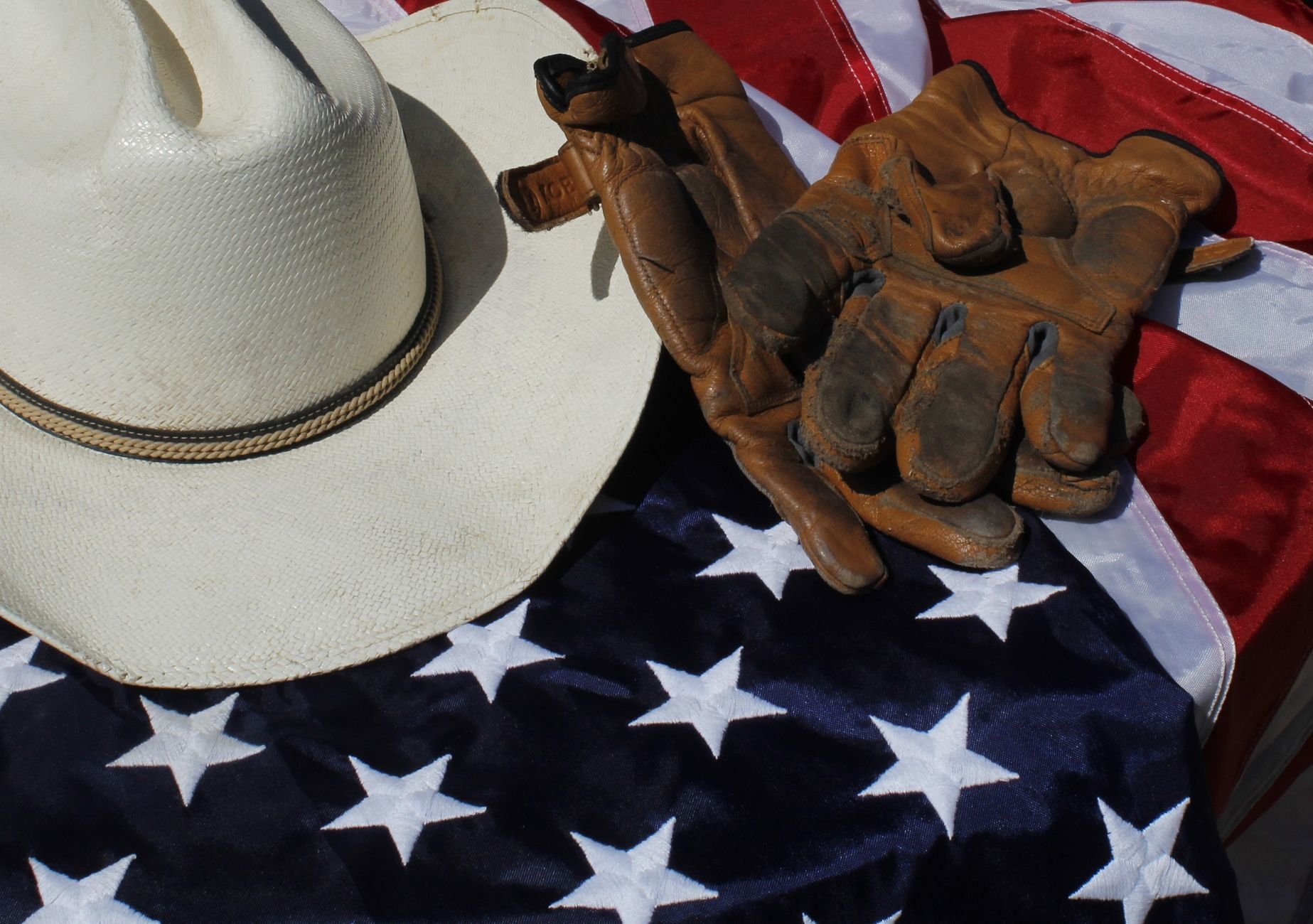
Head to Stockyards City in the morning to experience a real working cattle exchange and browse authentic Western shops. Afternoon, visit the National Cowboy and Western Heritage Museum for world-class exhibits on frontier art and history. Wind down in the Paseo Arts District with gallery hopping and dinner at one of the neighborhood's independent restaurants.
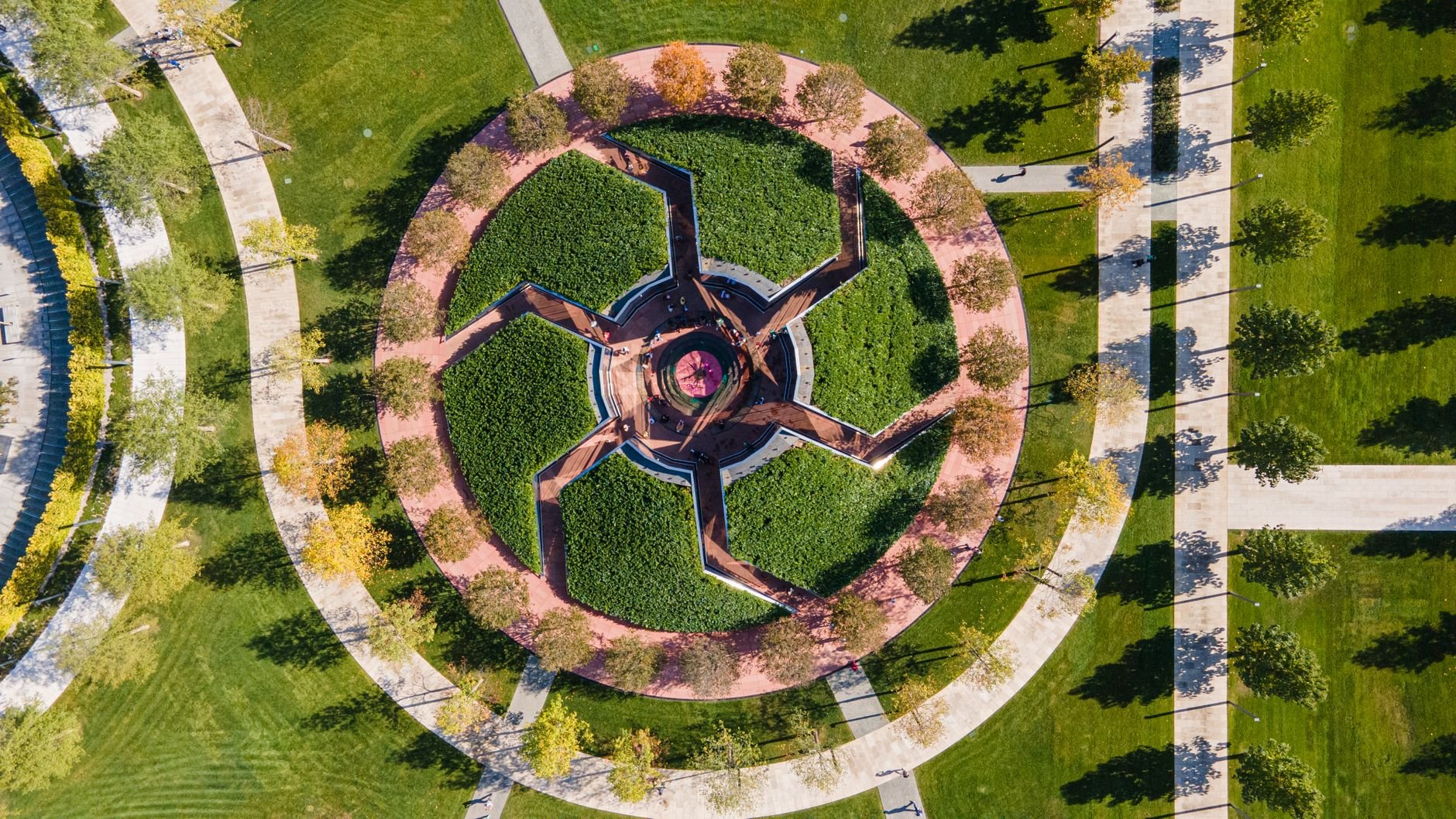
Spend the morning exploring Scissortail Park, Oklahoma City's sweeping 70-acre urban green space, ideal for a walk or bike ride. Head to Midtown or Film Row for a chef-driven lunch at one of the restored early-20th-century buildings. Finish the trip with an afternoon craft brewery tour and cocktails in the Film Row corridor before a barbecue dinner to close out the visit.
Oklahoma City pulses with a distinct cultural rhythm shaped by its Western heritage, its passionate sports community, and a growing arts and culinary scene. Spring brings the city to life with collegiate athletics, drawing national audiences to witness some of the most competitive events in American sports. Summer festivals fill the Paseo Arts District and Bricktown with live music, open-air markets, and community celebrations that reflect the city's creative energy. Autumn ushers in rodeo season, when Stockyards City reclaims the spotlight and the cowboy traditions that built Oklahoma City feel as vital as ever. Winter offers a quieter but no less spirited calendar, with holiday markets and cultural gatherings anchoring the downtown corridors.
Oklahoma City's food scene is a confident blend of deep-rooted Southern and Western traditions and a newer wave of chef-driven ambition that has quietly made the city one of the more interesting culinary destinations in the Great Plains. The local obsession with barbecue runs deep, with pit-smoked brisket, ribs, and sausage served at storied spots that have been feeding the city for generations. Chicken-fried steak is not a novelty here but a point of civic pride, done properly with cream gravy and served in generous portions at diners and family restaurants across town.
Will Rogers World Airport (OKC) is the city's primary commercial airport
located about 10 miles southwest of downtown, with nonstop service from major hubs including Dallas, Denver, Chicago, and Phoenix, plus rideshare, taxis, and rental cars available on arrival.
I-35 and I-40 intersect directly in Oklahoma City
making it one of the most accessible cities in the central U.S. by car, with Dallas about 3 hours south, Tulsa under 2 hours northeast, and Kansas City roughly 3.5 hours north.
Amtrak's Heartland Flyer runs one daily round trip between Oklahoma City and Fort Worth
a scenic and relaxed option for travelers coming from the Dallas-Fort Worth area, with the Oklahoma City station located near the downtown core.
Greyhound and FlixBus both serve Oklahoma City with regional routes
connecting from Dallas, Tulsa, and other nearby cities, arriving at the downtown bus terminal, which is a practical low-cost option for budget-conscious travelers.
The Oklahoma City Streetcar connects downtown, Bricktown, Midtown, and Film Row for free
making it a convenient option for moving between the city's core neighborhoods without dealing with parking, running daily with multiple routes across the central district.
Bricktown and Midtown are walkable within their own boundaries
but the distances between Oklahoma City's distinct neighborhoods - Paseo, Stockyards City, and the museum corridor - make a rental car or rideshare necessary for covering the full city in a short visit.
Uber and Lyft are both reliable and widely available across Oklahoma City
with reasonable wait times throughout the central areas, making rideshare a practical alternative to renting a car for visitors who plan to stay close to the downtown core.
Parking downtown is generally easy and affordable compared to most major U.S. cities
with surface lots and garages available throughout Bricktown and the central business district, typically at low hourly or flat daily rates.
Oklahoma City operates on Central Time. The city's pace is relaxed and locals are notably friendly, so don't hesitate to ask for recommendations. Standard tipping applies at restaurants and bars: 18 to 20 percent is the norm. Most transactions are card-friendly, but carrying a small amount of cash is useful at farmers markets and some food trucks. Summers are hot and humid, with temperatures regularly exceeding 95 degrees Fahrenheit, so plan outdoor activities for mornings and evenings from June through August. Spring brings severe weather season, including the possibility of tornadoes: check local weather apps like the National Weather Service or Weather.com if storms are in the forecast. Google Maps handles navigation well throughout the city. The Visit OKC website is a reliable resource for current events, restaurant openings, and neighborhood guides. Book popular restaurants in advance, particularly on weekends in Midtown and the Paseo district.
Three days is a comfortable amount of time to explore Oklahoma City. You can cover the main highlights - the Oklahoma City National Memorial, the National Cowboy and Western Heritage Museum, Bricktown, and Scissortail Park - in that window. Add a fourth day if you want to dig into the Paseo Arts District, Stockyards City, or the local food and bar scene at a slower pace.
Oklahoma City is best known for its deep roots in Western and cowboy culture, home to the National Cowboy and Western Heritage Museum and a still-operating cattle exchange in Stockyards City. It is also known for the Oklahoma City National Memorial, which marks the site of the 1995 federal building bombing, and more recently for a thriving food scene, Bricktown entertainment district, and the Oklahoma City Thunder NBA team.
Yes, Oklahoma City works well as a weekend trip. Two days is enough to visit the Oklahoma City National Memorial, walk the Bricktown canal, explore Scissortail Park, and get a feel for the local dining scene. It is a compact, easy city to navigate, making it a practical and rewarding short getaway, especially for travelers driving from neighboring states.
Oklahoma City is one of the more affordable major cities in the United States. Hotel rates, dining, and entertainment costs run well below national averages. You can eat well at chef-driven restaurants without spending a fortune, and most major attractions are reasonably priced. Travelers on a mid-range budget will find their money goes further here than in most comparable American cities.
Spring (April to May) and fall (September to October) are the best times to visit Oklahoma City, with mild temperatures and lower humidity. Summers can be hot and occasionally stormy, while winters are generally mild but unpredictable.