
Baltimore, MD
A Journey guide to
Bend sits on the eastern slope of the Cascade Range in central Oregon, where high desert meets volcanic peaks and the Deschutes River carves through a landscape of juniper and ponderosa pine. The city has earned a reputation as one of the American West's premier outdoor destinations, with access to world-class skiing, mountain biking, rock climbing, whitewater kayaking, and fly-fishing all within a short drive of downtown.
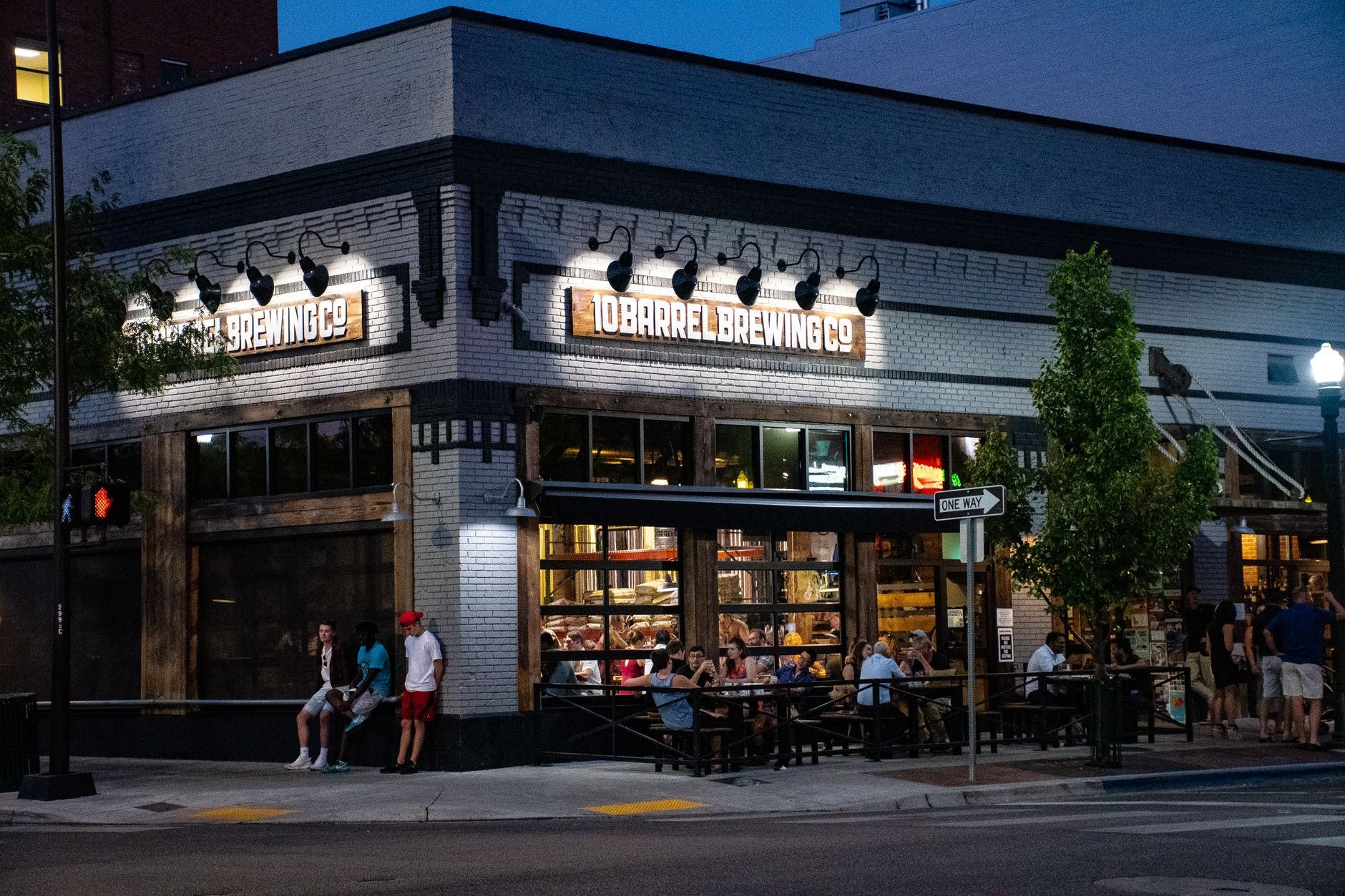
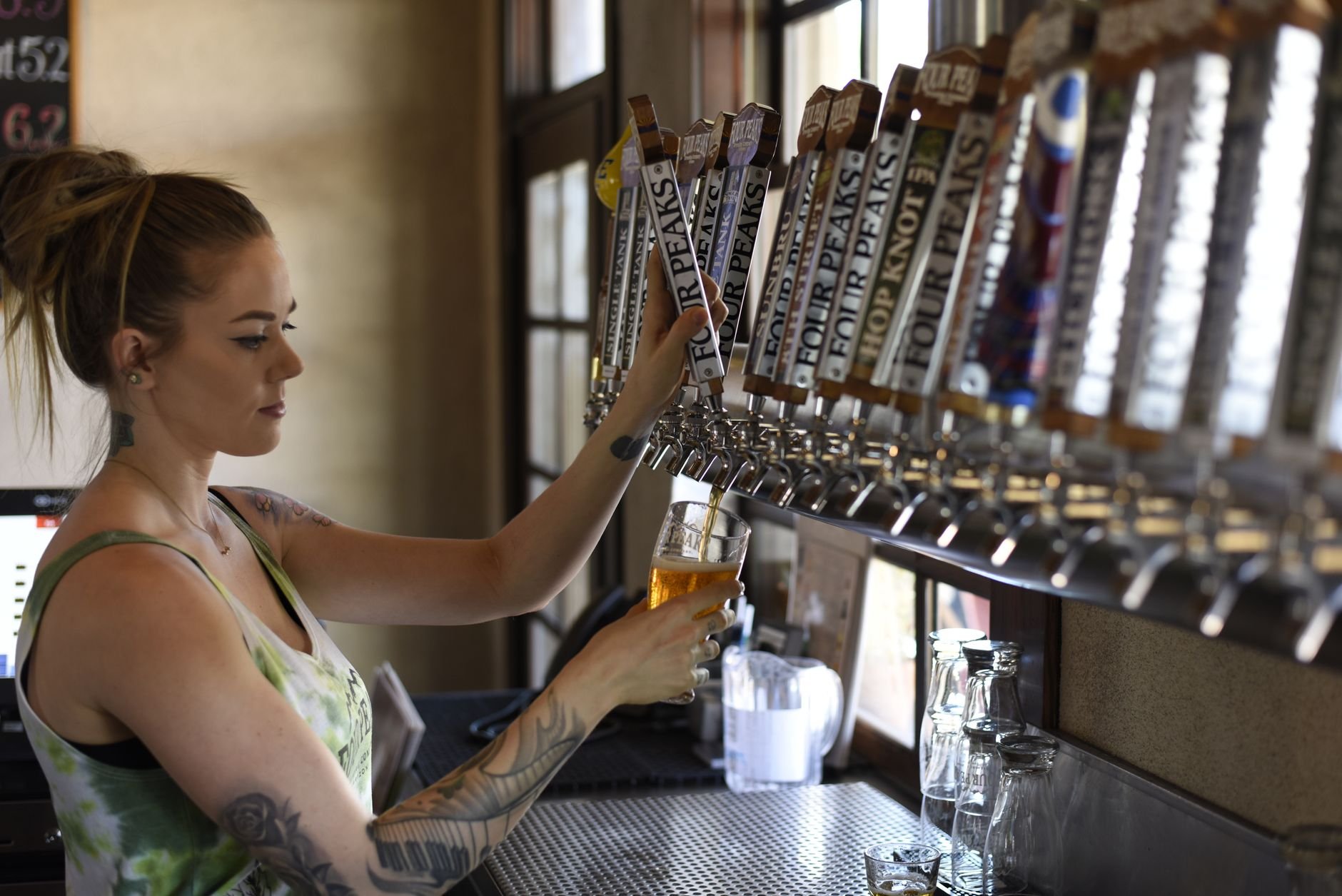
The craft beer scene here is genuinely exceptional. Bend has more breweries per capita than nearly any city in the United States, and names like Deschutes Brewery have grown from local institutions into nationally recognized labels. The concentration of taprooms, farm-to-table restaurants, and independent coffee roasters along the Old Mill District and downtown corridors gives the city a relaxed but sophisticated food and drink culture that rewards exploration.
Bend draws a particular type of traveler: active, curious, and willing to trade resort gloss for authenticity. The outdoor recreation community is deeply embedded in daily life here, and visitors quickly pick up on the rhythm of early-morning trail runs, long afternoons on the river, and evenings spent at a neighborhood taproom. Families, solo adventurers, and couples seeking a balance of nature and culture all find their footing with ease.
The volcanic geology of the region adds a dimension that few destinations can match. Newberry National Volcanic Monument lies just south of the city, offering lava tube caves, obsidian flows, and crater lakes. The Three Sisters Wilderness and Mount Bachelor anchor the western horizon, giving Bend a dramatic backdrop that informs everything from its architecture to its identity. This is a city that earns its outdoor reputation honestly.
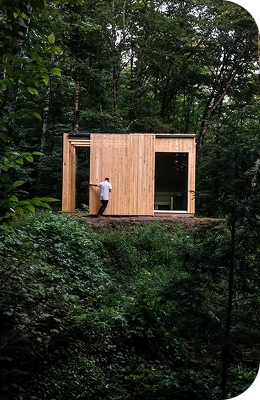

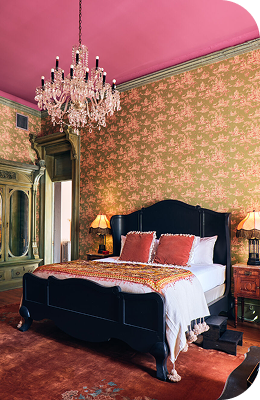

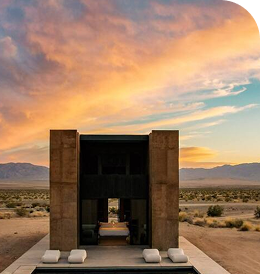

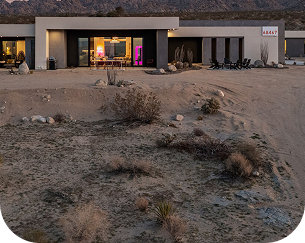

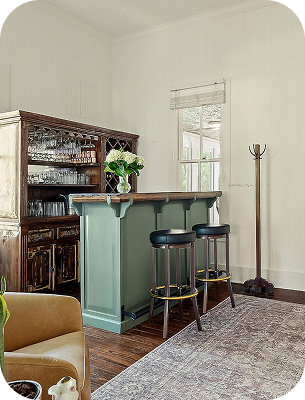

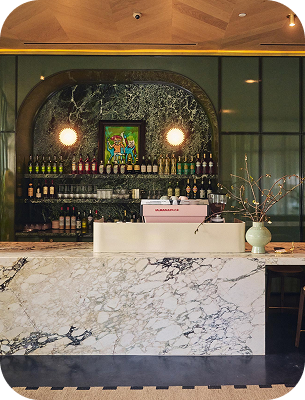

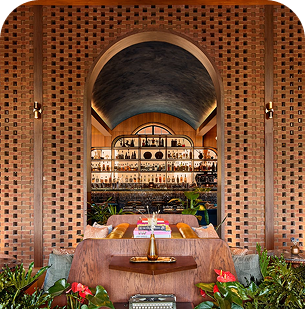

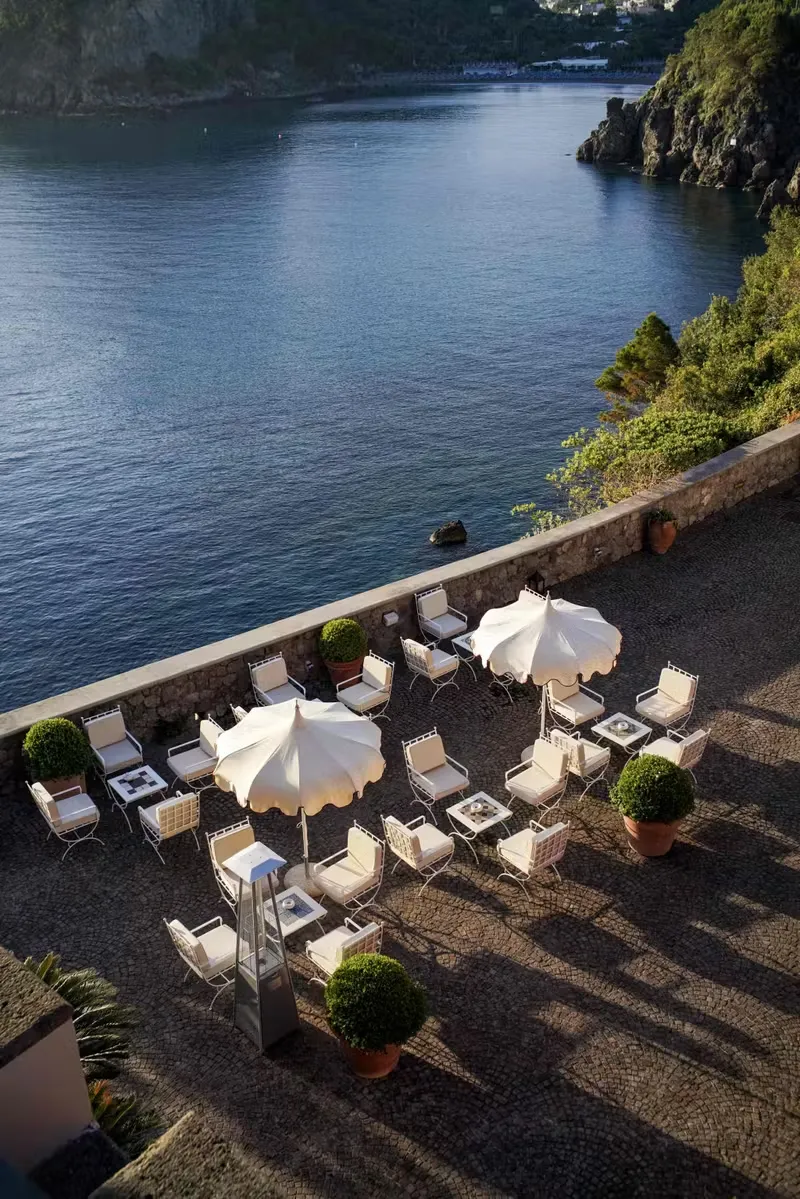

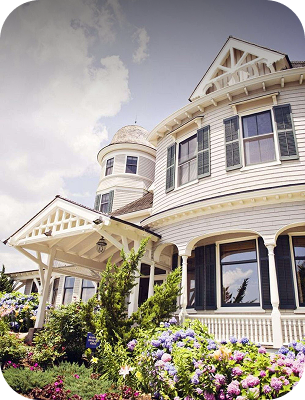

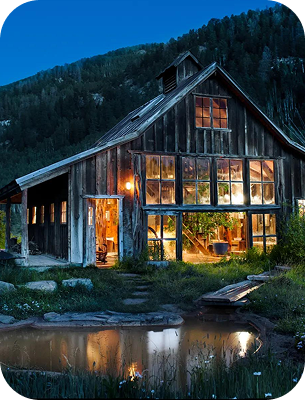

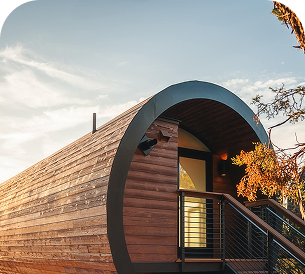

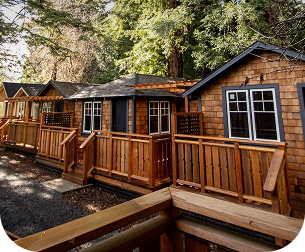

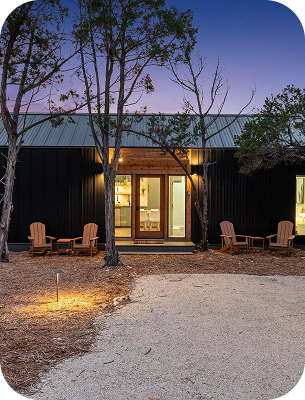

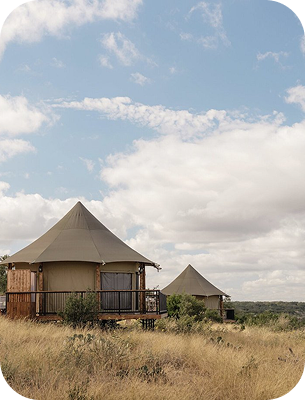

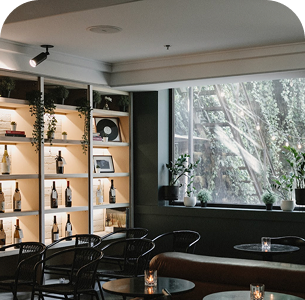

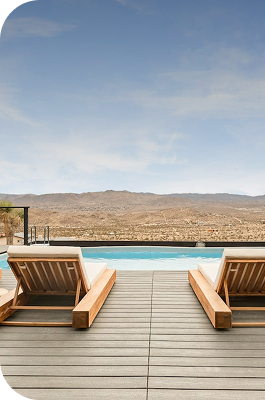

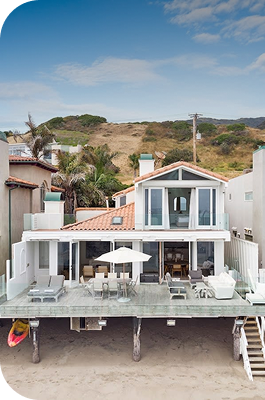

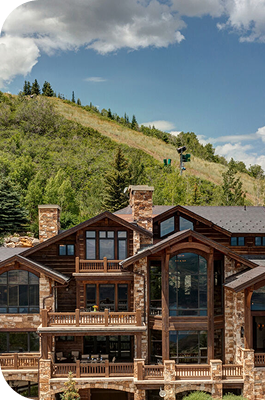
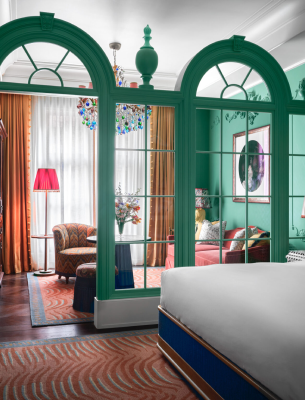

Journey connects travelers to a curated network of boutique hotels and distinctive residences around the world, all united under one rewards program. Explore handpicked stays for your trip while earning points, unlocking exclusive offers, and receiving rewards across the Journey collection.
Bend occupies a high-desert plateau at roughly 3,600 feet elevation in Deschutes County, central Oregon, on the eastern flank of the Cascade Mountains. The Deschutes River flows directly through the city, threading past riverside parks, historic mill sites, and a walkable downtown before continuing south through canyon country. The surrounding terrain is a study in geological drama: lava fields, cinder cones, and the snow-capped volcanic peaks of the Cascades form a panorama that defines the city's character as much as any cultural institution.
Historically, Bend grew as a timber town. The great pine forests of central Oregon fueled a lumber industry that shaped the city through the early and mid-twentieth century. The Brooks-Scanlon and Shevlin-Hixon mills once dominated the Deschutes riverfront, and the repurposed Old Mill District now occupies that same ground as a retail and dining hub, preserving the industrial bones of the city's working past within a contemporary framework.
The shift from timber economy to outdoor recreation and tourism was gradual but thorough. By the 1990s and 2000s, Bend had repositioned itself as a lifestyle destination, attracting entrepreneurs, remote workers, and outdoor enthusiasts drawn by the combination of affordable land, natural access, and a growing amenity base. The city's population has more than doubled since 2000, and the growth has brought both vitality and the tensions of rapid development.
Culturally, Bend occupies an interesting position. It is neither a resort town nor a purely utilitarian regional center. The arts scene, anchored by institutions like the Cascade Festival of Music and a network of independent galleries, reflects a community that values creativity alongside athleticism. The High Desert Museum, just south of the city on Highway 97, offers one of the Pacific Northwest's finest interpretations of regional natural and cultural history.
For travelers, Bend delivers a rare combination: genuine wilderness access, a confident local food and drink culture, and a human-scaled downtown that rewards walking. It is a city that has grown quickly but has not yet lost the qualities that made it worth visiting in the first place.
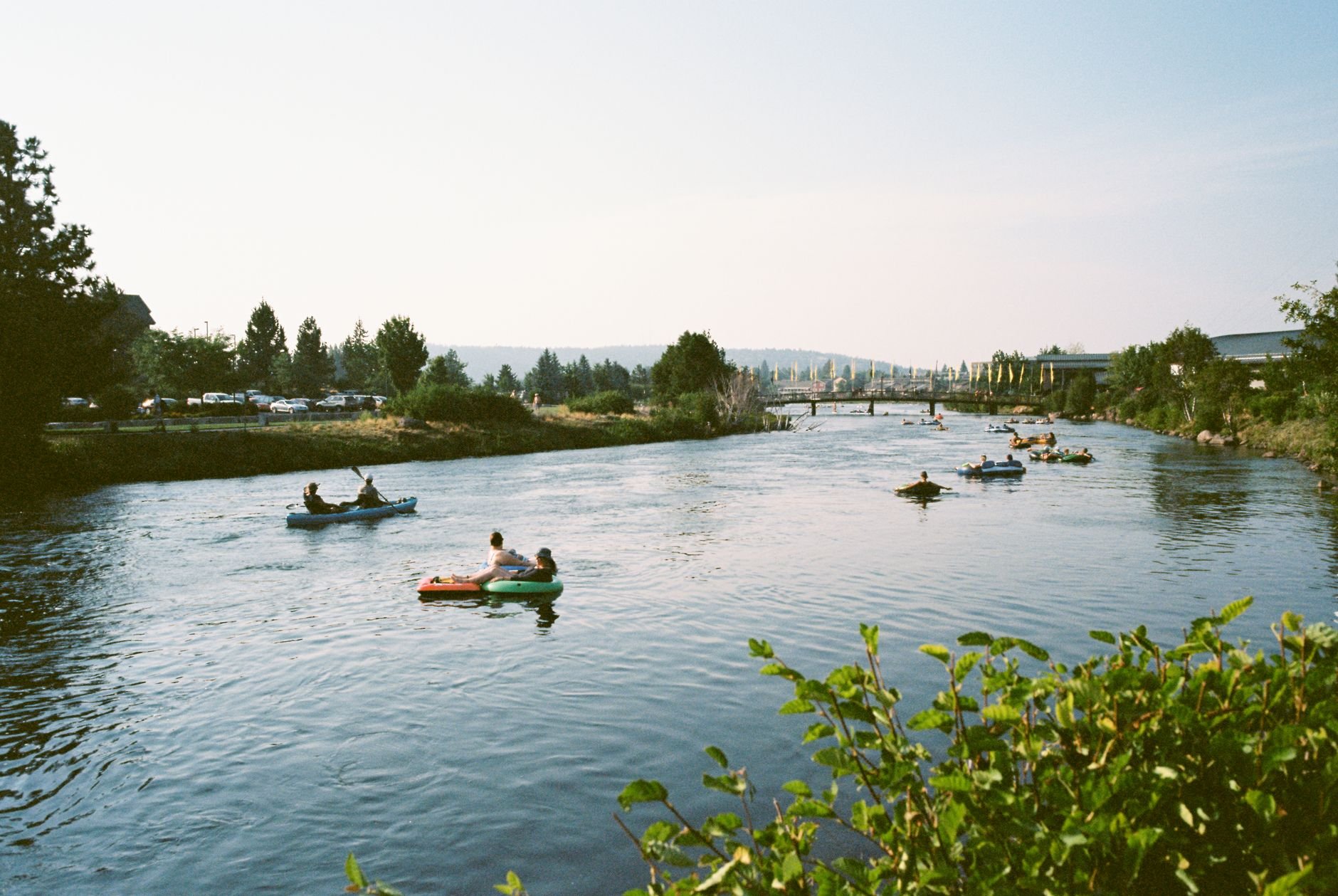
Summer, from late June through August, is the most popular time to visit Bend, and for good reason. The Deschutes River is running strong for whitewater kayaking and float trips, trails throughout the Three Sisters Wilderness are fully accessible, and the outdoor dining and taproom scene along the Old Mill District is at its liveliest. Expect crowds at top trailheads and along the river corridor, and book accommodations well in advance if you plan to visit on a summer weekend.
Late spring, particularly May and early June, offers a compelling alternative for travelers who want outdoor access without peak-season pressure. Trails at lower elevations open up, the river is energetic from snowmelt, and the city feels active but not overwhelmed. Some high-elevation routes may still carry snow, so check conditions before heading into the backcountry.
Fall is arguably Bend's best-kept secret. September and October bring quieter trails, shorter lines at breweries and restaurants, and striking foliage across the surrounding forests. The Newberry National Volcanic Monument is especially rewarding to visit in fall, when the crowds thin and the volcanic landscape takes on a dramatic quality in the lower-angle light. This window also coincides with harvest season in the nearby Willamette Valley wine country, making a combined trip easy to plan.
Winter suits a specific kind of visitor: those drawn to Mount Bachelor's ski terrain, which ranks among the best in the Pacific Northwest. The mountain typically opens in late November and can stay skiable into spring. Midweek winter visits offer the most relaxed experience on the slopes and in town, with lodging rates generally lower than at peak summer. Travelers not focused on skiing may find the city quieter than expected, though the craft beer and restaurant scene remains fully active year-round.
The walkable heart of the city, Downtown Bend is lined with independent boutiques, art galleries, farm-to-table restaurants, and a dense concentration of craft taprooms. Wall Street and Bond Street form the main corridors, buzzing with locals and visitors from morning coffee through late-night pints. The area has a genuine small-city energy that feels unhurried but never sleepy.
Built on the site of a historic lumber mill along the Deschutes River, the Old Mill District blends retail, dining, and riverfront recreation in a compact, scenic setting. The Deschutes River Trail runs directly through the area, making it easy to move between a riverside walk and a meal at one of the waterfront restaurants. REI's flagship store here reflects the neighborhood's outdoors-first identity.
A planned neighborhood on Bend's west side, NorthWest Crossing has developed into one of the city's most livable and walkable residential districts, with a village-style commercial center anchored by local cafes, a co-op market, and specialty shops. Tree-lined streets and proximity to Shevlin Park give the area a quieter, residential feel that appeals to families and visitors seeking a slower pace. It offers a genuine glimpse into everyday life in Bend away from the tourist corridors.
Bend's west side is home to a cluster of pioneering craft breweries, including the original Deschutes Brewery brewpub on Bond Street and several neighboring taprooms that helped establish the city's national reputation for craft beer. The concentration of brewing operations along this corridor makes it ideal for an afternoon of tasting, with walkable distances between stops. Each taproom has its own character, from cozy and wood-paneled to sprawling and industrial.
Bend has a short list of experiences that define it absolutely, the kind that travelers plan entire trips around and return for year after year.
Skiing and Snowboarding at Mount Bachelor
Mount Bachelor is the anchor of Bend's winter identity. With over 4,300 acres of skiable terrain, a summit elevation of 9,065 feet, and some of the driest powder in the Pacific Northwest, it draws serious skiers and snowboarders from across the country. The mountain's position as a dormant volcano gives it a distinctive open-bowl character and panoramic views that extend to the Three Sisters and beyond.
Rock Climbing at Smith Rock State Park
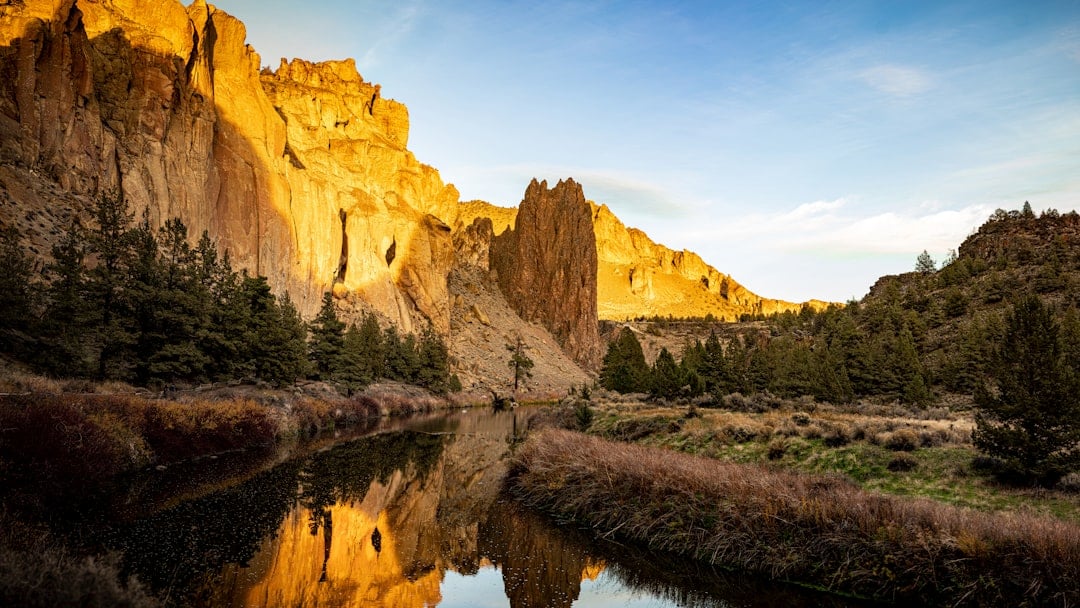
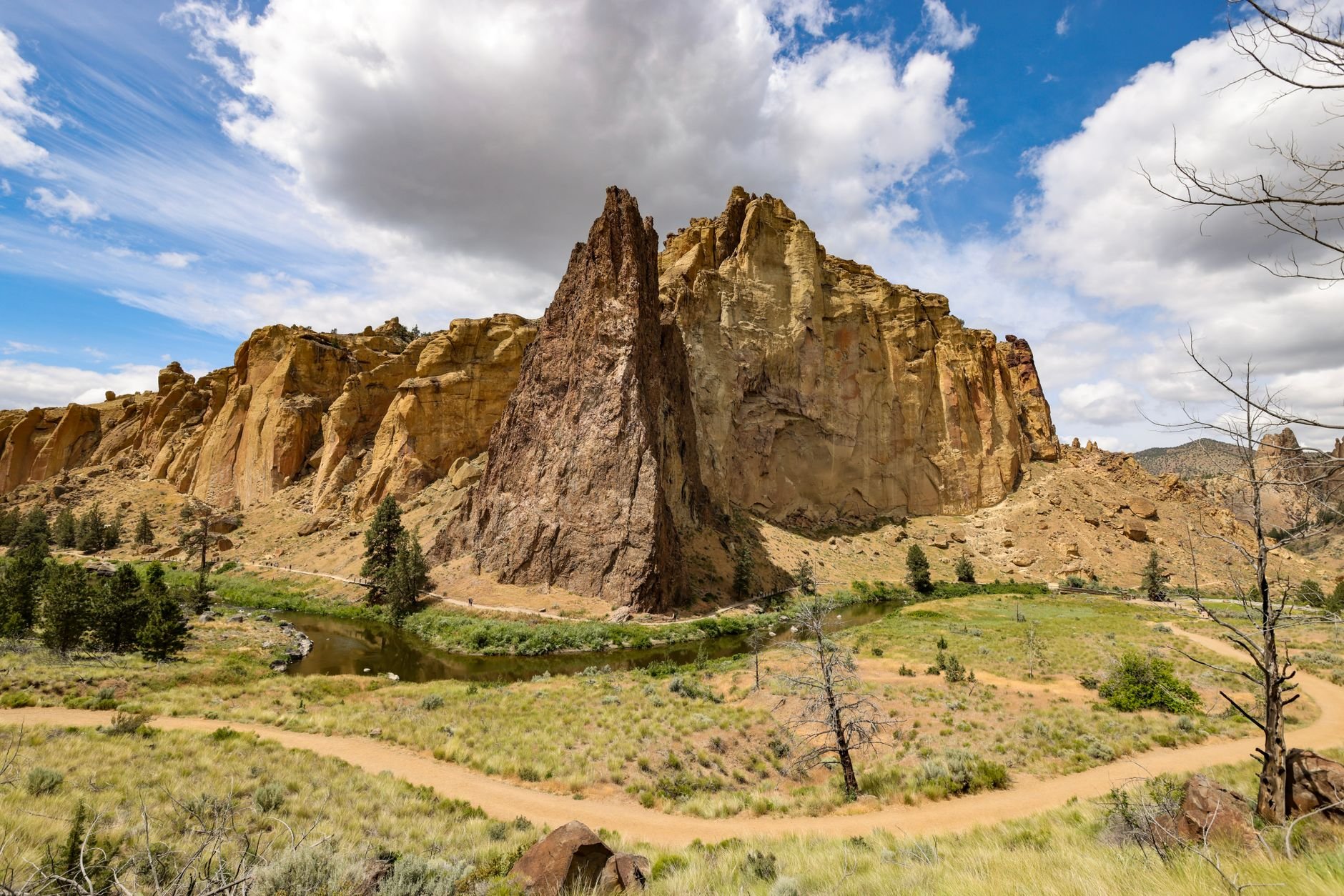
Smith Rock is where sport climbing took root in the United States. The park's dramatic rhyolite and basalt columns rising above the Crooked River have made it a pilgrimage site for climbers of all levels. Monkey Face, a freestanding volcanic plug, is one of the most photographed and climbed formations in American rock climbing. Even non-climbers come for the hiking and the sheer visual drama of the canyon.
Float the Deschutes River
Tubing and kayaking the Deschutes through downtown Bend is a summertime rite. The river runs cold and clear through the heart of the city, and the tradition of floating it on a warm afternoon, often ending at a riverside taproom, is as Bend as anything else on offer.
Exploring Newberry National Volcanic Monument
Descending into the Lava River Cave, walking across a field of black obsidian, or standing at the edge of Paulina Lake inside a collapsed volcanic caldera are experiences with no equivalent elsewhere in Oregon. Newberry is one of the most geologically compelling landscapes in the American West and remains surprisingly uncrowded.
The Brewery Trail
Bend's concentration of craft breweries is a signature experience in its own right. Working through the city's taprooms, from the flagship Deschutes Brewery to smaller neighborhood operations, is a genuine cultural tour of what makes this city tick.
Bend, Oregon rewards visitors with an exceptional range of activities across every interest. The city sits at the intersection of high desert and volcanic mountain terrain, making outdoor recreation the dominant draw, but a thriving cultural and culinary scene ensures there is plenty to explore beyond the trailhead.
Outdoor Recreation
Bend is built for the outdoors. Hiking and mountain biking trails fan out from the city in every direction, with the Deschutes River Trail offering accessible routes for all skill levels. Rock climbing draws experienced climbers to Smith Rock State Park, one of the most celebrated sport climbing destinations in North America. Whitewater kayaking and stand-up paddleboarding are popular on the Deschutes River, while fly-fishing attracts anglers to some of the best trout water in the Pacific Northwest. In winter, Mount Bachelor transforms the region into a premier ski and snowboard destination with over 4,300 acres of terrain.
Scenic Exploration
The volcanic landscape surrounding Bend is unlike anywhere else in the country. Newberry National Volcanic Monument offers lava tube caves, obsidian fields, and twin crater lakes just south of the city. Crater Lake National Park is a longer day trip worth making for its impossibly blue caldera waters. The Cascade Lakes Scenic Byway delivers sweeping views of the Three Sisters, Broken Top, and Mount Bachelor.
Arts and Entertainment
Downtown Bend has a genuine arts community anchored by the Bend Art Center and a rotating calendar of galleries, live music venues, and local festivals. The Les Schwab Amphitheater hosts major concerts and events along the Deschutes River waterfront throughout the summer.
Food and Dining
The craft brewery scene is a destination in itself, with more breweries per capita than almost any city in the United States. Farm-to-table restaurants, independent coffee roasters, and a lively farmers market round out a food culture that punches well above the city's size.
Start your morning with coffee at a downtown Bend roaster, then explore the shops and galleries along Wall Street and Bond Street. Head to the Deschutes River Trail for an afternoon walk or bike ride through the canyon. Wind down with a tasting flight at Deschutes Brewery or one of the nearby taprooms before dinner at a farm-to-table spot in the Old Mill District.
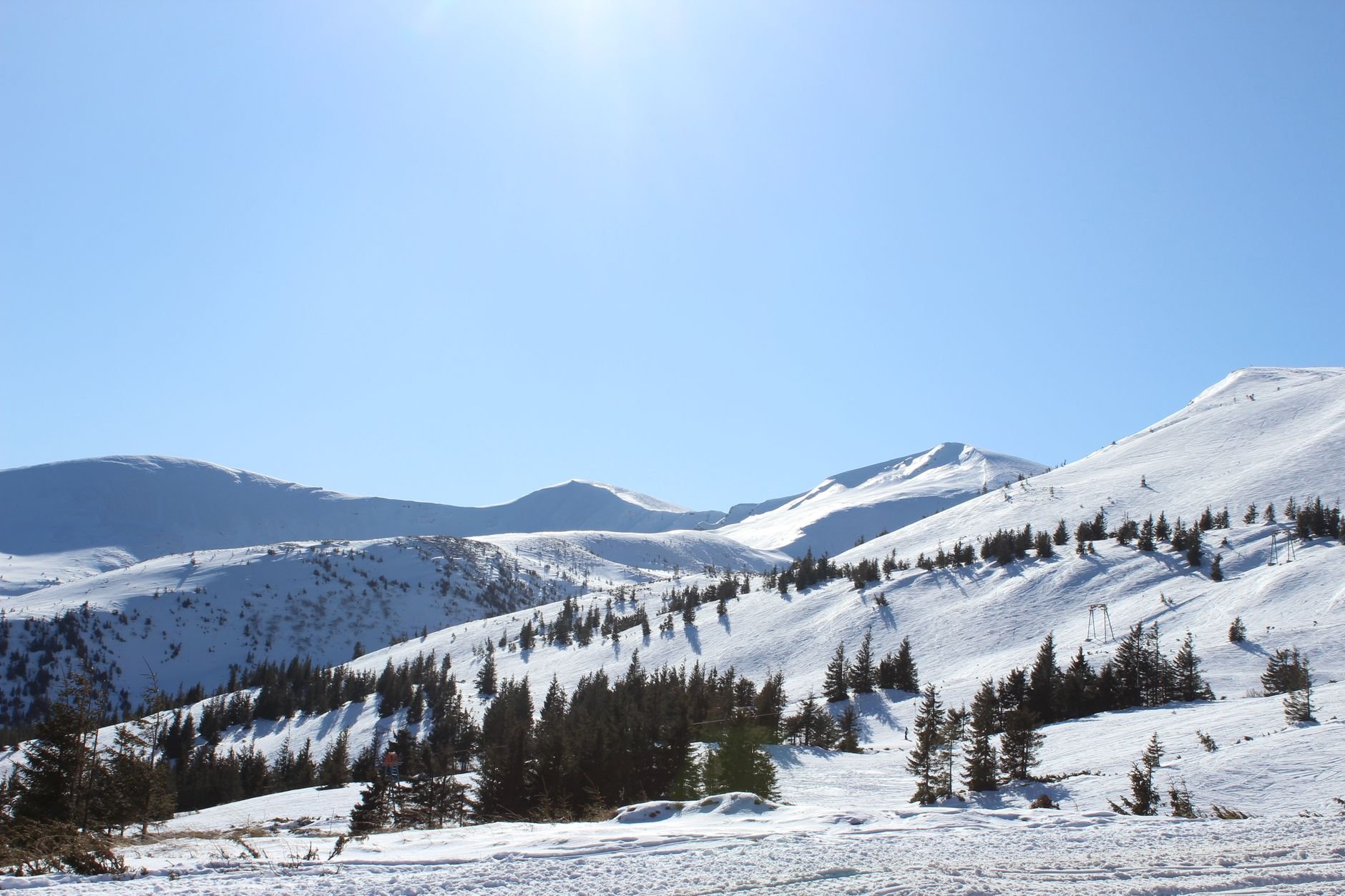
Rise early and drive 22 miles west to Mount Bachelor for skiing or snowboarding in winter, or hiking and scenic chairlift rides in summer. Grab lunch at the lodge before heading into the Three Sisters Wilderness for a late-afternoon trail walk with views of South Sister. Return to Bend for dinner and a well-earned pint at a taproom on Galveston Avenue.
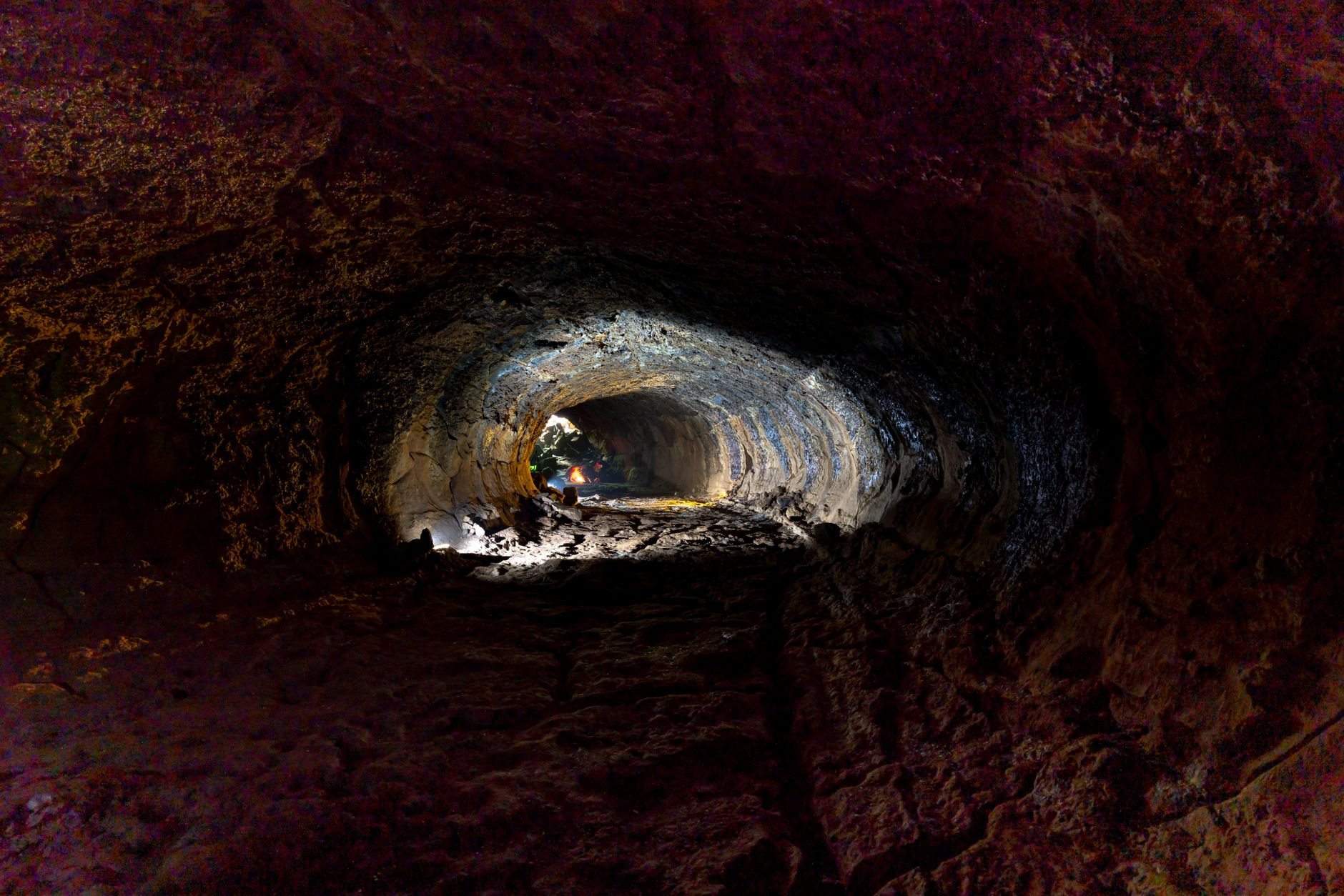
Spend the morning at Newberry National Volcanic Monument, exploring the Lava River Cave or walking the Big Obsidian Flow trail south of the city. After lunch, stop at Pilot Butte State Scenic Viewpoint for a panoramic look at Bend and the Cascades. Finish the trip with a relaxed evening back downtown, browsing the independent boutiques and catching a live music set at a local venue.
Bend, Oregon pulses with a distinct seasonal rhythm shaped by its outdoor identity, craft culture, and creative community. Winters draw skiers and snowboarders to Mount Bachelor, while spring marks a collective exhale as trails reopen and the city gears up for a packed calendar of festivals and events. Summer is peak season, filling the Deschutes River corridor with kayakers and the amphitheater at Les Schwab with live music acts ranging from country to jazz. Autumn brings cooler air, the scent of ponderosa pine, and a quieter, more contemplative energy that suits film screenings and harvest celebrations.
Bend's culinary scene reflects its high-desert setting and outdoor-first culture, where farm-to-table values and craft brewing have become defining features of daily life. The city's food culture rewards visitors who take time to explore beyond the obvious, with independent restaurants, local roasters, and neighborhood taprooms spread across downtown and the Old Mill District.
Redmond Municipal Airport (RDM) is the closest commercial airport to Bend,
sitting about 16 miles north of downtown with rental car counters on-site and rideshare available, making it the most convenient arrival point for most visitors.
Portland International Airport (PDX) offers significantly more flight options,
and the roughly three-hour drive east on US-26 through the Mount Hood corridor or US-20 through the Willamette Valley is a scenic and manageable road trip.
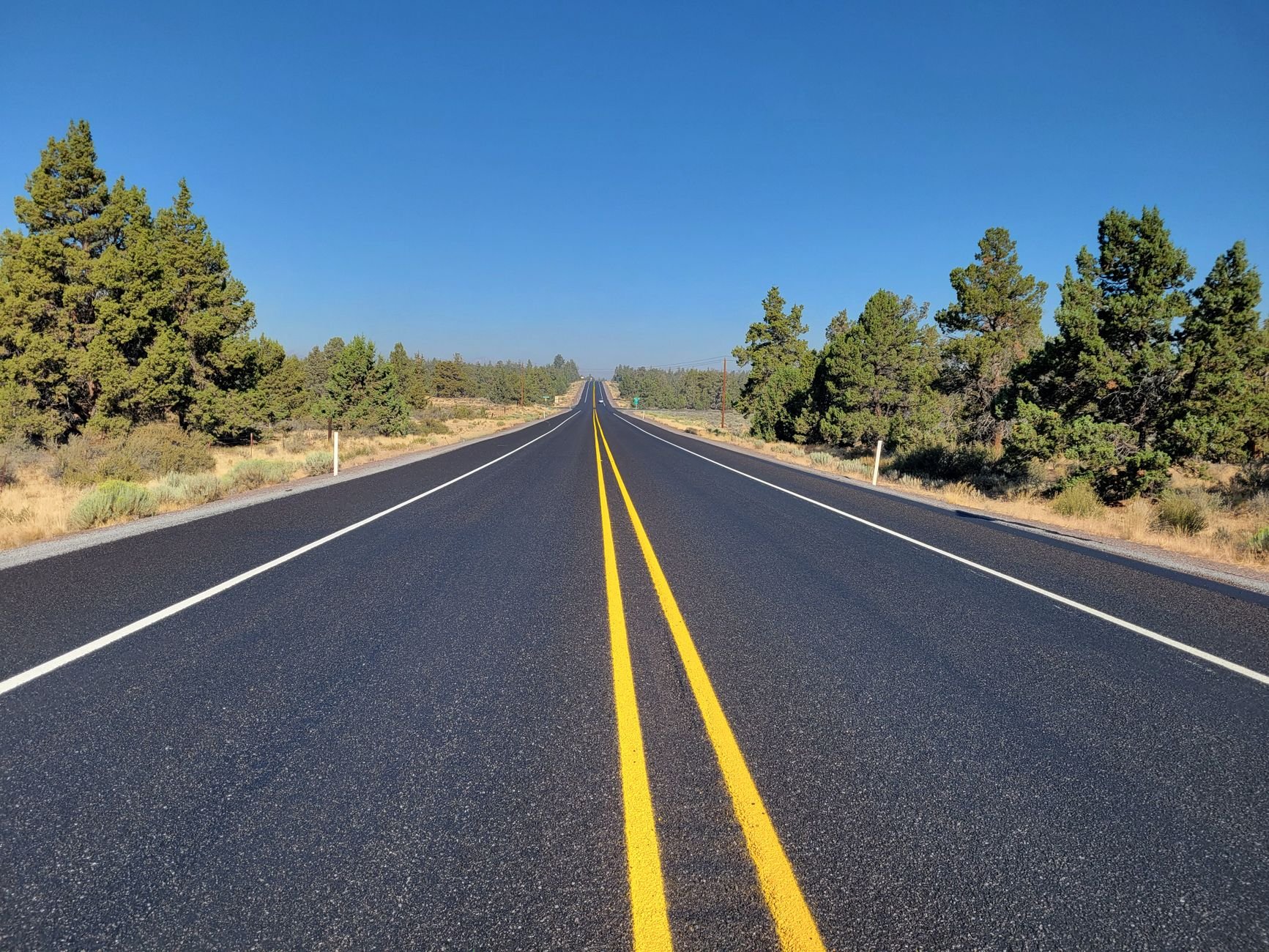
US-97 is the main north-south highway through central Oregon,
connecting Bend to Klamath Falls in the south and to Redmond and the Columbia River region in the north, with clear signage and well-maintained roads year-round.
Cascades East Transit provides regional bus service linking Bend to Redmond and surrounding communities,
which is a practical option for travelers arriving at RDM without a rental car, though service frequency is limited and schedules should be checked in advance.
Mountain passes on US-20 and US-26 can close or require chains during winter storms,
so drivers traveling from the west side of the Cascades between November and March should check ODOT TripCheck road conditions before departing.
Downtown Bend and the Old Mill District are compact and walkable,
making it easy to move between breweries, restaurants, and shops on foot without needing a car for most daytime activities in the city core.
The Deschutes River Trail stretches several miles through the city,
and is a popular route for cyclists and pedestrians connecting downtown to the Old Mill District and beyond, with bike rentals available from multiple outfitters nearby.
A rental car is strongly recommended for visiting Mount Bachelor, Newberry National Volcanic Monument, or any trailhead outside the city,
as rideshare coverage thins out quickly beyond downtown and public transit does not reach most outdoor recreation areas.
Cascades East Transit runs local bus routes within Bend,
but schedules are infrequent and routes are limited, so it works best as a supplement to other transportation rather than a primary way to get around.
Mount Bachelor Ski Resort operates a dedicated shuttle from several Bend locations during ski season,
which is a convenient and cost-effective alternative to driving and parking on busy powder days, with schedules posted on the resort website each winter.
Bend rewards visitors who plan ahead. Outdoor recreation permits for popular areas like the Three Sisters Wilderness are required during peak season and can sell out weeks in advance, so check Recreation.gov before your trip. Tipping follows standard US norms: 18 to 20 percent at restaurants and for rideshare drivers. Most taprooms and coffee shops have tip prompts at the counter, and it is customary to tip at least a dollar or two per drink. The Bend Ale Trail app is worth downloading if you plan to visit multiple breweries, as it tracks your visits and offers rewards. Cell coverage is reliable in the city but can drop off quickly in the backcountry, so download offline maps through Google Maps or Gaia GPS before heading out. Weather in Bend changes fast, especially at elevation, and afternoon thunderstorms are common in summer. Dress in layers and carry sun protection year-round, as the high desert sun is intense even on cool days.
Three to four days is a solid amount of time in Bend. That gives you enough time to explore downtown, visit Newberry National Volcanic Monument, hit a trail or two, and sample the craft beer scene. If you plan to ski at Mount Bachelor or spend time in the Three Sisters Wilderness, budget an extra day or two.
Bend is best known for world-class outdoor recreation and a thriving craft beer scene. It offers skiing at Mount Bachelor, mountain biking, rock climbing, whitewater kayaking, and fly-fishing on the Deschutes River. The city also has more breweries per capita than nearly anywhere in the US, with Deschutes Brewery being the most recognized name.
Yes, Bend works well as a weekend trip, especially from Portland, which is about three hours away. Two days is enough to cover downtown highlights, a brewery stop or two, and at least one outdoor activity. To fit in Newberry National Volcanic Monument or a full day on the mountain, a three-day weekend is a better fit.
Bend sits in the mid-range for Oregon destinations. Accommodation costs have risen with the city's popularity, but dining and activities remain reasonable. Craft brewery taprooms offer affordable food and drinks, and many outdoor activities like hiking and river access are free. Skiing at Mount Bachelor and guided tours add cost if those are on your itinerary.
Summer (June through September) is ideal for hiking, biking, and river activities, with warm days and low rainfall. Winter draws skiers and snowboarders to Mount Bachelor, while spring and fall offer mild weather and fewer crowds.