
Baltimore, MD
A Journey guide to
Portland is one of the most distinctive cities in the American West, built on a reputation for independent thinking, creative culture, and an almost obsessive dedication to local food and drink. The city's food cart scene is legendary, with hundreds of pods scattered across neighborhoods, serving everything from Taiwanese beef noodles to wood-fired pizza. Craft brewing runs deep here, with more breweries per capita than almost any other American city, making Portland a genuine pilgrimage destination for beer enthusiasts.
The city draws a creative, curious traveler who values authenticity over polish. Portland's neighborhoods each carry a strong identity: the Pearl District offers gallery-lined streets and upscale dining; Mississippi Avenue pulses with indie boutiques and live music venues; and Southeast Portland is a dense patchwork of coffee roasters, bookshops, and farm-to-table restaurants. Powell's Books, the world's largest independent bookstore, occupies an entire city block and functions as a cultural landmark as much as a retail destination.
Nature is never far from Portland's urban core. Forest Park, one of the largest urban forests in the United States, stretches across more than 5,100 acres of the West Hills, offering over 80 miles of trails. The Columbia River Gorge, a federally protected scenic area, begins just 30 minutes east of the city and delivers dramatic waterfalls, basalt cliffs, and world-class windsurfing on the Columbia River.
Portland also holds a serious place in the American arts landscape. The Portland Art Museum is the oldest art museum on the West Coast. The city's live music scene, theater community, and design culture attract artists and makers from across the country. Travelers who seek a city with genuine character, a walkable urban core, and easy access to extraordinary wilderness consistently find Portland rewarding well beyond expectations.

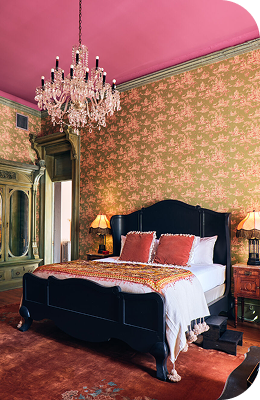

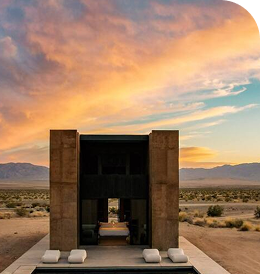

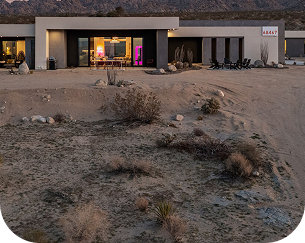

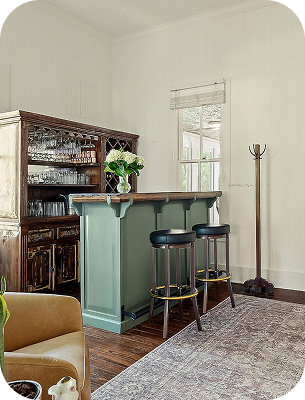

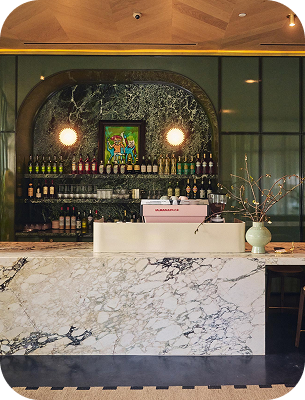

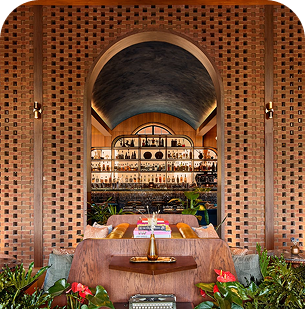

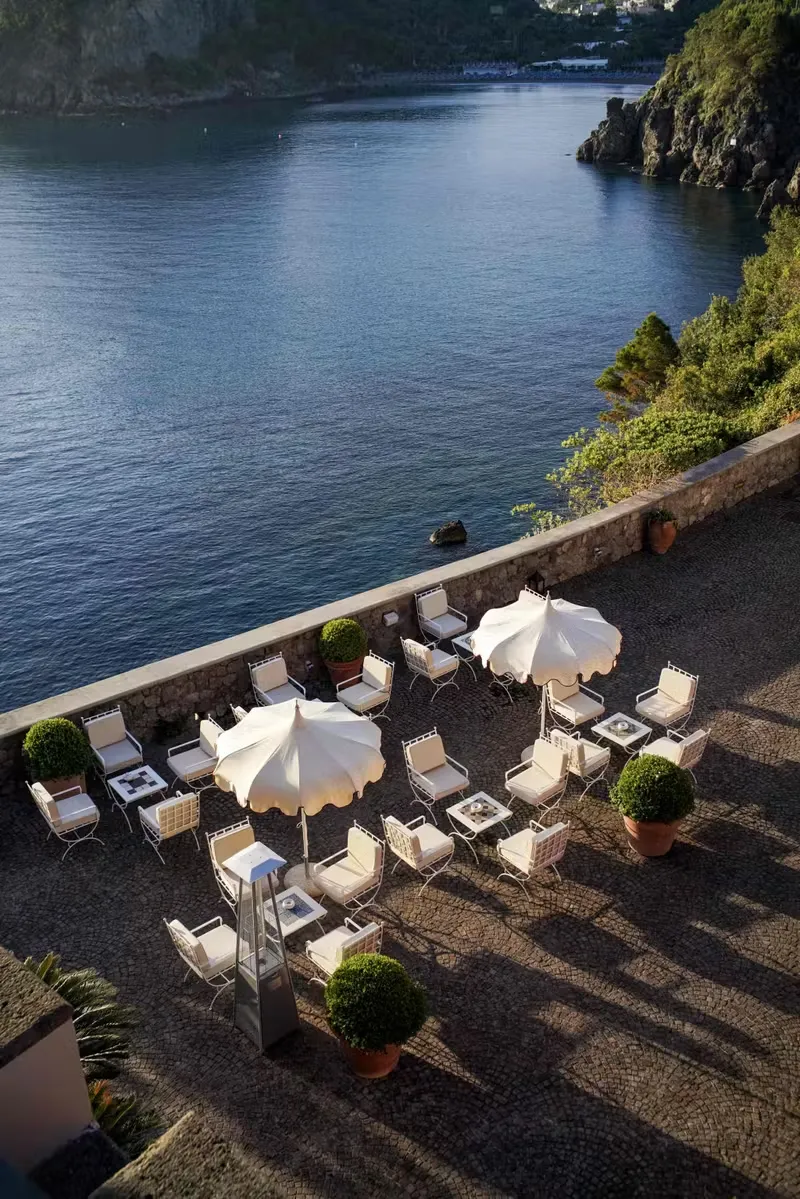

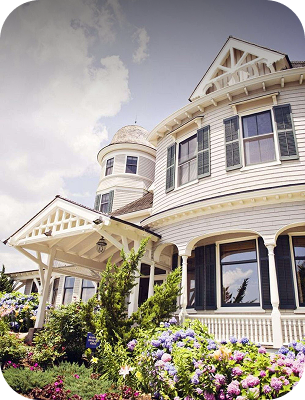

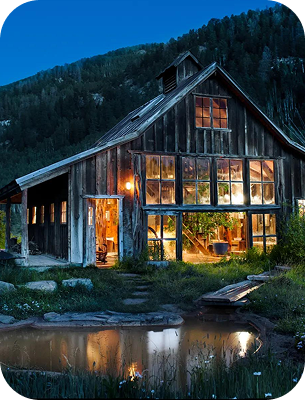

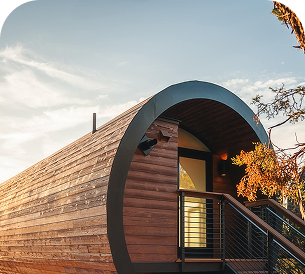

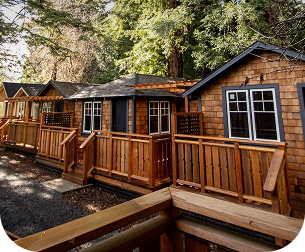

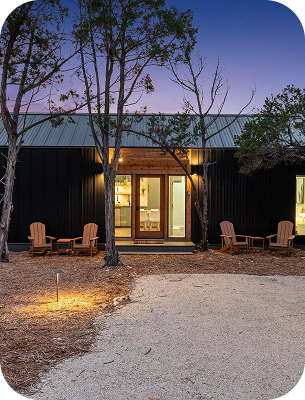

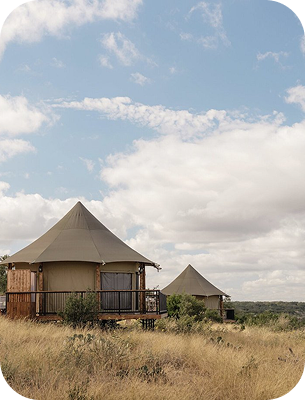

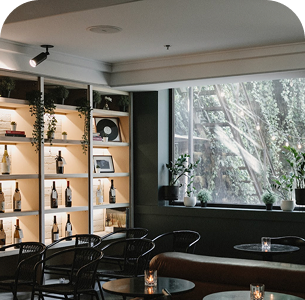

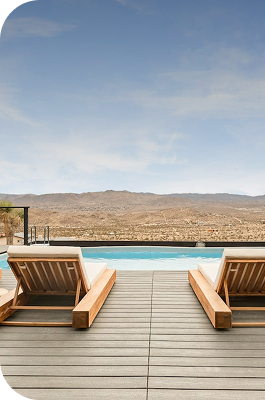

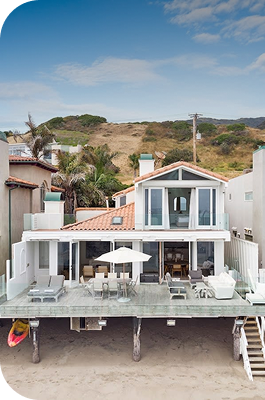

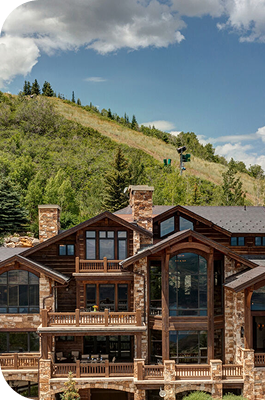
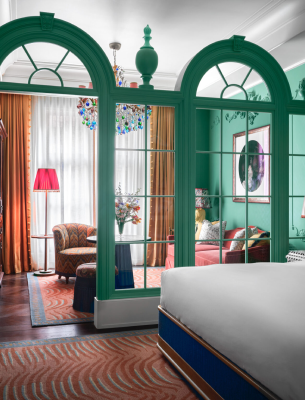
Journey connects travelers to a curated network of boutique hotels and distinctive residences around the world, all united under one rewards program. Explore handpicked stays for your trip while earning points, unlocking exclusive offers, and receiving rewards across the Journey collection.
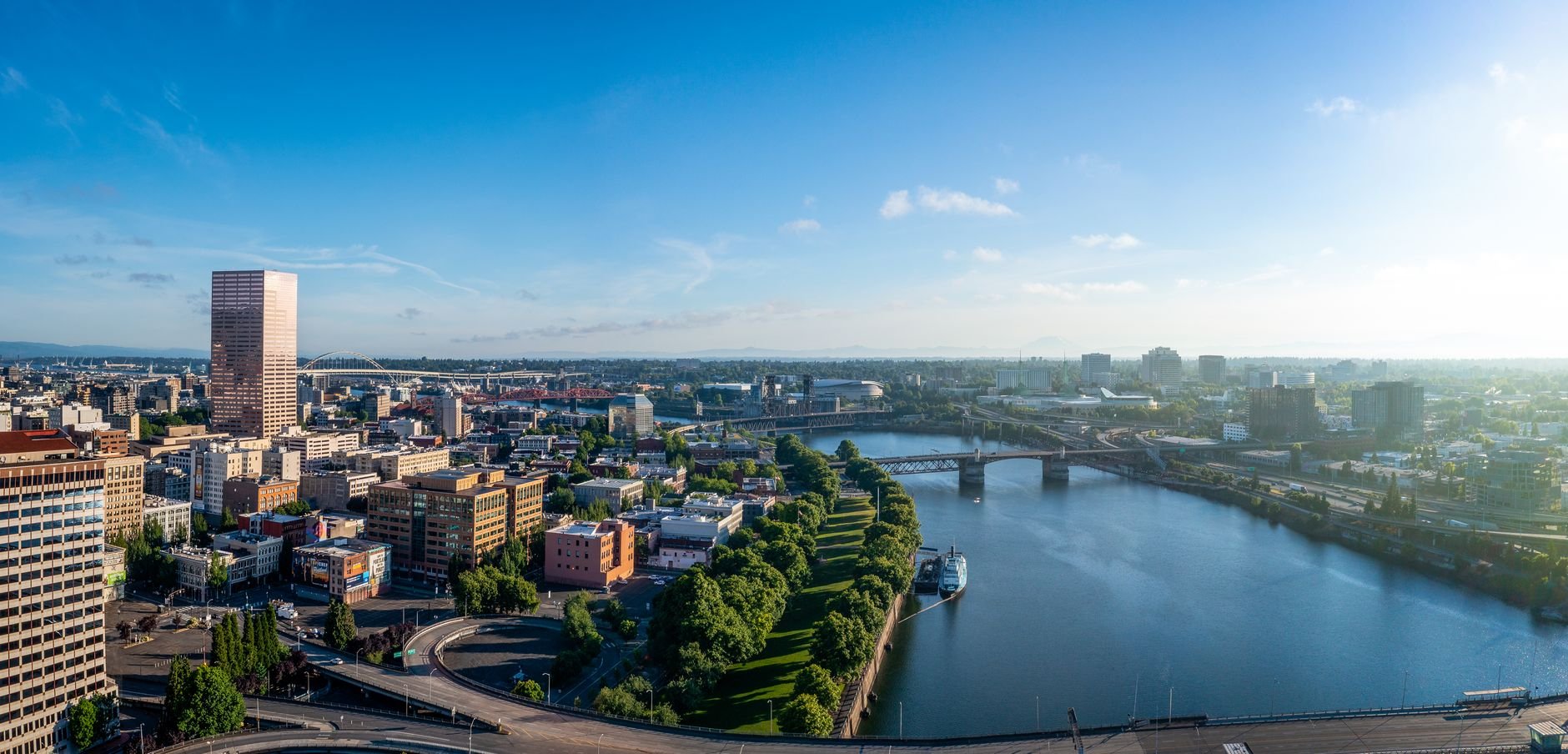
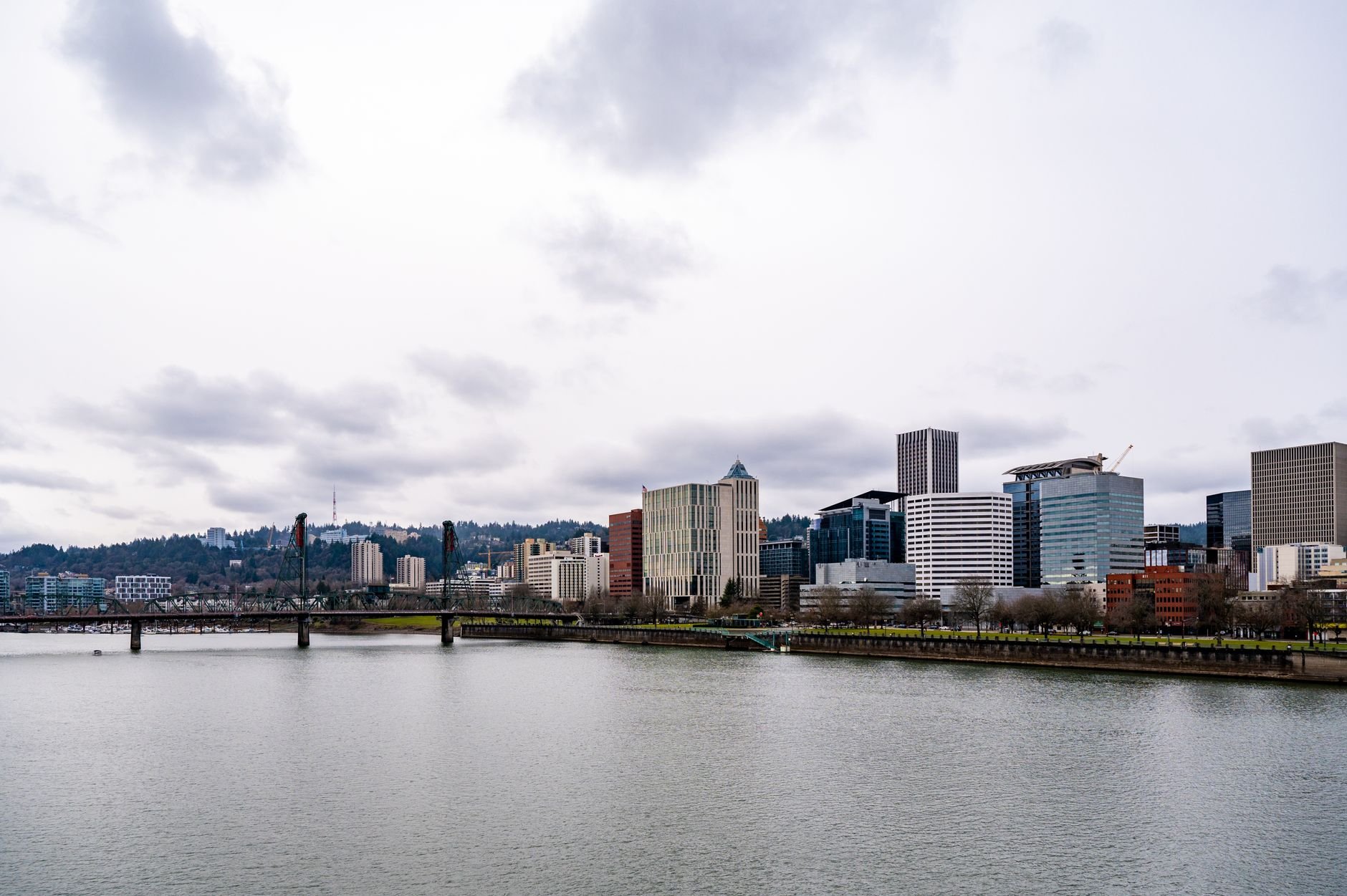
Portland sits at the confluence of the Willamette and Columbia rivers in northwestern Oregon, cradled between the West Hills to the west and the Cascade Range visible on the eastern horizon. The city straddles the Willamette River, connected by a series of historic and modern bridges that have become defining symbols of its urban identity. Twelve bridges cross the Willamette within the city limits, earning Portland the informal title "City of Bridges."
The city was founded in 1845 and named by a coin flip between its two New England settlers, who each favored the name of their respective hometowns, Portland, Maine and Boston, Massachusetts. It grew rapidly as a port city serving the Pacific Northwest's timber and agricultural industries, and its waterfront warehouses and historic cast-iron facades in Old Town still speak to that mercantile past. By the late 20th century, Portland had reinvented itself as a model of urban planning and sustainability, with an extensive light rail network, a robust cycling infrastructure, and one of the most celebrated urban growth boundaries in the country.
Culturally, Portland occupies a unique position in American life. It has long attracted writers, musicians, and artists drawn by relatively affordable rents, a tolerant civic culture, and proximity to wilderness. That creative energy is palpable in the city's neighborhoods, its independent media scene, and its food and beverage culture, which consistently sets national trends. The farm-to-table movement found early and enthusiastic expression here, and Portland's chefs and restaurateurs continue to draw national recognition.
The city is also a gateway to some of the Pacific Northwest's most spectacular natural landscapes. Mount Hood, Oregon's highest peak, rises to 11,249 feet just 60 miles to the east and is visible on clear days from much of the city. The Oregon Coast lies roughly 90 minutes to the west. For travelers, Portland functions equally well as a destination in its own right and as a base for broader Pacific Northwest exploration.
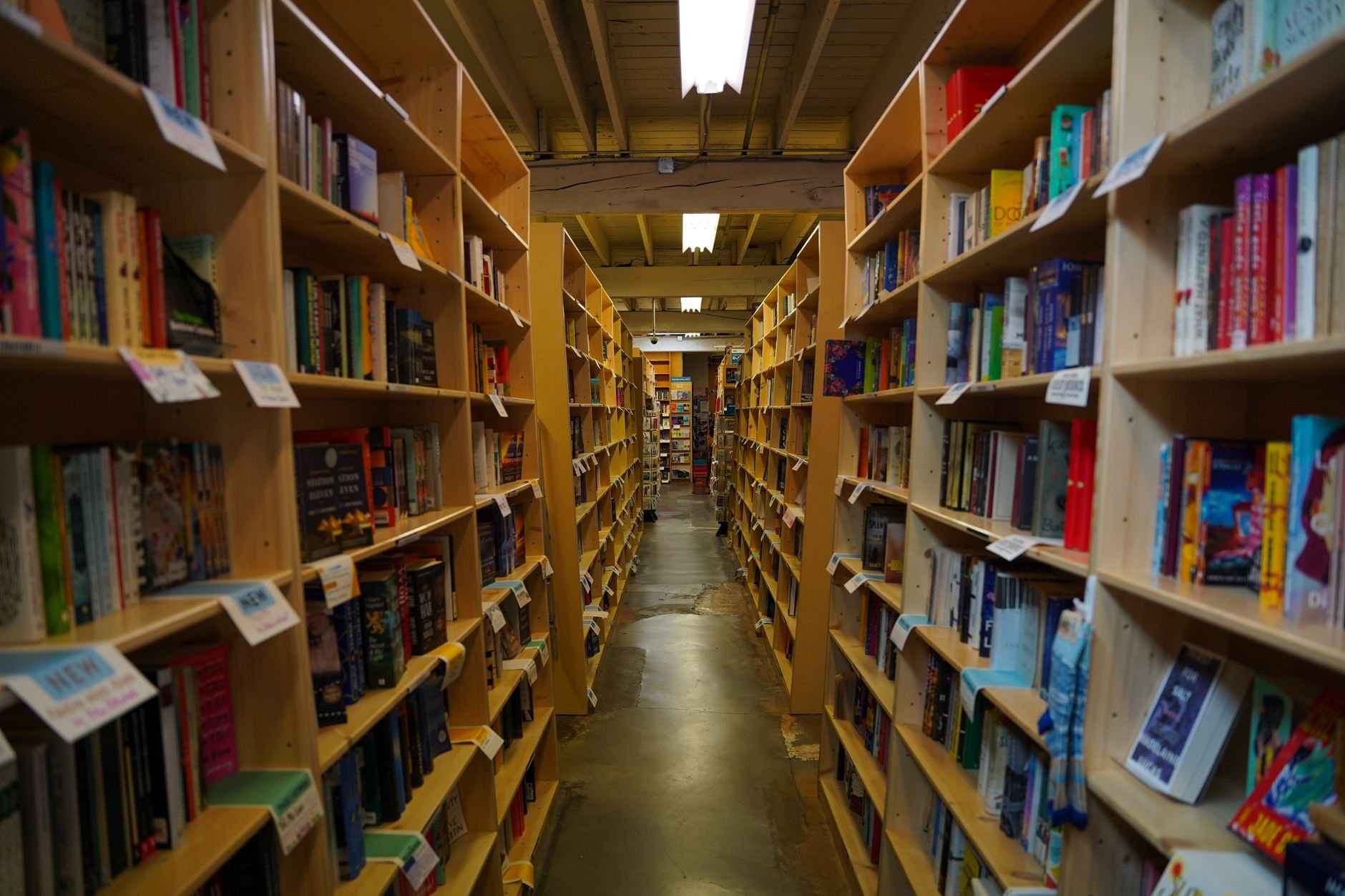
Late June through September is the sweet spot for most visitors to Portland. The city's legendary dry season delivers long, sun-filled days that are ideal for exploring neighborhoods on foot, cycling along the Springwater Corridor, and venturing into the Columbia River Gorge or up to Mount Hood. Outdoor farmers markets, food cart pods, and rooftop bars operate at full swing, and the city's festival calendar is packed with events including the Oregon Brewers Festival and the Portland Rose Festival's summer programming. Crowds are at their highest in July and August, particularly around popular attractions like Powell's Books and the Pearl District, but Portland rarely feels as overwhelmed as larger West Coast cities during peak season.
September is a standout month for those who want summer conditions with noticeably thinner crowds and lower accommodation rates. The dry weather typically holds through the end of the month, trails in Forest Park are at their most accessible, and the cultural season kicks back into gear as galleries, theaters, and music venues ramp up their fall programming.
Spring, particularly May and early June, rewards travelers willing to accept some rain in exchange for lush green scenery, blooming gardens at places like the Portland Japanese Garden, and a city that feels genuinely local rather than tourist-heavy. Hotel rates are more competitive and reservations at sought-after restaurants are easier to secure.
Winter is the quietest and most affordable time to visit. The city's indoor culture, including its world-class food scene, independent bookshops, and thriving craft brewery circuit, makes Portland a rewarding destination even during its grey, rainy months. Travelers drawn to skiing and snowboarding will find Mount Hood's resorts easily accessible as a day trip from the city center.
Portland's most polished neighborhood, the Pearl District occupies a former warehouse and rail yard north of downtown, now lined with art galleries, design studios, and upscale restaurants. Broad, tree-shaded blocks make it one of the city's most walkable areas, anchored by Powell's Books and a string of weekend farmers markets. The neighborhood draws a mix of art collectors, food lovers, and design-minded visitors who appreciate its blend of industrial history and contemporary refinement.
Mississippi Avenue in North Portland is the city's indie heartbeat, a corridor of vintage shops, live music venues, and casual restaurants housed in colorful bungalows and storefronts. The street has a relaxed, community-driven energy that feels distinctly local, with food carts, craft breweries, and weekend street fairs drawing a loyal neighborhood crowd. It rewards slow exploration on foot, with something interesting tucked around every corner.
Southeast Portland is a sprawling, densely layered district that functions as the city's culinary and creative engine, packed with coffee roasters, farm-to-table restaurants, bookshops, and vintage record stores. Neighborhoods like Division Street and Hawthorne Boulevard each carry their own micro-identity, ranging from student-friendly to quietly sophisticated. The area is best explored by bicycle, hopping between food carts, cocktail bars, and independent cinema houses.
Northwest Portland, anchored by the historic Nob Hill district along 23rd and 21st Avenues, offers a charming mix of Victorian architecture, boutique shopping, and neighborhood cafes. The streets feel unhurried and residential, with independent clothing stores, wine bars, and bakeries tucked between grand old homes. It sits at the foot of Forest Park, making it a natural starting point for hikers heading into Portland's vast urban wilderness.
The Alberta Arts District in Northeast Portland is a vibrant creative corridor where murals cover building facades, galleries spill onto sidewalks, and a rotating cast of food carts keeps the block lively day and night. The neighborhood hosts the Last Thursday art walk, a monthly street festival that transforms Alberta Street into an open-air gallery. Its mix of long-standing community roots and emerging artistic energy gives it a character that feels genuinely earned rather than manufactured.
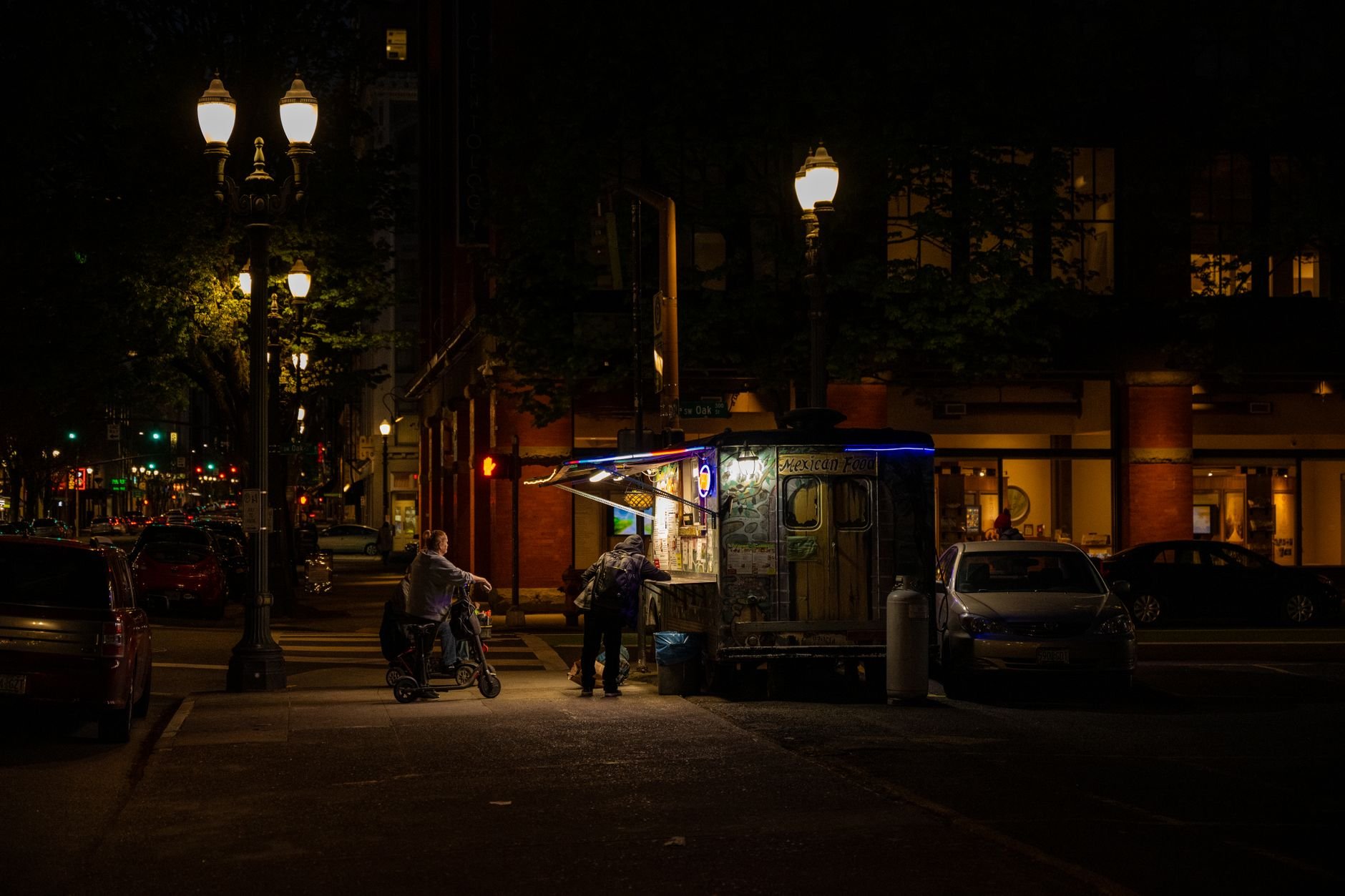
Portland has a short list of experiences that are genuinely its own - things travelers come specifically for and find nowhere else quite like this.
Food Cart Culture
Portland's food cart pods are not a novelty but a cornerstone of the city's food identity. Hundreds of carts organized into permanent pods operate across the city, offering everything from Taiwanese beef noodles to wood-fired pizza to Salvadoran pupusas. This is street food elevated to a civic institution, and working through a single pod on a weekday afternoon is as authentically Portland as any experience the city offers.
Powell's Books
The world's largest independent bookstore occupies an entire city block in the Pearl District and operates as a genuine cultural landmark. Powell's sells new and used books side by side across color-coded rooms, and the experience of getting intentionally lost inside it is something travelers plan around. It is not simply a bookstore - it is a destination.
Craft Brewery Trail
Portland has more breweries per capita than almost any other American city, and the craft beer culture here is serious and deeply local. Neighborhoods like the Pearl District, North Portland, and Southeast Portland are dense with taprooms pouring house-made IPAs, sours, and lagers. A self-guided brewery walk through any of these areas is a reliable way to understand what Portland values and how it spends its time.
Columbia River Gorge Day Trips
The Gorge begins just 30 minutes from downtown and delivers a landscape that feels genuinely remote: basalt cliffs, cascading waterfalls including Multnomah Falls, and the wide Columbia River below. For Portland visitors, a day in the Gorge is a near-essential counterpoint to the city's urban density - and the contrast between the two is part of what makes Portland feel so livable and complete as a travel destination.
Portland, Oregon offers a full spectrum of activities for curious travelers, from deep dives into nature to immersive urban culture.
Outdoor Recreation
Forest Park is one of the largest urban forests in the United States, covering more than 5,100 acres in the West Hills with over 80 miles of trails for hiking and trail running. The Columbia River Gorge, just 30 minutes east of the city, draws cyclists, hikers, and windsurfers to its basalt cliffs and river corridors. The Willamette River runs through the city itself, with waterfront paths ideal for cycling, jogging, and kayaking.
Cultural Attractions
Portland's cultural institutions anchor the city's identity. The Portland Art Museum, the oldest art museum on the West Coast, houses a permanent collection spanning centuries and continents. The Oregon Museum of Science and Industry and the Oregon Historical Society offer additional depth for travelers who want to understand the region's story.
Scenic Exploration
The Columbia River Gorge Scenic Area delivers some of the most dramatic Pacific Northwest landscapes accessible from any major American city. Multnomah Falls, one of the tallest waterfalls in the United States, is a short drive from downtown. The Mount Hood area, roughly an hour east, offers year-round alpine scenery.
Arts and Entertainment
Portland's live music scene, independent theater community, and gallery culture give the city a creative energy that runs through every neighborhood. Mississippi Avenue and the Pearl District are particularly strong for galleries, boutique venues, and live performance spaces.
Food and Dining
Portland's food cart pods are a defining feature of the city's culinary landscape, with hundreds of carts serving global cuisines across dozens of neighborhoods. The craft brewery scene is among the most concentrated in the country. Farm-to-table dining, specialty coffee roasters, and independent bakeries round out a food culture that rewards exploration.
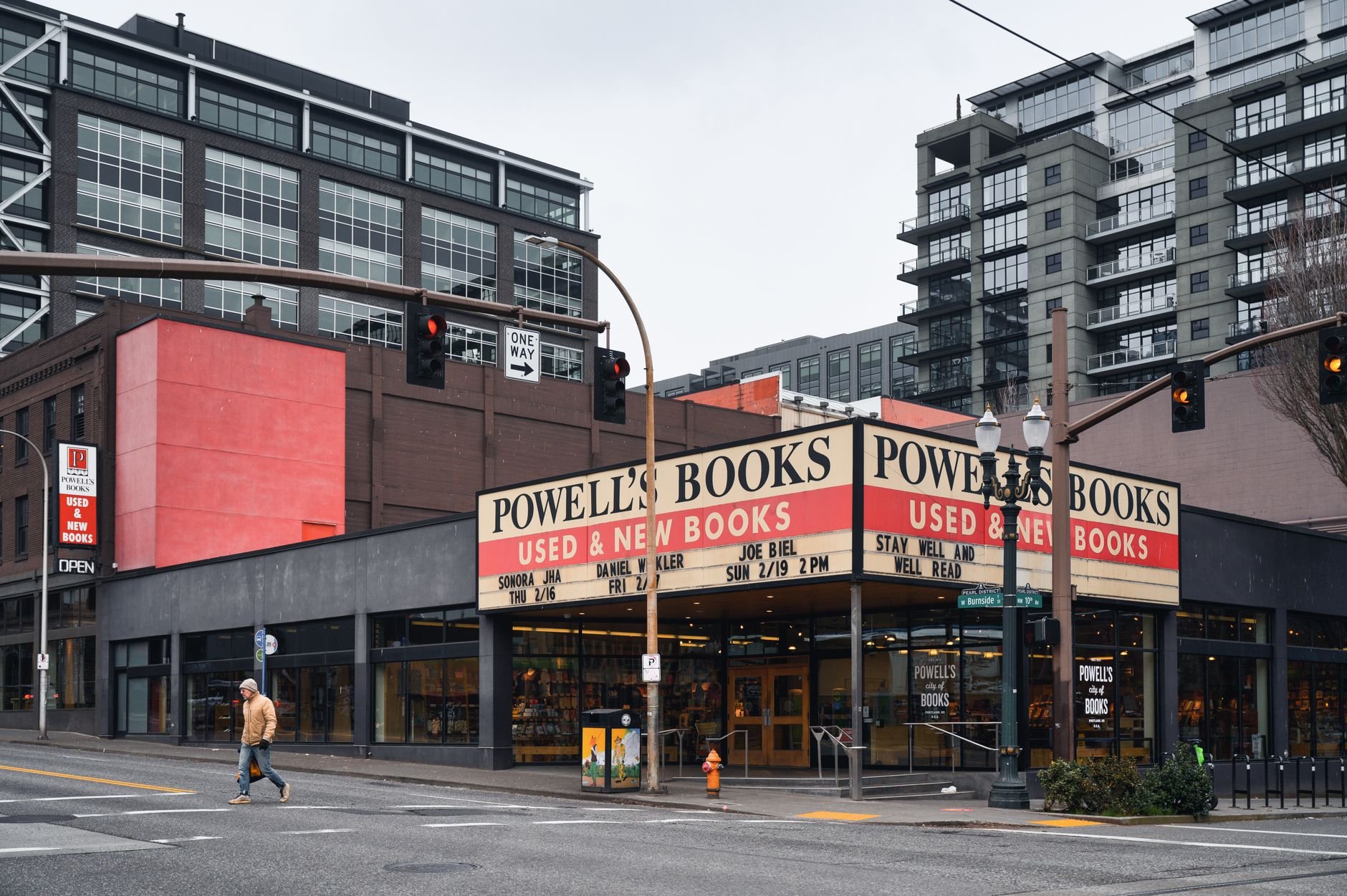
Start your morning at Powell's City of Books, then fuel up at a nearby food cart pod on SW Alder Street. Spend the afternoon exploring the Pearl District: browse galleries, walk the South Park Blocks, and visit the Portland Art Museum. In the evening, head to Mississippi Avenue for dinner at a local restaurant and live music at one of the indie venues.
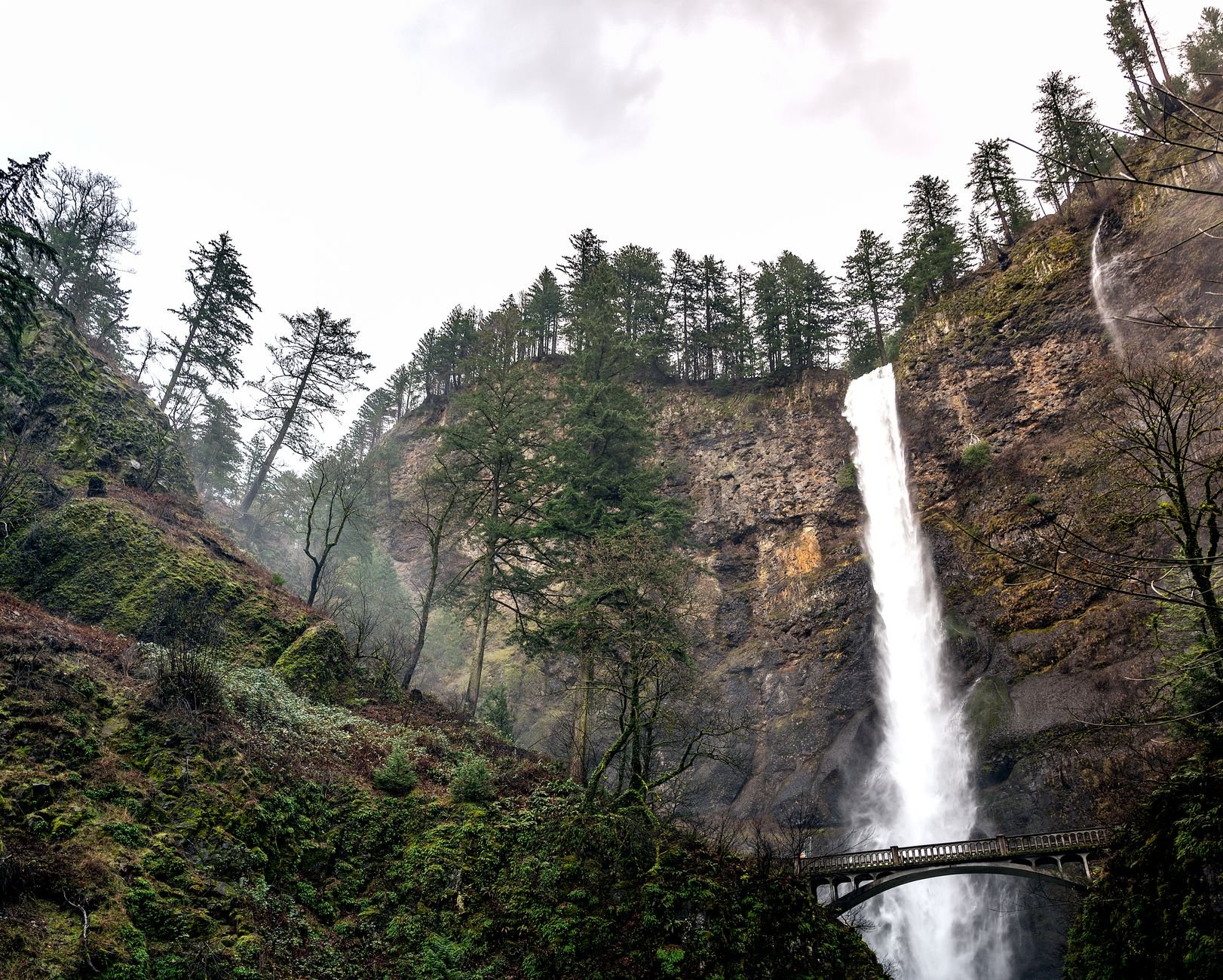
Head east on the Historic Columbia River Highway for a morning of waterfall hikes - Multnomah Falls is a must. After lunch in Troutdale, return to Southeast Portland and spend the afternoon browsing the indie shops and coffee roasters along Division Street. Wind down the evening with a tasting flight at one of Portland's celebrated craft breweries in the Hawthorne neighborhood.
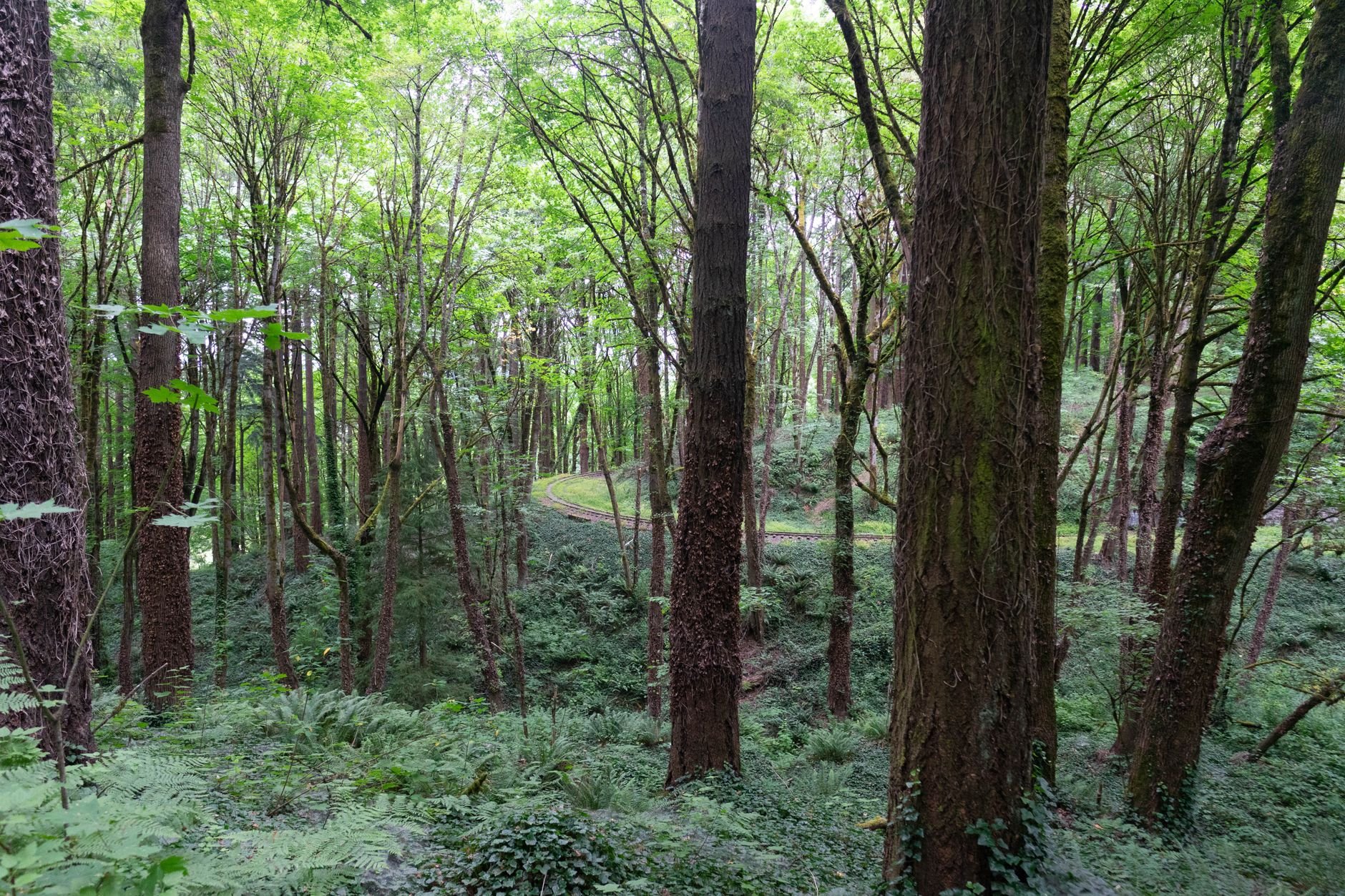
Spend your morning hiking the Wildwood Trail through Forest Park, one of the largest urban forests in the US. Grab brunch back in Northwest Portland along NW 23rd Avenue. In the afternoon, explore the Alberta Arts District for street murals and local boutiques. Close out your trip with dinner at a farm-to-table spot in the vibrant NE Portland dining scene.
Portland's cultural calendar reflects the city's independent spirit and deep connection to community, creativity, and the outdoors. The rhythm of the year shifts with the Pacific Northwest seasons: winters are cozy and introspective, fueling Portland's thriving literary and music scenes, while spring brings a collective exhale as residents spill into parks, farmers markets, and neighborhood festivals. Summer is the city's social peak, when outdoor concerts, food festivals, and art events animate every corner of the urban grid. Autumn ushers in harvest celebrations, cider season, and a return to the warmth of Portland's beloved brewpubs and independent cinemas.
Portland's food scene is one of the most celebrated in the Pacific Northwest, shaped by a deep commitment to local sourcing, independent operators, and relentless culinary creativity. The city's food cart culture is its most iconic contribution to American dining, with hundreds of carts organized into pods across nearly every neighborhood. A single pod might offer Korean bibimbap, Salvadoran pupusas, wood-fired Neapolitan pizza, and Vietnamese banh mi within steps of each other, making Portland's street food scene genuinely unmatched in its range and quality.
Portland International Airport (PDX) is located about 12 miles northeast of downtown
and connects directly to the city center via the MAX Red Line light rail, which runs every 15 minutes and reaches Pioneer Courthouse Square in approximately 40 minutes for a flat fare.
Drivers arriving from Seattle follow I-5 South for roughly 175 miles
a trip that takes about 3 hours in normal traffic, though the corridor between Tacoma and Olympia frequently sees congestion, so checking conditions before departure is worthwhile.
Amtrak's Cascades line runs multiple daily departures between Seattle and Portland's Union Station
with a journey time of about 3.5 to 4 hours and a scenic route along Puget Sound and the Columbia River, making it a comfortable and stress-free alternative to driving.
The Coast Starlight connects Portland Union Station to Los Angeles and Seattle
on a long-distance route that passes through the Cascades and Central Valley, offering sleeper car options for travelers making the full overnight journey from California.
FlixBus and Greyhound serve Portland from regional cities including Eugene, Spokane, and Boise
with fares that are often significantly cheaper than flying, making bus travel a practical option for budget-conscious travelers arriving from within the Pacific Northwest.
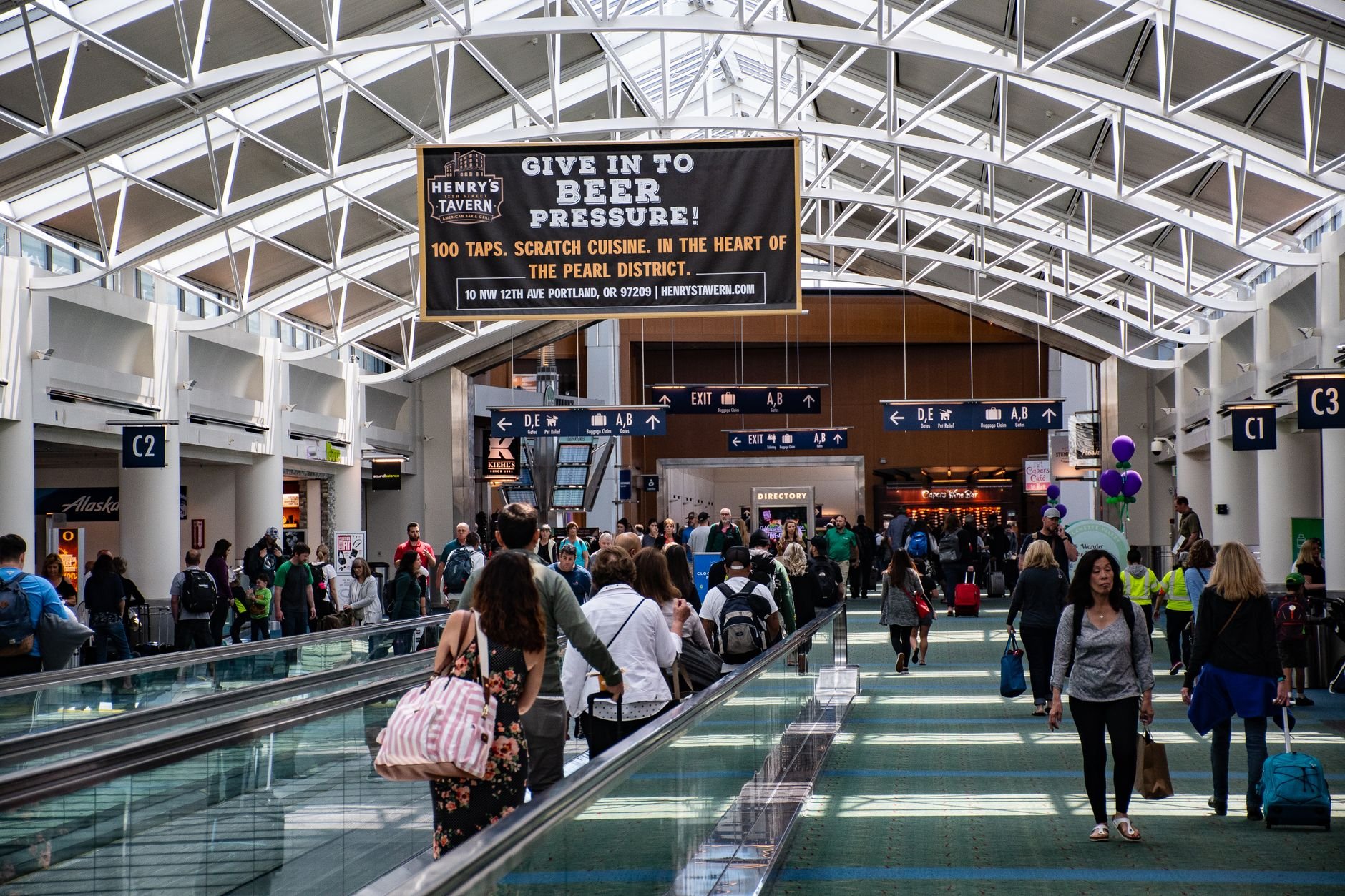
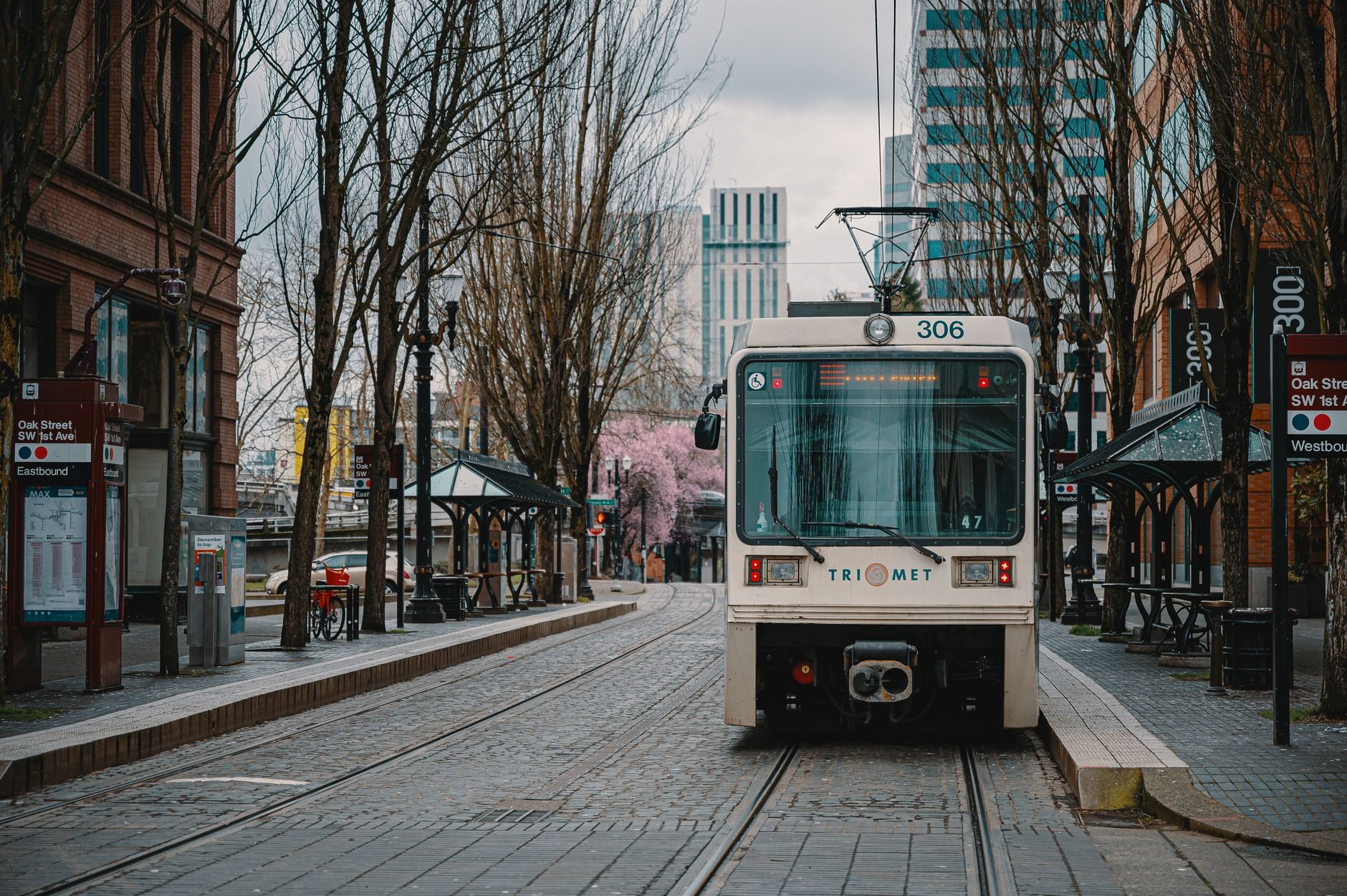
The MAX Light Rail system runs five lines connecting the airport, downtown, and outer neighborhoods
with frequent service throughout the day and a fare of $2.50 per trip, making it the most cost-effective way to move across the city without a car.
The Pearl District and downtown Portland are compact and highly walkable
so most visitors can cover Powell's Books, the Saturday Market, the waterfront, and several restaurants entirely on foot without needing transit or rideshare.
BIKETOWN, Portland's Nike-sponsored bikeshare system, offers e-bikes and standard bikes at stations across the city
and is particularly useful for exploring the flat, bike-friendly streets of Southeast and Northeast Portland, where many of the city's best food carts and coffee shops are clustered.
Rideshare through Uber and Lyft is reliable and reasonably priced for cross-neighborhood trips
especially for reaching areas like Mississippi Avenue or Alberta Arts District that are a bit far for walking but don't require a rental car.
Renting a car is best reserved for day trips outside the city
as downtown parking is expensive and scarce, but having a vehicle opens up the Columbia River Gorge, Mount Hood, and the Oregon Coast, all within 1 to 2 hours of Portland.
Portland's weather is famously overcast and rainy from October through April, so pack a waterproof layer regardless of the season. Summers are warm and dry, with long daylight hours, and represent the city's peak travel period.
Tipping follows standard U.S. norms: 18 to 20 percent at restaurants, a few dollars for coffee counter service at your discretion. Oregon has no sales tax, so the price you see is the price you pay.
Download the TriMet app for real-time transit tracking and fare payment. The PDX Bus app is also useful for navigating bus routes. For food carts, most pods are cash-friendly but many vendors now accept cards.
Portland is generally a safe city for travelers, though some areas around Old Town and Chinatown see higher rates of street activity, particularly at night. Stay aware of your surroundings in those blocks. Booking popular restaurants in advance is strongly recommended, especially on weekends, as many of the city's most sought-after spots fill up quickly.
Three to four days is the sweet spot for Portland. That gives you time to explore distinct neighborhoods like the Pearl District, Mississippi Avenue, and Southeast Portland, visit Powell's Books, sample the food cart scene, and make a day trip to the Columbia River Gorge. Outdoor enthusiasts may want an extra day for Forest Park's 80-plus miles of trails.
Portland is best known for its thriving food cart culture, with hundreds of pods citywide, and its craft brewing scene - it has more breweries per capita than nearly any other American city. Powell's Books, the world's largest independent bookstore, is a landmark. The city is also celebrated for its creative neighborhoods, Pacific Northwest outdoor access, and strong arts community.
Yes, Portland works well as a weekend destination. Two days is enough to cover a few key neighborhoods, eat at food carts, visit Powell's Books, and enjoy the local brewery scene. It is a compact, walkable city with a strong public transit system, making it easy to cover a lot of ground without a car.
Portland is moderately priced compared to other West Coast cities like San Francisco or Seattle. Oregon has no sales tax, which helps stretch your budget. Food carts offer excellent, affordable meals across the city. Craft beer is plentiful and reasonably priced. Accommodation costs vary widely, but budget and mid-range options are available across most neighborhoods.
Late June through September offers the best weather, with warm, dry days ideal for exploring neighborhoods and the Columbia River Gorge. Spring brings lush greenery and blooming gardens but expect frequent rain.