
Baltimore, MD
A Journey guide to
Philadelphia is one of America's most historically loaded cities, home to Independence Hall, the Liberty Bell, and the very streets where the nation's founding documents were debated and signed. Yet it wears this legacy lightly. The city moves at its own confident pace, with a gritty creative energy and a fierce local pride that sets it apart from every other East Coast metropolis.
The food scene is a defining feature of Philadelphia life. The cheesesteak is the city's most famous export, but the culinary landscape runs far deeper: a sprawling Italian Market, the cavernous Reading Terminal Market, a James Beard-recognized restaurant community, and a BYOB dining culture that rewards adventurous eaters at every price point. Philadelphia feeds its visitors well and without pretense.
Culturally, Philadelphia punches above its weight. The Philadelphia Museum of Art, the Barnes Foundation, the Rodin Museum, and the Pennsylvania Academy of the Fine Arts form one of the densest concentrations of fine art collections on the continent. The city's music history, from soul and jazz to the Philadelphia Sound of the 1970s, runs equally deep and continues to shape its neighborhoods.
Philadelphia draws a broad mix of travelers: history enthusiasts tracing the origins of American democracy, art lovers working through world-class collections, food-driven visitors exploring South Philly and Fishtown, and urban explorers drawn to the distinct character of neighborhoods like Rittenhouse Square, Old City, and Germantown. It is a city that rewards curiosity and repeat visits in equal measure.
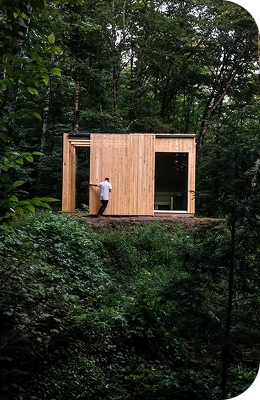

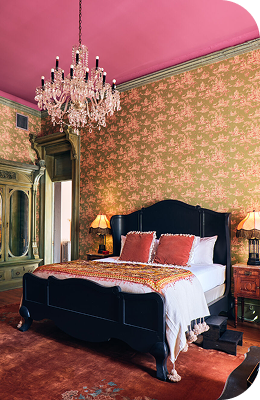

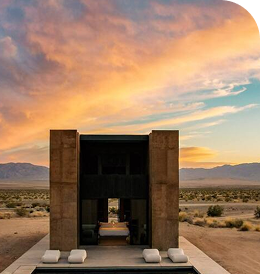

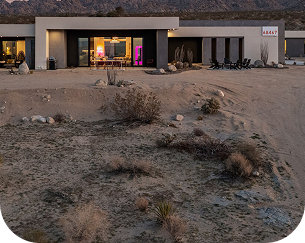





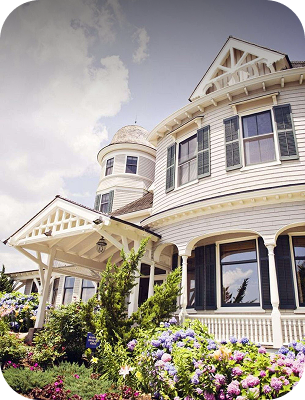

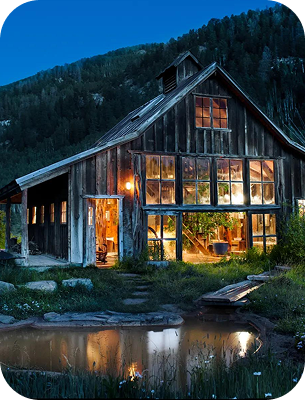

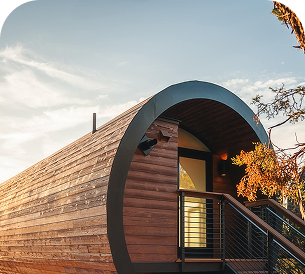

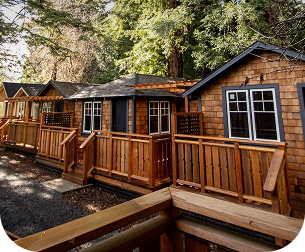

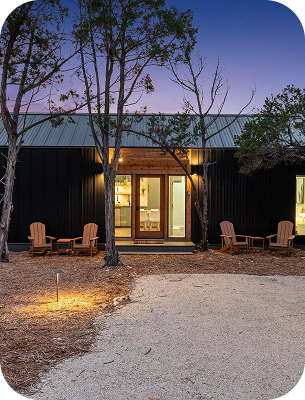

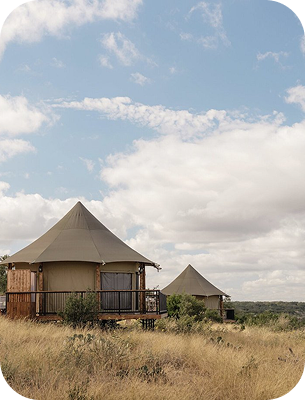

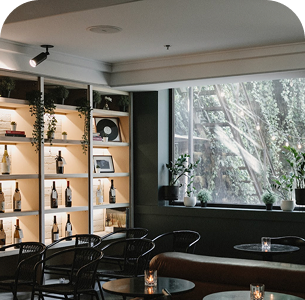

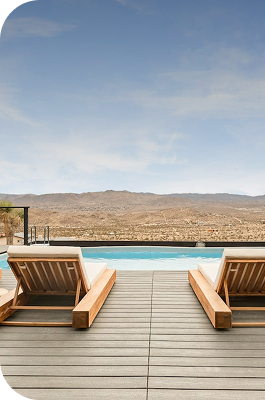

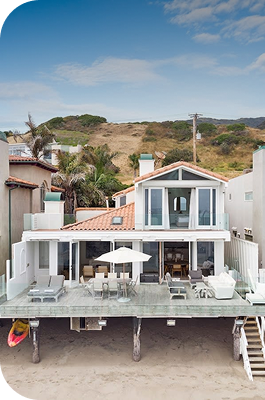

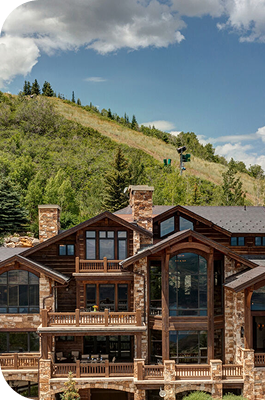
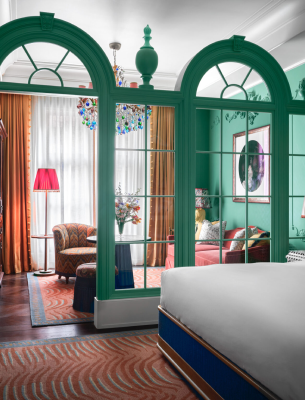
Journey connects travelers to a curated network of boutique hotels and distinctive residences around the world, all united under one rewards program. Explore handpicked stays for your trip while earning points, unlocking exclusive offers, and receiving rewards across the Journey collection.
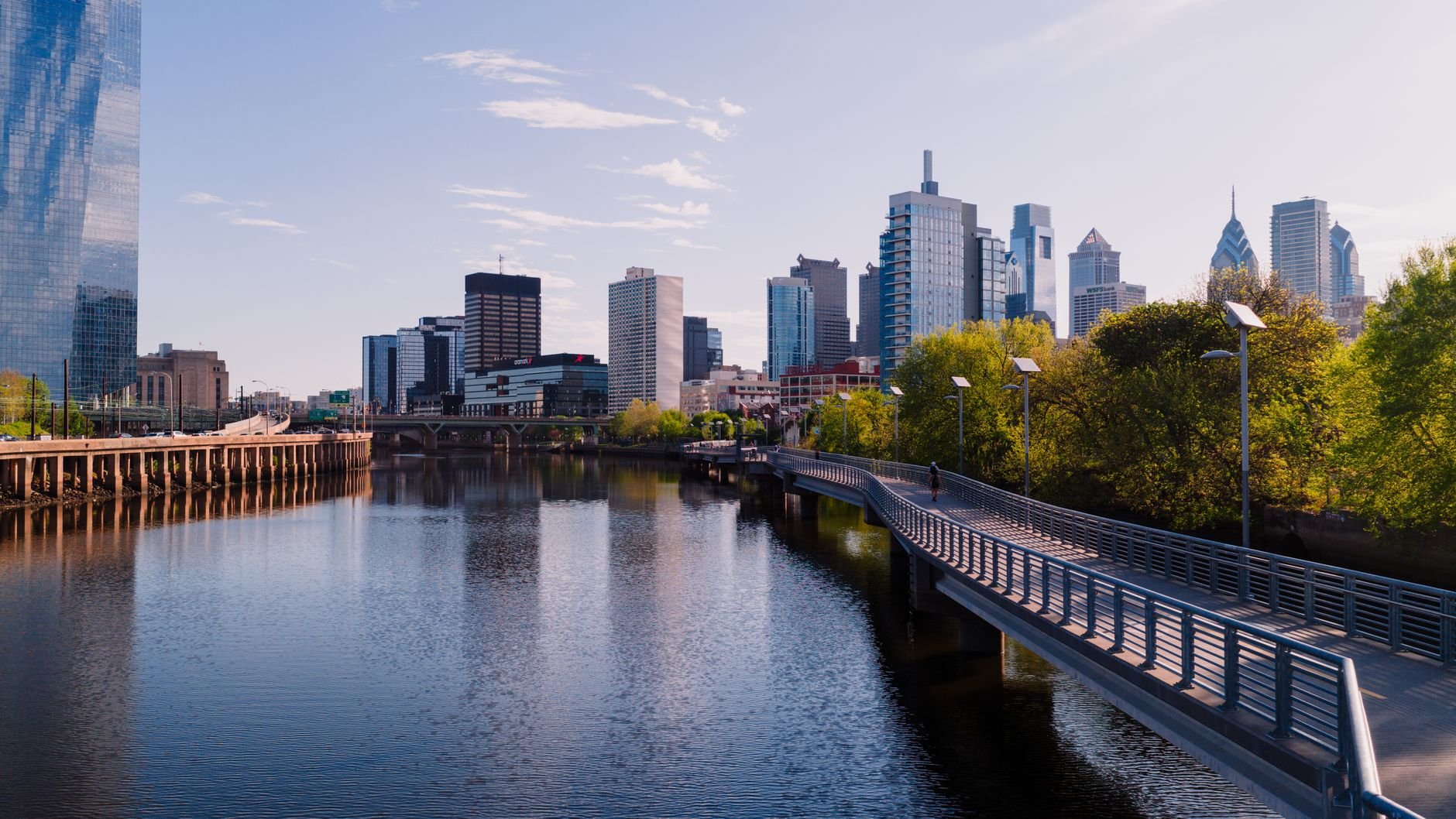
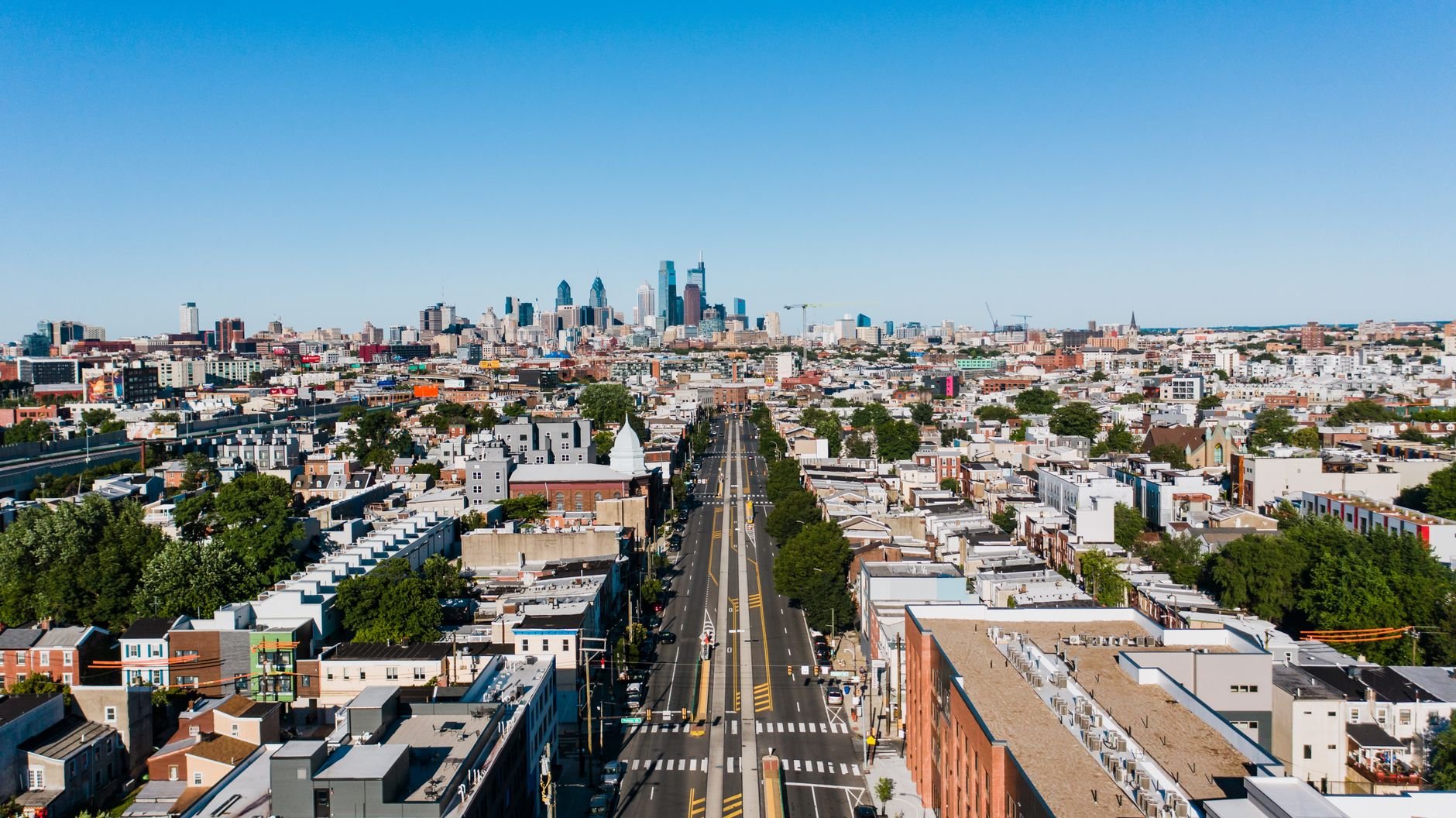
Philadelphia sits at the confluence of the Delaware and Schuylkill rivers in southeastern Pennsylvania, roughly midway along the densely populated Northeast Corridor between New York City and Washington, D.C. Its geography is flat and navigable, laid out on William Penn's original grid plan from 1682, one of the earliest planned cities in North America. That grid still anchors the city today, making it unusually walkable for an American metropolis of its scale.
Historically, Philadelphia is without peer as a cradle of American civic life. It served as the nation's capital during the Revolutionary period and into the early republic, hosting the Continental Congress, the signing of the Declaration of Independence, and the drafting of the U.S. Constitution. Independence National Historical Park, often called America's most historic square mile, preserves the core of that legacy in the city's Old City neighborhood.
Culturally, the city reflects centuries of layered immigration and community formation. William Penn's founding vision of religious tolerance attracted Quakers, German settlers, and later waves of Irish, Italian, Eastern European Jewish, and African American communities, each leaving deep marks on the city's neighborhoods, food traditions, and cultural institutions. Today, Philadelphia is one of the more racially and ethnically diverse large cities in the United States.
The travel atmosphere in Philadelphia is direct and unpretentious. Unlike cities that perform for tourists, Philadelphia simply exists as itself, and visitors are invited into that reality. The neighborhoods are genuinely distinct from one another: the cobblestone streets of Old City, the brownstone elegance of Rittenhouse Square, the murals and row houses of North Philadelphia, the working-class Italian heritage of South Philly. The city's famous mural arts program, the largest in the country, turns entire building facades into public galleries across every district.
Philadelphia is also a gateway city. It sits within easy reach of the Jersey Shore, the Brandywine Valley, the Pocono Mountains, and the Pennsylvania Dutch Country, giving visitors ample reason to extend their stay beyond the city limits.
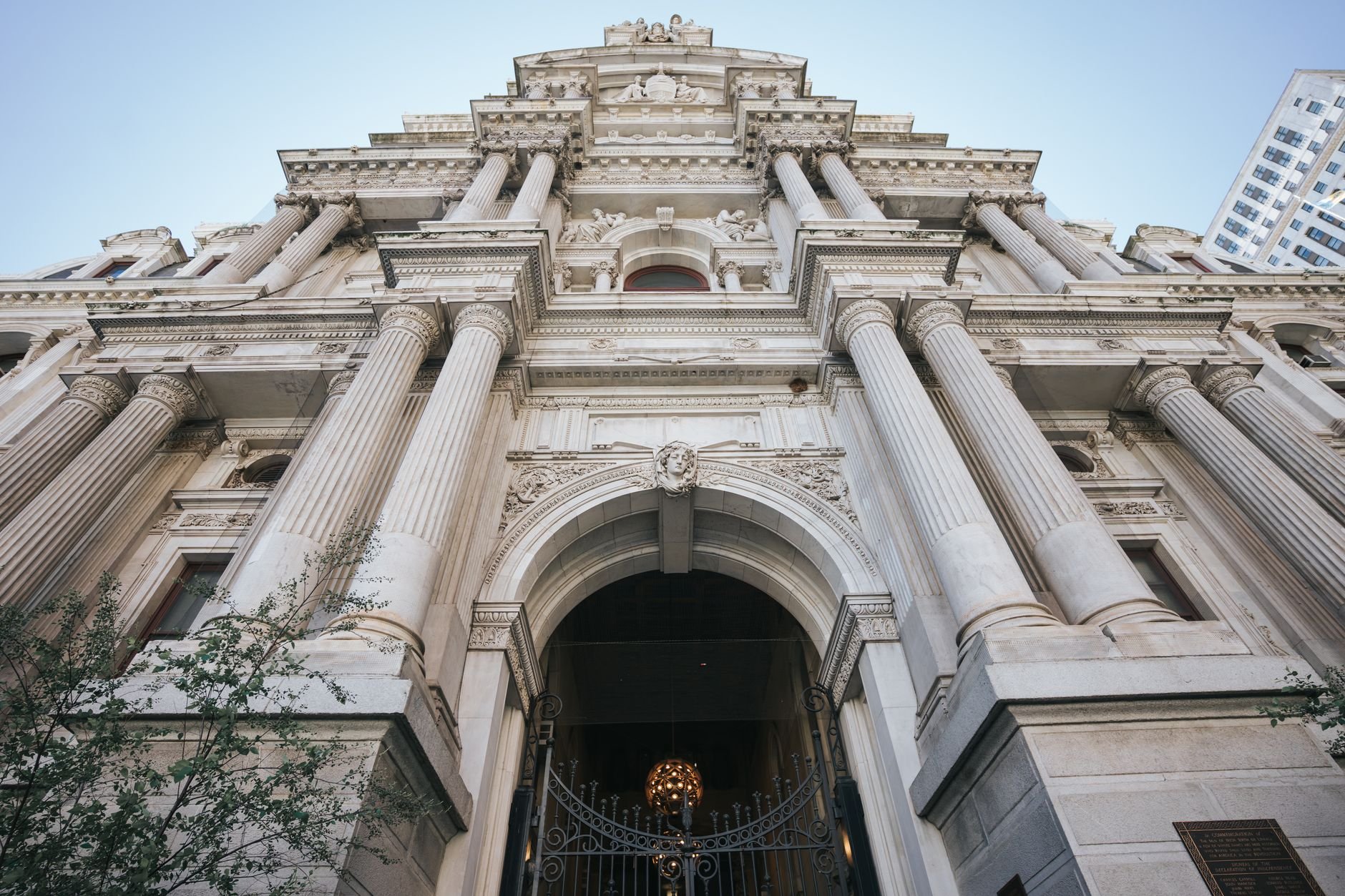
Philadelphia rewards visitors across multiple seasons, but the clearest windows for a first-rate experience are late spring and early fall, when the city is fully alive without the extremes that define summer and winter.
Late April through early June is one of the strongest periods to visit. Fairmount Park and the Parkway bloom with color, outdoor dining kicks into gear, and the city's festival calendar begins to fill. Crowds are present but manageable, and the major historic sites along Independence Mall are accessible without the long queues that peak summer brings. This window also coincides with a busy stretch of the arts and music calendar, with performances, gallery openings, and neighborhood events running through the season.
Summer draws the largest crowds, particularly to the Historic District and the waterfront. Families on school breaks fill the Liberty Bell and Independence Hall tours, and wait times at popular food destinations in Reading Terminal Market and along East Passyunk can be significant. Travelers who do visit in summer benefit from the full slate of outdoor events, rooftop bars, and extended evening hours at many attractions.
September and October represent the fall sweet spot. Foliage peaks across Wissahickon Valley Park and the neighborhoods of Germantown and Chestnut Hill, and the city's restaurant scene tends to launch its most ambitious seasonal menus during this stretch. The Philadelphia Film Festival and a dense run of cultural programming make October a particularly rewarding month for arts-focused travelers. Crowds thin noticeably compared to summer, and the major museums are easier to navigate.
Winter suits travelers focused on indoor experiences: the city's world-class museum collections, the Italian Market, and the Reading Terminal Market are all best explored without summer's heat and crowds. The holiday season brings festive energy to Rittenhouse Square and Old City, though cold and damp conditions require preparation.
Old City is Philadelphia's historic core, where cobblestone streets lead past Independence Hall, the Liberty Bell, and the nation's oldest continuously occupied residential street. Beyond the landmark sites, the neighborhood pulses with life after dark, hosting a dense cluster of galleries, bars, and restaurants that draw locals and visitors alike. First Fridays bring the art community out in force, turning the district into a walkable cultural event each month.
Rittenhouse Square anchors one of Philadelphia's most refined and walkable neighborhoods, centered on a beloved park that draws everyone from dog walkers to chess players on any given afternoon. The surrounding blocks are lined with upscale boutiques, acclaimed restaurants, and handsome brownstones that give the area a distinctly urbane, European feel. It is the neighborhood of choice for travelers who want polished dining and easy access to the city's cultural corridor along the Benjamin Franklin Parkway.
Fishtown has evolved from a working-class river ward into one of the most talked-about creative neighborhoods on the East Coast, packed with independent bars, record shops, tattoo parlors, and some of the city's most exciting restaurants. The streetscape is a mix of narrow rowhouses, converted warehouses, and hand-painted murals that give the area a raw, energetic character. It is the go-to destination for travelers seeking Philadelphia's contemporary food and nightlife scene.
South Philadelphia is the city's most flavorful and culturally layered district, home to the legendary Italian Market, generations-old South Philly cheesesteak joints, and a Vietnamese commercial corridor along Washington Avenue. The neighborhood carries a deep working-class identity and a culinary richness that makes it essential for any food-focused visit to the city. Weekend mornings at the Italian Market, with vendors spilling onto the sidewalk, offer one of Philadelphia's most authentic and atmospheric experiences.
Fairmount sits at the intersection of Philadelphia's museum district and its most expansive urban green space, giving the neighborhood a dual identity as both a cultural hub and an outdoor retreat. The Philadelphia Museum of Art, the Barnes Foundation, and the Rodin Museum are all within easy walking distance, making this the base of operations for serious art lovers. The neighborhood's residential streets are quiet and tree-lined, offering a calmer pace just minutes from the energy of Center City.
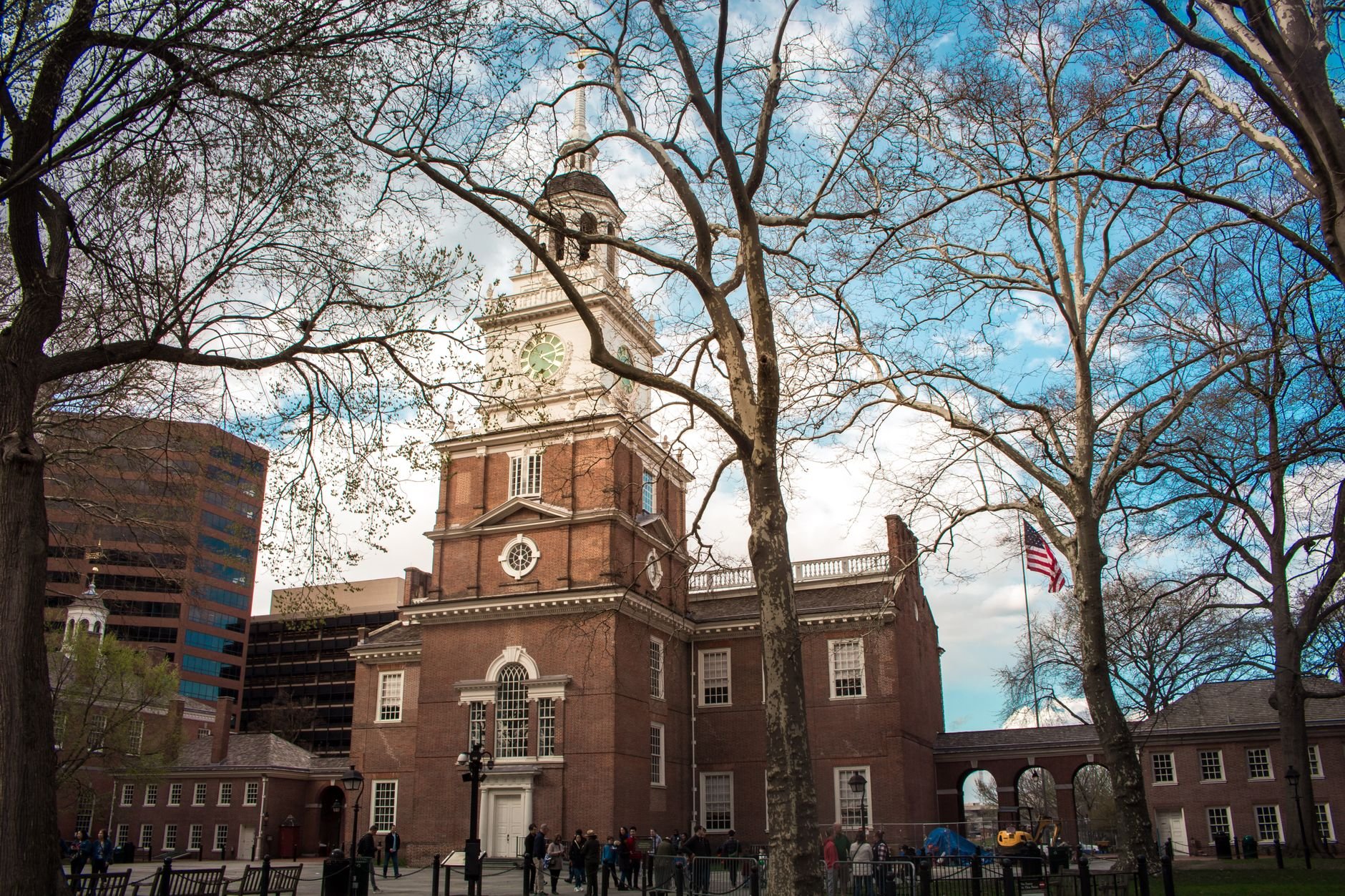
Philadelphia has a short list of experiences that belong to it alone - moments and places that no other American city can replicate.
Walking the Birthplace of American Democracy
The blocks surrounding Independence Hall are unlike anywhere else in the country. Standing inside the room where the Declaration of Independence and the U.S. Constitution were debated and signed is a genuinely affecting experience. The Liberty Bell, cracked and imperfect and displayed just steps away, adds to the weight of the visit. This is not a reconstructed history - it is the actual place where the country was argued into existence.
The Rocky Steps and the Parkway Museums
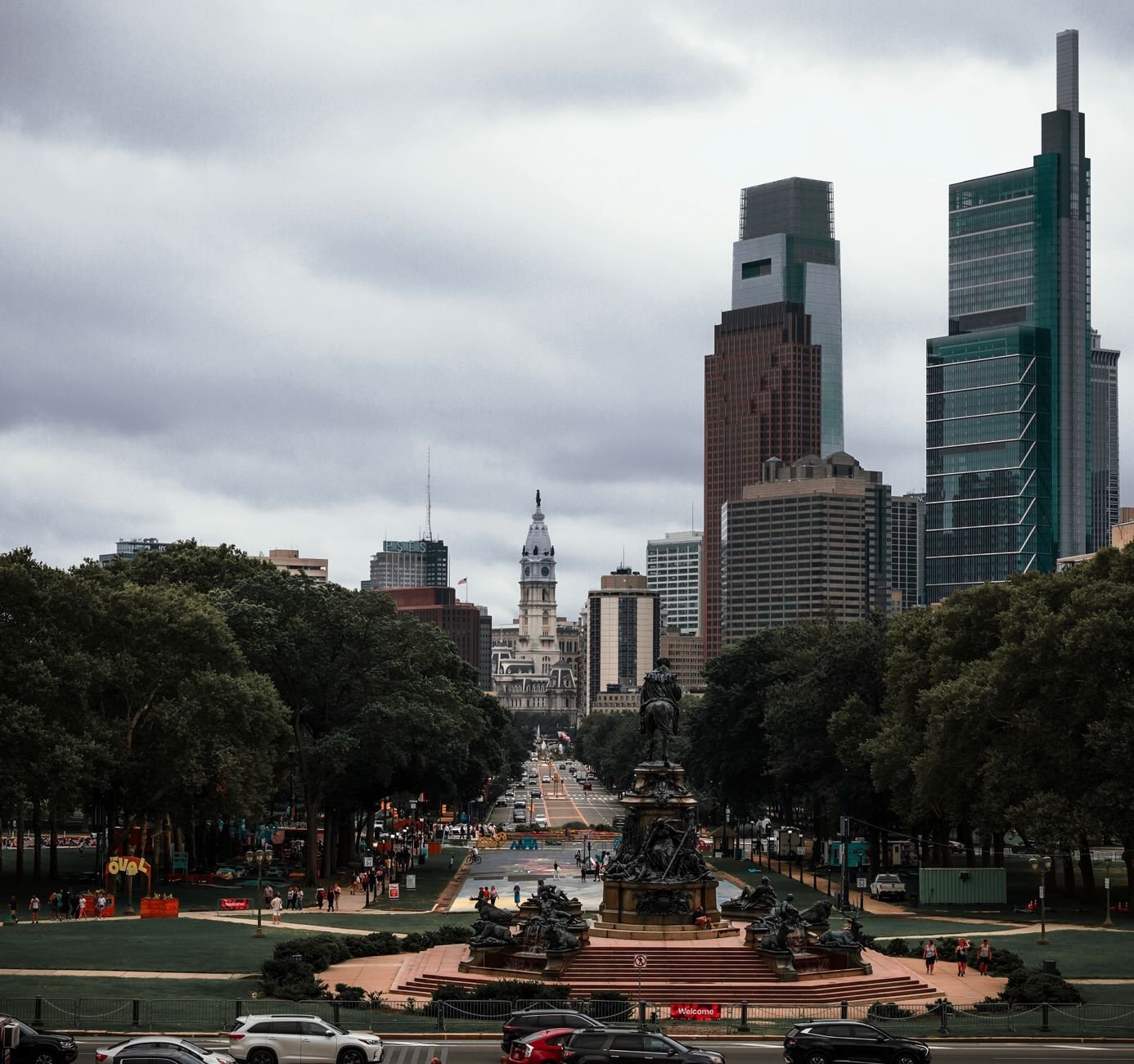
Running up the steps of the Philadelphia Museum of Art - arms raised at the top - is one of American pop culture's most recognized rituals, and visitors do it without irony. But the museum itself is the real draw: a world-class collection spanning 5,000 years of art. The Barnes Foundation nearby holds one of the greatest private art collections ever assembled, displayed exactly as Albert Barnes intended, in a setting unlike any conventional museum.
Eating a Cheesesteak at the Source
A Philadelphia cheesesteak eaten in Philadelphia is a specific and irreplaceable experience. The debate over which shop makes the best - Pat's King of Steaks, Geno's Steaks, or any number of neighborhood spots - is part of the ritual. Ordering correctly, eating on a sidewalk curb in South Philly, and forming an opinion is something travelers carry with them long after they leave.
Reading Terminal Market
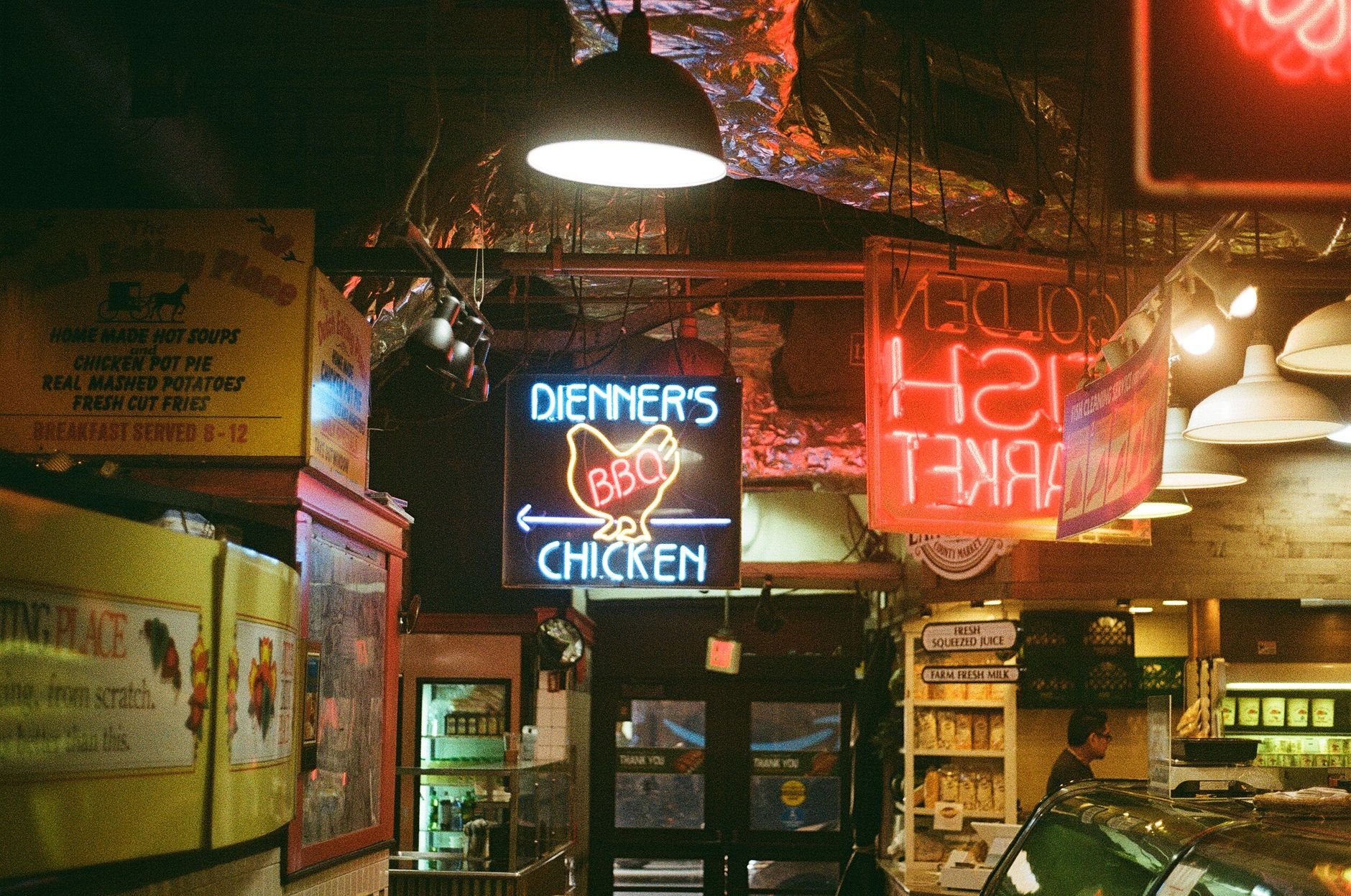
Few indoor markets in the United States match Reading Terminal Market for density, variety, and atmosphere. Amish vendors selling shoofly pie alongside Vietnamese banh mi counters, local butchers, fishmongers, and coffee roasters - all under one historic train shed roof. It is a Philadelphia institution that has operated continuously since 1893.
Philadelphia offers travelers a remarkably varied range of activities, from walking the same cobblestone streets where the Founding Fathers debated the future of a nation to exploring one of the most celebrated art museum collections in the world.
History and Culture
Few American cities carry as much historical weight as Philadelphia. Independence Hall, the Liberty Bell Center, and the National Constitution Center anchor a compact historic district that can be explored on foot. Old City extends the experience with colonial-era architecture, galleries, and the Betsy Ross House.
Arts and Museums
Philadelphia's museum corridor along the Benjamin Franklin Parkway is extraordinary. The Philadelphia Museum of Art, the Barnes Foundation, the Rodin Museum, and the Franklin Institute sit within walking distance of one another, forming one of the densest concentrations of fine art and science institutions on the continent. The Pennsylvania Academy of the Fine Arts adds yet another layer of artistic depth.
Food and Dining
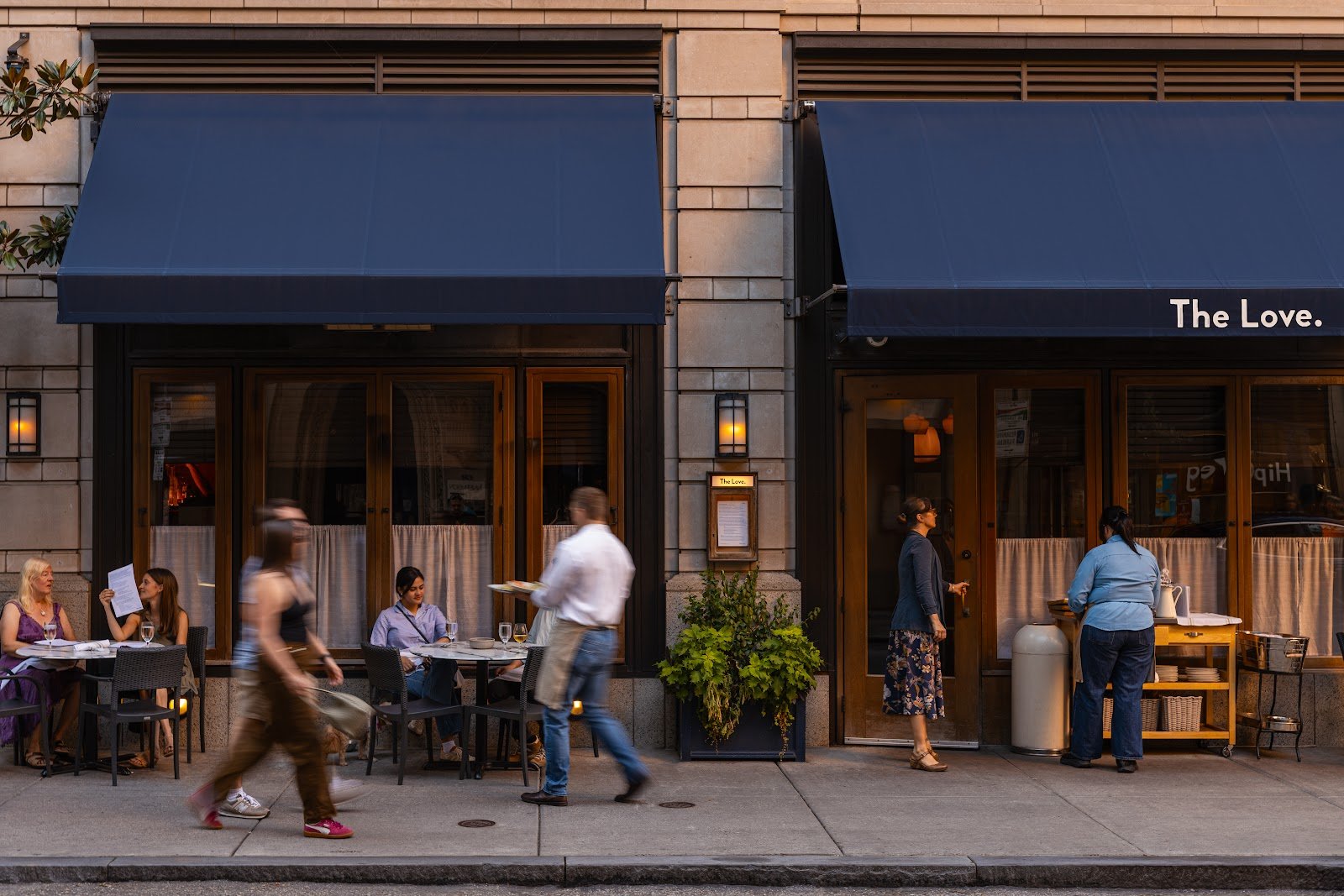
Eating is a serious pursuit in Philadelphia. The Reading Terminal Market is a beloved indoor market with vendors ranging from Pennsylvania Dutch farmers to local cheesemakers and specialty food stalls. The Italian Market along South 9th Street is the oldest outdoor market in the country. The city's BYOB restaurant culture makes high-quality dining accessible at nearly every price point.
Neighborhoods and Outdoor Exploration
Philadelphia's neighborhoods reward slow exploration. Rittenhouse Square draws locals and visitors to its park and surrounding restaurants and boutiques. Fishtown and Northern Liberties pulse with independent coffee shops, music venues, and street art. Fairmount Park, one of the largest urban park systems in the United States, offers trails, rowing on the Schuylkill River, and historic mansions set among green space.
Arts and Entertainment
Live music, theater, and comedy are woven into the city's fabric. The Mann Center, the Fillmore Philadelphia, and smaller venues in Fishtown keep the nightlife and performance calendar full year-round.
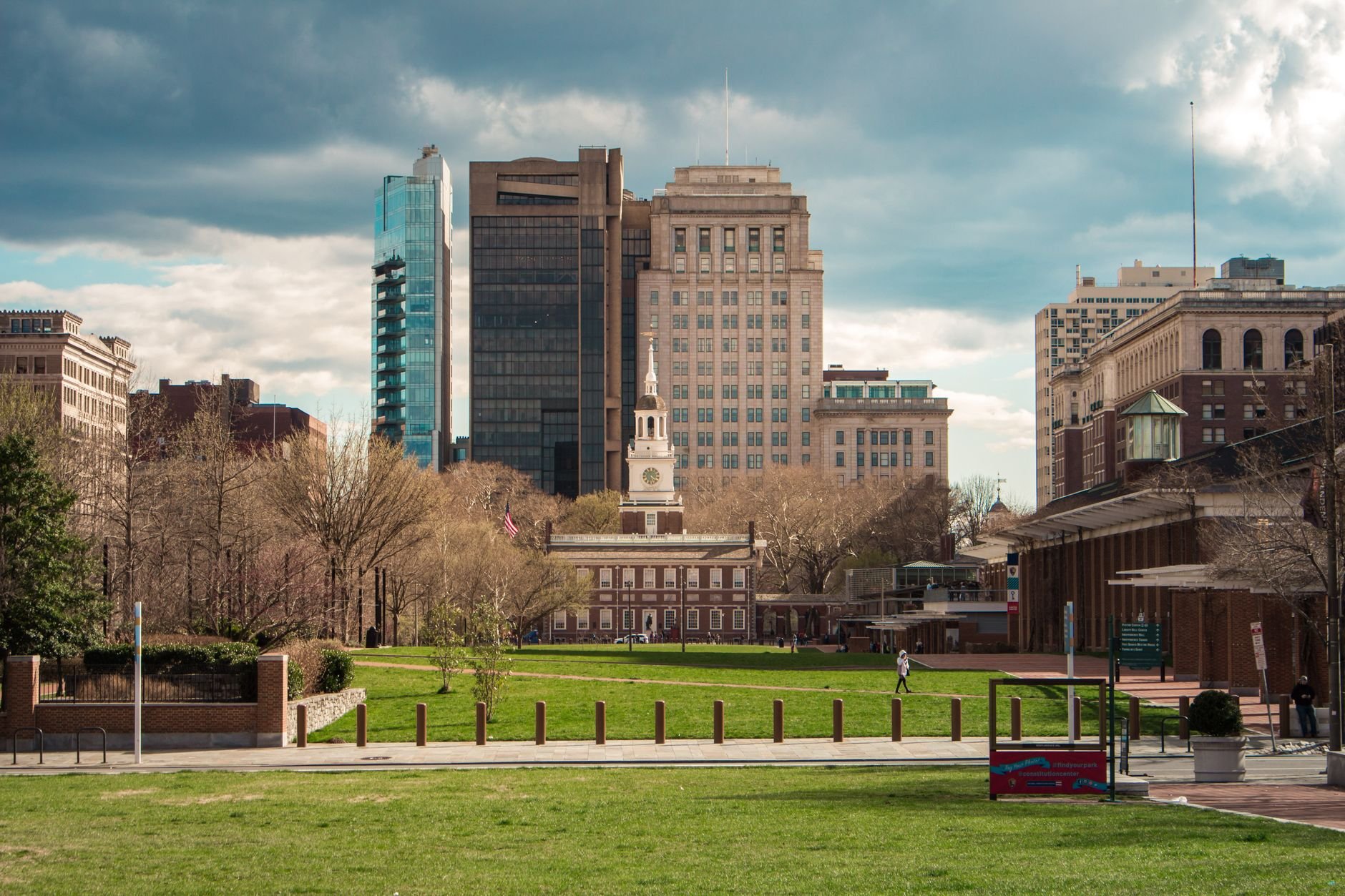
Start at Independence Hall and the Liberty Bell Center in the morning, walking the cobblestone streets of Old City. Grab lunch at Reading Terminal Market and browse its sprawling vendors. In the afternoon, explore Elfreth's Alley and the historic waterfront. End the evening with dinner in Old City, where BYOB restaurants and lively bars line every block.
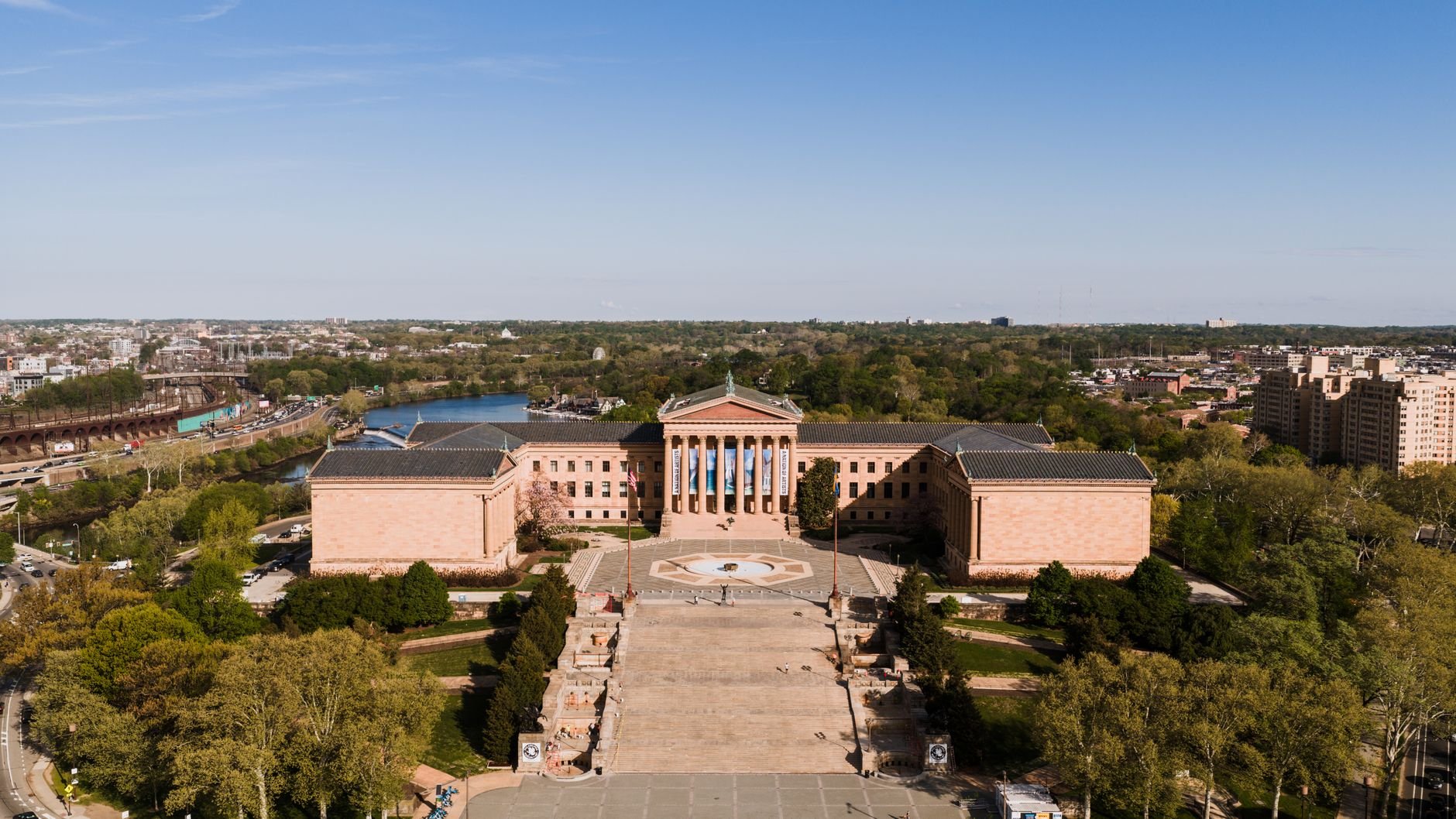
Spend the morning at the Philadelphia Museum of Art, then run the famous Rocky Steps for the view over the Benjamin Franklin Parkway. Walk to the Barnes Foundation after lunch for its extraordinary Impressionist collection. In the afternoon, stroll through Rittenhouse Square and browse the boutiques. Settle in for dinner at one of the neighborhood's acclaimed BYOB spots.
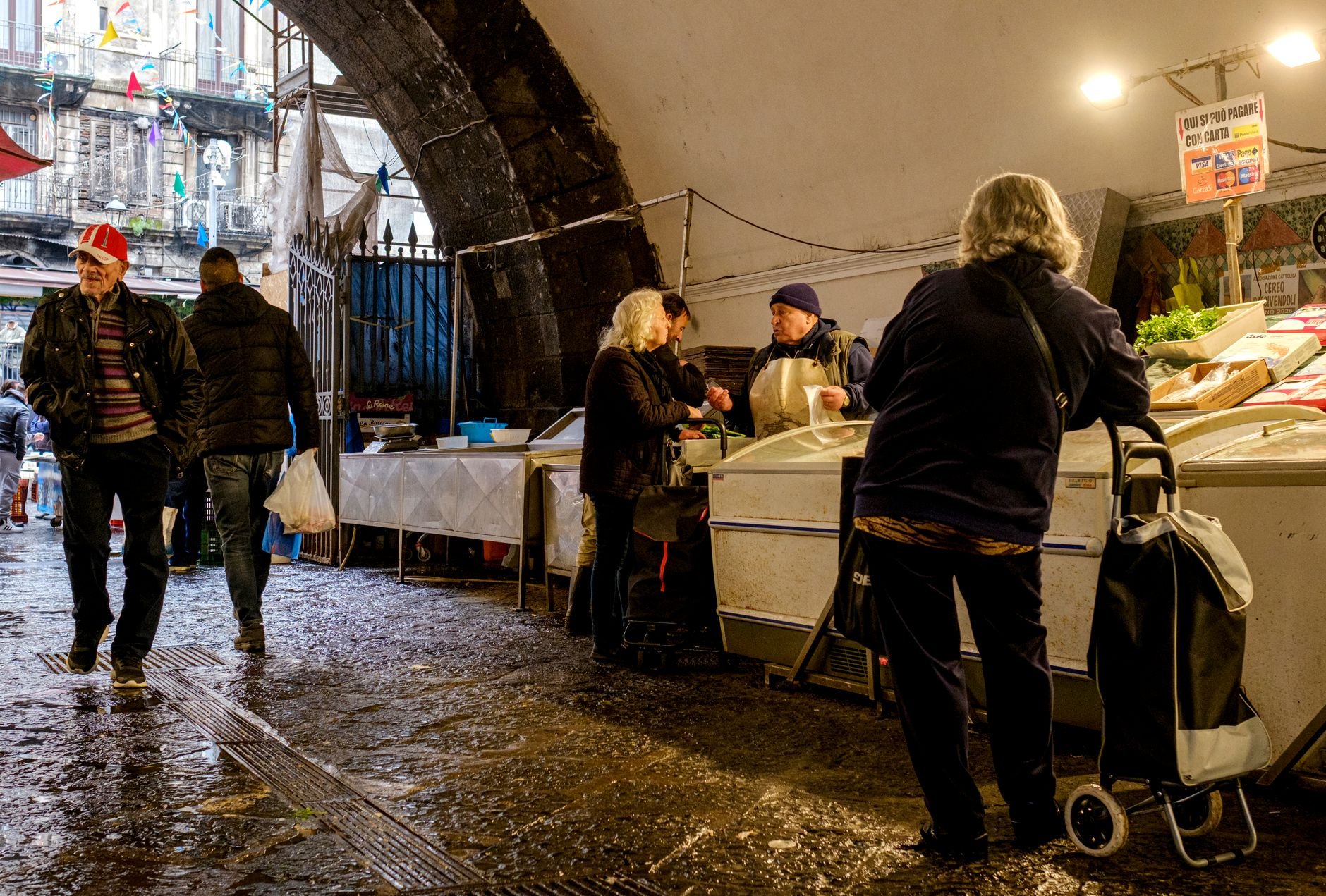
Head to South Philadelphia in the morning to explore the Italian Market on 9th Street, one of the oldest outdoor markets in the country. Grab a classic cheesesteak from Pat's or Geno's for lunch. Spend the afternoon wandering Fishtown, stopping into galleries, coffee shops, and record stores. Cap the trip with dinner and live music along Girard Avenue.
Philadelphia pulses with activity across all four seasons, shaped by its deep civic pride, rich cultural heritage, and passionate sports culture. Spring brings renewed energy to the city's historic districts and outdoor spaces, while summer heats up with major sporting spectacles and neighborhood block parties that spill across South Philly and Fishtown. Fall ushers in a golden stretch of outdoor markets, arts programming, and the electric anticipation of Eagles season. Winter transforms the Benjamin Franklin Parkway and Rittenhouse Square into festive gathering spaces, with holiday markets and ice skating drawing locals and visitors alike.
Philadelphia's food scene is one of the most distinctive and deeply rooted on the East Coast, shaped by immigrant communities, working-class traditions, and a wave of nationally recognized culinary talent.
Philadelphia International Airport (PHL) is the primary air gateway to the city,
located about 7 miles southwest of Center City with SEPTA's Airport Line running direct rail service to downtown in roughly 25 minutes for under $7.
Amtrak's 30th Street Station places train travelers directly in the heart of the city,
with frequent Northeast Regional and Acela departures connecting Philadelphia to New York Penn Station in about 1 hour 15 minutes and Washington D.C. in about 1 hour 30 minutes.
Drivers arriving from New York and the north follow I-95 South into the city,
a roughly 95-mile drive that takes about 1 hour 45 minutes outside of peak traffic, with parking garages concentrated around Center City and Old City.
The Pennsylvania Turnpike (I-76) is the main western approach into Philadelphia,
connecting travelers from Pittsburgh and beyond, with the trip from Pittsburgh running approximately 5 hours depending on traffic near the city's western interchanges.
Budget bus carriers including Greyhound and FlixBus serve Philadelphia's 30th Street and Filbert Street bus terminals,
offering low-cost connections from New York, Washington D.C., and other Northeast cities, with fares frequently available for under $20 when booked in advance.
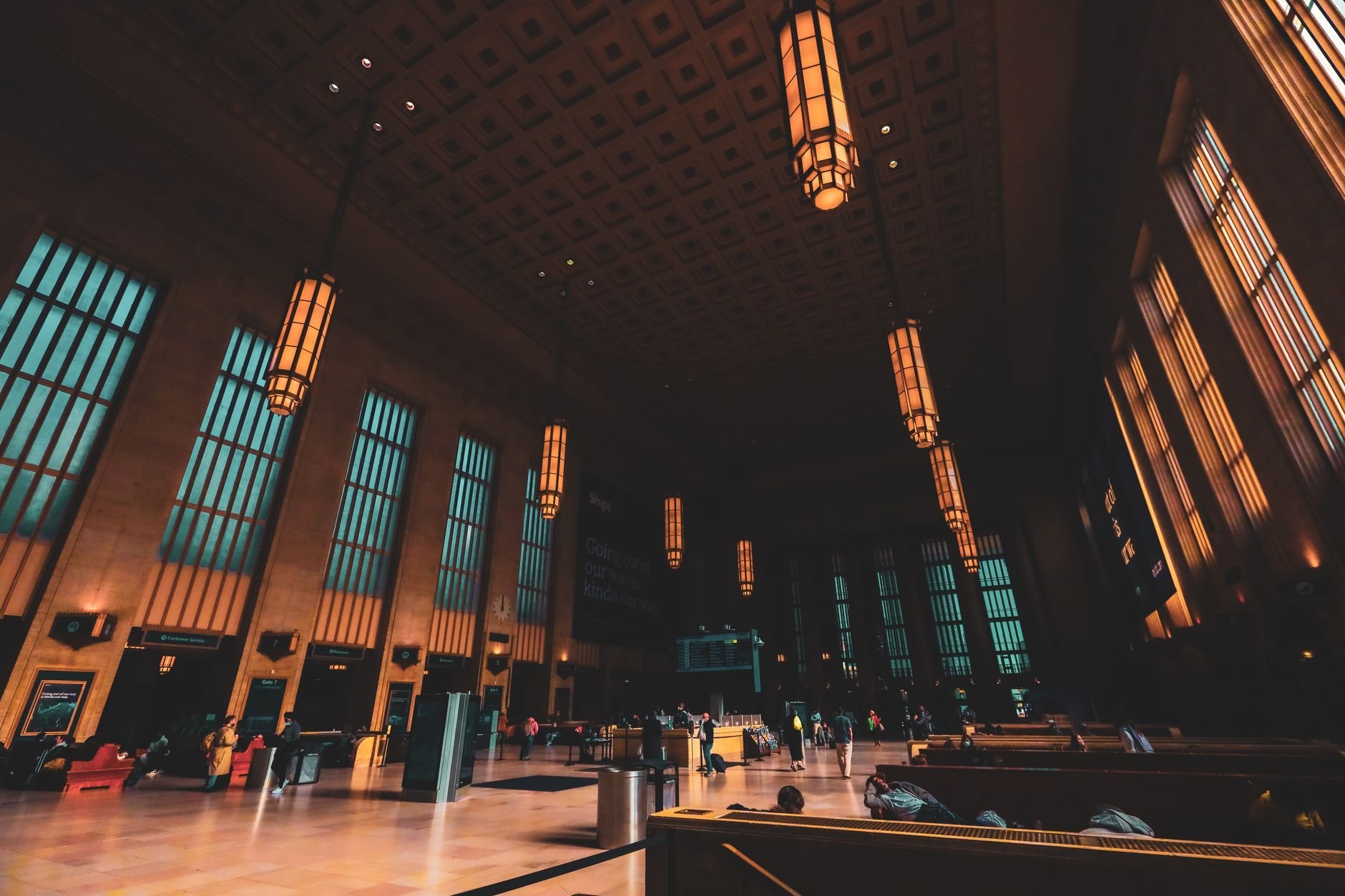
Old City and Center City are highly walkable districts
where most first-time visitors cover the Liberty Bell, Independence Hall, Reading Terminal Market, and Rittenhouse Square entirely on foot within a single day.
The Market-Frankford Line (the El) runs east-west across the city
connecting 30th Street Station through Center City and Old City to Fishtown and Frankford, making it the fastest transit option for visitors moving between the historic core and eastern neighborhoods.
The Broad Street Line runs north-south from Fern Rock to the Navy Yard,
giving visitors a direct subway connection between Center City and South Philadelphia, useful for reaching the sports complex and the Italian Market area.
A SEPTA Key card, purchased at any subway station kiosk,
works across all bus, subway, and regional rail services and is the most convenient way to pay for transit without carrying exact change.
Parking in Center City is expensive and limited,
so visitors who drive in are best served by leaving the car at a hotel garage or a peripheral lot near a subway station and using transit for the remainder of their stay.
Book popular restaurants well in advance, particularly on weekends. Philadelphia has a strong BYOB dining culture: many neighborhood restaurants are unlicensed, so guests bring their own wine or beer, which keeps costs down significantly. Check whether a restaurant is BYOB before arriving. Tipping follows standard U.S. norms: 18 to 20 percent at sit-down restaurants, a dollar or two per drink at bars. The Yelp and Google Maps apps are both widely used for finding restaurants and checking hours. The Visit Philadelphia app and website are useful for events and neighborhood guides. Philadelphia is generally a safe city for tourists in the main visitor areas, but like any large city, stay aware of your surroundings, especially at night in unfamiliar neighborhoods. The Historic District and Center City are well-trafficked and well-lit. Summers are hot and humid; pack accordingly and plan outdoor sightseeing for mornings.
Three to four days is the sweet spot for a first visit to Philadelphia. That gives you enough time to explore the historic district, visit major museums like the Philadelphia Museum of Art and the Barnes Foundation, wander neighborhoods like Rittenhouse Square and Fishtown, and eat your way through Reading Terminal Market and the Italian Market without feeling rushed.
Philadelphia is best known as the birthplace of American democracy - Independence Hall and the Liberty Bell are here. It is also famous for the cheesesteak, the Rocky steps at the Philadelphia Museum of Art, and a world-class arts scene that includes the Barnes Foundation and the Pennsylvania Academy of the Fine Arts. The city has deep roots in jazz, soul, and the Philadelphia Sound.
Yes, Philadelphia works very well as a weekend trip, especially from New York, Washington D.C., or Boston. Two days is enough to hit the historic district, catch a museum or two, and eat well. It is compact and walkable in its core neighborhoods, making it easy to cover a lot of ground without a car.
Philadelphia is one of the more affordable major East Coast cities. Hotels tend to be cheaper than New York or Boston, and the city's famous BYOB dining culture means you can have a high-quality restaurant meal without a big bar tab. Many top attractions, including the Liberty Bell and Independence Hall, are free or low-cost.
Spring (April to June) and fall (September to November) offer the most comfortable weather for exploring the city on foot. Summers are hot and humid but busy with events, while winters are cold though manageable and come with fewer crowds.