
Baltimore, MD
A Journey guide to
Pittsburgh is one of America's great reinvention stories. Once the beating heart of the nation's steel industry, the city has transformed into a hub of technology, medicine, education, and the arts — all without abandoning the blue-collar pride and fierce neighborhood identity that define its character. Visitors arrive expecting grit and leave surprised by the sophistication: acclaimed restaurants, a thriving arts scene, and architecture that ranges from Gilded Age grandeur to cutting-edge contemporary design.
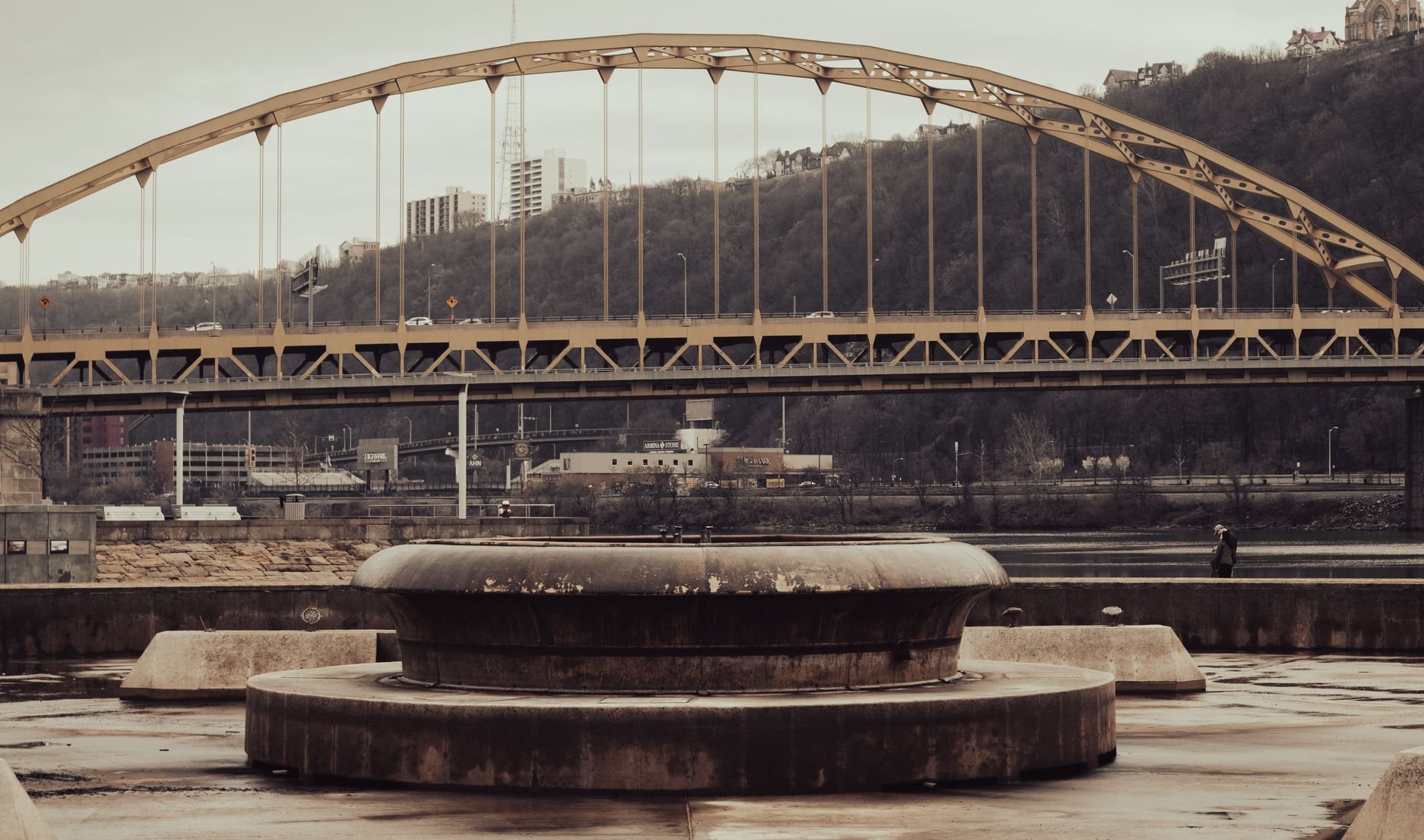
The city's geography is unlike anywhere else in the country. Pittsburgh sits at the confluence of the Allegheny, Monongahela, and Ohio rivers, a dramatic setting that has shaped everything from its street grid to its culture. With 446 bridges — more than any other city in the world — Pittsburgh is a place where crossing water is simply part of daily life. The hillside neighborhoods, connected by historic inclines, offer views and a sense of place that feel genuinely cinematic.
Culture runs deep here. The Carnegie Museums of Pittsburgh, the Andy Warhol Museum, and the Mattress Factory cement the city's reputation as a serious arts destination. The Strip District pulses with food vendors, specialty grocers, and weekend energy. Lawrenceville and East Liberty have become magnets for independent restaurants, galleries, and boutiques, while Shadyside and Squirrel Hill offer leafy, walkable residential charm that rewards slow exploration.
Pittsburgh draws a diverse mix of travelers: sports fans loyal to the Steelers, Penguins, and Pirates; architecture enthusiasts drawn to H.H. Richardson's courthouse and Fallingwater nearby; foodies chasing pierogies and innovative tasting menus in equal measure; and history seekers tracing the arc from frontier fort to industrial titan to 21st-century innovation corridor. It is a city that rewards curiosity and punishes assumptions.
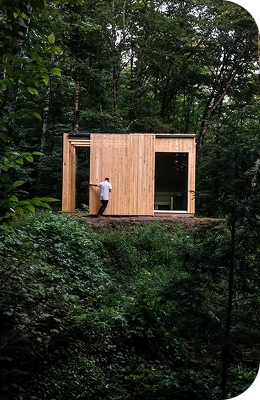

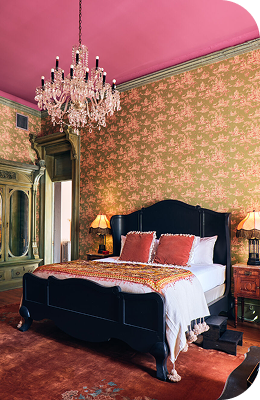

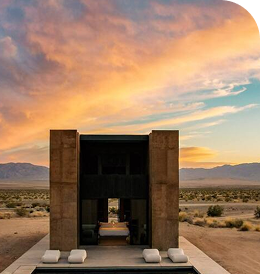

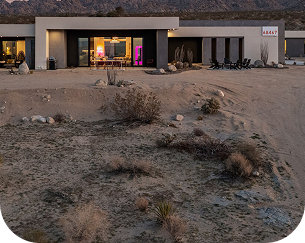





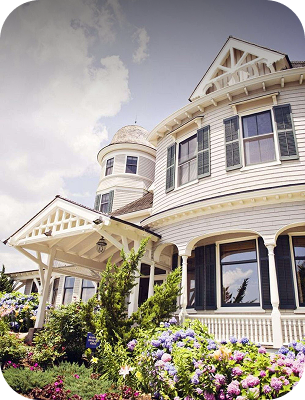

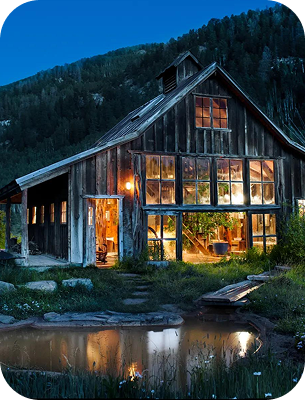

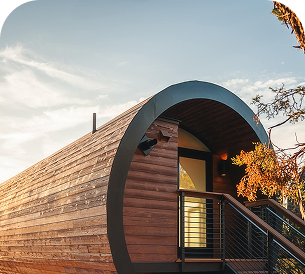

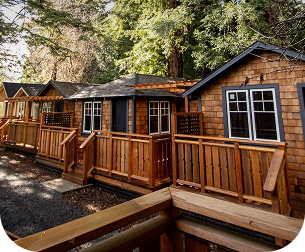

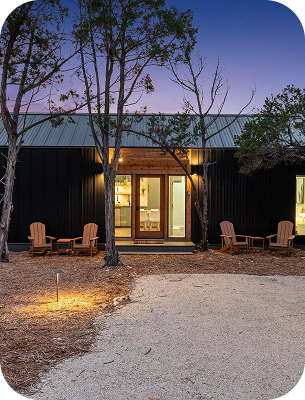

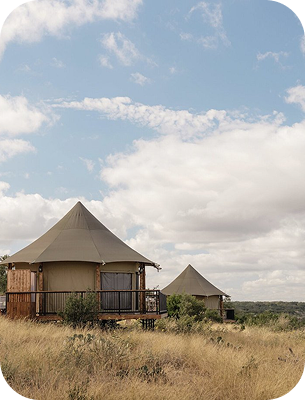

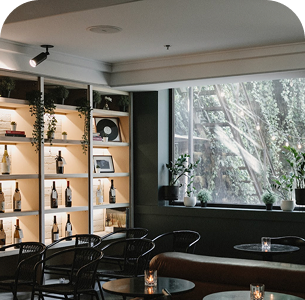

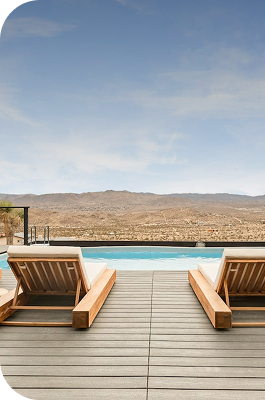


Journey connects travelers to a curated network of boutique hotels and distinctive residences around the world, all united under one rewards program. Explore handpicked stays for your trip while earning points, unlocking exclusive offers, and receiving rewards across the Journey collection.
Pittsburgh occupies one of the most dramatic natural settings of any American city. Wedged into the hills and river valleys of southwestern Pennsylvania, it sits precisely where the Allegheny and Monongahela rivers converge to form the Ohio — a geographic fact that determined its destiny as a trading post, a military stronghold, and eventually the industrial capital of the world. Point State Park marks that confluence today, a green wedge of land where a fountain rises and the rivers visibly meet, offering one of the most iconic urban vistas in the eastern United States.
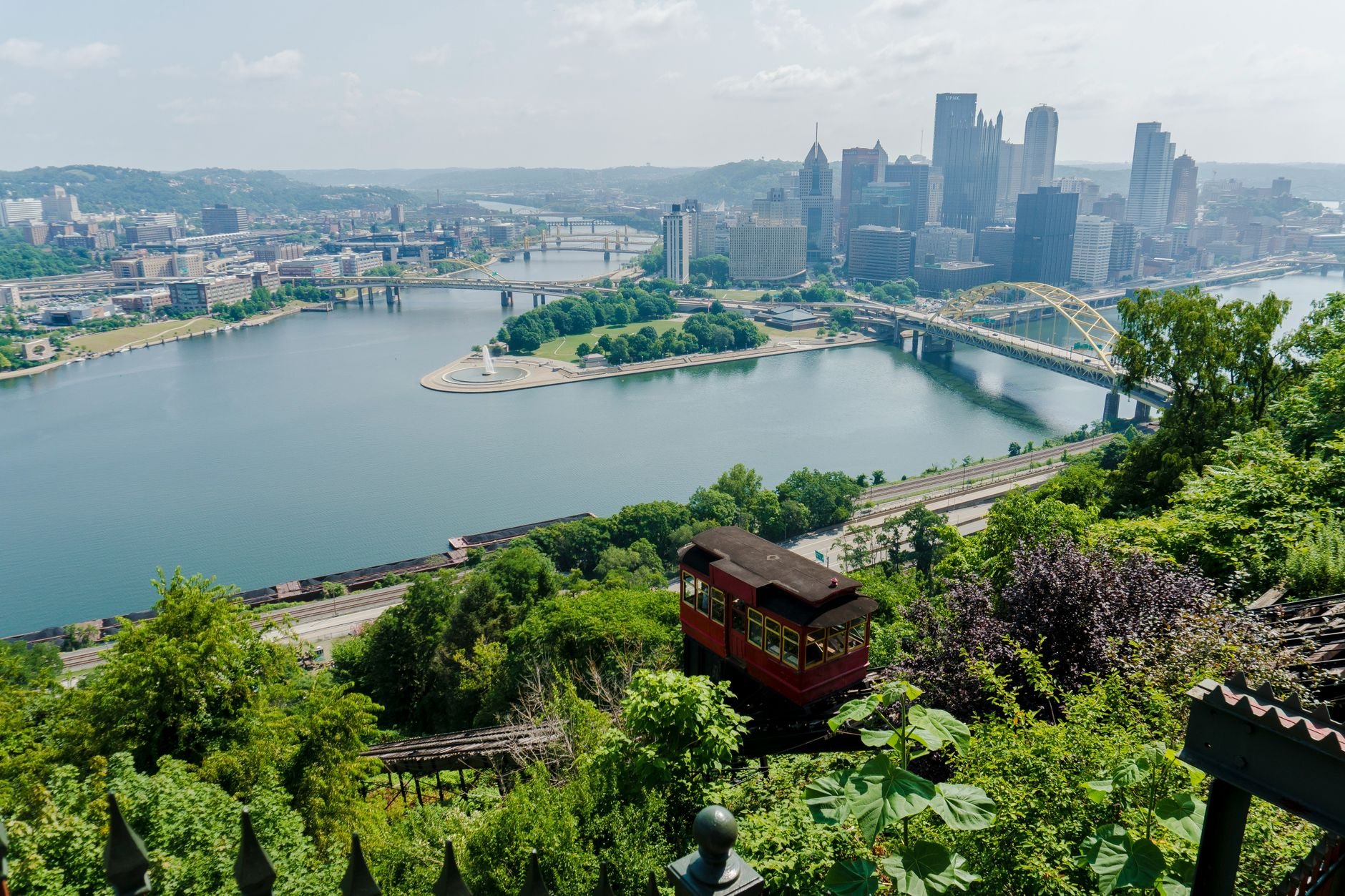
The city's topography is relentlessly vertical. Pittsburgh's 90-plus distinct neighborhoods climb steep hillsides and spill into river valleys, connected by those famous 446 bridges and two surviving funicular railways — the Duquesne and Monongahela Inclines — that have carried residents up and down Mount Washington since the 19th century. The view from the top of Mount Washington, looking north across the downtown Golden Triangle, is the image that has defined Pittsburgh's identity for generations.
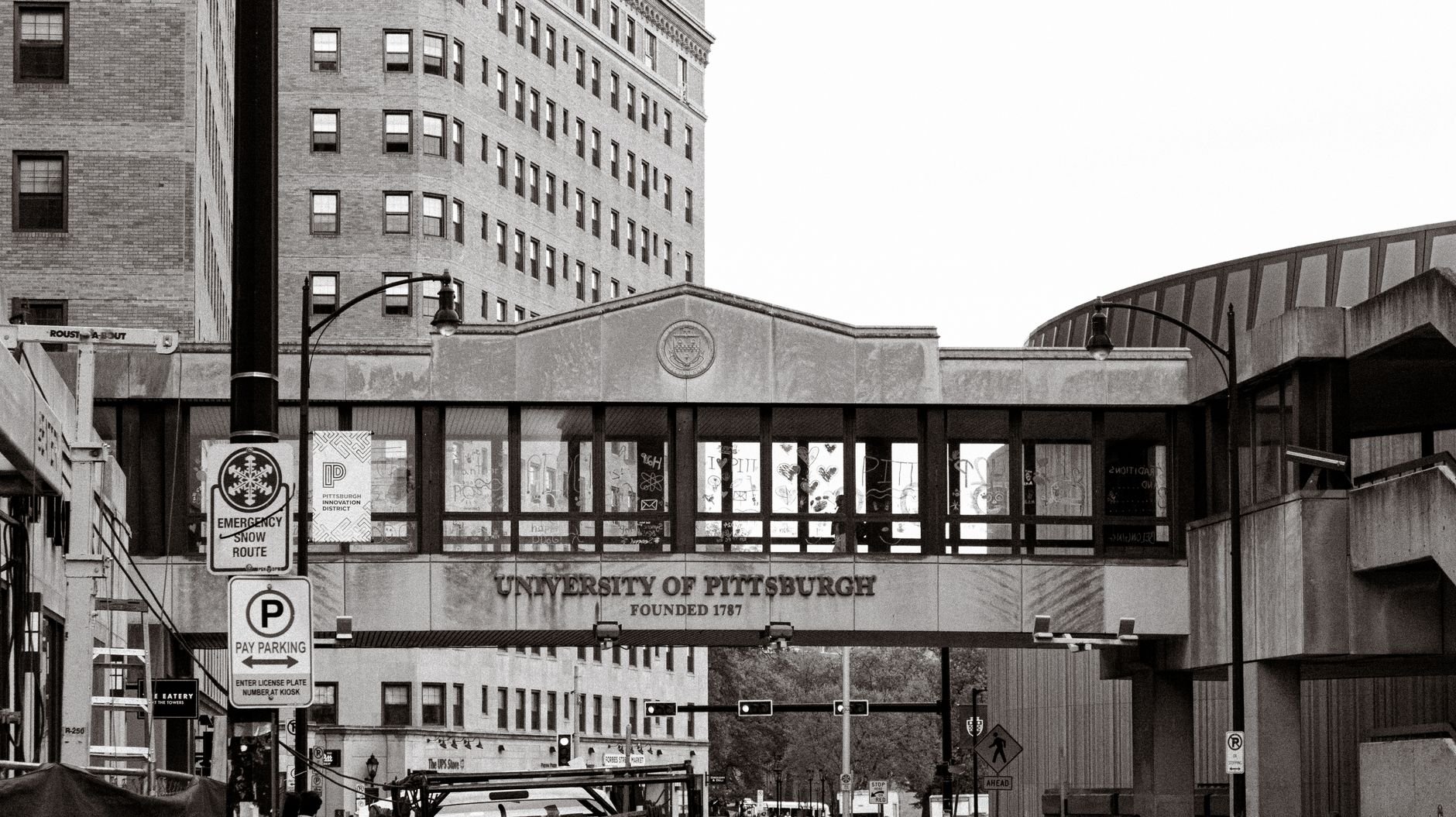
Historically, Pittsburgh's story is inseparable from steel. By the late 19th century, it was producing more steel than all of Great Britain, and the names Carnegie, Frick, and Mellon became synonymous with American industrial power. That wealth left an extraordinary architectural and institutional legacy: grand Carnegie libraries, the Phipps Conservatory, the Cathedral of Learning at the University of Pittsburgh, and a concentration of Gilded Age mansions in neighborhoods like Shadyside and Point Breeze.
The collapse of the steel industry in the 1980s was devastating, but Pittsburgh's recovery has been genuine and sustained. Carnegie Mellon University and the University of Pittsburgh anchor a knowledge economy that has attracted robotics firms, biotech companies, and autonomous vehicle research. The city's population has stabilized, its neighborhoods have revitalized, and its culinary and cultural scenes have matured into something nationally recognized. Pittsburgh today is a city that has earned its confidence — shaped by hardship, defined by resilience, and genuinely proud of what it has become.
Late spring and early fall are the sweet spots for visiting Pittsburgh, and for good reason. May and early June deliver the city at a lively, unhurried pace: outdoor markets in the Strip District hit their stride, rooftop bars and riverside patios open up, and the neighborhoods of Lawrenceville and Shadyside are ideal for leisurely strolling without the crush of peak summer crowds. Festival season begins in earnest, with events celebrating everything from film to food drawing locals and visitors alike.
Summer brings the most concentrated activity to Pittsburgh. The city's outdoor concert series, riverfront events, and major sports calendar make June through August the busiest stretch of the year. Crowds are largest around Steelers preseason, Pirates home games, and the city's signature summer festivals. Travelers who enjoy a buzzing, event-driven atmosphere will find plenty to fill an itinerary, though popular restaurants and hotels book up quickly on weekends.
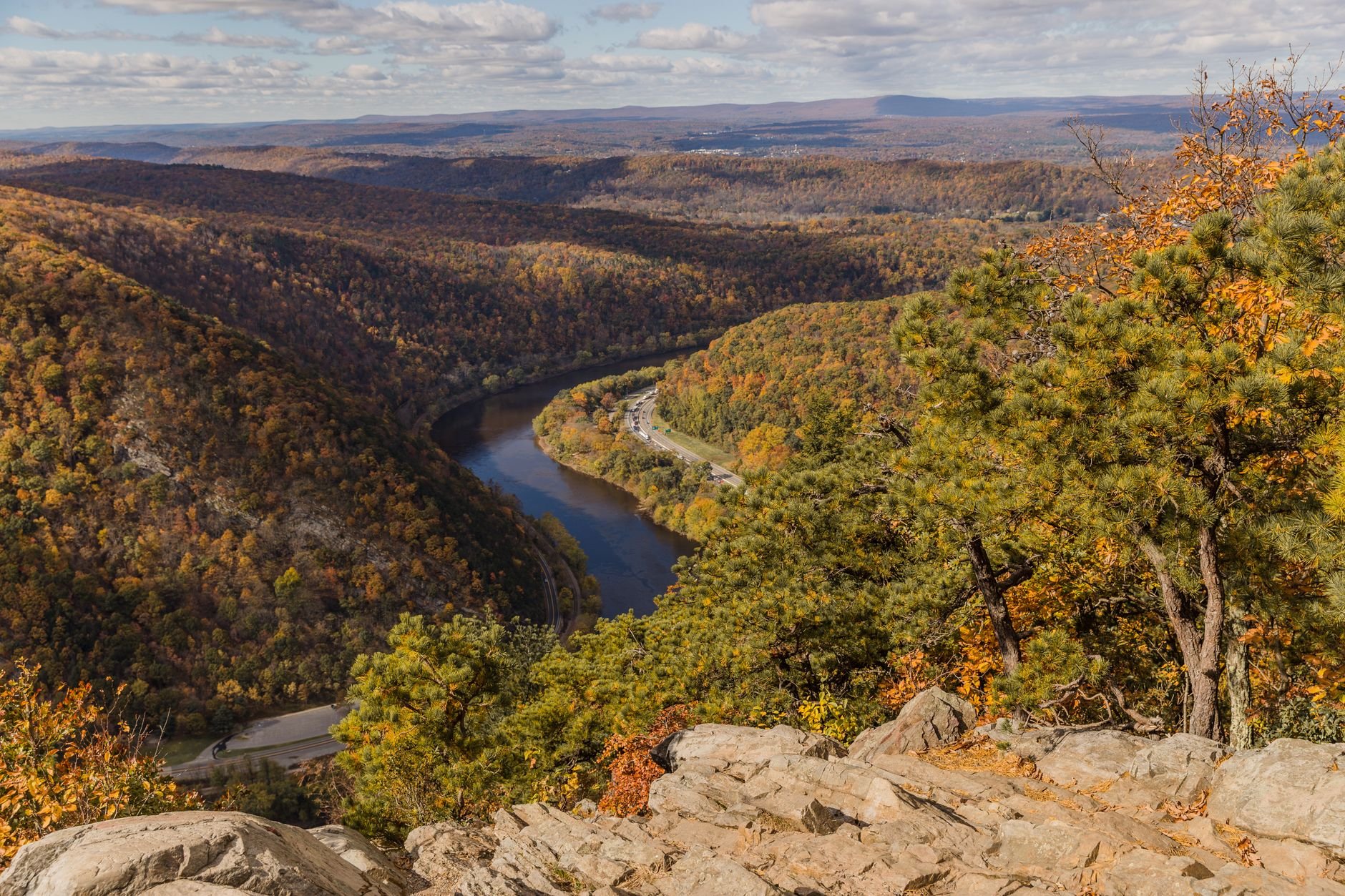
September and October represent Pittsburgh's most rewarding window for many travelers. The forested hillsides surrounding the city and the nearby river valleys put on a spectacular fall foliage display, and the cooler conditions make walking between neighborhoods genuinely pleasant. Cultural institutions ramp up their fall programming, and the pace feels energetic without being overwhelming. Football season adds to the city's electric weekend atmosphere, particularly around home Steelers games, so plan accommodations early if your visit coincides with a game day.
Winter is Pittsburgh's quietest season for tourism. The Carnegie Museums, Andy Warhol Museum, and Mattress Factory remain compelling draws, and the city's indoor food and dining scene keeps things lively. Travelers seeking lower hotel rates and smaller crowds at top attractions will find winter a practical choice, particularly in January and February once the holiday period has passed.
Pittsburgh's most energetic market corridor runs along Penn Avenue near the Allegheny River, packed with produce vendors, specialty food shops, and bustling weekend crowds. The Strip is where the city's immigrant heritage lives on in Polish delis, Italian pastry shops, and Latin grocery stalls. It has evolved in recent years to include craft breweries, trendy restaurants, and a growing tech presence without losing its raw, market-town soul.
Once a working-class neighborhood of row houses and corner bars, Lawrenceville has become Pittsburgh's creative and culinary hub, stretching along Butler Street with independent restaurants, boutiques, galleries, and coffee shops. The area retains its residential character and architectural bones while attracting chefs, artists, and young professionals who have made it one of the most talked-about neighborhoods in the city. Lower Lawrenceville near the river is particularly vibrant, anchored by Allegheny Cemetery and a string of destination dining spots.
Shadyside is Pittsburgh's most polished residential neighborhood, defined by tree-lined streets, Victorian architecture, and a walkable commercial corridor along Walnut Street filled with boutiques, cafes, and upscale dining. The area has a relaxed, well-heeled atmosphere that appeals to visitors who want to stroll rather than hustle. Proximity to Carnegie Mellon University and the University of Pittsburgh gives Shadyside an intellectual energy beneath its composed exterior.
Perched on a bluff above the Monongahela River, Mount Washington is best known for the sweeping panoramic views of downtown Pittsburgh it offers from Grandview Avenue, widely regarded as one of the finest urban vistas in the United States. Two historic funicular inclines, the Monongahela and Duquesne, carry visitors up from the South Side and remain beloved city landmarks. The neighborhood is home to several acclaimed restaurants that capitalize on those extraordinary views.
Squirrel Hill is Pittsburgh's most established Jewish neighborhood and one of the city's most livable and walkable districts, centered on Forbes and Murray avenues lined with independent shops, bakeries, bookstores, and restaurants. The area has a warm, community-oriented character that feels distinct from the trendier energy of Lawrenceville or the Strip. Frick Park, one of the largest urban green spaces in Pennsylvania, borders the neighborhood and draws hikers, dog walkers, and families year-round.
Pittsburgh has a handful of experiences that are entirely its own, the kind that define a visit and linger in memory long after departure.
The View from Mount Washington
No experience is more synonymous with Pittsburgh than riding one of the historic inclines to the summit of Mount Washington and taking in the skyline from above. The panorama, where the three rivers meet and the downtown towers rise against the hillsides, is one of the most dramatic urban views in the United States. The Duquesne and Monongahela Inclines, both over a century old, are themselves landmarks, offering a direct link to the city's working-class industrial past.
Crossing the Bridges
Pittsburgh's 446 bridges are not just infrastructure, they are the connective tissue of the city's identity. Walking or cycling across the Roberto Clemente, Andy Warhol, and Rachel Carson bridges, the three identical self-anchored suspension spans known as the "Three Sisters," is a uniquely Pittsburgh ritual. No other city in the world has more bridges, and exploring them is a way of understanding how Pittsburgh works and feels.
The Andy Warhol Museum
Pittsburgh is the birthplace of Andy Warhol, and the museum dedicated to his life and work is unlike any other art institution in the country. Seven floors of original works, archives, and immersive installations trace the full arc of one of the 20th century's most influential artists. For fans and skeptics alike, it is a revelation.
Fallingwater and the Frank Lloyd Wright Trail
Just over an hour from the city, Fallingwater, Frank Lloyd Wright's masterpiece cantilevered over a waterfall in the Laurel Highlands, draws architecture lovers from around the world. Combined with nearby Kentuck Knob, another Wright design, the day trip constitutes one of the finest architectural pilgrimages in North America.
A Game at PNC Park
Widely regarded as the most beautiful ballpark in Major League Baseball, PNC Park frames the Pittsburgh skyline and the Allegheny River behind the outfield wall. Attending a Pirates game here is as much about the setting as the sport, and the experience captures something essential about the city's character.
Pittsburgh offers a remarkably diverse range of activities that reflect its transformation from industrial powerhouse to cultural destination.
Outdoor Recreation
The city's riverfront trails and parks invite walkers, cyclists, and kayakers to explore its dramatic geography. The Three Rivers Heritage Trail stretches along the Allegheny, Monongahela, and Ohio rivers, offering miles of scenic paths. Frick Park, the city's largest municipal park, draws hikers and trail runners through forested ravines. Point State Park, at the confluence of the three rivers, is a beloved green space for picnics, events, and sweeping water views.
Cultural Attractions
Pittsburgh punches well above its weight in museums and cultural institutions. The Carnegie Museums of Pittsburgh encompass the Museum of Natural History and the Museum of Art under one roof in Oakland, while the Andy Warhol Museum in the North Shore is the largest museum in the country dedicated to a single artist. The Mattress Factory and the Children's Museum of Pittsburgh round out a rich institutional landscape.
Scenic Exploration
The city's hillside neighborhoods, connected by historic inclines, reward explorers willing to go off the beaten path. Riding the Duquesne or Monongahela Incline to the top of Mount Washington delivers one of the most celebrated urban panoramas in America. The mosaic of distinct neighborhoods, from the Victorian streetscapes of Allegheny West to the industrial-chic corridors of Lawrenceville, makes wandering the city a pleasure in itself.
Arts and Entertainment
Pittsburgh's arts scene extends well beyond its anchor museums. The Cultural District downtown hosts theater, opera, ballet, and live music at venues including Heinz Hall and the Benedum Center. The city's sports culture is equally central to its identity, with the Steelers, Penguins, and Pirates commanding fierce local loyalty.
Food and Dining
From the bustling weekend energy of the Strip District, packed with specialty grocers and food stalls, to the inventive restaurants of East Liberty and Lawrenceville, Pittsburgh's food scene has matured into a genuine culinary destination. Pierogies remain a beloved local staple, but the city now supports a full spectrum of dining, from casual neighborhood spots to acclaimed tasting-menu restaurants.
Start at the Point State Park fountain where the three rivers meet, then cross into the North Shore for a walk along the Allegheny riverfront. Afternoon, ride the Duquesne Incline up Mount Washington for sweeping city views. Head back downtown for dinner in the Strip District, grazing pierogies, sandwiches, and pastries from the weekend market stalls and local spots like Primanti Brothers.
Spend the morning at the Carnegie Museum of Art and Natural History in Oakland, two world-class collections under one roof. After lunch at a nearby cafe, visit the Andy Warhol Museum across the river in the afternoon for a deep dive into Pittsburgh's most famous cultural export. End the evening with dinner in Lawrenceville, the city's most vibrant dining and bar neighborhood.
Explore the Mattress Factory contemporary art museum in the Mexican War Streets neighborhood in the morning, then stroll the charming streets of Shadyside for boutique shopping and coffee. In the afternoon, head to Squirrel Hill for a walk through one of Pittsburgh's most walkable and character-filled neighborhoods. Close the trip with a farewell dinner in East Liberty at one of the area's acclaimed independent restaurants.
Pittsburgh pulses with events and traditions that reflect its working-class roots, immigrant heritage, and reinvented civic pride. Spring arrives with a burst of energy: the city shakes off winter with outdoor markets in the Strip District and the return of baseball to PNC Park, one of the most scenic ballparks in the country. Summer belongs to the neighborhoods, with block parties, outdoor concerts, and the beloved Three Rivers Arts Festival drawing crowds to Point State Park for a celebration of local and national talent.
Pittsburgh's food scene is a satisfying blend of working-class tradition and modern culinary ambition. The city's most iconic specialty is the pierogi - the stuffed dumpling brought by Eastern European immigrants that became a Pittsburgh staple. You will find them boiled, pan-fried, and loaded with potato and cheese at neighborhood diners, church fundraisers, and upscale restaurants alike. The Primanti Brothers sandwich is another local legend: a hearty construction of meat, coleslaw, and french fries piled between thick slices of Italian bread, born in the Strip District and now a citywide institution.
Pittsburgh International Airport (PIT) is the primary gateway for air travelers,
located about 18 miles west of downtown, with nonstop service from major U.S. hubs and ground transportation options including rideshare, rental cars, and the 28X Airport Flyer bus to downtown and Oakland.
The 28X Airport Flyer bus connects PIT to downtown Pittsburgh and the Oakland neighborhood
for a low flat fare, making it one of the most cost-effective airport transfer options for travelers staying near those corridors.
Drivers arriving from the east on I-376 pass through the Fort Pitt Tunnel,
which opens onto a sudden, cinematic view of the downtown skyline - plan for traffic congestion during morning and evening rush hours, particularly on weekdays.
Amtrak's Capitol Limited stops at Pittsburgh's Penn Station on Grant Street
once daily in each direction, connecting the city to Chicago (about 8 hours) and Washington D.C. (about 7 hours), making it a viable option for travelers from either corridor.
Greyhound and FlixBus provide intercity bus service into Pittsburgh from Philadelphia, New York, and Cleveland,
with fares that are often lower than train or air options, though travel times are longer - the Philadelphia run typically takes around 6 to 7 hours.
The T light rail system runs free of charge within the downtown subway loop,
making it easy and cost-free to move between stops in the central core, with paid service continuing south through the South Hills suburbs.
The Duquesne Incline on the North Shore and the Monongahela Incline on the South Side
are both operational historic funiculars that provide a practical and scenic way to travel between the riverfront and the hilltop neighborhoods of Mount Washington.
Lawrenceville, Shadyside, and the Strip District are compact enough to explore on foot,
but the steep terrain between Pittsburgh's hillside neighborhoods makes walking between districts less practical - rideshare is the most efficient option for those transitions.
Parking downtown is limited and surges in price on Steelers, Penguins, and Pirates game days,
so visitors planning to attend events at PNC Park, PPG Paints Arena, or Acrisure Stadium should book parking in advance or plan to use rideshare instead.
Port Authority Transit (PAT) buses cover most Pittsburgh neighborhoods
and are a reliable low-cost option for reaching Oakland, East Liberty, and the South Side, with routes and real-time tracking available through the Transit app.
Pittsburgh is a relatively affordable city compared to other major U.S. metros, but costs rise quickly around sporting events - book hotels and restaurants well in advance if your trip overlaps with a Steelers home game. Tipping follows standard U.S. norms: 18 to 20 percent at restaurants, a few dollars for rideshare drivers, and standard rates for hotel staff.
Download the Transit app before you arrive for real-time PAT bus and T rail tracking. ParkMobile is useful for metered street parking across the city. Most neighborhoods are safe for visitors, but as with any city, stay aware of your surroundings in unfamiliar areas at night.
Pittsburgh winters are cold and snowy, with temperatures regularly dropping below freezing from December through February - pack layers and check road conditions if you're driving. Spring and fall offer the most pleasant weather. The city's residents are famously friendly and proud of their hometown, so don't hesitate to ask locals for neighborhood recommendations.
Three days is a solid amount of time to explore Pittsburgh. You can cover the major museums, walk the Strip District, explore neighborhoods like Lawrenceville and Shadyside, and take in the views from the hillside inclines. A fourth day allows for a day trip to Fallingwater or a deeper dive into the city's distinct neighborhoods.
Pittsburgh is best known for its steel industry heritage, its dramatic setting at the confluence of three rivers, and its 446 bridges - more than any other city in the world. It is also celebrated for its sports culture (Steelers, Penguins, Pirates), world-class museums including the Andy Warhol Museum, and a remarkable transformation into a tech and arts hub.
Yes, Pittsburgh works very well as a weekend trip. Two days is enough to hit the highlights - the Strip District, a museum or two, a ride up one of the historic inclines, and a meal in Lawrenceville or East Liberty. The city is compact and easy to navigate, making it a rewarding short getaway from cities like Philadelphia, Cleveland, or Columbus.
Pittsburgh is one of the more affordable major American cities for travelers. Hotels, dining, and attractions tend to cost less than comparable options in New York or Chicago. You can eat very well without spending a fortune, and many of the city's best experiences - riverfront walks, neighborhood exploration, and scenic overlooks - are completely free.
Late spring (May to June) and early fall (September to October) offer the most pleasant weather and are ideal times to visit. Summers are warm and lively with outdoor events, while winters can be cold and grey, though the holiday season brings its own appeal.